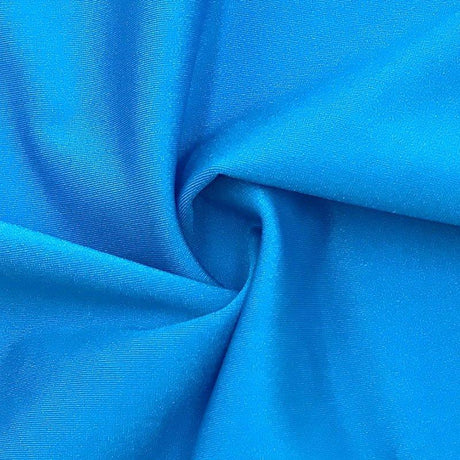
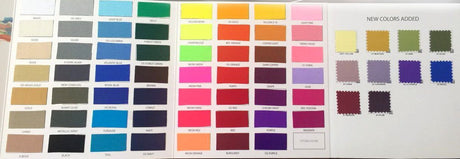
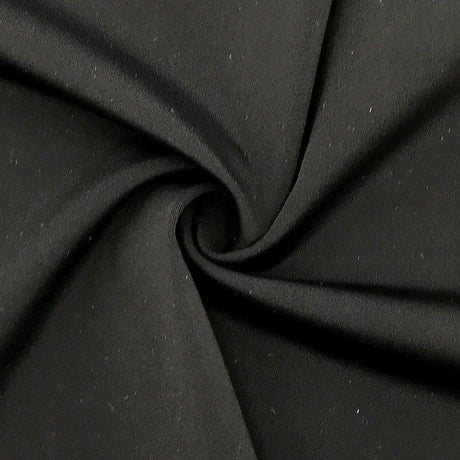
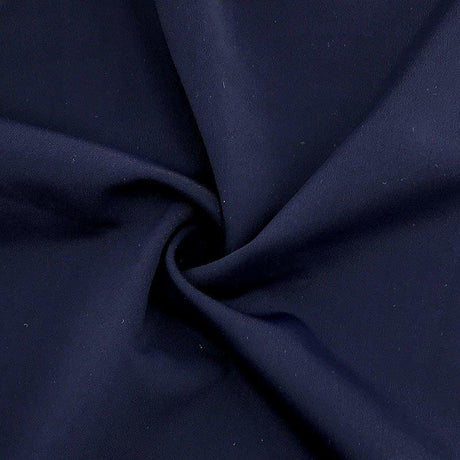
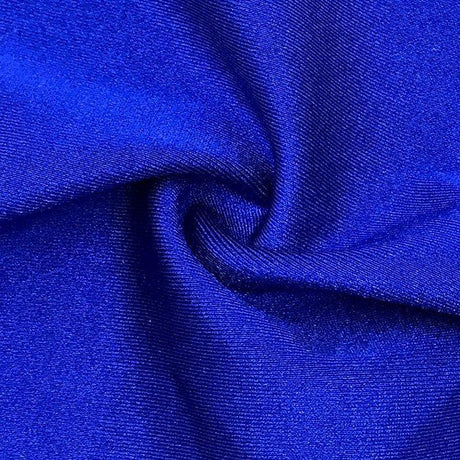
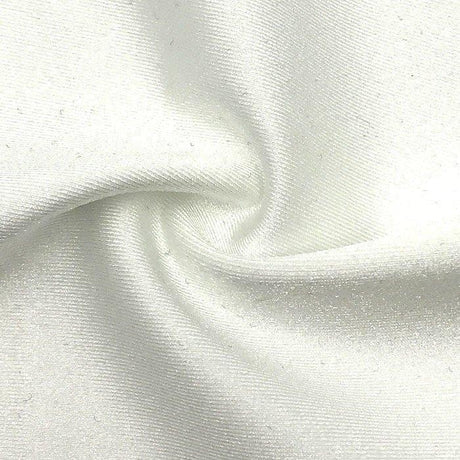
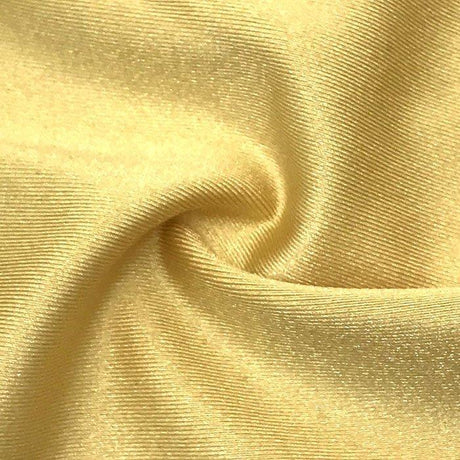
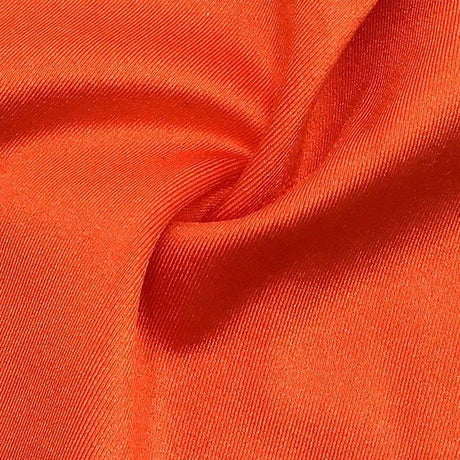
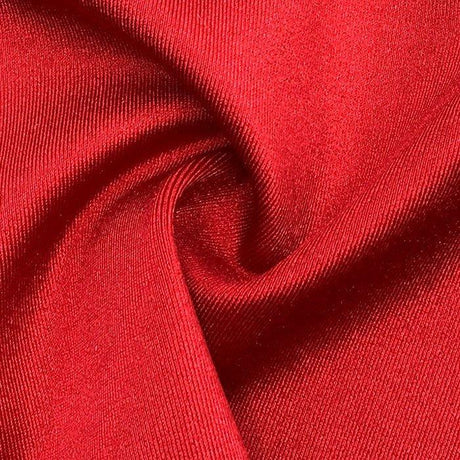
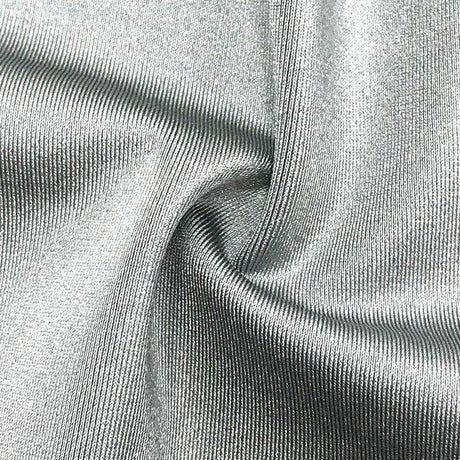
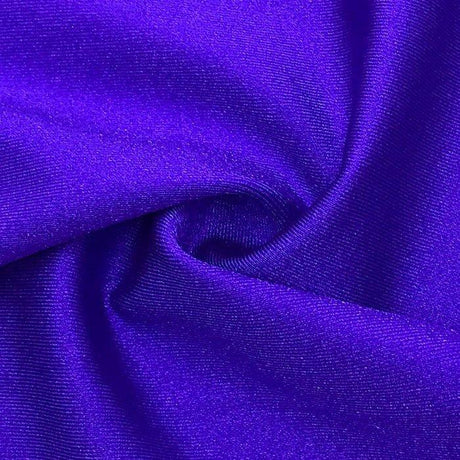
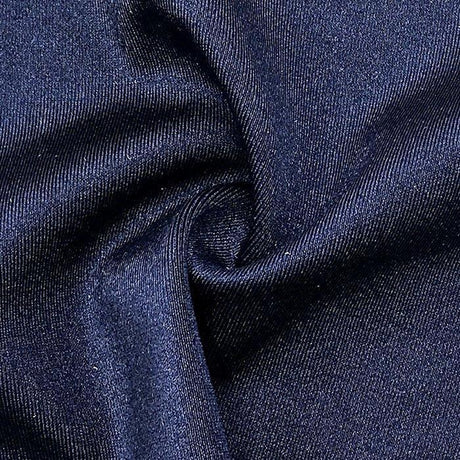
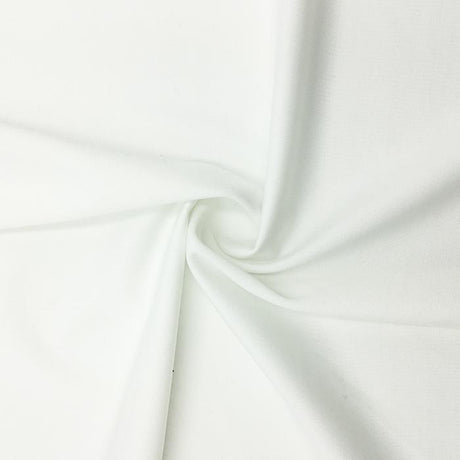
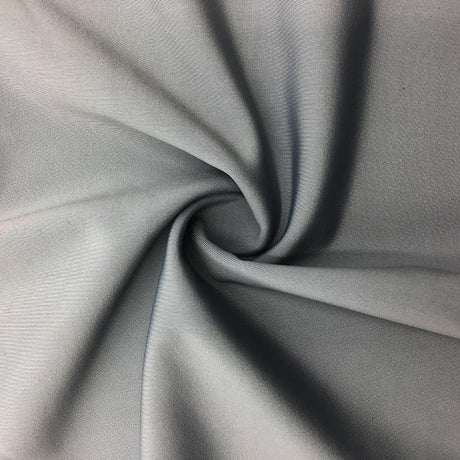
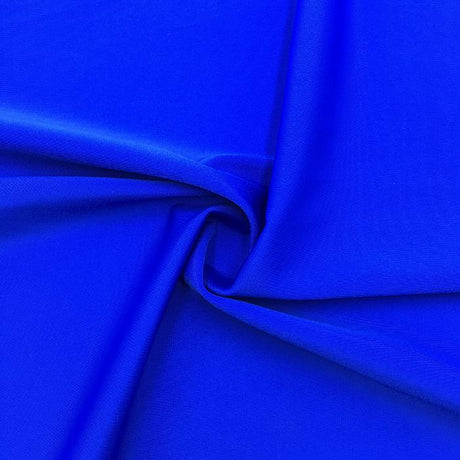
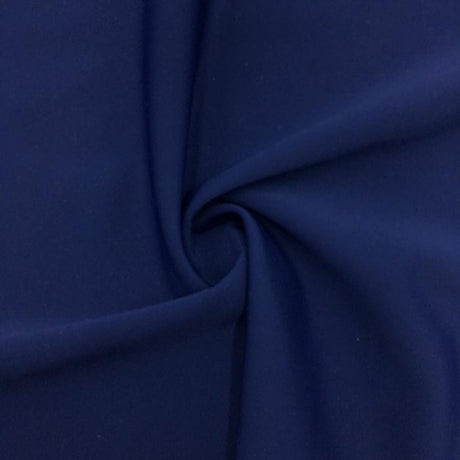
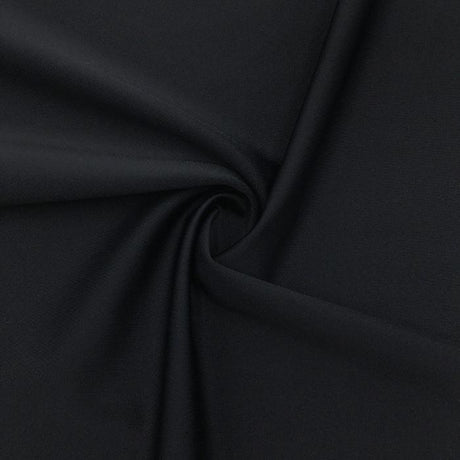
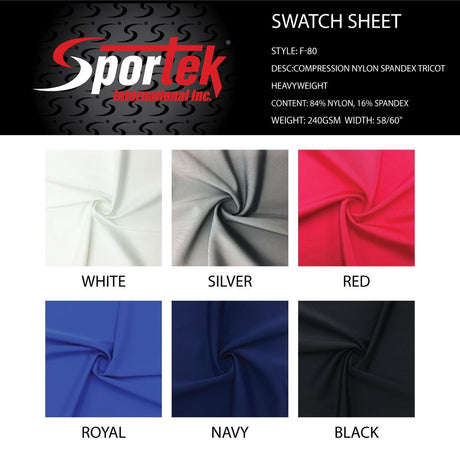
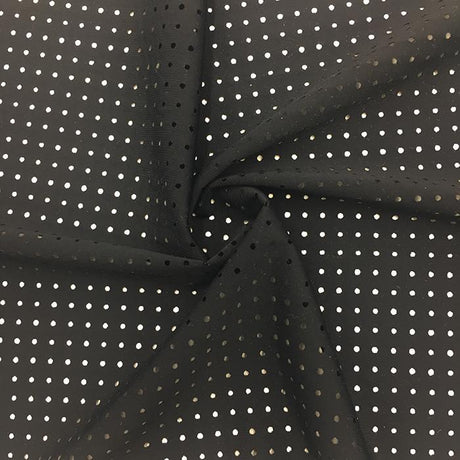
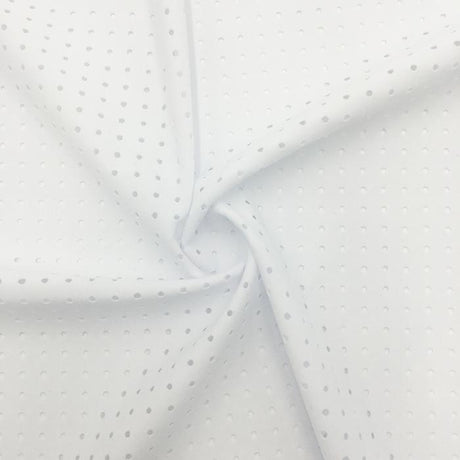
Whether you're designing swimwear, activewear, dancewear, yoga apparel, or performance clothing, choosing the right spandex fabric is one of the most important decisions you'll make. The material you select shapes the comfort, durability, stretch, moisture management, and overall appearance of the finished garment — and the wrong choice can undermine an otherwise well-designed piece.
At Spandex by Yard, we stock hundreds of premium stretch fabrics engineered for apparel manufacturers, independent designers, and hobbyists alike. This guide walks through the key factors that separate one spandex fabric from another, so you can match the material to your project with confidence. For a deeper technical foundation, our Ultimate Guide to Spandex Fabric covers fiber types, blends, and stretch construction in full detail.
Understanding Spandex Fabric
Spandex (also called elastane or Lycra) is rarely used on its own. Instead, it's blended — usually at 10–25% — with a companion fiber such as nylon or polyester to create fabrics that combine exceptional elasticity with strength and shape retention. The companion fiber, the knit construction, and the finish together determine what each fabric is actually good for.
Depending on those variables, a spandex-blend fabric may offer some or all of the following: four-way stretch, excellent recovery, moisture management, breathability, chlorine resistance, UV protection, compression support, and a soft hand feel. No single fabric maximizes every property at once, which is why understanding the trade-offs matters so much when sourcing for a specific garment.
Polyester vs. Nylon Spandex
The most consequential choice you'll make is the companion fiber. Both polyester spandex and nylon spandex deliver outstanding four-way stretch and recovery, but they excel in different directions. The decision usually comes down to whether your project prioritizes printability and moisture performance or softness and premium feel.
Polyester Spandex
Polyester spandex is the go-to base for athletic apparel, team uniforms, rash guards, performance shirts, and sports leggings. Its standout advantages are superior color retention, fast drying, excellent moisture wicking, outstanding durability, and generally more affordable production costs. Critically, polyester is the only practical base for sublimation printing, because the dye bonds permanently into the fiber for vivid, crack-proof, all-over graphics. If bold prints or custom artwork are central to your line, polyester is almost always the right foundation. Browse our Polyester Spandex Collection and Printed Spandex Collection for sportswear and sublimation-ready fabrics.
Nylon Spandex
Nylon spandex offers a softer, smoother, more luxurious hand, which is why it dominates premium swimwear, fashion apparel, yoga clothing, compression garments, and dancewear. Its advantages include a plush feel against the skin, excellent stretch recovery, high abrasion resistance, and a refined, premium appearance. For low-impact yoga, athleisure, and fashion swim, nylon's comfort and clean look make it the preferred pick. Explore our Nylon Spandex Collection, and see the Nylon Spandex Fabric Guide for a breakdown of weights, finishes, and types.
For a full side-by-side comparison across stretch, moisture management, durability, and printing, read our dedicated Polyester vs Nylon Spandex guide.
Best Fabric for Swimwear
Swimwear puts more stress on a fabric than almost any other garment category, since it has to perform in water and hold its shape after repeated use. When sourcing swim fabric, look for chlorine resistance, UV protection, genuine four-way stretch, reliable shape retention, and quick drying. Polyester spandex tends to resist chlorine and UV fade longer, while nylon spandex offers a softer, more flattering hand for fashion swim — many lines use one or the other depending on whether performance or feel is the priority.
Keep in mind that not all nylon or polyester spandex is swimwear-grade; swimwear fabric is specifically selected and tested for performance in water. Browse our Swimwear Fabric Collection for blends chosen for aquatic use.
Choosing Activewear Fabrics
Modern activewear demands more than simple stretch. A great performance fabric moves with the body, manages moisture and heat, and holds its shape through repeated wear — falling short on any one of those turns a beautiful garment into a disappointment. Depending on the application, you'll want to weigh moisture-wicking performance, compression support, breathability, quick-dry behavior, and lightweight comfort.
Nylon spandex blends suit soft, body-skimming yoga and athleisure pieces, while polyester spandex blends lead in moisture management and printed performance wear. Most sports bras and leggings land in the 200–260 GSM range for the right balance of support and opacity. Browse the Activewear Fabric Collection, and read our Activewear Fabric Guide for recommendations by activity level.
Sublimation Printing Fabrics
Polyester spandex is the preferred base for vibrant sublimation printing because the dye penetrates the fiber and bonds permanently, producing brilliant colors that won't crack or peel even under heavy stretch, chlorine, and UV exposure. This makes it ideal for sports uniforms, fishing shirts, cycling jerseys, compression apparel, and full-color performance wear. Because the print lives inside the fiber rather than on top of it, the fabric keeps its hand feel and stretch after printing.
Browse our Sublimation-Ready Tricot for PFP white bases, and see the Sublimation Printing Guide for how the process works and what it can produce.
Understanding Fabric Weight (GSM)
Fabric weight, measured in grams per square meter (GSM), affects compression, durability, flexibility, opacity, and comfort. As a general guide, lightweight fabrics suit breathable, layered apparel; midweight fabrics are the workhorses for leggings and everyday activewear; and heavyweight fabrics provide the opacity and structure needed for compression garments and premium swimwear. For close-fitting garments like leggings and swimsuits, around 180 GSM or higher is a safe minimum for solid, squat-proof opacity.
Shop Premium Spandex Fabric
Whether you're manufacturing sportswear, swimwear, dancewear, fashion apparel, or custom sublimated garments, Spandex by Yard offers one of the industry's largest selections of premium stretch fabrics — all by the yard with no minimums. Browse our core collections:
- Polyester Spandex Fabrics
- Nylon Spandex Fabrics
- Swimwear Fabrics
- Activewear Fabrics
- Sublimation Fabrics
- Printed Spandex Fabrics
Related Articles
- Ultimate Guide to Spandex Fabric
- Polyester vs Nylon Spandex Fabric
- Best Activewear Fabric Guide
- Nylon Spandex Fabric Guide
- Buying Spandex Fabric by the Yard
- Cotton-Spandex vs Nylon-Spandex
- How to Identify & Source Spandex Fabric
- Best Fabric for Sports Bras
- How to Avoid See-Through Spandex
- Sublimation Printing Guide