Dancewear has to do something remarkable: move flawlessly with the body through every leap, turn, and extension, hold its shape under intense use, and often dazzle under stage lights too. Whether you're sewing a simple practice leotard or an elaborate competition costume, the fabric you choose determines how the garment performs and how it looks in the spotlight. In this guide we cover what makes great dancewear fabric, the best materials for different dance styles, and how to sew pieces that stand up to the studio and the stage.
What Makes a Good Dancewear Fabric?
Dancewear places unique demands on fabric. Above all, it needs exceptional four-way stretch and freedom of movement — a dancer's range of motion is extreme, and the fabric must follow the body without restriction or resistance. Equally important is strong recovery, so leotards and costumes return to shape after every movement rather than sagging or bagging. Durability matters too, since dancewear endures countless rehearsals, washes, and performances. And depending on the piece, you may want breathability for comfort during long sessions, or shine and drama for the stage.
Our dancewear fabric collection is chosen with these qualities in mind, giving you a reliable foundation whether you're making everyday practicewear or show-stopping costumes.
The Best Materials for Practicewear and Leotards
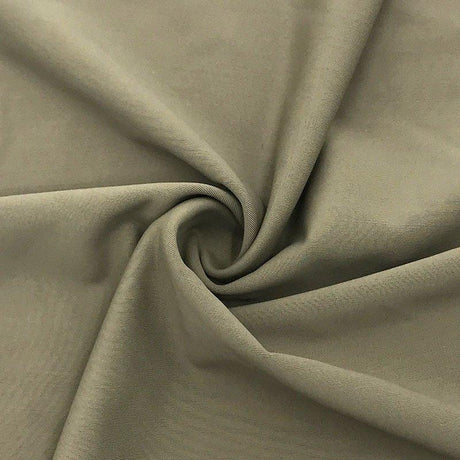
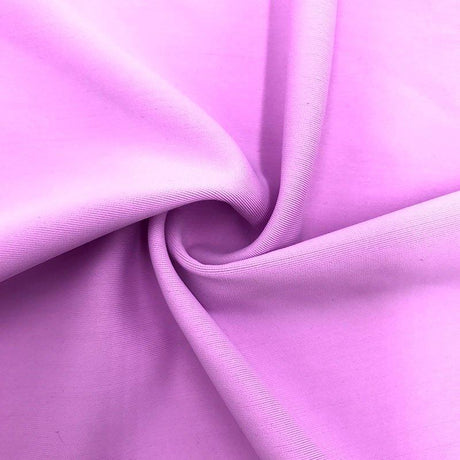
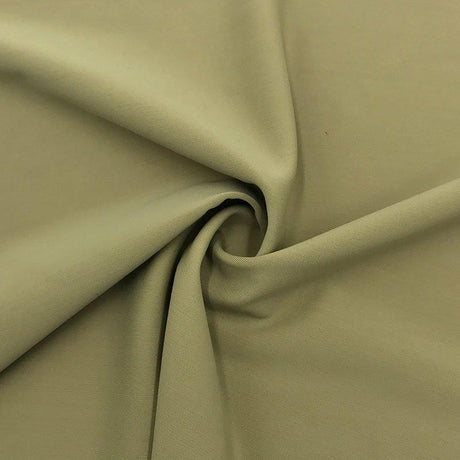
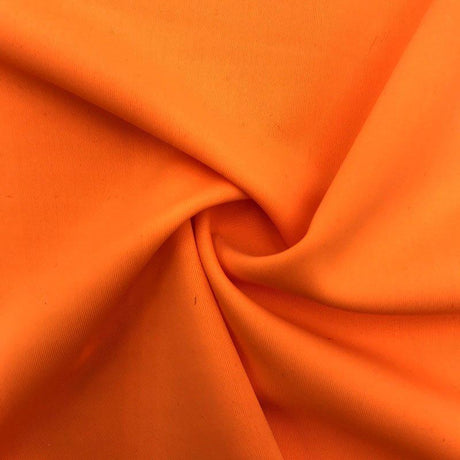
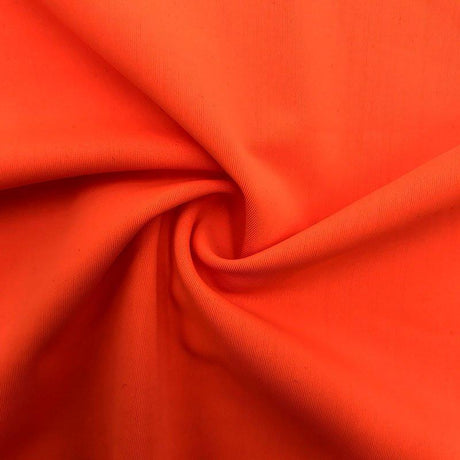
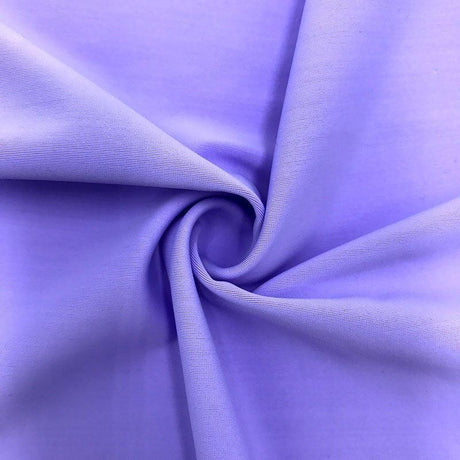
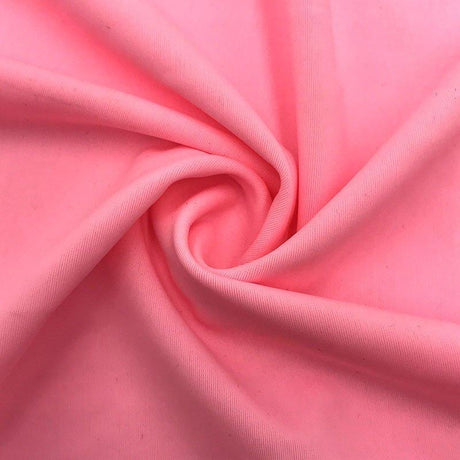
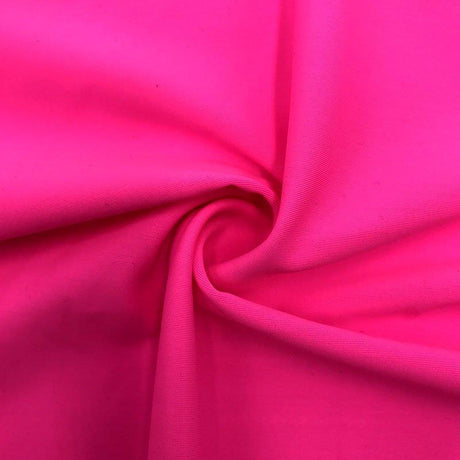
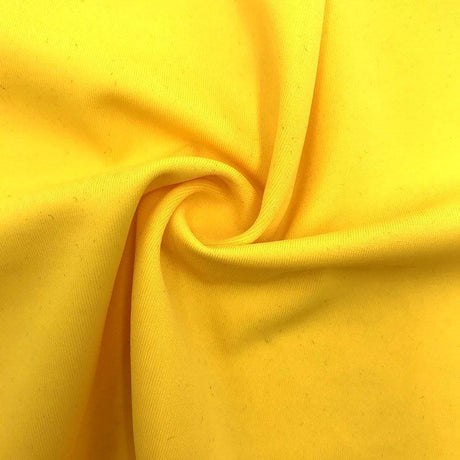
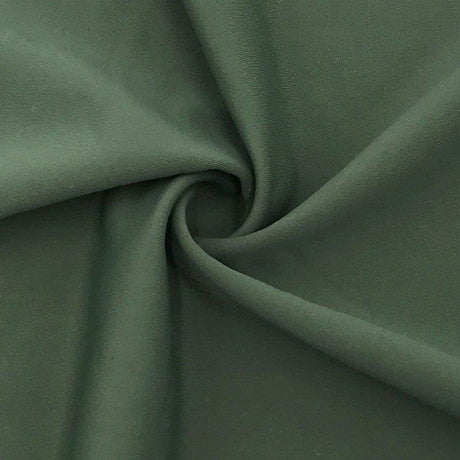
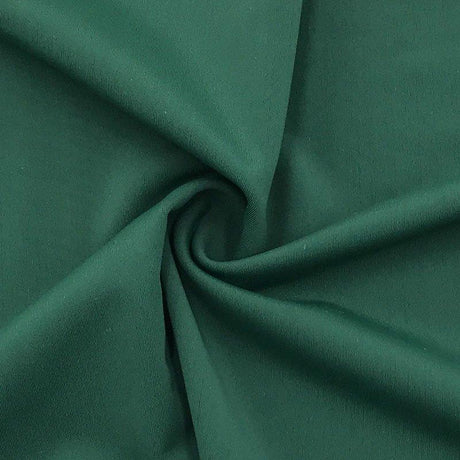
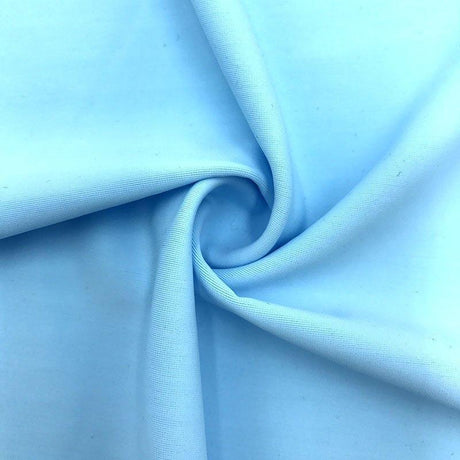
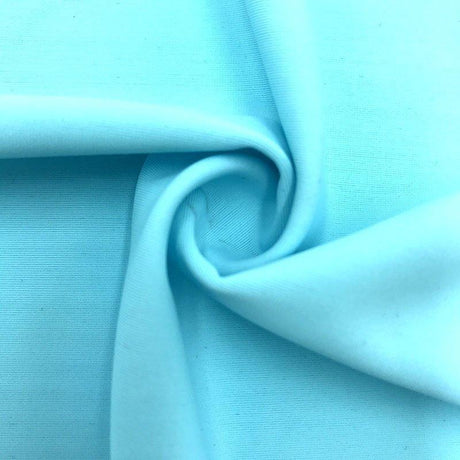
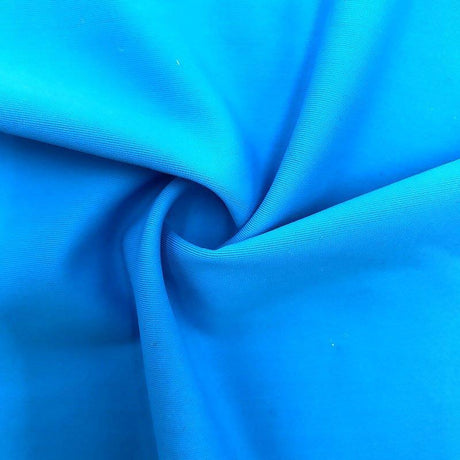
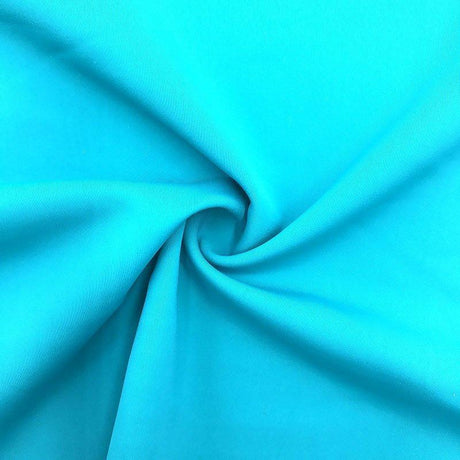
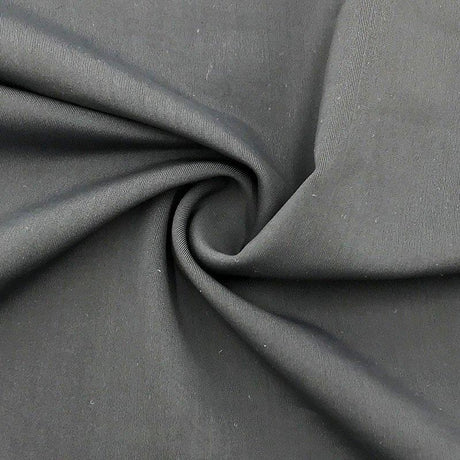
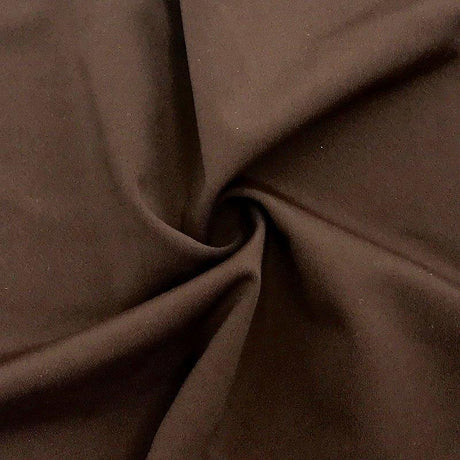
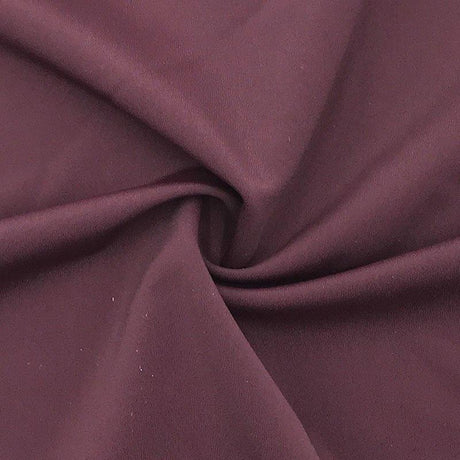
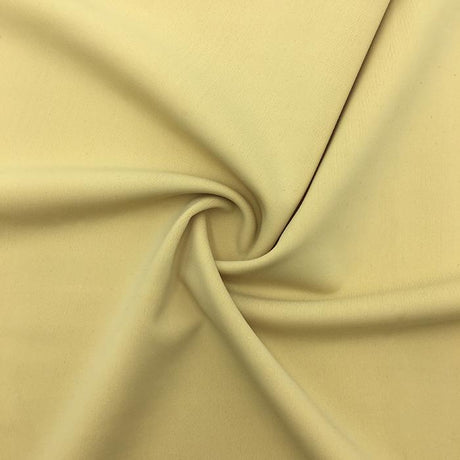
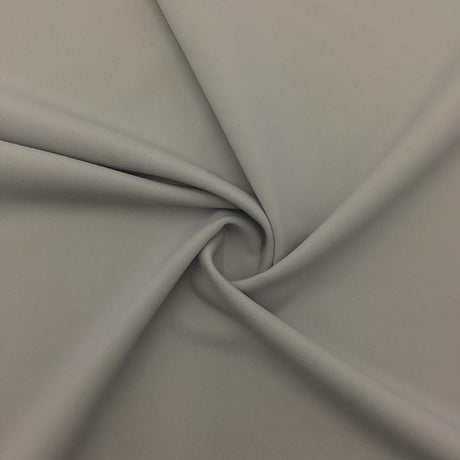
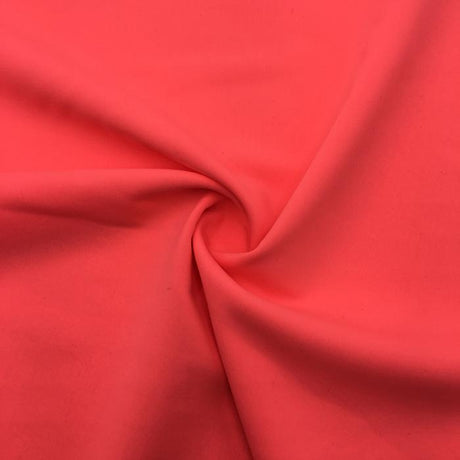
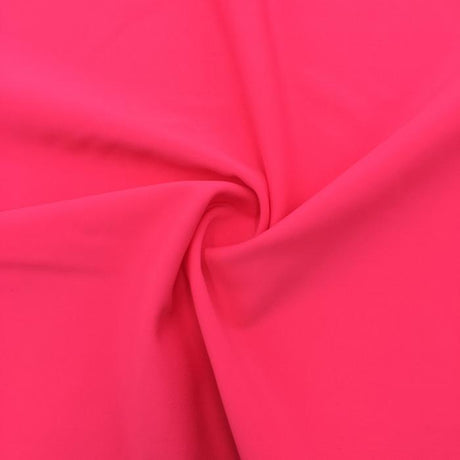
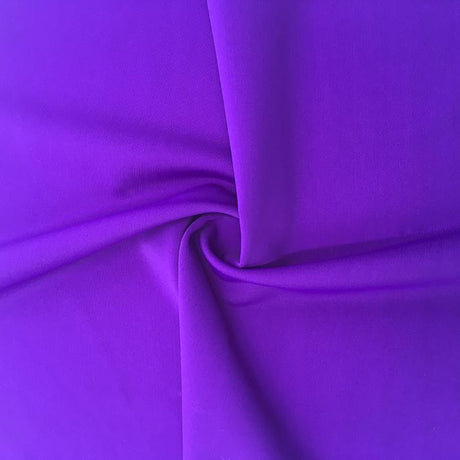
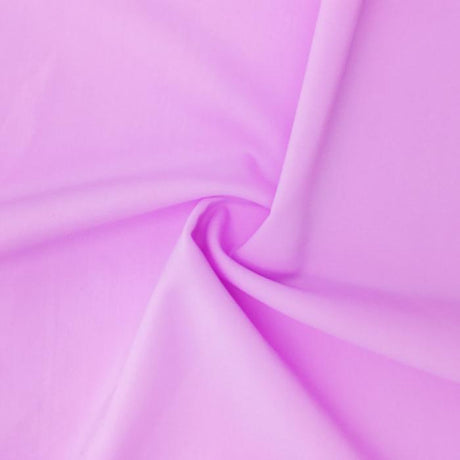
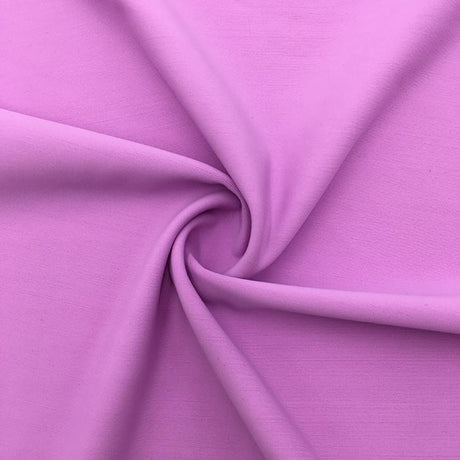
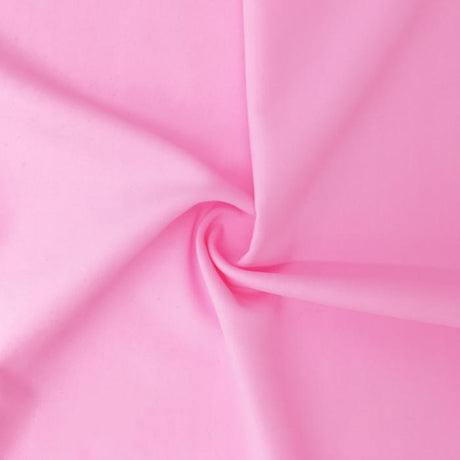
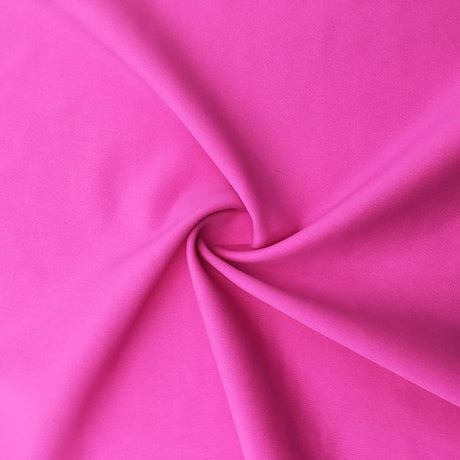
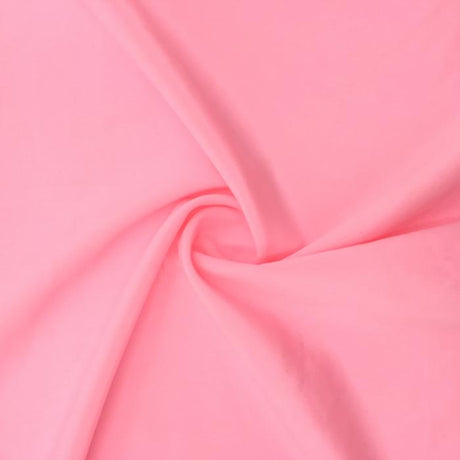
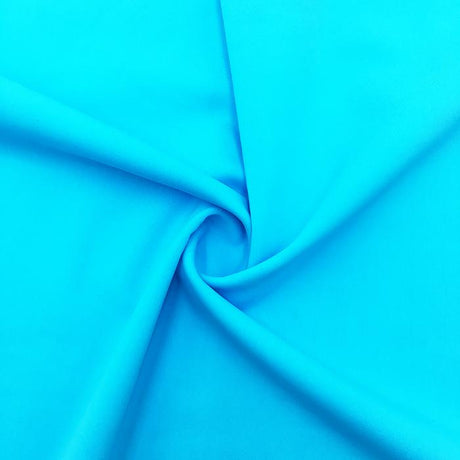
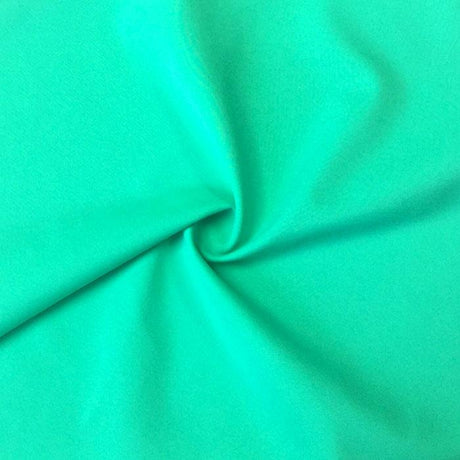
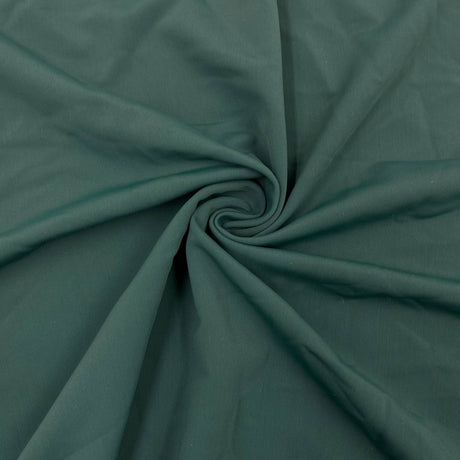
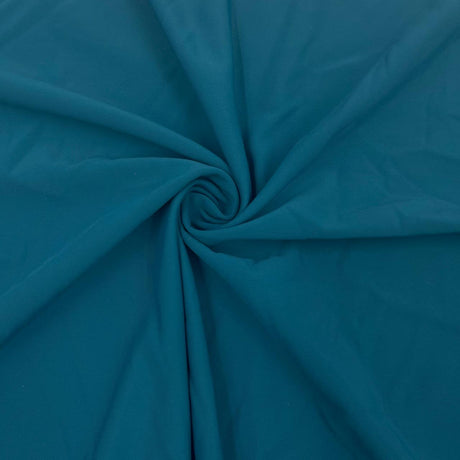
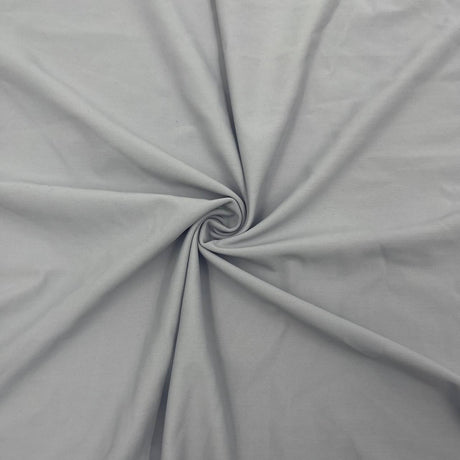
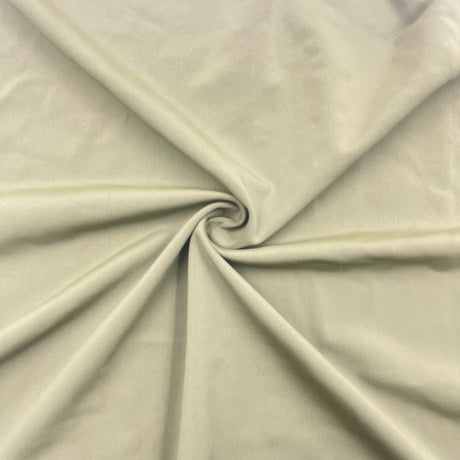
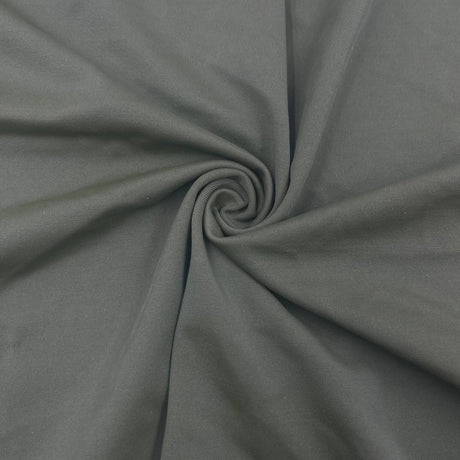
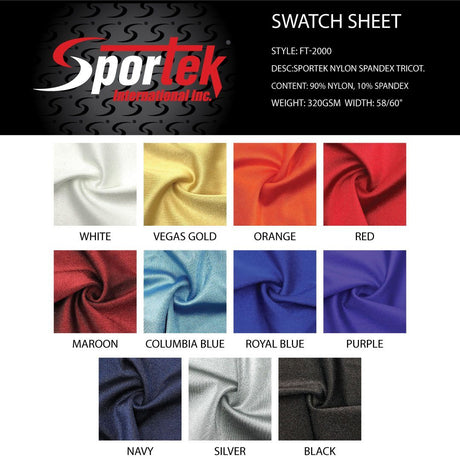
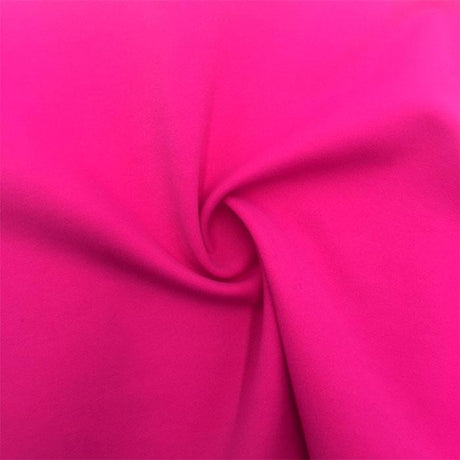
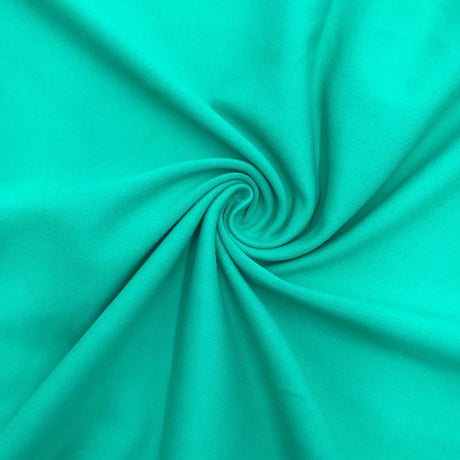
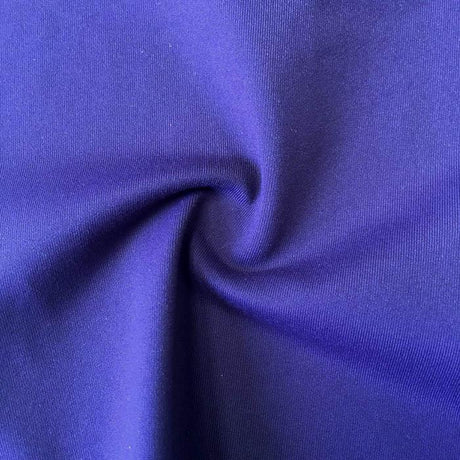
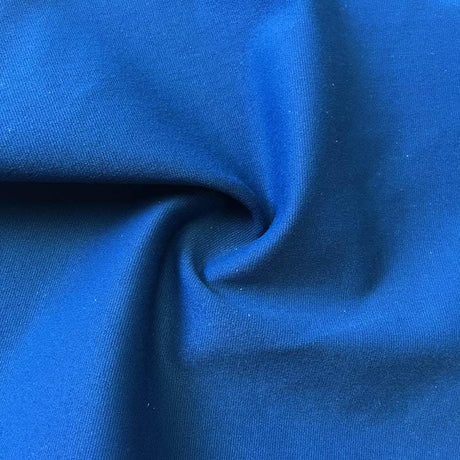
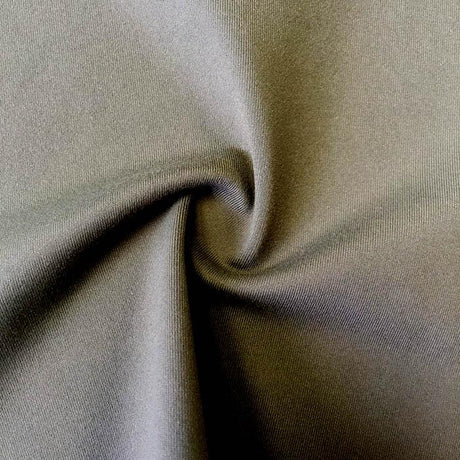
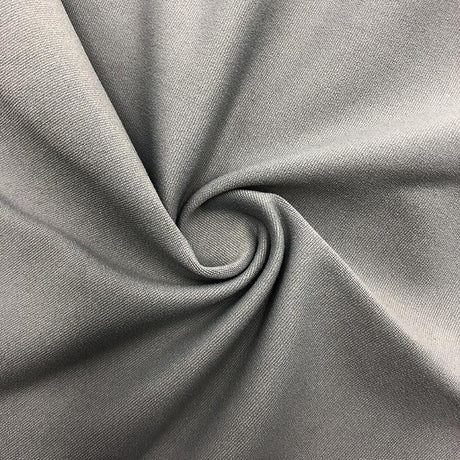
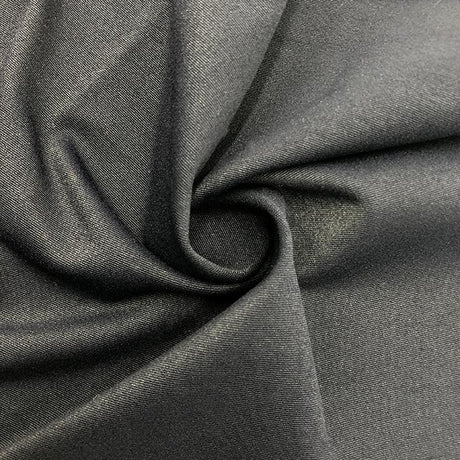
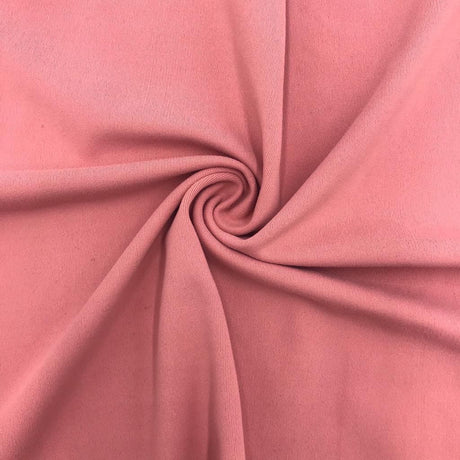
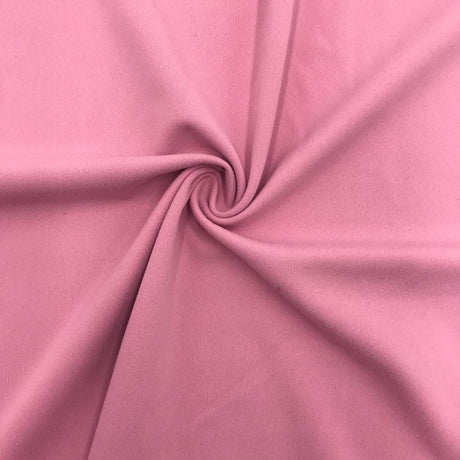
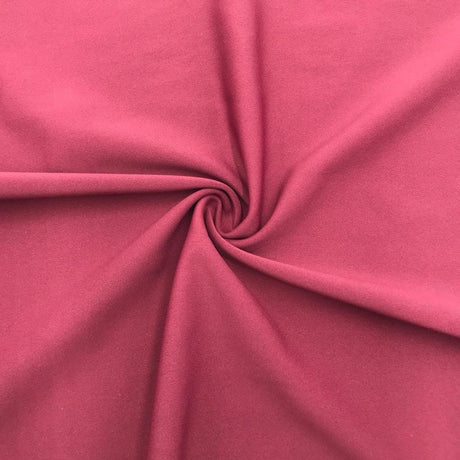
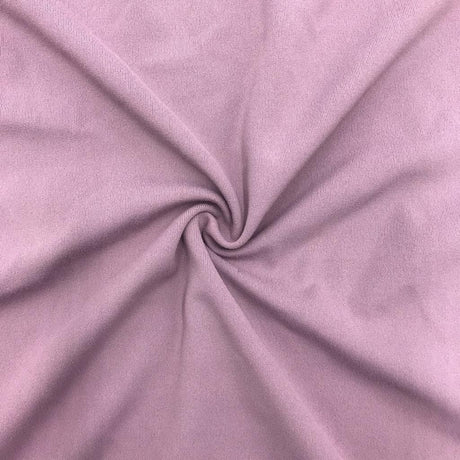
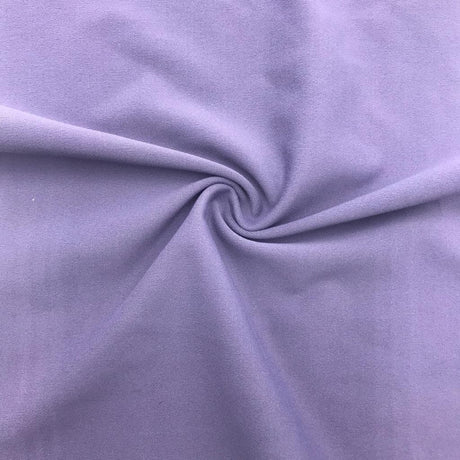
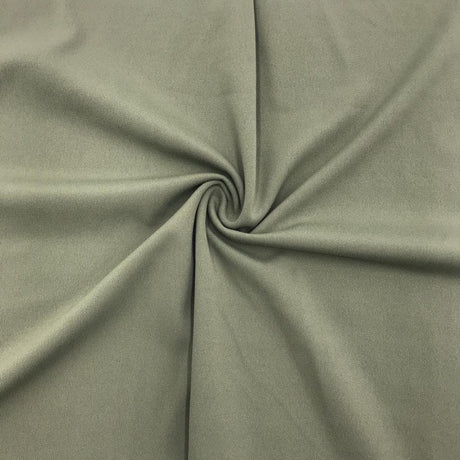
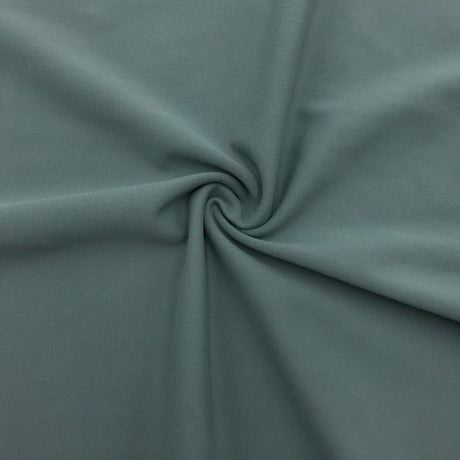
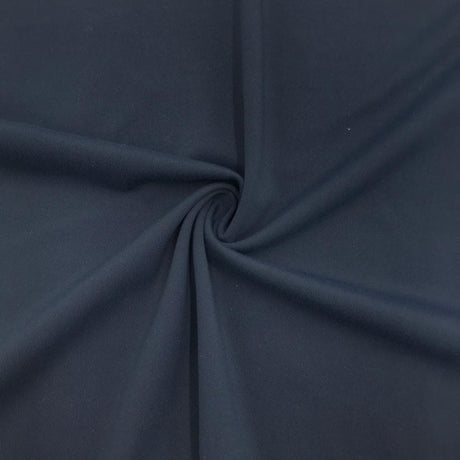
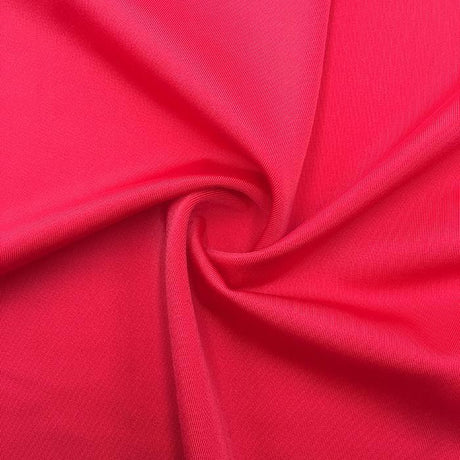
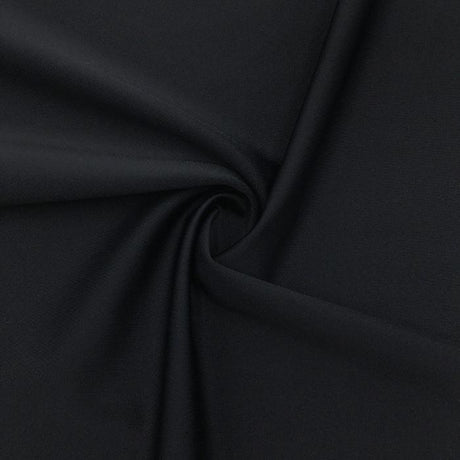
For leotards, practice pieces, and anything worn directly against the skin through long rehearsals, comfort and recovery lead. Our nylon spandex solids are an excellent choice, offering a smooth, soft hand feel with the four-way stretch and strong recovery dancers rely on. The slight sheen of nylon also gives leotards a clean, polished look that photographs beautifully.
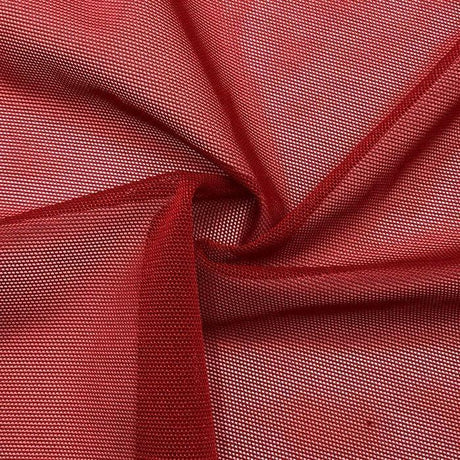
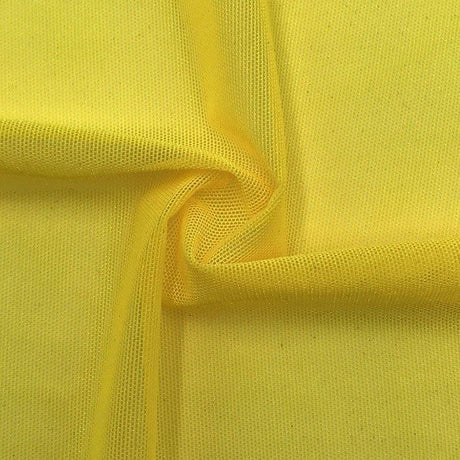
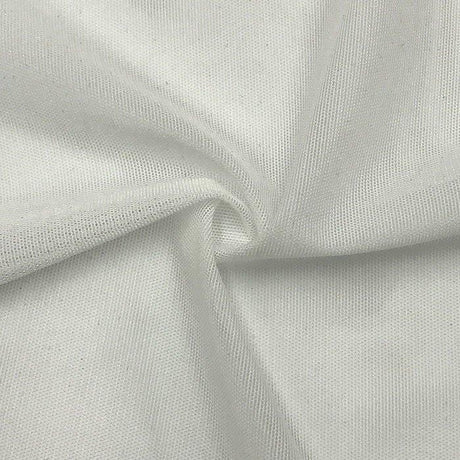
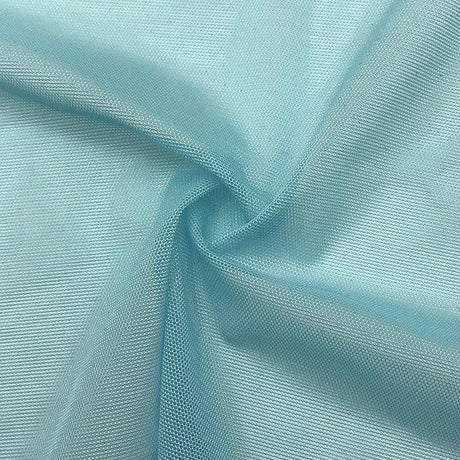
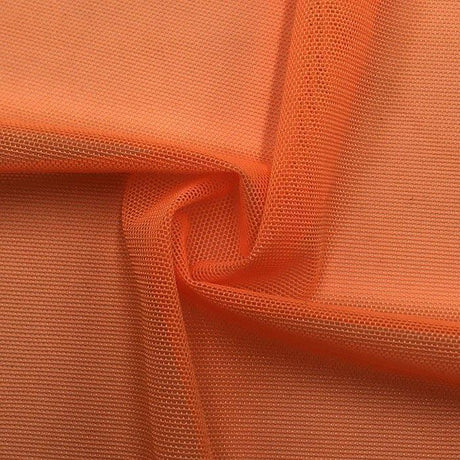
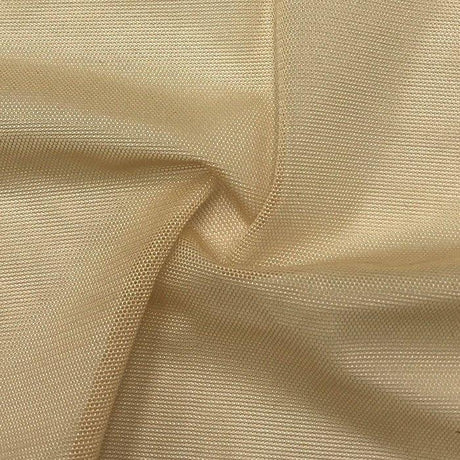
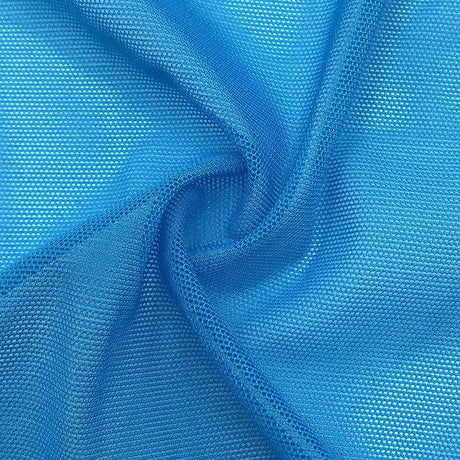
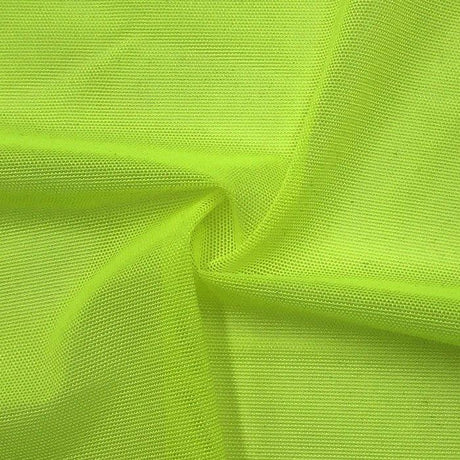
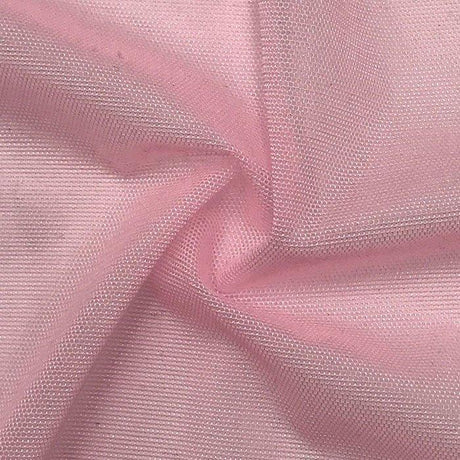
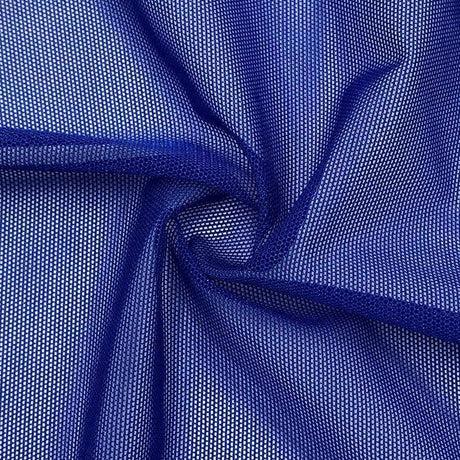
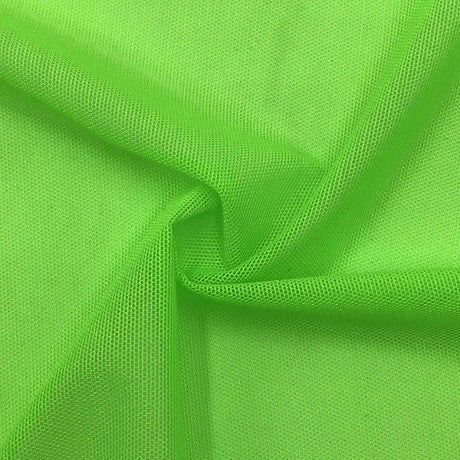
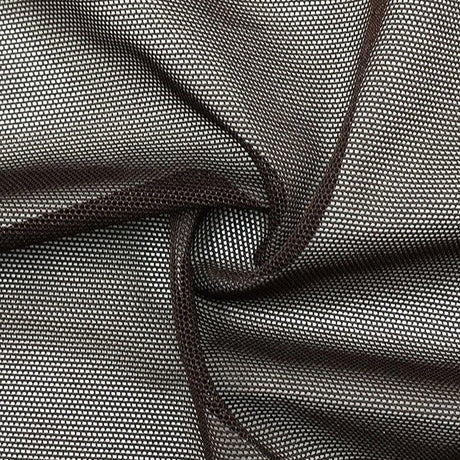
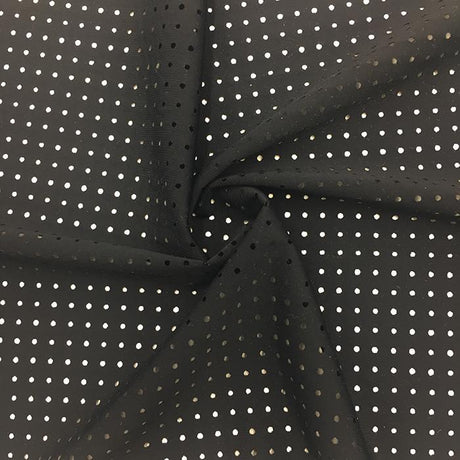
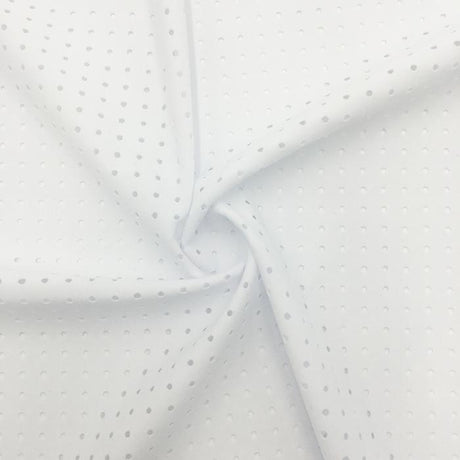
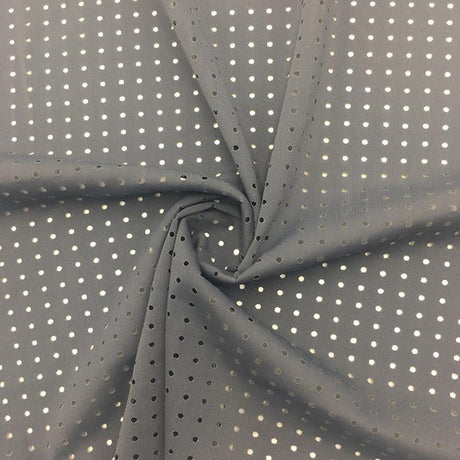
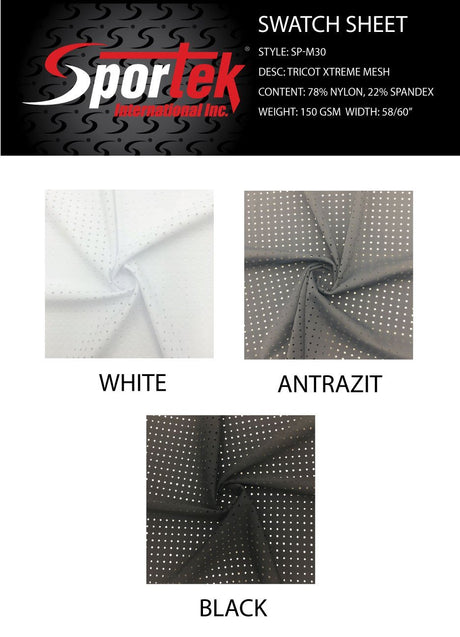
For high-energy styles and warmer studios, breathability becomes important. Adding performance mesh fabric panels — at the back, sleeves, or sides — improves airflow and creates elegant illusion effects without sacrificing coverage. Mesh inserts are a staple of contemporary and lyrical costumes for exactly this reason.
Fabrics That Shine: Costumes for the Stage
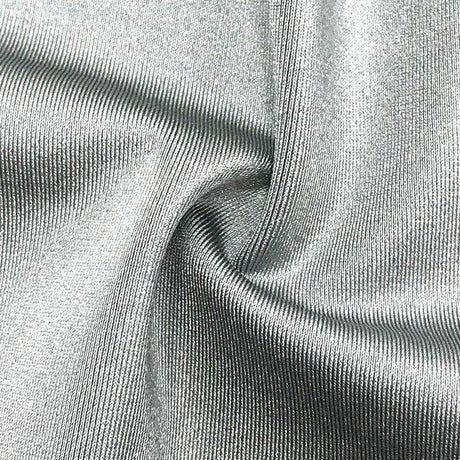
Stage costumes are where dancewear fabric gets to make a statement. Under bright lights, shine and sparkle read all the way to the back row, which is why metallic spandex is a dancewear favorite. Its high-shine, foiled surface catches the light dramatically while keeping all the stretch a costume needs, making it perfect for jazz, competition, and show numbers that need to pop.
For costumes that call for bold color and pattern, our printed spandex collection delivers ready-made impact with performance stretch. And for custom team pieces with intricate full-color graphics, sublimation-friendly fabrics like sublimation spandex tricot hold detailed printed designs beautifully while keeping their stretch and comfort.
Matching Fabric to Dance Style
Different dance styles call for different fabrics. Ballet and lyrical often favor soft, flowing combinations — a stretch base with chiffon or mesh overlays for movement. Jazz and competition pieces lean into shine and bold color, where metallic and printed spandex excel. Hip-hop and street styles tend toward durable, comfortable stretch that allows big, athletic movement. And acro or gymnastics-style pieces prioritize the highest stretch and recovery for extreme positions. Thinking about the style first makes the fabric choice much clearer.
Choosing Colors for Dancewear
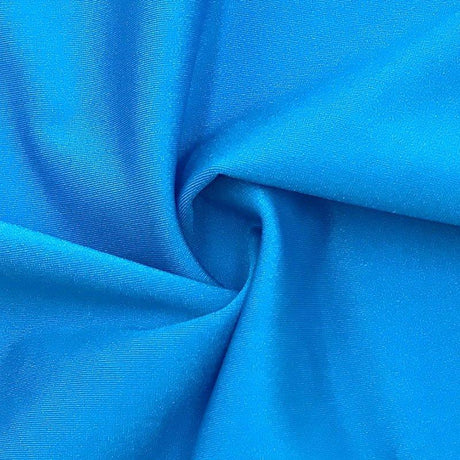
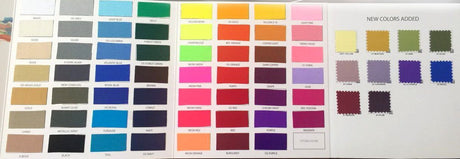
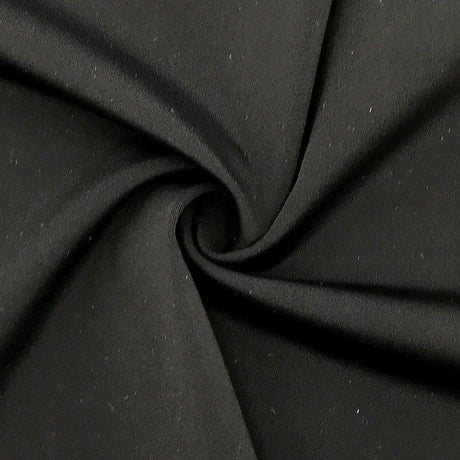
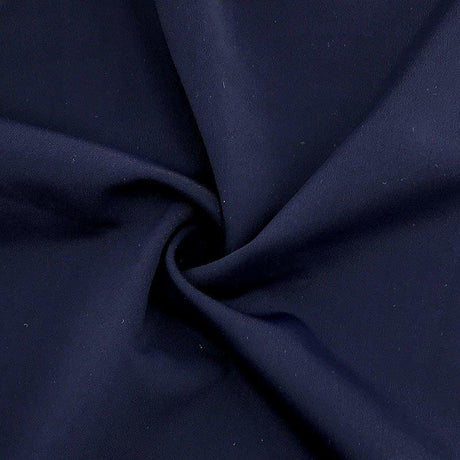
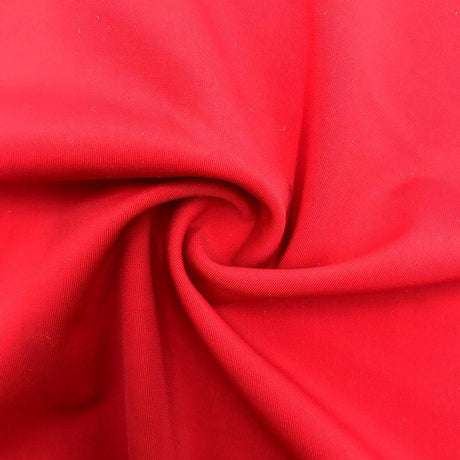
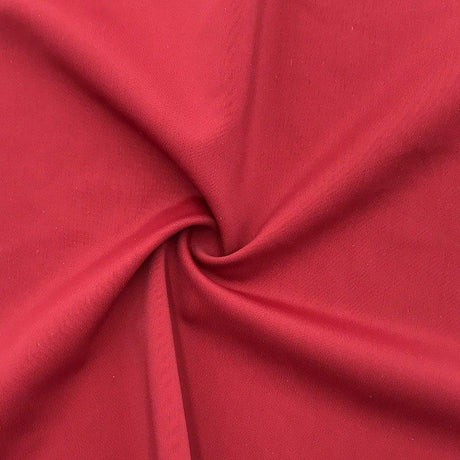
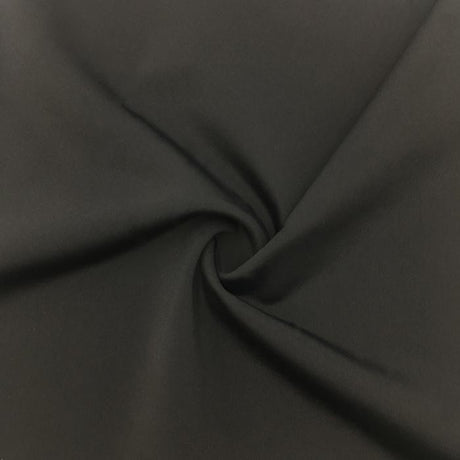
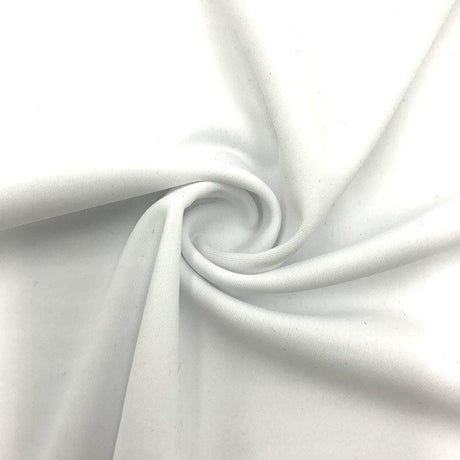
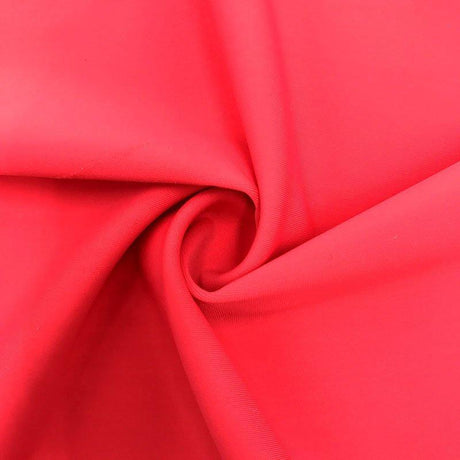
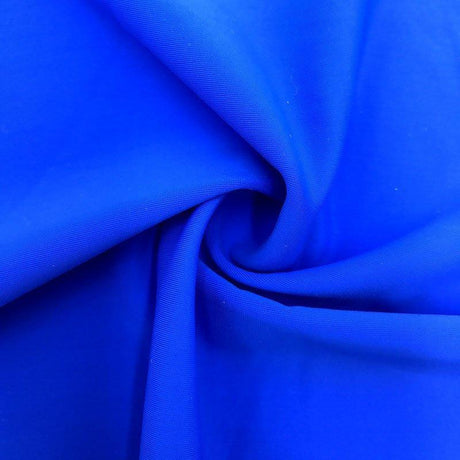
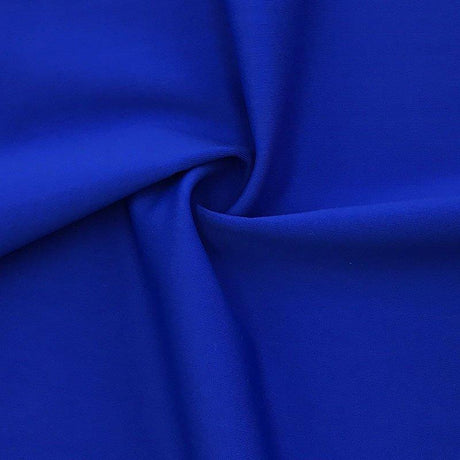
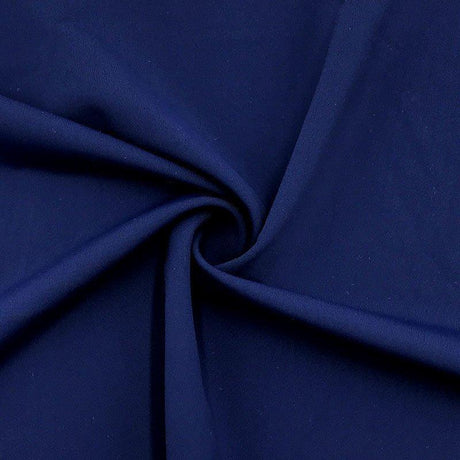
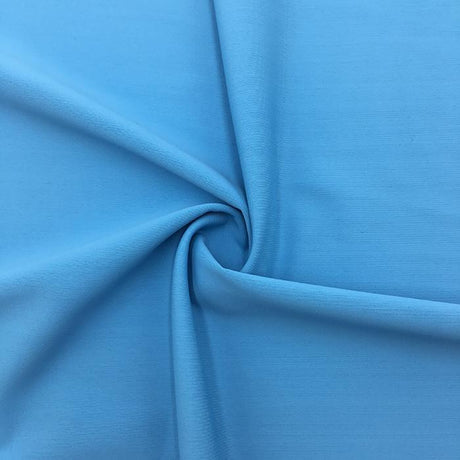
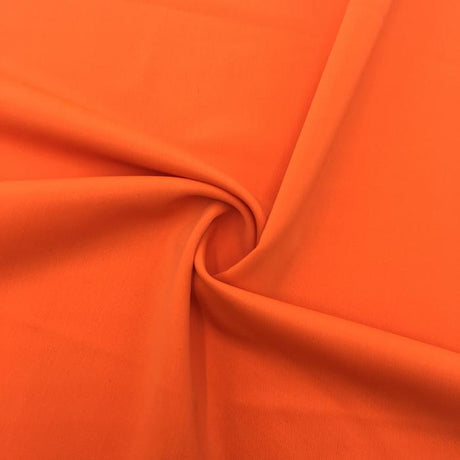
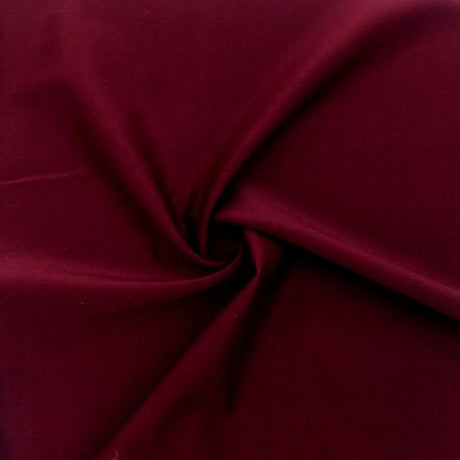
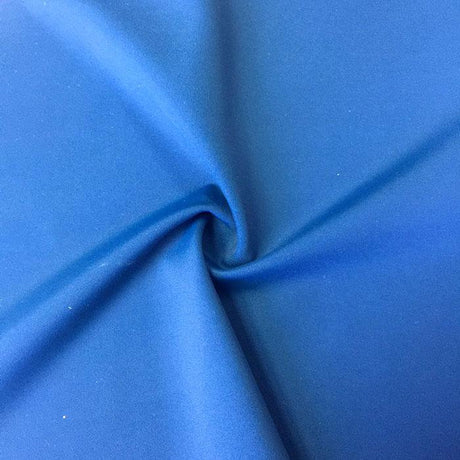
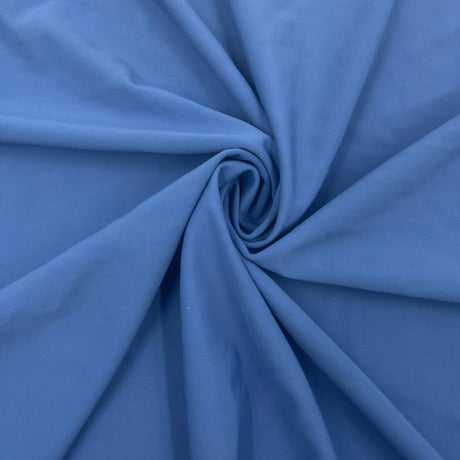
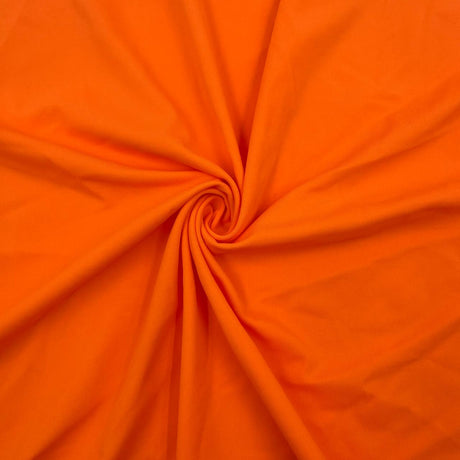
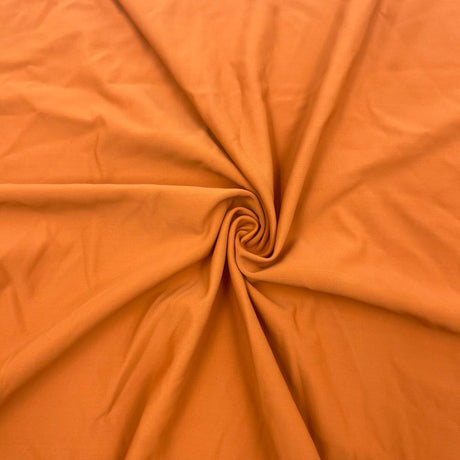
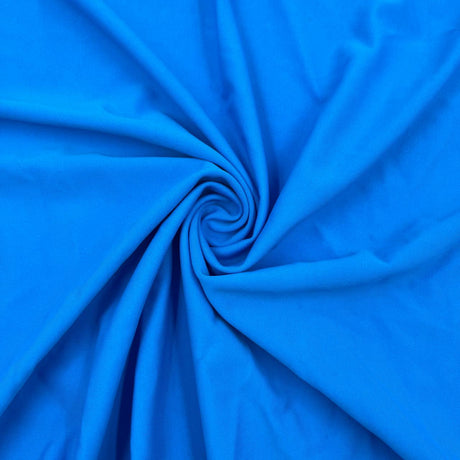
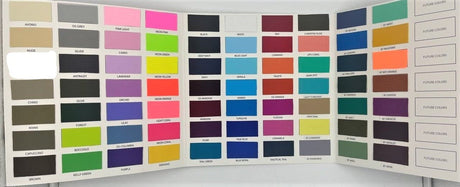
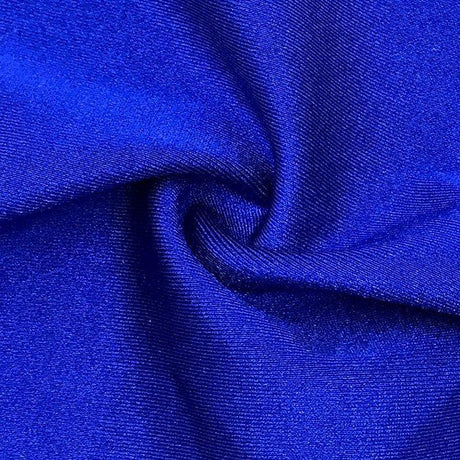
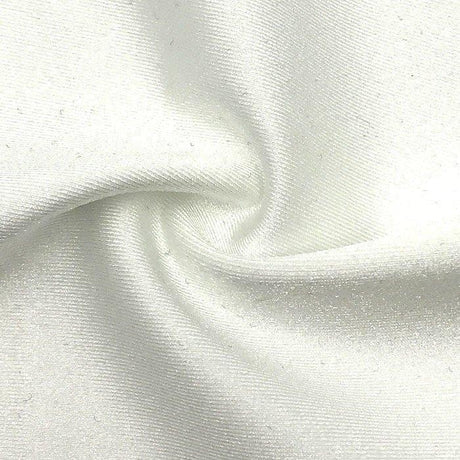
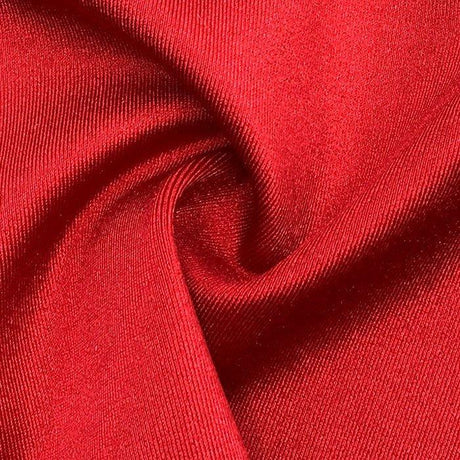
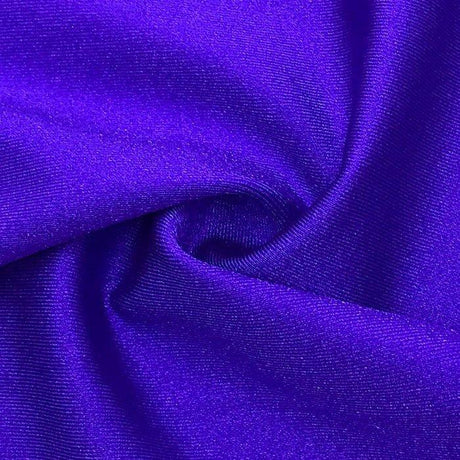
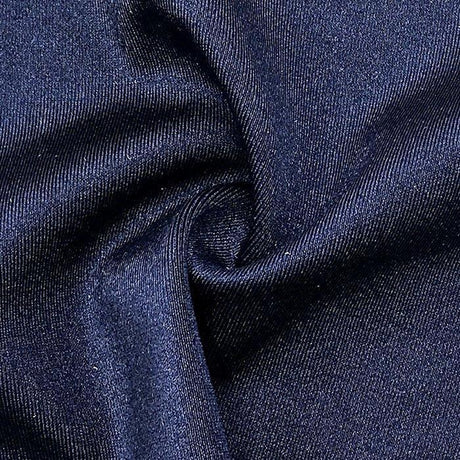
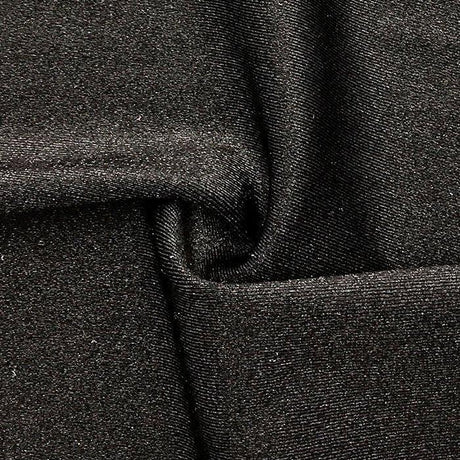
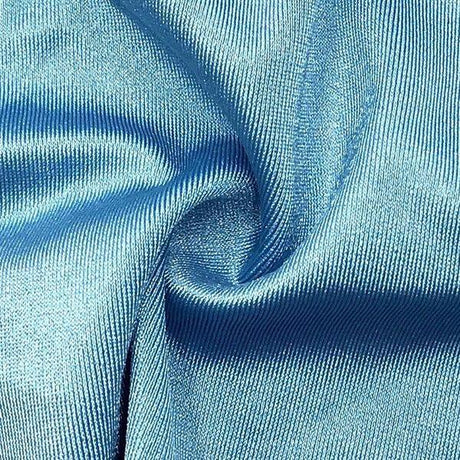
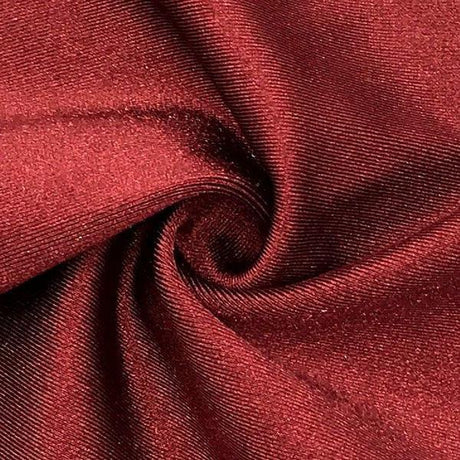
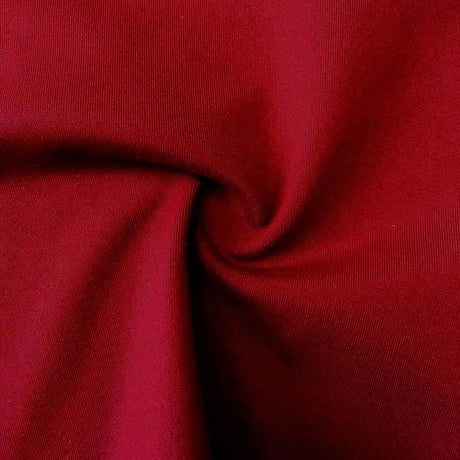
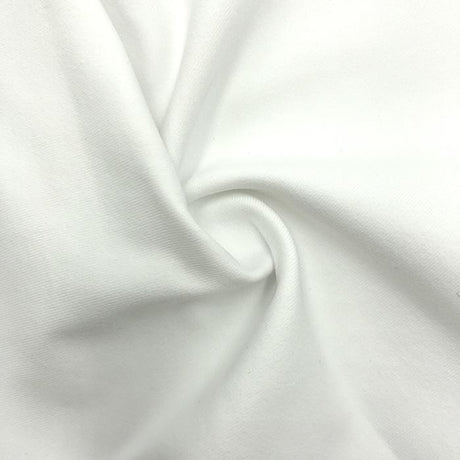
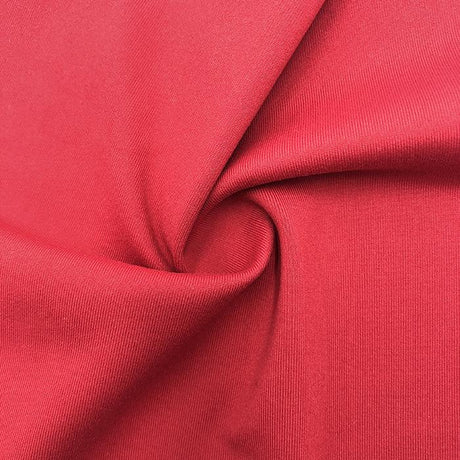
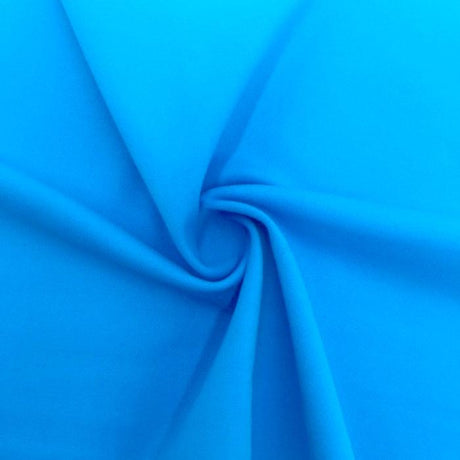
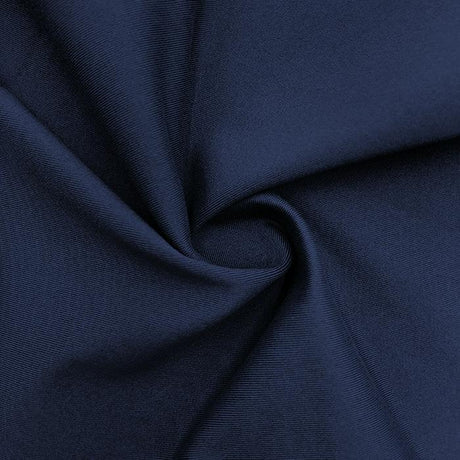
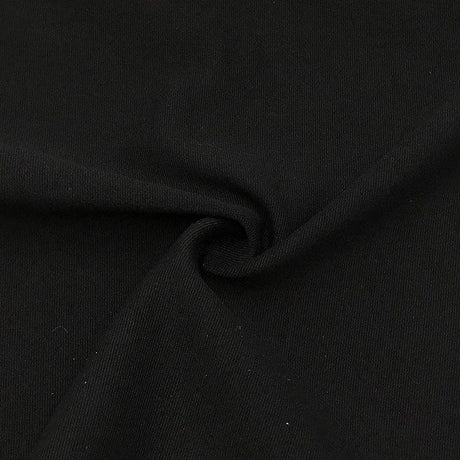
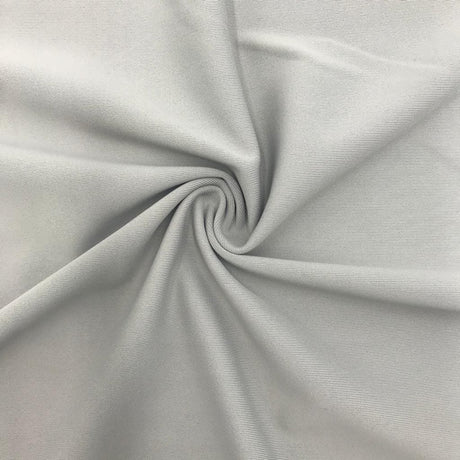
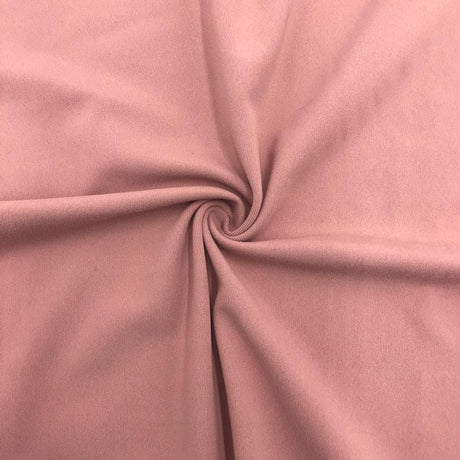
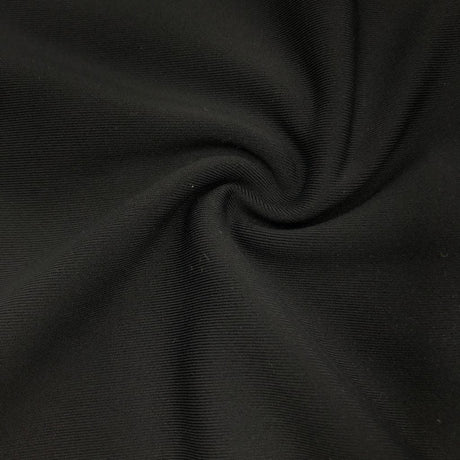
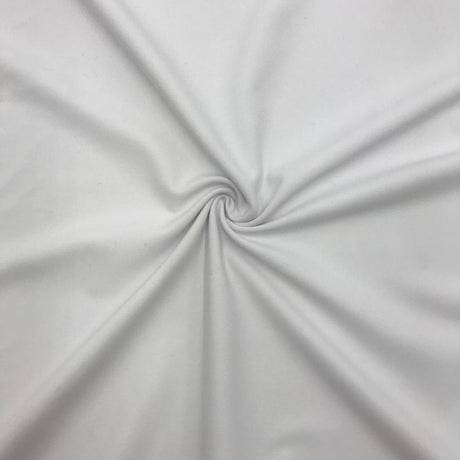
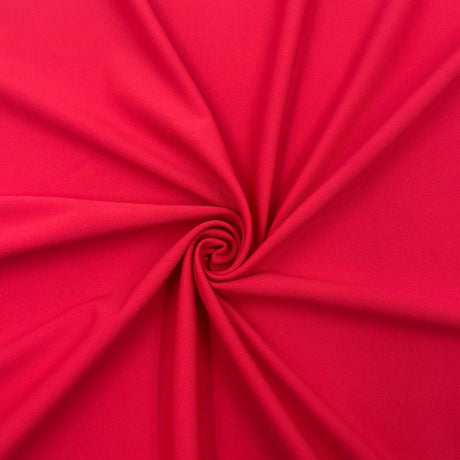
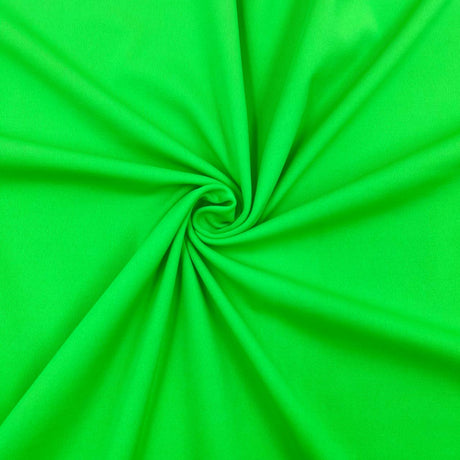
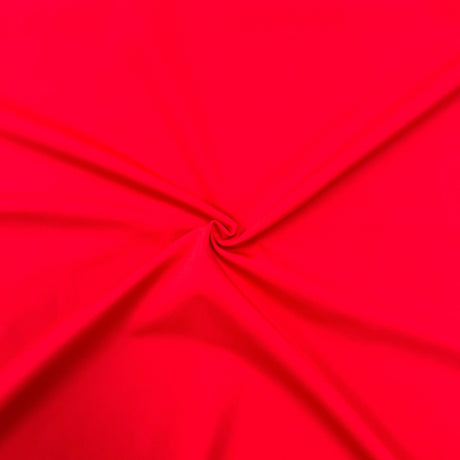
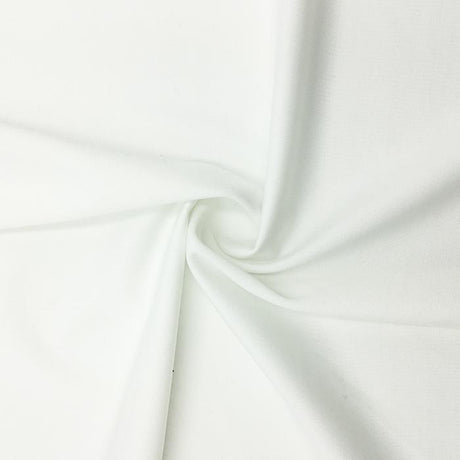
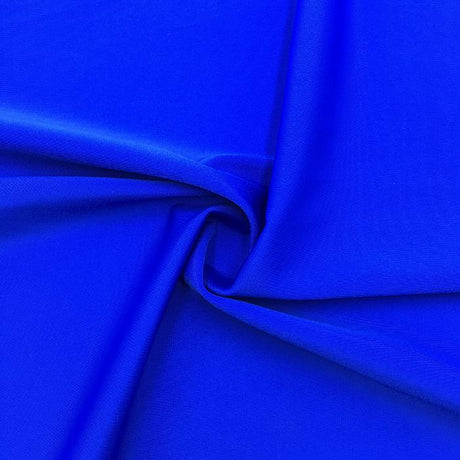
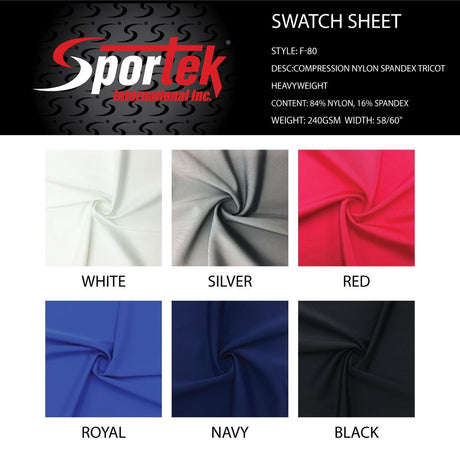
Color is central to dancewear, both for classes (where studios often have dress codes) and for the stage. Classic black spandex fabric is the universal practicewear staple — flattering, versatile, and required by many schools. Crisp white spandex fabric is a ballet and lyrical favorite, while bold shades like red spandex fabric and blue spandex fabric bring energy and visibility to competition costumes. For the stage, brighter and richer colors generally read better under lights, so don't be afraid to go vivid.
Tips for Sewing Dancewear
Sewing dancewear rewards a few careful techniques. Use a stretch or ballpoint needle, and sew seams with a serger or zigzag/stretch stitch so they flex fully with the dancer's movement — popped seams mid-performance are every costumer's nightmare. Cut pieces with the greatest stretch wrapping around the body, and use generous negative ease so leotards and costumes fit snugly and stay put through dynamic movement.
For finishing, line the body of leotards and lighter costumes for opacity and comfort, and use clear elastic or specialized lingerie elastic at leg openings and necklines so it stays invisible and flexible. Secure any embellishments well, since they take real abuse on stage. When working with slippery metallic fabrics, pin within the seam allowance and consider a walking foot to keep layers from shifting. As always, pre-wash your fabric the way you'll launder the finished piece to avoid shrinkage surprises.
Related Reading & Where to Go Next
Dancewear shares a lot of DNA with other stretch garments. If you're building a fuller wardrobe of pieces, our activewear fabric collection works well for warm-ups and athletic dance styles, and for sparkly, expressive looks beyond the studio, our festival wear fabric uses many of the same shiny, stretchy materials. The skills you build sewing dancewear transfer directly to costumes, cheer uniforms, and performance pieces of all kinds.
Discover New Dancewear Fabrics
New colors, metallics, and prints arrive throughout the year, perfect for refreshing recital and competition wardrobes. Browse the new fabric arrivals collection for the latest stretch and stage-ready fabrics, and check back often to catch new designs before they sell out.
Final Thoughts
The best fabric for dancewear moves freely with the body, recovers cleanly so it never sags, holds up through rehearsals and washes, and — when the stage calls for it — shines under the lights. Start with a quality nylon spandex for practicewear and leotards, reach for metallic and printed spandex when costumes need drama, and add mesh for breathability and illusion effects. Match the fabric to the dance style, choose colors that work for both class and stage, and use careful stretch-sewing techniques for professional results. With the right fabric by the yard, you can create dancewear that performs beautifully and looks stunning from the front row to the back.