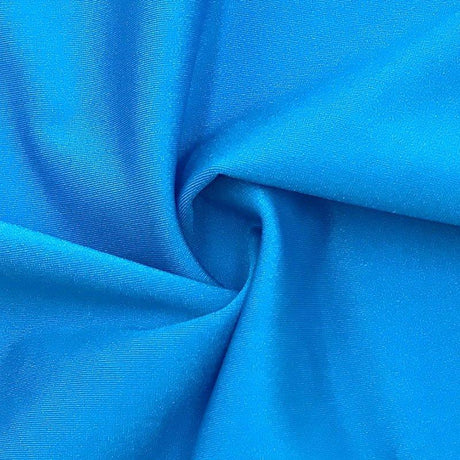
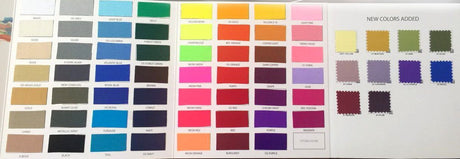
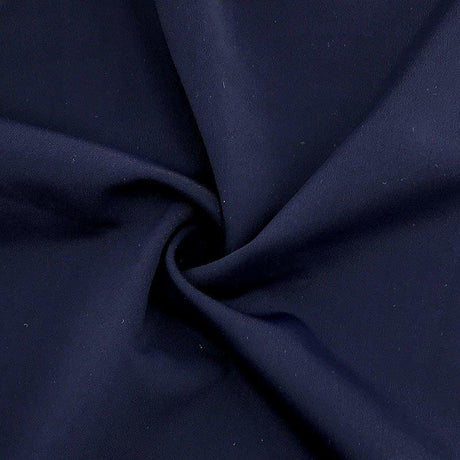
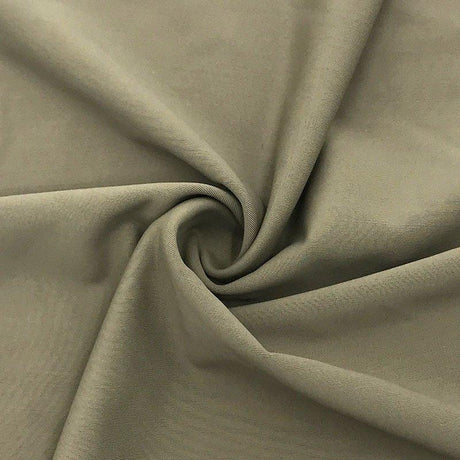
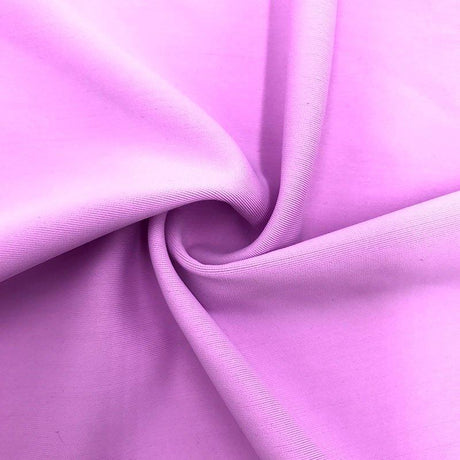
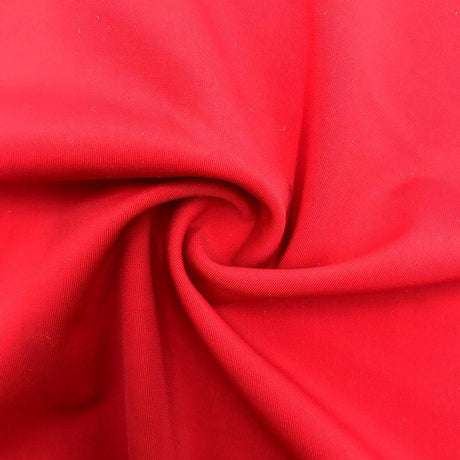
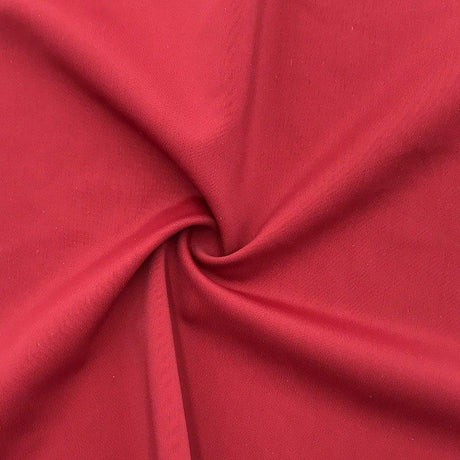
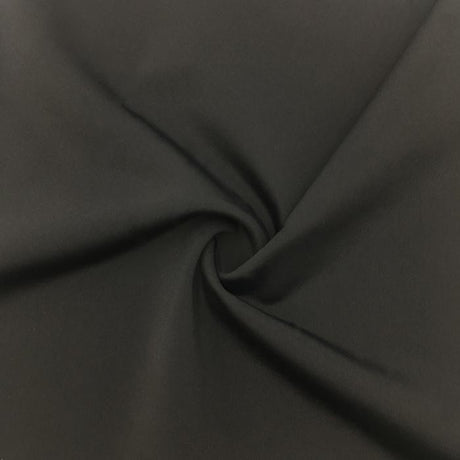
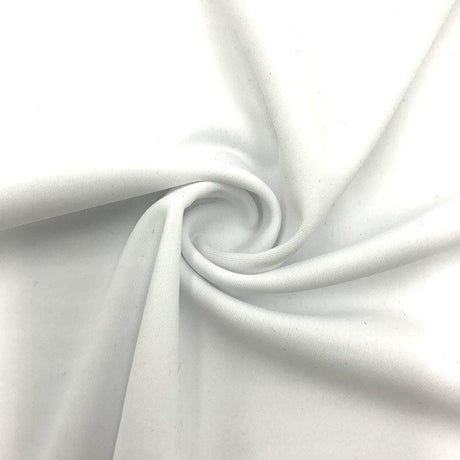
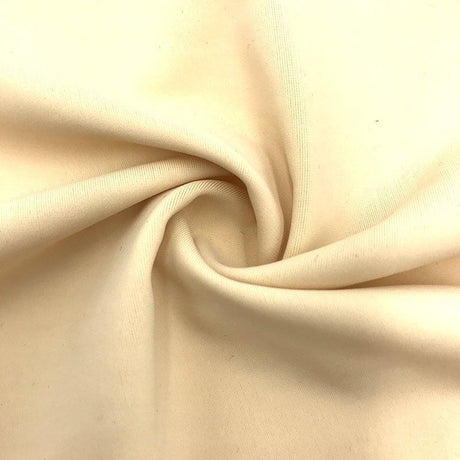
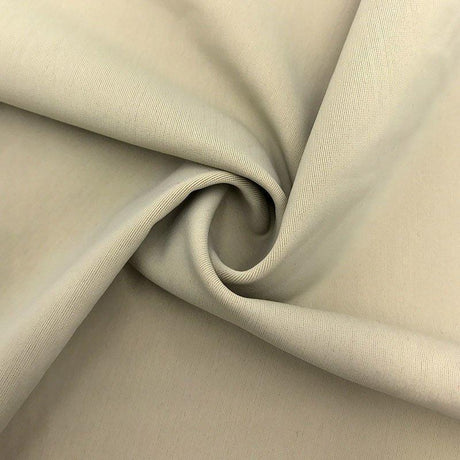
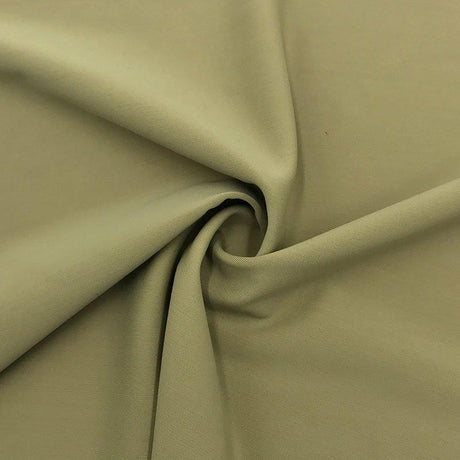
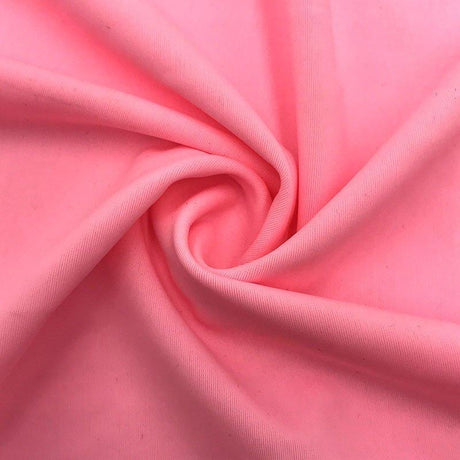
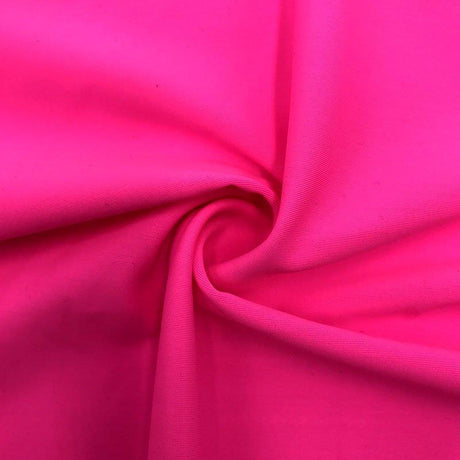
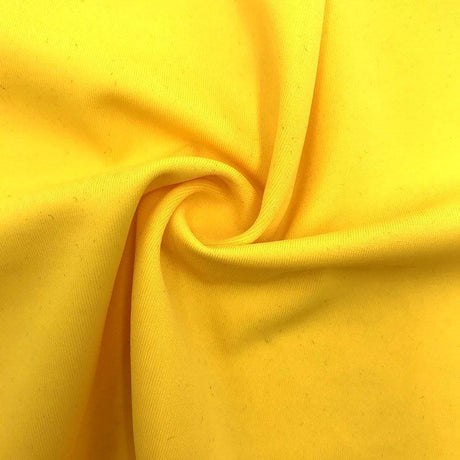
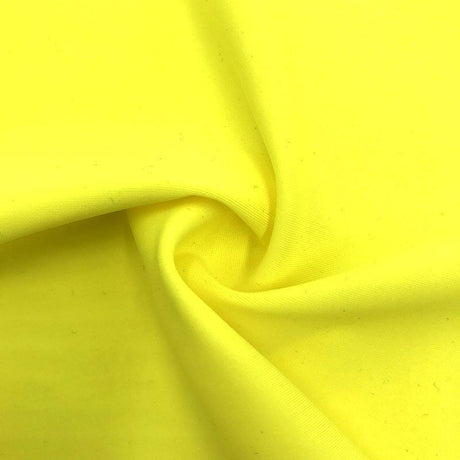
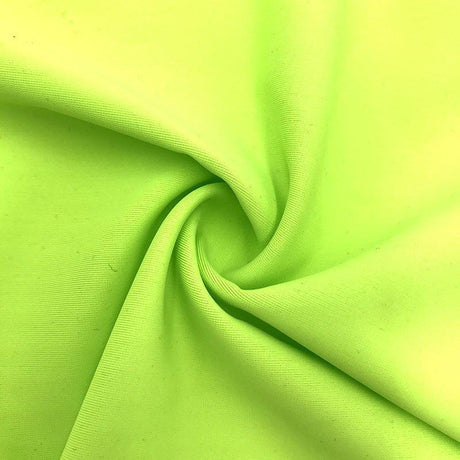
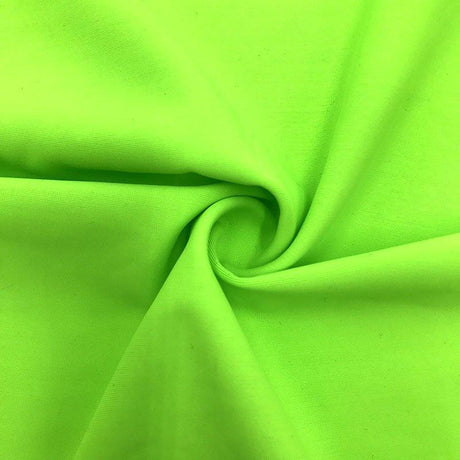
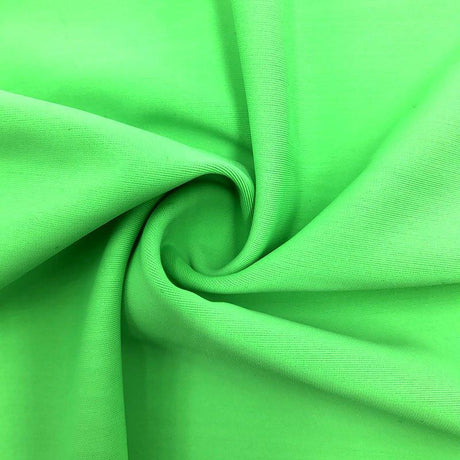
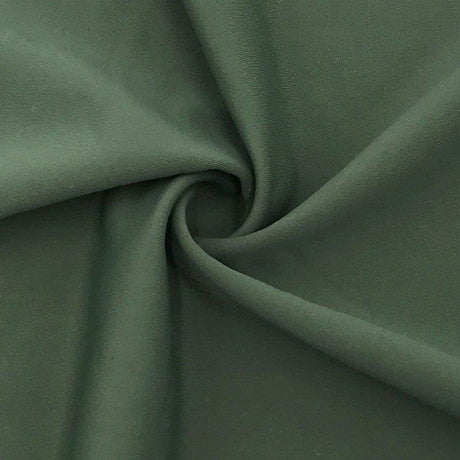
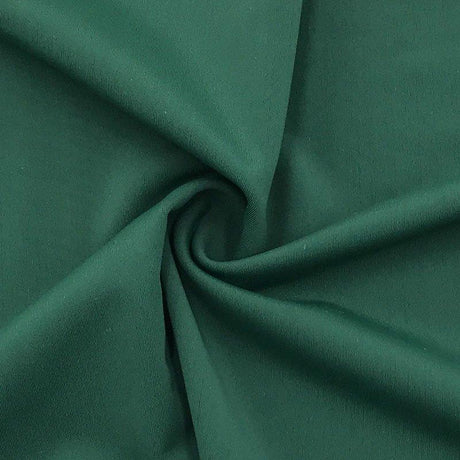
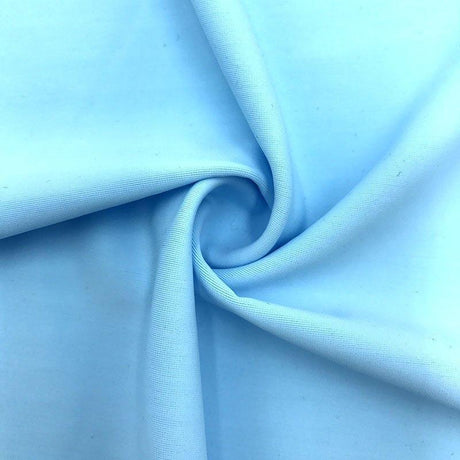
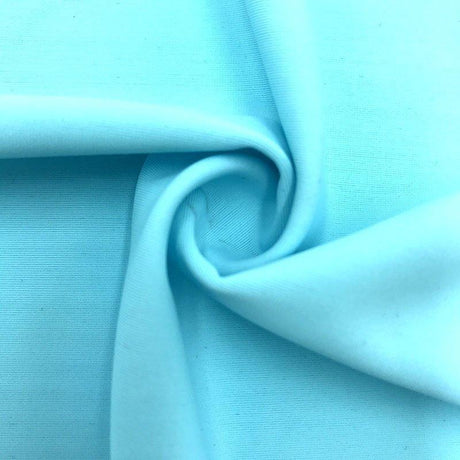
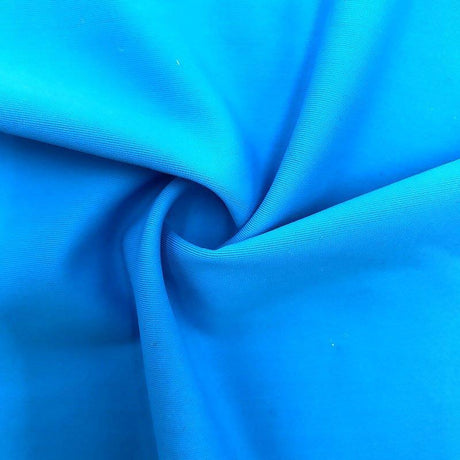
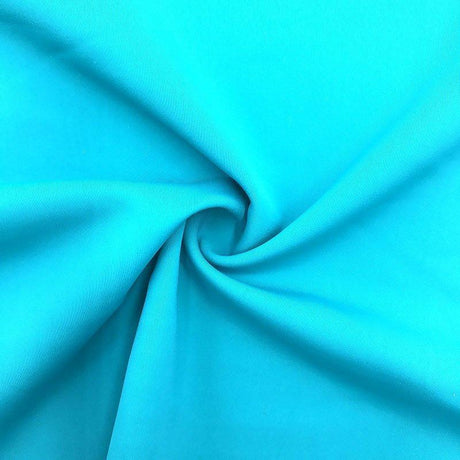
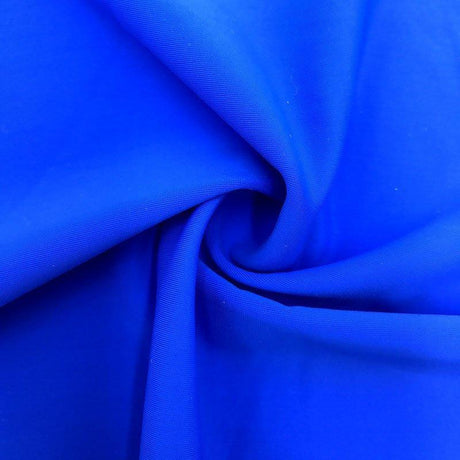
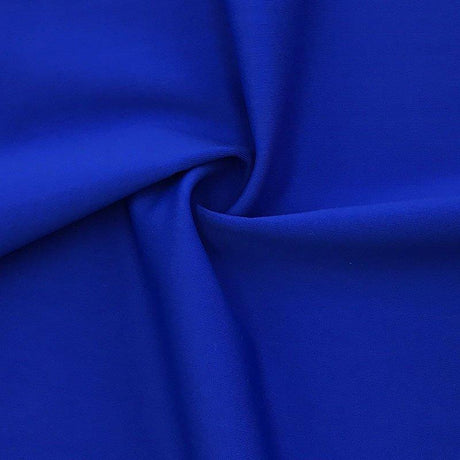
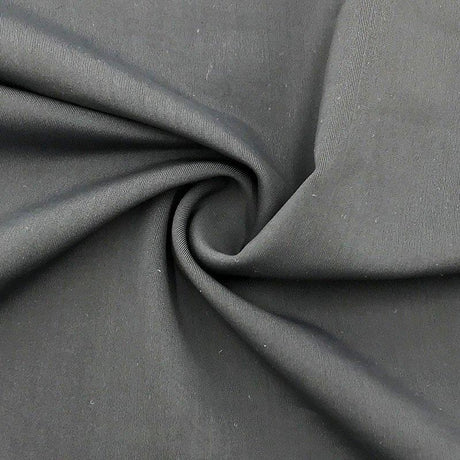
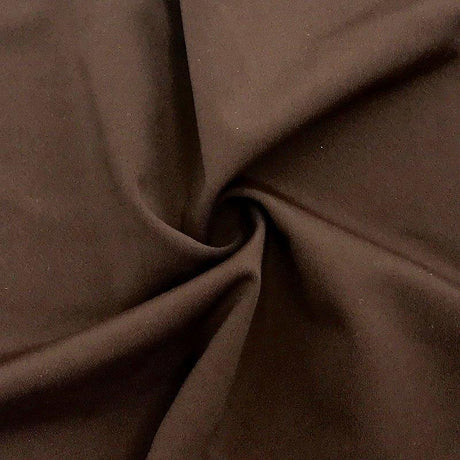
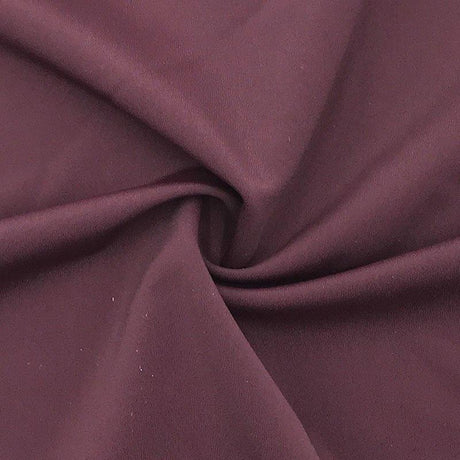
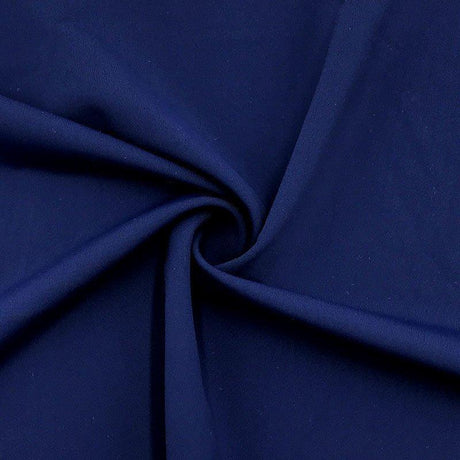
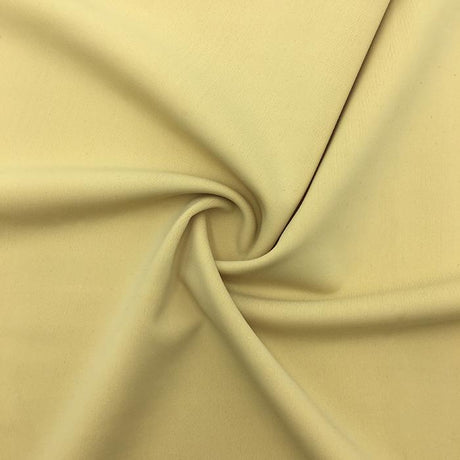
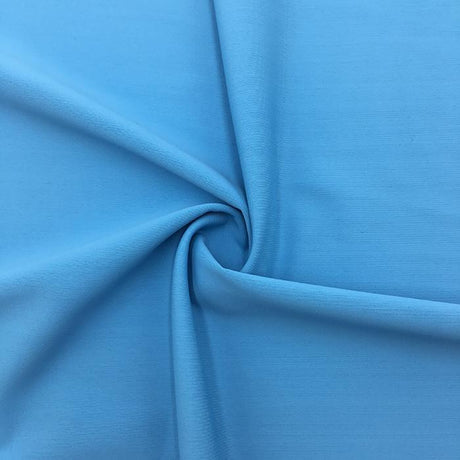
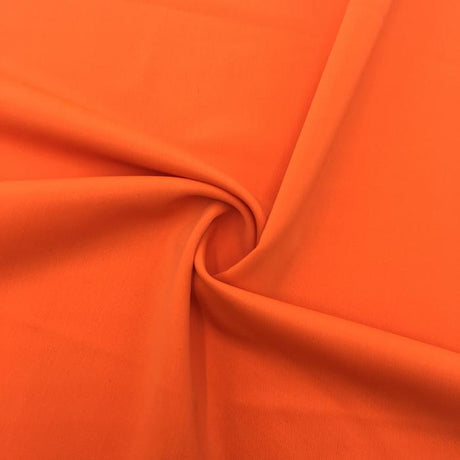
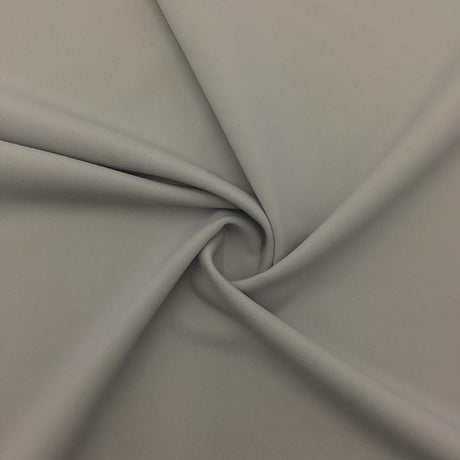
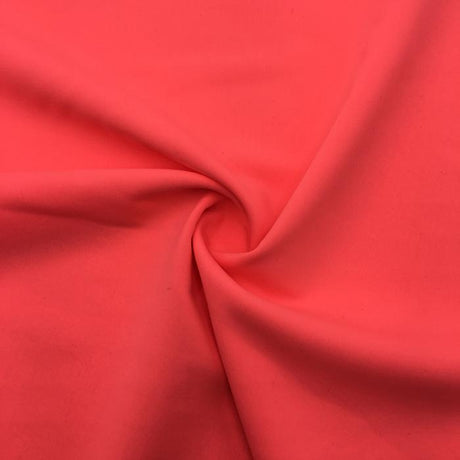
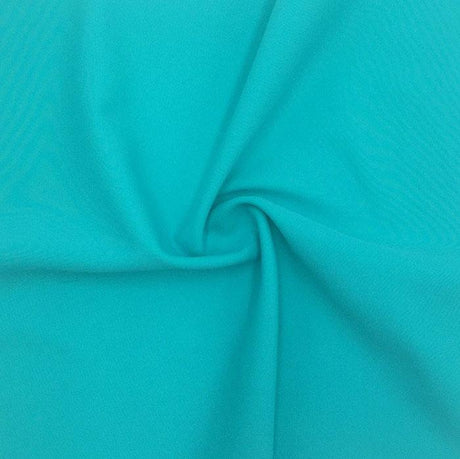
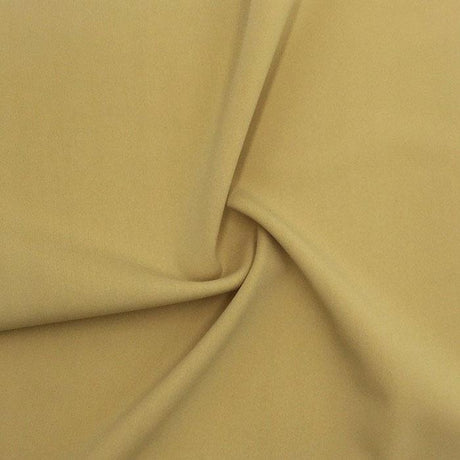
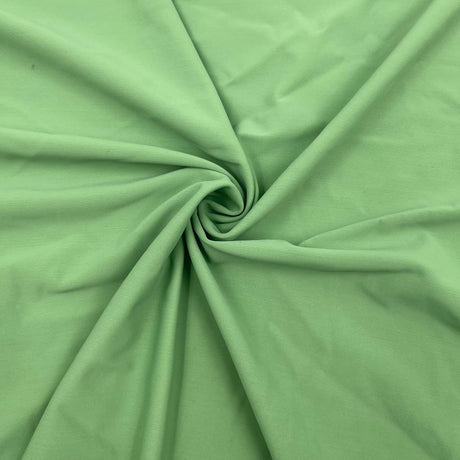
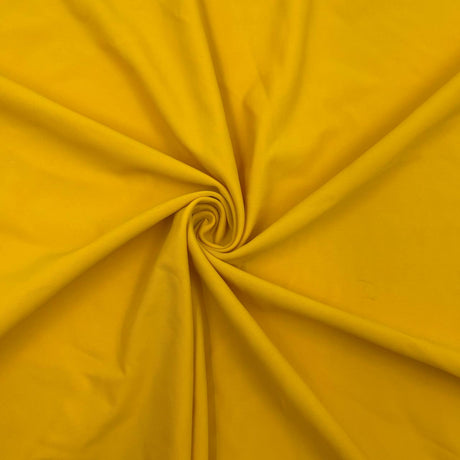
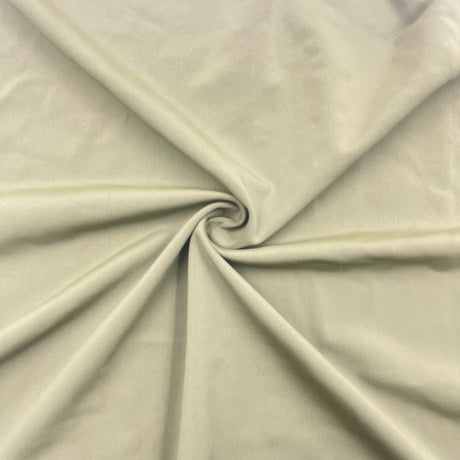
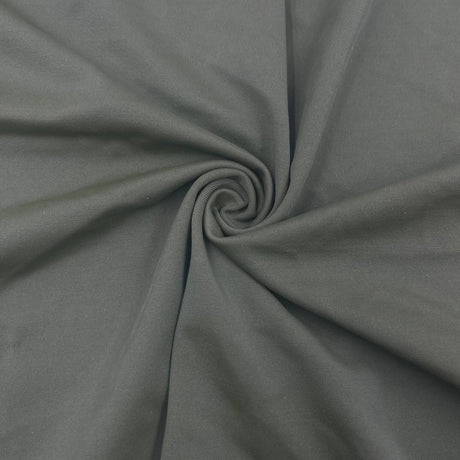
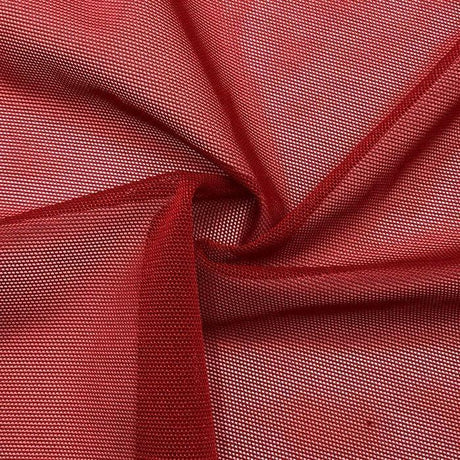
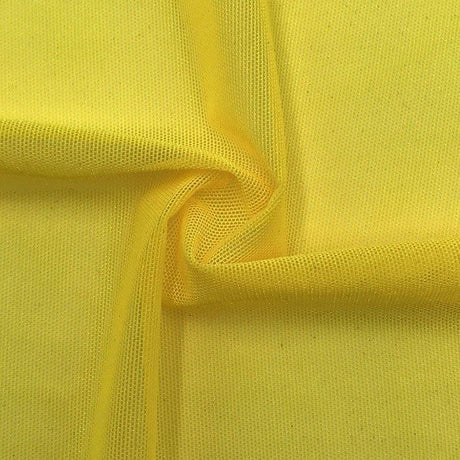
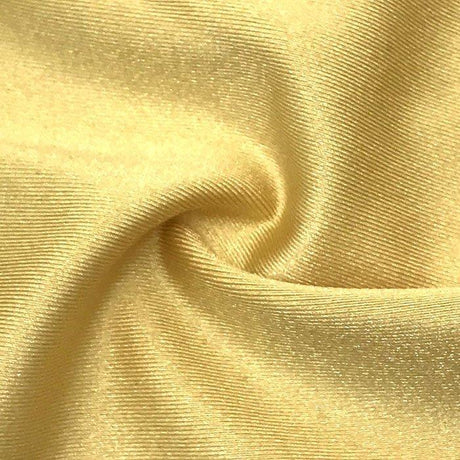
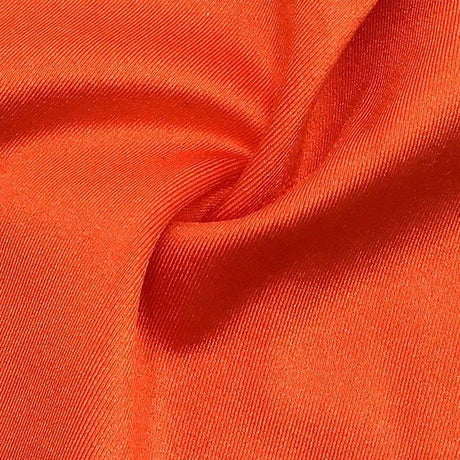
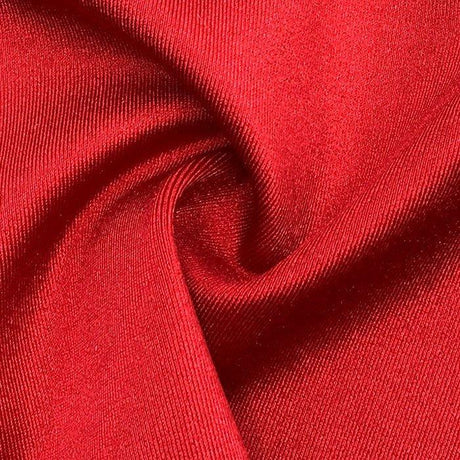
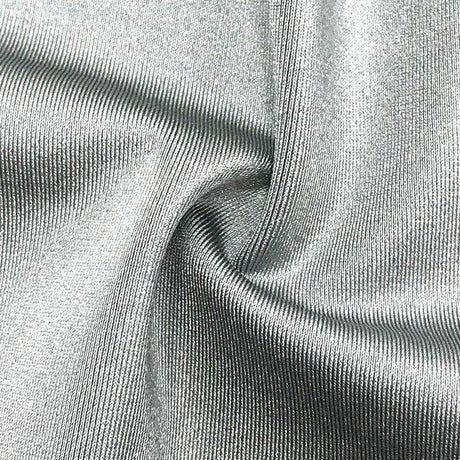
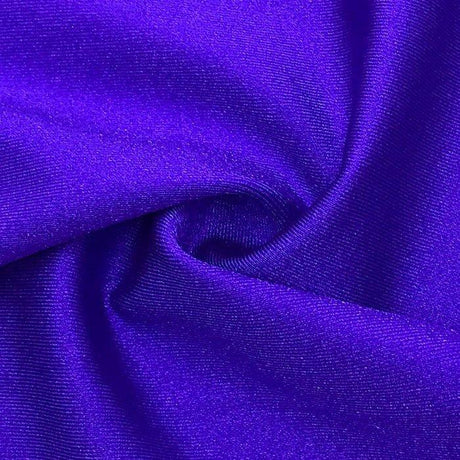
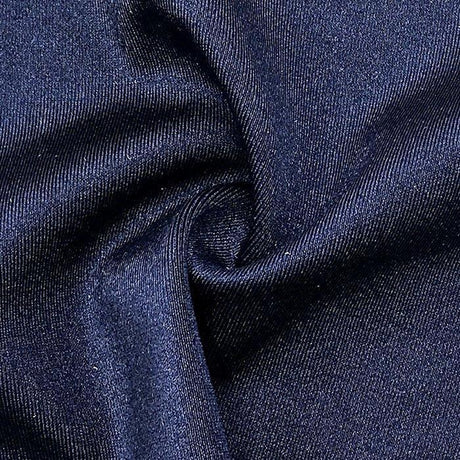
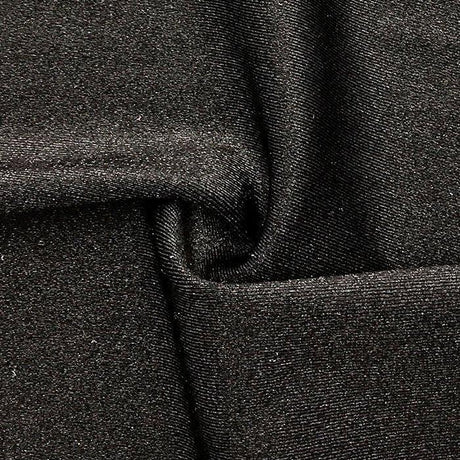
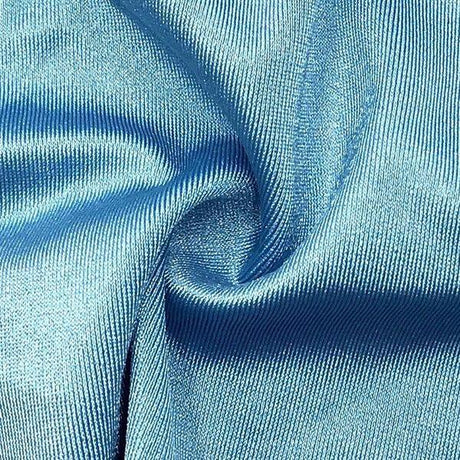
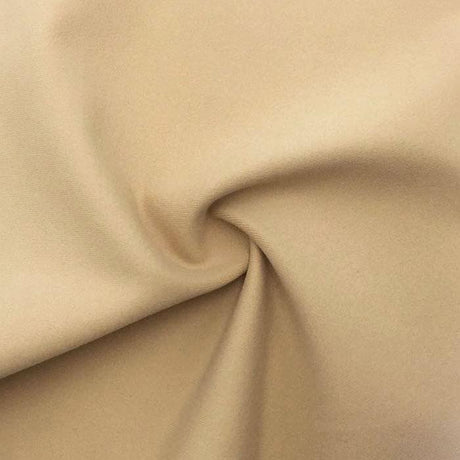
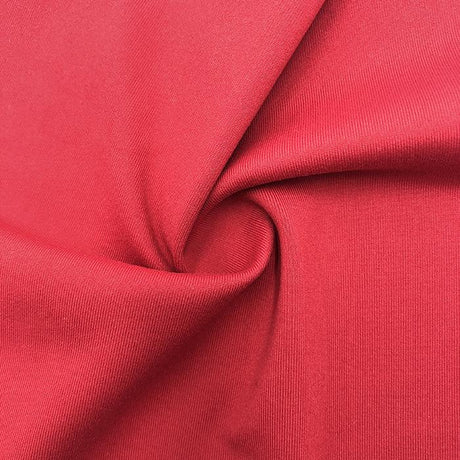
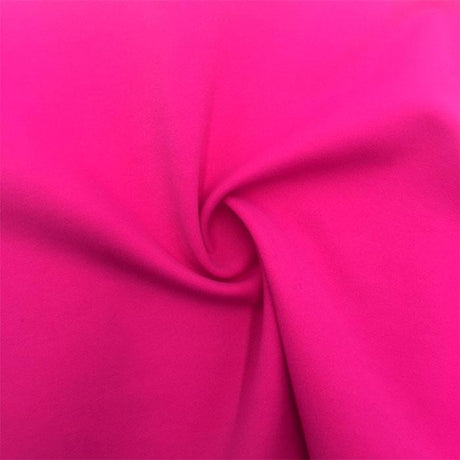
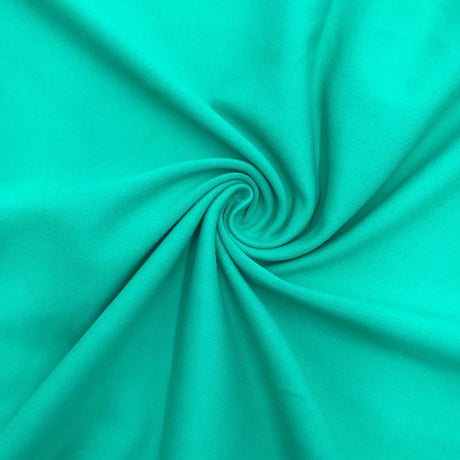
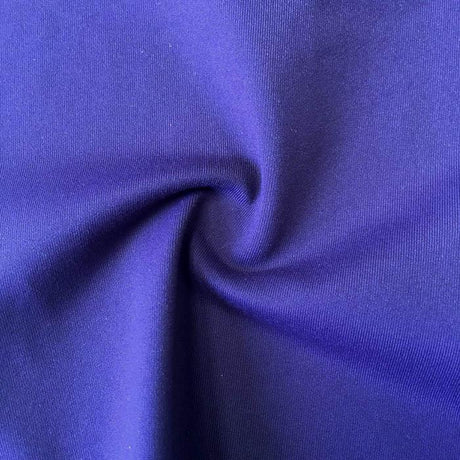
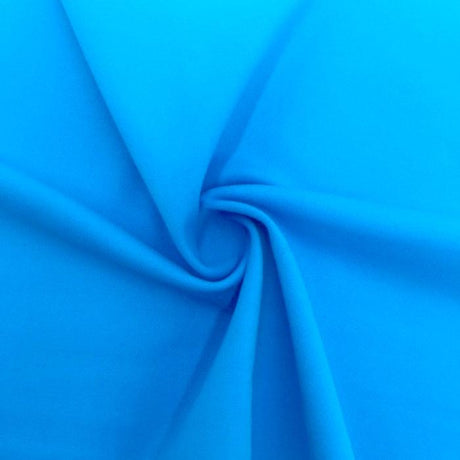
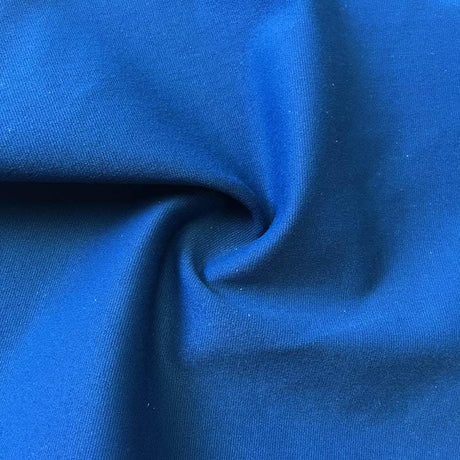
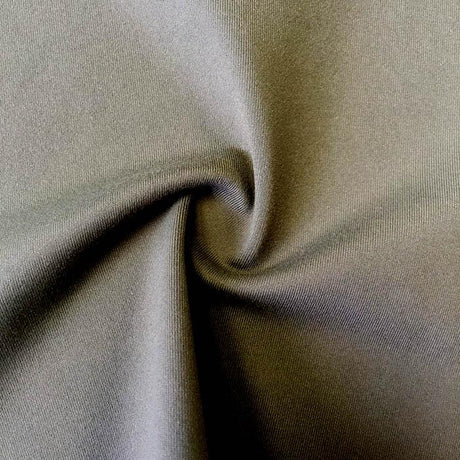
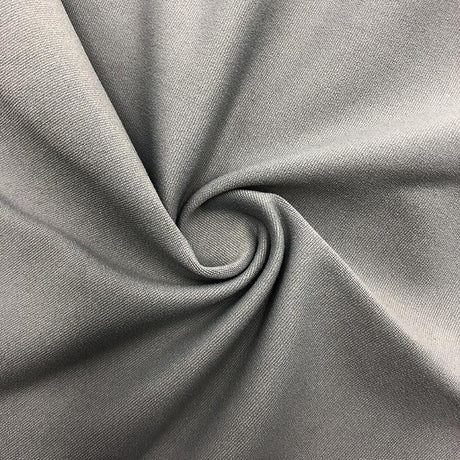
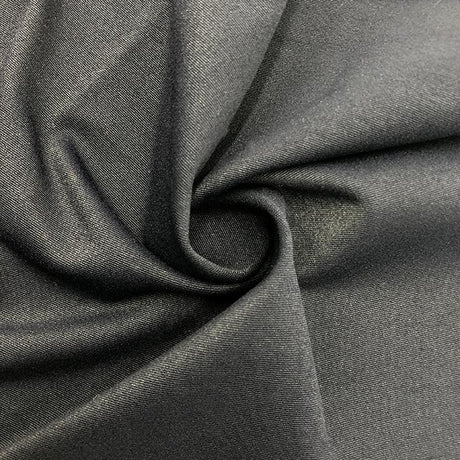
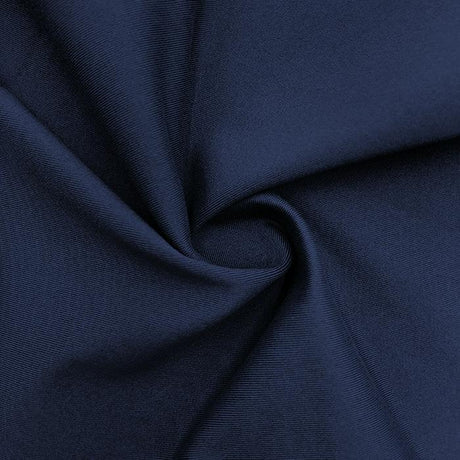
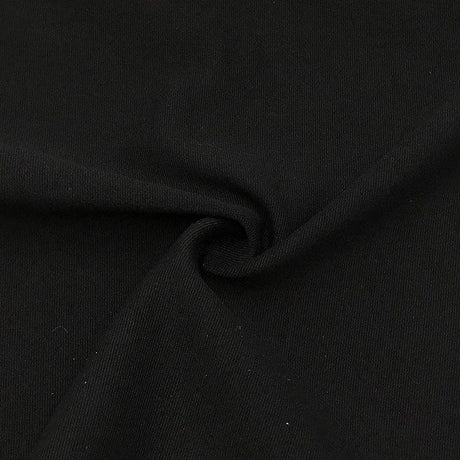
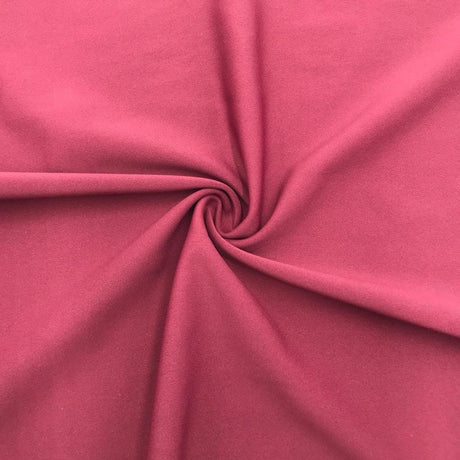
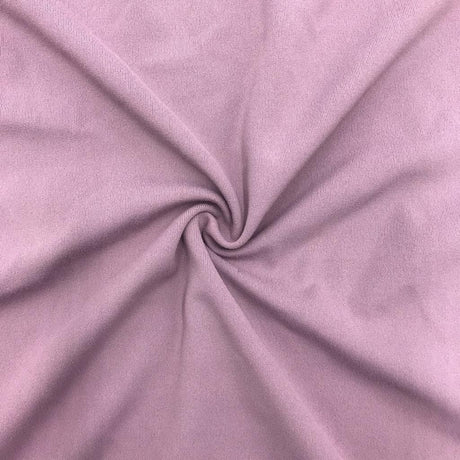
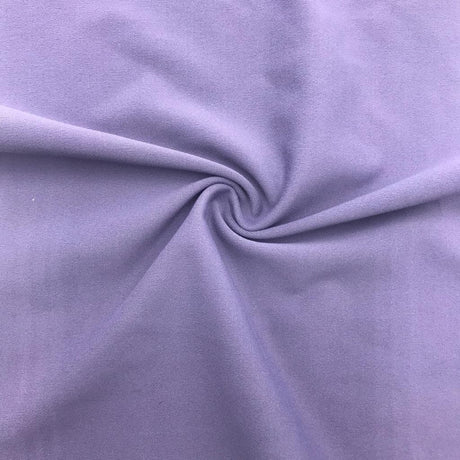
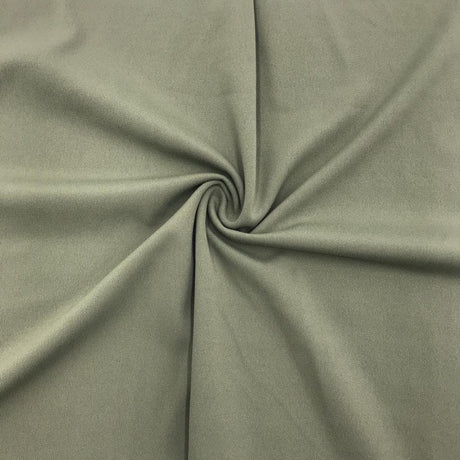
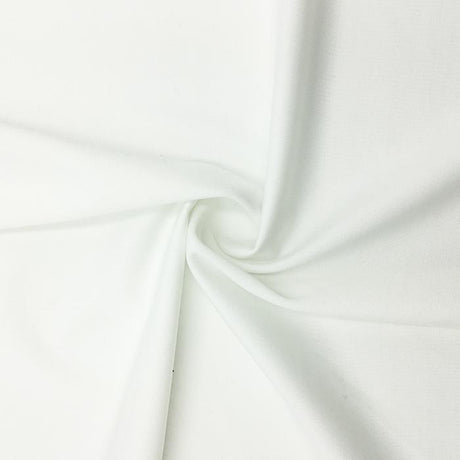
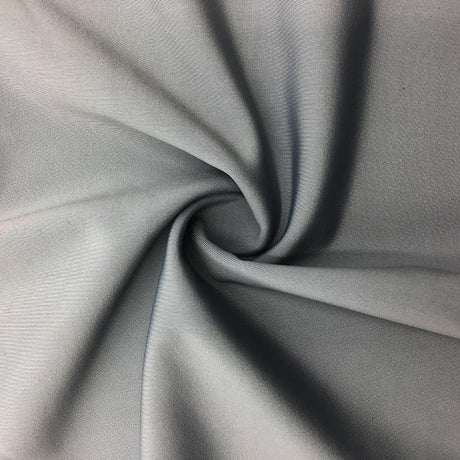
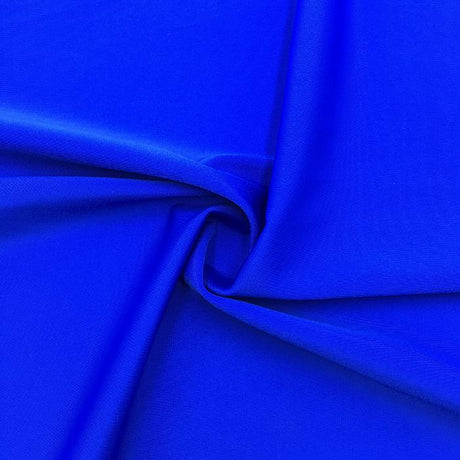
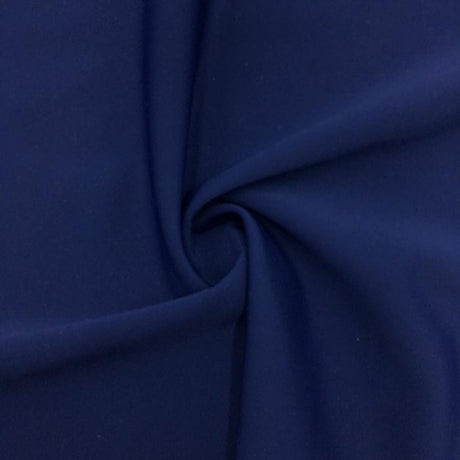
When designing a sports bra, choosing the right fabric is just as important as the garment's construction. The best sports bra fabrics must provide the ideal combination of stretch, support, comfort, durability, and moisture management. Two of the most popular materials used in sports bras are nylon spandex and polyester spandex. Both fabrics offer excellent performance characteristics, but each has unique advantages depending on the intended use.
Nylon spandex is often preferred for premium sports bras because of its soft hand feel, smooth appearance, and exceptional stretch recovery. It provides comfortable compression and support while maintaining flexibility during movement. Polyester spandex, on the other hand, is known for its excellent moisture-wicking capabilities, vibrant color retention, and long-lasting durability, making it a popular choice for athletic apparel and performance activewear.
Whether you're creating high-impact sports bras, yoga tops, fitness apparel, or athleisure garments, understanding the differences between nylon spandex and polyester spandex can help you select the best fabric for your project. In this guide, we'll compare stretch, comfort, durability, support, moisture management, and performance to help you determine which fabric is best suited for your sports bra designs.
Looking for premium stretch fabrics? Explore our Activewear Fabric Collection, Nylon Spandex Solids, Swimwear Fabric Collection, and Printed Spandex Fabric Collection for high-quality fabrics designed for sports bras, leggings, swimwear, and performance apparel.
Why Fabric Choice Matters in a Sports Bra
A sports bra has one job that ordinary apparel doesn't: it has to control movement under load, repeatedly, without giving out. That puts unusual demands on the fabric. It needs enough stretch to be comfortable, but enough recovery to snap back and keep providing support rep after rep. It needs to manage the heat and sweat of exercise, resist the abrasion of constant motion, and hold its shape through dozens of wash cycles. A fabric that falls short on any one of these will produce a bra that feels great for a month and then sags, fades, or stops supporting. This is why the fiber blend deserves as much attention as the pattern and seams.
Understanding Nylon Spandex
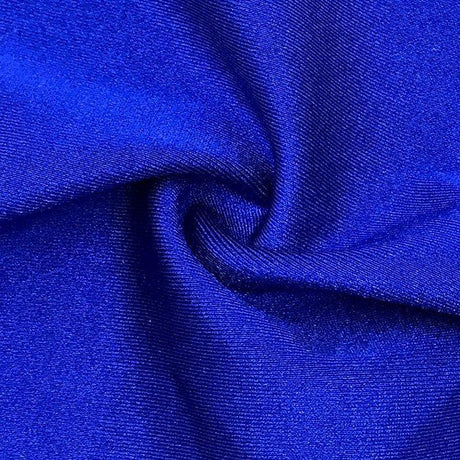
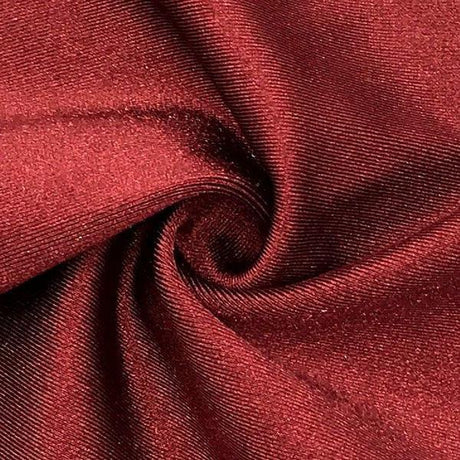
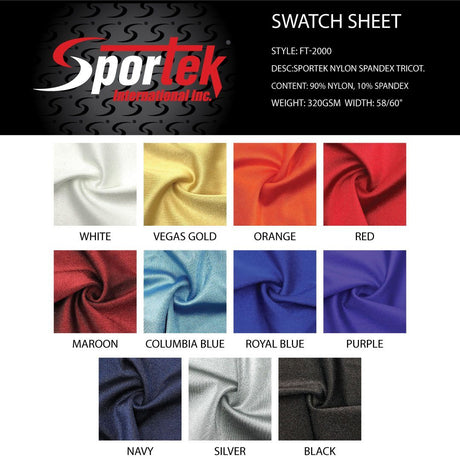
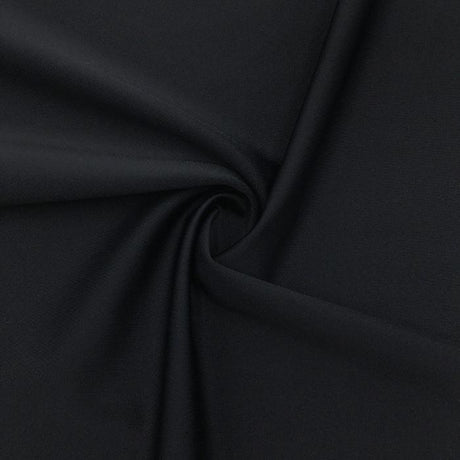
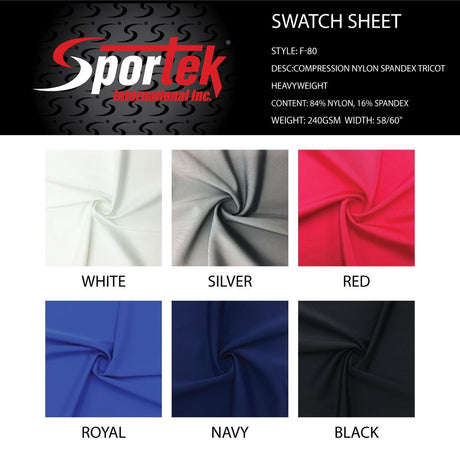
Nylon spandex pairs nylon (a soft, resilient synthetic fiber) with spandex for stretch. The result is a fabric with a luxurious hand feel, a smooth and slightly lustrous surface, and outstanding elasticity. For sports bras, nylon's standout quality is its stretch recovery — it stretches generously and returns to shape reliably, which translates directly into consistent, comfortable compression. It also feels exceptionally soft against the skin, a meaningful advantage for a close-fitting garment worn during sweaty, high-friction activity.
The trade-off is moisture behavior. Nylon is more absorbent than polyester and dries more slowly, so it can feel damp longer during heavy sweating. It's also somewhat more sensitive to UV and chlorine over the long term. For most studio, gym, and everyday wear, none of that is a dealbreaker — and nylon's plush feel and premium drape make it a favorite for elevated, fashion-forward activewear. You'll find a wide range of nylon-rich options in our Nylon Spandex Solids collection.
Understanding Polyester Spandex
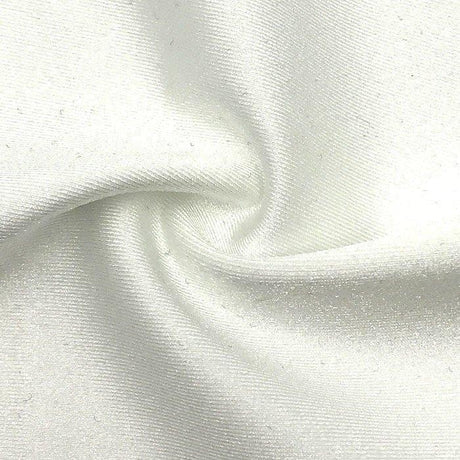
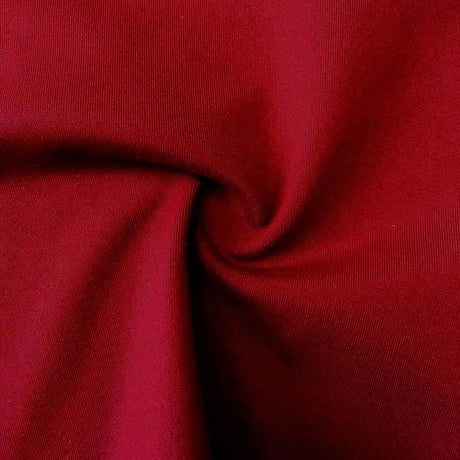
Polyester spandex combines polyester with spandex for stretch, and it brings a different set of strengths. Polyester fibers are hydrophobic, meaning they don't absorb much water; instead they pull moisture to the surface where it evaporates quickly. This makes polyester spandex the natural choice for high-sweat, high-intensity workouts where staying dry matters. Polyester also holds color exceptionally well, resists fading, and stands up to repeated washing and abrasion, giving it an edge in long-term durability.
Polyester's other major advantage is printing: it's the only practical base for sublimation, because disperse dyes bond permanently into the fiber for vivid, crack-proof, all-over graphics. If your sports bra line leans on bold prints or custom artwork, polyester is almost certainly the right foundation — see our sublimation page for how that works. The main trade-off is hand feel: polyester knits can feel slightly less plush than premium nylon, though high-quality brushed polyester closes much of that gap. Browse performance-oriented options in our Activewear Fabric Collection.
Head-to-Head: How They Compare
Stretch and Recovery
Both fabrics stretch well thanks to their spandex content, and recovery depends heavily on that elastic percentage and the knit quality. Nylon spandex generally has a slight edge in recovery and a more elastic, "live" feel, which is why it's so common in compression-style bras. Polyester spandex still recovers well, especially in higher-spandex blends built for activewear.
Comfort and Hand Feel
Nylon wins on softness and smoothness against the skin, with a more luxurious drape. Polyester is comfortable too, particularly in brushed or textured constructions, but in a direct touch test most people find nylon the plusher of the two.
Support and Compression
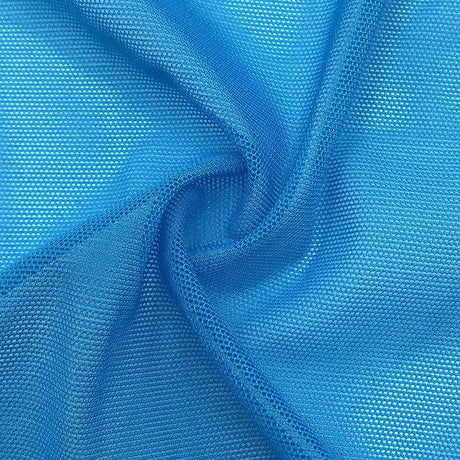
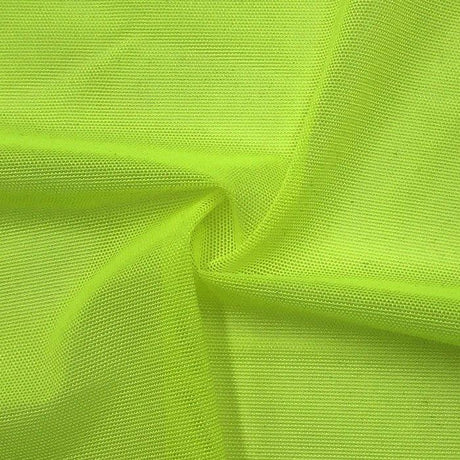
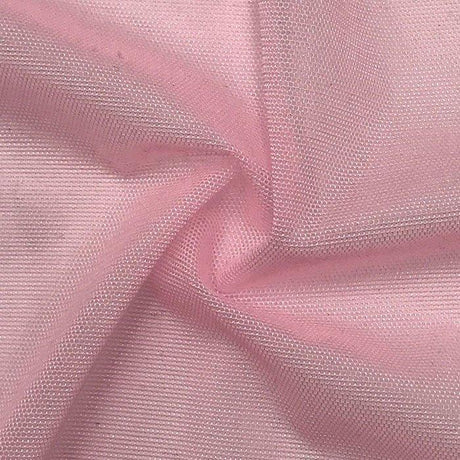
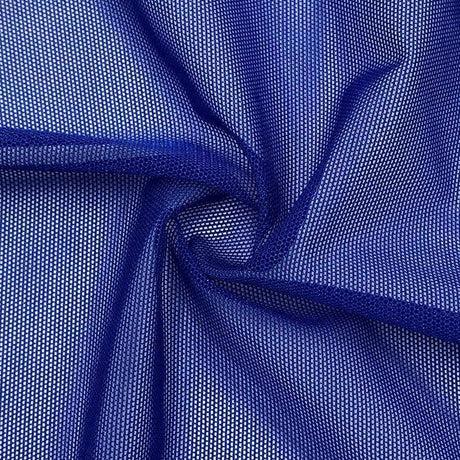
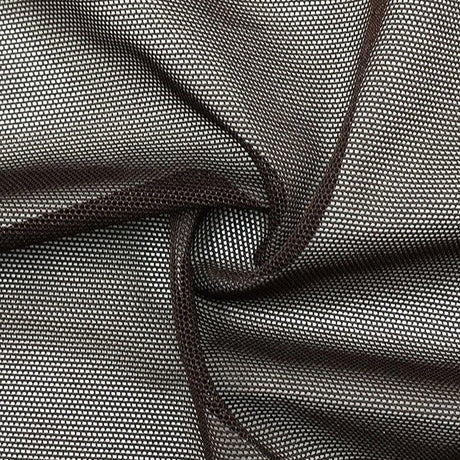
Support comes from the combination of fabric recovery, garment construction, and elastic content. Nylon spandex's strong recovery makes it excellent for compression bras that rely on the fabric itself to hold everything in place. For higher-impact designs, both fabrics are often paired with a power-mesh lining or structural panels to add support beyond what a single layer can provide.
Moisture Management
This is polyester's clearest win. Its wicking, fast-drying nature keeps the wearer drier through intense sweat, while nylon holds more moisture and dries more slowly. For hot, high-output training, polyester is the more comfortable choice; for cooler or lower-sweat activity, the difference is less noticeable.
Durability and Color Retention
Polyester is the more durable and colorfast of the two over the long haul, resisting fading and abrasion particularly well — an advantage for brightly colored or frequently washed garments. Nylon is durable as well but is more affected by sun and chlorine over time.
Printing and Customization
If vivid, permanent prints are part of the design, polyester is the answer thanks to sublimation. For solids and ready-made designs, both fibers offer broad palettes — explore printed and solid spandex options to match your line.
Matching Fabric to Impact Level and Style
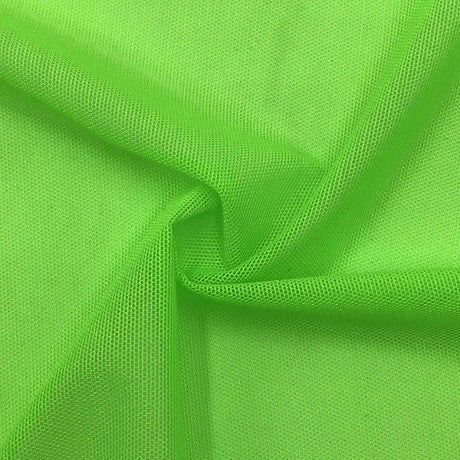
The right choice often comes down to how the bra will be used. For low-impact yoga, pilates, barre, and athleisure, nylon spandex's soft hand and clean look make it a strong pick — pair it with our yoga and legging fabric for a coordinated set. For medium- to high-impact training, running, and HIIT, polyester spandex's moisture management and durability tend to serve better, especially when paired with supportive linings. For high-impact designs that demand maximum control, a dedicated compression fabric or a power-mesh layer adds the structure a single jersey layer can't provide. Many designers mix materials — a soft nylon outer with a supportive inner — to get the best of both.
Construction and Care Considerations
Fiber content is only half the story. Fabric weight affects opacity and support — heavier knits offer more containment and squat-proof opacity, while lighter ones breathe more. Four-way stretch lets the bra move with the body in every direction, and a quality knit resists the pilling and snagging that come with friction. Lining choice matters too, both for support and for opacity at the bust.
To keep a finished sports bra performing, care is simple but important: wash in cold water, skip fabric softener (it coats fibers and reduces wicking), and air dry rather than tumble dry. Heat is the fastest way to break down spandex in any blend, so keeping garments out of the dryer meaningfully extends their useful life — advice worth passing along to your customers.
Choosing the Right Fabric
There's no universal winner — the best fabric depends on your priorities. Choose nylon spandex when softness, premium hand feel, and stretch recovery lead the brief, especially for lower-impact and fashion-oriented pieces. Choose polyester spandex when moisture management, long-term durability, vivid printing, and high-intensity performance matter most. For high-impact designs, build support in through construction and linings regardless of which fiber you start with. When in doubt, match the fabric to the sweat level and movement intensity the garment will actually face.
Related Fabric Collections
- Activewear Fabric Collection
- Nylon Spandex Solids (verify URL before publishing)
- Swimwear Fabric Collection
- Printed Spandex Fabric (verify URL before publishing)
- Solid Spandex Fabric
- Yoga & Legging Fabric
- Compression Fabric (verify URL before publishing)
- Shop All Collections
Final Thoughts
Nylon spandex and polyester spandex are both outstanding sports bra fabrics, but they earn their place for different reasons. Nylon delivers a soft, premium feel and superb stretch recovery; polyester delivers fast-drying moisture management, lasting color, and print-ready durability. Understanding those differences — and matching them to the impact level, look, and longevity your design demands — is what separates a sports bra that performs for years from one that disappoints after a season. Choose with the workout in mind, build in support through smart construction, and the fabric will do its job.