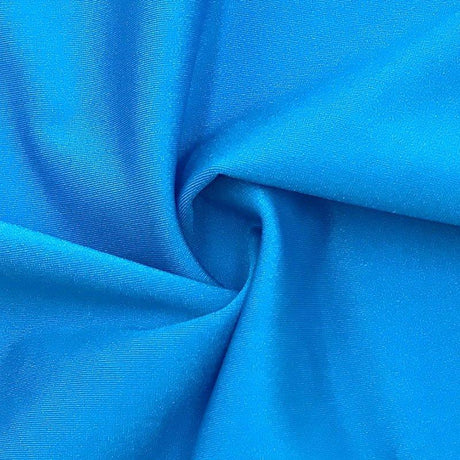
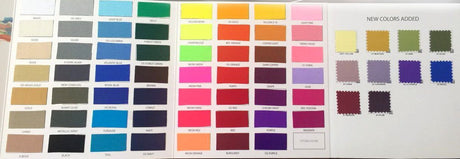
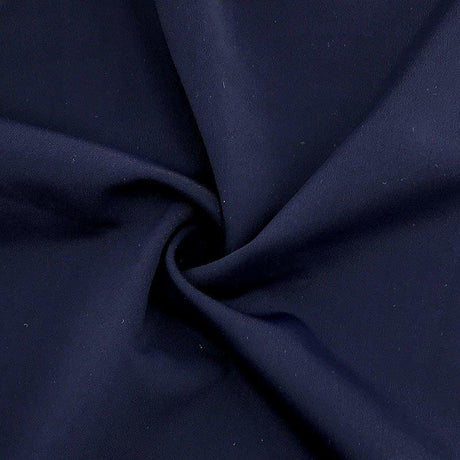
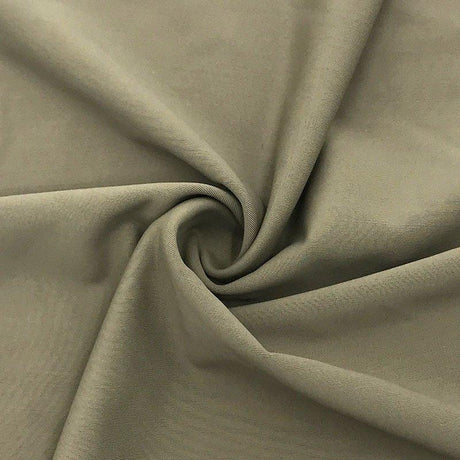
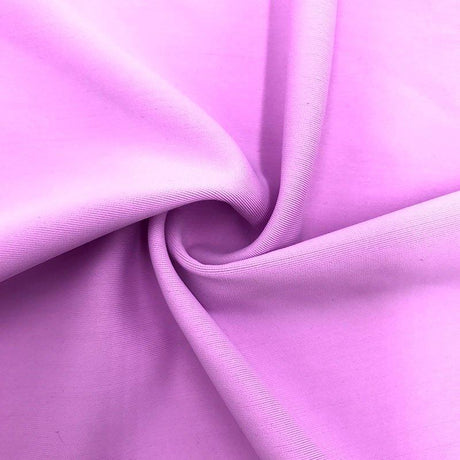
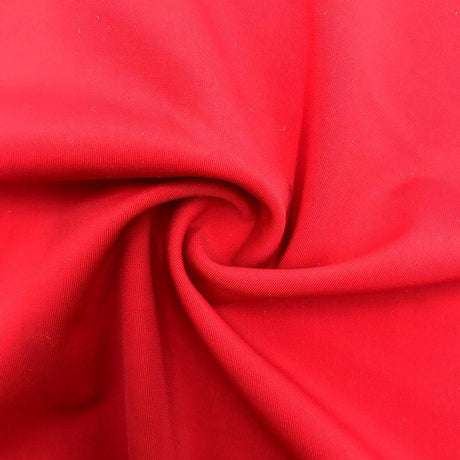
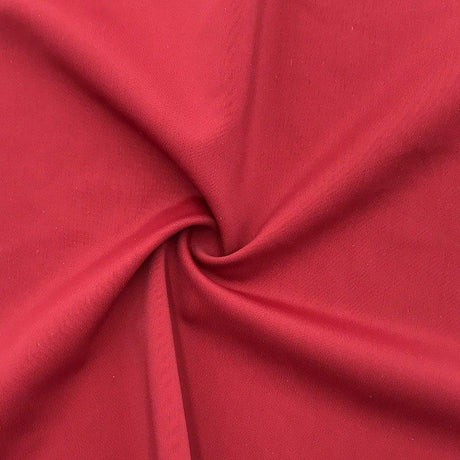
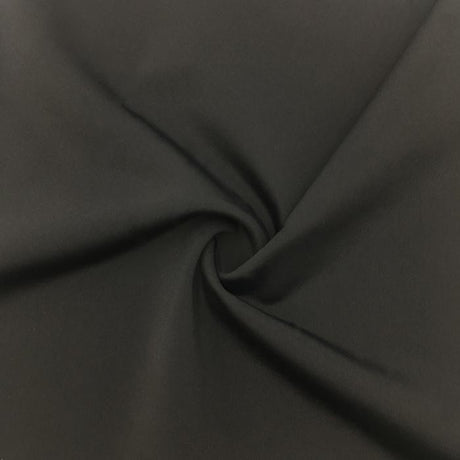
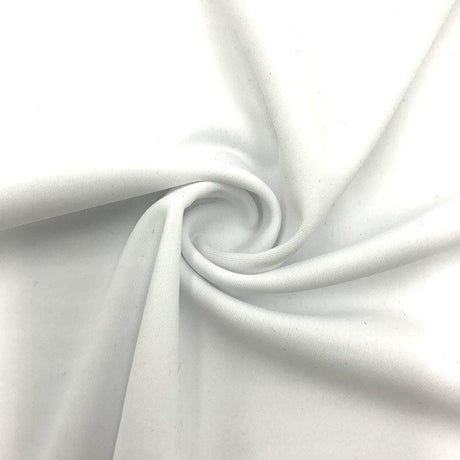
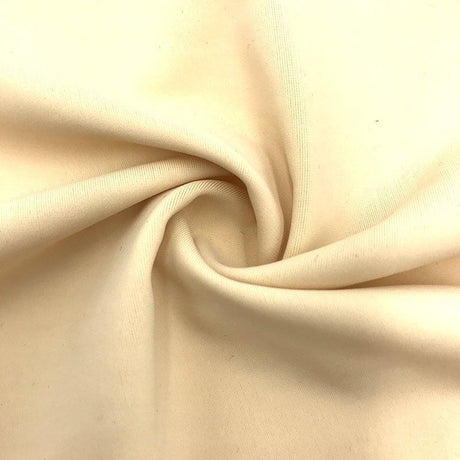
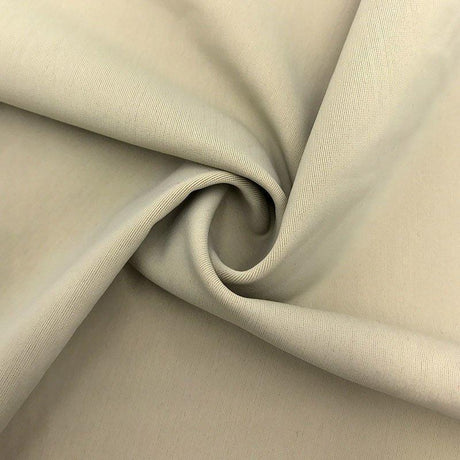
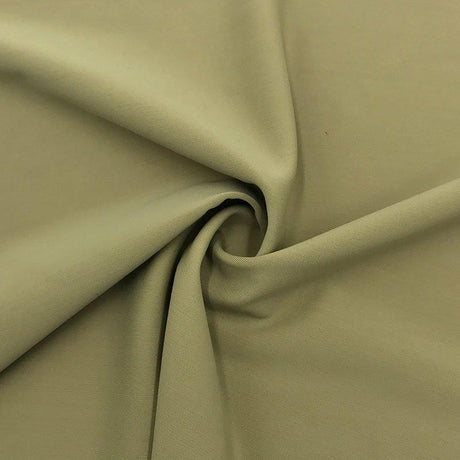
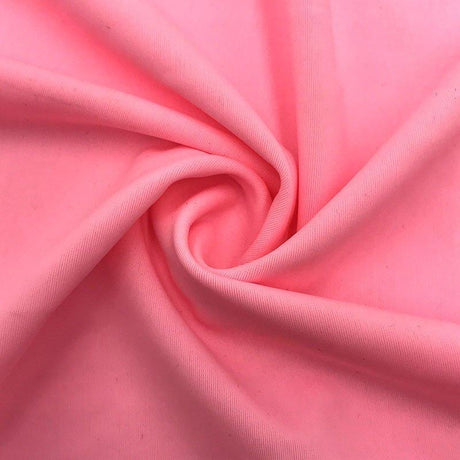
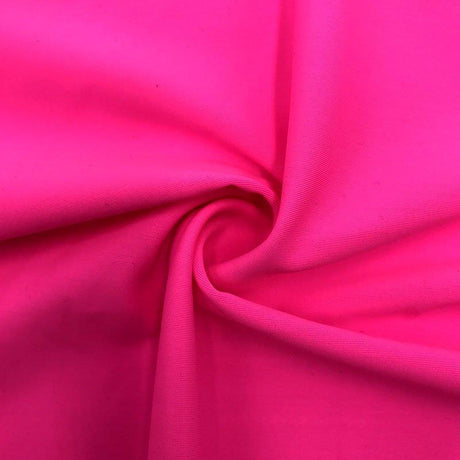
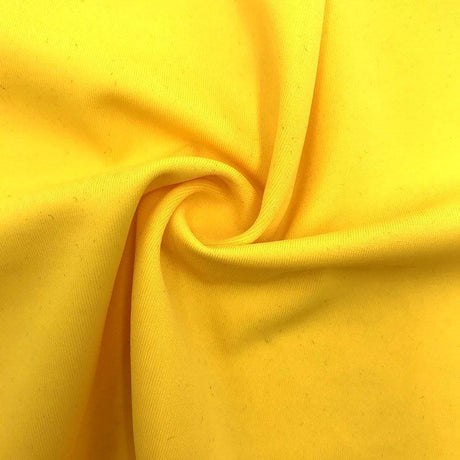
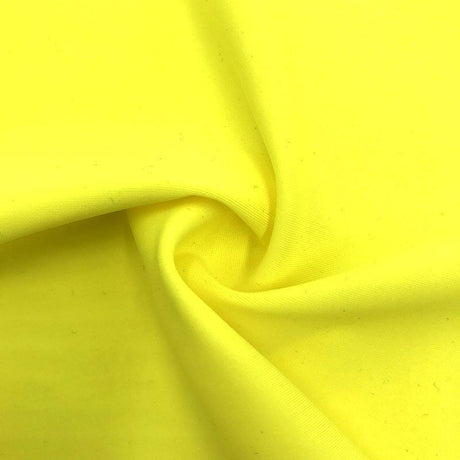
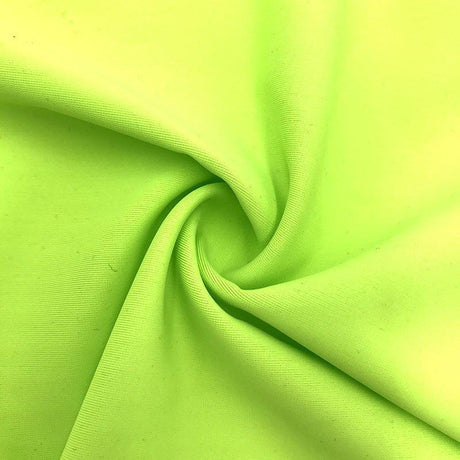
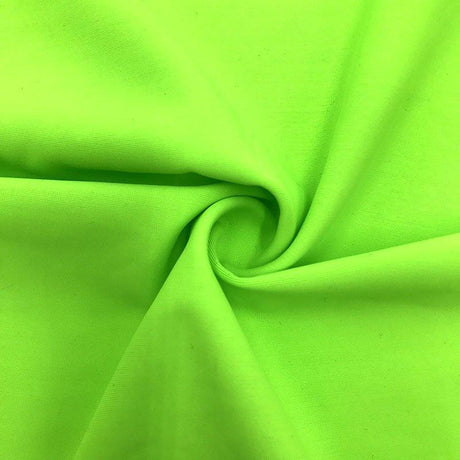
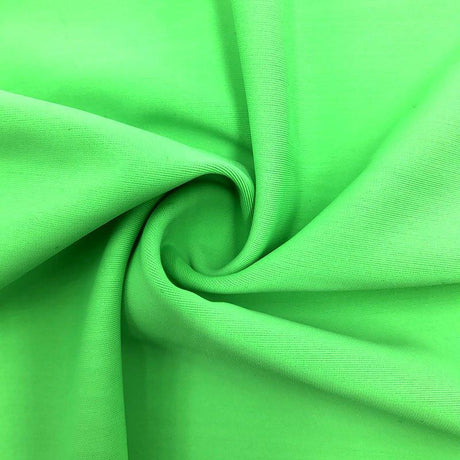
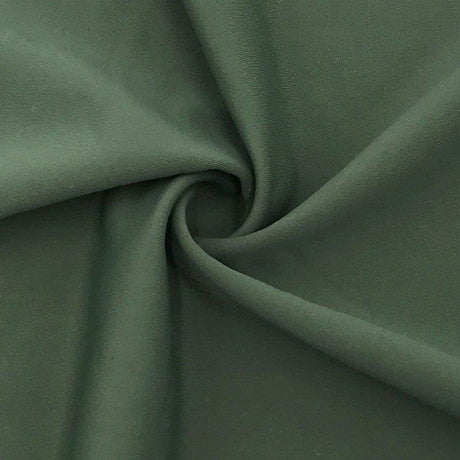
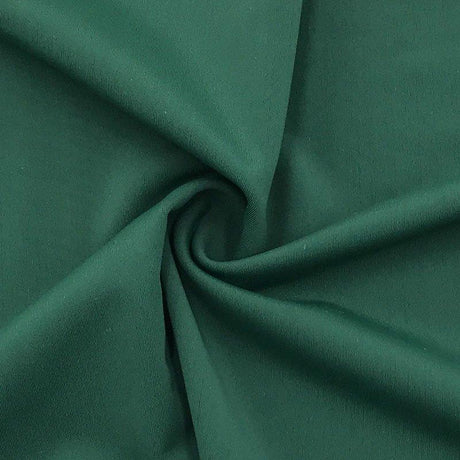
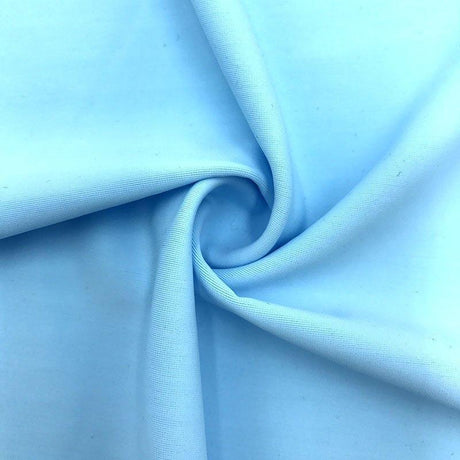
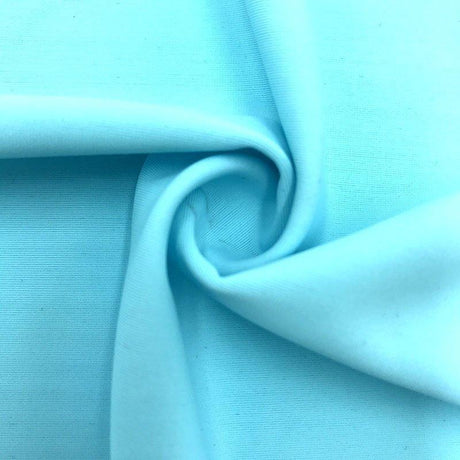
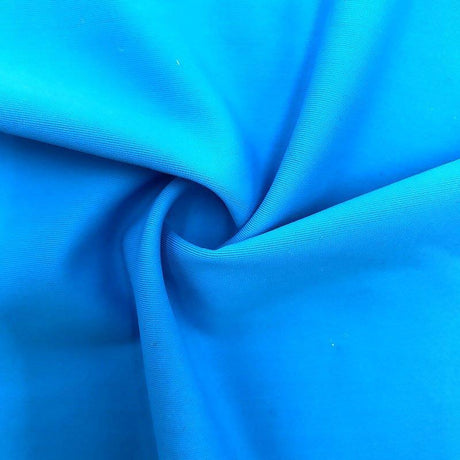
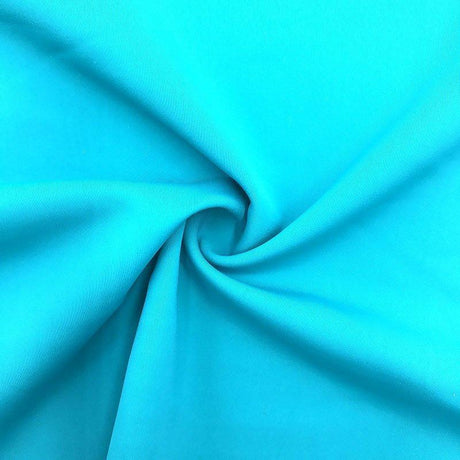
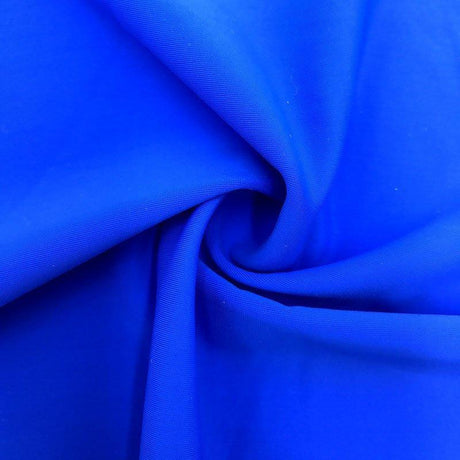
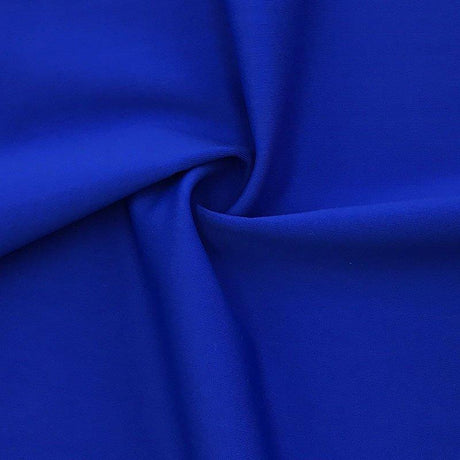
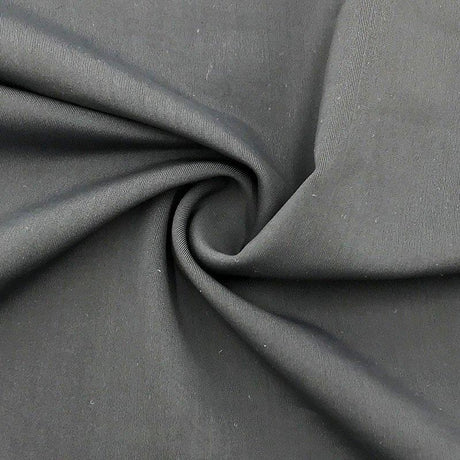
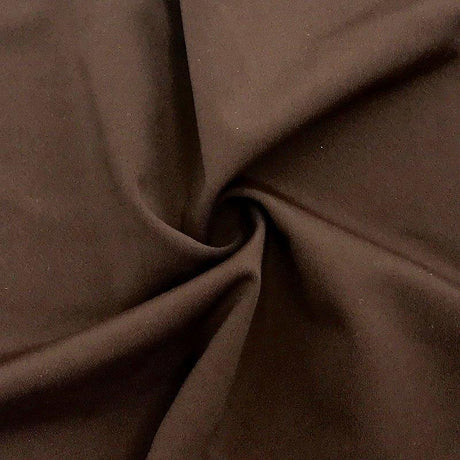
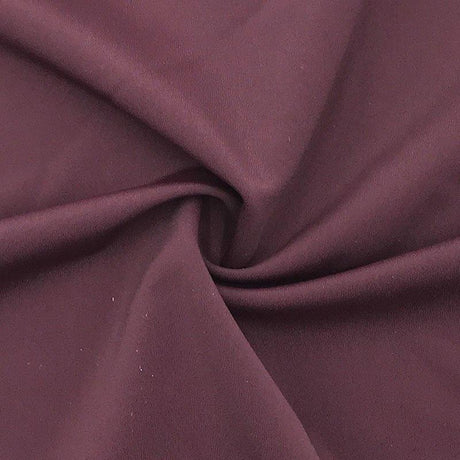
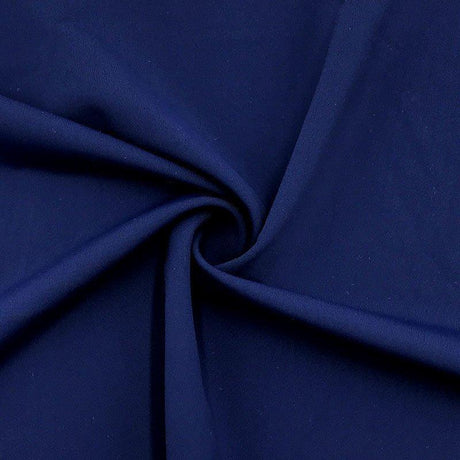
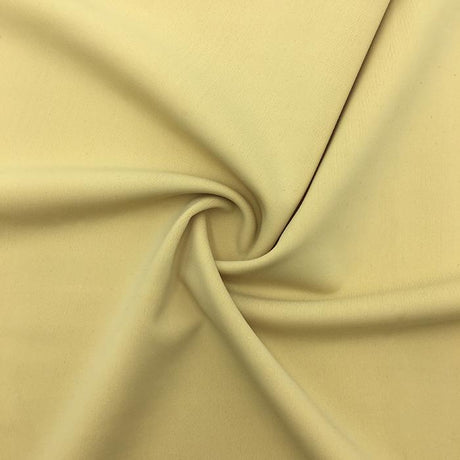
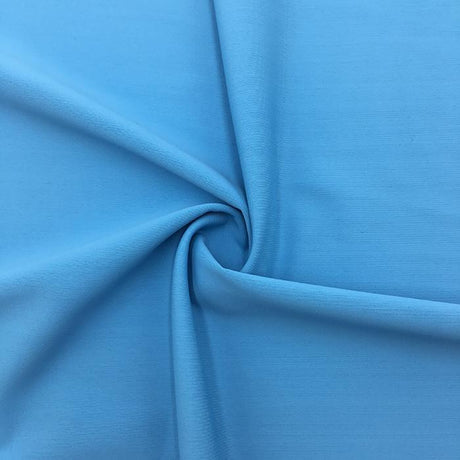
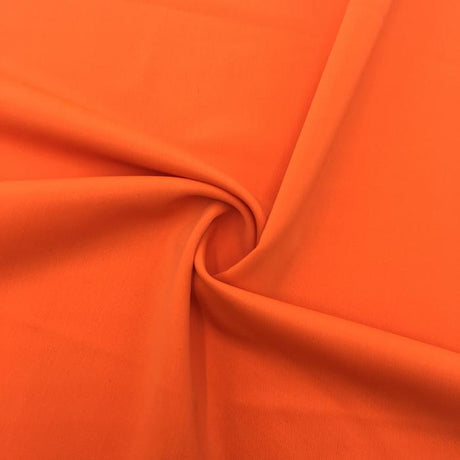
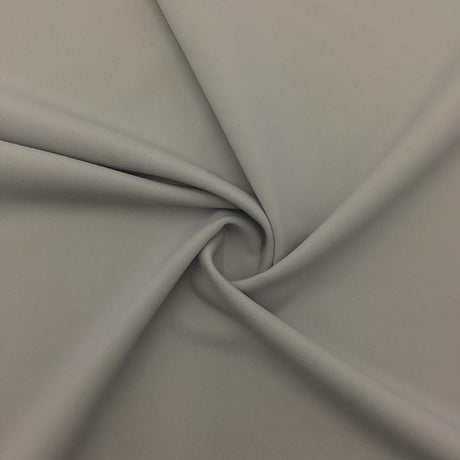
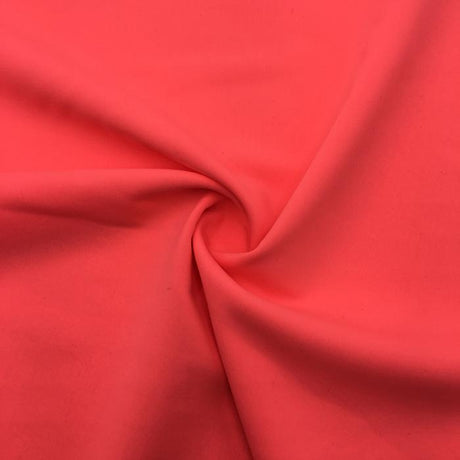
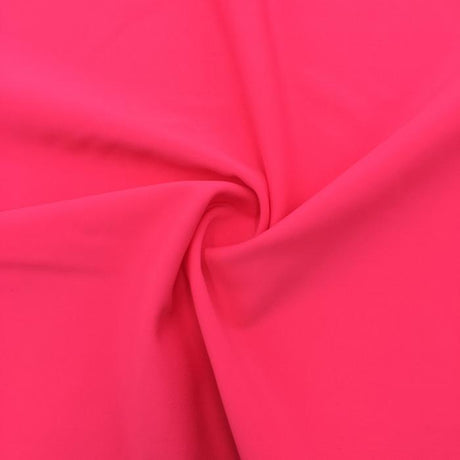
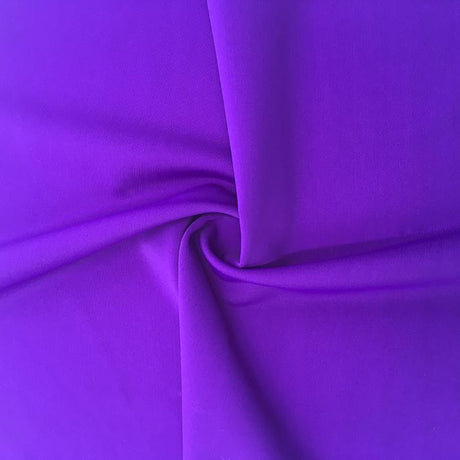
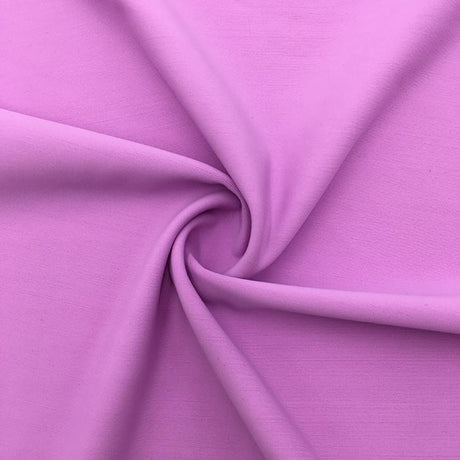
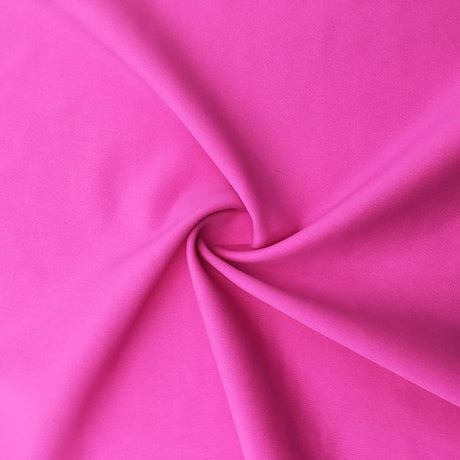
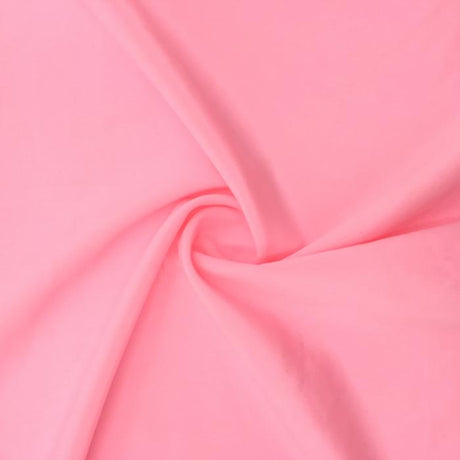
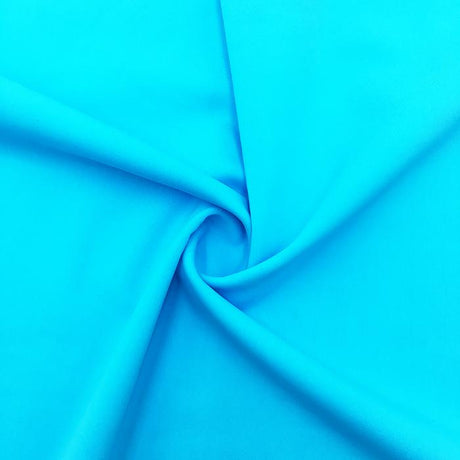
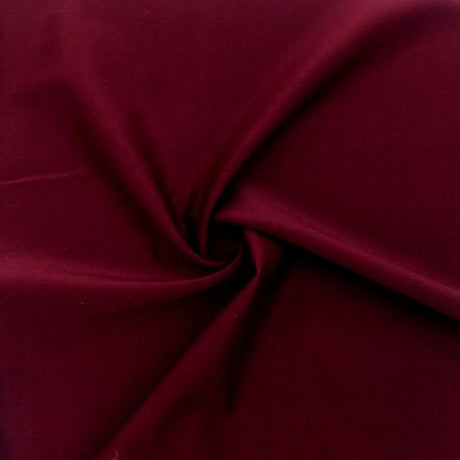
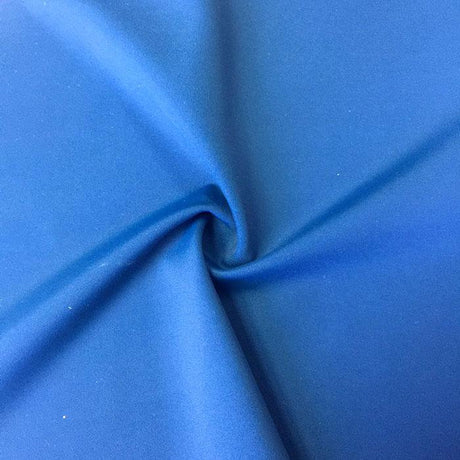
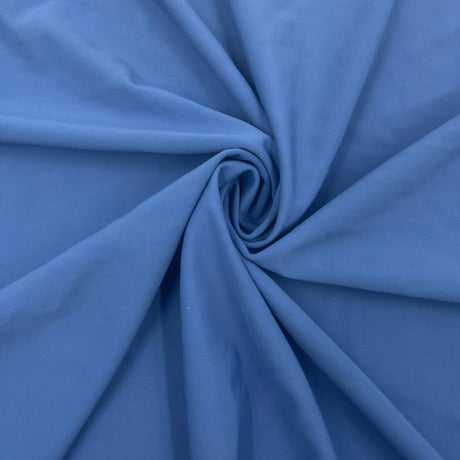
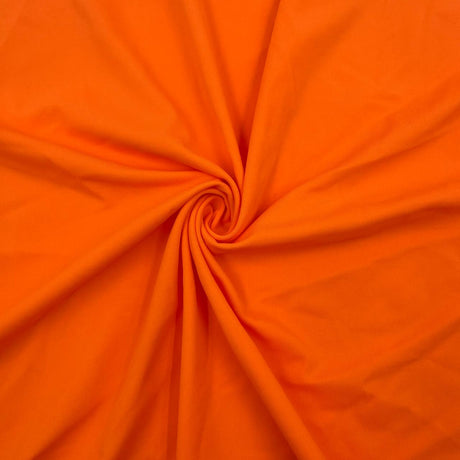
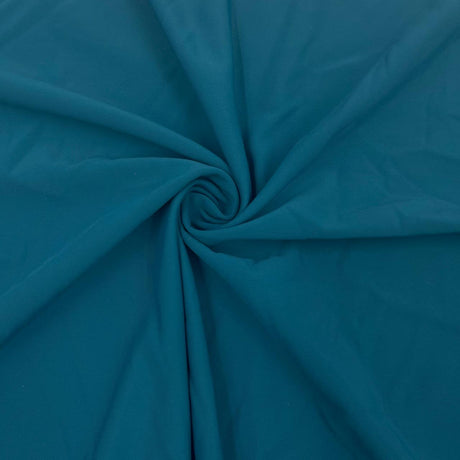
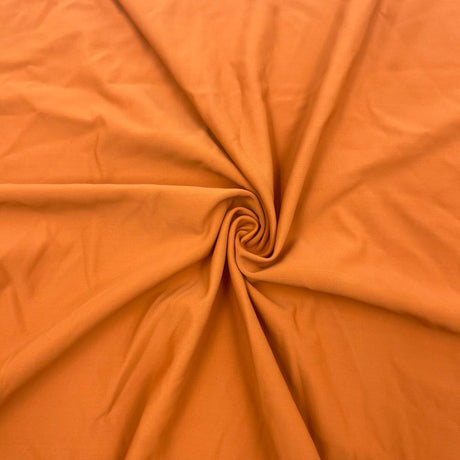
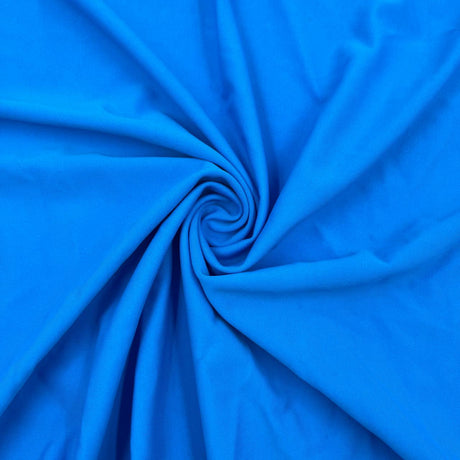
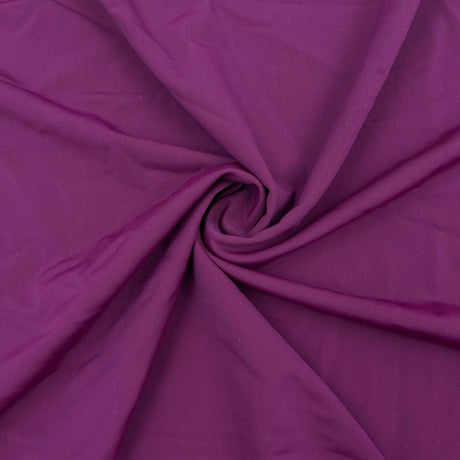
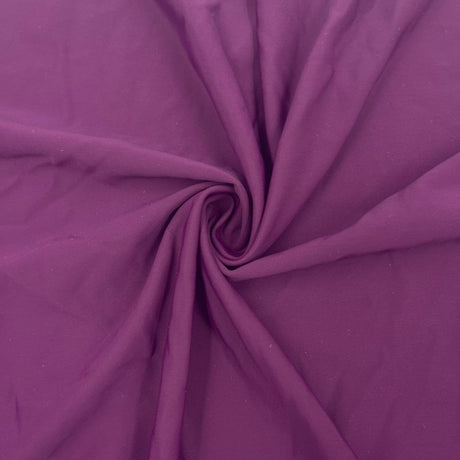
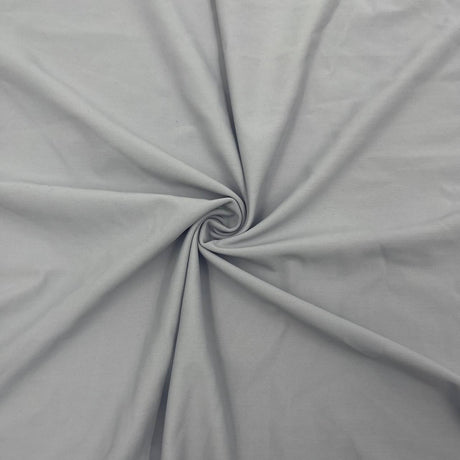
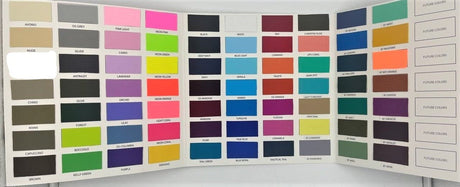
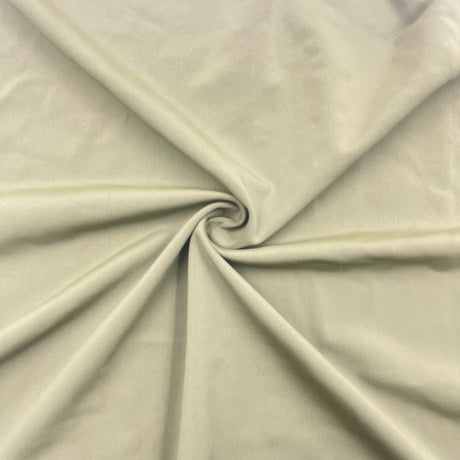
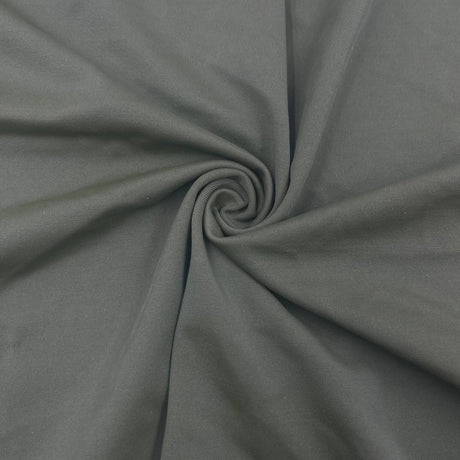
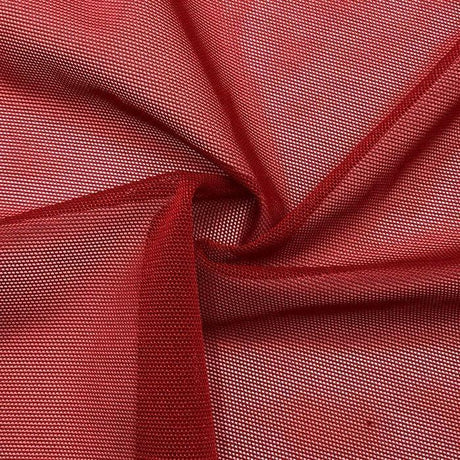
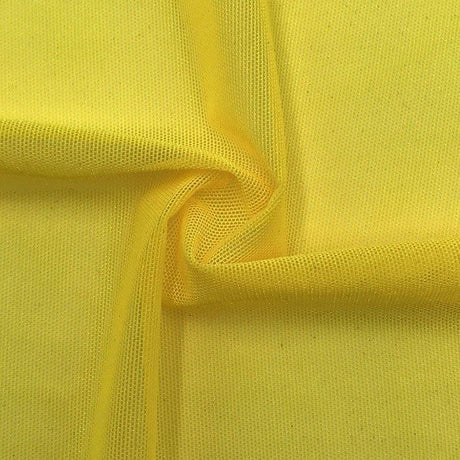
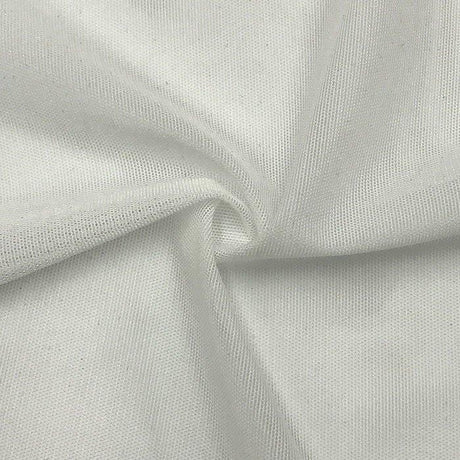
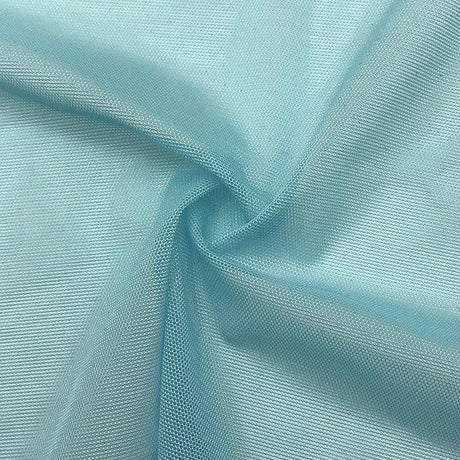
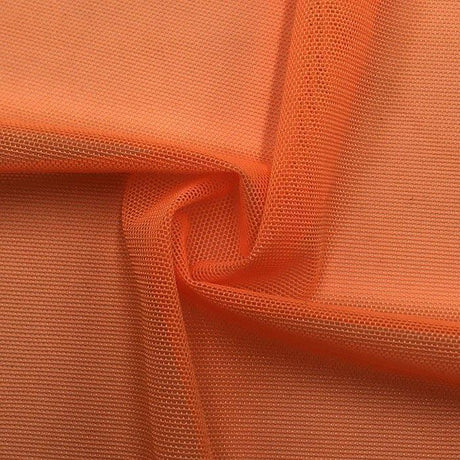
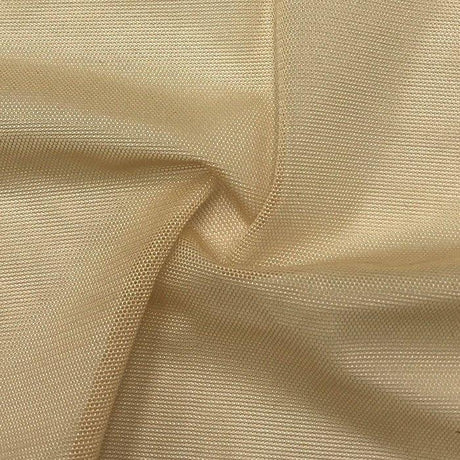
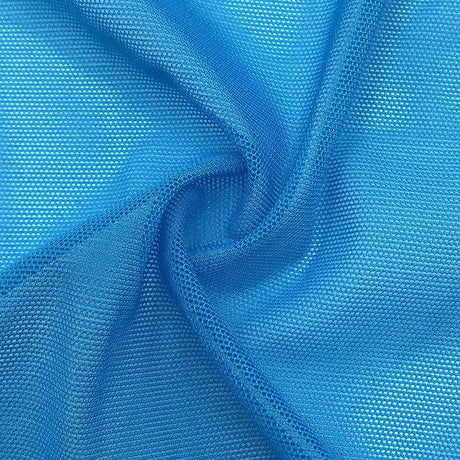
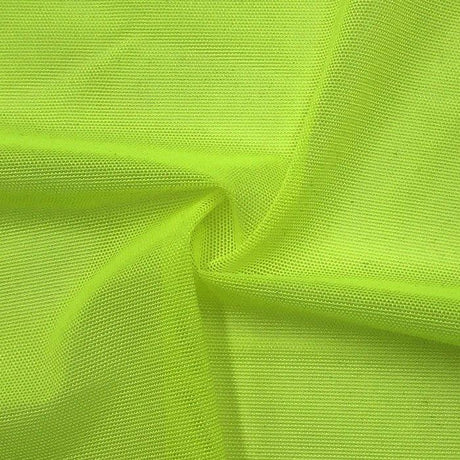
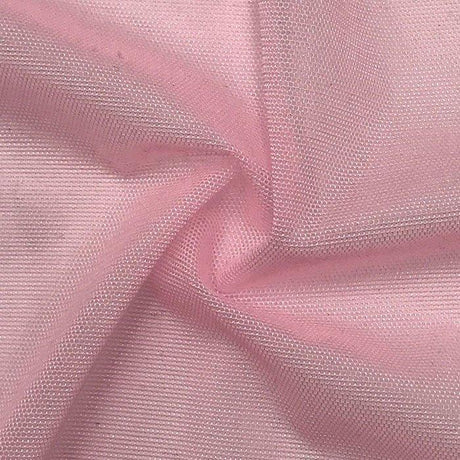
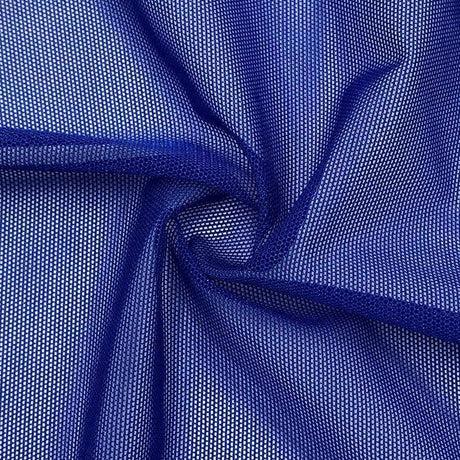
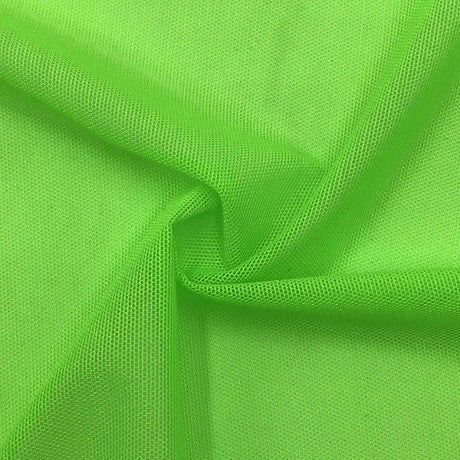
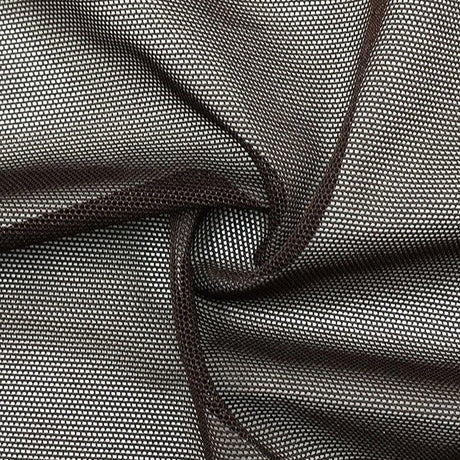
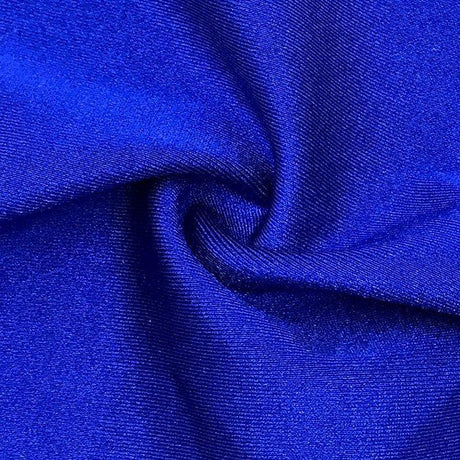
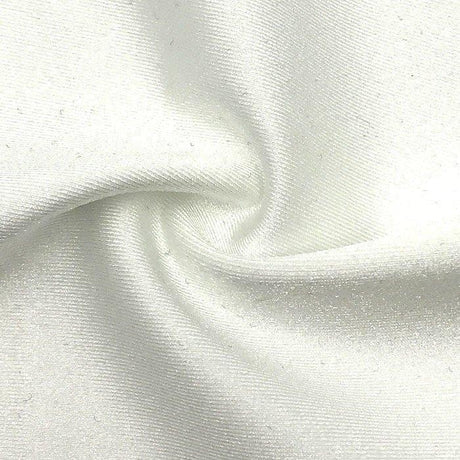
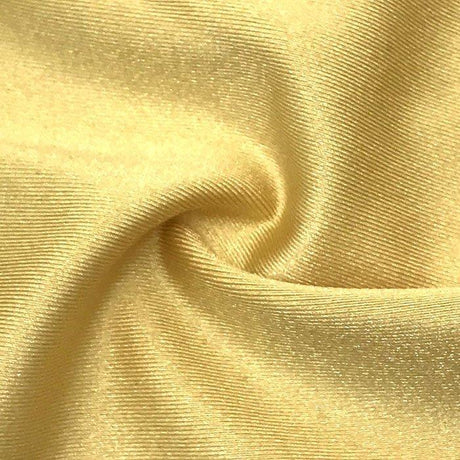
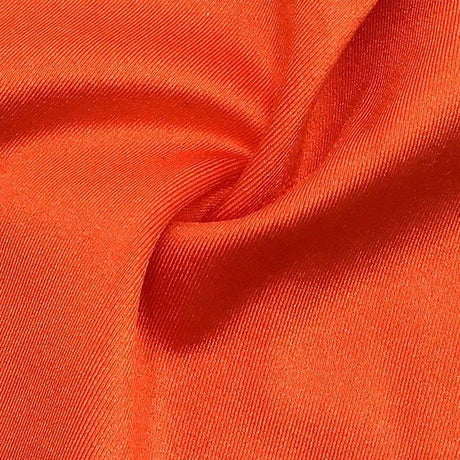
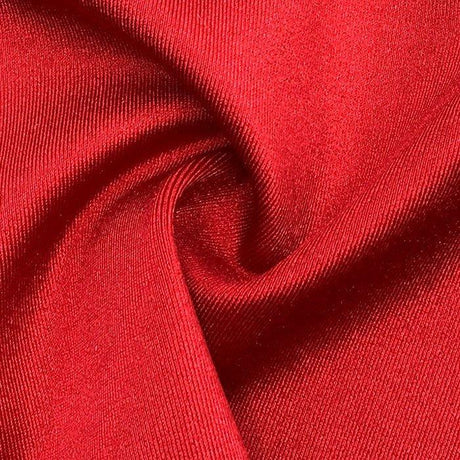
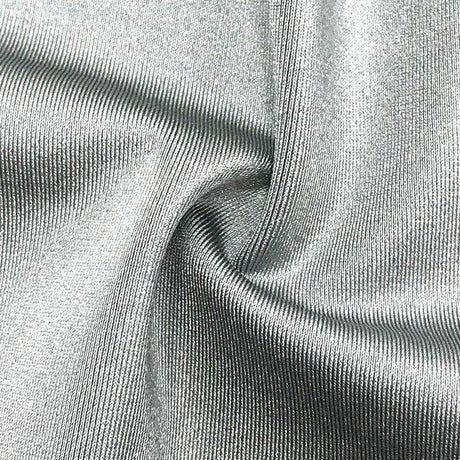
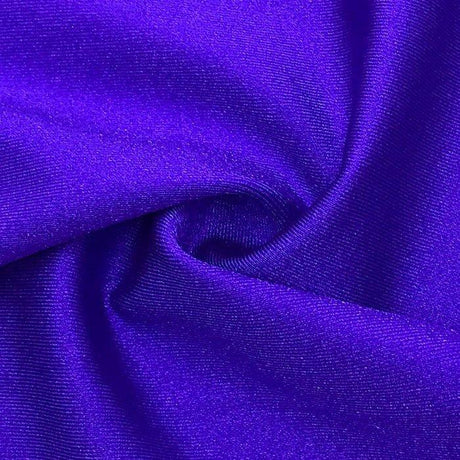
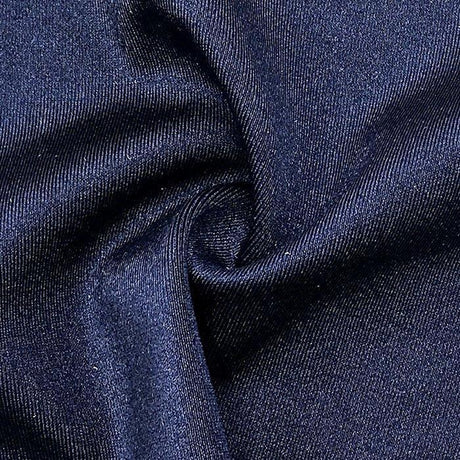
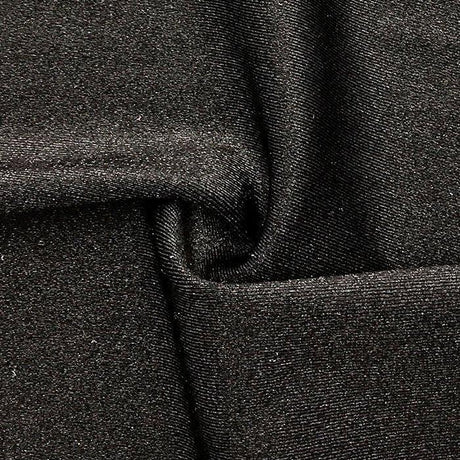
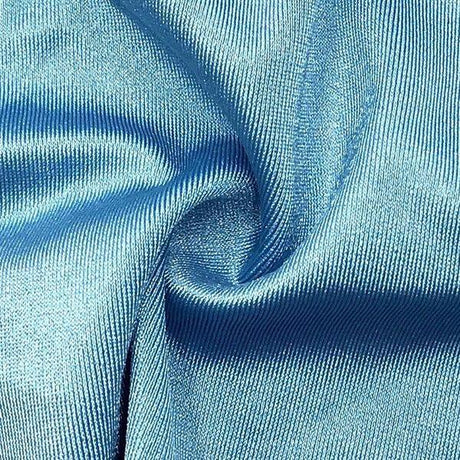
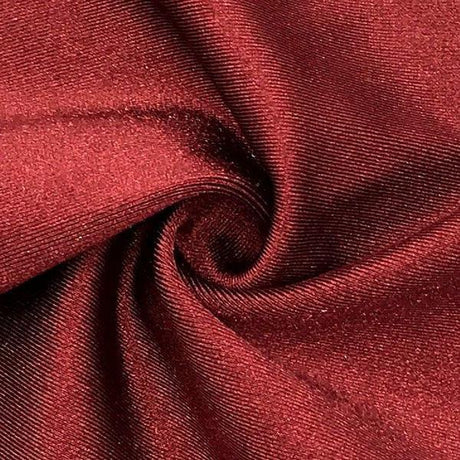
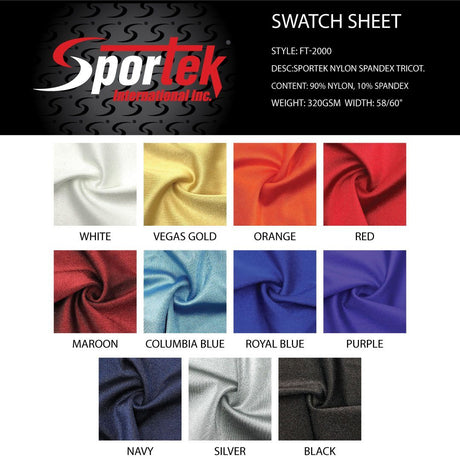
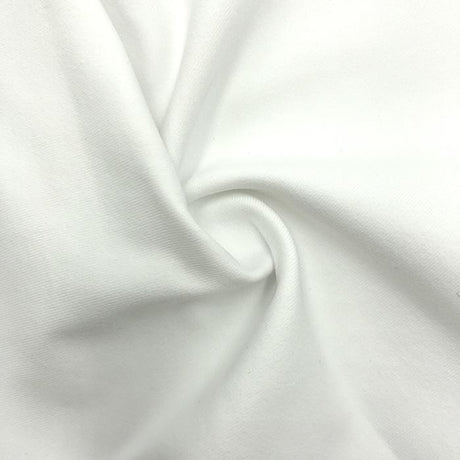
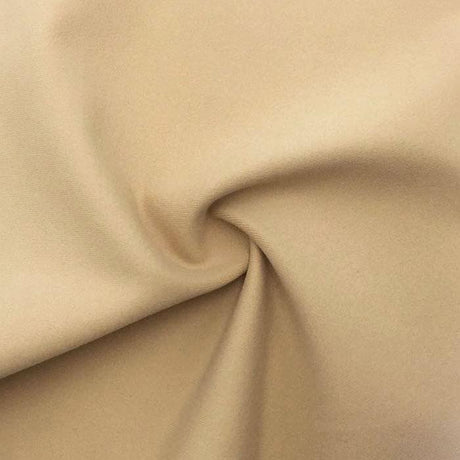
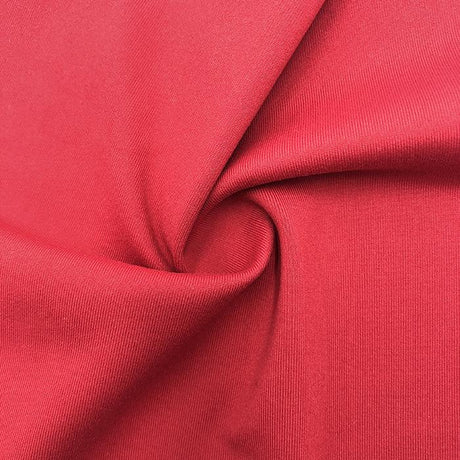
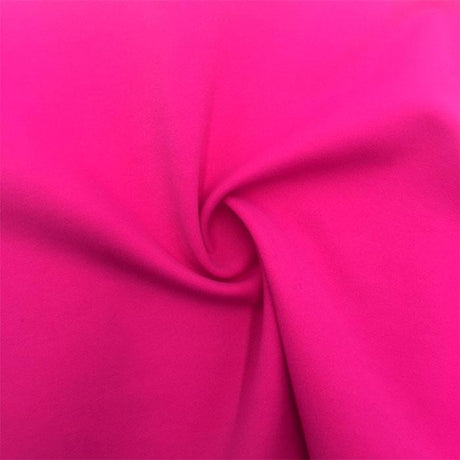
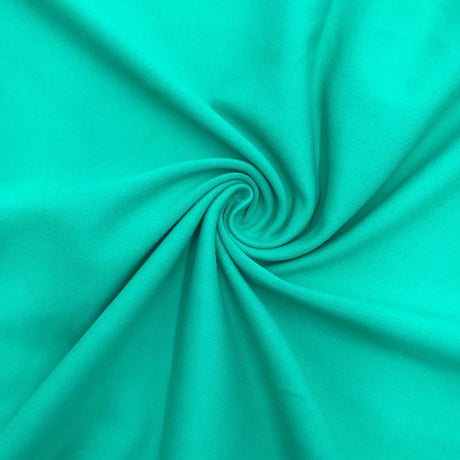
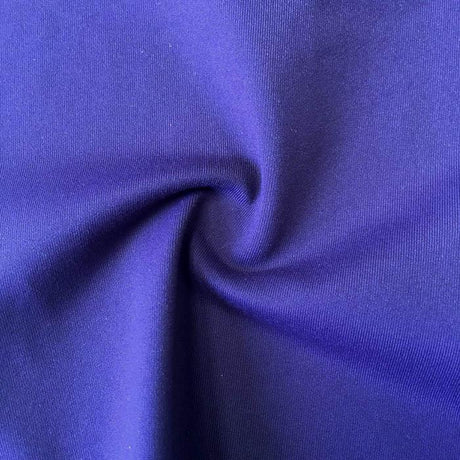
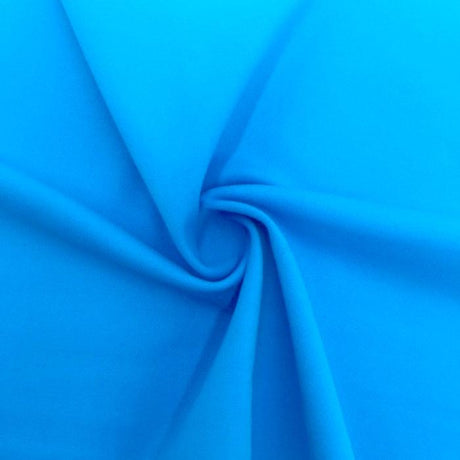
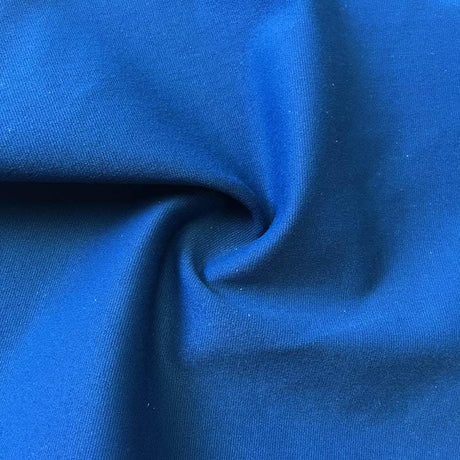
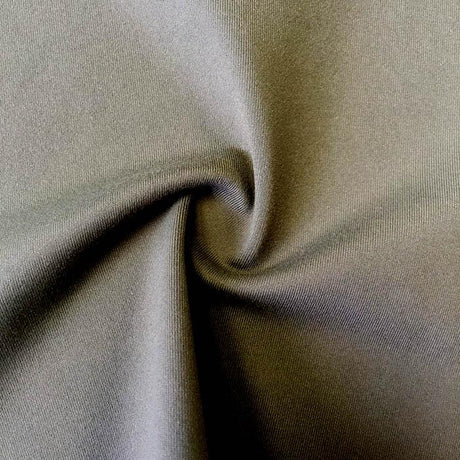
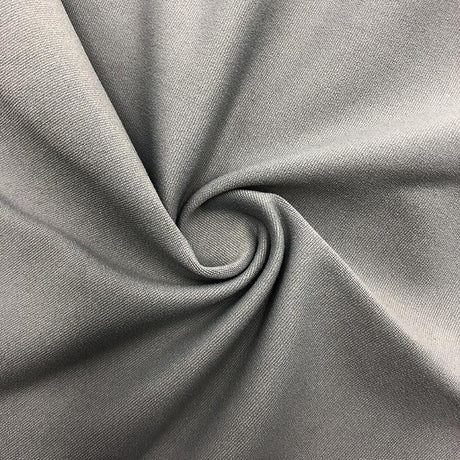
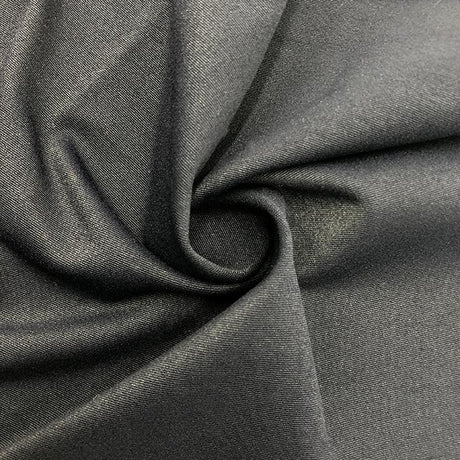
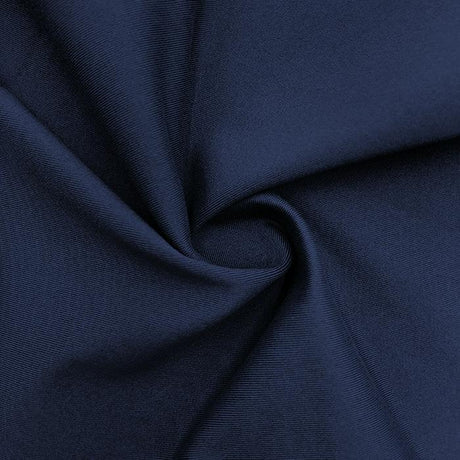
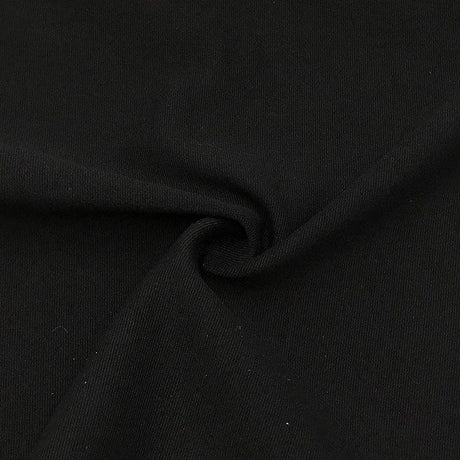
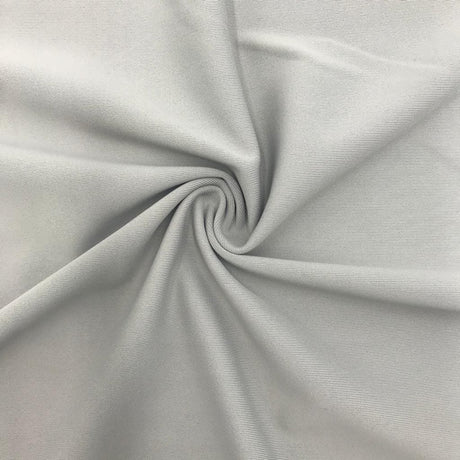
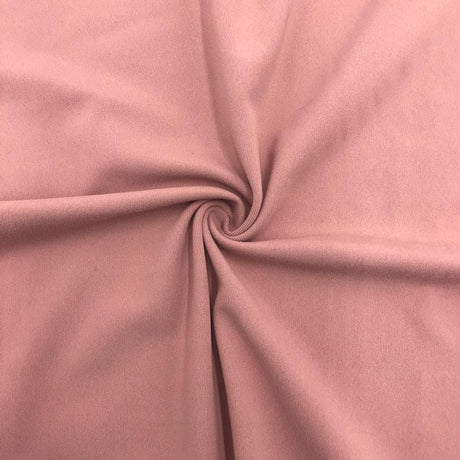
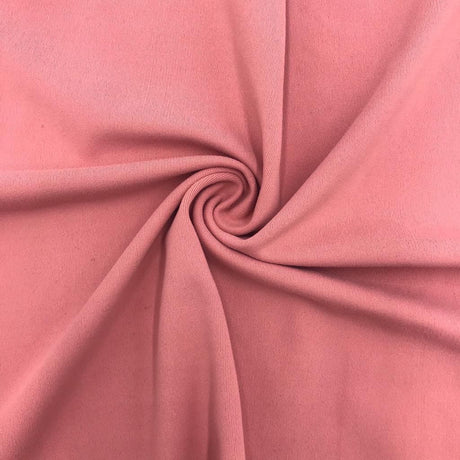
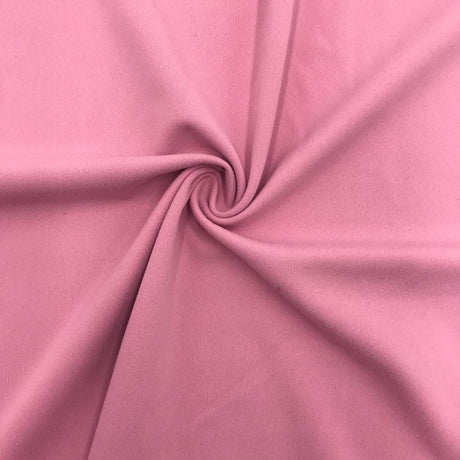
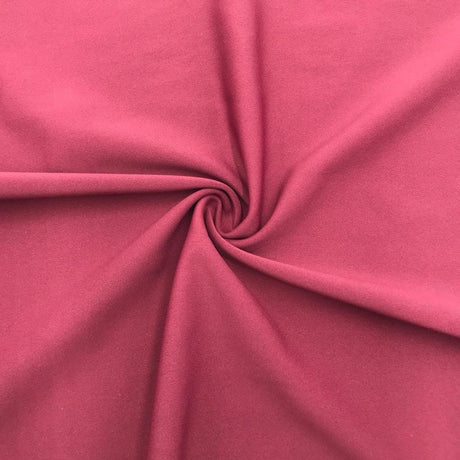
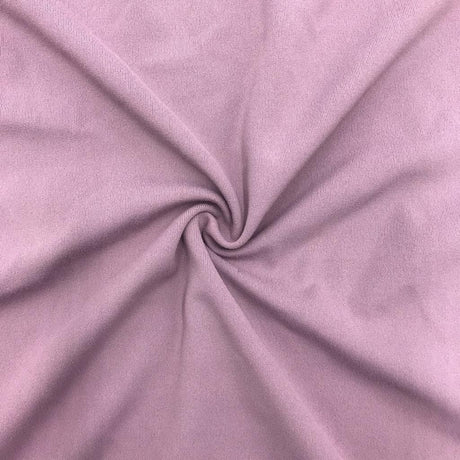
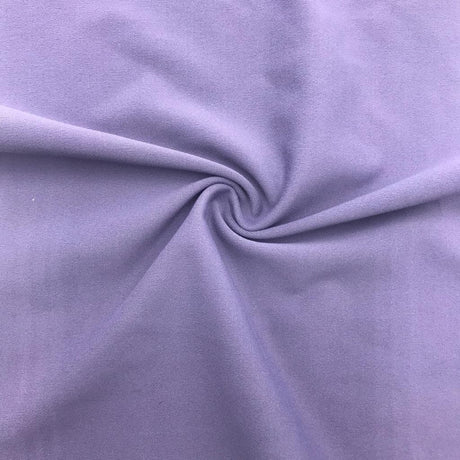
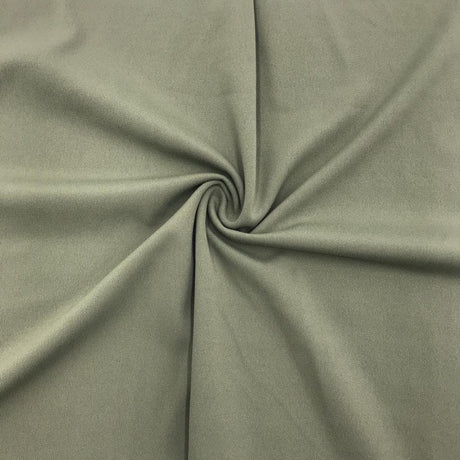
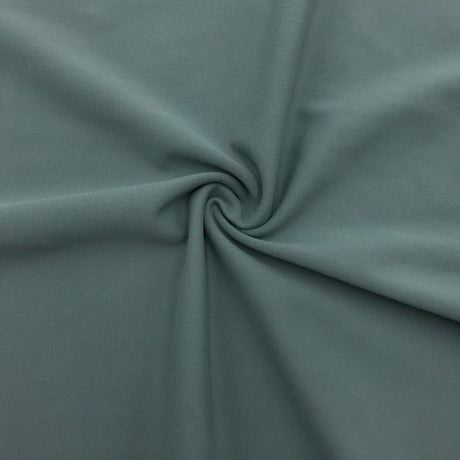
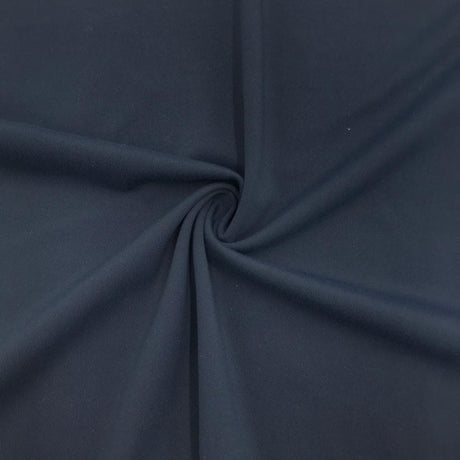
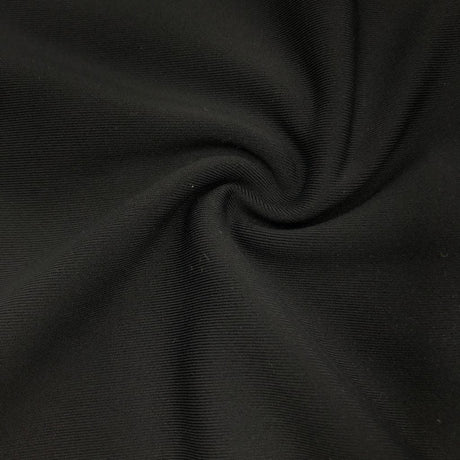
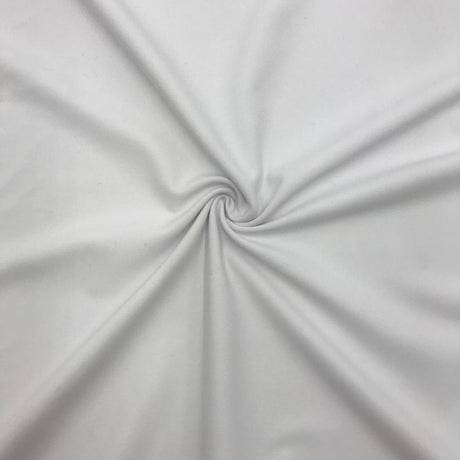
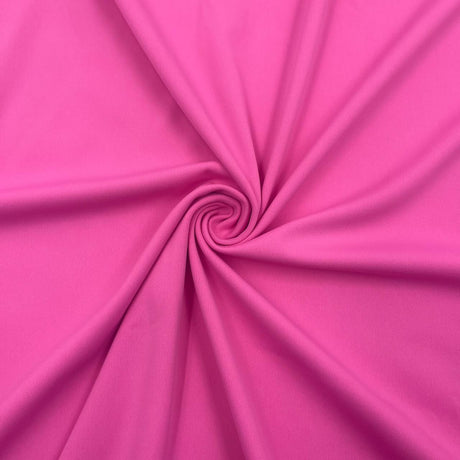
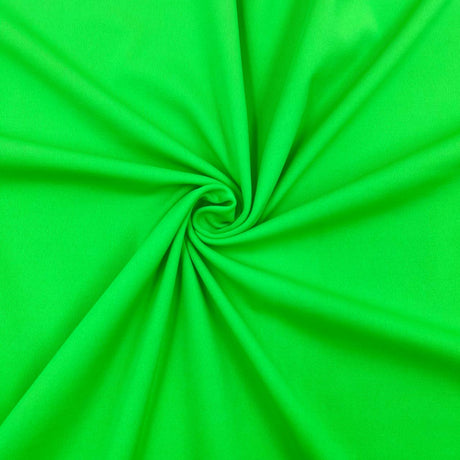
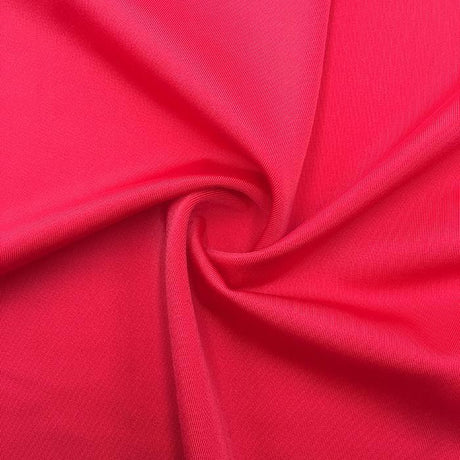
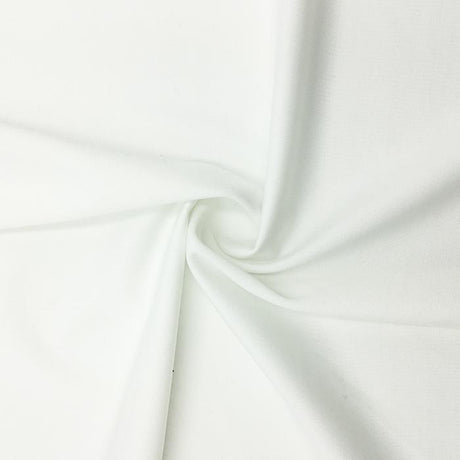
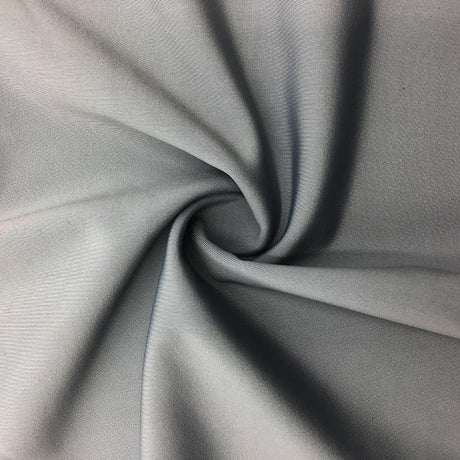
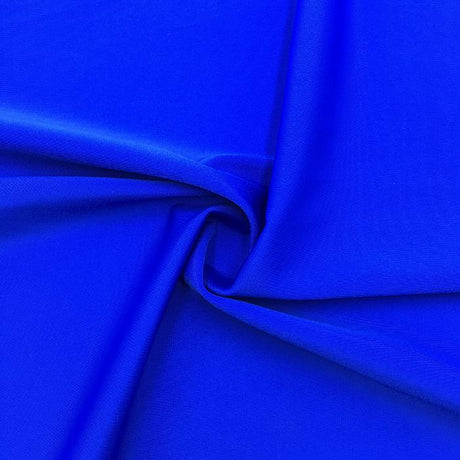
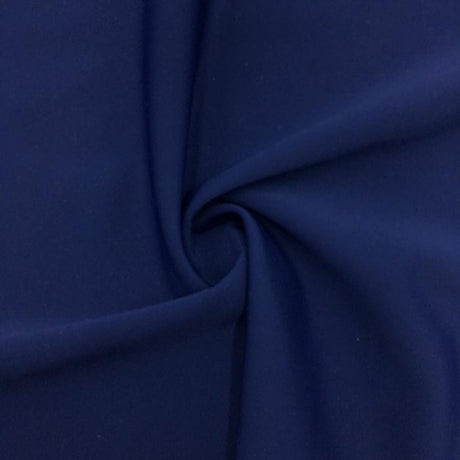
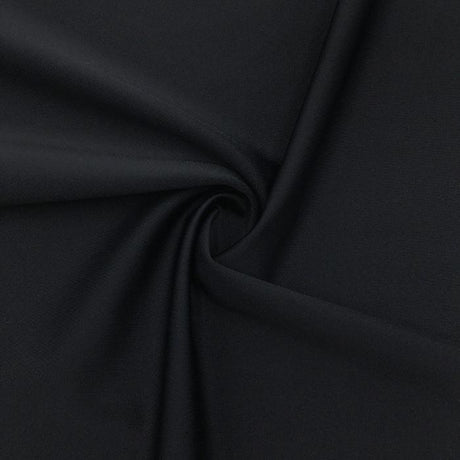
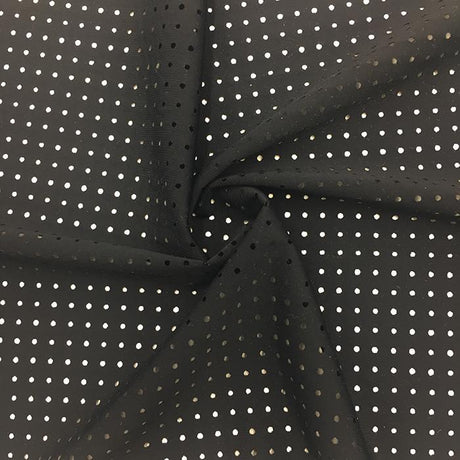
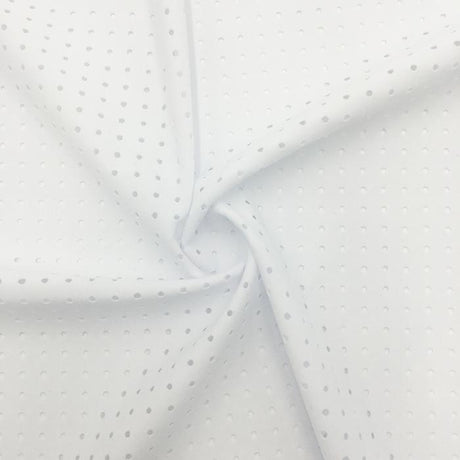
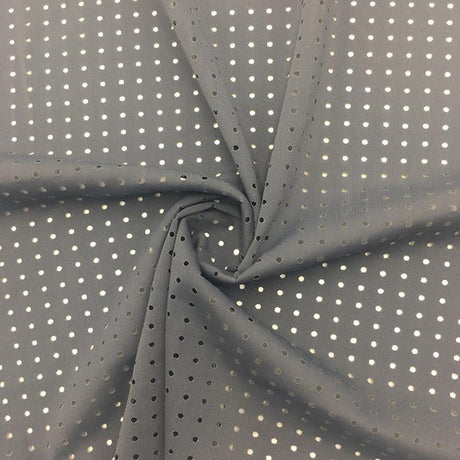
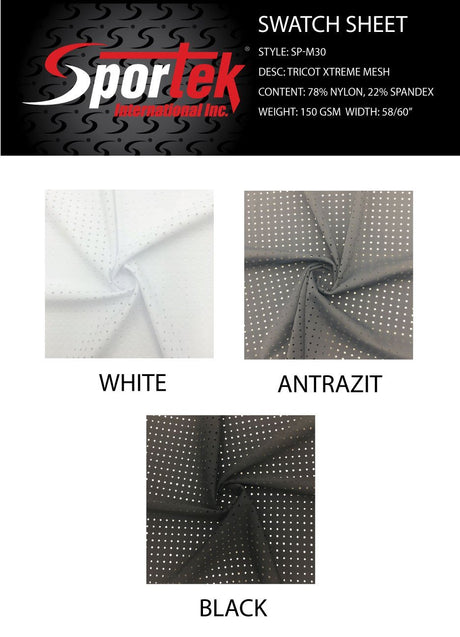
Spandex, also known as elastane or by the brand name Lycra, is a synthetic fiber famous for its exceptional stretchiness. The word spandex itself is an anagram of "expands," reflecting this material's ability to expand and recover its shape. First invented in 1958 by chemist Joseph Shivers at DuPont, spandex was created to replace rubber in stretchy clothing like girdles and bras. Today spandex is ubiquitous in fashion – it's found in everything from activewear and underwear to jeans. For a broader foundation on spandex fiber properties and blend types, explore our stretch fabric types page or browse our full fabric guides hub.
History and Chemical Structure of Spandex Fibers
Spandex emerged in the late 1950s from a quest to improve women's foundation garments. DuPont researchers sought a synthetic elastomer to replace heavy, degrading rubber in girdles and corsets. Their success came in 1958 when Joseph Shivers developed a new stretchy fiber, initially codenamed "Fiber K," which DuPont introduced to the market as Lycra in 1962. The name spandex (an anagram of expands) caught on as the generic term.
Technically, spandex is an elastomeric polyurethane-based fiber: a polyether–polyurea copolymer composed of at least 85% segmented polyurethane. This unique chemical structure gives spandex its remarkable elasticity. Spandex fibers can stretch 5–8 times their original length without breaking and snap back to their original shape once tension is released. This combination of extreme stretch and recovery was revolutionary for the textile industry, enabling the creation of comfortable form-fitting clothing that retains its fit over time. Our stretch fabric types page covers how the polymer chain structure creates spandex's elastic memory and why even small percentages dramatically affect fabric performance.
Key Features of Spandex Fabric: Why the Fashion Industry Depends on It
Elasticity and Recovery
A spandex fiber can be stretched to several times its length and still return to its original size once tension is released. Spandex fibers can typically stretch 500–700% (5–7×) of their length before breaking, far beyond most other textile fibers. Equally important is elastic recovery – spandex snaps back without permanent deformation, providing excellent shape retention.
For apparel, this means garments with spandex (like yoga pants, leggings, swimwear, or skinny jeans) can hug the body's contours comfortably during movement and then spring back to maintain a smooth, sag-free fit. This superior stretch-and-recovery helps clothes resist stretching out or bagging at the knees, elbows, or seat. Our stretch fabric types page covers how to measure and compare stretch percentages and recovery ratings when evaluating different spandex-blend fabric samples.
Resistance to Perspiration and Chemicals
Another critical advantage of spandex is its resistance to perspiration, oils, and many chemicals that would degrade other fibers. Compared to the rubber threads it replaced, spandex has the huge benefit of not breaking down when exposed to body oils, sweat, lotions, or detergents. The fiber's molecular structure also means microorganisms, mold, and mildew do not readily damage it. Spandex fabrics can endure countless gym sessions and wash cycles while maintaining their stretch.
That said, spandex isn't invulnerable – chlorine bleach will ruin it, and long exposure to chlorine (as in swimming pools) or ultraviolet light will slowly degrade the fibers. Our spandex care guide covers the science of chlorine, UV, and heat degradation in elastane fibers and the care protocols that maximize garment lifespan.
Types of Spandex Fabrics in the Market
Because spandex is such a specialized fiber, it's almost always used in blends with other materials rather than as 100% spandex fabric. Small percentages of spandex are woven or knit into other textiles to impart elasticity. This blending maximizes spandex's benefits (stretch and recovery) while mitigating drawbacks (expense and heat retention).
Cotton Spandex
Cotton-spandex fabric is a blend of natural cotton fibers with a small fraction of spandex (often 3–10%). By marrying cotton's softness and breathability with spandex's stretch, this blend produces comfortable textiles with gentle give. You'll find cotton-spandex in garments like stretchy t-shirts, leggings, jeans (e.g. denim with 2% elastane for a bit of flex), and undergarments. A common composition is 95% cotton and 5% spandex in knit jersey – this yields a soft, cool shirt that has a slight stretch for improved fit. Our cotton-spandex fabric guide covers how cotton-spandex blends achieve the stretch behavior that made stretch denim and casual stretch apparel possible, and how spandex percentage affects stretch and recovery in cotton-based constructions.
Polyester Spandex
Polyester-spandex fabric blends synthetic polyester fibers with spandex (typically a small percentage of spandex, e.g. 5–20%). This combination is the backbone of most athletic and performance wear. Polyester-spandex fabrics are known for being durable, lightweight, and quick-drying. They have excellent wrinkle resistance and maintain their shape better than many pure natural fabrics. Another benefit is vibrant color retention – polyester takes dye well, so poly-spandex materials often come in bright colors and prints that don't easily fade.
You encounter polyester-spandex blends in items like yoga pants, workout tops, swimwear, compression shorts, and dance costumes. These fabrics often have 4-way stretch (able to stretch in both width and length) for maximum mobility. Some performance poly-spandex fabrics are engineered for extra functions like UV protection or enhanced breathability. Our activewear fabric guide covers polyester-spandex constructions across all common activewear categories, including moisture-wicking ratings and compression performance.
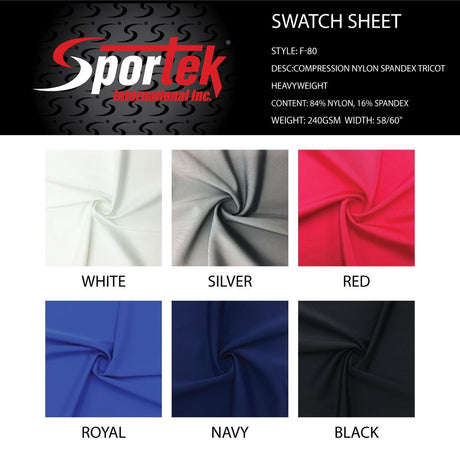
Note: Nylon-spandex blends are another popular category, especially for swimwear and dancewear. Examples include swimsuits or leotards made of 80% nylon, 20% spandex for excellent stretch and shape retention. Our nylon-spandex fabric guide covers how nylon-spandex constructions compare to polyester-spandex in stretch, recovery, softness, and durability.
Applications across Industries (Medical, Sports, Industrial)
Sportswear & Activewear: Sports apparel such as leggings, yoga pants, cycling shorts, swimsuits, and team uniforms rely on spandex for their form-fitting stretch. The ability to move freely without restriction, while garments stay snug and snap back into place, is crucial for athletes and active individuals. Spandex-blended fabrics ensure that these clothes retain their shape through repeated wear and wash, so your workout gear doesn't become baggy. Our activewear fabric guide and swimwear fabric guide cover fabric selection across all common athletic and swimwear applications.
Medical & Healthcare: Many medical garments and devices incorporate spandex to introduce elasticity, compression, or a flexible fit. Compression stockings and sleeves (for conditions like varicose veins, lymphedema, or post-surgery recovery) are woven with high levels of spandex to provide controlled pressure on the limbs. Orthopedic braces and supports (knee braces, ankle wraps, etc.) often include spandex fibers so they can stretch around a joint but still stay supportive. Spandex's resistance to perspiration and lotions is beneficial here, as many medical devices are worn for long periods.
Industrial & Specialized Uses: In the automotive industry, spandex blends are used in car seating and upholstery to give fabrics a bit of stretch and resilience. In the entertainment and tech fields, spandex is famous for its role in motion capture suits – the skin-tight suits actors wear with sensors to create CGI characters. Spandex also appears in protective and safety gear and NASA's astronaut suit undergarments include spandex components to ensure a close fit and mobility inside the bulky outer layers.
Care and Maintenance Guide
Clothing made with spandex can last a long time and keep its shape if cared for properly. Our spandex care guide and fabric care guide cover all of the following protocols in full detail.
Wash in Cold Water with Mild Detergent: Opt for cool or cold water settings and gentle detergents. Hot water can weaken or degrade the elastic fibers over time. Use a delicate or gentle cycle on your washing machine. For very delicate spandex items (like lingerie or swimsuits), hand washing in cool water is even better.
Avoid Chlorine Bleach and Fabric Softeners: Never use chlorine bleach on spandex fabric – bleach is a spandex killer that can permanently damage the elastic fibers and even cause discoloration. Likewise, skip the use of fabric softener or dryer sheets on spandex items. Softeners leave a residue that can break down elasticity and trap odors in the material. A white vinegar rinse can be used as a natural fabric softener alternative if needed.
Air Dry; Keep Away from High Heat: Heat is the enemy of spandex. High temperatures can cause spandex fibers to lose their stretch or even melt. After washing, gently squeeze out excess water (avoid wringing) and either hang the garment or lay it flat on a towel to dry. Do not put spandex in a hot dryer. Similarly, do not iron spandex directly – an iron can scorch or melt the fibers. If you must use a dryer, use the lowest possible heat setting and remove items while still slightly damp.
Rinse After Chlorine or Sweat: If you wear a spandex swimsuit in a chlorinated pool or a spandex-blend sports outfit for a sweaty workout, rinse it in cool water as soon as possible afterward. This washes out chlorine, salt, sweat, and body oils that could otherwise linger and gradually break down the fibers. Even if you can't fully launder the item immediately, a quick rinse will help protect the fabric until the next wash. Our swimwear fabric guide covers post-swim rinsing protocols specific to swimwear applications.
Store Properly: Always make sure spandex-containing clothes are completely dry before storage to prevent mildew. It's generally better to fold or neatly lay flat heavy spandex garments rather than hanging them, since long-term hanging can put weight on the fibers and stretch them out of shape. Store your spandex garments in a cool, dry place away from direct sunlight. Avoid leaving them in hot attics, cars, or in sun-exposed windows, as heat and UV light over time can degrade the elastic and fade colors.
Sourcing Spandex Fabric
When sourcing, consider the specific blend (cotton-spandex, poly-spandex, etc.) that best suits your product's needs, and work with reputable suppliers who can provide consistent quality. Understanding how the fiber type and spandex percentage translate to real-world performance will guide you to the right fabric. Our how to choose fabric guide covers how to evaluate stretch, opacity, and hand feel when a physical sample arrives, and our expert help and advice page connects you with knowledgeable staff for personalized sourcing guidance. Our FAQ page covers ordering and specification policies.
In summary, spandex is a marvel of modern textiles: a fiber that "expands" and contracts to provide comfort, fit, and freedom of movement in countless applications. Whether you're a designer adding comfort to a new apparel line or a consumer checking garment labels for that telltale "5% elastane," understanding spandex helps in appreciating and utilizing this ultimate stretch fiber.
Ready to find the right spandex blend for your project? Use our stretch fabric types page to evaluate how spandex percentage affects stretch and recovery, our nylon-spandex fabric guide, cotton-spandex fabric guide, and activewear fabric guide for curated recommendations by fiber type and end use. Our spandex care guide and fabric care guide keep every finished garment performing at its best. Sign up for SpandexByYard Rewards to earn points on every purchase – embrace the expandability!