Spandex Fabric: The Complete Guide to Types, Stretch, GSM & Uses
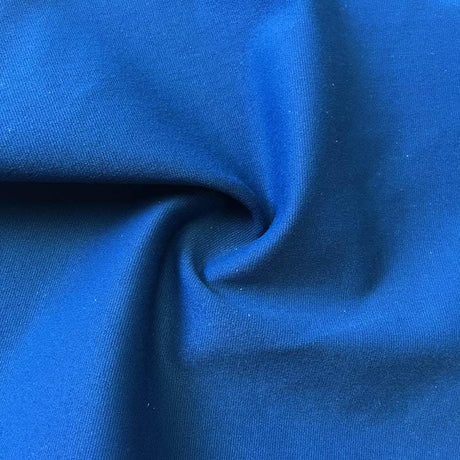
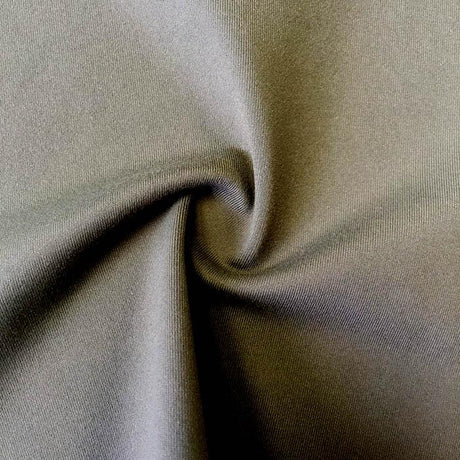
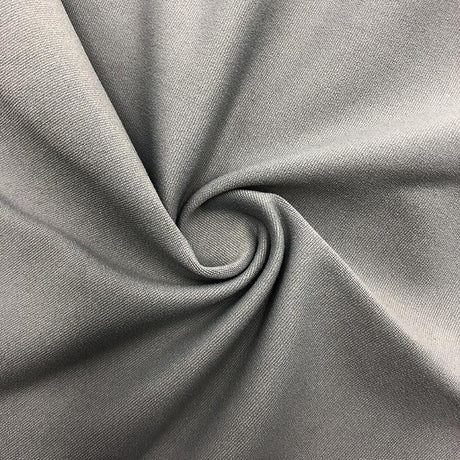
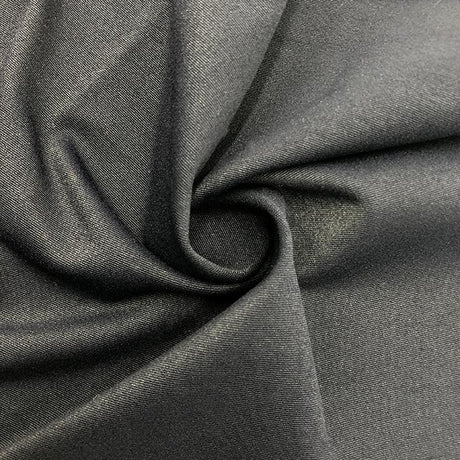
Spandex fabric is one of the most important materials in modern fashion, activewear, swimwear, dancewear, and performance apparel. Known for its incredible stretch, flexibility, and recovery, spandex is used worldwide in everything from leggings and sports bras to bikinis, compression garments, and festival fashion. This complete guide explains the different types of spandex fabric, how stretch is measured, common fabric blends, GSM weights, and how to choose the right stretch fabric by the yard for your next sewing or apparel project.
Quick Answer: Spandex (also called Lycra or elastane) is a synthetic fiber prized for its 5x–8x stretch and strong recovery. It is almost always blended with nylon, polyester, cotton, or mesh—usually 10–25%—to create the four-way stretch fabrics used in swimwear, leggings, sports bras, and dancewear. The best choice depends on your project: nylon spandex for soft luxury, polyester spandex for color and durability, cotton spandex for comfort, and mesh or metallic blends for specialty applications.
Table of Contents
- What Is Spandex Fabric?
- Spandex vs Lycra vs Elastane
- Types of Spandex Fabric
- 2-Way vs 4-Way Stretch Explained
- Understanding GSM in Stretch Fabrics
- Best Spandex Fabrics for Different Uses
- Printed Spandex Fabrics
- Solid Colors and Color-Blocking
- How to Sew Stretch Fabrics
- Fabric Care Tips
- How Much Fabric Do You Need?
- Frequently Asked Questions
What Is Spandex Fabric?
Spandex is a synthetic fiber engineered for exceptional elasticity, capable of stretching up to eight times its original length while still snapping back to shape. On its own it is rarely used; instead it is blended with nylon, polyester, cotton, or mesh fabrics to produce the stretch textiles that move comfortably with the body. The result is a family of high-performance materials that combine comfort, support, and durability in a way no single fiber can match.
Most spandex fabrics contain between 10% and 25% spandex blended with other fibers to balance stretch, durability, comfort, and moisture management. A swimsuit knit might use 18–22% spandex for firm hold, while a soft cotton tee might use just 5–10% for everyday comfort. For a deeper look at fiber blends and construction, read our spandex fabric guide.
Spandex vs Lycra vs Elastane: What's the Difference?
There is no difference in fiber chemistry—the three names refer to the same material. "Spandex" is the generic term used primarily in North America, "elastane" is the term used in Europe and on most international garment labels, and "Lycra" is a registered brand name owned by The Lycra Company. So a fabric labeled "92% nylon, 8% spandex" and one labeled "92% nylon, 8% elastane" are essentially identical, while a "Lycra" label simply indicates the spandex fiber was sourced from that specific manufacturer. When you shop, focus on the percentage and the companion fiber rather than the trade name.
Types of Spandex Fabric
Spandex blends fall into several major families, each suited to different end uses. Choosing the right type is the single most important decision you will make for your project.
Nylon Spandex Fabric
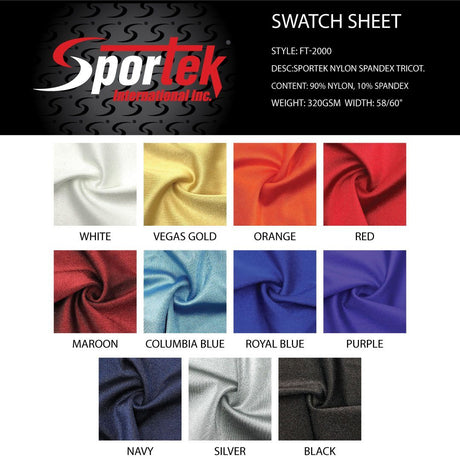
Nylon spandex is one of the most popular premium stretch fabrics because it delivers a silky, luxurious hand feel with outstanding stretch recovery. It is the workhorse of fashion swimwear, dancewear, and high-end activewear.
- Smooth, luxurious texture
- Excellent four-way stretch and recovery
- Soft hand feel against the skin
- Comfortable compression and body-skimming fit
- Durable enough for repeated wear in swimwear and activewear
Browse our Nylon Spandex Fabric Collection for premium stretch fabrics by the yard, or read the dedicated nylon spandex fabric guide for weight and finish recommendations. For an ultra-soft, peachy variation, our brushed nylon spandex is a beautiful choice for cover-ups and athleisure layering.
Polyester Spandex Fabric
Polyester spandex blends are widely used in athletic apparel because they provide superior moisture-wicking performance, print clarity, and excellent durability. Polyester absorbs very little water, resists chlorine and UV breakdown, and bonds permanently with sublimation dyes—making it the standard for performance and printed pieces.
Poly-spandex blends are commonly used for:
- Activewear and gym apparel
- Sports uniforms and team kits
- Sublimation printing
- Performance tops and rash guards
- Compression garments
Explore our Sublimation Spandex Tricot Collection for print-ready polyester knits.
Cotton Spandex Fabric
Cotton spandex combines the natural softness of cotton with the gentle stretch of elastane, making it the go-to for casual apparel, lounge wear, fitted dresses, and fashion basics. It breathes well, feels comfortable against bare skin all day, and works beautifully for prints. Shop our Cotton Poly Spandex Jersey Collection for printed cotton-blend knits.
Mesh Stretch Fabric
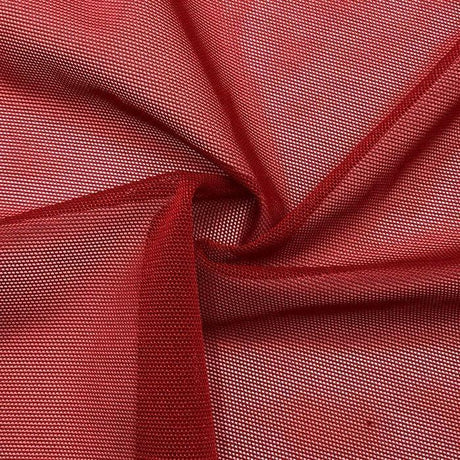
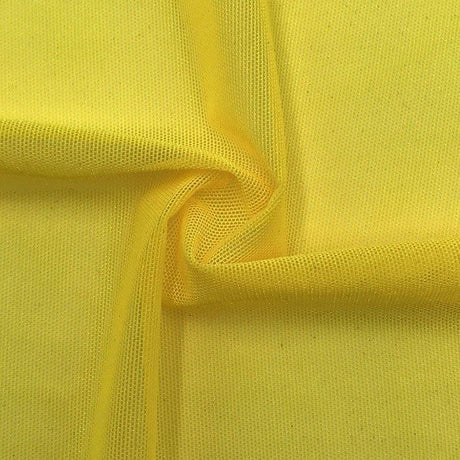
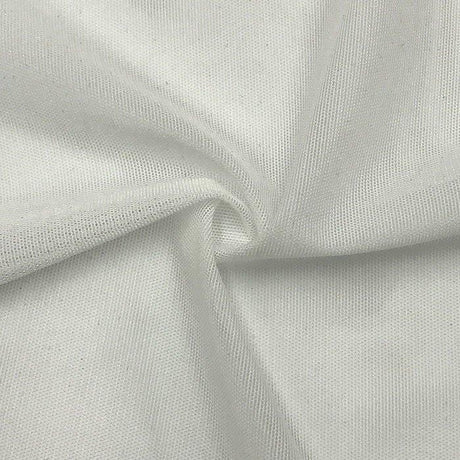
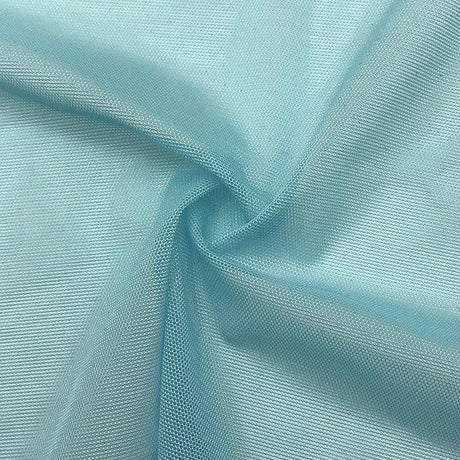
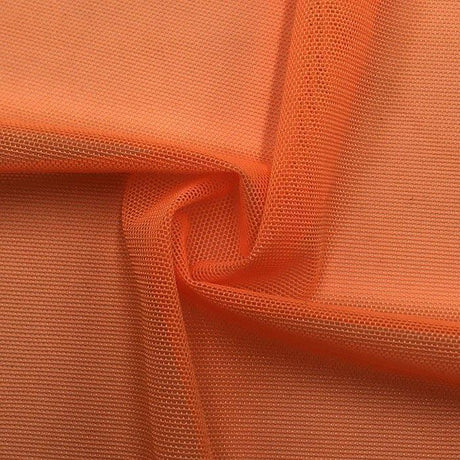
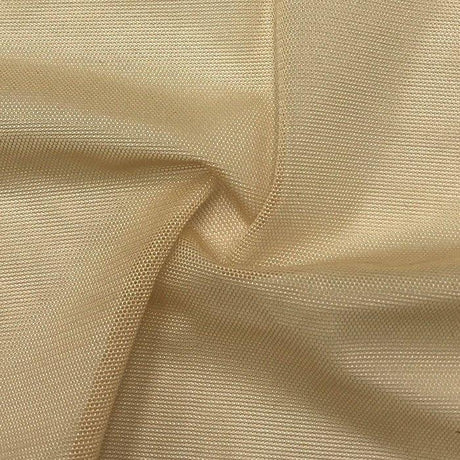
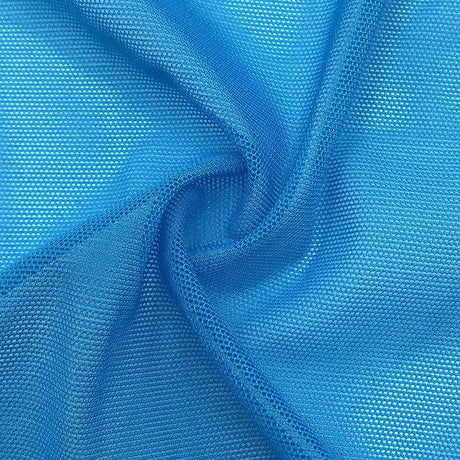
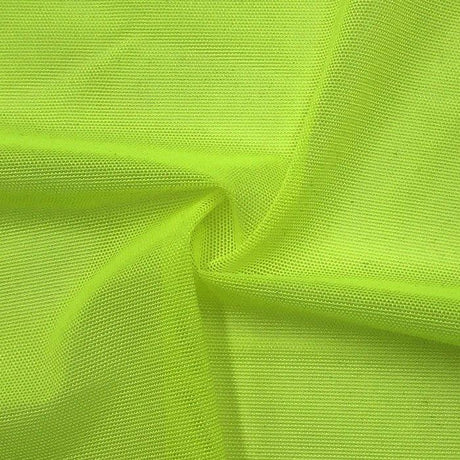
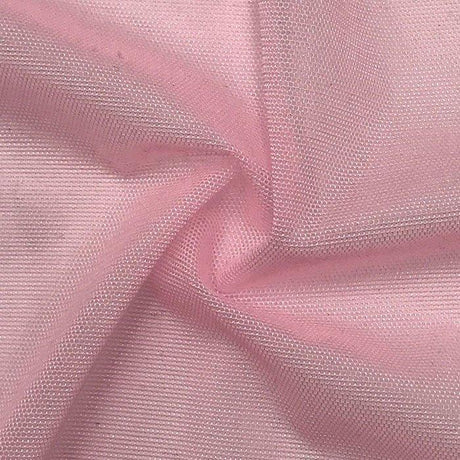
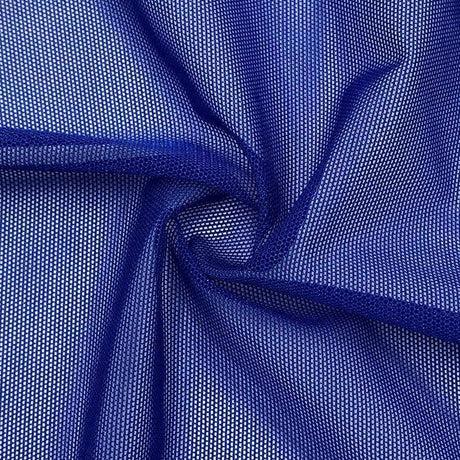
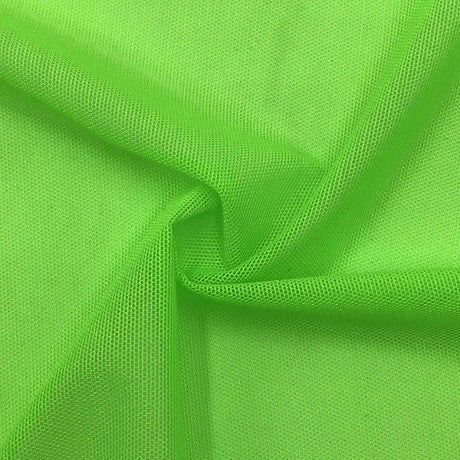
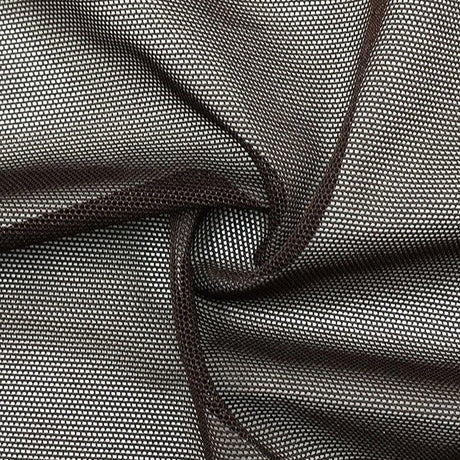
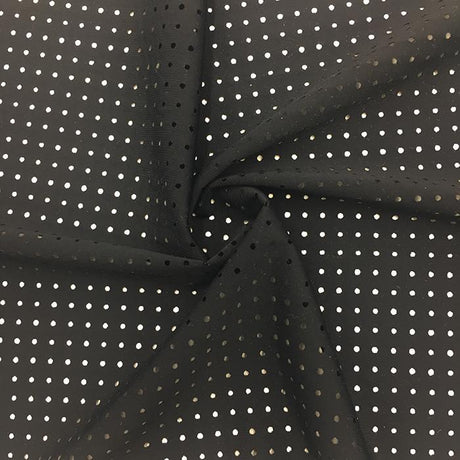
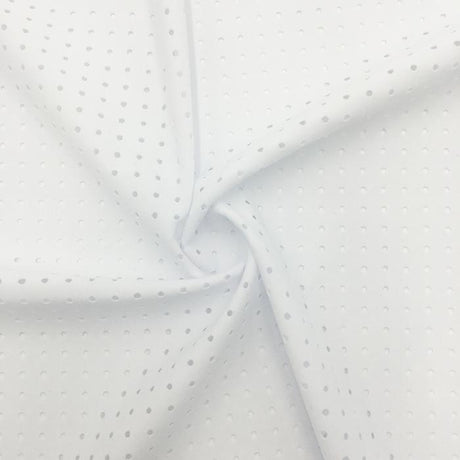
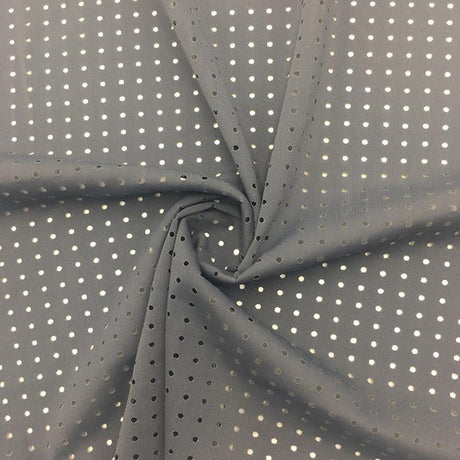
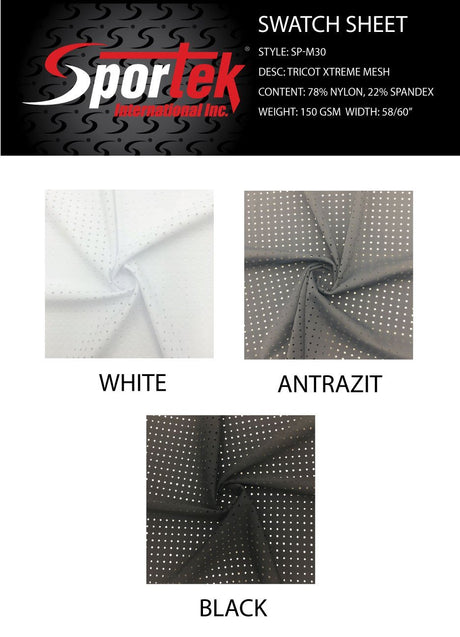
Mesh fabrics provide breathable airflow while maintaining flexibility and structure. Stretch mesh is used in activewear panels for ventilation, in dancewear for sheer overlays, in swimwear as supportive lining, and in fashion as a layering piece. Browse our Mesh Fabric Collection, and for swim-specific applications, see the swim mesh lining guide.
Metallic Spandex
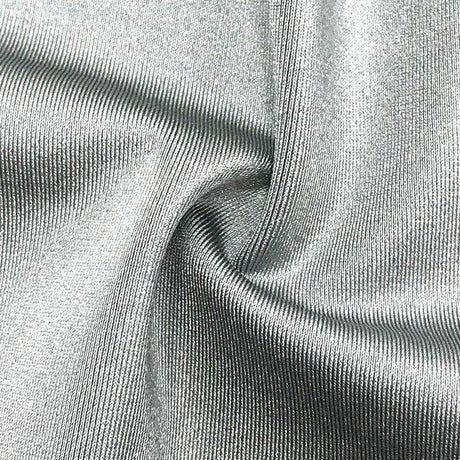
Metallic stretch fabrics are designed to catch the light. They are widely used for dancewear, stage costumes, rave wear, and festival fashion because they create eye-catching shine and reflective visual effects without sacrificing stretch. Explore our Metallic Spandex Collection for liquid finishes, foils, and holographic effects.
Spandex Fleece & Pro Stretch
For colder-weather performance pieces, hoodies, and structured leggings, spandex fleece adds warmth and brushed softness while preserving four-way stretch. It is ideal for layering and crossover athleisure styles. Shop our Spandex Fleece Pro Stretch Collection.
Spandex Fabric Types at a Glance
| Fabric Type | Best For | Key Strength |
|---|---|---|
| Nylon Spandex | Swimwear, dancewear, premium activewear | Soft luxury feel |
| Polyester Spandex | Performance, sublimation, printed swim | Color & chlorine resistance |
| Cotton Spandex | Casual, lounge, fashion basics | Natural comfort |
| Mesh Stretch | Ventilation, lining, overlays | Breathability |
| Metallic Spandex | Dancewear, festival, costume | Visual impact |
| Brushed Nylon | Cover-ups, athleisure | Peachy soft hand |
| Spandex Fleece | Hoodies, leggings, layering | Warmth + stretch |
2-Way vs 4-Way Stretch Explained
Two-way stretch fabrics stretch in a single direction—usually across the width—while four-way stretch fabrics stretch both vertically and horizontally, allowing maximum flexibility and freedom of movement. For body-conforming garments like leggings, swimwear, and sports bras, four-way stretch is essential because the body moves in every direction. Most premium nylon spandex and polyester spandex knits feature four-way construction.
4-way stretch fabrics are ideal for:
- Leggings and yoga pants
- Yoga and Pilates apparel
- Sports bras and compression tops
- Dancewear and gymnastics leotards
- Swimwear and bikinis
- Shapewear and compression garments
For a closer look at how different stretch percentages perform, see our overview of stretch fabric types.
Understanding GSM in Stretch Fabrics
GSM stands for grams per square meter and measures a fabric's weight and density. Heavier GSM generally means more support, opacity, and structure, while lighter GSM means more breathability and drape. Matching the right weight to your project is one of the easiest ways to elevate the look and feel of the finished garment.
Lightweight Stretch Fabrics (120–180 GSM)
Lightweight fabrics in the 120–180 GSM range are commonly used for:
- Mesh and breathable panels
- Light layering pieces
- Breathable performance garments
- Lining fabrics
Medium-Weight Stretch Fabrics (180–260 GSM)
Medium-weight fabrics in the 180–260 GSM range are the sweet spot for most apparel:
- Leggings and yoga apparel
- Sports bras
- Swimwear (typically 200–250 GSM for opacity)
- Athleisure tops and bottoms
- Fashion stretch dresses
Heavyweight Compression Fabrics (260+ GSM)
Heavier fabrics above 260 GSM provide the firm hold needed for:
- Compression garments and shapewear
- Structured leggings and contour pieces
- Performance athletic apparel
- Cold-weather and layering staples
Visit our Fabric Weight Guide to learn more about GSM and how to pick the right weight for your project.
Best Spandex Fabrics for Different Uses
Different applications demand different properties. Below are the most common use cases and what to look for in each.
Best Fabric for Swimwear
Swimwear fabric needs to balance comfort, opacity, and resistance to the chemicals and conditions of pool and beach environments.
- Chlorine resistance for repeated pool use
- Quick drying performance
- UV protection to resist fading
- Excellent recovery to prevent sagging
- Comfortable four-way stretch
Browse our Swimwear Fabric Collection, and for a full breakdown, see the dedicated swimwear fabric guide.
Best Fabric for Activewear and Athleisure
Activewear fabric should perform during exercise and look polished off the gym floor:
- Moisture-wicking performance
- Stretch flexibility and freedom of movement
- Breathability for high-output activity
- Compression support without restriction
- Durability through repeated washing
Explore our Athleisure Fabric Collection and Activewear Fabric Collection, plus the activewear fabric guide for selection tips.
Best Fabric for Dancewear
Dancewear fabrics need unrestricted movement, durability through hard rehearsals, and a flattering on-stage appearance. Shop our Dancewear Fabric Collection and reference the dancewear fabric guide for details on weight, sheen, and stretch.
Best Fabric for Festival Fashion
Festival fashion is all about bold visual impact—metallic finishes, vivid prints, and stretch comfort that lasts through a weekend of dancing. Explore our Festival Wear Fabric Collection for statement-making options.
Printed Spandex Fabrics
Printed stretch fabrics let designers make a strong visual statement without complex construction. From timeless florals to bold modern abstracts, the right print can define an entire collection. For workflow tips and design guidance, see the printed spandex fabric guide.
Popular printed fabric categories include:
- Floral Spandex Fabric — romantic, timeless, perennial best-seller
- Abstract Spandex Fabric — modern, artistic, social-media friendly
- Geometric Spandex Fabric — clean lines and contemporary structure
- Animal Print Spandex Fabric — leopard, zebra, snakeskin with attitude
Solid Colors and Color-Blocking
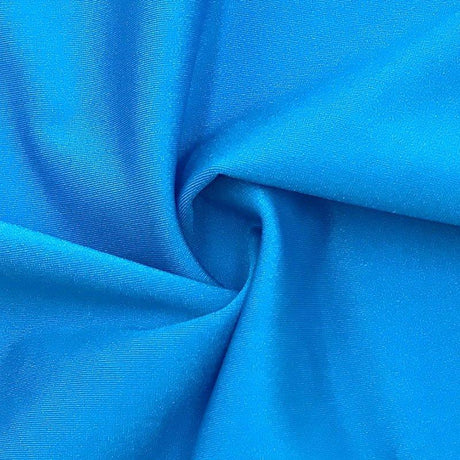
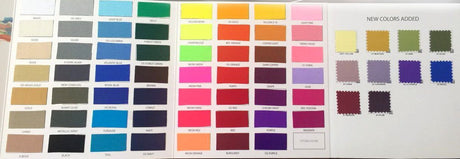
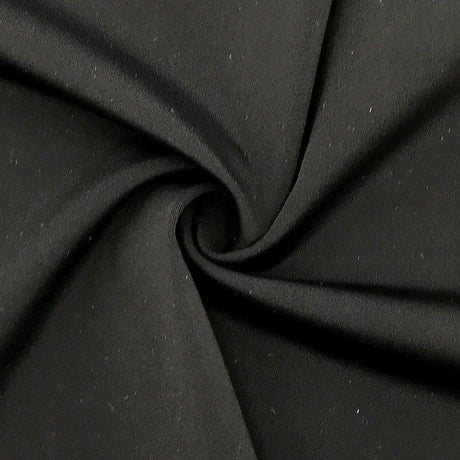
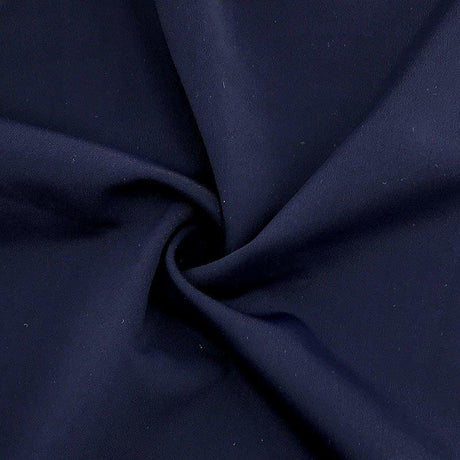
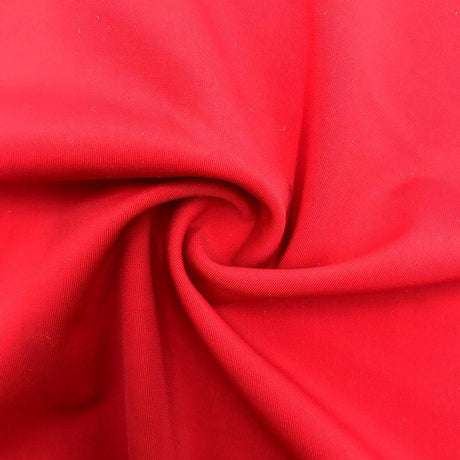
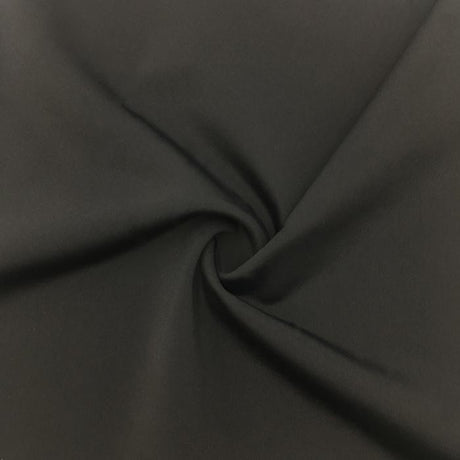
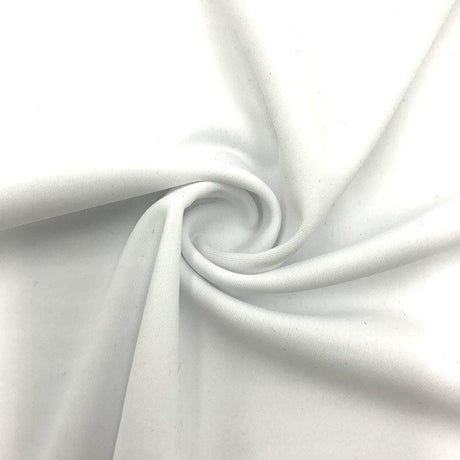
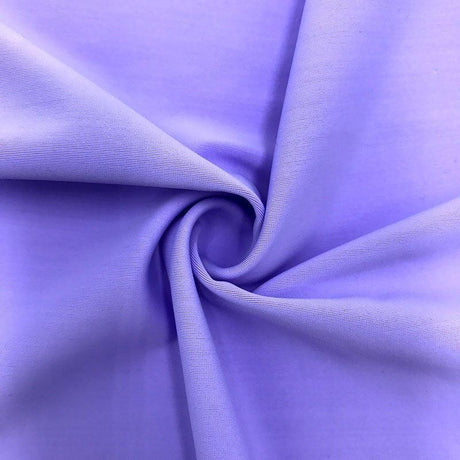
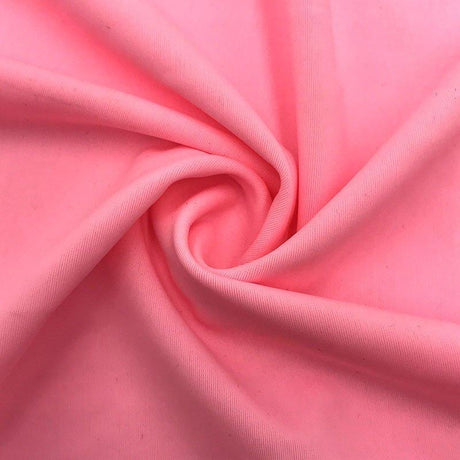
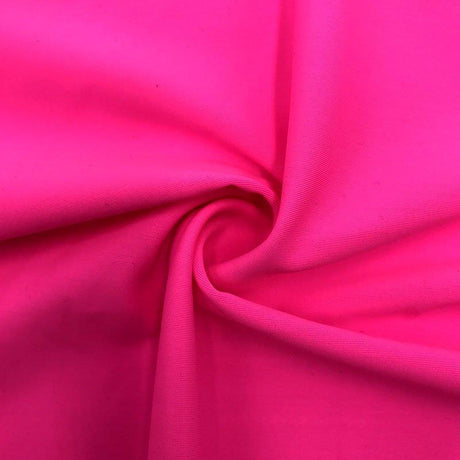
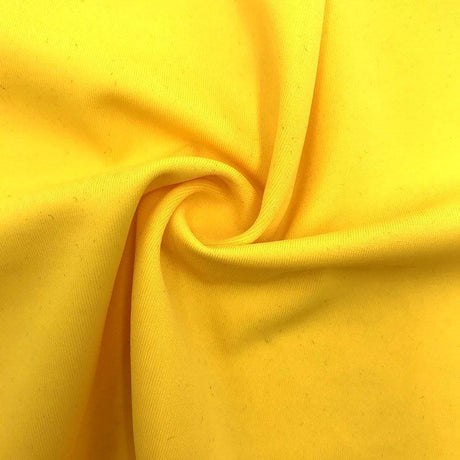
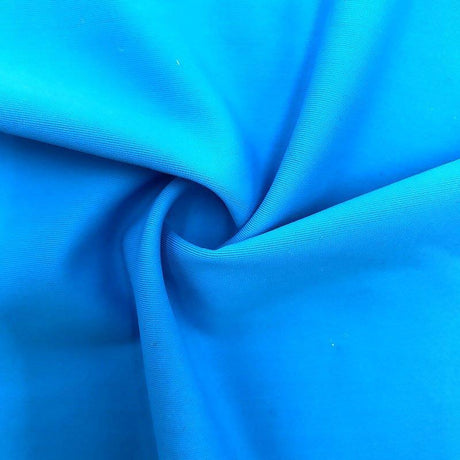
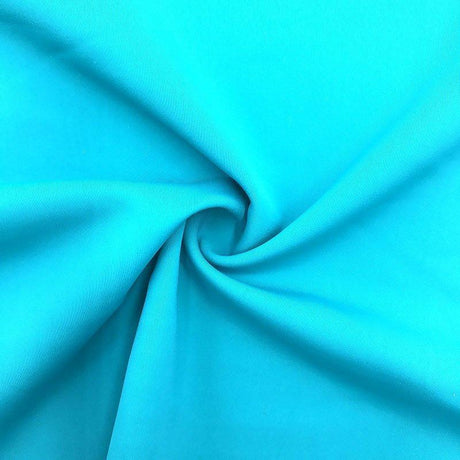
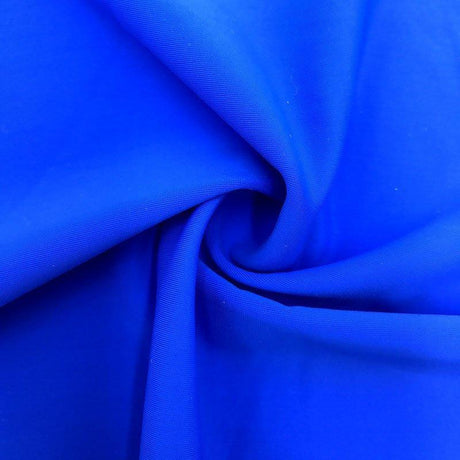
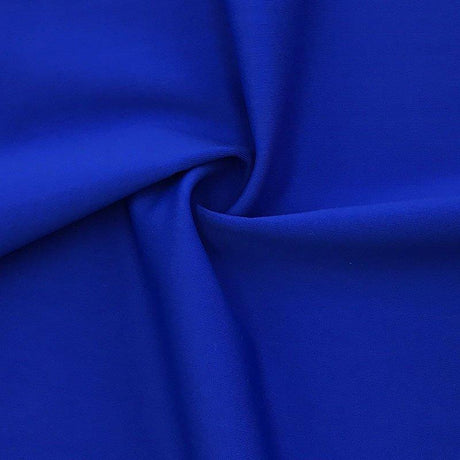
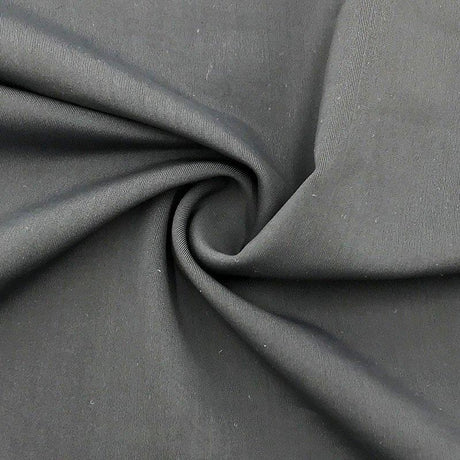
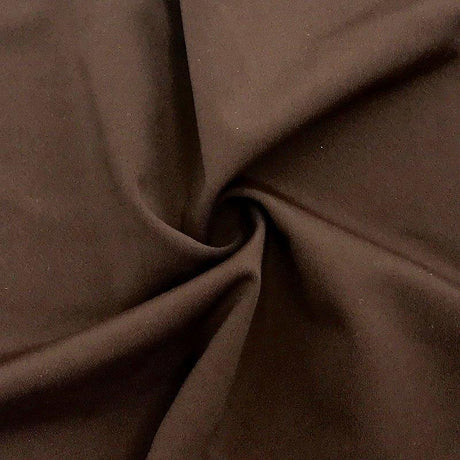
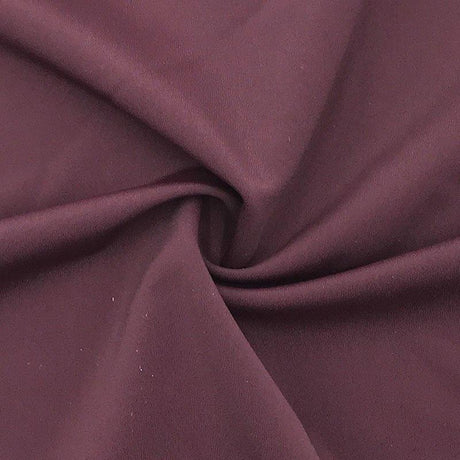
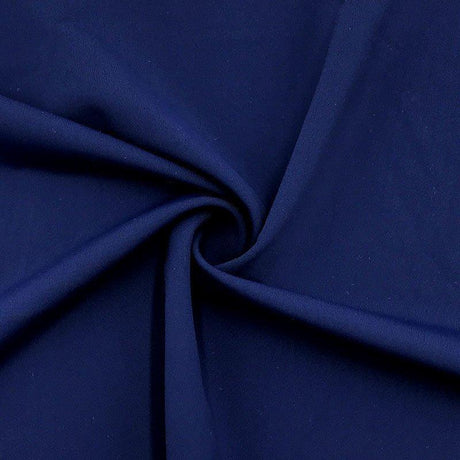
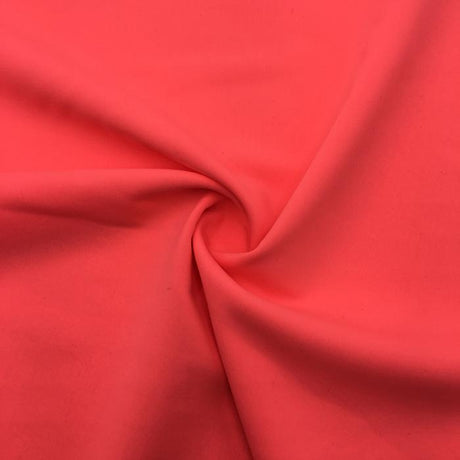
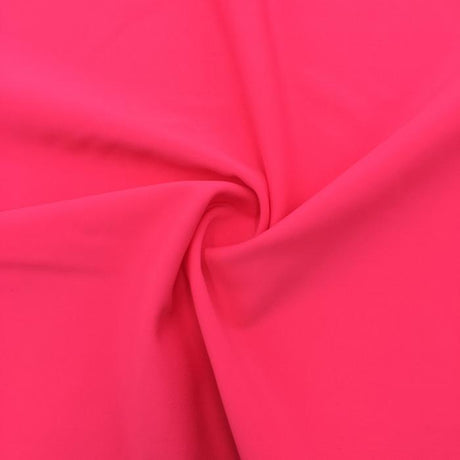
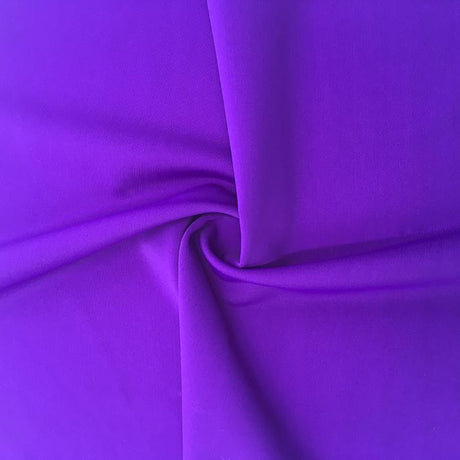
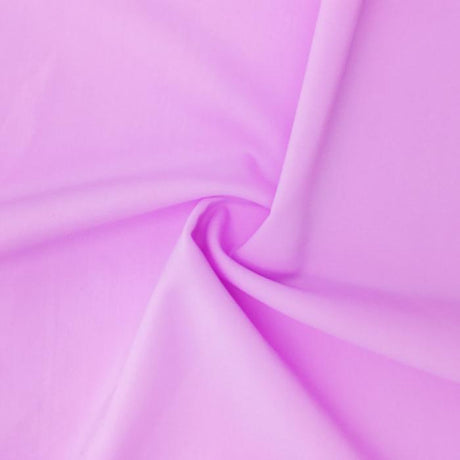
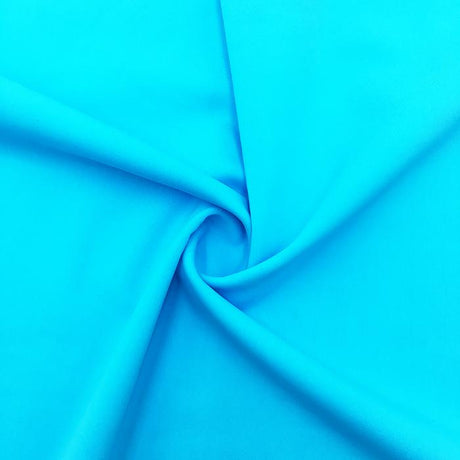
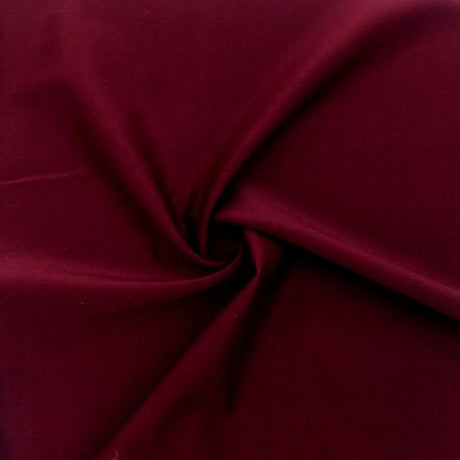
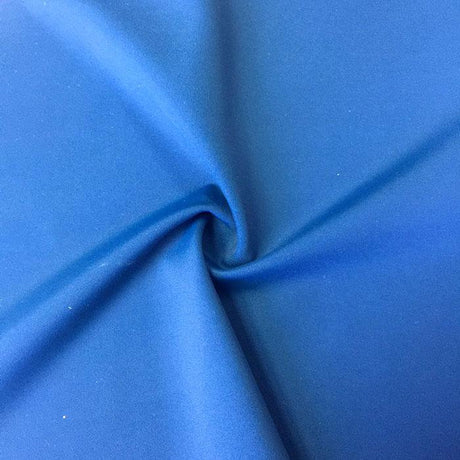
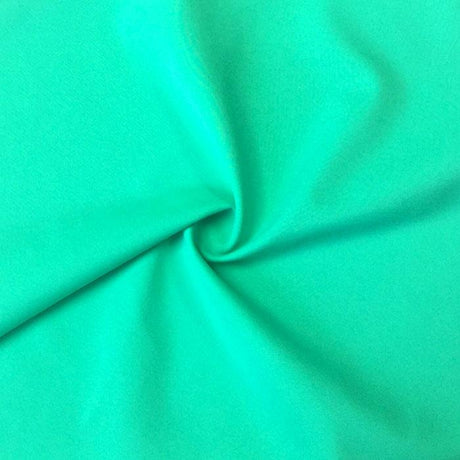
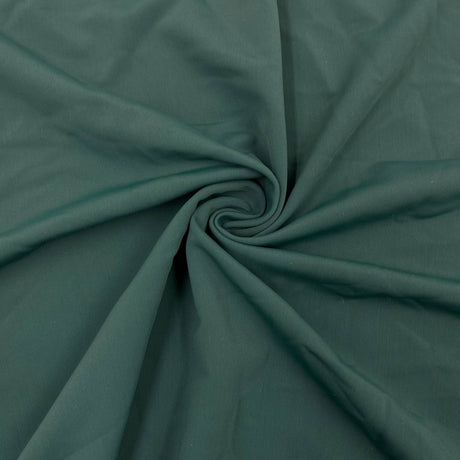
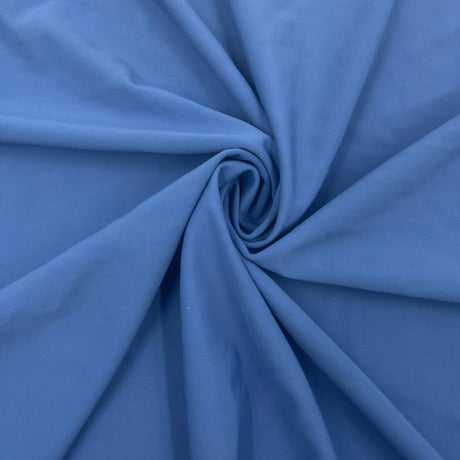
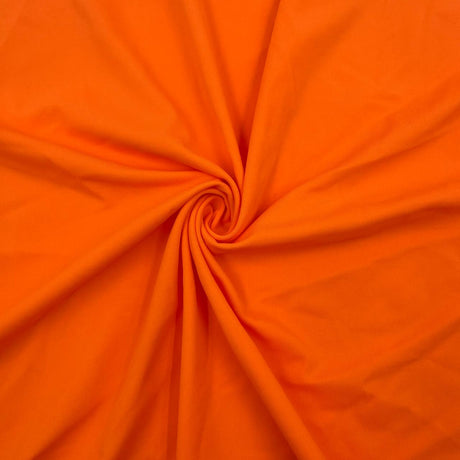
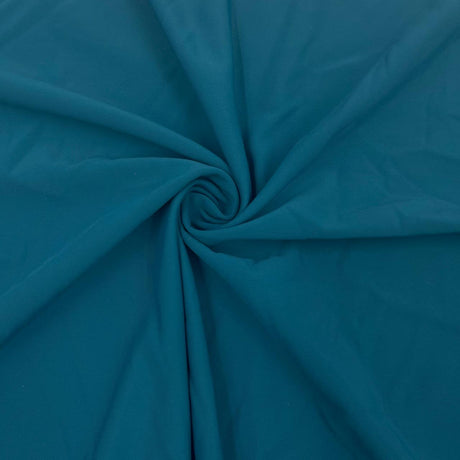
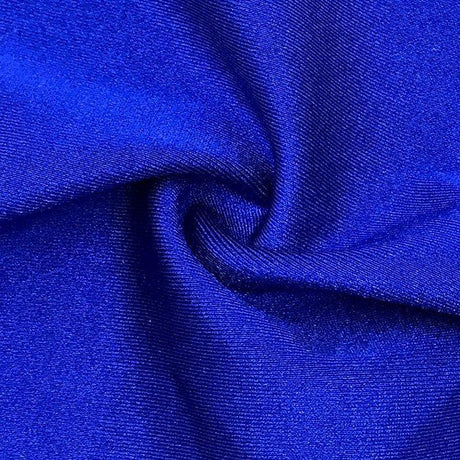
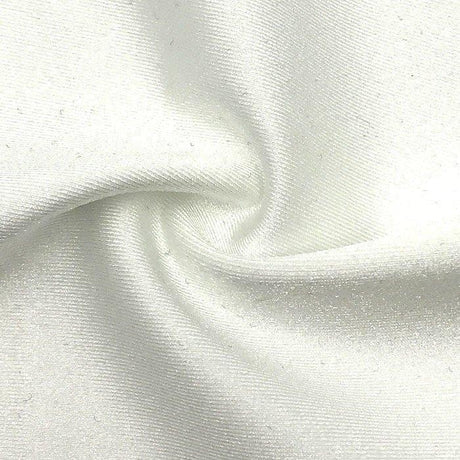
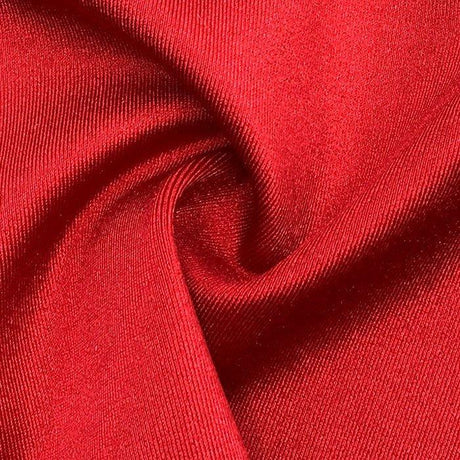
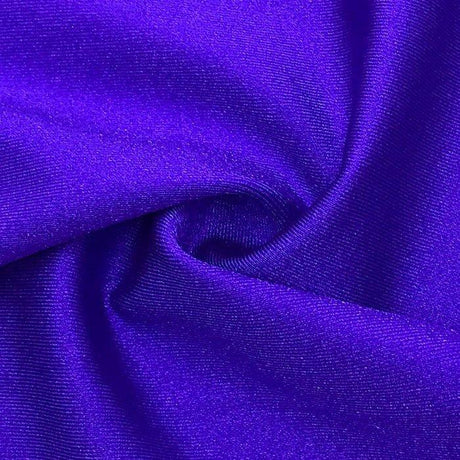
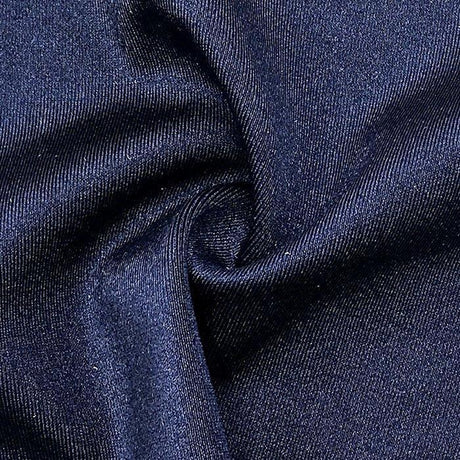
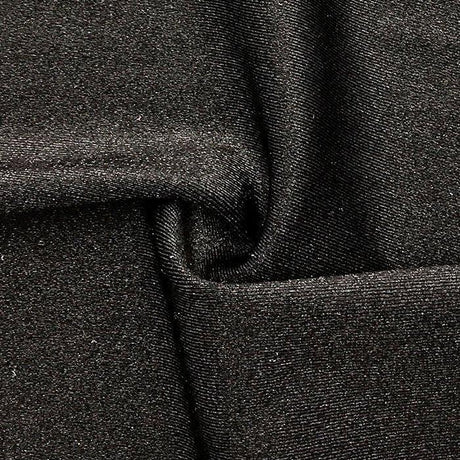
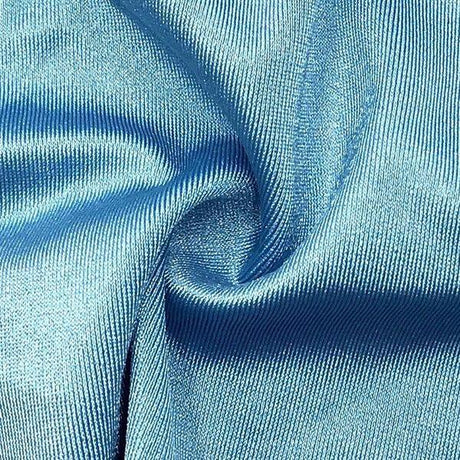
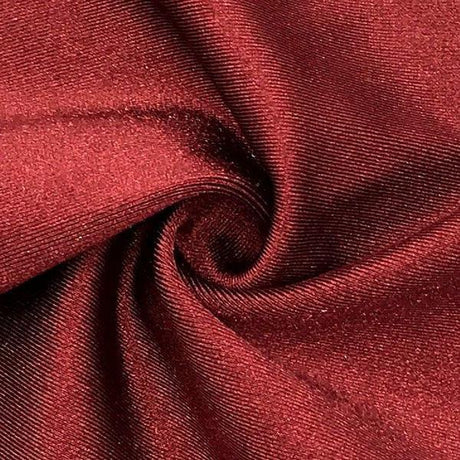
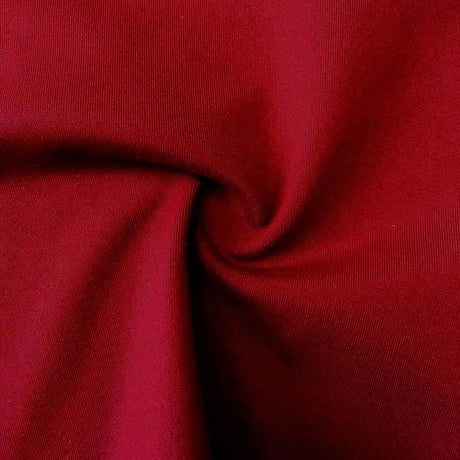
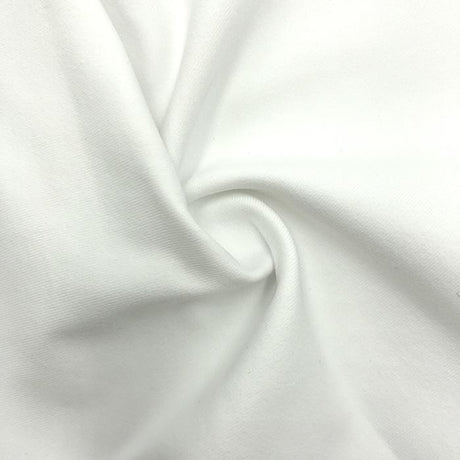
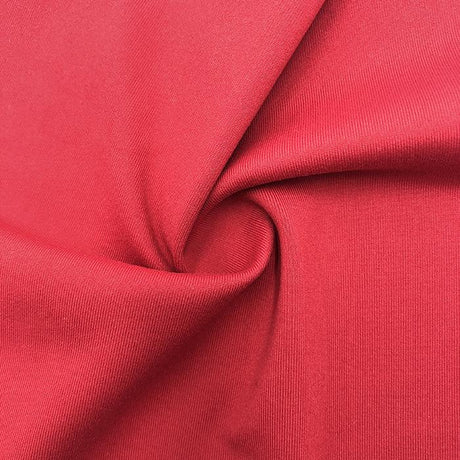
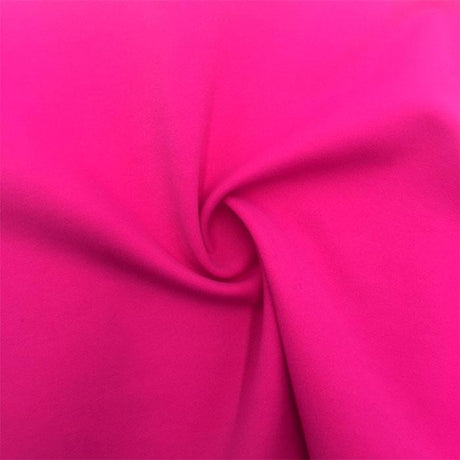
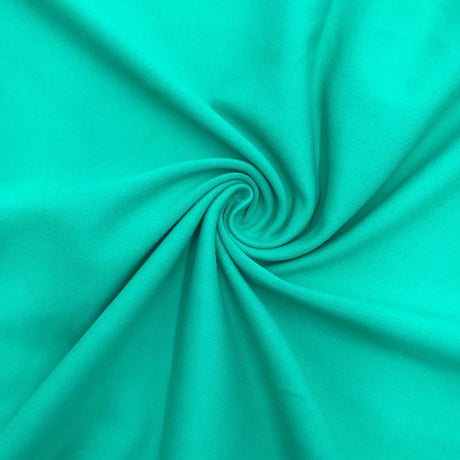
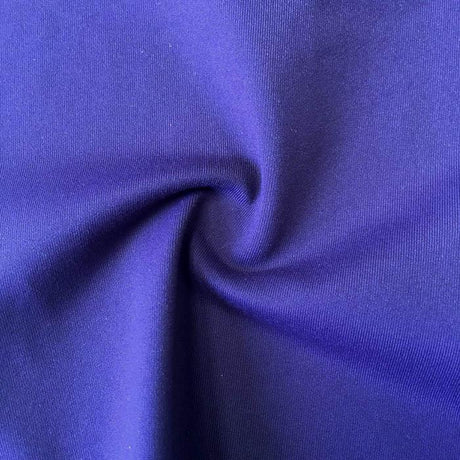
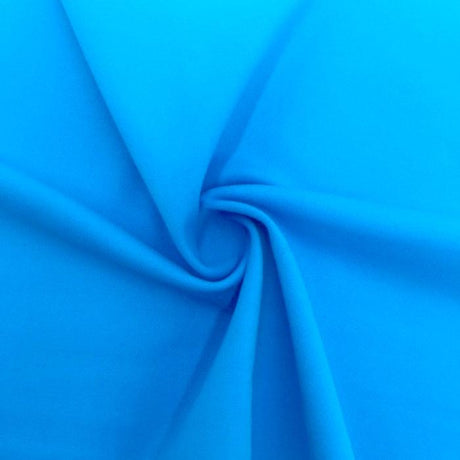
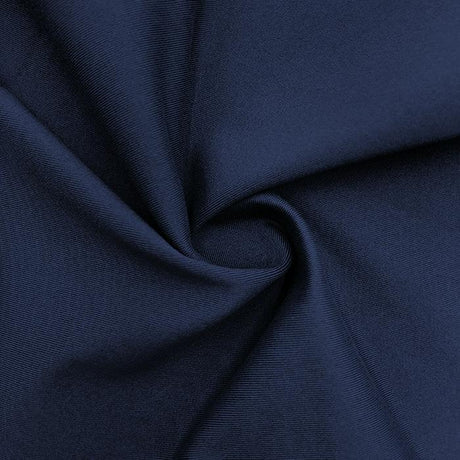
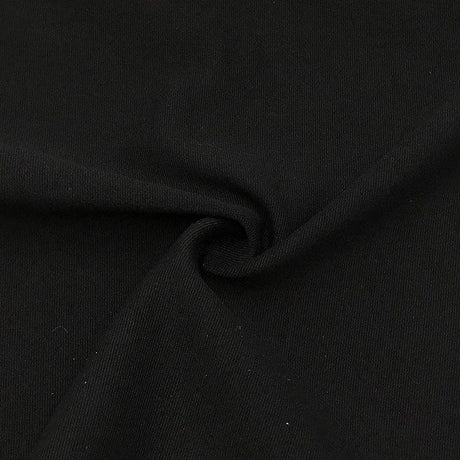
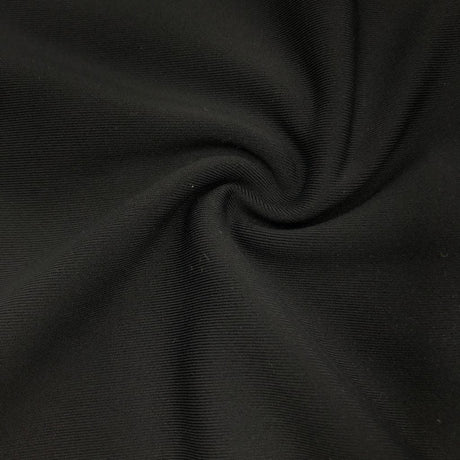
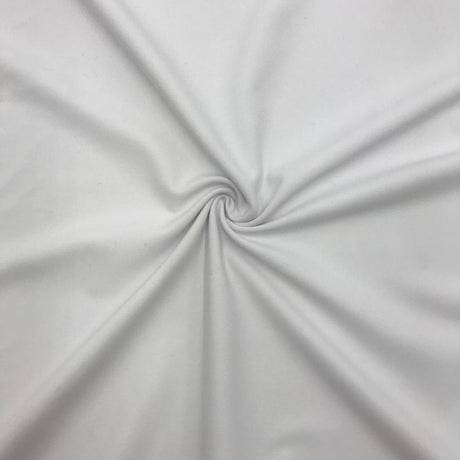
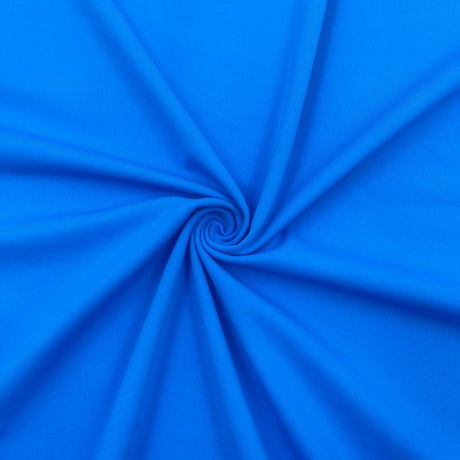
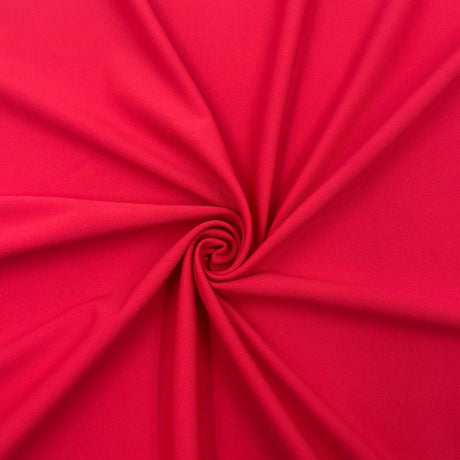
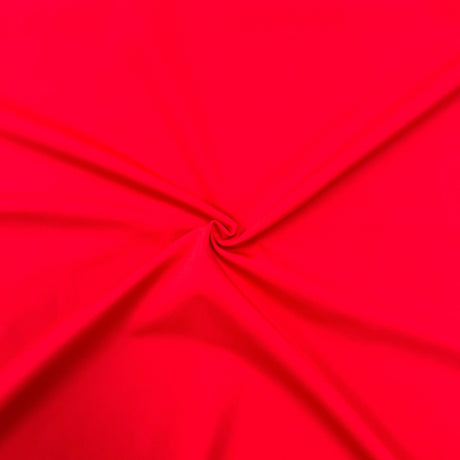
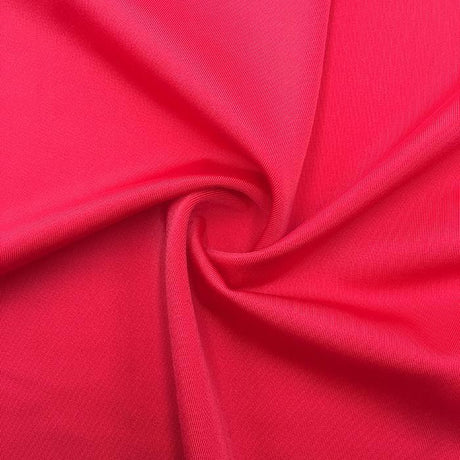
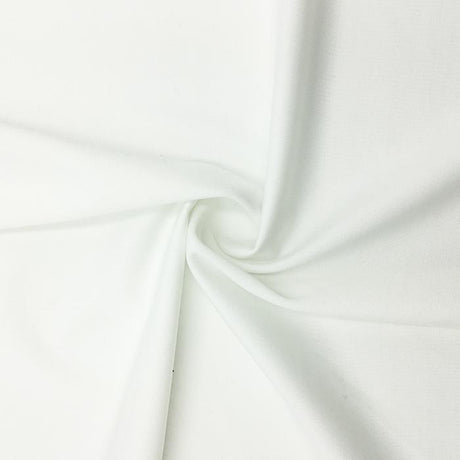
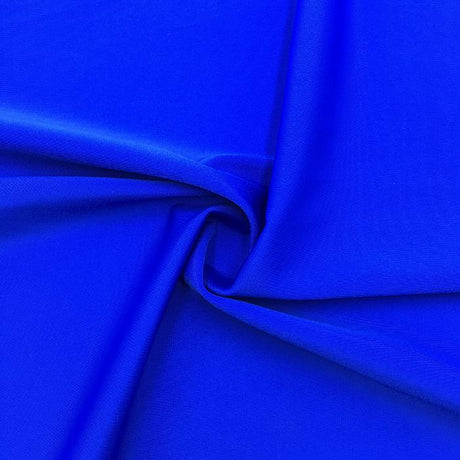
Solid colors are the dependable foundation of any stretch fabric collection. They mix and match effortlessly, photograph cleanly, and let prints stand out by contrast. Browse our full range of solid spandex fabric, including universally flattering black spandex, crisp white spandex, vibrant red spandex, and versatile blue spandex. A strong core of solids ensures you always have coordinating options for color-blocking, contrast trim, and reversible designs.
How to Sew Stretch Fabrics
Sewing stretch fabrics requires a slightly different approach than wovens, but the techniques are easy to learn. A few key adjustments will produce a professional, retail-ready finish.
- Use stretch or ballpoint needles to avoid breaking fibers
- Use quality polyester thread for flexibility
- Avoid pulling the fabric while sewing to prevent stretching
- Use a zig-zag stitch, twin needle, or a serger for finished seams
- Always test stitch tension on a scrap before final sewing
For step-by-step techniques, visit our How to Sew Stretch Fabric Guide.
Fabric Care Tips
Proper care keeps spandex fabrics elastic, vibrant, and intact for years. The biggest enemies of spandex are heat, chlorine, and harsh chemicals.
- Wash in cold or cool water on a gentle cycle
- Avoid high-heat drying—air dry whenever possible
- Do not use bleach or fabric softener
- Lay flat to dry to preserve shape
- Avoid rough surfaces (concrete, rough wood) that can snag fibers
- Rinse swimwear in cool water immediately after each wear
For a complete routine, read our Fabric Care Guide.
How Much Fabric Do You Need?
One advantage of buying by the yard is ordering exactly what your project needs. A pair of leggings typically requires about 1.5–2 yards, a sports bra needs around half a yard, a one-piece swimsuit takes one to one and a half yards, and a bikini set usually fits in half a yard to one yard depending on size and print direction. Always order a little extra to accommodate cutting, print matching, and the occasional mistake—running short mid-project is far more frustrating than ending up with a small remnant. Check out our new arrivals for the latest options and colors.
Frequently Asked Questions
Is spandex the same as Lycra? Yes—Lycra is simply a brand name for spandex fiber. The terms spandex, Lycra, and elastane all refer to the same elastic fiber. Differences come down to manufacturer and regional naming, not chemistry.
How much spandex is in stretch fabric? Most blends contain 5–25% spandex. Swimwear and dancewear typically use 18–22%, leggings 10–20%, and casual cotton apparel 3–10%.
Does spandex shrink? Pure spandex does not shrink, but the companion fiber (cotton in particular) can. Cold washing and air drying minimize shrinkage and protect the elastic fibers.
Is nylon spandex or polyester spandex better? Neither is universally better. Nylon spandex feels softer and more luxurious, while polyester spandex resists chlorine and fading better and holds prints more vividly. Pick based on the end use.
What is the best fabric weight for leggings? Most performance leggings sit in the 220–280 GSM range. Lighter weights work for yoga and breathable styles; heavier weights provide more compression and opacity.
How long does spandex last? With proper care, quality spandex blends maintain their stretch and recovery for two to five years of regular use. Chlorine, heat, and harsh detergents shorten that lifespan dramatically.
Helpful Fabric Resources
- How to Choose Fabric
- Stretch Fabric Types
- Spandex Fabric Guide
- Nylon Spandex Fabric Guide
- Activewear Fabric Guide
- Swimwear Fabric Guide
- Dancewear Fabric Guide
- Printed Spandex Fabric Guide
- Mesh Lining Fabric Guide
- Fabric Finishes Guide
- Fabric Weight Guide
- Expert Help & Advice
Conclusion
Spandex fabrics continue shaping the future of fashion, swimwear, activewear, dancewear, and performance apparel because they offer a combination of flexibility, comfort, and durability that no other family of textiles can match. Whether you are sourcing compression knits, printed stretch materials, swimwear textiles, or breathable mesh, understanding how stretch fabrics are built will help you choose the right material for every project.
As stretch apparel continues growing worldwide, premium spandex remains one of the most versatile and essential materials in modern apparel design. Ready to start your next project? Explore our full range of spandex fabric by the yard, or reach out through our expert help and advice page if you need a personalized recommendation.