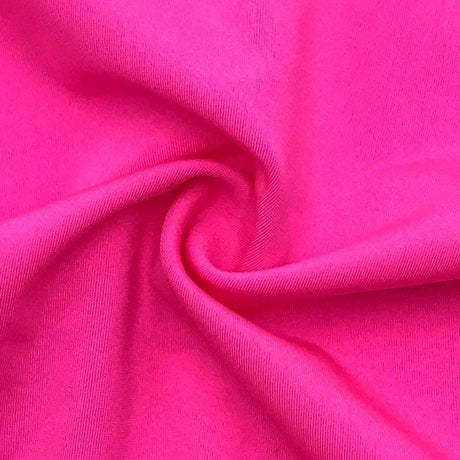
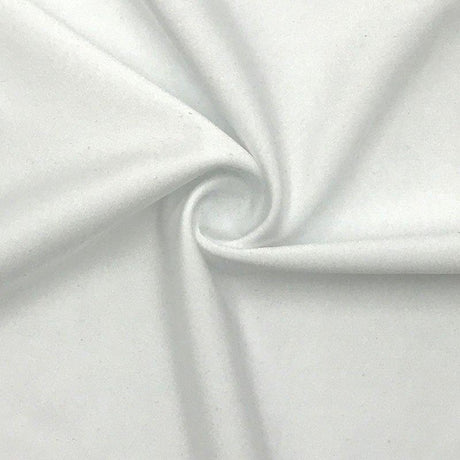
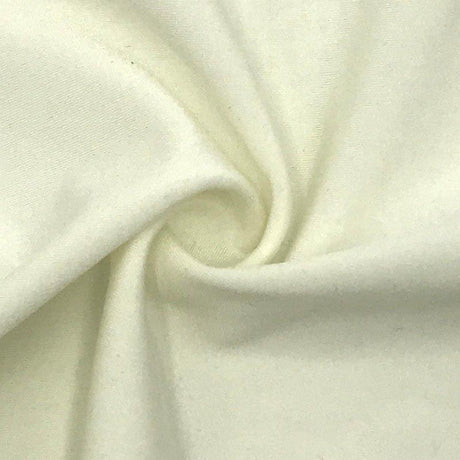
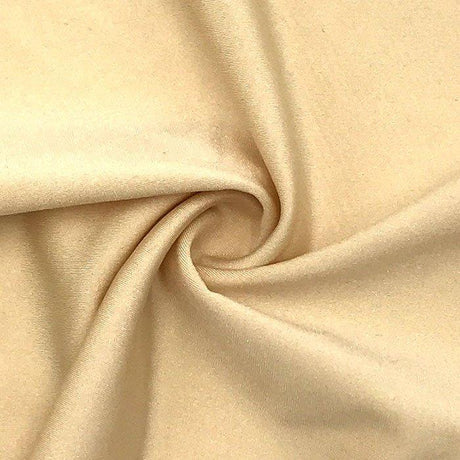
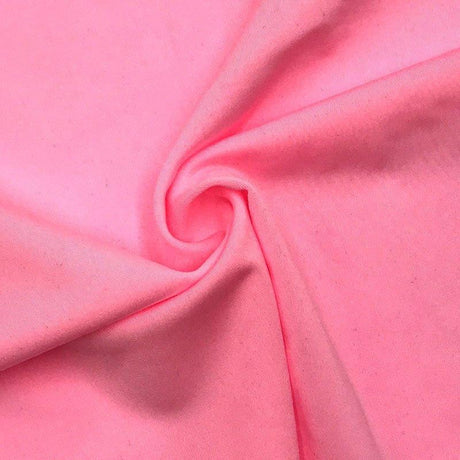
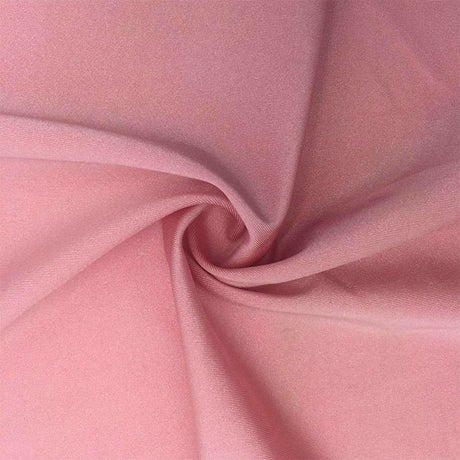
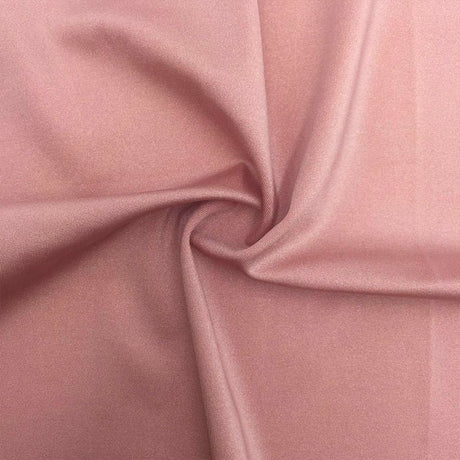
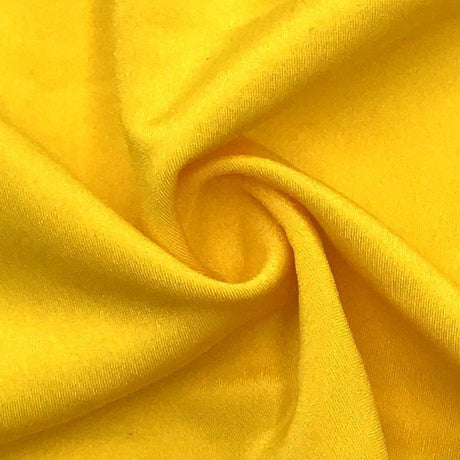
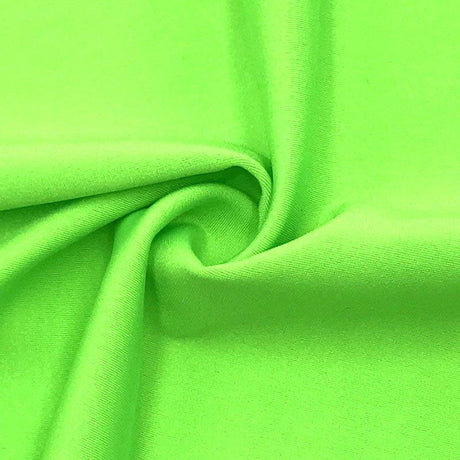
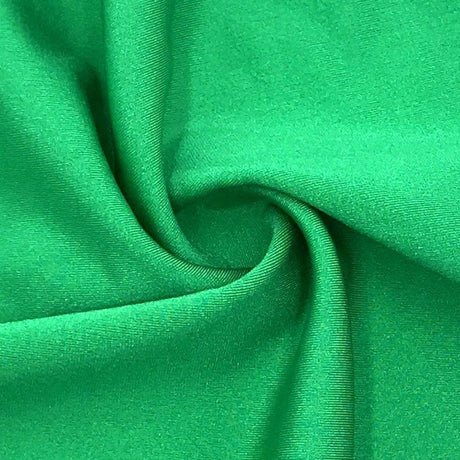
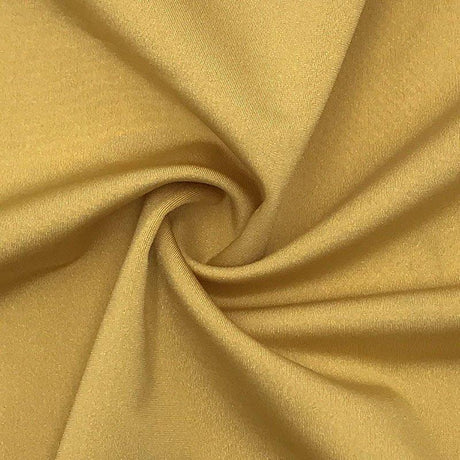
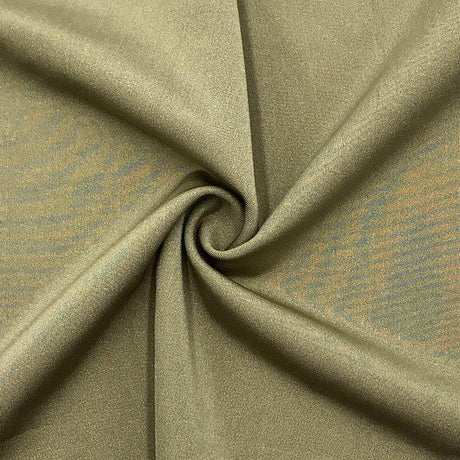
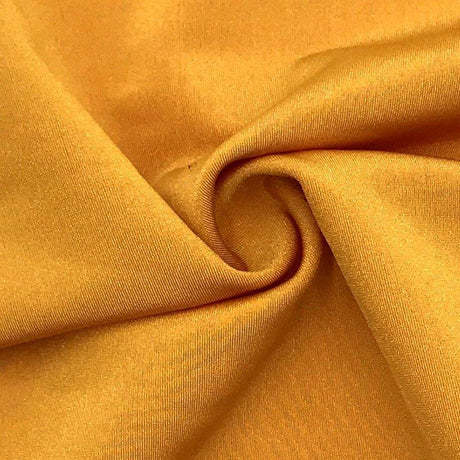
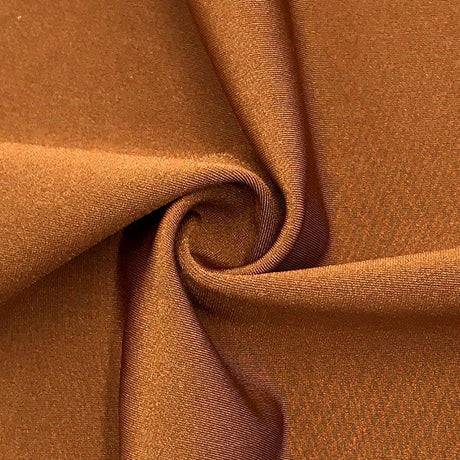
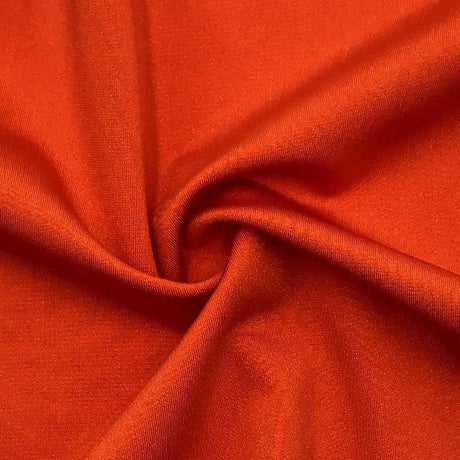
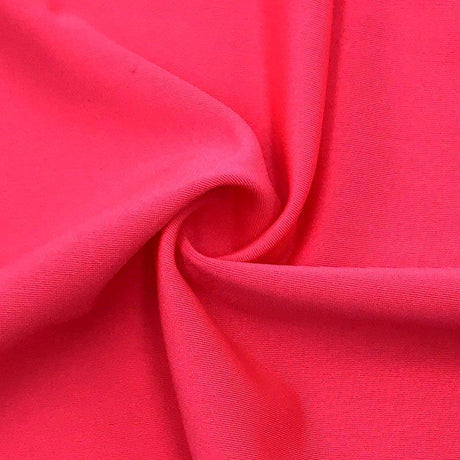
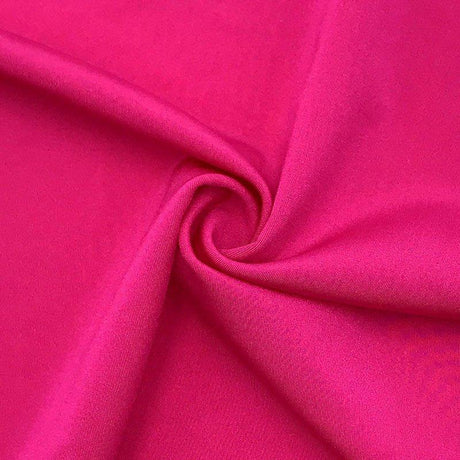
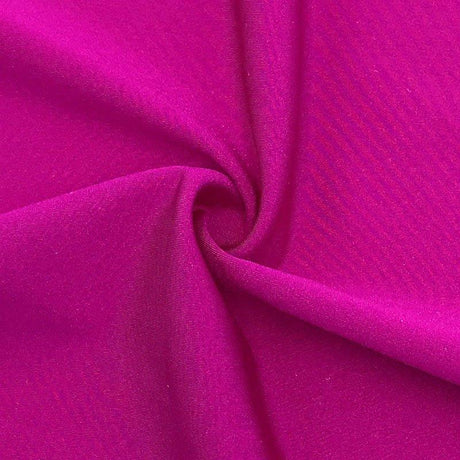
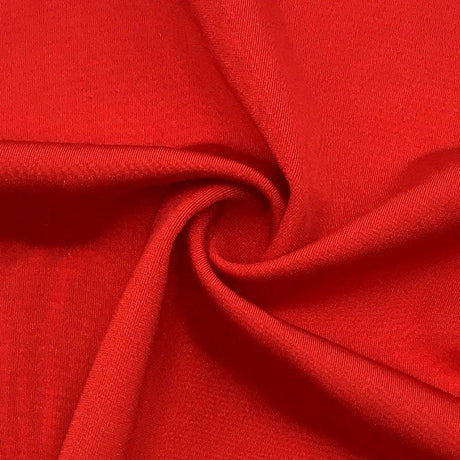
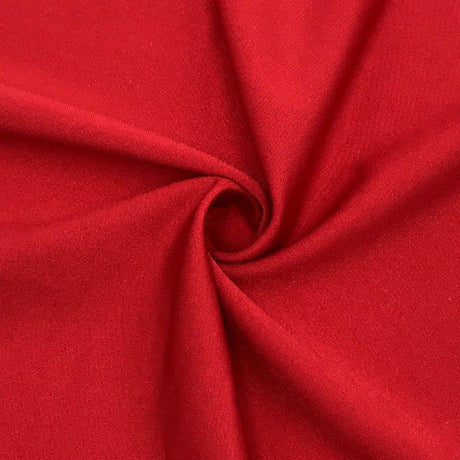
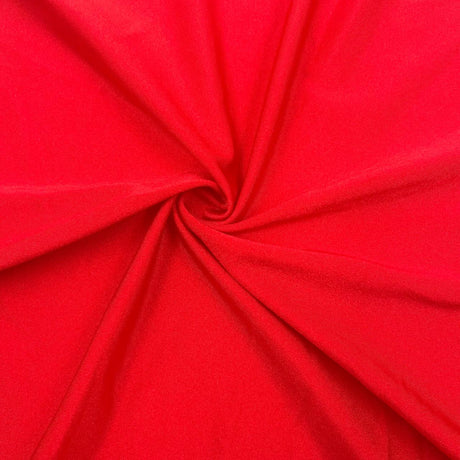
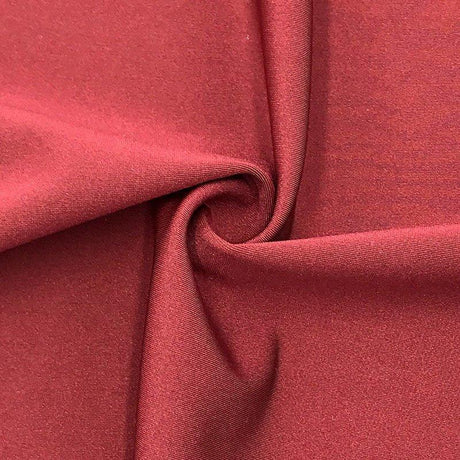
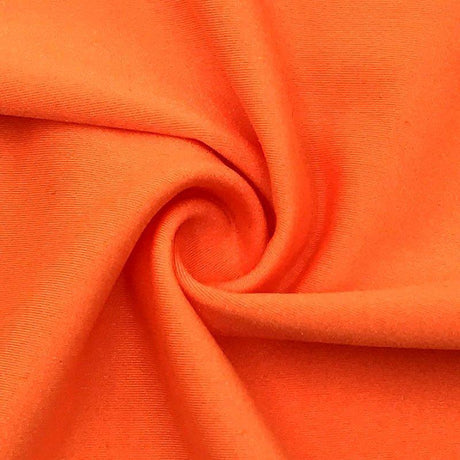
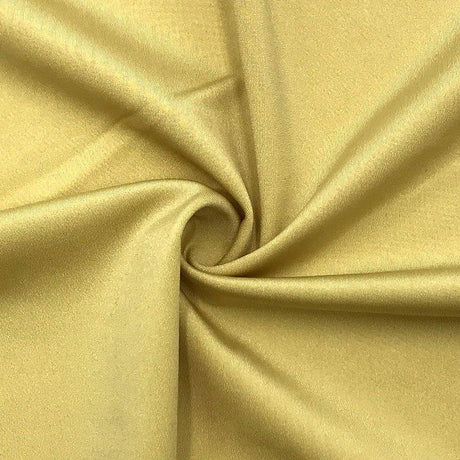
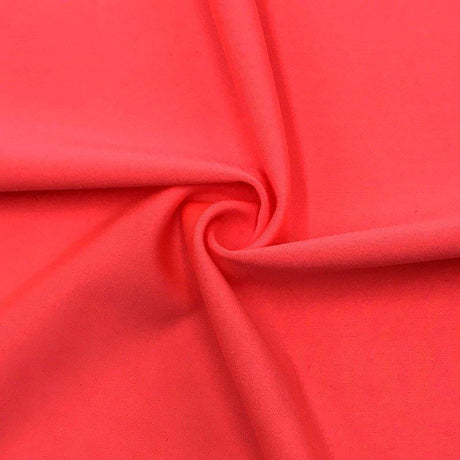
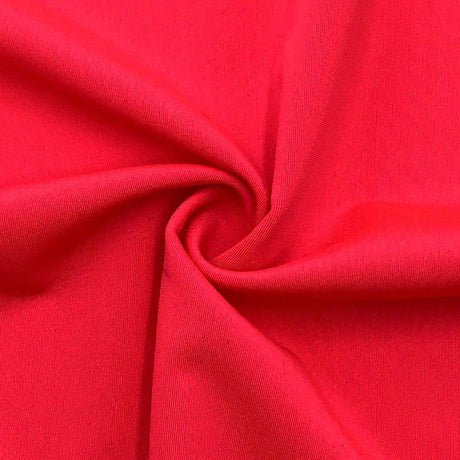
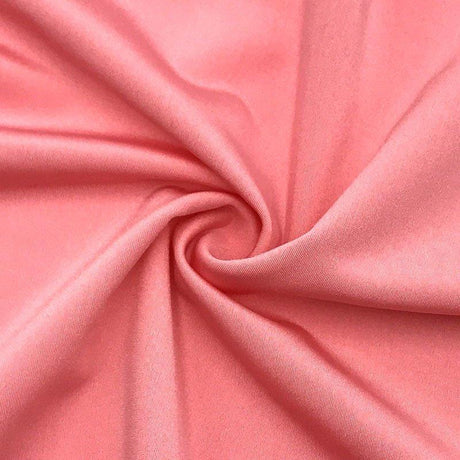
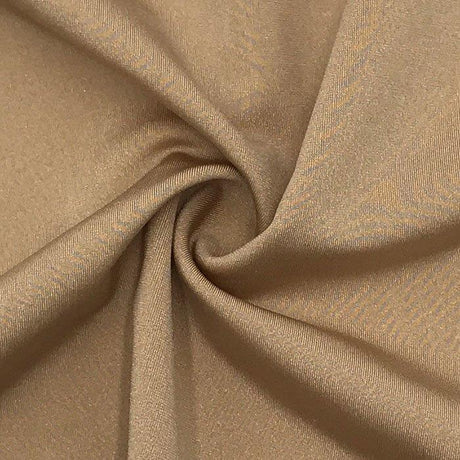
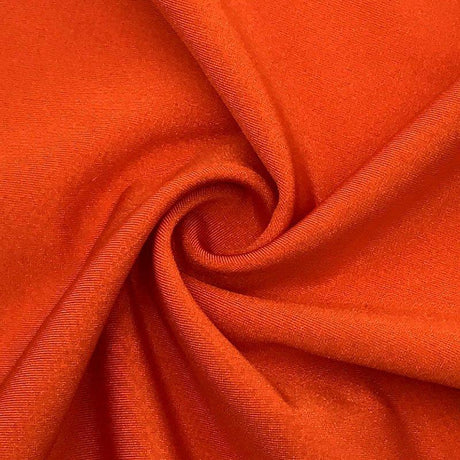
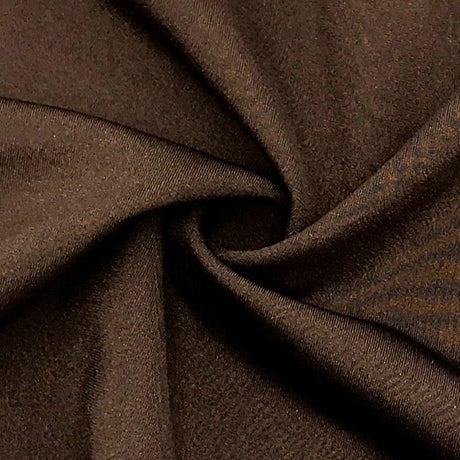
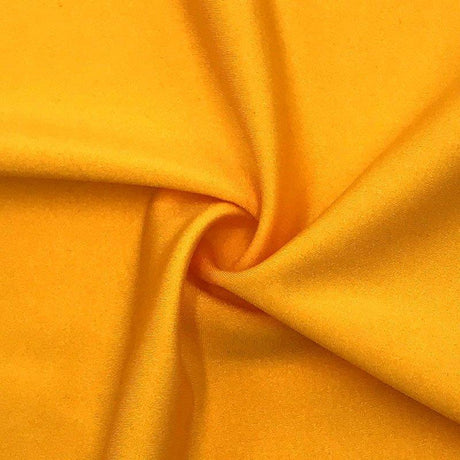
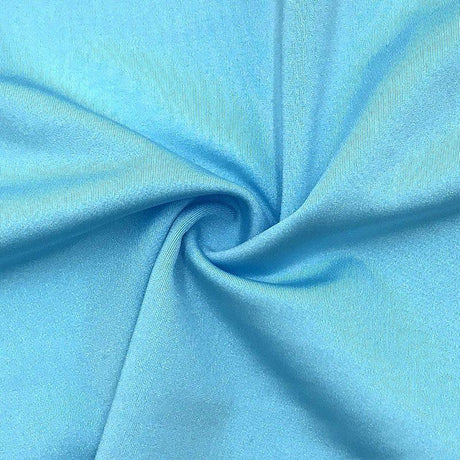
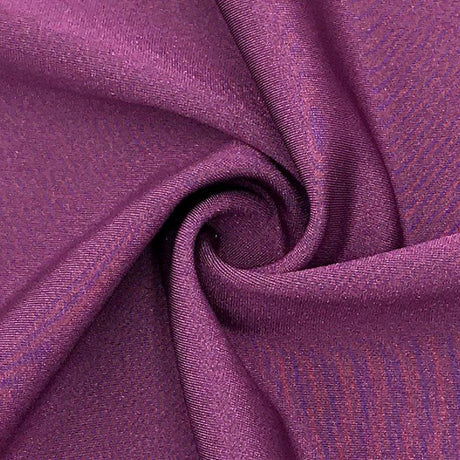
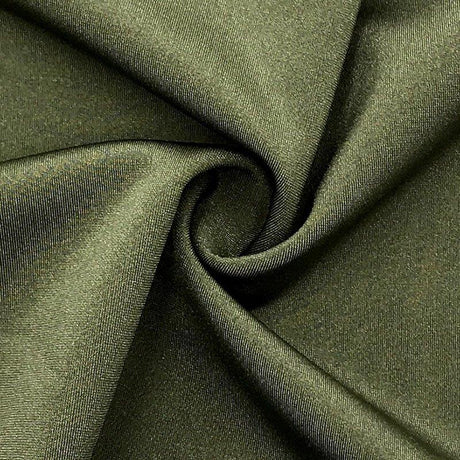
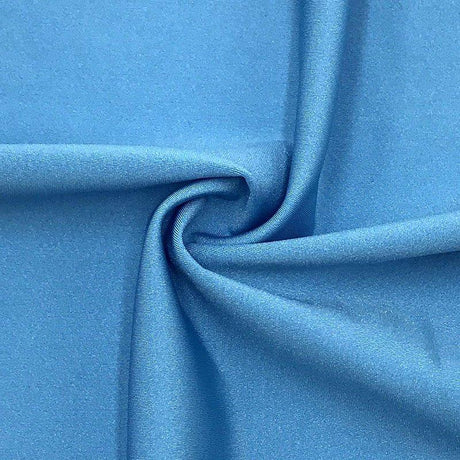
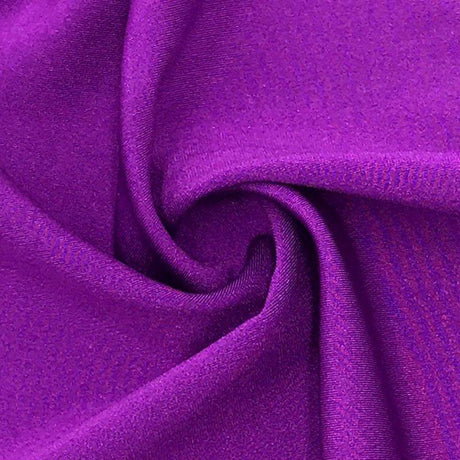
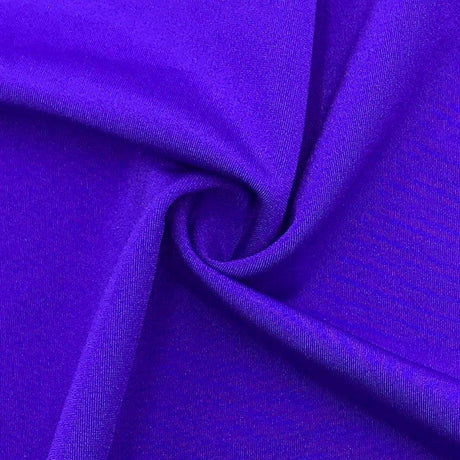
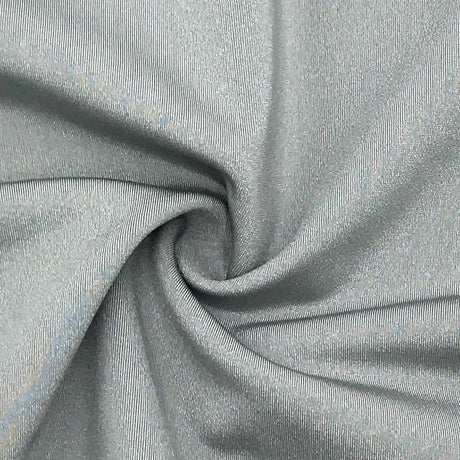
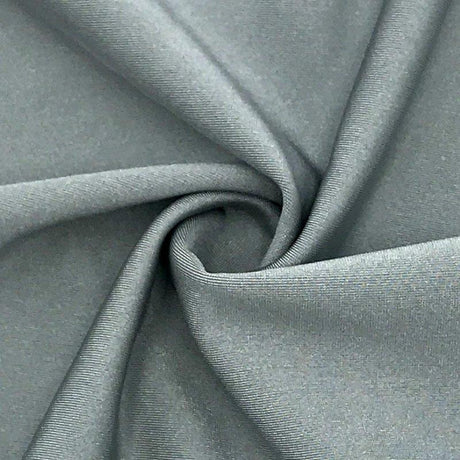
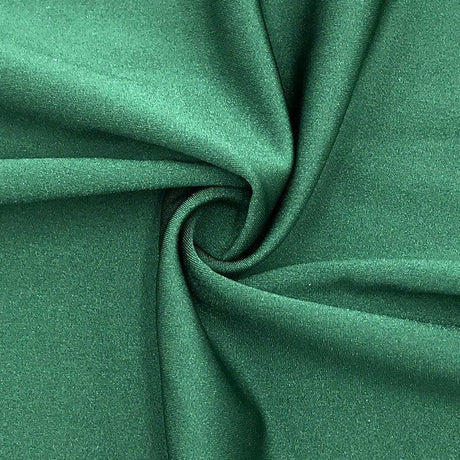
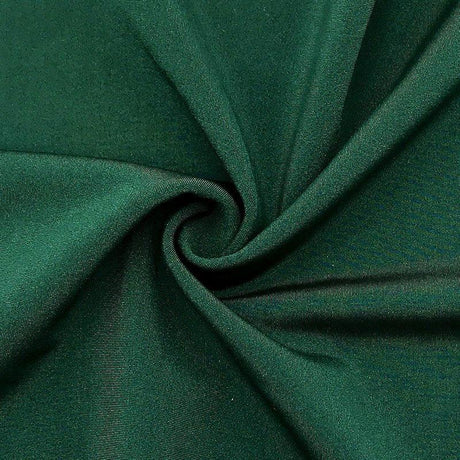
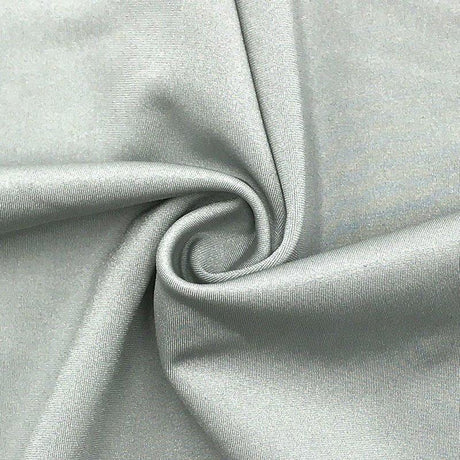
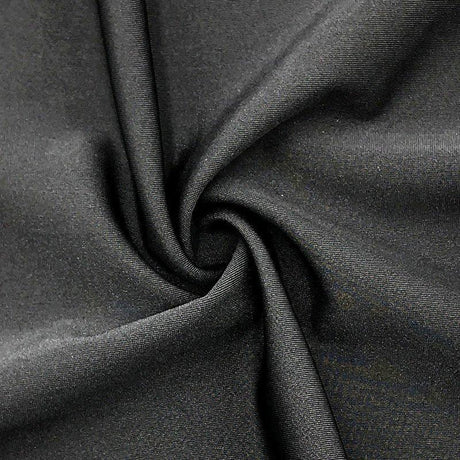
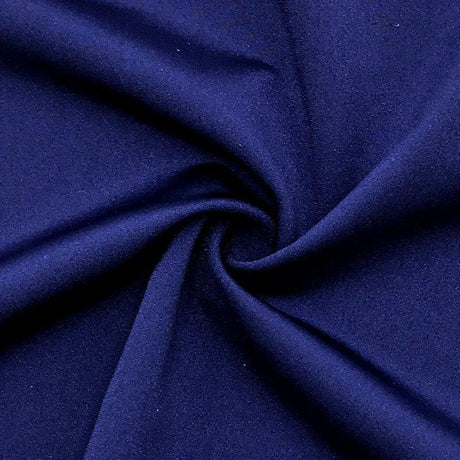
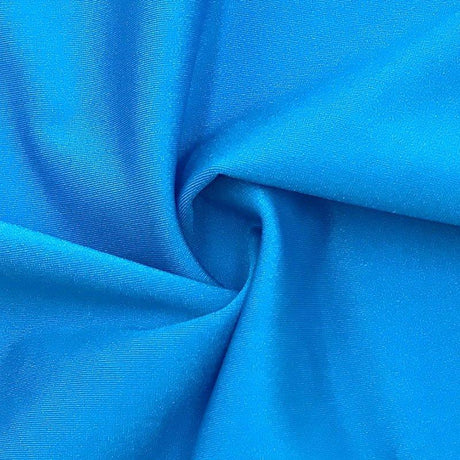
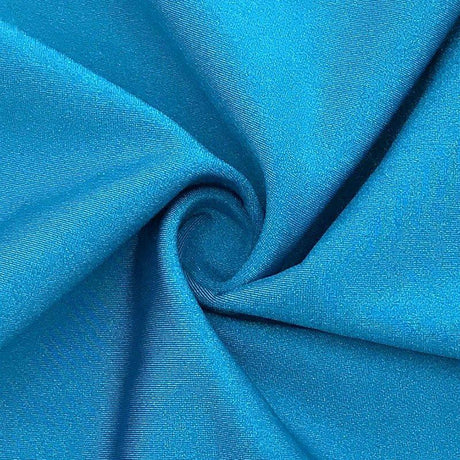
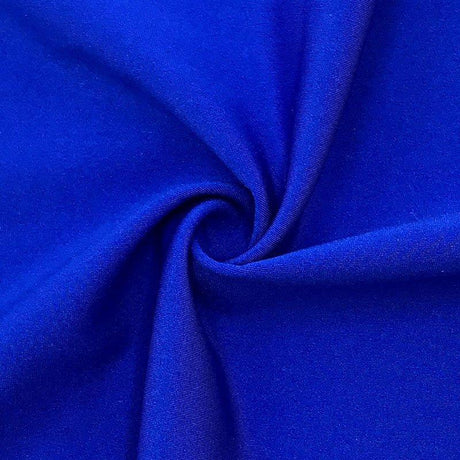
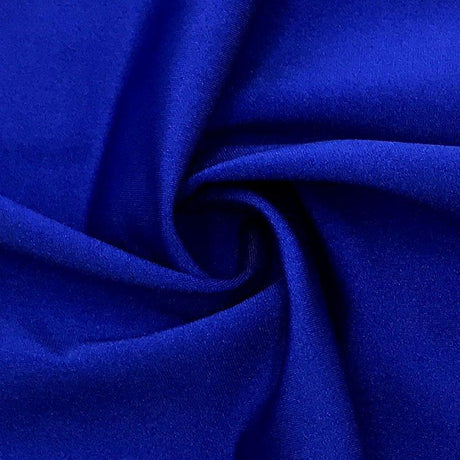
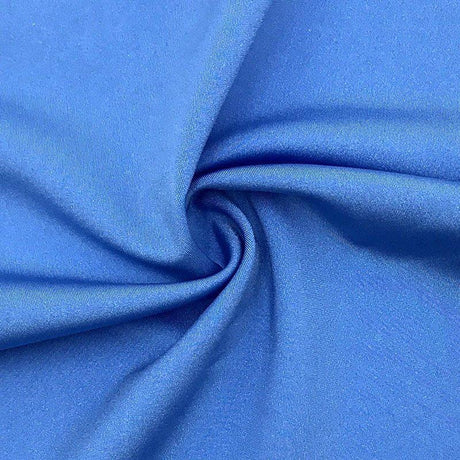
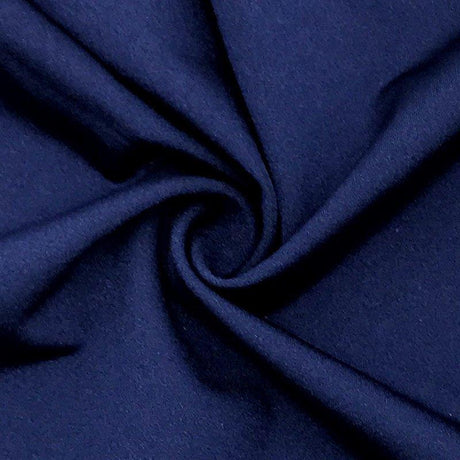
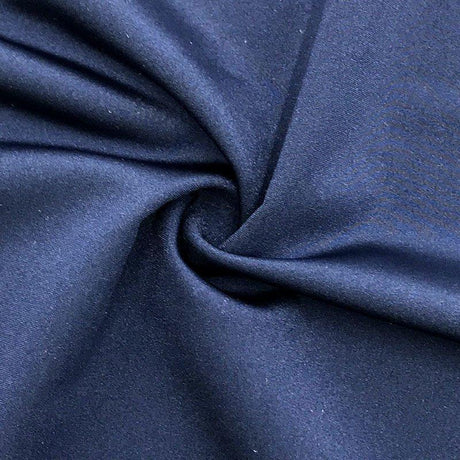
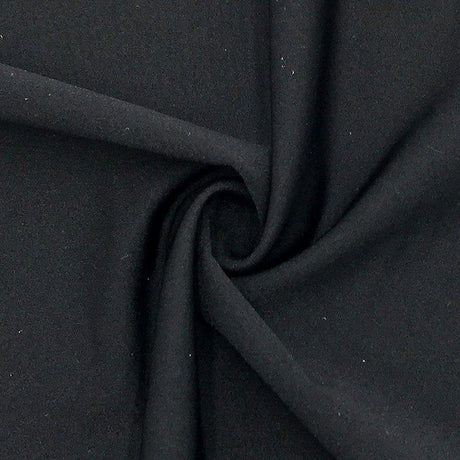
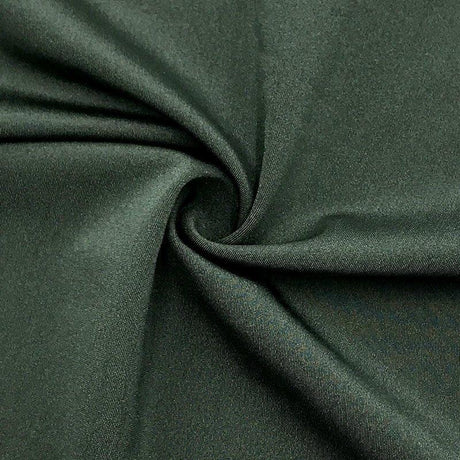
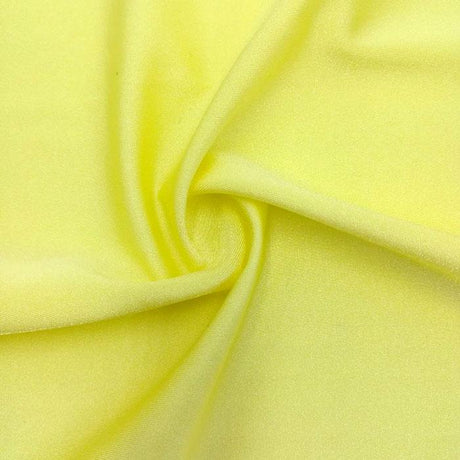
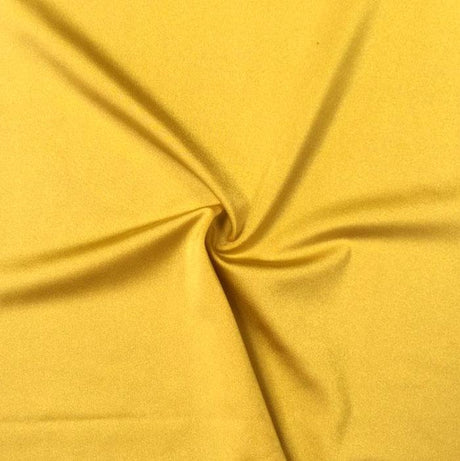
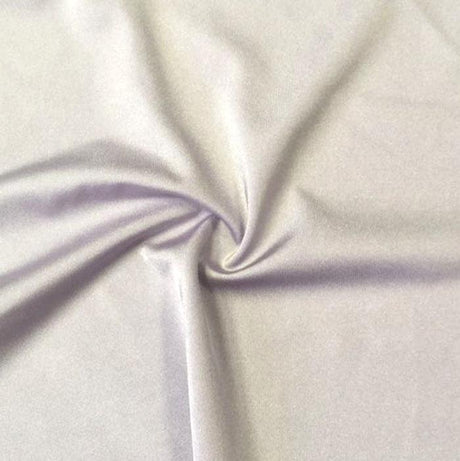
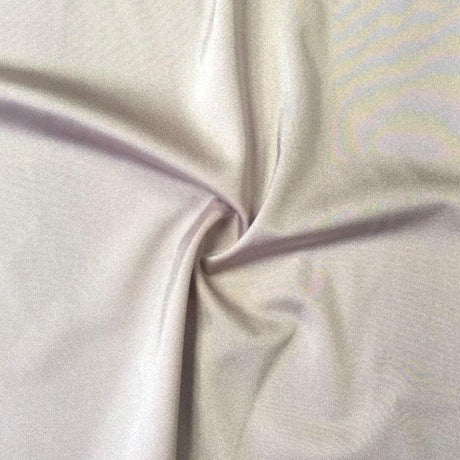
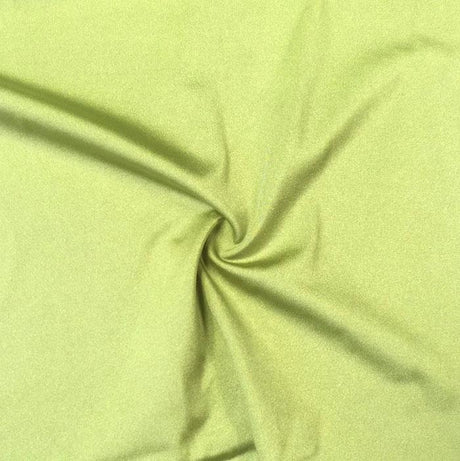
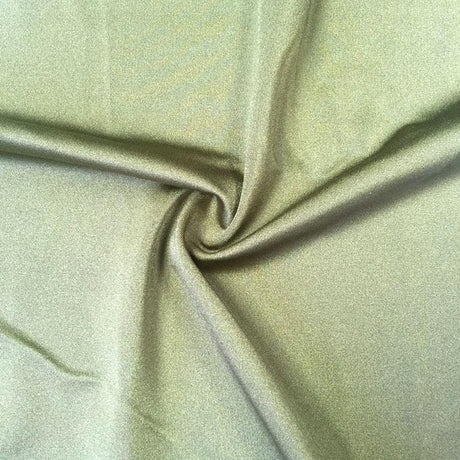
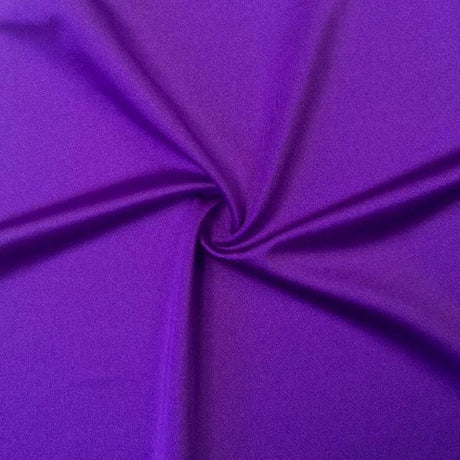
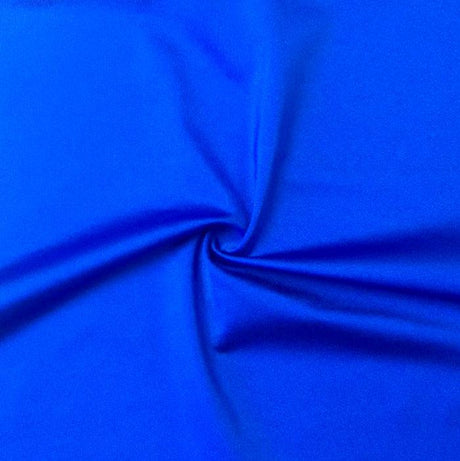
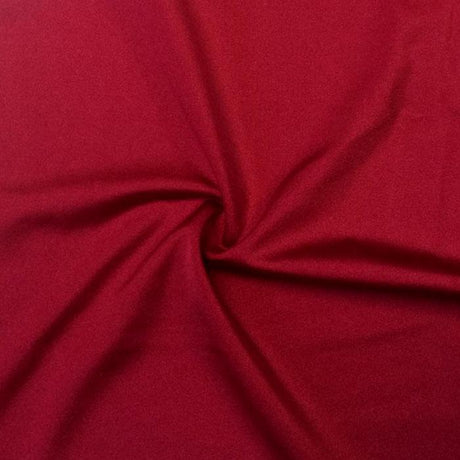
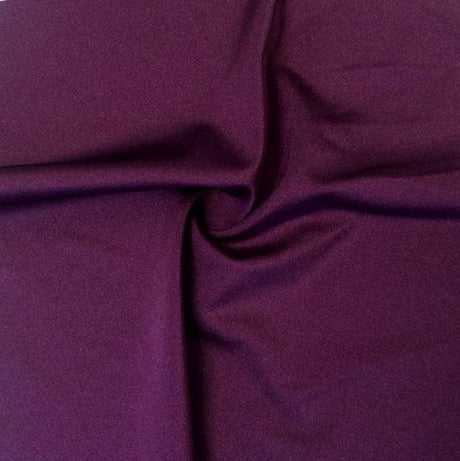
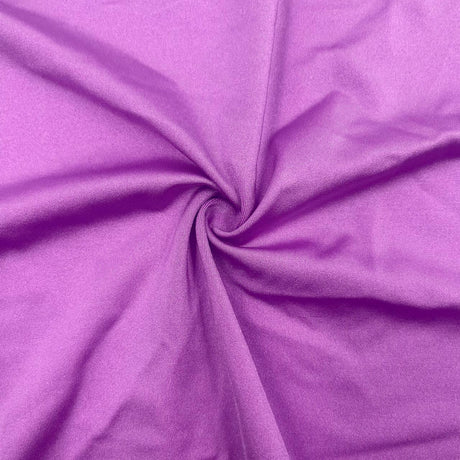
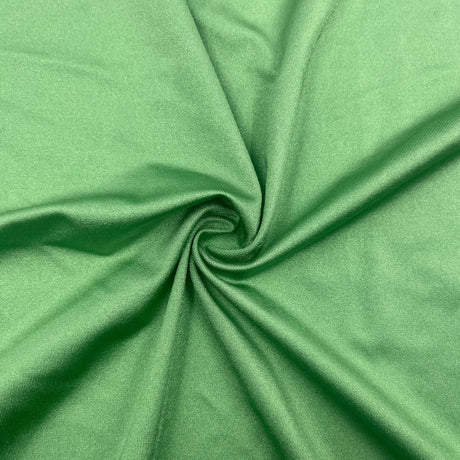
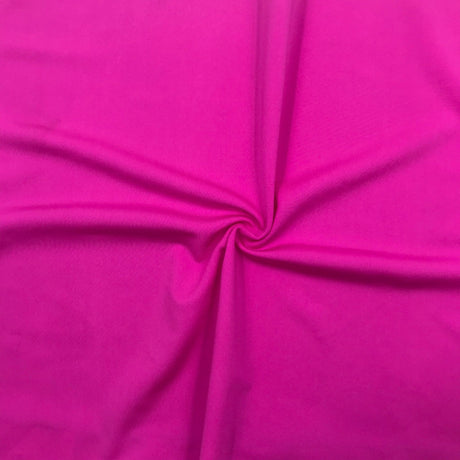
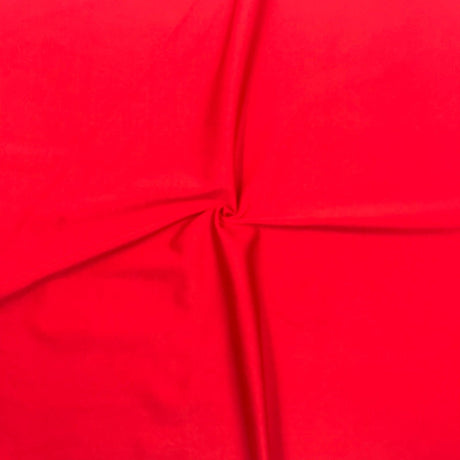
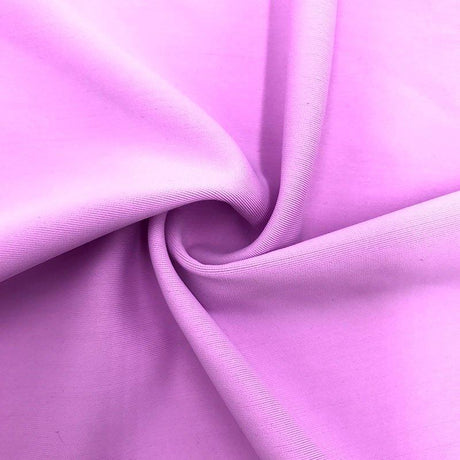
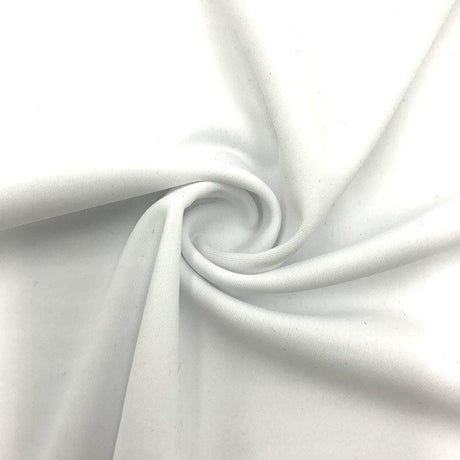
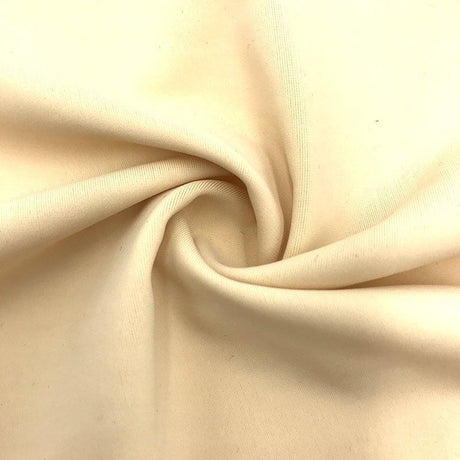
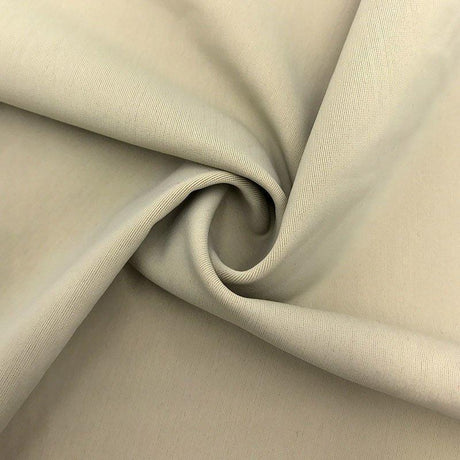
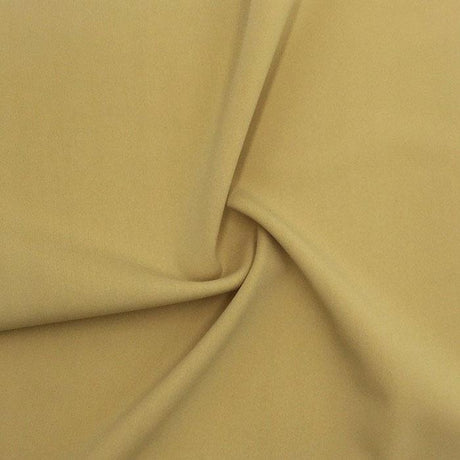
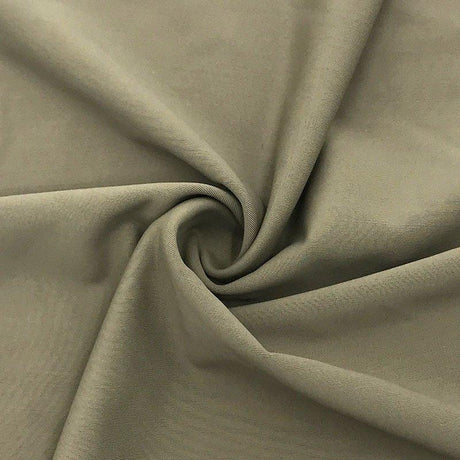
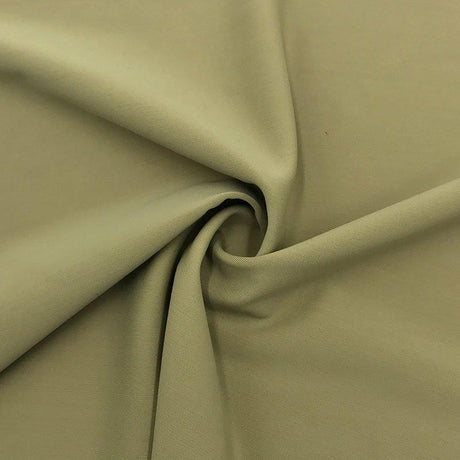
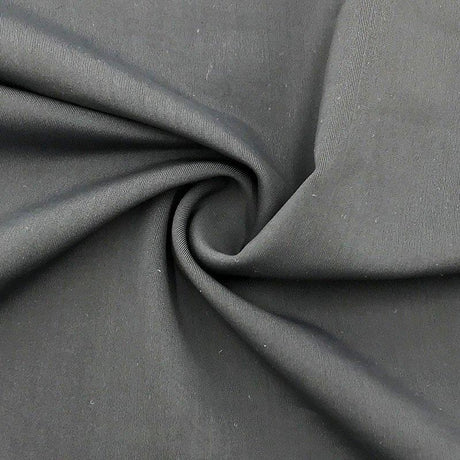
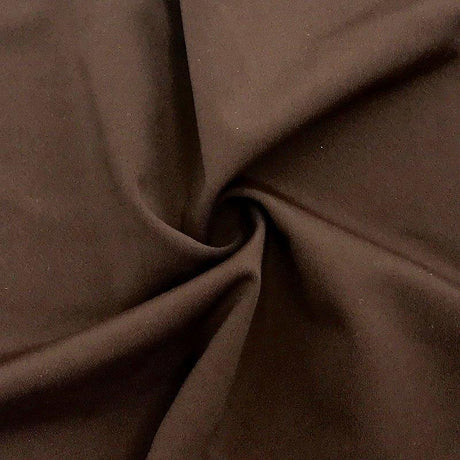
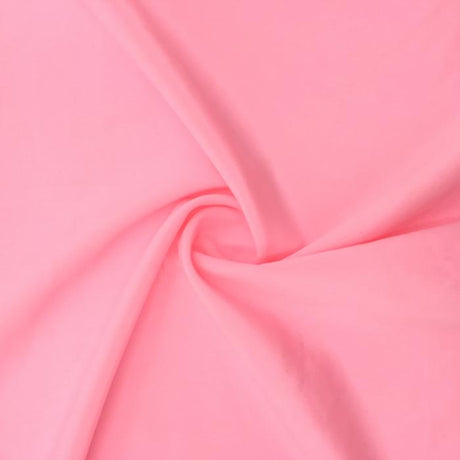
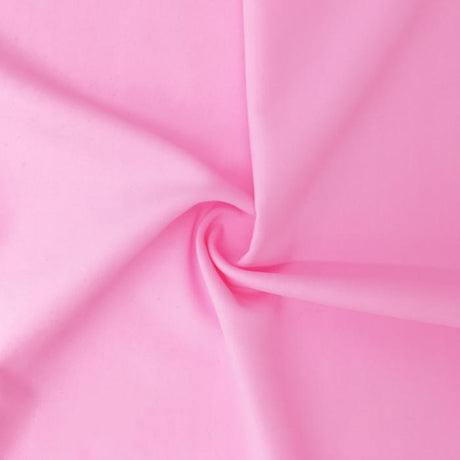
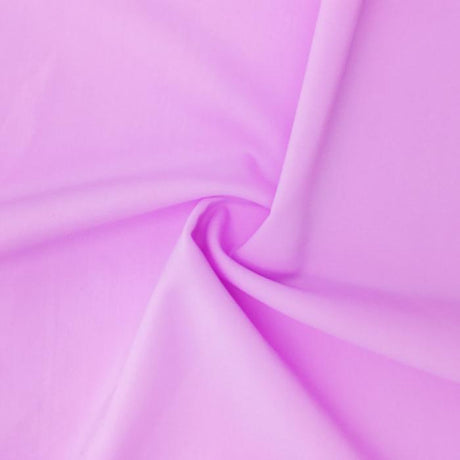
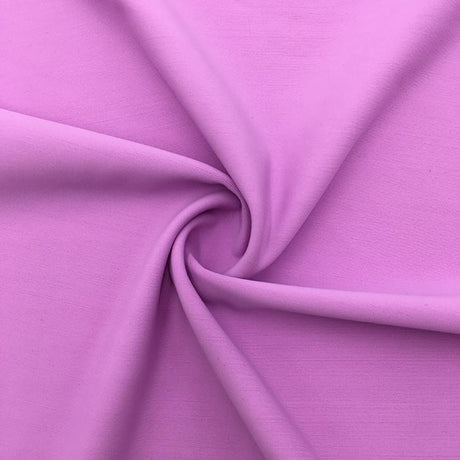
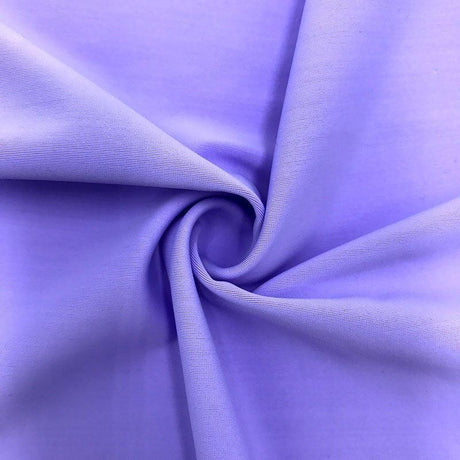
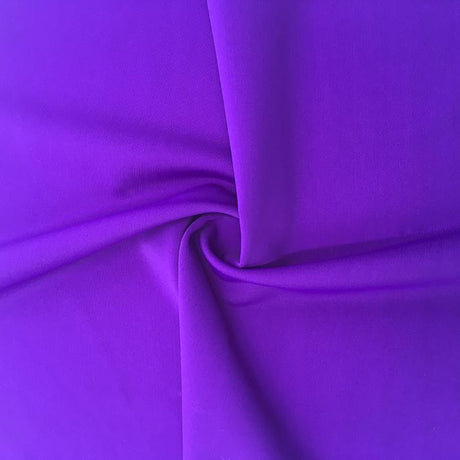
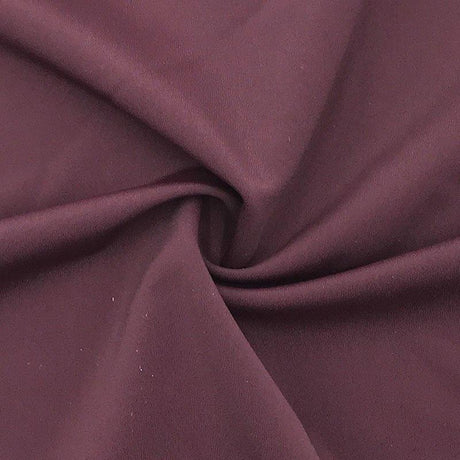
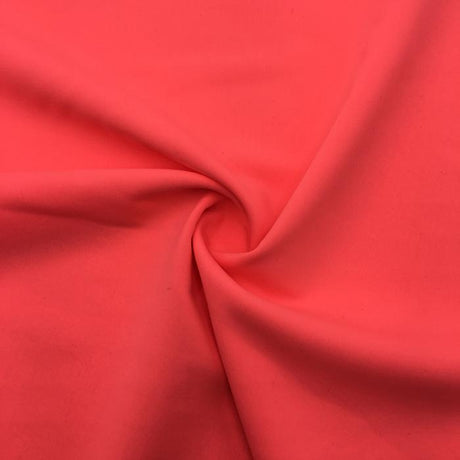
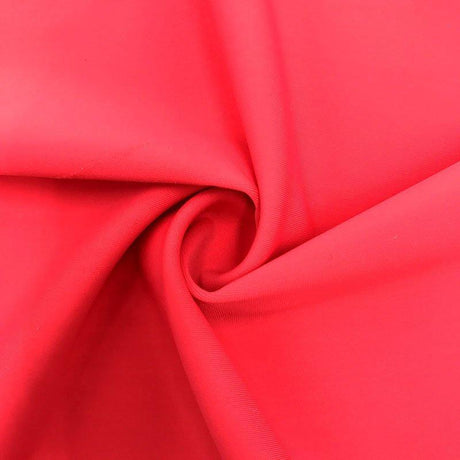
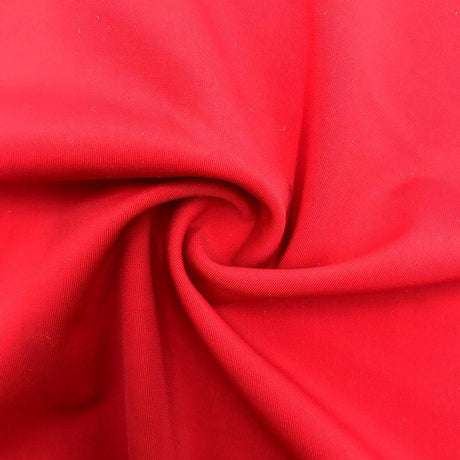
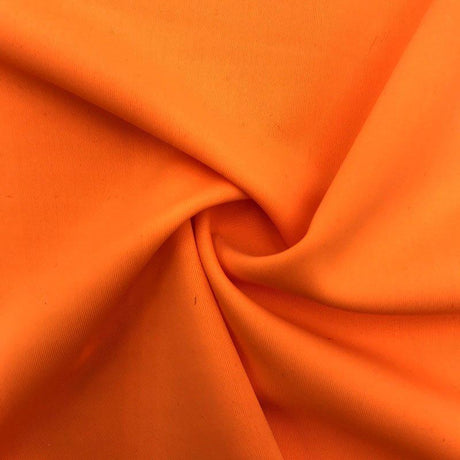
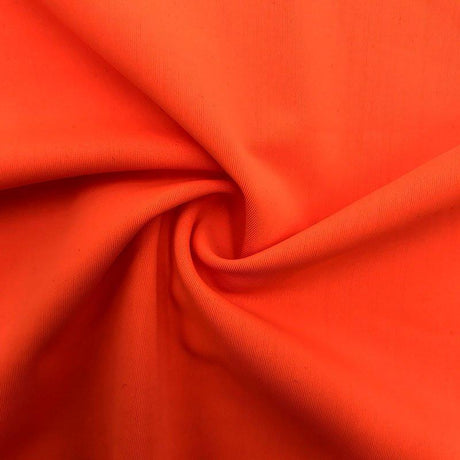
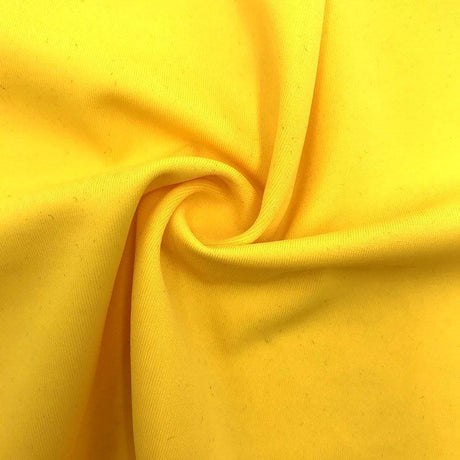
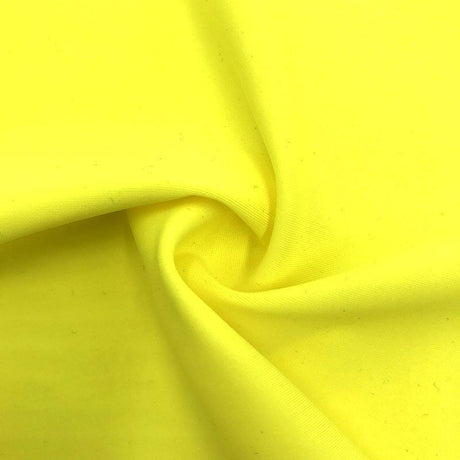
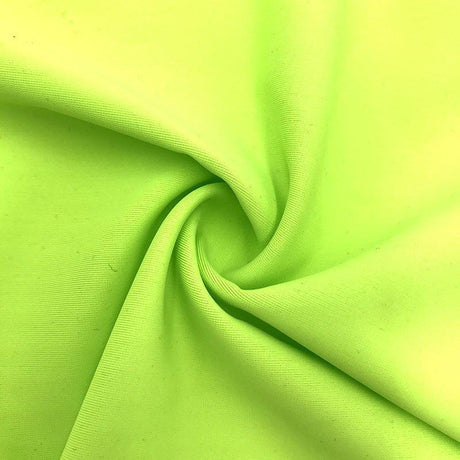
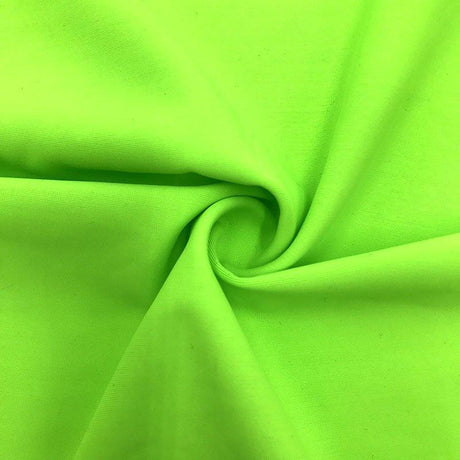
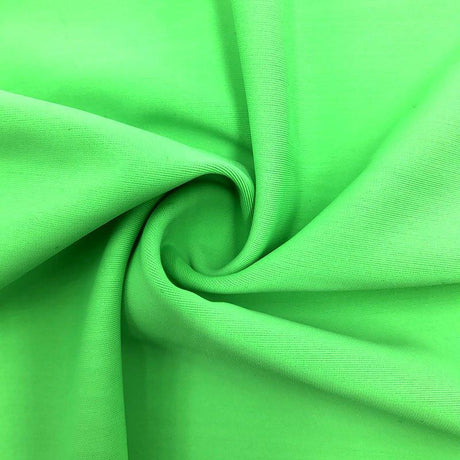
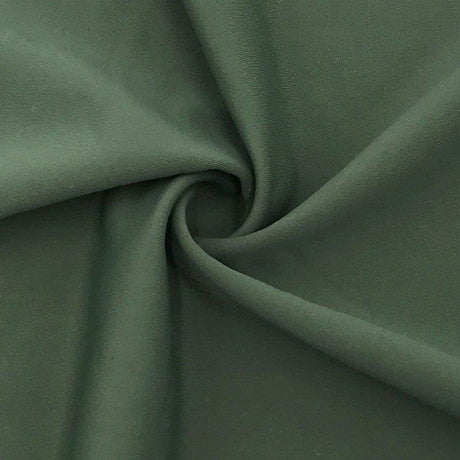
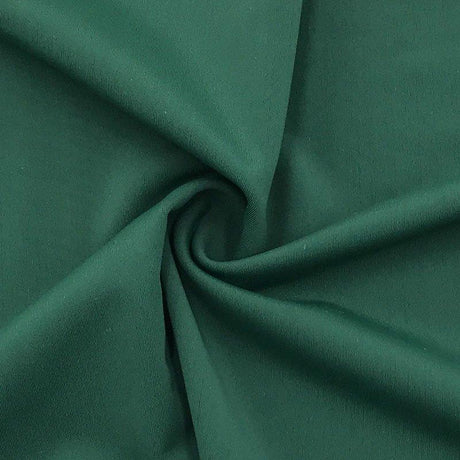
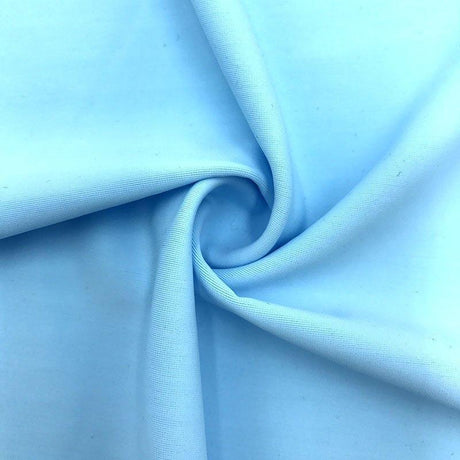
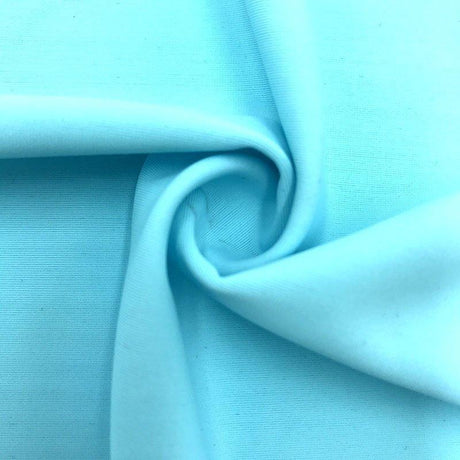
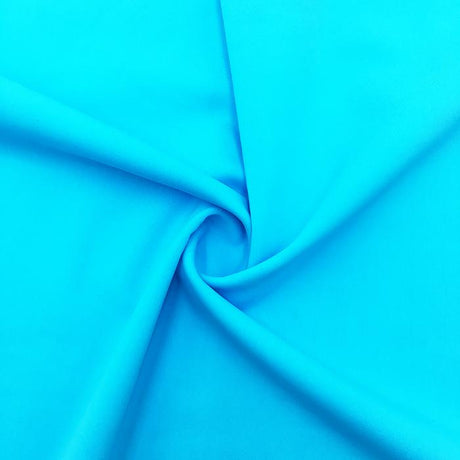
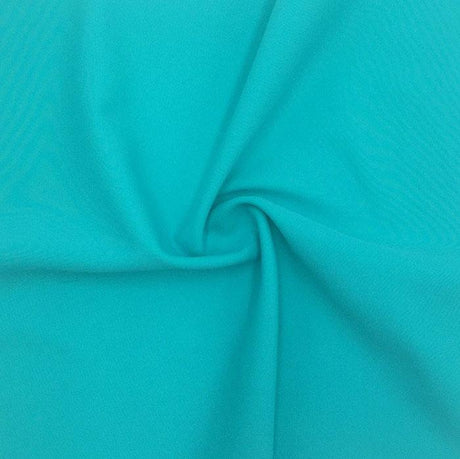
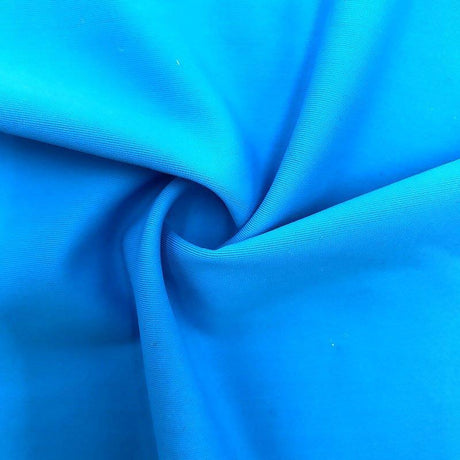
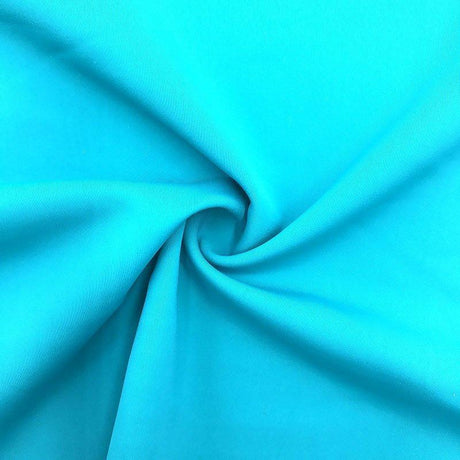
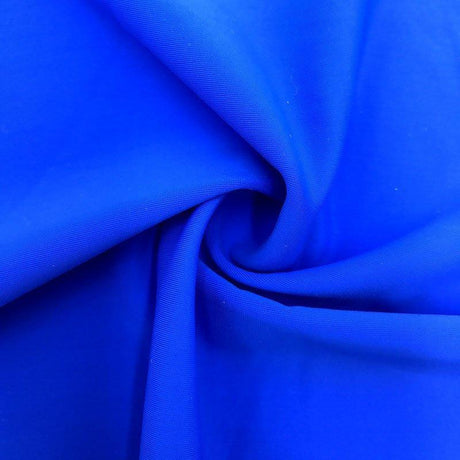
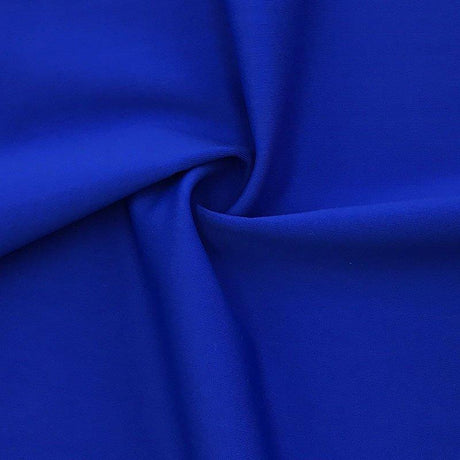
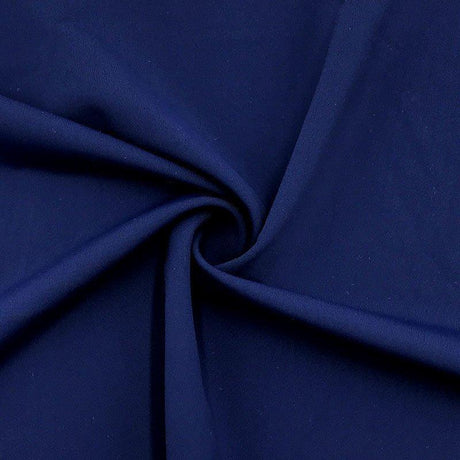
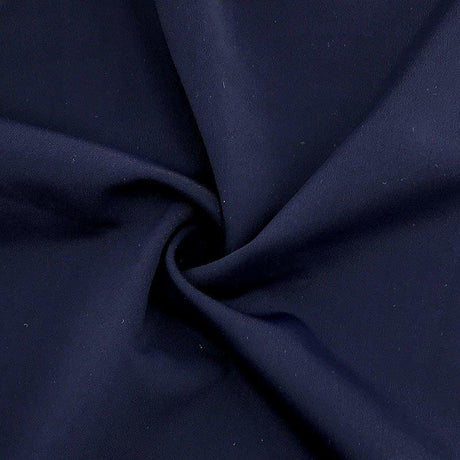
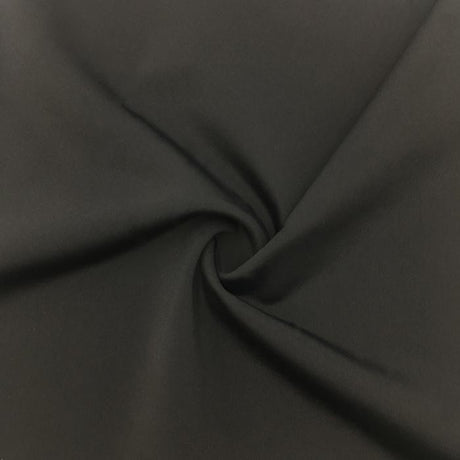
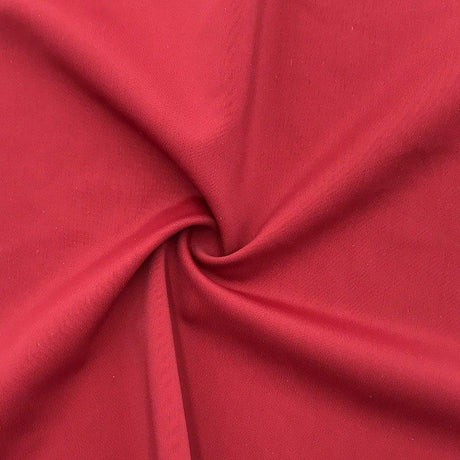
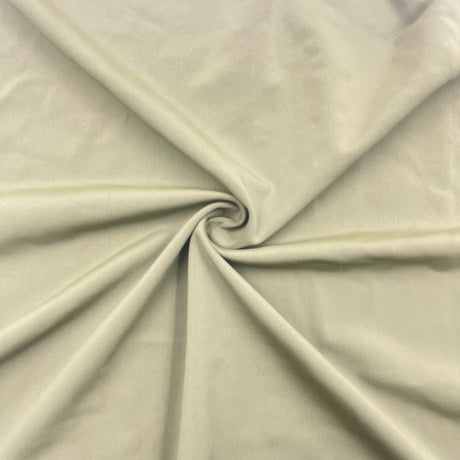
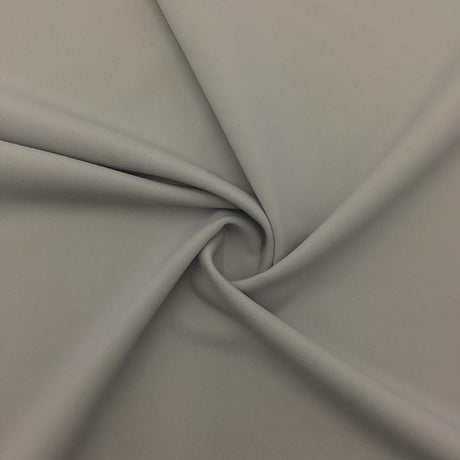
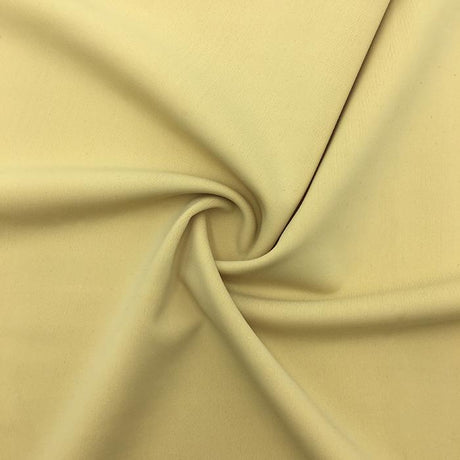
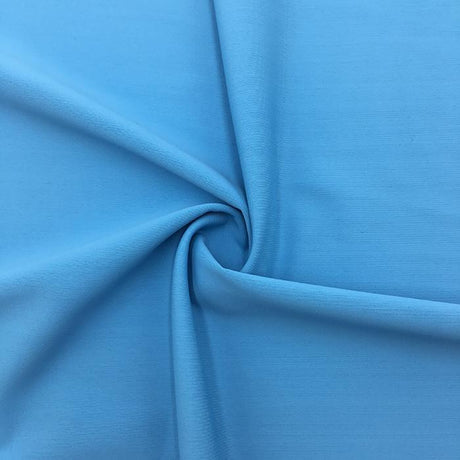
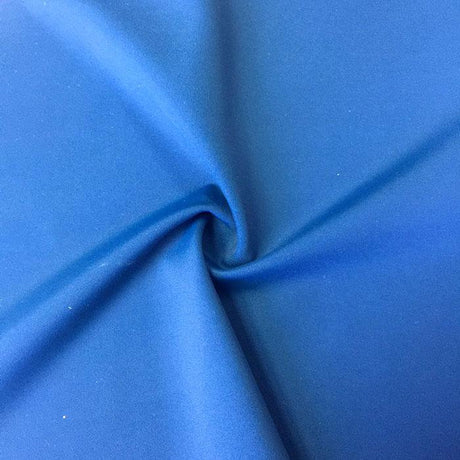
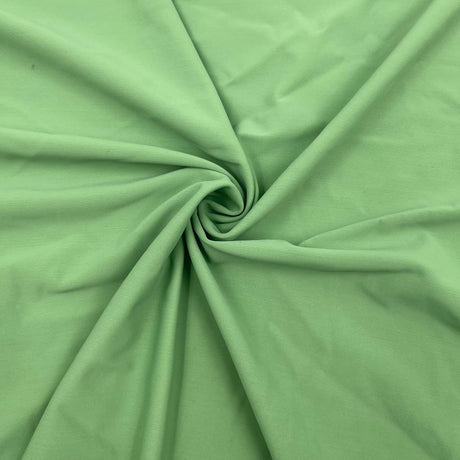
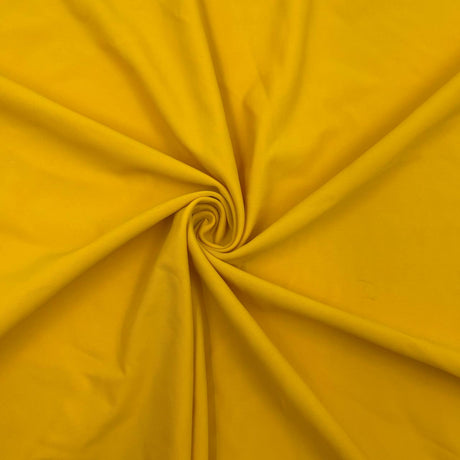
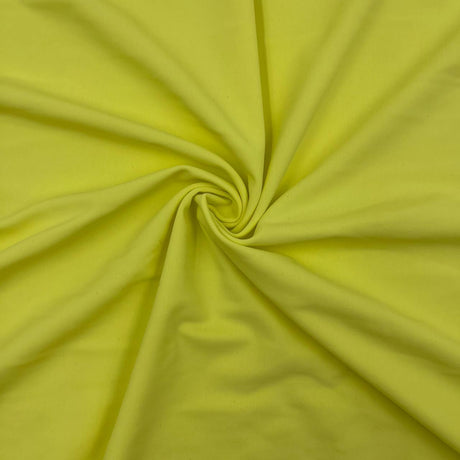
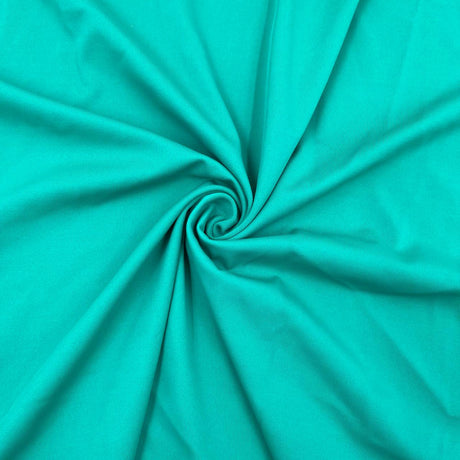
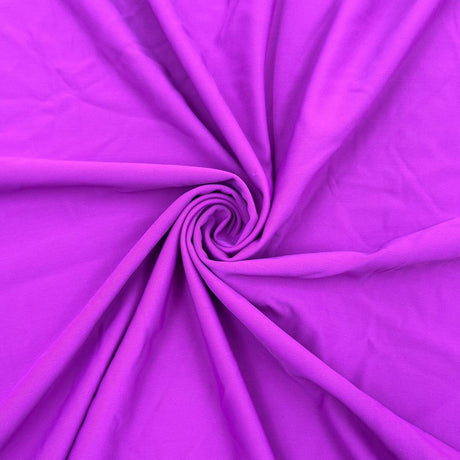
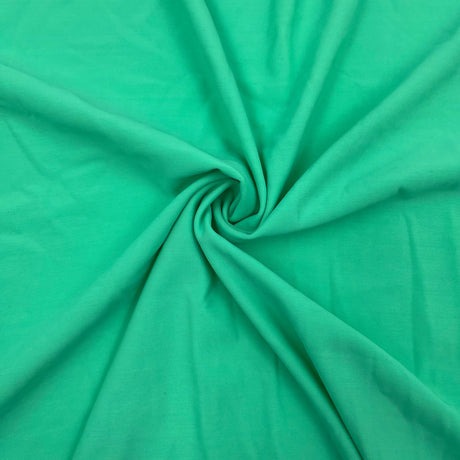
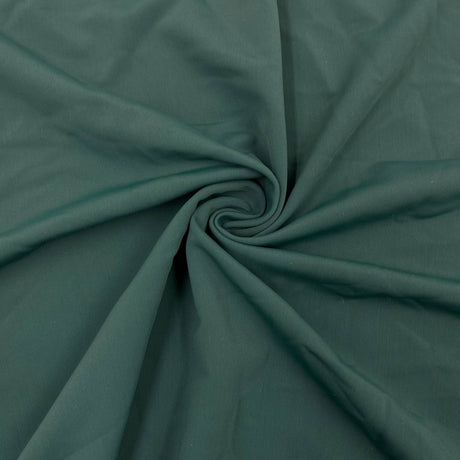
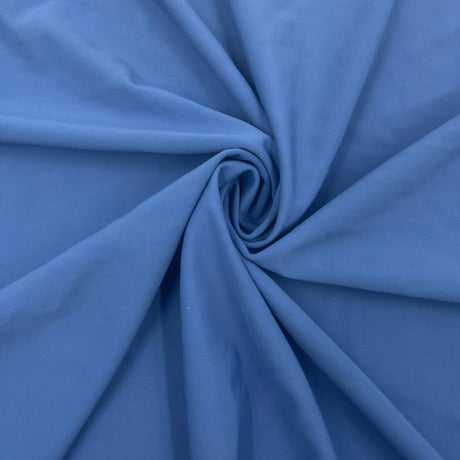
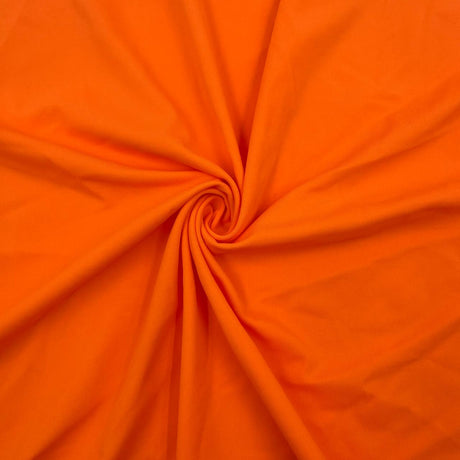
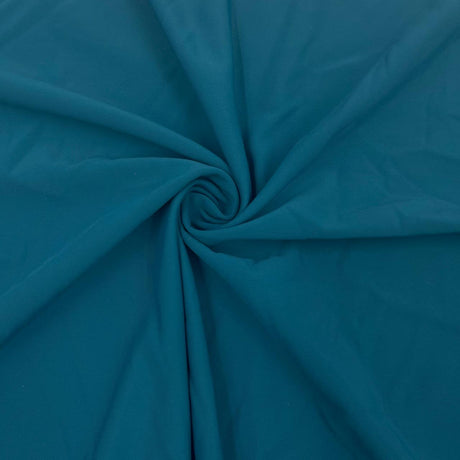
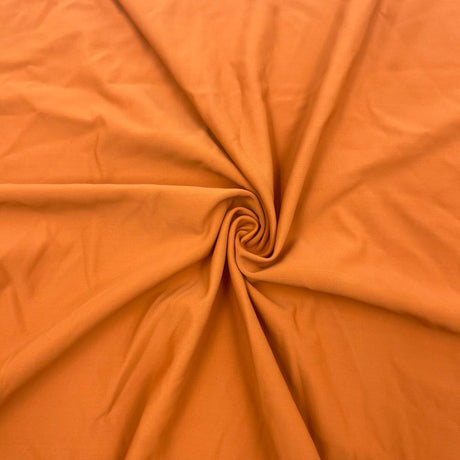
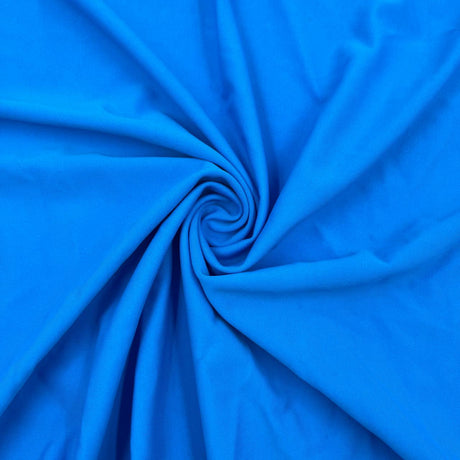
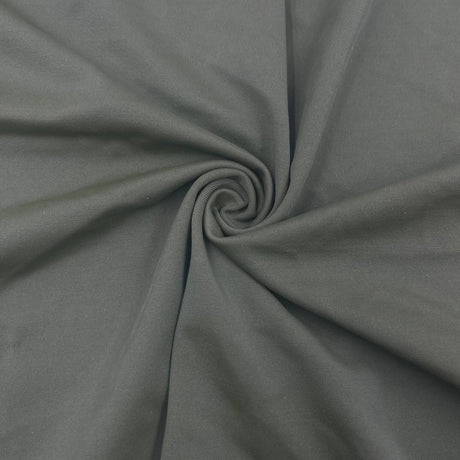
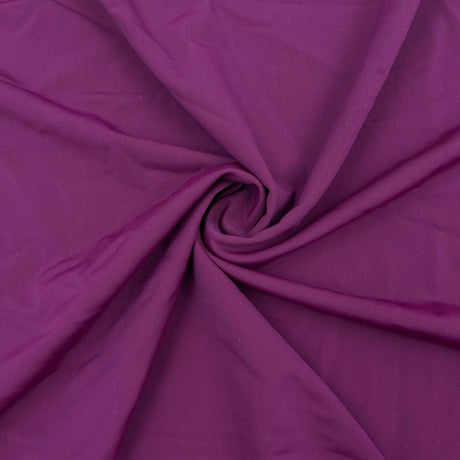
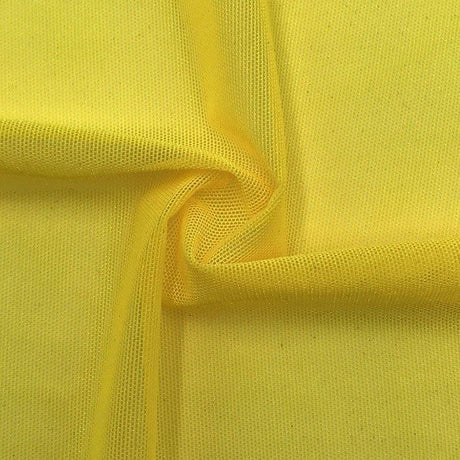
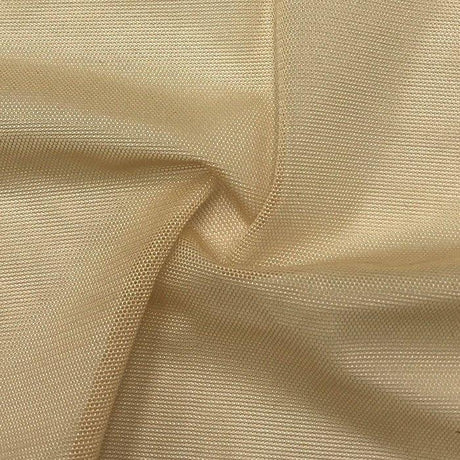
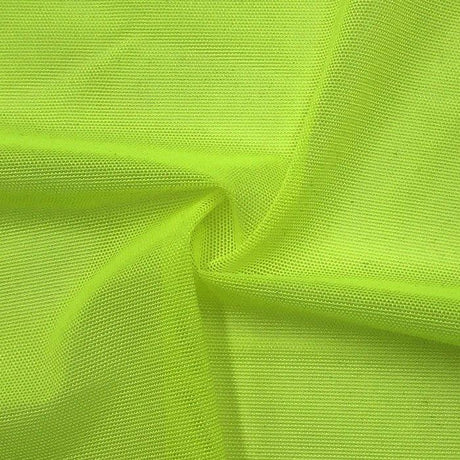
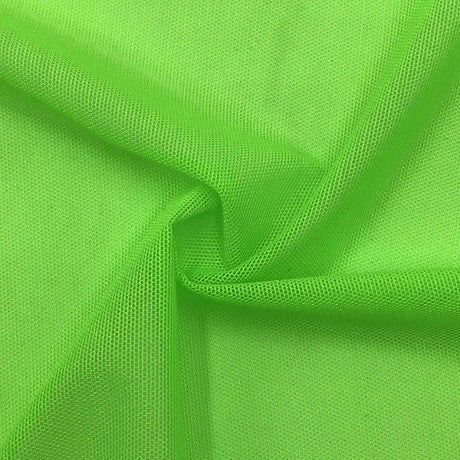
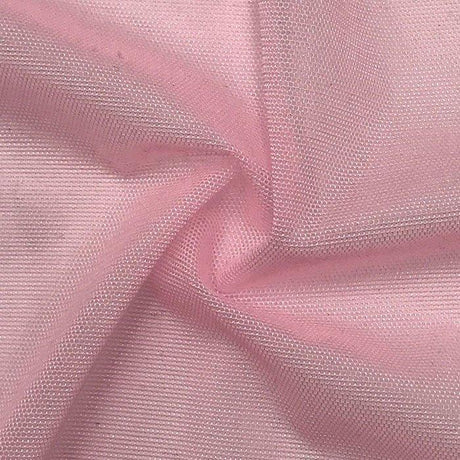
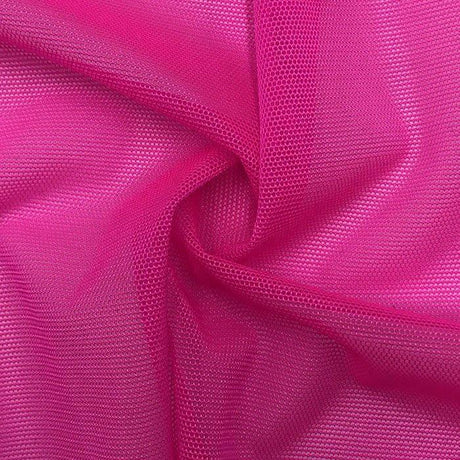
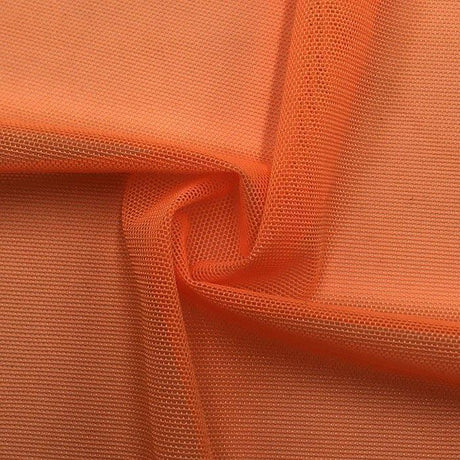
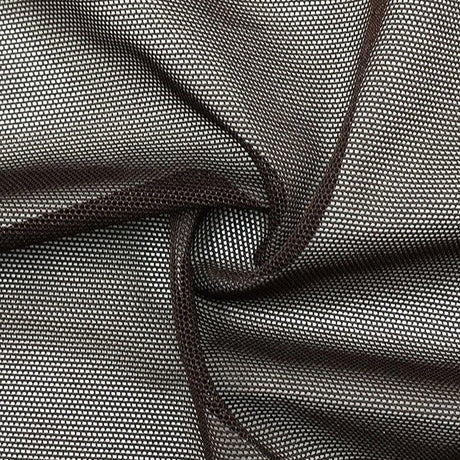
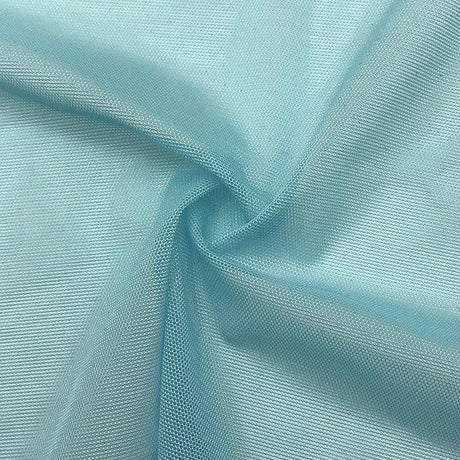
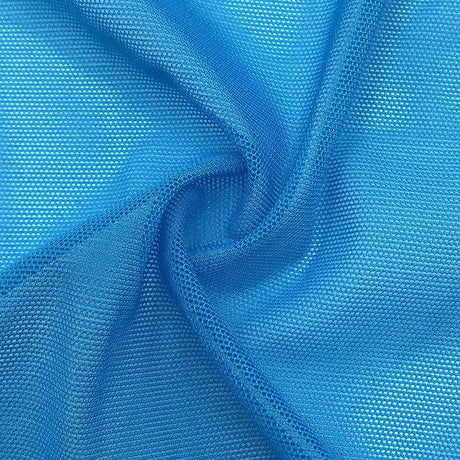
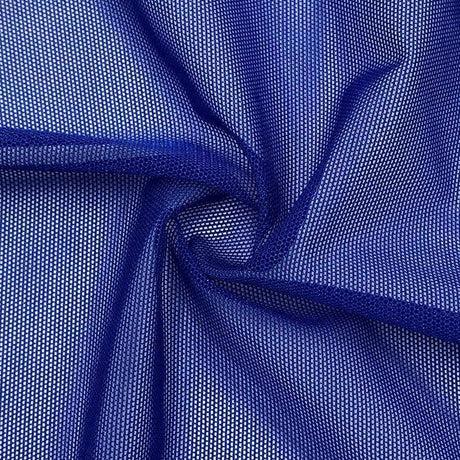
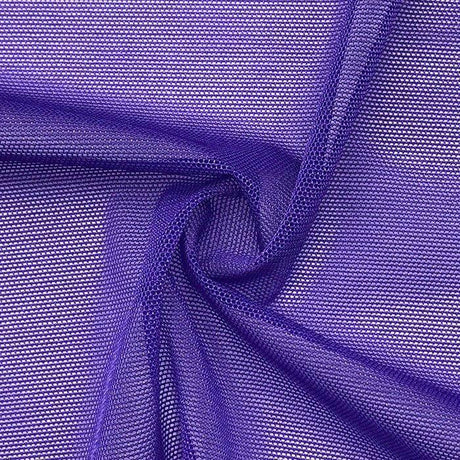
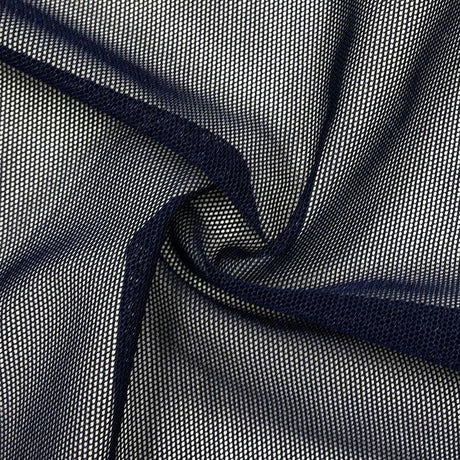
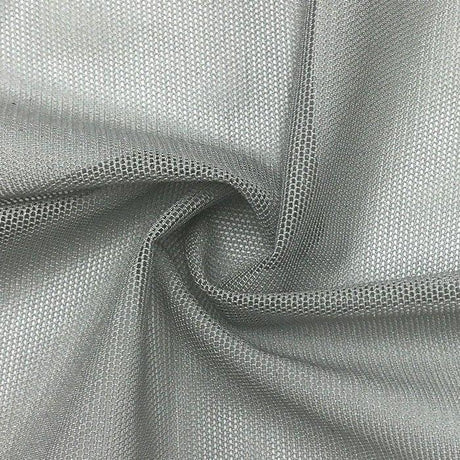
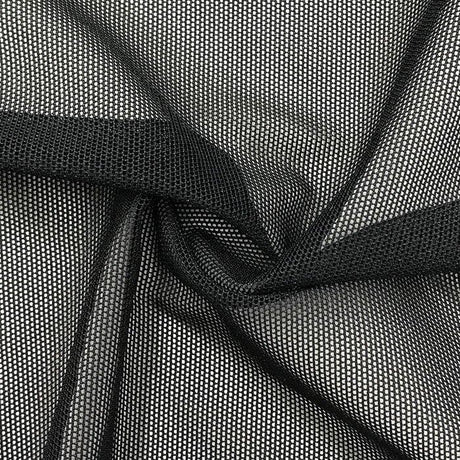
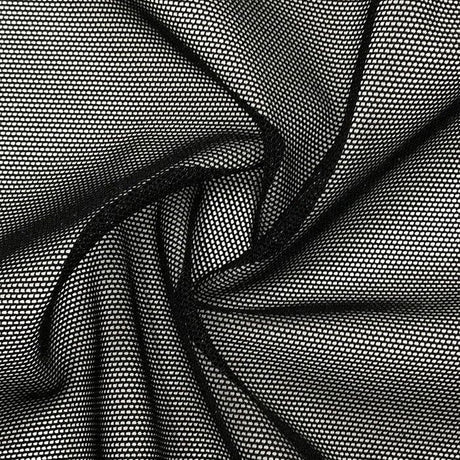
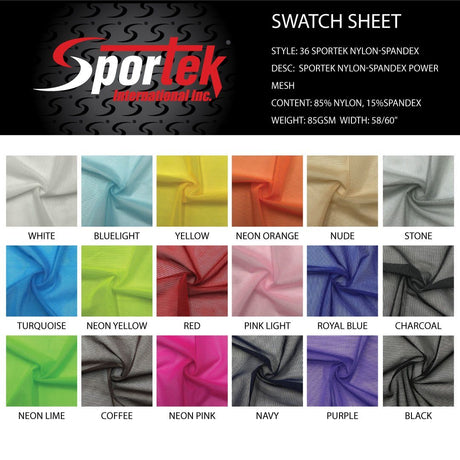
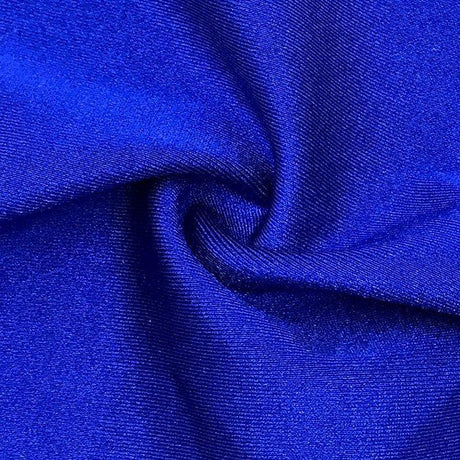
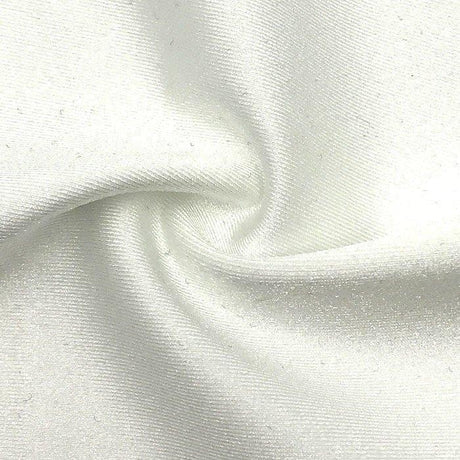
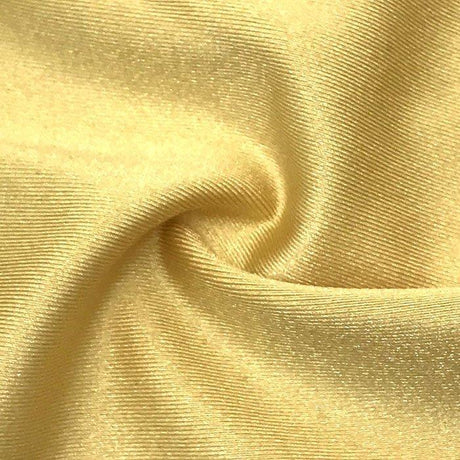
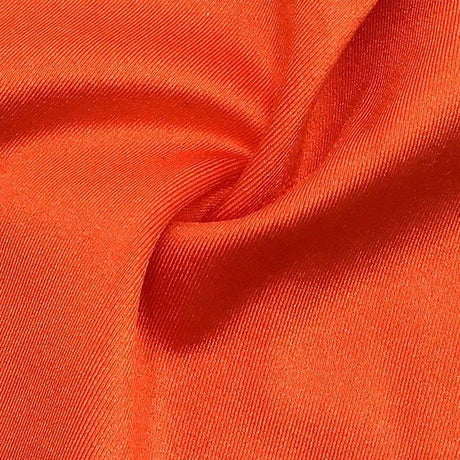
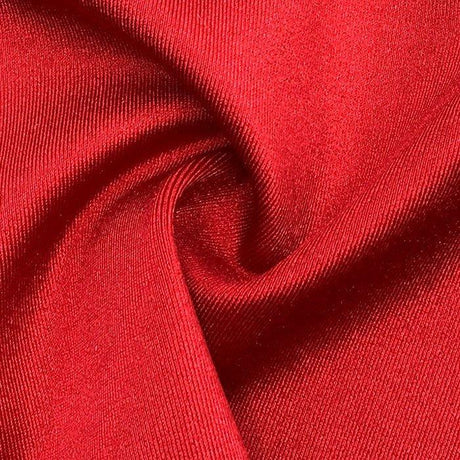
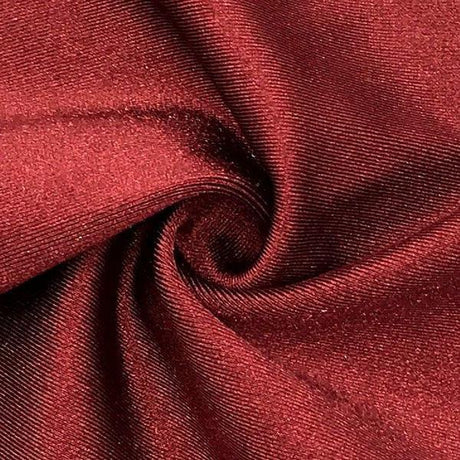
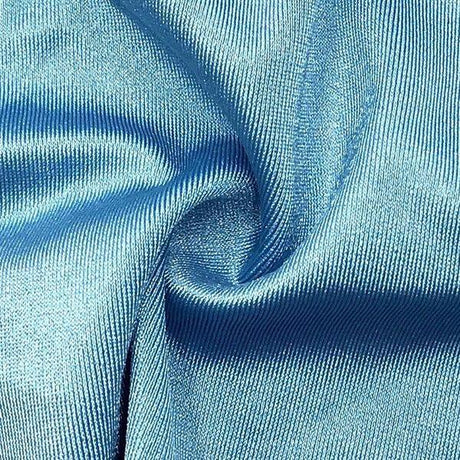
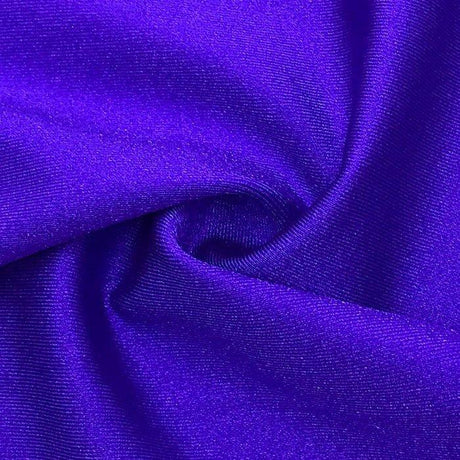
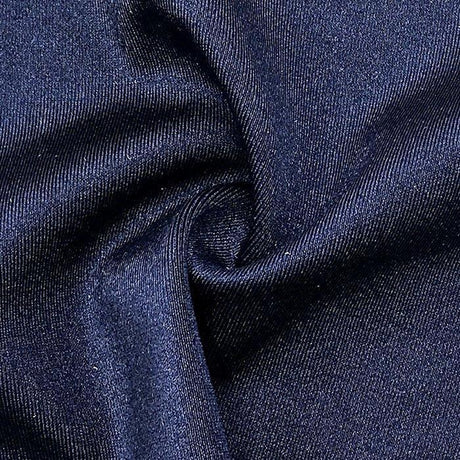
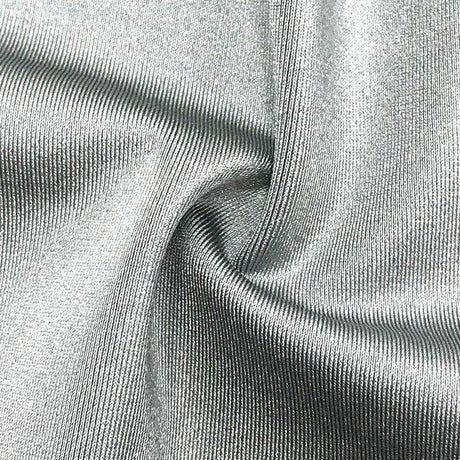
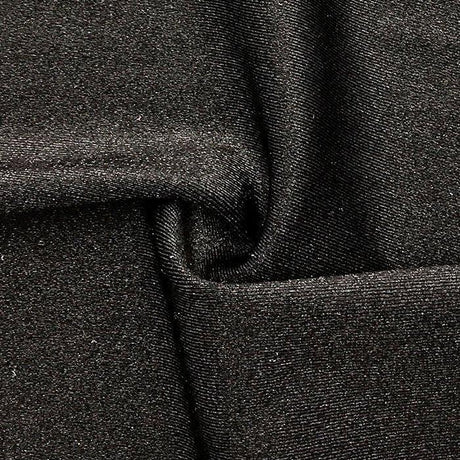
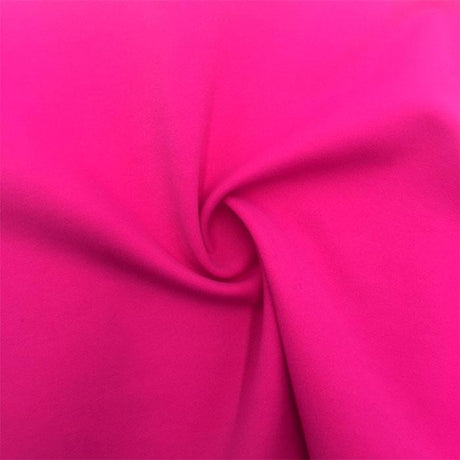
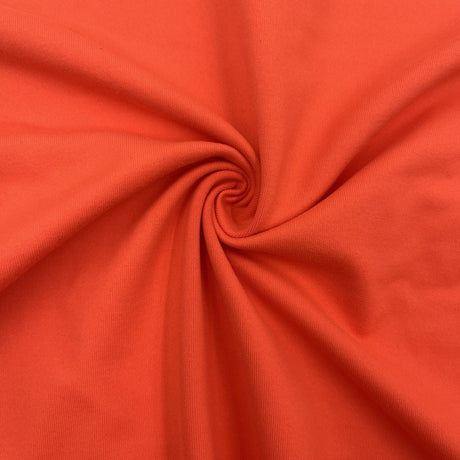
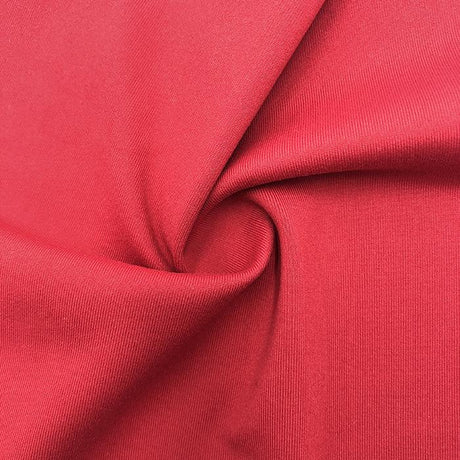
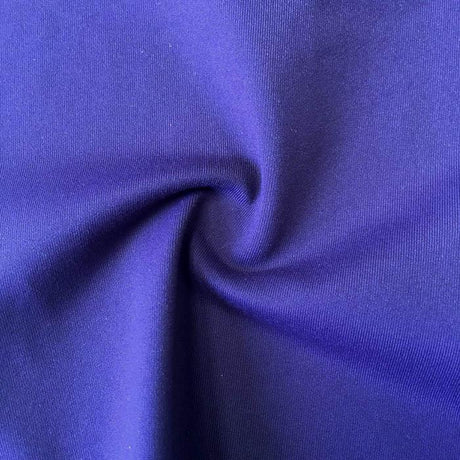
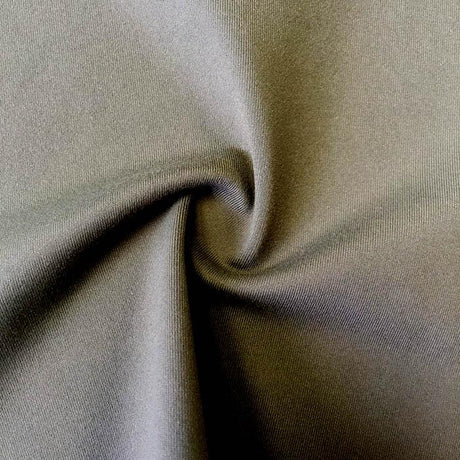
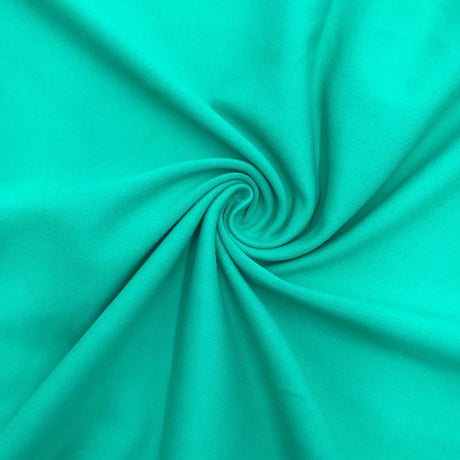
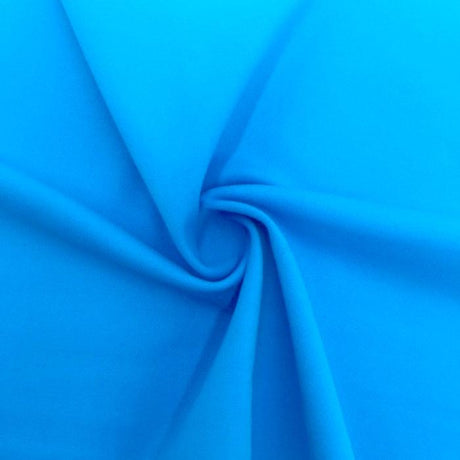
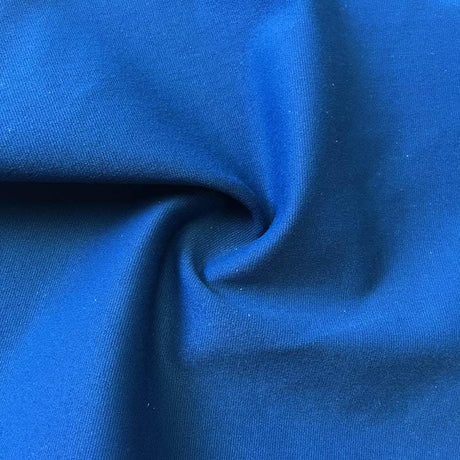
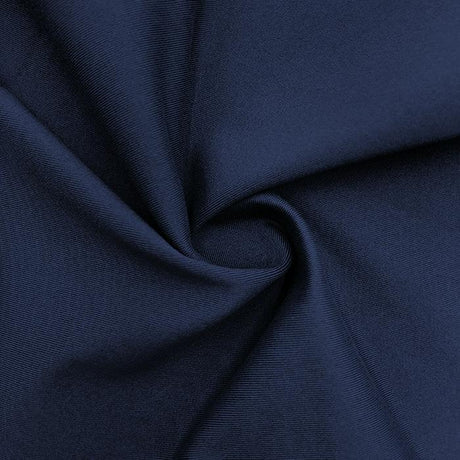
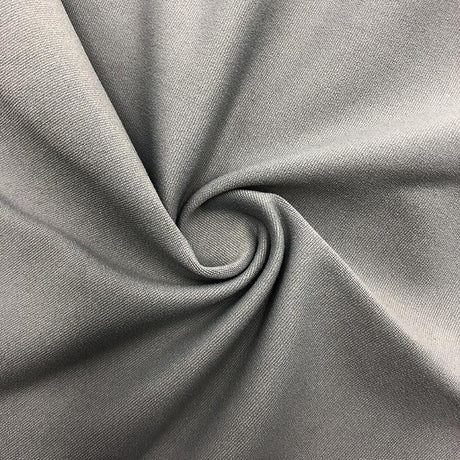
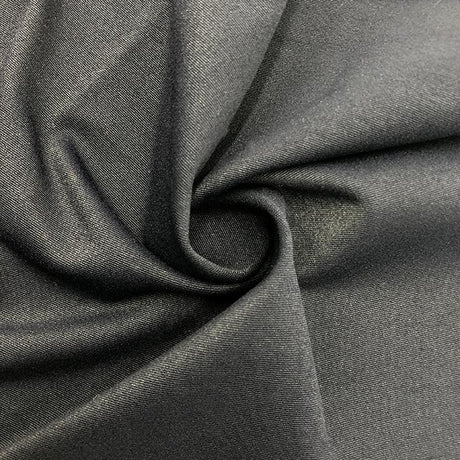
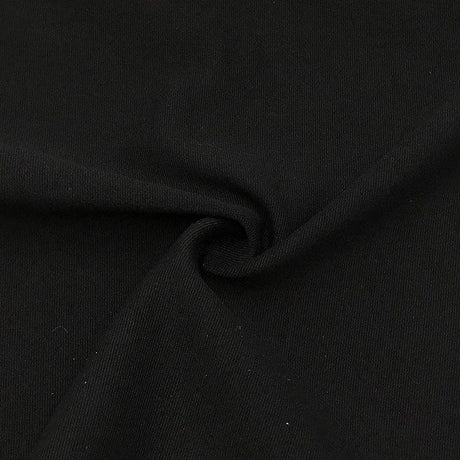
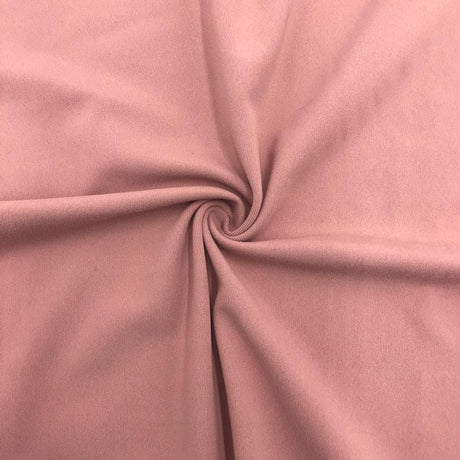
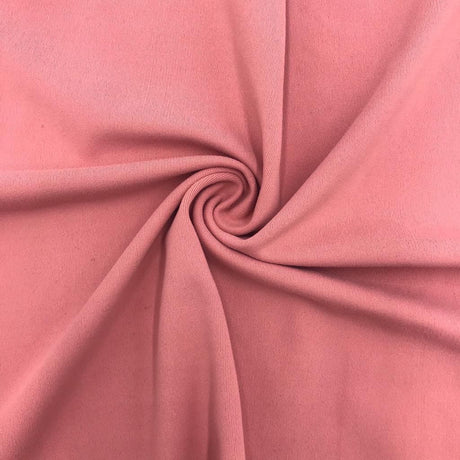
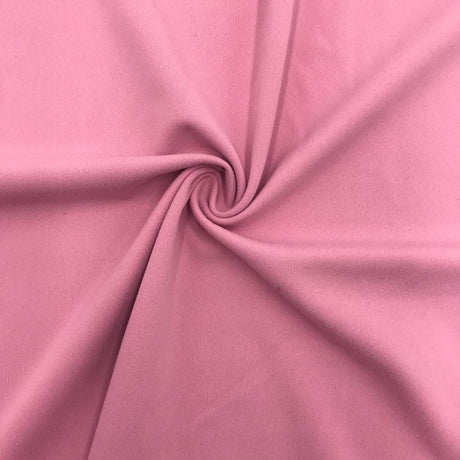
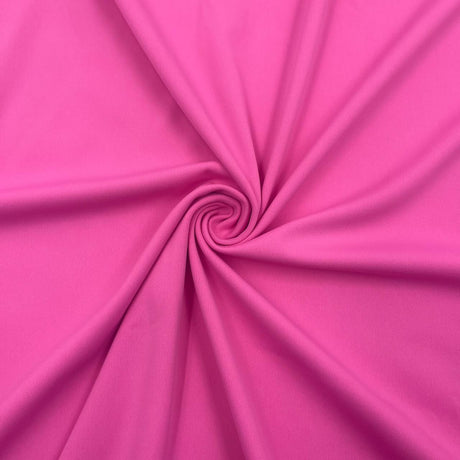
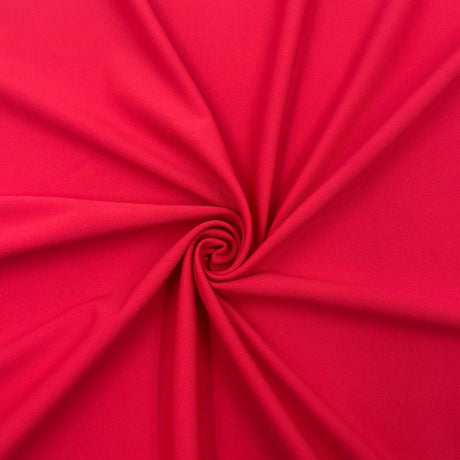
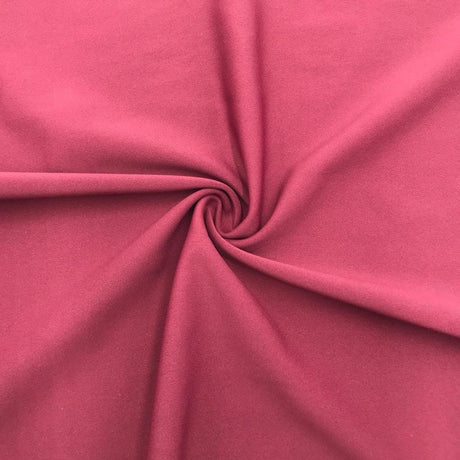
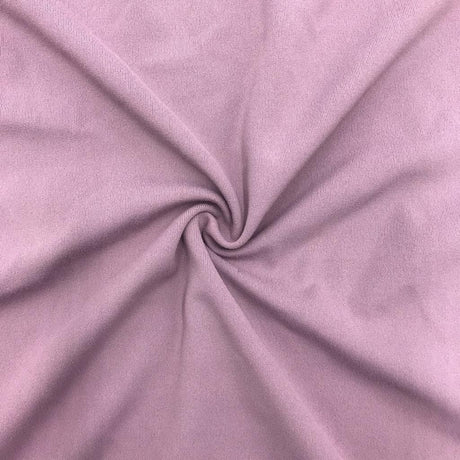
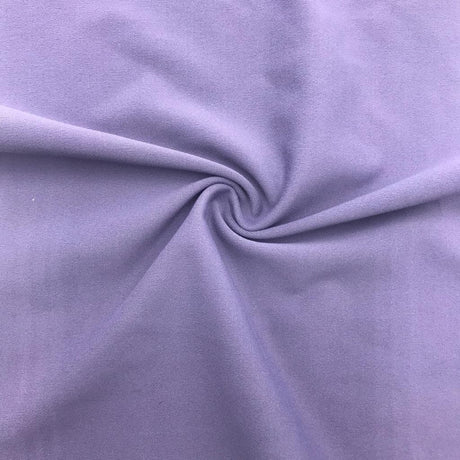
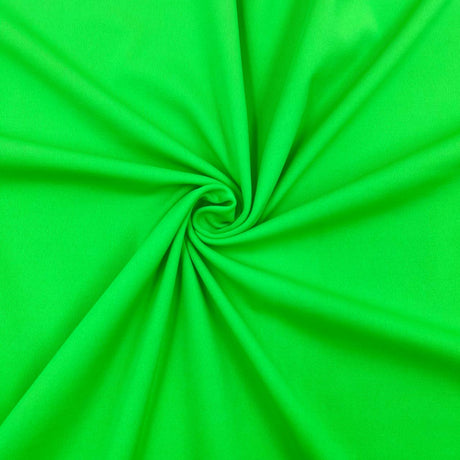
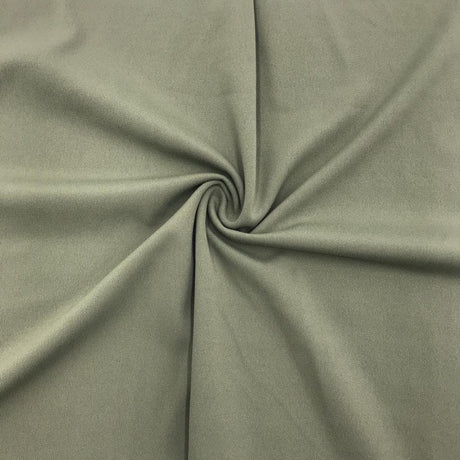
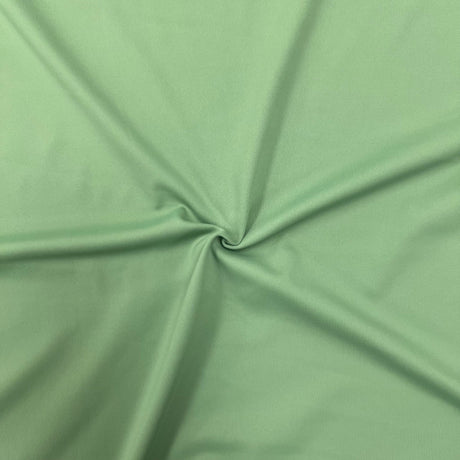
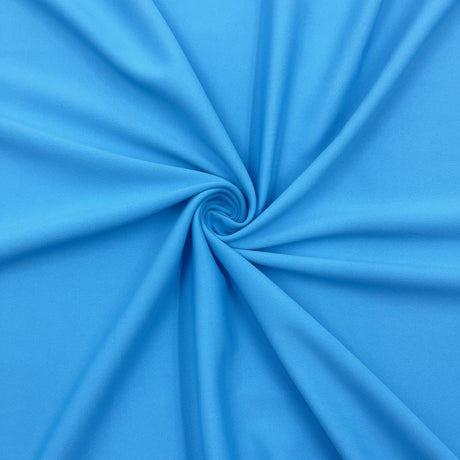
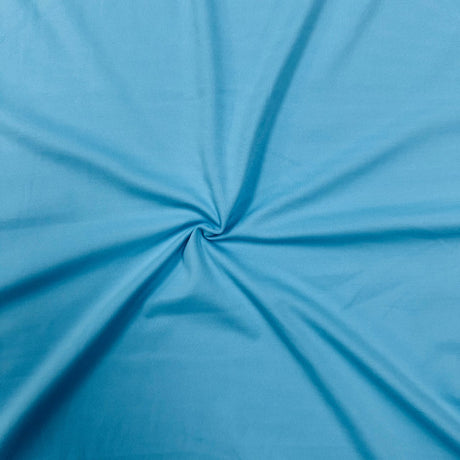
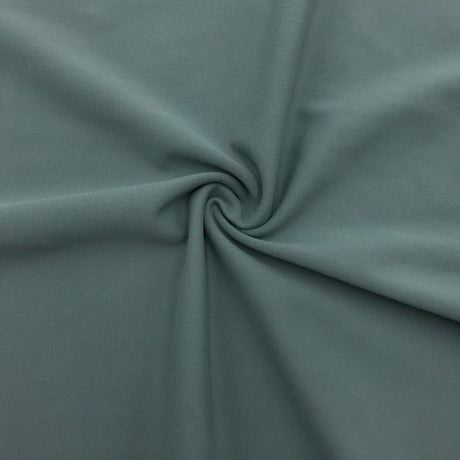
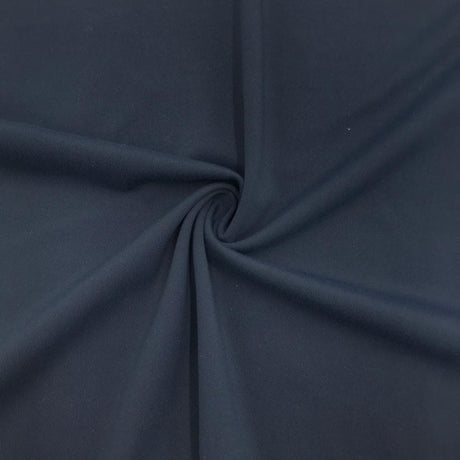
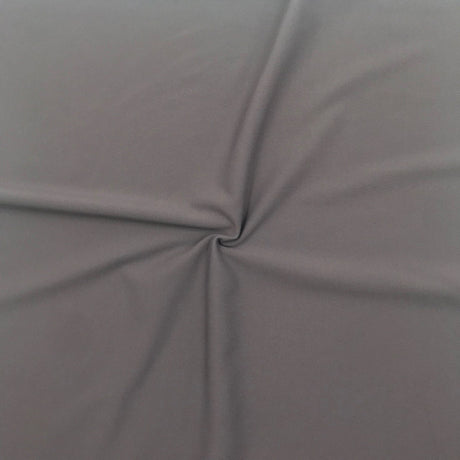
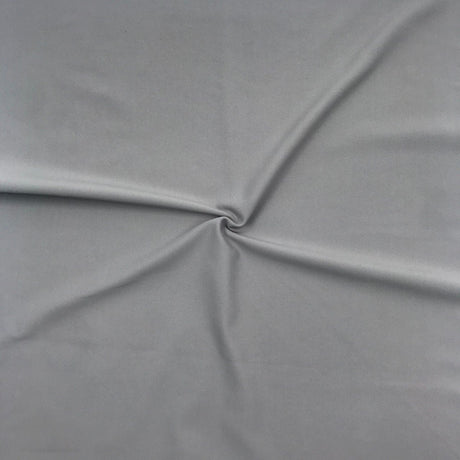
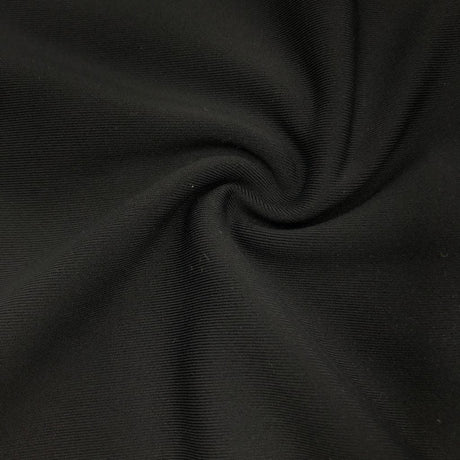
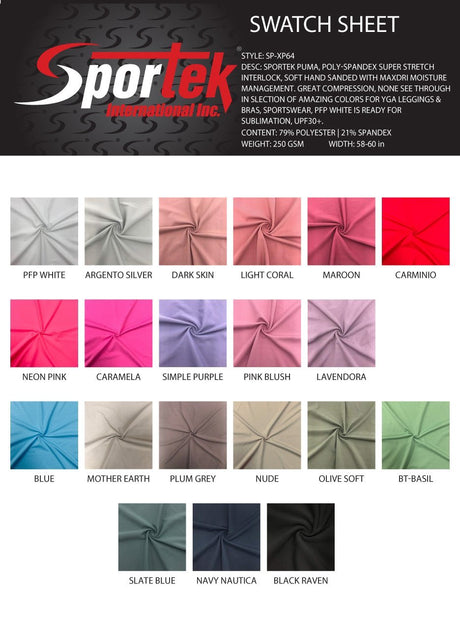
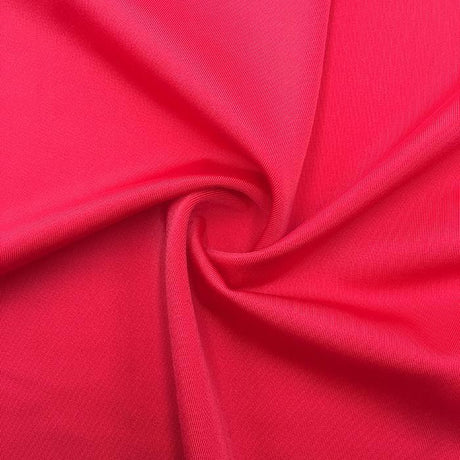
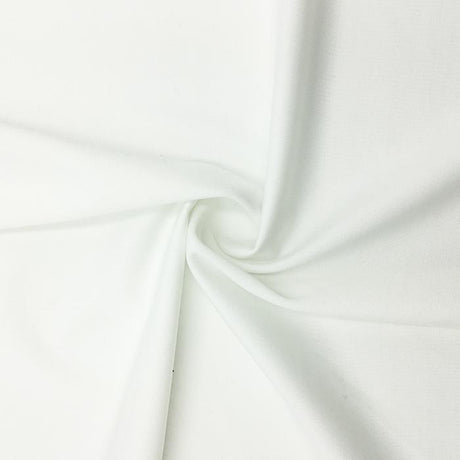
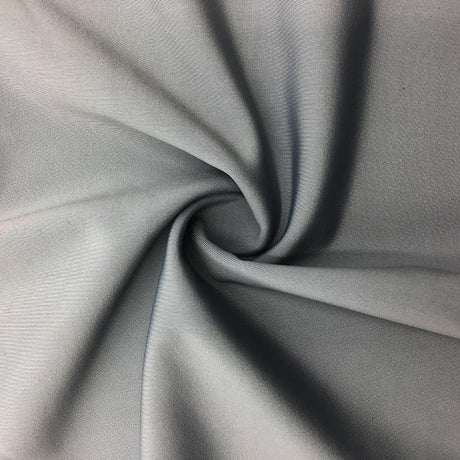
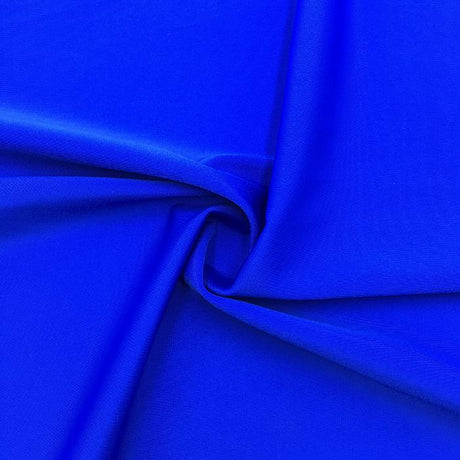
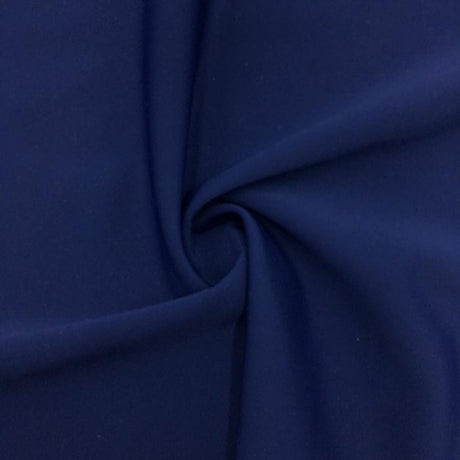
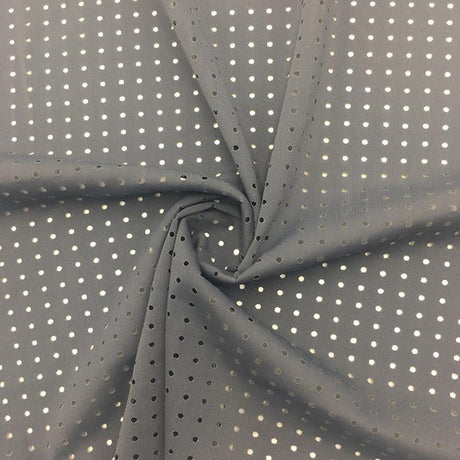
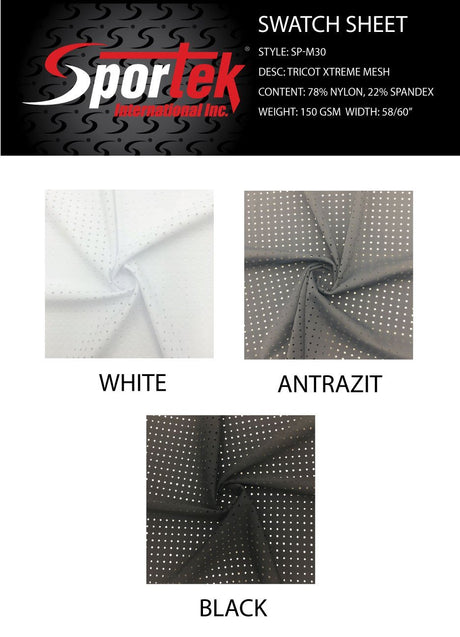
Spandex is everywhere – from your comfy yoga pants and swimsuits to the elastic in your socks. If you’re new to the world of fabrics, you might wonder what makes spandex so special. In this beginner’s guide, we’ll explain exactly what spandex fabric is, how it’s made, and why it revolutionized stretchable clothing. We’ll also compare it to other stretch fabrics, highlight its benefits, and explore how it’s used in everything from sportswear and fashion to medical textiles. Plus, if you’re a DIY maker or designer, we’ll discuss buying spandex by the yard and using it in your own projects. Let’s dive into the stretchy world of spandex!
What Is Spandex Fabric (Elastane)?
Spools of raw spandex yarn (elastane) used in textile manufacturing. Spandex fibers are produced as long, elastic strands that can stretch tremendously before snapping back to shape.
Spandex – also known as elastane or by the brand name Lycra – is a synthetic fiber famous for its exceptional elasticity. The name "spandex" is actually an anagram of the word "expands", highlighting its defining feature. Spandex can stretch 5–8 times its original length and still recover its shape. This makes it an ideal material wherever a high degree of stretch and snap-back is needed.
Chemically, spandex is a type of polyurethane-based elastomer (a polyether-polyurea copolymer) developed in the late 1950s. In fact, it was invented in 1958 by Dr. Joseph Shivers, a chemist at DuPont, during a search for a superior elastic fiber to replace rubber in clothing. DuPont introduced it to the market under the trademark Lycra in the early 1960s. Today, the term “spandex” (used in North America) is synonymous with elastane (Europe) and Lycra (common brand name worldwide), all referring to the same stretchy material.
In practical terms, spandex fabric usually refers to textiles that incorporate spandex fibers rather than a 100% spandex cloth. Pure spandex fiber is rarely used alone because it’s so elastic and lacks structure. Instead, spandex fibers (which are very fine and rubber-like) are blended into other yarns – for example, a typical athletic or fashion fabric might be 5–20% spandex combined with cotton, polyester, or nylon. Even a small percentage of spandex imparts a tremendous stretch to the fabric while the other fibers provide strength, breathability, or comfort. The result is a “stretch fabric” that looks and feels like the other fiber (cotton, nylon, etc.) but can expand and recover thanks to the spandex. This blend approach is why your jeans, t-shirts, activewear, and even socks often list spandex (or elastane) on the label – it’s the secret ingredient that gives garments a comfortable stretch and a snug fit.
How Is Spandex Fabric Made?
Spandex is a purely synthetic material, meaning it’s made by humans in a lab from chemical components (derived from petroleum). There are several methods to produce spandex fibers, but the most common is solution dry spinning, which accounts for about 95% of spandex production. In simple terms, making spandex involves the following steps:
- Polymer Creation: The process starts with creating a special polymer. Chemicals called diisocyanate and polyol (macroglycol) are reacted under precise conditions to form a pre-polymer solution. This is essentially the liquid form of the polyurethane-based substance that will become spandex.
- Spinning the Fibers: The pre-polymer is pumped through a device called a spinneret, which has many tiny holes, to form long filaments (think of how spaghetti is made by pushing dough through holes). As these liquid filaments exit the spinneret, they are exposed to heat and inert gas, which causes the polymer to solidify into solid fibers. Because spandex cannot simply be melted and drawn like some plastics (it would degrade from heat), this solution spinning method is used to carefully form solid elastic fibers from the liquid polymer.
- Twisting & Curing: The fibers are then treated with a finishing agent (like magnesium stearate) to prevent them from sticking together, and they are bundled or twisted slightly as they solidify. The fibers may be wound onto spools. At this stage, you get the spandex yarn – long, rubbery strands that can stretch a great deal.
- Integrating into Fabrics: These spandex filaments are then either woven or knitted together with other fibers to create fabrics. For example, to make a stretchy cotton jersey for t-shirts or leggings, spandex fibers might be wrapped with cotton fibers or inserted in the knit every few yarns. The resulting fabric looks like normal cotton jersey but has the stretch and recovery provided by the hidden spandex core. In woven fabrics (like stretch denim), spandex yarns might be woven in one direction (usually the weft) to give a two-way stretch, or both directions for a four-way stretch.
From a beginner’s perspective, you don’t need to remember the chemical details. The key takeaway is that spandex is made by creating long-chain plastic fibers that behave like rubber, and these are combined with other materials to produce stretchable textiles. The manufacturing process gives spandex fibers their amazing elongation ability – they can be pulled far and still spring back. This process was a major innovation that changed what our clothes can do.
A Brief History of Spandex
Before spandex came along, clothing that needed to stretch used natural rubber (latex) elastic threads. Early undergarments, waistbands, and swimwear in the 1920s-1950s often had rubber strips or threads for elasticity. While rubber did the job, it had drawbacks: it was heavy, not very breathable, tended to break down over time, and could be uncomfortable or lose shape when wet. The demand for a better alternative led scientists at DuPont in the 1950s to experiment with new synthetic polymers for stretch.
- 1958 – Invention: DuPont chemist Joseph Shivers succeeded in creating the first spandex fiber in 1958. This was a breakthrough in polymer chemistry – a fiber that could stretch like rubber but was lighter and more durable. DuPont dubbed the fiber “Lycra” for marketing, and the public soon embraced the colloquial name “spandex.”
- 1960s – Early Use: In the 1960s, spandex began appearing in women’s bras, girdles, and pantyhose, replacing rubber and revolutionizing comfort. It was quickly adopted in swimwear and sportswear as well, often blended with nylon, to create stretchy, form-fitting garments that didn’t bag out when wet. For example, the French Olympic ski team wore Lycra ski suits in 1968, showcasing its athletic potential.
- 1970s – Fitness and Fashion: By the 1970s, the fitness and aerobics boom was underway, and spandex was the star. Gymnastics leotards, dancewear, and athletic apparel widely used spandex for its stretch. Fashion designers also started experimenting with spandex for disco-era and punk fashion – shiny spandex leggings, bodysuits, and other form-hugging styles became popular. This decade cemented spandex not just as an underwear or sports material, but as a creative fabric for everyday clothing.
- 1980s – Mainstream Popularity: Spandex hit its peak in the 1980s with the aerobics craze – think neon workout tights, leotards, and leg warmers. It also found its way into street fashion: skinny jeans and “stretch pants” for women became trendy, often containing a few percent spandex for a body-hugging fit. Stage performers and dancers loved spandex for the freedom of movement it allowed, making it a staple for costumes.
- 1990s and Beyond: Through the 1990s and 2000s, spandex quietly became ubiquitous in everyday apparel. It’s used in everything from T-shirts (for a bit of stretch comfort) to suits (for ease of movement) and especially in activewear and athleisure (yoga pants, cycling shorts, compression wear). By 2010, an estimated 80% of clothing sold in the U.S. contained at least a little spandex, illustrating how widespread this fiber had become. The late 90s and 2000s also saw the rise of branded shapewear (like Spanx) relying heavily on spandex to create body-shaping undergarments.
- Recent Developments: In the 2010s and 2020s, attention has turned to the environmental impact of spandex and other synthetics. Spandex is not biodegradable and recycling it is challenging. This has pushed researchers to explore eco-friendlier versions (like recycled elastane or bio-based elastomers). Still, spandex remains essential in modern clothing. The industry is focusing on more sustainable production and blending techniques, but spandex itself is here to stay due to the comfort and functionality it provides. The future may bring greener stretch fabrics, but for now, spandex continues to be the go-to elastic fiber in textiles.
Spandex vs. Other Stretch Fabrics
Spandex is a superstar of stretch, but it’s not the only way to make a stretchy fabric. Here’s how spandex compares to other materials and methods used to achieve stretch in textiles:
- Spandex (Elastane) vs. Rubber: Both spandex and natural rubber can stretch a lot, but spandex is a man-made improvement over rubber for clothing. Spandex fibers are lighter, can be blended easily with fabrics, and are more resistant to sweat and oils (rubber can deteriorate from those). Rubber (latex) tends to degrade over time and can be heavy or restrictive, whereas spandex offers high stretch with much better long-term durability and comfort. Rubber is now rarely used in apparel except in some narrow applications; spandex largely replaced it.
- Spandex vs. Mechanical Stretch (Knits): Not all stretch in clothes comes from spandex. Some fabrics stretch because of the way they are made (knitted fabrics naturally have some give). Knit fabrics like jersey or rib knit can stretch a bit without any spandex, simply due to looped knit structure that can expand. However, that kind of stretch often doesn’t have the same recovery – a 100% cotton T-shirt might stretch out and sag after wear. When spandex is added to knits (creating a stretch knit), you get far greater elasticity and the garment will spring back into shape. Many modern knit fabrics are actually spandex blends (e.g. cotton-spandex jersey or nylon-spandex swim knit) to combine a soft feel with improved stretch and recovery.
- Two-Way vs. Four-Way Stretch: You might hear fabrics described as having 2-way or 4-way stretch. This refers to how the fabric stretches: 4-way stretch means it can stretch in both directions – horizontally and vertically – which spandex knits typically do. 2-way stretch usually means the fabric only stretches in one direction (usually across the width). Woven fabrics that include spandex often are 2-way stretch (e.g. denim that only stretches horizontally around the body but not vertically). In contrast, a swimsuit made of a spandex knit stretches both across and lengthwise, which is crucial for body-hugging fit. In general, spandex can impart multi-directional stretch, especially in knitted constructions, giving maximum flexibility.
- Spandex vs. Other Elastic Fibers: Spandex (elastane) is one specific type of elastic fiber. There are a few other elastic polymer fibers (for example, a fiber called lastol is another olefin-based stretch fiber, and Elastoester is a stretch polyester fiber), but none have come close to the popularity of spandex. Lycra remains the dominant brand for elastane. Other synthetic fabrics like polyester or nylon on their own have very limited stretch (they might have a little give but not true elasticity). However, blends like nylon-spandex or polyester-spandex combine the best of both: the strength and quick-drying of nylon/poly, with the stretch of spandex. This is why you see fabrics like nylon Lycra for swimwear or poly-spandex leggings – they leverage spandex for elasticity. Natural fibers like cotton or wool are not elastic by themselves, but when a small percentage of spandex is woven in, you get a fabric that feels like cotton or wool but flexes comfortably.
- Spandex vs. Stretch by Design: Sometimes, manufacturers achieve stretch by structuring fabric in special ways. For example, a bias-cut woven fabric (cut diagonally) can have some stretch without any spandex. Additionally, new knitting technologies can create stretch knits that rely on yarn structure. But even in these cases, for truly high elasticity and resilience, spandex is often added. Simply put, spandex is the easiest way to get significant stretch and recovery in a fabric, so it’s the benchmark for stretch fabrics.
In summary, spandex outperforms most other stretch methods in elasticity and recovery. Other fabrics (like 100% polyester knits) might stretch a bit, but they won’t snap back or provide the same level of flexibility without some elastane. This is why spandex is found in so many stretch garments – it’s the key to achieving a comfortable, form-fitting, and movement-friendly fit.
Key Benefits of Spandex Fabric
Spandex didn’t take over the athletic and fashion worlds by accident – it has several remarkable benefits that set it apart. Here are the key advantages of spandex in fabrics:
- Extreme Stretch & Elastic Recovery: Spandex can elongate several hundred percent (5–7× its length) and spring right back to its original size. This elastic recovery means clothes with spandex move with you and then return to shape. No saggy knees or elbows in your outfits – garments retain their fit even after stretching. This makes spandex ideal for any apparel that needs to be form-fitting yet not restrictive.
- Superior Comfort and Fit: Because of its stretch, spandex allows clothing to fit snugly without feeling tight. It molds to the body’s contours for a supportive, second-skin fit. This is much more comfortable for active movement because the fabric gives as you bend or stretch. Spandex’s flexibility also means fewer pressure points – for example, a waistband with spandex will pinch less than one with no stretch. Overall, spandex adds a level of comfort that people have come to expect in leggings, jeans, swimwear, and even dress clothes.
- Shape Retention: Fabrics with spandex retain their shape and resist wrinkles. After washing or a long day of wear, a spandex-blend shirt will spring back better than a 100% cotton shirt, which might look baggy. The resiliency of spandex helps clothes hold their form. It’s a big reason spandex is used in jersey dresses, suits, and other garments – nobody wants bagged-out knees or a sagging backside in their pants. The stretch fibers keep things nicely in place.
- Lightweight Strength: Spandex fibers are very lightweight and fine (much thinner than a human hair), yet they’re incredibly strong and durable for their size. A little spandex goes a long way – even a 5% content can dramatically increase a fabric’s tensile strength and tear resistance. Spandex-blend fabrics tend to be abrasion-resistant and long-lasting, withstanding lots of movement without wearing out. They also resist pilling (fuzz balls) better because the filaments are smooth.
- Moisture-Wicking and Fast-Drying: On its own, spandex doesn’t absorb much moisture (it’s a type of plastic), which means it tends to be quick-drying. In blends, it often helps a fabric wick sweat away from the body. For instance, many activewear textiles combine spandex with polyester or nylon to create a fabric that stretches and also draws moisture off the skin, keeping the wearer dry. This is ideal for workout clothes and swimwear. (Note: spandex itself is somewhat breathable but usually paired with breathable fibers; pure spandex garments are rare and might not breathe well in hot weather.)
- Wrinkle Resistance: Thanks to its elastic nature, spandex doesn’t hold wrinkles. A spandex-blend dress or shirt will typically emerge from a suitcase far less creased than a 100% linen or cotton one. The fibers keep the fabric under gentle tension, so it springs out smooth. This makes it great for travel clothing or any garments where you want a polished look with minimal ironing.
- Ease of Care: Spandex fabrics are generally easy to care for. They can be machine washed (gentle cycle is best) and don’t usually require special handling. One just has to avoid high heat when laundering – high temperatures can damage spandex fibers over time. That means warm or cool water wash and either tumble dry low or hang dry to be safe. Spandex also tolerates body oils, lotions, and detergents without breaking down, which means your gym clothes won’t be ruined by sweat. Just be careful with bleach or prolonged UV exposure, as those can degrade the elastic quality.
- Freedom of Movement: Whether you’re an athlete stretching into a yoga pose or just bending to tie your shoes, spandex gives you an unrestricted range of motion. It provides flexibility and freedom that many rigid fabrics cannot. This benefit isn’t just for sports – even in everyday wear, a little stretch makes garments so much more comfortable for walking, sitting, and moving through daily life.
Are there any downsides? Spandex’s main drawbacks are that it can be sensitive to heat (so you avoid hot iron or dryer) and it can be vulnerable to chlorine. Swimwear with spandex, for example, can lose elasticity if repeatedly exposed to chlorine pools without proper rinsing. Also, since it’s a synthetic fiber, it doesn’t have natural anti-odor or highly breathable properties – which is why it’s often blended with other fibers or given special finishes in activewear. Overall, though, the advantages far outweigh these minor issues, which proper care can mitigate.
Common Uses of Spandex Fabric
Spandex is widely used in sports and activewear. Here, a runner’s outfit (sports bra and leggings) made with spandex blend fabric provides excellent stretch, support, and range of motion during exercise.
Thanks to its unique qualities, spandex fabric appears in a huge variety of garments and products. Let’s look at the most notable industries and applications:
- Sportswear & Activewear: Perhaps the most famous use of spandex is in athletic clothing. Sports apparel often fits close to the body to improve performance and reduce drag – think running leggings, cycling shorts, swimwear, wrestling singlets, yoga pants, and gymnastics/dance leotards. All of these rely on spandex for their extreme stretch and compression. Spandex enables compression shorts and sleeves to support muscles (which can reduce fatigue), and it allows swimsuits to fit like a second skin for competitive speed. In team sports, uniforms for sports like basketball or volleyball often have some spandex for flexibility. Essentially, any clothing marketed as “performance” or “stretch fit” likely contains spandex. Athleisure, the crossover of athletic gear as everyday wear, also heavily uses spandex so that yoga pants and sporty tops are ultra-comfy.
- Fashion and Everyday Apparel: Spandex has quietly infiltrated our daily wardrobes. Jeans and trousers often include a few percent spandex now to make “stretch denim” – giving you comfy, flexible skinny jeans that move with you instead of rigid old-school denim. T-shirts, blouses, and dresses sometimes have a touch of spandex (5% or less) to improve fit and reduce wrinkling. Men’s suits and dress shirts are increasingly offered in stretch versions for comfort. Hosiery and socks use spandex so they can stretch over your legs and retain elasticity. Even jackets and fitted coats might hide spandex in the lining or fabric blend to allow easier arm movement. In high fashion, designers use spandex for body-hugging silhouettes and innovative shapes – for instance, spandex enabled the rise of the 1980s bodycon dress and continues to be used in modern couture that plays with stretch materials. In summary, from casual wear to office attire, a little spandex often makes the garment more comfortable and better fitting.
- Intimate Apparel & Swimwear: Spandex is essential in lingerie, underwear, and swim garments. Women’s bras and panties usually contain spandex for stretch and support (straps, bands, lace trims – all have some elastic). Men’s underwear and athletic briefs also use spandex for a snug, supportive fit. Shapewear and compression garments (like girdles, slimming shorts, or bodysuits) heavily rely on spandex to provide shaping pressure while still being able to stretch enough to put on. Swimwear and surf wear nearly always use spandex blends (e.g. an 80% nylon / 20% spandex bikini fabric) because they need to stretch significantly and handle movement in water. Wetsuits for diving use neoprene rubber primarily, but the flexible fabric panels or liners often contain spandex. Basically, if it’s meant to stretch over your body and stay tight – spandex is involved.
- Medical and Healthcare Textiles: The medical field takes advantage of spandex’s compressive and flexible nature. Compression stockings and socks for improving circulation contain spandex. Elastic bandages and wraps (like ACE bandages for sprains) use spandex fibers to give controlled stretch. Medical braces, supports, or orthopedic wear (knee braces, abdominal binders) often incorporate spandex for elasticity. Even certain surgical garments or rehabilitation clothing use spandex to allow movement while providing support. In addition, spandex is used in personal protective equipment where a snug fit is needed – for example, the cuffs of medical gloves or the fit of a stretch surgical mask strap may use elastane. The material’s ability to apply gentle, uniform pressure or to stretch around swollen body parts is very valuable in healthcare applications.
- Costumes and Specialty Uses: If you’ve seen a superhero movie or a dance performance, you’ve likely seen spandex in action. Costume designers love spandex for creating superhero suits, cosplay costumes, dance and ice skating costumes, and stage outfits because it can create a dramatic, form-fitting look while allowing performers to move freely. Fabrics like lamé or sequined spandex, holographic spandex, etc., are popular for these uses. Theater and film often utilize spandex body suits (for instance, motion-capture suits for CGI effects are usually spandex so they stretch over the actor’s body comfortably). In the home, even things like stretch sofa covers or fitted bed sheets sometimes include elastane for a better fit. And let’s not forget novelty uses – e.g., zentai bodysuits or athletic mascot suits use spandex so they can accommodate various body sizes and still be skintight.
As you can see, spandex’s reach is broad. Its core benefit – providing stretch and recovery – is useful anywhere a product needs to be flexible, form-fitting, or resilient. From high-performance athletic gear to the socks you wear daily, spandex makes textiles work better.
Buying Spandex Fabric by the Yard (DIY & Maker Tips)
If you’re a DIY enthusiast, costume designer, or small-scale apparel maker, you might be looking to purchase spandex fabric by the yard for your projects. Fortunately, spandex (elastane) materials are readily available through fabric retailers, both in-store and online. Here are some tips and insights for working with spandex by the yard:
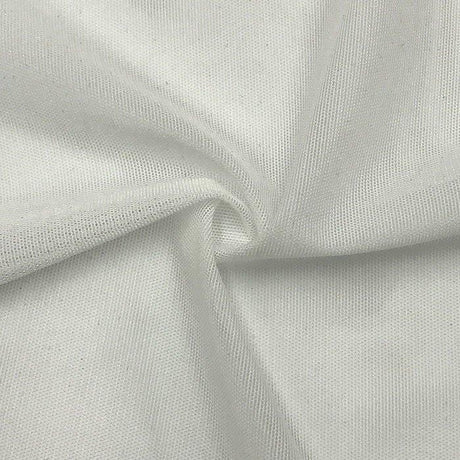
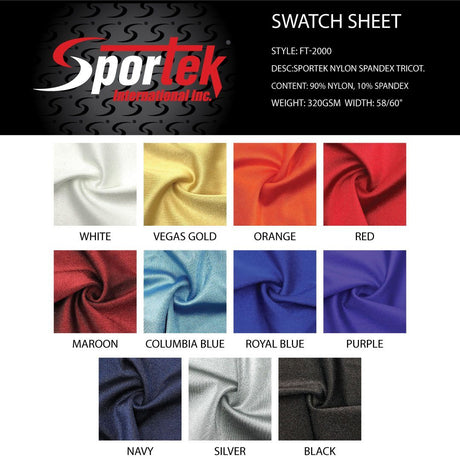
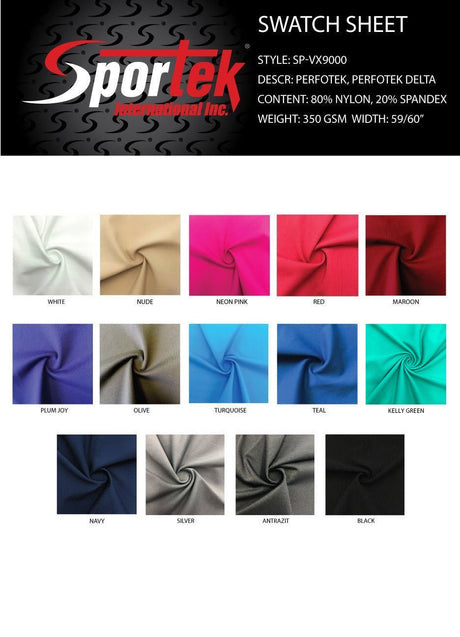
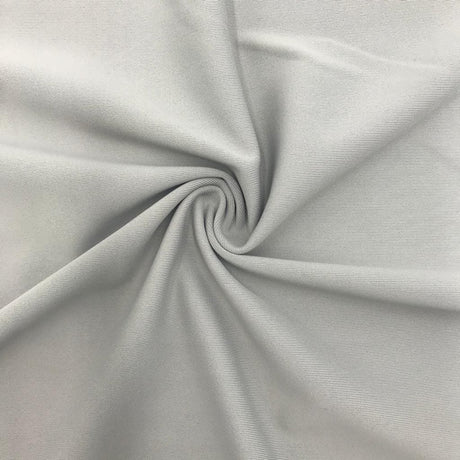
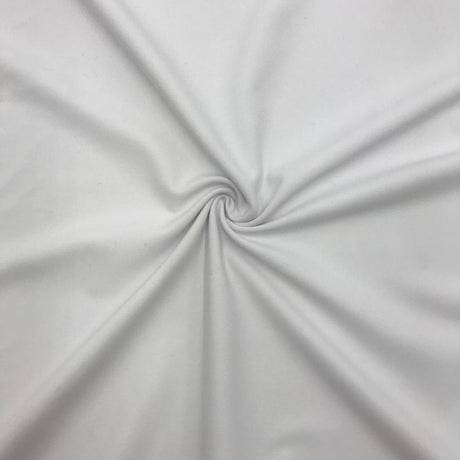
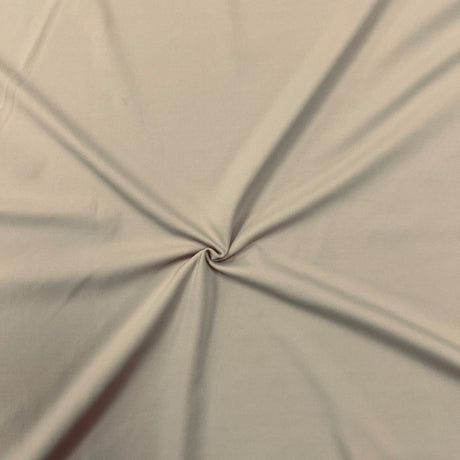
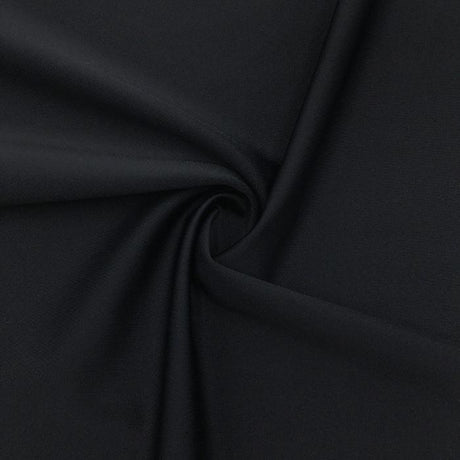
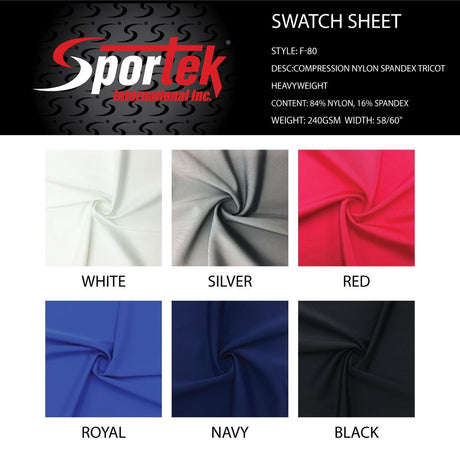
- Types of Spandex Fabrics: When shopping, you’ll notice spandex usually comes blended with other fibers. Common options include nylon/spandex knits (often called swimwear fabric or tricot – great for swimsuits, activewear, dance costumes) and cotton/spandex knits (often labeled as cotton Lycra jersey – great for T-shirts, leggings, etc.). There are also polyester/spandex blends, rayon/spandex blends, and others. The percentage of spandex can vary – 8-20% spandex is typical for very stretchy knits like swim/dance fabric, whereas 2-5% might be enough for a stretch denim or twill. Be sure to choose a fabric that suits your project’s needs in terms of weight and stretch. For example, a heavyweight spandex blend (like a thick scuba knit) works for structured leggings or skirts, while a lightweight 4-way stretch lycra is better for leotards or swimwear.
- 4-Way Stretch vs 2-Way: Determine if you need a 4-way stretch fabric (stretches in all directions) or if 2-way stretch will suffice. Most spandex knit fabrics are 4-way stretch, which is ideal for garments that need to stretch both widthwise and lengthwise (like bodysuits or swimwear that stretch over the body’s curves). Some spandex woven fabrics (like certain stretch sateens or suitings) might only stretch in one direction. The product description or a quick stretch test can tell you this. For activewear and fitted garments, 4-way is preferred to ensure maximum mobility.
- Buying the Right Amount: One great aspect of buying spandex fabric by the yard is that you can get exactly the amount you need. If you’re making one costume or a couple of leggings, you might only need 1–3 yards. Most retailers will allow small orders (even fractions of a yard in some cases). Because spandex fabrics can be a bit more expensive per yard than non-stretch fabrics, ordering by the yard lets you avoid waste. On the other hand, if you’re a designer making a collection or outfitting a team (say, costumes for a dance troupe), you might benefit from wholesale rates by purchasing larger quantities or bolts. Some specialized suppliers offer bulk discounts for designers or businesses.
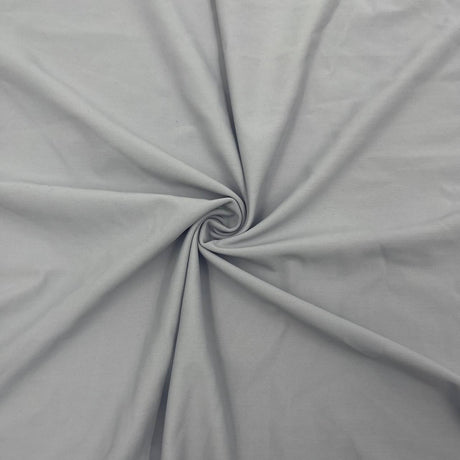
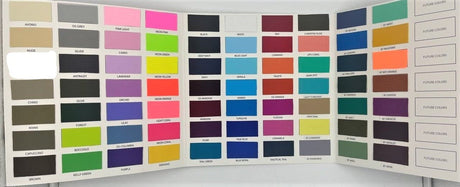
- Where to Buy: You can find spandex fabrics in many local fabric stores (especially those that carry dance/swim fabrics), but the selection online is much larger. There are online shops that specialize in stretch fabrics – for example, spandexbyyard.com (as the name suggests) offers a wide range of spandex materials, from solid colors to printed designs. These specialized retailers cater to designers, cosplay artists, and apparel makers, so they often have high-quality 4-way stretch fabrics and even special finishes (like moisture-wicking athletic spandex or foil-printed spandex for costumes). When buying online, make use of swatches if available, and check reviews or descriptions for fabric thickness, sheen (matte vs shiny), and stretch percentage.
- DIY Sewing Considerations: Working with spandex can be a bit different than non-stretch fabrics. When you have your spandex by the yard and are ready to sew, remember to use a stretch or ballpoint needle in your sewing machine (this prevents snags) and consider using a zigzag or serger stitch that will stretch with the fabric. Always pre-wash your spandex fabric (in cold water) before sewing, as some spandex blends can have slight shrinkage or finish treatments on them. Also, cutting spandex can be tricky because it’s slinky – using pattern weights and a rotary cutter can help. The effort is worth it because you’ll end up with a garment that fits like a glove. Many beginners start by making simple projects like leggings or swimwear, and there are plenty of patterns and tutorials available for sewing spandex.
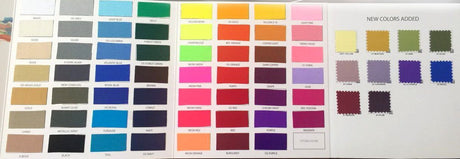
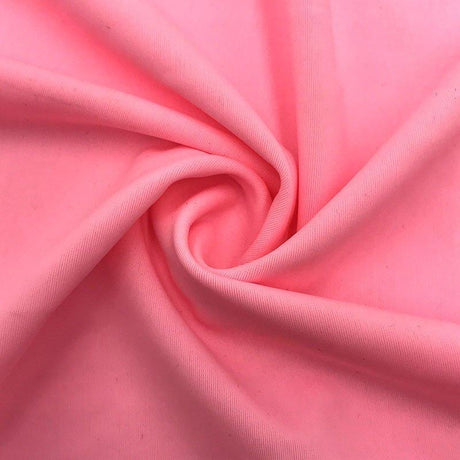
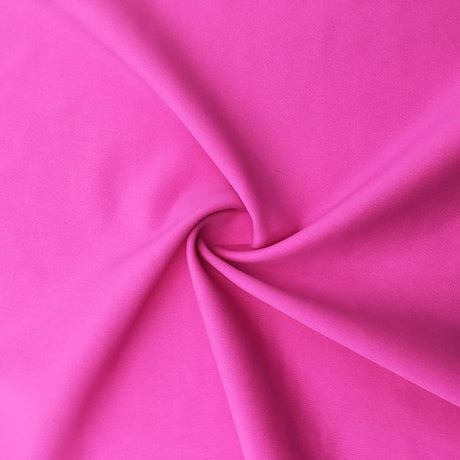
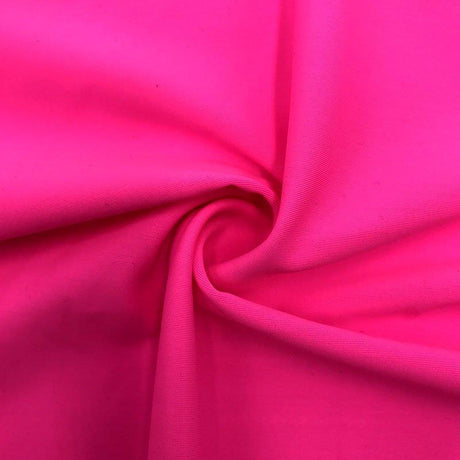
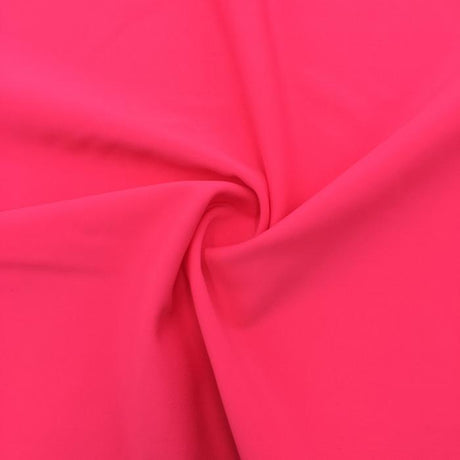
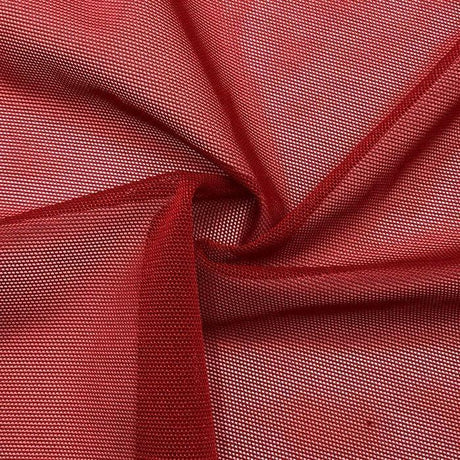
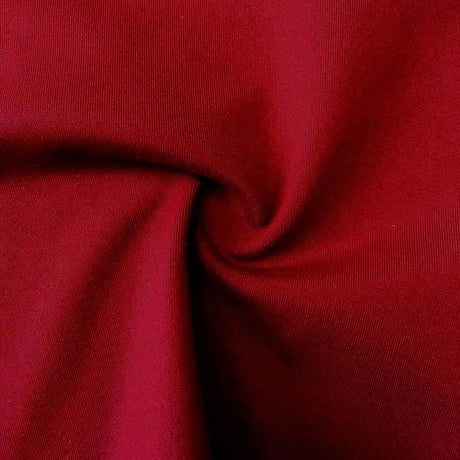
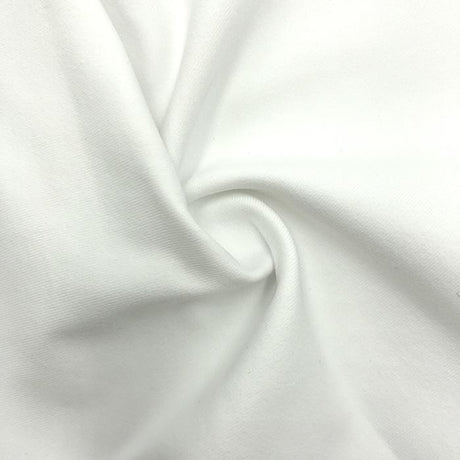
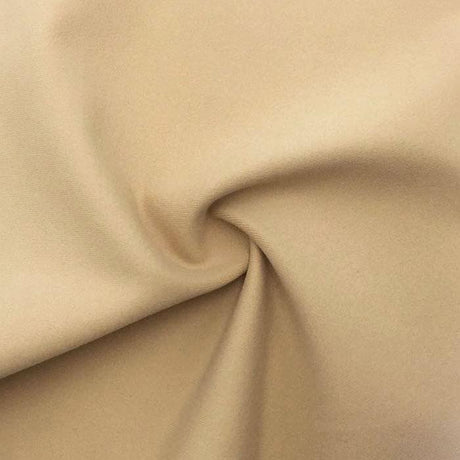
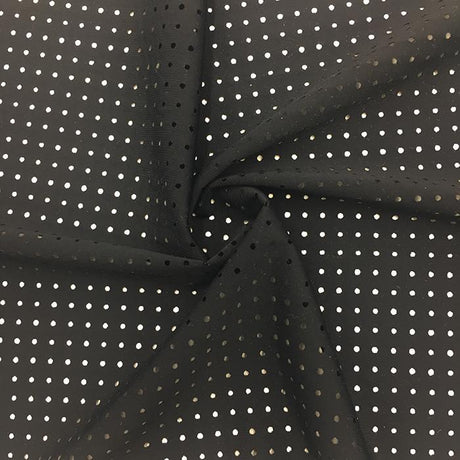
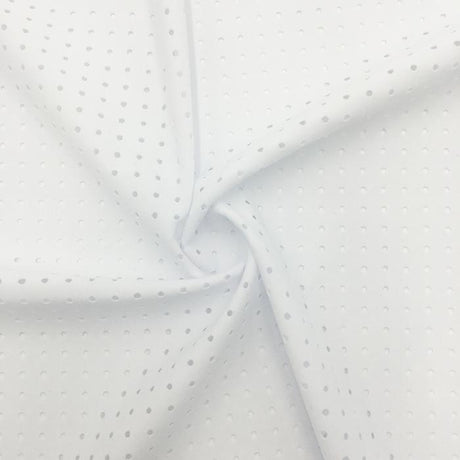
- Design Creativity: Don’t be afraid to get creative with spandex fabrics. They come in virtually every color and print imaginable, from neon fluorescents to animal prints to galaxy designs. You can find metallic spandex, holographic foil spandex, mesh with spandex, and more. This opens up fun possibilities for costumes or eye-catching athletic wear. Just keep in mind that highly embellished spandex (like ones with foil coatings) may behave a little differently (less stretch or more delicate on the foil surface) compared to a plain knit – but they are still plenty stretchy. Mixing and matching spandex fabrics (color-blocking a design) is also popular, especially in cosplay and dancewear.
In short, buying spandex fabric by the yard empowers home sewists and small designers to create professional-quality stretch garments. You get the same type of materials used by big athletic brands or costume makers. Whether you’re sewing a single custom swimsuit for yourself or prototyping a new line of activewear, having access to yardage of spandex fabric is the first step. With a bit of practice and the right techniques, you’ll find that sewing with spandex isn’t too difficult and the results – comfy, flexible clothing – are extremely rewarding.
Conclusion
Spandex fabric has truly changed the game in both fashion and function. For beginners learning about it, just remember: spandex = stretch. This one fiber introduced comfort, fit, and freedom of movement into our clothing in a way no other material has. From its invention in the late 1950s to the present day, spandex (elastane) has become an integral part of garments we wear every day, even when we don’t realize it. Its ability to make clothes form-fitting yet comfortable is unmatched, which is why it’s found in everything from athletic wear to jeans to medical devices.
As you explore projects or shopping for fabrics, keep an eye out for spandex in the material content. Knowing how spandex works and how it’s used will help you appreciate why your clothes feel so good and how to care for them (remember to avoid high heat and harsh chemicals to extend the life of your stretch fabrics). And if you’re looking to create something yourself, sourcing spandex by the yard opens up a world of creative possibilities – you can make costumes that wow, activewear that performs, or everyday outfits that fit just right.
In the stretchy future of textiles, spandex and other stretch materials will continue to play a starring role. So embrace the expandability! With this guide, you’ve got the basics of spandex fabric covered – what it is, why it’s awesome, and how to use it. Whether you’re hitting the gym, dressing up for a night out, or launching a DIY sewing project, spandex is the quiet hero in your corner, making sure you look and feel your best with every move. Happy stretching!