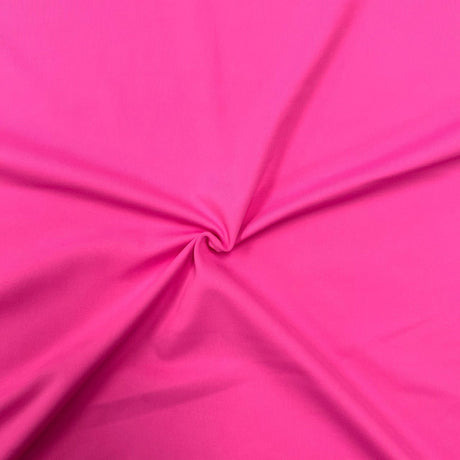
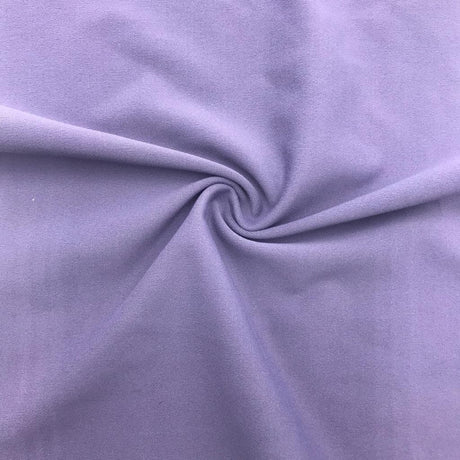
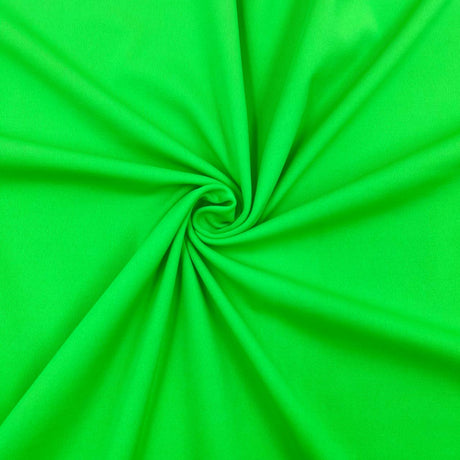
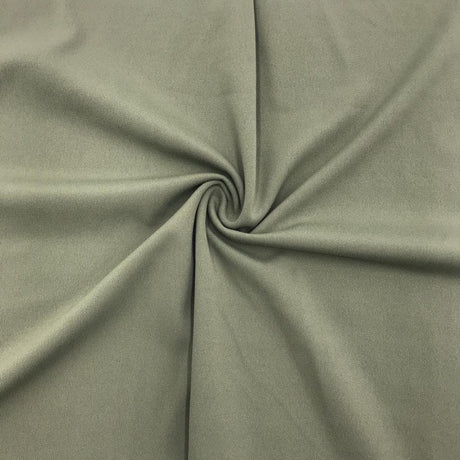
Swimwear is not like everyday apparel – it needs to perform under some of the harshest conditions. From chlorinated pools to salty oceans, intense UV sun exposure, and constant stretching and movement, swimsuits must stand up to challenges that ordinary clothes never face.
The right fabric is crucial to ensure a swimsuit retains its shape, provides support, resists degradation, and keeps the wearer comfortable. In today’s swimwear industry, tricot spandex fabric has emerged as a gold standard for meeting these demands. This article will explore what tricot spandex is, how its unique knit structure and fiber composition confer advantages for swimwear, and why it outperforms other knit and woven fabrics in both fashion swimwear and high-performance competition suits.
Understanding Tricot Spandex Fabric
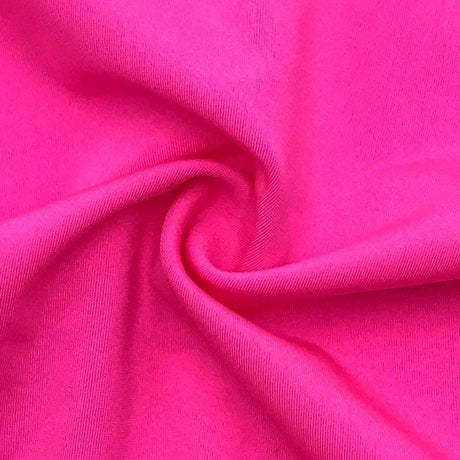
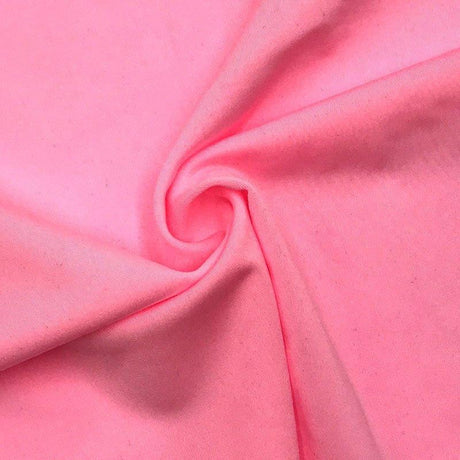
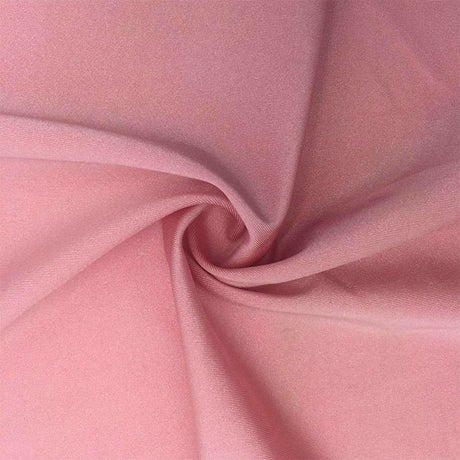
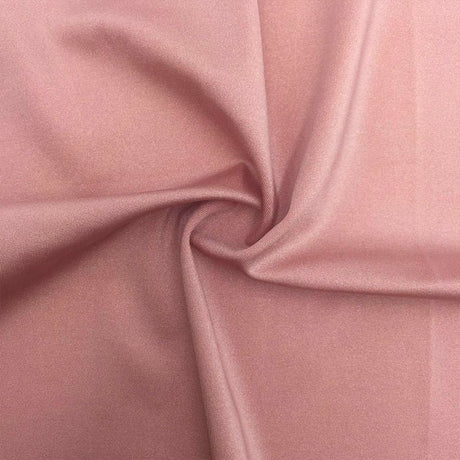
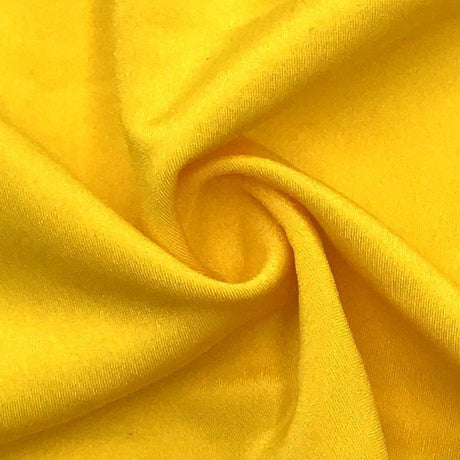
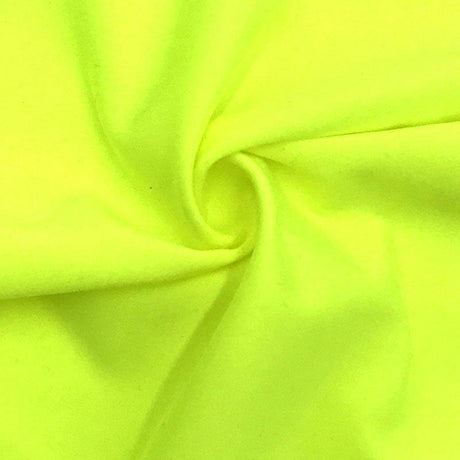
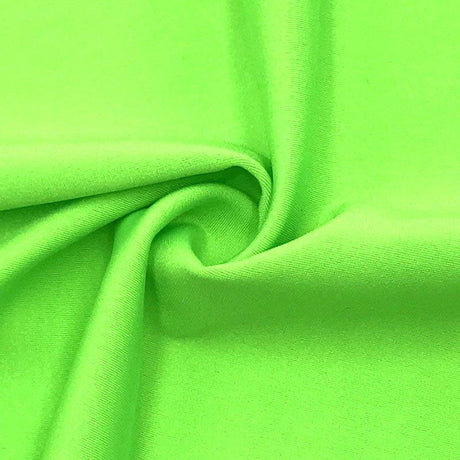
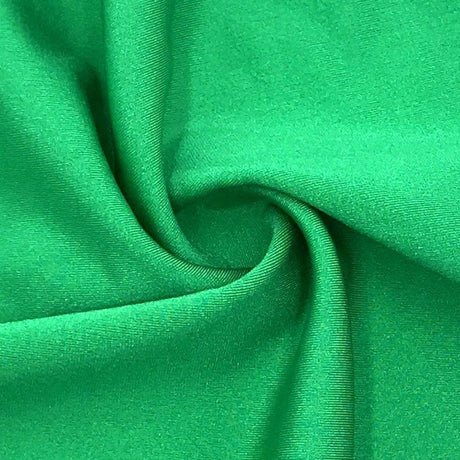
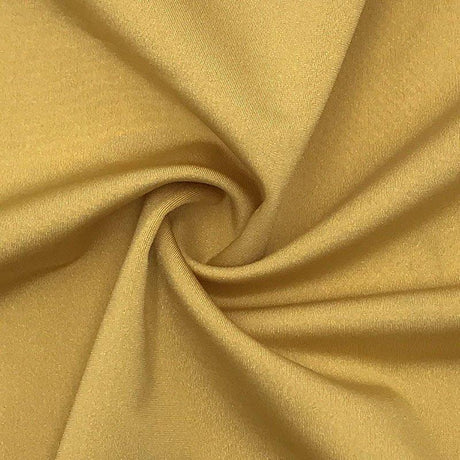
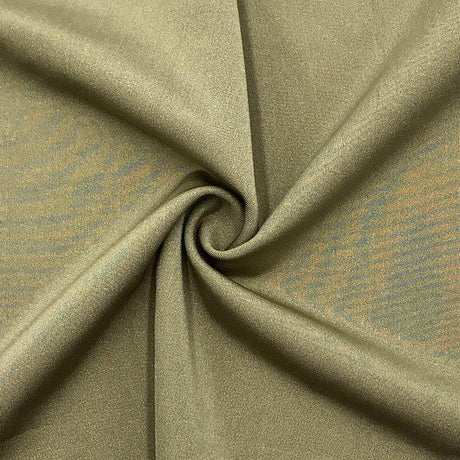
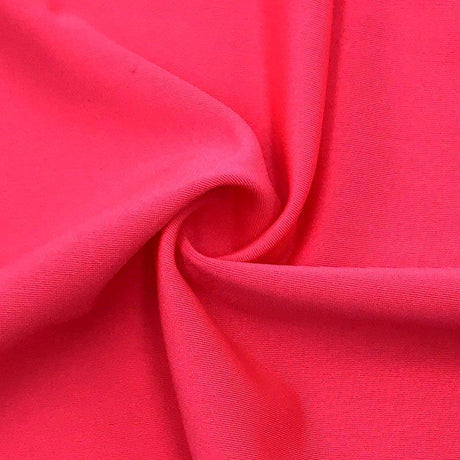
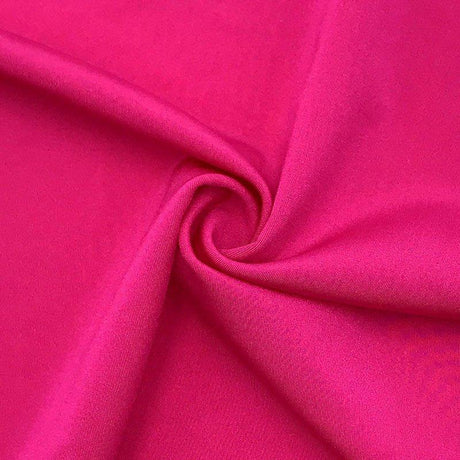
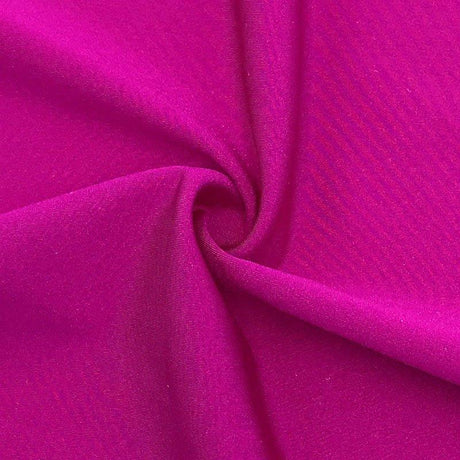
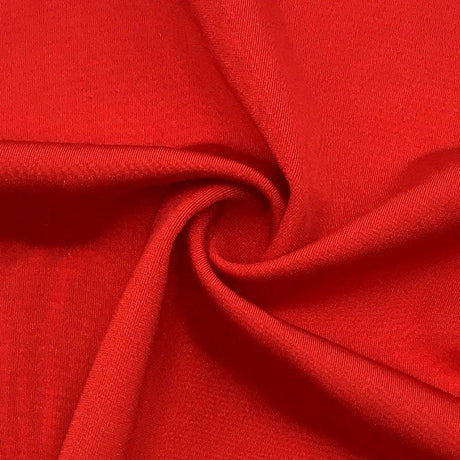
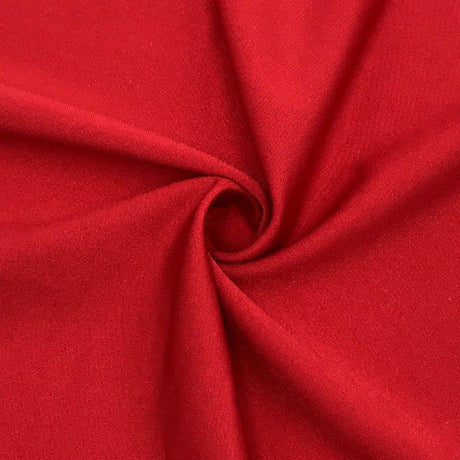
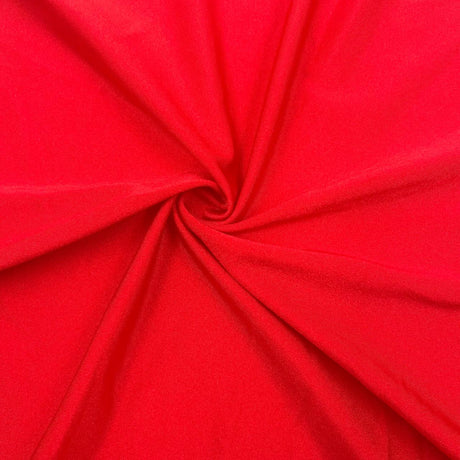
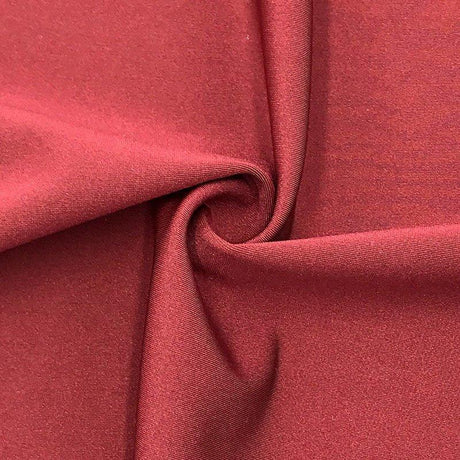
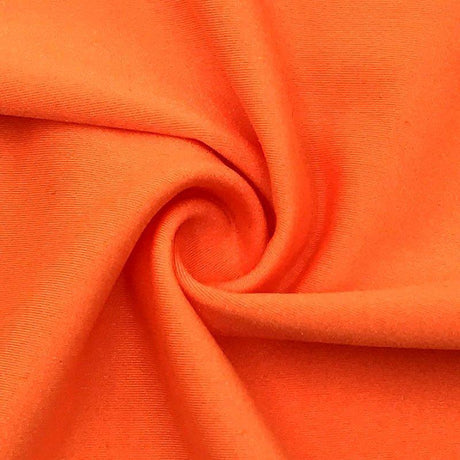
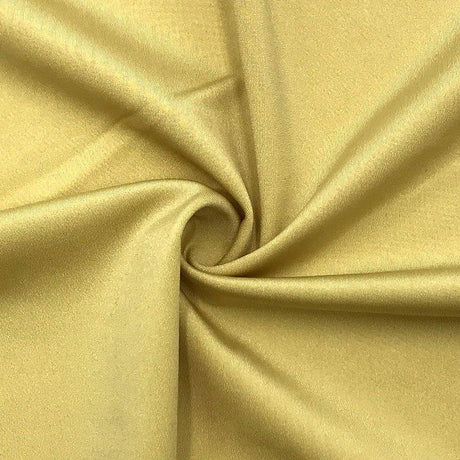
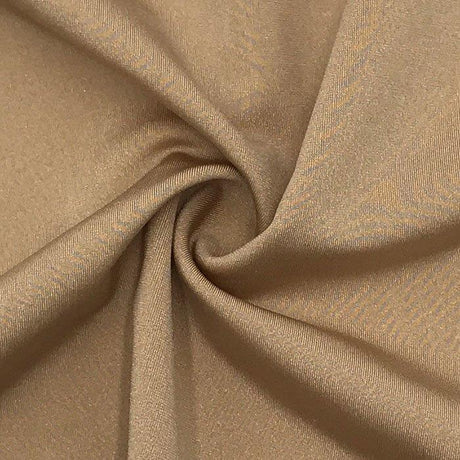
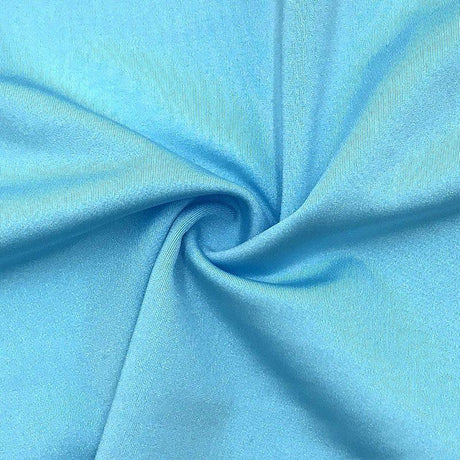
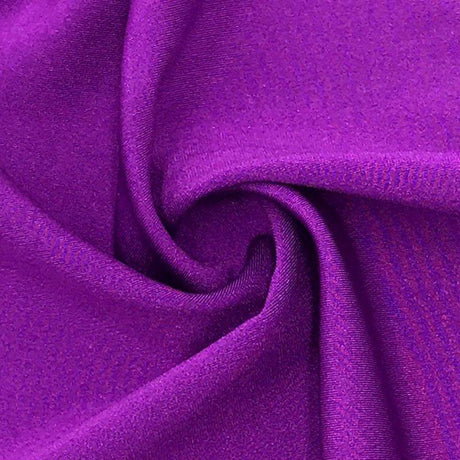
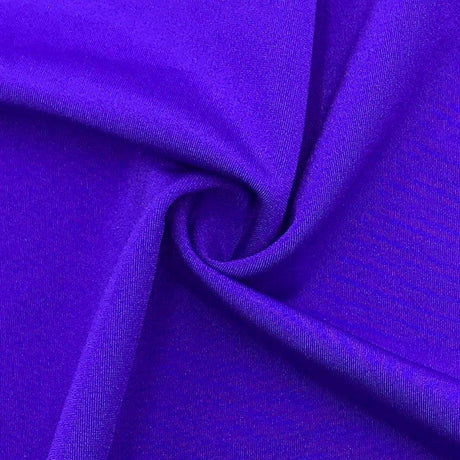
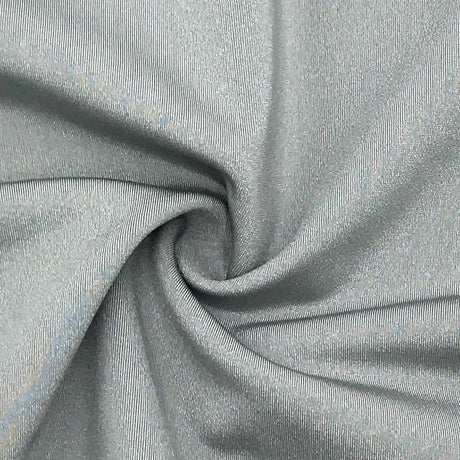
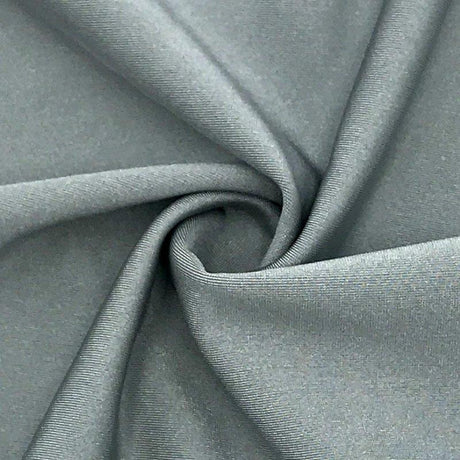
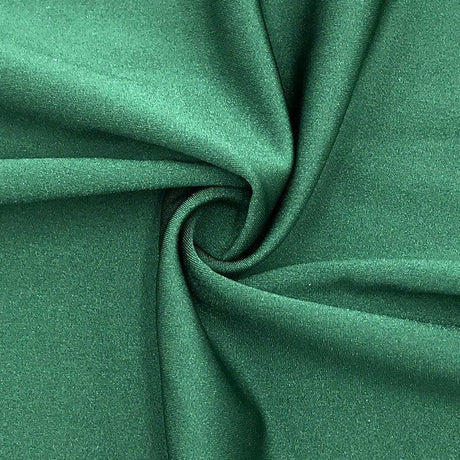
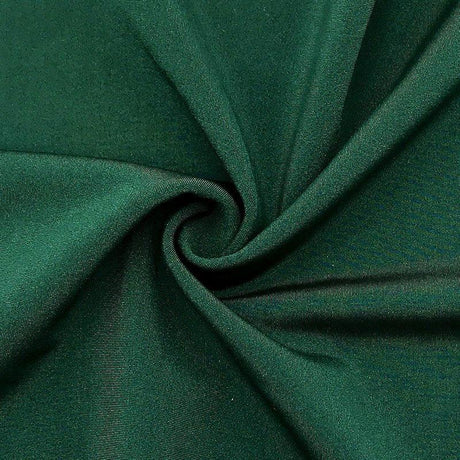
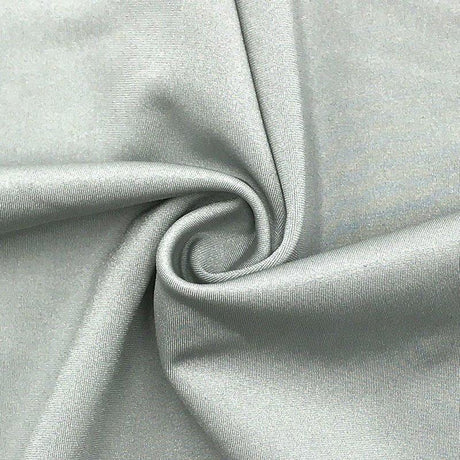
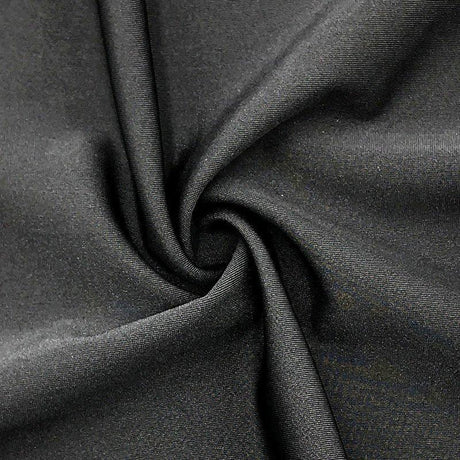
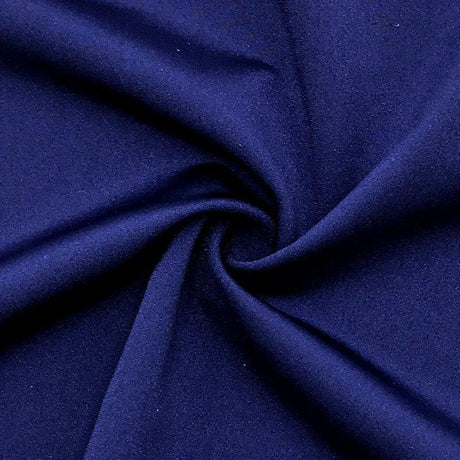
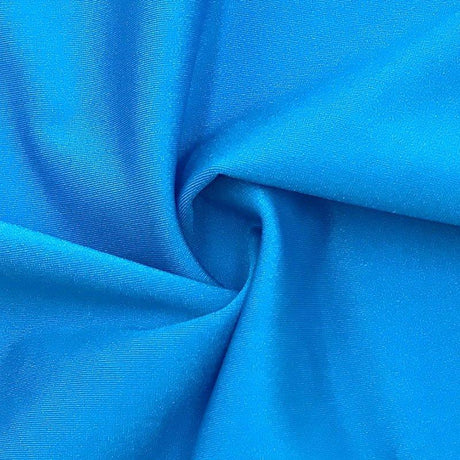
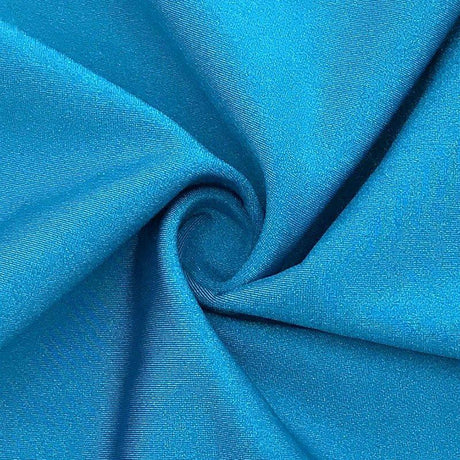
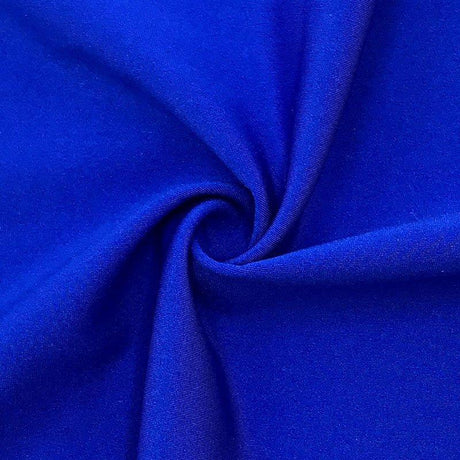
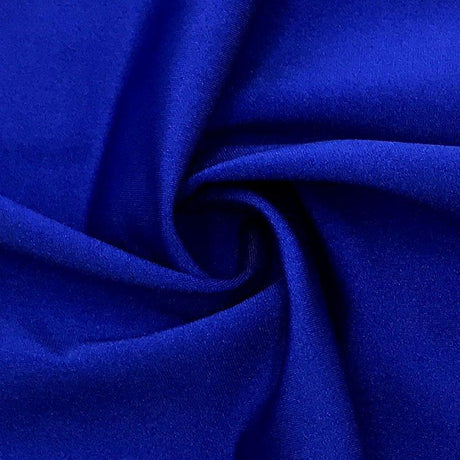
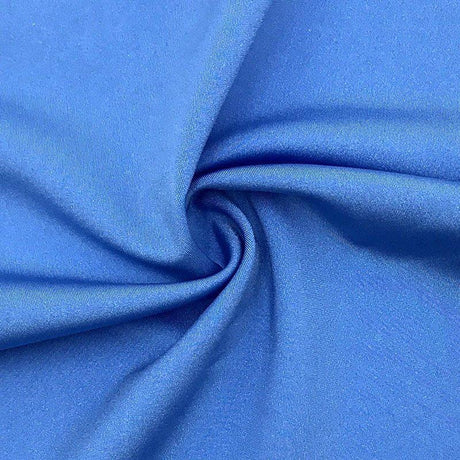
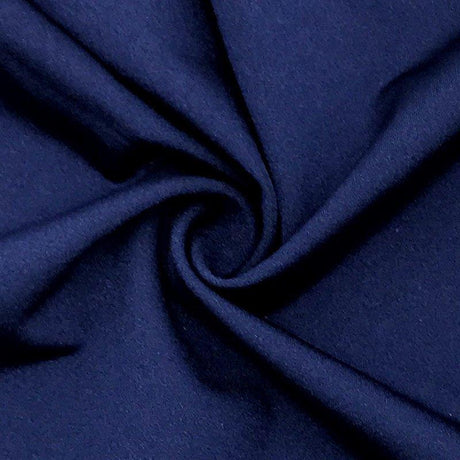
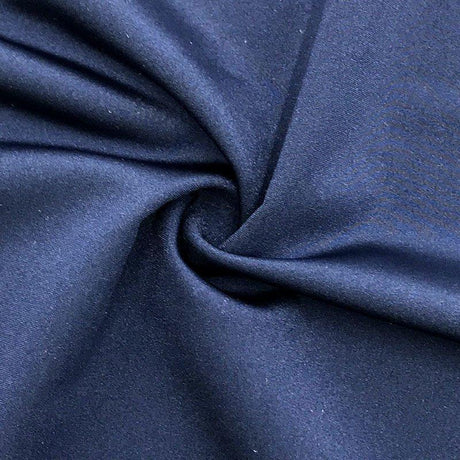
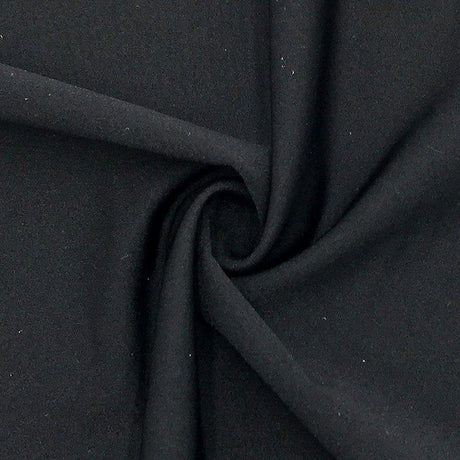
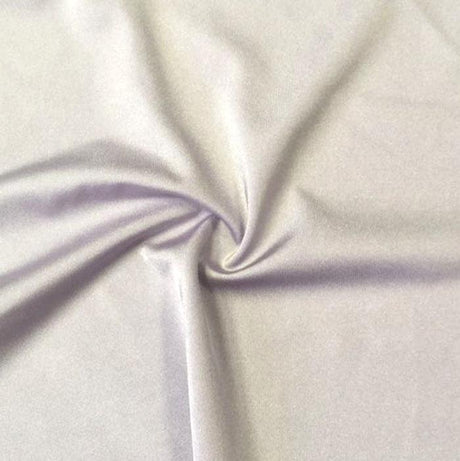
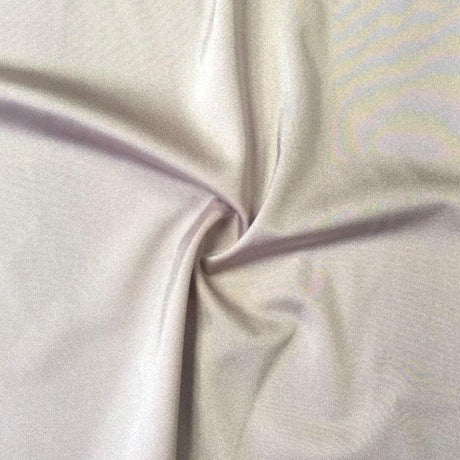
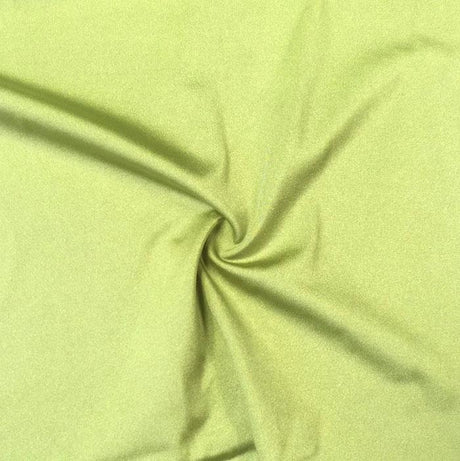
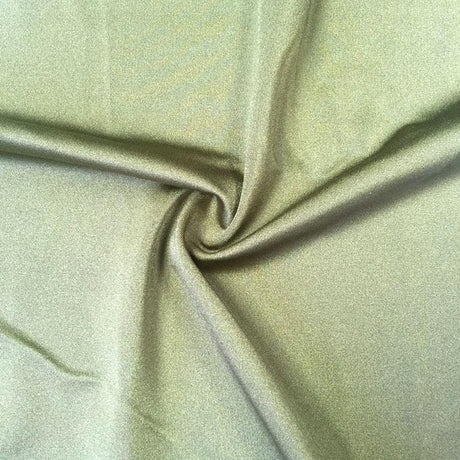
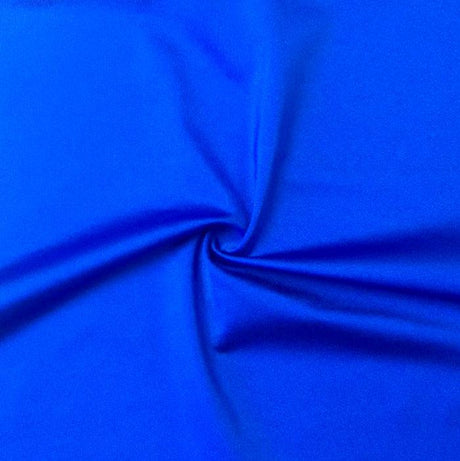
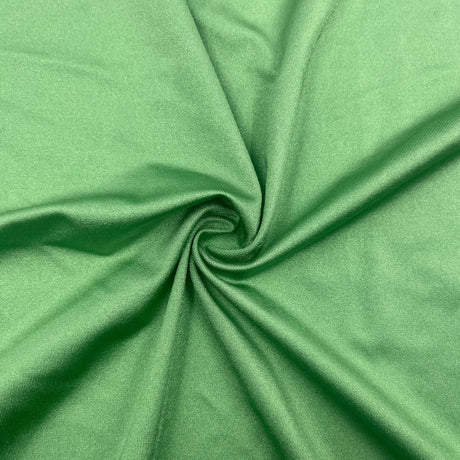
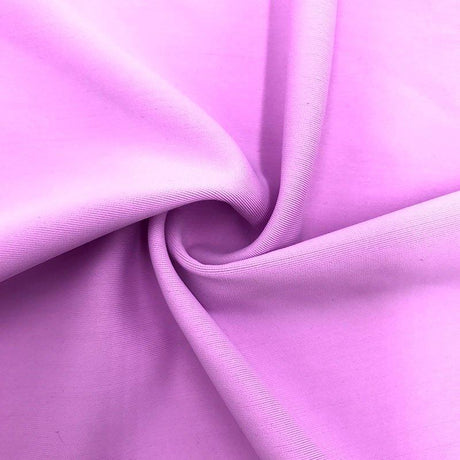
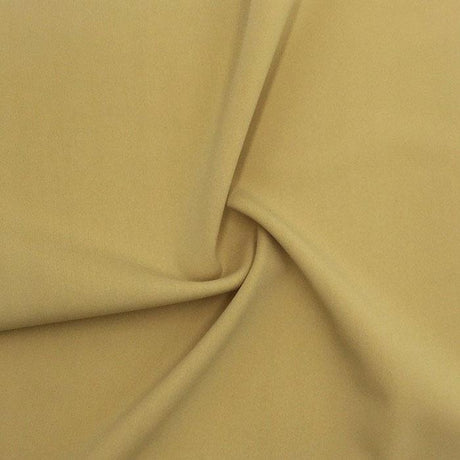
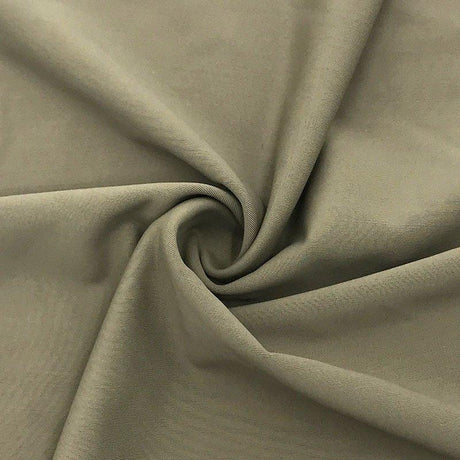
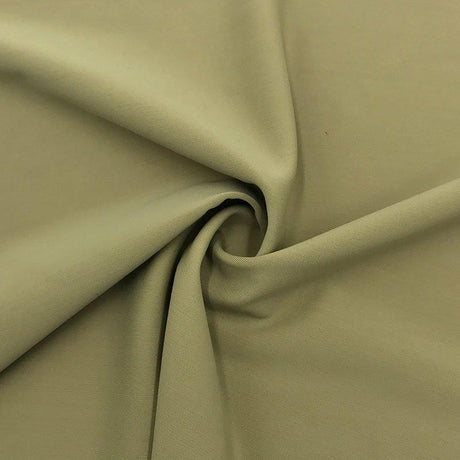
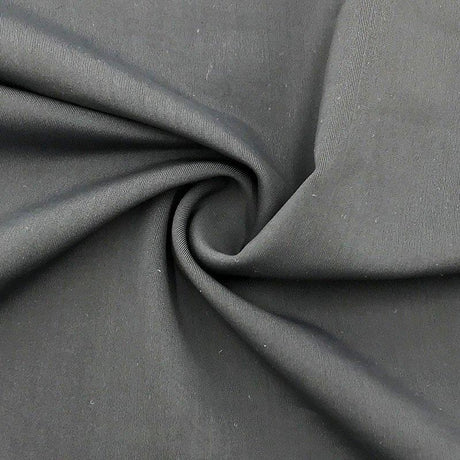
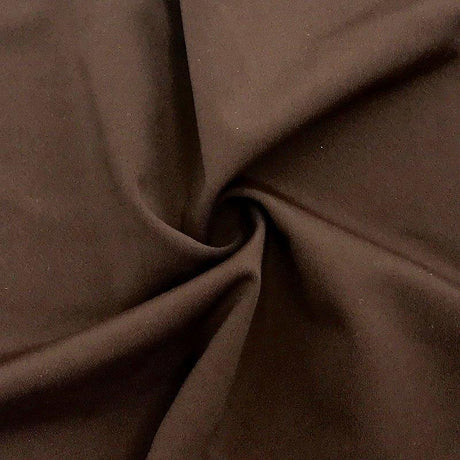
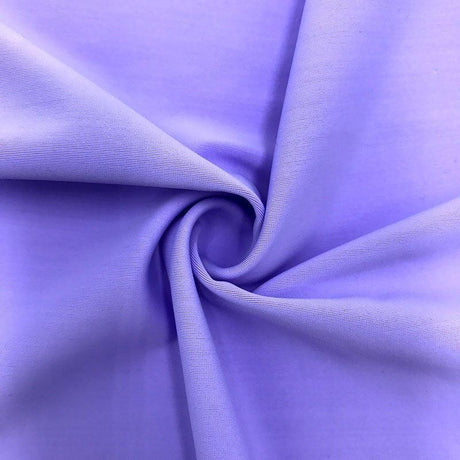
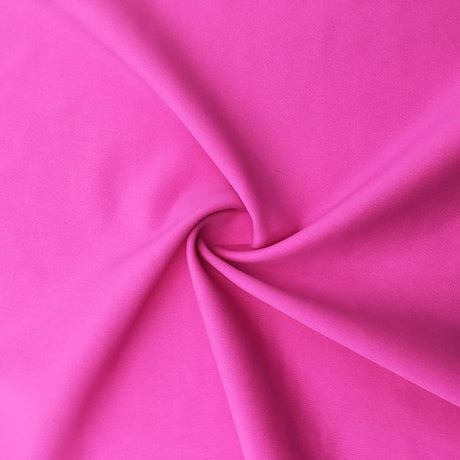
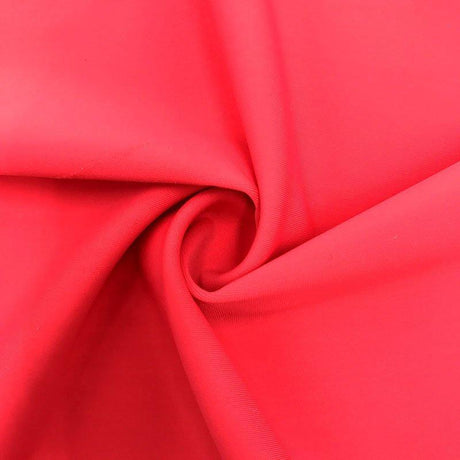
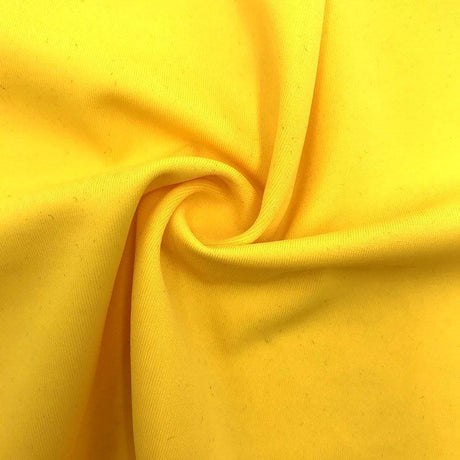
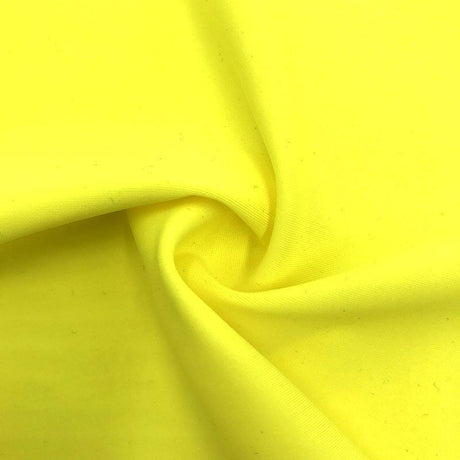
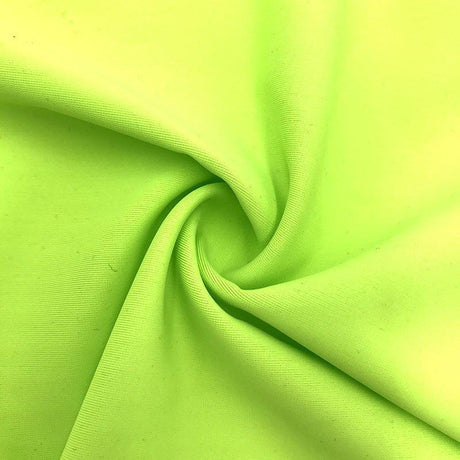
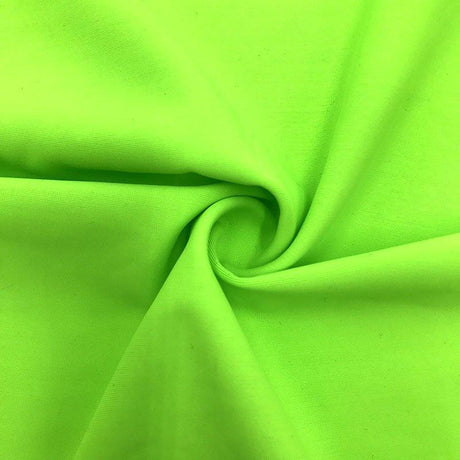
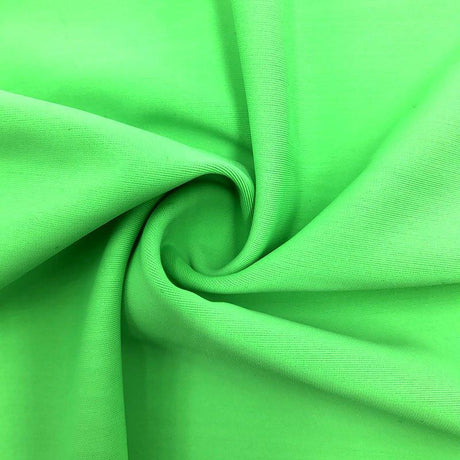
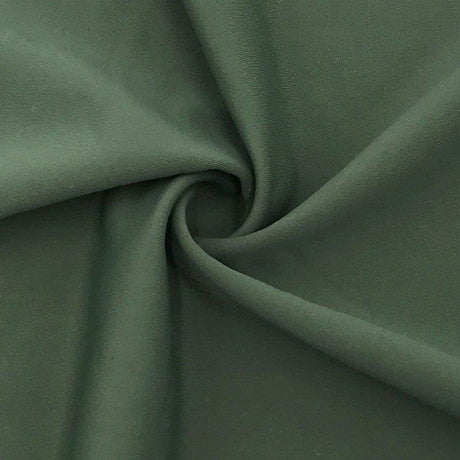
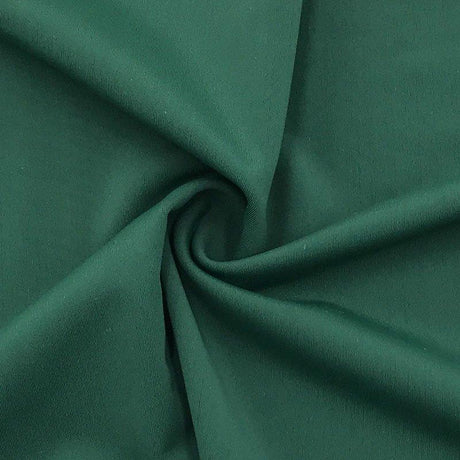
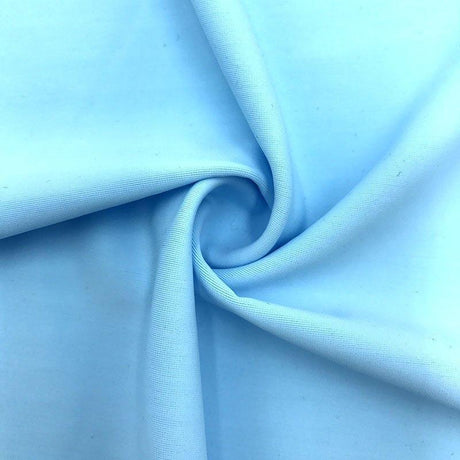
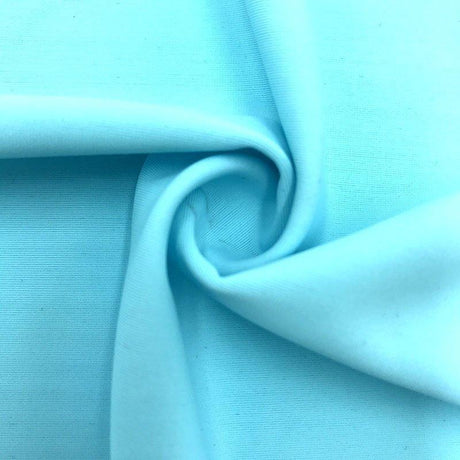
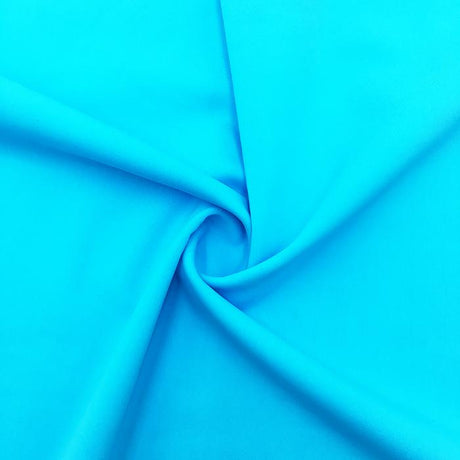
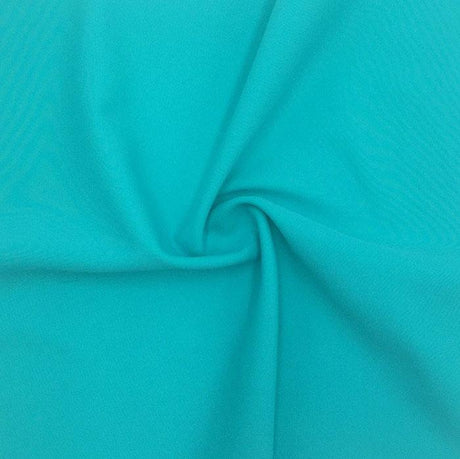
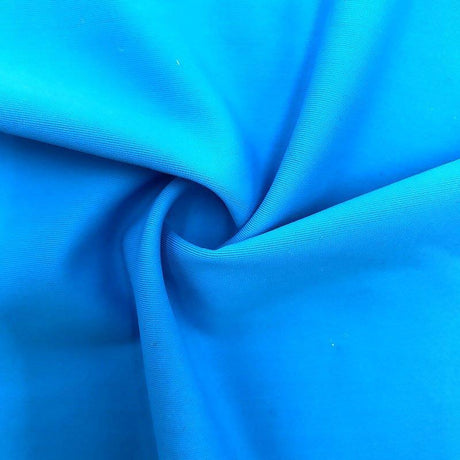
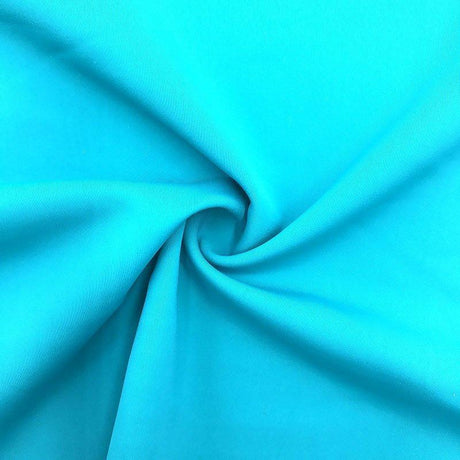
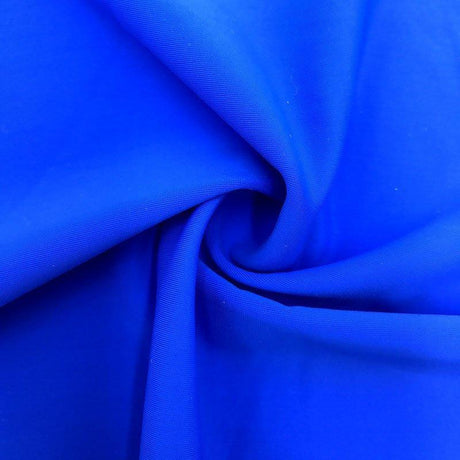
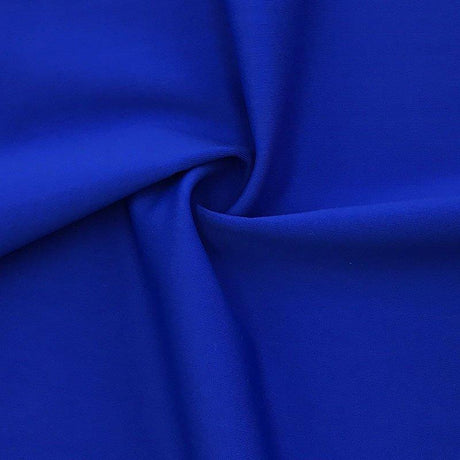
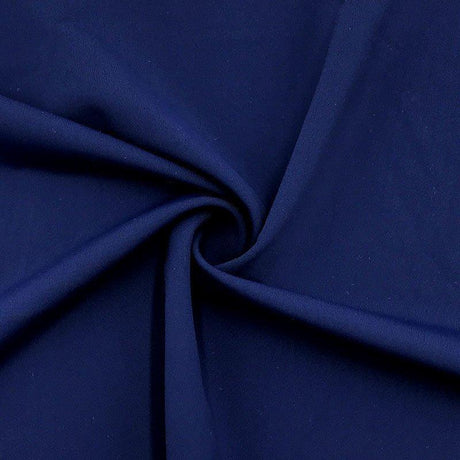
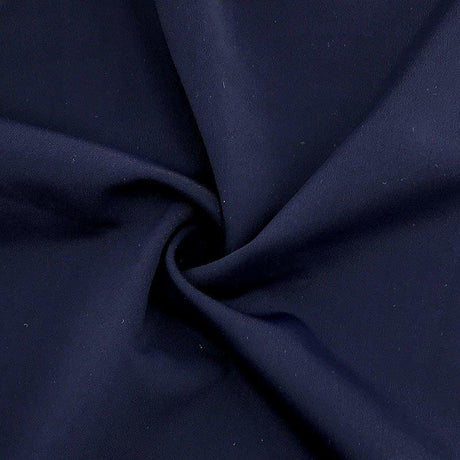
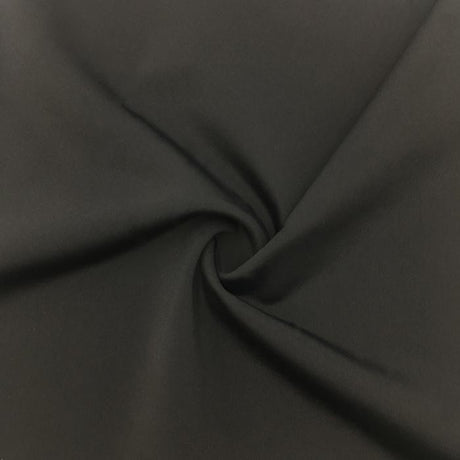
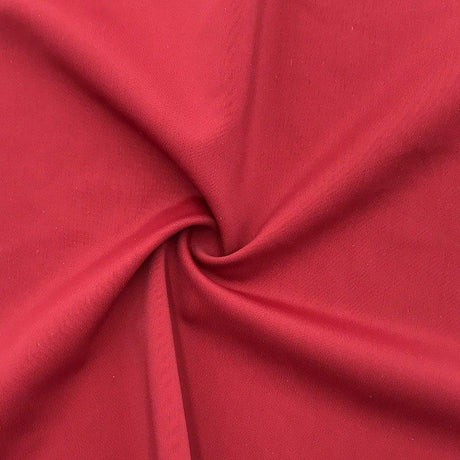
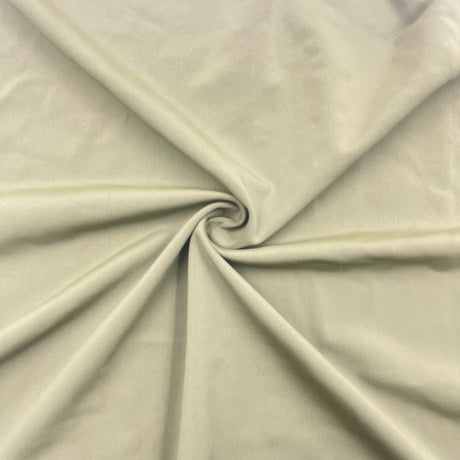
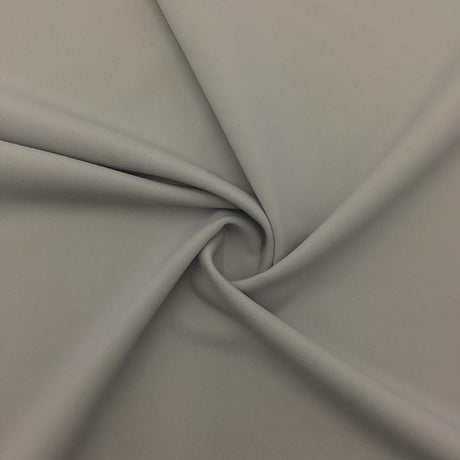
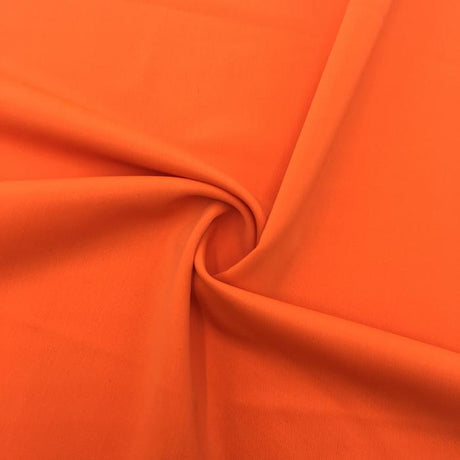
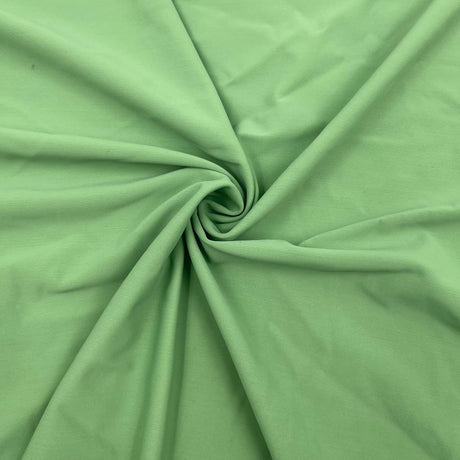
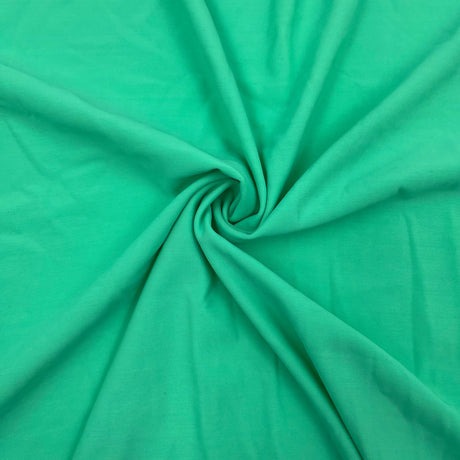
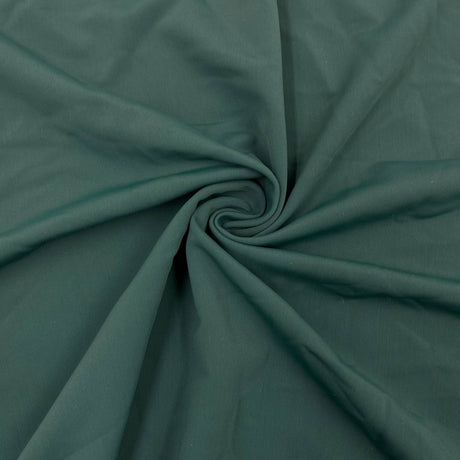
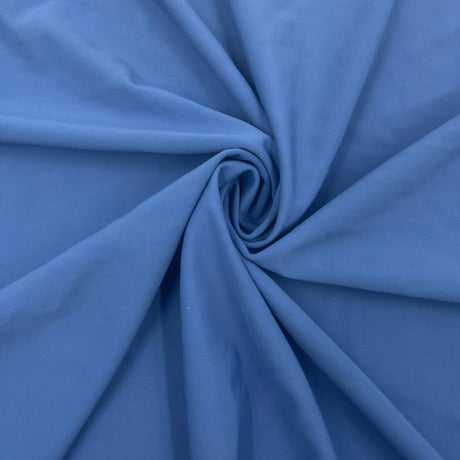
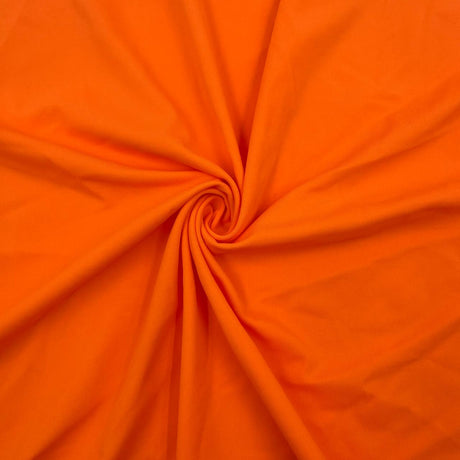
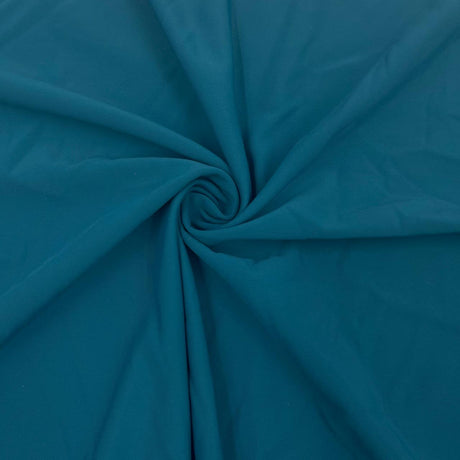
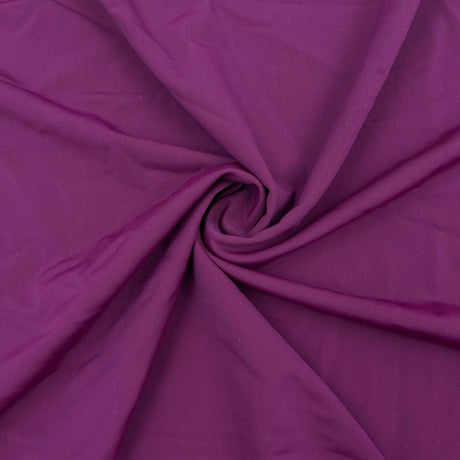
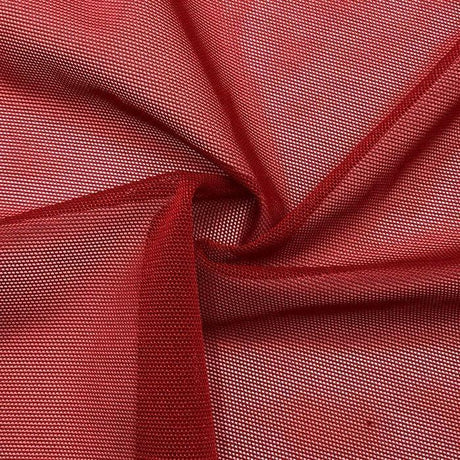
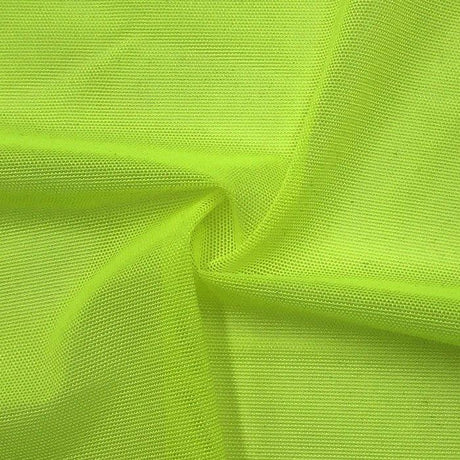
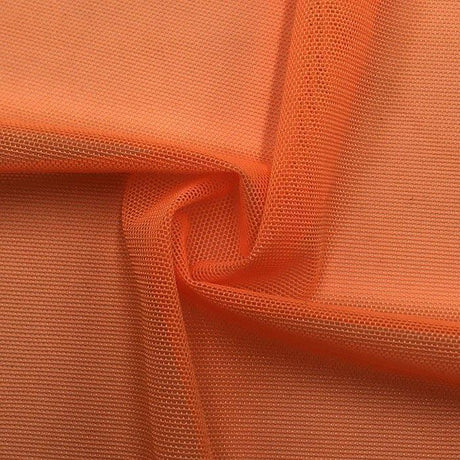
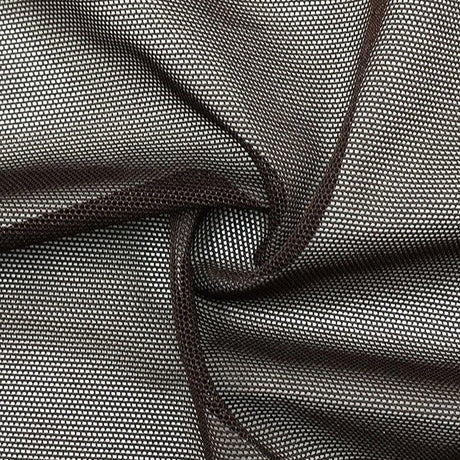
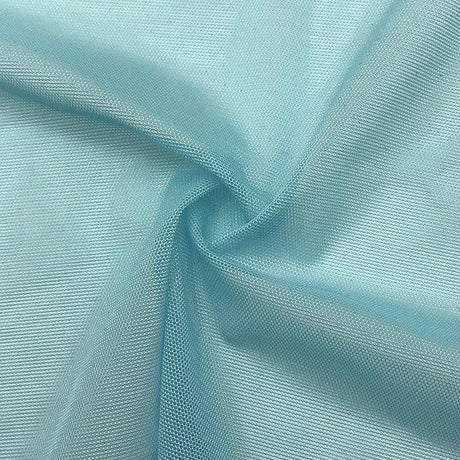
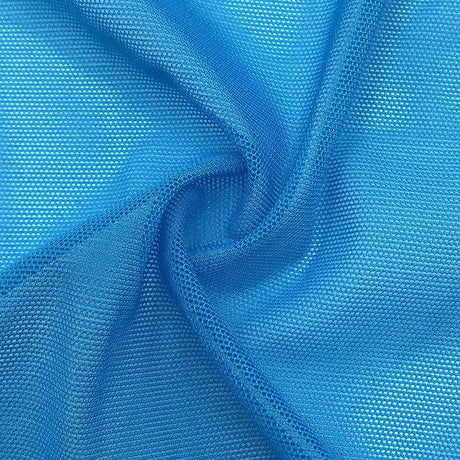
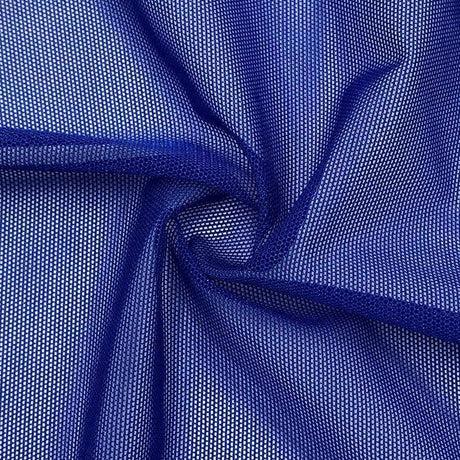
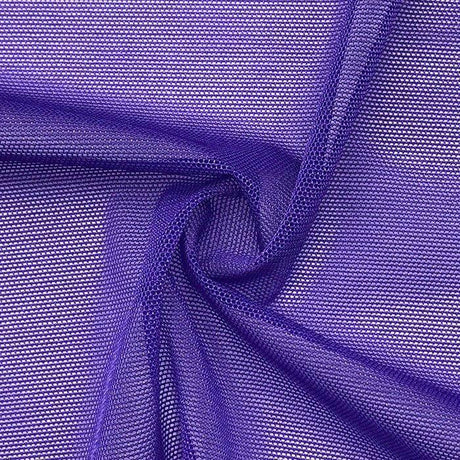
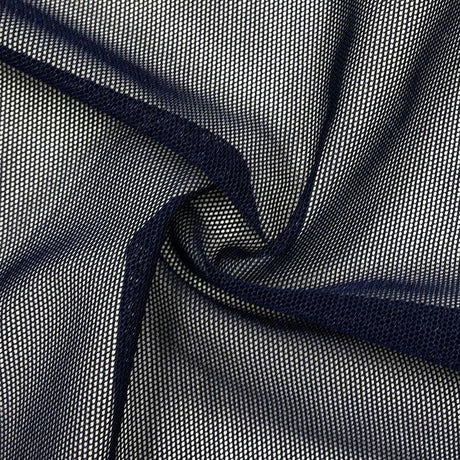
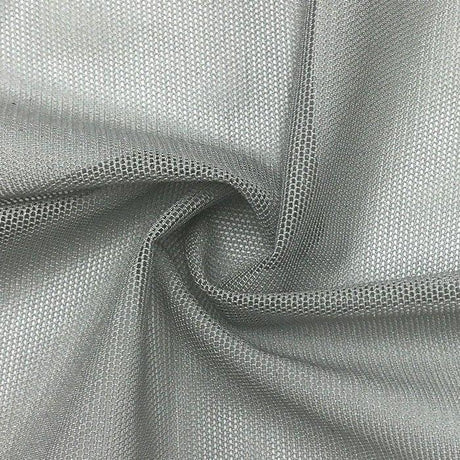
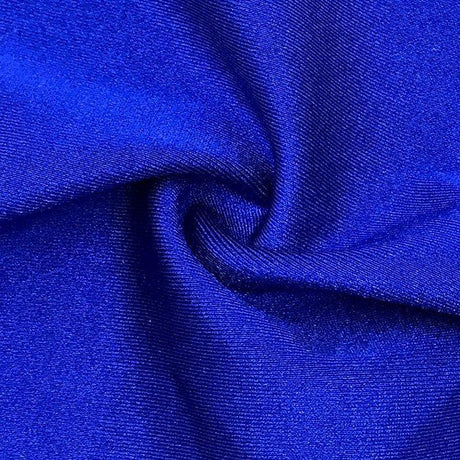
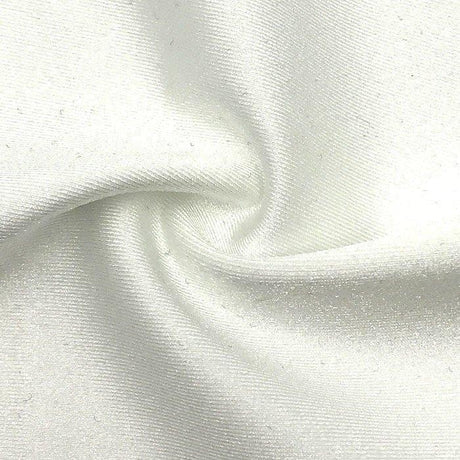
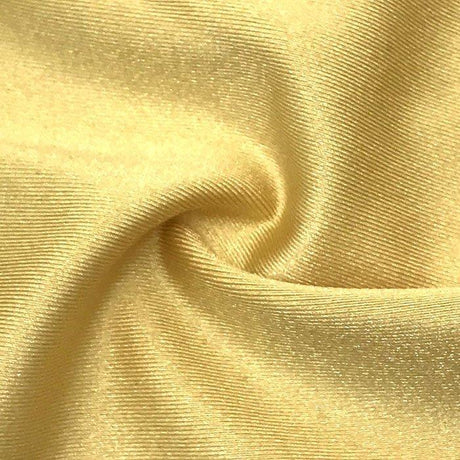
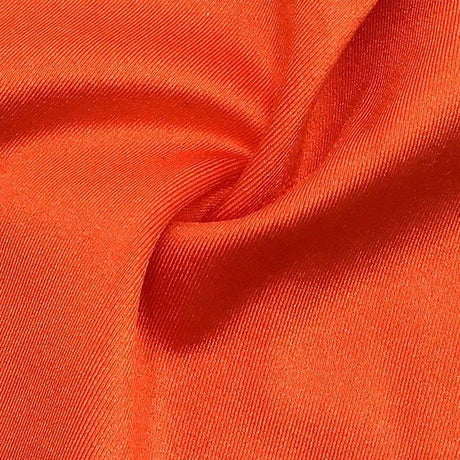
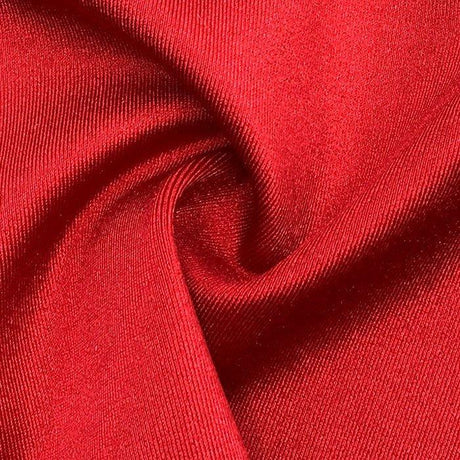
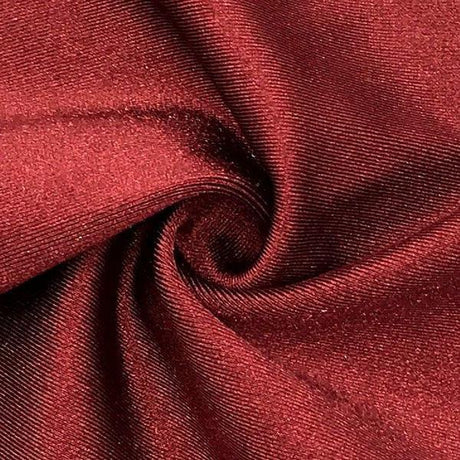
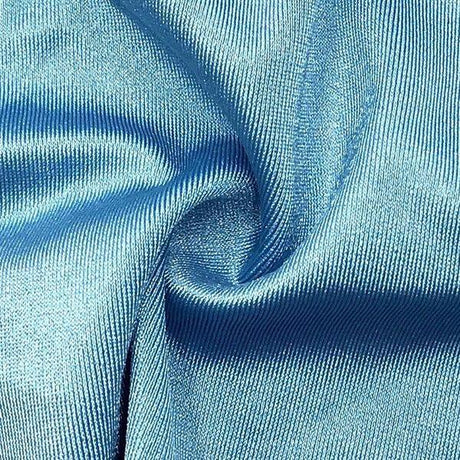
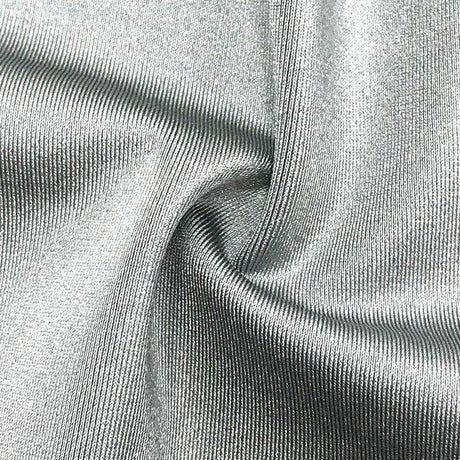
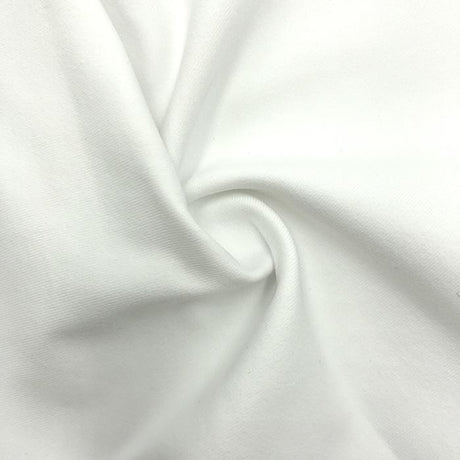
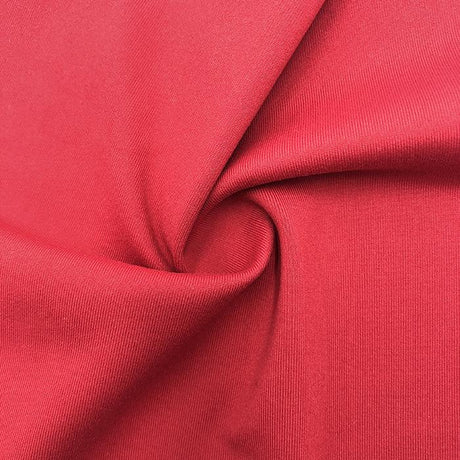
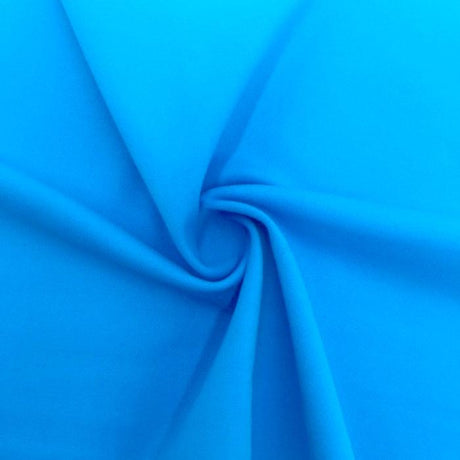
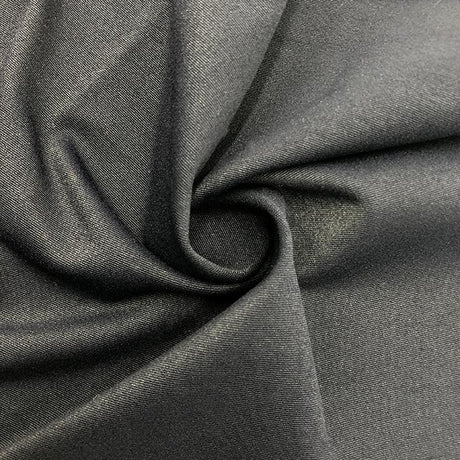
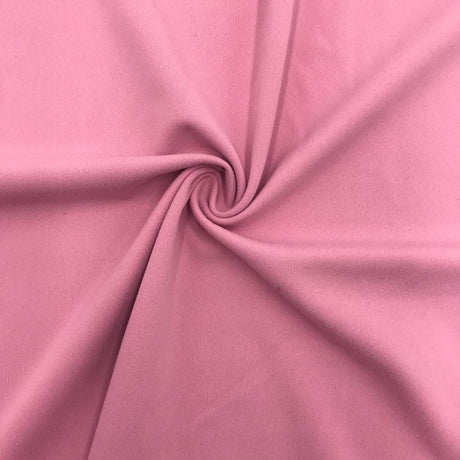
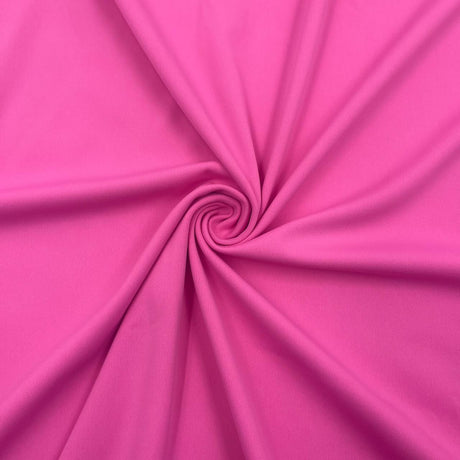
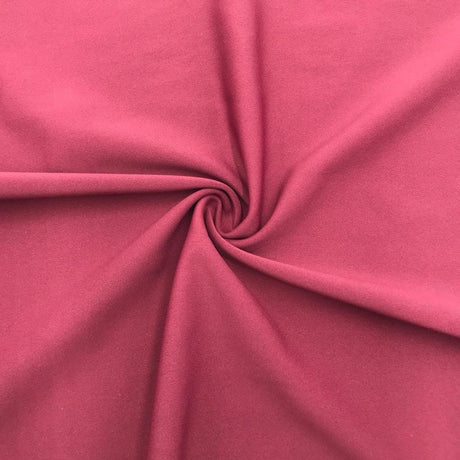
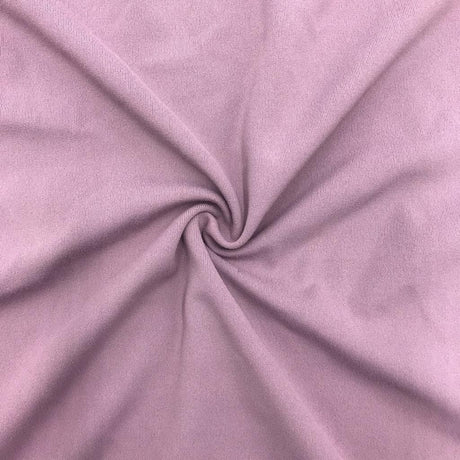
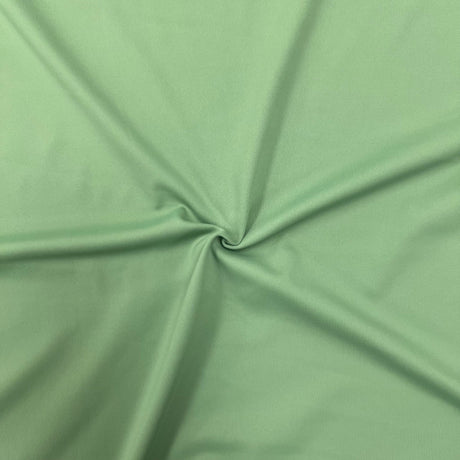
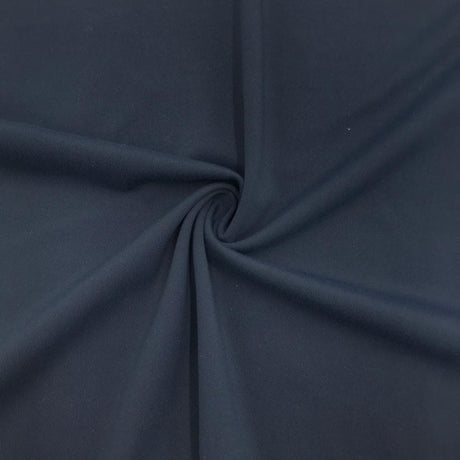
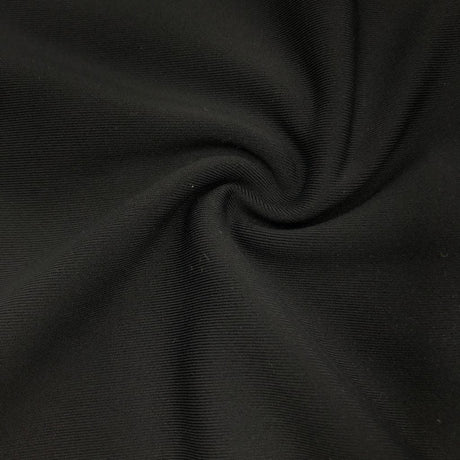
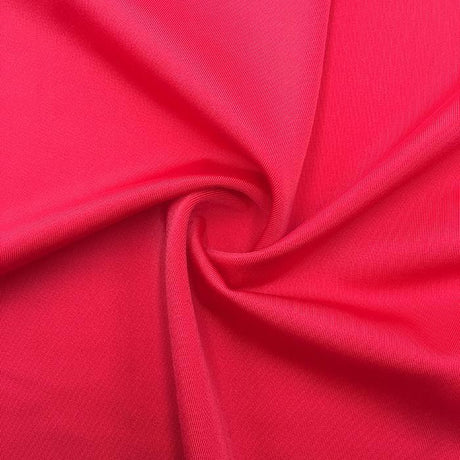
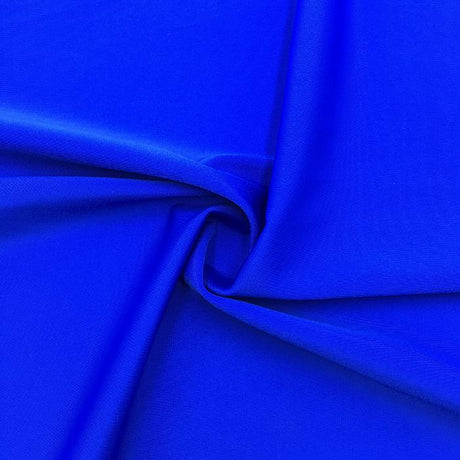
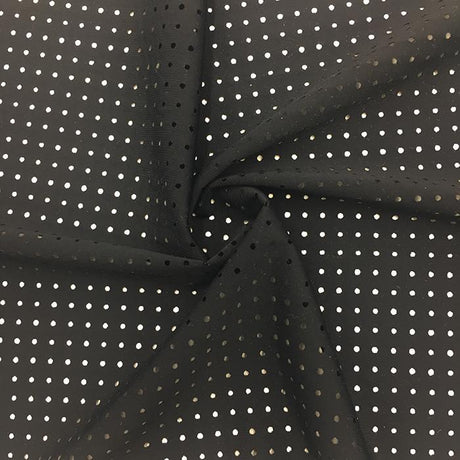
A close-up of tricot spandex swimwear fabric. The face side (top) is smooth with a slight sheen, while the reverse (bottom) shows a fine ribbed texture. This warp-knit construction – featuring yarns interlooped in a zigzag vertical pattern – gives tricot its characteristic smooth front and textured back, providing a balance of flexibility and stability.
Tricot (pronounced “tree-ko”) refers to a type of warp-knit fabric construction. The term comes from the French tricoter, meaning “to knit,” and it describes a fabric made by interlocking loops of yarn in a lengthwise (warp) direction. In tricot knitting, each needle on the machine has its own yarn, forming parallel wales (columns of loops) down the fabric’s length. This creates the signature zigzag or herringbone knit pattern: continuous lengthwise loops that produce a smooth, almost glossy surface on one side and a slight rib or texture on the back. As a result, tricot fabric is both soft and sturdy – the smooth face feels gentle against the skin, and the structure is durable and run-resistant.
When we talk about tricot spandex in swimwear, we mean a tricot-knit fabric made with elastic spandex (also known as elastane or Lycra) fibers blended into a base fiber, typically nylon (polyamide) or polyester. A common composition for swimwear tricot is around 75–80% nylon with 20–25% spandex, or in performance cases, polyester with spandex in similar proportions. The inclusion of spandex yarns in the warp knit gives the fabric excellent 4-way stretch – it can stretch both across the width and along the length, contouring to the body’s shape and moving with the swimmer. The knit structure controls this stretch so that it’s elastic but not loose: tricot spandex stretches easily and recovers to its original shape, offering a supportive “second skin” fit without permanent sagging.
Another hallmark of tricot spandex fabric is its differentiated surfaces. As shown above, one side of the material is usually a sleek, uniform face (often the outside of a swimsuit), and the opposite side has fine crosswise ribs or a faint texture. This isn’t just for looks – the smooth face glides through water more easily (reducing drag) and prints nicely for vibrant designs, while the subtle texture on the back can help the fabric cling to linings or stay put against the body. The warp-knit process inherently creates this dual texture. Tricot knit fabrics are also typically lightweight and have a fine gauge, meaning the knit is tight enough to prevent transparency while still being thin and flexible – ideal for form-fitting swimwear.
In summary, tricot spandex swimwear fabric is defined by a warp-knit construction (vertical interlocking loops) combined with elastic fibers. This unique structure imparts a combination of stretch, strength, and stability that sets tricot apart from other fabrics. To understand why this is so beneficial for swimwear, it helps to compare tricot spandex with other common fabric options for swimsuits.
Tricot Spandex vs. Other Swimwear Fabrics
Not all stretch fabrics are created equal. Swimwear today primarily uses knit fabrics, but there are two main knitting methods – warp knitting (which includes tricot) and weft knitting (circular or flat knitting used for jersey fabrics). There are also some niche woven fabrics used in certain swimwear applications. Each type has distinct characteristics:
- Warp-Knit Tricot (with Spandex): Warp knits like tricot produce a tight, stable structure with controlled stretch. Multiple yarns are knitted in parallel, which makes the fabric highly resistant to runs (if a yarn breaks, it doesn’t ladder through the fabric) and very dimensionally stable. Tricot stretches, but in a more moderated way than weft knits – it provides firm support and compression without being overly stretchy. It also has a smooth surface with less tendency to snag or pill. These qualities make warp-knit spandex fabrics ideal for swimwear that needs to maintain its shape and integrity over many uses. In fact, warp-knitted fabrics (like tricot) “maintain shape better, resist sagging, and are widely used for high-quality swimwear”. Most performance and competition swimsuits, as well as premium fashion swim lines, rely on warp-knit tricot for this reason.
- Circular Weft Knits (with Spandex): Weft-knitted fabrics (for example, a standard stretch jersey or double-knit made on circular machines) tend to be softer and more elastic in all directions. Weft knits can offer greater 360° stretch and a gentle drape, which can feel very comfortable. However, they are typically less stable – they may relax or lose shape faster over time, especially if the elastane content is low or if they are not constructed tightly. Weft knits are also prone to runs if snagged, and generally not as durable under tension. In swimwear, a weft-knit fabric might be found in some casual or budget swimsuits where maximum softness is desired, but they often cannot offer the same longevity and fit retention as a tricot. Designers know that while weft knits excel in comfort, they sacrifice some support; as one textile source puts it, warp knits excel in stability and durability, while weft knits prioritize stretch and comfort. For a swimsuit that needs to hold a firm shape (e.g. a structured one-piece or a competition racerback), tricot is usually the superior choice over a weft knit.
- Woven Fabrics: Woven materials (like boardshort fabric or the high-tech woven textile used in some race suits) are a different category since they don’t inherently stretch unless elastic fibers are added. Wovens can be very thin, strong, and water-repellent, but without spandex they provide almost no give, which is obviously a drawback for form-fitting swimwear. There are two notable uses of woven fabric in swimwear: board shorts and elite competition suits. Board shorts for surfing or recreation are typically made of woven polyester or nylon with perhaps a small percentage of spandex, and they rely on a loose fit (or mechanical stretch in one direction) rather than true 4-way stretch. On the other end, some top-tier competitive swimsuits (kneeskins and jammer suits used in Olympic racing) have employed ultra-lightweight woven textiles. For example, Speedo’s acclaimed LZR Racer suit was made from a “high-density weave” of fine nylon and spandex fibers, which was extremely lightweight, highly stretchable, and very water-repellent. That specialized woven provided exceptional compression and low drag – but notably, it was a carefully engineered fabric for short-term performance, not everyday durability. Outside of those specialized cases, woven fabrics are not common in regular swimwear because they cannot match the comfortable elasticity of knits. Tricot spandex, by contrast, offers both the stretch to mold to the body and the structural integrity to retain that shape, which is why it remains the go-to fabric for both recreational and professional swimwear.
In summary, compared to a typical circular knit, tricot spandex holds its shape better, resists running or snagging, and endures strain without losing elasticity. And compared to a rigid woven, it provides the crucial multi-directional stretch and recovery that swimmers need. These differences explain why many swimwear manufacturers choose warp-knit tricot for longevity and performance. As one swimwear production guide notes: warp-knitted fabrics like tricot “maintain shape better, resist sagging… and are widely used for high-quality swimwear,” whereas “weft-knitted fabrics offer softer stretch but may relax faster over time”. Tricot strikes an effective balance between strength and flexibility that other constructions struggle to achieve.
Stretch, Fit, and Comfort
One of the primary reasons tricot spandex is ideal for swimwear is its excellent stretch and fit characteristics. A quality tricot swim fabric provides what designers call controlled stretch – it stretches enough to allow movement and accommodate body contours, but not so much that it becomes baggy or loses support. Thanks to a high elastane (spandex) content (often 15–20% of the fabric), tricot swimwear textiles typically have 4-way elasticity, meaning they can extend both in width and length and snap back to shape. Unlike some rigid fabrics, a tricot swimsuit moves with the wearer like a second skin, which is essential for both comfort and performance in the water.
Equally important is the fabric’s recovery. Tricot spandex has an outstanding ability to spring back after being stretched. In warp-knit fabrics, each loop is secured by neighboring loops, giving a kind of “memory” to the material. Even after repeated pulls, a good tricot suit will return to its original size and contour, maintaining a consistent fit swim after swim. This prevents the dreaded sagging or loosening that can happen in lower-quality swimsuits. In practical terms, a swimmer can dive, stretch, twist, and the suit made of tricot spandex will retain a snug, supportive fit without feeling restrictive. The controlled stretch also means compression in competitive suits – tricot can gently compress the muscles for hydrodynamics and support, unlike very loose weft knits. Yet, it achieves this without sacrificing comfort.
Comfort is key for swimwear, and tricot fabrics deliver it in several ways. First, the hand feel of tricot spandex is often described as smooth and soft (especially when nylon is the base fiber). Nylon-spandex tricot has a soft, luxurious feel against the skin, which is one reason it’s favored in high-end fashion swimwear. Polyester-based tricot can be slightly firmer to the touch, but modern polyester swim tricots are still woven (or rather knitted) to be pleasant against the body, often with matte or “butter-touch” finishes. Additionally, the surface of tricot is low-friction – the smooth knit glides on the skin and doesn’t cause abrasion. This is important for active swimmers to prevent chafing during movement. The inherently sleek surface of warp knits is even noted to “glide smoothly against skin” and reduce friction during athletic performance.
Tricot spandex also avoids some discomforts that other fabrics might introduce. For example, a high-quality tricot knit typically does not form static cling or trap a lot of air. Pine Crest Fabrics (a textile supplier) notes that good tricot “will not build up a static charge or cling to the body,” ensuring it stays comfortable to wear. In water, the fabric hugs the body but once out of water, it shouldn’t stick awkwardly or bunch up. The material’s balanced stretch means it holds its shape on the body without constant readjustment.
Another comfort factor is breathability and weight. While a swimsuit’s primary environment is water (where breathability is less relevant), once the swimmer is on land, a breathable, quick-drying suit is much more comfortable. Tricot’s knit structure can be engineered for breathability – for instance, by using slightly open knit patterns or mesh panels in less critical areas, allowing airflow. Even solid tricot fabrics are generally thin and allow the skin to breathe better than thick, dense materials. The fabric is also lightweight; it doesn’t feel heavy on the body, and when properly finished, it sheds water quickly (as discussed in the next section). All these attributes mean a tricot spandex swimsuit can be worn for extended periods – whether it’s lounging at the beach or doing long training sessions – with minimal discomfort. The fabric yields and adapts to movement, but always gently returns to hug the body, which gives the swimmer both freedom and confidence in fit.
In short, tricot spandex offers superior stretch with support. It provides the comfort of a second skin – conforming to curves without sagging – and the support of a performance textile – offering gentle compression and a secure fit. This balance of comfort and fit is difficult for other fabrics to achieve simultaneously. A weft-knit might be a bit softer initially but could lose support when wet or over time; a woven might hold shape but not move with you. Tricot spandex hits the sweet spot, making it an ideal choice for anyone who needs their swimwear to be as agile as they are.
Durability and Shape Retention
Swimwear isn’t just exposed to water; it endures a lot of physical stress. Suits are stretched to put on and take off, pulled by movements, and often rubbed against rough surfaces (like pool decks or sand). A fabric’s ability to withstand wear and tear while maintaining its shape is paramount for longevity. Here, tricot spandex truly shines – it is renowned for being durable and shape-retentive even under heavy use.
The warp-knit structure of tricot inherently contributes to its toughness. Because the loops interlock in a zigzag fashion and every wale (column) of loops is knitted from its own yarn, the fabric has an integrated strength. If you get a small snag or even if one yarn were to break, a tricot fabric is highly resistant to runs and ladders – the tear will not easily spread because adjacent loops hold each other in place. This run-resistant quality is a huge advantage in swimwear: a tiny nick in a weft-knit suit might lead to a big unravel or “ladder” line, but in a warp-knit tricot suit it likely stays localized. Tricot “does not snag or run easily” and maintains its integrity even when snagged or stressed. For swimmers who use their suits rigorously (daily lap swimming or frequent beach trips), this can mean the difference between a suit that lasts one season and one that lasts several.
Tricot spandex also maintains its shape over time better than other knits. The term often used is dimensional stability – tricot fabrics won’t warp or stretch out of shape with repeated wear. Thanks to the fabric’s tightly interlocked loops, a tricot swimsuit will resist permanent stretching in width (no side sag or loose leg openings) and won’t lengthen in the torso, avoiding that loose, floppy fit old swimsuits can get. Warp knit fabrics provide “exceptionally stable fabric that maintains its shape even after repeated stretching and washing” and “won’t distort or sag over time”. This is crucial for swimwear, which must endure not just swimming, but also the mechanical stresses of washing and drying. A well-made tricot suit can keep a consistent fit throughout its life, meaning the support and coverage you get on day one is close to what you’ll get after dozens of uses.
Moreover, tricot’s durability extends to its abrasion resistance. The smooth surface of tricot has less friction, so it’s less likely to pill (form little fabric balls) or abrade when rubbed against surfaces. Whether sitting on the edge of a concrete pool or sliding over a surfboard, a tricot swimsuit is less prone to developing wear spots compared to some other knit fabrics. Nylon, in particular, is an exceptionally strong fiber (it was originally used as a silk replacement for women’s hosiery) and is known for being abrasion-resistant and tough. When you combine nylon with the tricot knit structure, you get a fabric that can really take a beating and still look good. Polyester tricot fabrics are also extremely durable – polyester has high resistance to UV light and chemicals, which adds to longevity (more on that soon).
Another facet of durability is how the fabric handles repeated exposure to elements. A tricot spandex suit, if properly cared for, won’t disintegrate or lose elasticity quickly. Weft-knit suits sometimes suffer from elastic fibers breaking and the suit bagging out; warp knit suits, by virtue of their construction, hold the elastic in a tighter framework. In fact, one warp-knit advantage highlighted for sports textiles is that it “maintains consistent compression over time” without the elastic fatigue that looser knits might experience. This makes tricot ideal not just for swimwear but also for compression garments and shapewear, where long-term shape retention is critical. For swimwear, it means that even after many wears, the tummy control of a one-piece or the snug fit of a racer brief remains effective – the suit doesn’t become a size larger after extensive use.
In summary, tricot spandex fabrics offer remarkable durability for swimwear. They resist runs and snags, hold their shape and fit, and endure physical abrasion and stretching better than most alternatives. When swimmers invest in a good swimsuit, they expect it not to lose form or fall apart after a few weekends at the pool. Tricot spandex meets that expectation, which is a compelling reason it’s the fabric of choice for swimwear meant to last. As one textile expert succinctly advises: choose warp knit (tricot) for products requiring durability, stability, and controlled stretch – exactly the qualities we seek in quality swimwear.
Resistance to Chlorine, Saltwater, and UV
Swimsuits live in a harsh environment not just physically, but chemically. Chlorine in pool water is notorious for damaging fabrics, saltwater and sun can be equally unforgiving, and UV radiation fades colors and weakens fibers over time. How a swim fabric copes with these elements largely determines if a suit will look and feel good after many swims. Tricot spandex, especially when made with the right fiber blends, offers strong resistance to chlorine, salt, and UV compared to other materials.
Let’s start with chlorine, perhaps the biggest enemy of swimwear. Chlorine is a bleaching and degrading agent; it will gradually break down elastane (spandex) fibers, leading to loss of stretch, and can also cause colors (especially on nylon) to fade. The key to chlorine resistance is in the fiber content and any protective treatments. Tricot swimwear fabrics are typically either nylon-spandex or polyester-spandex blends. Of these, polyester is far more chlorine-resistant. Polyester fibers are very stable in chlorinated water and don’t degrade quickly, which is why performance and training swimsuits often use polyester-based knits. A polyester-spandex tricot can be engineered to be “excellent [in] chlorine and UV resistance,” making it ideal for sport and competitive swimwear that sees daily pool use. For example, many chlorine-proof swimsuits use a warp-knit poly/PBT (a type of polyester) fabric with no or low spandex – sacrificing some stretch for extreme chlorine tolerance. Even with spandex included, modern tricot fabrics often incorporate chlorine-resistant elastane (such as Xtra Life Lycra®) that is designed to withstand chlorine 5–10 times longer than ordinary spandex. The Pine Crest “Kira” tricot mentioned in a fabric blog is one such high-quality material, noted for its “high chlorine resistance” in addition to UV protection.
Nylon-spandex tricot, while slightly less chlorine-resistant than polyester, is still formulated for reasonable chlorine durability. A good nylon tricot swim fabric will be made of solution-dyed or well-dyed yarns to minimize color fade, and will include stabilizers to slow down chlorine fiber damage. One manufacturer describes their tricot swim fabric as having a “longer life for [in] chlorine [pool] water” – essentially emphasizing that their particular nylon/spandex knit is engineered to last through many pool sessions. The warp-knit structure itself may help here too: because it’s less prone to losing shape, even as the material ages, a tricot suit might keep form better than a weft-knit suit where elastic breakage leads quickly to bagging. Still, it’s true that for maximum chlorine resistance, polyester-based tricot is preferred. Many competitive swimmers will use a nylon tricot suit for racing (for its softer feel and stretch) but a polyester tricot suit for daily training to get that extra longevity in chlorinated water. As a swimwear guide notes, nylon blends have “good” durability but are less chlorine-resistant than polyester, whereas polyester blends are best for long-lasting, high-chlorine environments.
Now consider saltwater. Salt can be abrasive and drying, but synthetic fibers like nylon and polyester are both quite resilient to salt. They don’t absorb salt and dry out the way natural fibers might. The main concern with saltwater is rinsing the suit after use, as dried salt crystals can abrade fibers. Fortunately, tricot fabrics generally handle saltwater well – they do not hold onto water or salt for long and are easily rinsed. In fact, a quality tricot spandex fabric has low water retention, meaning it doesn’t soak up and hold water excessively. This is great for two reasons: first, less water retention means less weight dragging the suit down and less chafing (a soaking wet suit that clings and sags is no fun). Second, it means the suit dries faster once out of water. A quick rinse and hang to dry and a tricot suit will be ready to wear again quickly, with minimal salt residue remaining. Textile experts applaud tricot’s synthetic knit for being hydrophobic – it “resists water retention” and has a “quick-drying nature,” making it indispensable in swimwear applications. In salty ocean conditions, this quick dry means salt crystals don’t remain in the fabric for long, thereby reducing long-term fiber wear. Overall, both nylon and polyester tricot fabrics are considered saltwater-safe – they won’t rot or retain salt, especially if given basic care (rinsing in fresh water).
Finally, UV exposure is a concern for two reasons: UV can degrade fibers (especially at the surface) and it can fade colors. Polyester again has an edge here – it has inherent UV resistance and holds color (especially prints) better under sun. Nylon is somewhat less UV-stable, but when blended with spandex and knit into a thicker tricot, it still performs well for most sun exposure situations. Many tricot swim fabrics are now rated with UPF (Ultraviolet Protection Factor) values, often 50+, meaning they block 98% of UV rays from passing through to the skin. For example, a recycled nylon tricot might advertise UPF 50+ protection for the wearer, as well as itself being less prone to UV degradation. Additionally, UV resistance in the context of fabric longevity means the material doesn’t break down or discolor quickly under sunlight. Polyester’s colorfastness is excellent – it “holds color vibrancy very well” even in sun. Nylon can be solution-dyed or treated to also be quite colorfast, and the presence of spandex (which is usually well hidden inside the knit) doesn’t typically affect color on the surface. Some tricot fabrics are given special UV-resistant dye or finishes so that bright colors (think a neon swimsuit) remain bright after a summer of beach use. Furthermore, the tight knit of tricot can protect the elastic fibers within from direct UV exposure to some extent, extending their life.
To illustrate, Carvico – a notable Italian producer of swimwear fabrics – offers tricot textiles made with Econyl® (recycled nylon) or polyester that boast enhanced resistance to UV and chlorine. These textiles are engineered so that a swimsuit can be worn in a chlorinated pool and under the sun every day without quickly losing elasticity or color. The combination of fiber choice and knit structure is what gives tricot spandex this resilience. A source summarizing polyester tricot noted its “vibrant color retention and resistance to degradation from UV exposure,” alongside the general durability of the fabric.
In conclusion, tricot spandex fabrics can be formulated to withstand the elements that punish swimwear. Whether it’s chlorinated pool water, saltwater, or intense sunshine, a well-made tricot suit will outlast many others. It’s important to note that not all tricot is equal – designers will choose specific blends (nylon vs polyester) depending on the use case (fashion vs athletic) and may opt for specialty elastanes for chlorine resistance. But across the board, the warp-knit tricot provides a reliable foundation for making a suit that won’t easily succumb to fading, stretching or disintegration due to environmental exposure. For swimmers and beachgoers, that means a longer usable life for their favorite swimsuits.
Favored in Both Fashion and Performance Swimwear
One of the strongest testaments to tricot spandex’s versatility is that it is embraced across the spectrum of swimwear – from stylish bikinis and one-pieces on fashion runways to the athletic jammers and kneeskins worn by competitive swimmers. Few fabrics can satisfy the needs of both high fashion and high performance, yet tricot spandex manages to do so.
In fashion swimwear, the priorities often include aesthetics, drape, and comfort. Designers want a fabric that can create a flattering silhouette, hold rich colors or prints, and feel luxurious to the touch. Tricot spandex, especially when made with a nylon base, checks all those boxes. Nylon-spandex tricot is known for its soft, smooth, and high-end handfeel – a bikini made from a quality tricot will feel supple and look sleek on the body. The material hugs curves in a form-flattering way, which is ideal for boutique swimwear brands that emphasize fit and style. Furthermore, tricot takes color and prints beautifully; the smooth surface allows for crisp printing of patterns without distortion, and the stability of the knit means prints don’t get stretched out of shape easily. Many upscale swimwear lines explicitly mention their use of “Italian tricot” or similar, referring to premium warp-knit fabrics from renowned mills (like Carvico or Jersey Lomellina in Italy) as a mark of quality. These fabrics provide that designer swimwear look – a subtle sheen, vibrant colors, and a fit that gently sculpts the body. Tricot also enables creative designs: its balanced stretch allows for features like cut-outs, ruching, or intricate strap configurations that wouldn’t hold up as well in a flimsier fabric. In short, for fashion-forward swim collections, tricot offers a combination of luxury and functionality that is hard to beat. It elevates the garment’s quality while still ensuring the suit is wearable and durable for the consumer. It’s no wonder that the most common choice for designer swimwear is a nylon-spandex tricot fabric.
On the other end, in performance and competition swimwear, the requirements are more about function: hydrodynamics, compression, endurance, and support. Warp-knit tricot fabrics are heavily utilized here as well. Competitive swim brands use specialized tricot variants (sometimes called “tech suits” fabric or power mesh) to achieve a tight, compressive fit that streamlines the swimmer’s body. These fabrics often have high elastane content and are finished with water-repellent coatings to minimize drag. A warp-knit is important for competition suits because it provides that controlled stretch – you can create a suit that is intentionally very tight (to compress muscles and reduce drag) and know that the fabric will hold that compression evenly. It won’t blow out or overly stretch when the swimmer wears it (indeed tech suits can be a struggle to put on by design), and it will return to form after use. We saw earlier that warp-knit surfaces are smooth; this is advantageous for performance as well, giving a slick outer face that glides through water. Some tricot competition fabrics even incorporate special finishes like ceramic coatings or carbon fiber integration, but the underlying knit is still a warp knit that ensures structural integrity. Even training suits that swimmers use daily in practice are often warp-knit polyester tricots (branded as “Endurance” or “Durafast” by various companies), chosen because they can endure the punishment of frequent swims and stay compressive. A summary from a swim textile guide stated it clearly: sport and training swimwear is best made from polyester+spandex blends for long-lasting performance – and those blends are implemented as warp-knit fabrics for the reasons we’ve discussed (strength and shape retention). In fact, warp-knit tricot is so standard in performance swimwear that any deviation (like a woven fabric suit) is considered a special case for short term gains. The everyday racer or swim team member will be wearing tricot suits for meets and practice because they provide reliable performance and durability.
It’s worth noting that many modern innovations in swimwear still revolve around tricot fabrics. For instance, sustainability has become a trend: brands are now using recycled yarns (like ECONYL® recycled nylon or REPREVE® recycled polyester) to make eco-friendly swimwear, and these yarns are being made into – you guessed it – warp-knit tricot fabrics. This shows that even as the industry innovates, it stays with this knit structure because of its proven benefits. Whether it’s a sustainable swim line marketing their regenerated nylon tricot fabric, or a luxury brand touting a new ultra-matte supportive tricot, the core fabric technology remains essentially the same, just improved upon.
Designers and brands today leverage tricot spandex in various creative ways. High-fashion swim designers might choose a tricot with a special texture (e.g. ribbed or jacquard knit tricot) to add visual interest while keeping stretch. Sport brands might use a tricot with an embedded mesh structure or panel differentials to add extra compression or flexibility where needed. Even swimwear beyond swimsuits – like rash guards or swim leggings – often use tricot knit fabric to balance stretch and support in the water. If you look at the tags of competitive swimsuits from brands like Speedo, Arena, TYR, or Finis, you’ll frequently see fabric descriptions like “80% Nylon 20% Lycra® (tricot)” or “polyester warp knit”. Fashion brands similarly will highlight when they use Carvico Vita or other named tricot fabrics known for quality. It’s telling that an “ordinary” fabric construction from the 20th century (tricot knitting has been around for decades) is still the backbone of cutting-edge swimwear. The reason is simple: it works exceptionally well for the task at hand.
To encapsulate the broad appeal: a premium designer bikini and an Olympic racing suit might not seem to have much in common, but if they’re both using tricot spandex fabric, they both benefit from its strengths – a contoured fit, necessary stretch, and material endurance. By adjusting fiber blends and finishes, the same knit structure can be tuned either for silky comfort and style or for rugged performance and speed. This adaptability and proven track record in both realms of swimwear underscore why tricot spandex is considered ideal for swimwear across the board.
Conclusion
Tricot spandex has earned its place as a foundational fabric in swimwear due to a convergence of qualities that few other textiles can offer in combination. Its warp-knit structure provides a unique blend of stretch and stability, giving swimsuits a flawless fit that moves with the body yet holds its shape over time. Tricot fabrics exhibit superior durability – resisting runs, sagging, and abrasion – which means swimwear made from them can withstand rigorous use in pools and open water. They can be engineered for high resistance to chlorine, salt, and UV exposure, addressing the environmental stresses specific to swimwear and ensuring longevity of both fabric and color.
At the same time, tricot spandex delivers on comfort, with a soft touch, breathability, and quick-drying properties that make a swimsuit pleasant to wear both in and out of the water. Whether for a fashion-forward design that demands a luxurious look and feel or a competition suit that requires technical performance, tricot spandex rises to the occasion. In summary, the structure and composition of tricot spandex fabric align perfectly with the needs of swimwear – providing stretch, support, durability, and protection. These advantages are why it remains the material of choice for swimwear professionals and designers, and why garments made from tricot spandex continue to set the standard for quality in both style and sport. Tricot spandex is, truly, an ideal fabric for swimwear, marrying the best of comfort and performance to help swimmers look and feel their best in the water.