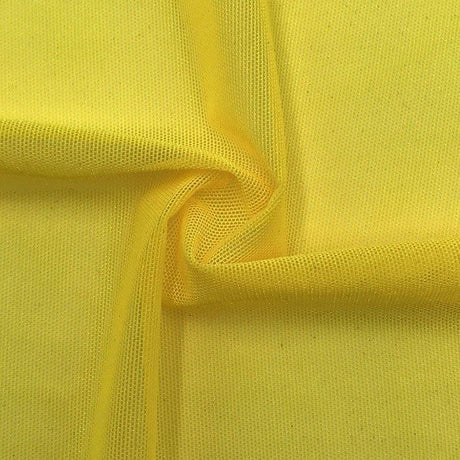
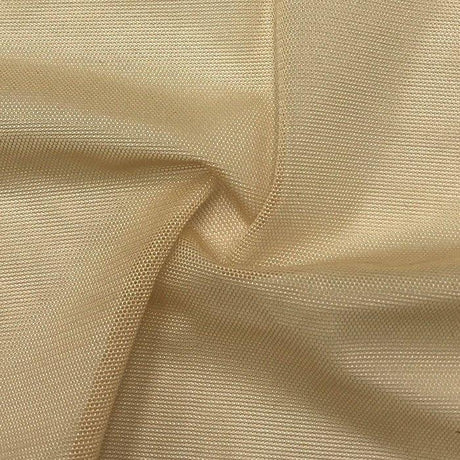
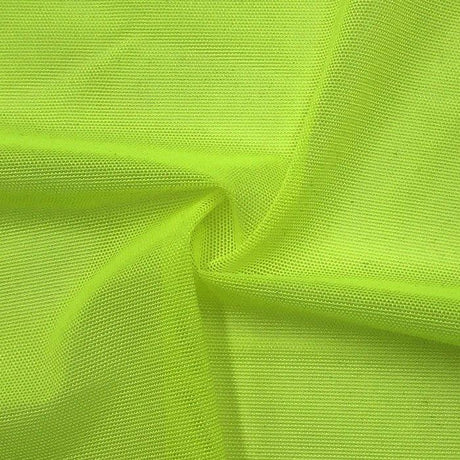
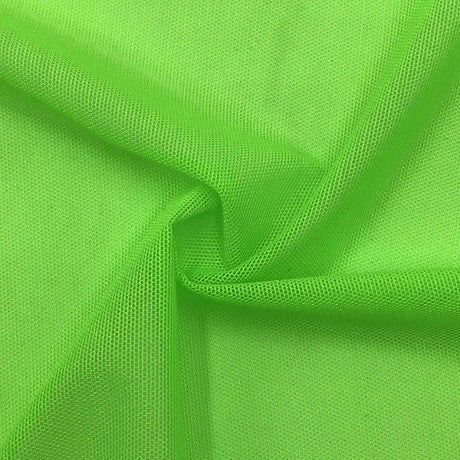
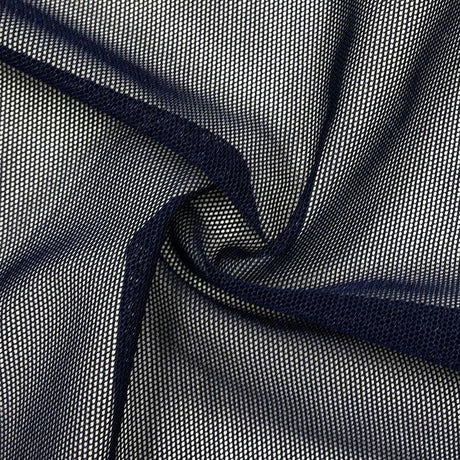
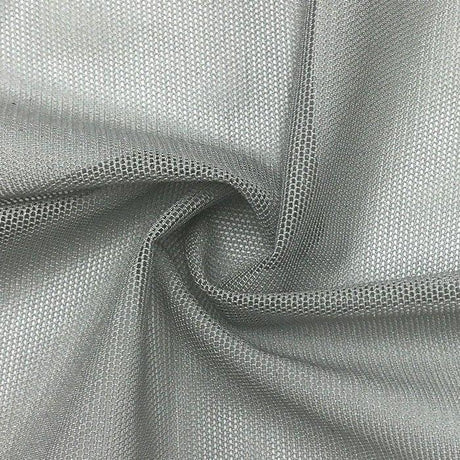
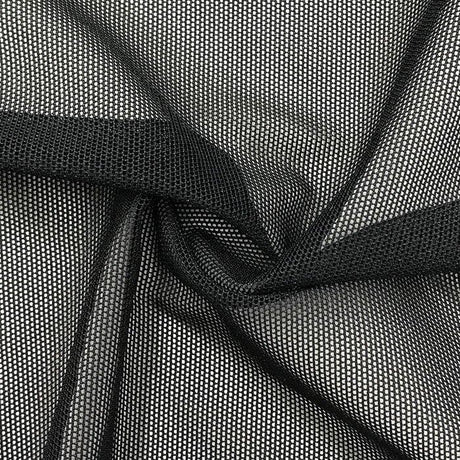
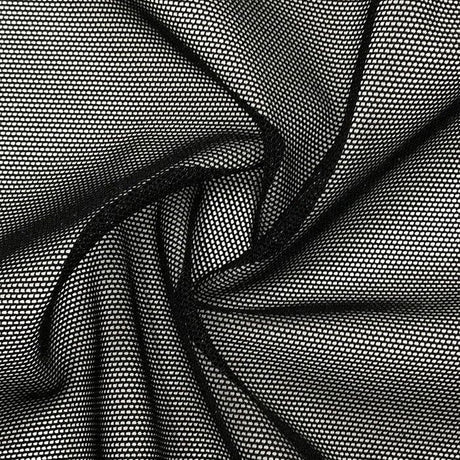
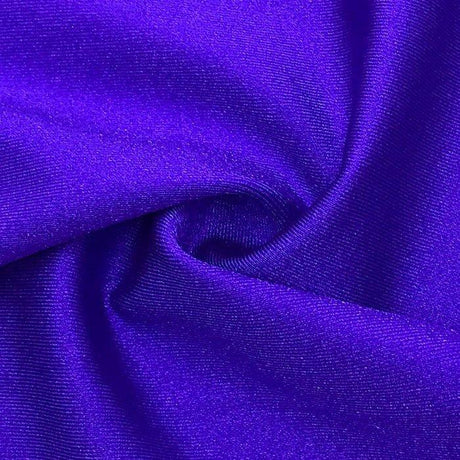
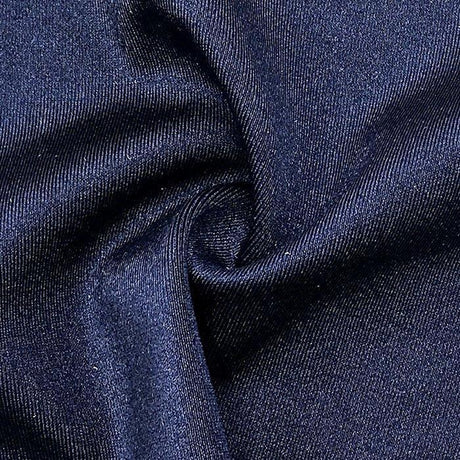
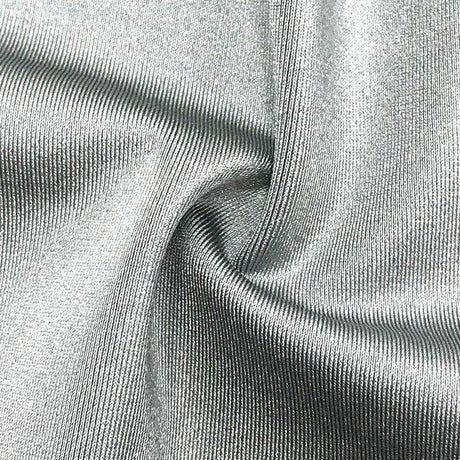
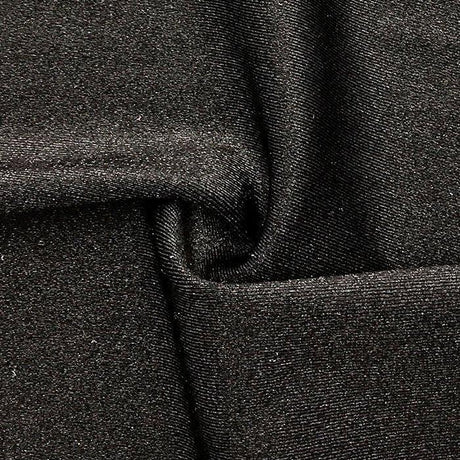
In performance apparel such as activewear and swimwear, choosing the right mesh fabric and lining can make a significant difference in comfort, support, and durability. Mesh fabrics are characterized by an open, net-like structure that provides breathability, and they are often used in sporty garments for ventilation or support. This article delves into power mesh – a specialized stretch mesh fabric – and various lining fabrics used in activewear and swimwear. We will explain what power mesh is (its composition, stretchability, breathability, and durability), how it’s used in garments, and how it compares to other mesh fabrics. We’ll also define lining fabrics, discuss common lining materials and their role in performance garments, and explore how designers choose linings for swimwear and activewear (considering moisture management, quick-dry properties, anti-microbial features, and support). Throughout, we include technical insights such as fabric weight (GSM), elasticity, layering strategies, construction methods, and relevant industry standards (like OEKO-TEX certification) – all in a professional, detailed tone for a textile-savvy audience.
What is Power Mesh Fabric?
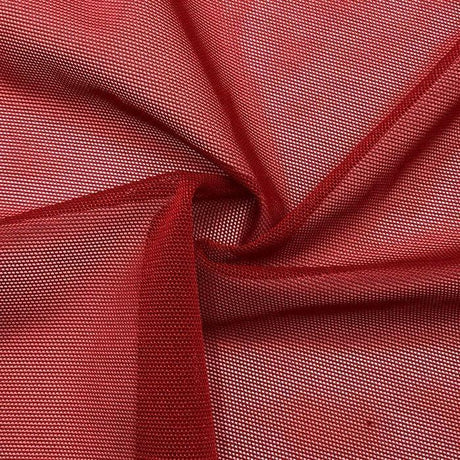
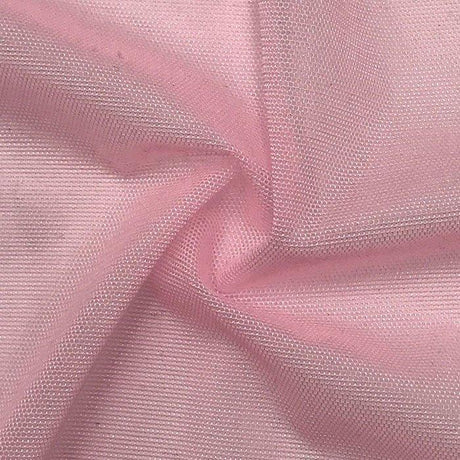
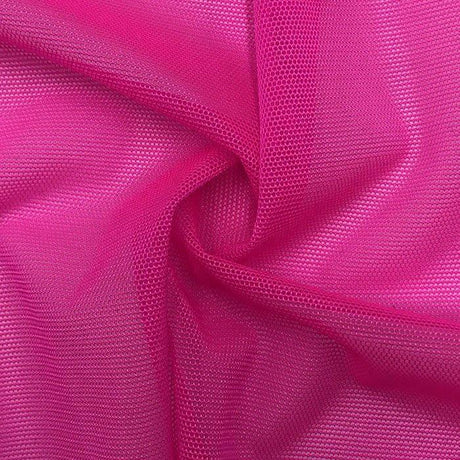
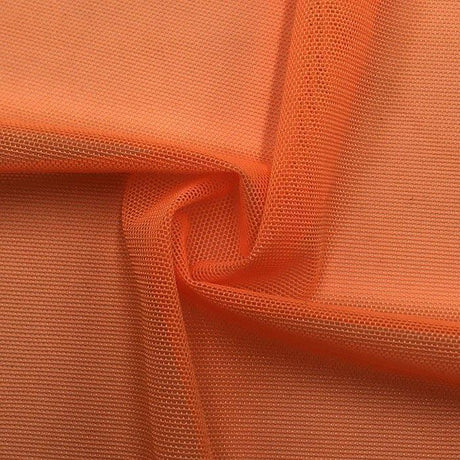
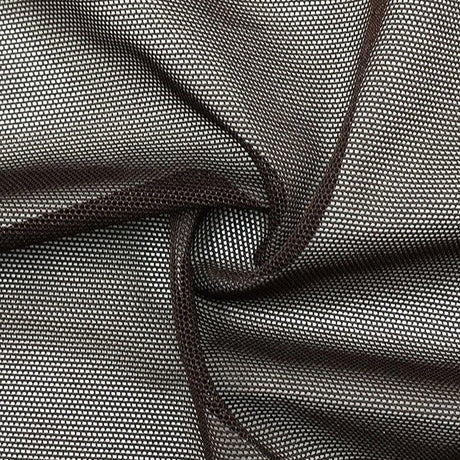
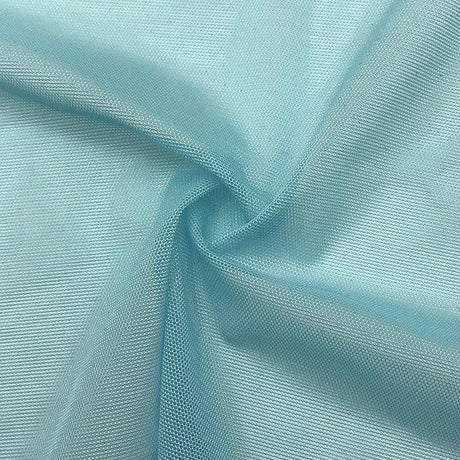
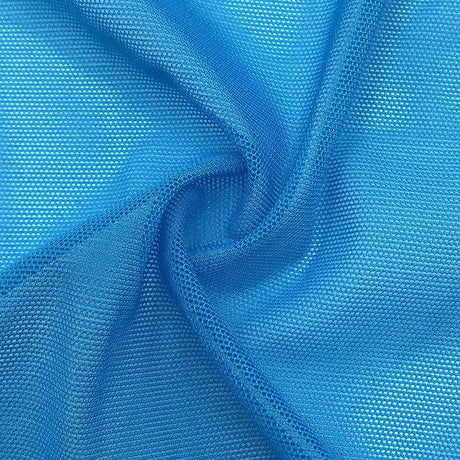
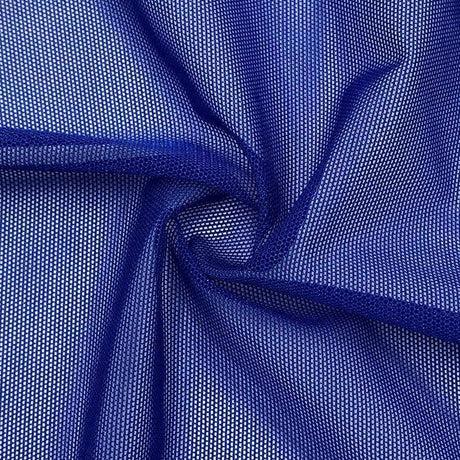
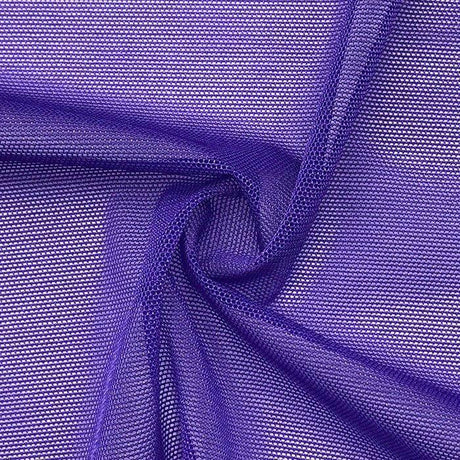
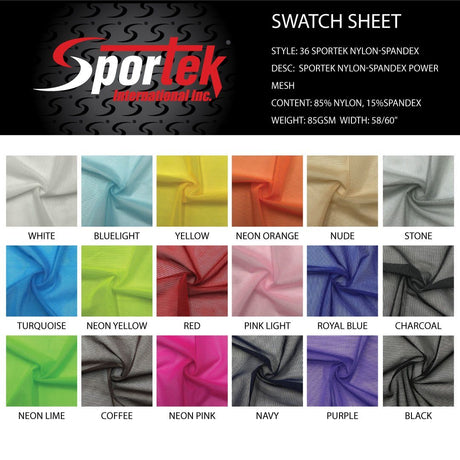
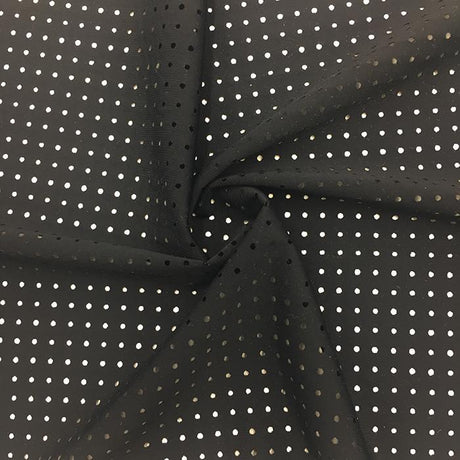
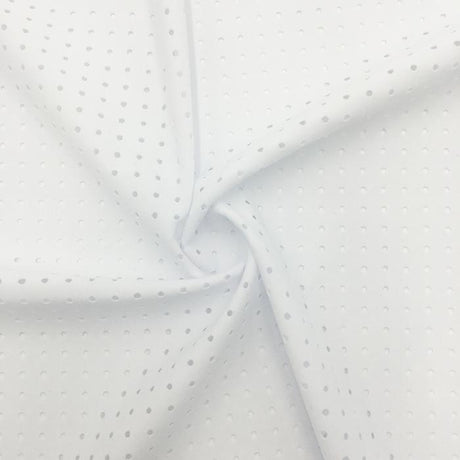
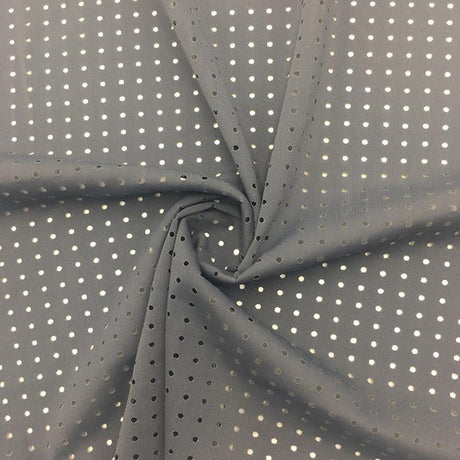
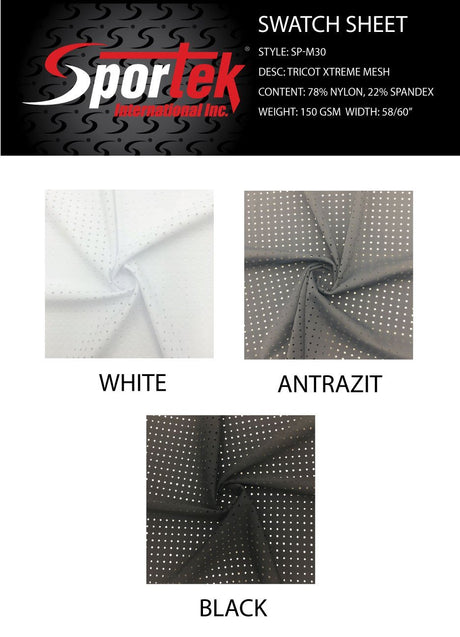
Power mesh (also called power mesh fabric or stretch mesh) is a type of mesh fabric known for its combination of flexibility and support. It is a lightweight, sheer knit material with closely spaced holes (often around 0.05 mm in size) that give it a net-like appearance and high breathability. Unlike rigid netting, power mesh is engineered to have significant stretch. It is typically made from a blend of synthetic fibers (usually nylon or polyester) and elastane (spandex). A common composition is about 80–90% nylon with 10–20% spandex, though some variants use polyester instead of nylon. The added spandex provides 4-way stretch (meaning it can stretch in both width and length), which makes the fabric form-fitting and resilient. For example, a nylon/spandex power mesh with ~10% spandex might stretch roughly 20% in the vertical direction and 35% horizontally, allowing it to move with the body while still “snapping back” to its original shape.
One key advantage of power mesh is its balance of stretch and recovery. The nylon-based varieties are especially prized for their ability to retain shape and not lose elasticity over time. In fact, nylon power mesh holds its form even after repeated stretching, whereas comparable polyester mesh fabrics may gradually distort or lose shape. This translates to durability in garments – power mesh panels will continue providing support without sagging prematurely. Despite being lightweight (often around 90–100 grams per square meter) and only ~0.3 mm thick, this mesh fabric is surprisingly strong. Manufacturers note that quality power mesh can support a considerable load for its weight (one source claims roughly 20 lbs before failure) due to its tough synthetic fibers and knitted structure. The mesh construction not only offers strength but also ensures breathability – the tiny holes allow airflow and help moisture evaporate, keeping the wearer cooler during intense activity.
Technically, power mesh is produced through warp knitting, a method of knitting that gives the fabric a stable but elastic structure. In warp-knitted mesh, yarns run in the vertical direction, creating an interlocked pattern that can withstand tension and provides controlled stretch. This knitting technique is ideal for supportive stretch fabrics: it can be designed to have firm elasticity in one direction and slightly less stretch in the other, which is useful for maintaining support in garments. The mesh’s open knit pattern (often forming small hexagonal or honeycomb-shaped holes) is what grants it both flexibility and breathability. After knitting, power mesh fabrics often undergo finishing processes such as dyeing and heat-setting. Some variants are treated for specific performance features – for instance, a chlorine-resistant finish for swimwear applications or a moisture-wicking treatment for athletic use. Overall, power mesh fabric is defined by being stretchy, breathable, and resilient, making it a go-to material when designers need a fabric that can provide gentle compression or support without bulk.

Applications of Power Mesh in Activewear and Swimwear
Power mesh’s unique properties make it extremely versatile in activewear and swimwear design. In activewear, it is used both functionally and aesthetically. You’ll often find power mesh panels in sports bras, leggings, and athletic tops. For example, a high-impact sports bra might incorporate power mesh in the racerback or side panels to add extra support and stability while still allowing ventilation to the skin. Stretch/power mesh is commonly used as a lining in sports bras or bralettes that require lighter support, providing a smooth, breathable layer against the body. Because it has a softer drape than extremely firm fabrics, it can contour to the body and prevent chafing, all while wicking moisture. In leggings and tights, power mesh inserts are popular behind the knees, along the thighs, or down the calves – these mesh fabric panels increase airflow to cool the athlete and also add stylistic sheer details. Despite being sheer, power mesh can handle the stretch of dynamic movements; it moves with the wearer during workouts. Some designs even use power mesh pockets or overlays (for instance, a mesh pocket inside running shorts or a phone pocket on yoga pants) since the fabric can stretch to accommodate items and return to shape. Additionally, power mesh is found in compression garments and shapewear used for fitness or wellness – its gentle compression can “hug” muscles or provide mild shaping without the stiffness of a woven fabric.
In swimwear, power mesh is often hidden just beneath the surface, quietly doing the work of shaping and support. Many swimsuit manufacturers line their suits with power mesh to achieve “tummy control” or bust support without adding heavy, restrictive layers. For example, it’s common to see a one-piece swimsuit with a front panel of power mesh lining the inside; this provides a smoothing effect across the midsection while remaining comfortable and flexible. The swimwear brand Nip Tuck Swim noted that they use a powermesh lining in the entire front of their one-piece suits and tankinis specifically to sculpt and support the wearer’s curves. The purpose of such powermesh linings is to increase the garment’s support and give a slimming, figure-smoothing effect, all achieved with a fabric that still stretches four ways and molds to the body. Unlike non-stretch lining fabrics, the mesh moves with you and avoids a “squeezed” feeling. Power mesh in swimwear can also be found in bikini tops or bottoms – for instance, a bikini top might have a layer of power mesh inside the cups or band for extra lift and stability, or high-waisted bikini bottoms might be lined with power mesh to provide gentle shaping of the tummy area. Because it’s sheer, power mesh can also serve as an exterior design element in swimwear: think of one-piece suits with mesh cut-outs or sheer mesh paneling for a stylistic flair. These mesh cutouts not only look modern but also add functional breathability and reduce weight in a swimsuit.
Beyond conventional activewear and swimwear, power mesh shows up in related areas such as dancewear, lingerie, and costumes. Dancers’ costumes and gymnastics leotards often use power mesh for illusion sleeves or inserts, since it matches skin tones in a sheer layer while stretching with movement. In lingerie and shapewear, power mesh (and its sturdier cousin power net) are staples for making garments like longline bra backs, girdles, or bodysuits that need to stretch while providing firm support. These examples underscore how power mesh fabric hits an ideal middle ground: it’s strong yet soft, supportive yet breathable. Whether used as an inner lining or an outer accent, power mesh has become an indispensable material in the toolkit of activewear and swimwear designers for creating garments that perform well under stress.
Power Mesh vs. Other Mesh Fabrics
Not all mesh fabrics are created equal – “mesh” is a broad term encompassing everything from flimsy tulle to heavy-duty athletic nets. Power mesh distinguishes itself by its spandex content and supportive stretch, but it’s useful to compare it with other mesh types commonly encountered in apparel:
- Regular Stretch Mesh: This refers to lightweight mesh fabrics that have some stretch but are generally thinner and more elastic than power mesh. They drape more easily and are often used for decorative overlays or lightweight lining. Stretch mesh typically provides minimal support – it’s valued more for its sheer appearance or breathability. In fact, some vendors use the term “power mesh” loosely, so a very light, drapey mesh might be sold as power mesh by one supplier and just as stretch mesh by another. The key difference is usually the thickness and firmness: true power mesh has a bit more body and recovery, whereas a standard stretch mesh might feel flimsier and have less rebound. Stretch meshes are great for inserts and style (e.g. a mesh-backed workout tank), but if you need to shape or support, you’d opt for the sturdier power mesh.
- Power Net: Power net is closely related to power mesh – in some contexts the names are used interchangeably – but generally power net refers to a heavier, stronger mesh with a tighter knit structure. It is usually made of nylon/spandex as well, but with a higher denier yarn and often higher spandex content for firmer stretch. Power net has an even denser, more tightly woven mesh compared to standard power mesh. This gives it a distinctive firm feel and significant compression capability. For example, power net fabric (often seen in bra bands or medical-grade compression wear) can have higher GSM (180–220+) and very strong recovery, making it ideal for areas requiring serious support. One source explains that power net’s knit is less loose, using thicker threads – essentially a “more powerful” version of stretch mesh meant for sculpting and holding. Despite its firmness, power net still has a mesh construction so it remains breathable and somewhat flexible, but it won’t drape much at all. In summary, use power net when you need maximum support (e.g. control panels, high-support sports bras, shapewear), and use power mesh for moderate support with more comfort. Designers often choose based on the compression level needed: power mesh for gentle support, power net for strong compression.
- Athletic Mesh (Jersey Mesh): This category includes the mesh fabrics used in team jerseys, basketball shorts, and some gym shorts’ outer layers. These are typically 100% polyester mesh fabrics with large, openly spaced holes (for example, the classic basketball jersey with pinhole mesh or football jersey with bigger eyelet mesh). Athletic mesh usually has little to no stretch (aside from some mechanical give) unless it’s a newer stretch variant. It’s prized for durability and breathability in loose-fitting garments. Unlike power mesh, athletic mesh is not meant to hug the body or provide stretch support; instead, it allows air circulation in a relaxed silhouette. You wouldn’t use standard jersey mesh to line a compression garment because it lacks spandex and recovery. However, some modern athletic meshes do incorporate slight stretch or special moisture-wicking structures (like bird’s eye mesh or tricot mesh with wicking) for use in sports uniforms. The key contrast is that athletic meshes are more about ventilation and strength, whereas power mesh is about ventilation with elasticity.
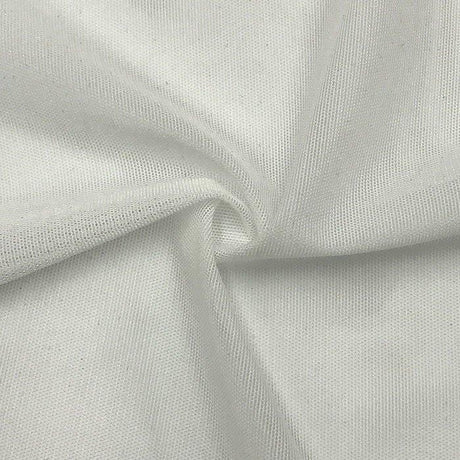
- Tulle and Other Netting: In lingerie and fashion, you might encounter terms like bra tulle, mesh lining, or marquisette. These are lightweight nets that can resemble power mesh but have different stretch properties. For instance, bra tulle is a thin, strong mesh (often nylon) that might have a little give in one direction (up to ~20% stretch) but is much less stretchy than power mesh. It’s used to add stability in bra cups or sheer panels without much stretch. Stable lining nets (like marquisette) have a square hole structure and virtually no stretch at all, acting more like a non-stretch lining. These are mentioned here for completeness: they share the breathable, sheer appearance of power mesh, but if a designer needs zero stretch (for example, to stabilize a certain part of a garment), they might opt for a stable mesh lining instead. In activewear and swimwear, though, completely stable meshes are less common – most performance garments benefit from some stretch.
In summary, power mesh fabric sits in a middle ground on the mesh spectrum. It’s sturdier and more supportive than a basic stretch mesh, but more flexible and softer than a true power net. It provides moderate compression, shape retention, and breathability in balance. When choosing materials, designers consider the required function: if only decorative or airflow purposes are needed, a lighter mesh suffices; if structure is needed, power mesh or power net is selected. It’s important to note that naming conventions can vary, and there is no strict global definition for each term. Therefore, professionals often look at the specs – GSM, stretch percentage, fiber content – to truly understand a mesh fabric’s capabilities rather than relying solely on whether it’s called “power mesh” or something else.
Understanding Lining Fabrics in Performance Garments
Lining fabrics are the unsung heroes of many activewear and swimwear pieces. A lining is essentially an inner layer of fabric in a garment, and its purposes can include: improving comfort (by placing a smooth layer against the skin), providing coverage (preventing transparency), adding support or structure, and managing moisture. In everyday fashion, linings are often silky wovens (like polyester taffeta in a jacket) used to cover seams. However, in performance garments like swimsuits and workout apparel, linings are typically stretchy knits or meshes chosen to complement the outer fabric’s performance. They must accommodate movement and moisture, so the common materials are things like nylon/spandex tricot, polyester blends, or specialized mesh fabrics.
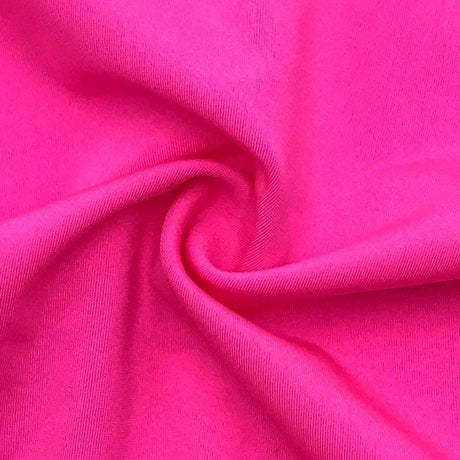
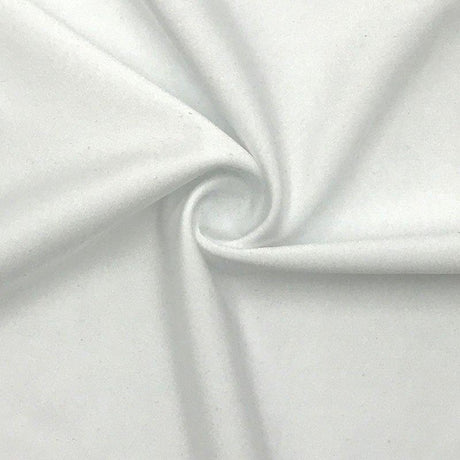
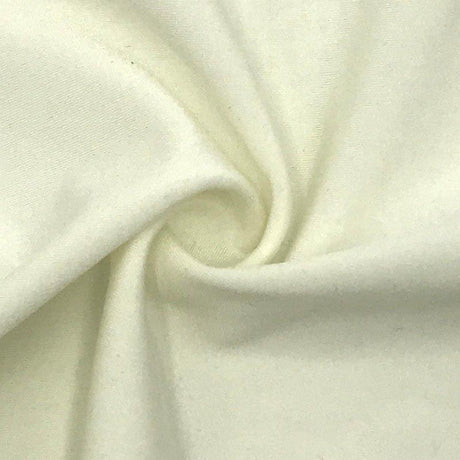
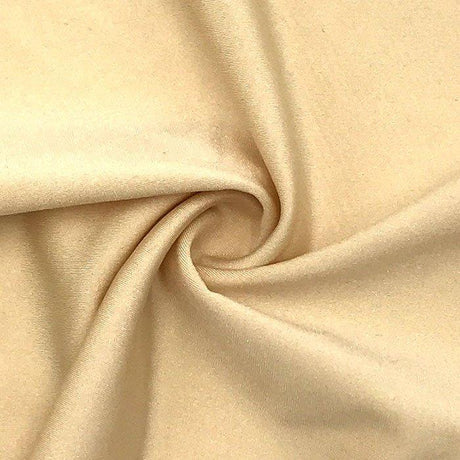
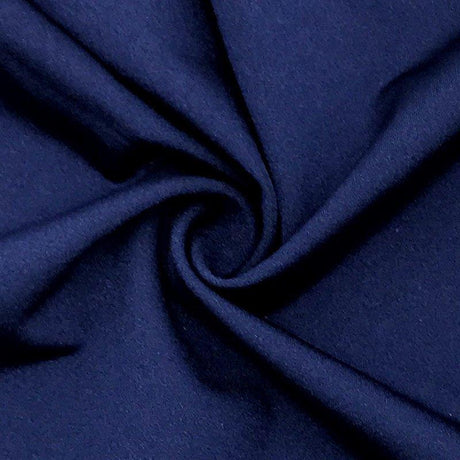
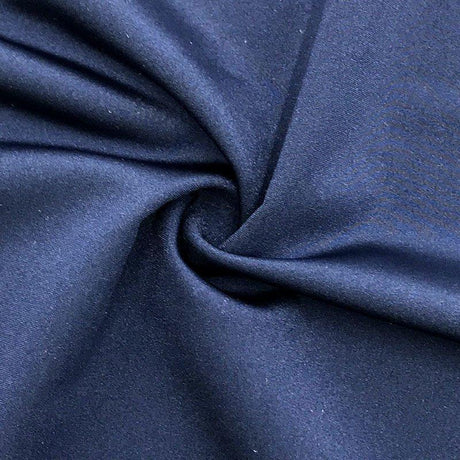
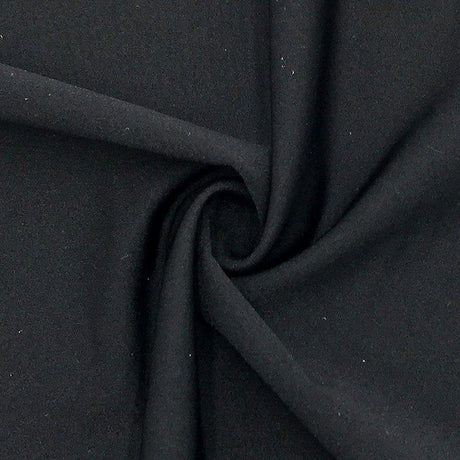
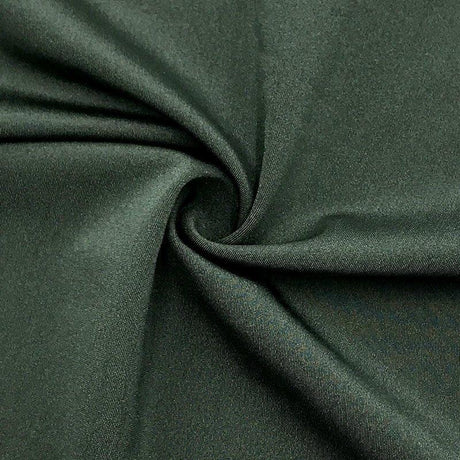
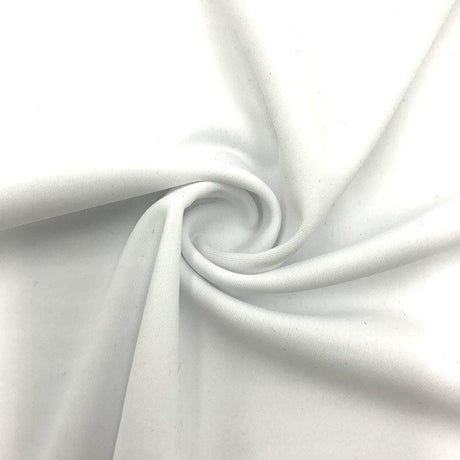
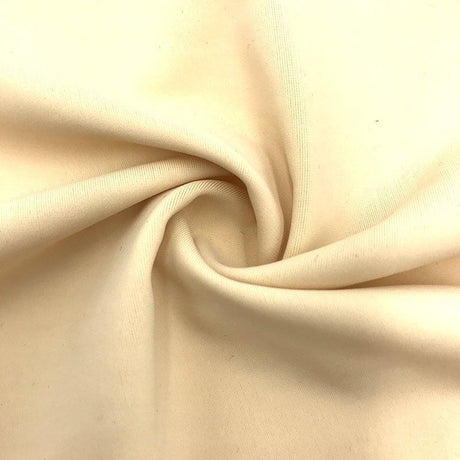
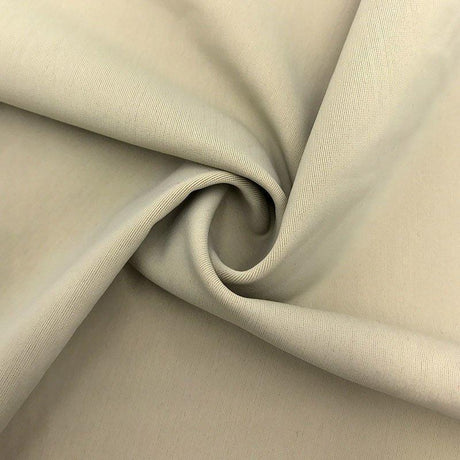
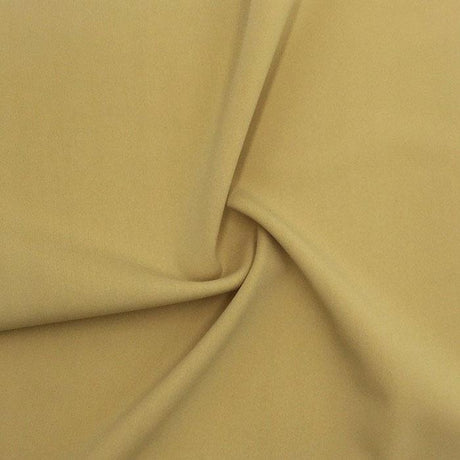
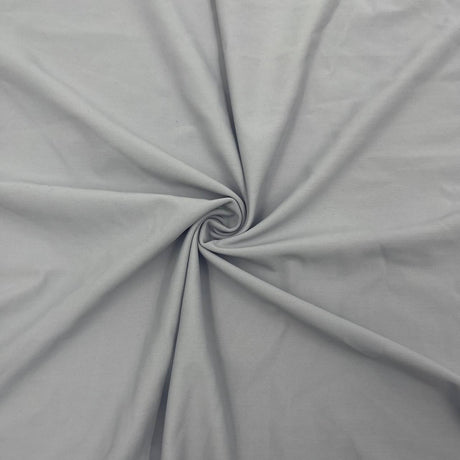
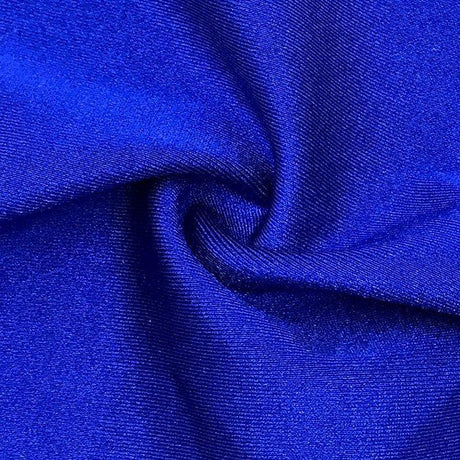
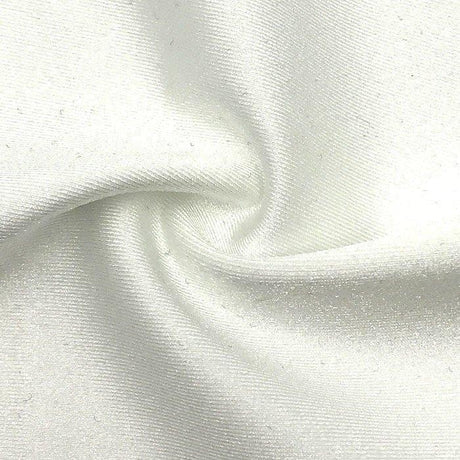
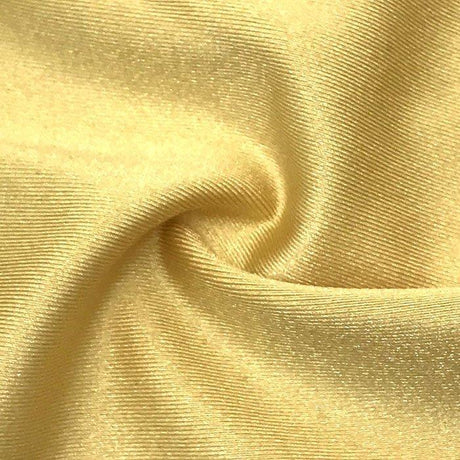
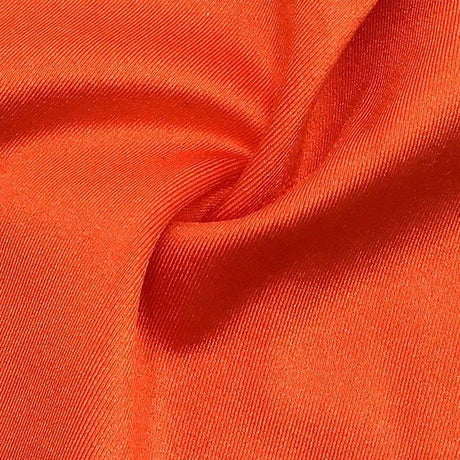
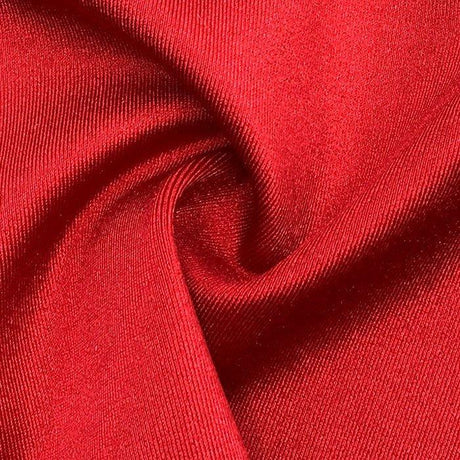
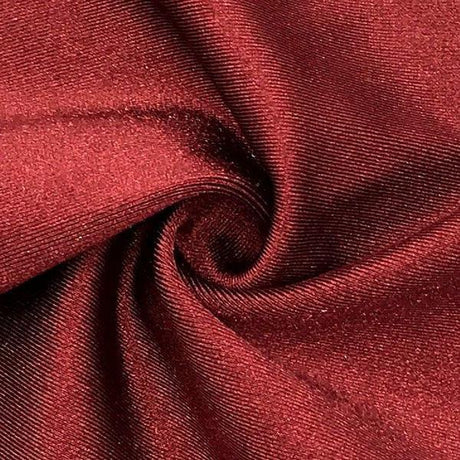
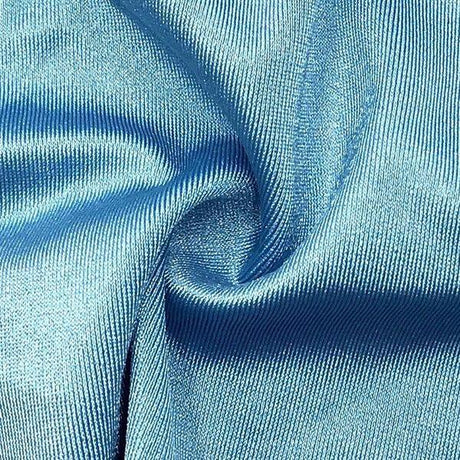
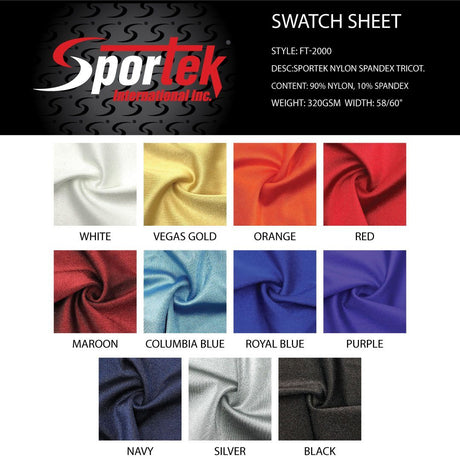
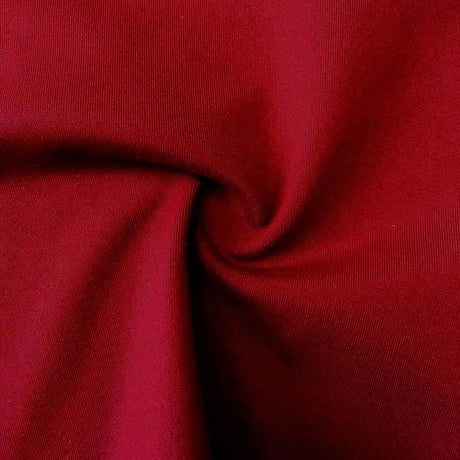
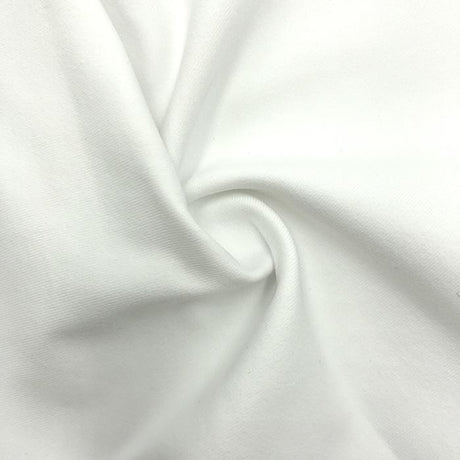
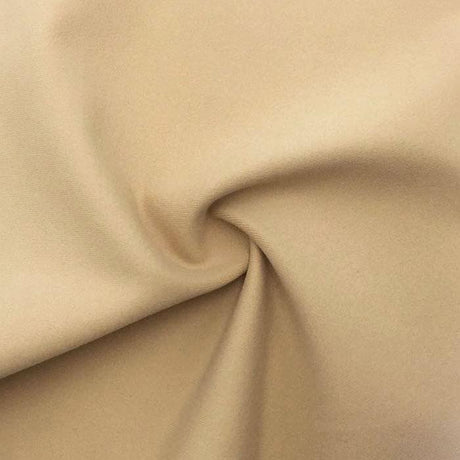
For swimwear, a very common lining fabric is a nylon-spandex tricot knit, usually in a lightweight opaque form. This kind of swim lining is smooth, has 4-way stretch, and is often about 90–120 GSM in weight. It comes in various neutral or coordinating colors and is used across many brands to line front panels of swimsuits or all of a bikini bottom. The lining ensures that the suit isn’t see-through when wet and adds a bit of resiliency to help the suit hold its shape. Another swim-specific lining is Helenca (or "Helenka") lining, which is a type of high-quality warp-knit lining fabric known for a soft, silky handfeel. Helenca linings are usually 4-way stretch as well (around 90–100 GSM) and are favored in higher-end swimwear or designs where the lining might be reversible or visible. This kind of lining drapes nicely and feels luxurious on the skin, which is great for swimsuits that need a clean finish on both sides (e.g. reversible bikinis) or for adding comfort in areas like bikini bra cups.
In addition to nylon-based linings, some swimwear (especially budget-friendly or children’s swimwear) use polyester linings. A common example is a lightweight polyester interlock knit (which is a double-knit structure). Polyester linings might be in the range of 110–140 GSM and can be either 2-way stretch or have a bit of give in both directions. These tend to be a bit thicker and more stable. The upside is that polyester is very durable and chlorine-resistant (important for longevity in pool water) and can hold its shape well, but the downside is it doesn’t dry as fast as nylon-spandex and might feel a bit less breathable. Designers might choose a poly interlock lining for swimsuits when cost is a concern or when they want the lining to provide a bit more structure (since interlock is slightly firmer). However, for performance swimwear, nylon/spandex linings remain popular for their superior stretch and quick-dry feel.
In activewear, linings are used a bit differently. Many active garments (like leggings or tops) are unlined, relying on the main fabric alone. But there are cases where linings play a role. Running shorts often have an integrated brief or boxer liner made of mesh or lightweight knit – this serves to wick moisture and provide support without the need for separate undergarments. Those liners are usually made of moisture-wicking polyester mesh (sometimes a soft athletic mesh with fine holes or a lightweight tricot), chosen for the ability to breathe and dry quickly. Another instance is sports bras, which frequently have a lining layer of specialized fabric: it could be a power mesh lining for moderate support and breathability, or a coolmax/polyester lining that is treated to be moisture-wicking and anti-microbial (to handle sweat next to the skin). The lining in a sports bra is critical – it often has to both manage moisture and contribute to support (for example, by encapsulating the bust or distributing pressure).
Common materials for performance linings include:
- Nylon-Spandex Tricot: Soft, smooth knit with all-way stretch; used in swimwear and some activewear for its comfortable stretch and fast recovery.
- Polyester Knits: Such as interlock or mesh; valued for moisture-wicking and durability. Often treated to enhance sweat evaporation and odor resistance.
- Mesh Fabrics: Both stretch mesh and power mesh can serve as linings. Stretch mesh might line an area for breathability (e.g. the back of a jacket or inside helmet padding in sports gear), while power mesh is used as a lining when extra support is needed (like the front panel of a leotard or yoga pants). In fact, many consider power mesh and power net as specialized lining fabrics in their own right, used inside garments to provide structural support. For example, a high-waist athletic legging might have a power mesh inner layer around the abdomen to act as a hidden compression panel.
The role of these linings in performance garments is multifaceted: they must be comfortable against skin, which means they should be soft and have seams that won’t irritate. They also often handle moisture management – by either wicking sweat away or at least not absorbing too much water. And importantly, linings contribute to the overall performance of the garment: a good lining can enhance support (as with power mesh), improve hygiene (some athletic linings have antimicrobial properties to reduce odor), and extend the garment’s life (for instance, a lining can take on some of the strain or friction, protecting the outer fabric).
Choosing Lining Fabrics for Swimwear & Activewear
Designers must consider several factors when selecting lining fabrics for swimwear and activewear. The ideal lining will complement the outer fabric’s stretch and feel, and also meet the specific demands of the activity (be it swimming, running, yoga, etc.). Here are some key considerations and how they might play out differently for swim vs. active contexts:
1. Stretch Compatibility and Support Needs: A fundamental rule is to match the stretch and recovery of the lining to that of the outer fabric. If an outer fabric stretches 50% and snaps back, a lining that only stretches 10% will restrict movement or cause fit issues. For both swimwear and activewear, linings are usually 4-way stretch to ensure the garment moves uniformly. In swimwear, if the design is a simple triangle bikini, the lining might just be a lightweight nylon tricot that stretches similarly to the swim fabric. But if the design calls for support – say a one-piece with shaping or a bikini top for fuller busts – the designer might choose a power net or power mesh lining strategically. As mentioned, power mesh is often used for gentle compression in swimsuits (for example, to flatten the tummy area or reinforce the bust area). Activewear can have analogous needs: for instance, the front of a pair of compression leggings might be lined with power mesh to provide extra hold in the abs, or a sports bra’s inner layer might be a power net to add bounce control. The choice depends on how much support or structure is needed. A rule of thumb is: use lightweight, smooth linings when you mainly need coverage, and use power mesh/power net linings when you need additional support or shaping.
2. Moisture Wicking and Quick-Dry: Both swimmers and athletes benefit from linings that don’t get soggy or clammy. Moisture wicking refers to a fabric’s ability to pull sweat (or water) away from the skin and allow it to evaporate quickly. In activewear, this is crucial – a good lining in running shorts or athletic underwear will wick perspiration to keep the wearer dry and reduce chafing. Many modern lining fabrics are engineered for this: for example, polyester tech fabrics or blends that are hydrophobic and knit in a way that draws moisture outward. They may also incorporate special fibers (like CoolMax® polyester or bamboo charcoal blends) or chemical finishes that enhance wicking. These linings tend to also be quick-drying, meaning they don’t hold onto water. Nylon-spandex linings in swimwear are also quite quick to dry once out of the water because they don’t absorb much water to begin with – the water is mostly held between the fibers and in the knit structure, from where it can evaporate. However, a caution in swimwear is that overly absorbent linings (like certain thicker interlocks) can feel a bit heavy when wet and take longer to dry, so many brands stick to the lighter nylon tricot linings for that reason. Quick-dry properties are generally more emphasized in activewear linings (for sweat), but for swim linings it’s still a nice feature once you’re out of the pool or ocean.
3. Anti-Microbial and Odor Control: Activewear, in particular, often sees intense sweating, which can lead to bacterial growth and odors in fabric. To combat this, some high-performance linings are treated with antimicrobial finishes or knitted with yarns that have inherent antibacterial properties (such as silver-ion infused fibers). For example, certain polyester athletic linings might have a treatment like Polygiene® or antimicrobial silver salts that inhibit the growth of odor-causing bacteria. This means even if you sweat heavily, the lining fabric resists developing a smell. Similarly, “anti-odor” or “anti-microbial” linings are used in items like running shorts liners, athletic underwear, and armpit panels of shirts. While not every garment needs this, it’s a selling point for many sports brands. In swimwear, anti-microbial features are less common (since odor from sweat isn’t a primary issue in water), but they could be beneficial for swim liners that double as active shorts, etc. Fabrics that wick and dry quickly inherently help with odor too, by not giving bacteria a moist environment to thrive. A good example of the synergy of these properties: some stay-dry performance fabrics “wick moisture away while preventing bacterial growth and odor, making them ideal for active wear”. Designers will specify such linings especially for products like athletic shorts, leggings, or anywhere that touches sweat-prone areas.
4. Chlorine and Salt Resistance (for Swim Linings): Swimwear linings must withstand exposure to chlorinated pool water, saltwater, and UV radiation. Chlorine is notoriously harsh on spandex/elastane fibers – it causes them to break down (losing stretch) much faster than plain water. Therefore, a consideration for swim linings is using materials that either have a higher chlorine resistance or using elastane like Xtra Life Lycra® which is treated to resist chlorine degradation. A chlorine-resistant lining will last longer in a swimsuit that’s used frequently in pools. For instance, some swim linings advertise using Xtra Life Lycra that is 10-15% more resistant to chlorine than standard spandex, helping the suit maintain its elasticity. Polyester itself is chlorine resistant (doesn’t break down in chlorine), so a polyester swim lining can be a good choice for longevity – though as mentioned, it might not be as soft or quick-drying. Designers often balance these factors: a competition swimsuit might use a thin poly lining purely for durability, whereas a fashion swim piece might use a softer nylon lining but advise rinsing after use to prolong its life. Saltwater and UV can also fade or weaken fabrics over time, so high-quality linings will be UV-stabilized or use solution-dyed yarns to prevent color fading. Some lining fabrics also come with UPF (ultraviolet protection factor) ratings, meaning they’ve been tested to block UV – this is more relevant to outer fabrics, but a lining can contribute to overall UV blockage if the outer material is sheer.
5. Comfort and Skin Feel: The lining is what actually touches the skin, so its texture matters. A good lining for activewear/swimwear should be smooth, soft, and non-irritating. This is why we see special linings like helenca (with a silky feel) in higher end swim garments. Seam placement and construction of linings also come into play: many swimsuits “bag” the lining (enclosing the seams between lining and outer fabric) so that the wearer only feels smooth fabric inside. In activewear, linings like briefs in running shorts are often made with soft mesh and have brushed elastics or bindings so that edges don’t scratch. If a garment is intended for long durations of wear (e.g. all-day wear sports bra or a triathlon suit), the lining choice is critical to prevent chafing. Thus, beyond technical specs, the tactile test is important – a lining might have all the performance properties on paper, but if it’s scratchy or plasticky feeling, it won’t be chosen for a high-quality garment.
In practice, choosing the right lining is a bit of a balancing act between these factors. The designer will ask: Does this garment need extra support or just coverage? Will it encounter a lot of sweat, and do we need anti-odor? Is it for chlorinated water? Does the stretch match? Ideally, the lining fabric should mirror the stretch and recovery of the shell fabric, and add any needed enhancements (support, wicking) without detracting from comfort. Here are a few summarized tips for selecting linings in these performance garments:
- Match stretch to the outer fabric: A lining should have equal or greater stretch than the shell fabric so it doesn’t restrict movement.
- Use power mesh/power net for support zones: When a design calls for shaping (e.g. bust support, tummy control), incorporate a layer of power mesh or power net in that area. This gives targeted compression while the rest of the garment can use a lighter lining.
- Opt for lighter linings if support isn’t needed: For purely aesthetic lining (just to prevent transparency or create a clean finish), a lightweight tricot or even self-fabric lining can be used so as not to add bulk.
- Ensure moisture management for activewear: For workout gear, pick linings labeled as moisture-wicking and, if possible, with anti-microbial properties to keep the garment dry and odor-free. This might mean using technical polyester meshes or adding an anti-odor finish.
- Consider the end-use environment: Chlorine-resistant linings for pool swimwear, or very soft silk-like linings for garments that will be worn for extended periods or against sensitive skin. For reversible swimwear, choose a lining that is attractive and non-bulky enough to function as a second outer layer (helenca is a great example of this).
By carefully evaluating these aspects, designers can choose a lining fabric that enhances the final product – making a swimsuit or active garment not only look good but feel good and perform well under its intended conditions.
Technical Considerations for Designers and Textile Professionals
When working with power mesh and performance linings, designers and textile professionals pay attention to several technical specifications and construction details. Understanding metrics like GSM, elasticity, and fabric construction helps in selecting the right material and using it effectively in a garment.
Fabric Weight (GSM) and Thickness: The weight of a fabric, measured in grams per square meter (GSM), is a key indicator of its substance and support level. Power mesh fabrics come in different weights. A lighter power mesh may be around 80–100 GSM (very sheer, with mild support), whereas heavier power meshes or power nets can be 150 GSM or above, offering much firmer hold. For example, a power mesh of 130–150 GSM is considered ideal as a supportive swimsuit lining for control panels – it’s strong enough to shape but still pliable. In contrast, power net at 180–200+ GSM is used in areas like bra bands where maximum reinforcement is needed. Designers will choose the GSM appropriate for the application: lower GSM for areas requiring stretch and comfort, higher GSM for areas needing structure. Thickness (in mm) is related; most power meshes are quite thin (around 0.3 mm as noted earlier), but thicker ones exist for heavy compression. It’s also important to note GSM when layering – if you plan to layer multiple sheets of mesh, two layers of 100 GSM mesh roughly equate to a single heavier layer in feel (though with possibly more airflow in between). Sampling different weights is common to achieve the desired hand-feel and power.
Elasticity and Recovery: Aside from just the percentage stretch, professionals look at power mesh’s modulus – essentially how hard you have to pull to stretch it and how well it springs back. A fabric with 50% stretch can feel loose or can feel tight depending on its modulus. Power mesh is known for having a firm stretch and high recovery (it “snaps back” strongly). The elastane content (usually 10–20%) is a big factor here: more spandex generally means more stretch and better recovery, but also potentially more sensitivity to heat/chlorine. The orientation of the pattern pieces on the mesh is also considered: since some power meshes stretch a bit more in one direction, a designer might align the greatest stretch horizontally around the body (for comfort) and the lesser stretch vertically (to prevent vertical sagging). The earlier example from a supplier showed 35% stretch in width vs 20% in length, which is typical – you’d want the higher stretch around the body circumference. Recovery is tested by stretching a swatch and seeing if it returns to shape without residual elongation. Power mesh scores high in recovery due to the spandex and nylon’s resilience. Over time, of course, all elastic fabrics will fatigue, but a quality power mesh (especially one that is chlorine-resistant for swim) will hold up through many wear cycles. Designers sometimes choose power mesh with slightly less stretch for compression wear (so it acts like a gentle “spring” on the body) or with more stretch for delicate applications like mesh sleeves that need to be very elastic.
Layering and Panel Construction: When incorporating power mesh or lining fabrics into a design, one must consider how they will be layered and seamed. Layering strategies include using a full lining (covering entire inside of the garment) versus targeted panels. A full lining with a lightweight tricot can give a swimsuit a uniform feel on the inside and prevent any see-through, whereas targeted power mesh panels can be placed only in certain zones (for example, a front tummy panel, or an inner bra sling). If a garment uses multiple layers of power mesh or power net, the compression effect adds up: two layers of a moderate power mesh can approximate the firmness of one layer of heavier power net. Bra makers, for instance, often double up power mesh layers in the wings of a bra to increase support if one layer isn’t strong enough. When layering mesh, it’s important to still match stretch – usually, identical fabric is layered so they move in sync. Sewing three layers together (outer fabric + two layers of mesh) can be tricky in terms of seam bulk and stretch, so construction technique is key (see below).
Another aspect is whether the lining is free-floating or fixed. In many swimsuits, the lining is sewn at the edges (leg openings, etc.) but free inside, whereas in activewear like a lined short, the liner might be sewn into the waistband only. Sandwiching mesh between outer fabric layers is a common technique to hide it while it does its job – for example, a power net panel might be sandwiched between the outer fabric and a lightweight lining for a seamless look from both sides. This requires precise cutting so each layer aligns and equal tension is distributed.
Construction Methods (Seams & Stitching): Working with stretch mesh and linings requires appropriate sewing methods to maintain elasticity and avoid damage. A key tip is to use a ballpoint (stretch) needle when sewing power mesh. The ballpoint needle slides between the knit fibers instead of piercing them, reducing the chance of causing tears or runs in the mesh. For seams, a zig-zag stitch or serger/overlock stitch is recommended on power mesh. These stitches inherently have stretch. A narrow zig-zag can join two mesh pieces while still allowing them to stretch at the seam; similarly, a 3-thread or 4-thread overlock from a serger will sew a secure seam with elasticity. In high-stress areas, sometimes a twin-needle coverstitch is used on the outside to topstitch seam allowances down (common in activewear for comfort and appearance). When finishing edges of mesh fabric (for example, an unlined mesh panel at a neckline or sleeve), methods include binding with stretch binding (fold-over elastic) or simply hemming with a fine zig-zag. Mesh generally doesn’t fray like a woven, but it can curl at the edges and the elastic threads can snag, so enclosing the edge or securing it with a band is wise for longevity.
If the mesh is used as a lining that’s sewn into seams, one technique is the “bag lining” method where the outer fabric and lining are sewn right sides together and then turned, concealing the seam allowances between layers. This is frequently done in swimwear so that the edges (like around the leg or arm) have a clean finish and the lining is fully integrated. It’s a bit more complex with power mesh since it’s sheer – you have to be mindful of seam allowance show-through – but with correct color matching it’s fine.
Gussets and Hygiene Linings: A small but important note: in swimwear, the crotch area usually has a gusset lining (often a piece of moisture-wicking or antimicrobial fabric). Sometimes this is just a continuation of the main lining, or it could be a different fabric (like a cotton blend or an antimicrobial synthetic). Active leggings sometimes include a similar gusset lining for comfort. These pieces are chosen for softness and moisture control to keep the most sensitive areas dry and comfortable. They often have a breathable, anti-odor fabric – for instance, a silver-infused poly or a quick-dry coolmax cotton – which is another layer of consideration in design.
Industry Standards and Quality Certifications: Professionals also ensure that their fabric choices meet quality and safety standards. For example, many swimwear and activewear fabrics (including meshes and linings) are certified under OEKO-TEX® Standard 100, which is a globally recognized standard confirming that the textile contains no harmful substances in levels that could affect human health. Using an OEKO-TEX certified power mesh or lining gives confidence that the fabric is free from dangerous chemicals like certain dyes, formaldehyde, heavy metals, etc., which is important since these garments are worn next to the skin (often for long periods and while sweating, which can increase absorption). In fact, the Standard 100 label means every component of the product – down to threads and elastics – has been tested against a list of over 1,000 harmful substances. This is highly relevant for intimate apparel and sports gear. Designers may request certification info from suppliers to ensure their materials comply with regulations like REACH (for chemicals) and to market the safety of their product.
Additionally, sustainability and performance certifications might come into play. For instance, some performance linings might be bluesign® approved (meaning they were produced with minimal environmental impact and safe inputs) or made from recycled fibers (there are now recycled nylon and polyester meshes on the market, often certified by Global Recycled Standard). In swimwear particularly, materials like ECONYL® (recycled nylon from ocean waste) are popular for outer fabrics; similarly, linings can also be sourced with recycled content to make the entire garment more eco-friendly. While the article’s focus is not sustainability per se, it’s worth noting that the textile industry is moving toward these standards, and a technical audience would be aware of choosing certified materials for both safety and marketing appeal.
Conclusion: In conclusion, understanding the nuances of power mesh and lining fabrics is essential for anyone designing or producing activewear and swimwear. These materials might be hidden inside a garment or used as eye-catching panels, but either way they greatly influence the fit, function, and quality of the final product. Power mesh brings in that rare combination of stretch, strength, and airiness that can transform how a garment supports the body, while thoughtfully chosen lining fabrics ensure comfort, longevity, and performance. By paying attention to specs like GSM and stretch, considering factors like moisture management and durability, and adhering to standards like OEKO-TEX, industry professionals can create activewear and swimwear that not only performs under pressure but also earns the trust of consumers. The result is apparel that feels as good as it looks, whether you’re doing laps in a pool or sweating through a tough workout – all thanks to the high-tech mesh and lining fabrics working intelligently behind the scenes.