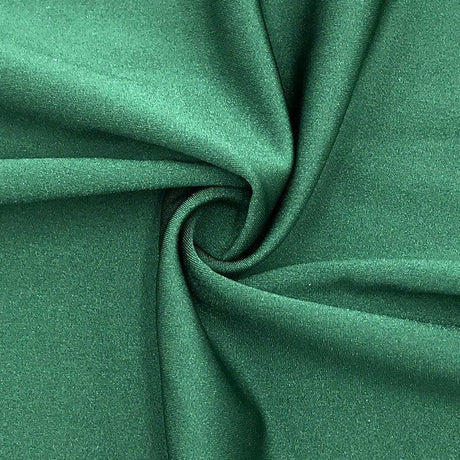
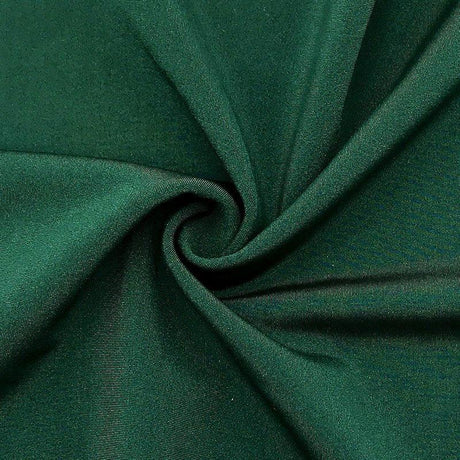
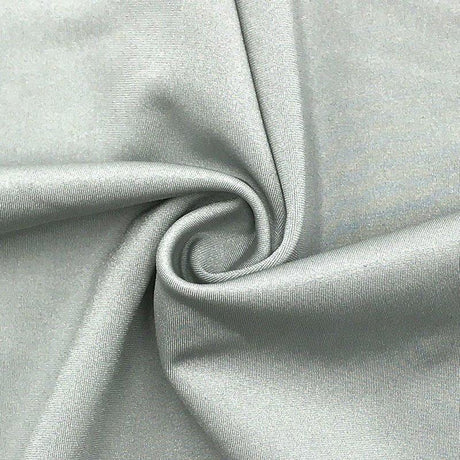
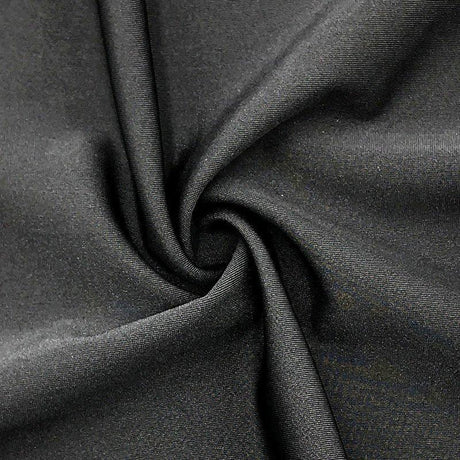
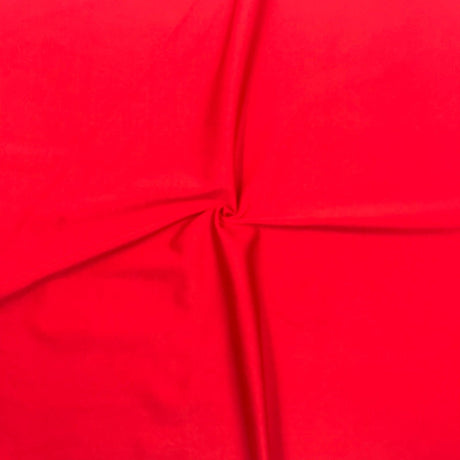
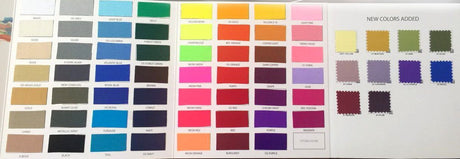
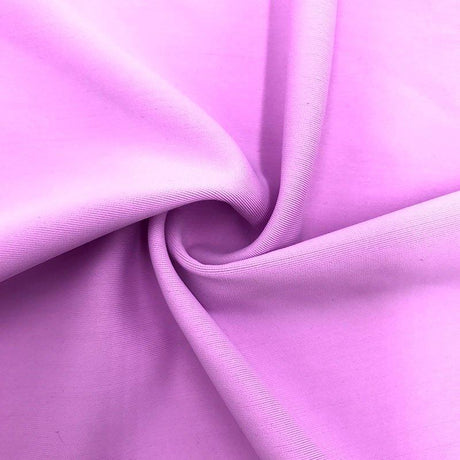
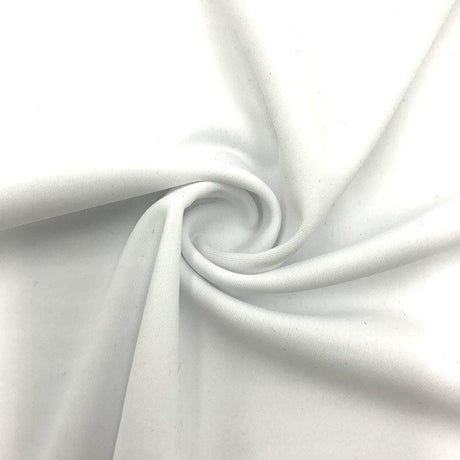
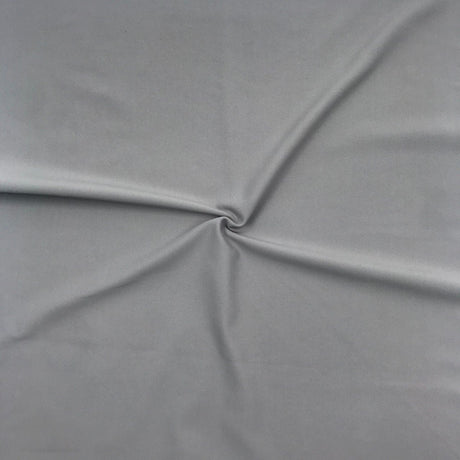
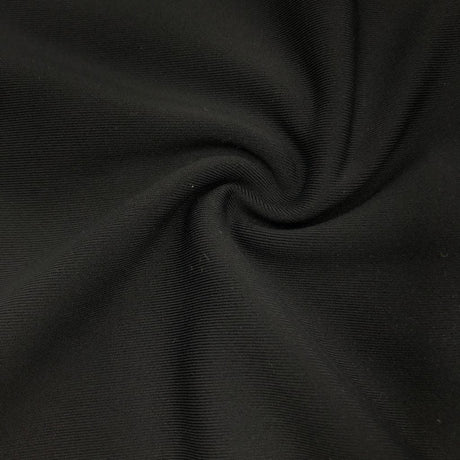
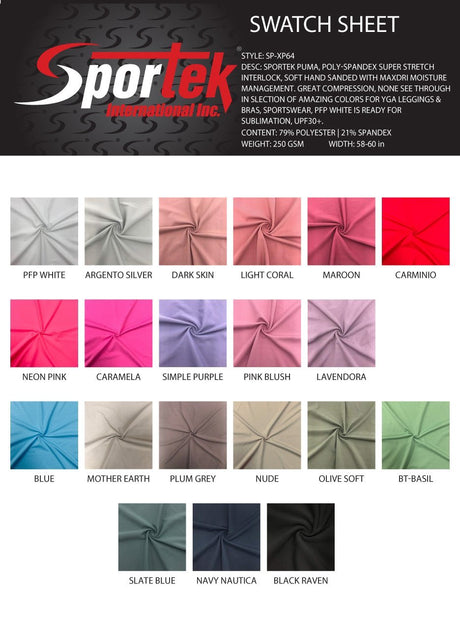
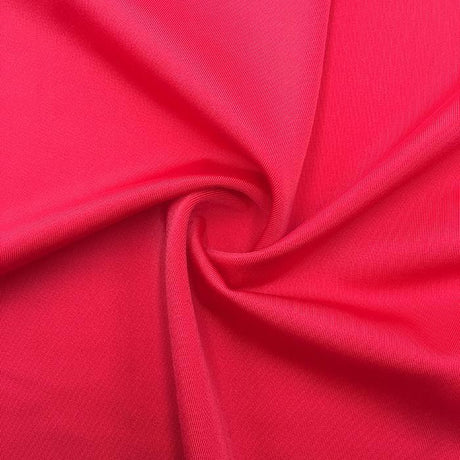
Stretch fabrics have revolutionized clothing by making garments more comfortable and form-fitting. Whether you’re sewing your own leggings or shopping for fabric by the yard, knowing the difference between 2-way stretch and 4-way stretch fabric is essential. In this article, we’ll explain what stretch fabrics are, how 2-way and 4-way stretch differ, and how each behaves in use. We’ll also dive into the technical construction (knits vs. wovens, spandex/elastane content), how stretch is measured, and the materials that typically offer 4-way stretch. To help you make the best choices, we’ll compare their performance, fit, and comfort, highlight common use cases (from activewear and swimwear to upholstery and medical garments), and share practical tips for designers or DIYers shopping for 4-way stretch fabric by the yard. All of this in a friendly, beginner-friendly tone – let’s stretch our knowledge!
What Are Stretch Fabrics?
Stretch fabrics are textiles specifically designed to have elasticity – meaning they can elongate and return to shape. This stretchiness can come from two factors:
- Mechanical Stretch: This refers to the natural give of the fabric’s construction. For example, knit fabrics are made of interlocking loops of yarn, which inherently allows them to bend and stretch. Even without special fibers, a knit will have some stretch because of its looped structure. Certain weave patterns can also provide a bit of give.
- Fiber Content (Added Stretch): Many modern stretch fabrics include elastic fibers like spandex (also known as elastane or the brand name Lycra). These fibers can significantly increase a fabric’s stretch beyond its natural knit or weave elasticity. For instance, a small percentage of spandex blended with cotton, polyester, or nylon gives the fabric remarkable elasticity and recovery (the ability to spring back).
In short, a stretch fabric could be a knit that stretches due to its looped knit structure, or it could be any fabric (knit or woven) that has elastic fibers integrated. The result is a cloth that can bend, flex, and conform to movement – a game changer for comfort and fit in clothing. Stretch fabrics simplify garment construction (less need for zippers or darts for fit) and increase comfort and lifespan of garments, since they move with you and snap back instead of tearing or bagging.
2-Way vs. 4-Way Stretch: What’s the Difference?

When people talk about 2-way versus 4-way stretch, they’re describing how many directions the fabric can stretch. Despite the naming, it essentially boils down to one-directional stretch vs. bi-directional stretch:
- 2-Way Stretch Fabric: A 2-way stretch fabric typically stretches in only one direction. Usually this is along the width (selvage to selvage) of the fabric, and not along the length. In practice, that means the fabric will expand sideways (around the body) but has little to no stretch top-to-bottom. (Conversely, some fabrics might only stretch lengthwise, but not widthwise – the key is they stretch on only one axis.) Because it stretches on one axis, some people call this “one-way” stretch. To keep things simple, we’ll use 2-way to mean one-directional stretch. A common example: many woven stretch denims have spandex only in the crosswise direction, so your jeans might stretch around your hips but not vertically.
- 4-Way Stretch Fabric: A 4-way stretch fabric stretches in both directions – horizontally and vertically. In other words, it can stretch side-to-side and up-and-down, giving multi-directional elasticity. This is sometimes called “two-way” by some manufacturers (since it stretches two ways: width and length), but we’ll stick with the more popular term 4-way stretch to mean a fabric that stretches along both the width and length. A classic example is spandex knit (like swimsuit fabric or yoga knit), which can be pulled in any direction and will stretch and recover.
How to tell them apart? It’s actually pretty easy: grab a piece of the fabric and tug it in different directions. If it only gives in one direction (and not the other), it’s a 2-way stretch. If it stretches both widthwise and lengthwise with ease, then it’s 4-way stretch. Fabric stores often label this, but it’s always good to test for yourself, especially if you’re shopping by the yard online – we’ll cover some tips for that later.
A note on terminology: Be aware that different sources use the terms differently. Some may refer to one-direction stretch as “1-way” and use “2-way” to mean what we’re calling 4-way stretch. Confusing, right? Most modern fabric retailers, however, use the convention that 2-way = stretches on one axis, and 4-way = stretches on both axes (width and length). When in doubt, rely on the description of which directions the fabric stretches, or ask for clarification.
How Do Stretch Fabrics Work? (Knits vs. Wovens & Elastane Content)
Not all stretch fabrics are created equal. The stretch behavior of a fabric is influenced by how it’s made (knit vs. woven) and what it’s made of (fiber content):
- Knits: Most knit fabrics are naturally stretchy. Knitting involves looping yarns together, which creates an elastic chain structure. Think of a jersey T-shirt – it can bend and pull a bit even if it’s 100% cotton with no added elastic. In knit fabrics, the greatest stretch is usually along the width (the course of the knit), though some knits also have some lengthwise stretch. Many knit materials become 4-way stretch when a fiber like spandex is added, meaning they’ll stretch both across and along the fabric. For example, a cotton jersey with 5% spandex will typically stretch a bit in all directions (compared to a 100% cotton jersey that might only stretch across). Knits are popular for stretch garments because they are soft, flexible, and often recover well when spandex is included.
- Wovens: Traditional woven fabrics (like a classic cotton poplin or denim) are made by interlacing yarns at right angles (warp and weft). Wovens generally do not stretch along the grain – they might have a tiny bit of mechanical give on the bias (diagonal) or if the weave is loose, but nothing like knits. To create a stretch woven, manufacturers incorporate elastic fibers into the weave. Often, a small percentage of spandex or elastane is woven in one direction (usually the width), resulting in a 2-way stretch woven that extends from side to side. This is common in stretch denim, stretch sateen, stretch suiting, etc., where you want a tailored look but a bit of comfort. Less common (but available) are 4-way stretch wovens, where spandex fibers are woven both warp-wise and weft-wise. These can stretch in both directions – for example, some high-end athletic or medical textiles and certain technical outdoor fabrics use bi-directional stretch wovens for maximum mobility. An example is specialized stretch upholstery vinyl that’s designed to cover furniture or boat seats without wrinkles – it stretches in all four directions, unlike regular vinyl which only stretches two ways.
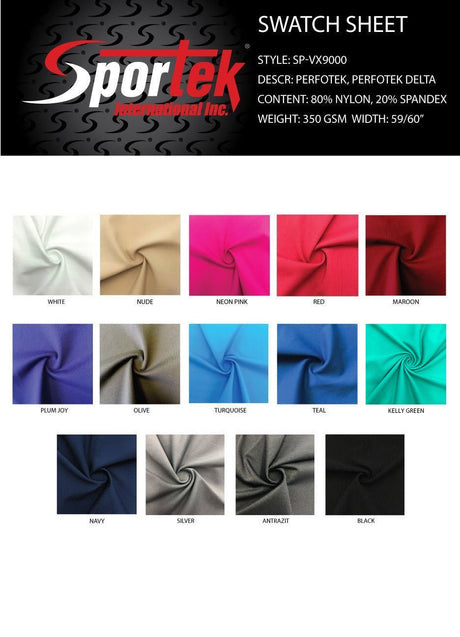
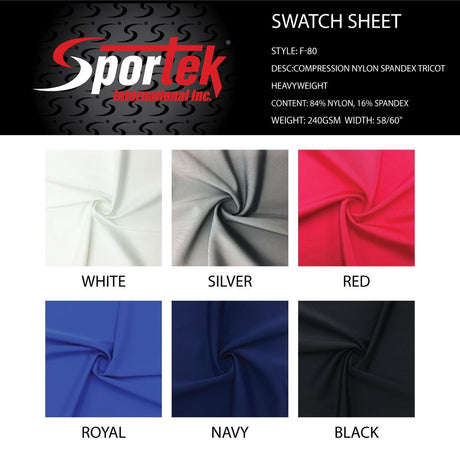
- Spandex/Elastane Content: The inclusion of spandex (elastane/Lycra) is what truly gives many modern fabrics their stretch and snap. Even a few percent of spandex can dramatically increase stretch. Higher spandex content generally means greater elasticity and recovery. For instance, a knit with 20% spandex will be extremely stretchy (think dancewear or swimwear), whereas a woven with 2% spandex will have a mild comfort stretch. Typically, spandex is blended with other fibers (cotton, polyester, nylon, rayon, etc.) rather than used alone. The non-spandex fibers provide structure, breathability, or other qualities, while the spandex provides the elasticity. Most “4-way stretch” fabrics are a blend like nylon/spandex or polyester/spandex, combining the strength and lightweight qualities of nylon/poly with the stretch of elastane. For example, swimsuit fabric is often 80% nylon, 20% spandex – the nylon gives durability and water resistance, the spandex gives 4-way stretch so you can move comfortably. Even in athletic wear made of polyester blends, you’ll usually find some spandex. (Fun fact: Elastane can often stretch 4 to 7 times its own length and still return to shape, which is why a little goes a long way!)
Key takeaway: Knits tend to be soft and stretchy by nature, wovens need a bit of elastic help to stretch. And the magic ingredient making modern fabrics super-stretchy is spandex/elastane. The more of it in the material (to a point), the more stretch in all directions and the better the recovery (the fabric “memory” to spring back without sagging).
Measuring Stretch in Fabric
When shopping for stretch fabric (especially online or in a store like SpandexByYard), you’ll often see stretch quantified as a percentage. This percentage tells you how much larger the fabric can stretch compared to its relaxed length. Here’s how it works and how you can measure it yourself:
- Stretch Percentage: Suppose a fabric is described as “50% stretch”. This means a piece of the fabric can stretch an additional 50% of its length. In practical terms, if you have a 10 cm (4 inch) sample, it could stretch to 15 cm (6 inches) before maxing out – that extra 5 cm is 50% of the original 10 cm. A “100% stretch” fabric could double in length (10 cm to 20 cm, for example). Many knit garments like t-shirt jerseys might only have, say, 25% stretch across the width, whereas a swimwear lycra might easily have 75–100% stretch.
- How to Measure: You can do a simple at-home stretch test. Cut a small swatch (or even use the fabric width between your hands). Mark a 10 cm (or 4 inch) section. Hold one end firmly and stretch the other end until you meet resistance – then measure the new length. The formula is:
- For example, if your 4-inch sample stretches to 5 inches before it’s taut, that’s (5-4)/4 = 0.25 = 25% stretch. If it stretches to 8 inches, that’s (8-4)/4 = 1.0 = 100% stretch. This works both widthwise and lengthwise. You might find a fabric is, say, 60% stretch horizontally but only 20% vertically – that’s a clue it’s a 2-way stretch (mostly one direction). Truly 4-way stretch fabrics will have notable give in both directions, though not always equal in percentage.
- Recovery: Equally important is how well the fabric recovers (springs back) after being stretched. Good recovery means the material returns to its original size without staying baggy or misshapen. Fabrics with higher spandex content usually have better recovery. When measuring stretch, also pay attention to recovery: does the fabric bounce back to the original length easily? Good recovery is crucial for lasting fit (no one likes saggy knees in leggings!).
Manufacturers will sometimes list both the stretch percentage and whether that stretch is 2-way or 4-way. For example: “60% 4-way stretch” means it stretches 60% in both directions (common for swim/dance knits), whereas “30% 2-way stretch” might mean 30% stretch only across the grain (common for a comfort stretch woven). When buying by the yard, don’t hesitate to ask or look for these details – especially if you have a sewing pattern that requires a certain amount of stretch.
Performance, Fit, and Comfort Comparison
One of the main reasons to choose one type of stretch fabric over the other is the performance, fit, and comfort it offers for a given application. Let’s compare:
- Flexibility & Range of Motion: 4-way stretch fabrics provide the greatest range of motion. Because they stretch in all directions, they accommodate multi-directional movement – crucial for activities like yoga, dance, swimming, or anything athletic. They conform to your body’s contours and movements like a second skin. Whether you’re bending, stretching, or twisting, a 4-way stretch garment won’t hold you back. 2-way stretch fabrics, while still flexible, might restrict certain movements if stretched the wrong way. For example, a pair of pants in a 2-way stretch fabric will let you squat comfortably if the stretch is horizontal around your hips, but they might not “give” if you try to do high kicks (since there’s little vertical stretch in the legs). In short, 4-way is usually preferred for performance wear where you need unrestricted movement, whereas 2-way can suffice for garments with more limited motion.
- Fit and Shape: Because 4-way stretch can contour in all directions, it tends to create a snug, form-fitting silhouette. It molds to curves and can accommodate different body shapes easily – this is why compression garments, dancewear, and swimwear are almost always 4-way stretch, to achieve that smooth, supportive fit that moves with you. 2-way stretch can still improve fit (compared to non-stretch fabric) by allowing some adjustability in one dimension. For instance, a dress made from a 2-way stretch material might stretch around the bust for comfort but remain stable lengthwise so it doesn’t elongate. This can actually be desirable for maintaining structure in one direction while giving ease in another. A good example is stretch denim jeans: they often only stretch around the body (making them comfy and form-hugging at the waist and hips), but they don’t stretch vertically, so the jeans don’t sag and the waistband stays put. In summary, 2-way stretch offers a moderate improved fit, while 4-way stretch offers a body-hugging fit. If you want a garment to truly cling or compress, go 4-way.
- Comfort: Both types improve comfort over non-stretch fabrics, but 4-way stretch is generally the champion of comfort for active use. Because it adapts in every direction, you won’t feel it pulling or resisting your motions. This is why most sportswear contains spandex – even a small amount ensures the garment can move with you and enhances comfort and performance. For everyday wear, 2-way stretch adds comfort too – e.g., a blazer with a bit of 2-way stretch in the lining or fabric will feel less restrictive when you reach or hug someone. Think of 2-way as giving you comfort in one plane (usually horizontal), and 4-way giving you comfort in all planes. Breathability and weight also play roles in comfort: many 4-way stretch fabrics are knits that are breathable (like athletic mesh or spandex jersey), while 2-way stretch fabrics might be heavier wovens. But you can find comfortable and breathable examples in both categories.
- Support & Compression: If you need supportive stretch (like in shapewear, medical compression sleeves, or sports bras), a strong 4-way stretch is typically used. These fabrics (for example, powernet mesh or high-spandex knits) not only stretch but also exert compressive force to support muscles or shape the body. A 2-way stretch fabric generally cannot provide uniform compression because one axis has no give. So for medical garments like compression stockings or orthopedic braces, 4-way stretch materials are ideal to apply even pressure and allow circulation while moving.
- Durability & Recovery: Overstretching or using a fabric beyond its stretch capacity can impact garment longevity. A quality 4-way stretch fabric with good recovery (thanks to spandex) will hold its shape over time and avoid getting baggy knees or elbows. Since 2-way stretch fabrics often have lower spandex content, they may be slightly less prone to losing shape in the unstretched direction – but they can still bag out in the stretching direction if strained. In either case, proper care helps: generally wash stretch fabrics in cold water and avoid fabric softeners, which can break down elastic fibers. With care, both types can be long-lasting. It’s worth noting that the smoothness of spandex fibers also makes them resistant to abrasion and pilling, so fabrics with elastane can be quite durable (no pesky fuzz balls on your leggings!).
In summary, 4-way stretch fabrics deliver top-tier performance, fit, and comfort for active and form-fitting needs, whereas 2-way stretch fabrics provide a nice balance of structure with some flexibility for slightly more tailored applications. The choice depends on what you’re making: a leotard or compression top (go 4-way) versus a pencil skirt or couch cover (2-way might do, if only horizontal give is needed).
Common Uses and Applications
Both 2-way and 4-way stretch fabrics find use across a wide range of industries and projects. Here are some of the most common use cases for each:
Common Uses for 2-Way Stretch Fabrics
- Everyday Apparel (Moderate Stretch): Many casual wear and career wear items use 2-way stretch for comfort without losing shape. This includes things like stretch jeans, chinos, and fitted skirts or dresses. The fabric stretches around the body (for ease when sitting, moving, or after a big lunch) but not so much lengthwise, so the garment still drapes nicely. Suits and blazers sometimes incorporate a 2-way stretch wool or a stretch lining for a bit of give in one direction. These garments benefit from stretch but don’t typically require extreme flexibility.
- Woven Stretch Fabrics: As noted, a lot of woven fabrics with spandex are 2-way stretch. Examples: stretch cotton poplin (used in fitted shirts or pants), stretch denim (jeans, jackets), stretch twill, stretch satin (for evening wear or costumes that need slight give). These materials are popular because they sew and look like “normal” fabric but have that hidden comfort factor. Upholstery and Home Decor can also use 2-way stretch; for instance, certain slipcover fabrics or curtain fabrics might have one-direction stretch to help pull them taut. (If you’ve ever used a stretchy couch cover, you know it often mainly stretches one way – enough to fit various sofa widths.)
- Stabilizing one direction: Sometimes designers choose 2-way on purpose to prevent stretch in one direction. For example, a waistband might be cut from a fabric that only stretches horizontally, so it fits around you but doesn’t sag vertically. Or a decorative knit that stretches only widthwise can be easier to sew than a super stretchy 4-way that moves all over.
- Budget Activewear: Some inexpensive leggings or sportswear pieces are actually made from 2-way stretch material (stretching mostly around the body) to save cost. They’ll work, but might not be as comfortable for things like deep squats or yoga poses compared to true 4-way stretch gear. Generally, serious activewear has moved to 4-way, but it’s worth mentioning you might encounter 2-way stretch in lower-end athletic apparel or dance costumes where costuming needs stretch mostly in one direction for fit.
Common Uses for 4-Way Stretch Fabrics
- Activewear & Sportswear: This is the big one – virtually all modern athletic apparel utilizes 4-way stretch fabric. If you think of your gym clothes – yoga pants, running leggings, compression shirts, athletic shorts, swimsuits, cycling gear – they need to handle movement in all directions. A nylon-spandex blend is common here, as it provides stretch, moisture-wicking, and support. The performance, fit, and comfort of these fabrics are the best, hence spandex being “added to almost all sportswear” to ensure freedom of movement and a great fit. So whether it’s a basketball jersey, a gymnast’s leotard, or a surfer’s rash guard, 4-way stretch keeps athletes and enthusiasts comfortable and unrestricted.
- Swimwear: Bikinis, one-piece swimsuits, competitive swim jammers, boardshorts with stretch – swimwear fabrics are 4-way stretch by necessity. They have to move with your body as you swim and also withstand stretching without losing shape (ever had a baggy swimsuit? Not fun). Typically these are polyester or nylon with 15–20% elastane, giving them that excellent stretch and recovery in water. They’re also often engineered for durability against chlorine and salt, but stretch-wise, they’re multi-directional. If you’re sewing a swimsuit, you must use a 4-way stretch fabric; a 2-way simply won’t be comfortable or might even restrict your range of motion in the water.
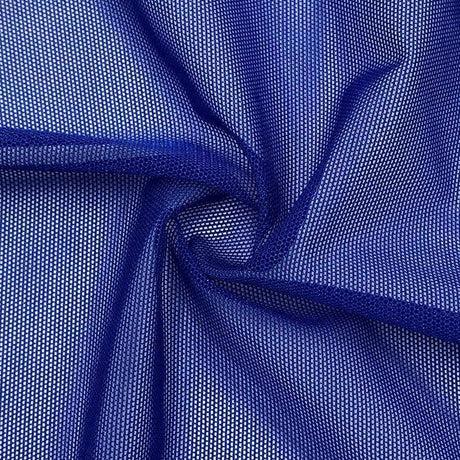
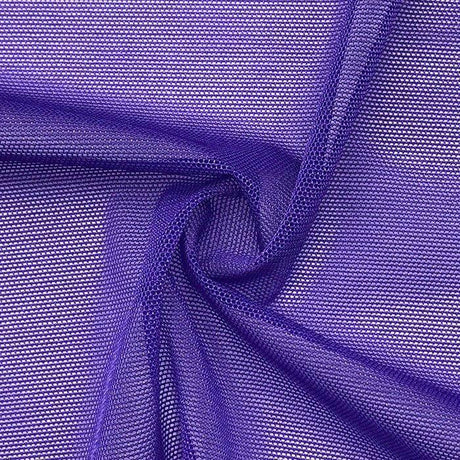
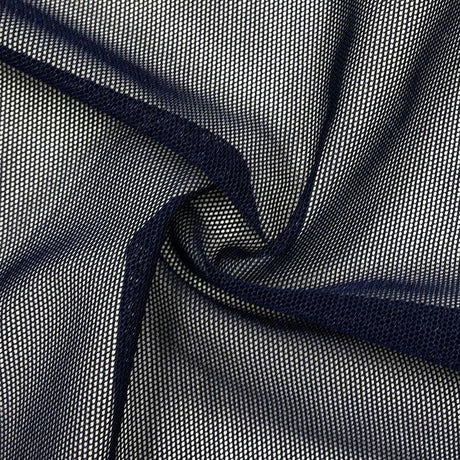
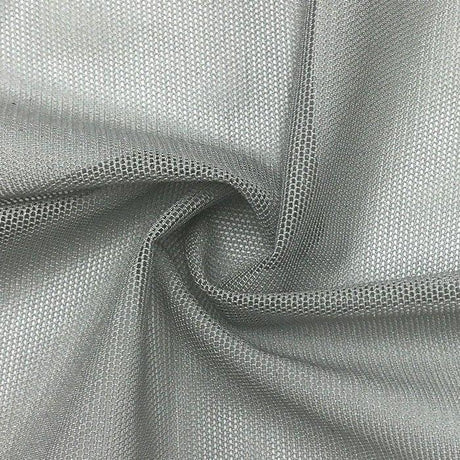
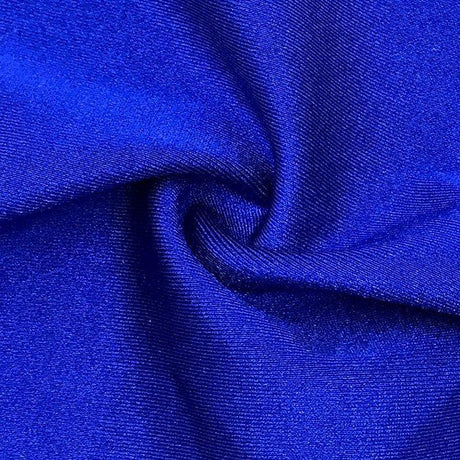
- Dancewear & Costumes: From ballet leotards and ballroom dance costumes to superhero suits for cosplay, dance and costume garments benefit from 4-way stretch. Dancers require full range of motion, and costumes need to withstand dynamic movements (and often need to be very form-fitting for that sleek look). Materials like milliskin tricot (nylon spandex), stretch mesh, and spandex velvet are commonly used for these purposes and all stretch in every direction. 4-way stretch fabrics in costumes also make quick changes easier (the garment can stretch to get on/off and then snap back). So, whether it’s a figure skating outfit or a Halloween morphsuit, 4-way stretch is typically the secret to that smooth, flexible fit.
- Medical and Compression Garments: Medical textiles often rely on 4-way stretch for compression and support. Examples include compression stockings, abdominal binders, knee/elbow braces, and athletic compression sleeves. These are often made from strong 4-way stretch knits (like powernet, elastic bandages, etc.) that exert pressure evenly. A 4-way stretch bandage or support wraps uniformly around a body part and adapts to movement without loosening. Even things like orthopedic fabric for splints or supports can be 4-way stretch so that they conform to the body’s shape tightly. If you’ve seen those stretchy medical tubes or wraps, that’s a knit that can go any which way. They might look simple, but the 4-way elasticity is key to their function.
- Upholstery & Furniture Covers: It might surprise you, but even in home and commercial applications, 4-way stretch has its place. A prime example is stretchable upholstery fabric or vinyl used for covering complex shapes like car seats, boat interiors, or furniture with curves. A 4-way stretch vinyl can wrap around curves and corners without bunching, giving a smooth finish on a boat seat or car dashboard. Similarly, form-fitting slipcovers for sofas and chairs use 4-way stretch fabric so they can accommodate various shapes and then recover to look neat. These fabrics need to be very durable (resisting abrasion, UV, water, etc.) but the stretch allows a tight, custom-looking fit. It’s essentially the same benefit as in activewear – flexibility and a snug fit – just applied to cushions instead of people!
- Other Uses: Industrial and tech applications also use stretch fabrics (think stretchy filters, expansion joints, etc.), but for most readers, the above are the relevant categories. One more fun category: maternity wear often uses 4-way stretch fabrics (like stretch jersey) to accommodate a growing belly while still fitting well elsewhere. The stretch ensures the garment can expand and then bounce back after washing, etc.
As you can see, each type of stretch fabric shines in certain arenas. If you need all-around flexibility (literally), 4-way stretch is the go-to – hence its dominance in sports, medical, and form-fit fashion. If you only need a bit of give or want to maintain structure in one direction, 2-way stretch fabrics are often sufficient and sometimes preferable for ease of sewing or longevity of shape.
Tips for Working with and Buying 4-Way Stretch Fabric
Shopping for 4-way stretch fabric – especially online or by the bolt – can be a bit daunting if you’re not used to it. Here are some practical tips for designers, makers, and customers to get the most out of their stretch fabric purchase:
- Know Your Project’s Requirements: Check your pattern or project needs to see how much stretch is required and in which directions. Many sewing patterns (for swimwear, activewear, etc.) will specify something like “use a fabric with 50% 4-way stretch.” This is crucial – using a fabric with less stretch than recommended can result in a too-tight or non-functional garment. On the flip side, using a fabric more stretchy or with 4-way when only 2-way was expected can make a garment loose. So, match your fabric to your project. If you’re making something like leggings or a bodysuit, you likely need a true 4-way stretch material.
- Check Fiber Content and Stretch Info: When browsing fabrics (online or in-store), read the fiber content and stretch details. Keywords like “spandex” or “elastane” are hints that the fabric will be stretchier and likely 4-way. For example, a “95% cotton, 5% spandex jersey” is a 4-way stretch knit (common for t-shirts or leggings), whereas “97% cotton, 3% spandex denim” is likely a 2-way stretch woven. Many retailers will categorize fabrics by stretch. On a site like SpandexByYard, you might find sections for 4-way stretch fabrics where they list the content (nylon/Spandex, etc.) and often the recommended uses. Use that info! A fabric listed as “perfect for swimwear, dancewear” is surely 4-way stretch, whereas one listed for “skirts or pants” might be only 2-way. If in doubt, don’t hesitate to contact customer service for clarification – they can usually tell you the stretch properties.
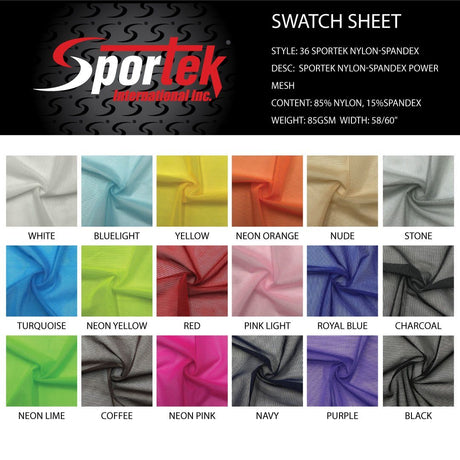
- Order Swatches When Possible: Especially for big projects or when color matching, it’s wise to get a swatch. This is doubly true for stretch fabrics because feel and stretch are hard to convey in words alone. A swatch lets you perform the stretch test yourself and check the drape and opacity. Many fabric retailers (including online shops like SpandexByYard) offer inexpensive swatches or samples. It’s worth the small extra step to ensure the fabric meets your expectations for stretch and weight before committing to several yards.
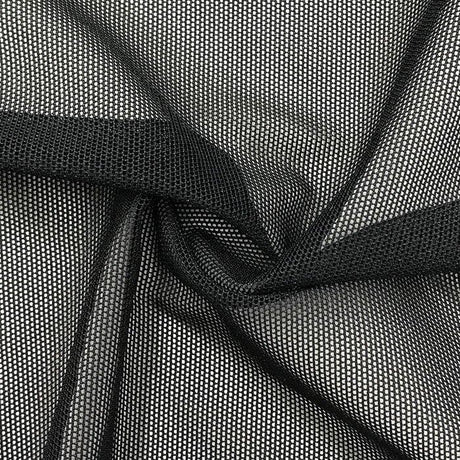
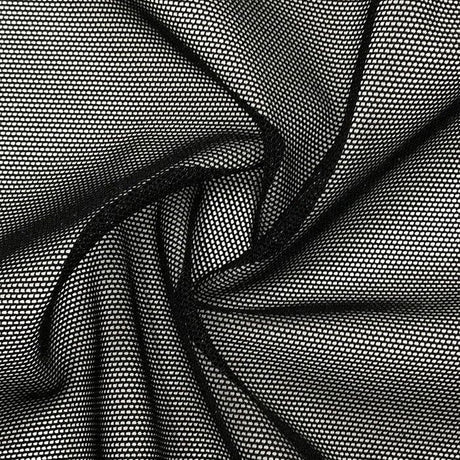
- Consider Weight and Opacity: Not all 4-way stretch fabrics are thin slinky knits – they come in various weights. For example, power mesh is lightweight and sheer (used in costumes or lining for support), whereas scuba knit or ponte can be quite thick and stable while still stretchy (used for structured dresses or athletic wear). If you need a fabric that holds you in (compression) or isn’t see-through, look for descriptors like “heavy weight”, “compression”, or high GSM (grams per square meter). If you want something drapey and light, look for “lightweight” or lower spandex content (since very high spandex can sometimes mean a heavier, tighter knit). The fabric’s weight will affect how it sews and wears.
- Use the Right Sewing Techniques: If you’re a maker sewing 4-way stretch, equip yourself properly. Use a ballpoint or stretch needle in your machine (these needles won’t snag the knit loops). Employ stitches that can stretch – a narrow zigzag or a serger/overlock stitch is ideal for seams, and a twin needle can topstitch hems without losing stretch. Also, don’t pull on the fabric as you sew; let the machine feed it to avoid wavy seams. Practice on a scrap first to get your tension right. Some beginners find 4-way stretch fabrics a bit tricky because they can curl or shift – using lots of pins or clips (or even a temporary spray adhesive for seams) can help. If the fabric is super slippery (like swim lycra), a walking foot or some tissue paper underneath can improve control. These tips will ensure a professional result and prevent frustration.
- Plan Enough Yardage: When buying by the yard, remember that stretch fabrics are often knit in wider widths (58-60 inches is common for spandex knits) compared to wovens (usually 44-45 or 54 inches). This is good news – you may need fewer yards. However, if your pattern pieces are large or you have to orient them a certain way for the stretch, make sure to account for that. For instance, some pattern pieces must be placed so that the greatest stretch goes around the body. This might mean you can’t rotate pieces to fit more on a length of fabric. Check the layout and buy a little extra if unsure, since a mis-cut in stretch fabric can sometimes render a piece unusable (unpicking stretch seams is not fun, and holes can form). It’s often wise to have an extra ¼ to ½ yard “just in case,” especially if you’re matching patterns or stripes on a stretchy print.
- Care Tips: Once you’ve got your fabric or finished garment, care for it to prolong its life. As mentioned, cold water washing and air drying are the safest for spandex-containing fabrics. High heat can deteriorate elastane over time, and fabric softener can break down the stretch. If you’re sewing, you might pre-wash the fabric the same way you plan to launder the final item (some stretch fabrics can shrink a tiny bit on first wash). Also, store fabric folded, not hanging (heavy stretch fabric could stretch out if hung for long periods).
- Shop Smart – Look for Specialty Retailers: If you’re specifically after 4-way stretch fabrics, consider shopping from specialty retailers that focus on stretch and performance materials. For example, a store like SpandexByYard.com (as the name implies) specializes in spandex fabrics and often provides detailed info on stretch, weight, and recommended uses. They may also carry a wider variety of prints and types (from athletic knits to stretch lace) than a general fabric store. Specialty retailers sometimes offer better prices by the yard for these fabrics and have staff who understand stretch (so they can answer questions). Plus, you can often find unique designs like holographic spandex, swim prints, or moisture-wicking athletic fabric that you wouldn’t find elsewhere. Shopping with these experts can make your hunt for the perfect 4-way stretch much easier and more successful.
By following these tips, you’ll increase your chances of a smooth experience both in buying your 4-way stretch fabric and turning it into a successful project. Working with stretchy fabrics can be incredibly rewarding – once you get the hang of it, you unlock a whole world of comfy, fitted, and high-performance creations!
Conclusion
Stretch fabrics have truly transformed the textile and fashion world – adding elastane to fabrics has given us yoga pants that move like a second skin, jeans we can actually sit in, swimsuits that stay sleek in the water, and even furniture covers that fit like a glove. Understanding the nuances between 2-way vs 4-way stretch fabric is key to picking the right material. To recap:
- 2-way stretch (one-way elastic) gives you flexibility in one direction and is great for garments or uses where you want a bit of give but also some structured support.
- 4-way stretch (bi-directional elastic) offers all-around stretch, ideal for anything that needs to accommodate lots of movement or a very close fit, from athletic wear to medical supports.
We discussed how these fabrics are constructed, how to measure and identify stretch, and the fibers (hello, spandex!) that make it all possible. We also compared their performance in terms of comfort and fit – with 4-way generally leading for active comfort, and highlighted the many places you’ll see each type used, from swimwear and dance costumes to stretch denim and upholstery. Finally, we shared tips to help you shop smart and sew successfully with 4-way stretch fabrics, so you can approach your next project with confidence.
Whether you’re a designer planning your next activewear line, a cosplay enthusiast crafting a stretchy costume, or just someone looking for the right fabric for a DIY project, we hope this guide has demystified 2-way vs 4-way stretch for you. Embrace the stretch – with the right fabric, your creations will be comfortable, durable, and a perfect fit for their purpose. And if you’re ever unsure, remember that specialty stores (like your friendly neighborhood SpandexByYard) are a great resource to find top-quality 4-way stretch fabrics by the yard and get advice on choosing the best one for your needs. Happy sewing and stretching!