If you've ever made (or bought) a chair cover that looks great for one event—then sags, twists, or creeps up the legs after a few uses—you already know the core problem: fit without slipping requires more than "anything stretchy." Chair covers and car seat covers live in a high-friction world: constant sitting, shifting, sliding, and repeated laundering. For a broader foundation on stretch fabric properties before diving in, explore our stretch fabric types page or browse our full fabric guides hub.
What Stretch Fabric for Chair Covers Really Is
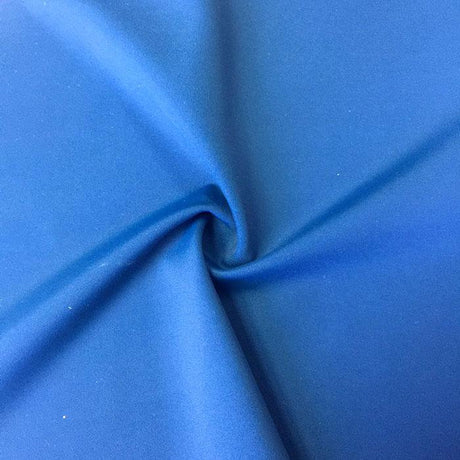
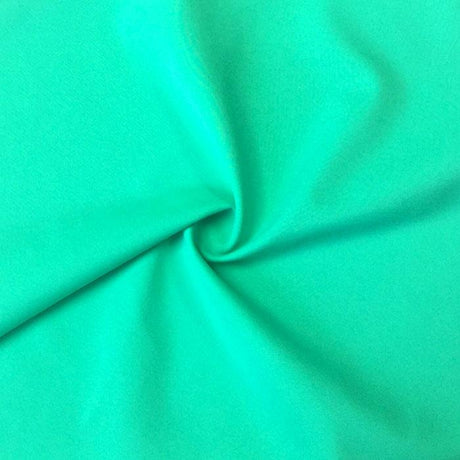
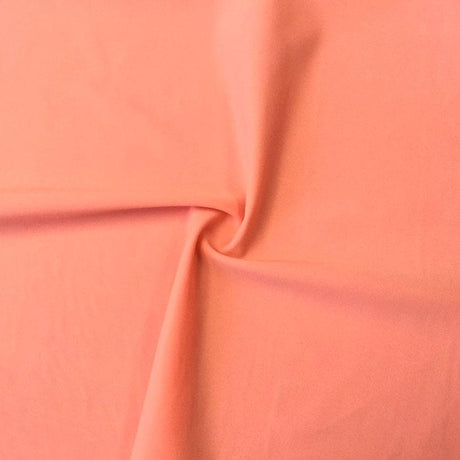
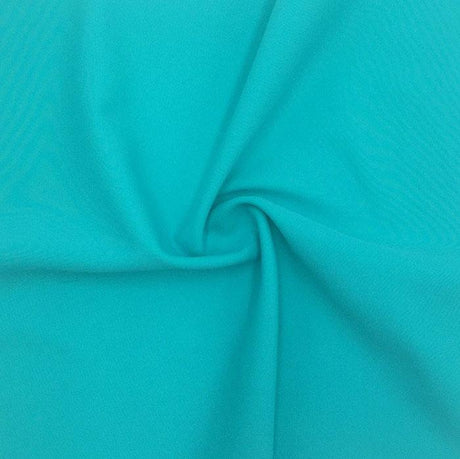
At a functional level, "stretch fabric for chair covers" usually means a knit construction (not a rigid woven) combined with an elastic fiber—most commonly spandex/elastane—to create high stretch and reliable snap-back.
Fiber and construction basics: Spandex (also called elastane) is an elastomeric fiber engineered for exceptional stretch and recovery; textile references commonly describe spandex as a polyurethane-based elastomer with strong stretch-and-return behavior. In blends, a relatively small percentage of elastane can dramatically change how a fabric behaves, performing effectively in blends around 5–20% depending on the end use.
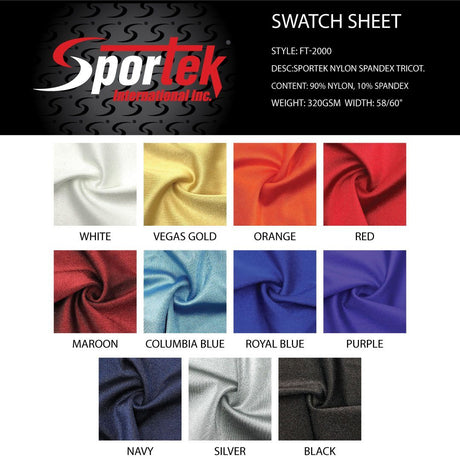
Most chair-cover and seat-cover stretch fabrics you'll buy by the yard fall into a few knit families: tricot (warp knit), typically smooth-faced and stable, widely used in performance applications; jersey (weft knit), usually softer with more "tee-shirt" handfeel; and raschel (warp knit), which can range from open structures to dense, durable knits.
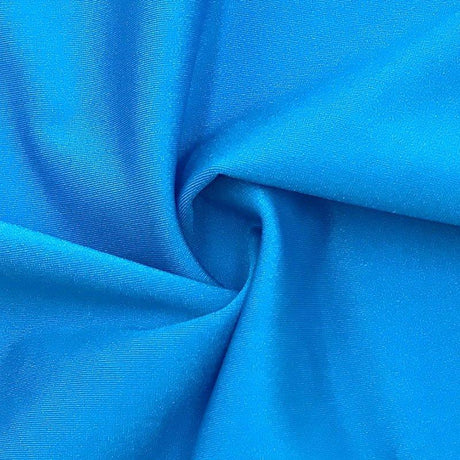
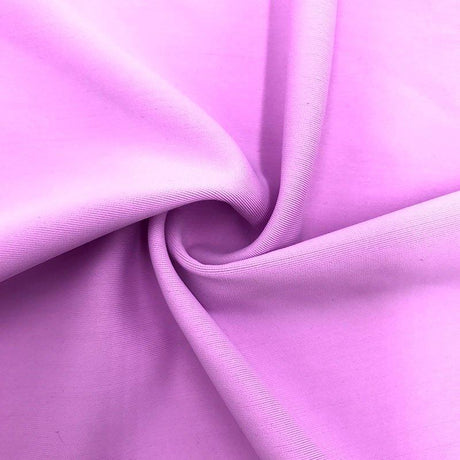
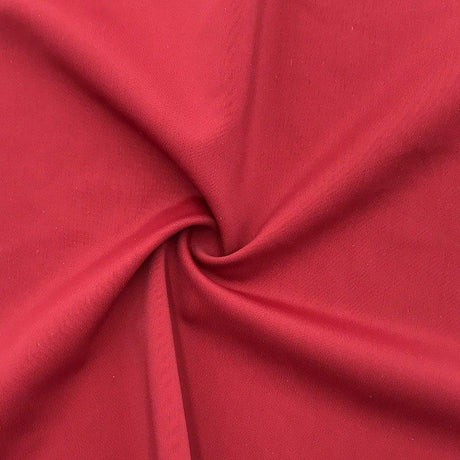
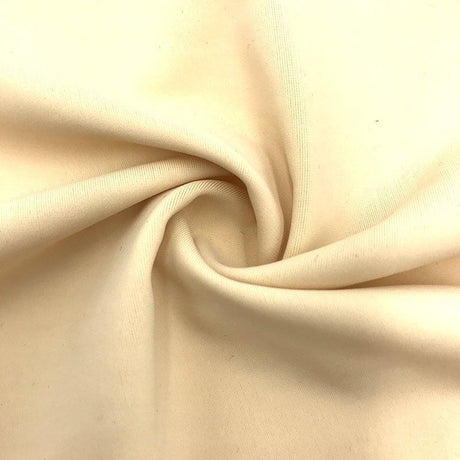
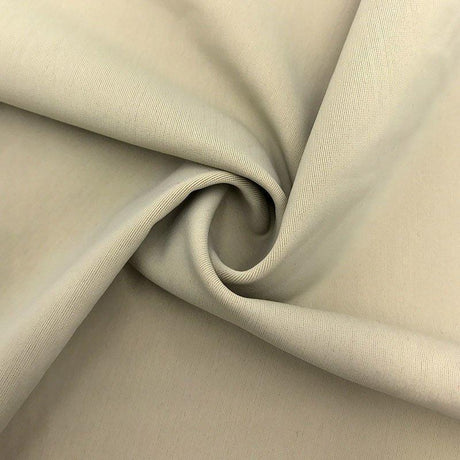
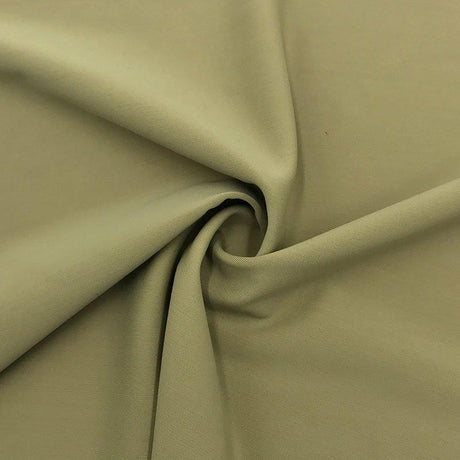
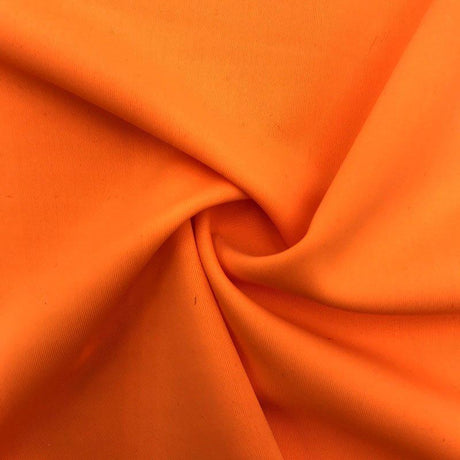
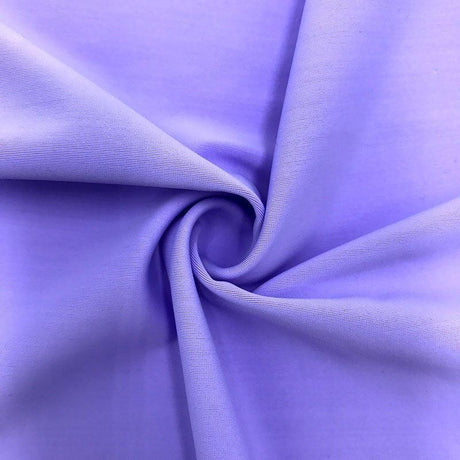
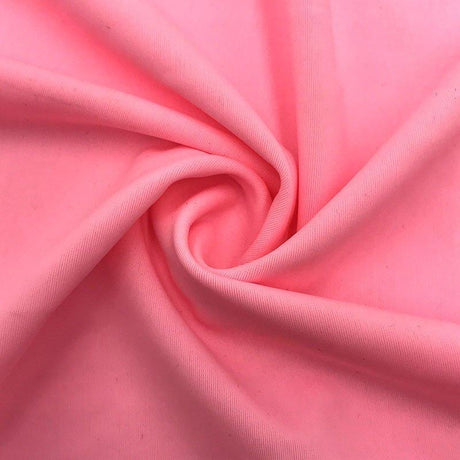
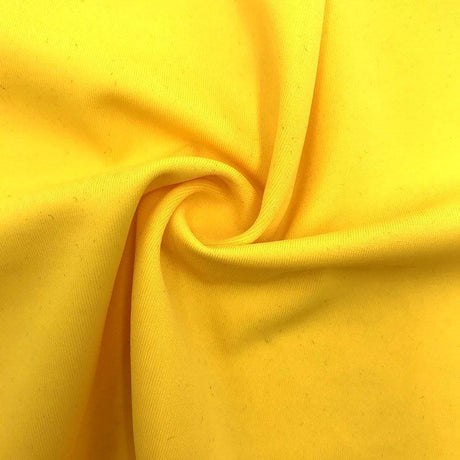
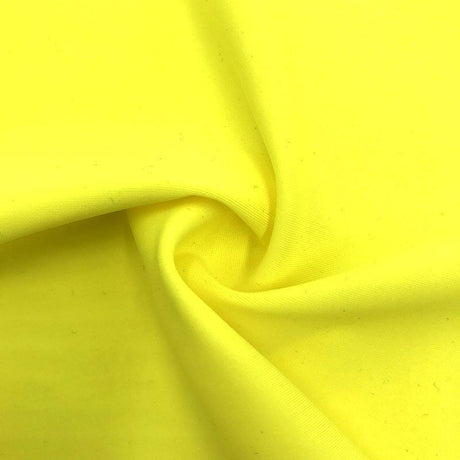
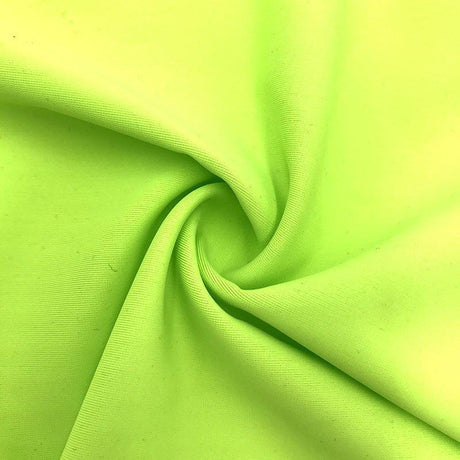
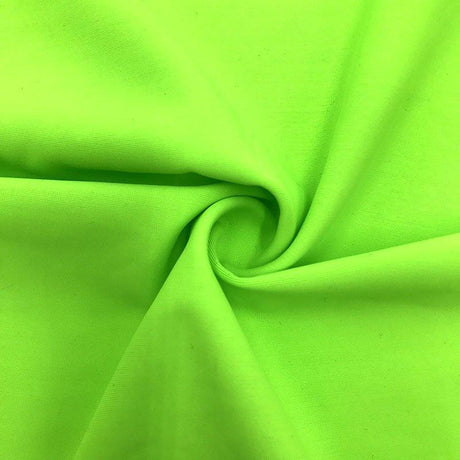
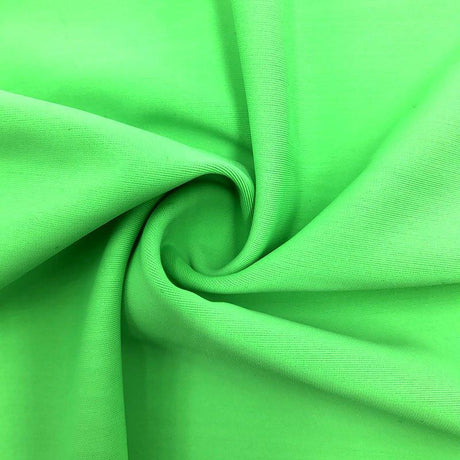
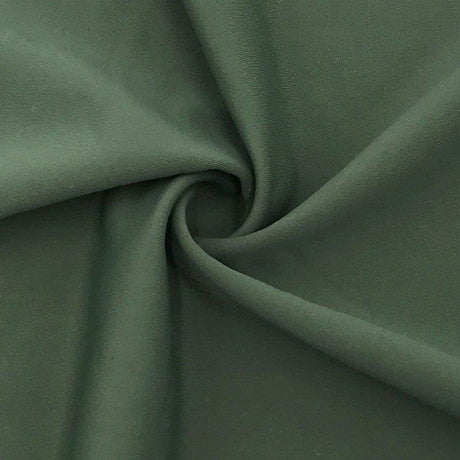
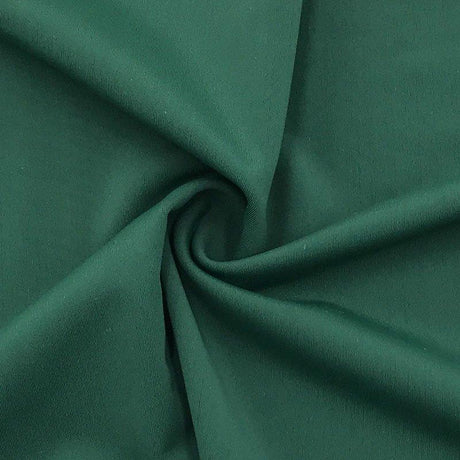
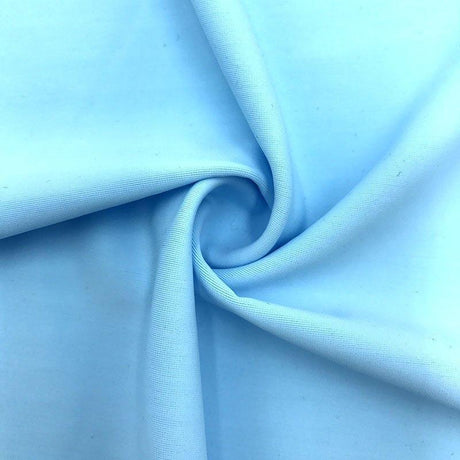
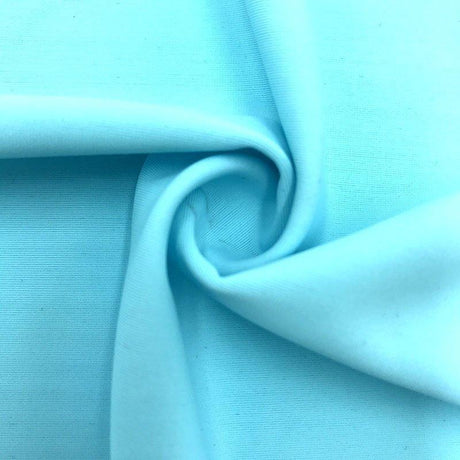
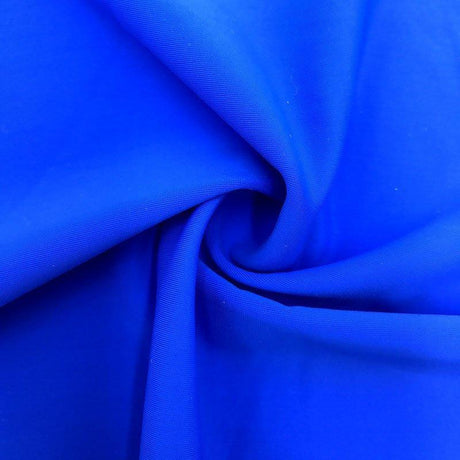
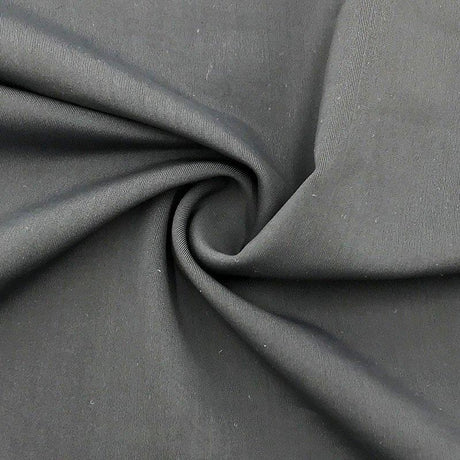
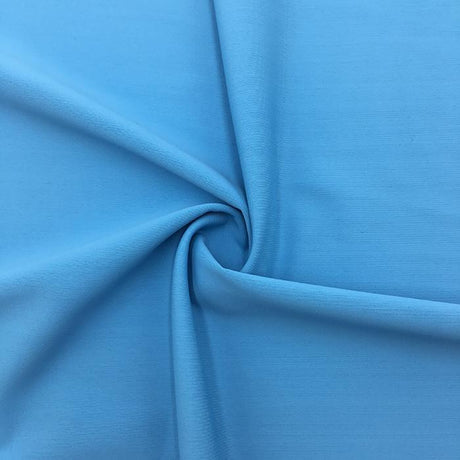
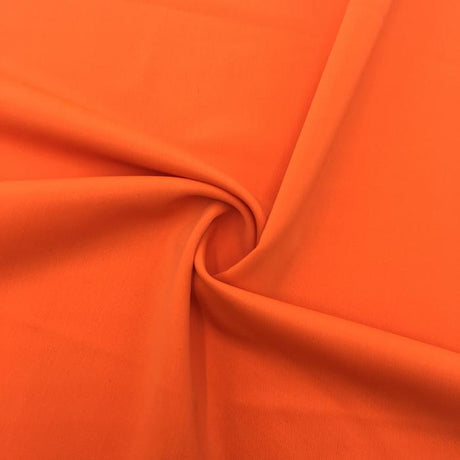
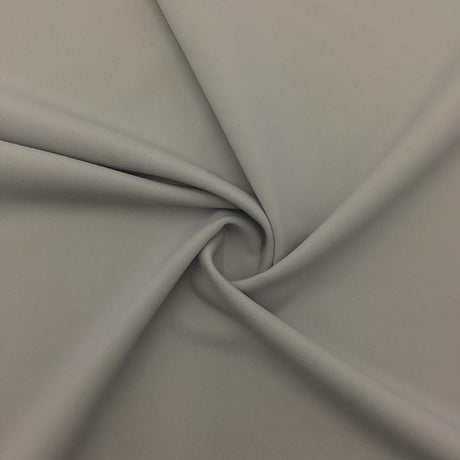
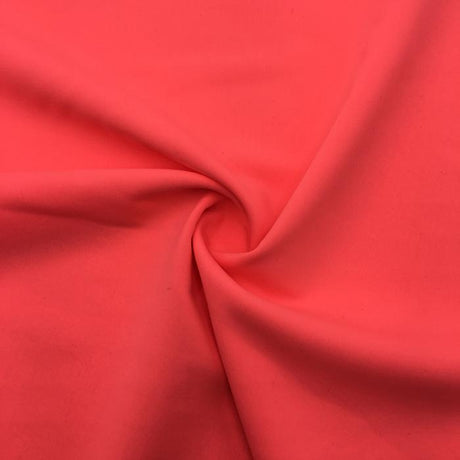
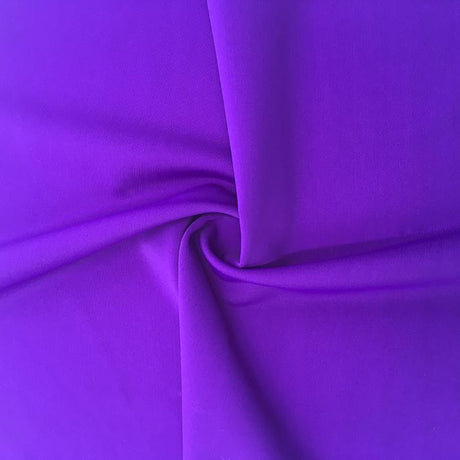
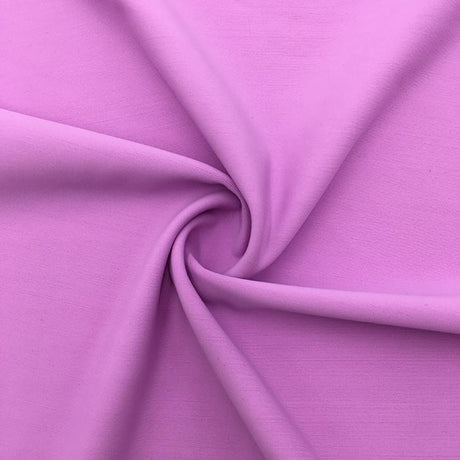
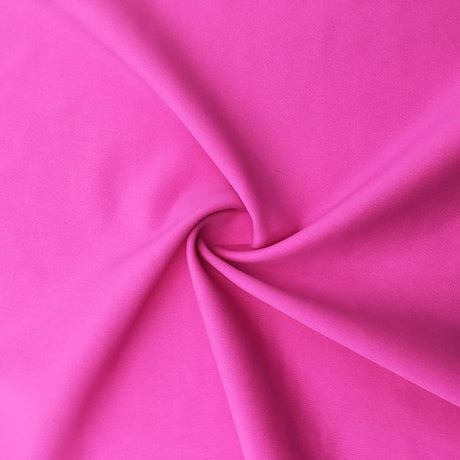
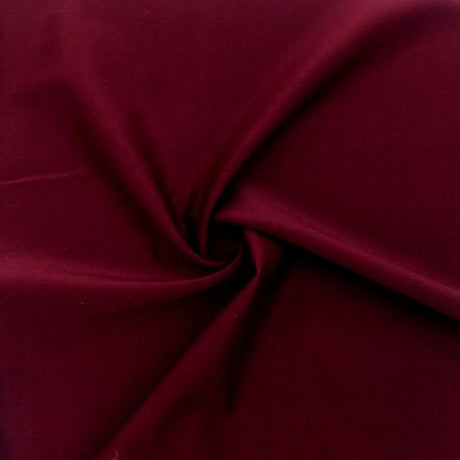
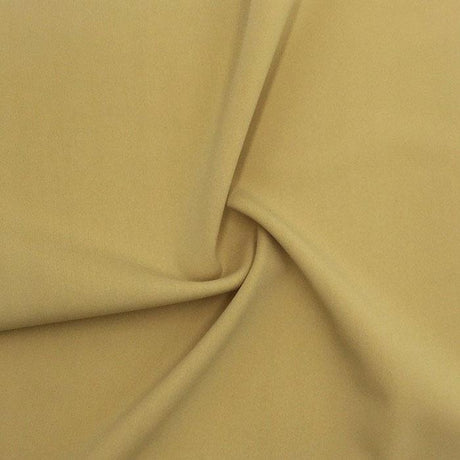
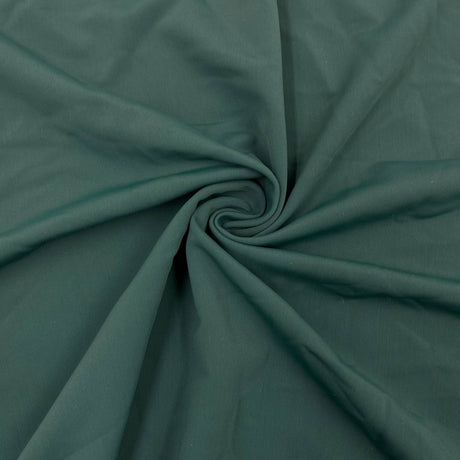
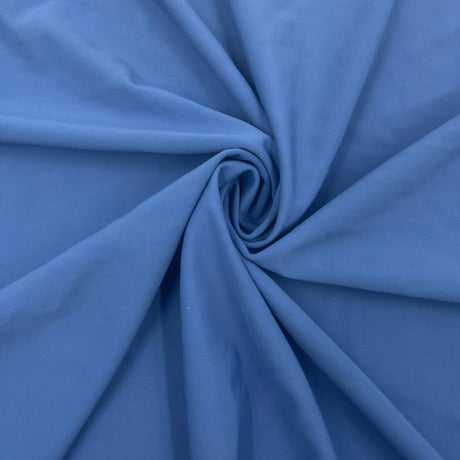
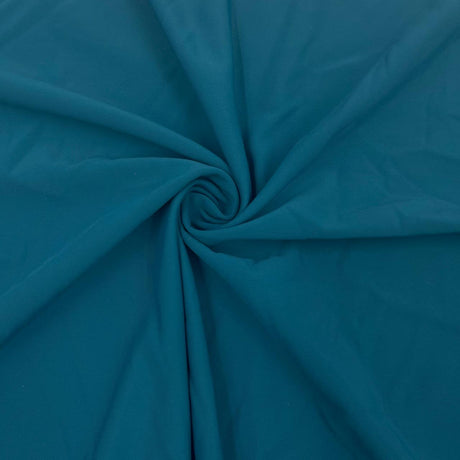
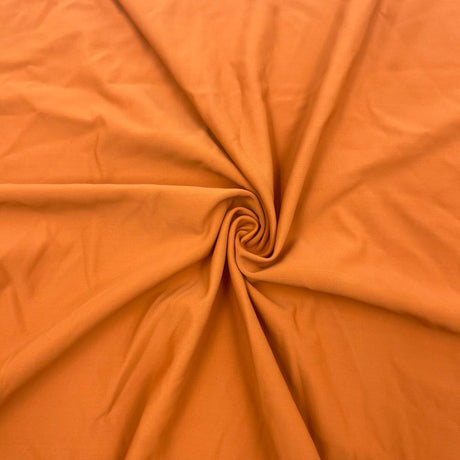
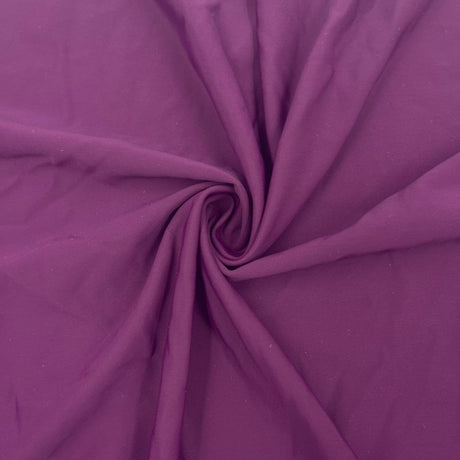
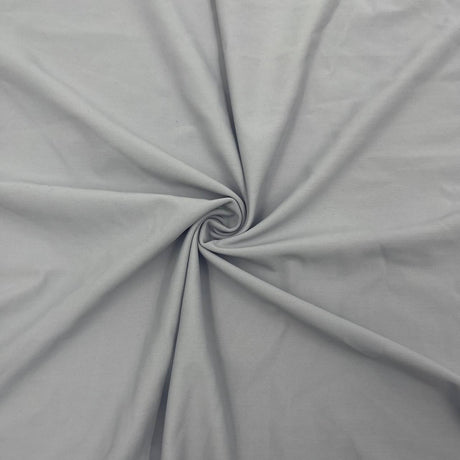
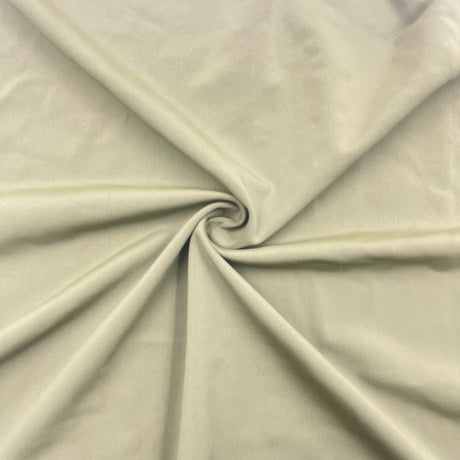
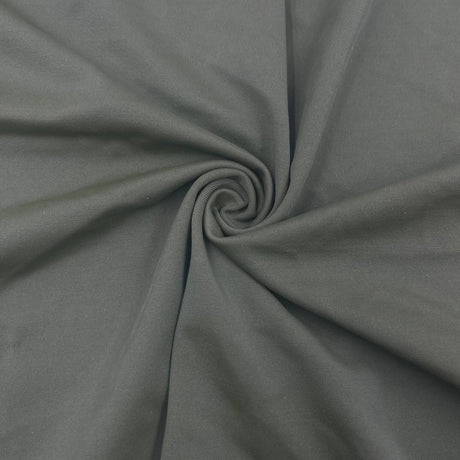
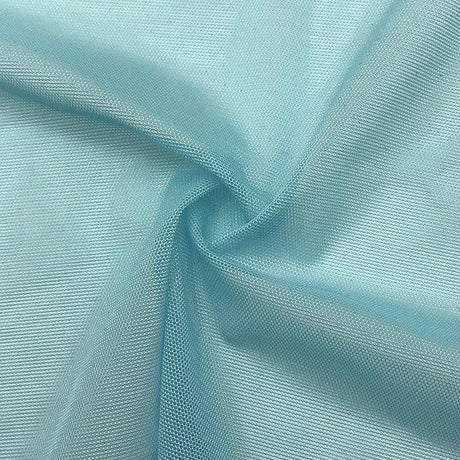
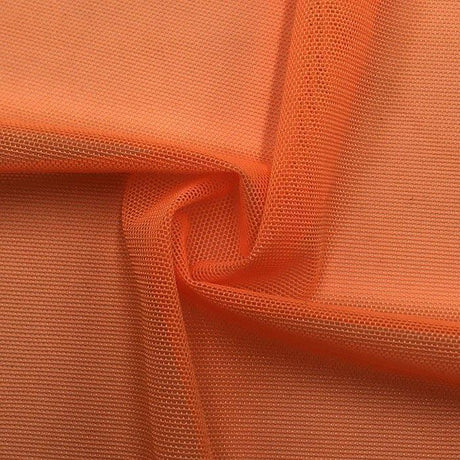
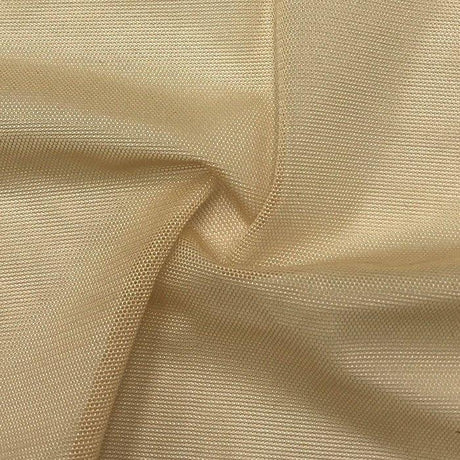
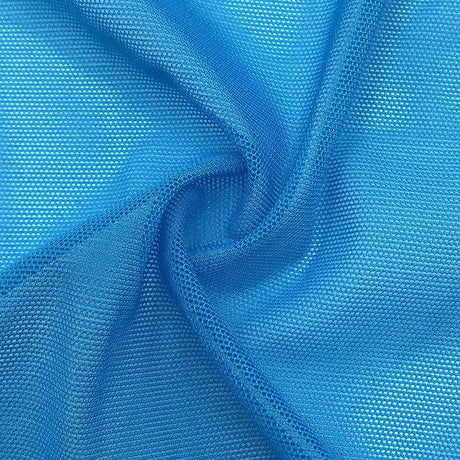
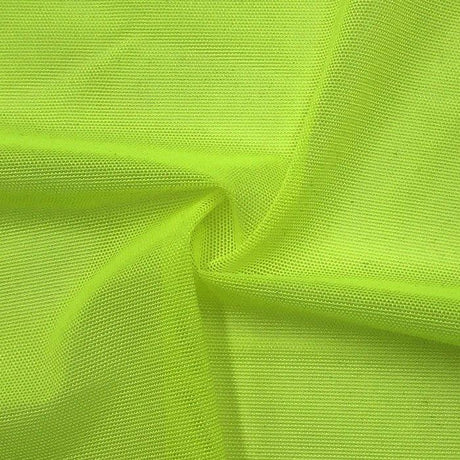
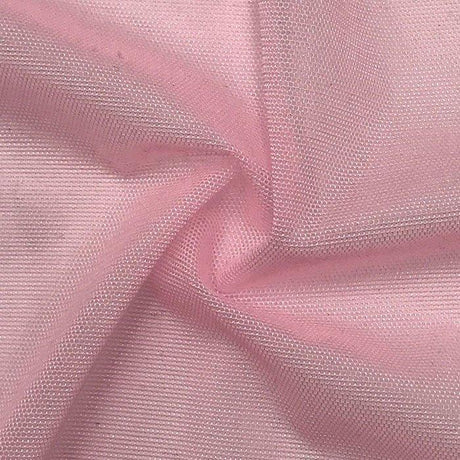
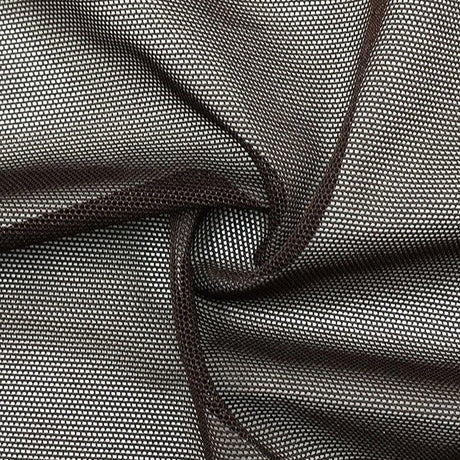
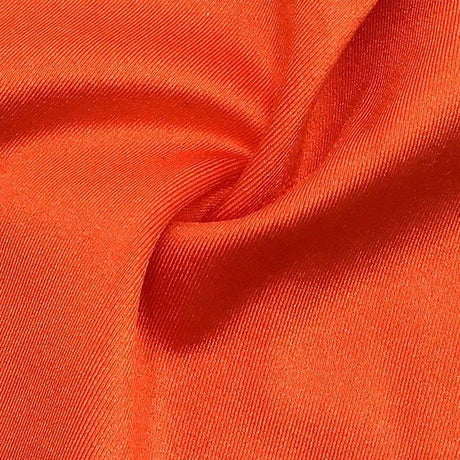
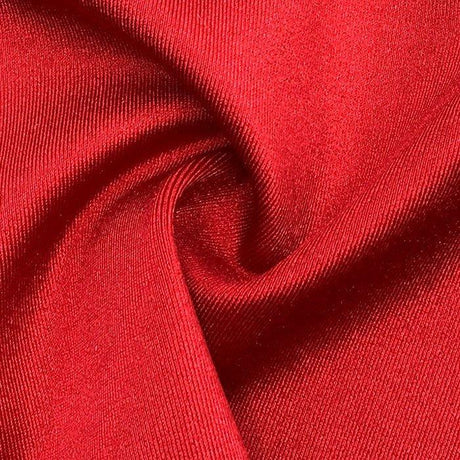
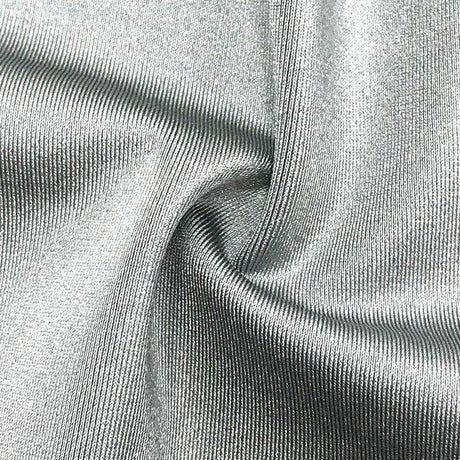
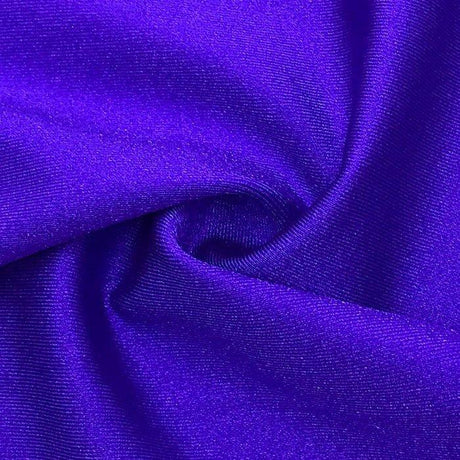
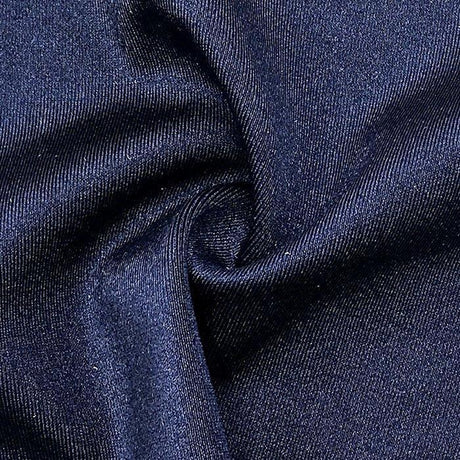
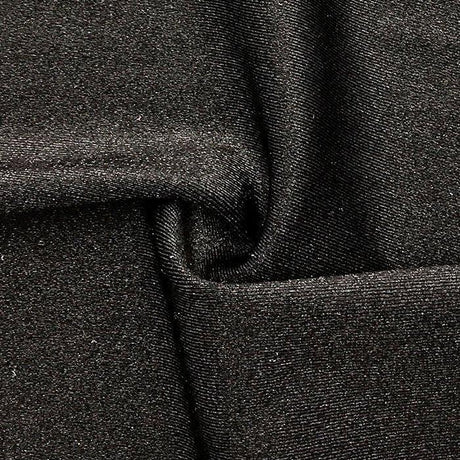
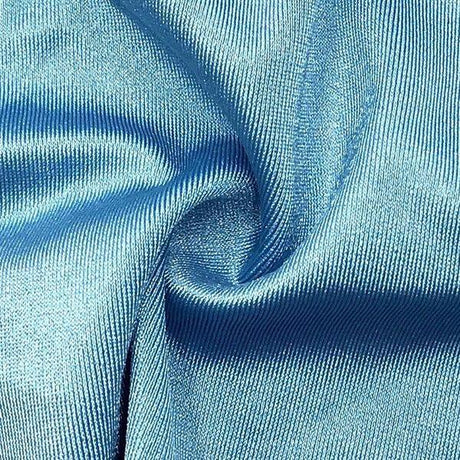
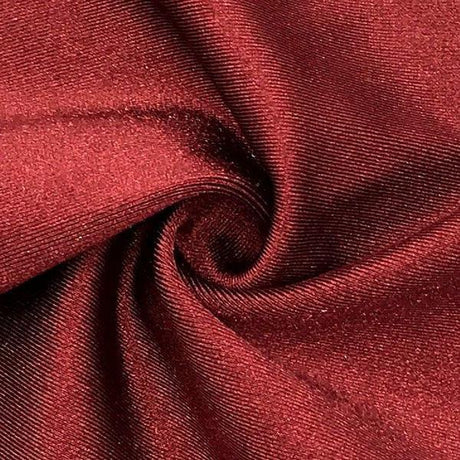
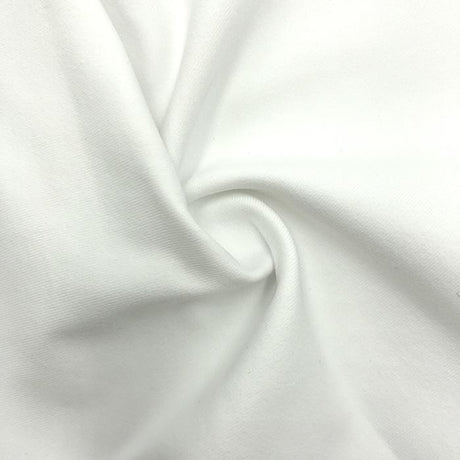
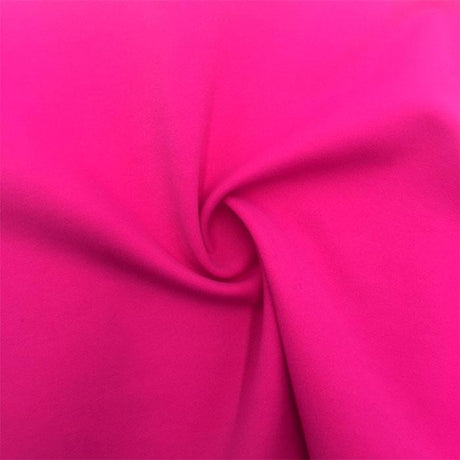
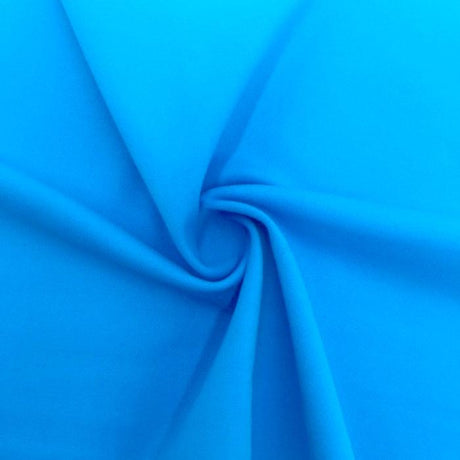
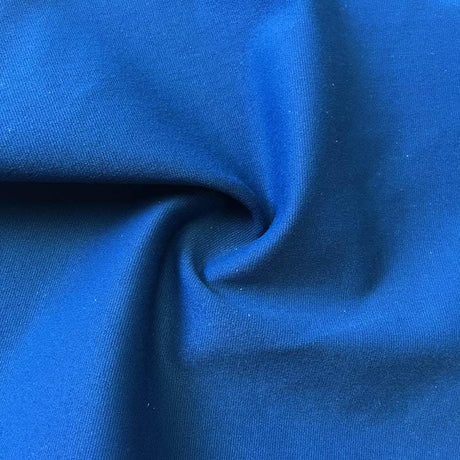
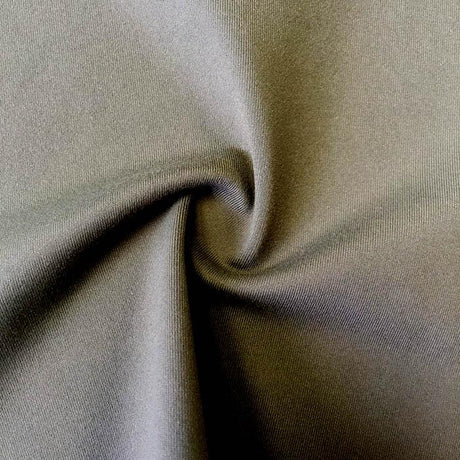
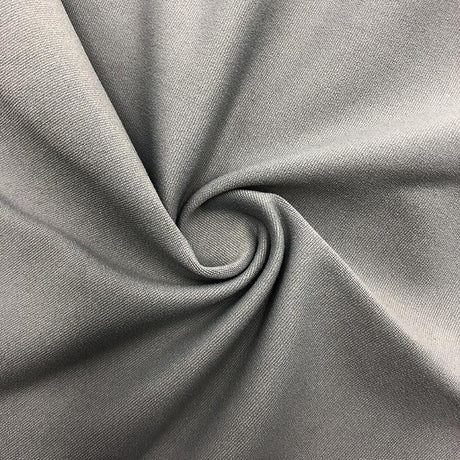
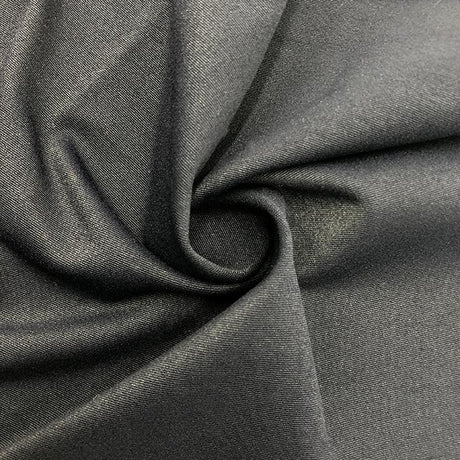
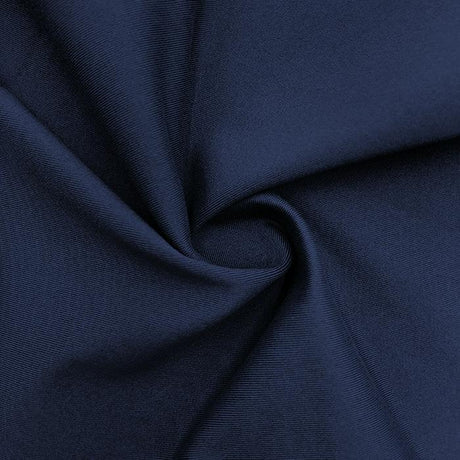
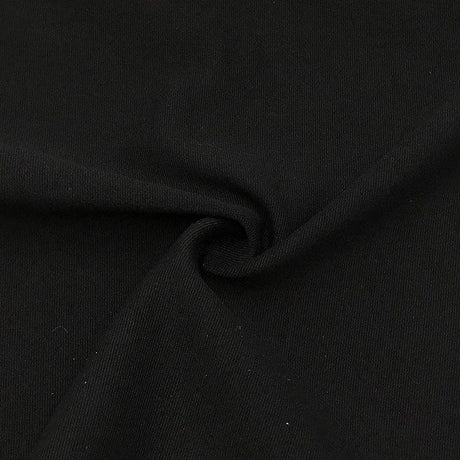
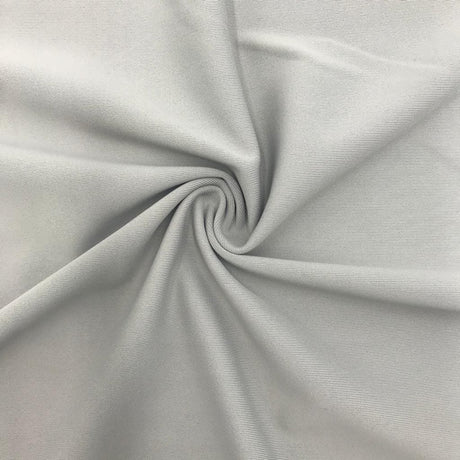
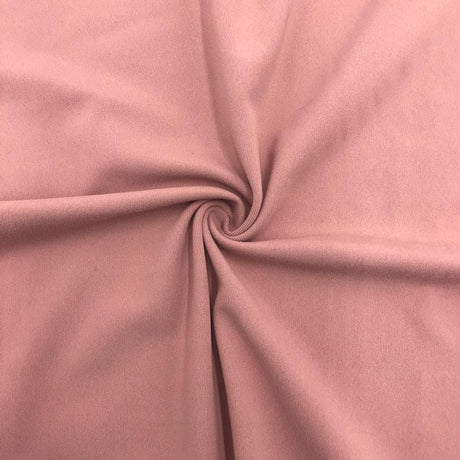
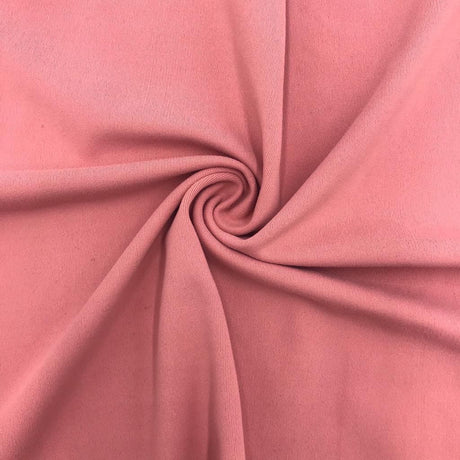
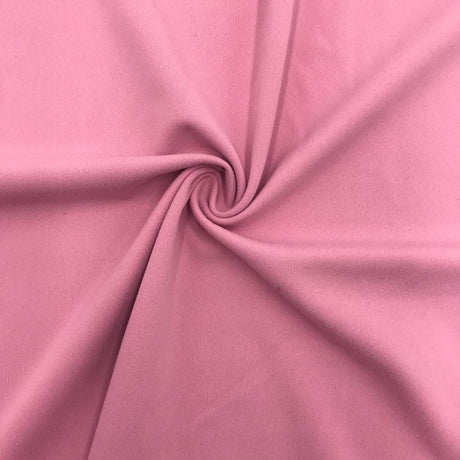
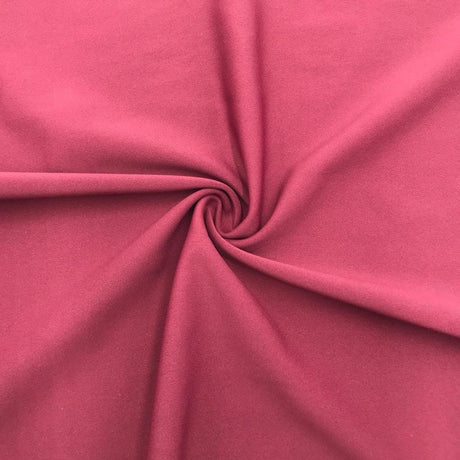
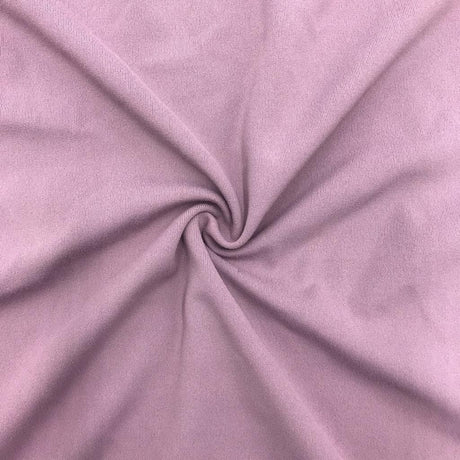
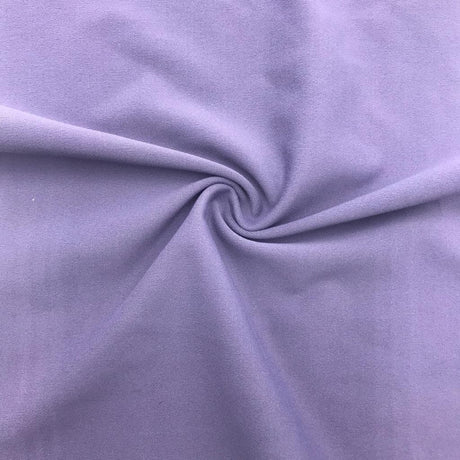
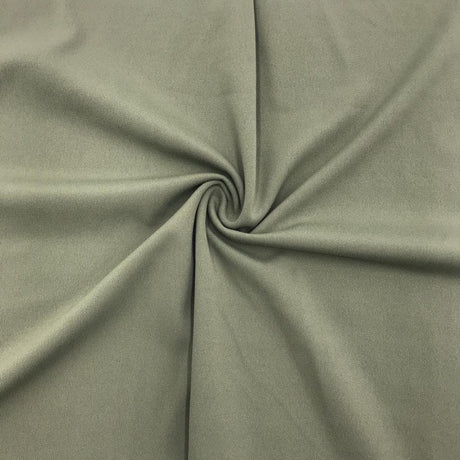
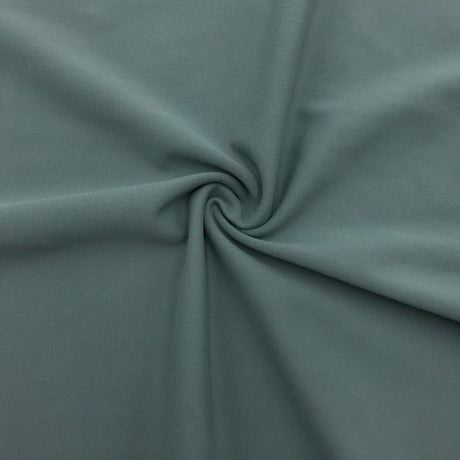
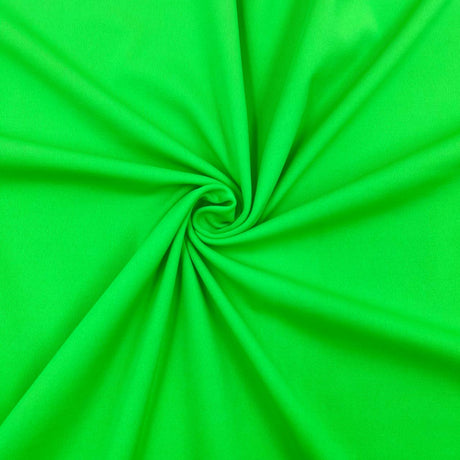
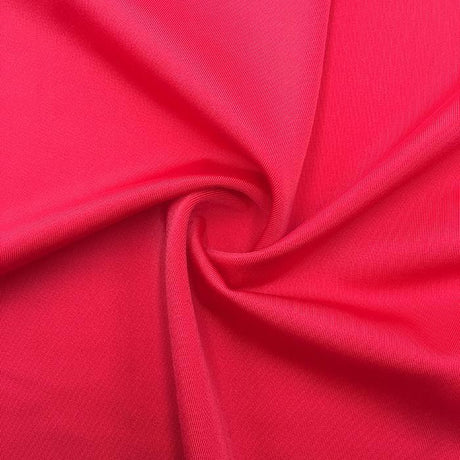
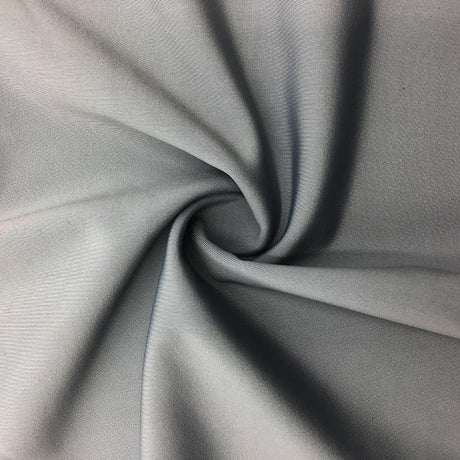
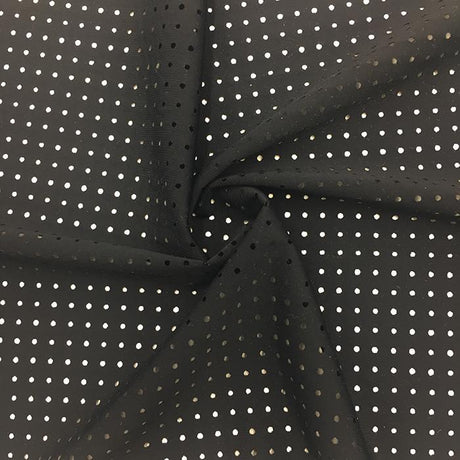
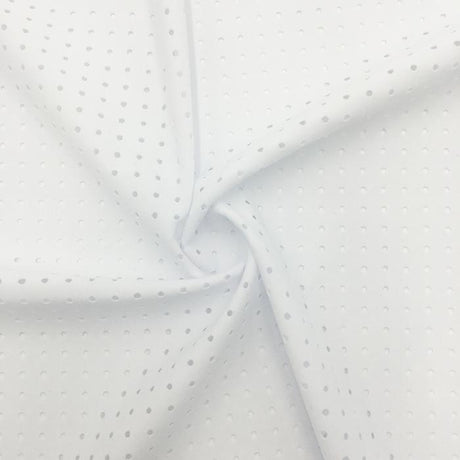
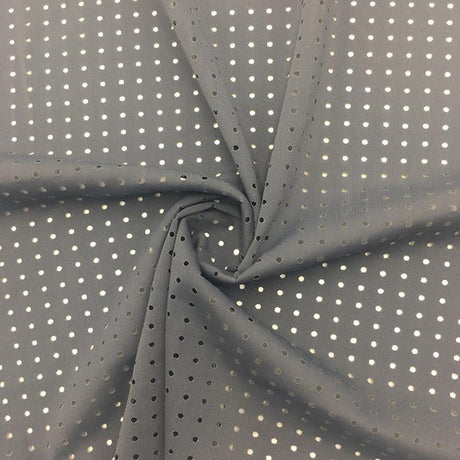
[Image: Close-up texture & stretch detail of a performance stretch knit used for covers.]
How it differs from "regular upholstery fabric": Traditional upholstery fabrics are often heavier, sometimes woven, and optimized for static seating surfaces. Stretch-cover fabrics are different because they install by tension (the cover "hugs" the chair/seat), adapt to curves (seat corners, rounded backs, bolsters), and recover after stress so the cover doesn't get baggy. Our nylon-spandex fabric guide covers how nylon-spandex constructions achieve the combination of smooth hand feel, strength, and 4-way stretch that defines quality performance fabric.
Key Performance Characteristics That Matter for Covers
Stretch and Recovery: Stretch determines install ease and fit range. Recovery determines whether the cover stays tight after use. Cover-making rule of thumb (practical): prioritize high recovery over "maximum stretch." A fabric that stretches a lot but recovers poorly will look amazing on install day—and sloppy a week later. Our stretch fabric types page covers the step-by-step stretch and recovery testing methodology in detail, including how to calculate stretch percentage from a home swatch test.
Weight and GSM: Weight affects opacity, durability, wrinkle behavior, and how "luxurious" the cover reads. Lighter knits can be easier to sew and drape well, but they can show chair color underneath or wear out faster on high-rub zones. Mid-to-heavier knits usually deliver better coverage and durability. Quick conversion: 1 oz/yd² ≈ 33.9 GSM, so 6 oz/yd² ≈ ~203 GSM (a common "workhorse" weight for many performance knits). Our fabric weight guide provides a full breakdown of how GSM affects opacity, breathability, and durability across all common stretch fabric constructions.
Moisture Management and Breathability: For car seats, breathability isn't a luxury—it can be the difference between "comfortable" and "sticky," especially in warm climates or long commutes. Moisture Management Spandex is designed to wick sweat, with 4-way stretch and breathability, and noted for suitability for dye sublimation/custom printing. If you're building for performance comfort, look for "wicking/moisture management" claims and ask suppliers what test method backs them. Our fabric finishes guide covers moisture-wicking surface treatments and how to evaluate their durability across all common performance fabric constructions.
Durability and Abrasion Resistance: Chair covers and seat covers fail in predictable places: front seat edge, side bolsters, chair corners, and anywhere hardware or seams rub. For durability verification, the industry commonly uses Martindale abrasion standards such as ASTM D4966 and ISO 12947, and Wyzenbeek (oscillatory cylinder) abrasion such as ASTM D4157. If you're sourcing for a brand or a commercial buyer, request abrasion results (and the method used). If you're DIY, choose tighter constructions (like tricot) and/or nylon-rich blends for higher wear zones.
Softness and Handfeel: Handfeel matters because covers are "touch surfaces." Cotton Spandex is positioned as comfortable, stretchy, breathable, and leveraging cotton's moisture-absorbing nature with spandex stretch. Nylon-spandex performance knits are often chosen for sleekness and resilience. Our cotton-spandex fabric guide covers how cotton-spandex blends compare to synthetic alternatives in stretch behavior and moisture management.
Special Performance Traits: Spandex Fleece Pro-Stretch is described as warm yet breathable and stretchable. Some performance listings reference UV protection (certain moisture-management spandex listings mention UV50+).
How Stretch Cover Fabrics Compare
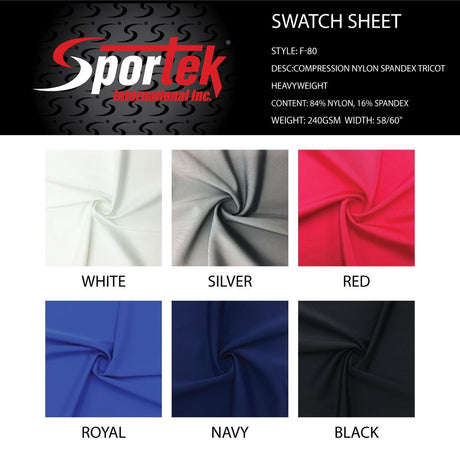
Stretch Performance Tricot (Nylon-Spandex): Typically nylon + spandex performance knit; offered in multiple structures (tricot, compression styles, etc.). Commonly 4-way stretch in performance knits (varies by SKU). Best for high-wear chair covers, fitted slipcovers, high-contact car seat areas, and sleek look. Excellent recovery potential; durable; many finishes and weights available. Can show sweat/heat if not breathable; slick surfaces may need design measures for grip.
Cotton-Spandex Jersey: Cotton + spandex blend oriented toward comfort and breathability. Typically strong widthwise stretch; 4-way depends on knit + spandex %. Best for soft home chair covers, casual slipcovers, and "cozy" touch surfaces. Soft, breathable, comfortable next-to-skin feel. May pill or abrade faster in high-rub zones than performance tricot; less "compression" hold.
Neoprene-Style Structured Knit: Often sold as a structured, supportive "neoprene" or "scuba" style; neoprene fabric is described as nylon spandex with structure/stretchability. Moderate stretch with more body/structure (varies by construction). Best for covers needing structure/cushion feel, premium "tailored" look, some automotive-style builds. Holds shape with more thickness; supportive silhouette. Less breathable; more bulk at seams; can be harder to turn/finish cleanly.
Printed vs Solid vs Custom-Printed Options: Printed Spandex collections highlight prints on blends of nylon and polyester spandex, including options designed for tricot wet printing, positioned as elastic, resilient, and luxe-feeling. For customization workflows, moisture management spandex is also highlighted for suitability for dye sublimation and custom printing. Our sublimation page covers how sublimation printing bonds dye into polyester-spandex fibers to achieve permanent, saturated color, and our sublimation paper and sublimation transfer paper pages cover the complete printing workflow.
Best Uses and Applications for Stretch Cover Fabrics
Mainstream Applications:
Chair and seating covers: dining chair slipcovers that stay snug after repeated use; event/banquet chair covers (fast install, wrinkle resistance); office chair refresh covers (breathable + durable recommended); bench and ottoman covers (need recovery to prevent puddling).
Car seat and vehicle seating applications (DIY-focused): light-protection covers (dust/pet hair); comfort overlays (breathability + softness); custom aesthetic covers (prints, matching interiors). Reminder: For car seats with airbags, design and installation must not interfere with deployment paths.
Performance-Focused Builds:
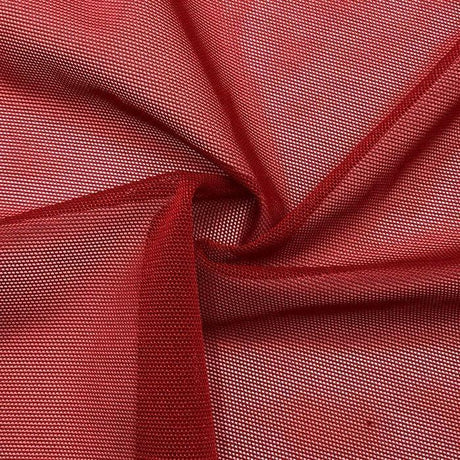
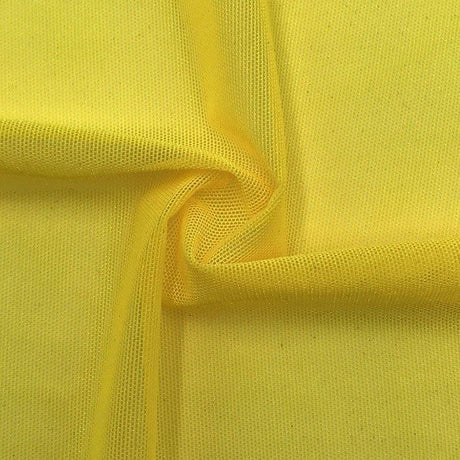
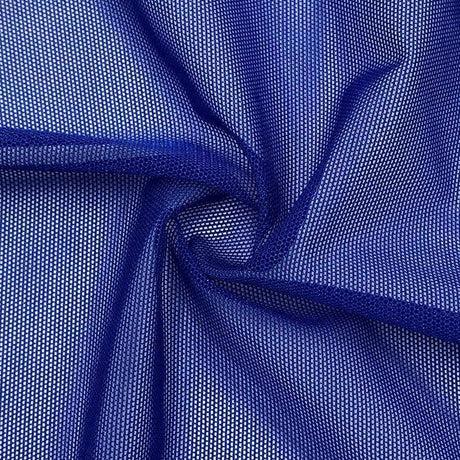
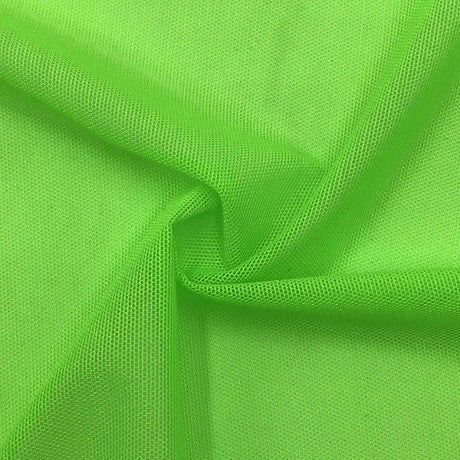
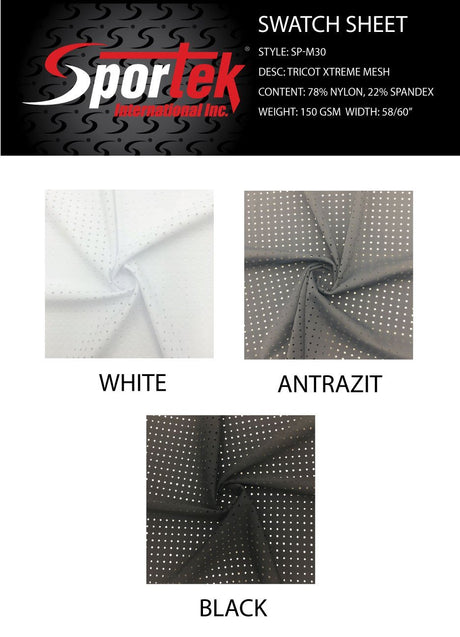
Breathable seat zones: add mesh panels or a breathable lining layer. Mesh & Lining is described as breathable while adding durability/structure—useful when you need airflow without losing stability.
Warmth for cold spaces: use stretch fleece when the seating surface itself feels cold, or for seasonal/swappable covers. Pro-Stretch Fleece is positioned as warm yet breathable.
Anti-sweat comfort: consider moisture-wicking families like Moisture Management Spandex or Maxdri, both positioned around wicking/breathability plus stretch. Our activewear fabric guide covers how these performance fabric constructions compare across all common active applications.
How to Choose the Right Fabric for DIY Car Seat and Chair Covers
Step One: Define the Job the Cover Must Do:
Ask one question: Is your cover primarily decorative, protective, comfort-enhancing, or heavy-duty? Decorative/event chair cover: prioritize 4-way stretch + easy install + opacity. Protective home chair cover: prioritize softness + washability + recovery. Car seat cover: prioritize abrasion resistance + breathability + safe patterning around seat features. Commercial/heavy use: prioritize abrasion testing, seam engineering, and consistent specs. Our how to choose fabric guide covers what to evaluate when a physical swatch arrives, including stretch testing, opacity testing, and hand feel assessment.
Step Two: Match Stretch and Recovery to Your Pattern: Your cover should use negative ease (pattern smaller than the chair) so the fabric tension creates grip. High recovery is what prevents "bag knees" at the seat front.
Step Three: Pick the Right Fiber Family for Feel and Durability:
For durability + long-term recovery: start with nylon-spandex performance knits, positioned as durable and suited for performance garments and compression wear types. For softness in home projects: cotton-spandex blends are positioned for comfort and breathability. For airflow builds: use mesh/lining strategically where bodies run hot or seats trap heat.
Step Four: Choose Weight Based on Contact Intensity: Chair backs, decorative covers: lighter-to-mid weights can work well. Seat pans/front edges/bolsters: move into mid-to-heavier weights and tighter constructions.
Step Five: Manufacturing Buyer Checklist for Spec Sheets: If you source for production, request fiber content and knit type, weight (GSM or oz/yd²), stretch % in both directions + recovery/growth, abrasion results, moisture management/wicking validation if claimed, and flammability requirements if applicable. Have questions? Our expert help and advice page and FAQ are always available.
Common Mistakes to Avoid
Using the wrong needle is the fastest way to get skipped stitches or fabric damage. For highly elastic knits with spandex, use a Stretch needle with a medium ball point designed for highly elastic knits containing Lycra®/spandex. For knit fabrics more generally, a Jersey/Ball Point needle is designed to avoid breaking knit fibers at stitch formation. Our how to sew stretch fabric guide covers complete needle selection, stitch type, machine settings, and edge finishing guidance for all common stretch fabric construction scenarios.
Other frequent pitfalls: Ignoring recovery (high stretch alone doesn't prevent sagging—test snap-back before committing); straight-stitching high-stretch seams (seams can "pop" when someone sits unless the seam can extend); stretching the fabric while sewing (this can create rippled seams that never lie flat); skipping abrasion logic (fabric that feels soft can still fail rapidly at seat edges without a durable construction); cutting without grain/print planning (off-grain cuts twist on install; prints look "crooked" on chairs).
Ready-to-Use Checklists
Pre-cut checklist (DIY + small batch):
- Pre-wash (or at minimum wash-test) your fabric if your finished cover will be laundered regularly
- Test stretch percentage in both directions and write it down
- Identify the greatest stretch direction and align it with the chair circumference/seat wrap
- Plan closures (envelope, elastic hem, zipper, hook-and-loop) based on how tight you want the fit
- If using prints, mark a "visual centerline" and cut mirrored panels for symmetry
Sewing checklist for stretch fabrics:
- Use a stretch needle for highly elastic knits with spandex
- If you're getting snags or fabric damage, try a jersey/ball point needle for knit-friendly penetration
- Stabilize high-stress seams (seat front edge, strap anchors) with appropriate elastic or reinforcement
- Don't pull the fabric through the machine—guide it to avoid wavy seams
- Edge finish where fraying/curling is an issue (serger/overlock or stretch-friendly edge finish)
Durability checklist (for brands and manufacturers):
- Confirm abrasion test method and results (Martindale ASTM D4966 / ISO 12947, or Wyzenbeek ASTM D4157)
- Confirm stretch/recovery method alignment across lots
- Verify any moisture-management claims with standardized testing references
- If automotive-adjacent: confirm flammability requirements (FMVSS 302 applicability)
Care and Longevity Tips
Washing: Use gentle washing practices and avoid harsh chemicals. Some care guidance specifically warns against chlorine bleach for fabrics containing spandex because it can damage fibers. If odor control matters (car seats, gym seating), prioritize regular washing rather than aggressive chemical treatments. Our spandex care guide and fabric care guide cover complete laundering protocols for all common spandex-blend fabric types.
Drying: Avoid high-heat drying; guidance for lycra/spandex care commonly recommends air drying and avoiding hot dryers to protect elastane performance.
Ironing: If you must press, use low heat and test on a scrap first; consumer care guidance commonly recommends low heat settings for spandex blends.
Storage: Store clean and dry. For car seat covers, ensure they're fully dry before storage to reduce odor/mildew risk.
Print care (when relevant): Wash inside-out when possible; avoid abrasive laundering; air dry to protect elastane and surface appearance.
When to Consider an Alternative Fabric
Choose cotton-spandex over nylon-spandex when the seating is primarily home/lounge use where softness matters most, and you want a more casual, breathable handfeel. Cotton-spandex is positioned as comfortable and breathable, combining cotton's moisture-absorbing properties with spandex stretch. Our cotton-spandex fabric guide covers how cotton-spandex blends compare to synthetic alternatives in stretch behavior and moisture management.
Choose neoprene-style structured knits when you want a more structured, sculpted cover (less cling, more body) or a mildly padded feel. Neoprene fabric is described as a nylon-spandex blend providing stretchability and structure.
Choose mesh (or mesh + lining) when breathability is your biggest comfort problem and you want ventilation zones in a thicker cover system. Mesh & Lining combines airflow (mesh) with durability/structure (lining).
Choose stretch fleece when the environment is cold and comfort = warmth, and you want a plush surface that still flexes. Pro-Stretch Fleece is positioned as warm, breathable, and stretchable.
Conclusion
Choosing stretch fabric for chair covers is not just about "how stretchy it feels." The covers that look sharp and stay put are built on a performance trio: stretch + recovery (grip), appropriate weight (coverage), and durability (abrasion resistance)—plus breathable or moisture-management options when comfort matters.
For heavy-use applications, start with performance knits like nylon-spandex tricot. For soft home seating, cotton-spandex offers comfort-forward stretch. And for custom style, printed performance spandex opens the door to high-impact design without giving up fit. Sign up for SpandexByYard Rewards to earn points on every purchase!
FAQ
Is stretch fabric for chair covers good for DIY car seat covers? Yes—if you choose a fabric with strong recovery and durability and design the cover so it doesn't slip. For car seats with airbags, ensure your cover design does not interfere with airbag deployment paths.
What's the most durable stretch fabric for chair covers? Look for tight, performance-oriented knits (often tricot-based) and prioritize abrasion performance. Abrasion resistance can be evaluated by methods like ASTM D4966 / ISO 12947 (Martindale) or ASTM D4157 (Wyzenbeek) depending on your buyer/channel. Our nylon-spandex fabric guide covers full performance profiles of nylon-spandex tricot constructions.
How can I tell if a fabric will sag over time? Test recovery. Stretch a swatch, hold it taut for 10 seconds, release, and check if it bounces back or stays "grown." Our stretch fabric types page covers the complete stretch and recovery testing methodology.
What needle should I use to sew chair covers with spandex fabric? For highly elastic knits with spandex, use a Stretch needle design intended for elastic knits containing Lycra®/spandex; for many knit fabrics, a Jersey/Ball Point needle helps avoid damaging knit fibers. Our how to sew stretch fabric guide covers all needle selection and machine setup guidance.
How should I care for spandex-blend chair covers? Avoid chlorine bleach and high heat; care guidance commonly warns bleach can damage spandex fibers and recommends air drying or low heat to protect elasticity. Our spandex care guide covers complete care protocols for all common spandex-blend fabric types.