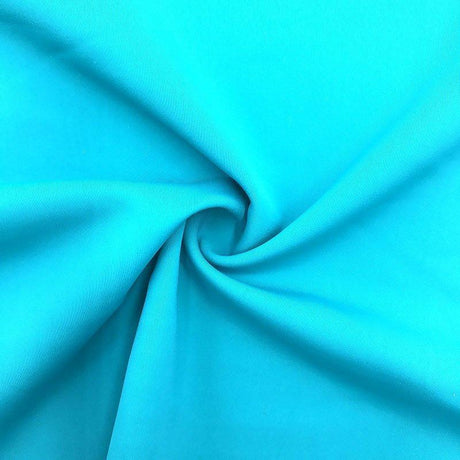
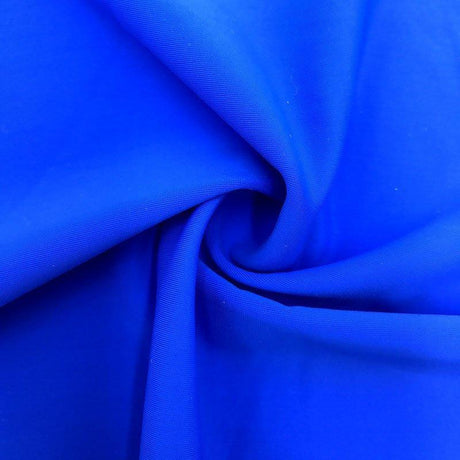
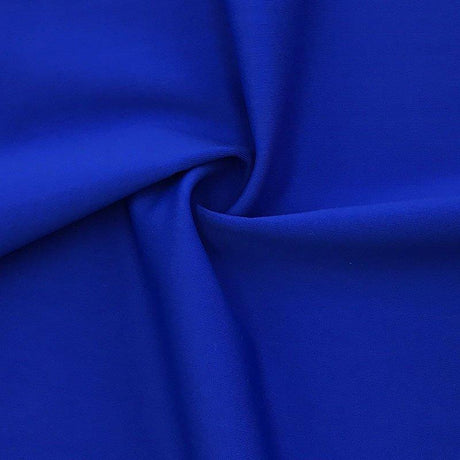
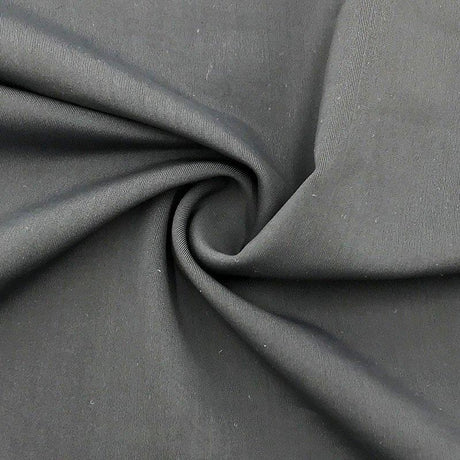
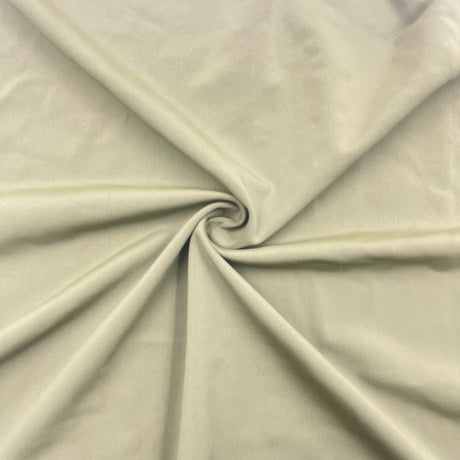
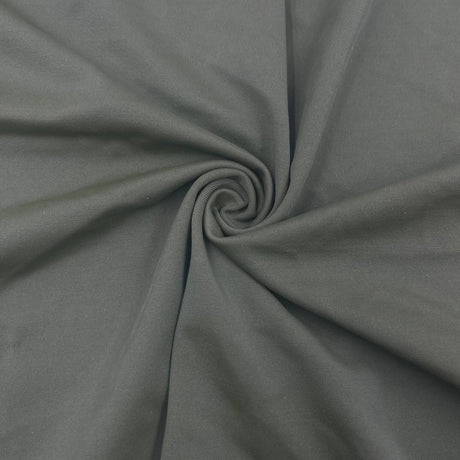
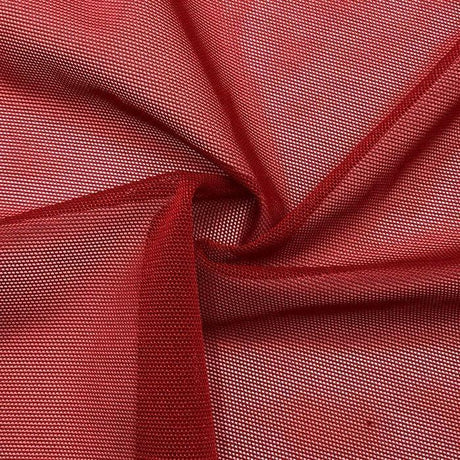
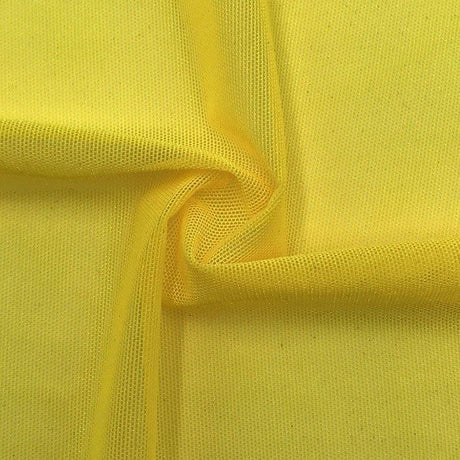
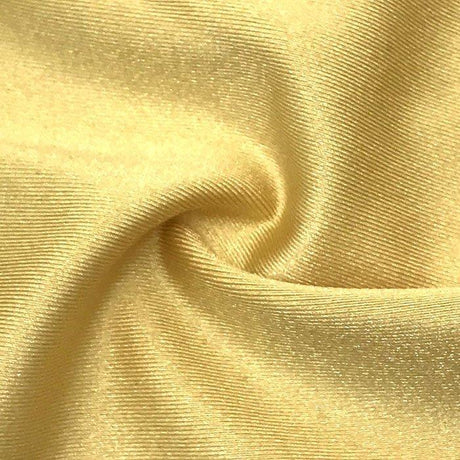
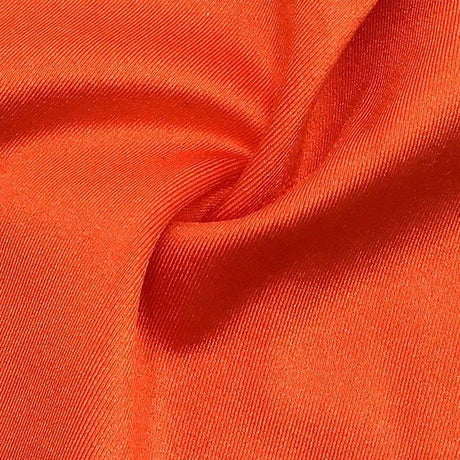
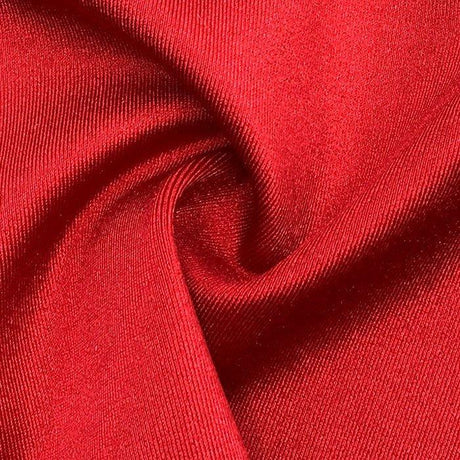
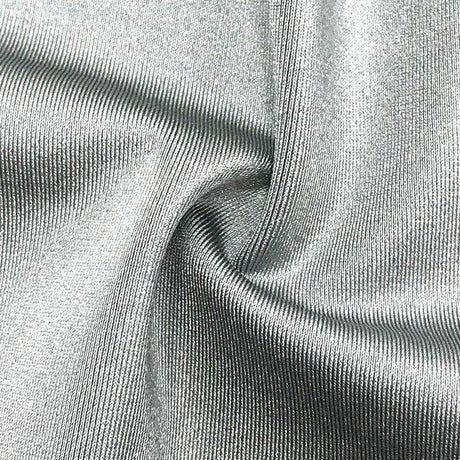
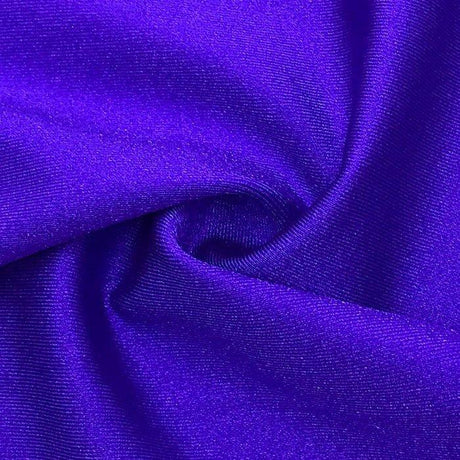
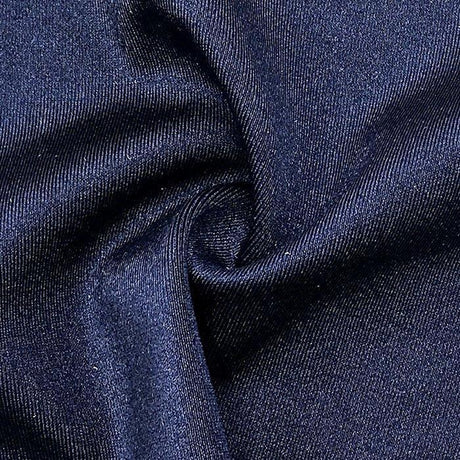
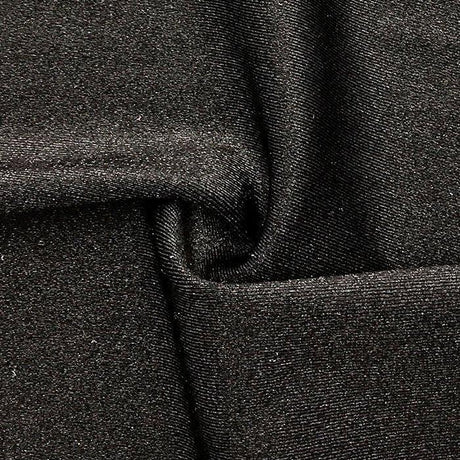
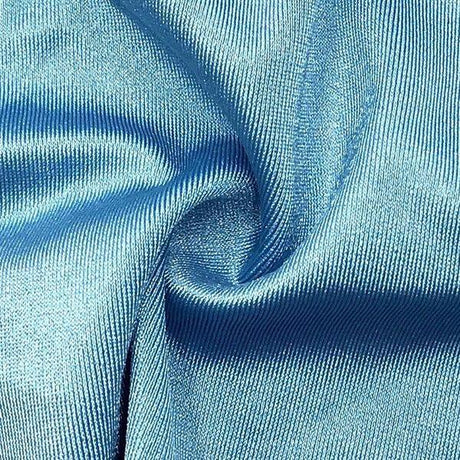
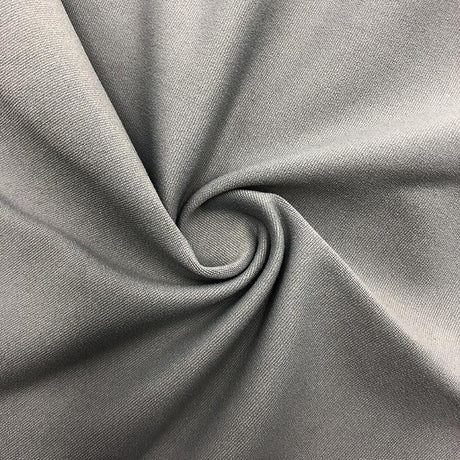
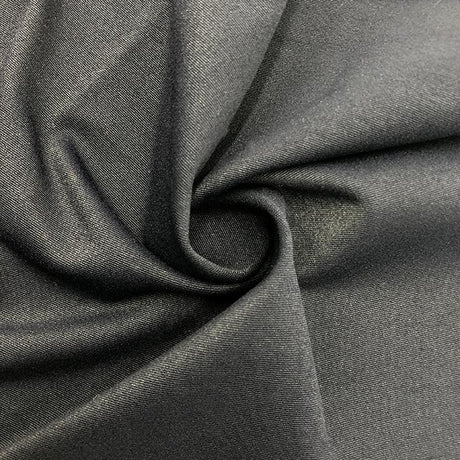
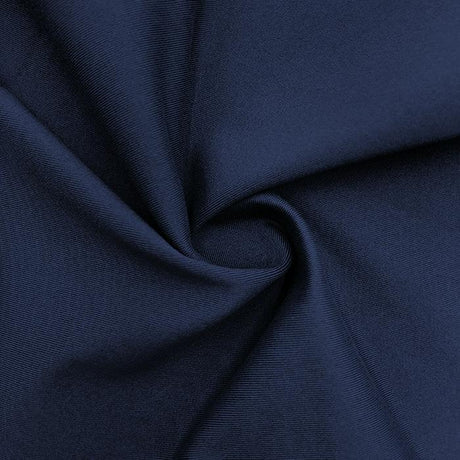
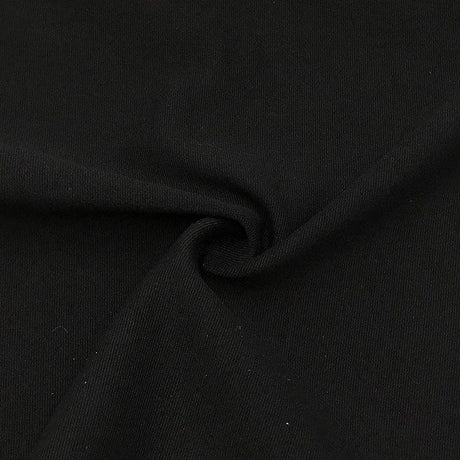
Reversible garments look deceptively simple—until you cut your fabric and the edges start rolling like a scroll, seams turn into thick ridges, and the "clean" inside you envisioned suddenly looks like a construction site. The two biggest enemies of reversible clothing are edge curling (which fights you at the cutting table and shows up at hems and openings) and bulk (which makes seams stiff, uncomfortable, and visibly uneven from both sides). For a broader foundation on stretch fabric properties before diving in, explore our stretch fabric types page or browse our full fabric guides hub.
Understanding Fabric for Reversible Clothing
What Is Fabric for Reversible Clothing?
"Fabric for reversible clothing" isn't one single fabric—it's a category of fabrics (and fabric pairings) that can be worn on either side without looking unfinished, while maintaining comfort and performance. The best reversible candidates usually share three traits: they have a balanced or stable knit structure that resists edge curl, they look acceptable on both face and back (or pair cleanly with a lining), and they have controlled stretch + recovery so the garment doesn't torque, bag out, or "fight itself" when worn.
A key technical distinction is construction:
Interlock (a double knit) is widely valued for reversibles because it looks the same on both sides and its raw edges don't curl, making it inherently more cooperative for clean reversible finishes than single jersey.
Single jersey (a common tee-knit) is comfortable and ubiquitous, but it's known to be prone to curling at cut edges—exactly the behavior that causes frustration in reversible hems, necklines, and open-front layers.
Tricot (a warp knit) typically offers higher dimensional stability and run-resistance than lightweight jersey; it's widely used in linings, swimwear, lingerie, and performance applications where a smooth, stable base matters.
At the fiber level, most performance stretch fabrics rely on elastomeric content. Spandex (also known as elastane) is a polyurethane-based fiber used for highly elastic properties. Nylon has high resistance to wear and is tough, elastic, and strong, which is why nylon-spandex blends are popular where abrasion and durability matter. Our nylon-spandex fabric guide covers how nylon-spandex constructions achieve the combination of smooth hand feel, strength, and 4-way stretch that defines quality performance fabric.
Key Performance Characteristics
Stretch and Recovery: For reversibles, "stretch" isn't enough—you need stretch + recovery (snap-back), plus low "growth" under extended wear at elbows, knees, waistbands, and hems. A fabric that stretches but doesn't recover can look great on the cutting table and then become permanently "relaxed" after wear—fatal for reversible garments because the distortion shows on both sides. Our stretch fabric types page covers the step-by-step stretch and recovery testing methodology in detail.
GSM (Weight) and Thickness: Bulk problems often start with mismatched weight. For reversibles, weight selection is about balancing drape vs. opacity vs. seam thickness. Lightweight linings can be extremely low-bulk (for example, brushed tricot at 105 GSM, positioned as lightweight yet strong and commonly used for lining/pocketing applications). Many single jerseys sit in lightweight ranges but are prone to edge curling, which matters for reversible edge finishing. Our fabric weight guide provides a full breakdown of how GSM affects opacity, breathability, and durability across all common stretch fabric constructions.
Moisture Management and Breathability: Two concepts get confused: moisture regain (how much water a fiber holds) and moisture wicking/transport (how fabric moves liquid via capillarity and finishes). Cotton is listed around 8.5% moisture regain, nylon around 4%, and polyester around 0.4%. For brands and teams specifying performance claims, industry standards exist to evaluate moisture transport. Our fabric finishes guide covers moisture-wicking surface treatments and how to evaluate their durability across all common performance fabric constructions.
Durability and Abrasion Resistance: If the reversible design is meant for high-contact use (outerwear, athletic layers, kidswear), abrasion matters. Nylon is explicitly noted for high resistance to wear and is used in demanding applications.
Softness and Handfeel: Reversible clothing is worn against skin on both sides, so handfeel must work in both directions. Brushed tricot is described as soft with a brushed texture, remaining lightweight and flexible while being used for performance garments.
Special Performance Traits: When reversibles move into niche performance categories (swim, UV, chlorine exposure), specialized textiles come into play. PBT Technology Fabric is positioned as quick-drying, breathable, and UV/chlorine resistant with strong shape retention—relevant if your reversible concept includes water exposure. Our swimwear fabric guide covers how PBT compares to nylon-spandex and polyester-spandex for different aquatic applications.
Comparison with Similar Fabrics
Fabric for Reversible Clothing (Interlock / Double Knit): Often cotton/poly/nylon blends; may include spandex. Stable stretch; balanced structure; often comfortable 2-way with some lengthwise stability. Best for true reversible tees, lounge sets, babywear, and reversible layers requiring clean edges. Looks the same on both sides; raw edges don't curl; stable. Can be thicker than jersey (watch bulk at seams); may feel warmer.
Alternative 1 (Single Jersey Cotton-Spandex): Cotton + spandex (or cotton-poly-spandex) blends. High stretch, especially crosswise; can be more "lively." Best for soft casual reversibles only if you plan edge stabilization/finishing. Breathable and familiar handfeel; widely used in casualwear. Prone to curling at edges; can distort on cutting/sewing without stabilization. Our cotton-spandex fabric guide covers how cotton-spandex blends compare to synthetic alternatives in stretch behavior and moisture management.
Alternative 2 (Warp-Knit Tricot / Brushed Tricot): Commonly poly/nylon; may include spandex. Typically stable and run-resistant; spandex can add stretch. Best for low-bulk reversible linings, swim/active linings, and smooth interior layers. Dimensional stability and run-resistance; used in linings/swim/athletic contexts. One side may have different texture than the other; may need careful stretch matching.
Best Uses and Applications
Mainstream Apparel Categories: Reversible hoodies, pullovers, and light jackets often use a stable face fabric plus a soft interior (or a true double-faced knit). Fleece collections are positioned for warmth and comfort, including double- and single-sided options suited to outerwear—relevant when the reversible concept is "cozy on both sides."
Reversible tees and lounge sets benefit from fabrics that don't advertise a "wrong side." Interlock's identical face/back and non-curling raw edges make it especially cooperative for these builds.
Activewear Applications: Reversible bras, tanks, and light compression tops usually need high recovery and clean seam finishes. For low bulk and comfort in motion, seam engineering matters as much as fabric selection. Flatlock stitching joins fabric with no overlap, creating a flat, flexible finish commonly used in activewear because it reduces bulk and helps prevent chafing—an ideal seam strategy for reversibles where both sides are visible. Our how to sew stretch fabric guide covers all construction techniques for low-bulk seam finishing in performance garments. Our activewear fabric guide covers how performance fabric constructions compare across all common activewear applications.
Swimwear and Water-Adjacent Reversibles: Reversible swim tops, rash guards, and dance/swim crossover pieces commonly pair a swimwear outer with a lining that supports stretch and opacity. Tricot's stability and common use in swimwear/linings makes it a strong candidate for low-bulk reversible interiors. Our swimwear fabric guide covers lining fabric options and how to integrate them for different swimwear applications.
Custom Prints and Fashion-Forward Reversibles: If your reversible vision includes prints, your print method matters. Dye sublimation "molecularly bonds" ink to polyester materials; higher polyester content generally improves results, while blends (including cotton blends) can mute colors and spandex blends may introduce print distortion due to elasticity. Brushed tricot with PFP white finish is described as "sublimation-ready," designed for vibrant, long-lasting designs—useful when the inside of a reversible garment is a printed lining. Our sublimation page covers how sublimation printing bonds dye into polyester-spandex fibers to achieve permanent, saturated color, and our sublimation paper and sublimation transfer paper pages cover the complete printing workflow.
How to Choose the Right Fabric
Start with the reversible "non-negotiables": If you want the least curling and the easiest finishing, favor stable structures like interlock—specifically noted for non-curling raw edges and identical appearance on both sides. If your design uses a separate lining for the reverse side, choose a lining fabric with stability and low bulk. Tricot is highlighted as stable and commonly used in linings, while brushed tricot products are positioned for lining/pocketing and performance uses. Our how to choose fabric guide covers what to evaluate when a physical swatch arrives, including stretch testing, opacity testing, and hand feel assessment.
Match stretch direction and recovery between layers: For reversible knits, both layers should stretch similarly (2-way vs. 4-way and magnitude). If the outer layer stretches more than the lining (or recovers differently), seams can ripple and the garment can twist.
Control weight to prevent bulk: If you're building a reversible piece that must stay sleek, look for lightweight lining candidates (like 105 GSM brushed tricot options) rather than doubling heavyweight fabrics everywhere. Cotton Spandex is described as comfortable, stretchy, and breathable—combining cotton's moisture-absorbing properties with spandex elasticity.
Common Mistakes to Avoid
Picking a curl-prone knit and expecting it to behave: Single jersey is explicitly described as prone to curling at edges, and knitting research shows edge curling naturally emerges in plain/stockinette knit behavior due to loop geometry and mechanics. If you choose jersey anyway (for drape/handfeel), plan for anti-curl construction: bindings, stabilized hems, or seam strategies that add controlled structure.
Creating a "bulk sandwich" at seams: Layer + seam allowance + topstitching can easily produce thick ridges. For reversibles, that ridge is visible and tactile on both sides. Consider flat seams where possible: flatlock joins fabric with no overlap, producing a flat, flexible seam widely used in activewear to reduce bulk and chafing.
Using the wrong needle on spandex-rich knits: Skipped stitches, pinholes, and runs are common when tools don't match fabric. Use Stretch needles featuring a medium ball point and a special eye/scarf designed to prevent skipped stitches on elastic materials and highly elastic knitwear. Our how to sew stretch fabric guide covers complete needle selection, stitch type, machine settings, and edge finishing guidance for all common stretch fabric construction scenarios.
Ignoring fiber behavior in moisture and heat: Cotton holds significantly more water than polyester, which can change how a reversible feels in sweat-heavy use. And for spandex blends, harsh care can degrade the elastomer: hot water and high heat can weaken elastic fibers over time, and bleach/fabric softeners can damage spandex performance. Our spandex care guide covers why heat and harsh chemicals degrade elastane fibers and the care protocols that maximize garment lifespan.
Cutting without accounting for grain and print alignment: Reversible garments have "two outsides," so misaligned grain or mismatched prints read as a quality defect. If you're using sublimation or printed faces, also account for how elasticity can affect print appearance.
Ready-to-Use Checklists
Pre-cut checklist for DIY and small-batch makers:
- Pre-wash both fabrics the way the finished garment will be laundered (especially if combining cotton-spandex with synthetics)
- Cut and observe a test swatch: if edges roll aggressively, plan bindings or switch to interlock/tricot-style constructions
- Confirm stretch compatibility: test both layers in the same direction(s) and compare recovery before committing
- Choose the right needle: use a stretch/ballpoint option designed for elastic knits to reduce skipped stitches and fabric damage
- If printing: test stretch + print distortion on a scrap first (especially sublimation on spandex blends)
Production checklist for manufacturers and professional sampling:
- Define your reversible spec: face/back appearance standard, allowable seam thickness, and seam visibility rules
- Validate fabric weight (GSM) to predict seam bulk and drape
- Validate stretch and growth for lot consistency
- If selling "moisture management," align claims with test methods
- Choose seam construction that suits reversibility: consider flatlock for low bulk and comfort where seams are exposed on both sides
Care & Longevity Tips
Washing: Use gentle washing, sort colors, and use cold water on gentle cycles for spandex garments. Avoid bleach and skip regular fabric softeners because residues can harm elasticity and trap odors. Our spandex care guide and fabric care guide cover complete laundering protocols for all common spandex-blend fabric types.
Drying: Air-drying is the safest approach for spandex garments, with explicit warnings against high heat because heat can melt/warp/weaken elastic fibers and shorten lifespan.
Ironing and heat finishing: For reversibles, avoid heavy pressing that can imprint seam allowances to the opposite side. If you must press, do it with low heat and a press cloth, and test first—especially on spandex-rich fabrics where direct heat can be risky.
Print care: To protect printed faces, prioritize gentle care that reduces fading/cracking risk. Wash printed reversibles inside-out to protect graphics on whichever side is facing in.
When to Consider an Alternative Fabric
Why choose cotton-spandex over nylon-spandex? Choose cotton-spandex when comfort, softness, and casual breathability are the priority – this can be advantageous for lounge reversibles where a "natural" feel matters. Choose nylon-spandex when abrasion, high wear resistance, and performance durability dominate the brief.
When neoprene is a better choice: If the reversible garment needs structure, insulation, or a sculpted silhouette (think fashion jackets, structured vests, or gear-adjacent pieces), neoprene-family materials can outperform traditional knits. The tradeoff: neoprene can add noticeable thickness—so it solves drape/structure but can create bulk unless seam strategies are optimized.
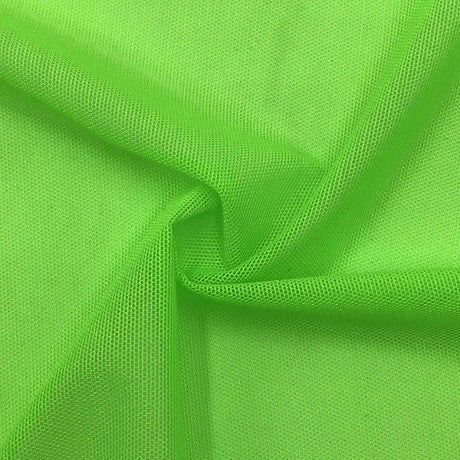
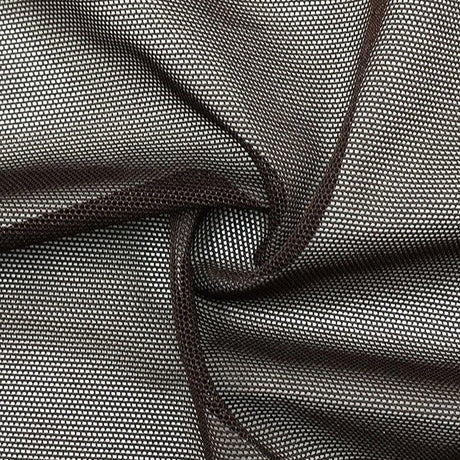
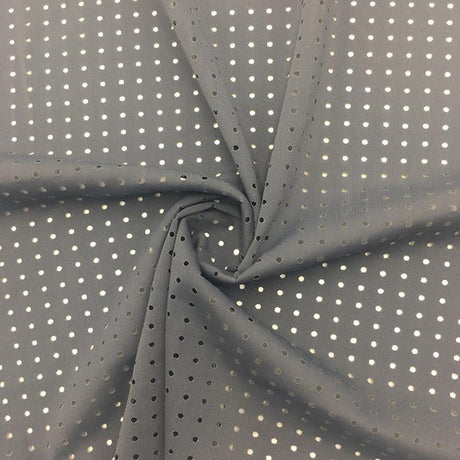
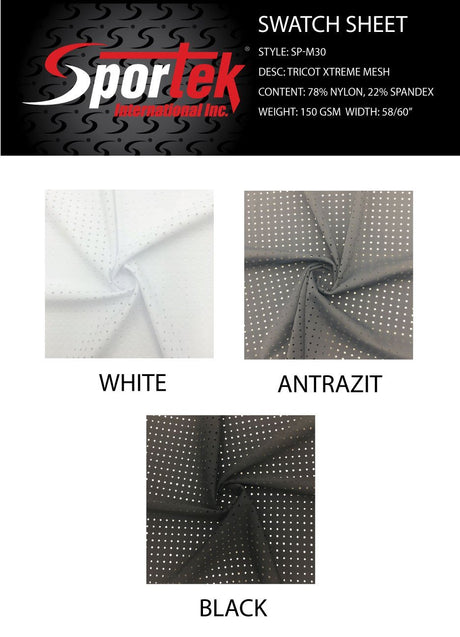
When mesh makes more sense: If the purpose of the reversible is thermal regulation or ventilation (for instance, a reversible training layer where one side is more breathable), mesh and moisture-management mesh options can be more effective than doubling opaque knits.
Conclusion
The best fabric for reversible clothing is the one that behaves like a finished garment on both sides: it stays flat at cut edges, doesn't build bulky seams, and maintains shape through stretch, sweat, and wash cycles. If curling is your main enemy, start with stable structures like interlock. If bulk is your main enemy, pair compatible weights and prioritize low-profile seams such as flatlock where appropriate. And when performance outcomes matter (fit retention, moisture management claims), lean on standard test thinking to select fabrics with confidence.
Ready to find the right fabric for your reversible project? Use our stretch fabric types page and fabric weight guide to evaluate technical specifications, our nylon-spandex fabric guide and cotton-spandex fabric guide for fiber-type specific recommendations, and our activewear fabric guide and swimwear fabric guide for end-use specific guidance. Our how to sew stretch fabric guide covers all construction techniques. Our spandex care guide and fabric care guide keep every finished garment performing at its best. Have questions? Our expert help and advice page and FAQ are always available. Sign up for SpandexByYard Rewards to earn points on every purchase!
FAQ
Is fabric for reversible clothing good for activewear? Yes—if you choose high-recovery knits or compatible performance layers (e.g., nylon-spandex or moisture-management systems) and use low-bulk seam strategies. Nylon's wear resistance supports durability, and flatlock seams help reduce bulk and chafing in motion. Our activewear fabric guide covers compression performance benchmarks and fabric weight recommendations across all common activewear constructions.
What fabric is least likely to curl for reversible garments? Interlock is one of the most reliable options because it looks the same on both sides and its raw edges don't curl, making it especially cooperative for reversible construction.
How do I prevent bulky seams in reversible clothing? Control thickness (GSM), reduce stacked seam allowances, and consider seam constructions designed to sit flat. Flatlock seams join fabric without overlap to create a flat, flexible finish, which helps minimize bulk in reversible builds. Our how to sew stretch fabric guide covers all low-bulk seam finishing techniques for performance garments.
Can I use sublimation prints in reversible garments? Yes—especially when the printed side is polyester-based. Dye sublimation bonds to polyester materials, and higher polyester content generally improves print vibrancy and durability; spandex blends may require extra testing due to potential print distortion from elasticity. Our sublimation page covers the complete sublimation workflow for polyester-spandex fabrics.
How should I care for reversible spandex-blend garments? Use cold water and gentle cycles, avoid bleach and fabric softeners, and prioritize air-drying to protect elasticity. Our spandex care guide covers complete care protocols for all common spandex-blend fabric types.