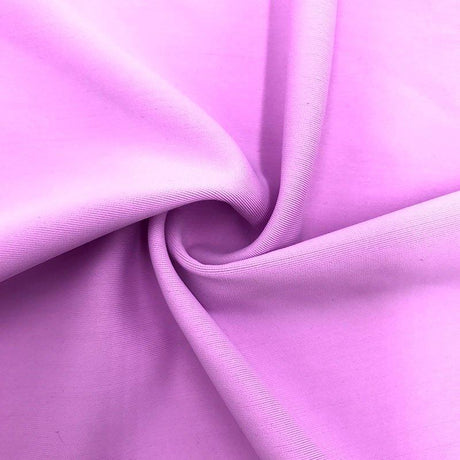
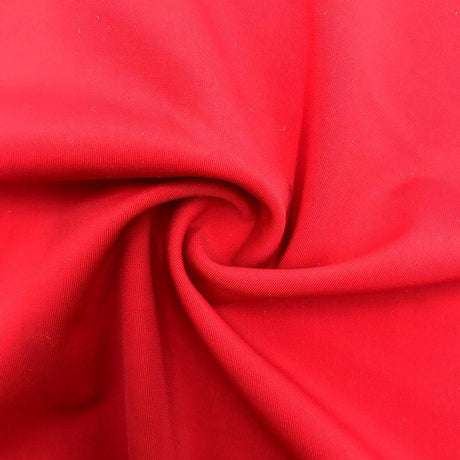
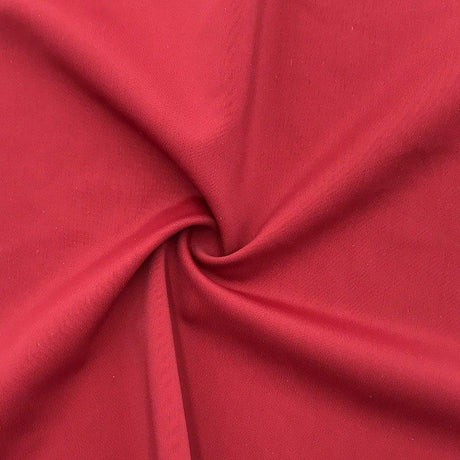
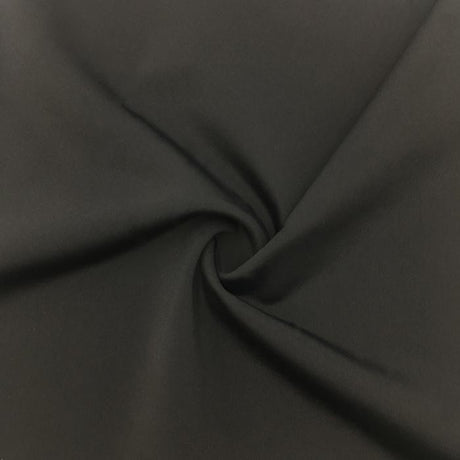
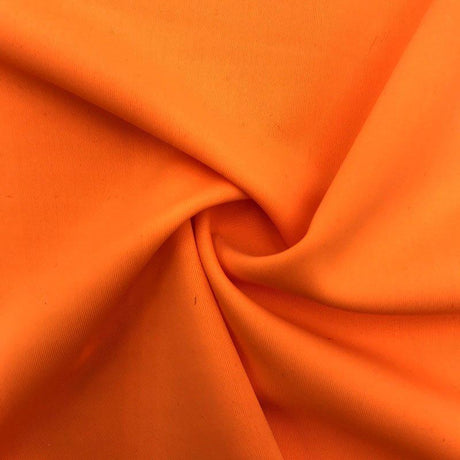
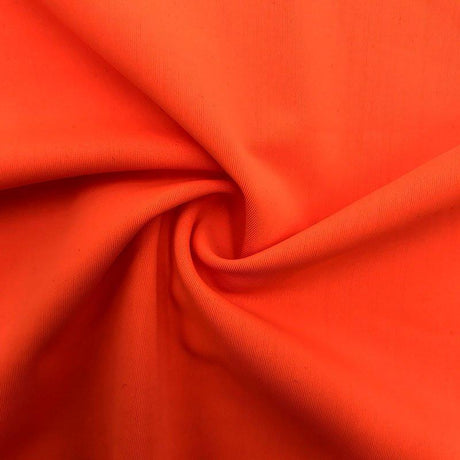
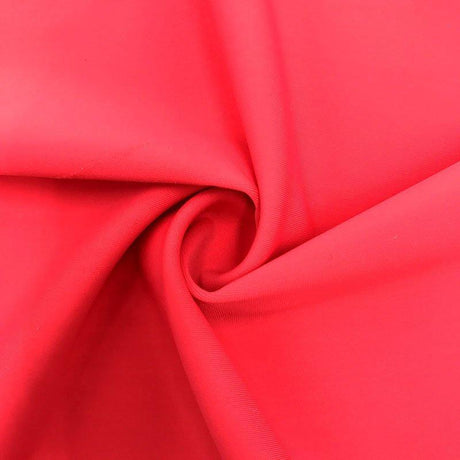
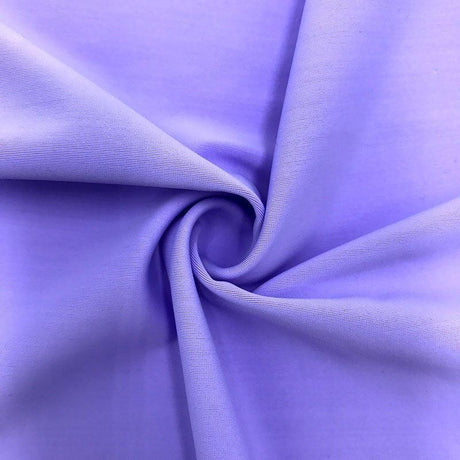
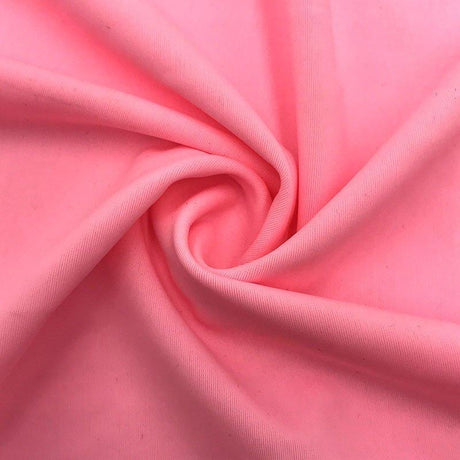
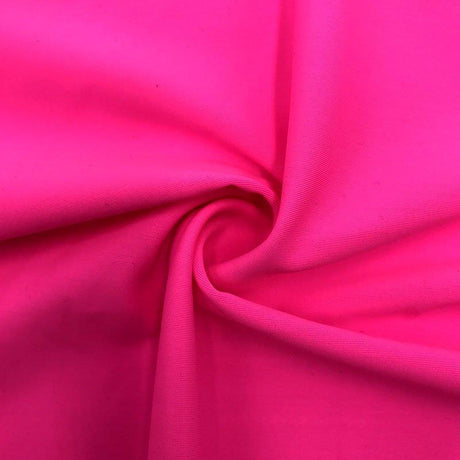
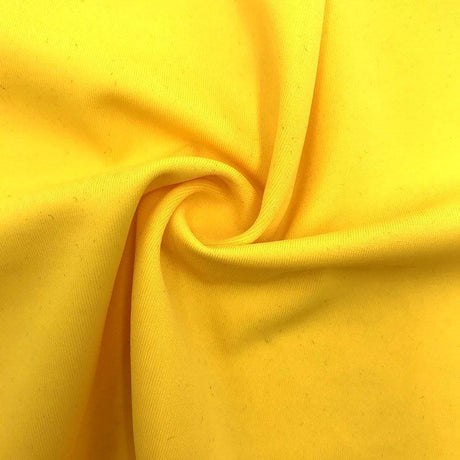
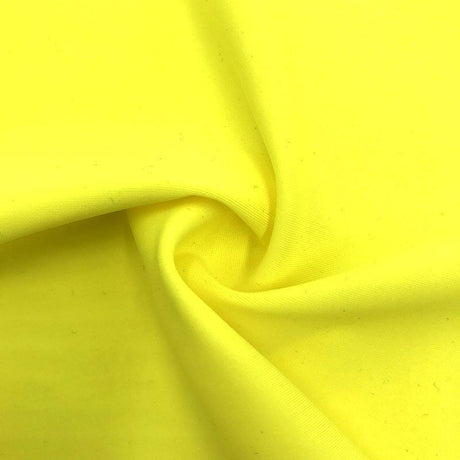
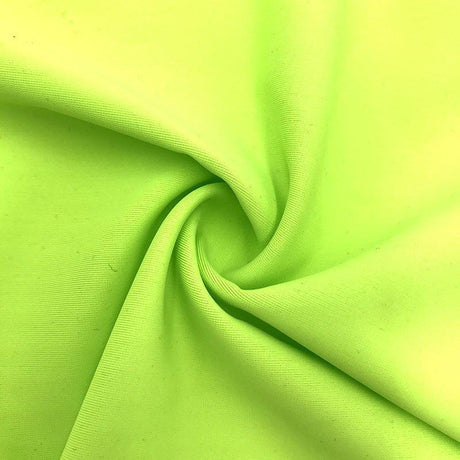
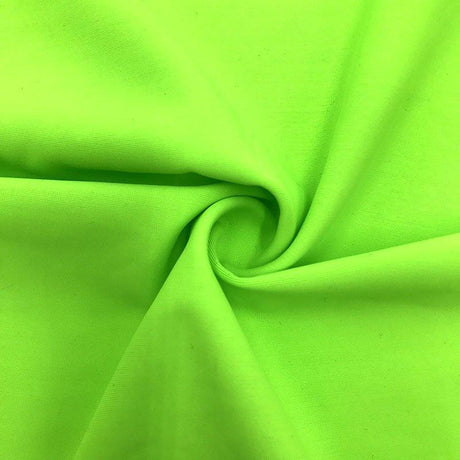
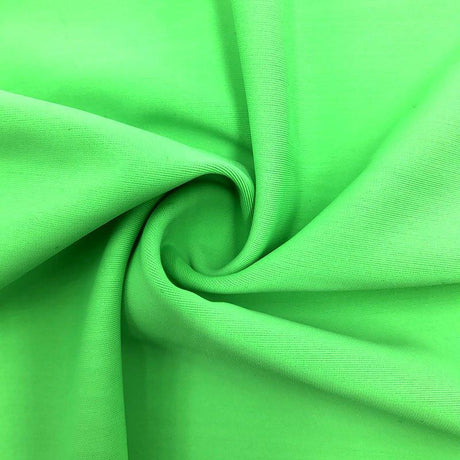
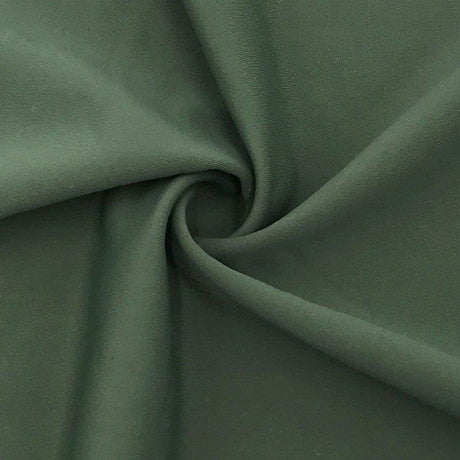
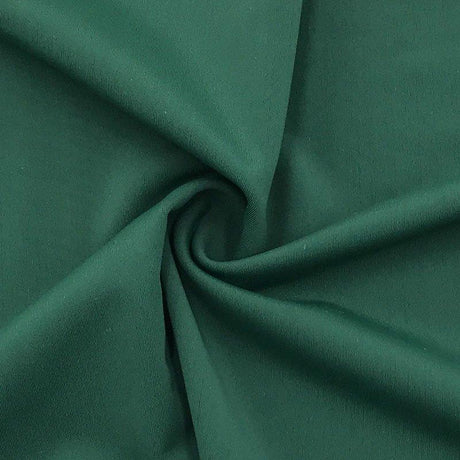
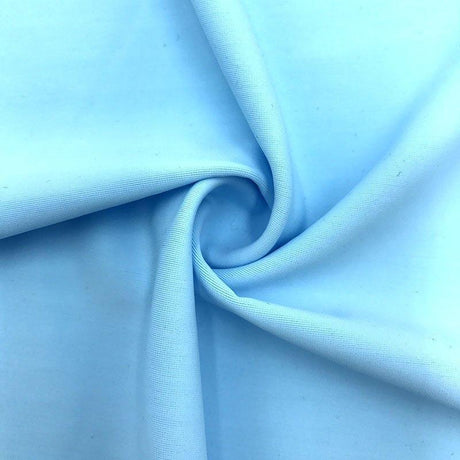
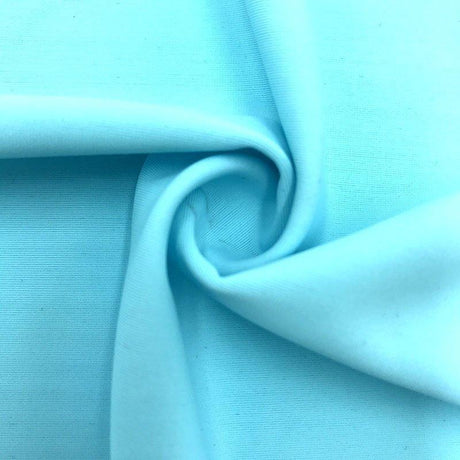
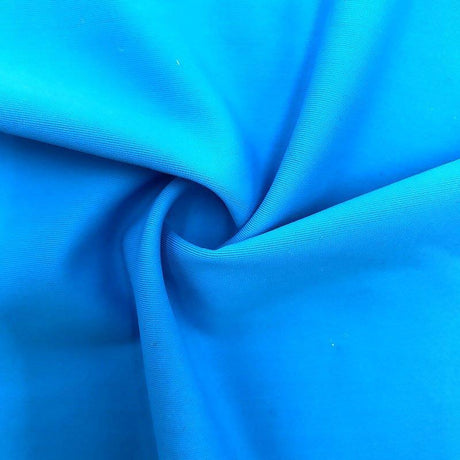
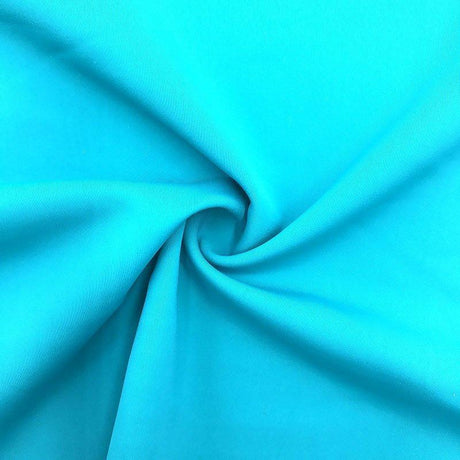
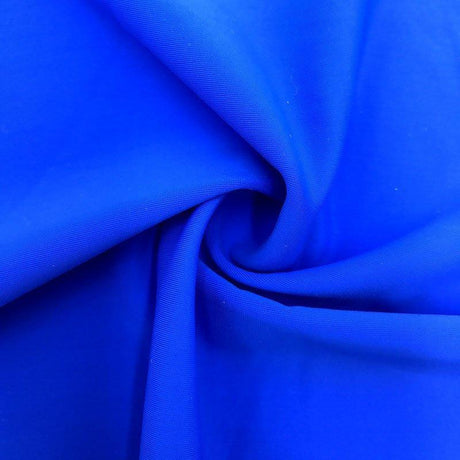
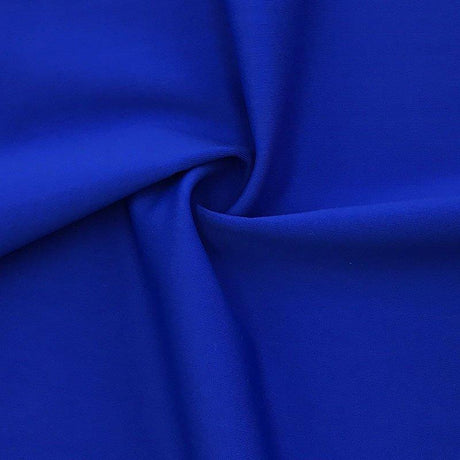
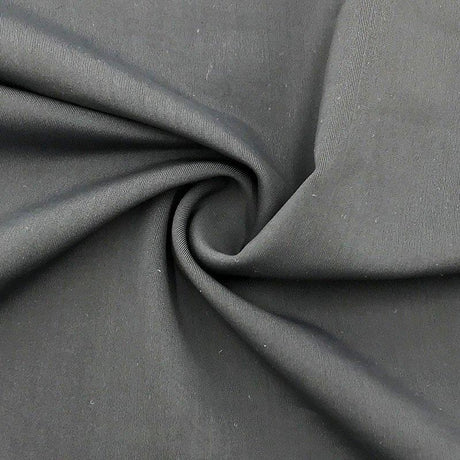
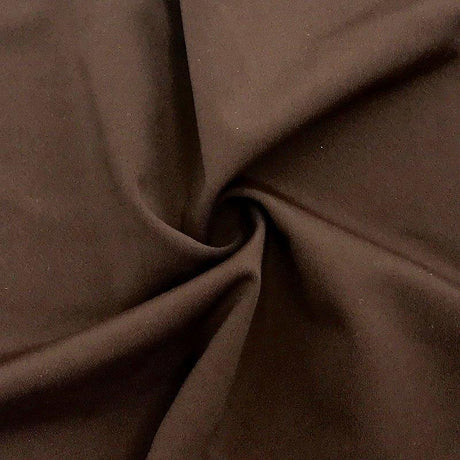
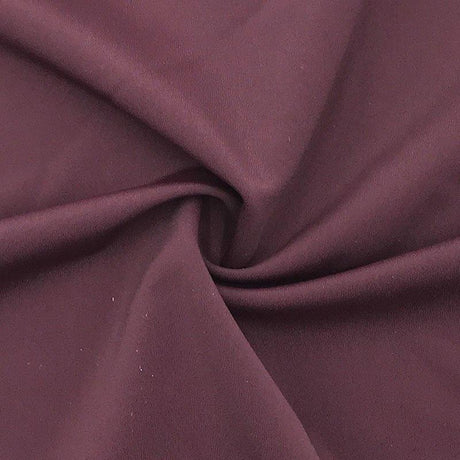
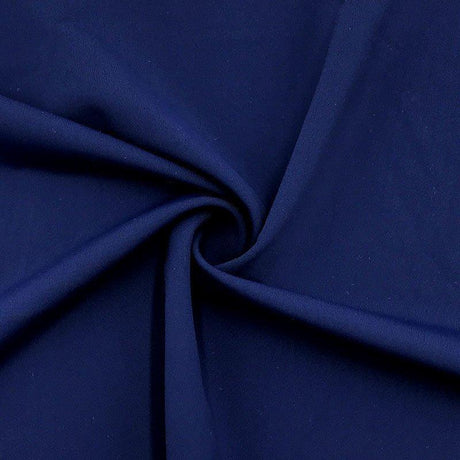
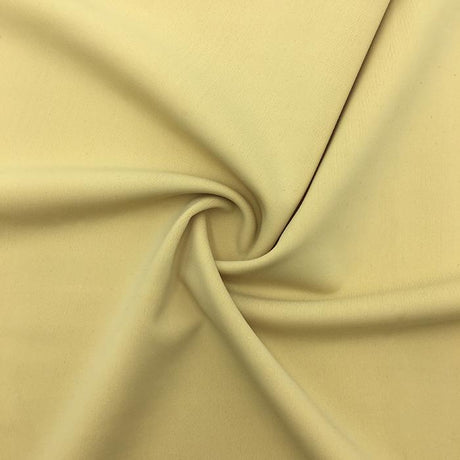
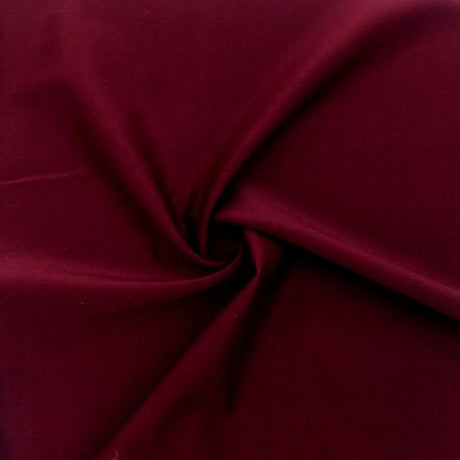
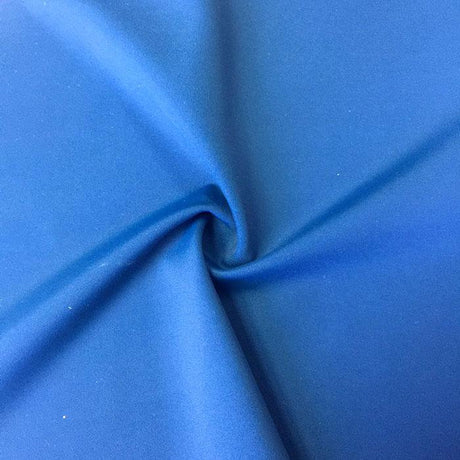
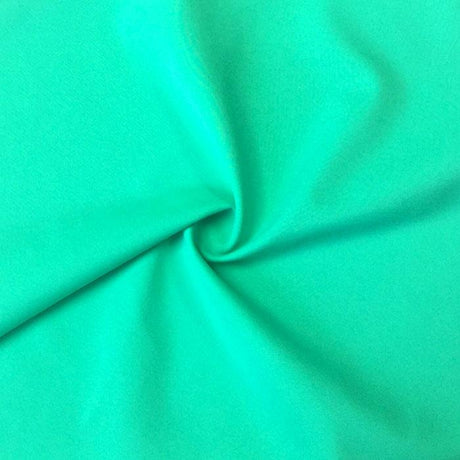
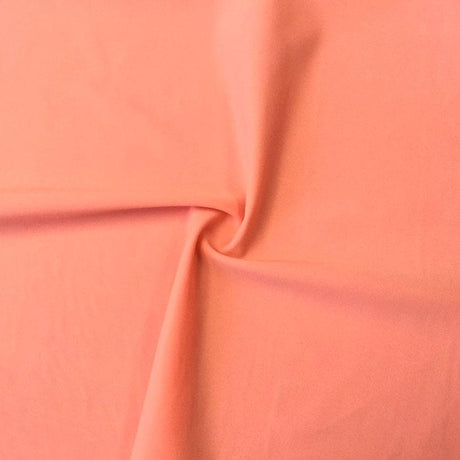
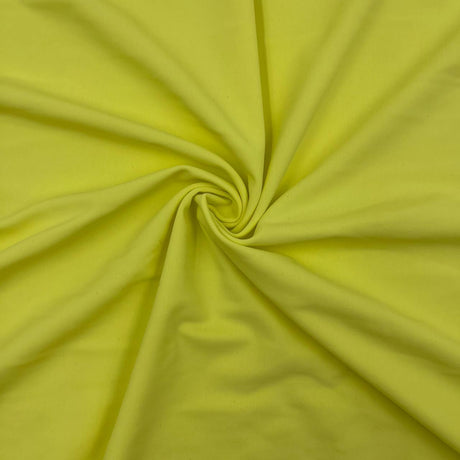
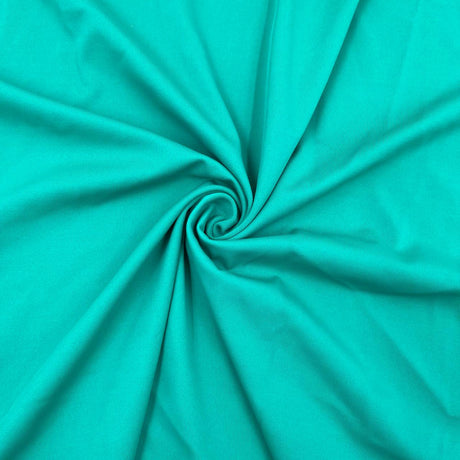
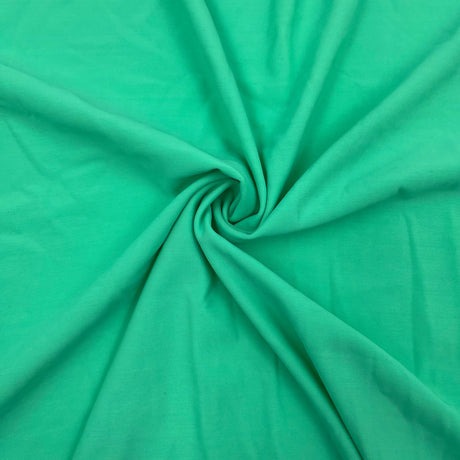
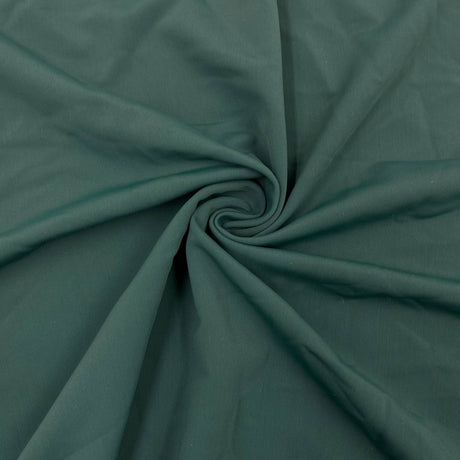
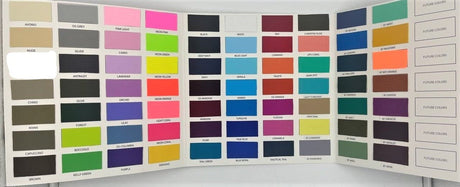
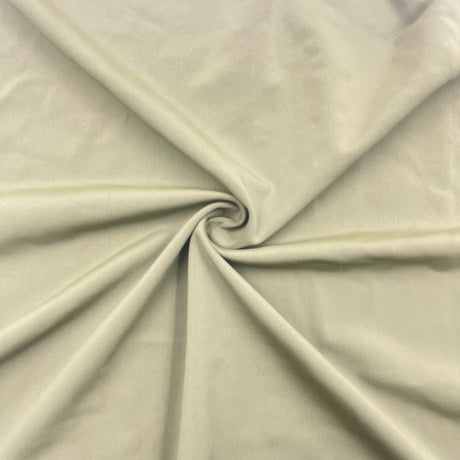
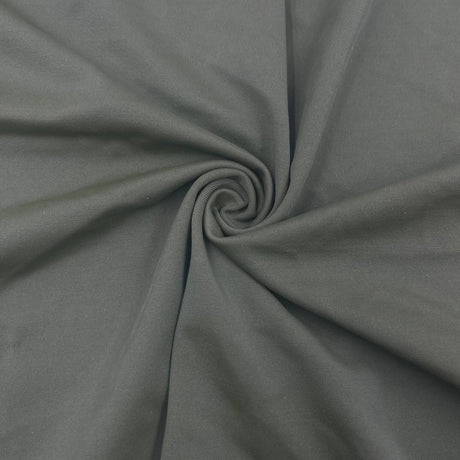
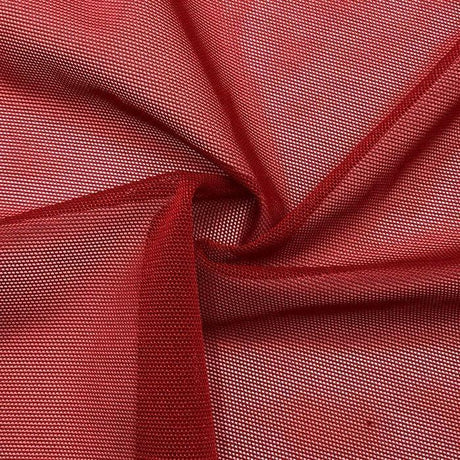
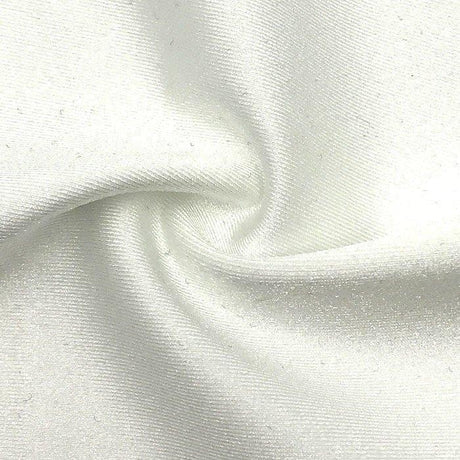
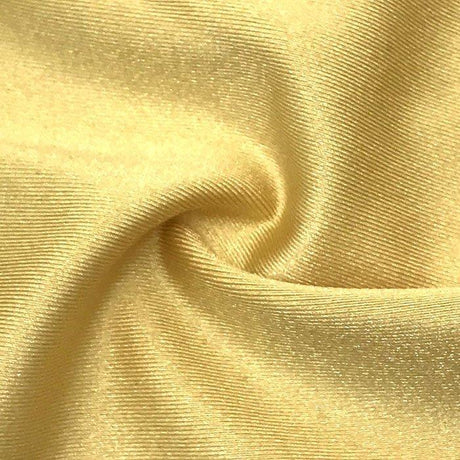
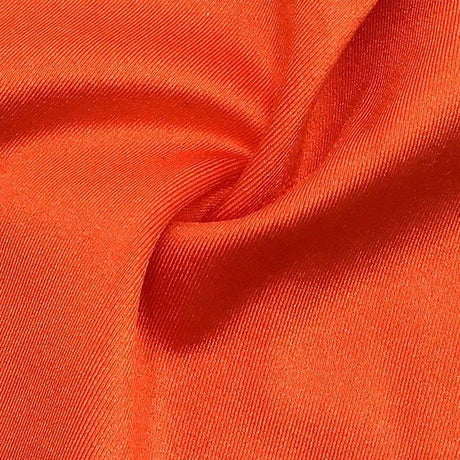
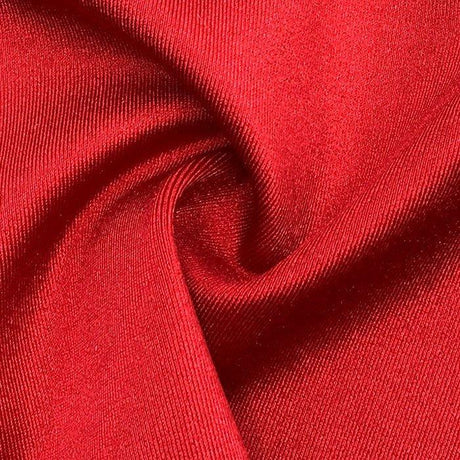
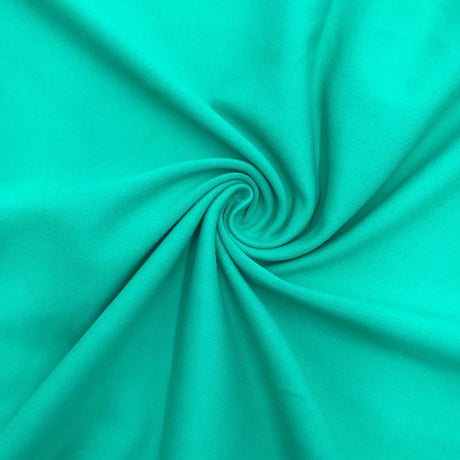
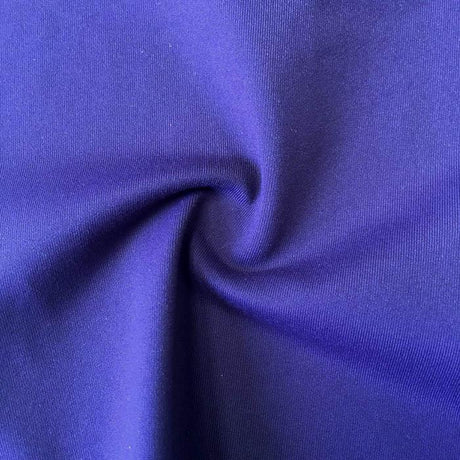
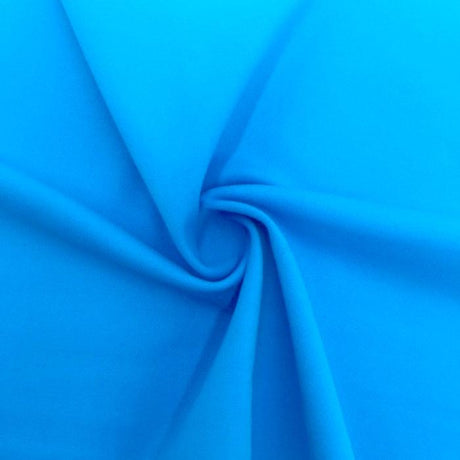
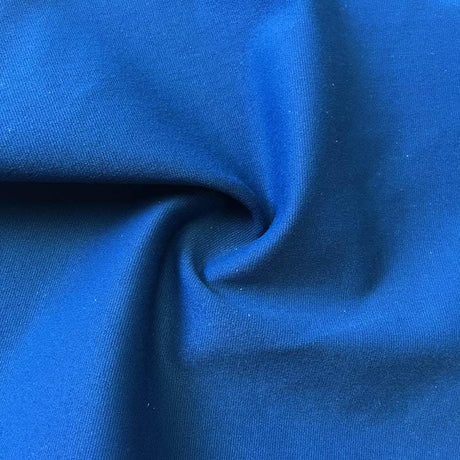
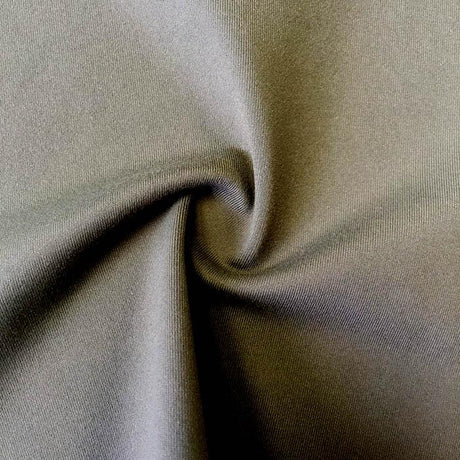
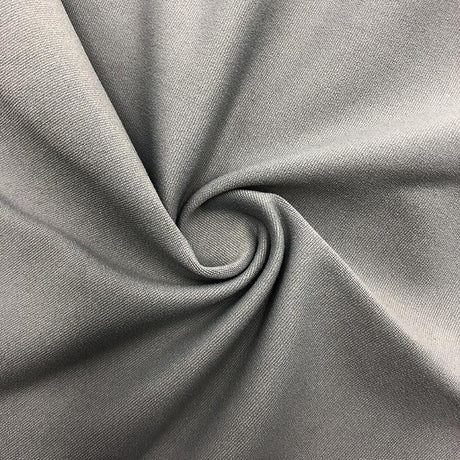
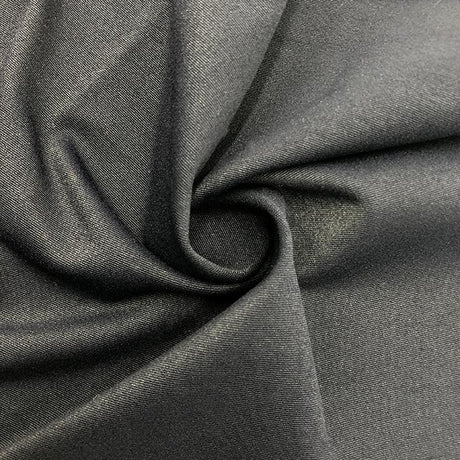
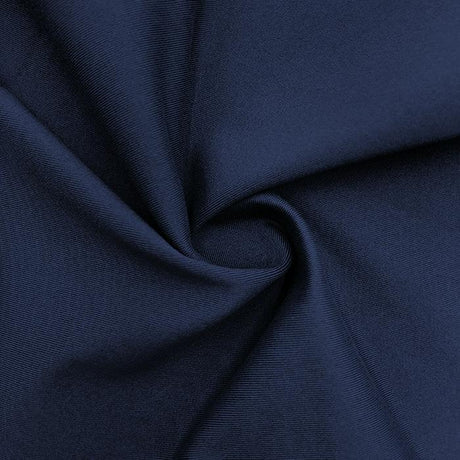
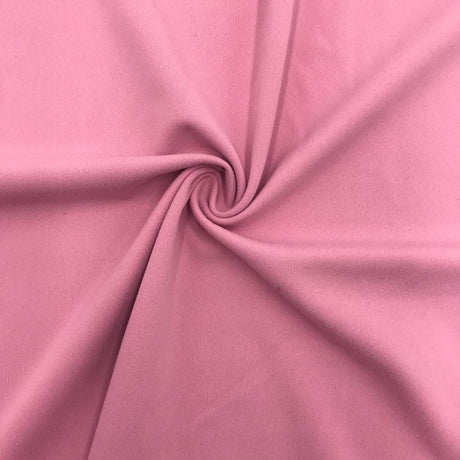
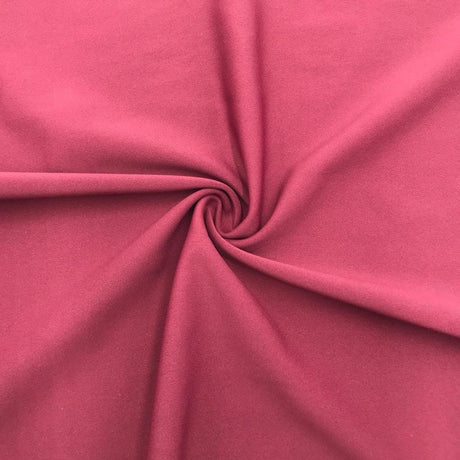
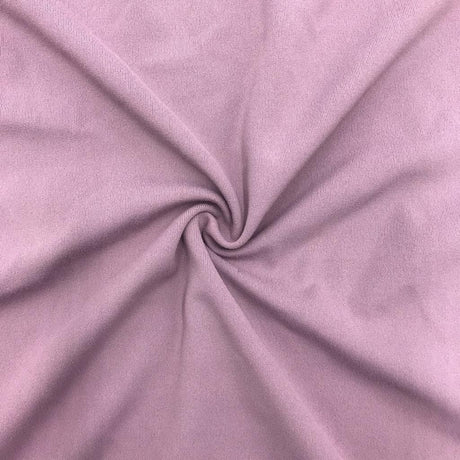
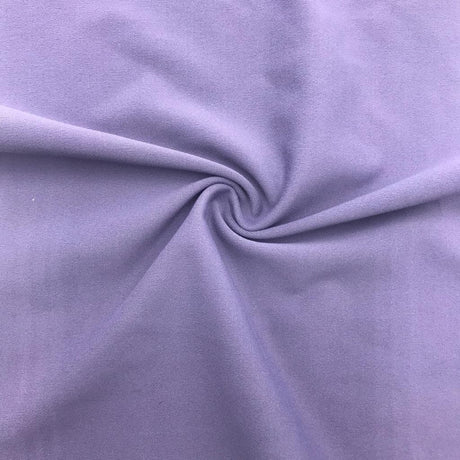
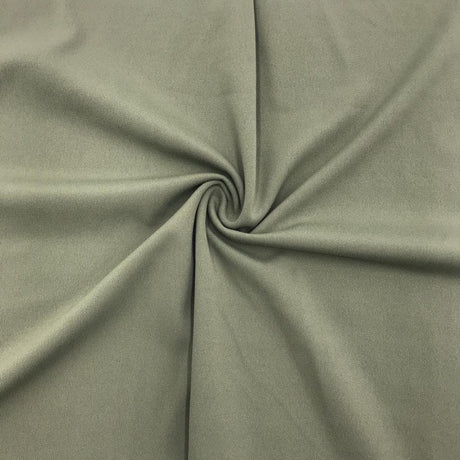
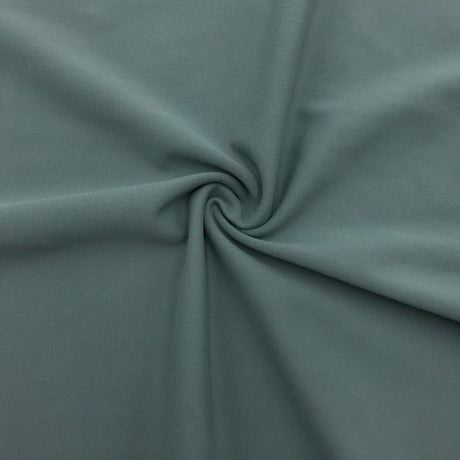
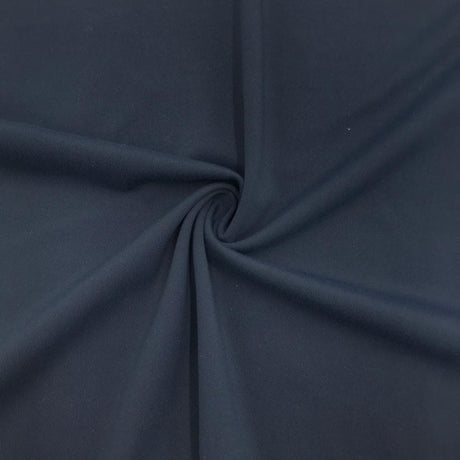
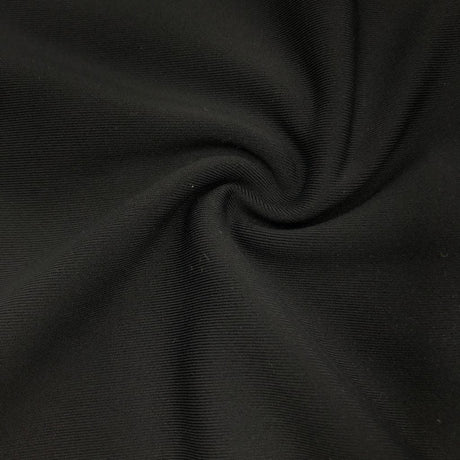
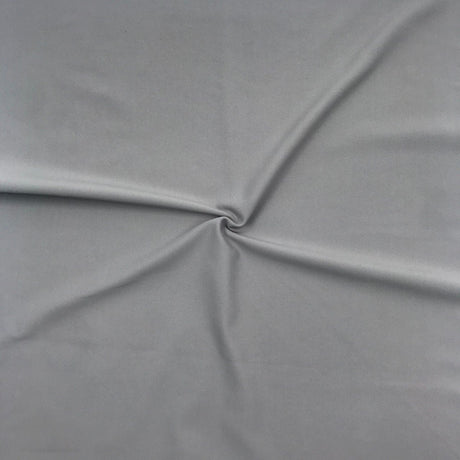
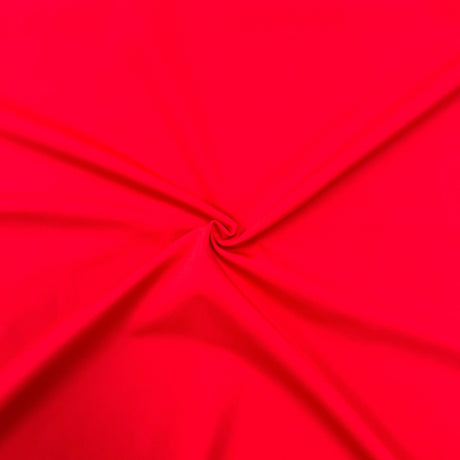
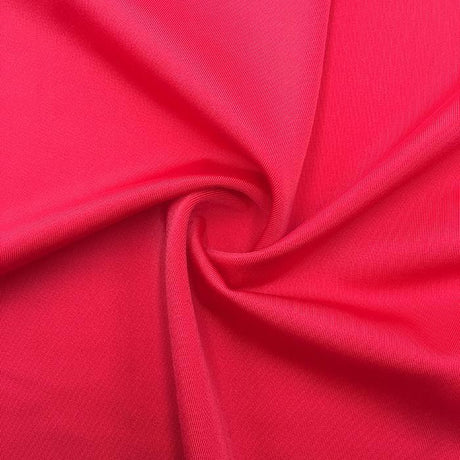
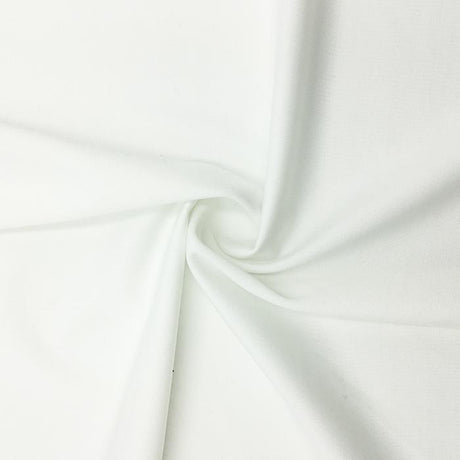
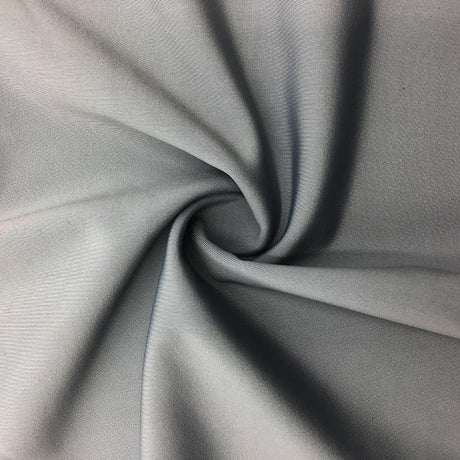
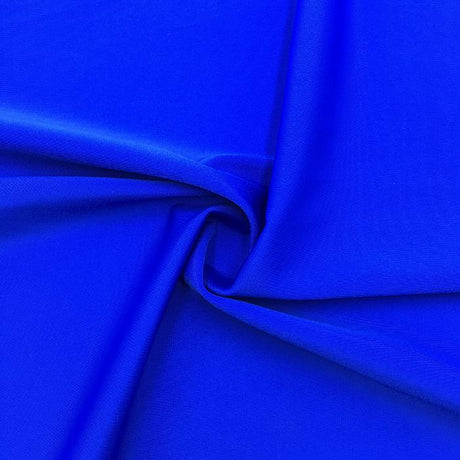
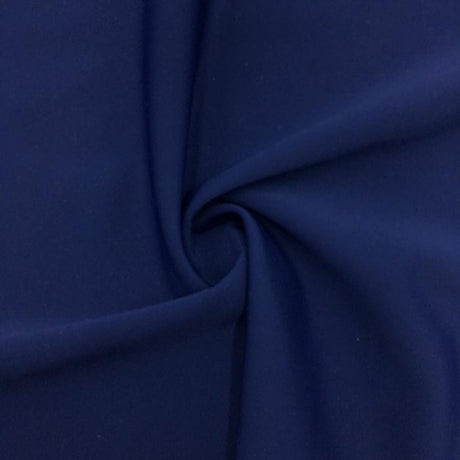
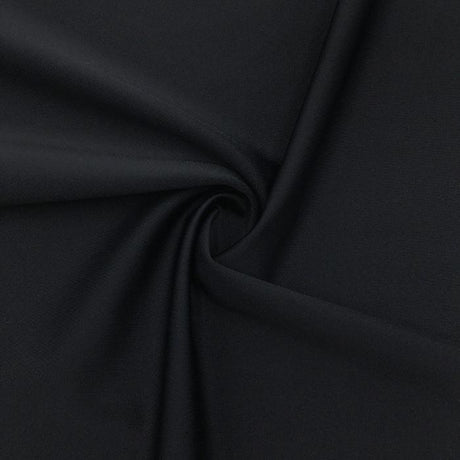
Festival outfits have a tough job description: they must look bold in photos, feel comfortable through heat and humidity, stretch with constant movement, and survive long days (and nights) of wear. Heat comfort matters because sweat only cools the body when it evaporates, and high humidity slows that process—meaning clothing that traps moisture can amplify discomfort. For a broader foundation on stretch fabric properties before diving in, explore our stretch fabric types page or browse our full fabric guides hub.
What Is a Performance Fabric for a Festival Outfit?
A "performance fabric" for festivals is less about a single material and more about a fabric system designed to manage: movement (stretch + recovery), sweat (wicking + drying), abrasion (durability), and climate swings (breathability or warmth layering).
Most festival performance fabrics are blends that include spandex (also called elastane). Legally/technically, spandex is defined as a manufactured fiber with a polymer comprised of at least 85% segmented polyurethane—this is the "elastic engine" in stretch knits. In real-world fabrics, spandex is typically blended with nylon, polyester, cotton, or specialty fibers to tune the feel and function.
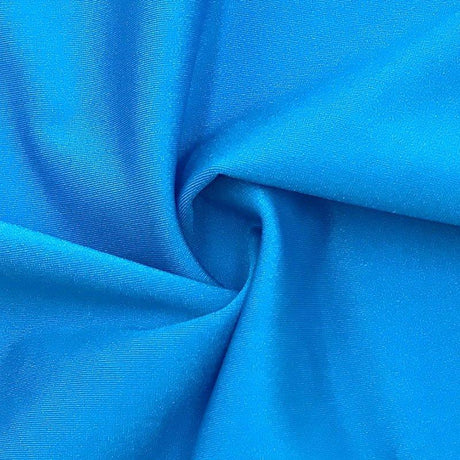
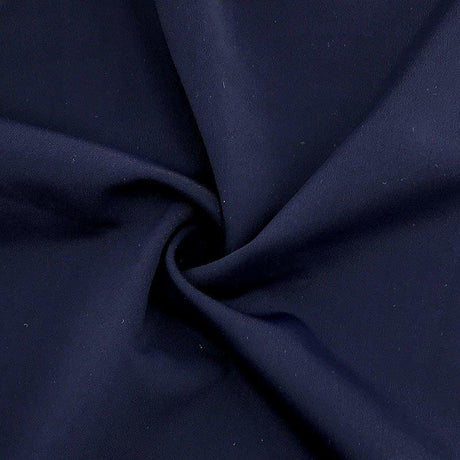
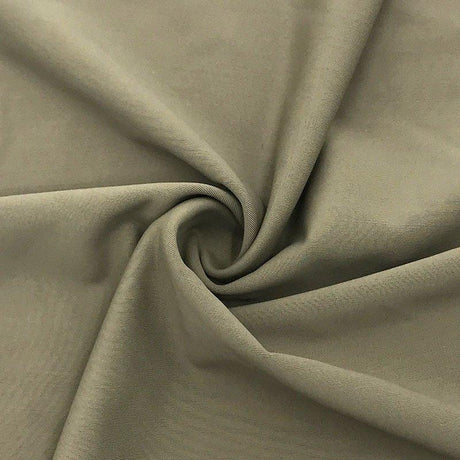
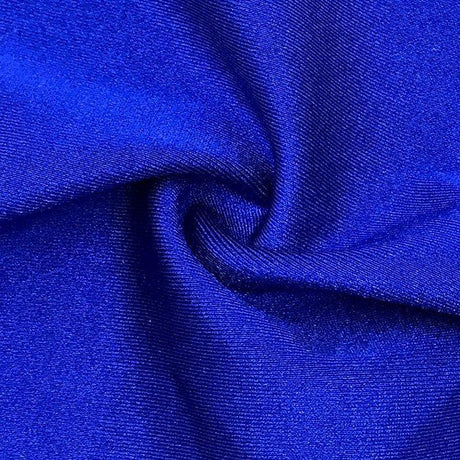
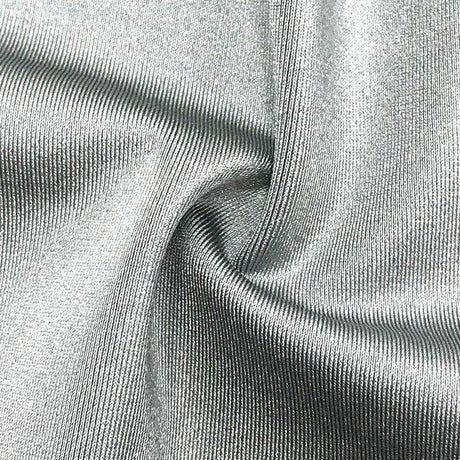
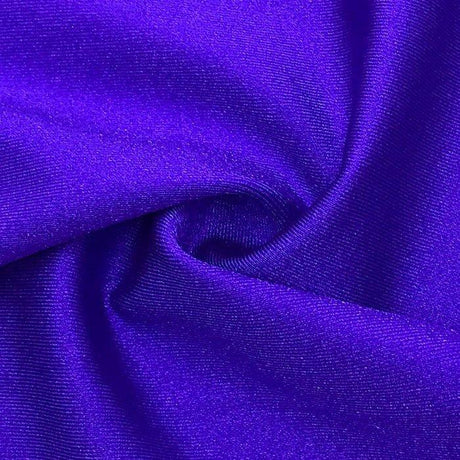
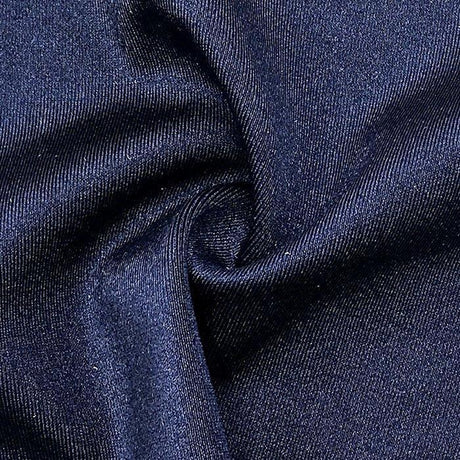
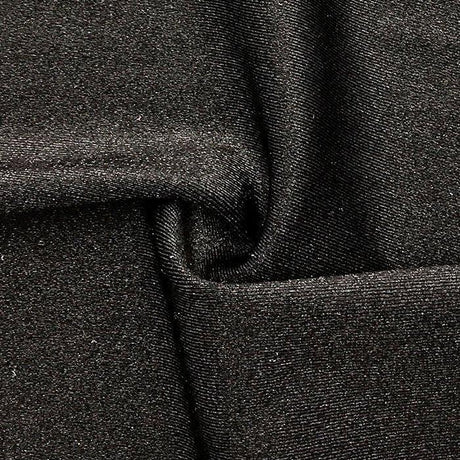
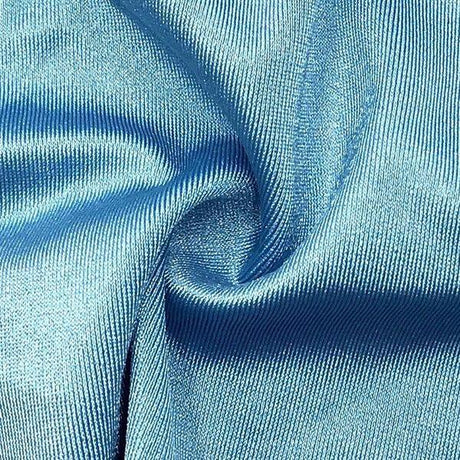
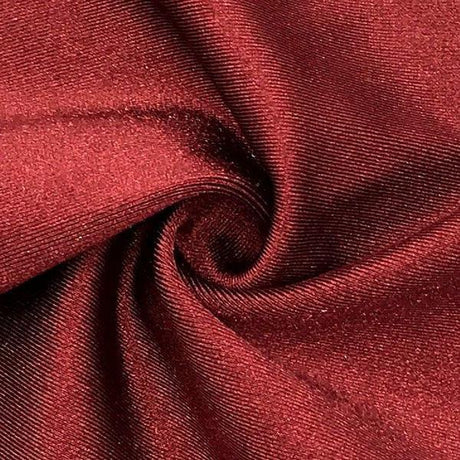
A key example is nylon-spandex, widely used for form-fitting garments and valued for elasticity, breathability, and durability. Our nylon-spandex fabric guide covers how nylon-spandex constructions achieve the combination of smooth hand feel, strength, and 4-way stretch that defines quality performance fabric. Another common festival direction is printed spandex, where color and pattern are engineered onto stretch bases (including nylon-spandex and polyester-spandex blends) for statement looks.
How it differs from "regular fashion knits": Performance stretch fabrics prioritize recovery (snap-back after stretch) and stability to prevent sagging over long wear.
Key Performance Characteristics for Heat, Sweat, and Movement
Stretch & Recovery (the "dance test"): You're not just asking "does it stretch?"—you're asking "does it return?" That's recovery. In festival garments, poor recovery shows up as knees/seat bagging and neckline gaping after hours of movement. Our stretch fabric types page covers the step-by-step stretch and recovery testing methodology in detail, including how to calculate stretch percentage from a home swatch test.
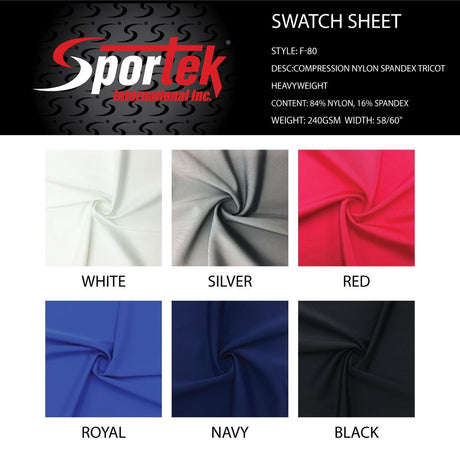
Weight (GSM) & Opacity: GSM (grams per square meter) is a practical way to anticipate drape, coverage, and heat feel. A few real product benchmarks: nylon-spandex tricot matte is listed at 200 GSM (with 80% nylon / 20% spandex); a moisture-wicking brushed stretch jersey is also listed at 200 GSM (88% polyester / 12% spandex); soft power mesh is much lighter at 100 GSM (85% nylon / 15% spandex), which is why mesh shines for ventilation zones and linings rather than full-coverage garments. Our fabric weight guide provides a full breakdown of how GSM affects opacity, breathability, and durability across all common stretch fabric constructions.
Moisture Management & Breathability: Moisture management is measurable—not just marketing. AATCC TM195 evaluates liquid moisture management by looking at factors like wetting time, spreading speed, one-way transport capability, and an overall moisture management capacity (OMMC). Moisture regain data helps explain why some fabrics feel soaked longer: cotton ~8.5%, nylon ~4%, and polyester ~0.4%. Lower regain often supports faster dry-feel—though construction and finishes also strongly influence real performance. Our fabric finishes guide covers moisture-wicking surface treatments and how to evaluate their durability across all common performance fabric constructions.
Durability & Abrasion Resistance: Festivals involve friction: crossbody straps, crowds, sitting on textured surfaces, and repeated washing. Abrasion resistance is commonly evaluated using standardized approaches like the Martindale method (ISO 12947 series). For makers producing garments at scale, asking suppliers about abrasion testing (or doing internal QA on high-wear zones) is a practical step toward fewer returns.
Softness & Handfeel (Skin Comfort): Handfeel is not a luxury at festivals—it's a chafe-prevention tool. Brushed jerseys (like double-brushed stretch) add softness while still offering stretch and moisture management.
Special Performance Traits Worth Considering:
UV protection: For sun-exposed events, fabrics like a UV-rated poly-spandex jersey can add protection and comfort; one example lists UV50+, MaxDri moisture management, and a 90% poly / 10% spandex composition at 160 GSM. Our swimwear fabric guide covers UV protection ratings and chlorine resistance across all common swimwear and performance fabric constructions.
Chlorine/salt resistance (for pool parties & beach festivals): Swimwear fabrics emphasizing 4-way stretch and resistance to chlorine, saltwater, and UV rays reduce "one weekend and done" outcomes.
Comparison with Similar Fabrics
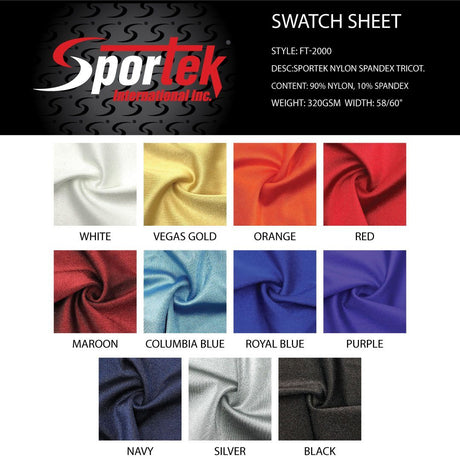
Nylon-Spandex Tricot / Performance Knit: 80% Nylon / 20% Spandex (example product). Typically 4-way; supportive "snap-back" feel (common in active/swim categories). Best for bodysuits, shorts, leggings, dancewear, and swim-style festival looks. Durable, elastic, widely used in athletic + swim categories. Can feel warmer than mesh in peak heat; sheen variants show sweat differently (design choice).
Polyester-Spandex Wicking Jersey: 88% Polyester / 12% Spandex with moisture-wicking tech (example product). Typically 4-way; designed for movement + sweat management. Best for hot-weather tops/sets, active festival wear, UV-focused builds, and sublimation-ready performance styles. Moisture transport focus; can be engineered for UV protection and custom printing. Some polyester bases can feel less "natural" than cotton; watch heat settings in care.
Cotton-Spandex Jersey: 90% Cotton / 10% Spandex (example product). Stretchy and breathable, often softer/more casual comfort. Best for casual festival tees, softer sets, and comfort-first fits (but can hold moisture longer than synthetics). Soft, breathable, flexible; good "everyday wear" comfort. Higher moisture regain (cotton example ~8.5%) can mean slower dry-feel in humidity. Our cotton-spandex fabric guide covers how cotton-spandex blends compare to synthetic alternatives in stretch behavior and moisture management.
Bottom line: If your festival outfit must survive all-day motion and still look sharp at hour 10, nylon-spandex and performance poly-spandex are usually the most reliable bases. Cotton-spandex is excellent for comfort-forward pieces, but you'll want to plan for sweat and drying realities.
Best Uses and Applications
Activewear-Style Festival Pieces: For high-movement looks (two-piece sets, dance shorts, supportive tops), start with a base known for flexibility and durability. Our activewear fabric guide covers compression performance benchmarks and fabric weight recommendations across all common activewear constructions.
Swimwear Crossover (Pool Parties, Beach Festivals): If your festival includes water, swimwear fabrics that highlight recovery and resistance to chlorine/salt/UV reduce "one weekend and done" outcomes. Our swimwear fabric guide covers chlorine resistance ratings and stretch performance across all common swimwear fabric constructions.
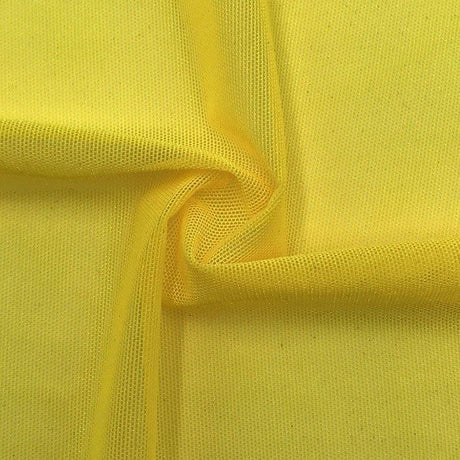
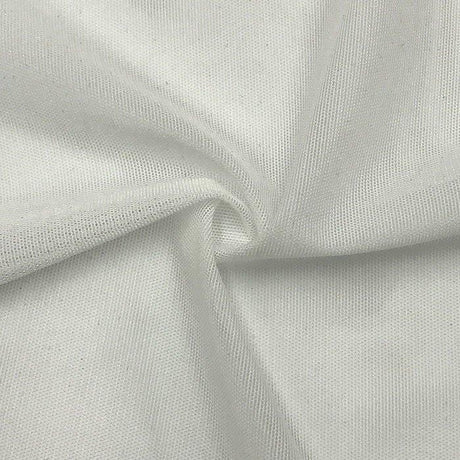
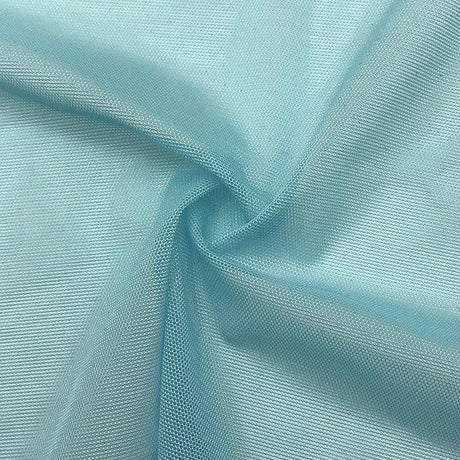
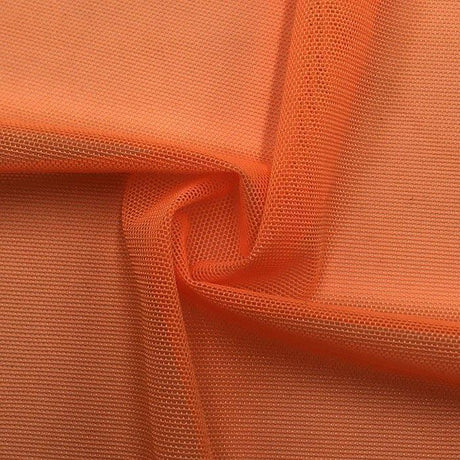
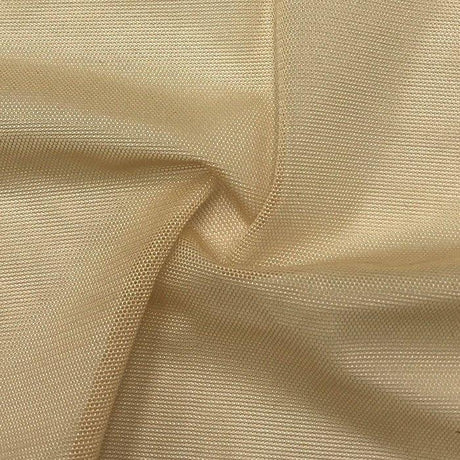
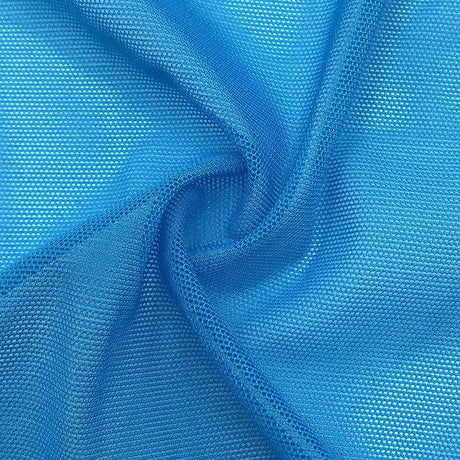
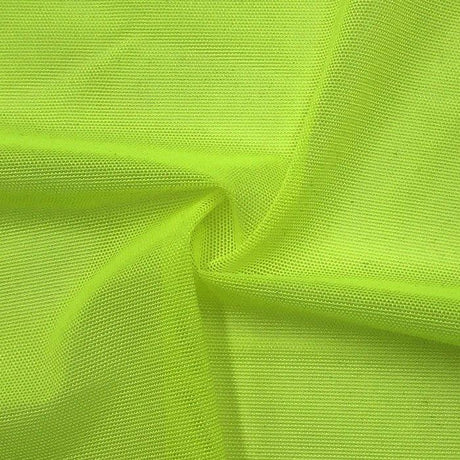
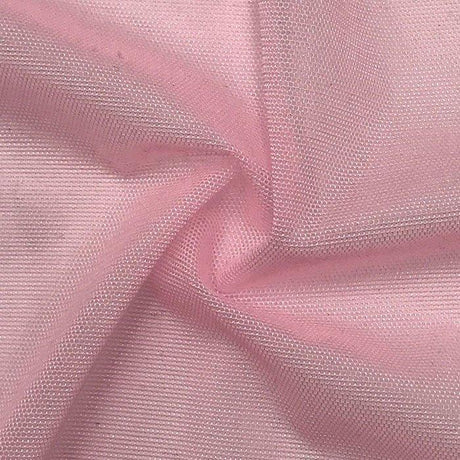
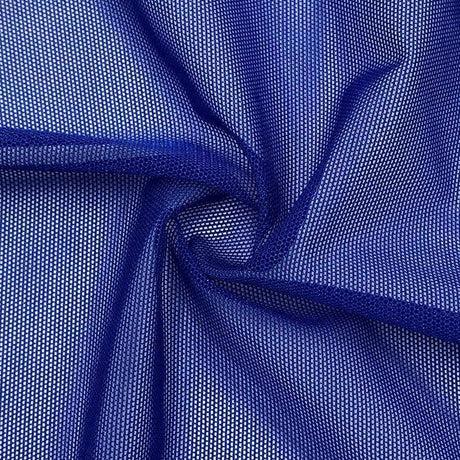
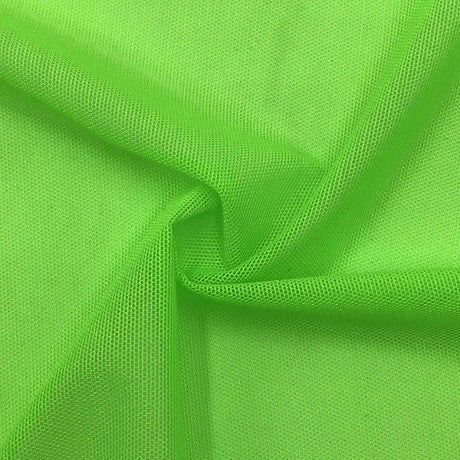
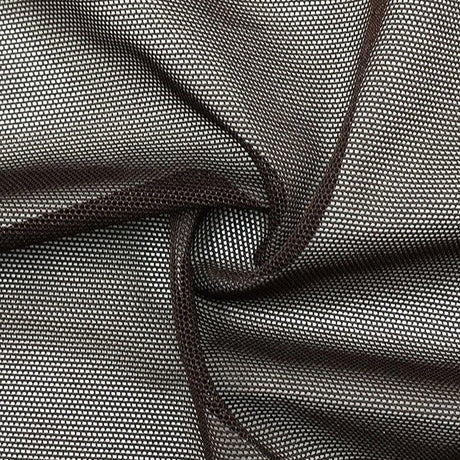
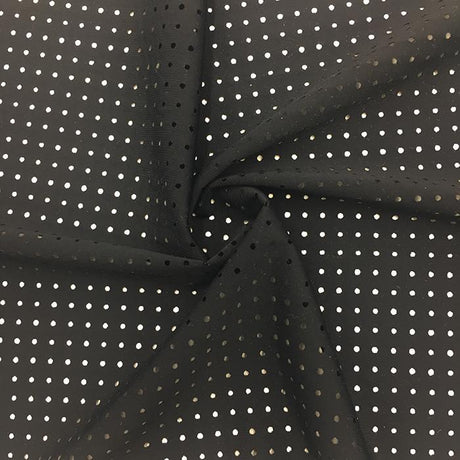
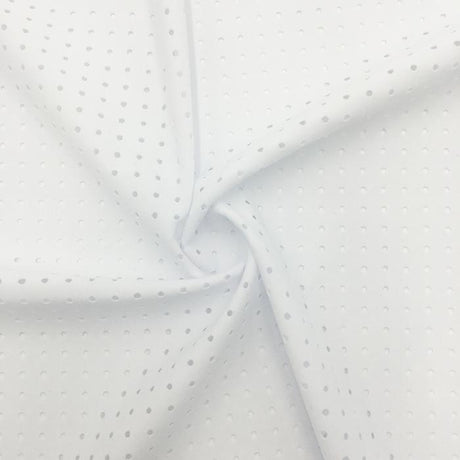
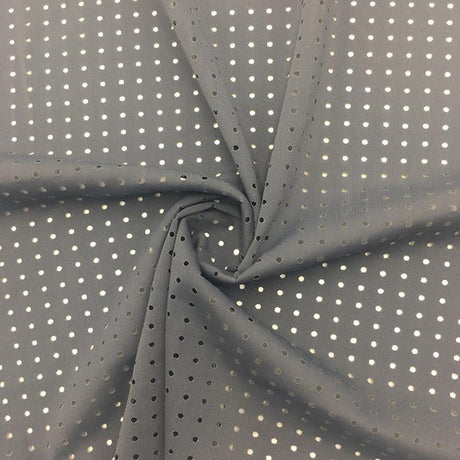
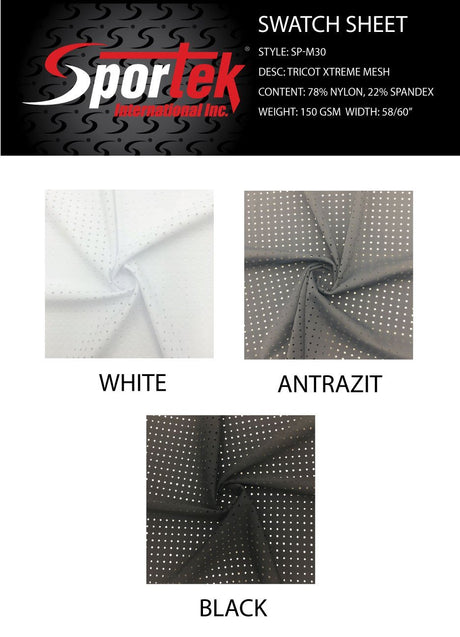
Mesh and Lining for Breathability: Stretch mesh is described as breathable, lightweight, and used for jerseys, workout garments, and swimwear. For airflow zones (side panels, underbust inserts, back cutouts), use breathable mesh accents. A soft power mesh example lists 85% nylon / 15% spandex and 100 GSM—ideal for ventilation and styling layers.
Printed Fabrics for Statement Looks: Printed spandex is positioned for bold-impact activewear and swimwear, using blends of nylon and polyester spandex. Our sublimation page covers how sublimation printing bonds dye into polyester-spandex fibers to achieve permanent, saturated color, and our sublimation paper and sublimation transfer paper pages cover the complete printing workflow.
Warmth for Nighttime Sets: When the sun drops, a stretch fleece layer can be the difference between leaving early and staying comfortable. Pro-Stretch fleece is presented as warm, breathable, and designed for flexibility.
Dancewear Crossover: For festival looks that double as performance pieces, our dancewear fabric guide covers fabric selection across all common dancewear and performance costume applications.
How to Choose the Right Fabric
Project Purpose (What Must This Garment Do?): If you're producing for retail or uniforms/teams, define the end use clearly: dance, performance costume, swim crossover, or casual festival fashion. Our how to choose fabric guide covers what to evaluate when a physical swatch arrives, including stretch testing, opacity testing, and hand feel assessment.
Stretch Requirements (Fit + Seam Engineering): For body-hugging patterns (bodysuits, leggings), prioritize fabrics known for recovery. For accent zones (side panels, neckline overlays), choose mesh for breathability rather than asking your base fabric to do everything.
Weather and Conditions: Because evaporative cooling is limited in humidity, your best "hot festival" fabric is one that helps sweat move and spread so it can evaporate—rather than staying trapped against skin. Moisture regain values help explain why cotton can feel saturated longer than polyester in sweaty scenarios.
Quick Selection Matrix:
Hot + humid + lots of dancing → Wicking + breathable zones → Moisture management spandex/jersey + stretch mesh paneling.
Hot + intense sun → UV + moisture management → UV-rated poly-spandex jersey (UV50+) + mesh vents.
Pool / beach festival → Recovery + chlorine/salt/UV resistance → Swimwear bases + PBT/chlorine-resistant options.
Nighttime / cold desert swings → Warmth + stretch → Pro-Stretch fleece layering pieces.
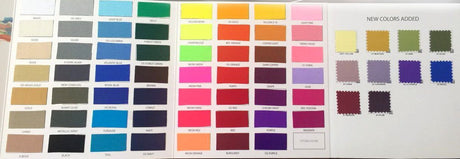
Statement look for photos → Print clarity + stretch → Printed spandex + sublimation-ready tricot (poly-spandex base).
Have questions? Our expert help and advice page and FAQ are always available.
Common Mistakes, Checklists, and Care Tips
Common mistakes to avoid (especially with spandex blends):
Using the wrong needle and getting skipped stitches or fabric damage. A dedicated stretch needle is designed for highly elastic knits containing spandex/Lycra and is described as having a medium ball point and deep scarf for this purpose. Our how to sew stretch fabric guide covers complete needle selection, stitch type, machine settings, and edge finishing guidance for all common stretch fabric construction scenarios.
Ignoring recovery and only checking "stretch amount." A fabric can stretch beautifully in fitting—and then grow/bag out with wear, which is a known performance variable evaluated in standardized stretch/growth testing.
Choosing a heavy base when you really needed breathability. If the goal is airflow, mesh is structurally better suited than simply dropping GSM on a solid knit.
Not planning for print placement and grain direction. Printed spandex is designed for visual impact; misaligned panels can make a premium print look accidental.
Overheating spandex in care (hot dryers, high heat finishing). Our spandex care guide covers why heat and harsh chemicals degrade elastane fibers and the care protocols that maximize garment lifespan.
Ready-to-use checklist for a festival outfit build:
- Pre-wash a swatch (or finished garment if store-bought) using gentle, low-heat methods to confirm shrinkage and handfeel
- Test stretch in both directions and mark the greatest stretch direction for pattern layout (critical for bodysuits/leggings)
- Use a stretch needle for high-elastic knits containing spandex/Lycra
- Include breathable zones (mesh panels) where sweat accumulates: center back, underbust, side torso, behind knees
- For printed fabric, plan pattern placement (especially center front/back) before cutting to keep the look intentional
- Choose finishing that matches use: reinforced seams for dance/movement; softer finishes for long wear and comfort
Care and Longevity Tips: Use gentle care: cold water and gentle cycles, avoiding harsh chemicals, air-drying away from heat, and proper storage can significantly extend the life of stretch clothing. Our spandex care guide and fabric care guide cover complete laundering protocols for all common spandex-blend fabric types.
When to Consider an Alternative Fabric
Choose cotton-spandex when your priority is soft, breathable, casual comfort—especially for tees and relaxed basics. Cotton-spandex is characterized as comfortable, stretchy, and breathable, combining cotton's moisture-absorbing properties with spandex stretch. Just remember that cotton's higher moisture regain (~8.5%) can mean it holds more moisture than polyester in sweaty conditions. Our cotton-spandex fabric guide covers how cotton-spandex blends compare to synthetic alternatives in stretch behavior and moisture management.
Choose neoprene when you need structure + insulation + a sculpted silhouette for performance costumes or outerwear moments. Neoprene fabric offers elasticity and structure, with insulating properties and shape maintenance under intense activity.
Choose mesh when ventilation is the priority and you're building paneling, overlays, or linings. Stretch mesh is positioned as breathable and lightweight for apparel applications.
Choose PBT technology fabrics when chlorine resistance, UV resistance, and shape retention are critical (pool-heavy events, swim-focused product lines).
Choose performance fleece when your festival includes cold nights and you need warmth without giving up stretch.
Conclusion
The best fabric for festival outfit success is the one that matches your real conditions: heat and humidity, sweat volume, movement intensity, and how many hours you'll wear it. Sweat comfort depends heavily on evaporation and moisture transport, so moisture management fabrics and breathable mesh placement can make the difference between "survived" and "thrived."
For most high-movement builds, start with a performance base (nylon-spandex or moisture-managed poly-spandex), add mesh where airflow matters, and use prints strategically for impact. With the right needle, smart pattern layout, and gentle care practices, your festival pieces can stay supportive, vibrant, and stage-ready season after season. Sign up for SpandexByYard Rewards to earn points on every purchase!
FAQ
Is nylon-spandex a good fabric for festival outfit bodysuits and dance looks? Yes. Nylon spandex is positioned as a go-to for leotards, athletic wear, swimwear, and active lifestyle garments—exactly the silhouette family that overlaps with festival bodysuits and dancewear. Our nylon-spandex fabric guide covers full performance profiles of nylon-spandex constructions.
What's the best fabric for festival outfit comfort in heat and sweat? Look for moisture management spandex/jerseys that are designed to wick moisture and provide breathability, and combine them with mesh ventilation zones. Our activewear fabric guide covers moisture-wicking and breathability ratings across all common performance fabric constructions.
Are printed spandex fabrics durable enough for movement and long wear? Printed spandex is described as suitable for activewear/swimwear builds with stretch, recovery, and long-lasting vibrancy under stretch and repeated wear, supporting use in high-movement garments. Our sublimation page covers how sublimation printing achieves permanent, saturated color on polyester-spandex fabrics.
How should I sew highly elastic festival fabrics to avoid skipped stitches? Use a stretch needle designed for highly elastic knits with spandex/Lycra. Our how to sew stretch fabric guide covers all needle selection and machine setup guidance for all common stretch fabric construction scenarios.
How should I care for spandex-based festival outfits to make them last? Use gentle care: cold water and gentle cycles, avoid harsh chemicals, and avoid high heat during drying. Our spandex care guide covers complete care protocols for all common spandex-blend fabric types.