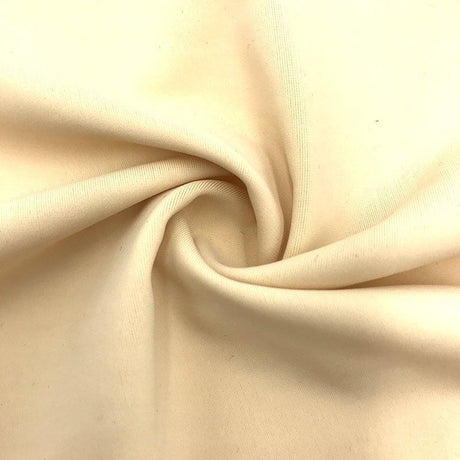
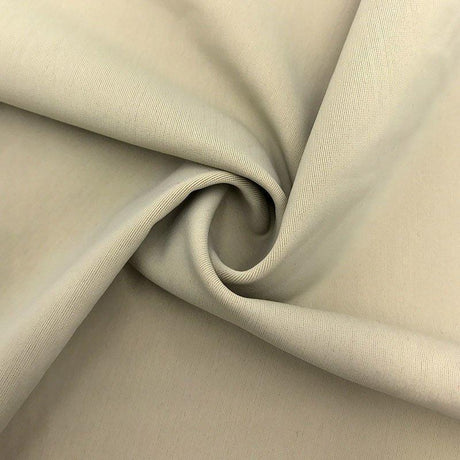
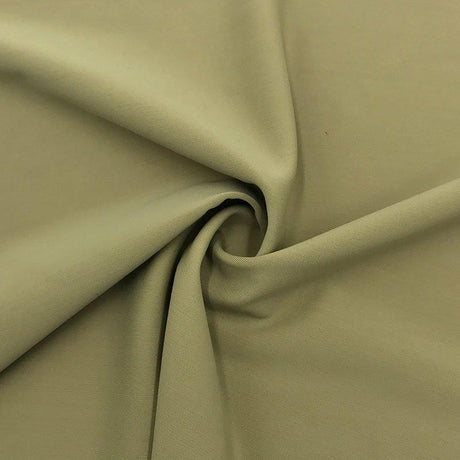
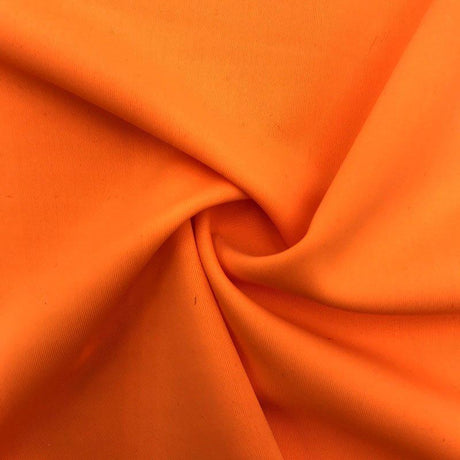
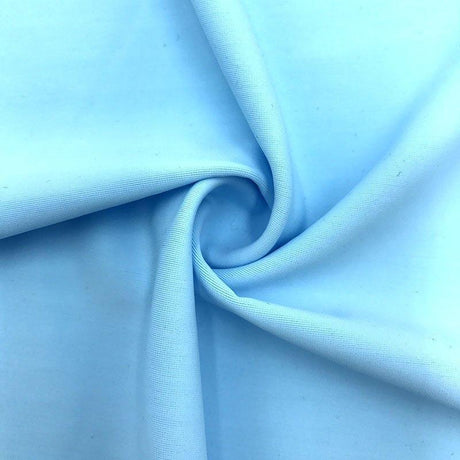
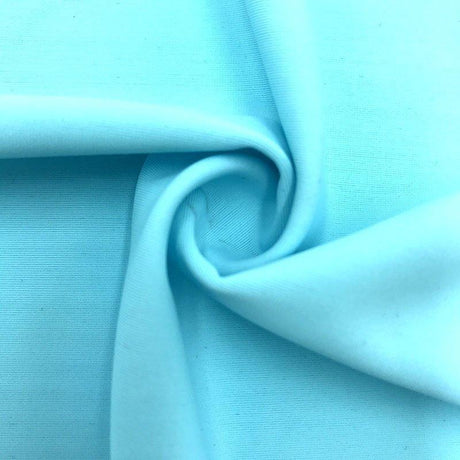
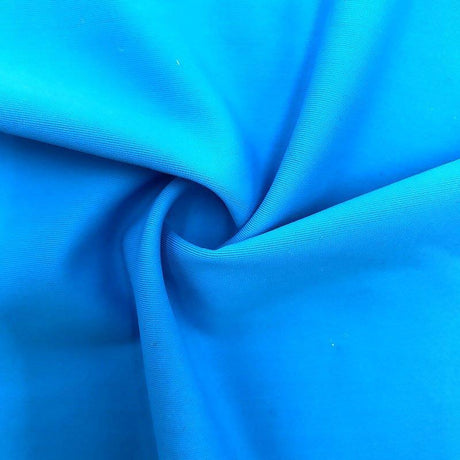
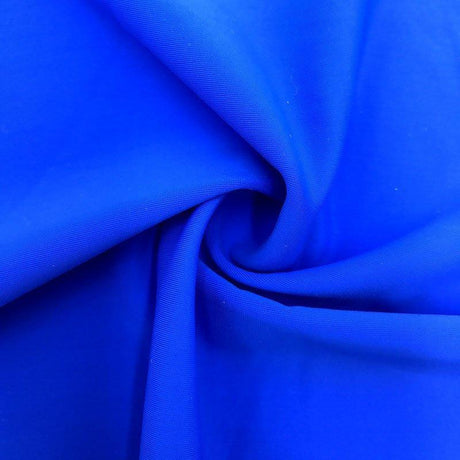
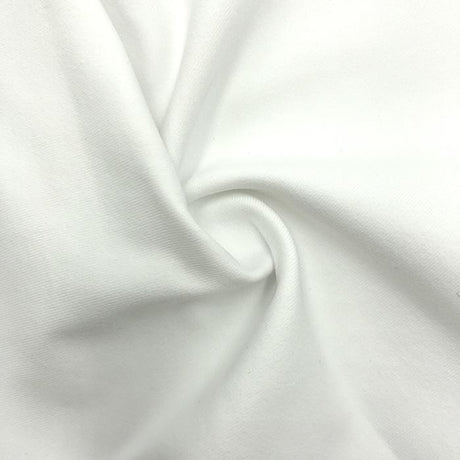
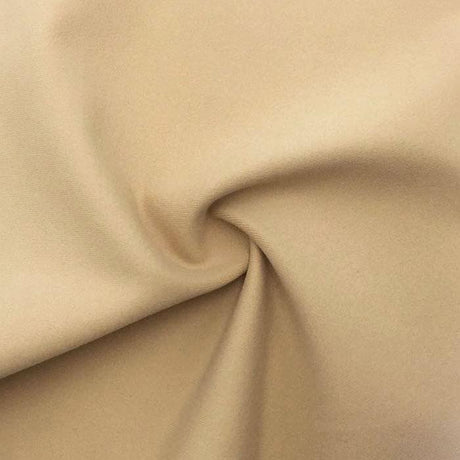
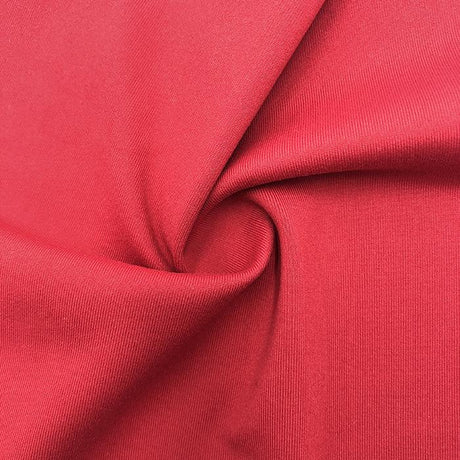
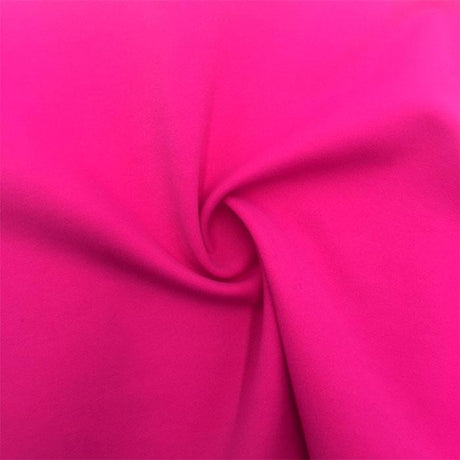
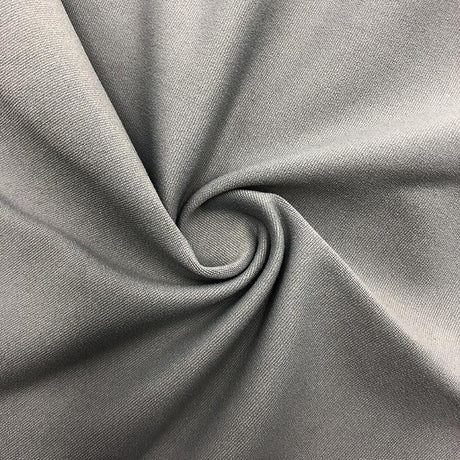
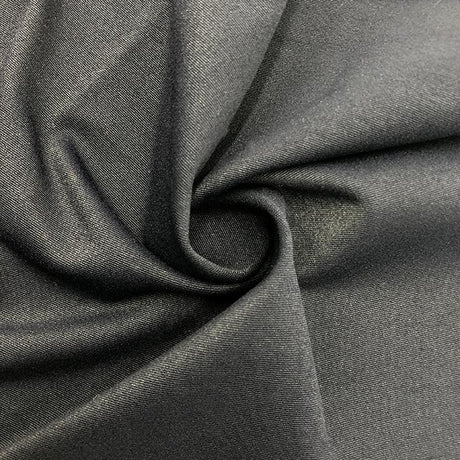
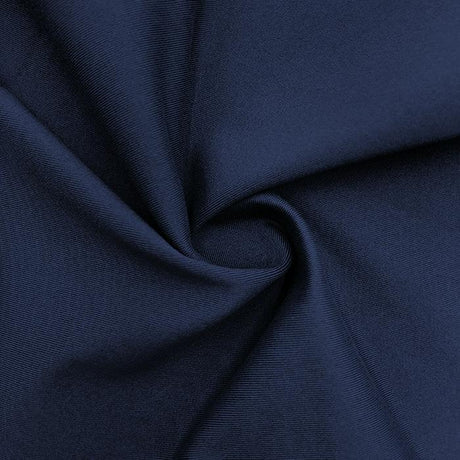
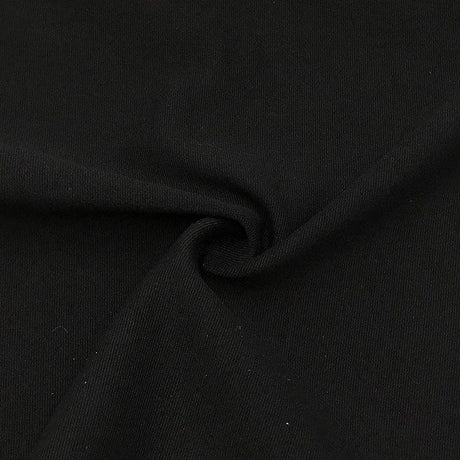
A great dog shirt isn't just a cute add-on—it's a moving, washable, friction-tested garment. Dogs twist, sprint, roll, and rub against harnesses, collars, grass, carpet, and furniture. That means the "best fabric for dog shirt" is the one that can handle real motion, stay comfortable against fur (or bare skin), and survive frequent laundering without turning stiff, scratchy, or saggy. For a broader foundation on stretch fabric properties before diving in, explore our stretch fabric types page or browse our full fabric guides hub.
What Makes the Best Fabric for Dog Shirt Projects?
The "best" depends on the dog's coat, climate, activity level, and how often the shirt needs to be washed. Still, one fabric family is the most reliable starting point: midweight stretch jersey knits (often blended with spandex/elastane) are the most versatile fabric base for dog shirts because they flex with movement while staying soft and wearable.
What "spandex" actually means in performance fabric: Spandex (also called elastane; Lycra is a brand name) is an elastomeric fiber used primarily for high elasticity and shape recovery. In dog shirts, spandex isn't usually the main fiber—it's the "performance engine" blended into cotton, bamboo rayon, nylon, or polyester to help the garment stretch over the dog's head/chest and move through shoulders and legs without popping seams.
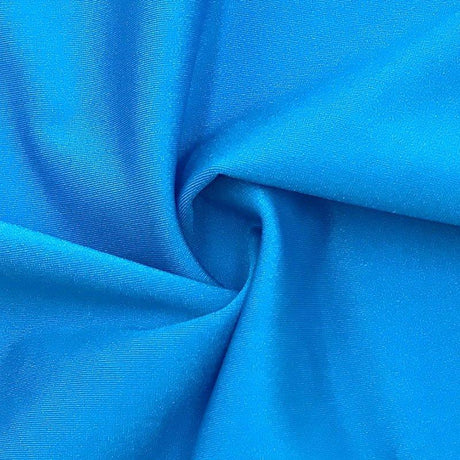
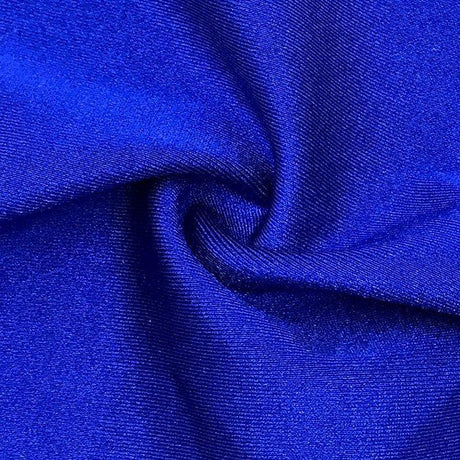
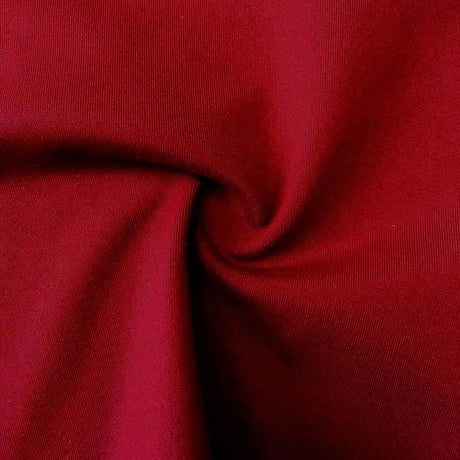
Best baseline fabric definition for DIY dog shirts: For most everyday dog shirts, the most dependable baseline is cotton-spandex jersey (or cotton/poly/spandex jersey) in a midweight range, because it balances softness, breathability, and manageable stretch. A concrete example is 90% cotton / 10% spandex at 240 GSM—a midweight jersey that's substantial enough for durability but still flexible. Our cotton-spandex fabric guide covers how cotton-spandex blends compare to synthetic alternatives in stretch behavior, breathability, and moisture management.
How this differs from other related performance fabrics:
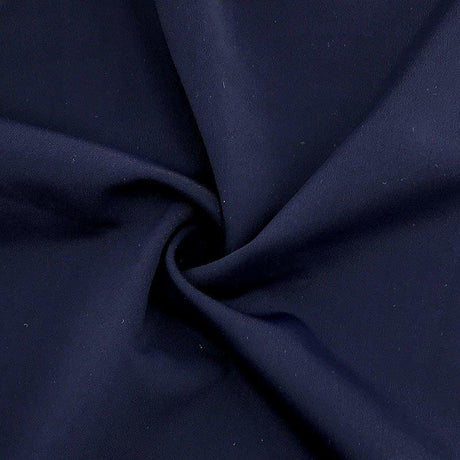
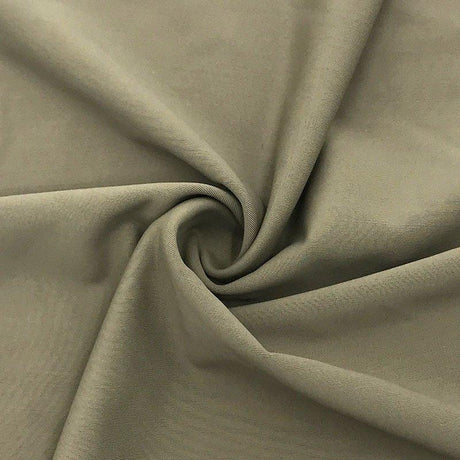
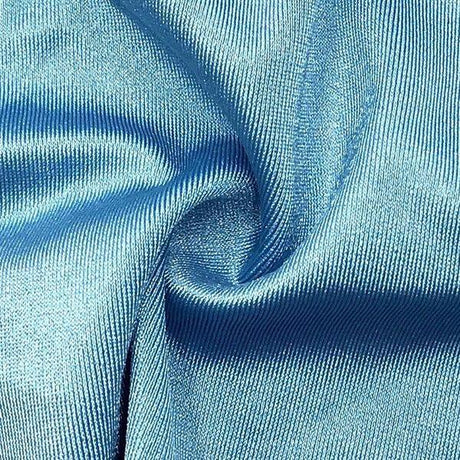
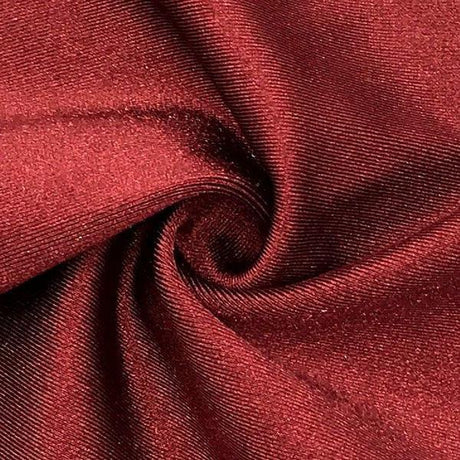
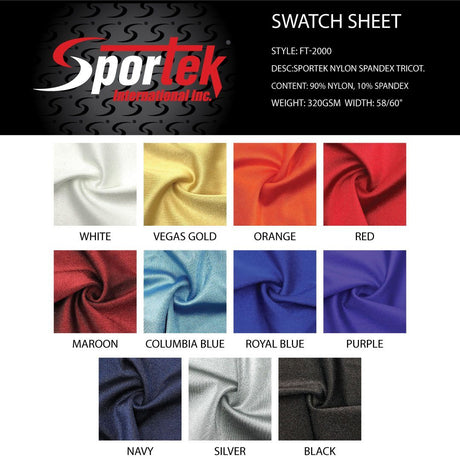
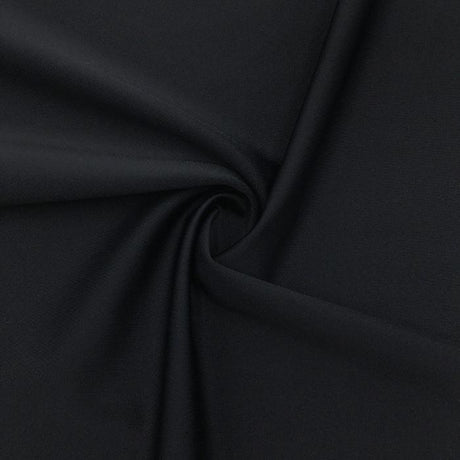
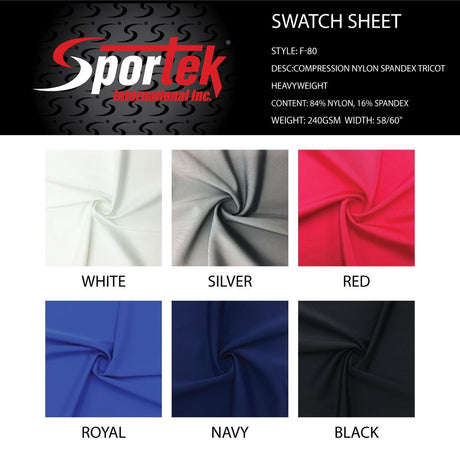
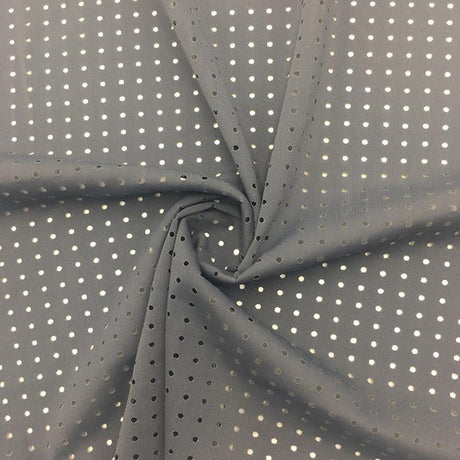
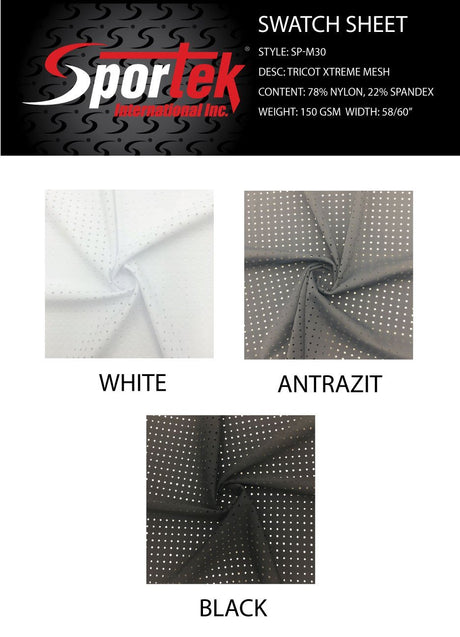
Dog shirts can also be made from bamboo rayon-spandex jersey (prized for a soft handfeel and drape; one example is 95% rayon from bamboo / 5% spandex at 220 GSM), polyester-spandex moisture-management jersey (designed to move liquid moisture and dry efficiently; one MaxDri example is 88% polyester / 12% spandex at 200 GSM), nylon-spandex tricot (a smooth, durable, often more "athletic" handfeel knit; one example lists 80% nylon / 20% spandex at 200 GSM), mesh and lining knits for ventilation panels or lightweight undershirts, and stretch fleece for cold-weather dog tops. Our nylon-spandex fabric guide covers how nylon-spandex constructions compare to polyester-spandex and cotton-spandex in hand feel, moisture management, and durability.
Key Performance Characteristics to Prioritize
Stretch and Recovery: Stretch is how far the fabric extends; recovery is how well it returns to shape. Repeated wear can cause "growth" (bagging out), which is a known performance problem for form-fitting knits. Look for a knit with comfortable 2-way or 4-way stretch and strong snap-back—especially around chest and neck openings. Our stretch fabric types page covers the step-by-step stretch and recovery testing methodology in detail, including how to calculate stretch percentage from a home swatch test.
Fast field test (maker-friendly): Cut a 4" x 4" swatch. Stretch it along the direction you plan to wrap around the chest. Hold for 10 seconds, release, and check if it "bounces back" or stays wavy.
GSM (Fabric Weight) and Why It Matters: GSM = grams per square meter. In dog shirts, GSM affects drape, durability, opacity, and warmth. 82 GSM micro mesh reads as ultra-light, ideal for ventilation panels/lining. 90 GSM power mesh is still light but more supportive and elastic. 200 GSM performance jersey sits in a versatile "tee-weight" performance band. 220–240 GSM stretch jerseys feel more substantial and cozy for everyday wear. 250 GSM fleece is clearly cold-weather territory. Our fabric weight guide provides a full breakdown of how GSM affects opacity, breathability, and durability across all common stretch fabric constructions.
Moisture Management vs Absorbency: This is a major point of confusion: absorbent is not the same as wicking. Moisture wicking is liquid movement through a material by capillary action. Cotton is "too hydrophilic" to wick effectively, and engineered polyester systems are widely used for moisture-wicking. For dog shirts: if your goal is cozy, non-slick comfort (indoors, mild temps), cotton-spandex or bamboo-spandex can feel great. If your goal is fast dry after wet grass, drool, or post-bath dampness, a moisture-management polyester/spandex jersey is often the better performance choice. Our fabric finishes guide covers moisture-wicking surface treatments and how to evaluate their durability across all common performance fabric constructions.
Durability and Abrasion Resistance: Dog shirts abrade at the chest and shoulders (harness), belly (ground contact), and side seams (running + rubbing). Nylon fibers are widely recognized as strong and durable, which is why nylon-spandex tricot can be a smart choice for high-activity dog shirts—especially for working dogs or dogs that wear gear. Our nylon-spandex fabric guide covers how nylon-spandex constructions achieve the combination of smooth hand feel, strength, and 4-way stretch that defines quality performance fabric.
Softness and Handfeel: Softness isn't "fluff"—it's friction management. Dogs can't tell you a seam is scratchy; they'll just freeze, chew the shirt, or resist dressing. Cotton-spandex jerseys are built around cotton handfeel with added stretch. Bamboo rayon-spandex jerseys are described as extremely soft. Brushed performance jerseys (like double-brushed MaxDri) are designed for a soft next-to-skin face while managing moisture.
Special Performance Traits: Depending on the dog and use-case, you may want warmth (stretch fleece), water and outdoor resistance (certain performance categories include technical finishes and DWR-style features), or swim and sun protection (swimwear fabrics designed for chlorine/saltwater/UV exposure). Our swimwear fabric guide covers chlorine resistance ratings and UV performance across all common swimwear fabric constructions.
Fabric Comparison: Choosing the Right Option
Cotton-Spandex Jersey (midweight): Often 90% cotton / 10% spandex; example spec: 240 GSM. Stretch knit jersey; good comfort stretch. Best for everyday tees, indoor wear, and "I just want it comfy" dog shirts. Soft, familiar feel; easy to wear. Can hold moisture when wet (absorbent ≠ wicking).
Bamboo Rayon-Spandex Jersey (soft drape): Example: 95% rayon from bamboo / 5% spandex; example spec: 220 GSM. Stretch knit jersey; smooth stretch, soft drape. Best for dogs with sensitive-feel priorities, lounging shirts, and lightweight comfort. Very soft handfeel; comfortable against skin/fur. Can be more prone to drape/stretch growth if pattern is too loose (test recovery).
Polyester-Spandex Moisture-Management Jersey (MaxDri-style): Example: 88% polyester / 12% spandex; example spec: 200 GSM. Stretch knit jersey; built for active stretch + moisture movement. Best for active dogs, humid climates, quick-dry needs, and frequent washing. Moisture-management performance; faster-drying behavior vs absorbent-only fabrics. Can feel more "technical" than cotton; heat care matters for spandex blends.
Where nylon-spandex fits into the decision: If your dog shirt must resist abrasion or feel sleek (think: high-motion wear, gear rubbing), nylon-spandex tricot is worth considering. One example is 80% nylon / 20% spandex, 200 GSM, positioned for 4-way stretch and durable performance applications.
How prints change the equation: For bold visuals, printed spandex collections include nylon/poly-spandex bases designed for performance stretch. For custom sublimation workflows, sublimation-ready tricot is designed for dye-sublimation printing. Our sublimation page covers how sublimation printing bonds dye into polyester-spandex fibers to achieve permanent, saturated color, and our sublimation paper and sublimation transfer paper pages cover the complete printing workflow.
Best Uses and Applications
Everyday dog tees and base-layer shirts: Cotton-spandex jerseys are the classic choice for casual comfort and flexible fit, positioned for breathable, stretchy comfort garments.
Sensitive-skin comfort shirts: For shirts designed for dogs prone to irritation (or hairless breeds), focus on soft handfeel and smooth seams. Bamboo-blend stretch jerseys are commonly chosen for their softness.
Active dog performance tops (quick-dry): For dogs that overheat easily or for humid climates, moisture-management knits are useful. Moisture Management Spandex and MaxDri jerseys are described with moisture-wicking positioning.
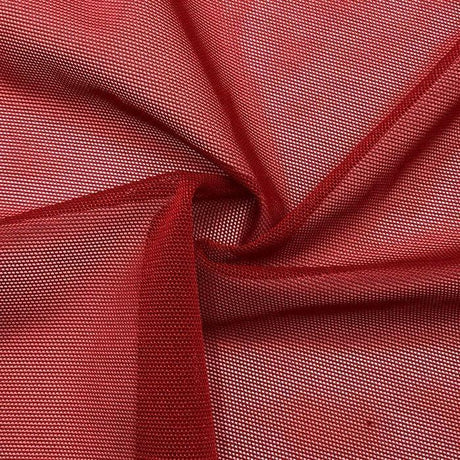
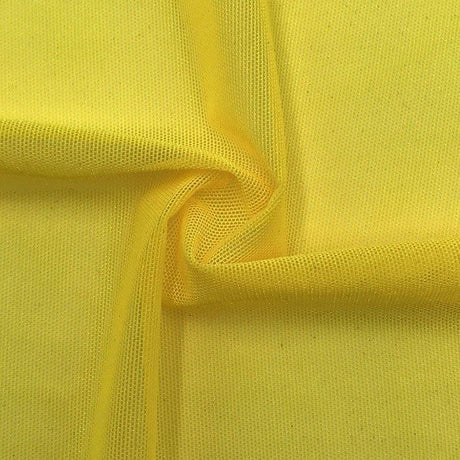
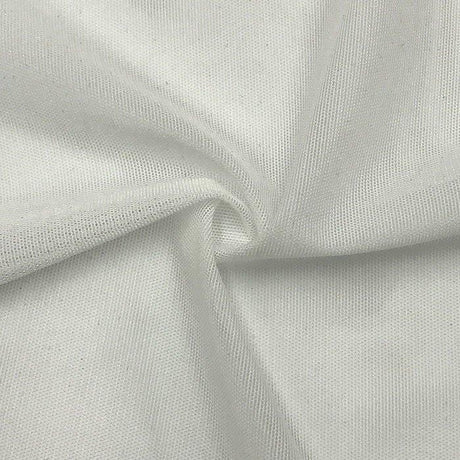
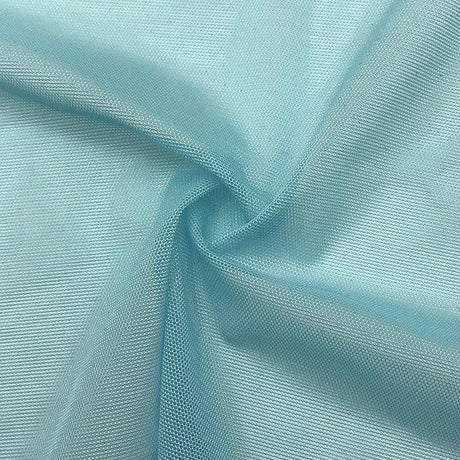
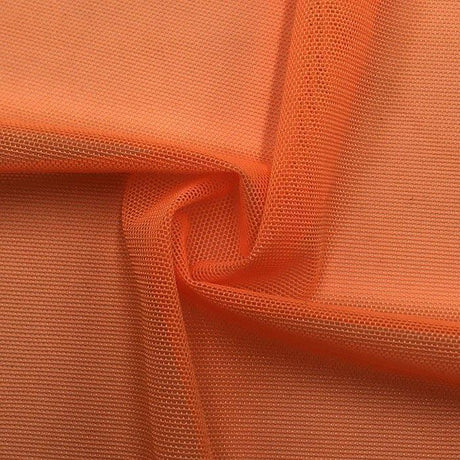
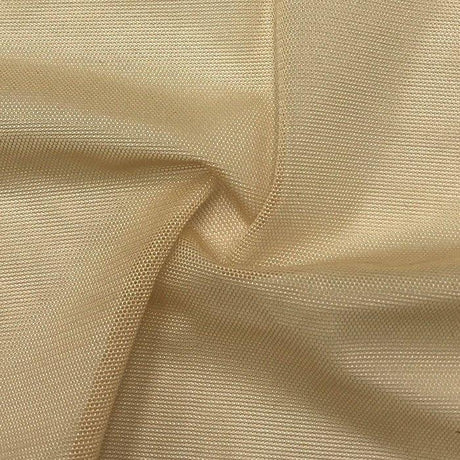
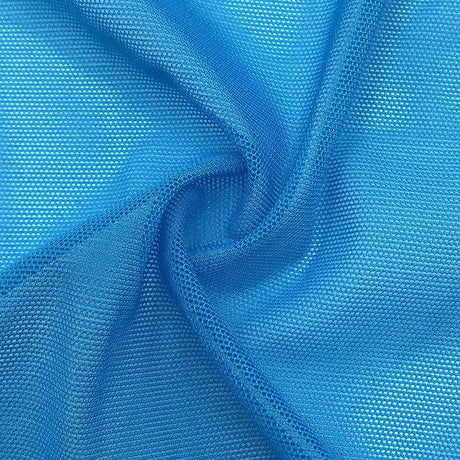
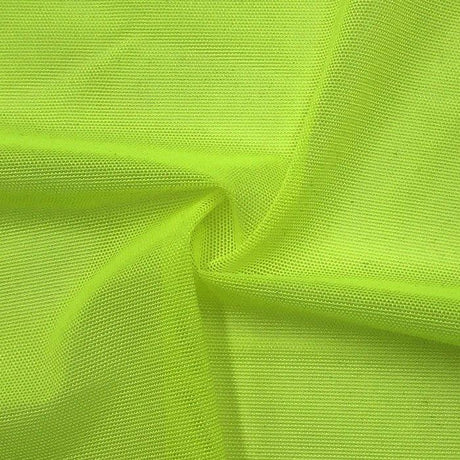
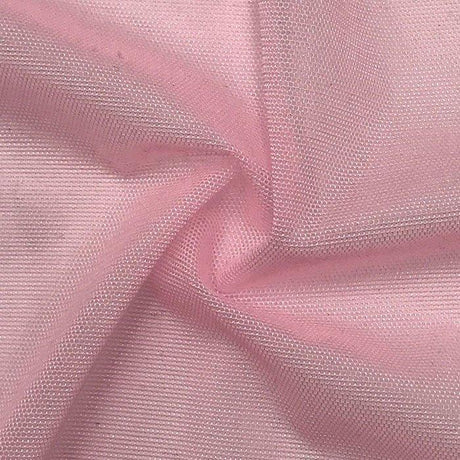
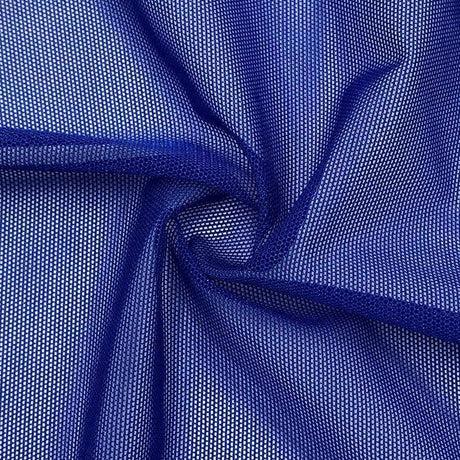
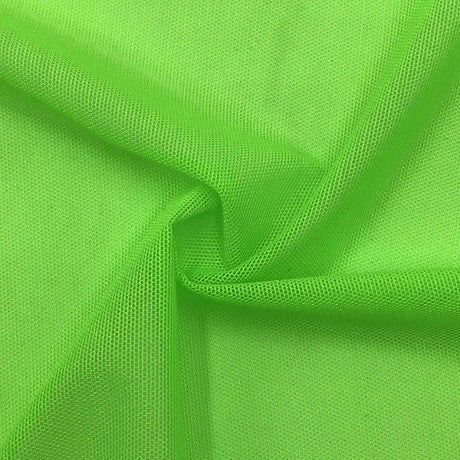
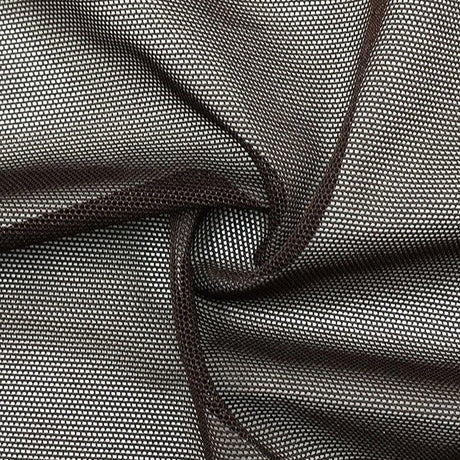
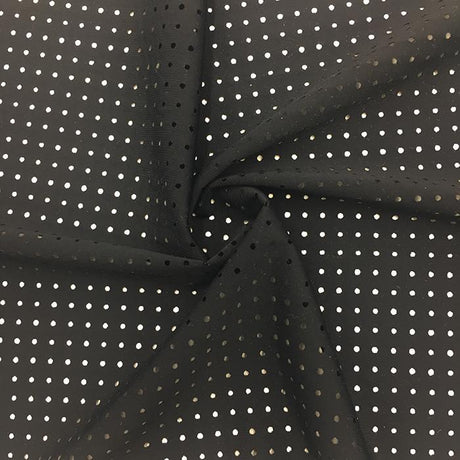
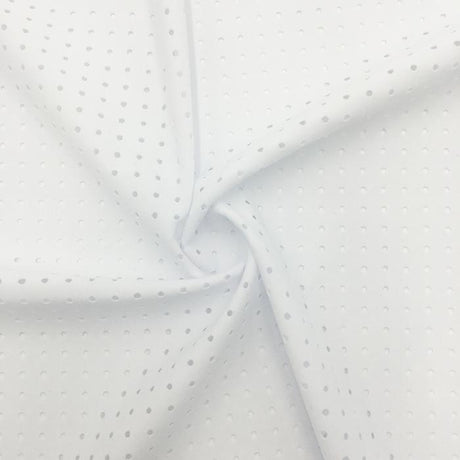
Mesh-lined or ventilation-panel shirts: Mesh is ideal as a panel fabric under the belly or upper back—areas that trap heat. Example mesh specs: 82 GSM micro mesh (100% polyester) and 90 GSM power mesh (95% polyester / 5% spandex).
Cold-weather tops: Use stretch fleece when you need warmth + mobility. A recycled polar fleece example lists 250 GSM for warmth.
Use-case scenarios that matter in the real world:
Indoor-only, comfort-first: choose a soft midweight jersey with moderate spandex. Prioritize seam softness.
High-activity, outdoor wear: pick a tougher base (nylon-spandex tricot or a durable poly-spandex jersey), and consider adding mesh zones. Our activewear fabric guide covers how these performance fabric constructions compare across all common active applications.
Dogs that get dirty often: moisture-management poly/spandex blends can make wash–dry cycles easier.
Fashion-forward designs and photoshoots: printed stretch fabrics are a brand-builder. For prints sold by the yard, printed performance stretch spandex options are designed for elasticity and resilience.
How to Choose, Sew, and Avoid Common Mistakes
How to choose the right fabric for your dog shirt:
Comfort tee → cotton-spandex jersey (easy wear, familiar feel). "Buttery soft" feel → bamboo rayon-spandex jersey (soft, drapey). Quick-dry performance → moisture-management poly/spandex jersey (MaxDri-style). High abrasion (harness, working dog) → nylon-spandex tricot. Heat dumping zones → mesh panels (82–90 GSM examples). Cold weather → stretch fleece.
Our how to choose fabric guide covers what to evaluate when a physical swatch arrives, including stretch testing, opacity testing, and hand feel assessment.
Common mistakes to avoid in dog-shirt sewing:
Using the wrong needle for spandex knits: Skipped stitches are common when sewing elastic knits with the wrong needle. If the knitted fabric contains spandex, use a Stretch Needle, designed to reduce skipped stitches in elastic materials. Our how to sew stretch fabric guide covers complete needle selection, stitch type, machine settings, and edge finishing guidance for all common stretch fabric construction scenarios.
Choosing a non-stretch stitch: A seam that cannot stretch will pop when the dog moves. Use narrow zigzag and stretch stitches for sewing stretchy fabrics.
Ignoring stretch direction and "grain": On most knits, the greatest stretch is typically crosswise; if you rotate pattern pieces without thinking, the shirt can become restrictive around the chest.
Not testing recovery after washing: Fabric growth is real in knits; testing after laundering helps prevent "one wash, one size bigger."
Treating moisture-management fabrics like cotton: Fabric softeners can reduce performance on athletic/wicking fabrics by leaving residue that interferes with moisture behavior.
Ready-to-Use Checklists
Fabric selection checklist (dog shirt edition):
- Prewash a test swatch (same settings you'll use for the finished shirt)
- Confirm stretch direction: mark "most stretch" with chalk before cutting
- Do a quick recovery test: stretch, hold, release, and check snap-back
- For active/hot-weather dogs: prioritize moisture-management jerseys or mesh zones
- For harness-wearing dogs: consider nylon-spandex or reinforce contact zones
- If using prints: plan print placement on the back panel and check symmetry before cutting
Sewing checklist (pro + DIY friendly):
- Use a Stretch needle for spandex knits (test on scraps first)
- Choose a stretch-capable seam: narrow zigzag, stretch stitch, serger/overlock
- Avoid bulky seam allowances near underarms and chest; dogs notice bulk quickly
- For mesh panels, stabilize edges lightly to prevent stretching while sewing
Care, Longevity, and When to Choose Alternatives
Care and longevity tips:
Washing: turn shirts inside out (reduces surface abrasion and print wear). Use a gentle cycle and avoid harsh additives if you need the fabric to keep its performance feel. If you're using moisture-management fabrics, avoid fabric softener residue that can reduce wicking performance.
Drying: high heat is a common enemy of spandex blends. Spandex/Lycra can degrade or break down over time with dryer heat, so air-drying is safer when possible. Our spandex care guide and fabric care guide cover complete care protocols for all common spandex-blend fabric types.
Ironing: use low heat and a press cloth, and test your fabric first—especially on synthetics and printed fabrics.
Storage: store dog shirts dry and away from strong heat/sun exposure to preserve stretch and color over time (especially for spandex blends).
When to consider an alternative fabric:
Choose cotton-spandex over nylon-spandex when you want a classic tee feel and maximum "familiar softness" for daily indoor wear. Our cotton-spandex fabric guide covers how cotton-spandex blends compare to synthetic alternatives in stretch behavior and moisture management.
Choose nylon-spandex over cotton-spandex when the shirt will face heavy abrasion (gear, active movement) and you want a smoother, more performance-driven surface.
Choose mesh when overheating is the main risk and you need breathability panels or lightweight lining (82–90 GSM mesh examples).
Choose neoprene or spacer-type technical knits when you're making a structured protective layer or performance gear piece rather than a standard shirt.
Choose fleece when you're making a winter top and warmth matters more than cool-touch breathability.
Conclusion
The "best fabric for dog shirt" is the one that matches how the dog actually lives: how much they move, whether they overheat, what rubs against the shirt, and how often it gets washed. As a default, midweight stretch jerseys are the best starting point because they combine comfort with fit flexibility. Go cotton-spandex for everyday softness, bamboo-spandex when softness and gentle feel are priorities, MaxDri/moisture-management poly-spandex for quick-dry performance, and add mesh for ventilation and fleece for warmth when needed. And no matter the fabric: prioritize safe fit and supervision—dog clothing should never restrict movement or be left unattended in a way that could snag.
Have questions? Our expert help and advice page and FAQ are always available. Sign up for SpandexByYard Rewards to earn points on every purchase!
FAQ
Is cotton-spandex good for a dog shirt? Yes—cotton-spandex jersey is one of the most reliable everyday options because it balances softness with functional stretch (example: 90% cotton / 10% spandex jersey at 240 GSM). Our cotton-spandex fabric guide covers how cotton-spandex blends compare to synthetic alternatives in stretch behavior and moisture management.
What's the best fabric for a dog shirt in hot weather? In heat, prioritize airflow and moisture handling. Moisture-management poly/spandex jerseys are designed to wick and manage moisture, and mesh panels can dramatically improve ventilation.
How durable is nylon-spandex for active dogs? Nylon-spandex tricot is often chosen for performance applications; one example lists 80% nylon / 20% spandex with a 200 GSM weight and 4-way stretch, which suits high-movement wear. Our nylon-spandex fabric guide covers full performance profiles of nylon-spandex constructions.
What needle should I use to sew spandex dog shirts? Use a Stretch needle for elastic knits with spandex—it helps prevent skipped stitches in elastic materials. Our how to sew stretch fabric guide covers all needle selection and machine setup guidance for stretch fabric construction.
How should I care for dog shirts with spandex? Wash gently and avoid high dryer heat when possible; dryer heat can degrade spandex/Lycra over time. Also avoid fabric softener if you want moisture-management performance to remain effective. Our spandex care guide covers complete care protocols for all common spandex-blend fabric types.