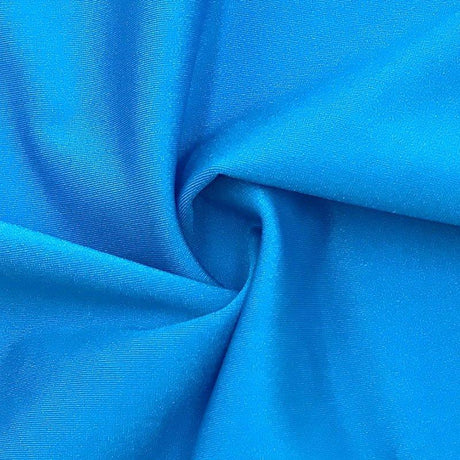
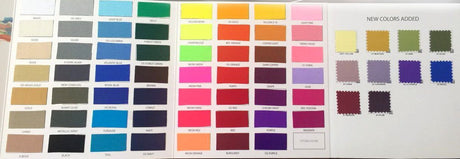
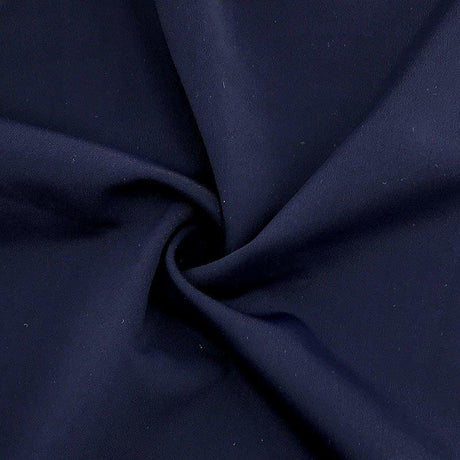
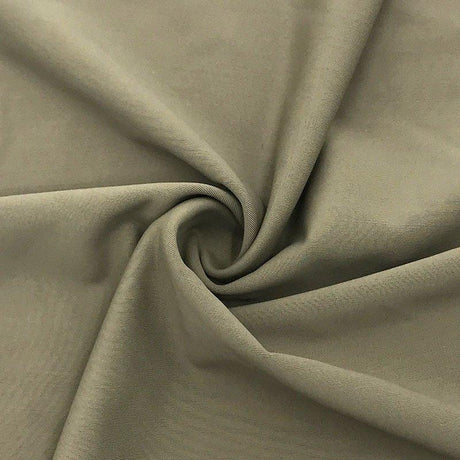
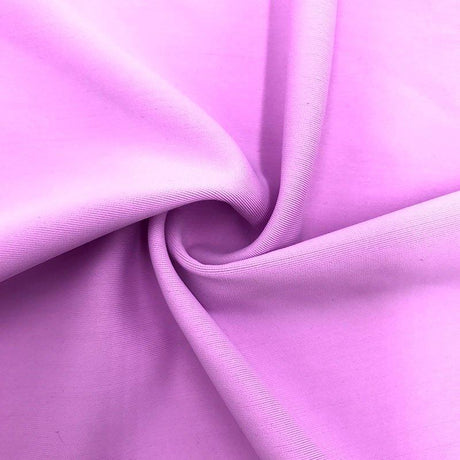
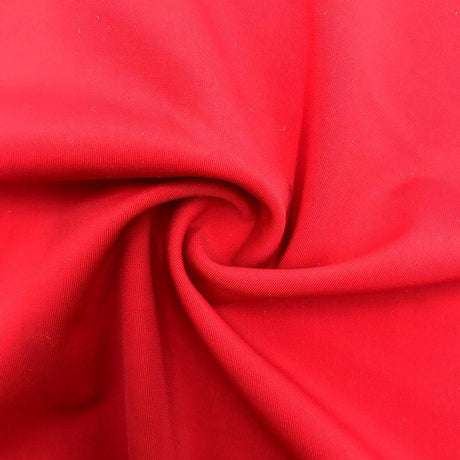
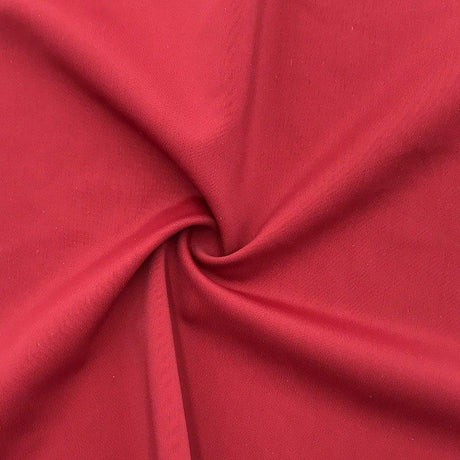
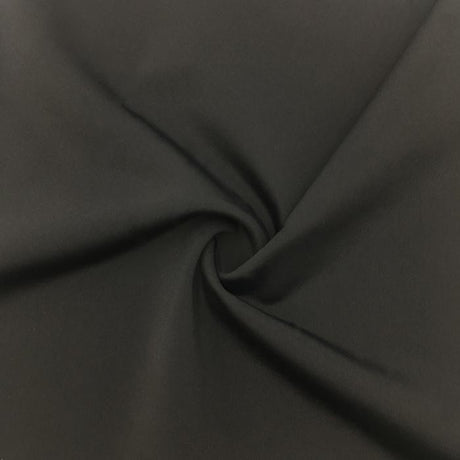
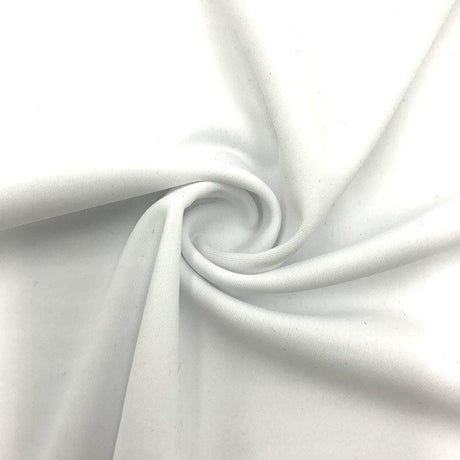
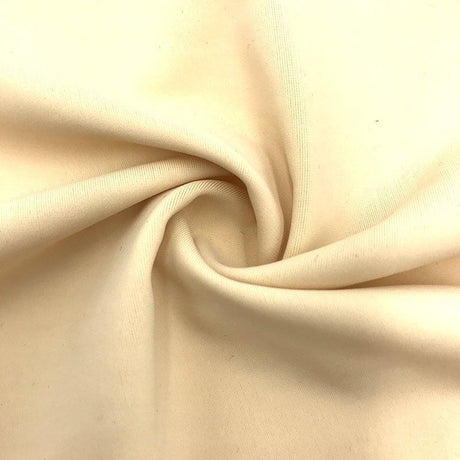
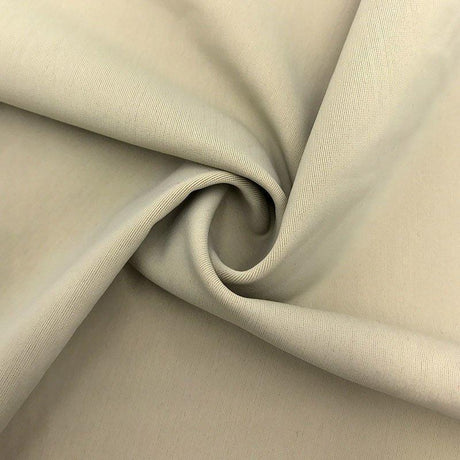
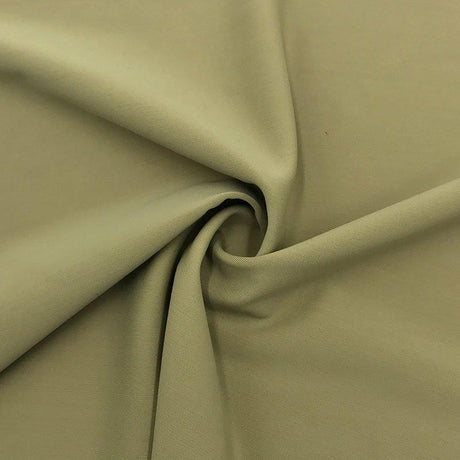
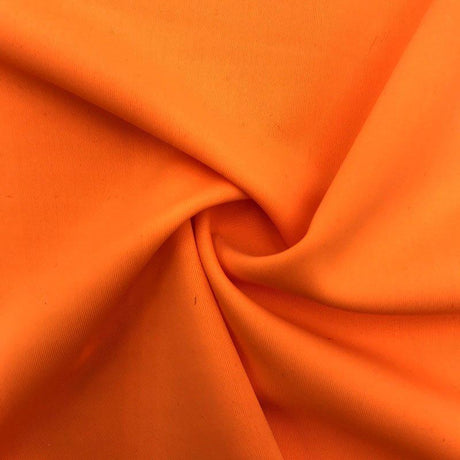
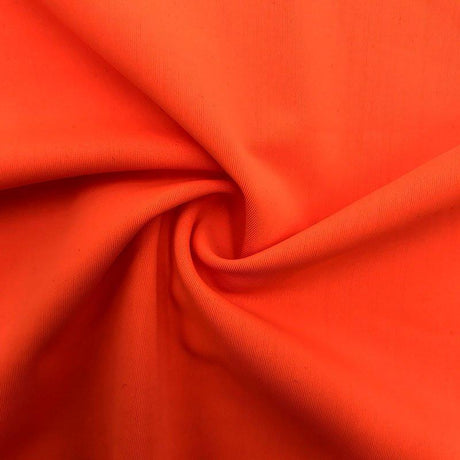
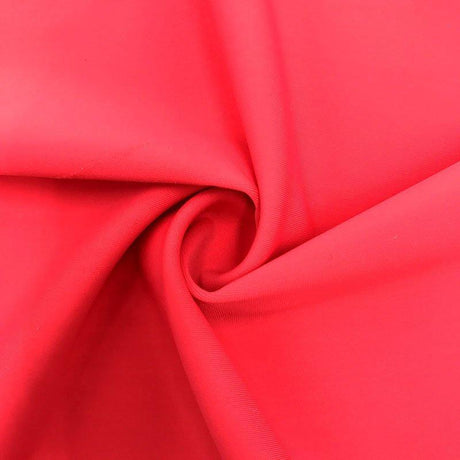
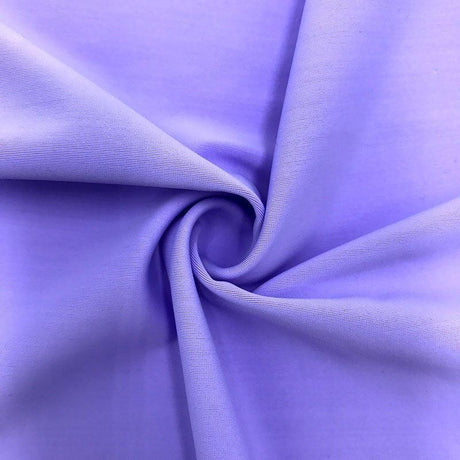
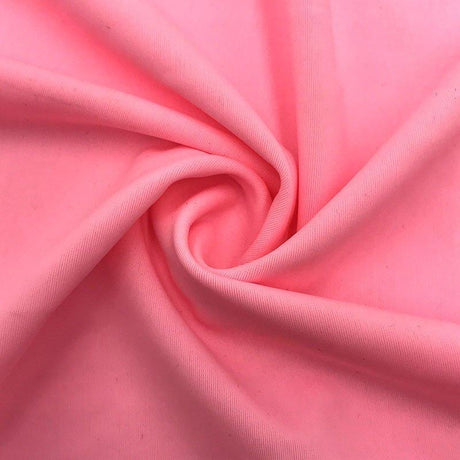
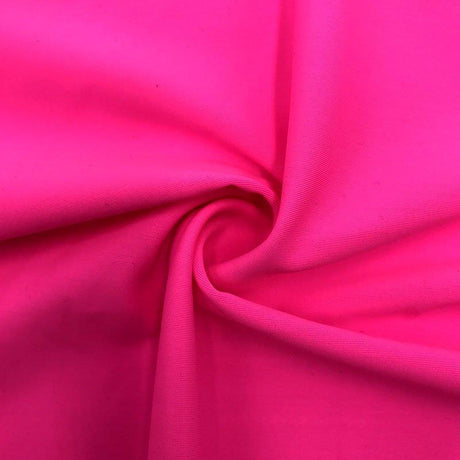
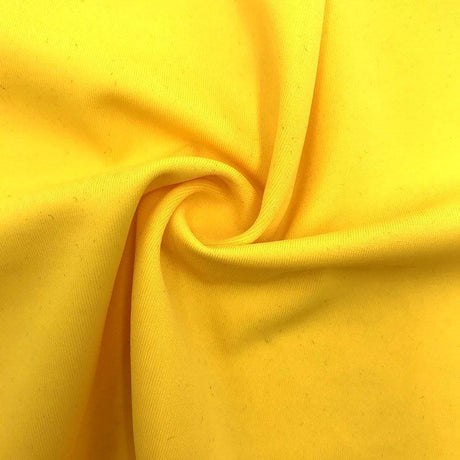
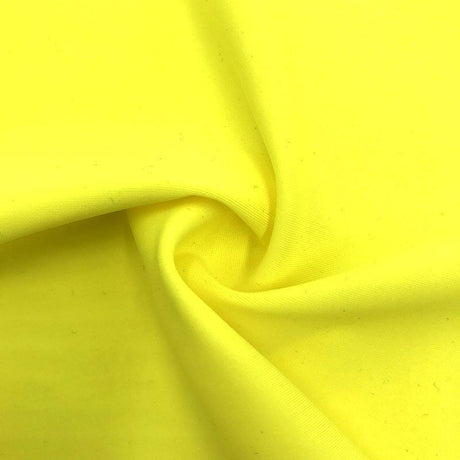
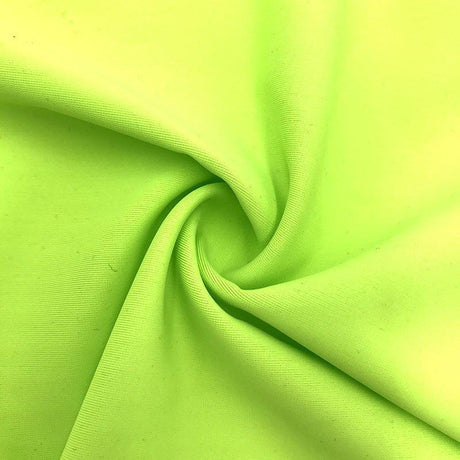
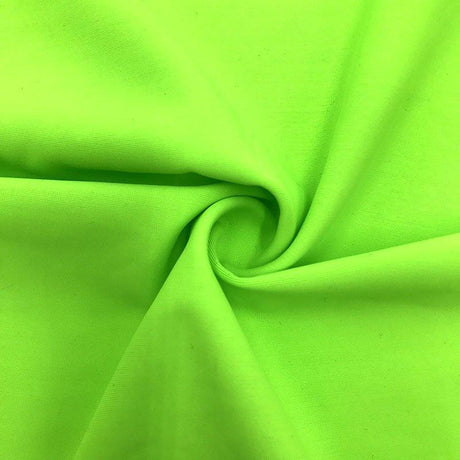
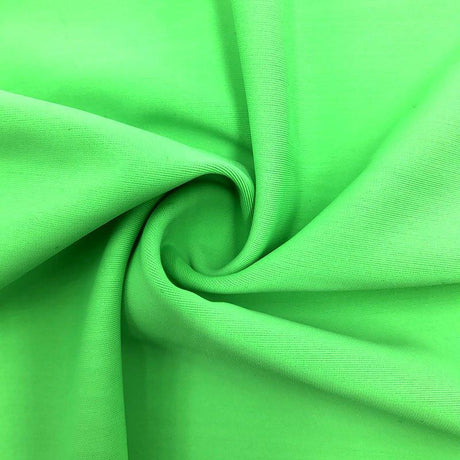
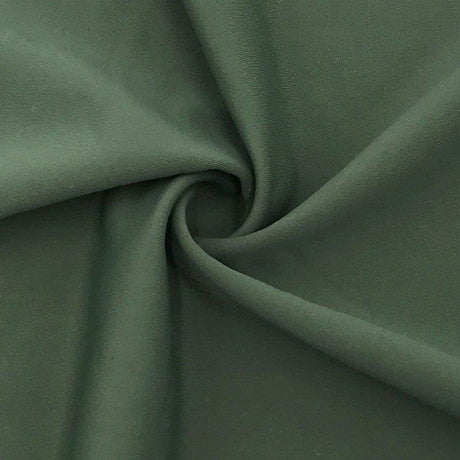
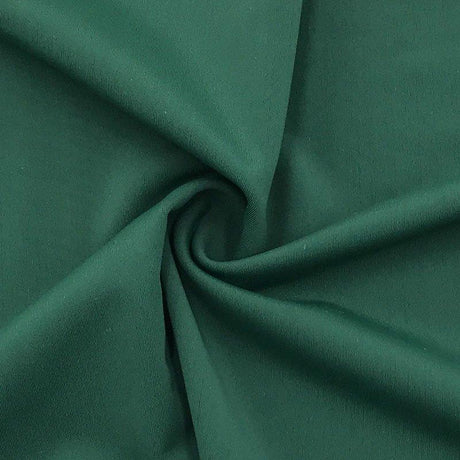
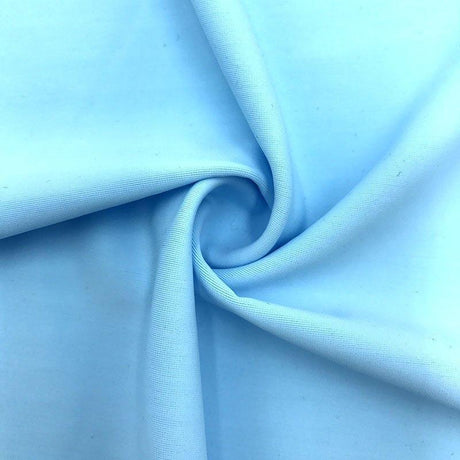
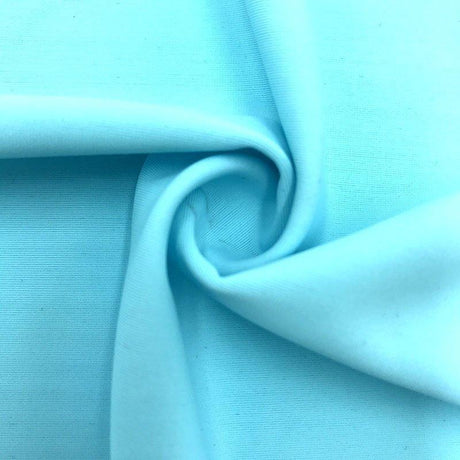
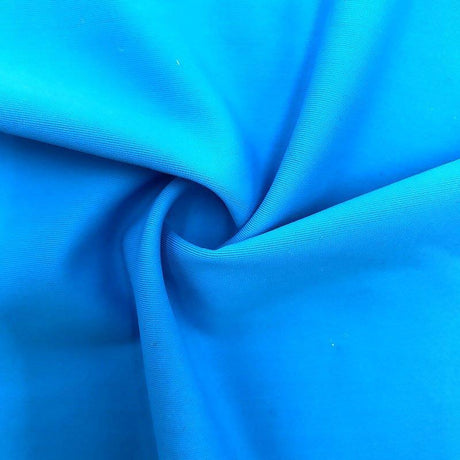
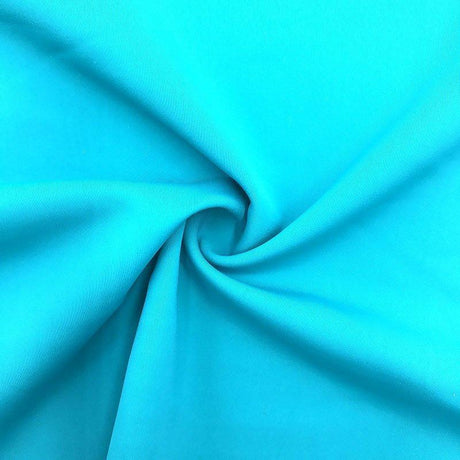
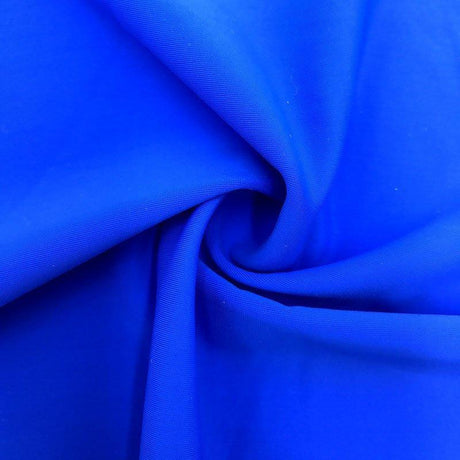
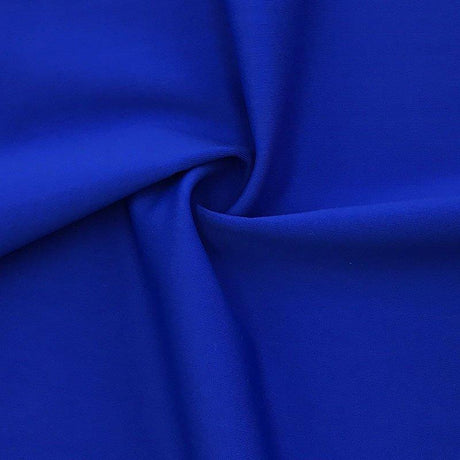
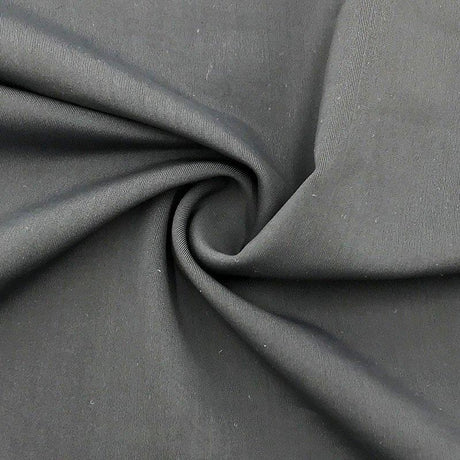
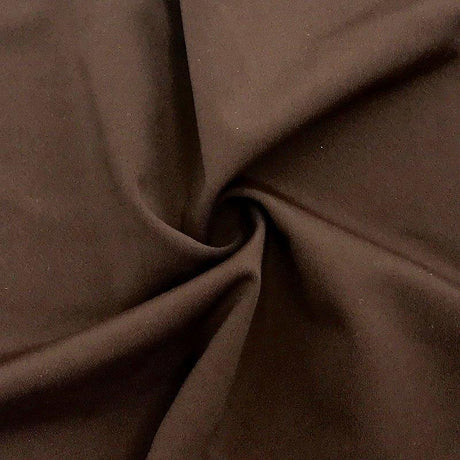
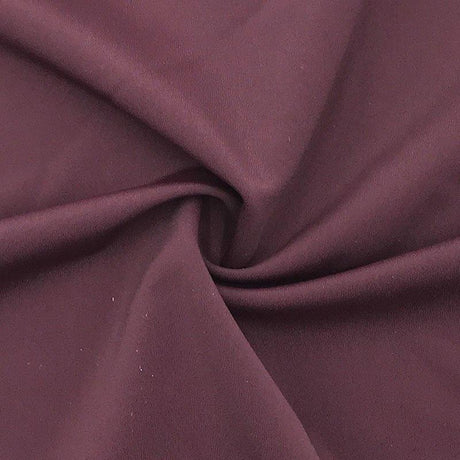
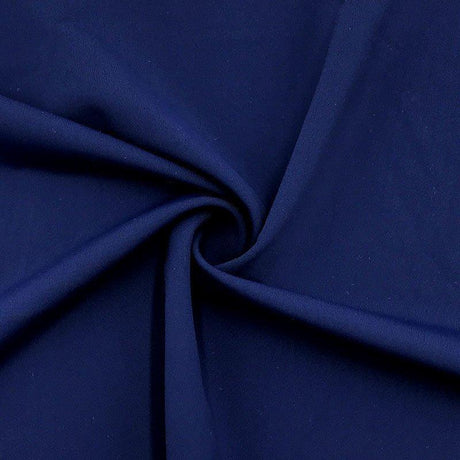
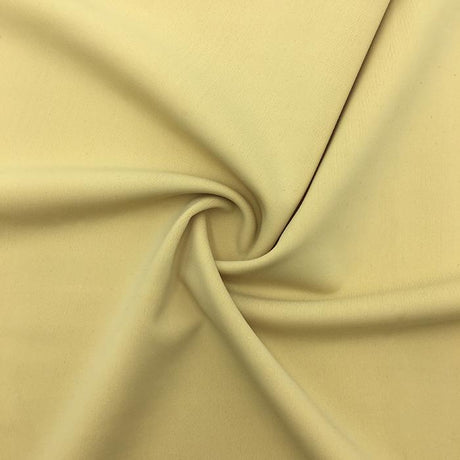
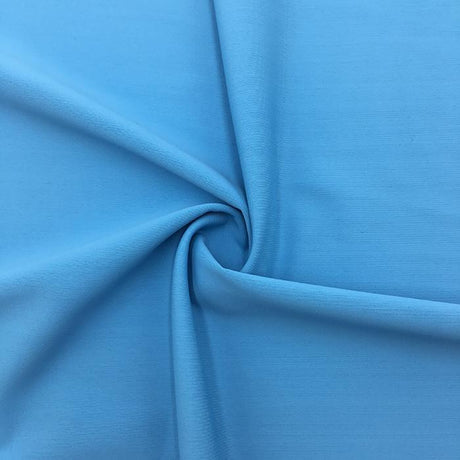
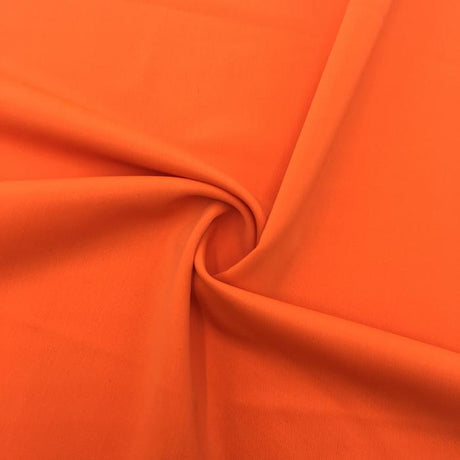
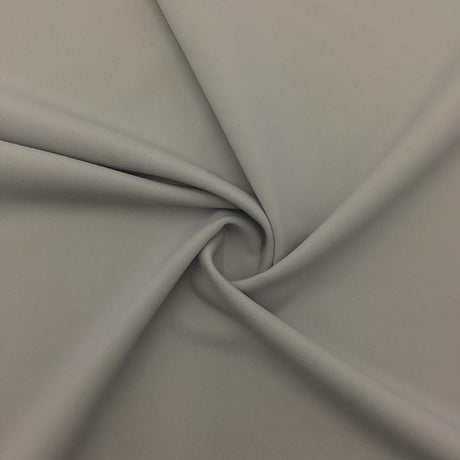
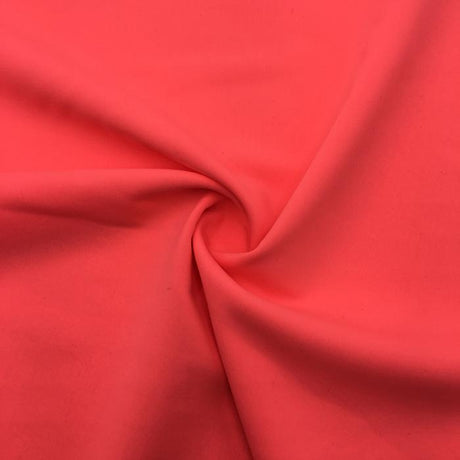
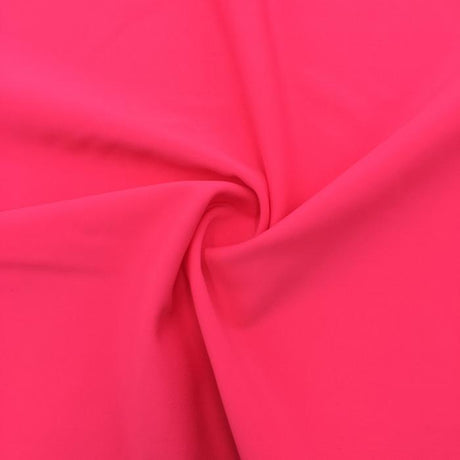
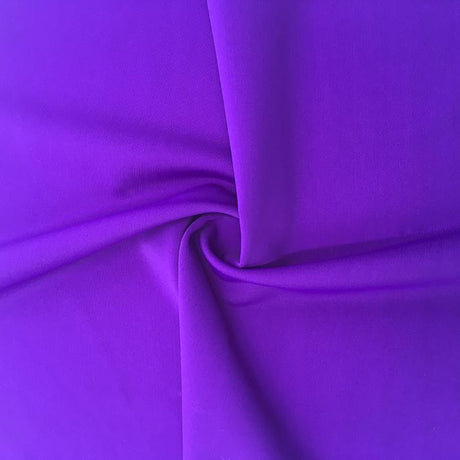
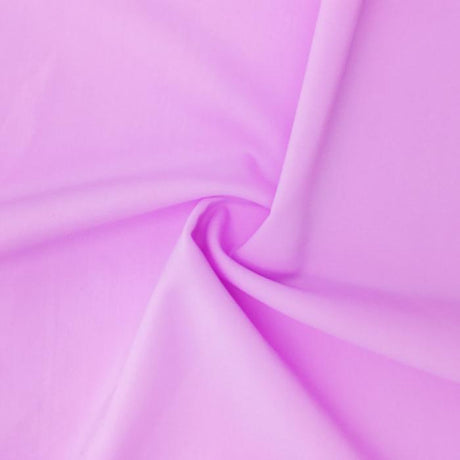
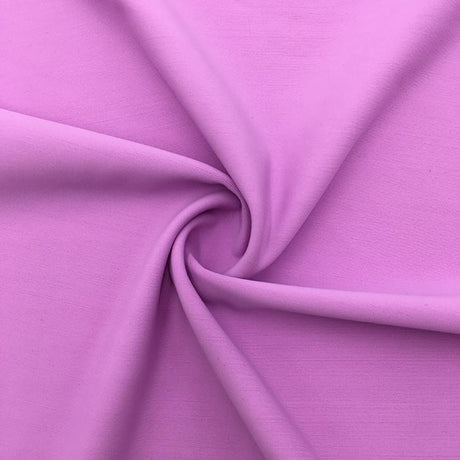
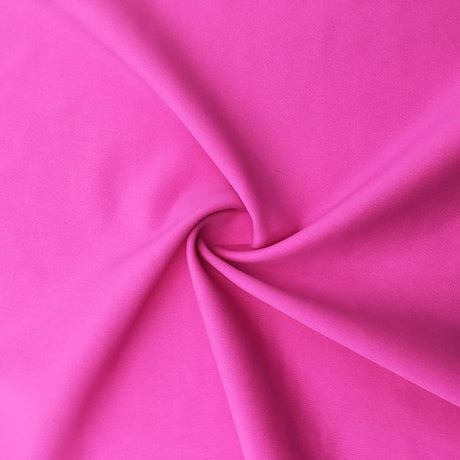
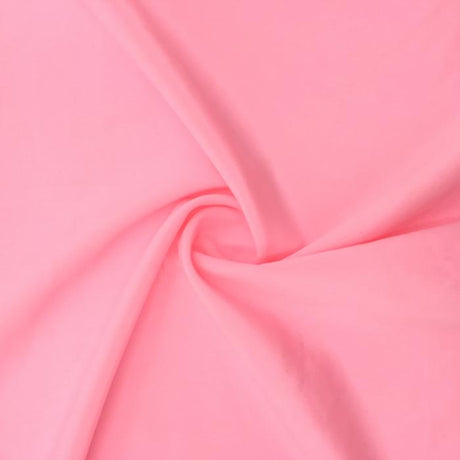
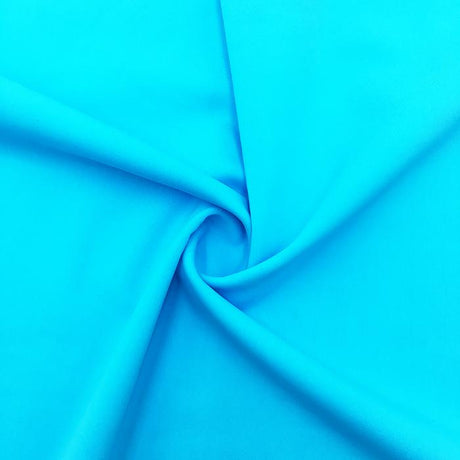
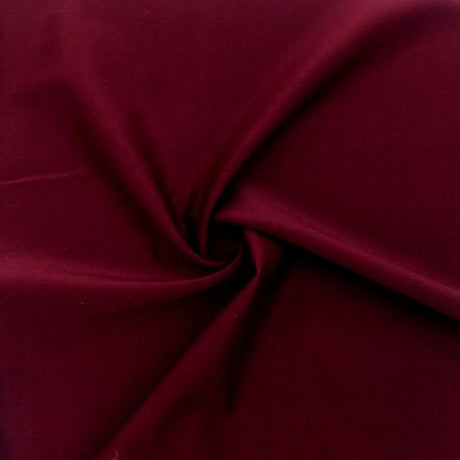
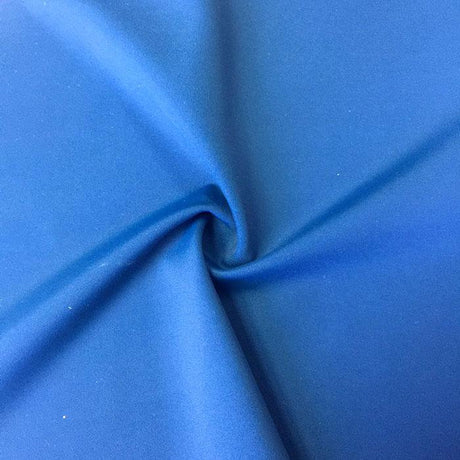
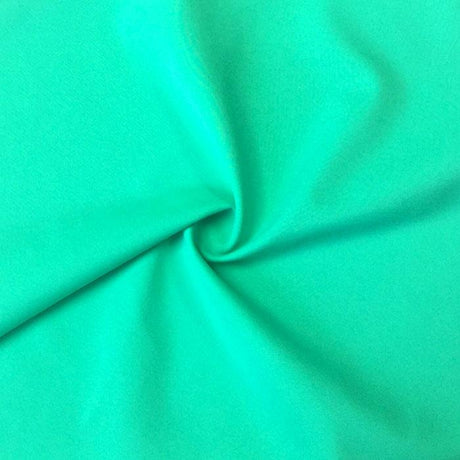
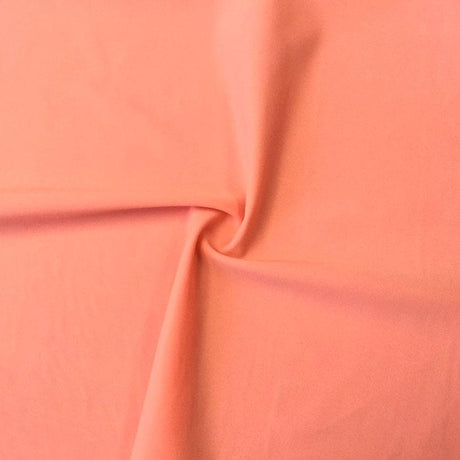
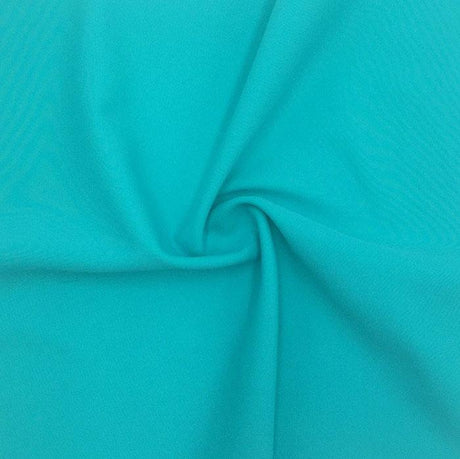
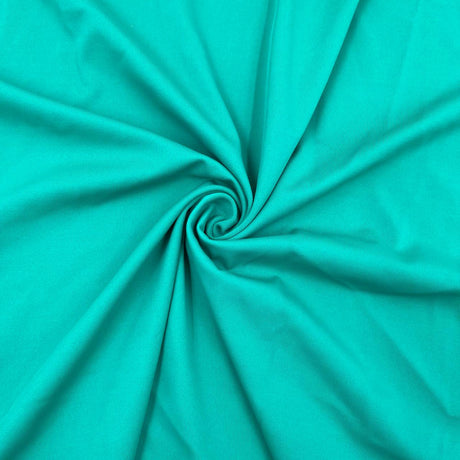
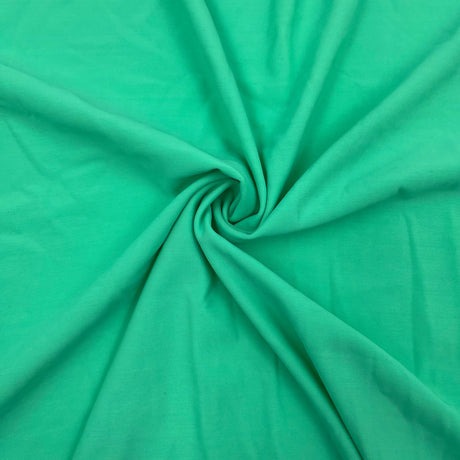
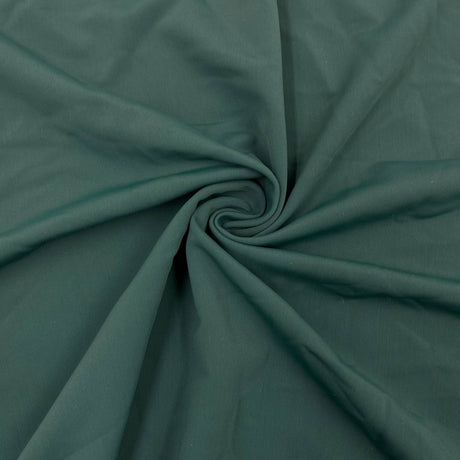
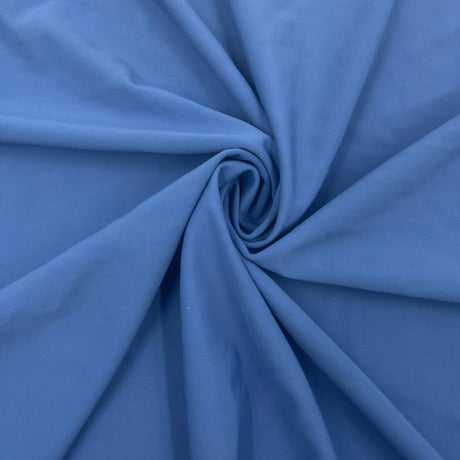
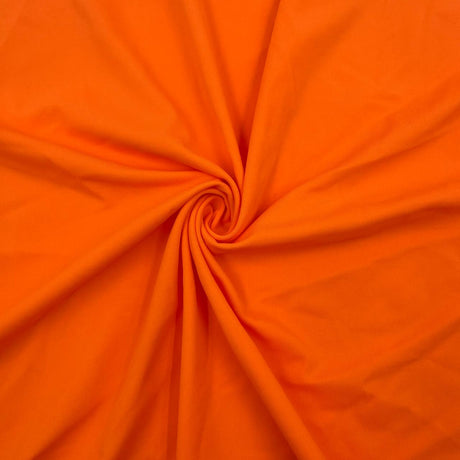
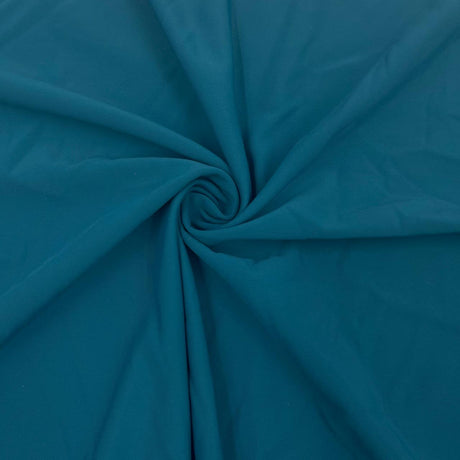
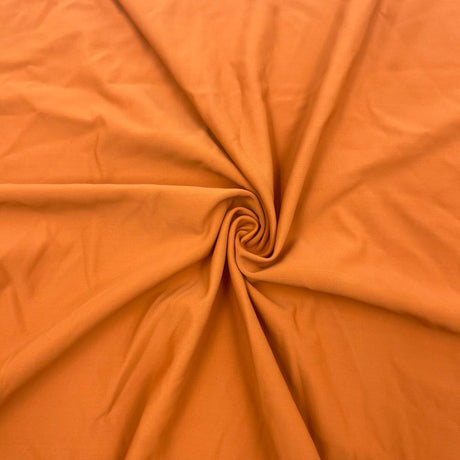
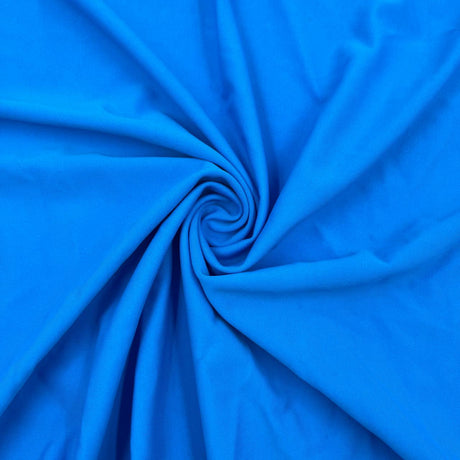
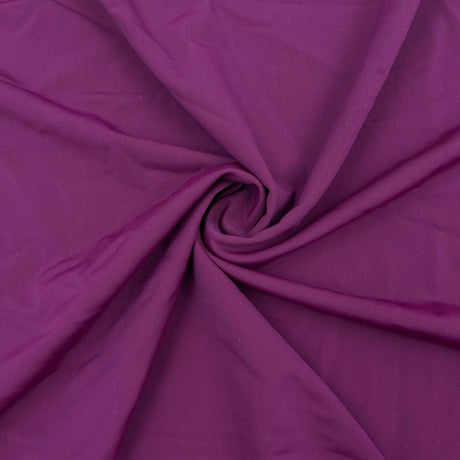
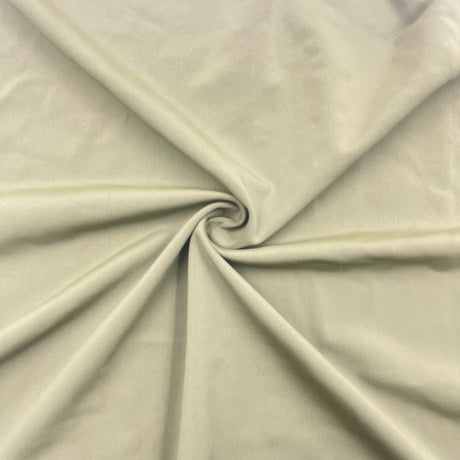
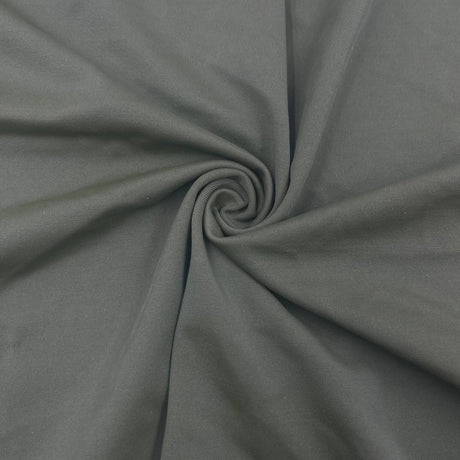
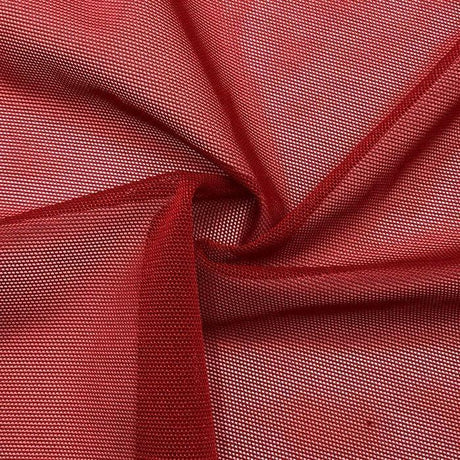
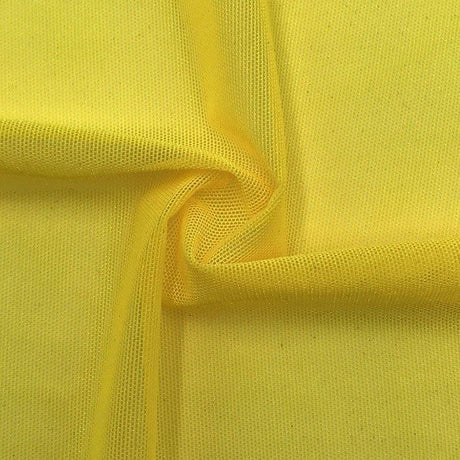
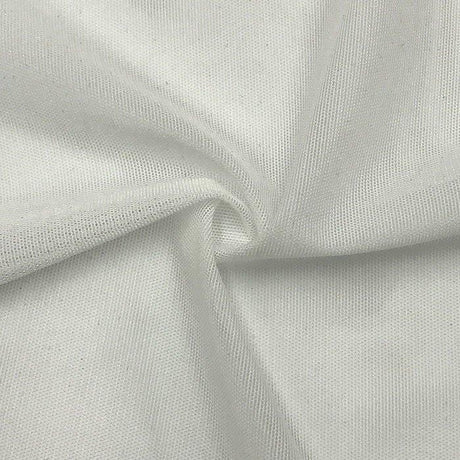
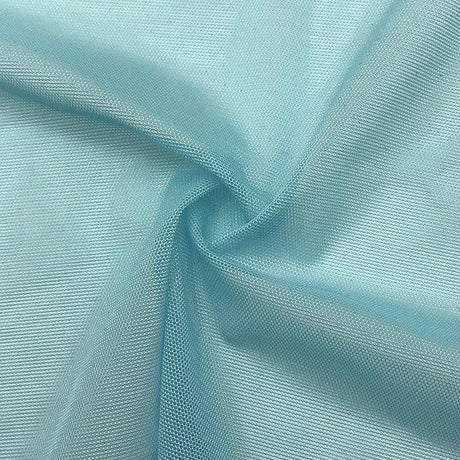
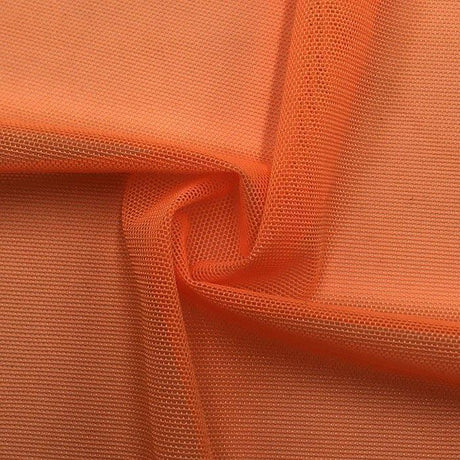
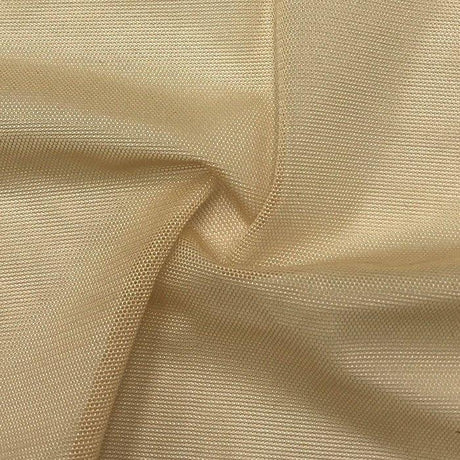
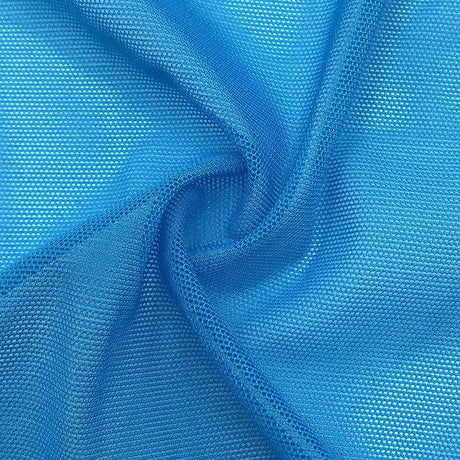
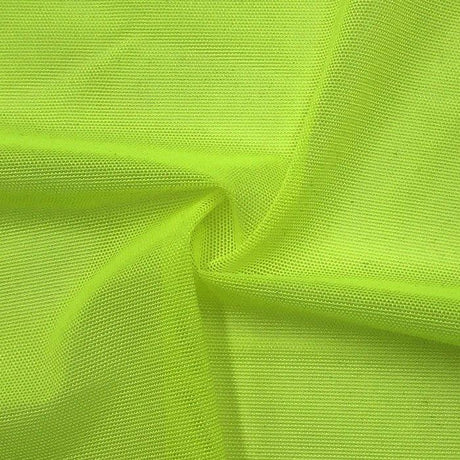
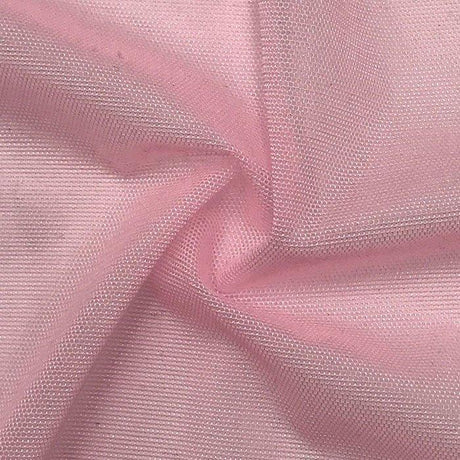
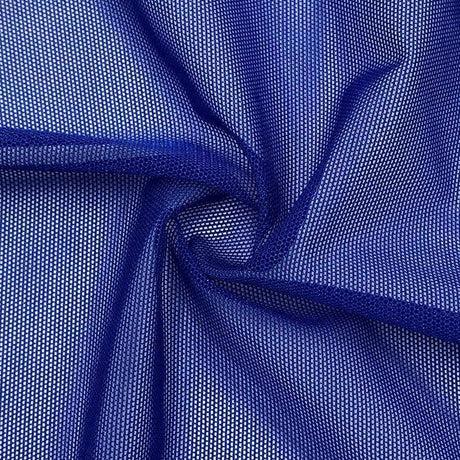
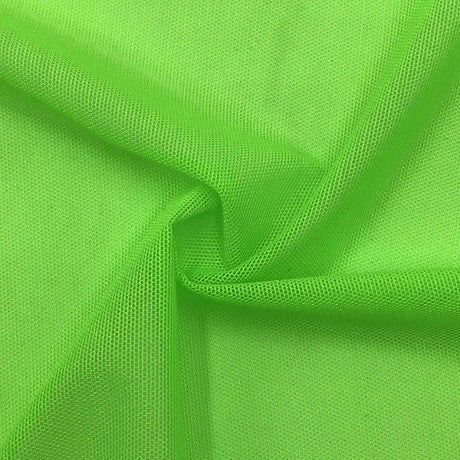
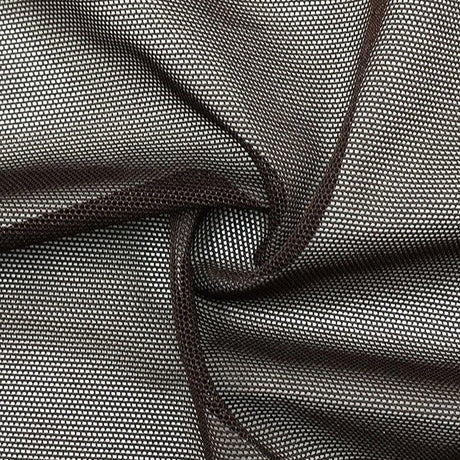
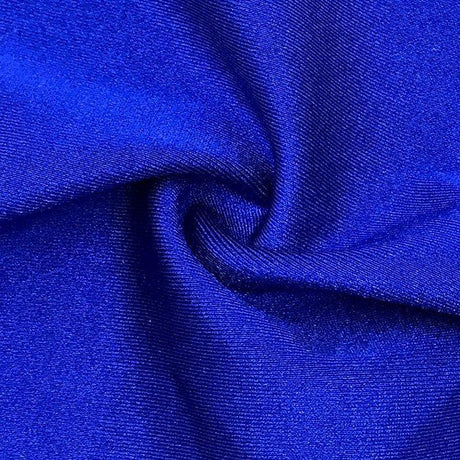
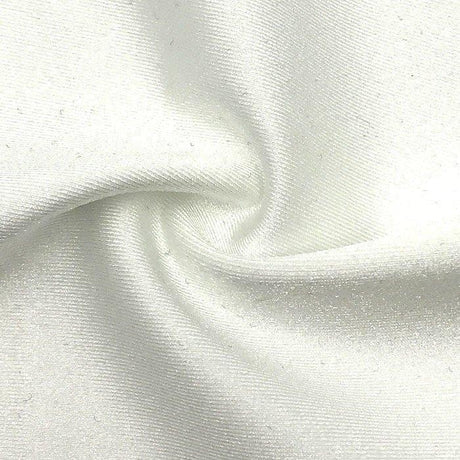
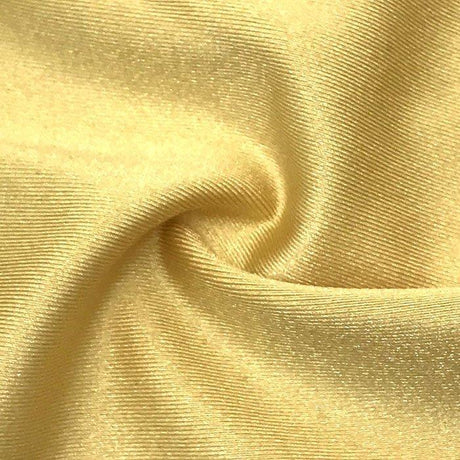
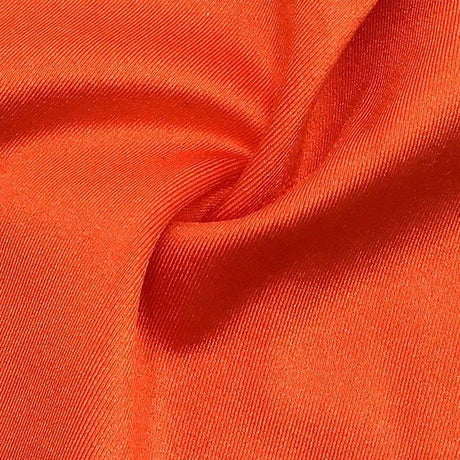
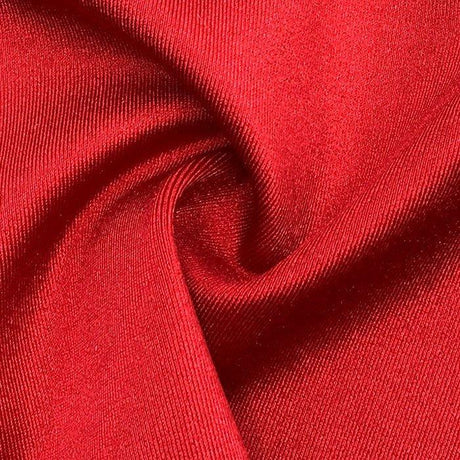
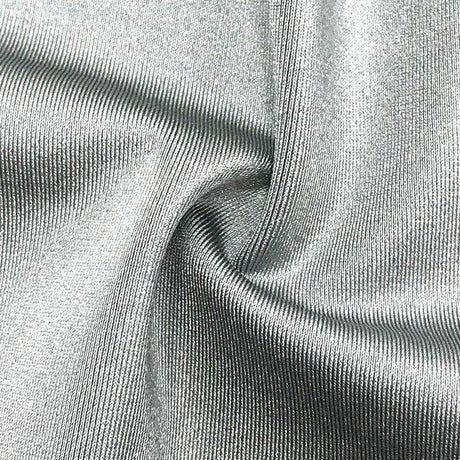
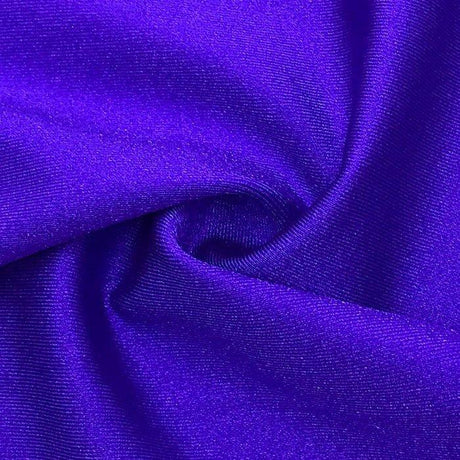
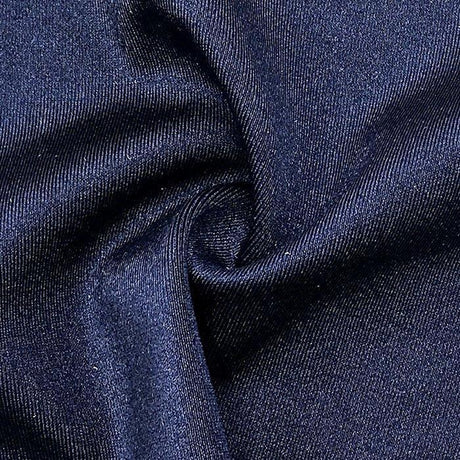
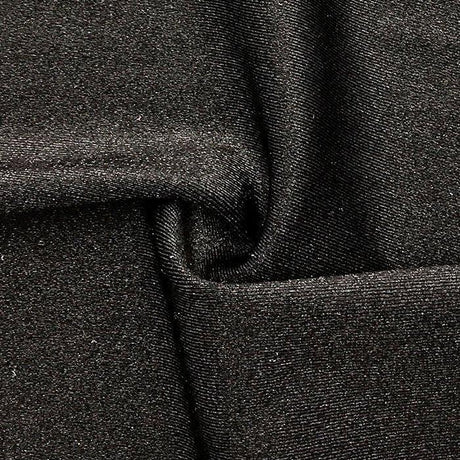
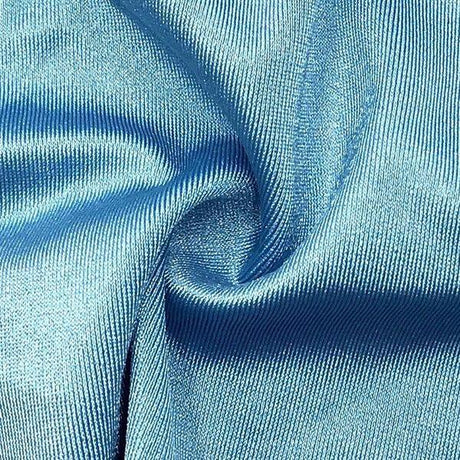
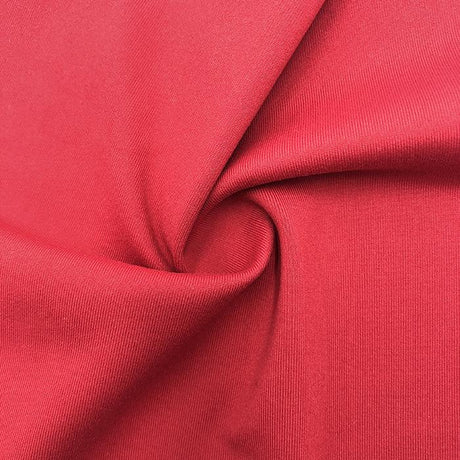
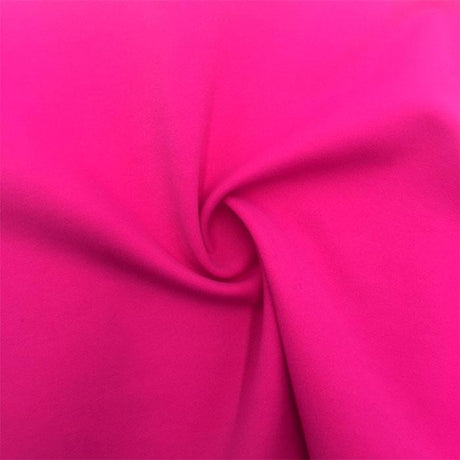
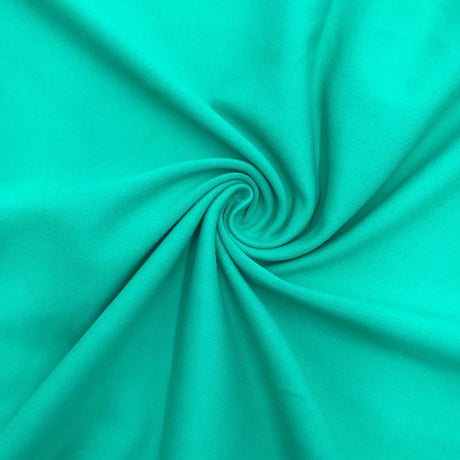
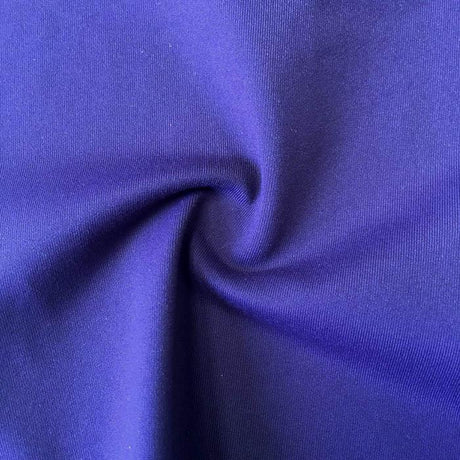
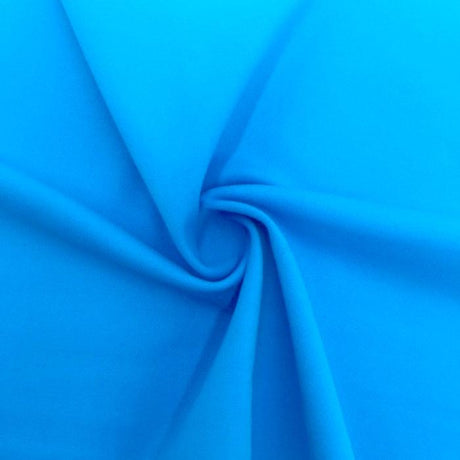
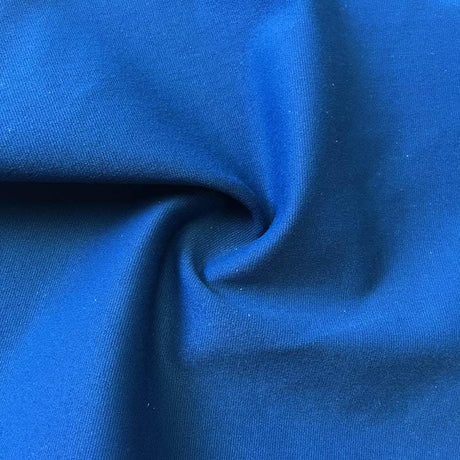
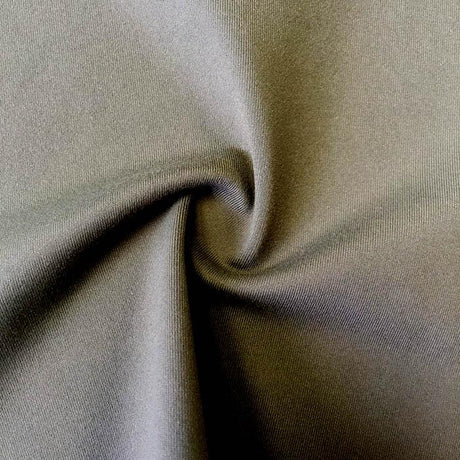
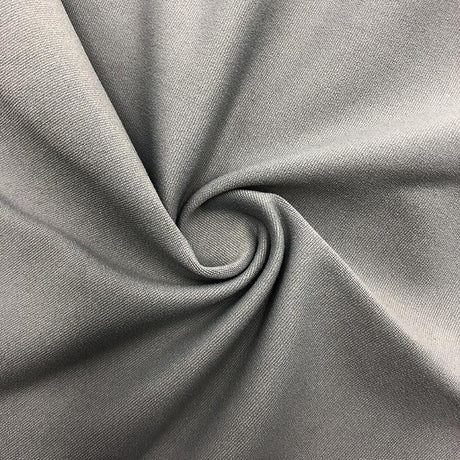
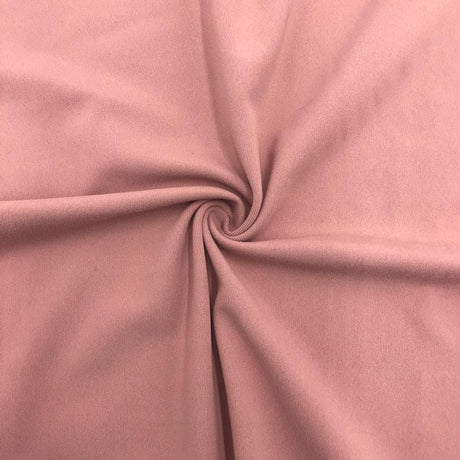
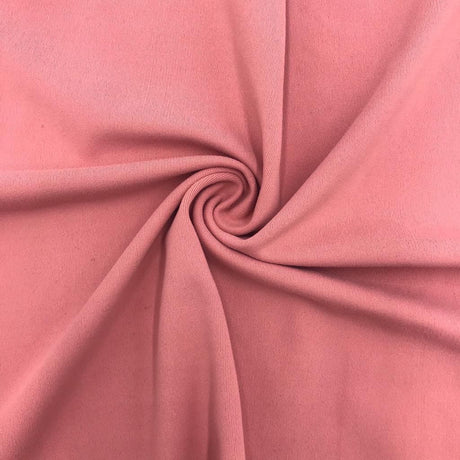
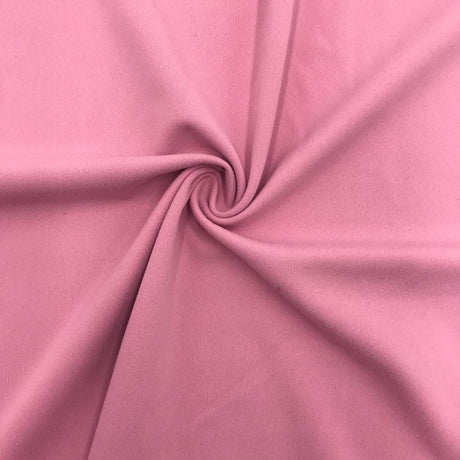
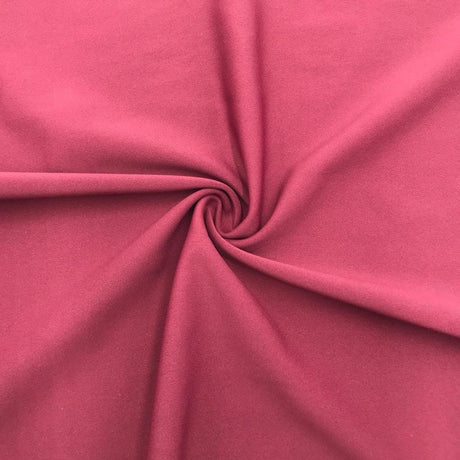
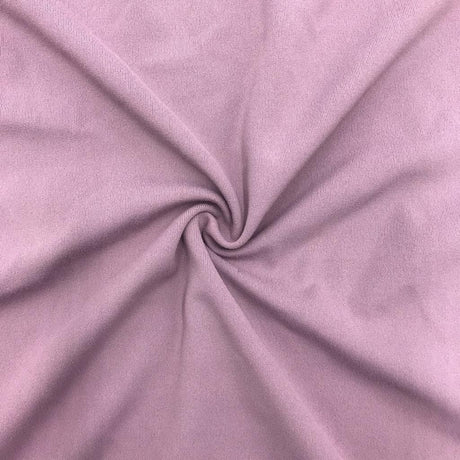
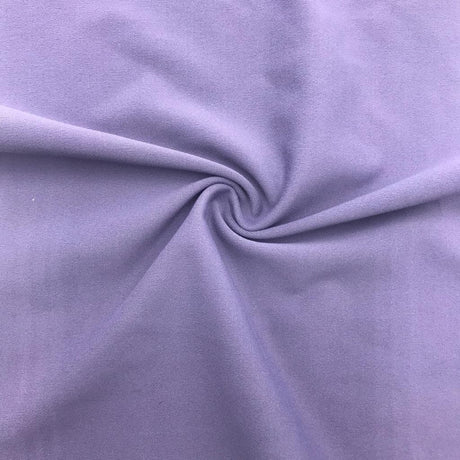
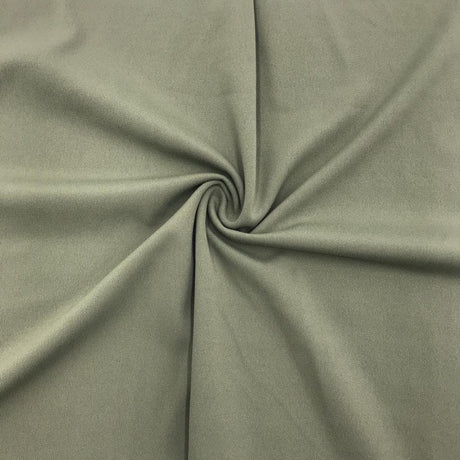
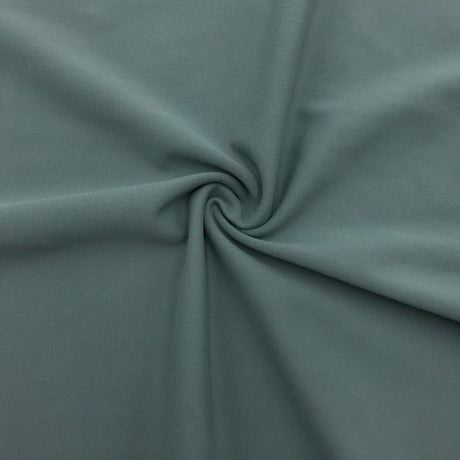
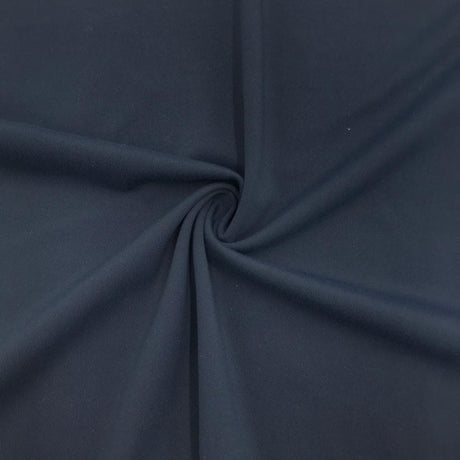
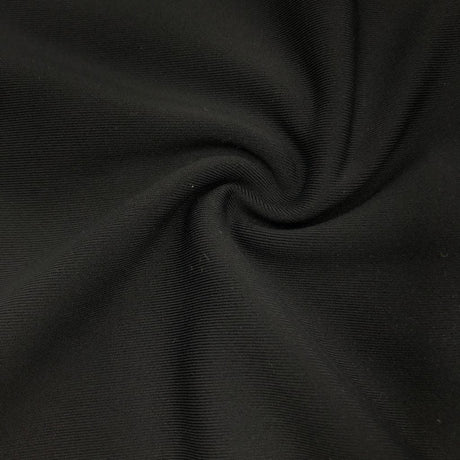
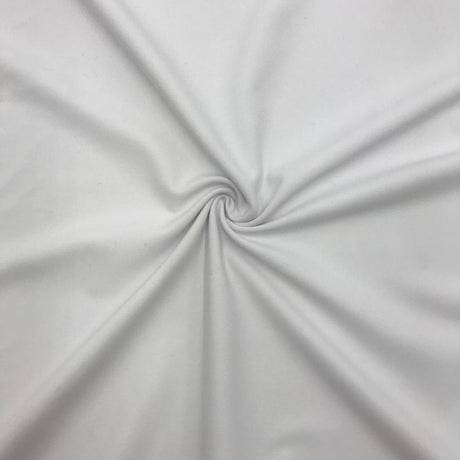
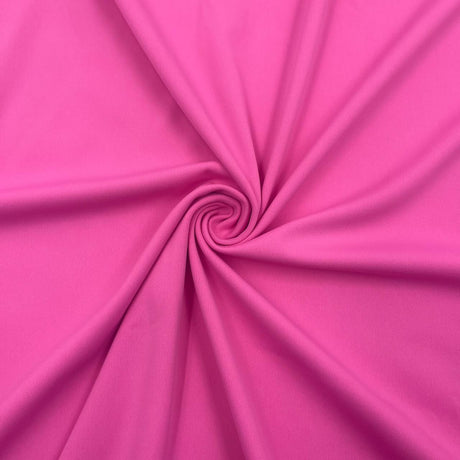
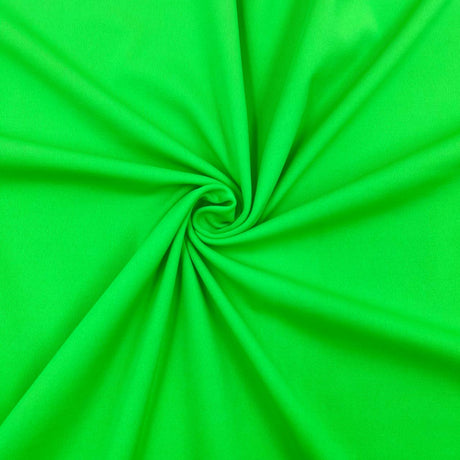
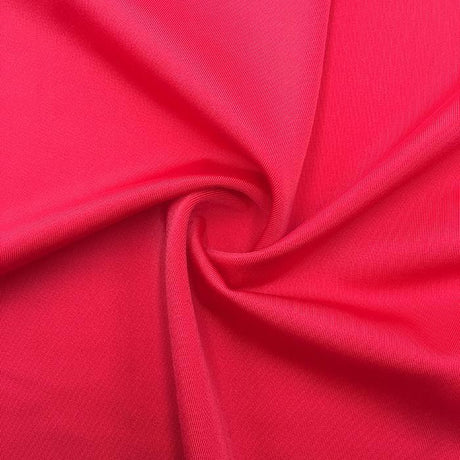
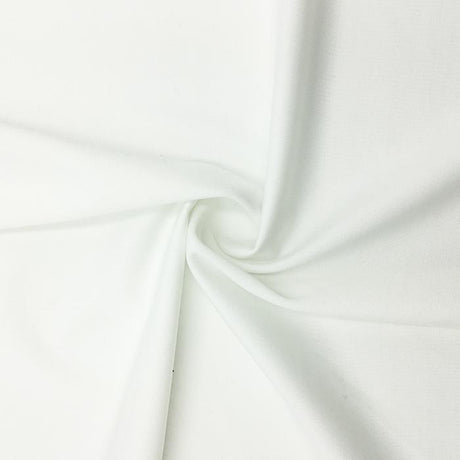
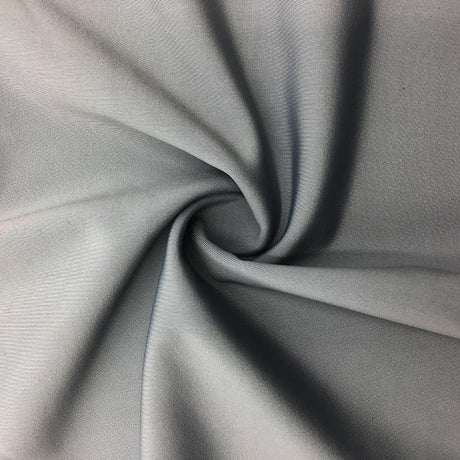
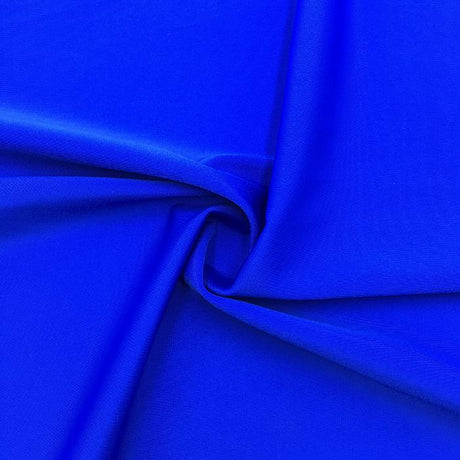
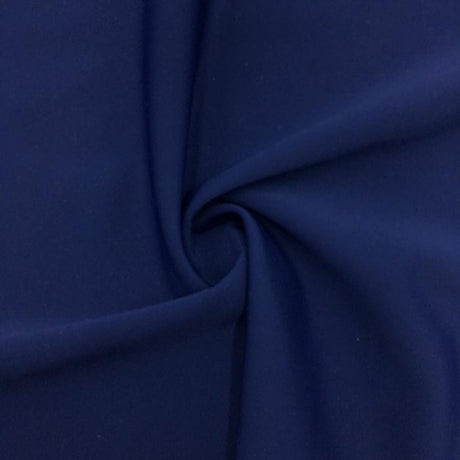
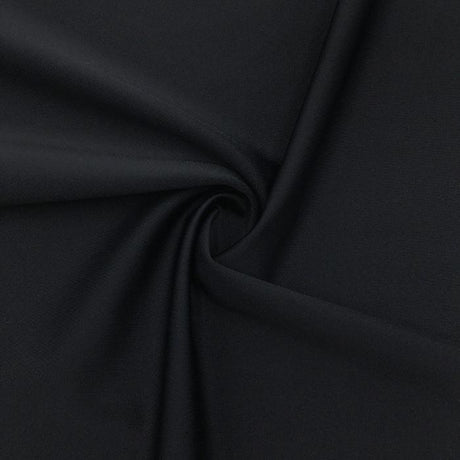
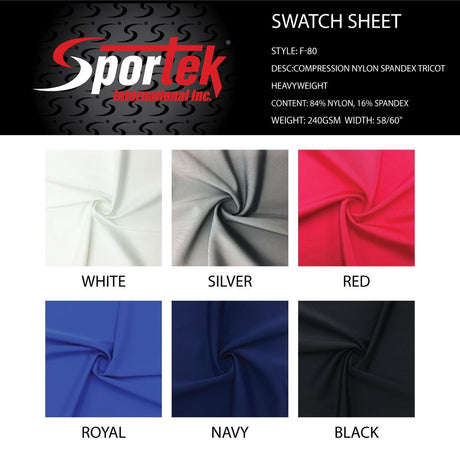
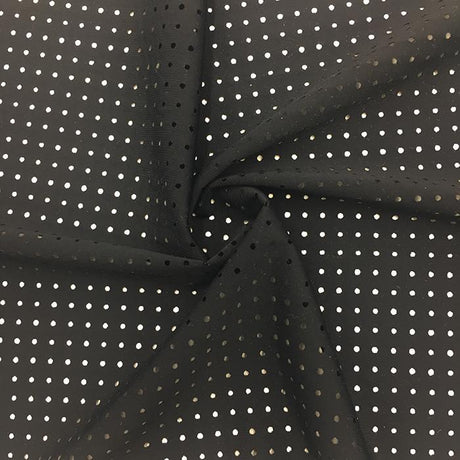
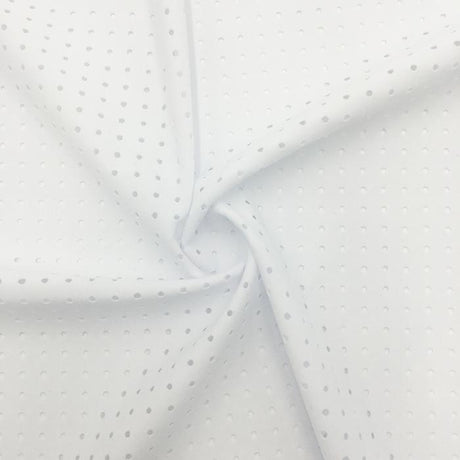
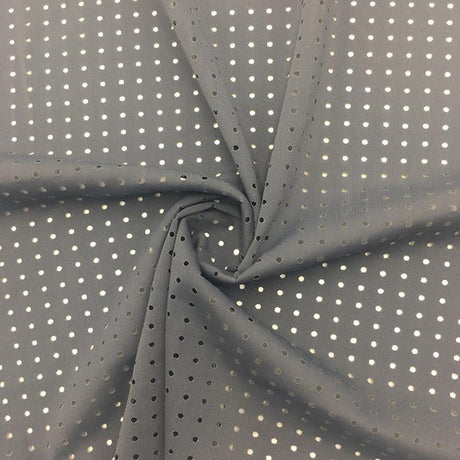
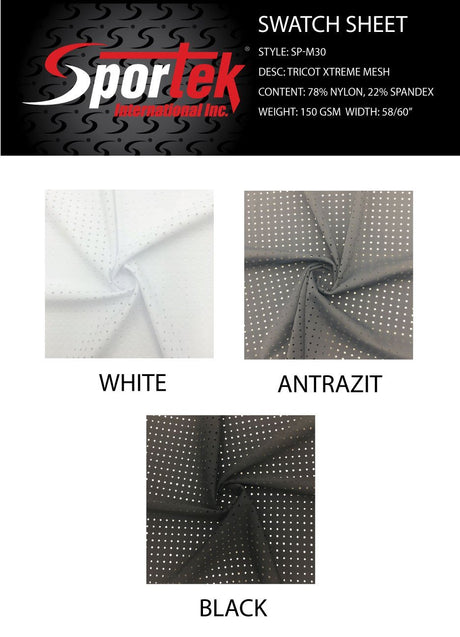
Swimwear fabric refers to the specialized materials used to make swimsuits, bikinis, and other water-ready apparel. Unlike regular clothing textiles, swimwear fabrics are engineered to stretch, recover, and endure exposure to water, sun, and chemicals. A swimsuit’s fabric must perform under harsh conditions – pool chlorine, saltwater, and intense UV rays can all take a toll. The right material will resist chemicals and sunlight while keeping its shape; the wrong choice may sag, fade, or even expose skin to harmful sun. Most modern swimsuits are made from synthetic blends – typically either nylon or polyester combined with spandex (elastane) for stretch. Each fiber brings its strengths: polyester is prized for durability and shape retention, while nylon is loved for its soft feel and vibrant color potential. In this 2025 guide, we’ll break down the key properties of swimwear fabrics, the common types (from nylon to polyester to trendy ribbed textures), the crucial role of spandex, and new sustainable options like recycled Econyl. By understanding these factors, you can select a swimwear fabric that looks great and lasts longer under splashy conditions.
Key Properties: Stretch, Recovery, and Chlorine Resistance
When evaluating swimwear fabrics, there are a few critical performance properties to keep in mind. High-quality swim material needs to offer excellent stretch & flexibility, shape recovery, and resistance to chlorine (among other factors like UV protection and quick-dry). These properties ensure a swimsuit is comfortable, form-fitting, and durable through many uses. Let’s examine each:
Stretch and Flexibility
A good swimwear fabric provides generous 4-way stretch, meaning it can extend both widthwise and lengthwise without restriction. This flexibility is what allows swimwear to move with your body – whether you’re diving into a pool or lounging on the beach. The stretch comes from the inclusion of elastic fibers like spandex (Lycra), which can elongate up to 500% of its length and still snap back. Look for fabrics labeled “4-way stretch” or with at least ~10–20% spandex content, as this guarantees the material can contour to curves and provide a snug yet comfy fit. Adequate stretch is especially important in swimsuits for performance or athletics, where a full range of motion is needed. In short, the best swimwear fabrics are highly elastic and recover well, giving you that second-skin feel without sagging.
Recovery (Shape Retention)
Recovery refers to a fabric’s ability to return to its original shape after being stretched. In swimwear, strong recovery (a.k.a. stretch retention) is crucial so your suit doesn’t become baggy or loose after repeated wear. Quality spandex-blended fabrics exhibit ~90% resilience, meaning they snap back and hold their shape wear after wear. Certain knit structures can further enhance recovery – for example, ribbed swimwear fabrics have a textured knit that improves stretch recovery and shape retention, helping the suit stay supportive and not lose its form. Good recovery prevents the dreaded saggy bottom or straps that won’t stay put. When evaluating material, give it a stretch test: it should spring back promptly. Fabrics with excellent recovery will maintain a sleek, supportive fit over time, even as they age and undergo many cycles of stretching (such as pulling on/off, swimming, etc.). This property goes hand-in-hand with stretch – a top-notch swimwear material not only stretches comfortably but also bounces back to keep the garment fitting like new.
Chlorine Resistance
Chlorine in pools is the nemesis of most fabrics – it’s a harsh chemical that can break down fibers (especially elastics) over time. Thus, chlorine resistance is a key property for any swimwear fabric intended for pool use. Materials vary widely here. Polyester is naturally more chlorine-resistant, while nylon and spandex are more vulnerable to chlorine degradation if not specially treated. For instance, swimsuits made of 100% polyester (with no standard spandex) can last 3–4 times longer in chlorinated water than those made with typical nylon/spandex blends. On the other hand, a traditional 80% nylon / 20% spandex bikini might lose elasticity or color after prolonged pool exposure if it isn’t a “chlorine-resistant” variant. To combat this, many modern swim fabrics incorporate chlorine-resistant technologies: some use specialty elastanes (like Lycra® XTRA LIFE™ or Creora® HighClo™) that can withstand chlorine 5–10× longer than regular spandex. Others use alternative fibers like PBT (a type of polyester) that are virtually immune to chlorine damage. When selecting swimwear material, consider how often it will encounter chlorinated pools. If you need maximum durability for lap swimming or daily pool use, opt for fabrics advertised as chlorine-proof or containing a high percentage of polyester/PBT. And even with a chlorine-resistant fabric, it’s wise to rinse swimsuits in fresh water after use to prolong their life. A fabric that excels in chlorine resistance will keep its color and stretch far longer, rather than fading or becoming brittle.
(Beyond these, other important swimwear fabric properties include UV protection, colorfastness, quick-drying ability, and breathability. High-quality fabrics often check all these boxes. But stretch, recovery, and chlorine-resistance are among the most critical for performance and longevity.)
Common Types of Swimwear Materials (Nylon, Polyester, Ribbed)
Now let’s look at the most common types of swimwear fabric and their characteristics. Swimwear fabrics are usually categorized by their fiber content. The main players in swimsuits are nylon (polyamide), polyester, and the spandex that’s blended in for stretch. Within these, there are variations and special knits (like ribbed textures). Each material type offers a different balance of feel, stretch, and durability. Here’s an overview of nylon, polyester, and ribbed swim fabrics:
Nylon (Polyamide) Swimwear Fabrics
Nylon is one of the most popular base fabrics for swimwear, known for its silky feel and flexibility. Nylon fibers are lightweight and have a smooth, soft touch, which gives swimsuits a luxe hand-feel and allows for vibrant color printing. A typical nylon swim fabric is blended with spandex for elasticity – often around 80–85% nylon and 15–20% spandex. This yields a very stretchy, 4-way elastic material that hugs the body and moves comfortably. Nylon-spandex blends are commonly used in bikinis, one-pieces, and fashion swimwear because they drape nicely and achieve a second-skin fit. They also tend to dry relatively quickly once out of water.
However, pure nylon (and nylon-rich blends) have some downsides in harsher conditions. Nylon is less chemically stable in chlorine than polyester, meaning that frequent exposure to chlorinated pools can cause a nylon swimsuit to deteriorate faster – it may lose shape or elasticity over time if not specially treated. Similarly, untreated nylon fabric provides only minimal UV protection (roughly UPF 5) and can be prone to UV fading unless a UV-blocking treatment or tighter knit is used. Because of this, nylon swim fabrics are often best suited for occasional use, beachwear, or styles where maximum softness and stretch are the priority rather than all-day pool training. Many manufacturers now offer “chlorine-resistant nylon” blends or add UV stabilizers to improve performance, so if you love nylon’s comfort, look for those labels. Pros: Ultra-soft, very stretchy, vibrant colors, lightweight. Cons: Moderate chlorine and UV resistance (needs care/lining for heavy use), can lose shape faster if overexposed to pool chemicals. Overall, nylon-spandex fabrics are fantastic for fashion-forward swimwear and comfort, just be mindful to rinse them after use and perhaps avoid daily lap swimming in your most delicate nylon bikini.
Polyester Swimwear Fabrics
Polyester has become the go-to material for athletic and high-performance swimwear thanks to its superior durability. Polyester fibers are strong, resilient, and highly resistant to stretching out or breaking down. Unlike nylon, polyester has a molecular structure that inherently blocks more UV radiation (about UPF 15 on its own) and it is much more stable in chlorine. In practice, a well-made polyester swimsuit can withstand countless hours in chlorinated pools with minimal fading or loss of integrity – in fact, some competitive swim suits made of polyester/PBT blends last multiple seasons of daily use. Polyester also absorbs less water than nylon, so a poly-based suit tends to feel lighter when wet and dries faster.
Most polyester swimwear is not 100% polyester; it’s blended with spandex (often ~10–20%) to introduce the needed stretch and comfort. For example, a common composition might be 85% polyester, 15% spandex – this yields a fabric that is slightly firmer and less silky than nylon, but extremely robust in chlorine and able to hold its shape wear after wear. Modern polyester swim fabrics have come a long way from the old stiff gym swimsuits of the past – today’s polyester blends can be soft, smooth, and offer 4-way stretch with excellent recovery. They’re also a top choice for printing designs (sublimation printing works brilliantly on poly), so if you see a swim team suit or rash guard with a bright graphic, it’s likely polyester-based. Pros: Exceptional chlorine resistance and UV stability (suits last longer without fading), strong shape retention (no sagging), quick-drying, and durable against pilling or snagging. Cons: Slightly less soft or elastic than nylon (a firmer feel), though spandex blending mitigates this. In summary, choose polyester-spandex fabrics when longevity and performance are key – e.g. competitive swimwear, training suits, or any swimsuit that needs to endure season after season of use. With polyester, you’ll trade a bit of hand-feel softness for a suit that really stands up to wear.
(Special mention: PBT polyester – Polybutylene Terephthalate – is a variant of polyester used in some high-end athletic swimwear. PBT fabrics are often blended with polyester (e.g. 50/50) to create suits labeled “100% chlorine-proof.” PBT has built-in stretch (a mechanical 2-way stretch) and can replace spandex entirely in a swimsuit, eliminating the usual weak point of chlorine damage. A polyester/PBT suit might feel a bit less stretchy to put on, but it provides excellent compression for competitive swimming and can literally last for hundreds of hours of pool use without losing shape. These suits are ideal for swim teams and swim instructors. Casual swimmers, however, may still prefer a bit of spandex for easier fit. If you need ultimate durability, PBT-blended swimwear is top-notch.)
Ribbed Swimwear Fabrics
In recent years, textured swimwear fabrics like ribbed knits have surged in popularity for both style and function. Ribbed swimwear fabric is a material with visible raised “ribs” or vertical lines in its knit structure, giving it a three-dimensional texture. This is achieved via a special knitting technique using variable tension and elastic yarns, resulting in a fabric that is structured yet flexible – perfect for swimsuits. The ribbed texture isn’t just for looks; it actually offers practical benefits. Ribbed nylon-spandex or poly-spandex blends tend to have excellent stretch and recovery, even more than comparable flat fabrics, because the rib structure snaps back tightly (reducing the likelihood of sagging). The textured surface also adds a bit of grip and support, meaning ribbed suits can feel slightly more compressive and secure on the body (with reduced cling when wet). Many wearers find this flattering and comfortable, as the gentle compression can support curves and the texture camouflages minor imperfections.
From a fashion standpoint, ribbed bikinis and one-pieces offer a stylish, sophisticated look. The way the ribs catch the light and add visual depth has made them a staple in many 2025 swim collections. Designers play with rib width and direction to create unique aesthetics – from fine pin-rib textures to bold wide-rib looks. Despite the upscale appearance, ribbed fabrics maintain full functionality: they are usually made of the same nylon/spandex or poly/spandex fibers as other swimwear, so they stretch, dry fast, and can be chlorine and UV treated. In fact, you can find ribbed swim fabrics that are also eco-friendly (using recycled yarns) or that have UPF50+ ratings, combining style with performance. Pros: Great stretch and shape retention, textured look is on-trend and flattering, often provides a bit more support. Cons: Can be slightly heavier when fully wet (due to the thicker knit), and often a bit pricier than plain swim fabric. Overall, if you want a swimsuit that merges fashion and function, a ribbed fabric is a fantastic choice – it’s a way to stand out from basic smooth swimwear while still getting all the benefits of a high-quality material.
The Role of Spandex in Modern Swimwear
No discussion of swimwear fabric is complete without highlighting spandex – the elastic fiber that makes modern swimwear so form-fitting and comfortable. Spandex (also known as elastane, and famously branded as Lycra®) is the secret stretch ingredient in almost all swimwear fabrics today. In both nylon and polyester swim fabrics, spandex is typically blended in the range of about 10–20% of the fabric content. This relatively small percentage is transformative: spandex can elongate several times its length and recover, giving swim fabrics their 4-way stretch and snap-back resilience. Before spandex was introduced (in the mid-20th century), swimsuits relied on less effective means for stretch (rubber or simply loose fits); spandex revolutionized swimwear by allowing garments to hug the body comfortably without restricting movement.
Why is spandex so critical? It provides the elasticity that lets you pull on a tight swimsuit and have it conform to your shape, and then it ensures the suit returns to shape afterward. This gives swimwear a sleek, athletic fit and prevents issues like sagging or bagging. A high-quality spandex fiber can stretch up to 4-5 times its original length and still recover ~90% of that stretch, enabling fabrics that mold to you like a second skin. Spandex also contributes to the support level – a firmer spandex knit (or a higher percentage) can provide gentle compression, which is useful in sports swimwear or shapewear-oriented swimsuits. Essentially, spandex is the reason your swimsuit can be both flexible and figure-hugging at the same time.
However, spandex does have an “Achilles’ heel”: it is sensitive to heat, UV light, and especially chlorine. Over time, these elements can degrade spandex fibers, causing them to lose elasticity (this is why an old swimsuit may go limp or lose its stretch). Pool chlorine is notorious for damaging spandex – it breaks down the polyurethane chains, which is why frequent swimmers often see their suits “expire” quickly. Fortunately, textile science has stepped up to address this. There are now chlorine-resistant spandex variants, such as Lycra® XTRA LIFE and Creora® HighClo, that are engineered to tolerate chlorine exposure much longer than regular elastane. Swimsuits made with these fibers can last up to 5–10 times longer in chlorinated water before losing stretch. They achieve this through special chemical formulations that make the spandex less prone to chlorine’s corrosive effects. If you plan to use a spandex-heavy swimsuit in the pool often, it’s worth looking for those trademarked fibers in the fabric specs (many performance swimwear brands will advertise it). Another approach to mitigate spandex damage is simply using less of it: competitive “Endurance” swimsuits, for example, often use PBT polyester with minimal or zero spandex, trading some stretch for extreme chlorine proofness.
In modern swimwear design, spandex is virtually ubiquitous – whether it’s a fashion bikini or a racing jammer, some amount of elastane is usually present to ensure a comfortable fit. The only exceptions might be men’s boardshorts or swim trunks, which are sometimes made of woven polyester without stretch (relying on loose fit), or the specialty PBT suits noted above. But for any close-fitting swim garment, spandex is the unsung hero providing that signature stretch. Designers today also play with spandex content to achieve different fits: a higher elastane percentage can mean a more compressive, sculpting fit (as seen in some luxury swimwear or athletic one-pieces), whereas a standard 10-15% gives a balanced stretch for general use.
In summary, spandex (elastane) is what makes your swimsuit modern – enabling the blend of comfort, flexibility, and shape retention we now expect. Taking care of that spandex (rinsing after use, no high-heat drying) will help your swimwear last. And thanks to innovations like Lycra XTRA LIFE, today’s elastane is tougher than ever, so you can enjoy the benefits of stretch without as much worry about premature degradation. The bottom line: without spandex, swimwear as we know it wouldn’t exist – it’s truly the elastic core of every great swim fabric.
Sustainable Options: Recycled Nylon (Econyl)
In 2025, sustainability is a major trend in swimwear fabric development. One of the most exciting innovations is recycled swimwear fabrics, particularly recycled nylon known as Econyl®. Econyl is a brand of regenerated nylon yarn produced by the Italian company Aquafil, and it’s made entirely from waste materials instead of new petroleum. This means old fishing nets, carpet scraps, and industrial plastic waste are collected and processed to create new nylon fiber that can be used for fabrics. The incredible thing about Econyl is that it has the same chemical composition and performance as virgin nylon – in other words, you get nylon’s silky feel and durability, but with a drastically reduced environmental footprint.
The Econyl regeneration process is a closed-loop recycling system: waste nylon is rescued from oceans and landfills, broken down to its base molecules, then repolymerized into brand new nylon yarn. This regenerated nylon yarn is then used by fabric mills to produce swimwear textiles, often in blends like Econyl + Lycra (since you still add spandex for stretch). The resulting fabric looks and feels just like any high-quality swimwear material – it’s lightweight, smooth, flexible, and breathable, with no “plastic waste” feel at all. In fact, many designers note that Econyl fabrics are exceptionally soft and luxurious, making them ideal for premium swim lines.
Beyond the eco-friendly story, recycled nylon fabrics can also be top performers. Many Econyl-based swim fabrics are engineered for performance: they often come with Chlorine resistance and UV protection comparable to or better than traditional materials. For example, high-end swimwear textiles using Econyl are significantly more resistant to chlorine than standard nylon-spandex fabrics, helping suits maintain their shape and elasticity longer in pool water. They also frequently carry UPF 50+ ratings, meaning they block 98% of UV rays – protecting both the wearer’s skin and the fabric from sun damage. In short, choosing a recycled nylon fabric doesn’t mean sacrificing quality or longevity; you can get a durable, long-lasting swimsuit that is also kinder to the planet.
One popular Econyl-containing fabric many swim brands use is Carvico’s “Vita” fabric, which is an Econyl (regenerated polyamide) and Lycra blend known for its soft feel, excellent two-way stretch and recovery, and resistance to chlorine and sunscreens. Fabrics like this are enabling a wave of sustainable swimwear companies that market suits made from things like “recycled fishing nets.” As of 2025, thousands of brands worldwide have adopted Econyl yarn in their products, ranging from luxury fashion houses to niche eco-friendly swimwear labels. Consumers are increasingly seeking out these sustainable options, and established manufacturers have responded by offering recycled versions of popular swim fabrics (recycled polyesters like REPREVE® are also common, but recycled nylon via Econyl has been especially game-changing for swimwear).
When selecting an eco-friendly swimwear fabric, look for terms like “recycled nylon”, “Econyl® yarn”, or certifications like Global Recycled Standard (GRS) which verify the recycled content. These fabrics help reduce waste (each Econyl batch diverts tons of nylon waste from oceans/landfills) and cut down on the need for new oil-based raw materials, all while delivering premium quality swimsuits. It’s a win-win for performance and the planet. The only slight trade-offs at the moment could be cost – recycled fabrics can be a bit more expensive – and availability, but as demand grows, Econyl and similar materials are becoming mainstream. In an Ultimate Guide for 2025, it’s clear that sustainability is no longer an afterthought; it’s now a key consideration in swimwear fabric selection. By choosing a fabric like Econyl, you’re not only getting a top-tier swimwear material, you’re also supporting an innovative recycling loop that turns old waste into new fashion.
(Fun fact: Econyl nylon can be recycled infinitely in a closed loop, meaning today’s Econyl swimsuit could, at end of life, be regenerated yet again into new yarn. It truly embodies circular fashion. So that trendy recycled swimwear you buy now is part of a much bigger environmental solution.)
Conclusion
Selecting the right swimwear fabric involves balancing material properties with your needs – from stretch and comfort to durability and sustainability. By understanding the differences between nylon and polyester blends, the importance of spandex for fit, and new options like recycled Econyl, you can make an informed choice. For example, if you need a suit for daily lap swimming, a polyester-based fabric with high chlorine resistance will serve you best; if you’re after a buttery-soft bikini for the occasional beach day, a nylon-spandex ribbed fabric might be perfect. Many of today’s premium swim fabrics combine multiple benefits – 4-way stretch, excellent recovery, UV protection, chlorine resistance – all in one, thanks to advanced fiber technology. And with the rise of sustainable materials, you don’t have to compromise on performance to go green.
In 2025, the ultimate swimwear fabric is one that aligns with your purpose and values: be it maximum longevity for athletic use, luxurious feel for fashion, or eco-conscious composition for a smaller footprint. Armed with this guide, you’ll know the key types, properties, and innovations to look for. So dive in and enjoy swimwear that not only looks fabulous but is engineered to withstand the waves – season after season. Happy swimming!