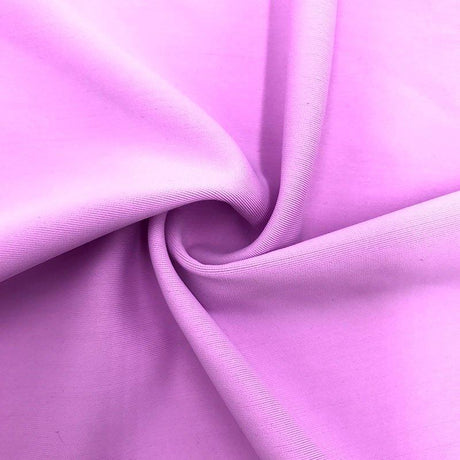
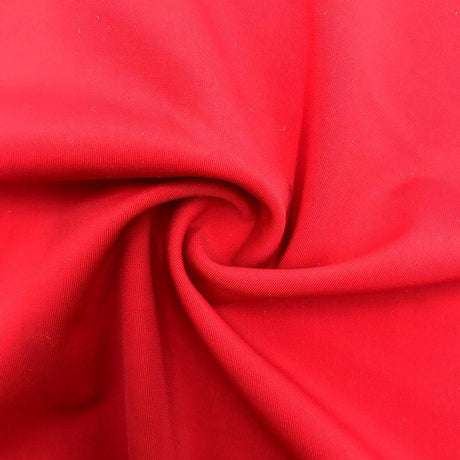
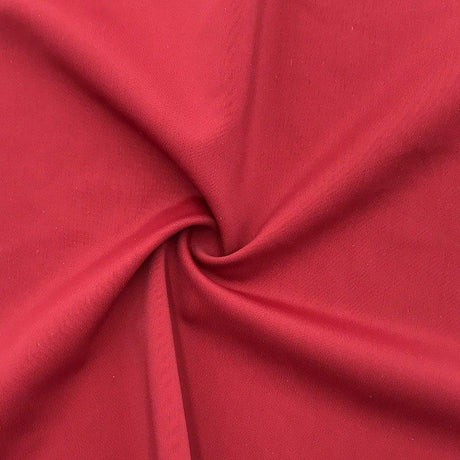
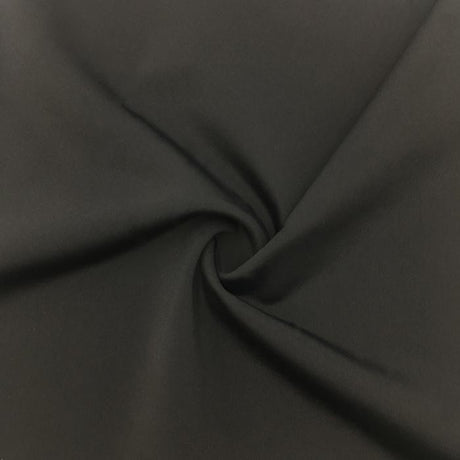
Selecting the right swimwear material can be the difference between a swimsuit that lasts many seasons and one that fades or loses shape after a few uses. Swimwear fabrics must endure harsh conditions – from chlorine and saltwater to UV rays and sunscreen – all of which can degrade the material over time. In this professional comparison, we’ll dive into the pros and cons of popular swimwear fabrics and reveal which is truly the best fabric for swimwear based on your needs. We’ll compare nylon vs. polyester, explain why a nylon-Lycra blend is often considered the gold standard for fit, distinguish the best fabrics for competitive vs. leisure swimming, and provide a comparison chart of durability vs. cost. Let’s dive in!
Nylon vs. Polyester: The Eternal Debate
Nylon and polyester are the two titans of swimsuit fabrics – a perennial debate revolves around which makes for the best swimwear. Both are synthetic fibers with excellent performance, but they have distinct strengths and weaknesses. Here’s a breakdown of how they compare:
- Polyester (Pros): Extremely durable and long-lasting in swimwear. It is highly resistant to chlorine and UV radiation, meaning it won’t break down or fade as quickly under pool chemicals or sunlight. Polyester also dries quickly and holds its shape well over time, so swimsuits made from polyester tend to resist sagging.
- Polyester (Cons): Can feel less stretchy and less soft compared to nylon-based fabrics. Pure polyester lacks the elasticity of Lycra, so it may not provide the same snug, contouring fit. Some swimmers find polyester suits a bit stiffer or less comfortable against the skin, and they might take slightly longer to dry than nylon (though the difference is usually minor).
- Nylon (Pros): Renowned for its soft, smooth feel and excellent stretch. Nylon swimwear (usually blended with spandex) is lightweight and offers a superb snug fit, often described as a “second skin” comfort. The high stretchiness of nylon/Lycra allows for great freedom of movement and a flattering, body-hugging fit. It’s no surprise many fashion-forward and recreational swimsuits use nylon blends for that silky comfort.
- Nylon (Cons): Not as chlorine or UV resistant as polyester. Over time, chlorine exposure can cause nylon fibers (and the Lycra in them) to break down faster. As a result, nylon swimsuits may lose shape or elasticity after repeated use in pools. They also can fade more from UV exposure. In short, nylon-blend suits generally have a shorter lifespan in harsh conditions compared to polyester-based suits, especially if not thoroughly rinsed and cared for after each use.
In the end, the nylon vs. polyester debate boils down to comfort vs. longevity. Polyester-blend swimwear is ideal if you need a long-lasting swimwear option that can handle frequent swims (e.g. daily lap swimming) because it’s engineered to withstand chlorine and sun longer. Nylon-blend swimwear, meanwhile, is chosen for its luxurious fit and feel, perfect for occasions where comfort and style are the priority. Many swimsuit brands actually combine the two materials with spandex to get the best of both worlds – but more on that next.
Why "Nylon Lycra" is the Gold Standard for Fit
When it comes to achieving that perfect, body-hugging fit in a swimsuit, nylon blended with Lycra (spandex) is often hailed as the gold standard. Lycra® is simply a brand name for high-quality spandex (elastane), and when you pair its stretch with nylon’s strength, you get a fabric that checks all the boxes for a comfortable yet supportive fit.
Exceptional Stretch & Recovery: Lycra is celebrated for its exceptional elasticity, capable of stretching 4-7 times its length and snapping back to shape. This gives swimwear a four-way stretch that molds to your body’s curves and moves with you like a second skin. The result is a suit that feels almost tailor-made to your figure, maintaining a snug fit without feeling restrictive. As Andie Swim puts it, nothing beats a swimsuit that “melts into your figure, almost like a second skin,” and a high-Spandex smooth fabric provides exactly that comfort and flexibility.
Comfort & “Flattering” Fit: Nylon has a naturally soft, silky texture against the skin. Combined with Lycra, it creates swimwear that is cozy and flattering. In fact, nylon-spandex is the most common and reliable fabric duo in swimwear because together they make “durable, flattering, and cozy” suits that provide gentle compression and support where needed. This blend offers a slimming effect – the fabric stretches to smooth over the body’s contours, which many wearers find confidence-boosting.
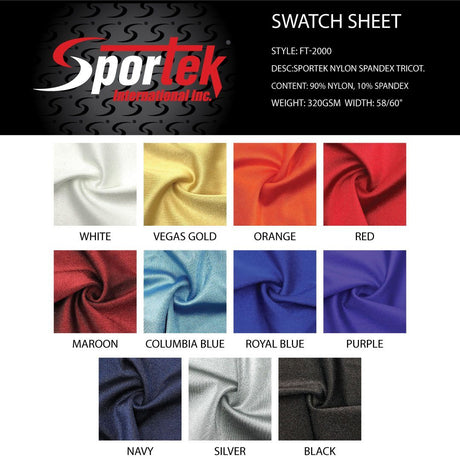
Balance of Strength and Flexibility: A typical high-quality swimsuit might be around 80% nylon and 20% spandex (Lycra) – a ratio widely regarded in the industry for striking the ideal balance. In this blend, nylon provides strength and a smooth hand-feel, while Lycra gives the suit its stretch and snap-back shape retention. This means the suit not only fits well, but it also holds that fit over time (no baggy bottoms or sagging straps after a few wears). Experts note that this nylon-Lycra combination “strikes a great balance between comfort, shape retention, and durability.” It’s essentially the gold standard because you get the best of both worlds: the suit hugs the body comfortably (thanks to Lycra) and maintains its form and support (thanks to nylon).
It’s worth mentioning that virtually all high-end fashion swimwear and performance racing suits incorporate some percentage of spandex/Lycra for these fit benefits. Even when other fibers like polyester are used, a bit of Lycra is added to ensure the suit can stretch and recover. Overall, if your priority is a swimsuit that fits like a dream, a nylon-Lycra blend is the top choice for that perfect fit.
Best Fabrics for Competitive Swimming vs. Leisure
Different swim activities place different demands on fabric. A competitive swimmer logging hours in a chlorinated pool has very different needs from someone who just wants to relax at the beach or lounge by the pool. Here’s a comparison of the best fabric choices depending on use case:
- Competitive Swimming / Frequent Pool Use: If you swim competitively, train daily, or spend a lot of time in chlorinated pools, durability is king. Chlorine can rapidly degrade typical swimsuit material, so the best fabrics for competitive swimwear are polyester-based blends. Polyester/PBT blends (PBT is a special polyester fiber) or 100% polyester suits are popular for training and racing because they are highly chlorine-resistant and hold their shape even after countless laps. These suits sacrifice a bit of stretch and softness in exchange for longevity – PBT, for example, has slightly less elasticity than a Lycra blend but will last much longer in a chlorinated pool. Competitive swimmers often note that polyester suits (sometimes labeled “Endurance” or “Chlorine-proof” by brands) can retain color and elasticity for months or years, whereas a nylon/Lycra suit might wear out more quickly under daily training. In fact, polyester is so resilient that it’s “arguably even more [chlorine resistant] than nylon,” making it one of the best fabrics for long-term pool use. The trade-off is a slightly stiffer feel, but for many athletes, longevity and performance outweigh comfort. Bottom line: for long-lasting, fade-resistant swimwear that can handle rigorous use, go with a polyester or poly/PBT fabric suit – it’s the go-to for competitive swimmers.
- Leisure Swimming / Casual Beach & Pool Wear: If you’re a recreational swimmer, beach-goer, or you swim just a few times a month, comfort and style might rank higher on your list than extreme durability. For leisure and fashion swimwear, nylon-spandex blends are often ideal. These provide that buttery-soft feel and high stretch that make a suit comfortable for lounging, surfing, or the occasional dip in the water. A typical nylon/Lycra swimsuit will be lightweight, form-fitting, and quick to dry, which is perfect for vacations and casual use. While it may not survive daily lap swimming for years on end, a well-made nylon-spandex suit will give you plenty of use with proper care – more than enough for multiple seasons of beach holidays if rinsed and handled gently. Another benefit for leisure use is aesthetic: nylon blends often have a slight shine and excellent drape, which many find more flattering, and they come in a huge variety of prints and colors. (Polyester suits can also be printed vibrantly – in fact, poly holds sublimation prints very well – but nylon’s smoothness gives colors a deep, rich look.) In summary: for casual or leisure swimwear, most people prefer the soft stretch and comfort of nylon/Lycra fabrics. They feel great on the skin for tanning, poolside posing, or low-impact swimming, and as long as you’re not subjecting them to extreme chlorine every day, they’ll perform beautifully.
Ultimately, the “best fabric” for your swimsuit depends on your swim habits. If you need a suit that stands up to daily punishment in a chlorinated pool, polyester blends will serve you best. If you prioritize a comfortable, form-flattering fit for occasional use, a nylon/Lycra fabric is hard to beat. Many swimmers even keep two sets of swimwear – one polyester suit for workouts and a softer nylon-blend suit for vacation or relaxation – to cover both bases.
Comparison Chart: Durability vs. Cost
Now that we’ve examined performance and comfort, let’s compare nylon vs. polyester on two very practical factors: durability (how long the fabric lasts, especially in harsh conditions) and cost. Durability can impact the long-term value of a swimsuit, while cost is often a deciding factor for both manufacturers and consumers. The chart below provides a side-by-side comparison:
|
Fabric Type |
Durability (Longevity) |
Cost Considerations |
|
Nylon (Nylon/Lycra Blend) |
Moderate: Offers good strength and stretch, but prone to degradation from chlorine and UV over time. Nylon/Lycra swimsuits can lose shape or elasticity after repeated pool use, meaning they might need replacement more frequently if used in chlorinated water. Proper rinsing and care can extend their life, but generally they’re less long-lasting than polyester in harsh conditions. |
Higher Raw Cost: Nylon fiber is generally more expensive to produce than polyester. Nylon-spandex fabrics often cost a bit more per yard, and if suits need frequent replacement (due to wear), the long-term cost adds up. In other words, a nylon-blend swimsuit might have a higher upfront cost and potentially higher lifetime cost if it wears out quickly. |
|
Polyester (Poly/PBT or Poly/Spandex) |
High: Noted for excellent chlorine and UV resistance, polyester-based swimwear has superior longevity. These suits hold their shape and color for a very long time even with constant exposure to pool chemicals. Polyester/PBT blends in particular are built for endurance, making them the top choice for long-lasting swimwear. You’ll get more use (multiple seasons or dozens of swim sessions) before the suit shows signs of wear. |
Lower Cost & Better Value: Polyester is generally cheaper than nylon due to more efficient production and widespread availability. This means poly swim fabrics often come at a lower price point. Moreover, because polyester swimsuits last longer, you won’t need to buy replacements as often – giving you better value for money over time. Even if a high-performance polyester suit costs slightly more upfront, its extended lifespan usually makes it more cost-effective in the long run. |
(Note: Costs can vary based on brand, quality, and special treatments (e.g. recycled eco-fabrics or UV protective coatings). But in general, nylon/Lycra blends are viewed as a premium swim fabric for comfort and tend to be priced accordingly, whereas polyester blends are economical workhorses that deliver durability at a lower cost.)
As shown above, nylon vs. polyester presents a classic trade-off. Nylon-Lycra blends excel in comfort and fit, but they may require a bigger investment – both upfront and in maintenance – if you need to replace worn-out suits. Polyester-based fabrics, on the other hand, offer exceptional longevity at a generally lower cost, making them attractive for swimmers who value long-lasting swimwear and value.
In conclusion, what is the best fabric for swimwear? It ultimately depends on your priorities. If you want a suit that feels luxurious and fits like a glove, a nylon/Lycra blend is the gold standard choice. If you need a suit that endures countless swims and stays resilient, polyester (or poly/PBT) will be your best friend. Many modern swimsuits cleverly blend all these fibers – nylon for softness, polyester for strength, and Lycra for stretch – to minimize compromises. By understanding the pros and cons of each material, you can choose the swimwear fabric that perfectly matches your needs, ensuring you feel comfortable, confident, and get the most out of your swimsuit for the longest time. Happy swimming!