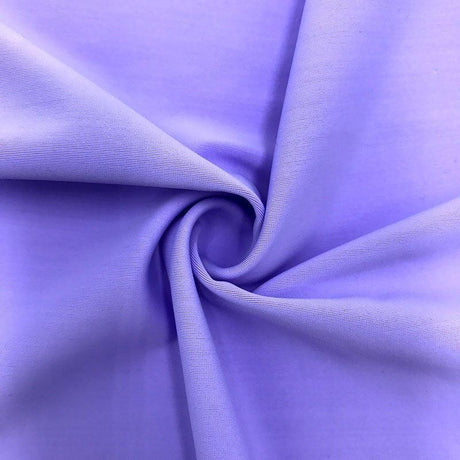
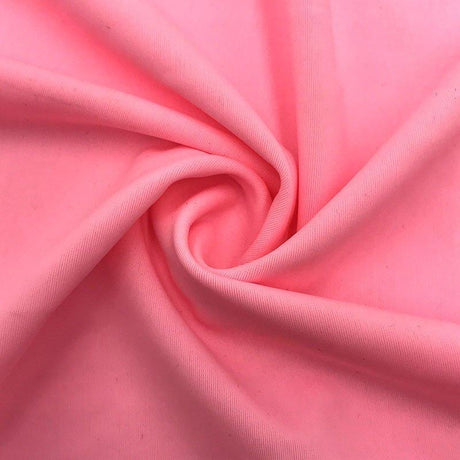
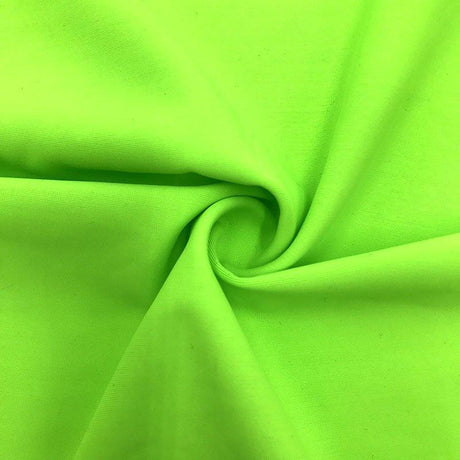
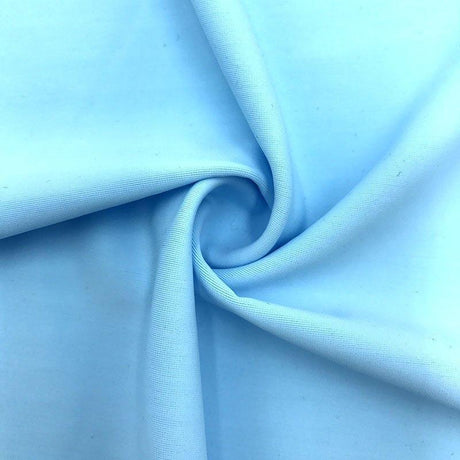
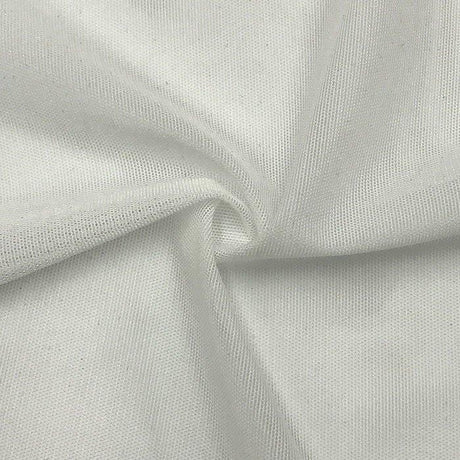
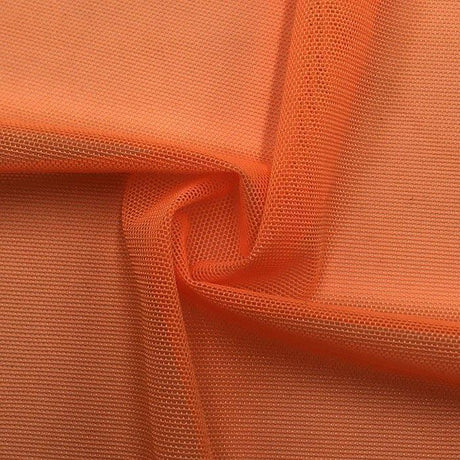
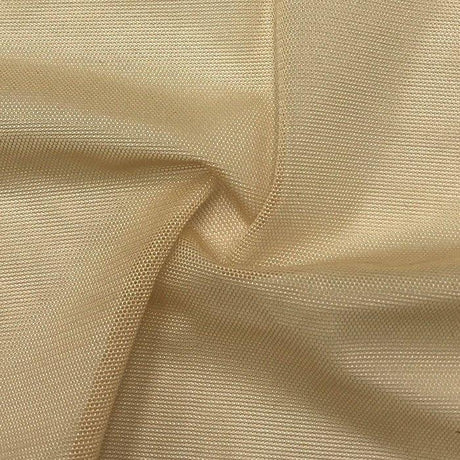
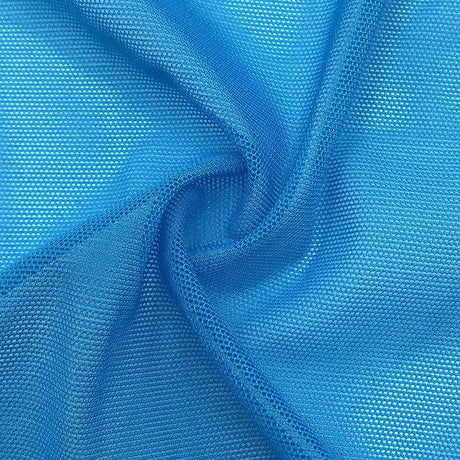
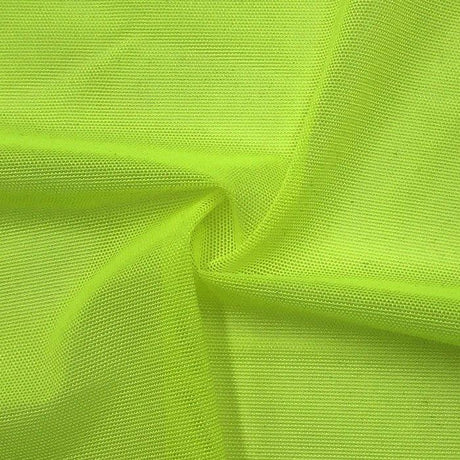
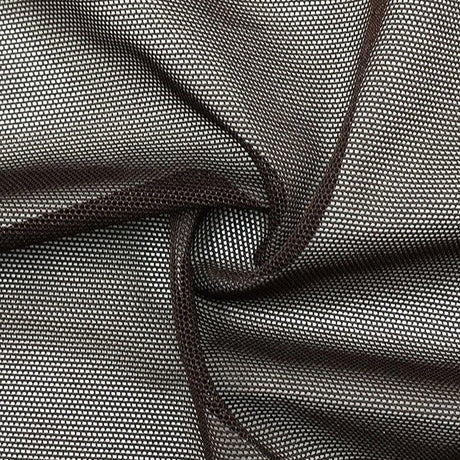
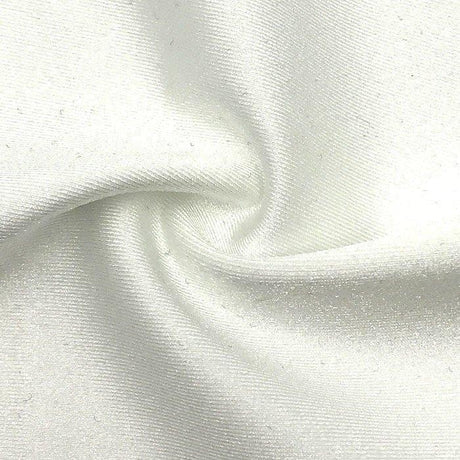
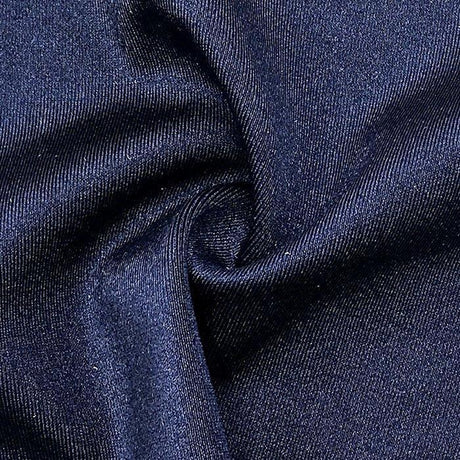
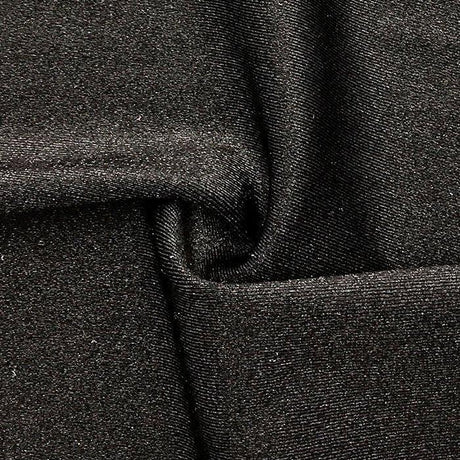
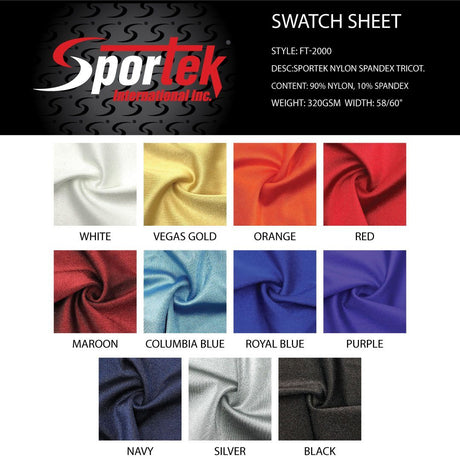
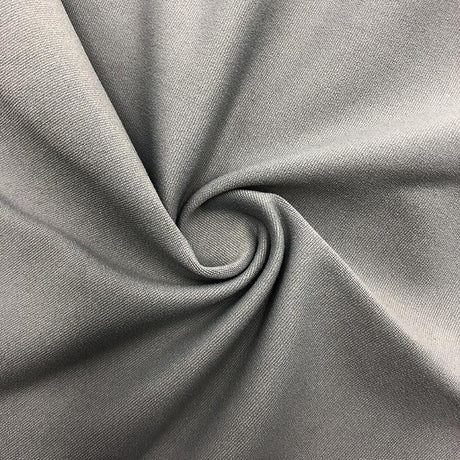
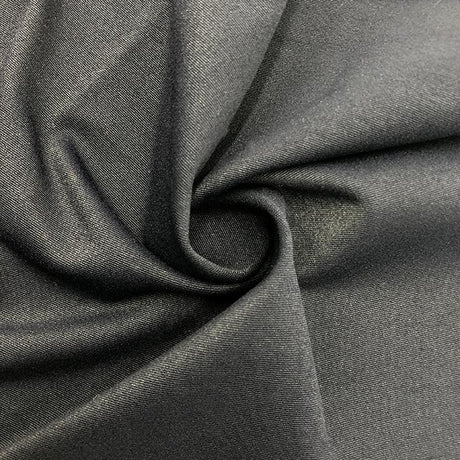
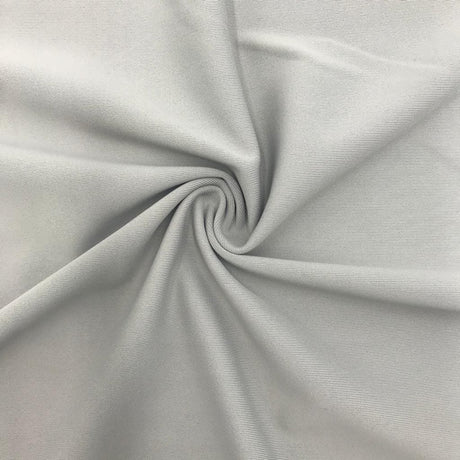
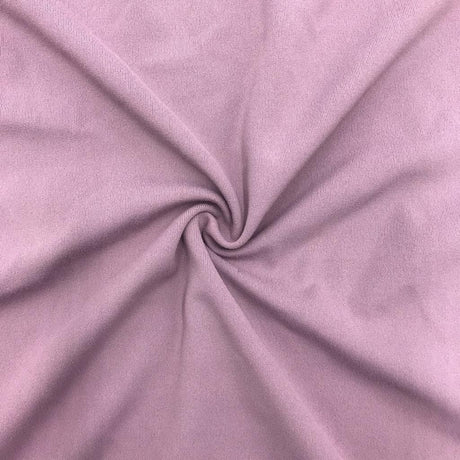
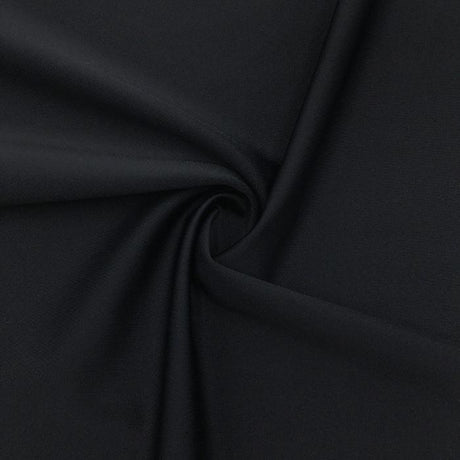
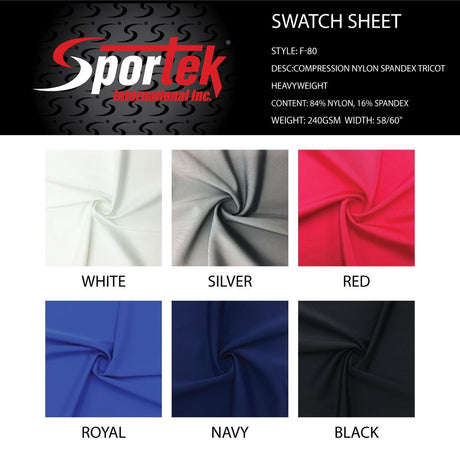
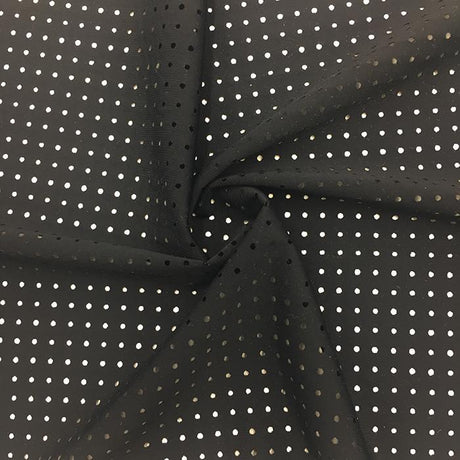
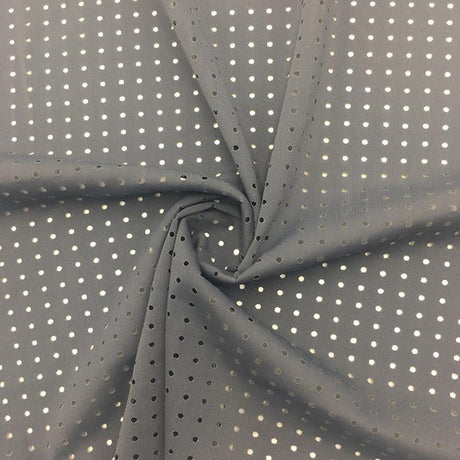
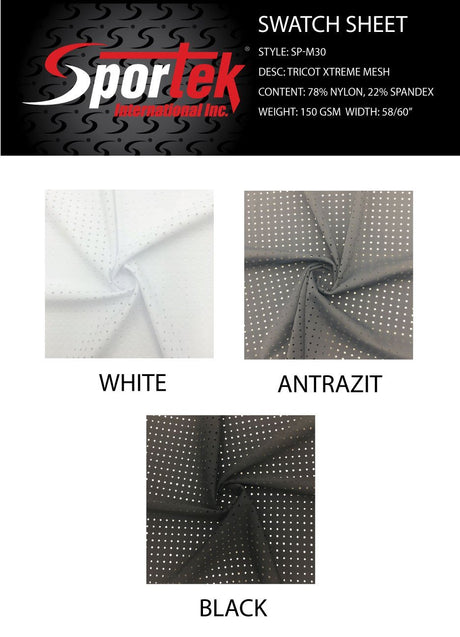
Modern spandex swimwear has revolutionized what we wear in the water by providing exceptional stretch and resilience. Spandex (also known as elastane) is a synthetic fiber famous for its swimsuit elasticity – it can stretch several times its length and still snap back to its original shape. In fact, spandex was invented in the 1950s specifically to replace heavy rubber in stretchy garments, making swimwear lighter and more comfortable. By blending spandex with sturdier fibers like nylon or polyester, swim fabrics become 4-way stretch, meaning they flex in all directions and then recover without sagging. This elasticity is crucial in the water: a bathing suit must move with your body (whether you’re diving, surfing, or lounging) and stay snug once wet. Without spandex’s stretch-and-recover capability, a swimsuit would quickly bag out or restrict movement – clearly elasticity matters for both comfort and fit in aquatic wear.
How Spandex Prevents Sagging in Wet Conditions
One big advantage of spandex swimwear is that it prevents sagging when your suit gets wet. If you’ve ever worn a non-stretch garment in water, you know it can become heavy and loose. Spandex solves this by acting like a spring: it stretches to accommodate water and movement, then recoils to hold the suit’s shape. Even a modest percentage of spandex (usually 10–20% of the fabric blend) provides the strong elasticity needed for a tight, body-hugging fit. For example, a common nylon-spandex swimsuit blend (about 80% nylon, 20% spandex) can stretch comfortably over your curves and recover its shape to avoid sagging once you leave the water.
Crucially, spandex’s recovery power keeps a wet swimsuit from turning into a droopy, ill-fitting mess. If a swim fabric doesn’t have enough elastane, it may lose tension and start sagging when wet. Experts recommend at least ~8% spandex content in swimwear to ensure the suit stays secure on the body. Higher elastane content (15–25%) is often used for women’s swimsuits and performance gear specifically to provide that “snap-back” effect that prevents a saggy bottom or straps even after repeated dips. In short, spandex is the component that keeps swimwear fitting sleek and supportive in the water – it counteracts the weight of water and continuous stretching, so your swimsuit doesn’t bag out or slide off at the worst moment.
The Impact of Chlorine on Spandex Fibers

Chlorine in pools acts as a mild bleach, which unfortunately breaks down swimsuit material over time.
Chlorine is the arch-enemy of spandex. Pools are chlorinated to kill bacteria, but that same chlorine is corrosive to swimwear fibers. When dissolved in water, chlorine forms hypochlorous acid – essentially a dilute bleach – that oxidizes fibers and dyes, causing suits to weaken, lose elasticity, and fade over time. Notably, chlorine attacks elastane (spandex) fibers first, breaking their molecular bonds. The result is a loss of stretch: a once-snug spandex suit can suddenly sag and feel baggy as its elastic fibers snap and fail. This is why a cheap Lycra bikini might barely survive one season of daily pool use – the spandex strands literally disintegrate in chlorinated water, leaving a stretched-out, droopy suit. In fact, one study found a swimsuit can lose over 60% of its tensile strength after 300 hours in chlorinated water if it’s made from non-resistant fabric.
Chlorine damage to spandex is cumulative. Over repeated swims, you might notice the fabric becoming less tight, the colors dulling, or the material feeling less springy. Eventually, excessive chlorine exposure leads to spandex failure – the suit can no longer hold its shape or support. Some high-quality swimwear fabrics combat this by using special chlorine-resistant spandex (e.g. Lycra® Xtra Life or Creora® HighClo™ elastane) that is engineered to withstand chlorine longer. Others minimize spandex content in favor of chlorine-proof fibers like polyester or PBT; for example, competitive chlorine-resistant swimwear often uses polyester blends with little or no spandex, since polyester is far less affected by pool chemicals. The bottom line is that chlorine dramatically shortens the lifespan of standard spandex fibers – it’s the reason your favorite fashion swimsuit might lose its perfect fit after a few months of lap swimming. To preserve stretch, swimmers should rinse suits after pool use and consider fabrics labeled “chlorine-resistant” for frequent swimming.
Spandex Failure: Signs Your Swimsuit is Worn Out
Even with proper care, the elastic fibers in a swimsuit will eventually wear out. How do you know when your spandex swimwear has given up the ghost? Look for these telltale signs of spandex failure indicating your swimsuit is worn out:
- Sagging or loose fit: If your swimsuit starts to gape at the legs or no longer hugs your body, the elastic is likely disintegrating. Worn-out spandex causes a formerly snug suit to hang loose, destroying the garment’s shape and support. A saggy bottom or straps that won’t stay up are red flags that the suit’s elasticity is gone.
- Poor stretch recovery: Does the fabric no longer snap back after you stretch it? Over time, spandex loses its recoil. You might notice your suit doesn’t bounce back as it once did and may even develop thin, limp areas that stay stretched out. This loss of recovery means the elastane fibers have broken down and can’t hold tension.
- Lost support in straps or lining: A related symptom is when the swimsuit’s support features Stretched-out shoulder straps, a slack waistband, or a loose shelf-bra in a one-piece all signal that the elastic fibers have worn out and can’t provide support. If a bandeau or strapless top keeps slipping down, that’s because the elastic no longer has grip and it’s time for a new suit.
- Fabric wear, pilling, or transparency: Damaged spandex often goes hand-in-hand with general fabric wear. You may see the fabric pilling and thinning, especially if chlorine or UV exposure has weakened the fibers. The suit might develop small snags, or even become more transparent in areas, as the elastic threads snap and the knit loosens. Visible elastic fibers or fraying along seams are a sure sign the swimsuit has aged beyond use.
- Fading and fiber discoloration: While not a direct effect of spandex alone, heavy fading or a yellowish tint to the fabric often accompanies elastic degradation. If your once-vibrant suit has turned dull or the material looks “tired,” it’s likely the elastane has been heavily degraded by chlorine and sun, and the suit won’t fit like it used to.
If you notice one or more of these signs, your swimsuit’s stretch has run its course. A high-quality spandex suit should last multiple seasons with good care, but when it starts sagging, losing elasticity, or feeling off, it’s probably time to retire it. The good news is that understanding the science of stretch and durability can help you choose better swimwear and care for it properly – ensuring you get the most out of that elastic magic for as long as possible. By selecting durable fabrics (like those with chlorine-resistant elastane) and following proper care (rinse after use, no high-heat drying), you can extend your swimsuit’s life and keep it fitting like new. After all, the beauty of spandex swimwear is how it combines stretch, comfort, and longevity – and with the right knowledge, you’ll keep enjoying that perfect fit in the water, wear after wear.