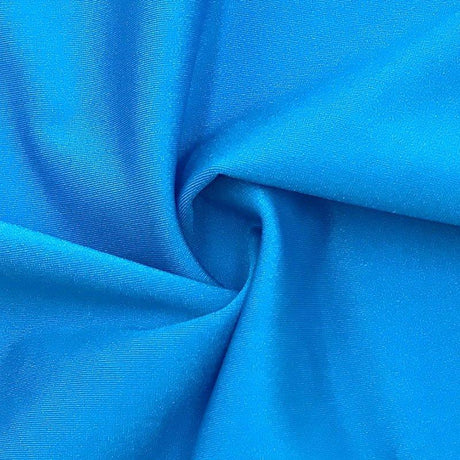
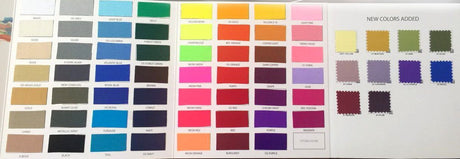
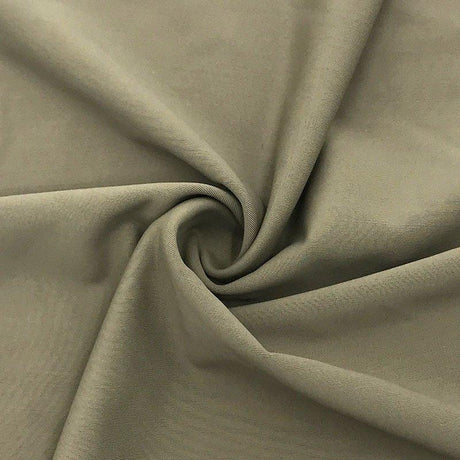
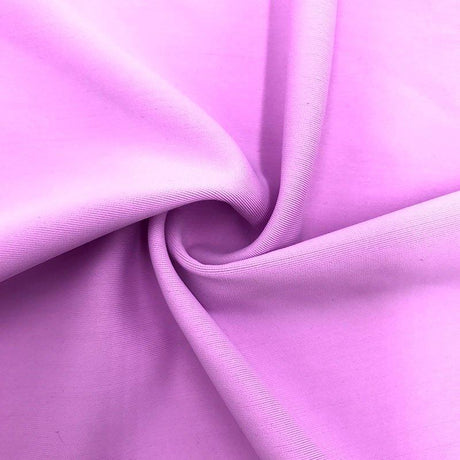
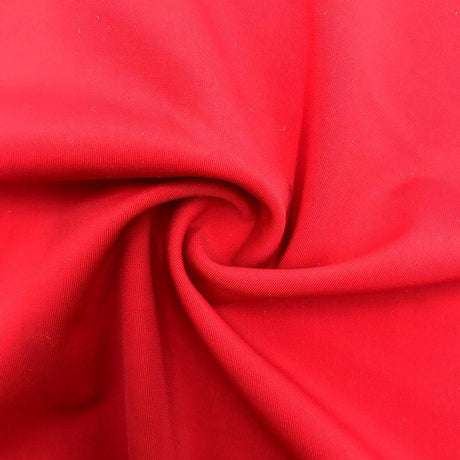
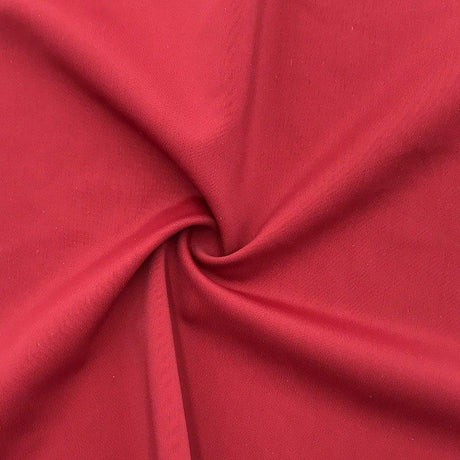
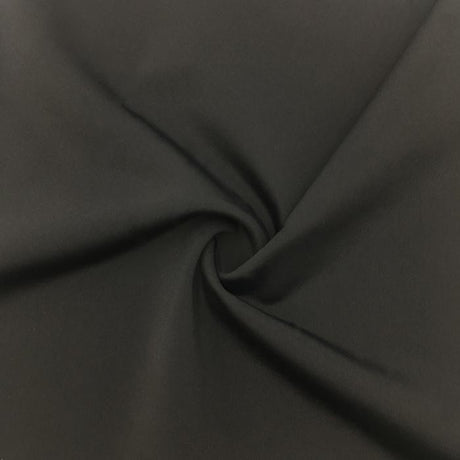
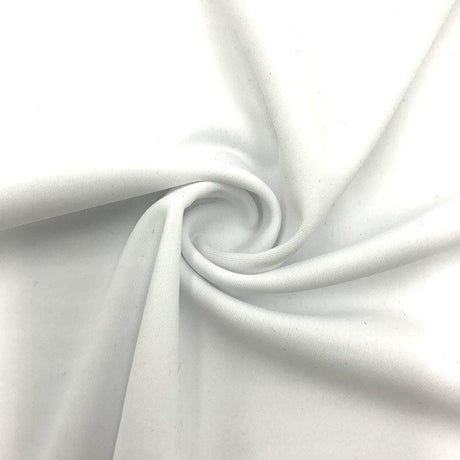
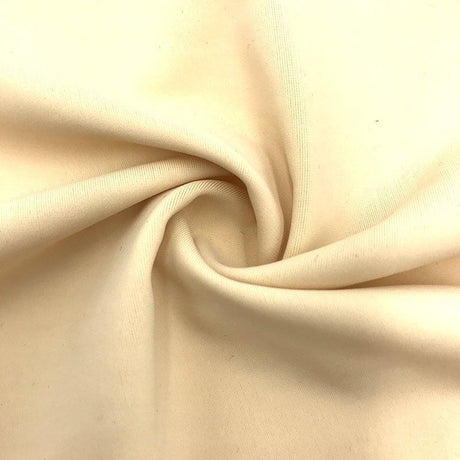
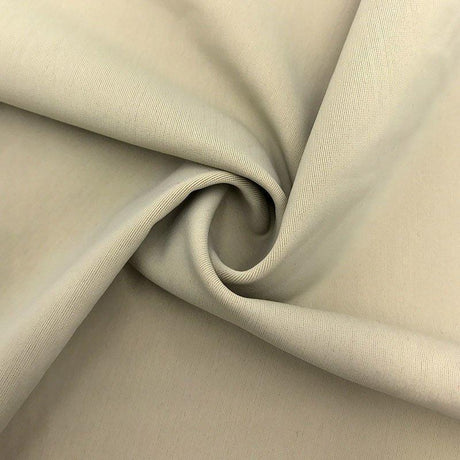
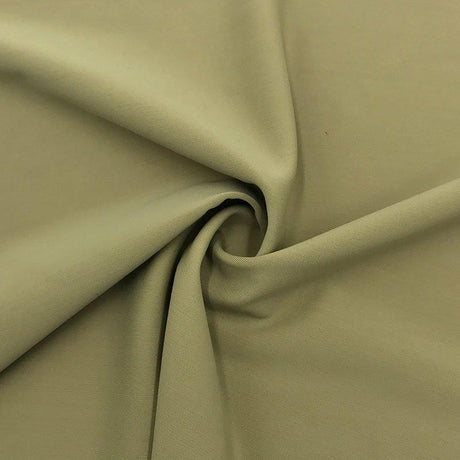
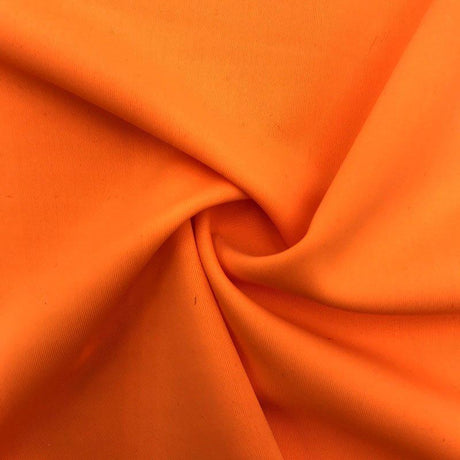
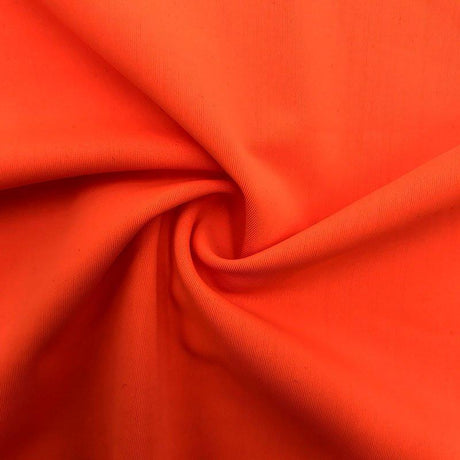
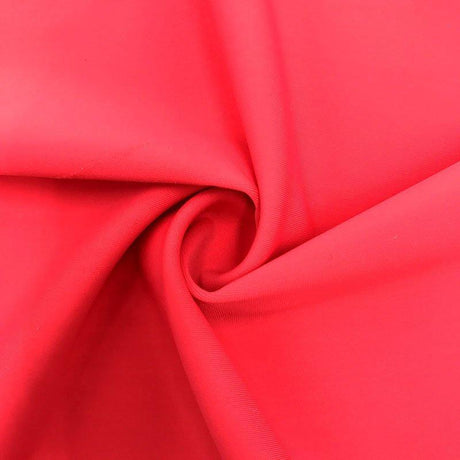
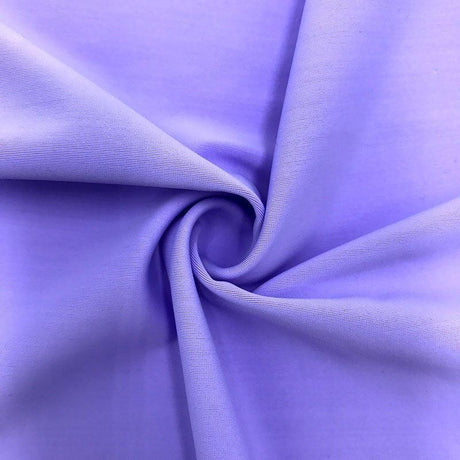
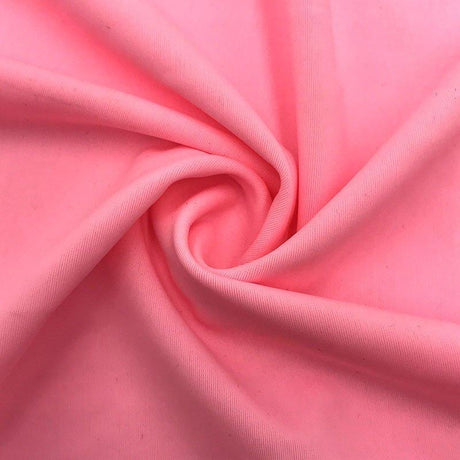
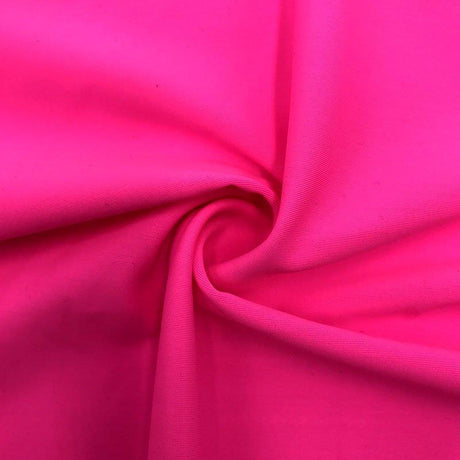
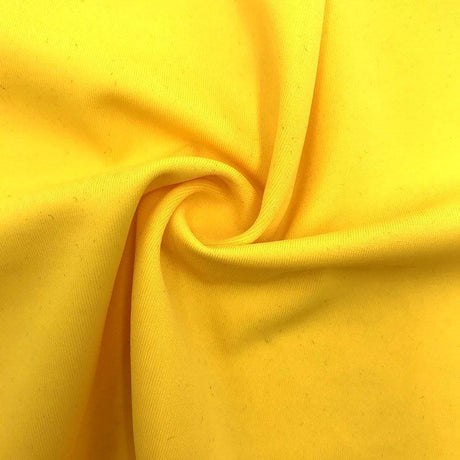
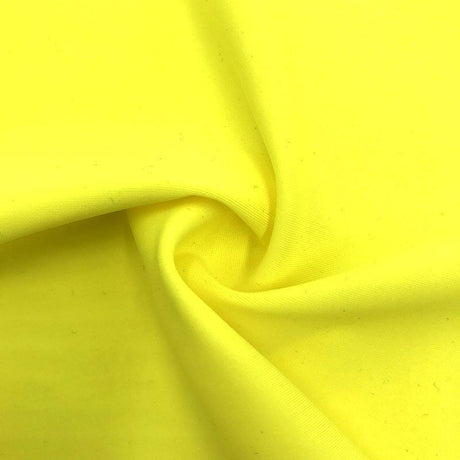
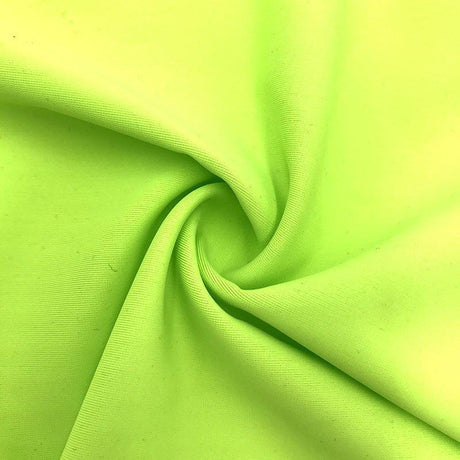
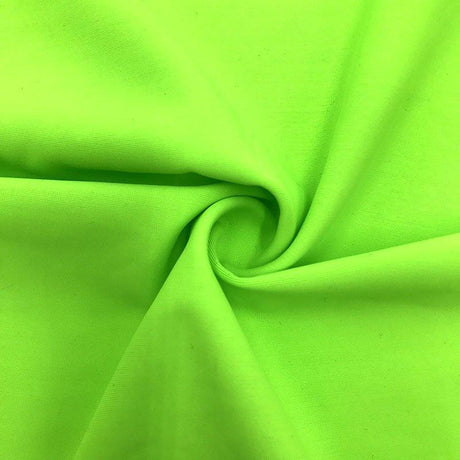
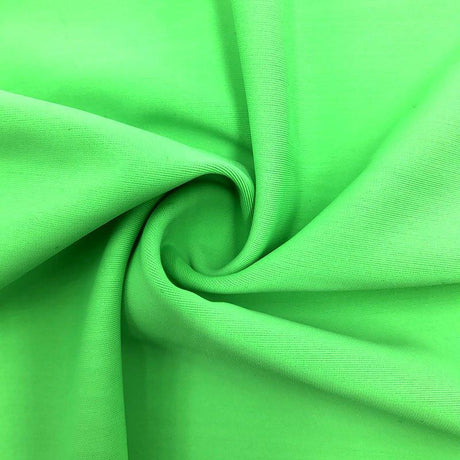
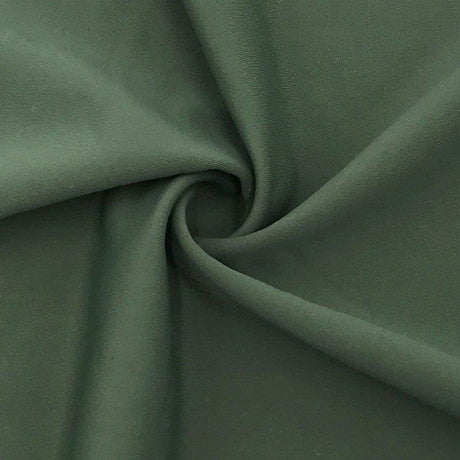
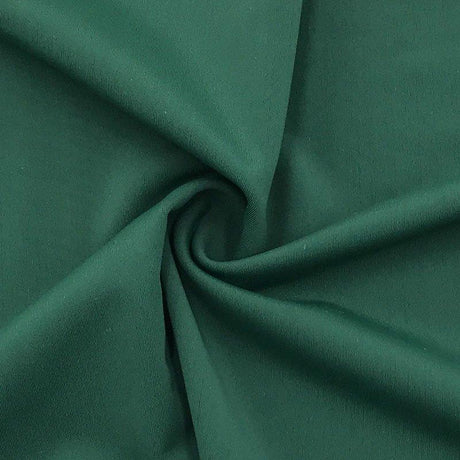
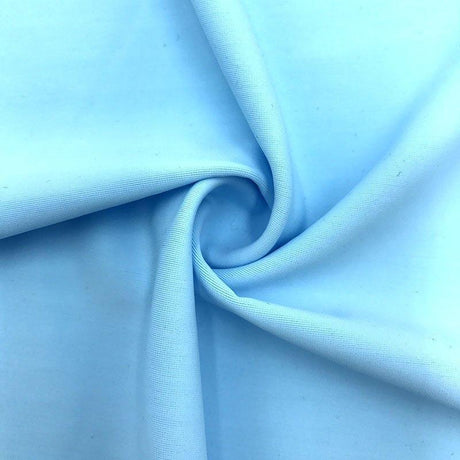
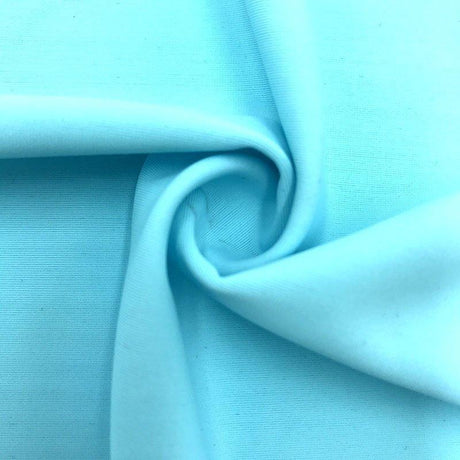
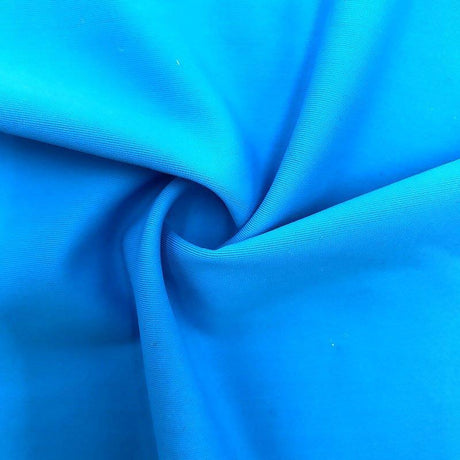
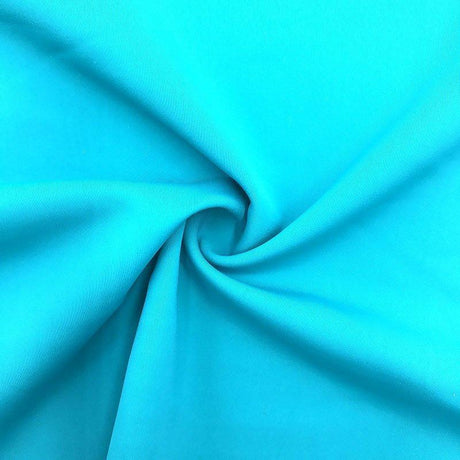
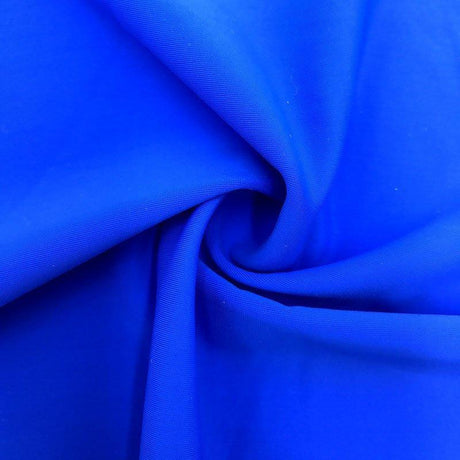
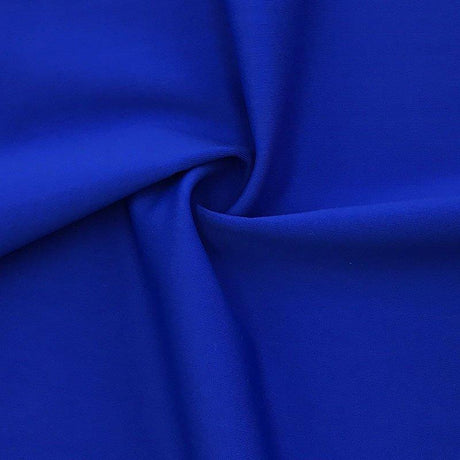
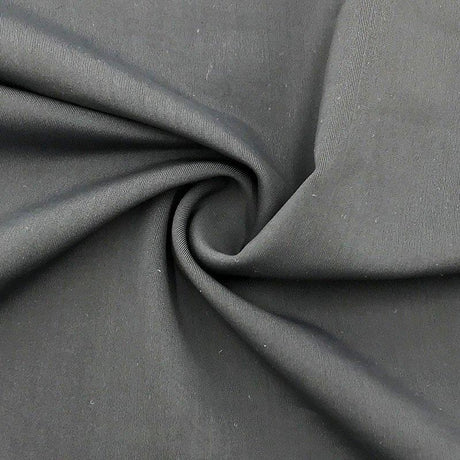
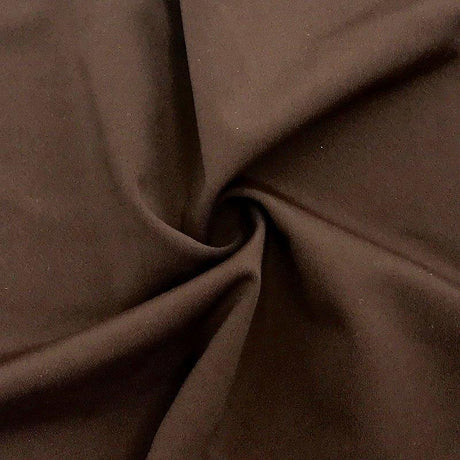
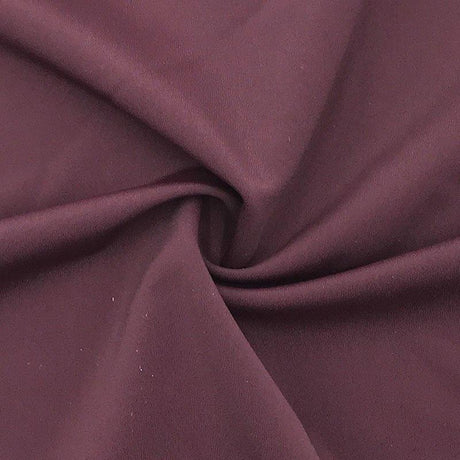
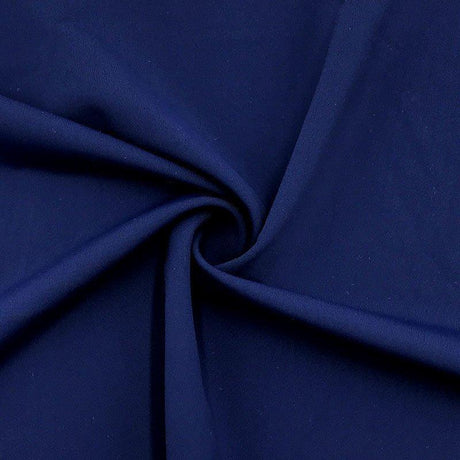
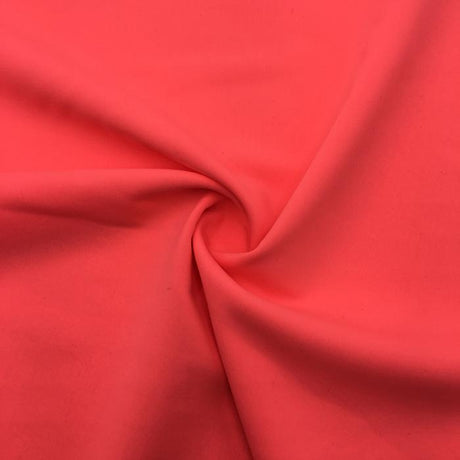
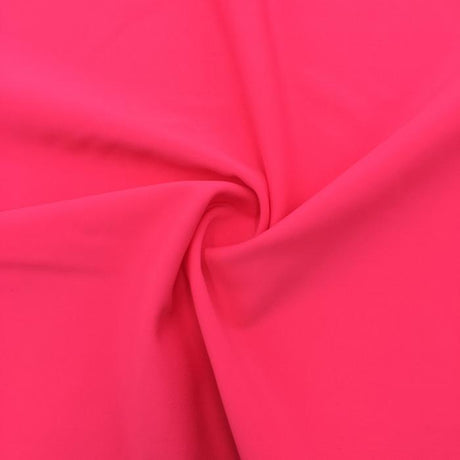
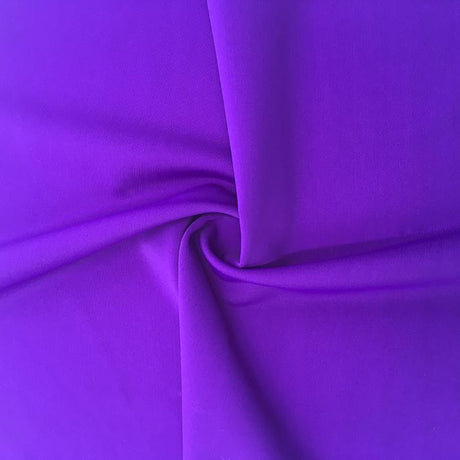
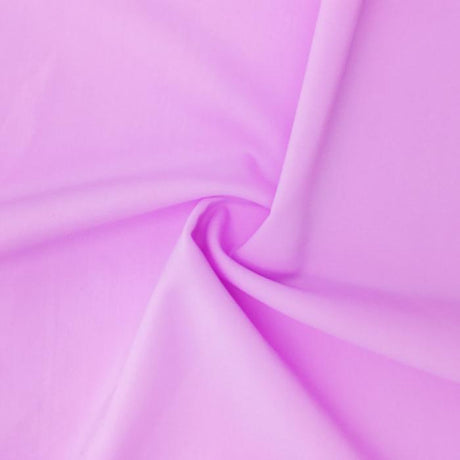
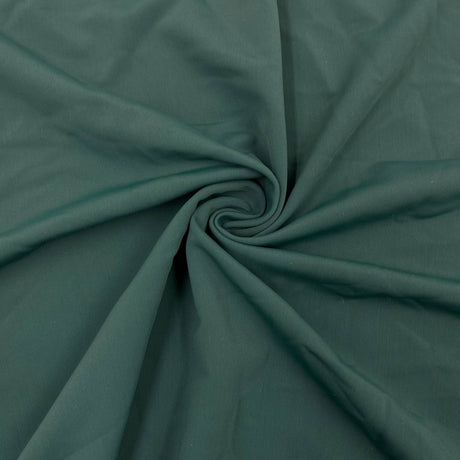
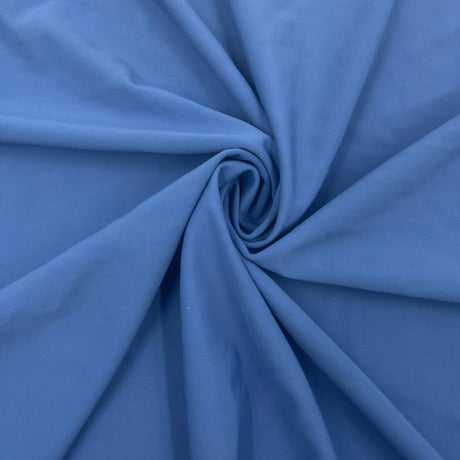
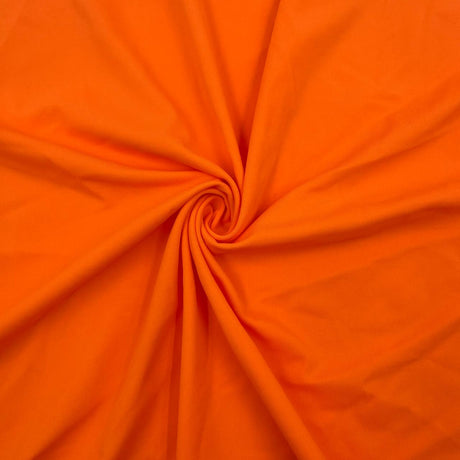
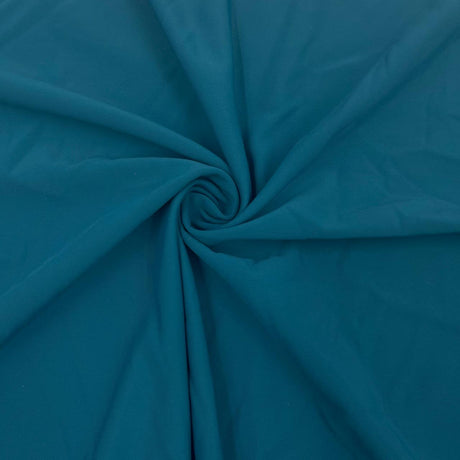
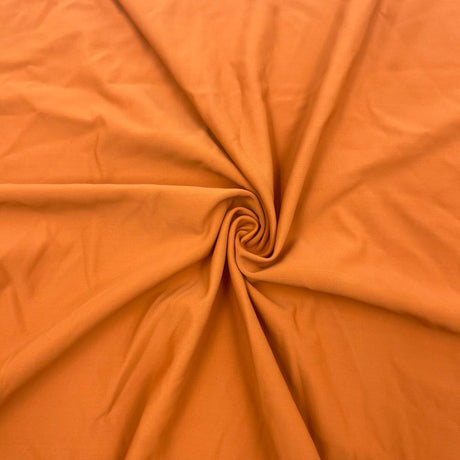
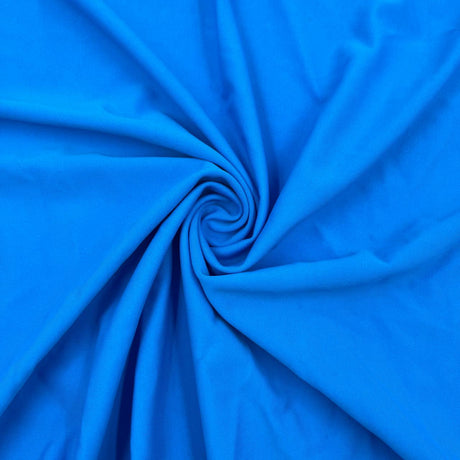
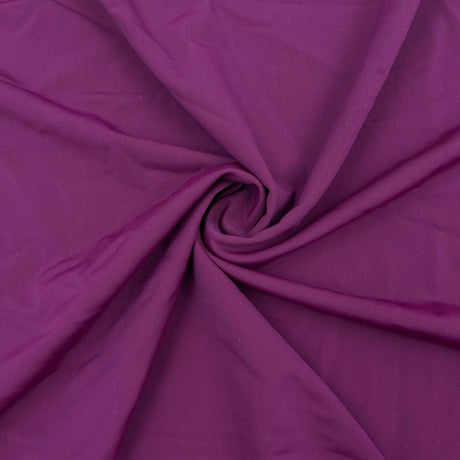
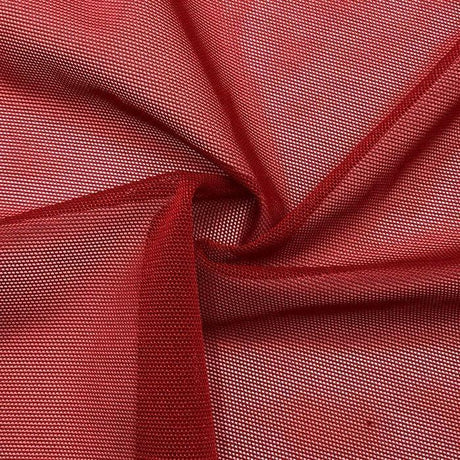
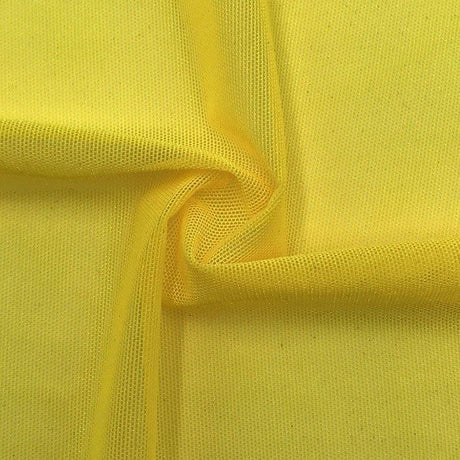
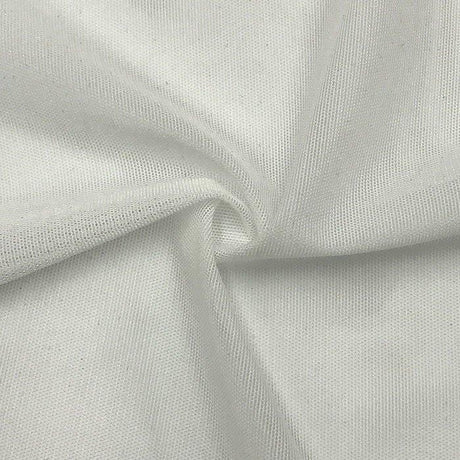
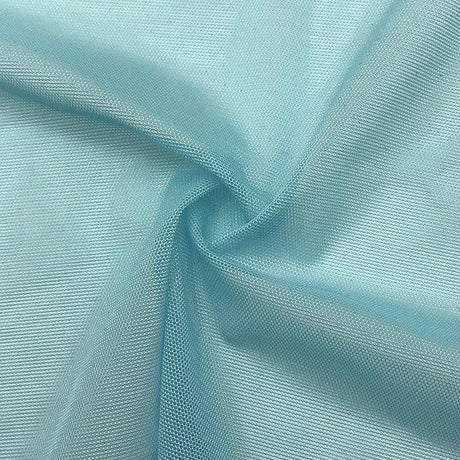
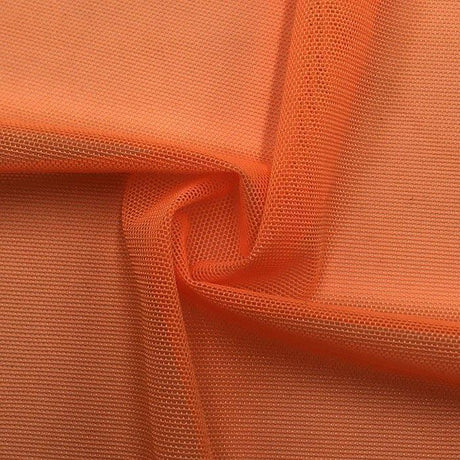
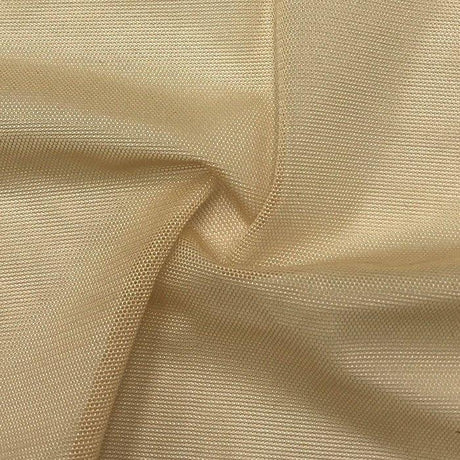
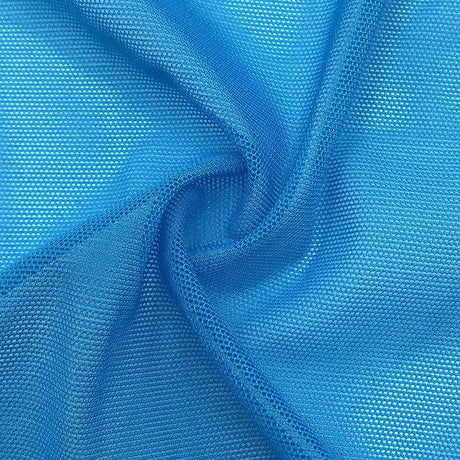
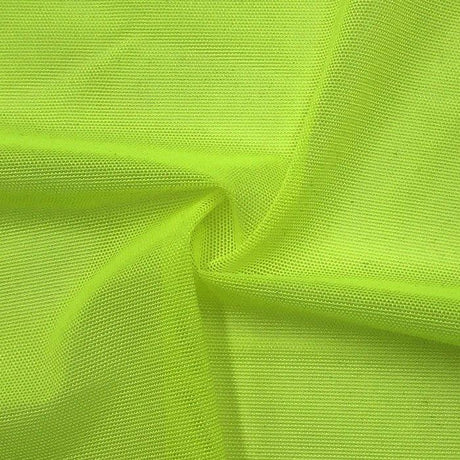
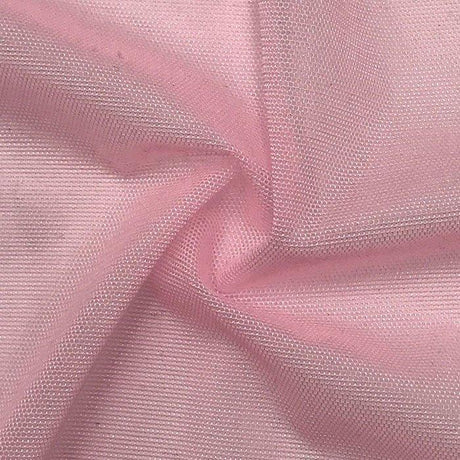
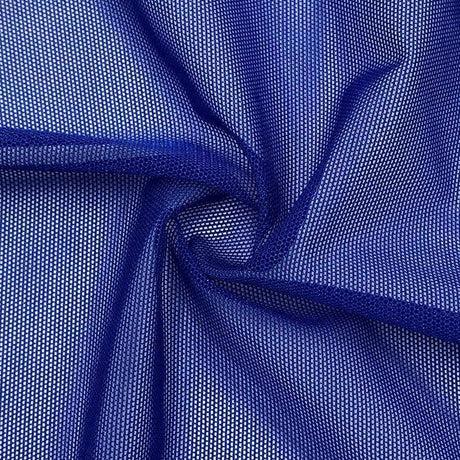
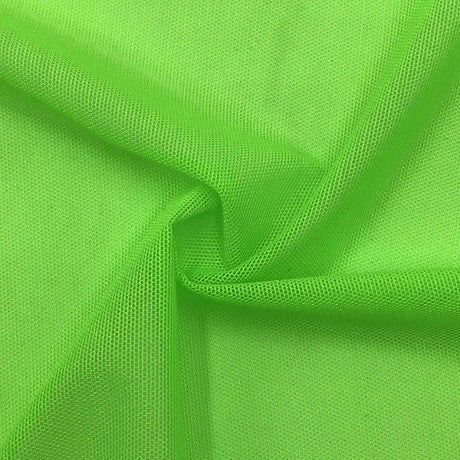
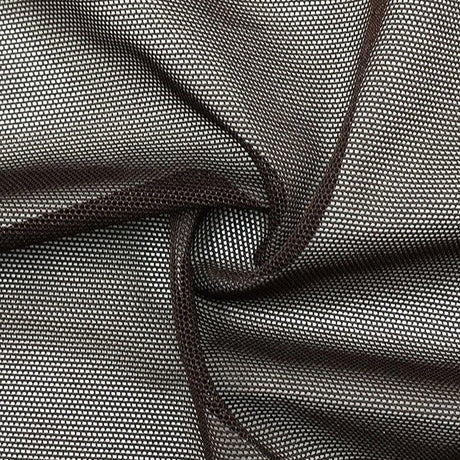
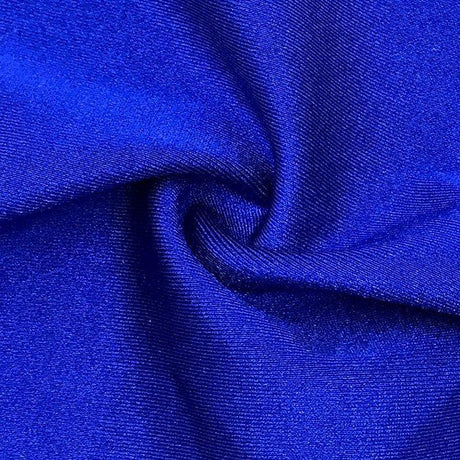
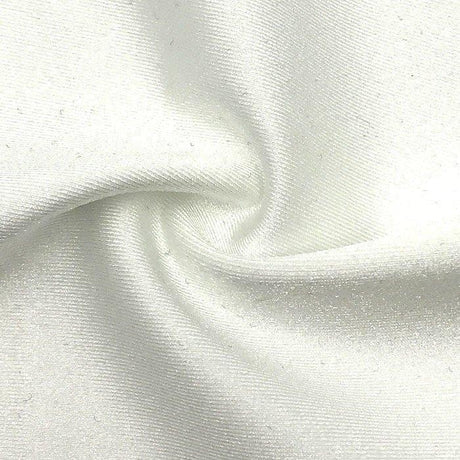
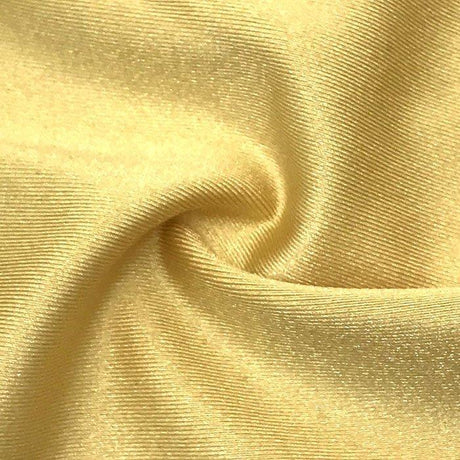
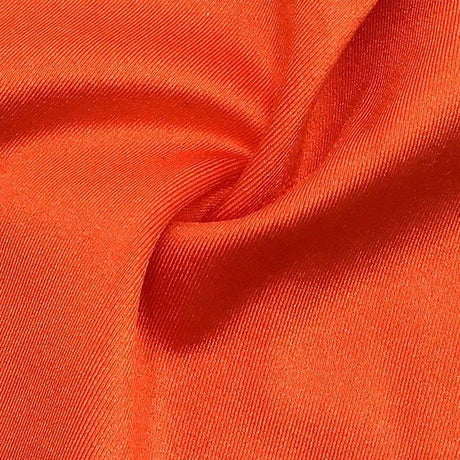
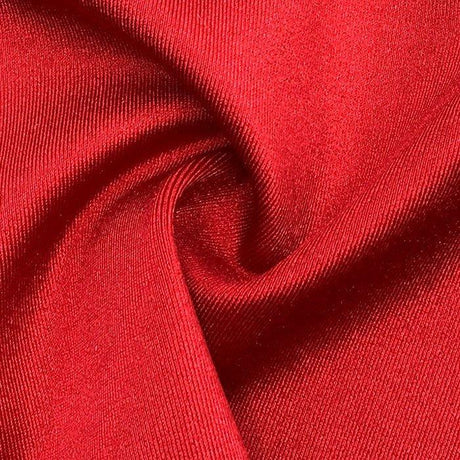
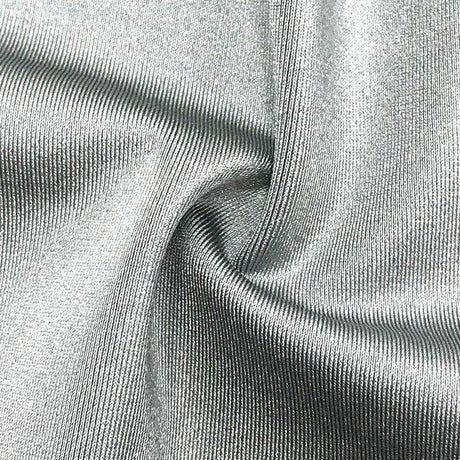
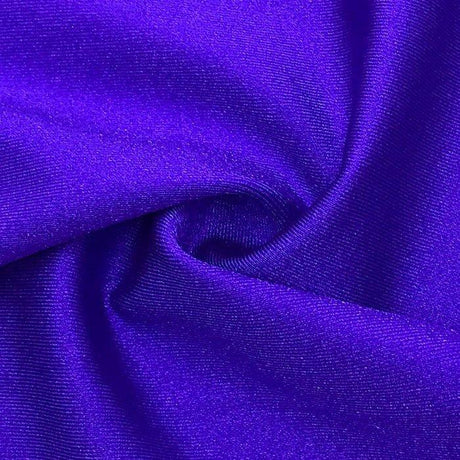
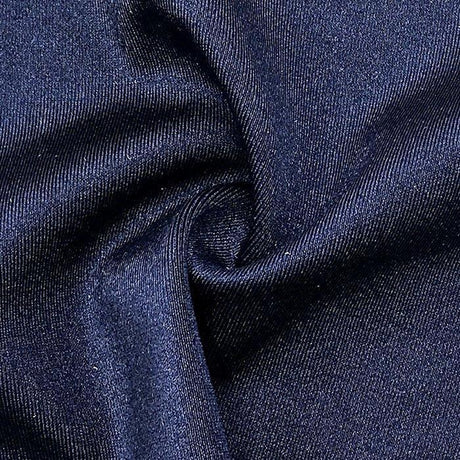
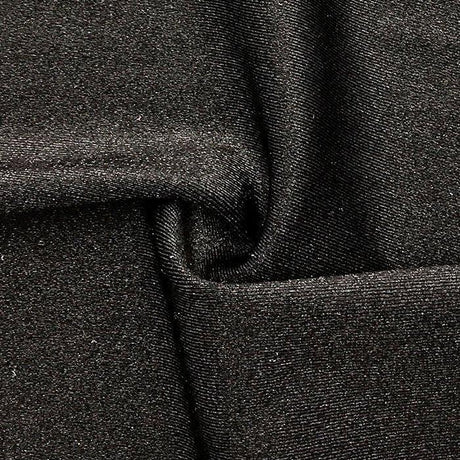
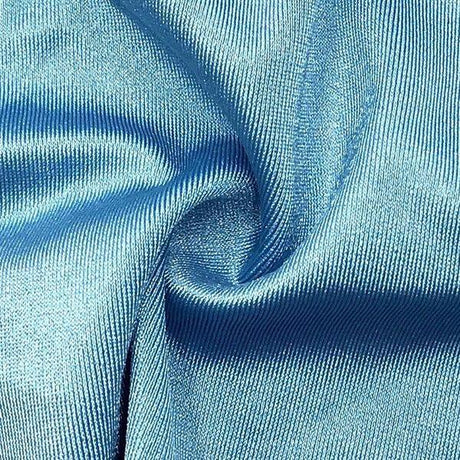
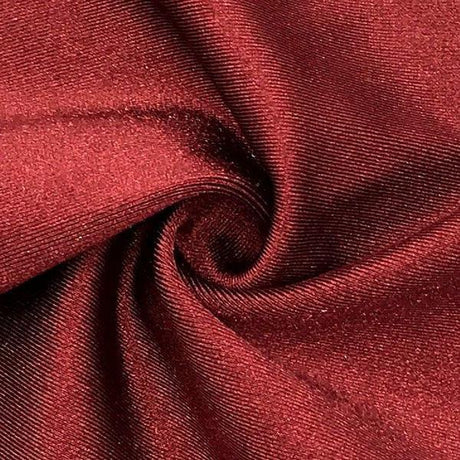
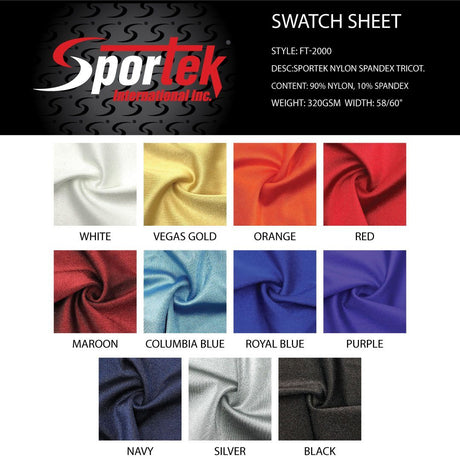
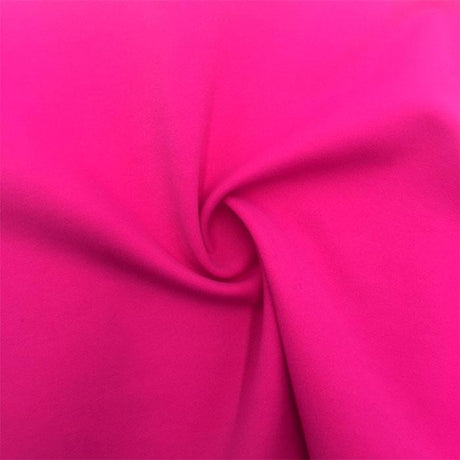
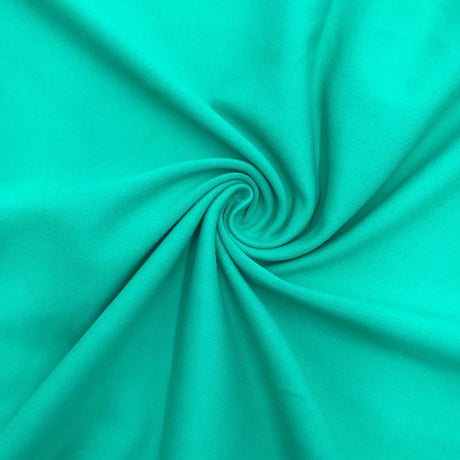
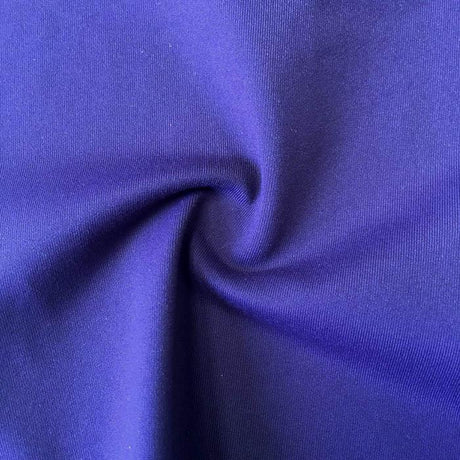
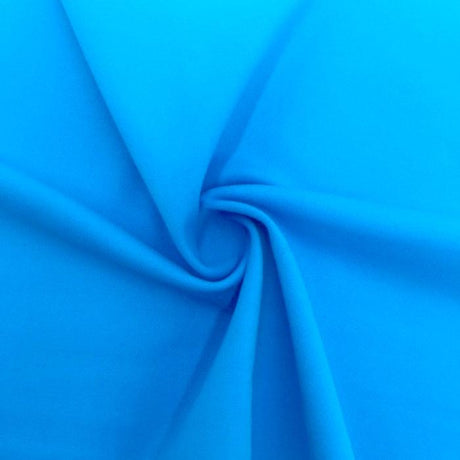
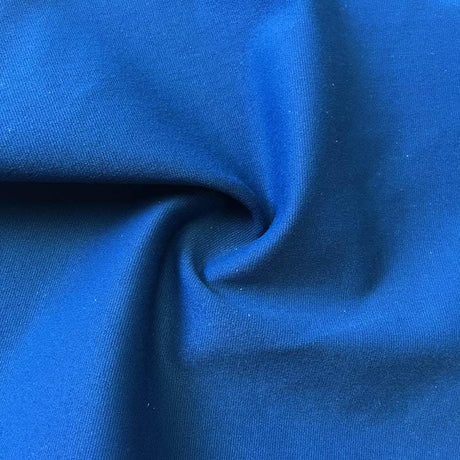
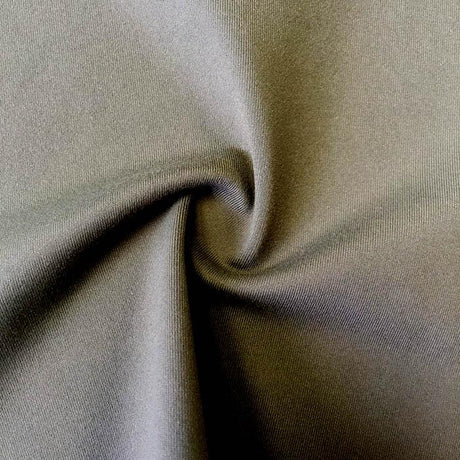
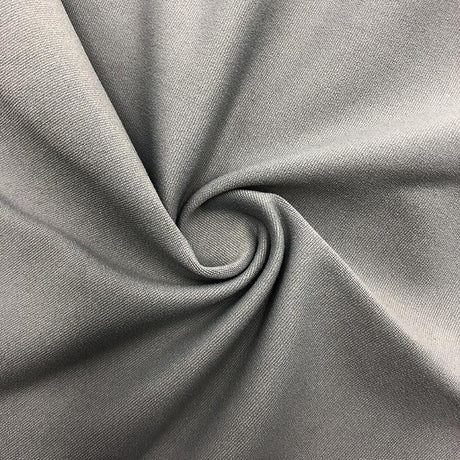
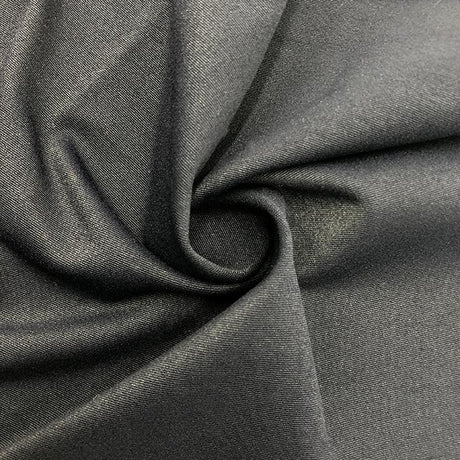
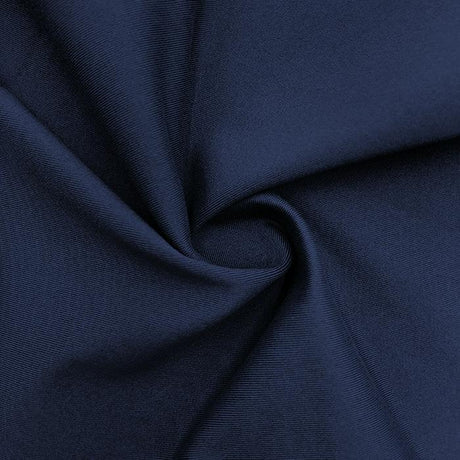
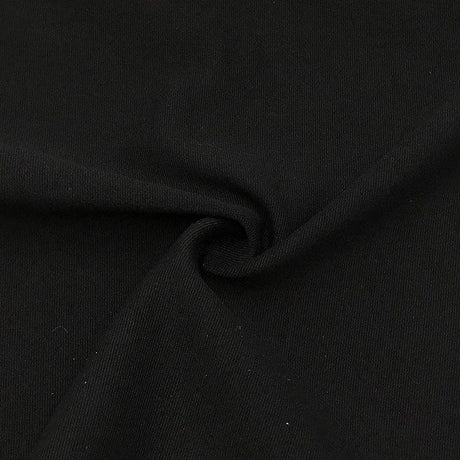
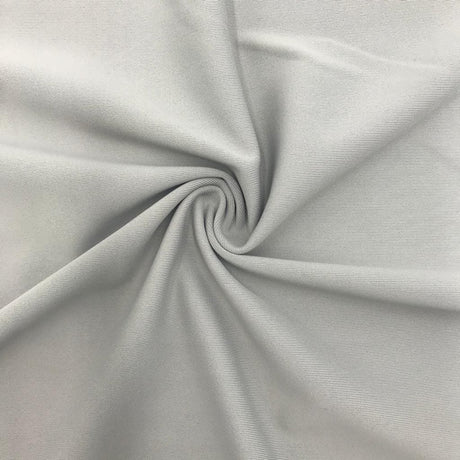
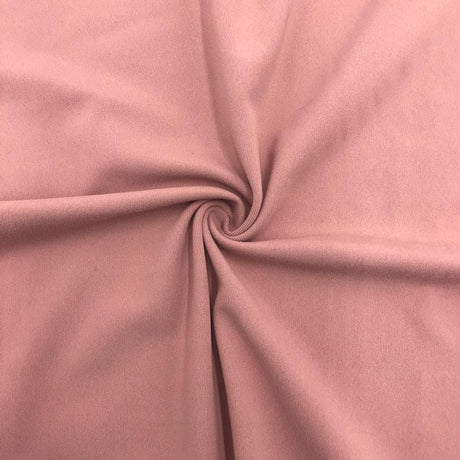
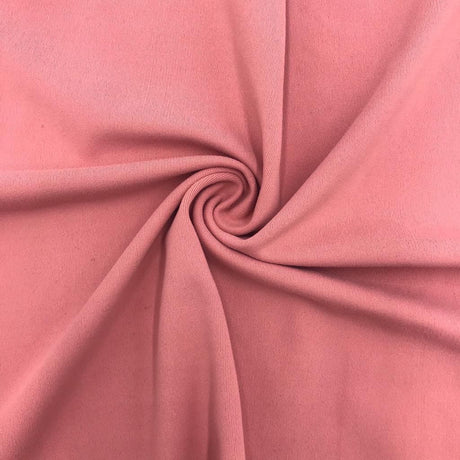
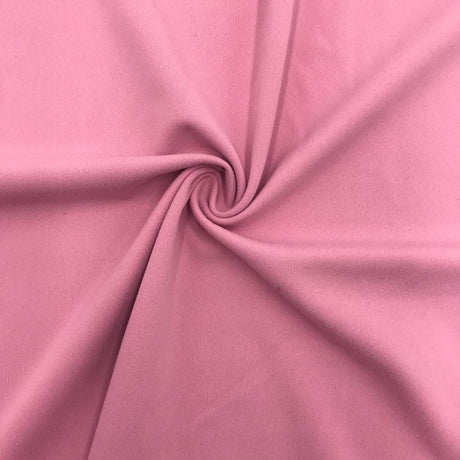
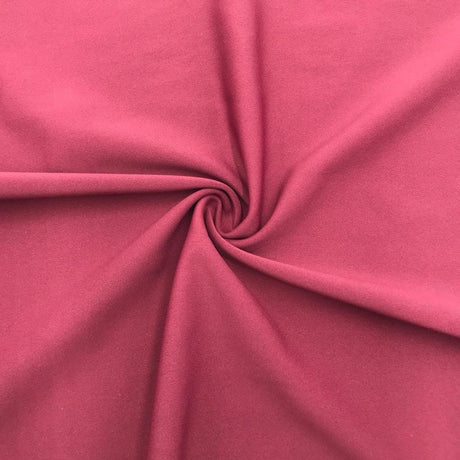
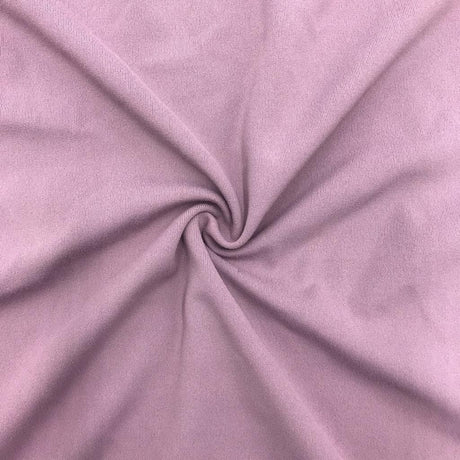
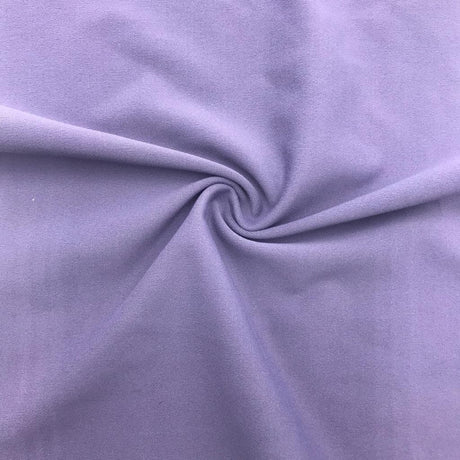
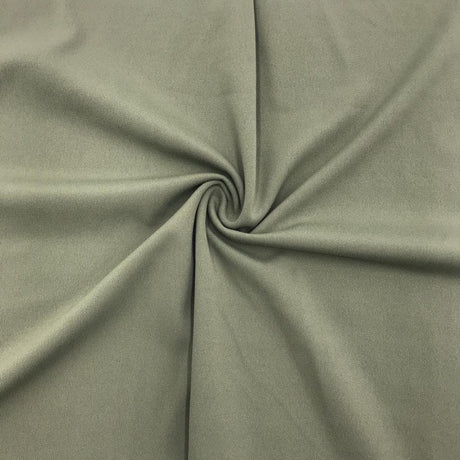
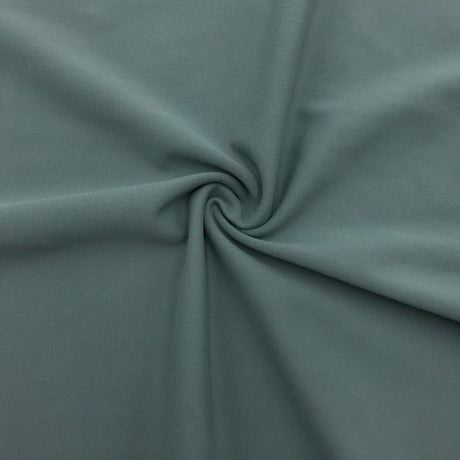
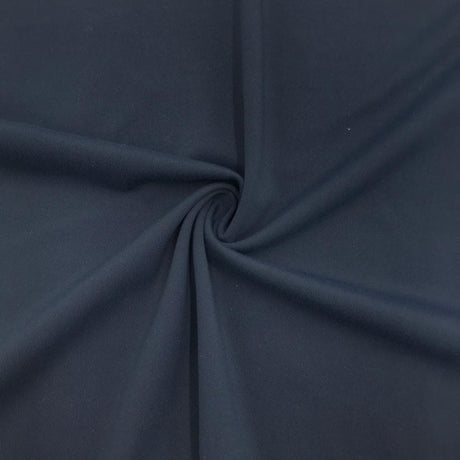
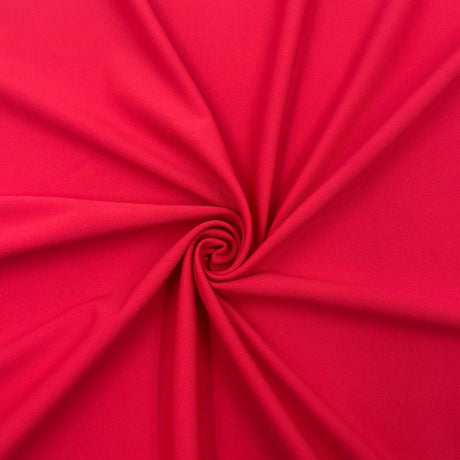
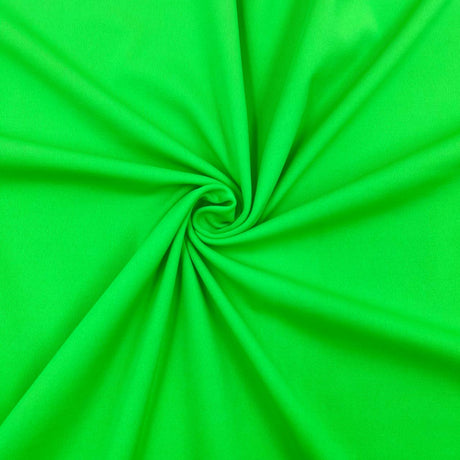
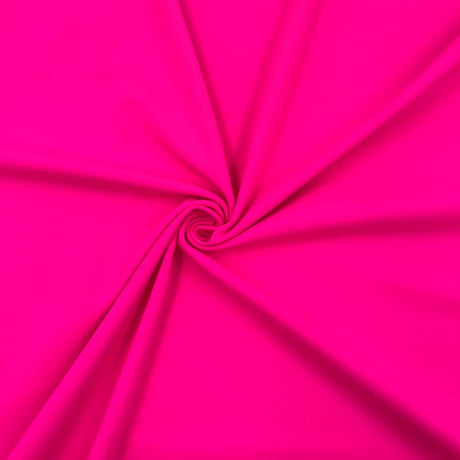
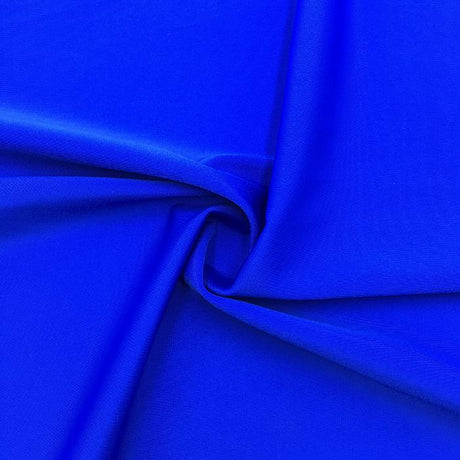
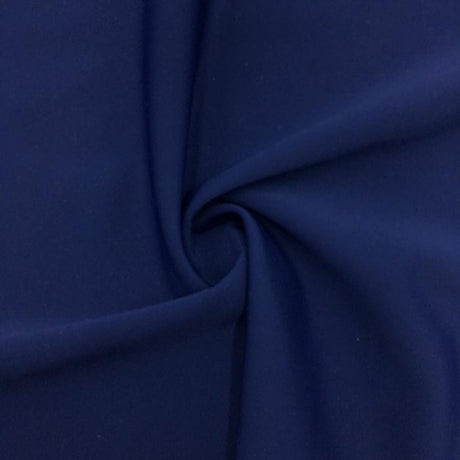
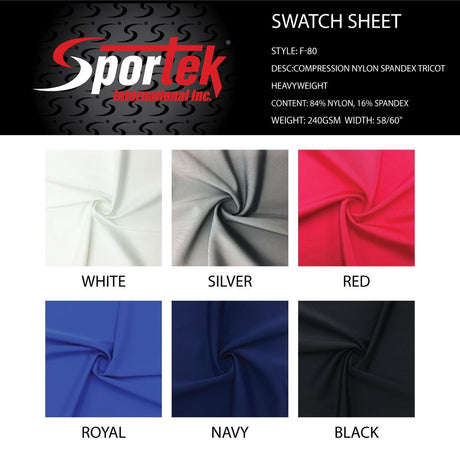
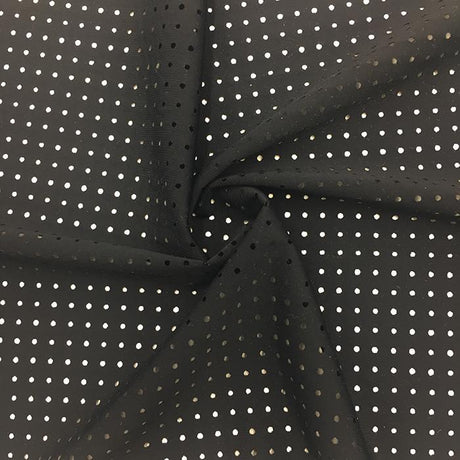
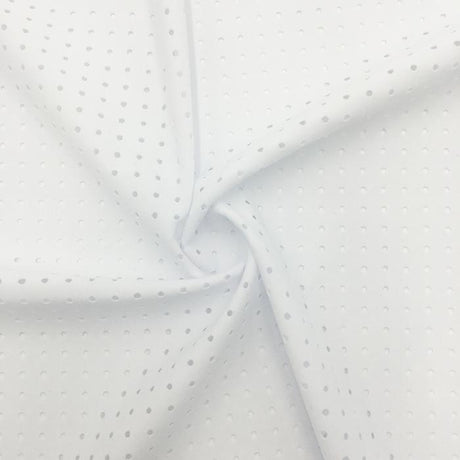
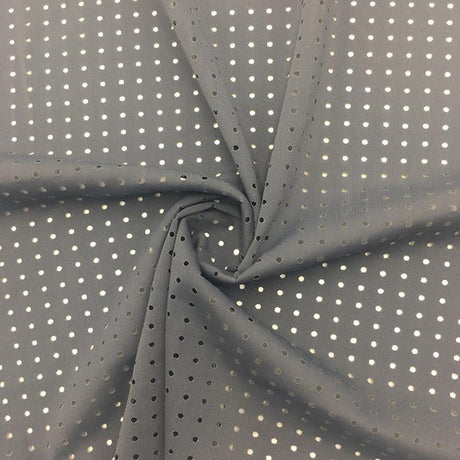
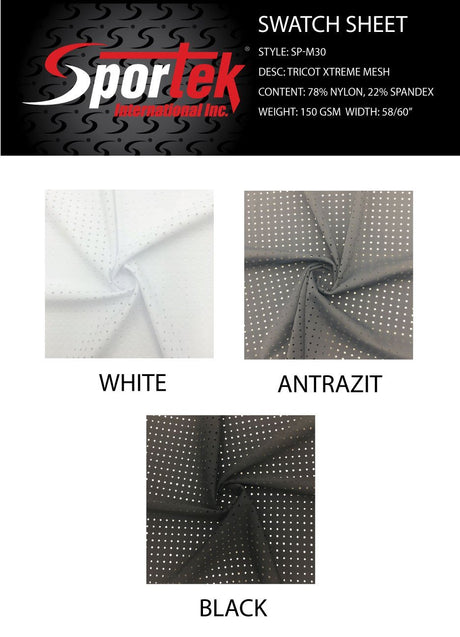
Stretch mesh fabric refers to a family of fabrics with an open, net-like structure that also have elasticity. These materials range from highly supportive power mesh to delicate tulle netting, and they're used in everything from sportswear to bridal veils. For a broader foundation on stretch fabric properties before diving in, explore our stretch fabric types page or browse our full fabric guides hub.
Types of Stretch Mesh: Power Mesh vs. Regular Tulle
Power Mesh: Power mesh (also called stretch mesh or power net) is a lightweight yet strong mesh fabric made with elastic fibers (usually a nylon or polyester base blended with spandex). The added spandex gives it significant 4-way stretch and recovery, meaning it can stretch both widthwise and lengthwise and spring back to its original shape. Power mesh fabrics often have around 10–20% spandex, yielding moderate compression and a resilient, form-fitting quality. Our nylon-spandex fabric guide covers how nylon-spandex constructions achieve the combination of smooth hand feel, strength, and 4-way stretch that defines quality power mesh. Our fabric weight guide covers how GSM affects compression, breathability, and support across all common power mesh and power net constructions.
Regular Tulle: Tulle is a fine mesh fabric best known for its use in tutus, wedding veils, and other fashion applications where a lightweight, airy look is desired. Unlike power mesh, regular tulle usually has little to no stretch. Because standard tulle contains no spandex, it does not recover or stretch much. In summary, power mesh vs. tulle comes down to stretch and support: power mesh is a sheer stretch fabric that offers elasticity and support, whereas regular tulle is a sheer netting that is stiff and non-stretch, used for structure or decoration rather than compression. Our stretch fabric types page covers how to compare stretch percentages and recovery ratings across all common mesh constructions.
Why Stretch Mesh is Essential for Activewear Ventilation
The net-like structure of stretch mesh permits superior air circulation, letting excess heat escape and cooler air enter to ventilate the wearer's skin. Technical mesh fabrics made from fibers like polyester are often designed to wick moisture away from the body. Sweat can pass through the mesh or be spread across its surface to evaporate quickly. Our activewear fabric guide covers moisture-wicking and breathability ratings across all common mesh lining constructions for athletic applications.
Designers strategically place mesh ventilation panels in areas prone to sweat – the underarms of jackets, the upper back of shirts, or behind the knees of leggings. Many leggings and running tights include power mesh inserts behind the knees or along the thighs; these stretchy mesh panels cool the athlete by releasing heat while also adding a stylish sheer detail to the design. Stretch mesh is also commonly used as an activewear lining – running shorts have an inner brief made of lightweight mesh, and workout tops or jackets may be lined with mesh on the inside.
Sewing Tips: Handling Sheer and Slippery Fabrics
Sewing stretch mesh can be challenging because these fabrics are sheer, lightweight, and often slippery. Our how to sew stretch fabric guide covers complete needle selection, stitch type, machine settings, and edge finishing guidance for all common stretch mesh construction scenarios.
Use the Right Needle: Equip your sewing machine with a ballpoint or stretch needle when working with mesh. A fine needle size (70/10 or 80/12) is ideal for lightweight power mesh or tulle. The goal is to avoid creating holes or laddering in the net fabric, and a ballpoint needle will ensure clean, uninterrupted stitches.
Choose a Strong, Matching Thread: Use a polyester thread or a thread that matches the fiber content of your fabric. Polyester thread has excellent strength and a bit of give, so it won't snap when the mesh stretches. Avoid cotton thread (which has no stretch and can break on elastic fabrics).
Cut Carefully and Secure the Layers: Cut one layer at a time. Use sharp scissors or a rotary cutter with a self-healing mat for precision. Consider using pattern weights to hold the fabric in place while cutting rather than pins, to avoid snagging the mesh.
Set Up Your Machine for Success: Place a strip of tissue paper or tear-away stabilizer under the seam area as you start sewing to keep the mesh from being sucked down into the machine. Using a walking foot attachment can further help feed slippery mesh evenly.
Stitching and Finishing: A narrow zigzag stitch or a small stretch stitch works well, as it will stretch with the fabric. Alternatively, a serger (overlock) machine gives excellent results on mesh, neatly trimming and encasing the edge with a stretchy seam. Sew slowly and steadily – rushing can cause the layers to slip or the stitches to wander off course.
Best Uses: Lingerie, Legging Inserts, and Linings
Lingerie and Shapewear: Power mesh is a staple in lingerie design. Its combination of sheerness and support makes it perfect for things like bra bands, girdles, corsets, and bodysuits. Many bra backs and side panels are made from power net (a heavier variant of power mesh) to provide a firm yet flexible hold. Our activewear fabric guide covers how power mesh panels are used in compression and support applications across all common activewear and lingerie categories.
Legging Inserts and Activewear Panels: Designers use power mesh or similar stretchy nets as inserts on the sides of leggings, behind the knees, or running down the calves. These legging inserts serve both style and function: they create a trendy sheer look and significantly boost airflow in heat-prone zones. Despite being ultra-sheer, quality power mesh can withstand the stretching and movement of workouts without tearing.
Linings in Activewear and Swimwear: In swimwear, power mesh linings are the secret behind many "tummy control" swimsuits – a panel of power mesh is sewn inside the front of a swimsuit to gently compress and shape the torso. Mesh linings in swimwear or activewear also dry quickly and let water or sweat escape. Stretch mesh can also line dance costumes or skating outfits to add support or hold nude illusion panels in place. Our swimwear fabric guide covers how power mesh and power net linings are incorporated into swimwear construction for different support and shaping applications. Our dancewear fabric guide covers mesh applications in performance costume construction.
In conclusion, stretch mesh fabric – from robust power mesh to delicate tulle – is a critical material in both functional and fashionable sewing. Use power mesh when you need stretch and support, and use tulle or non-stretch mesh when you want structure or sheer style without elasticity.
Ready to find the right mesh fabric for your project? Use our stretch fabric types page and fabric weight guide to evaluate technical specifications, our nylon-spandex fabric guide for full performance profiles of nylon-spandex mesh constructions, and our activewear fabric guide and swimwear fabric guide for end-use specific guidance. Our how to sew stretch fabric guide covers all construction techniques. Our spandex care guide and fabric care guide keep every finished garment performing at its best. Have questions? Our expert help and advice page and FAQ are always available. Sign up for SpandexByYard Rewards to earn points on every purchase!