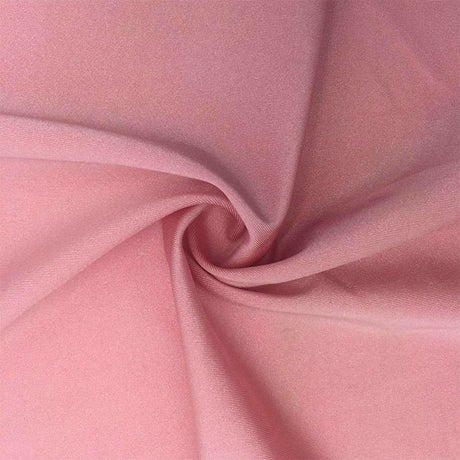
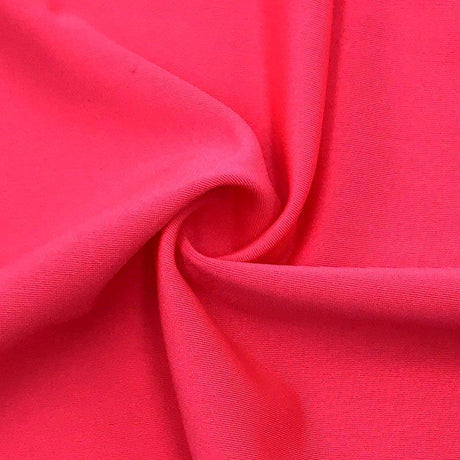
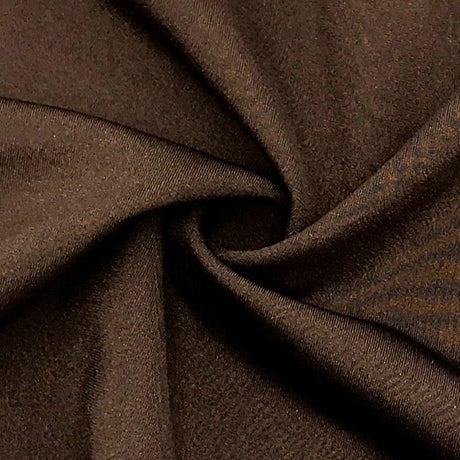
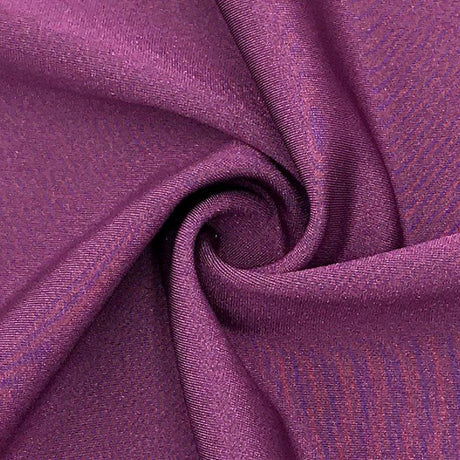
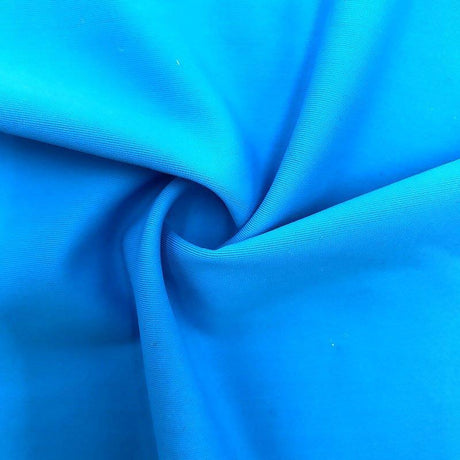
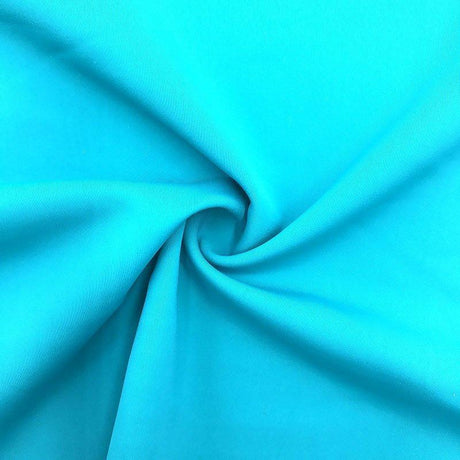
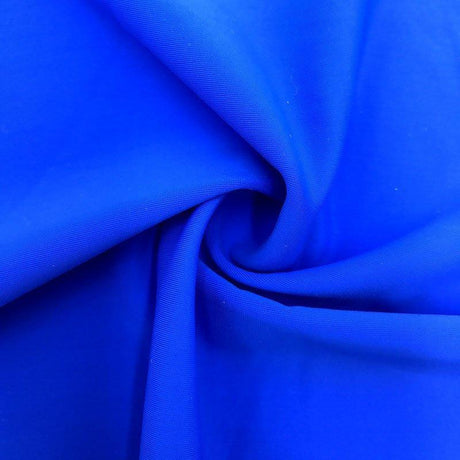
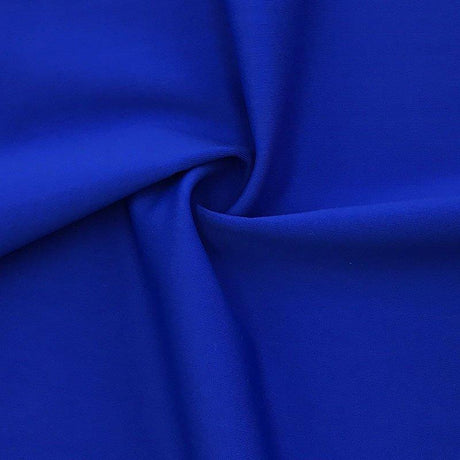
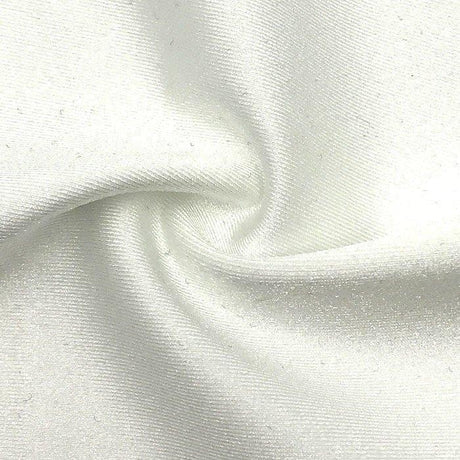
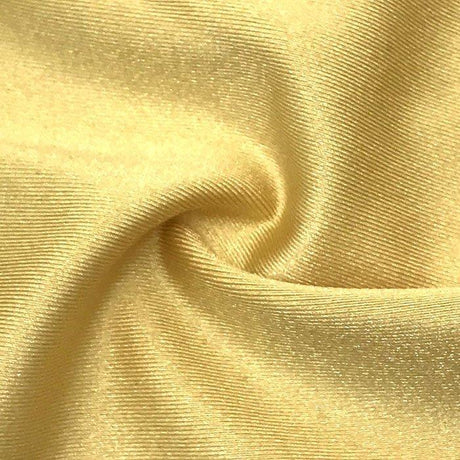
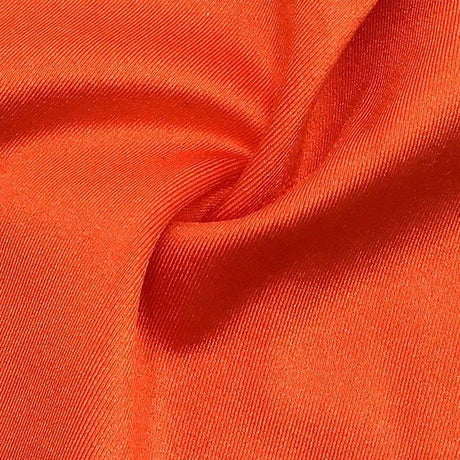
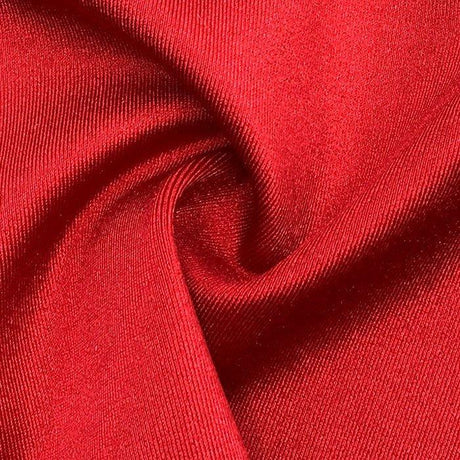
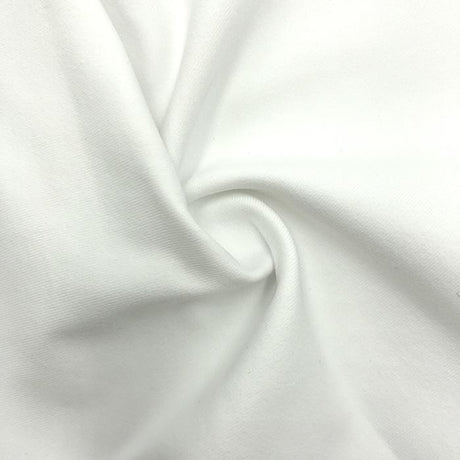
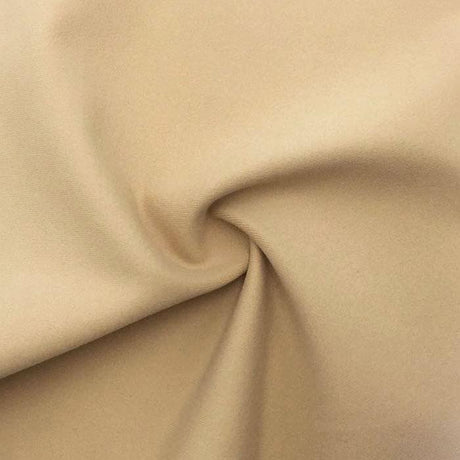
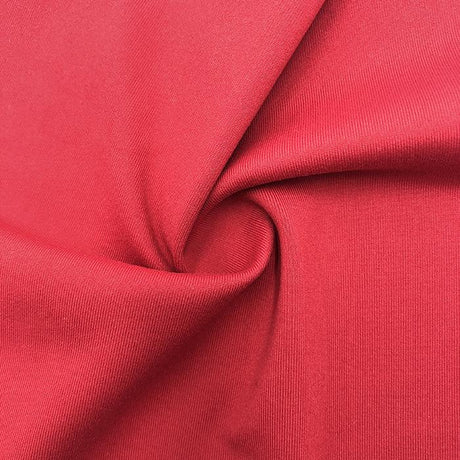
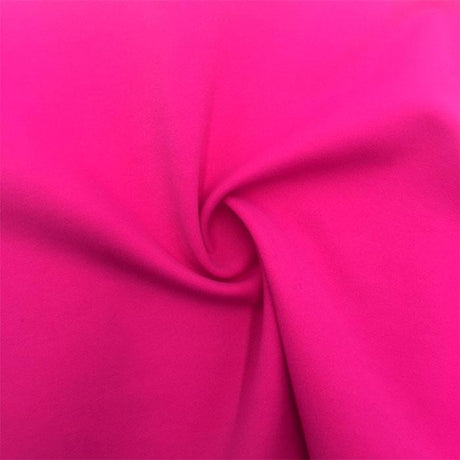
4 Things to Check Before You Buy (Weight, Stretch %, Width)
Before purchasing spandex fabric by the yard, consider these four crucial aspects to ensure it will work for your design:
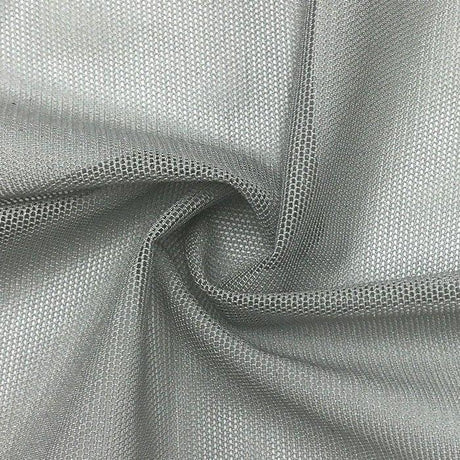
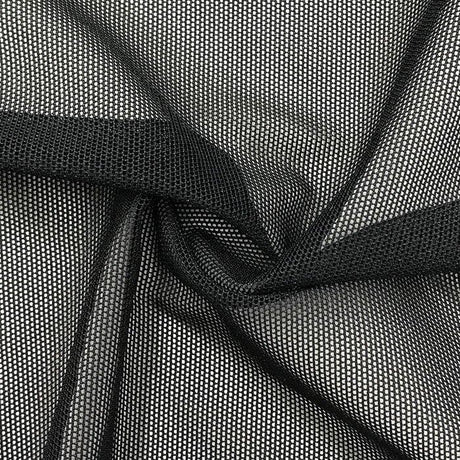
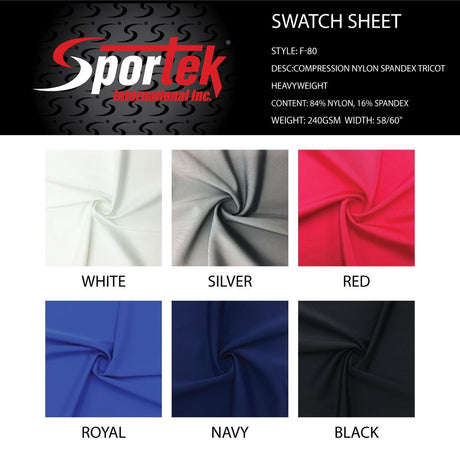
- Weight (GSM): Fabric weight, often given in GSM (grams per square meter), tells you how thick or dense the material is. A higher GSM means a heavier, thicker and more opaque spandex that offers greater support, while a lower GSM indicates a lighter, more breathable fabric. For example, a 300 GSM stretch knit will feel much sturdier and less sheer than a 150 GSM one – this can impact the garment’s opacity and compression level. Choose the weight based on your project (more on GSM in the next section).
- Stretch Percentage & Direction: Not all “stretch” fabrics stretch the same amount. Check the stretch percentage (often listed by retailers) and whether the fabric is 2-way or 4-way stretch. A “50% stretch” fabric can extend 50% beyond its original length – for instance, a 10 cm swatch stretches to 15 cm. 4-way stretch means it extends in both width and length, whereas 2-way (or one-way) stretch only extends in one direction. High stretch percentages (50–100% or more) with 4-way elasticity are ideal for form-fitting activewear and swimwear, so ensure the spandex meets any pattern requirements for stretch. Also consider stretch recovery – quality spandex snaps back to shape without staying loose or baggy.
- Width of Fabric: Spandex fabric is typically knit in wide bolts, usually around 58–60 inches (147–152 cm) wide. This generous width means you often need fewer yards compared to narrow fabrics. Still, check the exact width provided by the retailer and make sure your pattern pieces will fit. If you have very large pieces or a one-directional print, you might need extra yardage even with a wide fabric. Always account for the fabric width in your yardage calculations (most stretch patterns assume a wide fabric, but double-check to avoid shortage).
- Material Composition (Fiber Content & Spandex %): Look at what fibers the spandex is blended with and the percentage of spandex (elastane) in the fabric. Common blends are nylon/spandex or polyester/spandex, each with pros and cons. Nylon-spandex fabrics tend to be smooth, soft, and durable (with good abrasion resistance and natural moisture-wicking), while polyester-spandex feels slightly stiffer and can run warmer (less breathable), but often offers better chlorine/UV resistance and lower cost. Also note the spandex content: a higher elastane percentage (e.g. 15–20% spandex) gives the fabric greater stretch and excellent recovery, whereas a blend with only 3–5% spandex will have more limited stretch (good for comfort-fit garments). For high-performance athletic wear or swimwear, you’ll usually want a high spandex ratio in a nylon or polyester base; for everyday wear, cotton-spandex or rayon-spandex jerseys with lower spandex can offer soft comfort. Choose the fiber blend that best suits the garment’s end use (for example, nylon-spandex for a swim swimsuit vs. cotton-spandex for a casual tee).
Understanding GSM: The Difference Between Swimwear and Legging Weight

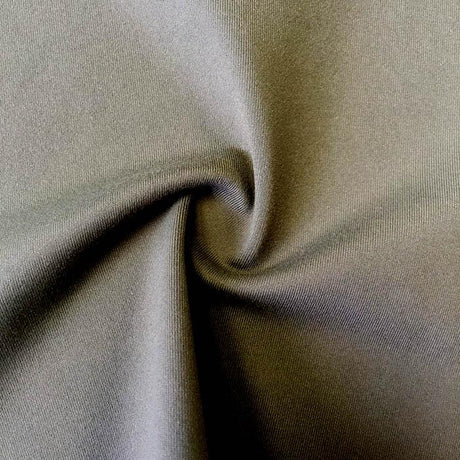
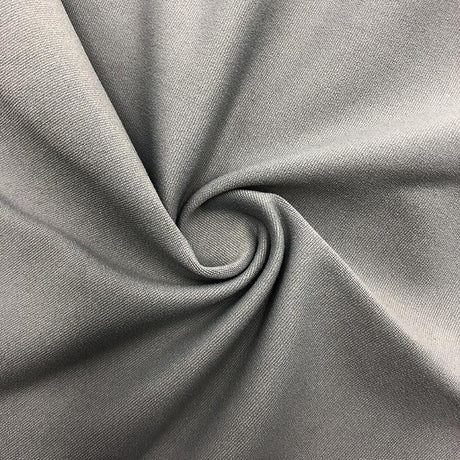
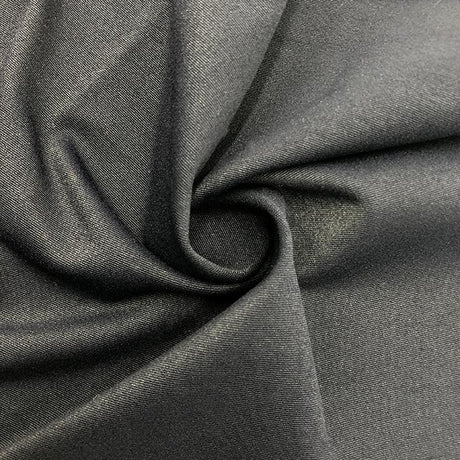
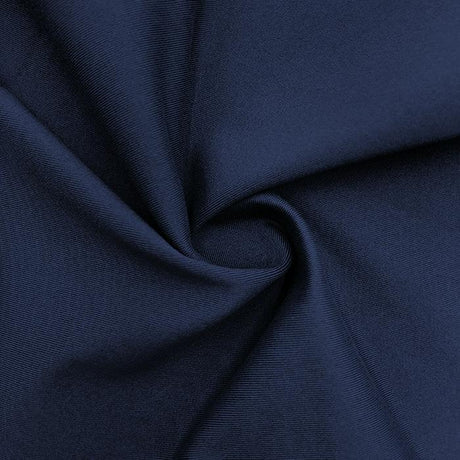
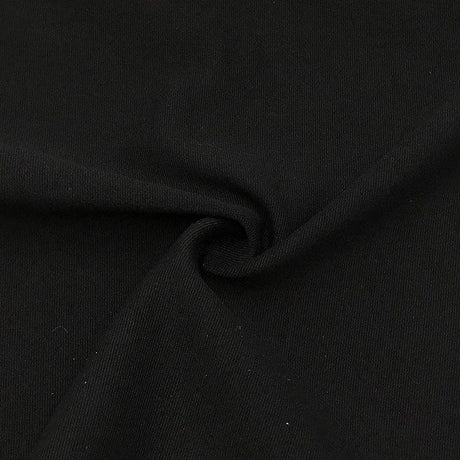
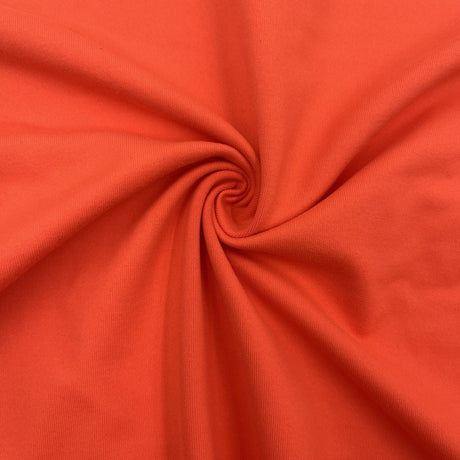
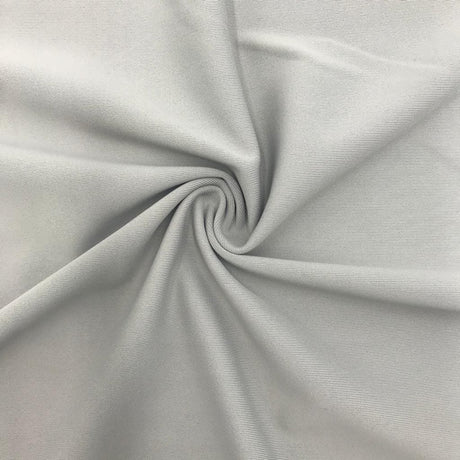
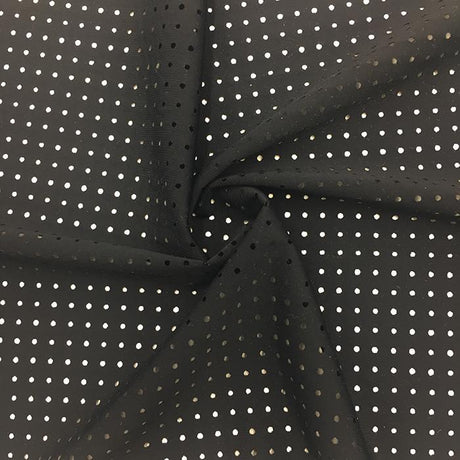
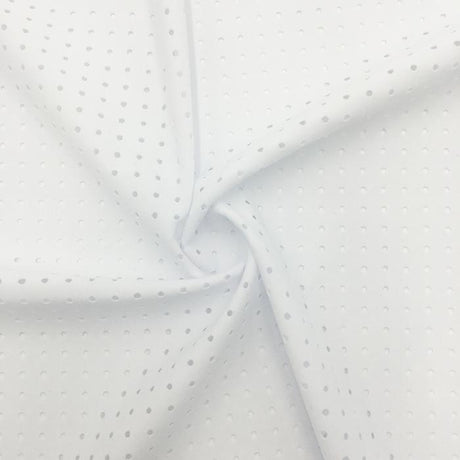
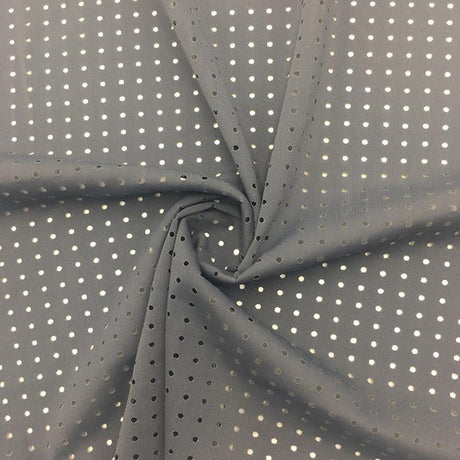
Figure: Example GSM weights for spandex fabric – lightweight vs heavy. Heavier GSM fabrics (e.g. 250–300 GSM) are thicker and more opaque, whereas lower GSM fabrics (150–200 GSM) are thinner and drapier. GSM stands for grams per square meter, essentially how much one square meter of the fabric weighs. This metric directly relates to how the fabric feels and performs – it influences thickness, support/compression, and coverage. Understanding GSM is especially important when comparing spandex fabrics for different applications like leggings vs. swimwear.
Leggings Weight: Spandex fabrics for leggings generally fall in the light to mid-weight range, but the ideal GSM depends on the style of legging. For fashion or yoga leggings where maximum flexibility and a “second-skin” feel are desired, a fabric around 180–220 GSM works well – this is light enough for comfort but still offers squat-proof opacity around the low 200s GSM. On the other hand, performance or compression leggings (for running, gym, etc.) often use a heavier knit in the 220–280 GSM range to ensure no show-through, higher durability, and a bit of muscle support/compression. In practice, this means a casual legging might use a 190 GSM nylon-spandex jersey that feels soft and stretchy, whereas premium sports leggings might use a 250 GSM interlock that is completely opaque and holds you in slightly. If you stretch a lighter fabric over a curve and notice it becomes sheer, that’s a sign you might need a higher GSM for that garment. Quality leggings fabric is typically mid-weight so it balances comfort with coverage.
Swimwear Weight: In contrast to leggings, swimwear fabrics are usually on the heavier end of the spandex spectrum. Swimwear material needs to remain opaque and supportive even when wet, so fabrics are often 250–320 GSM which qualifies as heavy weight for knits. For example, many swimsuit textiles are warp-knit tricot blends (often ~80% nylon, 20% spandex) around 200–250 GSM and are sometimes paired with a lining layer. Higher-end competitive swimwear may go up to 280–300 GSM in a very tightly-knit fabric to provide compression and streamline the body. The heavy weight, combined with a quality fiber blend (nylon or polyester with extra chlorine-resistant elastane), ensures the suit won’t become see-through or lose shape in water. In summary, leggings can use medium weights since a bit of lightness aids stretch and comfort, whereas swimwear generally demands high GSM for coverage. Always match the fabric weight to the garment’s needs: if you’re sewing something like yoga pants or a leotard, a mid-weight fabric (~200 GSM) is often ideal, but for a swimsuit or sports bra, lean towards a heavier knit for full support and opacity.
Matte vs. Shiny: Choosing the Right Finish
Spandex fabrics come in different finishes or surface looks. The two main appearances are matte (non-reflective) and shiny (glossy or “wet-look”). The finish you choose will affect the garment’s style and sometimes its performance characteristics. Here’s a comparison of matte vs. shiny spandex:
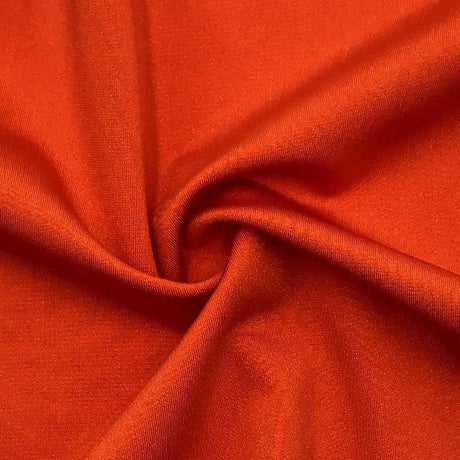
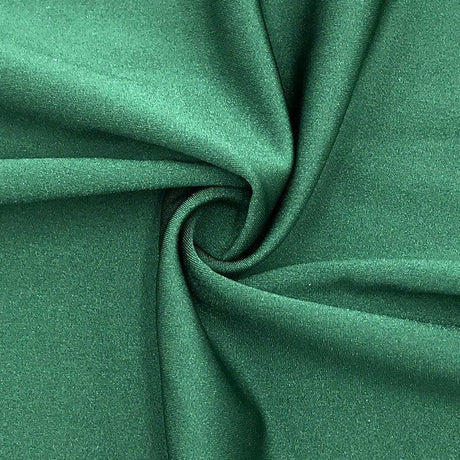
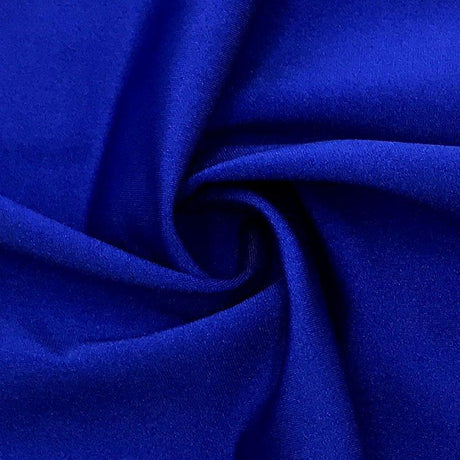
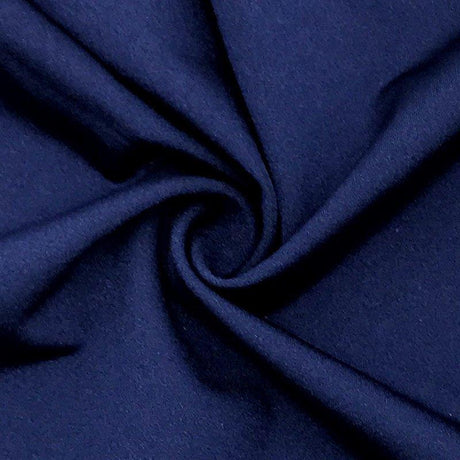
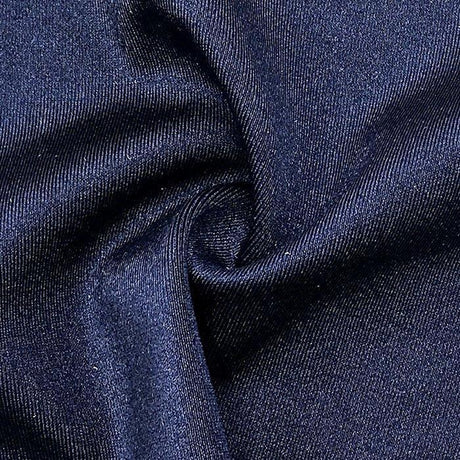
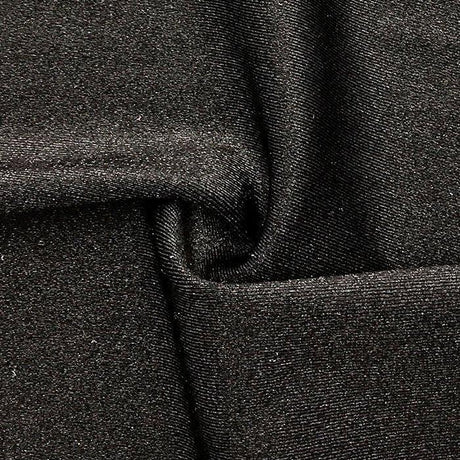
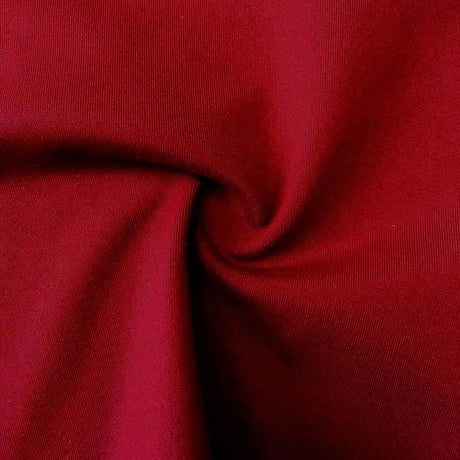
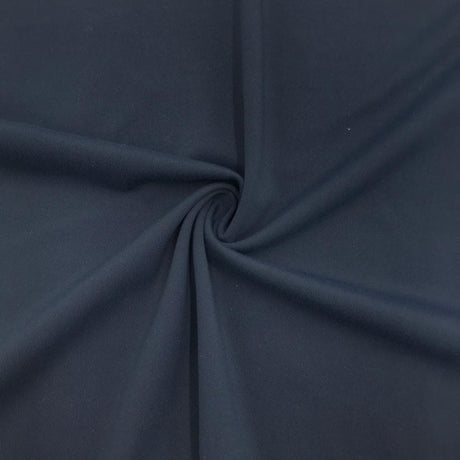
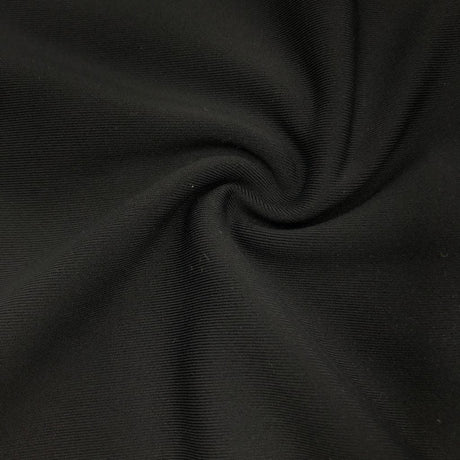
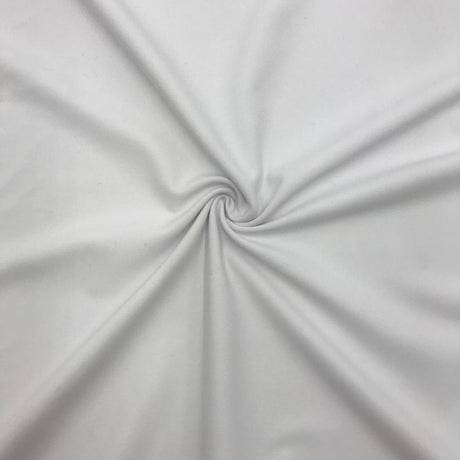
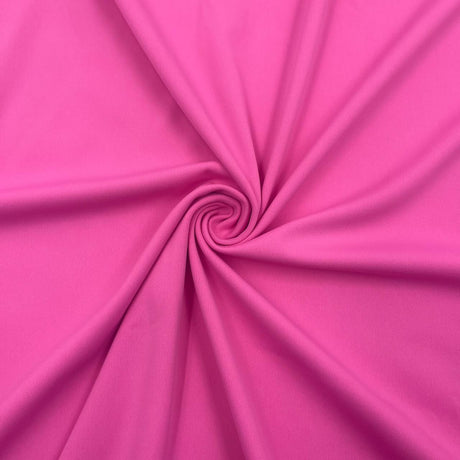
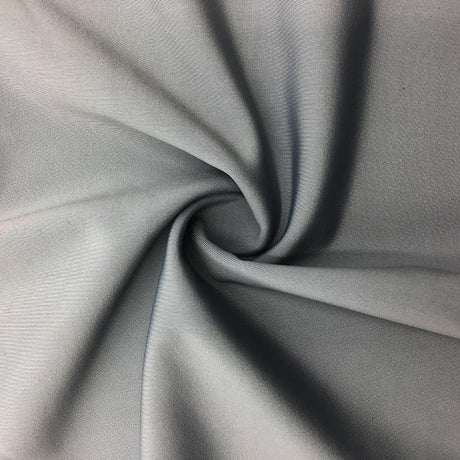
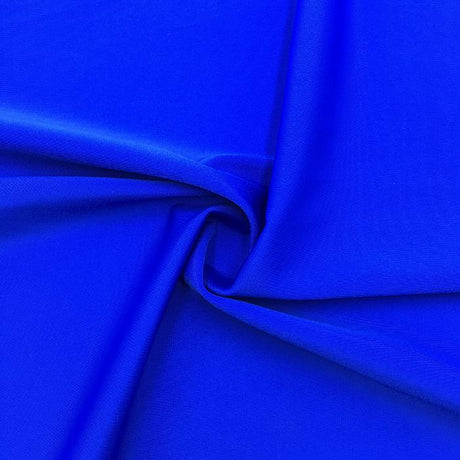
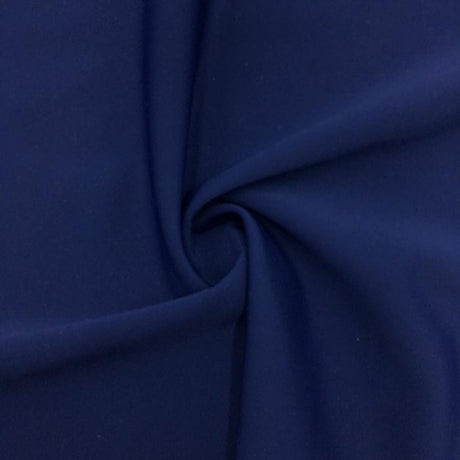
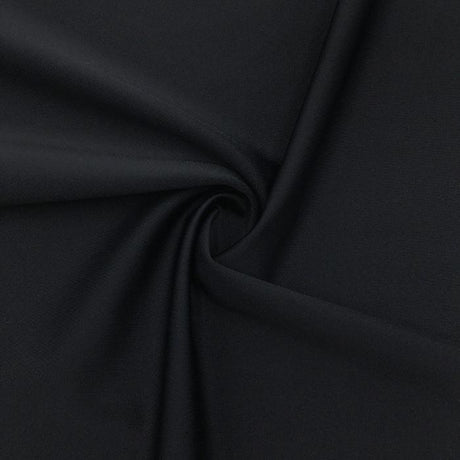
- Matte Spandex: Matte spandex has a smooth, non-reflective surface with no gloss. It provides an understated, natural look without shine. Many designers opt for matte fabrics when they want a clean, timeless aesthetic – for example, yoga wear or athletic uniforms often use matte spandex that photographs well without glare. An added benefit is that matte material tends to be very forgiving: it diffuses light, which can help conceal small lumps or bumps, and doesn’t highlight seams or imperfections the way shiny fabric can. Matte spandex is also commonly engineered for activewear, meaning you’ll find many matte options that are breathable and moisture-wicking to keep the wearer comfortable. In short, choose a matte finish if you want a subtle, elegant look or extra comfort; it’s great for everyday leggings, sportswear, or any design where a flashy shine isn’t desired.
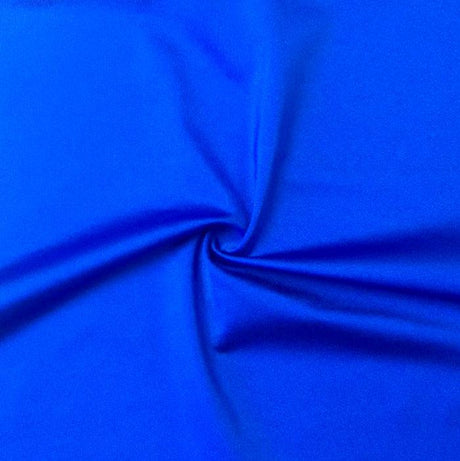
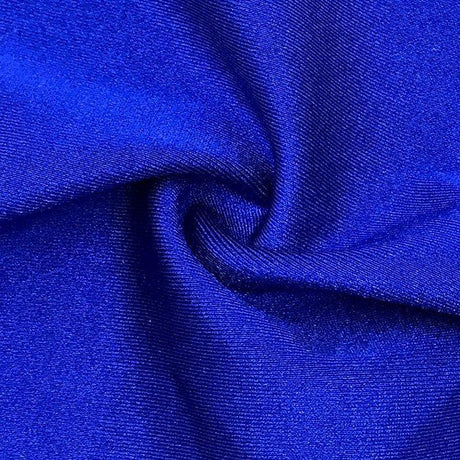
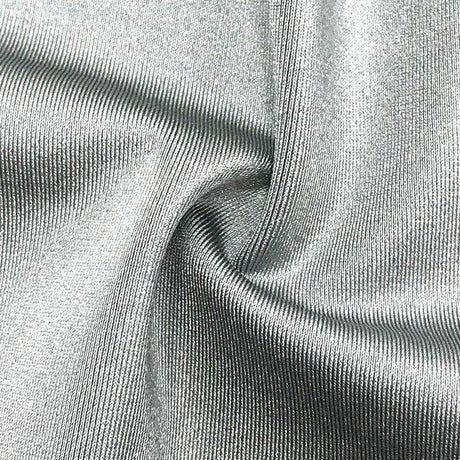
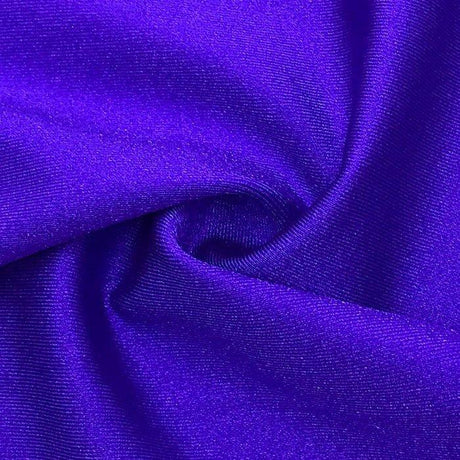
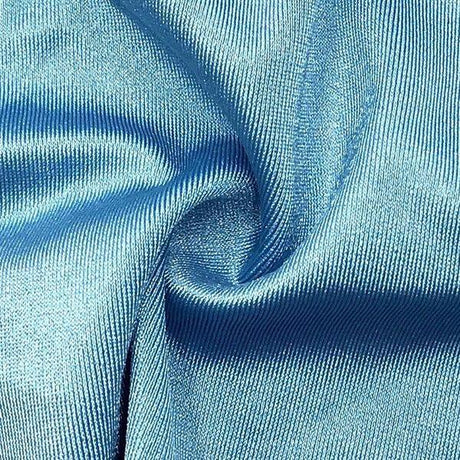
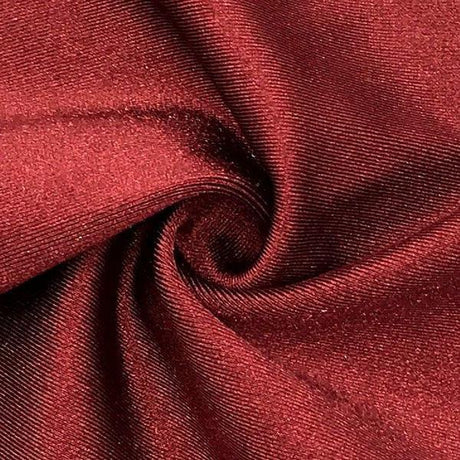
- Shiny Spandex (Wet-Look): Shiny spandex has a high-gloss, reflective finish often described as “wet look” or “liquid” due to its lustrous sheen. This finish immediately catches the eye – under stage lights or camera flash it will gleam dramatically. Shiny spandex is fantastic for bold, attention-grabbing outfits: think dance costumes, superhero or cosplay suits, or trendy metallic leggings. It gives a vibrant, futuristic or glamorous effect (almost like latex or metallic paint) that can make your design stand out. However, be mindful of a few trade-offs: high-shine fabrics highlight every curve and seam – they will make details and body outlines more visible, sometimes even revealing undergarment lines, much more than a matte fabric would. Also, heavily coated glossy spandex tends to be slightly less breathable, as the coating can trap heat. If you’ll be wearing it for long periods (e.g. a performance), consider that it might run warmer or even look for designs that incorporate mesh/vents. Shiny spandex is best when you want maximum visual impact and don’t mind sacrificing a bit of subtlety and airflow. It’s popular for costumes, swim fashions, and statement pieces. You can even mix finishes – for instance, using mostly matte fabric with shiny accents or panels to highlight certain areas.
Where to Buy Quality Spandex Fabric Online
When you’re ready to buy spandex fabric online, it’s important to choose a reputable fabric retailer so you get authentic, high-quality material (and the specs you expect). Both specialty suppliers and general fabric stores carry spandex by the yard. Here are some avenues to consider:
- Specialty Spandex Retailers: Dedicated spandex fabric shops can be a goldmine for variety. They often stock everything from solid tricot and printed activewear knits to holographic or metallic spandex, all in one place. For example, experienced designers frequently recommend outlets like Spandex House (a famous NYC-based spandex store with an online shop) and Spandex World for their huge selection and competitive pricing. These niche retailers specialize in stretch fabrics, so they usually provide detailed information on weight (GSM), stretch percentage, and fabric content for each product. (SpandexByYard.com, the site this guide is for, is itself an example of a specialty retailer focusing on high-quality stretch and sportswear fabrics.) The benefit of buying from such shops is that they understand the needs of activewear/swimwear designers – you’ll find the specific material you need (like a certain nylon-spandex tricot or power mesh) rather than sifting through a broad catalog. Many also offer bulk discounts or wholesale options if you need larger quantities.
- Activewear and Dance Fabric Suppliers: Beyond the big names above, there are online stores known for athletic and dancewear fabrics specifically. For instance, Blue Moon Fabrics is often praised for its quality nylon-spandex materials and unique prints suitable for swim and activewear (though it can be on the pricier side). Smaller boutique vendors or Instagram-based fabric sellers might carry limited runs of specialty spandex (like exclusive printed designs or luxury Italian swimwear fabric). If you’re looking for something specific like eco-friendly recycled spandex or performance moisture-wicking knits, seek out suppliers that cater to the activewear market. Keep in mind, prices and minimum order quantities at these specialty shops can vary, so it’s worth comparing a few sources.
- General Fabric Retailers: Major online fabric stores such as Mood Fabrics, JoAnn (online), and others also have sections for spandex or stretch knits. The selection might not be as exhaustive as a dedicated spandex seller, but you can still find common varieties (solid swimwear Lycra, stretch jersey, etc.) from these retailers. The advantage of big stores is that you can combine your spandex purchase with other fabric needs in one order, and they often have customer reviews for fabrics. Just be sure to read the item description carefully – look for details on GSM, stretch %, and the fiber blend. Reputable retailers will list this info. (For example, many sites will specify something like “80% Nylon/20% Spandex, 60% 4-way stretch, 200 GSM” – these specs help you know exactly what you’re getting.) If details are missing, don’t hesitate to contact customer service or order a swatch.
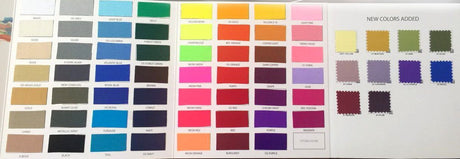
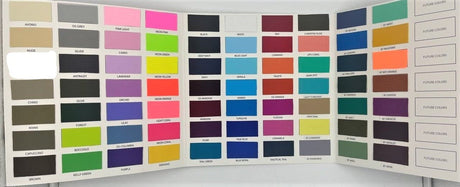
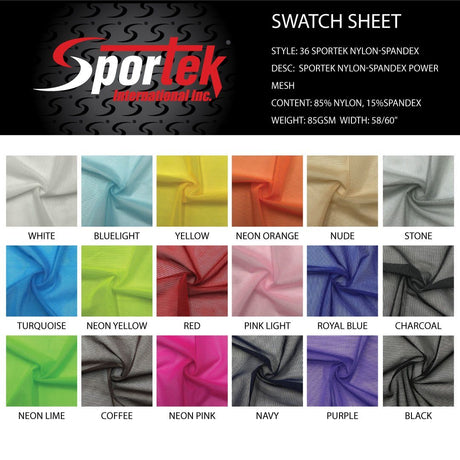
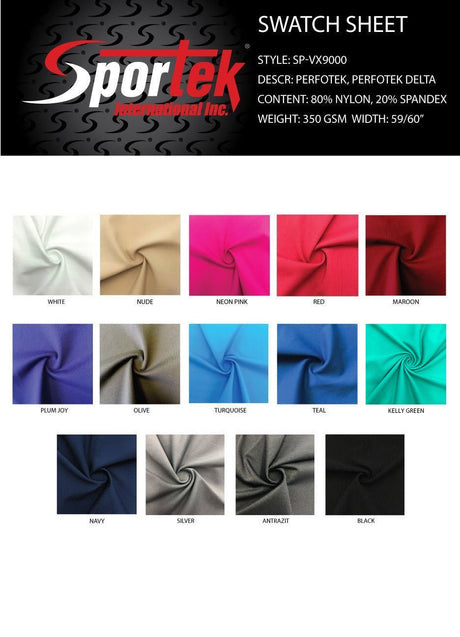
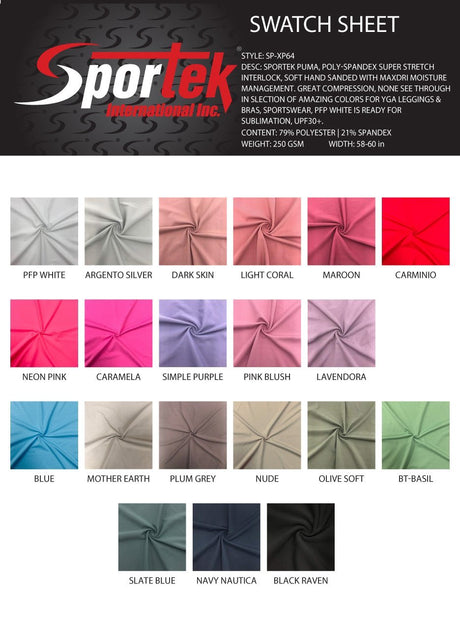
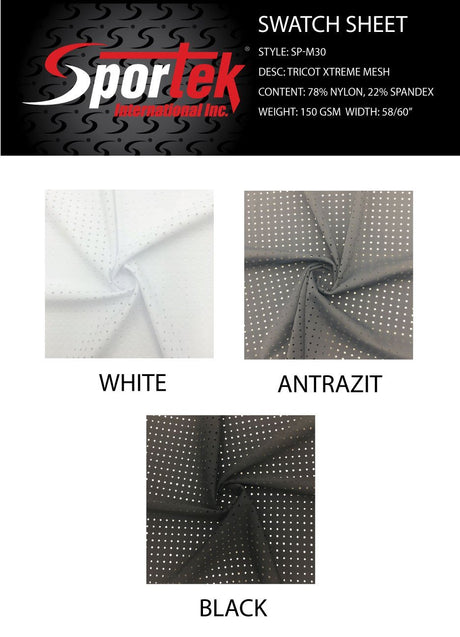
Pro Tip: Whenever possible, order swatches or sample cards of spandex fabrics before buying large yardage. Stretch fabric can be hard to judge from photos alone – a swatch lets you feel the thickness, stretch it in hand, and check the color/print in real life. This is especially useful if you need an exact color match or want to test opacity and recovery. Many quality retailers offer swatches or a sample pack of their spandex line for a small fee (or even free with a coupon). Taking the time to test a swatch can save you from buying yards of a fabric that isn’t quite right for your project.
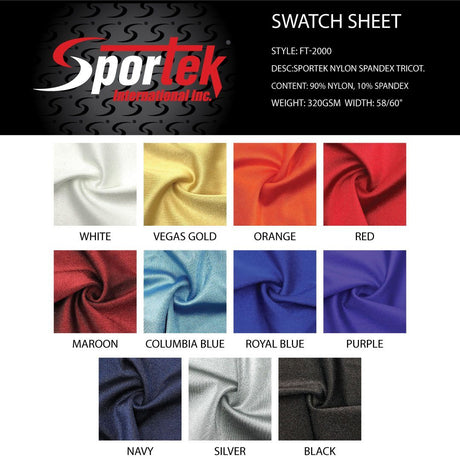
Lastly, if you are a brand or manufacturer looking to buy spandex in bulk, consider reaching out directly to textile wholesalers or mills. Companies like Sportek or Carvico (for Italian swimwear fabrics) supply high-grade spandex textiles to the industry. They often have higher minimum order requirements (e.g. a full roll), but the cost per yard will be lower for large orders. Some of the specialty retailers mentioned also have wholesale divisions or bulk discounts if you inquire. Ensure that any bulk supplier provides specs and maybe a sample cut for approval. Quality control is key when sourcing large quantities for production.
In summary, choosing the right spandex fabric by the yard comes down to understanding your material specs and shopping smart. Pay attention to weight (GSM) for the appropriate thickness and support, verify the stretch percentage and whether it’s 4-way, decide on the finish that suits your design (matte for subtlety or shiny for impact), and buy from a trusted source that clearly describes the fabric. By doing your homework on these factors, you’ll secure a spandex fabric that not only looks amazing but also performs well for its intended use – whether it’s enduring laps in a pool, stretching through a yoga pose, or sparkling under stage lights. Happy fabric hunting and good luck with your creative projects!