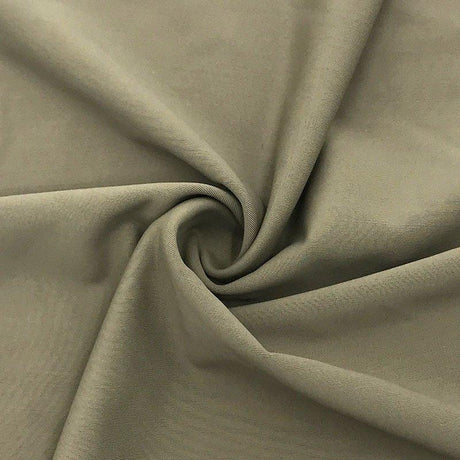
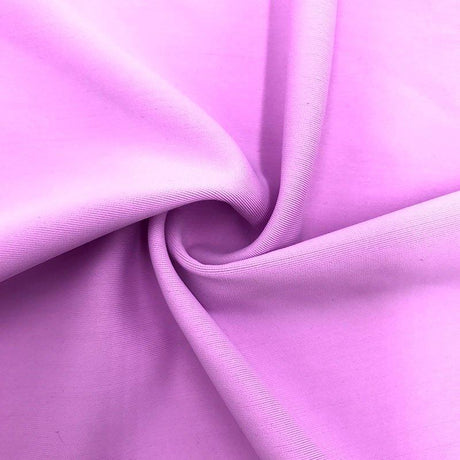
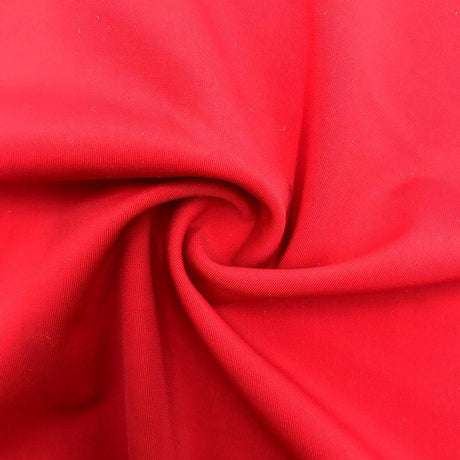
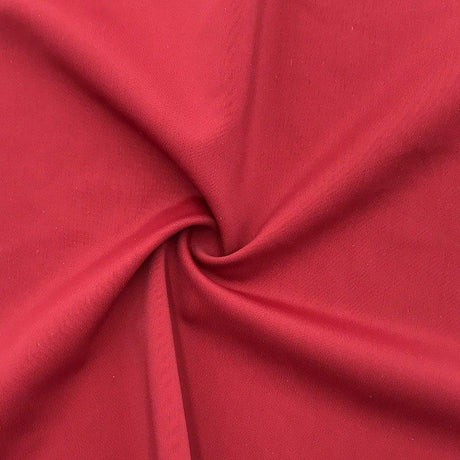
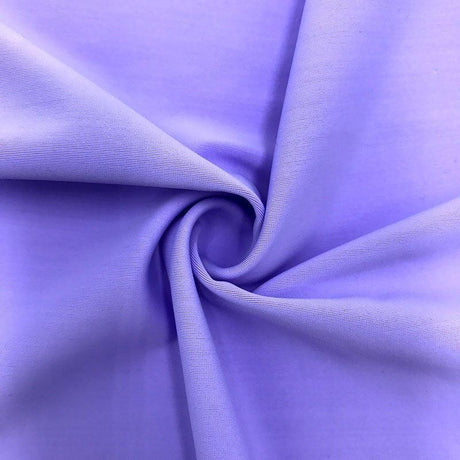
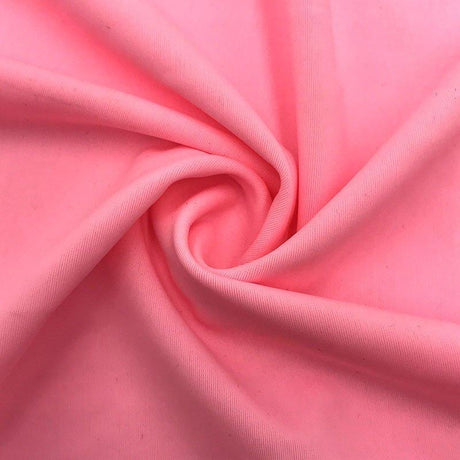
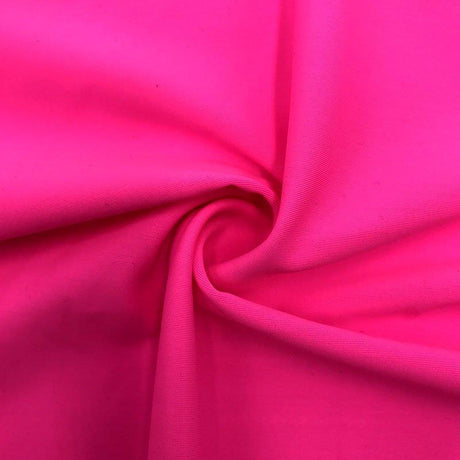
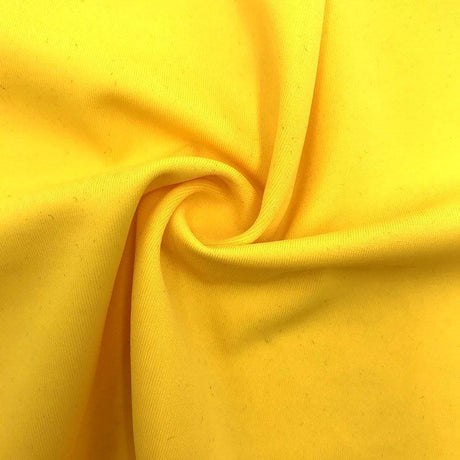
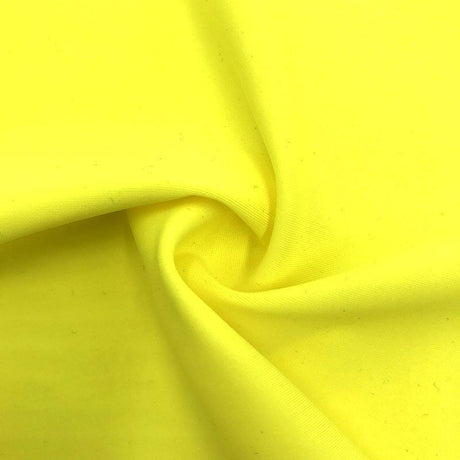
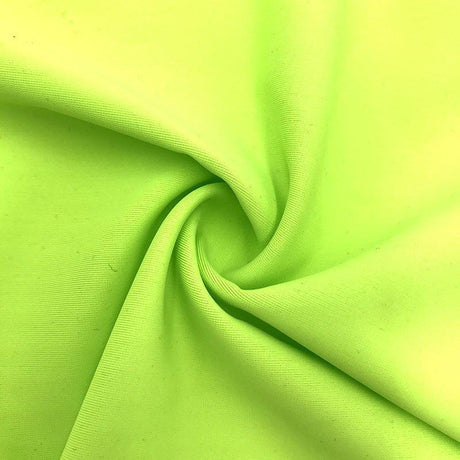
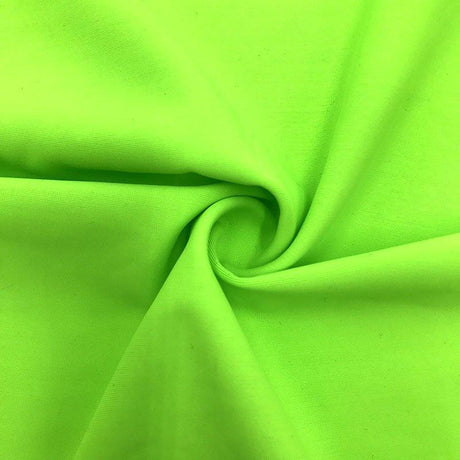
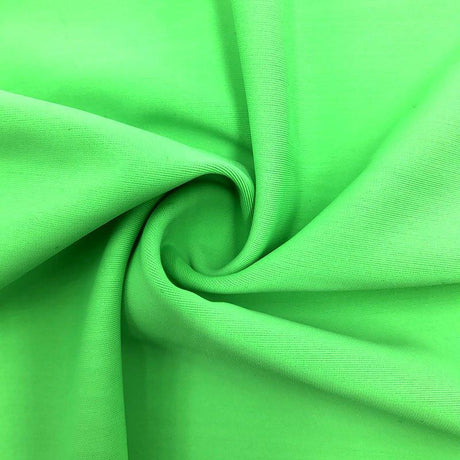
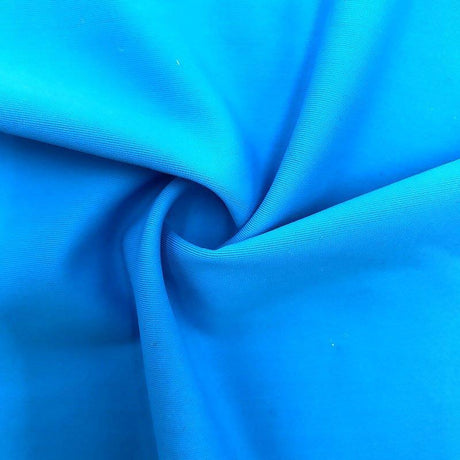
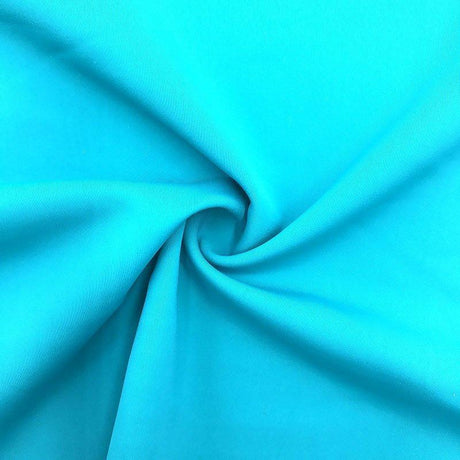
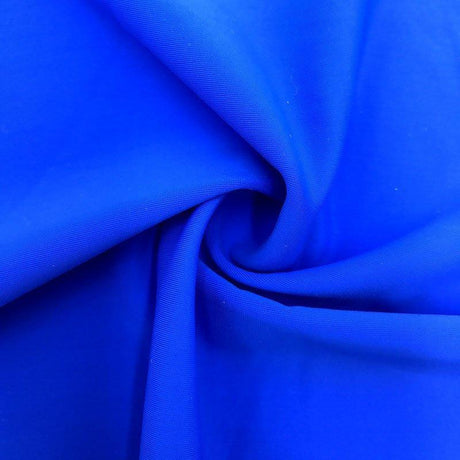
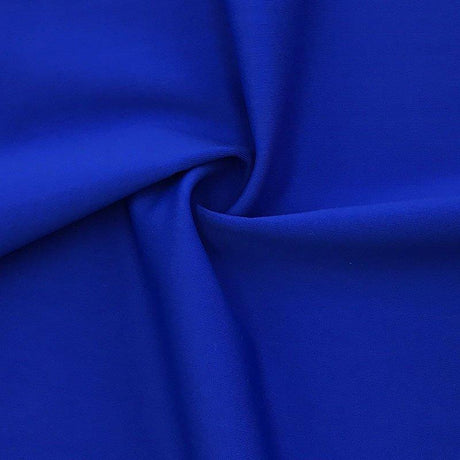
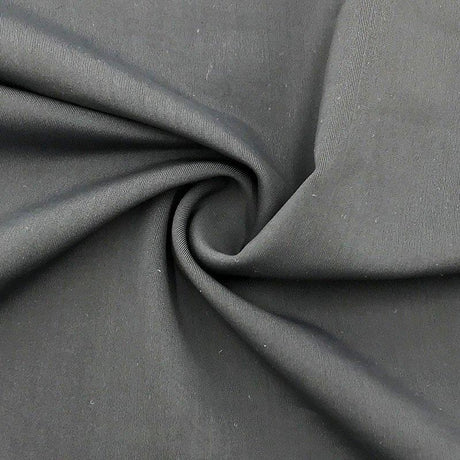
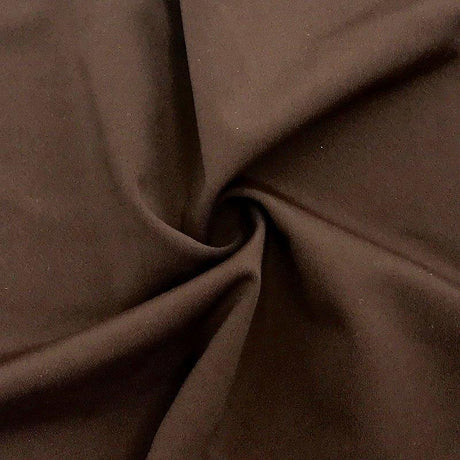
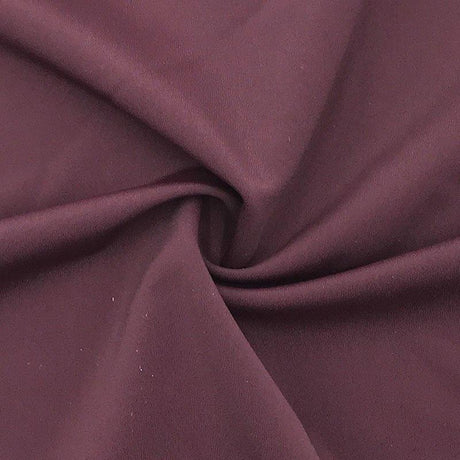
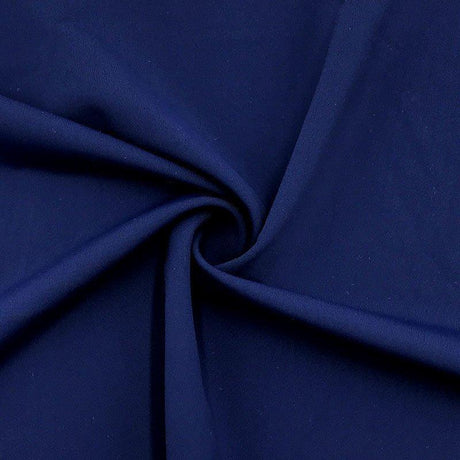
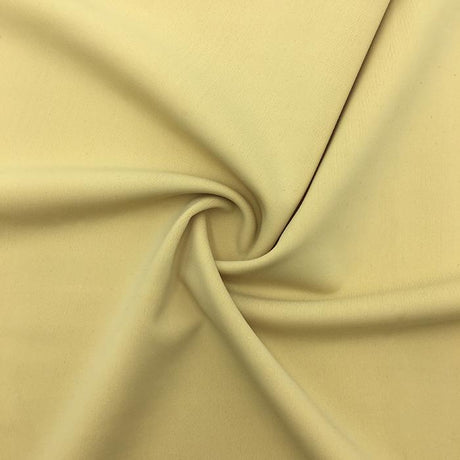
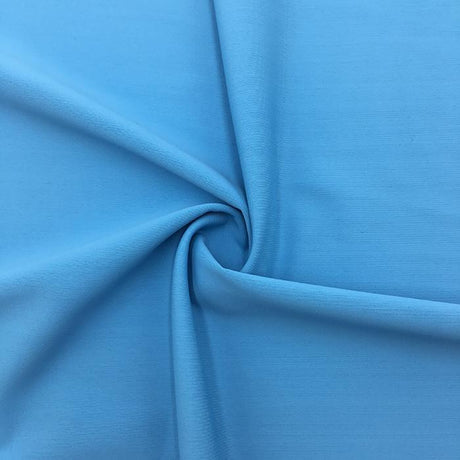
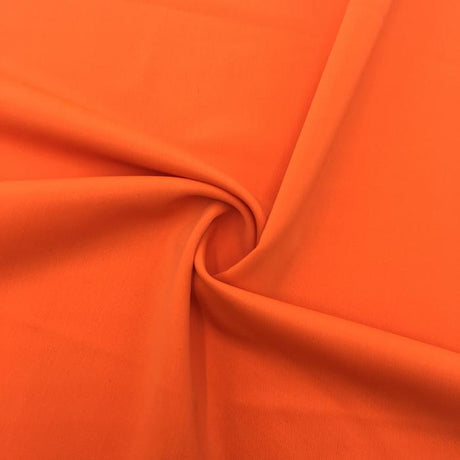
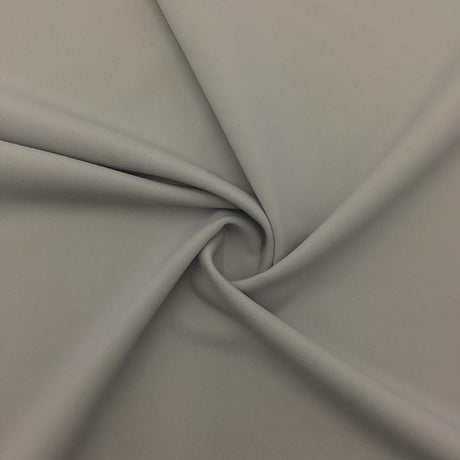
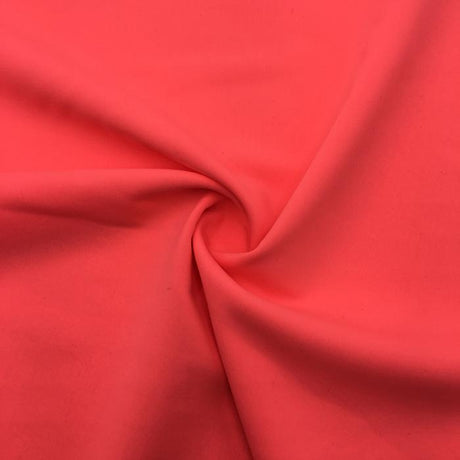
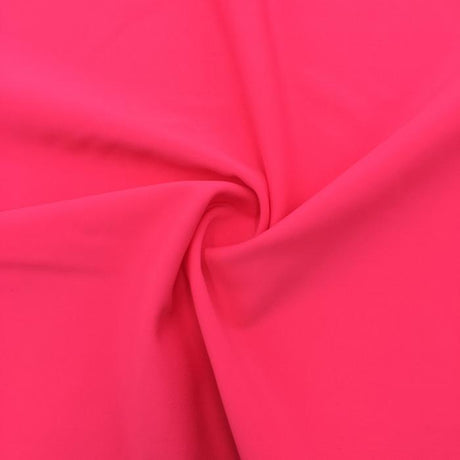
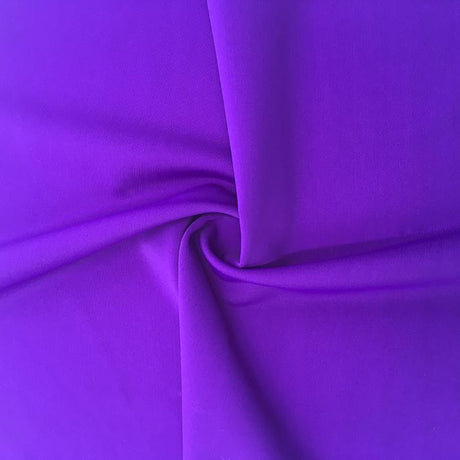
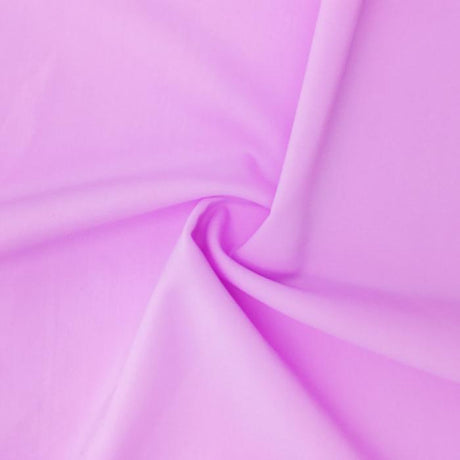
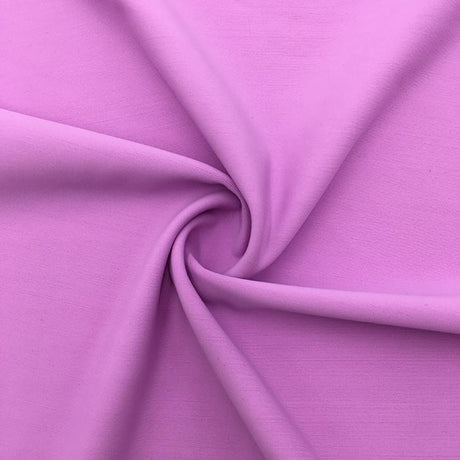
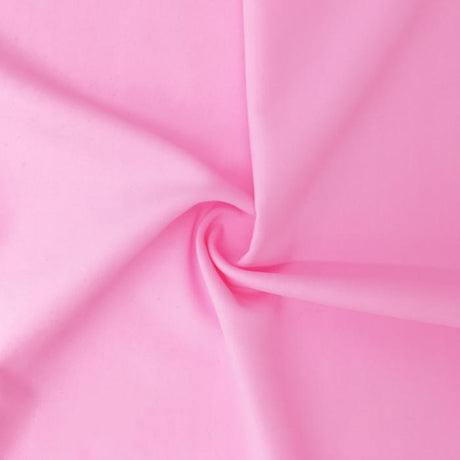
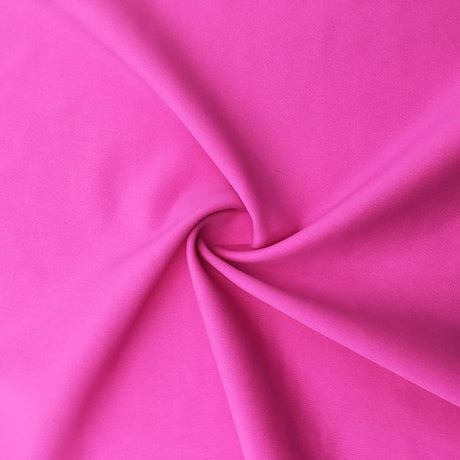
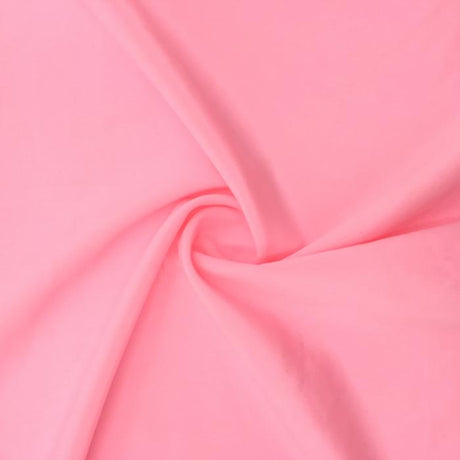
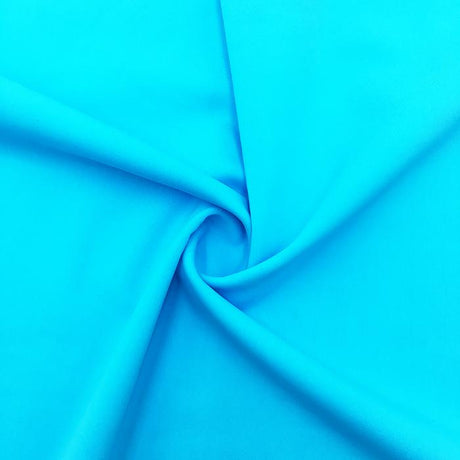
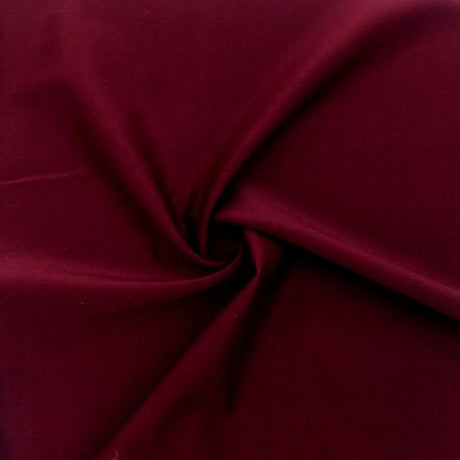
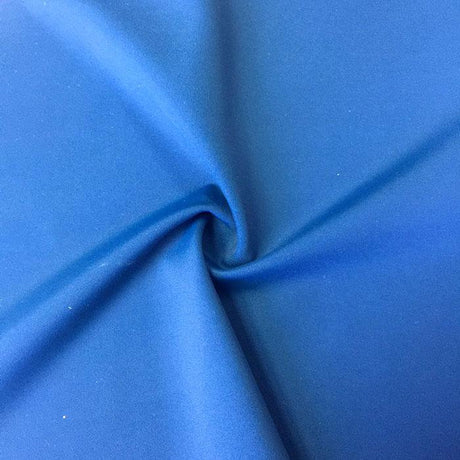
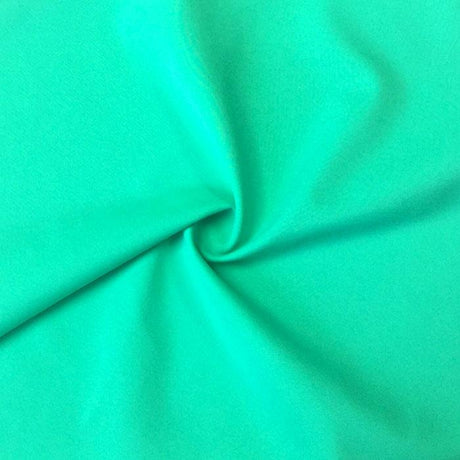
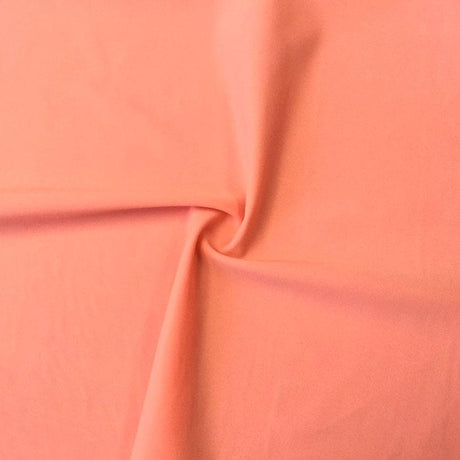
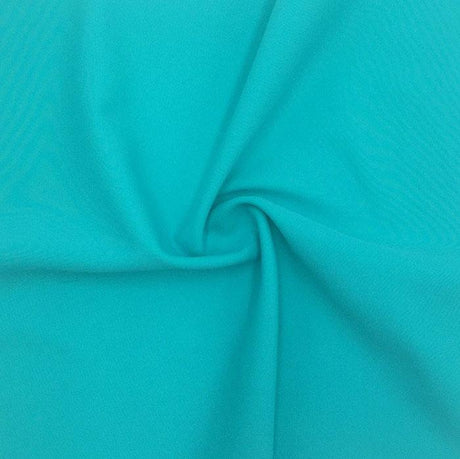
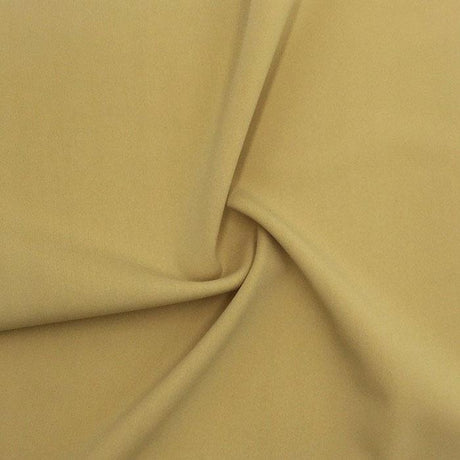
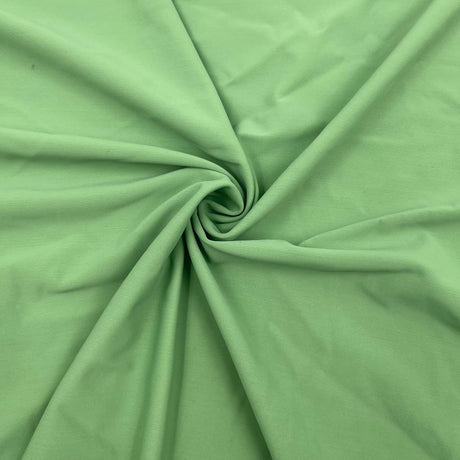
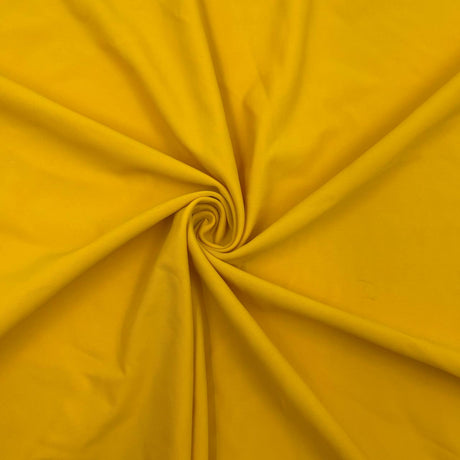
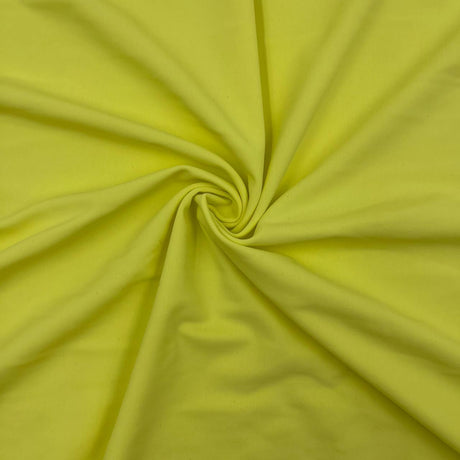
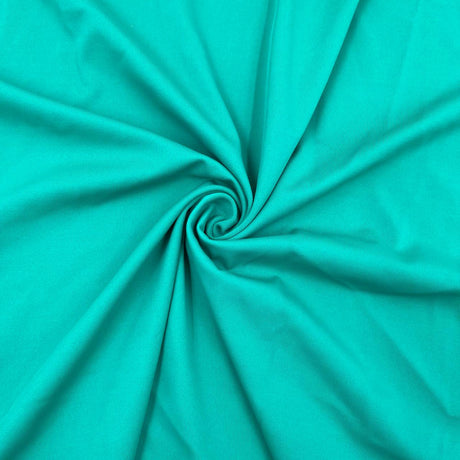
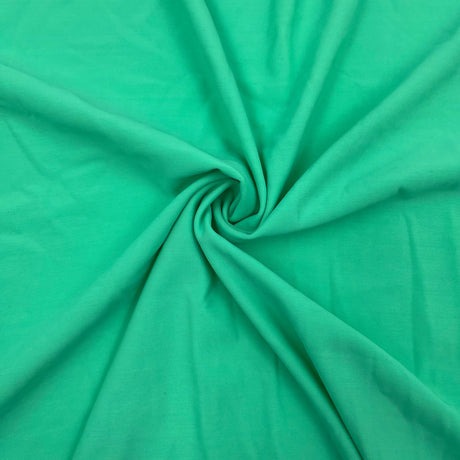
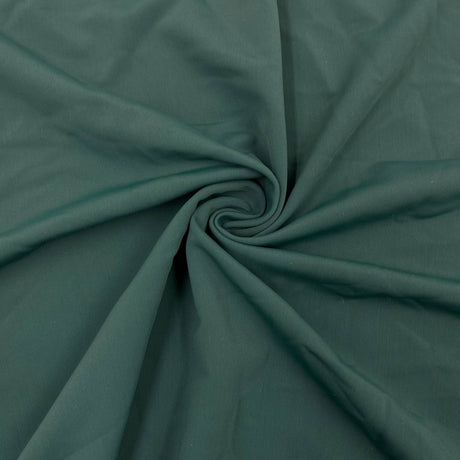
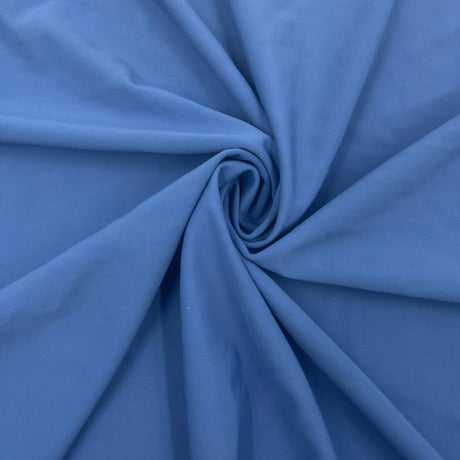
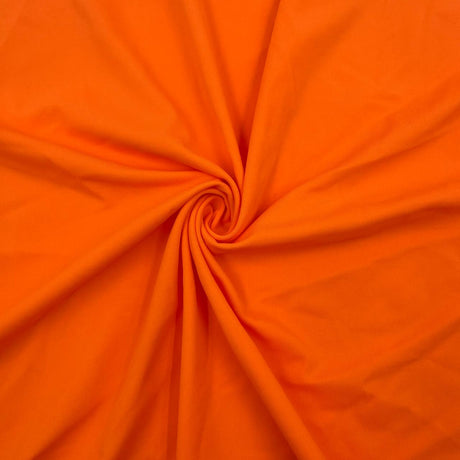
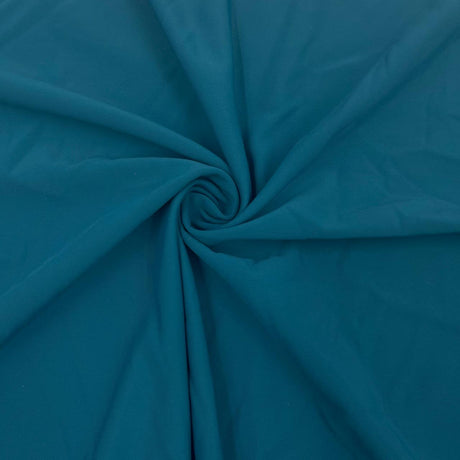
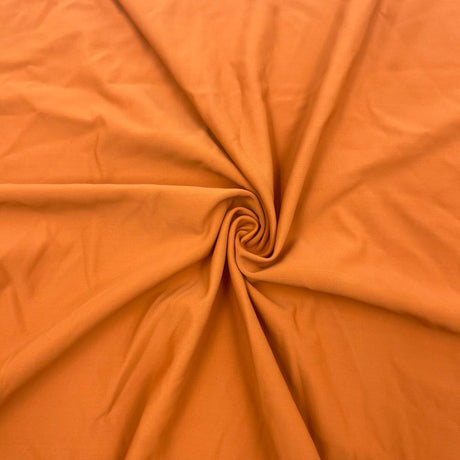
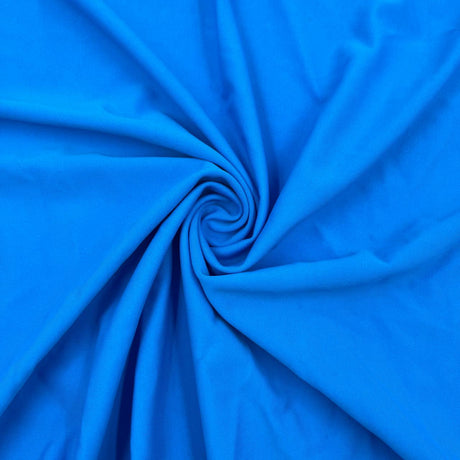
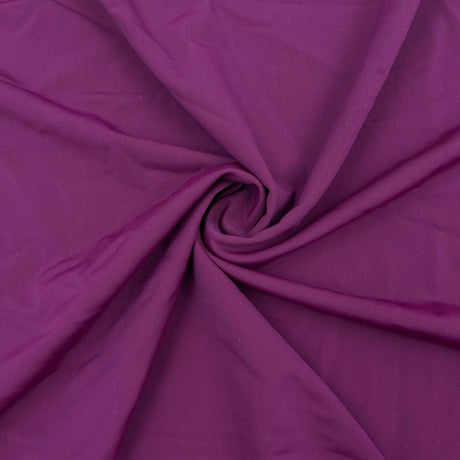
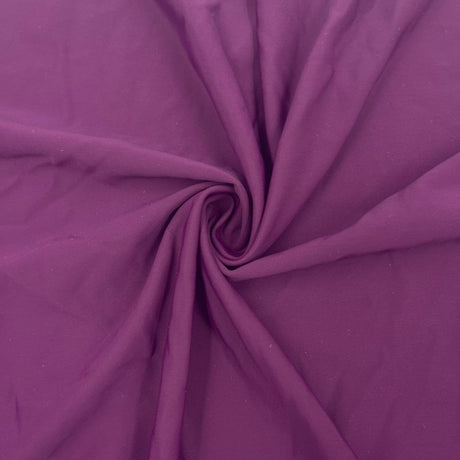
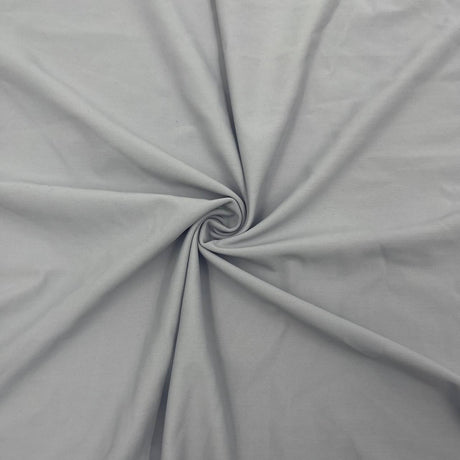
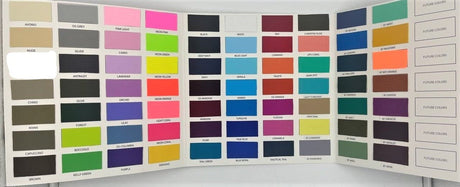
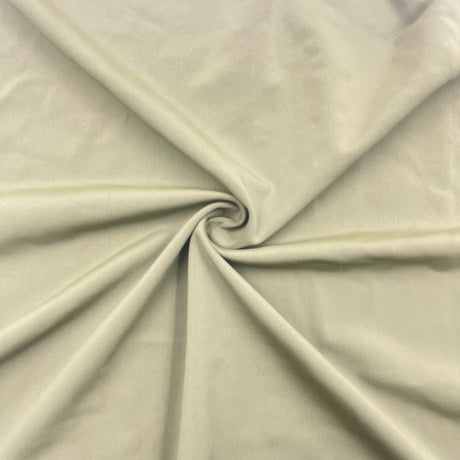
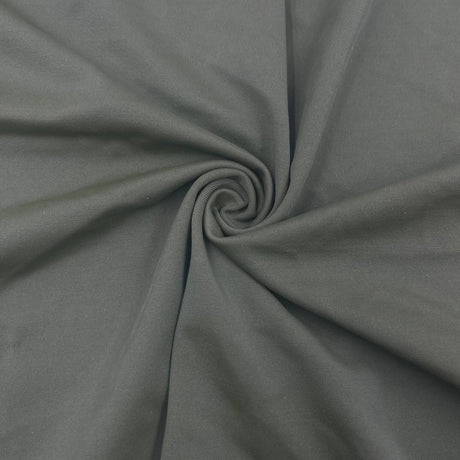
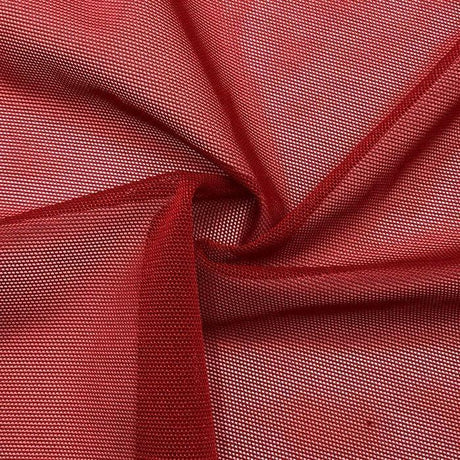
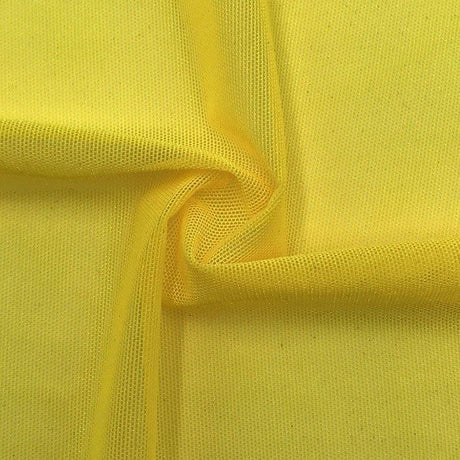
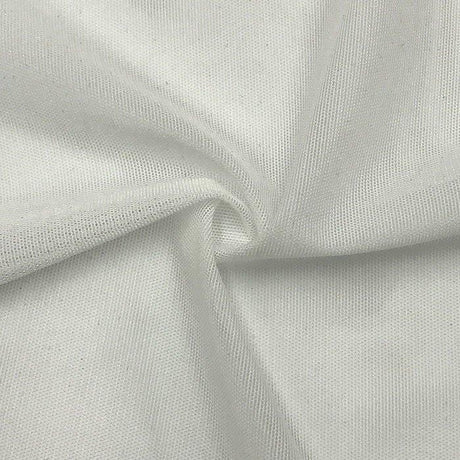
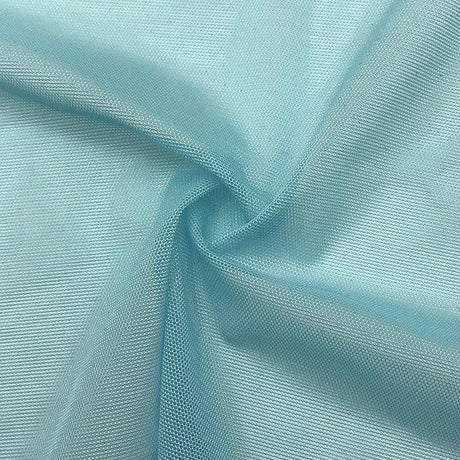
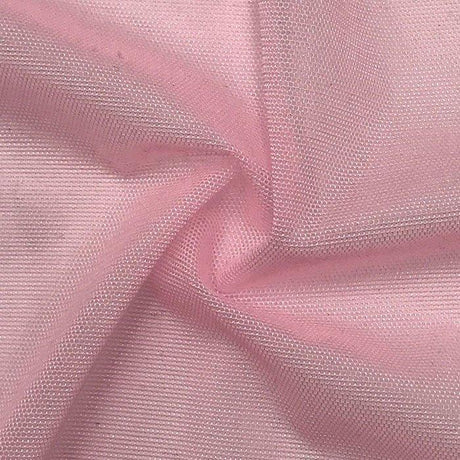
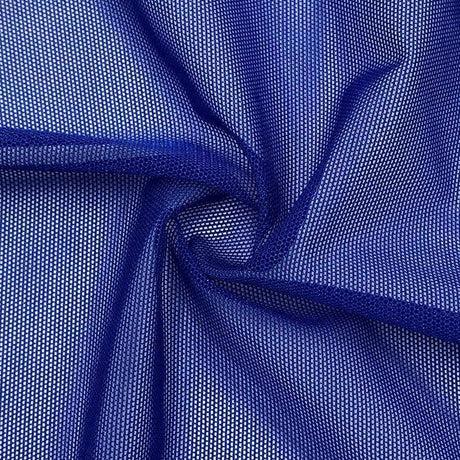
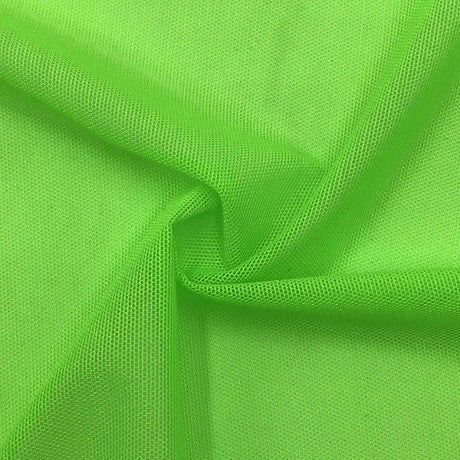
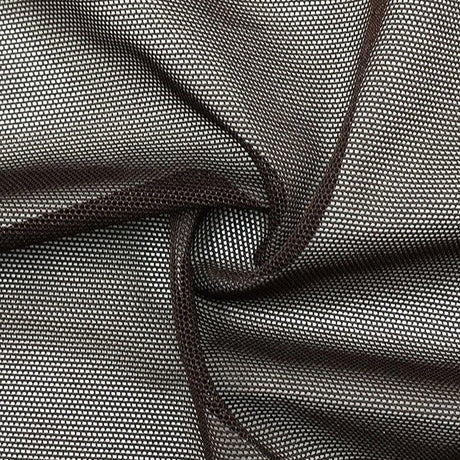
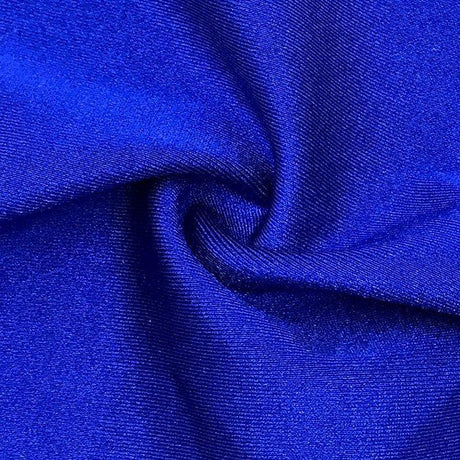
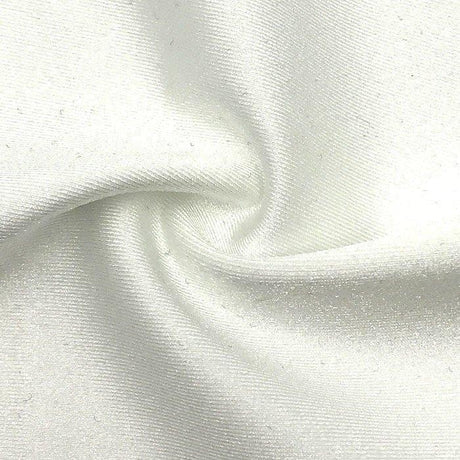
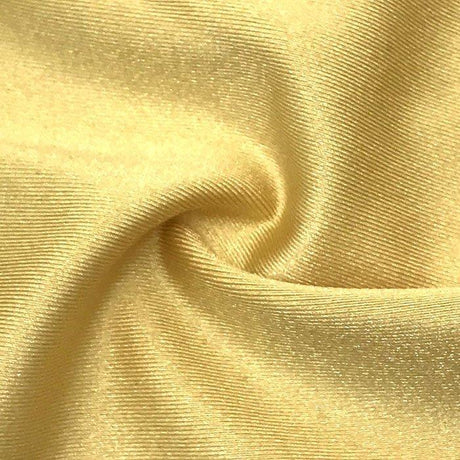
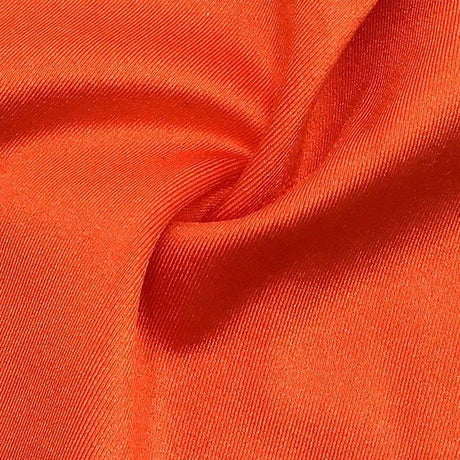
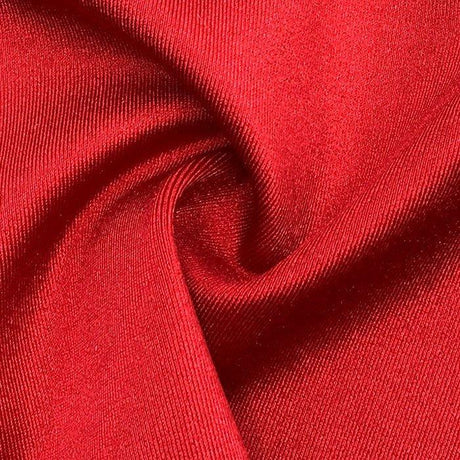
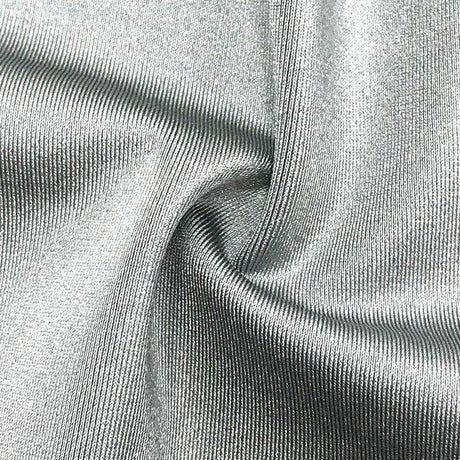
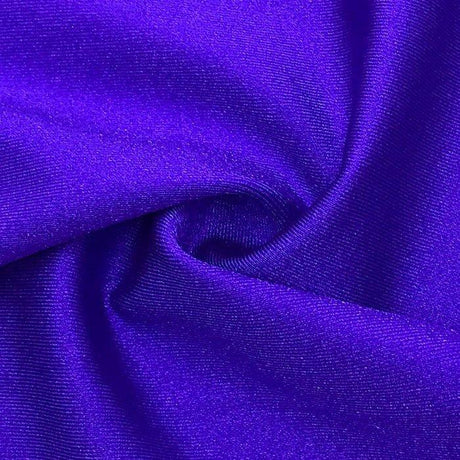
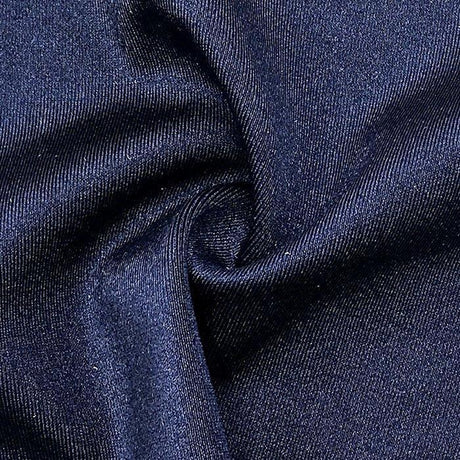
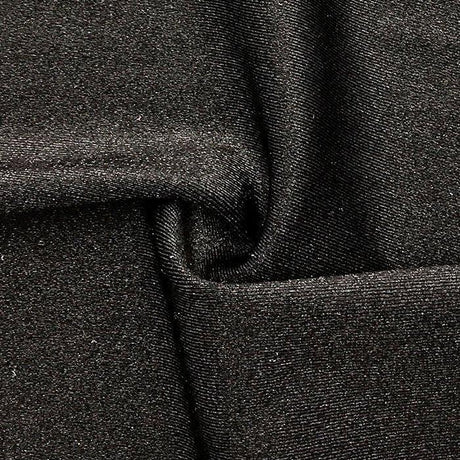
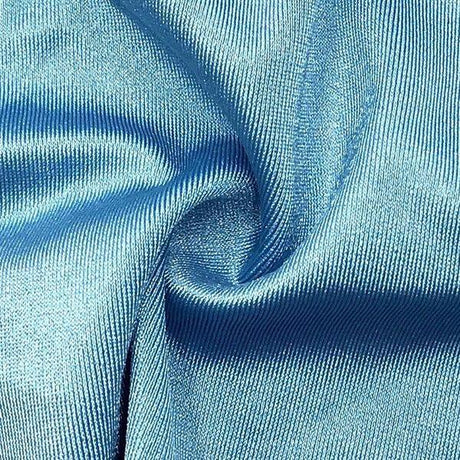
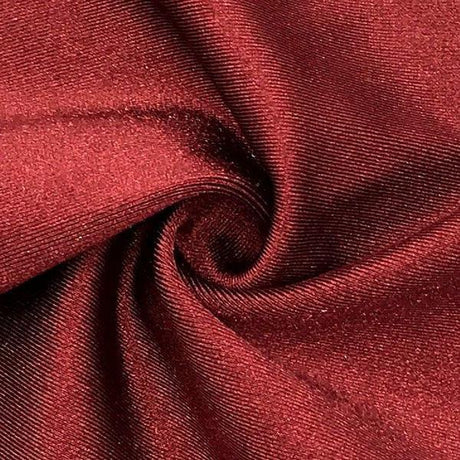
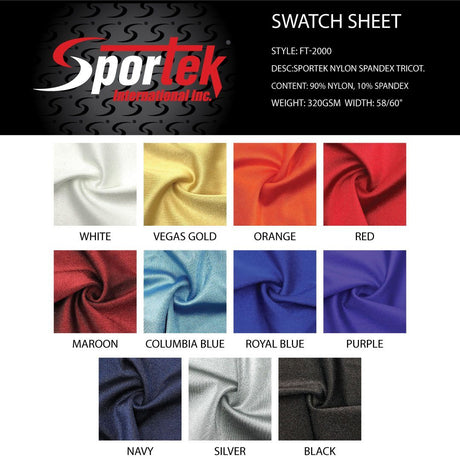
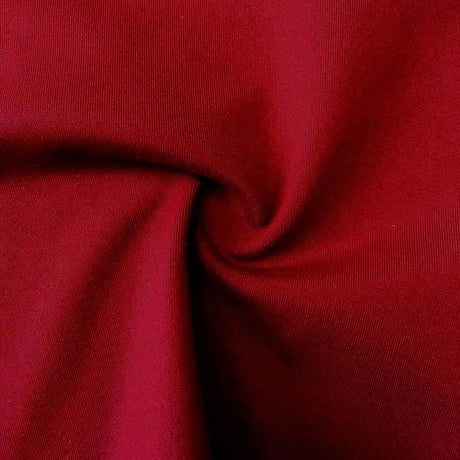
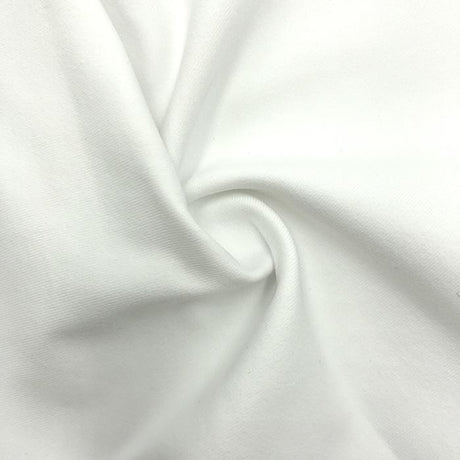
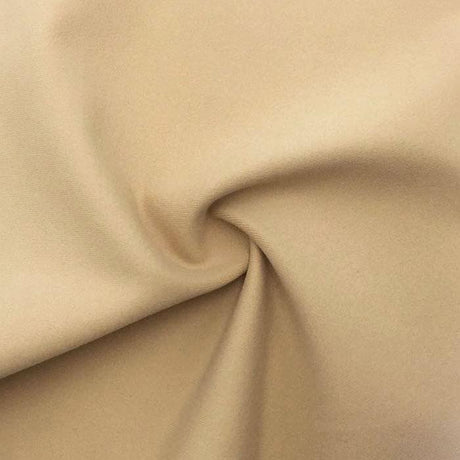
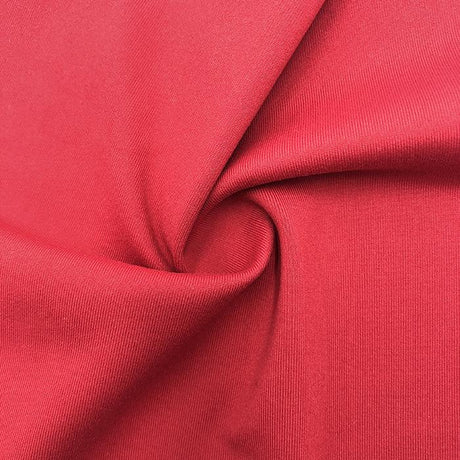
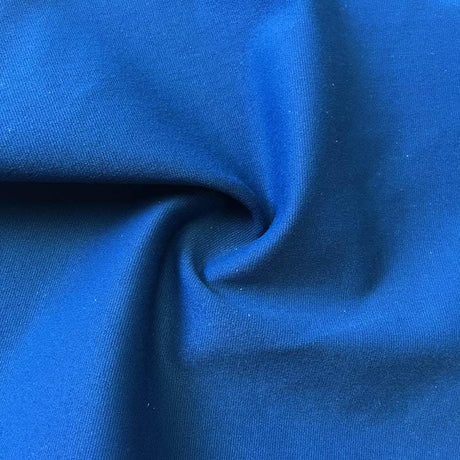
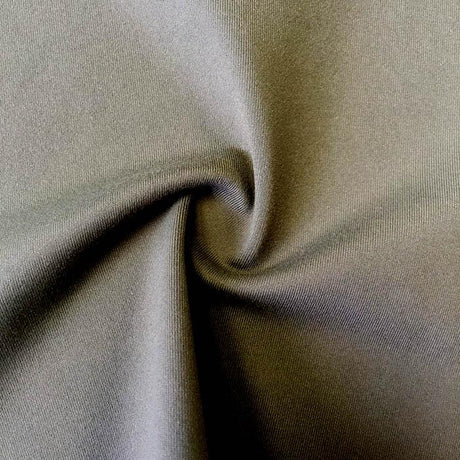
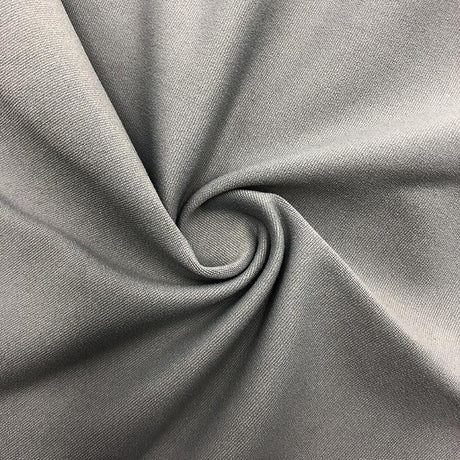
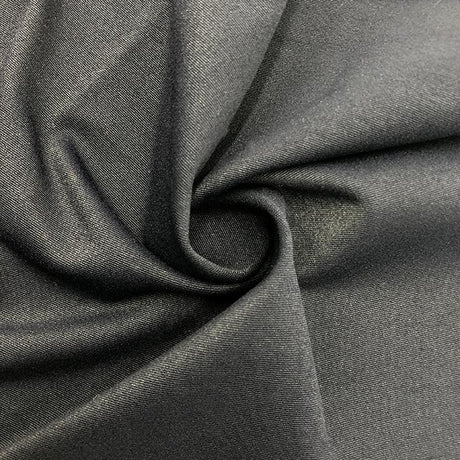
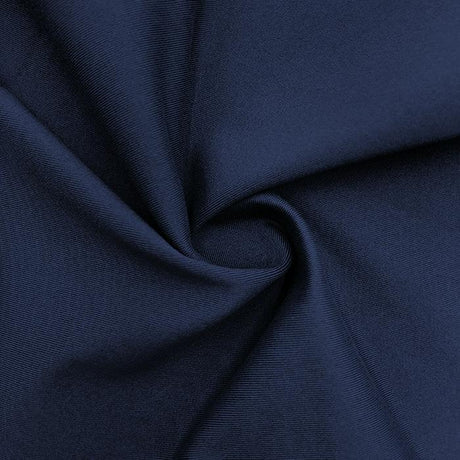
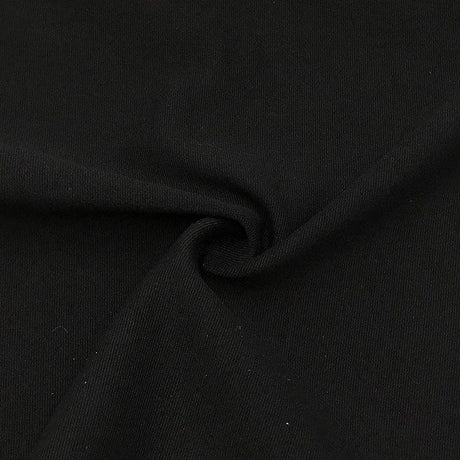
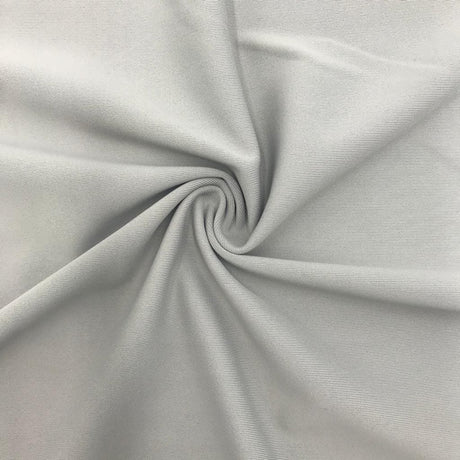
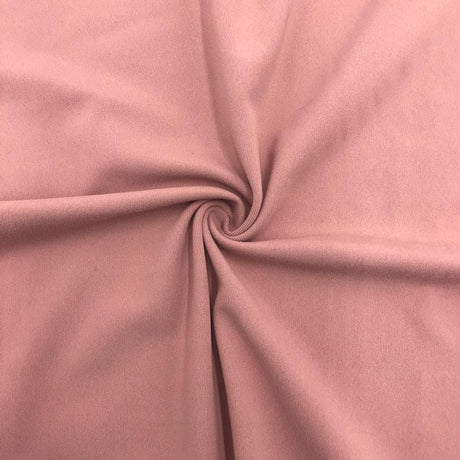
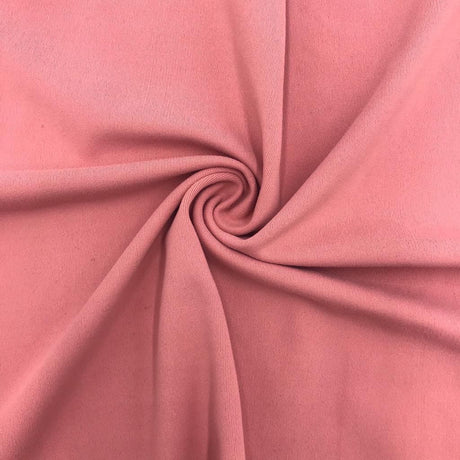
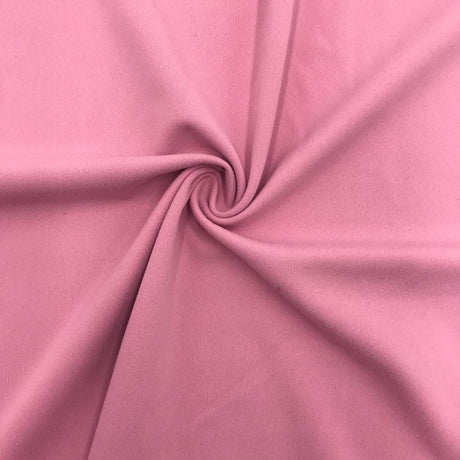
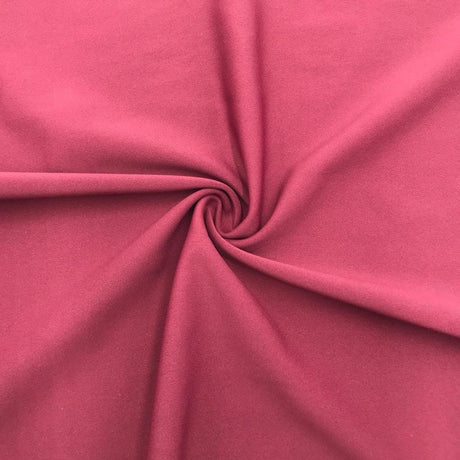
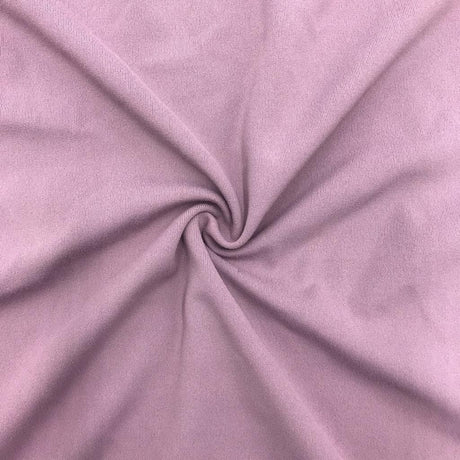
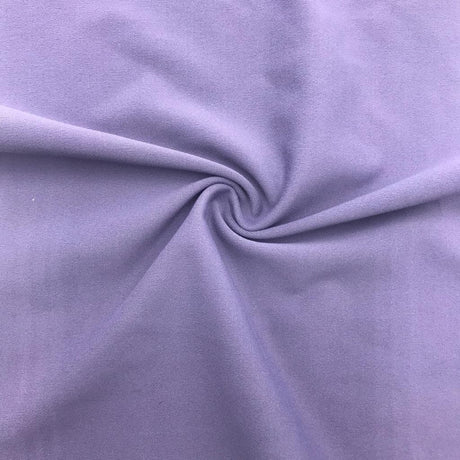
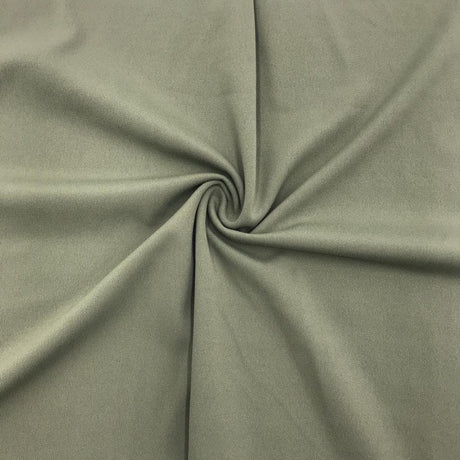
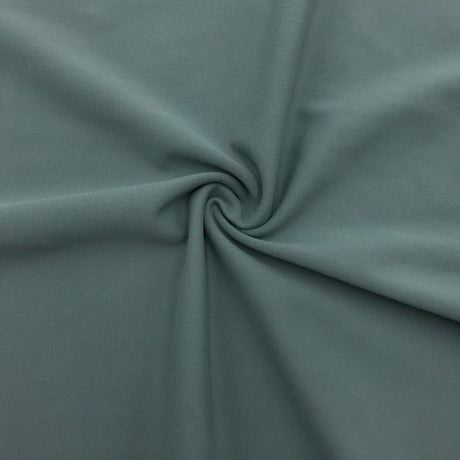
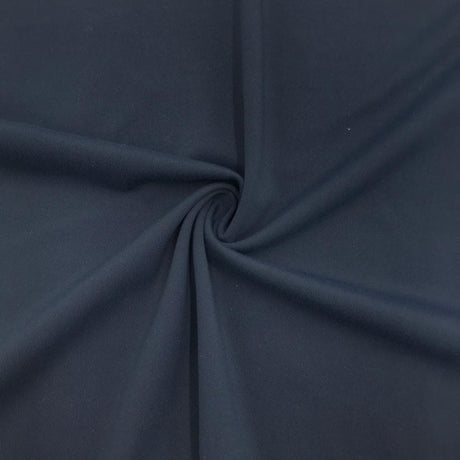
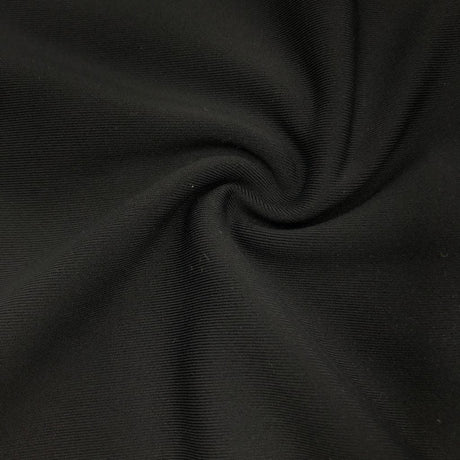
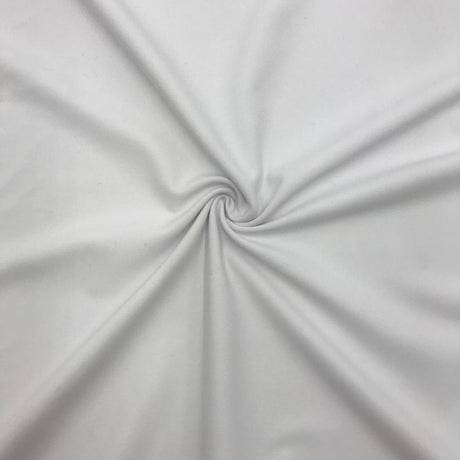
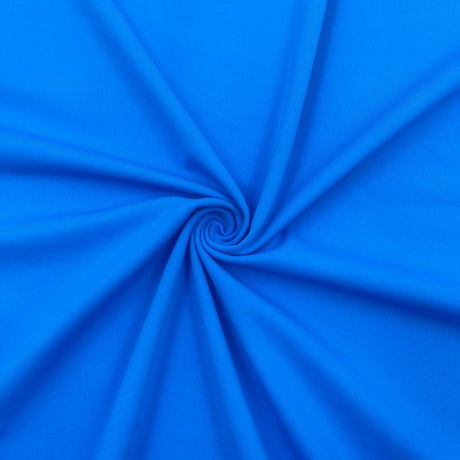
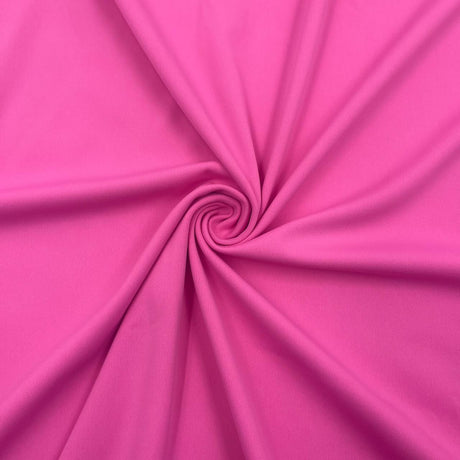
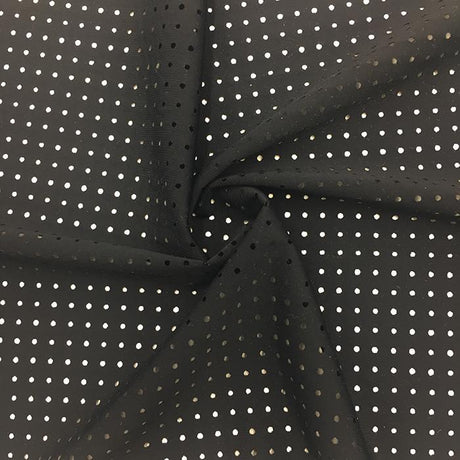
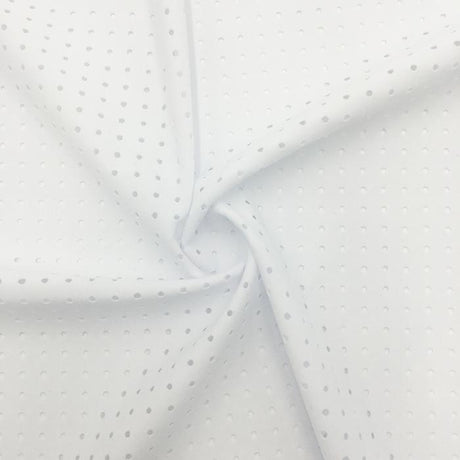
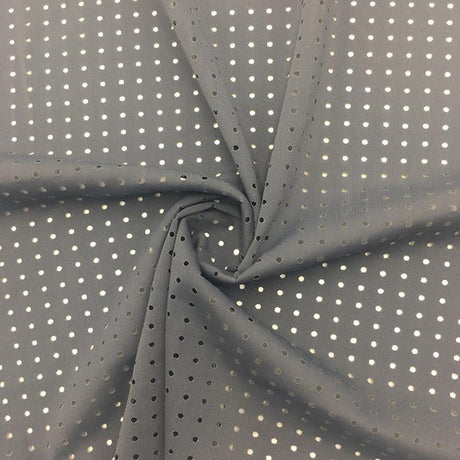
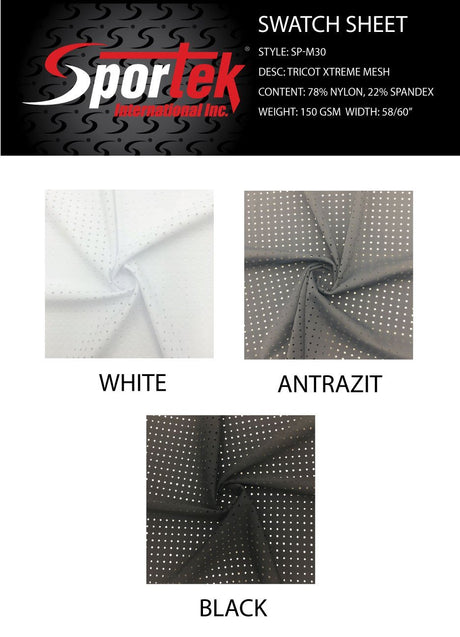
Nylon-elastane blend fabrics (often known as nylon spandex or Lycra® blends) are prized in activewear, swimwear, dance costumes and more for their unique combination of stretch, strength, and sheen. These fabrics can range from high-gloss, slick textures to matte, cottony-soft finishes. In this article, we analyze how fiber composition and processing affect the shine, texture, and overall quality of nylon-spandex textiles. By understanding features like fiber shape, fabric defects, visual cues of quality, and hand feel differences, you can better assess nylon elastane blend fabric characteristics (including fabric luster and any “wavy” appearances) before you buy or sew.
The "Shine" Factor: Trilobal Nylon vs. Matte Finishes
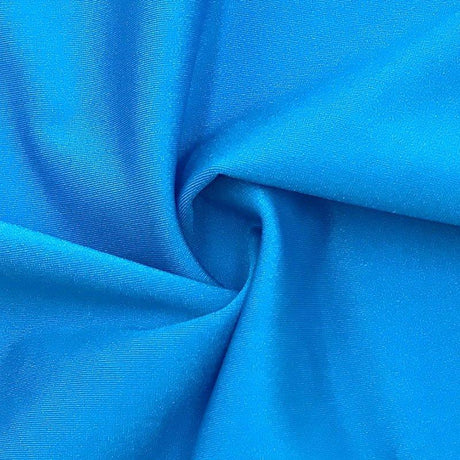
One of the defining aesthetic traits of a nylon-spandex fabric is its level of shine or luster. This “shine factor” largely comes down to the shape and treatment of the nylon fibers used. Fiber shape determines how light reflects off the material – a key reason some blends have a glossy, shimmering look (often called shiny Lycra in dance or athletic wear) while others appear muted or matte.

Diagram: How fiber cross-section shapes affect light reflection – round fibers scatter light, whereas trilobal fibers reflect more directly, creating higher sheen.
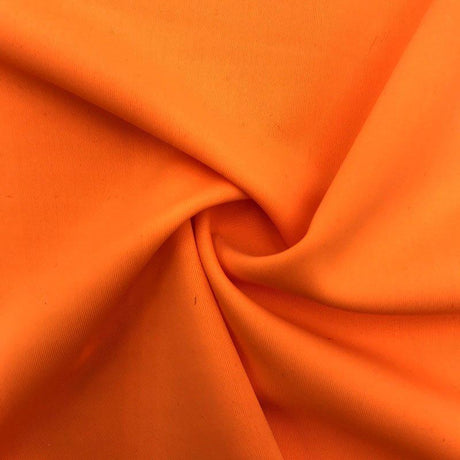
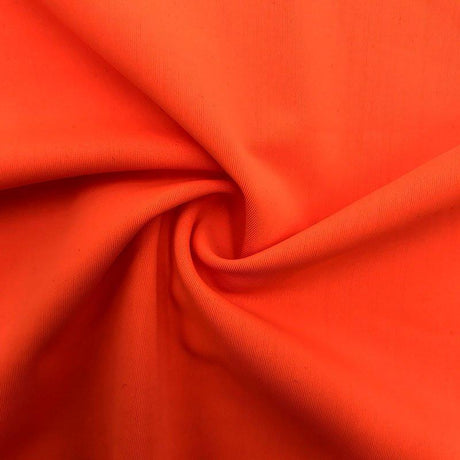
Trilobal fibers are nylon filaments engineered with a triangular (three-lobed) cross-section. Each filament has three flat sides (imagine a rounded triangle) that act like mirrors reflecting light back toward the viewer. The result is a high sheen appearance because more light is reflected directly off the fiber's surfaces. In other words, trilobal nylon gives fabrics a bright, sparkly luster. Shiny swimsuit and dance fabrics often use trilobal nylon yarns to achieve that eye-catching gloss – when light hits these fibers, the material can almost sparkle. Trilobal nylon is sometimes referred to as "bright" nylon for this reason. It's the same principle that gives silk its shine (silk is naturally triangular in cross-section): the flat facets bounce light efficiently. For a broader foundation on nylon-spandex fabric properties, explore our nylon-spandex fabric guide or browse our full fabric guides hub.
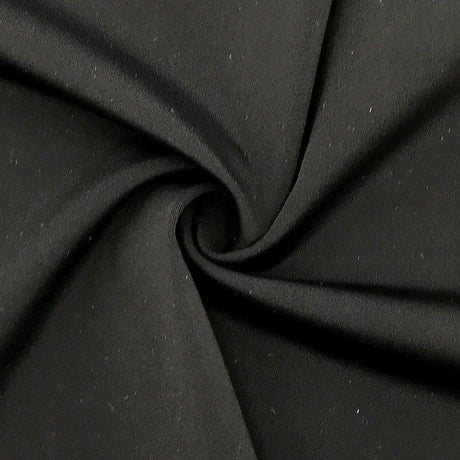
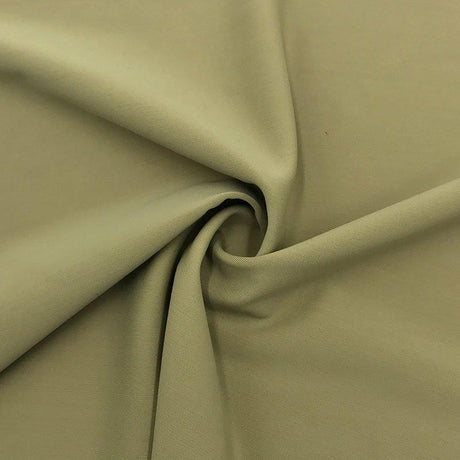
By contrast, a matte finish in nylon-spandex is achieved by using fibers and additives that diffuse or reduce direct light reflection. Many nylon yarns are made with a round cross-section and include delustering additives (like titanium dioxide powder) to scatter light. Round fibers without flat facets tend to reflect light in a less concentrated way – light rays are sent off at various angles rather than beaming straight back. This yields a softer sheen (or even a dull look if heavily delustered) because the reflection isn't as direct. Essentially, matte nylon has been engineered to absorb or scatter light, avoiding the mirror-like shine. Fiber producers add microscopic particles (TiO₂, for example) into nylon filaments to create a "dull" or semi-dull yarn; these particles disrupt the surface and cut down the gloss. The result is a fabric with a flat appearance – great for when a subtle, low-key look is desired (e.g. certain yoga leggings or sports uniforms where glare is unwanted).
It's worth noting that matte vs. shiny is not necessarily an indicator of quality by itself, but rather of design. High-quality nylon-elastane blends come in both finishes. The key is that the luster should be uniform and intentional. A premium "shiny" fabric will have an even, all-over gloss (no dull patches), while a premium matte fabric will have a consistent flat finish. In practice, manufacturers might even combine techniques – for example, a fabric could use trilobal nylon on the face for sheen and textured nylon in the reverse for softness. But generally, trilobal = shiny and delustered/round = matte. Knowing this helps you choose the look you need: if you want that classic shiny lycra look for a costume, seek nylon-spandex described as "trilobal" or "bright." For a no-shine, more natural look, opt for those labeled "matte nylon" or "semi-dull" which use delustered fibers. Our fabric finishes guide covers how surface treatments and finishes are applied to nylon-spandex fabrics and how to evaluate their durability across different performance applications.
Why Does My Fabric Look "Wavy"? (Addressing Defects vs. Drape)
Sometimes a nylon-spandex fabric might not lay perfectly flat – you may notice a wavy or rippling effect on the surface or along seams. What causes this, and is it a defect? There are a few different scenarios to consider:
Natural Drape: First, determine if the "waves" are simply due to the fabric's drape. Nylon-elastane blends, especially lightweight or highly stretchy ones, can drape in soft folds. When hung or placed on a dress form, the material might form waves as it conforms to gravity or a curved shape. This is normal and not a flaw – it's just the fluidity of the fabric. In fact, fabrics with a lot of stretch often have a relaxed drape that can look wavy on a hanger but appears smooth when worn with tension. So a bit of gentle waviness across a large piece could just be how the fabric falls.
Cockling (Fabric Defect): If the waviness is localized and doesn't go away when the fabric is smoothed or tensioned, you might be seeing a defect known as cockling. Cockling refers to a crimped, puckered, or wavy distortion in the fabric structure. In knitted fabrics, uneven yarn tension during manufacturing can create a wavy surface effect. Essentially, parts of the fabric are slightly tighter and others looser, so the surface doesn't lie flat – it undulates. This defect often becomes more pronounced after processes like dyeing or heat-setting, especially in heat-sensitive blends. For instance, if a nylon-spandex knit is cooled or dried improperly during finishing, it may shrink unevenly and permanently wrinkle or cockle in places. Cockling might show up as ripples along the roll width or wavy edges that don't align straight. Unfortunately, once the fabric is cockled, it's usually a quality issue that can't be entirely fixed. It's not just an aesthetic issue; severe cockling can affect cutting and sewing accuracy. High-quality fabric should be smooth and stable when spread out, so pronounced cockling is a sign of lower quality control.
Rippling Seams: Another common scenario is when seams look wavy after you sew the fabric. If you construct a garment and notice the seam lines are rippled (often called "lettuce edging" when unintended), this could be due to improper sewing technique rather than the fabric being flawed. Stretch fabrics require the right stitch type and tension; using a normal straight stitch or high thread tension can cause the seam to pucker or cockle because the fabric was stretched unevenly during sewing. For instance, a blunt needle or incorrect presser foot pressure might stretch the fabric as you sew, resulting in a rippled seam that won't press flat. The good news is this is preventable by using ballpoint needles, stretch stitches (or serger/overlock), and adjusting machine settings. Our how to sew stretch fabric guide covers complete needle selection, stitch type, machine settings, and edge finishing guidance to prevent rippling seams in all common nylon-spandex construction scenarios.
Heat Damage and Shrinkage: A nylon-elastane fabric that looks wavy after heat exposure may have suffered heat damage. Spandex (elastane) is essentially a type of polyurethane plastic; high heat can make it contract or deform. If a fabric was ironed too hot or run through a hot dryer, sections of it might shrink and cause a puckered, wavy appearance that wasn't there originally. For example, applying a heat press transfer onto activewear can sometimes lead to a wavy, "cockled" look when the press is opened – this is because the heat caused the nylon-spandex to shrink unevenly. Research confirms that excessive heat will make spandex fibers tighten and even "warp" the fabric structure. The melting point of elastane is relatively low, so overheating can permanently alter the fabric's shape and surface. To avoid this, always use low heat settings when pressing or ironing nylon-spandex and never expose it to hot drying. Our spandex care guide covers why heat is so damaging to elastane fibers and the care protocols that maximize garment lifespan.
How to tell drape vs. defect? Lay the fabric out flat on a table. If you can smooth out or stretch out the waves easily and the fabric otherwise looks consistent, it's probably just natural drape. But if the waviness remains even when you try to flatten the fabric, or it appears as distinct wrinkle lines, it's likely a defect (cockling) or heat damage. Also, cockling defects often have a repetitive pattern or specific location (e.g. always near the edges or in intervals), whereas drape waves are more random and gentle. Knowing this difference can save you frustration – you wouldn't want to cut a leotard where the fabric itself is distorted, as it could cause twisting in the final garment. In summary, smooth, even fabric is ideal, while persistent waviness should be examined closely to identify if it's a quality issue.
Assessing Quality: How to Spot a Premium Blend (Visual Inspection)
Not all nylon-elastane blends are created equal. Two fabrics might have the same fiber content (say 80% nylon, 20% spandex) yet differ drastically in quality and performance. Being able to visually inspect and identify a premium blend can save you from working with inferior material. Our how to choose fabric guide covers the complete swatch evaluation framework, including stretch testing, opacity testing, and hand feel assessment.
Surface Consistency: Examine the fabric under good light. High-quality nylon-spandex typically has a consistent surface appearance. If it's meant to have a sheen, the luster will be uniform across the fabric – no dull spots or uneven shine. If it's a matte fabric, it should look evenly matte, without random shiny streaks. An irregular texture or mixed sheen can indicate issues like uneven fiber mix or finishing problems in lower-quality fabric. Also check for any obvious defects: lines, streaks, or patches. For example, a faint horizontal striping (called barré) is a flaw where yarn inconsistencies cause color or sheen differences in stripes – something you wouldn't see in a premium textile. Likewise, look out for excessive curling at the edges or random thick-thin spots. A top-grade fabric tends to lie relatively flat and have a smooth, even face free of blemishes.
Knit Density & Opacity: Hold the fabric up to the light. A tight, consistent knit or weave is a hallmark of quality. You shouldn't see markedly thin areas. If the fabric is a knit tricot, the grid of loops should be uniform with no missing yarns or huge variations. Dense fabric usually correlates with better durability and support. Many premium nylon-spandex fabrics are engineered to be opaque even when stretched, thanks to higher yarn count or special knit structure. Lower-quality fabrics might look okay relaxed, but as soon as you stretch them you notice they become sheer or you can see the elastic fibers showing through. In fact, a quick stretch test can be telling: stretch a swatch firmly – a good fabric maintains cover, whereas a poor one goes threadbare or mesh-like at full stretch. Our fabric weight guide covers how GSM affects opacity, compression, and durability across all common nylon-spandex constructions.
Stretch & Recovery (Visual Test): While more of a performance test, you can also visually gauge elasticity. Give the fabric a strong stretch in both directions, then watch how it recovers. Quality blends snap back into shape almost immediately and don't stay warped or wrinkled after stretching. If you see it bagging out or remaining wavy after you let go, that suggests lower spandex quality or content. Also, as a quick durability check, stretch an edge of the fabric; if you start to see white elastic fibers popping out or the color lightening significantly at the stretch point, that's a sign of a cheaper construction. Well-made fabrics keep their integrity under tension – the elastic yarns are well-covered by nylon and the material doesn't turn pale or show inner yarns when extended. Our stretch fabric types page covers the step-by-step stretch and recovery testing methodology in detail.
"Pull" Test for Fiber Breaks: Related to the above, gently pull along a cut edge. If the fabric is low quality, you might notice tiny white fibers (the spandex filaments) peeking out or even breaking through the surface when pulled. This indicates that the spandex isn't well encapsulated by the nylon (or that the fabric is over-stretched/thin), which can mean it will lose elasticity faster. Premium fabrics are often made with techniques to better cover or protect the elastane core, so you don't see those white fibers easily. Seeing them immediately is a warning that the fabric may wear out or pill quickly.
Pilling and Abrasion Clues: Though you can't fully test abrasion in a shop, you can rub the fabric against itself a few times to see if fibers fuzz up. Higher-quality nylon has good abrasion resistance and anti-pilling treatments, so it should remain smooth. If a few rubs already make it fuzzy, that doesn't bode well for longevity (especially in high-friction uses like inner thighs of leggings). Also inspect if there are any broken fibers or snags on the surface – sometimes low-end fabrics will have random snagged threads or rough spots out of the bolt, suggesting weaker yarn or poor handling.
In short, premium nylon-spandex blends appear clean, consistent, and robust on visual inspection. They have a uniform texture (whether shiny or matte), an adequately tight knit with good coverage, and they rebound nicely from stretch without revealing weaknesses. By contrast, cheap fabrics may look uneven, flimsy, or behave poorly when stretched (sheer spots, lingering stretch marks, etc.). Don't hesitate to do these simple checks. Spending a bit more on a decent fabric upfront is worthwhile – high-quality material will not only look better but also last longer, whereas bargain-bin stretch fabric might fail after a few wears.
Hand Feel: The Difference Between Slick and Soft Finishes
Apart from visual qualities, nylon-elastane blends can feel very different in the hand and on the body. Two common descriptors are "slick" vs. "soft" hand feel. This often corresponds to whether the fabric has a smooth, shiny finish or a matte, brushed finish – but not always. Let's break down what these terms mean in the context of stretch fabrics:
Slick, Shiny Feel: Many nylon-spandex fabrics have a smooth, cool touch with a slight slickness. A typical tricot knit nylon Lycra (like you find in swimsuits or compression leggings) is silky and gliding to the touch. This slick hand is due to the fine, continuous filaments of nylon which create a flat surface with low friction. Such fabrics tend to glide over the skin and other layers, which can be beneficial for activewear (no chafing, easy layering). They often feel cool because the smooth surface doesn't trap much air. However, if the fabric is very thin or highly finished, some describe it as almost "plastic-y" or too slippery. Slick fabrics usually also have that gentle sheen we discussed – the two go hand-in-hand because a very smooth fiber surface reflects light and feels slick. This category includes most standard nylon activewear fabrics, which are indeed often described as having a "second skin" smoothness. Our activewear fabric guide and swimwear fabric guide cover how slick nylon-spandex constructions perform across all common activewear and swimwear applications.
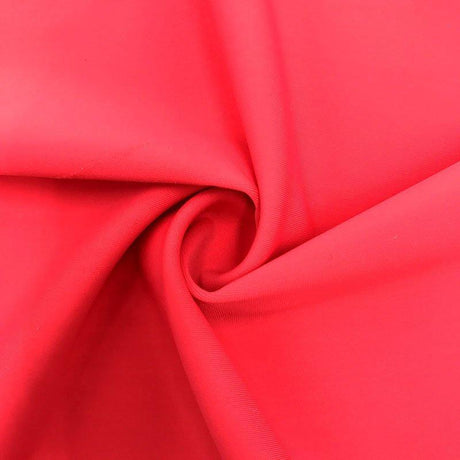
Soft, Matte (Cottony) Feel: On the other end, some nylon-spandex blends are engineered to feel soft, warm, or cotton-like to the touch. A prime example is Supplex® nylon, a type of nylon yarn that is textured or air-jet spun to have a matte, soft handfeel. Supplex is often blended with Lycra to create fabrics that mimic the cozy softness of cotton while retaining full stretch. In fact, Supplex nylon has been measured to be significantly softer than regular nylon in hand-feel tests – roughly 26–36% softer. These fabrics lack the shiny, slippery feel; instead they are often described as "buttery soft" and warm, with a slight fuzz or brushed touch. Many yoga pants and athleisure leggings use this type of fabric because it's extremely comfortable for long wear. Another technique to create a soft hand is peaching or sueding, where the fabric surface is lightly sanded to raise a micro-nap. The key point is that a soft finish fabric will feel more like cotton, with higher friction (less slippery) and often a bit more thickness or plushness on the surface.
Neither slick nor soft is "better" – it depends on end use and preference. Slick nylon-spandex tends to be preferred for swimming (it sheds water and reduces drag), high-intensity workouts (smooth = less friction during movement), and layering (garments won't stick to each other). Soft, matte blends are preferred for all-day wear, yoga, or casual leggings where comfort is king and a more natural feel is nice. You might also notice that slick fabrics make a swishing sound when you rub them, whereas soft matte fabrics are quiet. That's another small way to distinguish them.
From a construction standpoint, the difference comes from fiber and finish. Regular nylon (especially if trilobal or untextured) yields that slick feel. Specialty nylon like Supplex or Tactel, or finishing processes, yield the soft feel. Sometimes fabric content labels even specify "Supplex nylon" which is a clue that it will be softer. If you're shopping, keywords like "brushed nylon-spandex," "cottony handfeel," or "matte jersey" usually indicate a soft finish. On the flip side, terms like "silky tricot," "shiny jersey," or "wet-look spandex" imply a slick, shiny fabric. Our nylon-spandex fabric guide covers how to identify these finish types from product descriptions and what to look for when evaluating swatches.
In summary, hand feel is an important characteristic to consider alongside visual luster. A premium blend will often balance both: for example, a high-grade legging fabric might feel soft on the inside against the skin, but have a smooth outer face for aesthetics. Understanding the difference between slick vs. soft finishes helps in picking the right nylon-elastane fabric for your project – whether you need that high-gloss, slippery superhero costume material or the ultra-soft, matte yoga pant material. Both types can be excellent; the best choice is the one that suits your needs for comfort, appearance, and performance. And if you're ever unsure, remember that touch never lies – feel the fabric swatch if possible, and you'll immediately discern a slick shine from a soft matte. Each has its place in the versatile world of nylon-spandex blends. Have questions? Our expert help and advice page and FAQ are always available, and sign up for SpandexByYard Rewards to earn points on every purchase.