Swimwear Fabric Terminology: A Plain-Language Glossary
Swimwear fabric descriptions often include technical terms that can feel confusing or overwhelming. Shoppers browsing product pages may encounter unfamiliar phrases such as "4-way stretch," "chlorine resistance," or "GSM," without clear explanations of what those specifications actually mean.
This article serves as a straightforward glossary of swimwear fabric terminology. Each key term is explained in plain language, with enough technical detail to support both professional manufacturers and DIY sewists. For a broader overview of what makes swimwear fabrics unique, visit our dedicated swimwear fabric guide.
With a clearer understanding of these definitions, readers gain the confidence to evaluate fabric listings, compare performance features, and make informed choices without guesswork or unnecessary complexity.
Glossary of Swimwear Fabric Terminology
Fiber Types
Nylon (Polyamide) Nylon is one of the most common base fibers used in swimwear. It is valued for its softness, strength, and smooth feel against the skin. Nylon is frequently blended with spandex to provide stretch. For a deep dive into how nylon and spandex work together, see our nylon spandex fabric guide.
Polyester and PBT Polyester is a durable fiber known for its resistance to chlorine and UV exposure. PBT is a specialized type of polyester commonly used in competitive swim fabrics because of its long-term stability in pools.
Spandex (Lycra/Elastane) Spandex is a highly elastic fiber that provides stretch and recovery. Swimwear fabrics often contain 10–25% spandex, allowing garments to move with the body while maintaining shape. Learn more about spandex performance on our nylon spandex fabric page.
Common Blends Swim fabrics are usually labeled by percentage composition, such as "80% Nylon / 20% Spandex." These ratios strongly influence softness, stretch level, and durability. Our how to choose fabric guide can help you decide which blend is right for your project.
Stretch and Recovery
Two-Way vs. Four-Way Stretch Two-way stretch fabrics extend in one direction, usually across the width. Four-way stretch fabrics extend both widthwise and lengthwise, which is essential for swimwear comfort and mobility. For more on how stretch types differ across fabric categories, see our stretch fabric types page.
Stretch Percentage Stretch percentage describes how far a fabric can extend relative to its original length. For example, 50% stretch means the fabric can stretch to one and a half times its resting size.
Recovery Rate Recovery refers to how well a fabric returns to its original shape after stretching. High recovery prevents sagging and helps swimwear maintain fit over time.
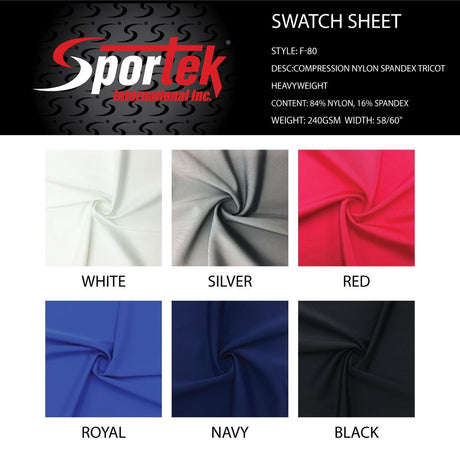
Compression Compression fabrics contain higher spandex content and exert gentle pressure on the body. These textiles are often used for athletic swimwear or supportive designs. You can explore similar performance properties in our activewear fabric guide.
Fabric Construction
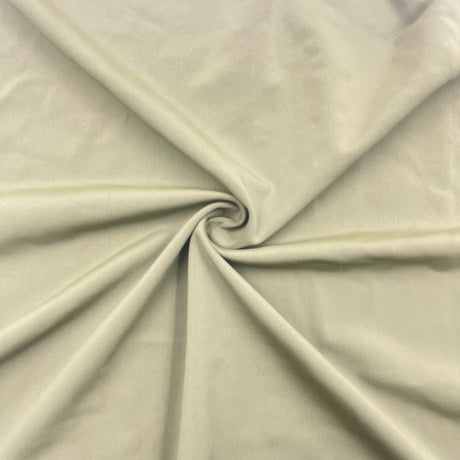
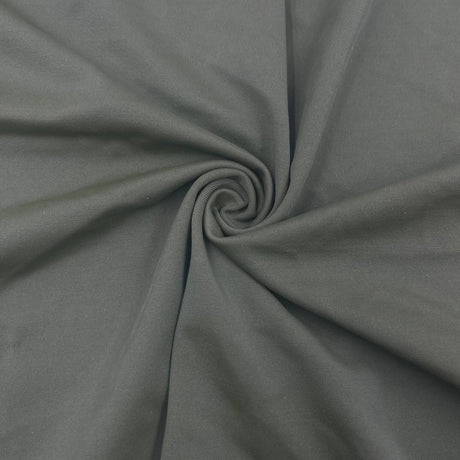
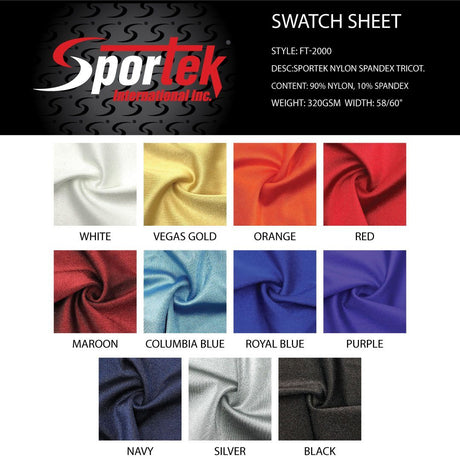
Tricot (Warp Knit) Tricot is one of the most common swimwear knit constructions. As a warp knit, it is made with yarns running in parallel, producing strong, stable stretch and durability.
Weft Knit Weft knits, such as jersey, are loop-based and typically softer but less stable than warp knits. They are more common in fashion swimwear than in performance suits.
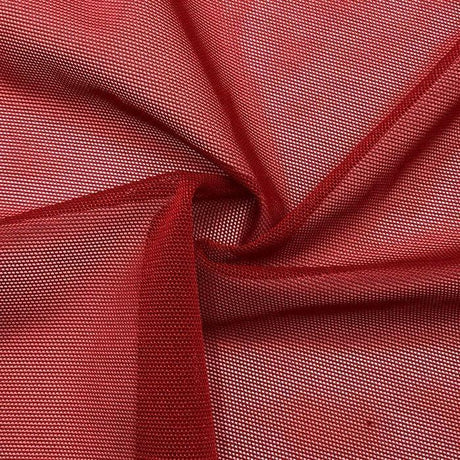
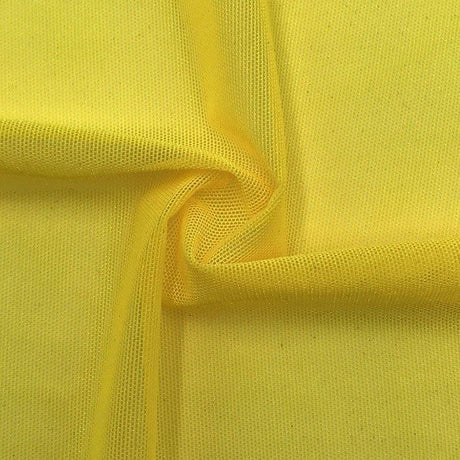
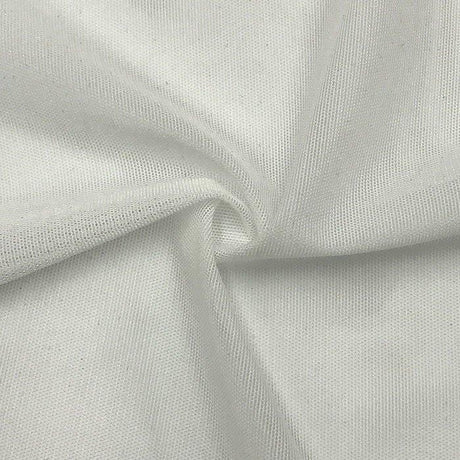
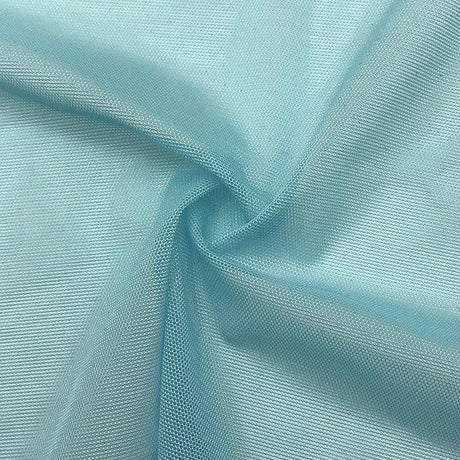
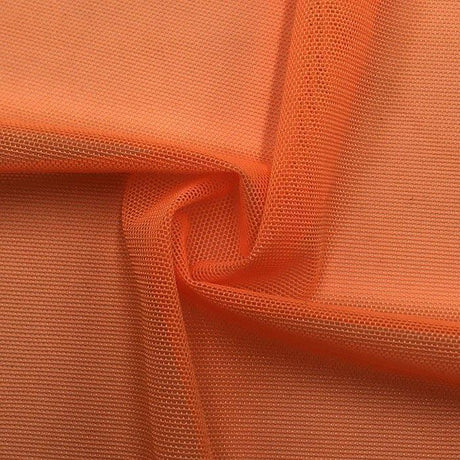
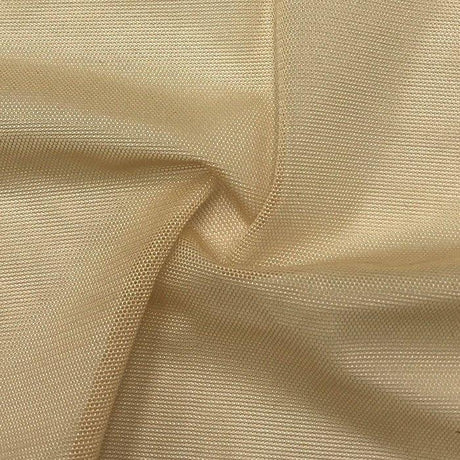
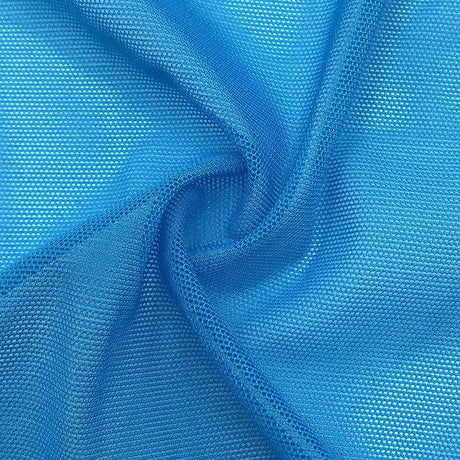
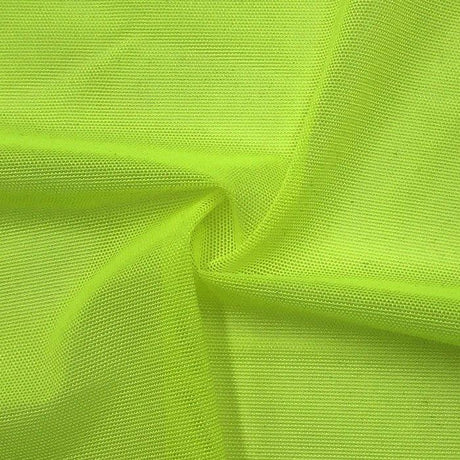
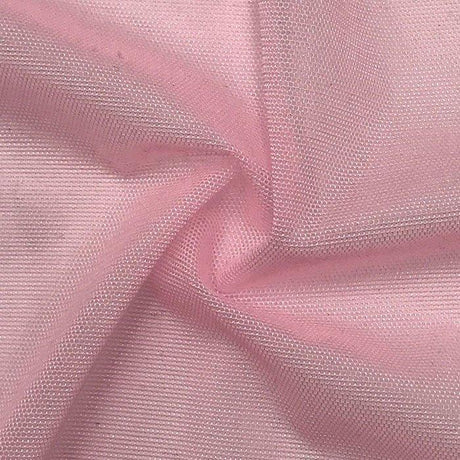
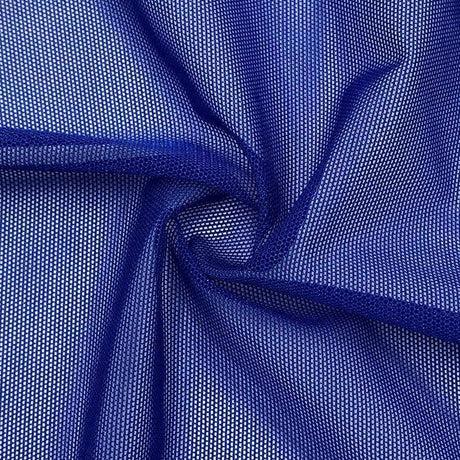
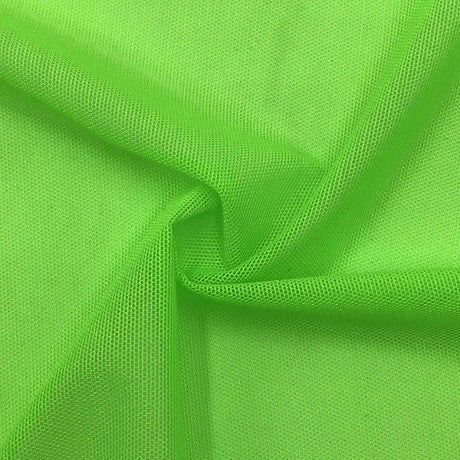
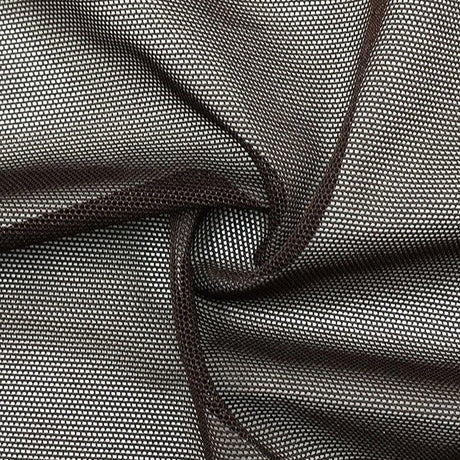
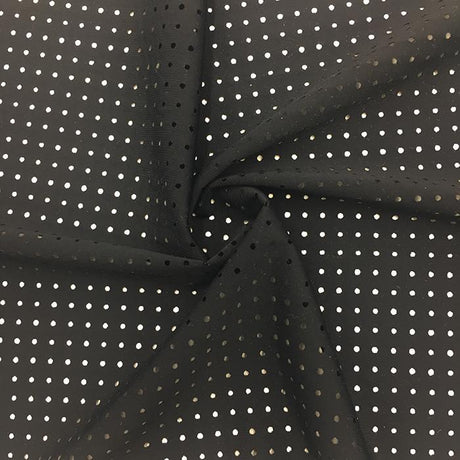
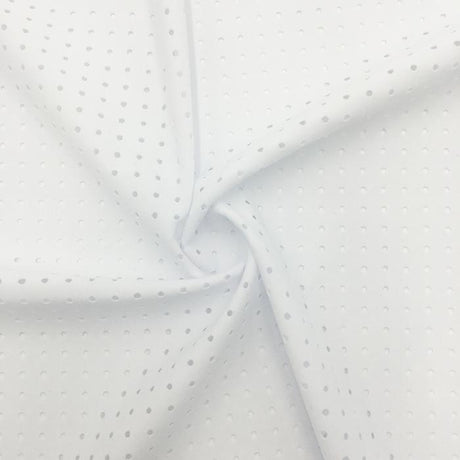
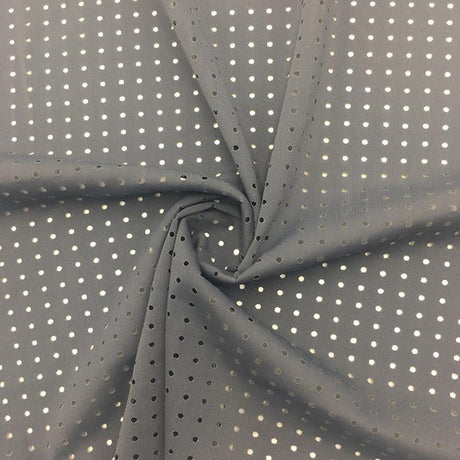
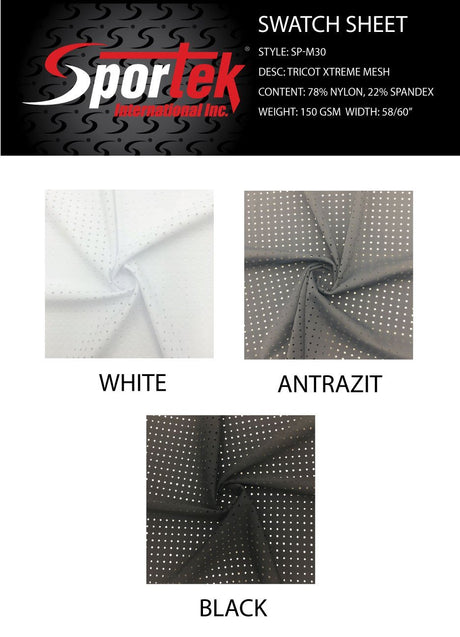
Mesh and Power Mesh Mesh fabrics are open-knit textiles used for lining or breathable panels. Power mesh is a stronger, more supportive version often used for shaping or reinforcement.
Double Lining Double lining refers to using two layers of fabric — either self-fabric or mesh — to increase modesty, opacity, and support, especially in lighter-colored swimsuits.
Finishes and Treatments
UV Protection (UPF) Some swim fabrics are engineered or treated to block ultraviolet rays. UPF ratings such as UPF 50+ indicate the level of sun protection provided. Our fabric finishes guide covers UV treatments and other performance finishes in more detail.
Chlorine Resistance Chlorine-resistant fabrics are designed to withstand pool chemicals without breaking down quickly. Polyester, PBT blends, and treatments like Xtra Life Lycra® extend fabric life in chlorinated environments.
Anti-Microbial and Quick-Dry Finishes These treatments reduce odor-causing bacteria and help fabrics dry faster after swimming, supporting comfort in active use.
Hydrophobic Coating Hydrophobic coatings repel water to reduce drag. These are most commonly associated with competitive racing suits rather than leisure swimwear.
Lining Materials
Lining Fabric Swimsuit linings are lightweight knit fabrics used inside garments for coverage and support. They are often placed in front panels or crotch areas.
Power Mesh Power mesh is a strong elastic lining used for tummy control or bust support. It provides firmness while remaining breathable.
Common Product Descriptors Terms such as "fully lined," "front lined with mesh," or "mesh support panel" frequently appear in listings and indicate added structure.
Key Terms That Matter Most to Buyers
- Fiber content (nylon vs. polyester)
- Stretch type (4-way vs. 2-way)
- Fabric weight (GSM)
- Special features (chlorine resistance, UPF)
Technical Specifications That Matter
Fabric Weight (GSM) GSM refers to grams per square meter and indicates thickness and opacity. Standard swimwear fabrics often fall around 180–200 GSM. Our fabric weight guide explains how GSM affects performance across different fabric types.
Stretch Percentage and Direction Stretch direction determines how well fabric conforms to the body. Four-way stretch is typically required for fitted swimwear.
Stretch Recovery High recovery — often 95% or more — supports longevity and prevents garments from losing shape.
Fiber Composition Nylon-spandex blends are known for softness, while polyester and PBT fabrics offer maximum chlorine durability.
UV Protection Rating UPF values indicate how much UV radiation is blocked, with higher ratings offering stronger protection.
Chlorine and Salt Resistance Resistance may be listed as treatments or qualitative descriptions, especially for competitive swimwear.
Choosing the Right Fabric Based on Use
Active Swimwear Fitness and lap swimming require strong recovery, mobility, and chlorine resistance. Polyester or PBT blends are often favored for durability, while supportive linings enhance fit.
Competitive Swimwear Training and racing suits prioritize maximum chlorine resistance and drag-reducing structures. These fabrics may feel firmer due to lower spandex content.
Resortwear and Leisure Swim Fashion swimwear emphasizes softness, comfort, and vibrant appearance. Nylon-spandex blends provide a smooth handfeel and excellent print clarity. If your project involves custom printing, our sublimation page covers how to achieve vibrant results on swim fabrics.
Plus-Size Swimwear Plus-size designs benefit from higher GSM fabrics, strong recovery, and supportive features such as compression and power mesh panels.
A useful way to reinforce these differences is to browse swimsuit-ready fabrics and compare how fiber content, GSM, and performance features appear in real product listings. Our fabric guides are a great resource for side-by-side comparisons.
Common Mistakes to Avoid
Fit problems often occur when stretch direction is ignored or when fabrics with insufficient stretch are used for patterns requiring four-way elasticity. Brushing up on our how to sew stretch fabric guide can help you avoid these issues before you cut a single piece.
Lining is another frequent oversight. Incompatible lining materials can reduce stretch or create transparency issues.
Using the wrong sewing notions — such as universal needles or cotton thread — can weaken seams. Swimwear construction typically requires stretch needles, polyester thread, and chlorine-safe elastics.
Care instructions also matter. High-spandex fabrics degrade quickly with hot water, harsh detergents, or machine drying. For a full breakdown of best practices, visit our fabric care guide and how to care for spandex page.
When Polyester May Be the Better Choice
Polyester and poly/PBT blends excel in chlorine-heavy environments, offering superior durability and fade resistance. They also hold up well in long-term use and maintain print vibrancy.
The trade-off is that polyester fabrics often feel firmer and slightly less flexible than nylon blends. Including spandex in the blend balances stretch with longevity.
Conclusion
Understanding swimwear fabric terminology eliminates guesswork when evaluating product descriptions. Fiber content, stretch type, recovery, and performance treatments all influence how a swimsuit will fit and last.
This glossary provides a practical reference for comparing fabrics with confidence. With clearer definitions and technical awareness, buyers and designers can select materials that align with their intended use — whether for competitive training, active swimwear, or leisure resort styles. Still have questions? Our expert help & advice team is always happy to help.
An informed approach to fabric terminology ultimately supports better-performing, longer-lasting swimwear. Explore our full swimwear fabric guide to put this knowledge into practice.