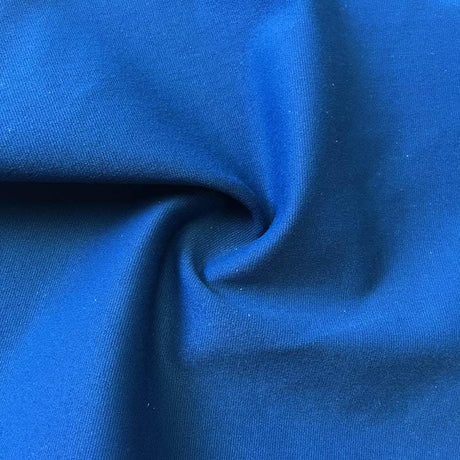
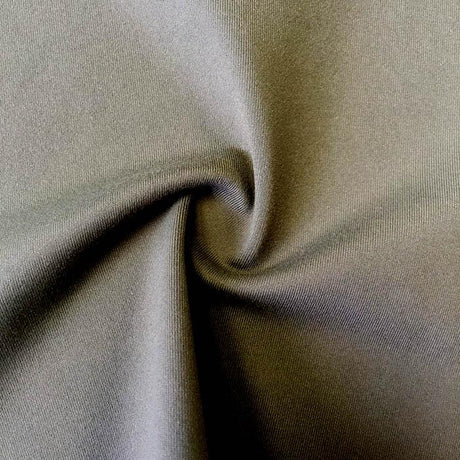
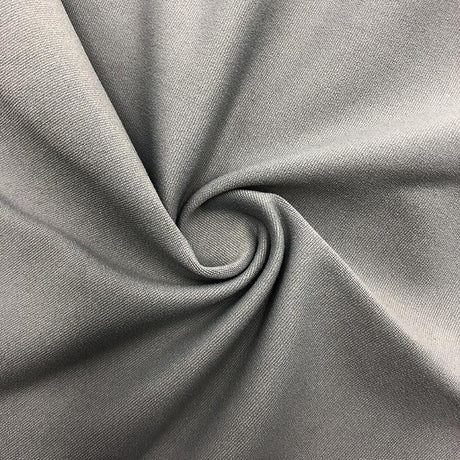
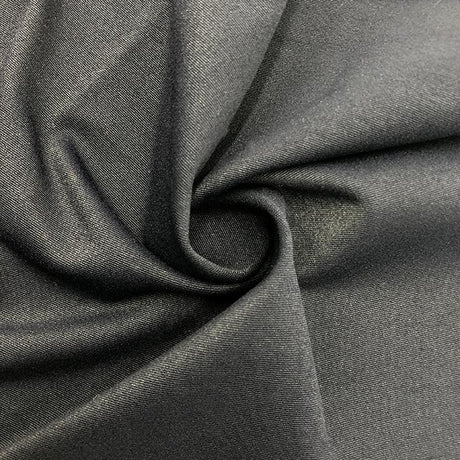
Problem: Traditional bag fabrics can be too rigid or prone to tearing under stress, causing premature wear or limited capacity. Outdoor and tactical projects also require materials that blend in visually while withstanding tough conditions.
Need: Camouflage stretch fabric addresses these issues by combining durability with elasticity. Its stretch allows bag panels and pockets to flex when overfilled, while the camo print provides concealment and a rugged aesthetic. This fabric offers professional-grade performance (abrasion resistance, weather resilience) with added versatility for creative DIY accents. Not sure where to start? Browse our fabric guides or get expert help and advice.

What Makes Camouflage Fabric Ideal for Bags and Utility Projects
Versatile Fabric Overview: Camouflage stretch fabric is typically a woven material infused with elastane (spandex) for elasticity. It offers the strength of technical fabric with added give, making it suitable for gear that needs to be both tough and flexible. Browse our full overview of stretch fabric types to compare constructions before buying.
Performance & Aesthetics: The camo print serves a dual purpose – functional camouflage for outdoor use and an appealing tactical style for bags. The stretch component enhances utility by allowing movement and expansion, unlike static canvas or pack cloth. This means pouches, straps, or covers can flex without tearing, all while maintaining the camo look.
Stretch Adds Versatility: A slight 2-way or 4-way stretch makes this fabric ideal for tricky applications like curved edge trims, expandable pockets, or form-fitting gear covers. The elasticity eases sewing around corners and lets finished products accommodate bulky contents (e.g. a stuffed duffel or overpacked EDC pouch) without damage. It's a problem-solver for designers aiming to add functionality and comfort to utilitarian bags. If you're new to working with these materials, our how to sew stretch fabric guide covers everything you need to get started.
Technical Specifications of Camouflage Stretch Fabric
Material Composition: Often a blend of synthetic fibers with spandex. Common types include polyester-spandex and nylon-spandex blends. For example, a premium 4-way stretch camo fabric may be 95% nylon, 5% elastane – providing flexibility without sacrificing strength. See our full nylon-spandex fabric guide for a deep dive into this blend's performance characteristics. Cotton-spandex camo is another option (softer feel, less abrasion resistance) – our cotton-spandex fabric guide explains when this blend makes sense. Composition influences both durability and feel.
Fabric Weight (GSM): Available in lightweight vs. midweight grades to suit different bag parts. Light stretch fabrics (<200 GSM) are good for liners or flexible inserts, but can trade off some toughness. Midweight fabrics (≈200–280 GSM) offer a balance of durability and stretch – ideal for outer panels or load-bearing sections. Heavier stretch camo (300+ GSM) is rarer but can be used for very rugged gear. Our fabric weight guide explains GSM ranges in full detail so you can choose confidently.
Stretch Percentage: Look for 2-way vs. 4-way stretch. A 4-way stretch camo (stretches in both directions) gives maximum flexibility for contoured shapes, whereas 2-way stretch (stretches crosswise) might suffice for flat panels. Typical elongation might be ~20–25% for many woven stretch camo fabrics, meaning they can extend one-fifth beyond their resting length. Head to our stretch fabric types page for a full comparison.
Durability: Quality camouflage stretch fabrics are engineered for abrasion and tear resistance. Nylon-based camo stretch, in particular, is highly resistant to wear and abrasion, often with water-repellent coatings for outdoor use. Lab testing shows nylon-spandex blends can endure rigorous use – e.g. around 35,000 rub cycles at 180 GSM – far outlasting comparable cotton blends. Sturdy weaves (like ripstop or twill with spandex) ensure the fabric won't easily puncture or fray during heavy use. Learn more about protective treatments in our fabric finishes guide.
Stretch Recovery: Recovery refers to how well the fabric returns to its original shape after stretching. High elastane content and quality knitting/weaving give excellent recovery – the material "bounces back" without sagging. This is crucial for bags so that pockets and panels don't stay baggy or misshapen over time. A good stretch camo fabric maintains its form and elasticity even after repeated packing and stress. To keep that recovery lasting, follow the tips in our spandex care guide.
Best Uses: From Structure to Accents
Main Bag Panels and Reinforced Sections
Rugged Performance Panels: Use midweight camouflage stretch fabric for the exterior panels of backpacks, duffels, or tactical bags. It provides a tough, weather-resistant shell with a bit of give for overstuffing. The stretch reduces stress on seams – instead of ripping, the fabric yields slightly under load. For high-abrasion spots (bottoms, corners), select a camo stretch with ripstop reinforcement or pair it with a liner for strength. Field use: This fabric excels in outdoor packs where flexibility and camouflage are both assets, allowing comfort in movement without compromising durability. Reinforce key weight-bearing areas with non-stretch webbing or bar-tacks as needed to prevent over-stretch. For performance fabric comparisons, check our activewear fabric guide.
Bag Liners and Pockets
Flexible Interior Linings: Camouflage stretch fabric can double as an eye-catching lining fabric for interiors, adding style and flexibility inside the bag. The slight stretch makes it easier to sew fitted pocket linings and helps them expand to accommodate contents. It also adds a surprise pop of camo pattern when the bag is opened. For full care instructions once your project is complete, visit our fabric care guide.
Functional + Decorative Accents
Trims, Straps, and Panels: Incorporate camo stretch material for accent pieces on your project. For instance, use it on zipper binding, outer patch pockets, or logo panels to tie the design together. Because it stretches, you can wrap it around curved edges or padded straps without wrinkles. This fabric works both functionally (e.g. a stretch side pouch that expands for a water bottle) and decoratively (e.g. a camo applique or MOLLE panel cover). Want to take your custom gear even further? Our sublimation service lets you print custom graphics onto compatible fabrics – pair it with sublimation transfer paper or sublimation paper for professional results. Be sure to balance stretch accents with stable base fabric so the bag keeps its shape.
Supporting Materials
Structure and Support: When using stretch fabrics in bags, pair them with the right support materials. Stabilizers (like interfacing or foam) can be used behind stretch panels to prevent sagging under heavy loads. For areas requiring airflow or padding (back panels, straps), combine the camo stretch with a breathable 3D spacer mesh. The mesh provides cushioning and structure, while the camo stretch acts as the outer layer, so you get comfort without sacrificing the camouflage exterior. Integrating a 3D mesh or foam core under stretch fabric is a common technique to maintain shape and durability in tactical and outdoor gear.
How to Choose the Right Camouflage Fabric for Your Project
Match Fabric to Use-Case: Consider the type of bag or gear you're making. For Everyday Carry (EDC) or gym bags, a lighter polyester-spandex camo might suffice for flexibility and style. For tactical pouches or military-grade packs, opt for tougher nylon-spandex blends with water resistance. If the bag will see rain or mud, look for fabrics with DWR (durable water repellent) coatings – our fabric finishes guide explains what to look for. If it needs to carry heavy tools, ensure the stretch is not so high that it distorts under weight. Our how to choose fabric guide is also a great resource for narrowing down your options.
Key Selection Criteria: When comparing camo stretch fabrics, evaluate:
- GSM (Weight): Heavier fabric = more durability/structure, lighter = more flexibility. See our fabric weight guide to match weight to your specific application.
- Stretch Type & %: 4-way stretch for maximal give, 2-way for simpler applications. Visit our stretch fabric types page for a side-by-side breakdown.
- Durability: Check fiber content (nylon generally > polyester > cotton for strength) and any abrasion ratings. Our nylon-spandex fabric guide and cotton-spandex fabric guide outline durability differences clearly.
- Ease of Sewing: Some stretch camo fabrics are thick or coated, requiring heavy-duty needles. Our how to sew stretch fabric guide walks through the right tools and techniques.
Checklist – Before purchasing, confirm:
- Fabric weight and GSM match your project's load requirements
- Stretch type (2-way or 4-way) suits your design
- Coating or finish meets your weather/durability needs (see fabric finishes guide)
- Camo pattern aligns across panels
- UV resistance if needed for outdoor/desert applications
- Noise discipline if relevant (e.g. hunting packs)
Still unsure? Our team is always available via the expert help and advice page, and you can find common ordering and shipping questions on our FAQ page.
Common Mistakes to Avoid When Sewing or Assembling
Overstretching During Construction: Treat stretch camo like any stretch material – avoid pulling or distorting it excessively while cutting or sewing. Overstretching panels can lead to misshapen bags or weakened seams once the tension is released. Use stabilizers (like stay tape or interfacing) for edges and stress points to prevent unwanted stretch. Even though the fabric stretches, critical load areas often need reinforcement to hold shape. Our how to sew stretch fabric guide covers stabilizer techniques in detail.
Pattern Misalignment: Camouflage prints have irregular patterns, which can be tricky when cutting multiple pieces. A common mistake is not aligning the camo pattern across panels – resulting in a jarring look at seams. Take time to orient pattern pieces so the camo flows naturally around the bag. Mark grainlines and stretch direction clearly; sewing pieces on the wrong grain can cause mismatch in both stretch and print direction.
Wrong Sewing Tools/Techniques: Using a standard sharp needle or straight stitch can cause issues on stretch fabric. Skipped stitches or seam puckering often happen with the wrong needle or settings. Use a ballpoint or stretch needle, and consider a slight zigzag or stretch stitch so seams can elongate with the fabric. Choose a strong polyester thread that has some give – avoid cotton thread which has no stretch and can break. Test on scraps first to dial in tension and stitch length. See our how to sew stretch fabric guide for stitch settings and needle recommendations.
When to Use Nylon Pack Cloth Instead
Understanding Pack Cloth: Nylon pack cloth (or Cordura-style fabric) is a non-stretch, heavyweight fabric known for maximum abrasion resistance, water resistance, and rigidity. If your project requires a firm structure or extreme durability – for example, a frame backpack, a load-bearing harness, or a bag bottom that will drag on rough terrain – a traditional pack nylon might be a better choice. It won't flex or sag under weight, and typically has a polyurethane or PVC coating that handles rain and mud without soaking through. Our fabric finishes guide explains coating types in more detail.
Pros and Cons: Camouflage stretch fabric offers flexibility and comfort that pack cloth can't. However, pack cloth advantages include higher cut and tear strength at equivalent weights, and a stiff body that holds shape. It's also often more waterproof since it can have thicker coatings, whereas adding stretch fibers can slightly reduce a fabric's water resistance. On the other hand, pack cloth can be harder to sew and doesn't contour to shapes as easily. If you're weighing your options, our how to choose fabric guide lays out the decision framework clearly.
Use Case Guide: Use stretch camo for medium-duty bags, accessory pouches, or parts that benefit from flexibility (expanding pockets, comfortable straps). Use pack cloth for heavy-duty gear: large rucksacks, certain military applications, or any time you need the bag to retain a rigid form. You can even use both in a single project to leverage each material's strengths. For broader fabric comparisons across applications, our fabric guides hub is a great starting point.
Conclusion
Recap of Advantages: Camouflage stretch fabric uniquely combines strength, flexibility, and style. Its technical benefits – from robust, abrasion-resistant yarns to elastic recovery – make it a high-performance choice for bag construction. It solves common issues like fabric strain and limited capacity by allowing just enough stretch, all while delivering the camouflage functionality and aesthetic that outdoor and tactical enthusiasts seek.
For Buyers and Makers: Whether you're a professional manufacturer prototyping the next innovative backpack or a DIY hobbyist upgrading your gear, you now know how to select the appropriate weight and type, how to work with it without common pitfalls, and when it's the right tool for the job. Explore our fabric guides for more resources, check our fabric care guide to keep your finished project in top shape, and don't forget to sign up for SpandexByYard Rewards to earn points on every purchase. If you have questions, our FAQ and expert advice pages are always there to help.