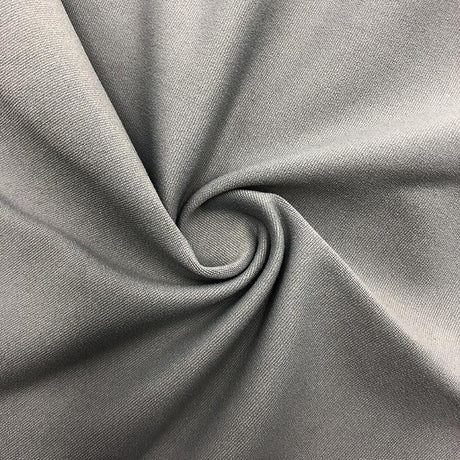
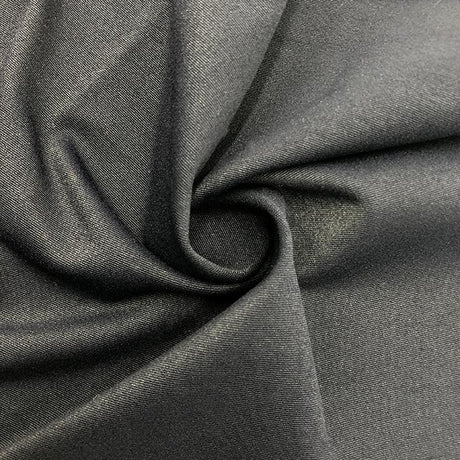
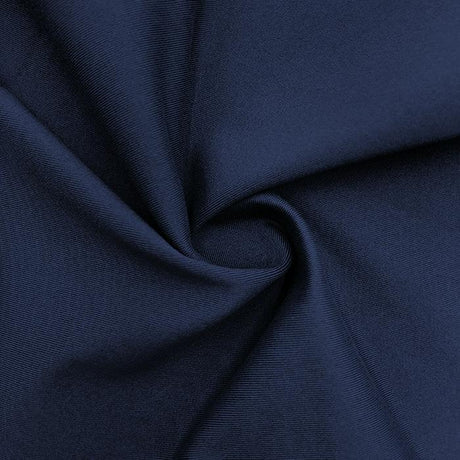
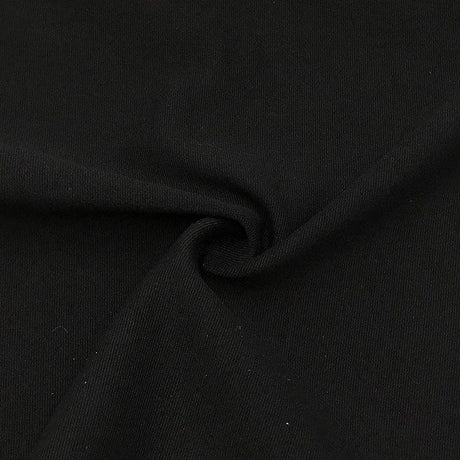
The Bagging Problem
You've invested in a great pair of leggings or a fitted long-sleeve top, only to find that after a few wears, the knees and elbows look stretched out and saggy. This is known as the bagging problem — the loss of shape in stretch garments due to fabric "memory" fatigue. Understanding why it happens, and how to prevent it, starts with one key concept: stretch fabric recovery. For a deeper look at how different stretch fabrics compare, explore our stretch fabric types guide.
Recovery Matters
High-quality spandex fabrics with strong recovery snap back to prevent baggy knees and elbows. A garment is only as good as its stretch recovery. If the fabric can't return to its original shape, no amount of good construction will save it from eventually looking worn out. Learn more about the properties that make spandex perform on our nylon spandex fabric page.
Not All Stretch is Equal
Some fabrics stretch a lot but have poor recovery, leading to sagging. Others have both high stretch and excellent recovery. Knowing the difference before you buy or sew is what separates a garment that lasts from one that disappoints after a handful of wears. Our how to choose fabric guide walks you through exactly what to look for.
What is Stretch Fabric Recovery?
Definition: Recovery is the fabric's ability to return to its original shape after stretching — the "snap-back" effect. It is measured by how close a fabric returns to its initial length after being stretched (e.g., 95% recovery = very little permanent stretch).
Stretch vs. Recovery: Stretch percentage measures how far a fabric can elongate. Recovery percentage measures how much of that stretch it can regain. A fabric can be very stretchy yet have low recovery — leading to shape loss over time.
High-Recovery Stretch Fabrics: Materials engineered with elastane or spandex for quick rebound. Only high-recovery stretch fabrics maintain a snug fit in high-stress areas — knees, elbows, waist — wear after wear. See how this plays out specifically in our activewear fabric guide.
Low-Recovery Fabrics: 100% natural knits with no spandex often fail to spring back, causing lingering bagginess at knees and elbows. Blends with elastic fibers recover shape much better and last longer.
Key Factors Affecting Fabric Recovery (Technical Specs)
Fiber Content & Composition: Spandex/elastane percentage is critical. Even a small blend of 2–5% spandex can boost shape retention dramatically. Too little elastane (under 1%) gives "false stretch" but poor recovery. For a full breakdown of how fiber content affects performance, visit our nylon spandex fabric guide.
Stretch & Recovery Percentages: Check specs or do stretch tests. Aim for at least 80% recovery after stretch to minimize bagging — meaning the fabric should regain at least 80% of its stretched length for durable shape.
Knit vs. Woven Structure: Knits with 4-way stretch generally recover better than wovens, but weave and knit structure matter. Specialized weaves can improve stretch recovery by 10–15% over basic weaves. Our fabric weight guide and fabric finishes guide offer more technical context on how construction affects performance.
Fabric Weight (GSM): Heavier fabrics may hold shape better initially, but a heavy soft stretch with less snapback can still grow baggy under its own weight. Balance weight with sufficient elastane so the fabric can lift back into shape.
Quality of Elastic Fibers: Higher-quality spandex or Lycra™ resists fatigue longer. Cheap elastic fibers break down quickly, leading to early fatigue and sagging.
How to Choose the Right Stretch Fabric
Match Fabric to Purpose: Determine your project's stretch needs — casual comfort versus compression. For form-fitting activewear, prioritize materials with excellent recovery. For relaxed clothing, moderate recovery may suffice. Our how to choose fabric page is a great starting point.
Check Stretch Specs: Look for labeled stretch percentage and recovery info, or perform a quick stretch test at the fabric store. A fabric with 50% stretch but poor recovery will lose shape fast.
Durability & Longevity: If the garment will see heavy wear or frequent washings, choose a resilient blend. For sports or dance, explore performance stretch options designed for high elasticity and shape retention. See our dancewear fabric guide and activewear fabric guide for specific recommendations.
Comfort vs. Snap-Back: Higher recovery fabrics offer a secure, supportive fit but can feel tighter. Softer stretch fabrics with lower recovery might feel more comfortable initially but risk bagging. Decide what balance suits your needs.
Test Swatches: If possible, sew and wear-test a swatch. Stretch it repeatedly to see if it springs back. This helps avoid surprises before you commit to yards of fabric. If you need guidance, our expert help & advice team is here to assist.
Use Cases: Choosing Fabrics for Different Applications
Activewear & Sportswear: Use high-recovery stretch fabrics like athletic jersey, compression knits, or power mesh with 15–20% spandex for leggings, yoga pants, and sports tops. These provide freedom of movement and snap-back so knees and seats won't sag during high activity. Our activewear fabric guide covers the best options in detail.
Swimwear & Dancewear: Opt for nylon-spandex blends such as 80/20 with excellent recovery. They endure constant stretching and, for swimwear, exposure to water and chlorine while maintaining shape. Look for 4-way stretch tricot or Lycra with near 100% recovery to avoid bagging at the rear or knees even when wet. Visit our swimwear fabric guide and dancewear fabric guide for targeted guidance.
Everyday Apparel (Jeans, Tees, Leggings): For jeans, a small spandex content of 2–4% dramatically improves shape retention. T-shirts and casual leggings often use 5%+ spandex for stretch — ensure decent recovery so elbows and knees don't stay stretched out after wear. Our cotton spandex fabric guide is especially useful here.
Upholstery & Home Textiles: Stretch slipcovers or furniture fabrics benefit from strong recovery to stay snug. Choose heavy-duty stretch fabrics with good rebound to avoid loose wrinkles from sitting. If a project like drapery doesn't require tight recovery, a mechanical stretch woven might suffice without elastane.
Costumes & Cosplay: For superhero bodysuits or form-fit costumes, pick high-elastane performance fabric to keep a sleek shape through poses. For gowns or pieces where a looser drape is desired, a fabric with a soft stretch and less snapback can be used — just be aware it may relax and need occasional resetting with a quick wash.
Common Mistakes to Avoid
Wrong Fabric for Use: Using fabric with insufficient recovery for a tight-fitting project — for example, making yoga pants from a low-quality stretch fabric — will lead to baggy knees fast. Always align fabric recovery performance with the garment's demands. Our fabric guides can help you match the right material to the right project.
Over-Stressing the Fabric: Forcing a stretchy fabric beyond its limit, whether by choosing too small a pattern size or applying continuous heavy strain, can cause permanent elongation. Work within the fabric's stretch capacity.
Ignoring Elastane Quality: Bargain-bin stretch fabric might have cheap spandex that loses elasticity after a few wears. Invest in reputable textiles — the upfront cost saves your project from early sagging.
Poor Care Habits: Hot water, high-heat drying, or bleach break down elastic fibers. These common mistakes accelerate fabric fatigue, turning a snug garment into a limp one. Cold wash and hang dry to prolong stretch life. For a full care routine, visit our fabric care guide and how to care for spandex page.
Neglecting Recovery Testing: Simply tugging a fabric to check stretch isn't enough — always feel how well it bounces back. Skipping this step means you might choose a material that seems stretchy but bags out immediately due to low recovery.
When to Use Alternative Fabrics (Lower Recovery Materials)
Soft vs. Snappy Stretch: Sometimes a soft stretch with less snapback is preferable — for example, in draped tops, looser sweaters, or lounge pants where comfort and flow trump a tight rebound. These fabrics feel gentle but will likely relax and bag slightly at knees and elbows during wear.
Design Intent: Choose lower-recovery fabrics when the style can accommodate a bit of give. A flowing dress or relaxed-fit tee can handle some stretching out without issue, and the trade-off is a softer hand and better drape.
Managing Expectations: Garments made from little-to-no spandex will need more frequent washing or resting to regain shape. A pure cotton sweater might need a wash to spring back if the elbows start to bag. This is normal for natural fibers and not a flaw.
Alternatives: In some cases, consider mechanical stretch fabrics — wovens with special weave or bias-cut for give — which have zero elastane. They offer flexibility but minimal recovery, suitable for certain designs where structured stretch and slight relaxation is acceptable.
Conclusion
Quality Stretch = Longevity: The better a fabric's recovery, the longer your garment will retain its fit and shape. High-recovery materials keep clothes looking new and fitted, wear after wear, giving both manufacturers and DIY sewers confidence in the product's longevity.
Smart Fabric Choices: By understanding fabric recovery for spandex and other stretch textiles, you can make informed choices — whether selecting material for a clothing line or sewing your own. The result is apparel that not only fits right, but stays right without unsightly bagging. Browse our full range of fabric guides to keep building your knowledge.
Final Tip: Invest time in testing and choosing high-recovery stretch fabrics for stress points like knees and elbows upfront. It pays off in garments that feel better, look professional, and stand up to repeated use without losing their shape. Still have questions? Our expert help & advice team is always ready to help. Your knees and elbows will thank you!