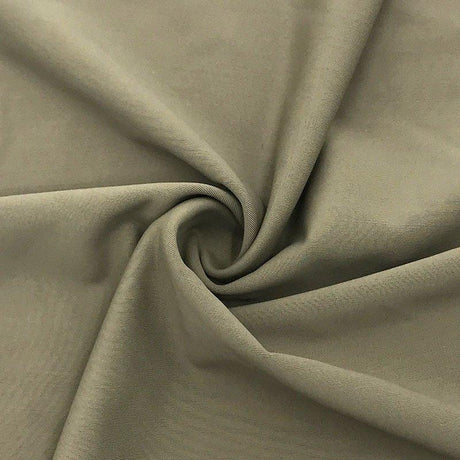
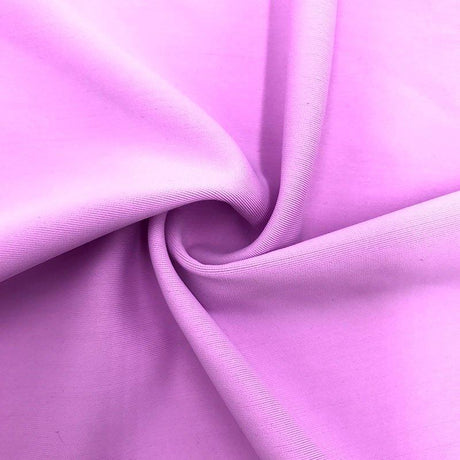
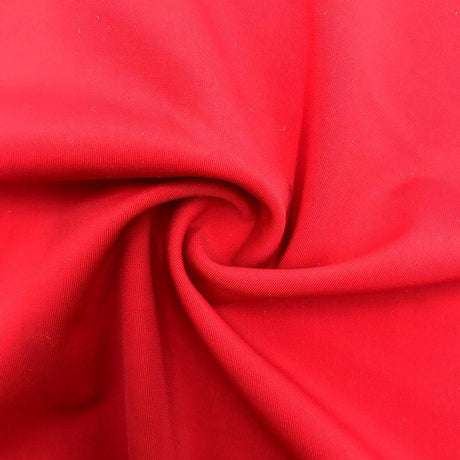
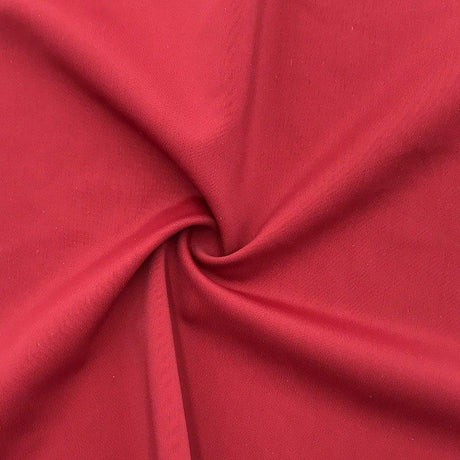
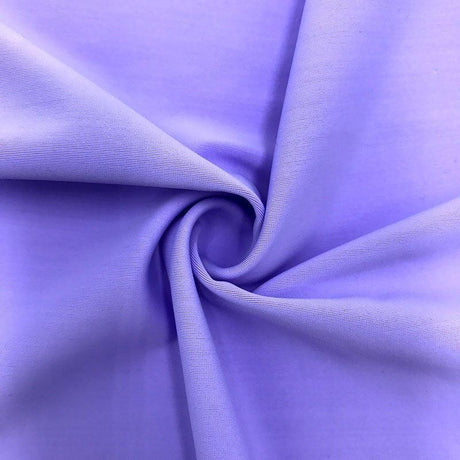
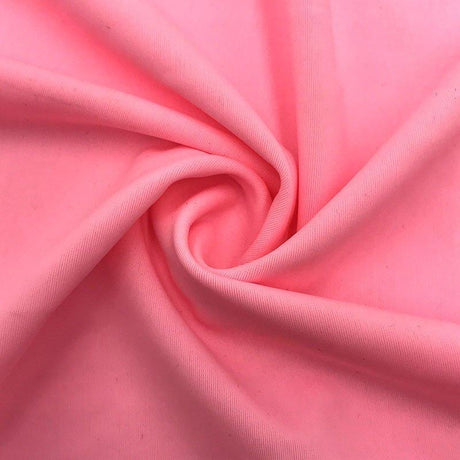
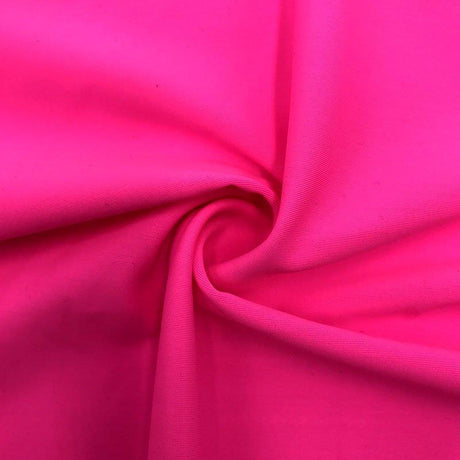
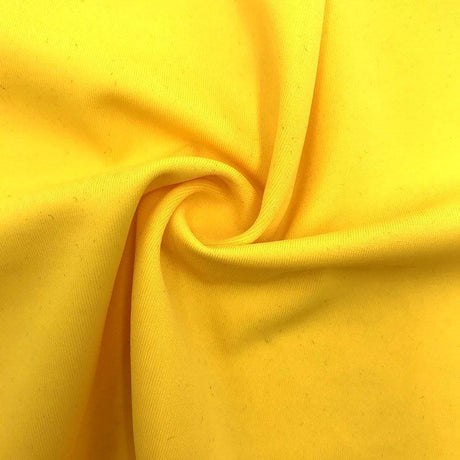
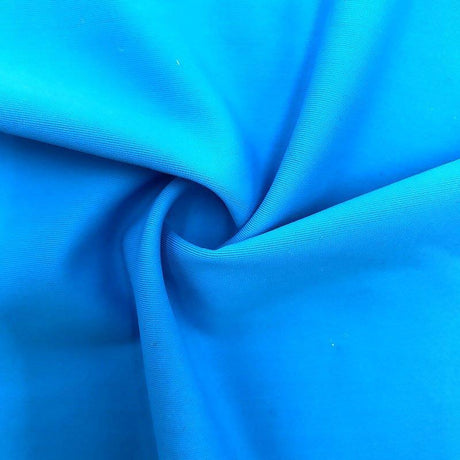
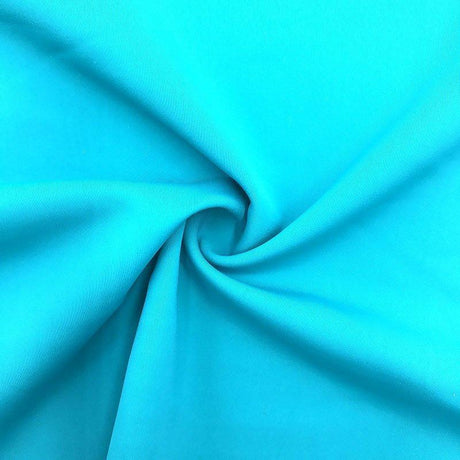
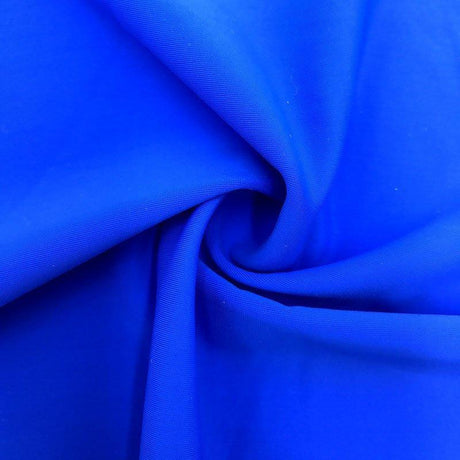
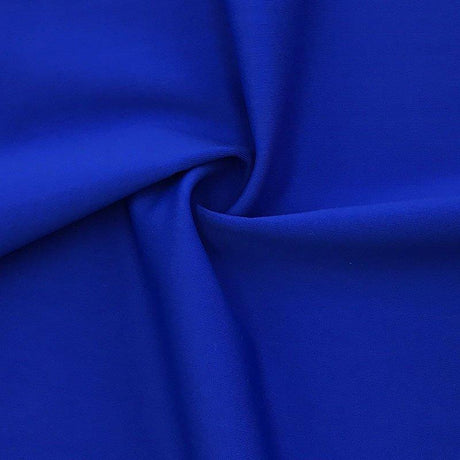
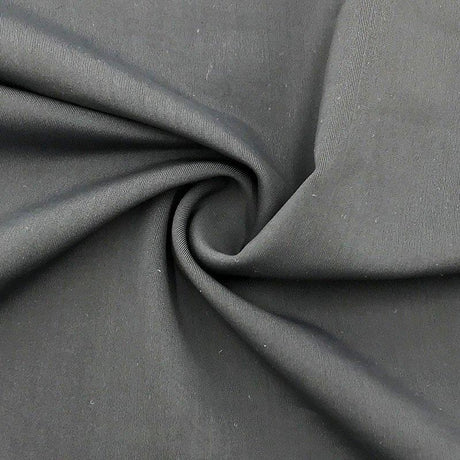
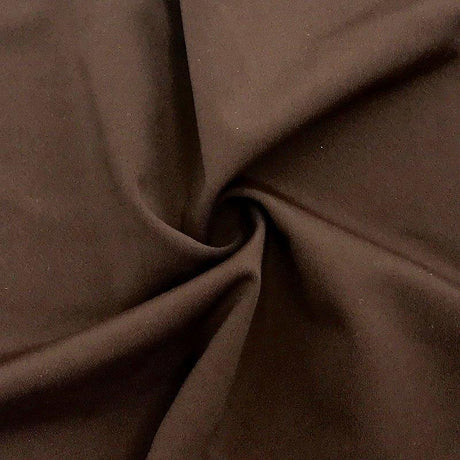
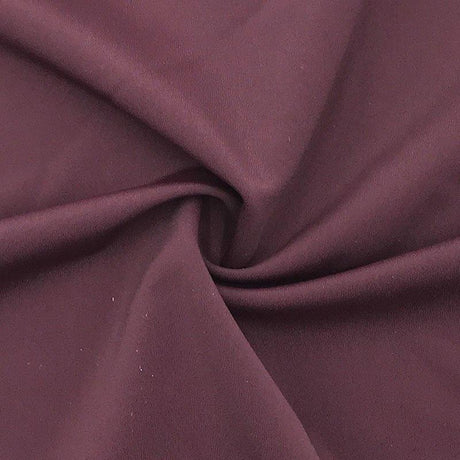
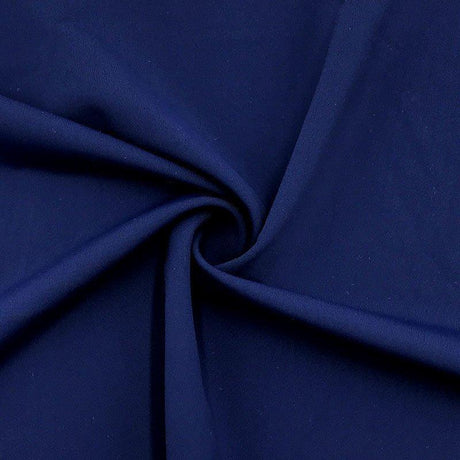
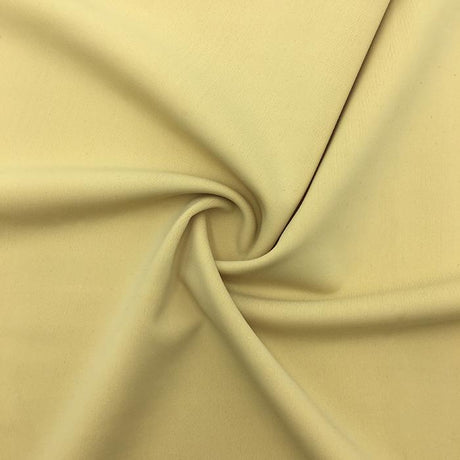
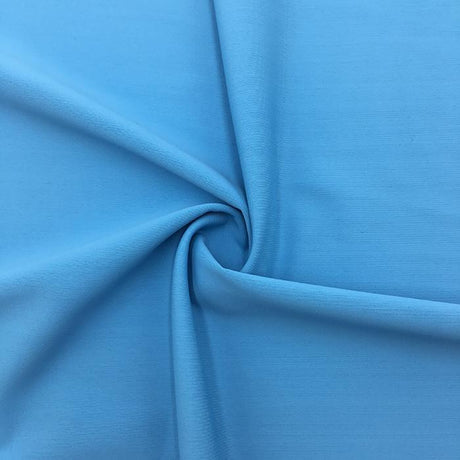
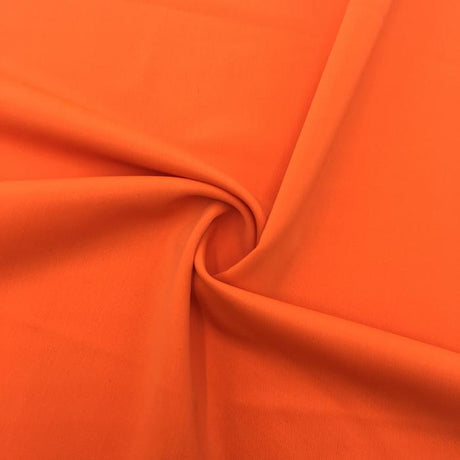
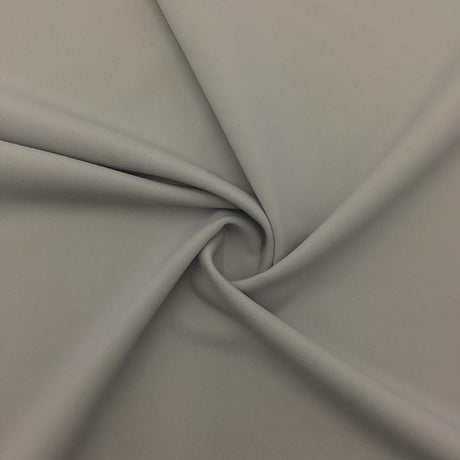
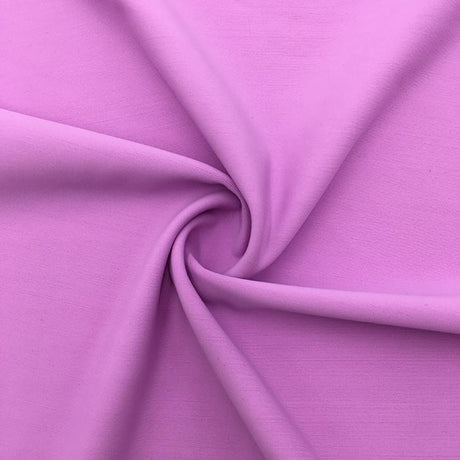
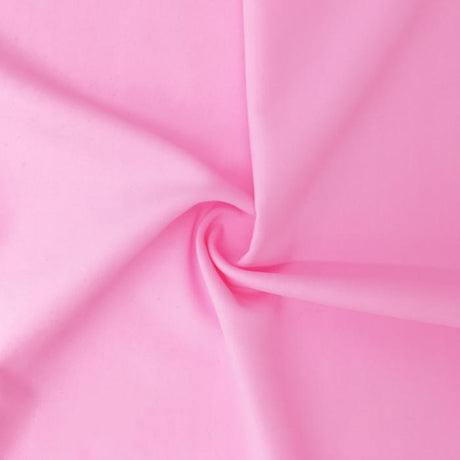
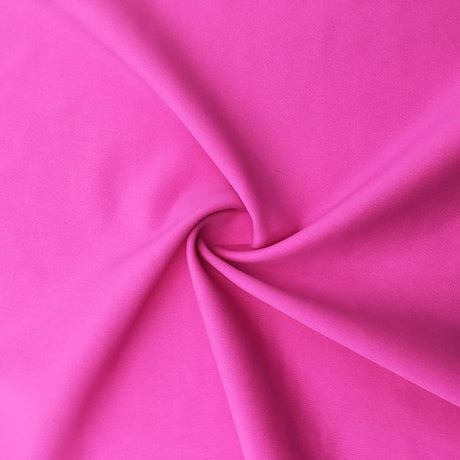
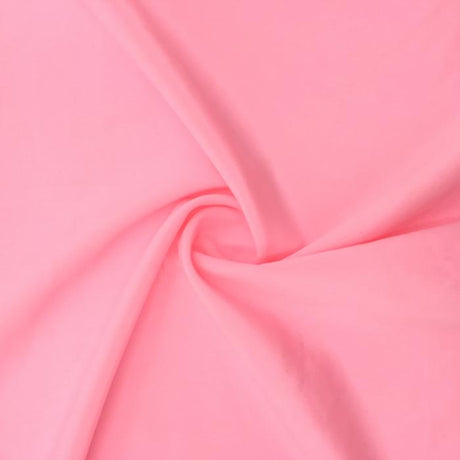
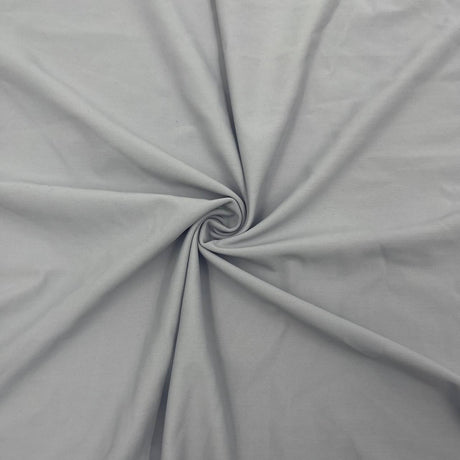
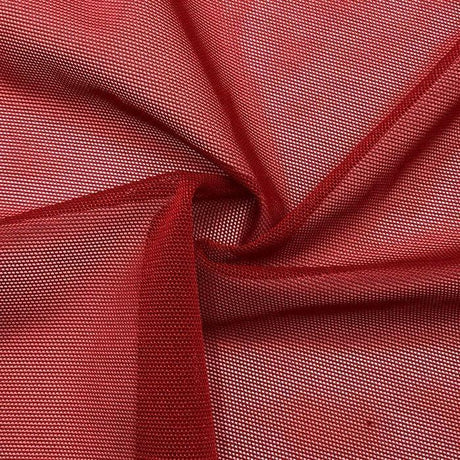
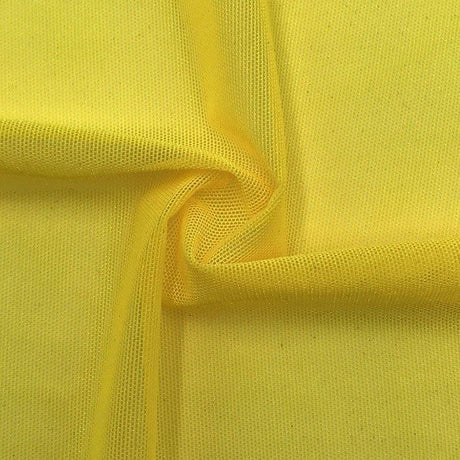
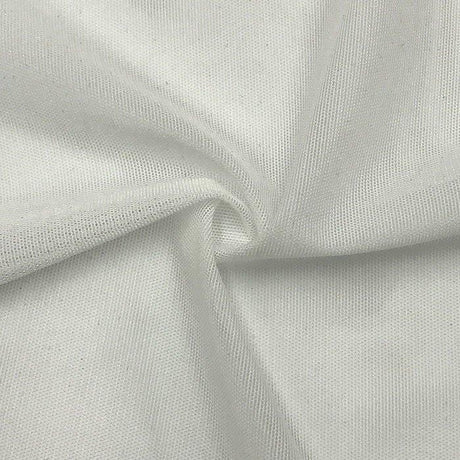
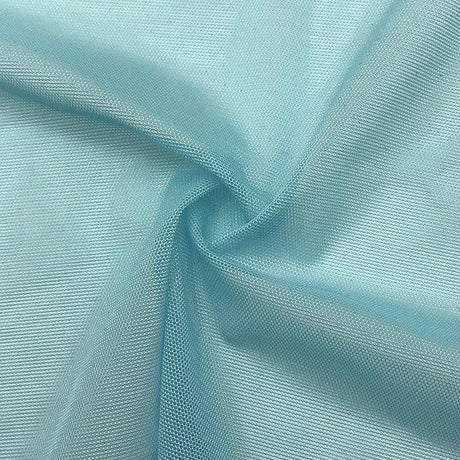
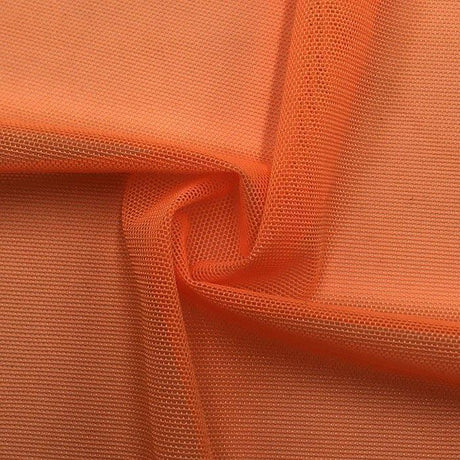
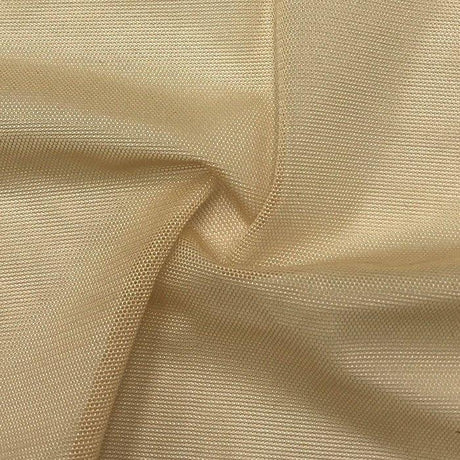
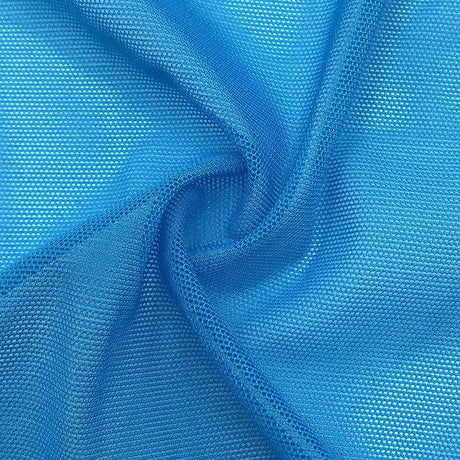
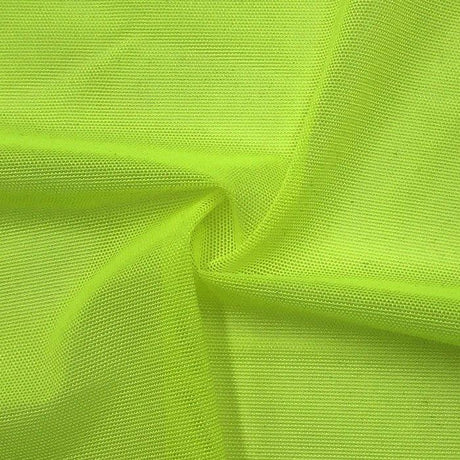
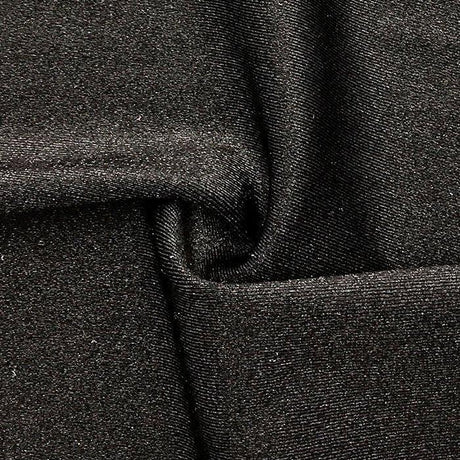
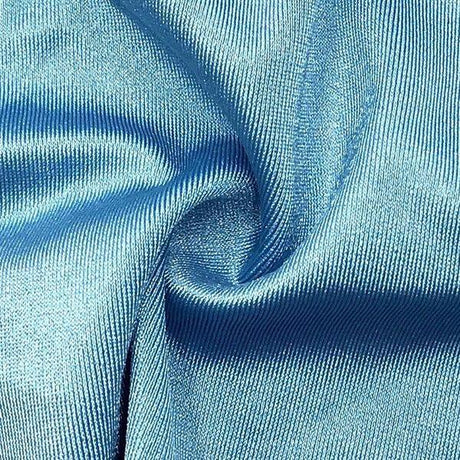
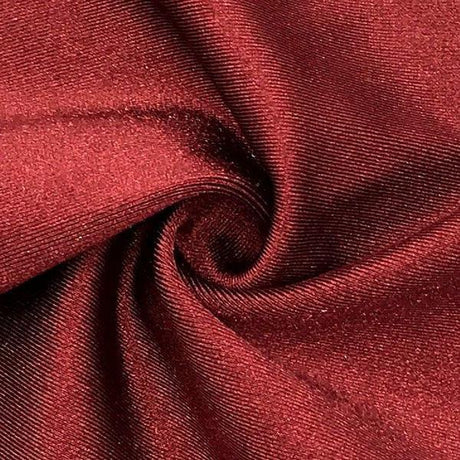
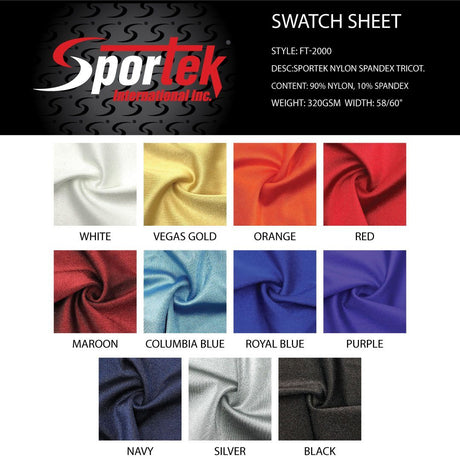
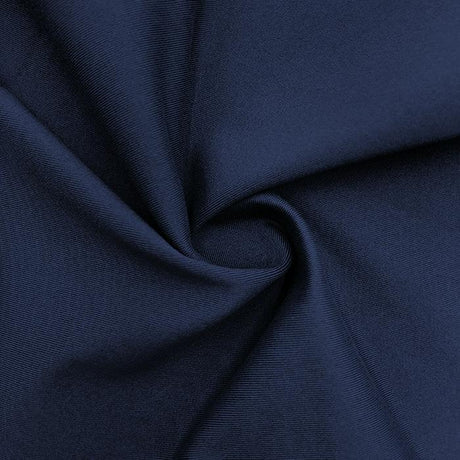
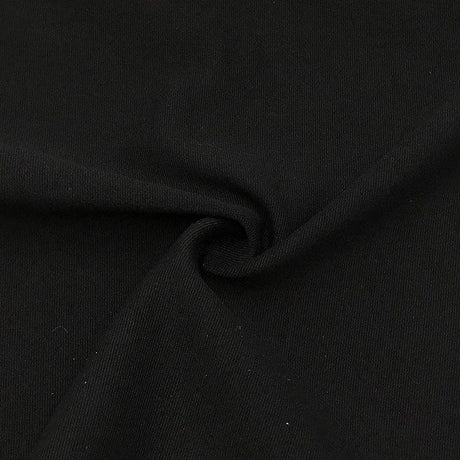
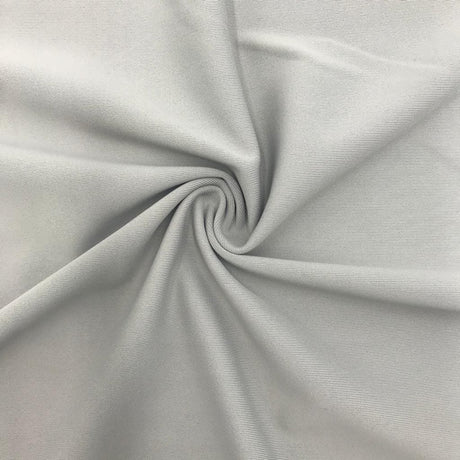
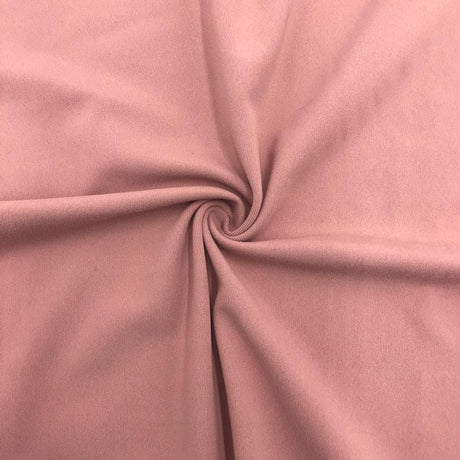
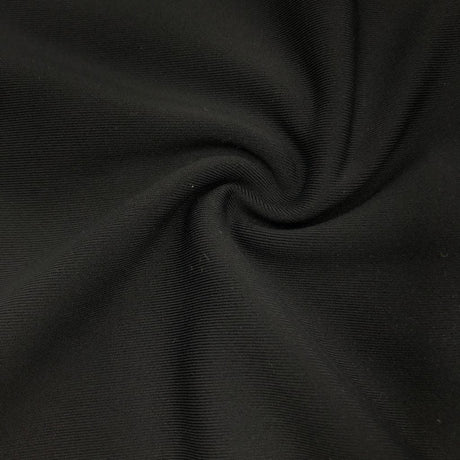
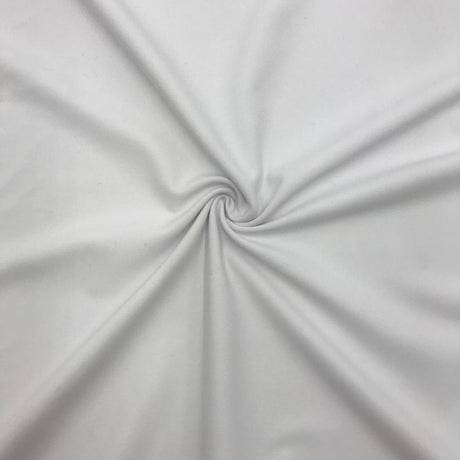
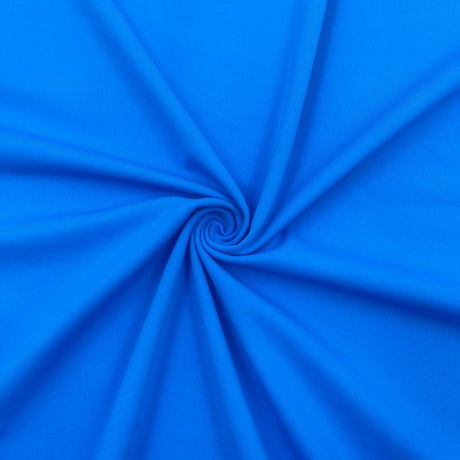
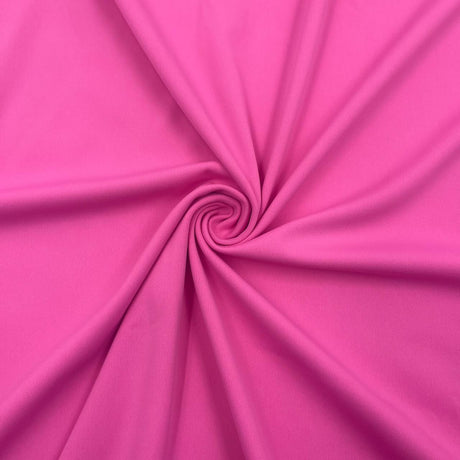
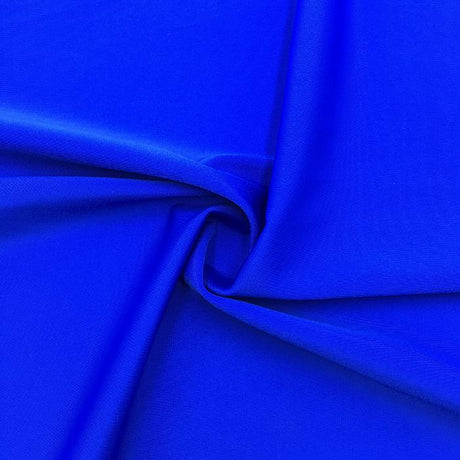
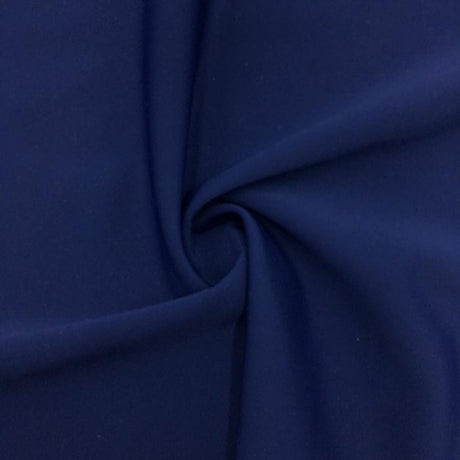
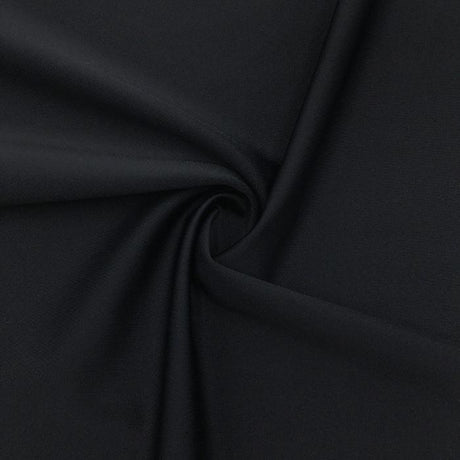
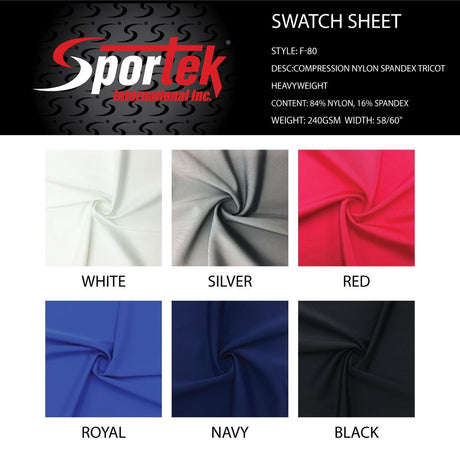
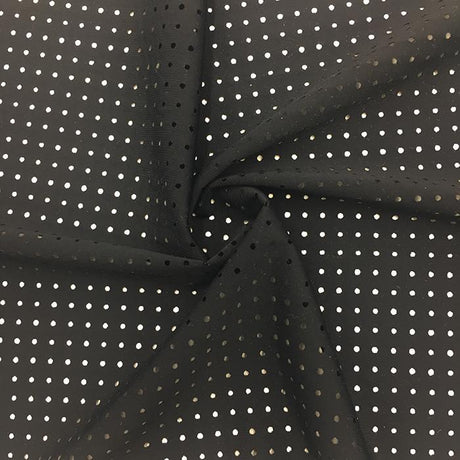
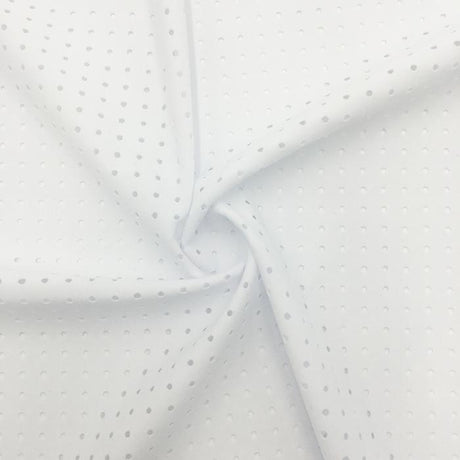
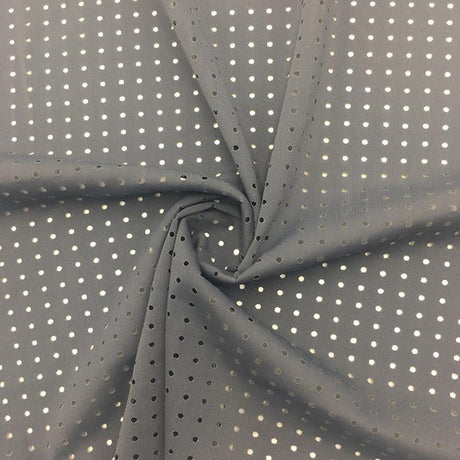
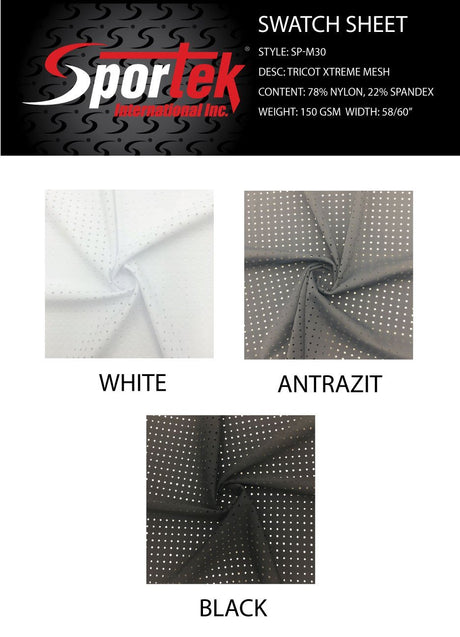
Nylon Spandex Fabric
Nylon spandex is the fabric behind most professional swimwear, dancewear, and high-performance leggings. This page covers how it's made, what makes it different from polyester spandex, how to choose the right weight for your project, and what to expect when you sew with it.
What is nylon spandex fabric?
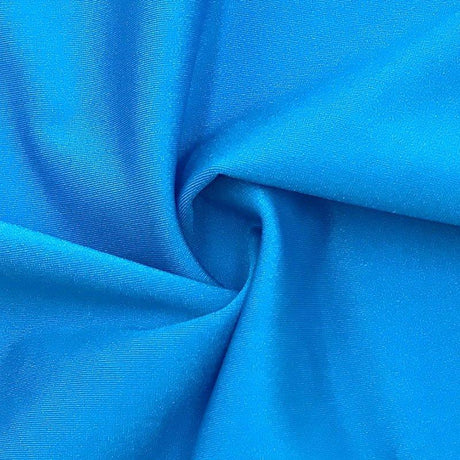
Nylon spandex is a stretch knit fabric made from two fibers woven together: nylon, which provides the structure, durability, and smooth hand feel, and spandex (also called elastane or Lycra), which gives the fabric its ability to stretch and spring back. The two fibers are typically knitted together rather than woven, which is why the fabric has stretch in all directions.
Most nylon spandex sold for swimwear and activewear is an 80/20 blend — 80% nylon, 20% spandex — though you'll also find 82/18 and 90/10 blends. The higher the spandex content, the more stretch and compression the fabric delivers. The higher the nylon content, the more durable and shape-retentive it becomes.
The result is a fabric that's simultaneously soft against the skin, strong enough to hold its shape through repeated wears and washes, and stretchy enough to move with the body without resistance. It's why nylon spandex has become the standard for anything worn close to the body in motion.
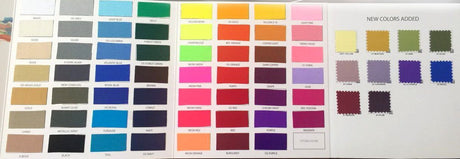
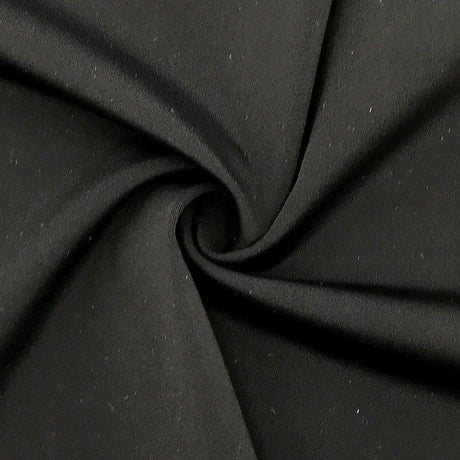
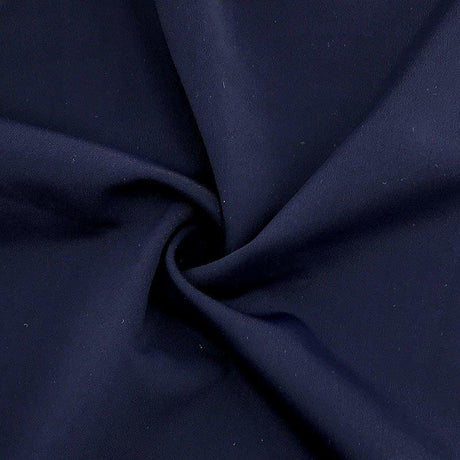
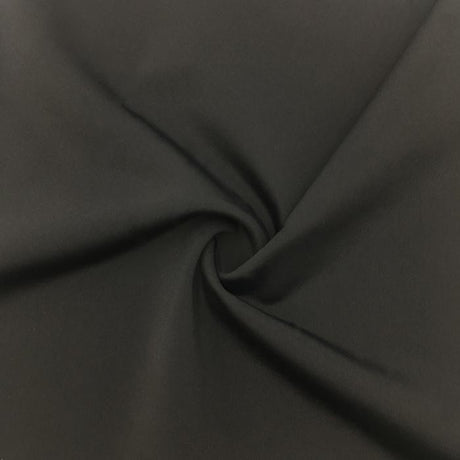
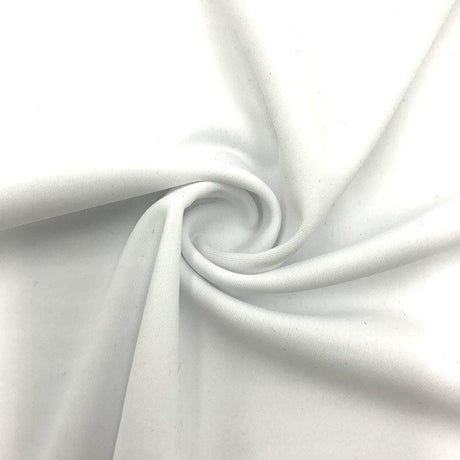
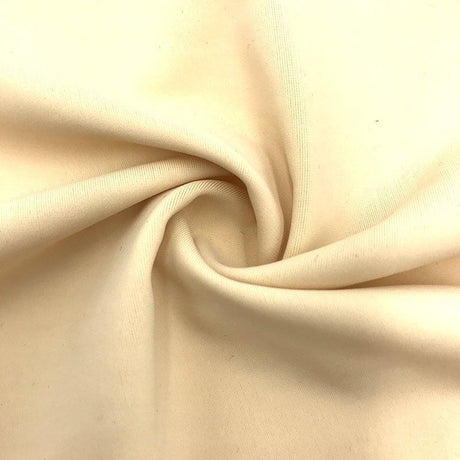
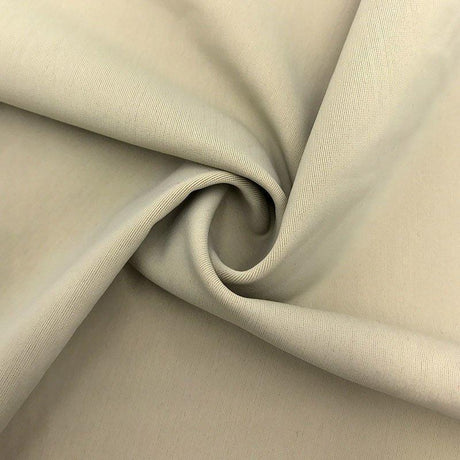
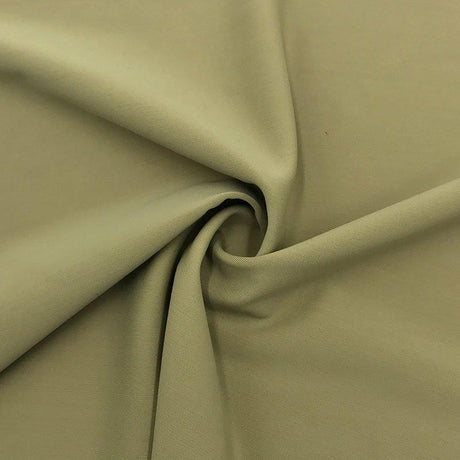
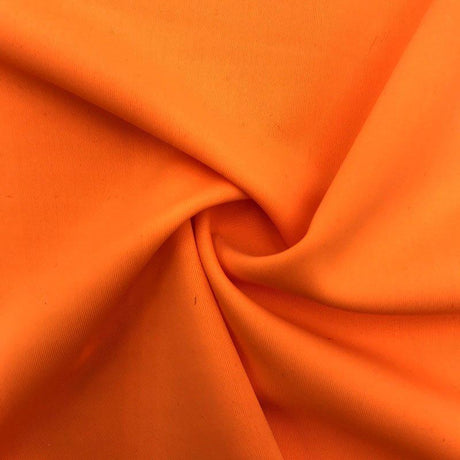
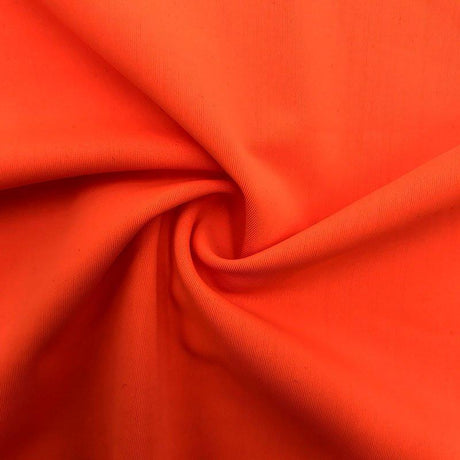
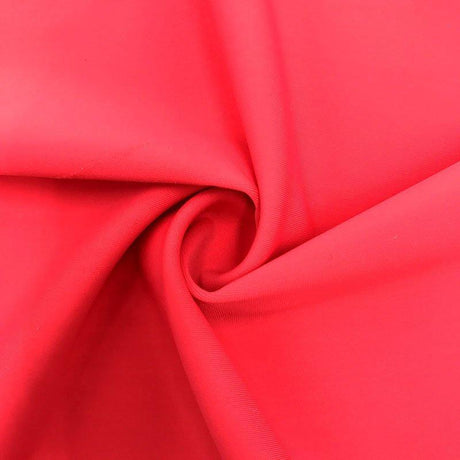
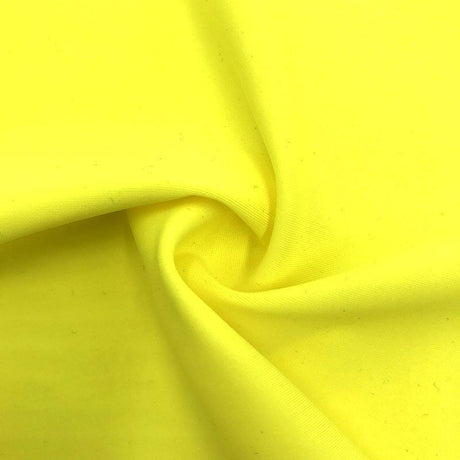
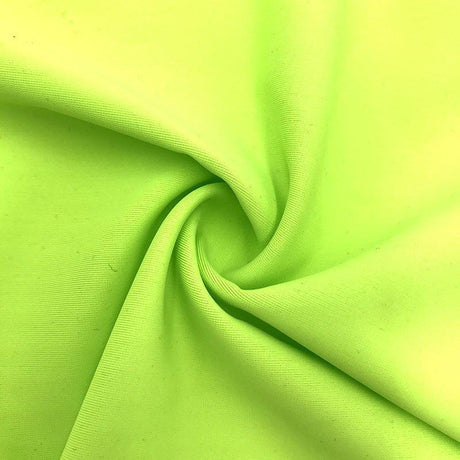
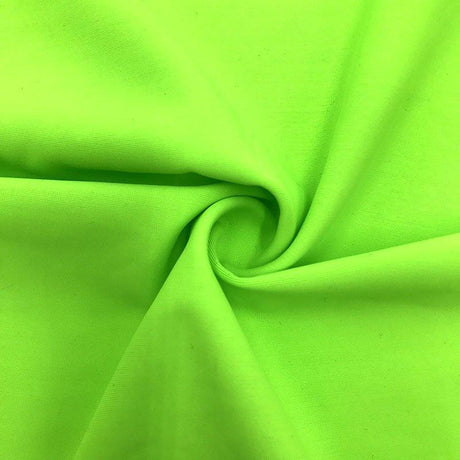
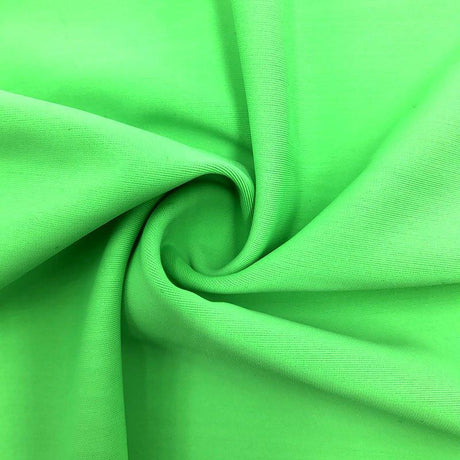
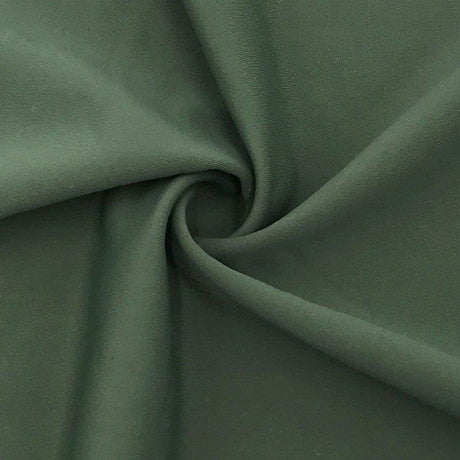
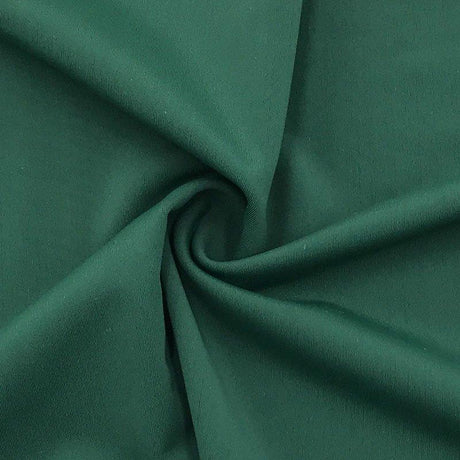
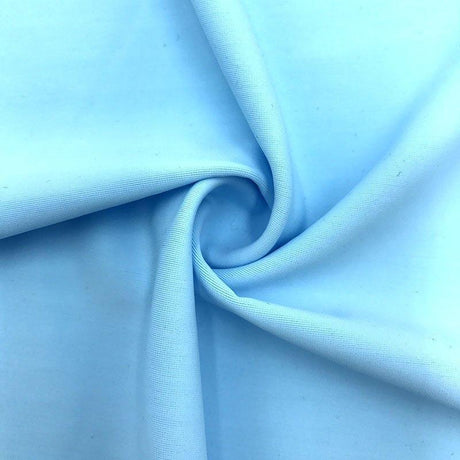
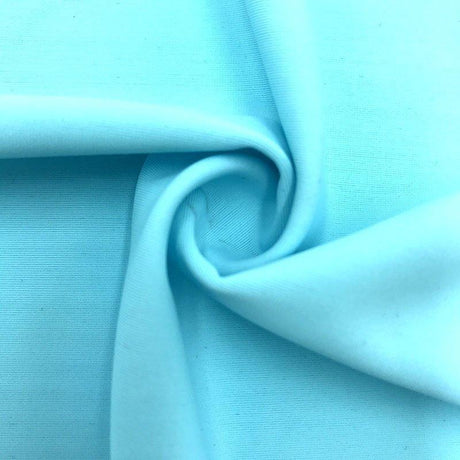
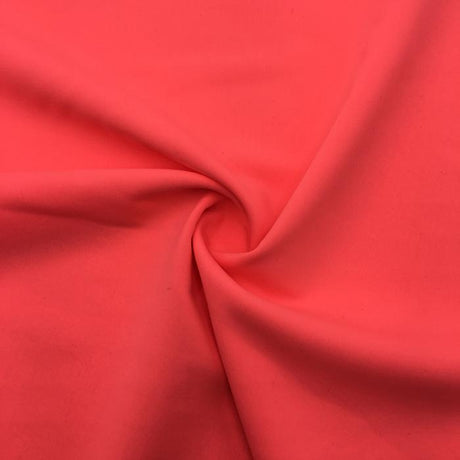
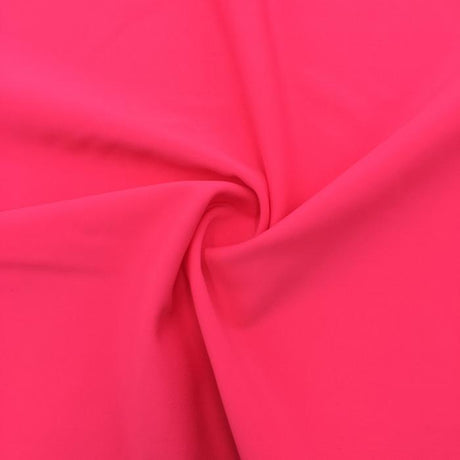
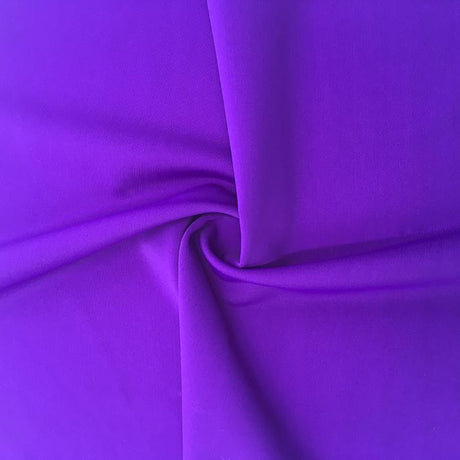
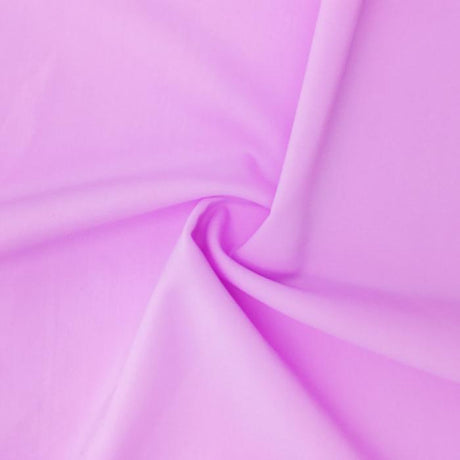
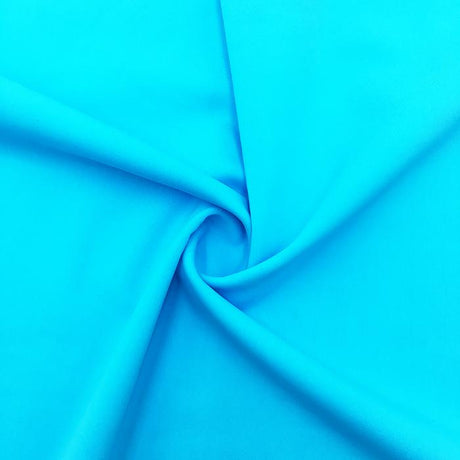
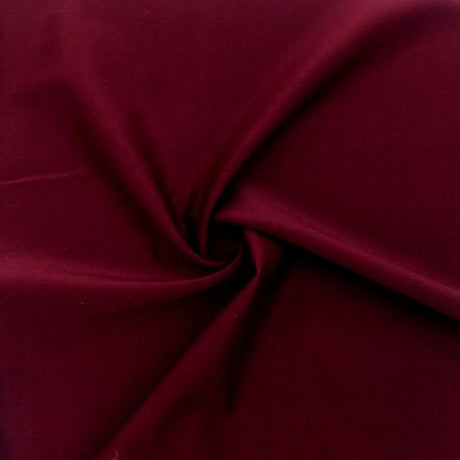
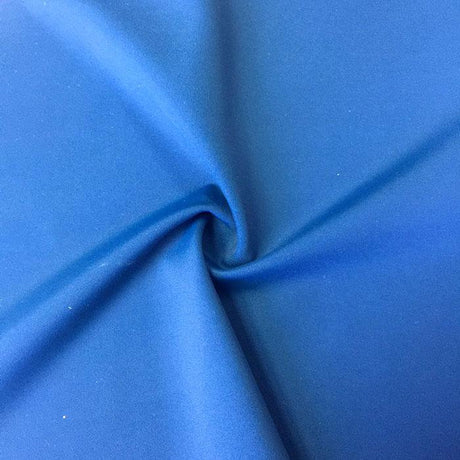
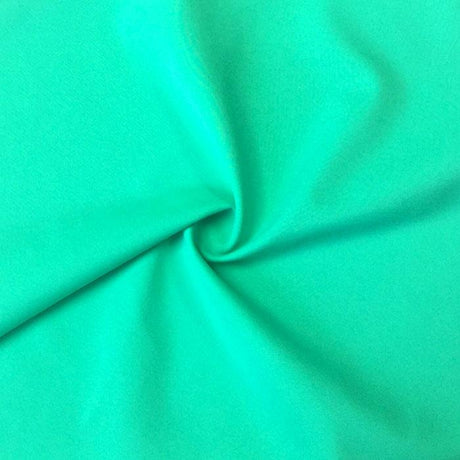
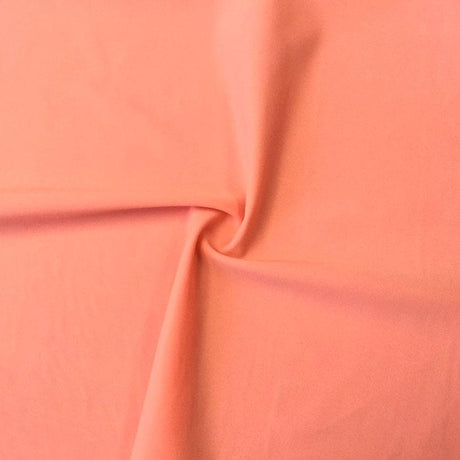
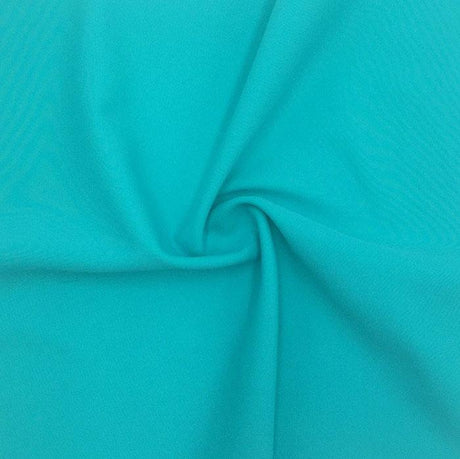
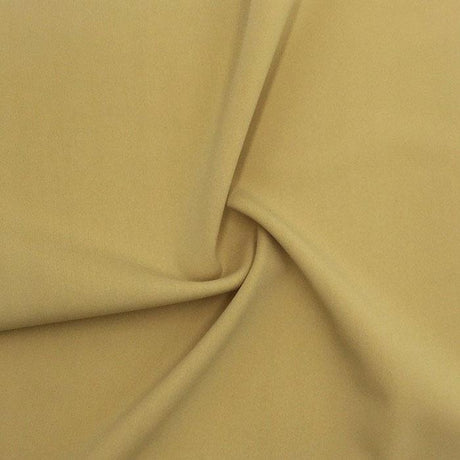
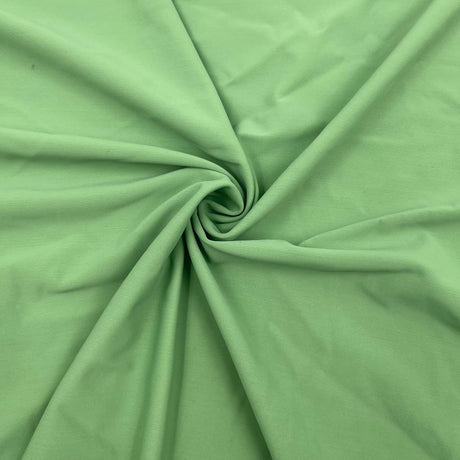
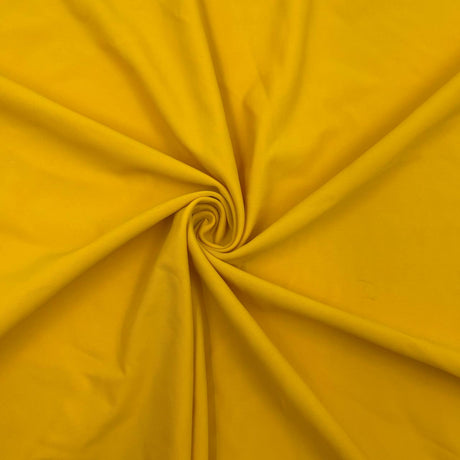
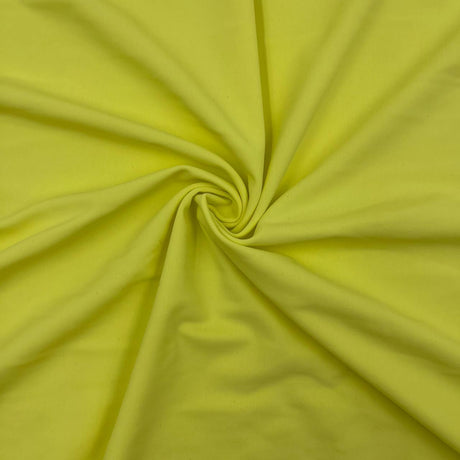
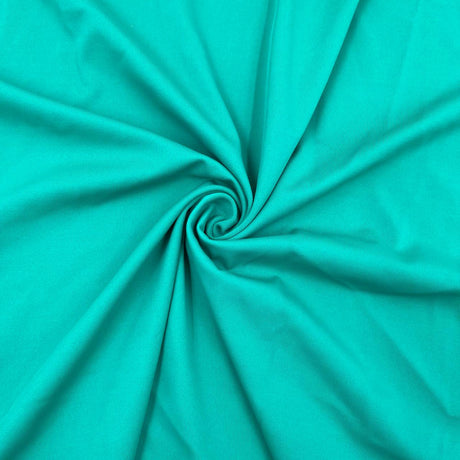
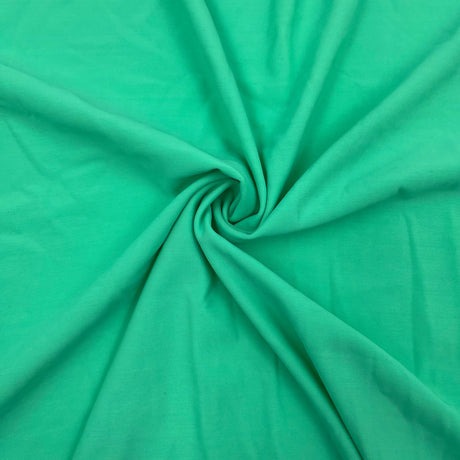
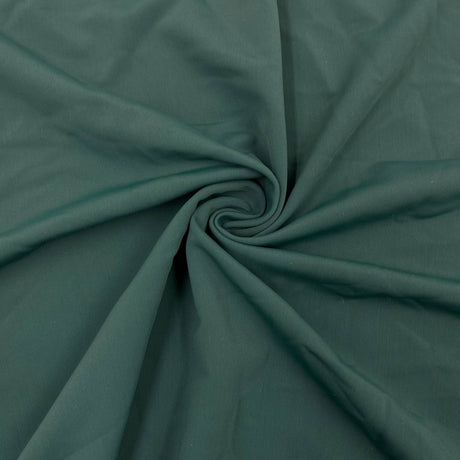
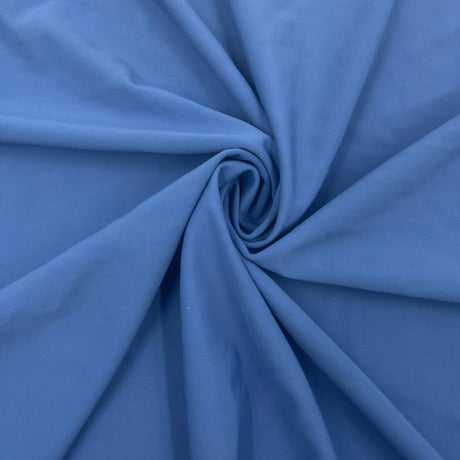
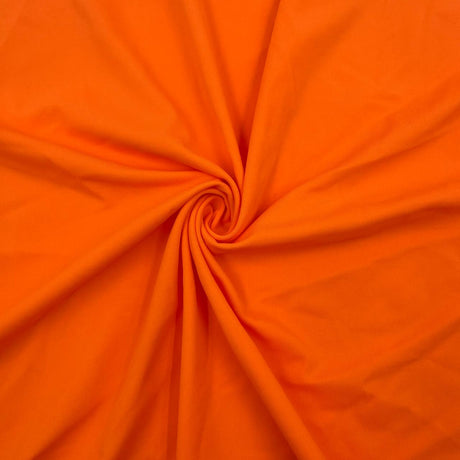
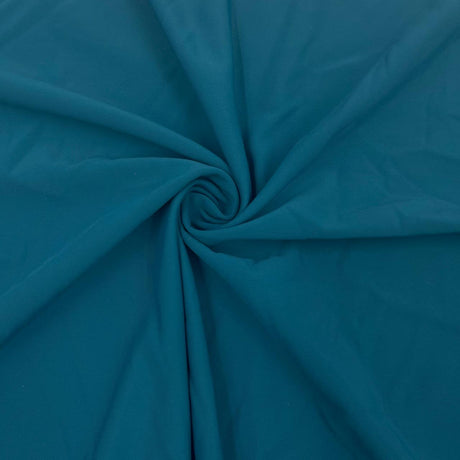
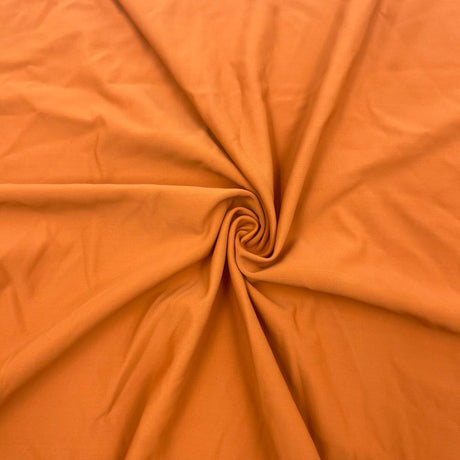
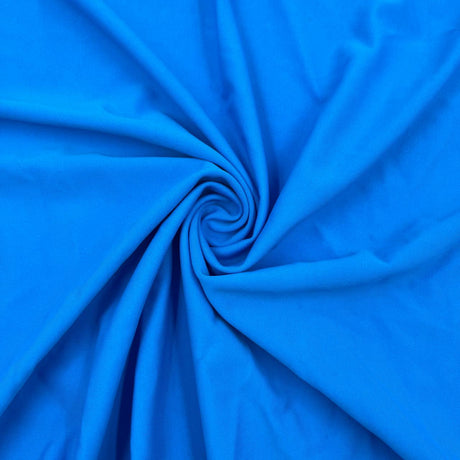
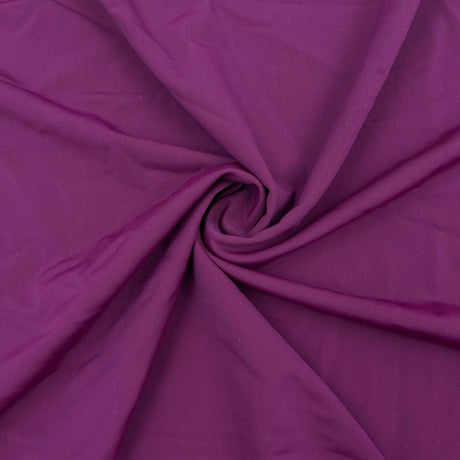
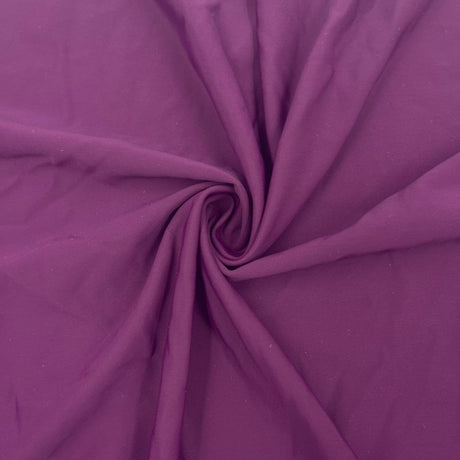
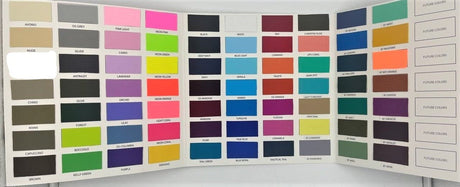
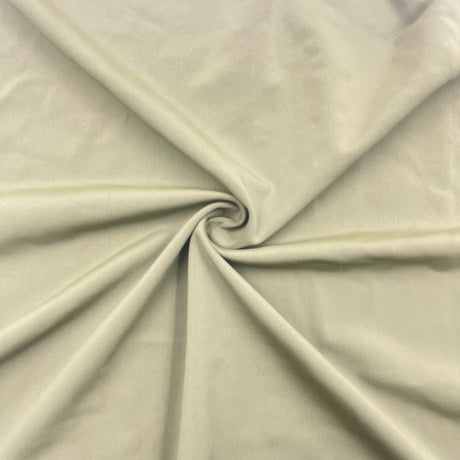
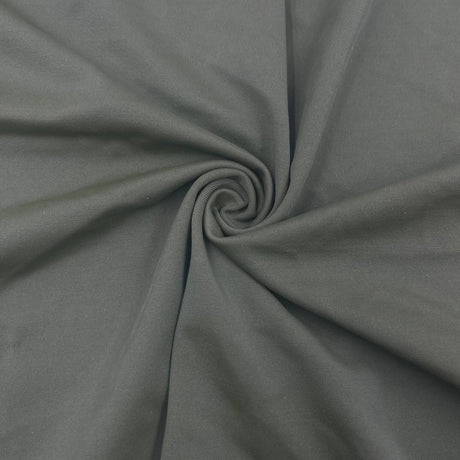
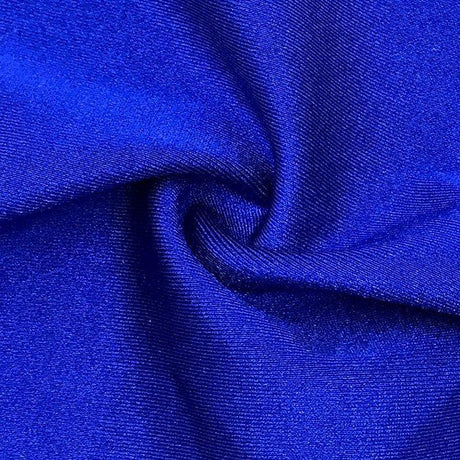
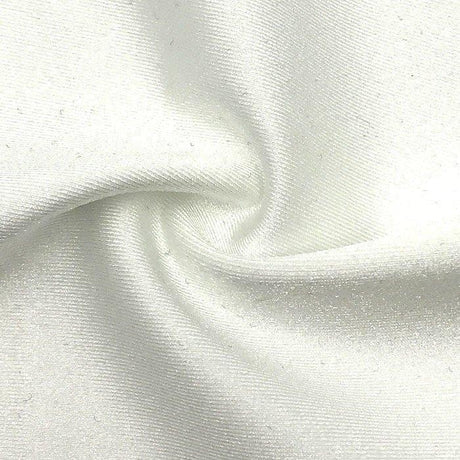
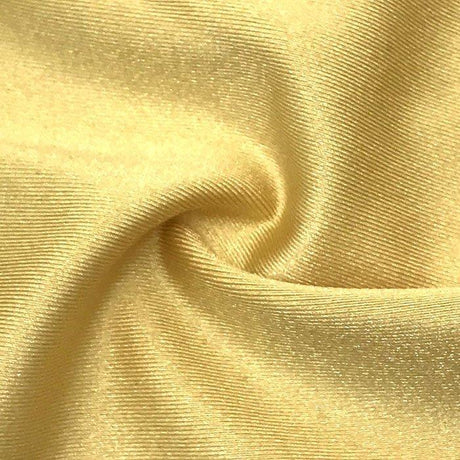
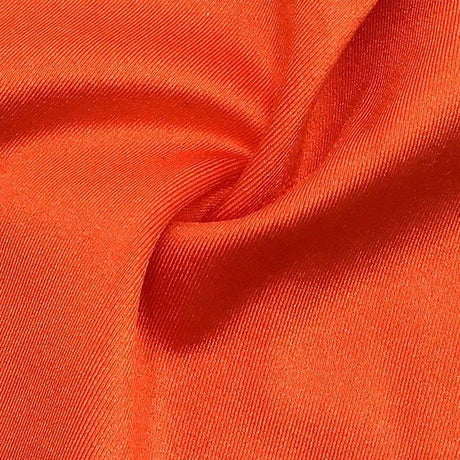
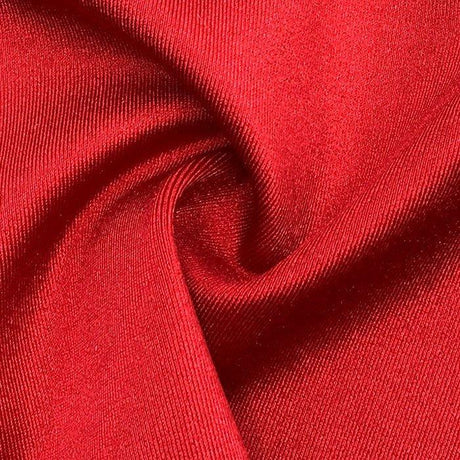
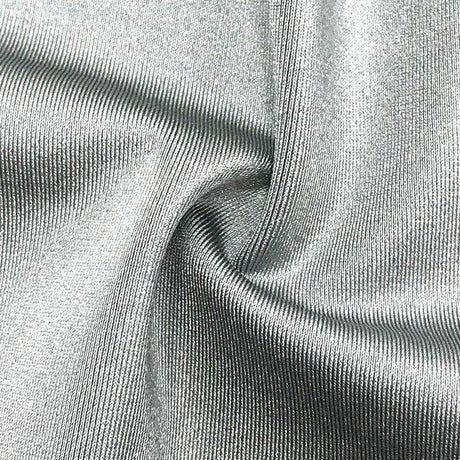
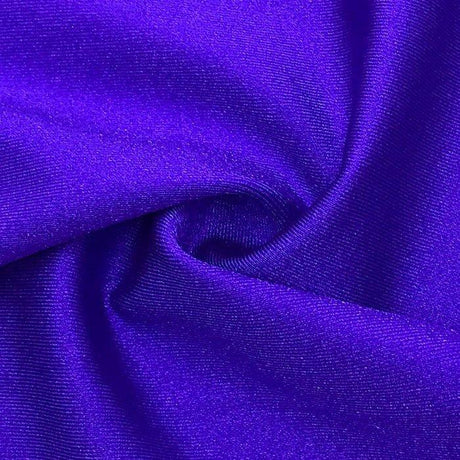
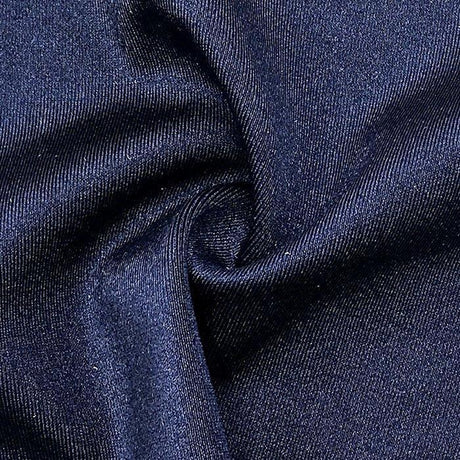
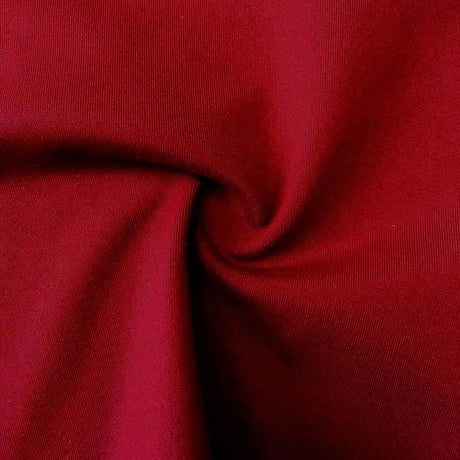
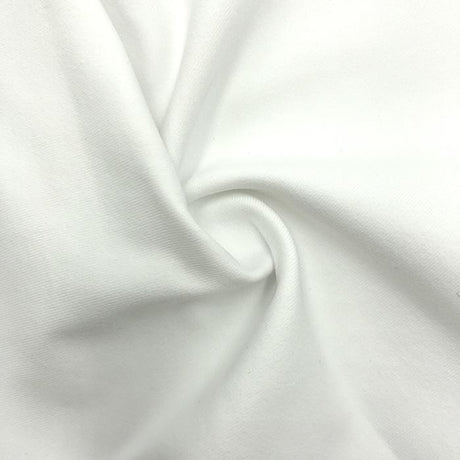
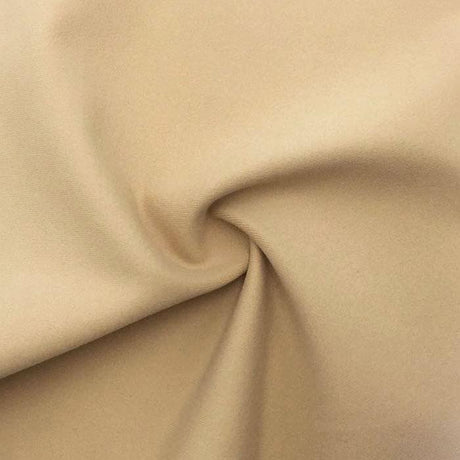
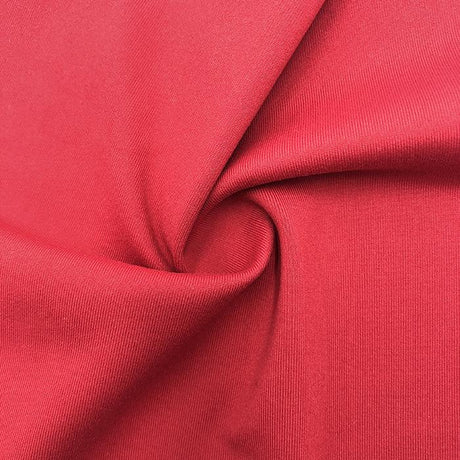
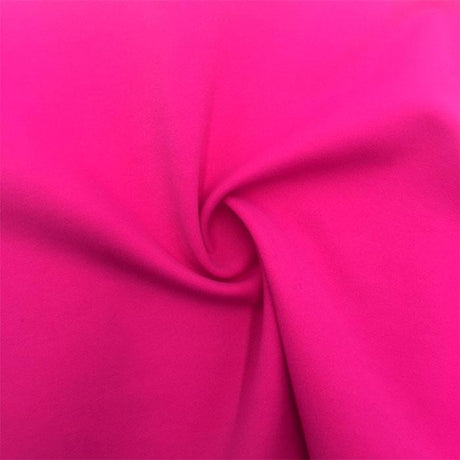
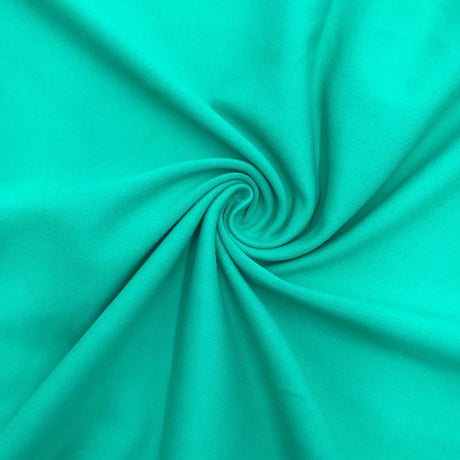
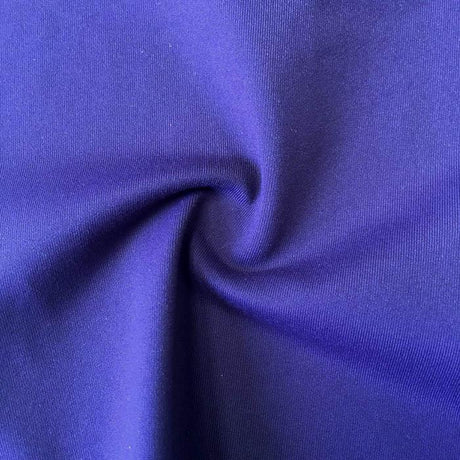
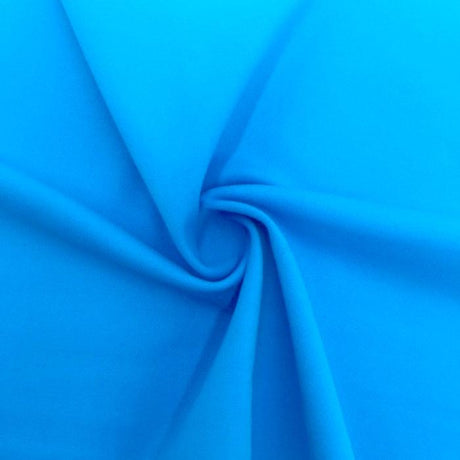
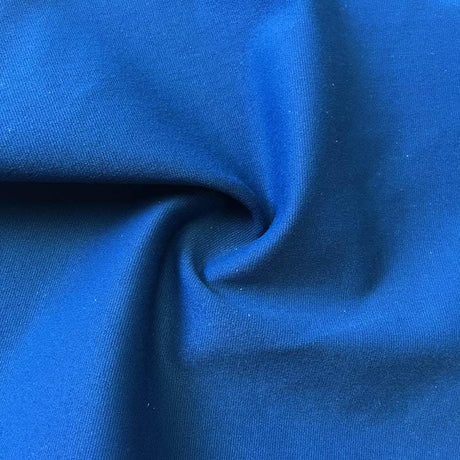
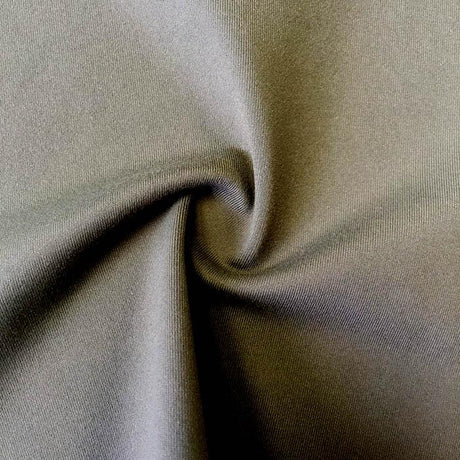
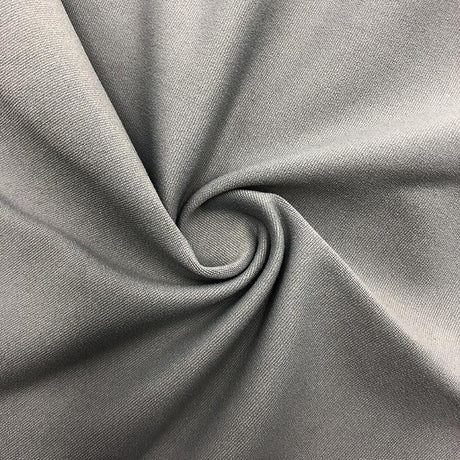
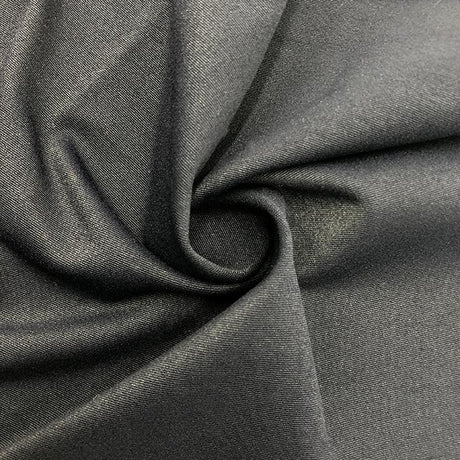
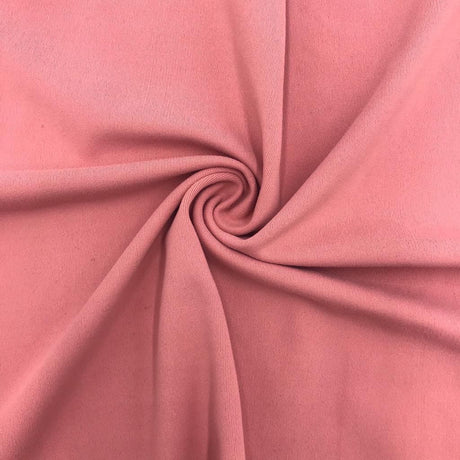
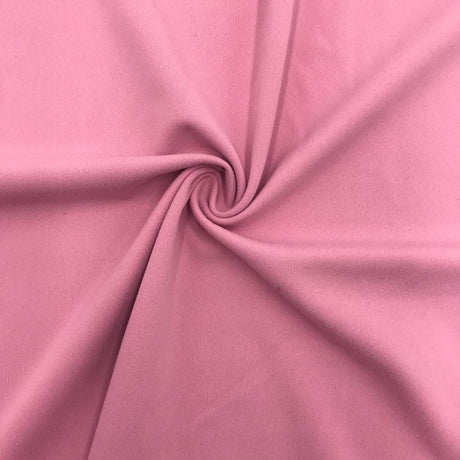
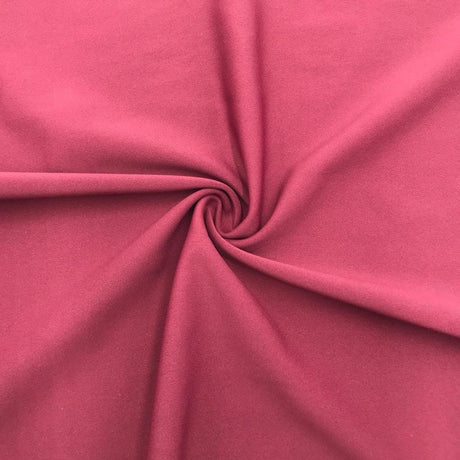
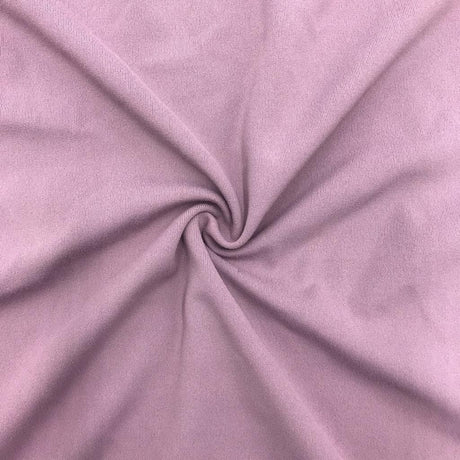
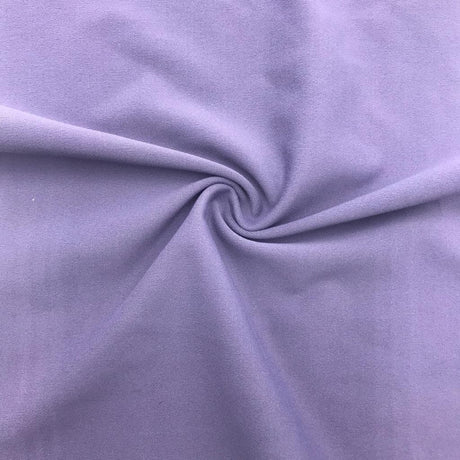
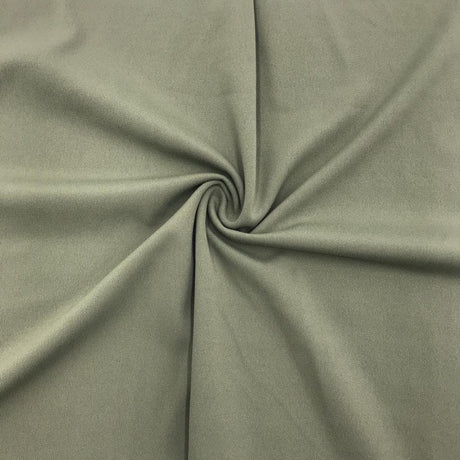
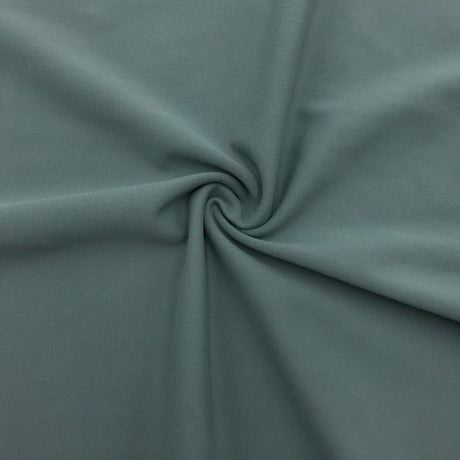
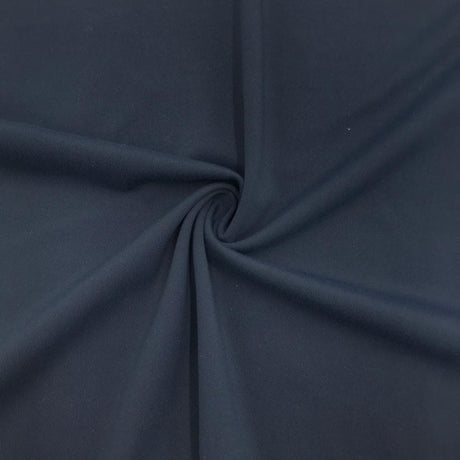
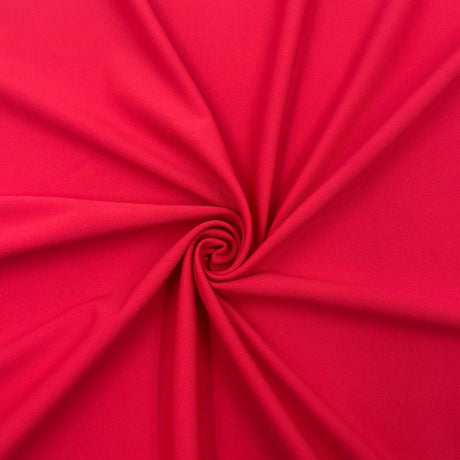
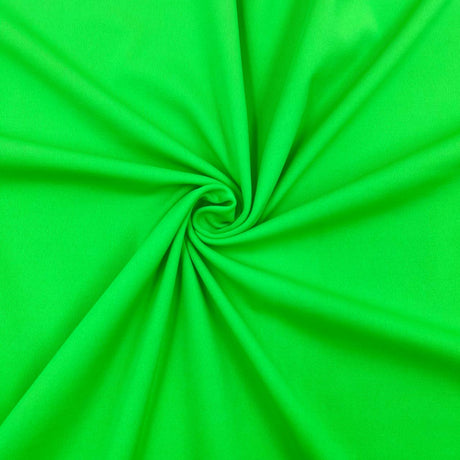
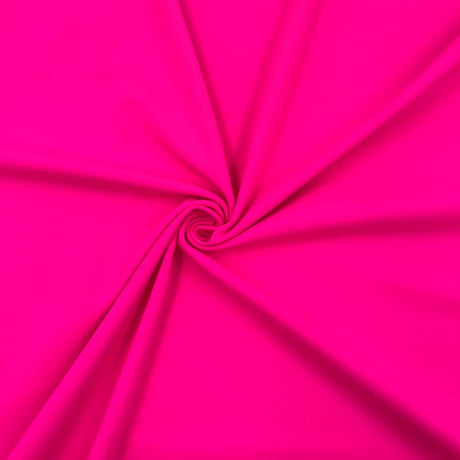
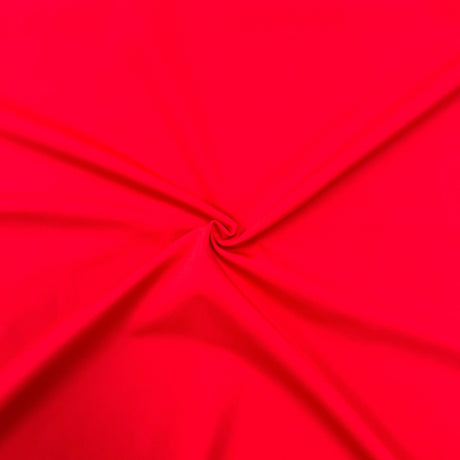
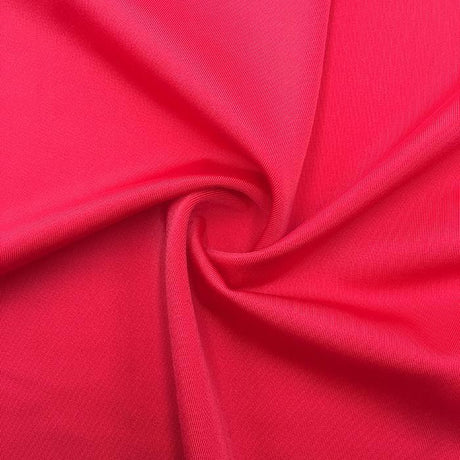
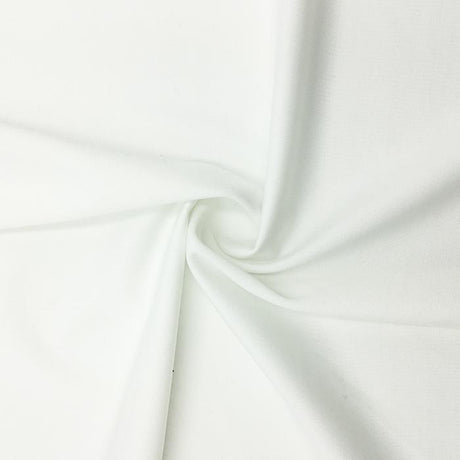
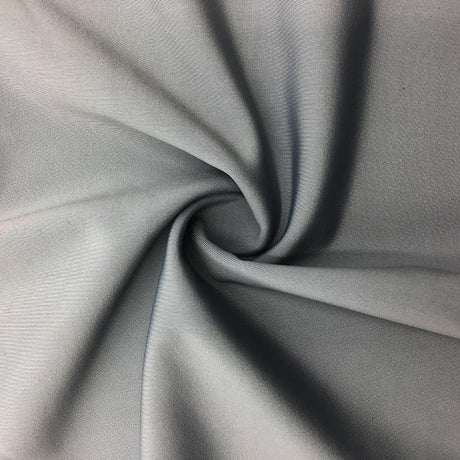
Solid colours, prints, and specialty finishes — all by the yard.
Nylon spandex vs polyester spandex
This is the most common question sewists and designers ask when choosing a fabric for swimwear or activewear. Both are stretch fabrics, both are used in performance apparel, and both come in a wide range of weights and finishes. But they behave differently in use and they're suited to different projects.
Nylon spandex is softer, smoother, and has a naturally silky feel that polyester can't match without special finishing. It wicks moisture well and dries quickly. Most importantly for swimwear, nylon resists chlorine far better than polyester — a swimsuit made from nylon spandex will retain its color, elasticity, and shape significantly longer than a polyester equivalent worn in a chlorinated pool. For anything that will be used repeatedly in water, nylon is the right choice.
Polyester spandex costs less, accepts sublimation printing better than nylon, and tends to be more resistant to UV fading in outdoor conditions. It's the fabric of choice for team uniforms, performance jerseys, and any garment where printing is the priority. It's also slightly more abrasion-resistant, which matters for high-friction sports.
If you're sewing a swimsuit, leotard, compression legging, or anything worn skin-tight for extended periods, nylon spandex is almost always the better fabric. If you're sewing activewear for printing, sublimation, or team use, polyester is often the more practical option.
The short version: Choose nylon spandex for swimwear, dancewear, yoga leggings, and compression garments. Choose polyester spandex for sublimation-printed activewear, team uniforms, and budget-conscious projects.
Understanding GSM in nylon spandex
GSM stands for grams per square meter. It measures how much one square meter of the fabric weighs, which in practice tells you how dense, heavy, and opaque the fabric is. Choosing the wrong GSM is one of the most common reasons home sewists end up disappointed with their finished garment — a swimsuit that goes sheer when wet, or leggings that don't hold their shape.
Here's how GSM breaks down for nylon spandex specifically:
| GSM Range | Weight | Best for | Notes |
|---|---|---|---|
| 80–120 GSM | Lightweight | Swimsuit lining, overlay panels, lingerie, soft-cup tops | Semi-sheer. Not suitable as standalone outer fabric for swimwear. |
| 130–160 GSM | Mid-weight | Bikinis, one-pieces, leotards, light leggings | Good opacity, excellent stretch, smooth surface. The swimwear sweet spot. |
| 160–180 GSM | Medium-heavy | One-piece swimsuits with support panels, rash guards, compression leggings | More coverage and structure. Holds shape under stress. |
| 180–230 GSM | Heavy | Gym leggings, sports bras, compression shorts | Squat-proof, opaque, firm recovery. Ideal for most activewear leggings. |
| 240+ GSM | Very heavy | Shapewear, thick compression shorts, structured swimwear | Maximum coverage and compression. Less stretch than lighter weights. |
For most home sewists making a bikini or one-piece, a fabric between 140–160 GSM will give you the right balance of stretch, coverage, and drape. For leggings that need to be squat-proof, look for at least 200 GSM. See the full fabric weight guide if you want a deeper breakdown across all garment types.
What nylon spandex is used for
Nylon spandex is a versatile fabric but it has specific strengths that make it the obvious choice for certain garment categories. Here's where it performs best.
Swimwear
Nylon spandex is the industry standard for swimwear because of its chlorine resistance. Chlorine breaks down polyester fibers relatively quickly, causing swimsuits to lose their color, fade, and lose elasticity within a single season of regular pool use. Nylon holds up significantly longer. It also maintains its shape and opacity when wet — a fabric that becomes sheer or saggy when soaked is useless in a swimsuit.
For swimwear, a 130–165 GSM nylon spandex is the right range for most two-piece styles. One-pieces with structured panels benefit from 165–180 GSM. Always line your swimwear with a swim mesh lining for comfort and added opacity. Read the full swimwear fabric guide for pattern-specific recommendations.
Leggings and yoga wear
The buttery, second-skin feel of nylon spandex is why premium legging brands favour it over polyester. At 200–230 GSM it gives you the coverage and compression needed for gym leggings. At 170–190 GSM it's lighter and more breathable — better for yoga and Pilates where compression is less critical than freedom of movement.
Brushed nylon spandex — which has a soft fleece-like inner surface — is the fabric used in high-end "buttery soft" leggings. It's noticeably warmer and softer against the skin and is worth choosing if you're making leggings for colder conditions or if softness is your top priority.
Sports bras
Sports bras need fabric that compresses without cutting, moves without twisting, and recovers without sagging. Nylon spandex at 180–220 GSM delivers all of that. The smooth surface is also important — rougher fabrics chafe against skin during high-impact activity. For built-in shelf bras inside tanks and swimsuits, a lighter 130–150 GSM nylon spandex works well.
Dancewear and gymnastics
Leotards, performance costumes, and gymnastics apparel all require fabric that moves without restriction, holds its shape under extreme motion, and looks good under stage lighting. Nylon spandex at 130–160 GSM is the standard choice. The fabric's sheen catches light in a way that suits stage performance, and its recovery means leotards stay smooth and supportive through a full routine. Browse the full dancewear fabric collection for options suited to performance costuming.
Compression garments
High-spandex nylon blends — fabrics with 20–30% spandex content — are used in compression leggings, cycling shorts, and recovery garments. The spandex content provides the compressive force while the nylon base keeps the fabric strong and smooth. At 220–260 GSM, nylon spandex delivers meaningful graduated compression without feeling restricting. Lighter compression for everyday athleisure sits in the 180–200 GSM range.
Shop by use
Types of nylon spandex fabric
Not all nylon spandex is the same. The same fiber blend can be knitted in different ways and finished with different treatments to produce fabrics with very different feels and performance characteristics.
Tricot nylon spandex
The most common construction. A warp-knit fabric with a smooth, flat surface on both sides. Used in swimwear, leotards, and most activewear. Comes in matte and shiny finishes. Matte tricot is easier to sew (less slippery) and tends to have a more sporty, contemporary appearance. Shiny tricot catches light and suits competition swimwear and dancewear.
Brushed nylon spandex
A nylon spandex tricot that's been mechanically finished on the inner surface to create a soft, fleece-like texture. The outer surface is smooth. This is the construction used in "buttery soft" yoga leggings. It's warmer than regular tricot and exceptionally soft against the skin, but it's not suitable for swimwear because the brushed surface traps water.
Power mesh (nylon spandex mesh)
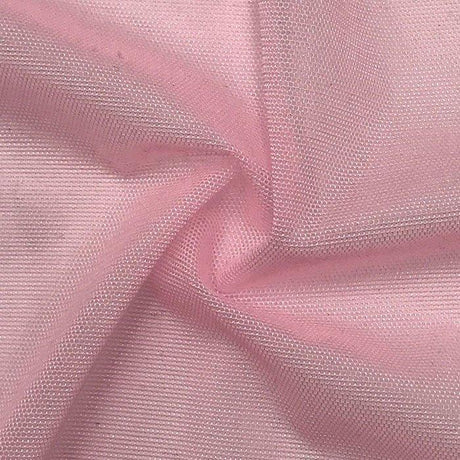
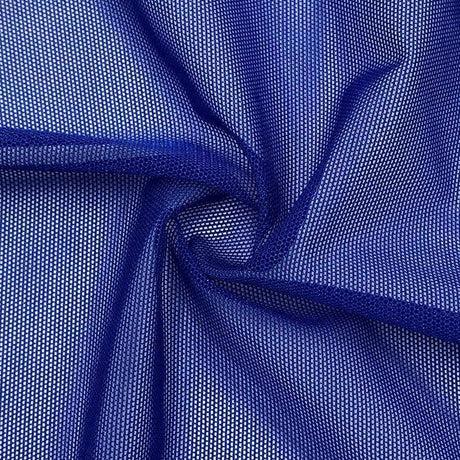
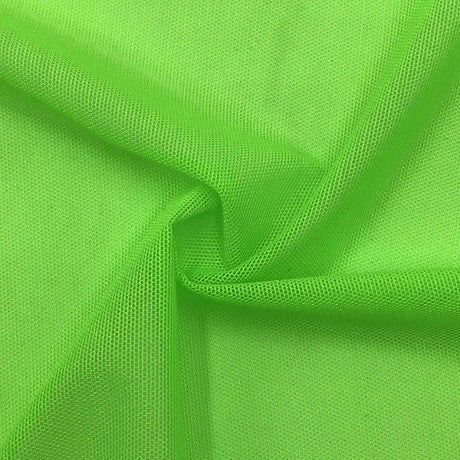
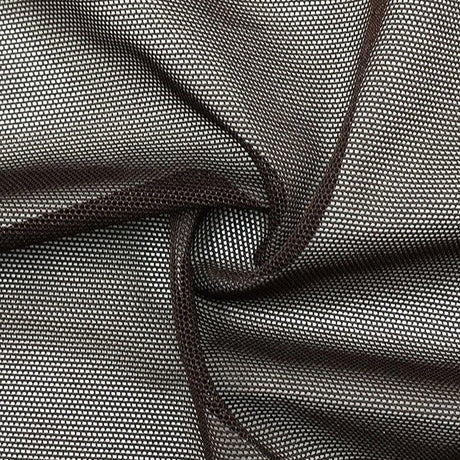
A lightweight, open-knit fabric made from nylon and spandex. Strong despite its low weight, with significant stretch and recovery. Used as lining in swimwear and dancewear, as structural panels in sports bras, and occasionally as a standalone fabric for festival wear and fashion pieces. See the mesh lining fabric guide for a full breakdown of mesh types and uses.
Printed nylon spandex
Nylon spandex is printable via digital wet printing, which produces vibrant, detailed patterns that hold up through washing and wear. Florals, geometrics, abstract designs, and animal prints are all available on nylon spandex base fabric. Printed nylon spandex is popular for swimwear, festival wear, and fashion activewear. Browse the printed spandex collection for current pattern options.
Sewing with nylon spandex
Nylon spandex sews well, but it has specific requirements. Using the wrong needle or stitch on a stretch fabric is the most common cause of seam failure and puckering.
Use a ballpoint or stretch needle. A standard sharp needle perforates the knit fibers rather than pushing between them, which weakens the fabric and causes runs. A ballpoint (also labelled "jersey") needle slides between the fibers cleanly. A size 75/11 or 80/12 is right for most nylon spandex weights.
Use a stretch stitch or a narrow zigzag. A straight stitch has no give and will pop when the fabric stretches. A stretch stitch (or a narrow zigzag of around 1mm width, 2.5mm length) stretches with the fabric. If you have a serger, a 4-thread overlock is the standard construction stitch for activewear and swimwear.
Don't stretch the fabric as you feed it. Let the feed dogs do the work. Pulling the fabric through the machine stretches the fibers and causes wavy, puckered seams once it relaxes.
Test first. Sew a seam on a scrap piece of the actual fabric before starting your project. Test that the stitch stretches with the fabric without popping. This takes two minutes and saves a finished garment.
For a full walkthrough of techniques and settings, see how to sew stretch fabric.
How to care for nylon spandex
Nylon spandex is durable but heat is its main enemy. The spandex fibers in the blend are sensitive to high temperatures — tumble drying on high heat or washing in hot water causes the elastic fibers to contract, which permanently reduces stretch and recovery. The garment won't spring back the same way after that damage is done.
Wash cold, on a gentle cycle. Cold water preserves both the nylon and spandex fibers. A gentle cycle reduces mechanical stress on the knit structure.
Air dry flat. Hang-drying can cause the fabric to stretch under its own weight while wet. Flat drying maintains the shape. Never tumble dry on high heat.
Avoid fabric softener. Softener coats the fibers and reduces the fabric's moisture-wicking ability. For swimwear and activewear, this matters.
Rinse after pool use. Chlorine left in the fabric after swimming continues to degrade the fibers. A thorough rinse in cold water immediately after pool use significantly extends the life of any swimsuit. See the fabric care guide for more detail.
Frequently asked questions
Is nylon spandex good for swimwear?
Yes — it's the standard choice for professional and recreational swimwear. Nylon resists chlorine far better than polyester, maintains its shape when wet, and the smooth hand feel is comfortable against skin. For most swimwear applications, a nylon spandex at 130–165 GSM is the right weight.
What's the difference between nylon spandex and polyester spandex?
Nylon spandex is softer, has better chlorine resistance, and is preferred for swimwear and close-fitting activewear. Polyester spandex costs less, works better for sublimation printing, and is the standard for team uniforms and budget activewear. For any garment that will be used regularly in a pool, nylon is the better choice.
What GSM should I use for leggings?
For gym leggings that need to be squat-proof and opaque, look for 200–230 GSM. For lighter yoga wear where breathability matters more than compression, 170–190 GSM works well. Below 160 GSM, most nylon spandex will be too sheer for standalone leggings.
Does nylon spandex shrink?
Very little if cared for correctly. The main risk is heat — high-temperature washing or tumble drying can cause the spandex fibers to contract. Wash cold and air dry to keep the fabric in its original shape.
What needle do I use to sew nylon spandex?
A ballpoint or stretch needle (size 75/11 or 80/12). A standard sharp needle will perforate the knit fibers and cause runs. Pair it with a stretch stitch or narrow zigzag — a straight stitch won't flex with the fabric and the seams will pop.
Is nylon spandex the same as Lycra?
Lycra is a brand name for spandex (elastane), owned by the LYCRA Company. When a fabric is described as "nylon Lycra" or "nylon elastane," it means the same thing as nylon spandex — a nylon base fiber blended with an elastic fiber. The three terms are interchangeable in most fabric contexts.