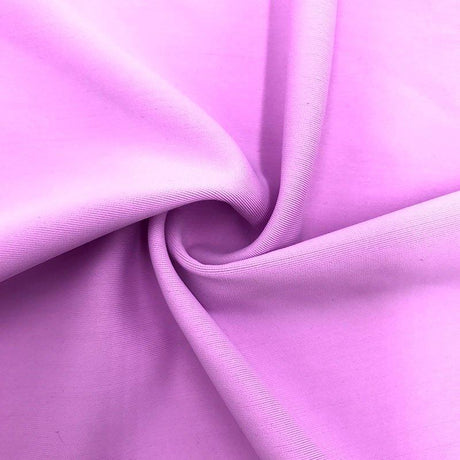
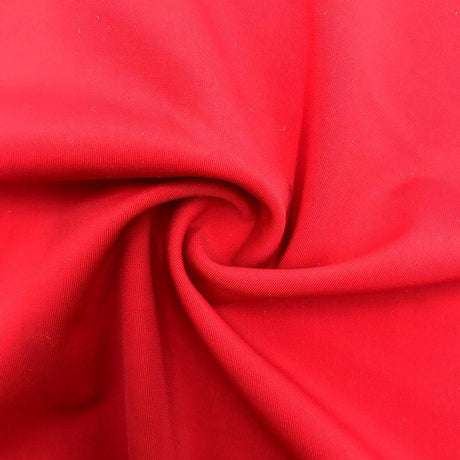
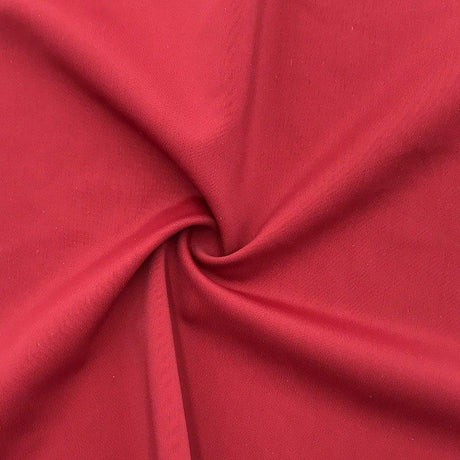
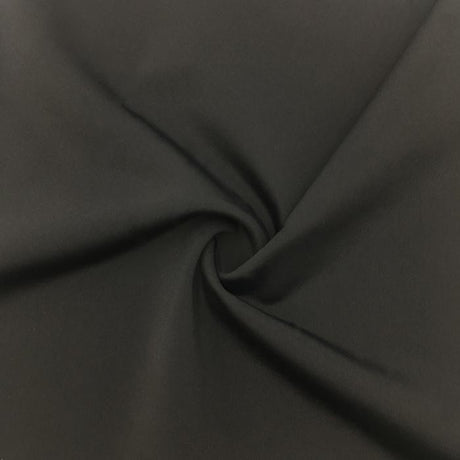
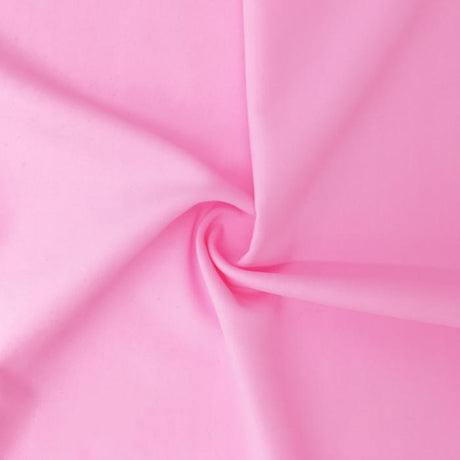
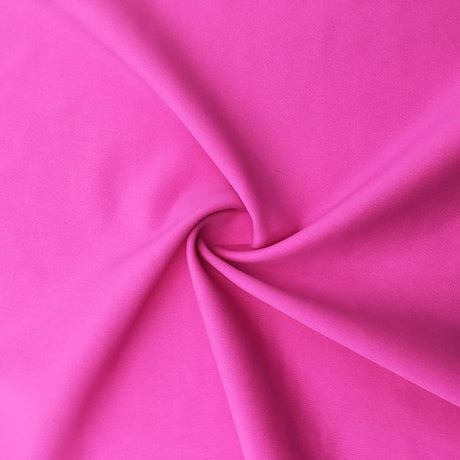
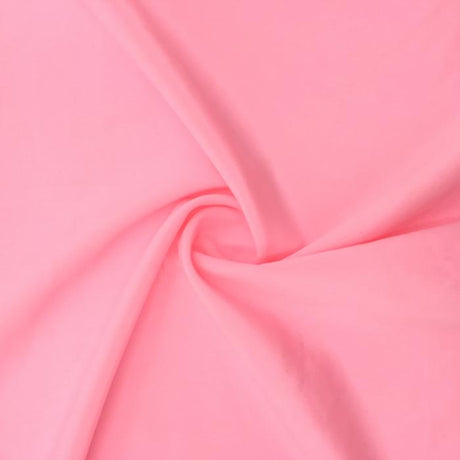
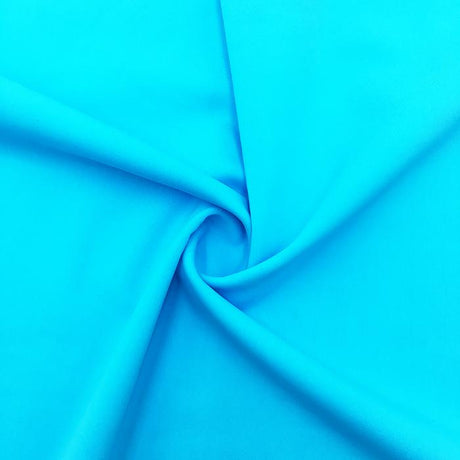
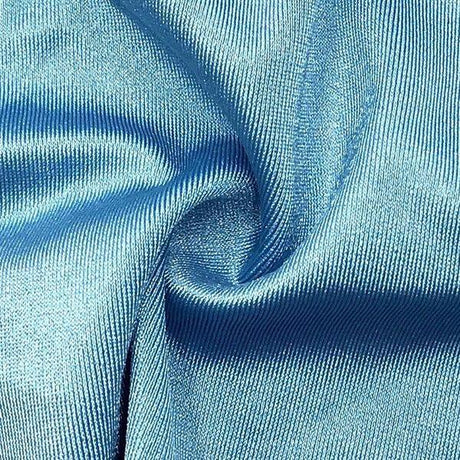
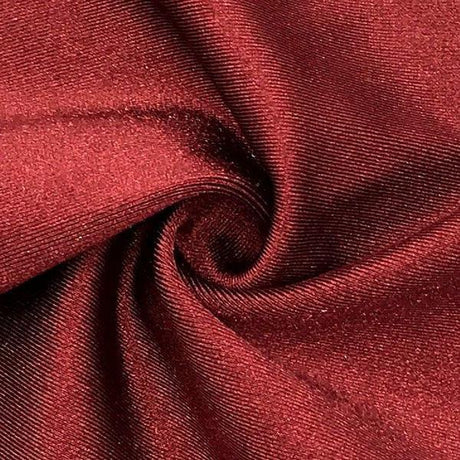
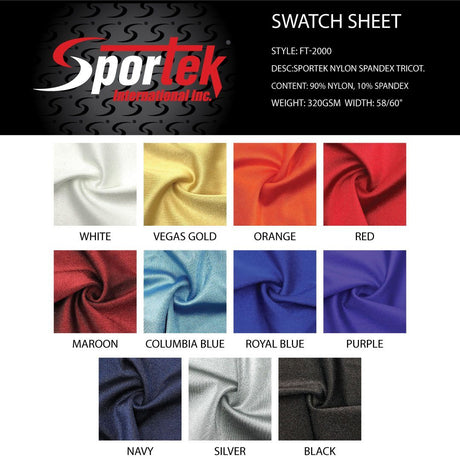
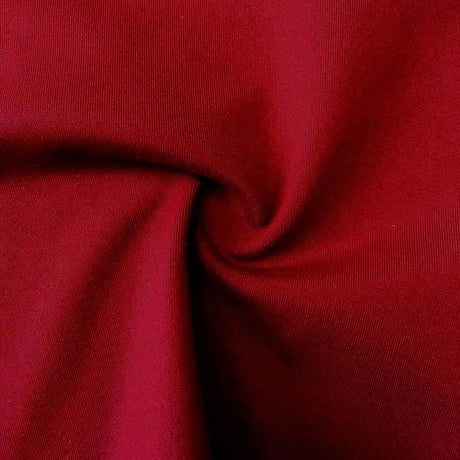
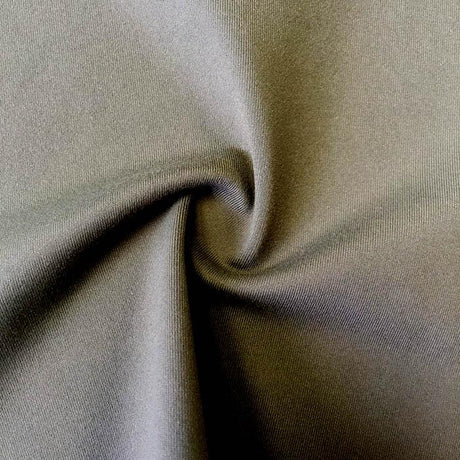
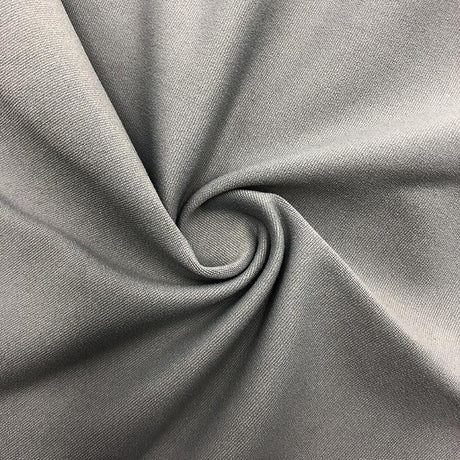
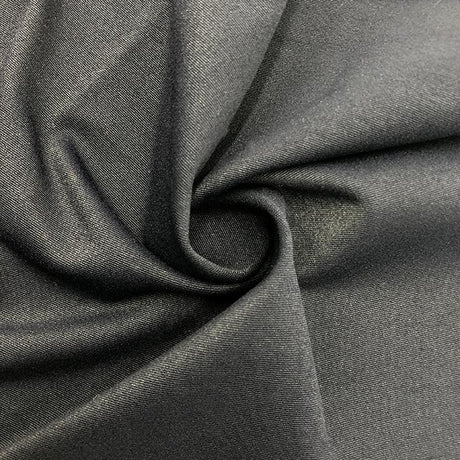
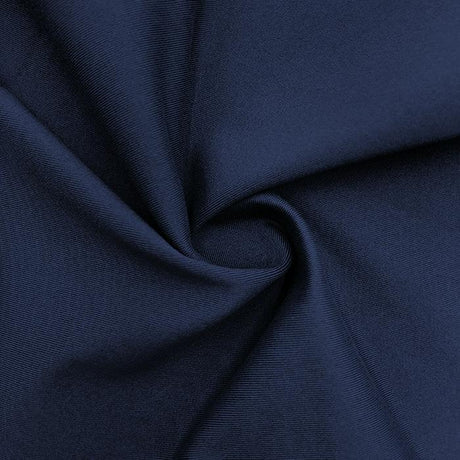
Compression fabrics have become one of the most important categories in modern apparel design. Whether you are sewing leggings that need to hold their shape through hundreds of workouts, building a swim line that moves with the body, or developing professional performance gear, the fabric you choose determines how the finished garment feels, fits, and lasts. In this guide we break down what compression fabric actually does, where it is used, how different materials compare, and how to choose the right stretch textile for your project.
What Makes a Fabric a Compression Fabric?
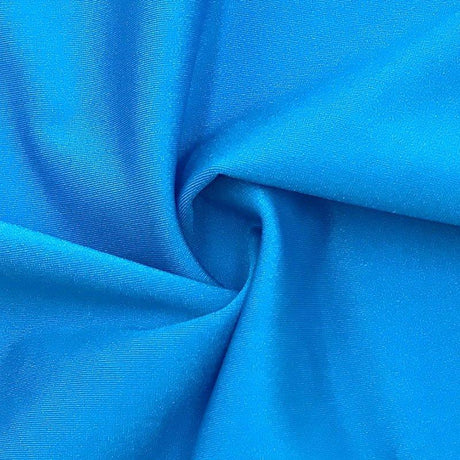
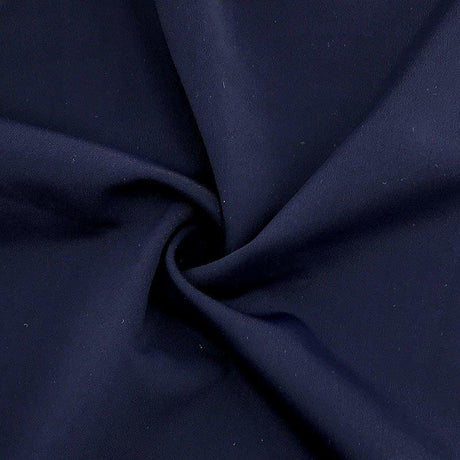
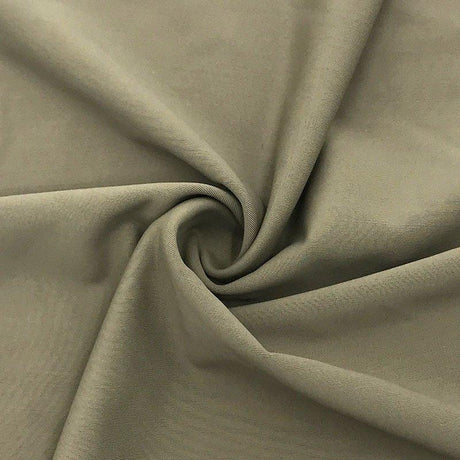
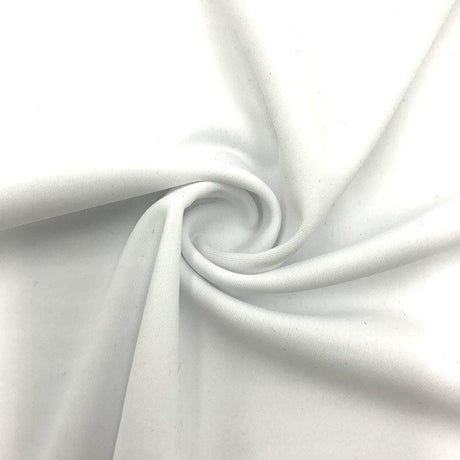
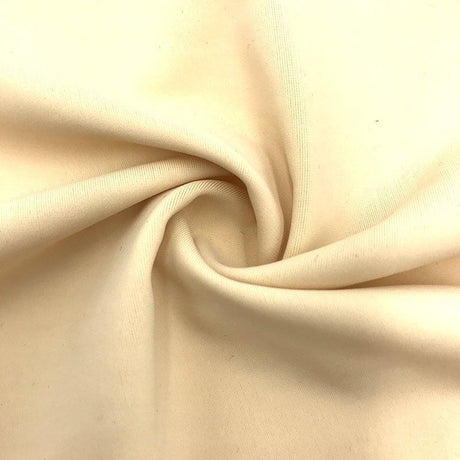
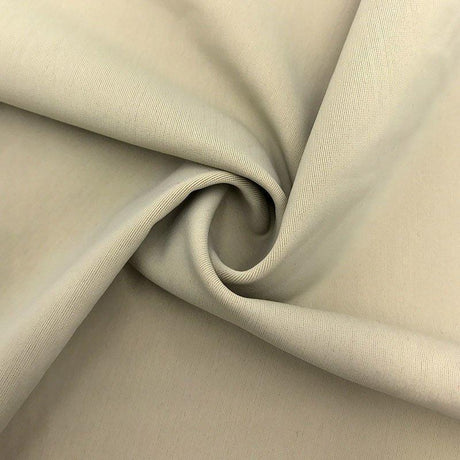
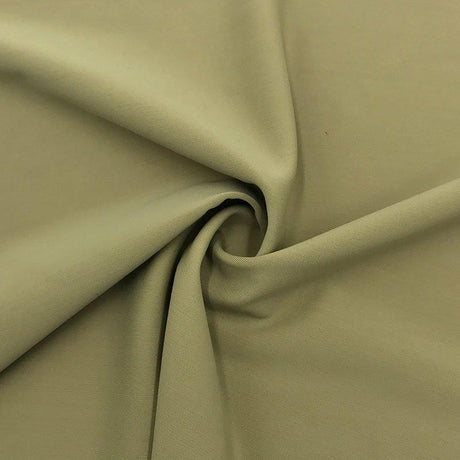
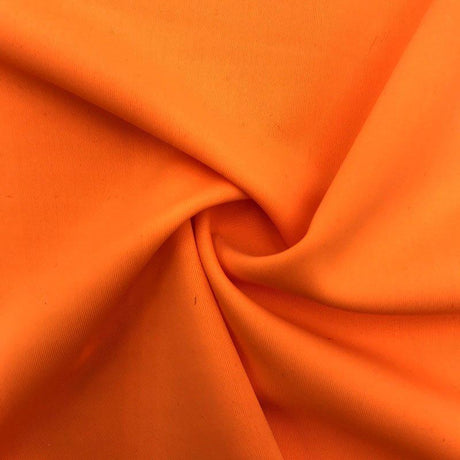
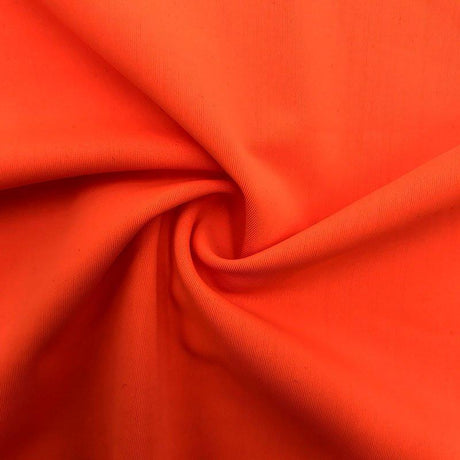
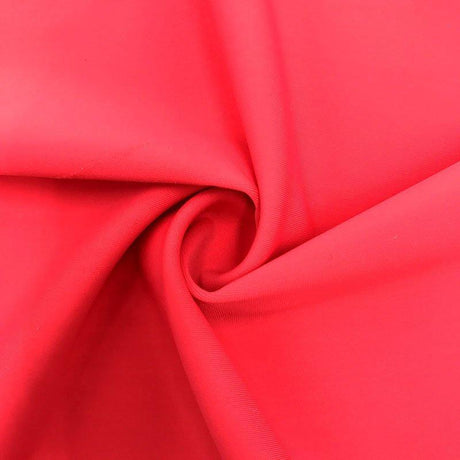
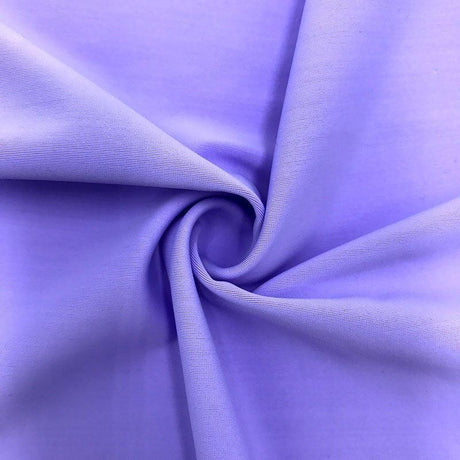
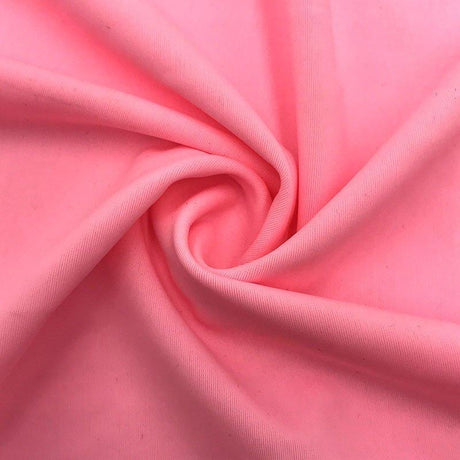
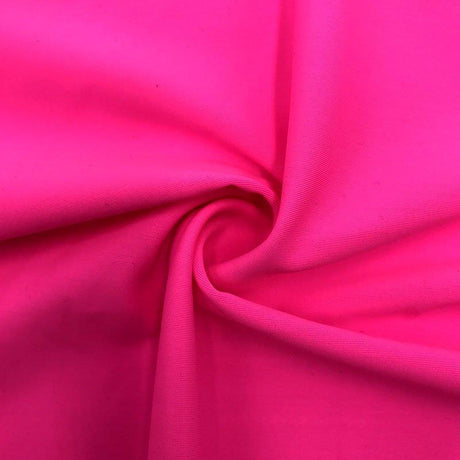
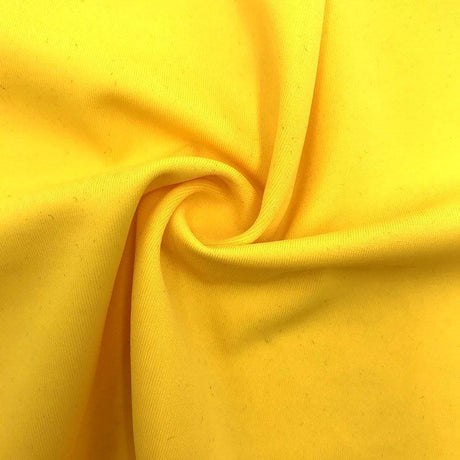
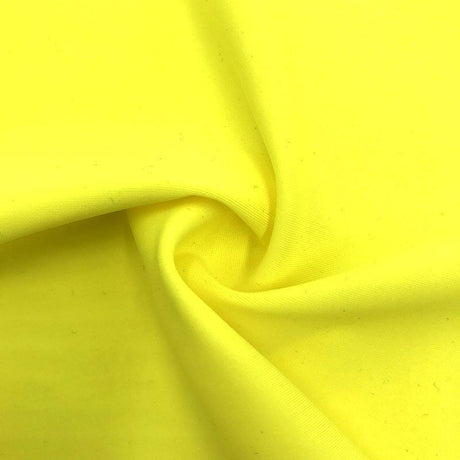
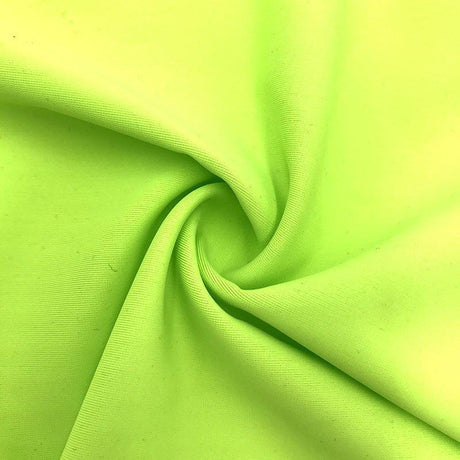
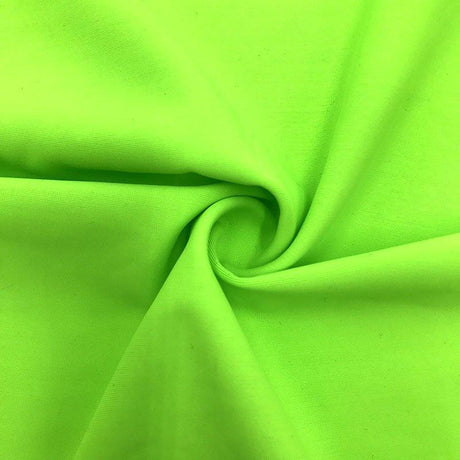
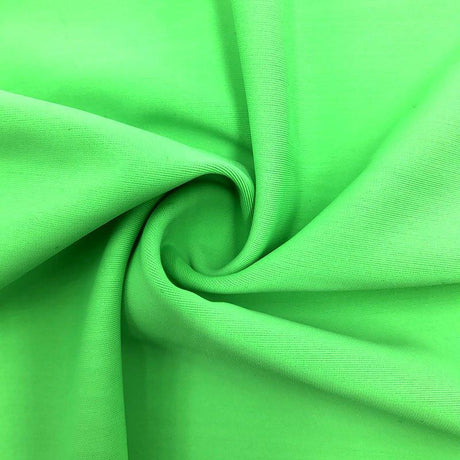
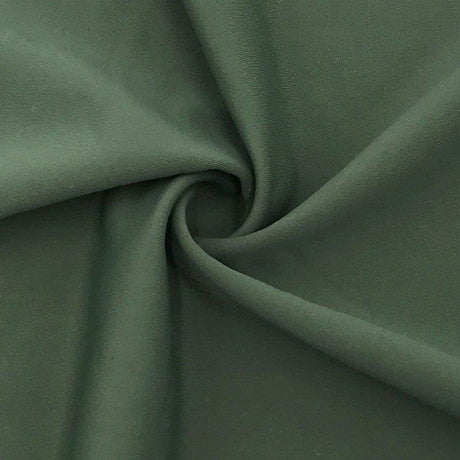
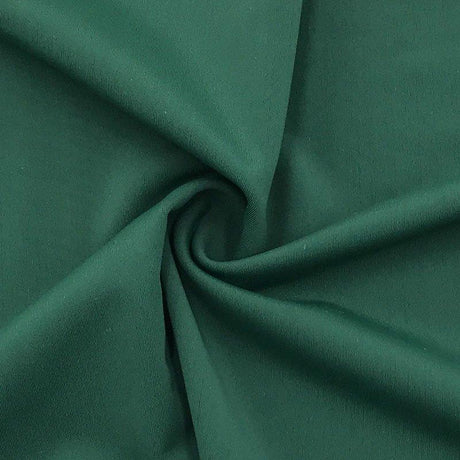
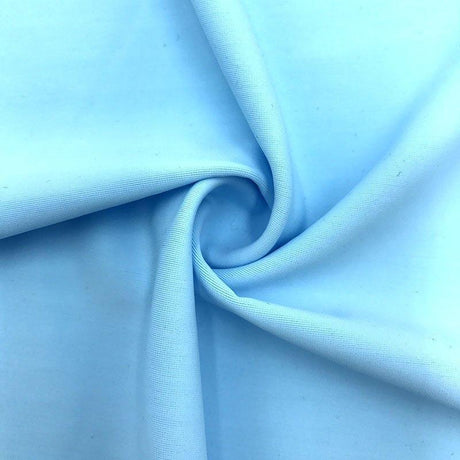
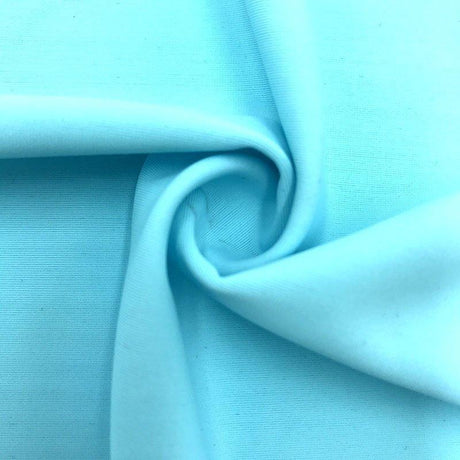
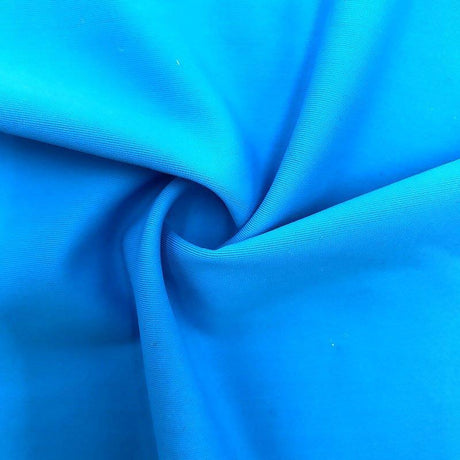
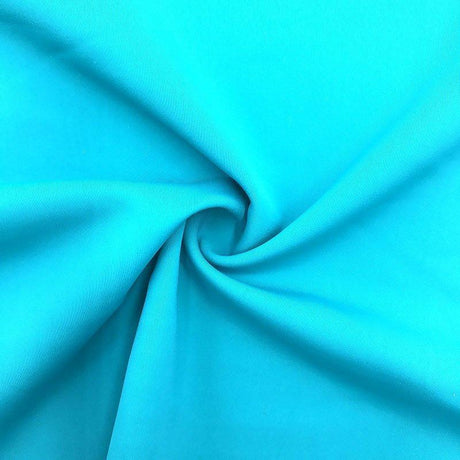
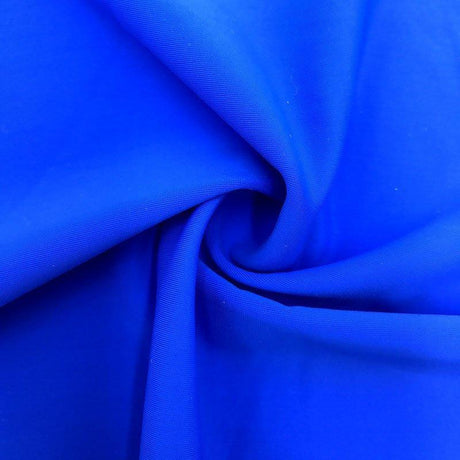
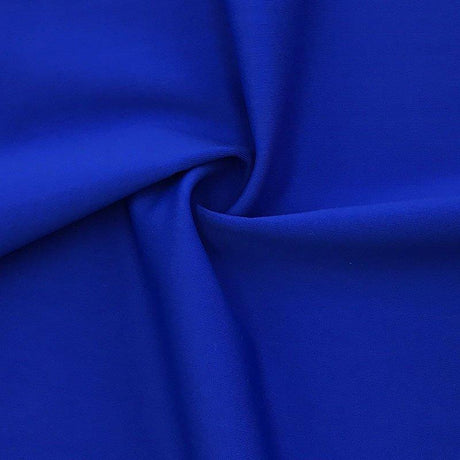
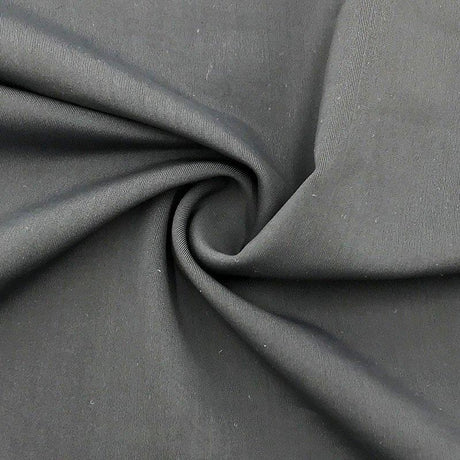
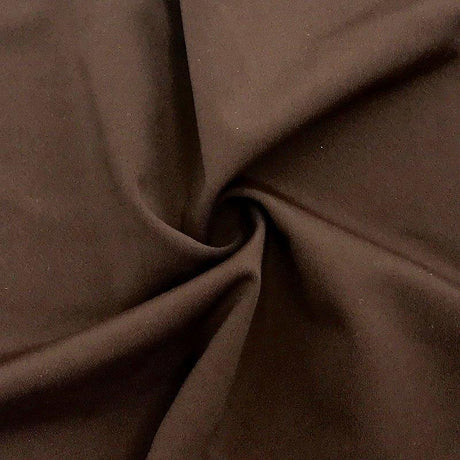
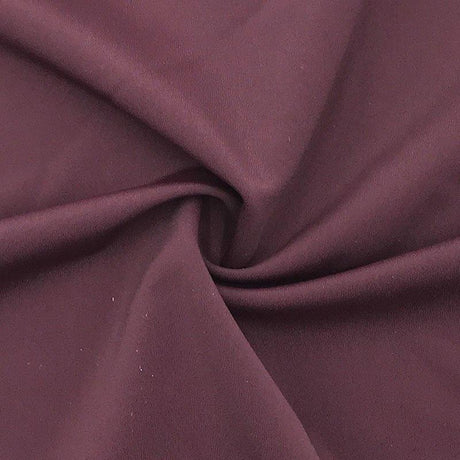
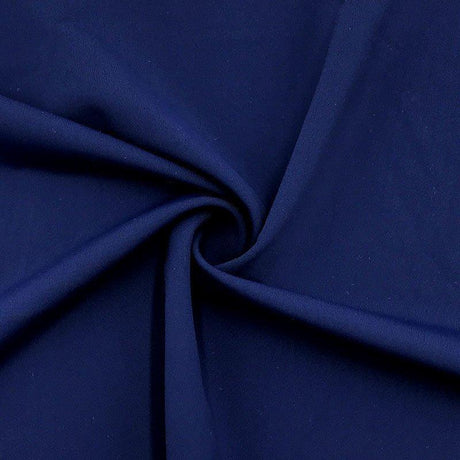
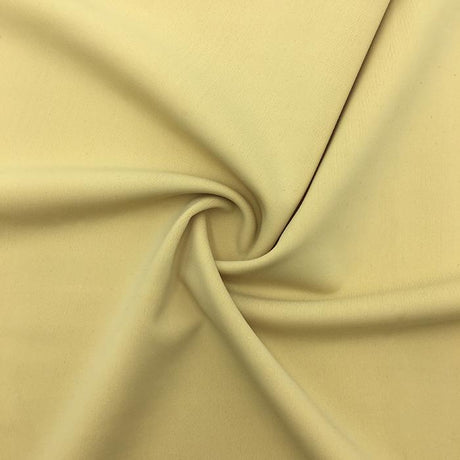
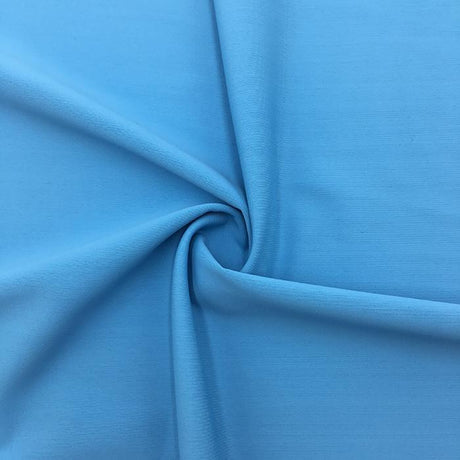
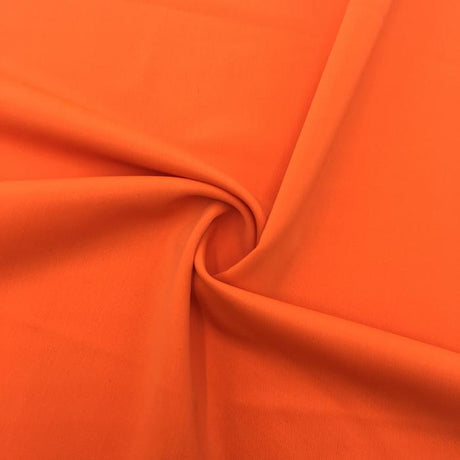
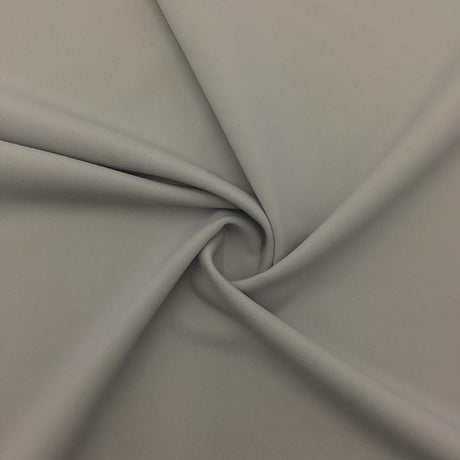
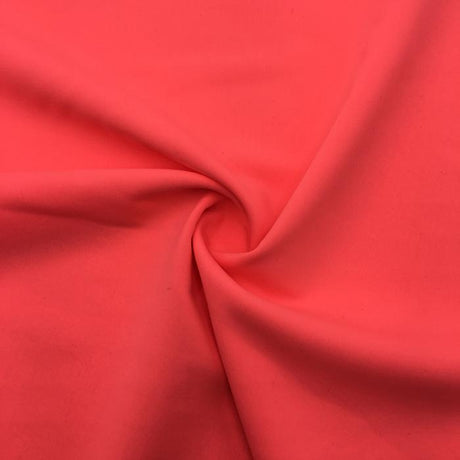
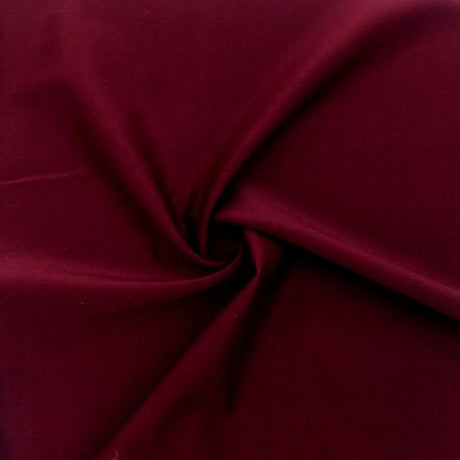
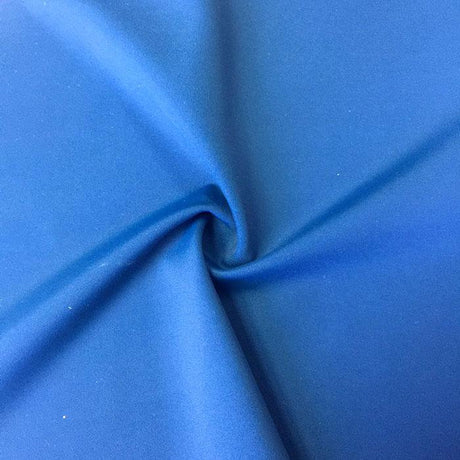
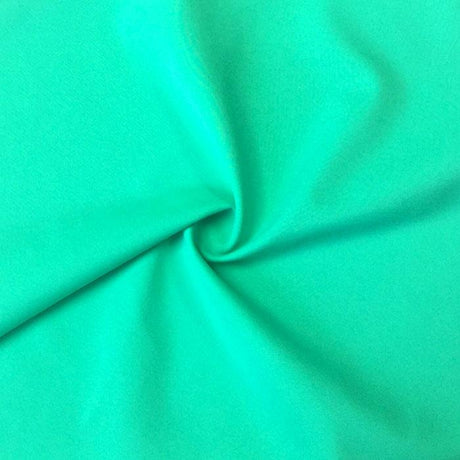
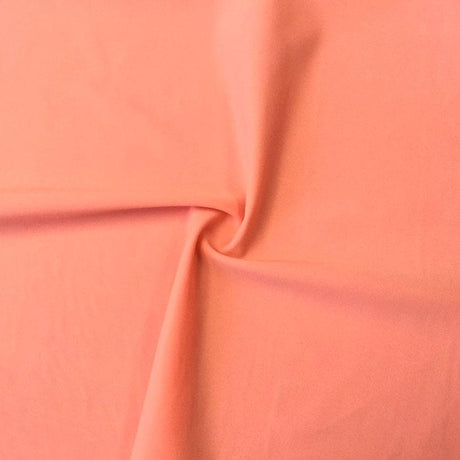
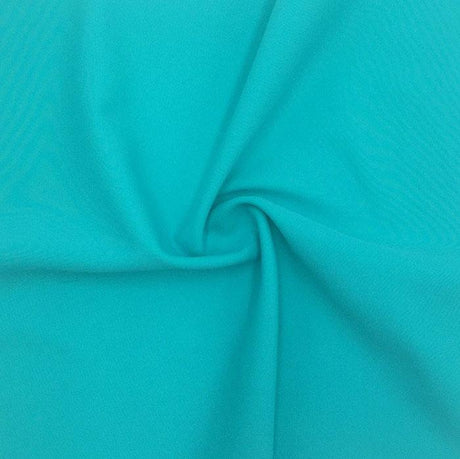
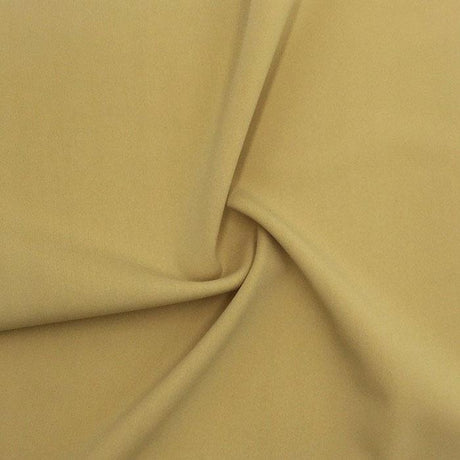
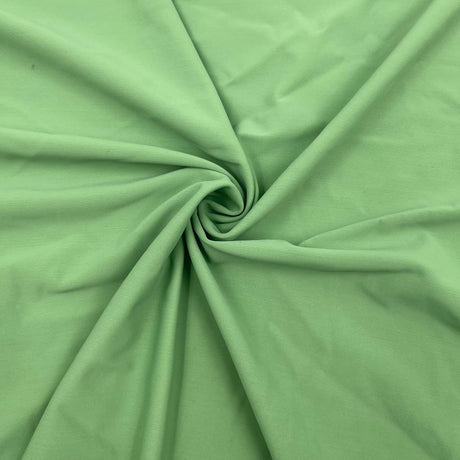
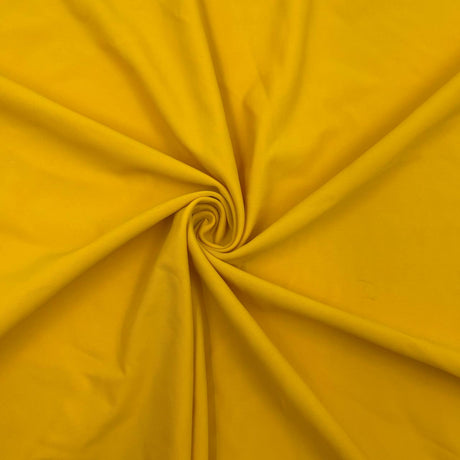
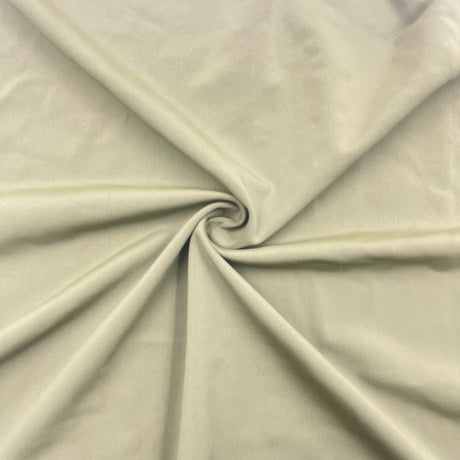
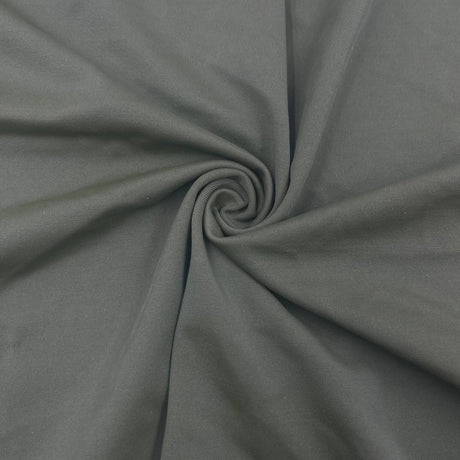
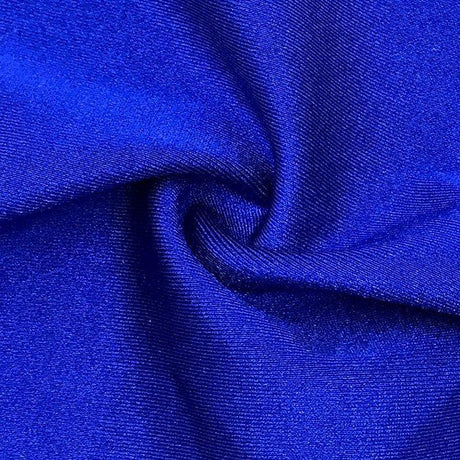
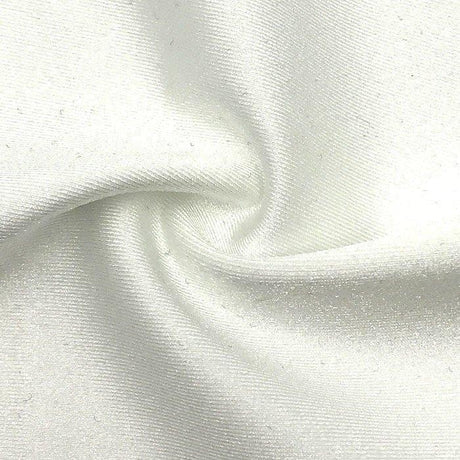
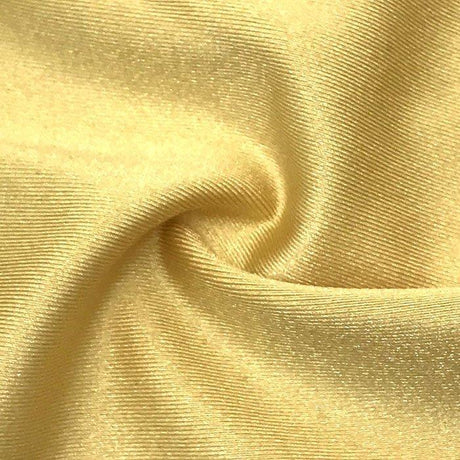
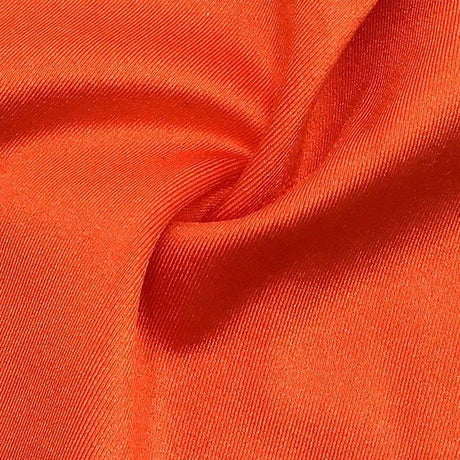
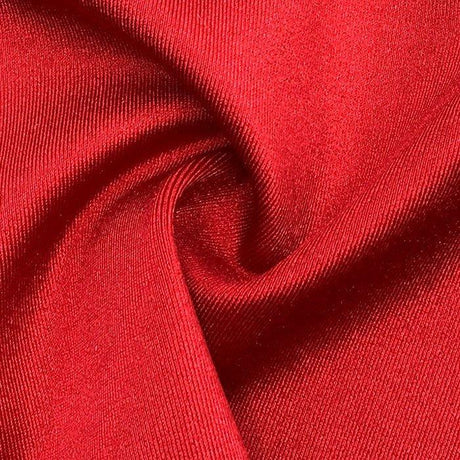
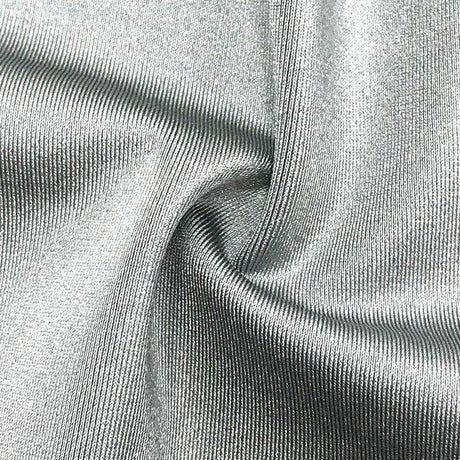
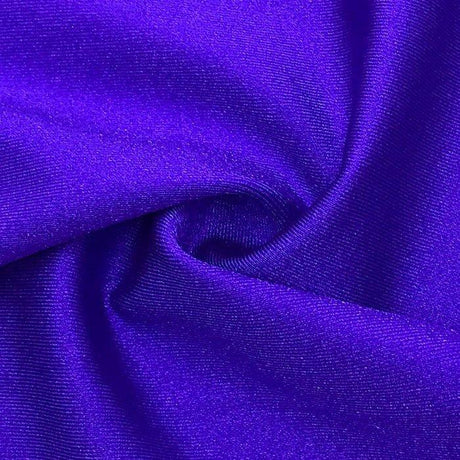
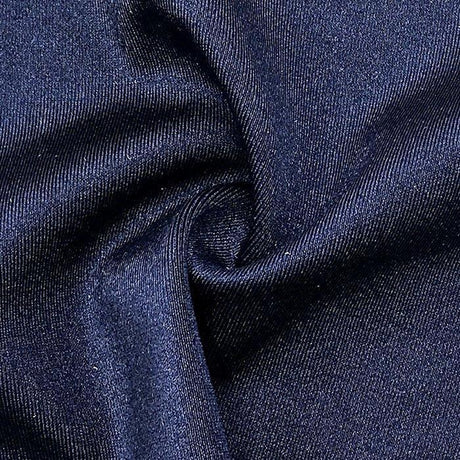
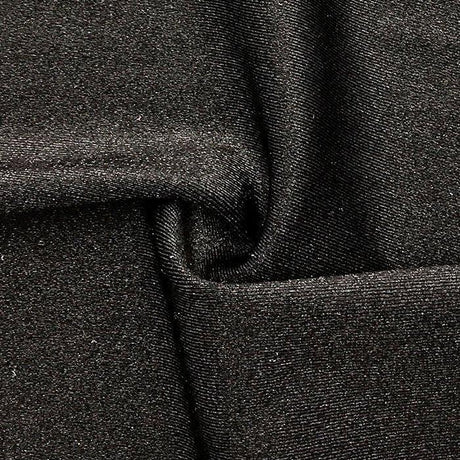
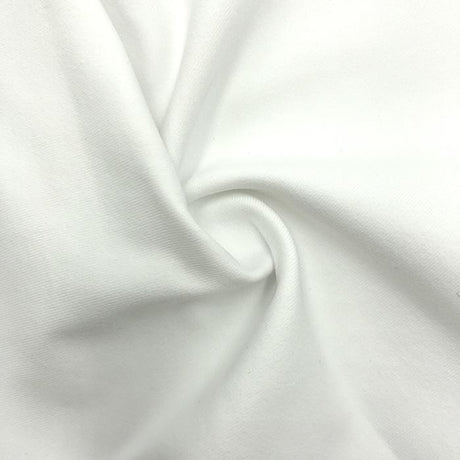
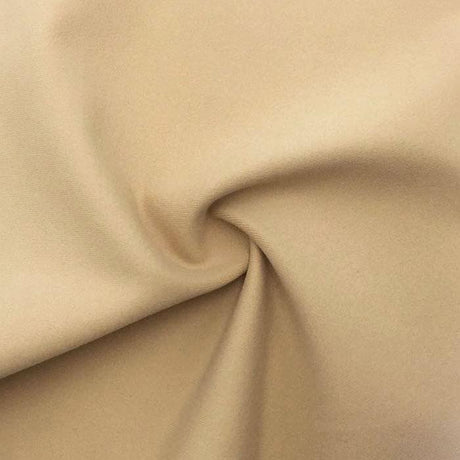
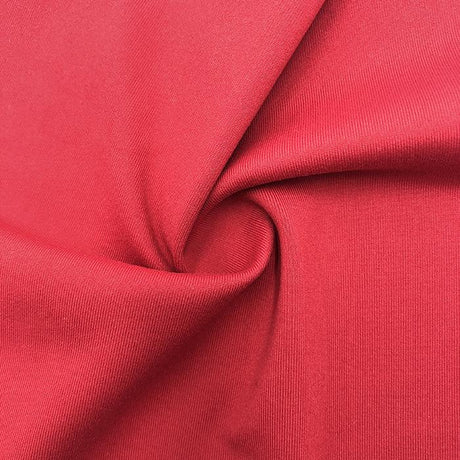
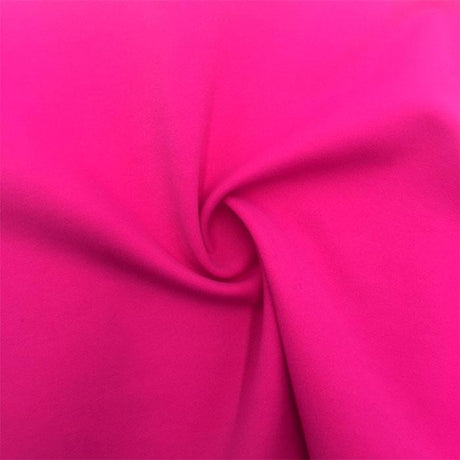
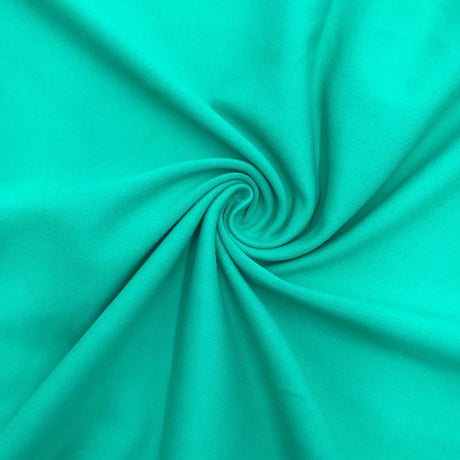
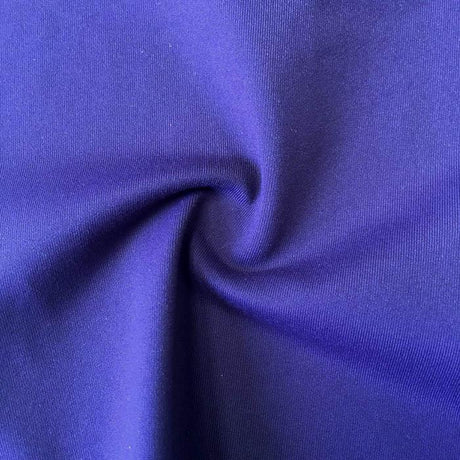
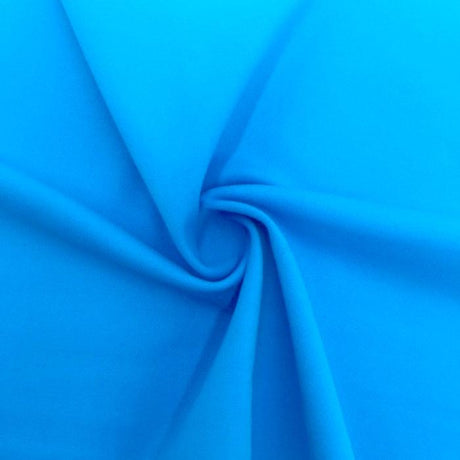
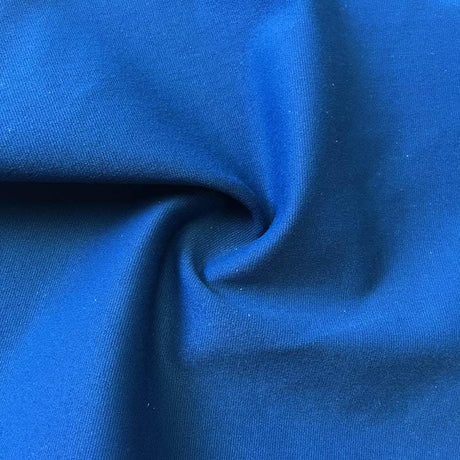
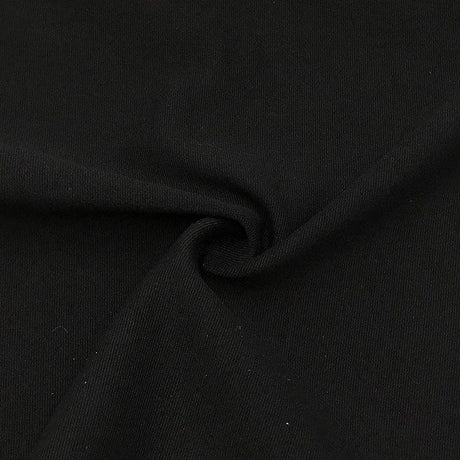
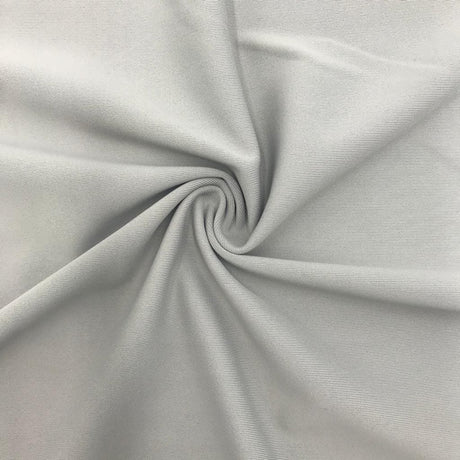
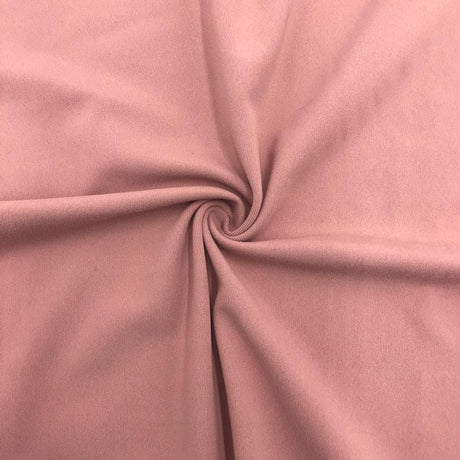
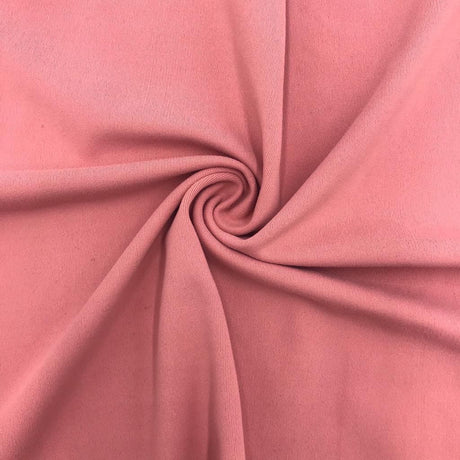
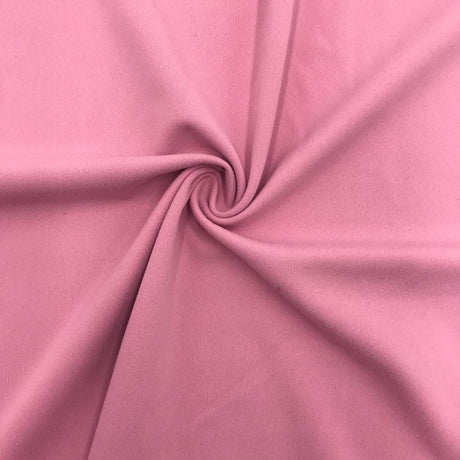
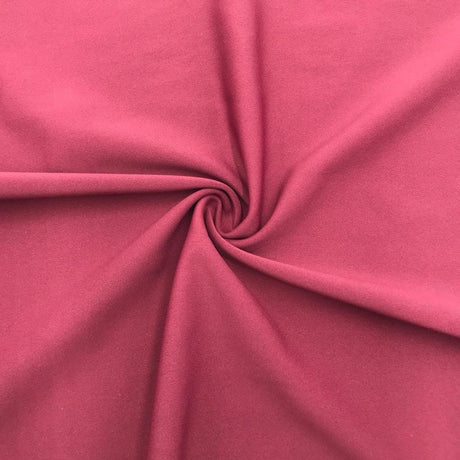
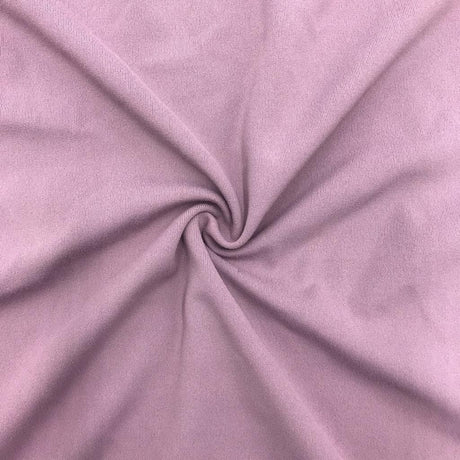
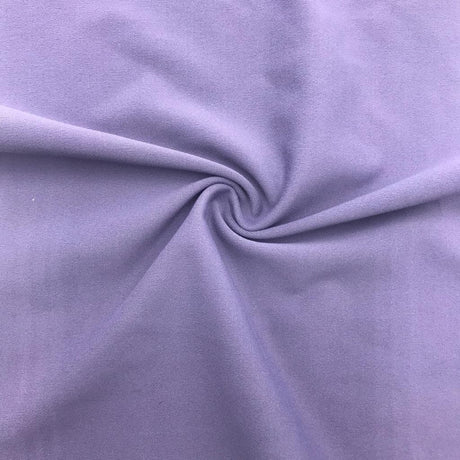
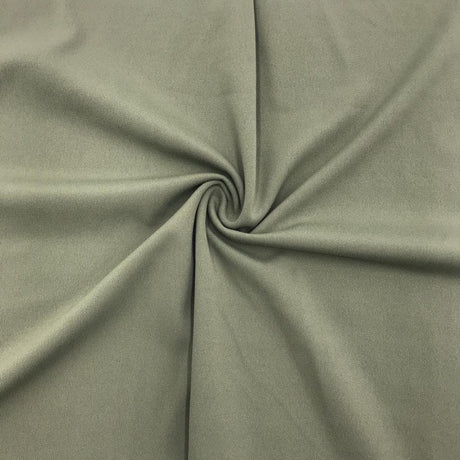
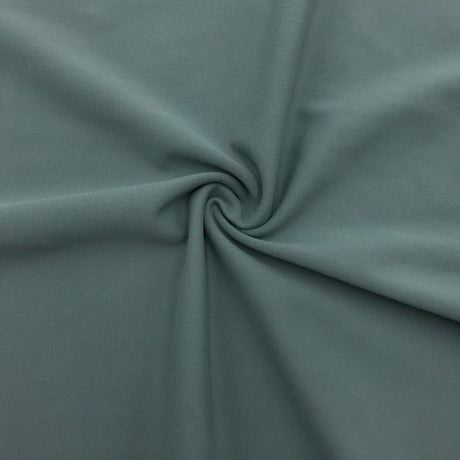
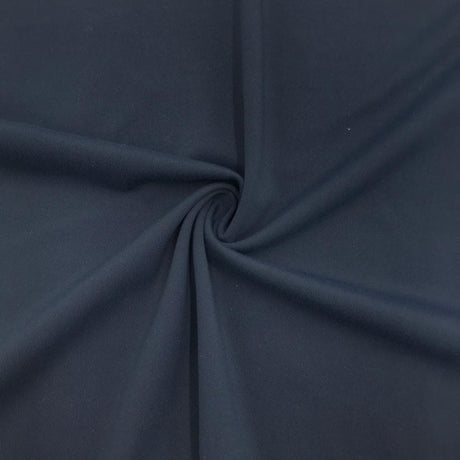
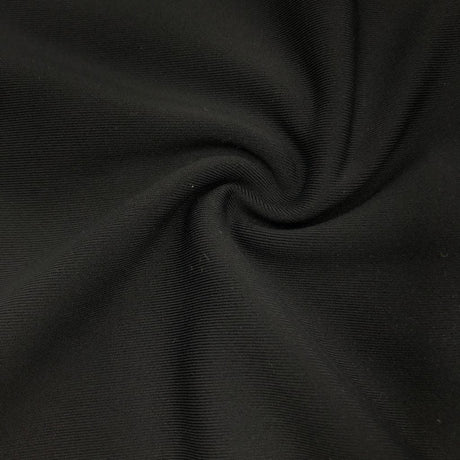
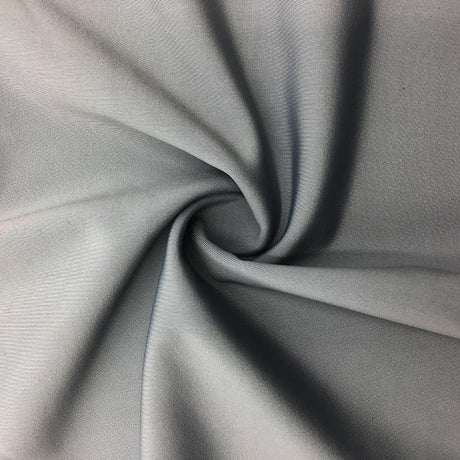
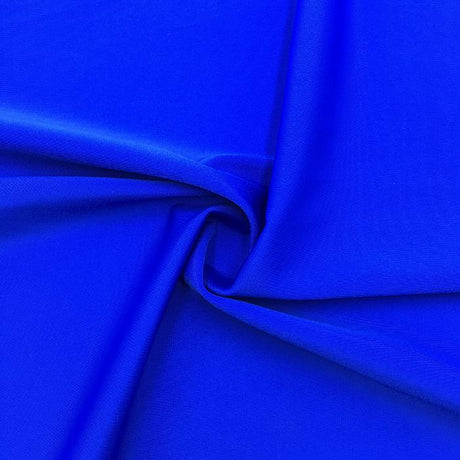
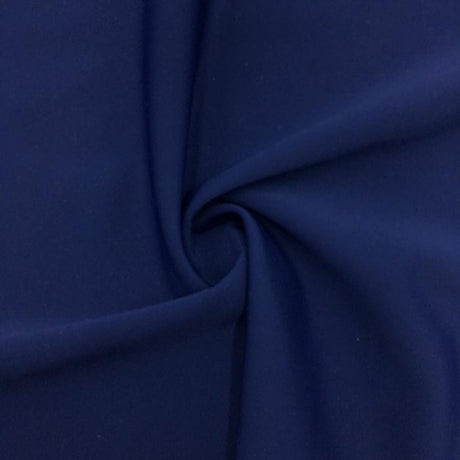
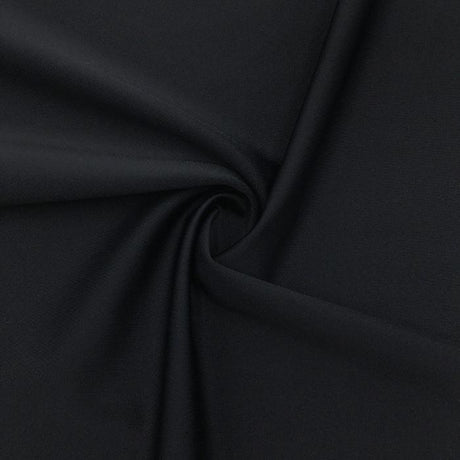
At its core, a compression fabric is a stretch textile engineered to apply gentle, consistent pressure against the body. That pressure is what gives compression garments their characteristic support and "second-skin" feel. The key qualities to look for are four-way stretch, strong recovery (the fabric's ability to snap back to its original shape after being stretched), and a dense, durable knit that resists thinning and sagging over time.
Compression fabrics are commonly used in activewear fabric, swimwear fabric, and performance apparel where support, stretch, and recovery are essential. In each of these applications the fabric has to do more than simply stretch — it has to return reliably to shape thousands of times, hold up against sweat, chlorine, and friction, and remain comfortable against the skin throughout an entire workout, swim, or performance.
Nylon Spandex vs. Polyester Spandex: Choosing Your Base Material
The single biggest decision when selecting a compression fabric is the base fiber, and for most performance applications it comes down to two blends: nylon spandex and polyester spandex. Both deliver excellent stretch, but they have distinct strengths that suit different end uses.
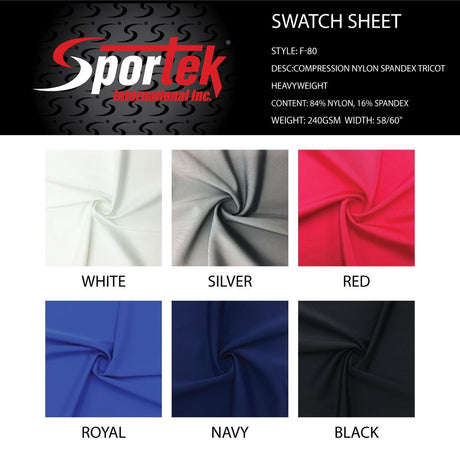
Many premium compression garments are produced using nylon spandex fabrics because of their exceptional stretch recovery, soft hand feel, and durability. Nylon tends to have a smoother, slightly more luxurious surface and a buttery drape, which is why it is so often the choice for high-end leggings, swimwear, and form-fitting activewear. Its superior recovery means garments hold their compressive fit wash after wash.
For garments requiring vibrant prints and long-lasting color retention, polyester spandex fabric is often the preferred choice. Polyester accepts and holds color extraordinarily well, resists fading from sunlight and repeated laundering, and offers excellent moisture-wicking properties. If your design centers on bold graphics or saturated prints that need to stay crisp over time, a polyester base is usually the smarter investment.
In practice, many designers keep both on hand — reaching for nylon when softness and recovery lead the brief, and polyester when print vibrancy and color longevity matter most.
Adding Style: Printed and Patterned Performance Fabrics
Performance no longer means plain. Today's activewear market rewards designs that stand out, and patterned stretch fabrics let you combine technical performance with genuine visual appeal. Designers creating custom leggings, sports bras, and training apparel frequently choose fabrics from our printed spandex collection to combine performance with eye-catching style. These fabrics retain the stretch and recovery of a quality compression knit while giving your line a distinctive look on the shelf and in the studio.
Beyond standard prints, there is a whole world of statement patterns to explore. Those looking for fashion-forward activewear may explore our geometric spandex fabrics, abstract spandex fabrics, and animal print spandex fabrics. Geometric prints lend a clean, modern, athletic edge; abstract designs create movement and energy; and animal prints bring a bold, fashion-forward attitude that translates well from the gym to the street. Each of these is built on the same performance foundation, so you never have to trade durability for design.
Beyond the Gym: Dancewear, Athleisure, and Everyday Fitness
One of the reasons compression fabrics have grown so popular is their versatility. The same qualities that make them ideal for athletic training — stretch, support, and recovery — also make them perfect for a much wider range of garments. Compression fabrics are also widely used in dancewear fabric, athleisure fabric, and modern fitness apparel.
For dancewear, the fabric's ability to move freely with the body while holding its shape is essential; dancers need full range of motion without the garment shifting or sagging. In athleisure, the appeal is comfort that transitions seamlessly from a workout to errands to relaxing at home, which is why soft-handed compression blends have become a wardrobe staple far beyond the gym. And across general fitness apparel, that reliable blend of support and comfort keeps wearers feeling secure through every kind of activity.
Performance Features That Matter: Moisture Management and Breathability
A great compression garment is about more than fit — it is about how the fabric performs under real conditions. Two of the most important technical considerations are moisture management and breathability, and the right fabric choice can dramatically improve both.
Athletes who need maximum moisture management often select sublimation spandex tricot fabrics because they provide excellent print quality while maintaining stretch and comfort. Sublimation tricot is a favorite for custom teamwear and printed performance apparel: it takes intricate, full-color sublimated designs beautifully while keeping the wearer dry and comfortable through intense activity.
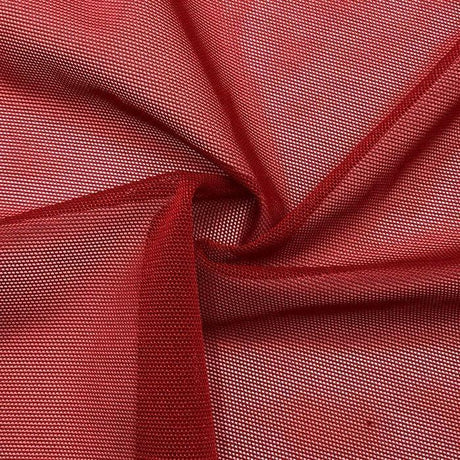
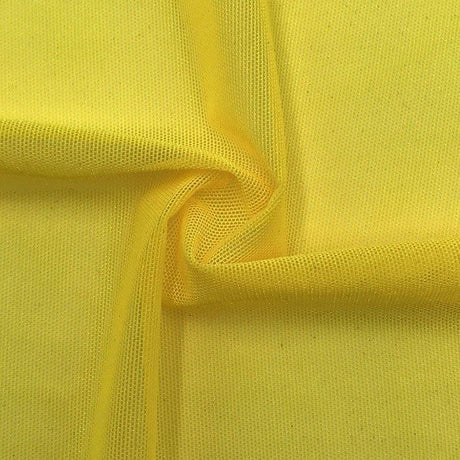
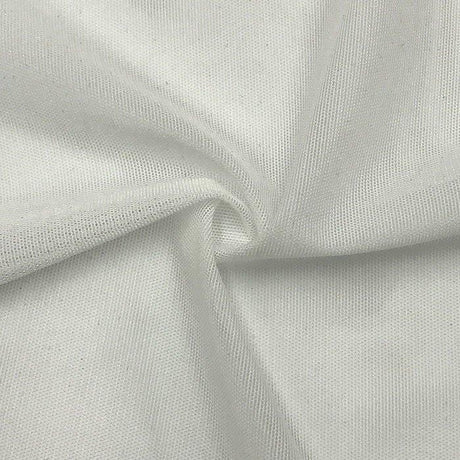
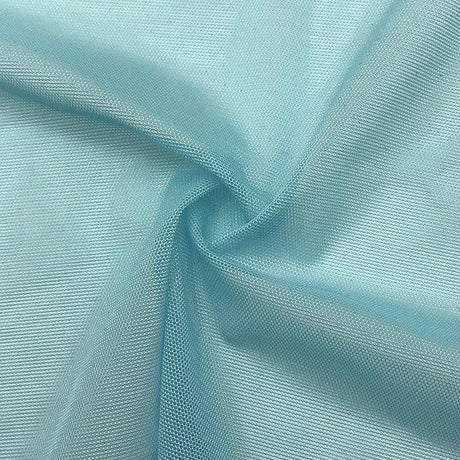
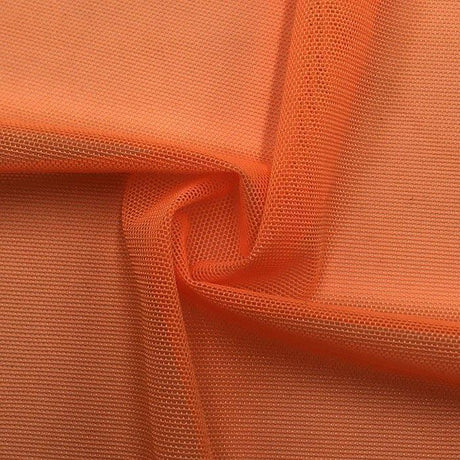
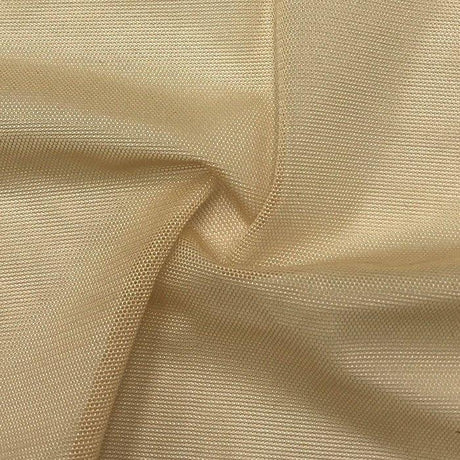
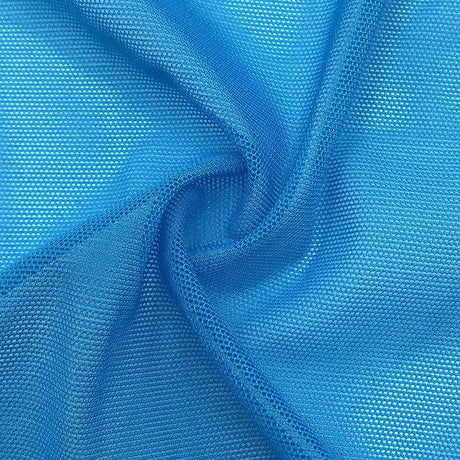
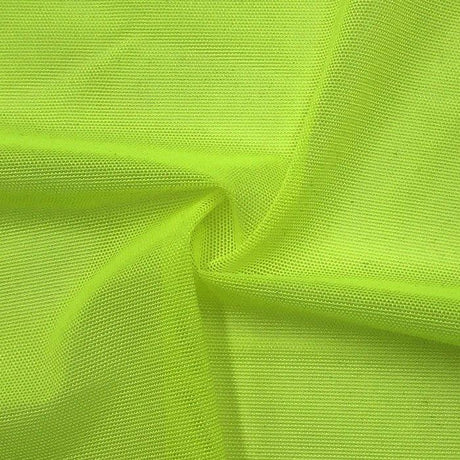
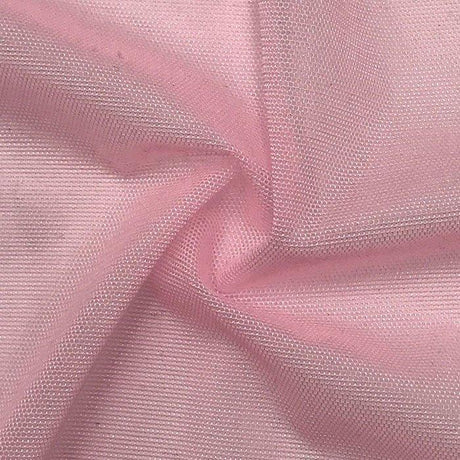
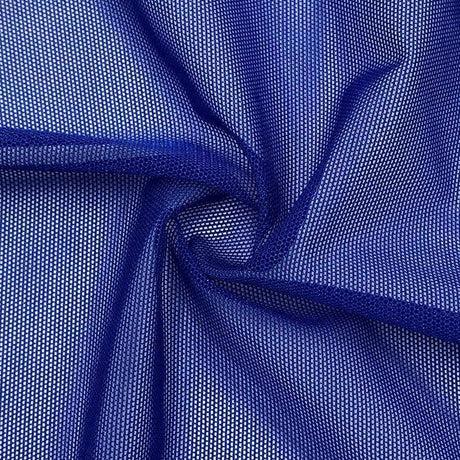
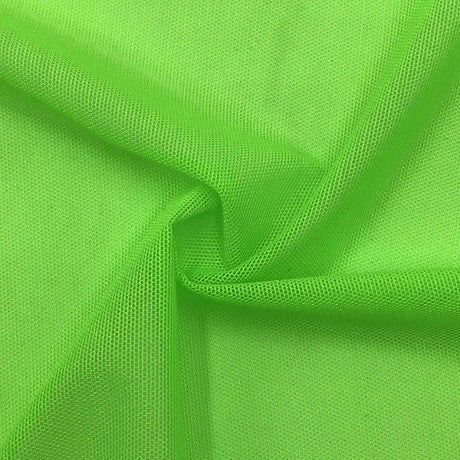
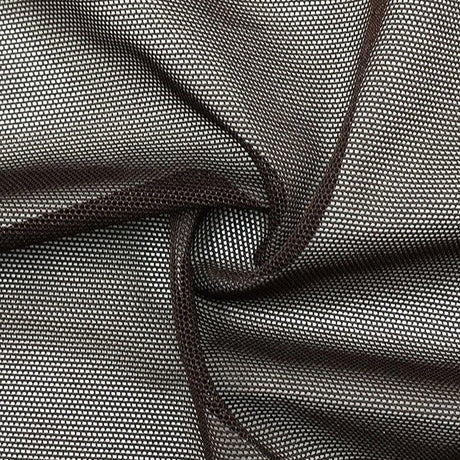
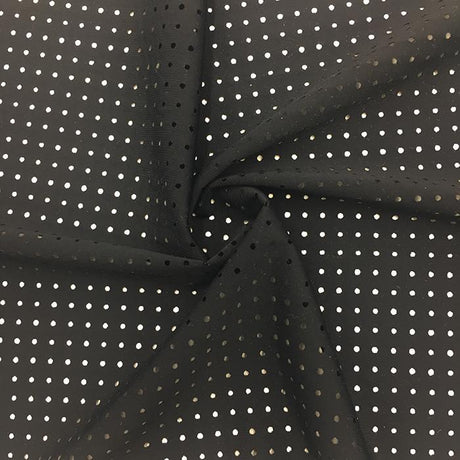
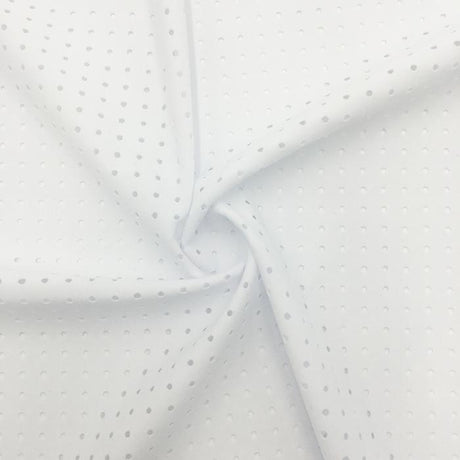
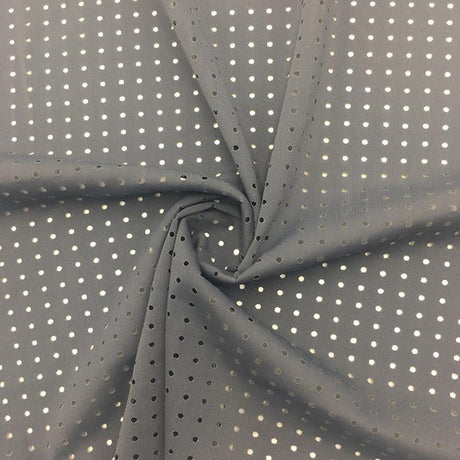
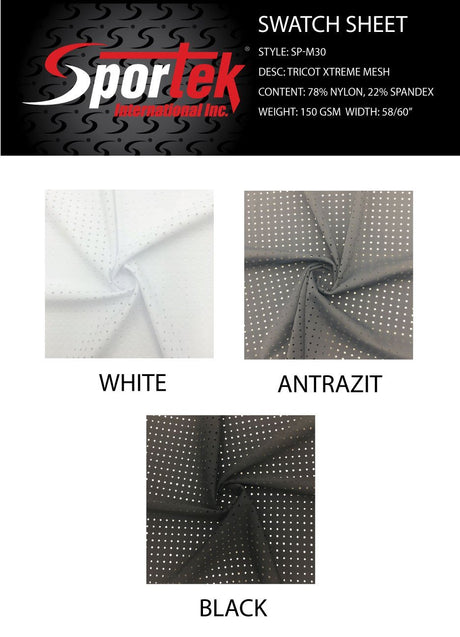
Breathability is the other half of the equation. Lightweight compression garments can also incorporate performance mesh fabrics to improve breathability and airflow during workouts. Strategically placed mesh panels — along the back, under the arms, or behind the knees — release heat and let air circulate exactly where the body needs it most. Combining a solid compression base with mesh detailing is one of the most effective ways to build garments that perform in demanding, high-output conditions.
How to Choose the Right Compression Fabric for Your Project
With so many options, the best way to narrow your choice is to start with the end use. Ask yourself how the garment will be worn, how often, and under what conditions. A few practical guidelines can help:
If you are making swimwear or garments that face chlorine, salt water, and sun, prioritize durability and color retention — this is where a strong nylon or polyester spandex earns its place. If your design leads with bold graphics or photographic prints, lean toward polyester-based or sublimation-ready fabrics that lock in color. For everyday leggings and athleisure where comfort is king, a soft nylon spandex with high recovery will deliver that premium "second-skin" feel customers love. And for high-intensity training gear, look for fabrics with proven moisture management, and consider pairing them with mesh for airflow.
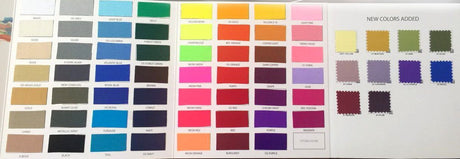
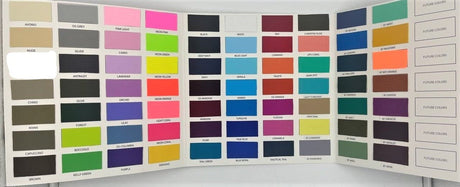
It is also worth ordering swatches or small cuts before committing to a full project. Stretch percentage, weight, opacity (especially important for light-colored leggings), and hand feel can vary between fabrics, and feeling them in person tells you far more than a product photo ever can. A quick stretch-and-recovery test — pulling the fabric and watching how cleanly it snaps back — is one of the fastest ways to judge quality.
Stay Current with the Latest Performance Textiles
The world of stretch and performance fabrics is always evolving, with new prints, finishes, and technical blends arriving throughout the year. For seasonal collections, browse our latest arrivals in the new fabric arrivals collection featuring fresh performance fabrics and stretch textiles. Checking in regularly is a great way to discover new colorways and patterns before they sell out, and to keep your own designs feeling current.
Final Thoughts
Compression fabrics sit at the intersection of function and fashion. The right choice supports the body, holds its shape, manages moisture, and still looks exactly the way you envisioned — whether that means a clean solid, a vivid print, or a breathable mesh-paneled design. By matching the base material to your end use, considering how prints and patterns fit your brand, and building in the right performance features, you can create garments that genuinely perform and keep customers coming back. Take the time to explore the options, request swatches when you can, and let the demands of the finished garment guide every fabric decision you make.