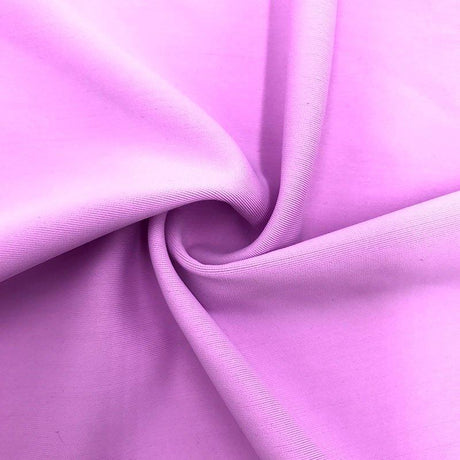
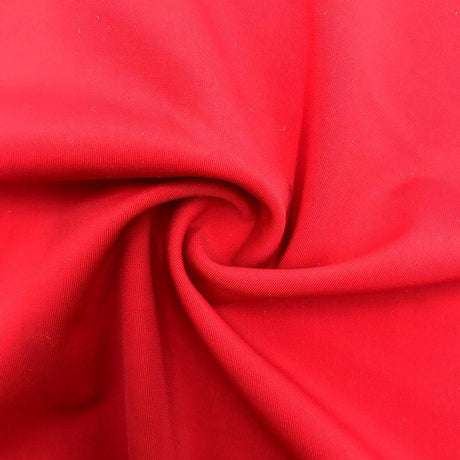
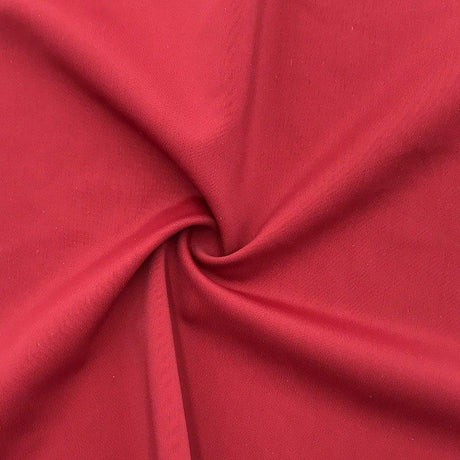
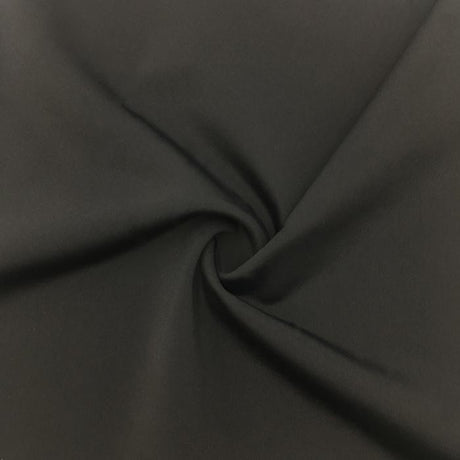
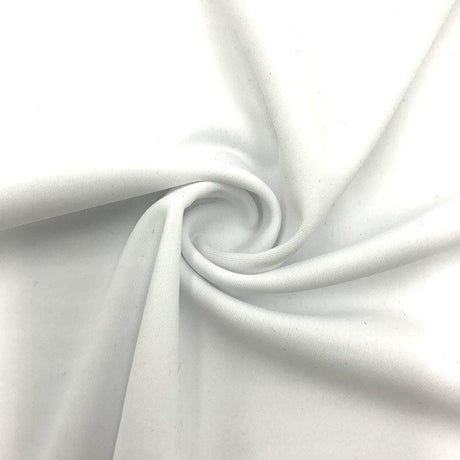
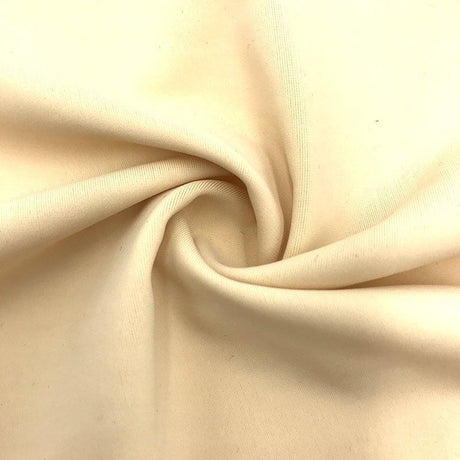
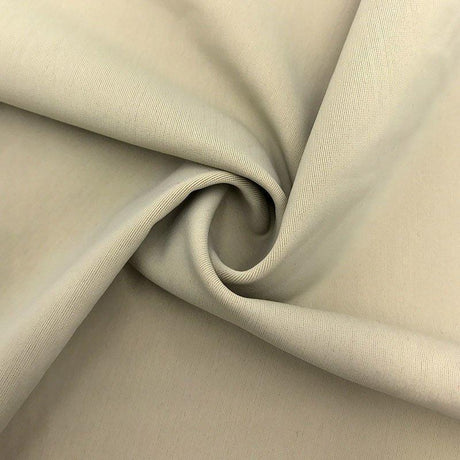
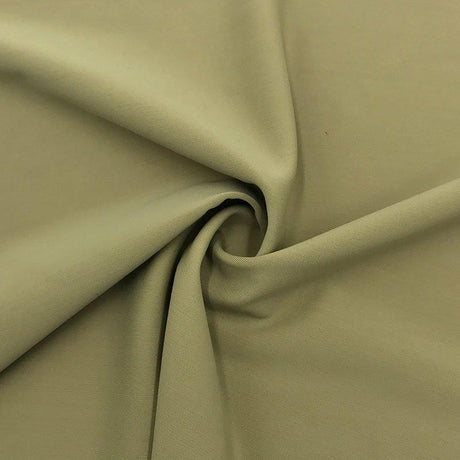
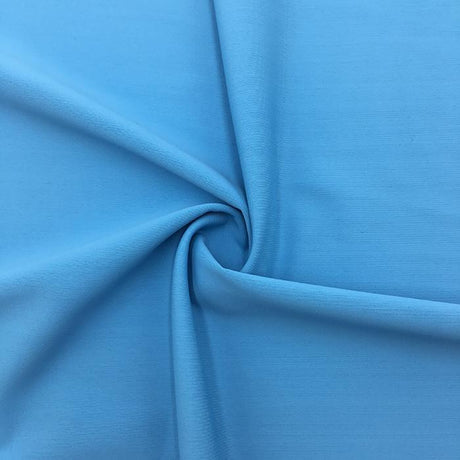
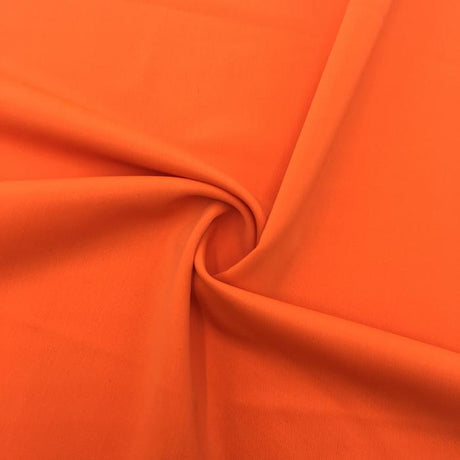
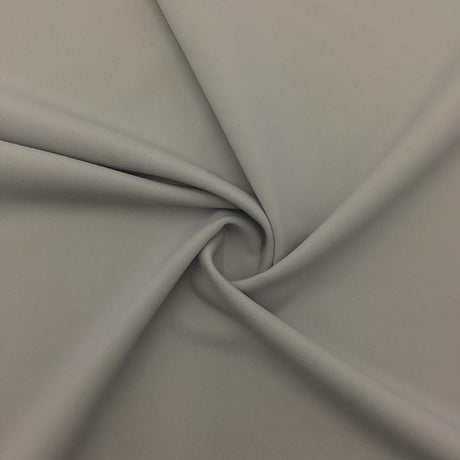
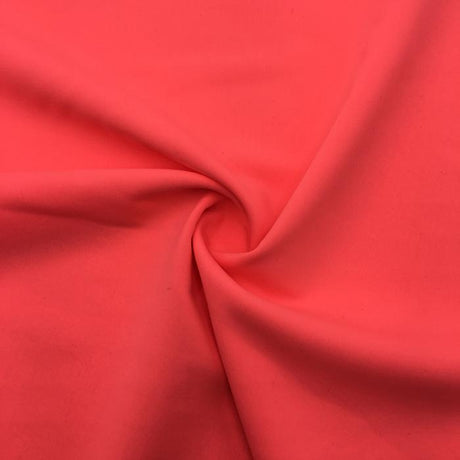
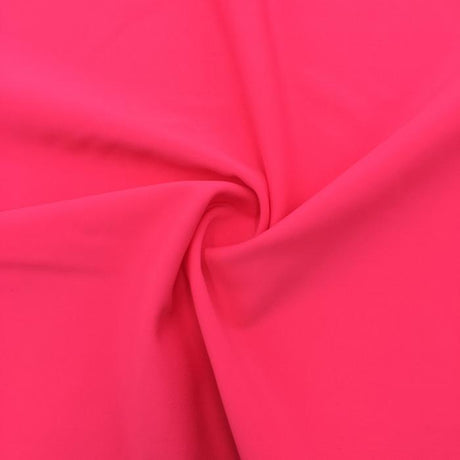
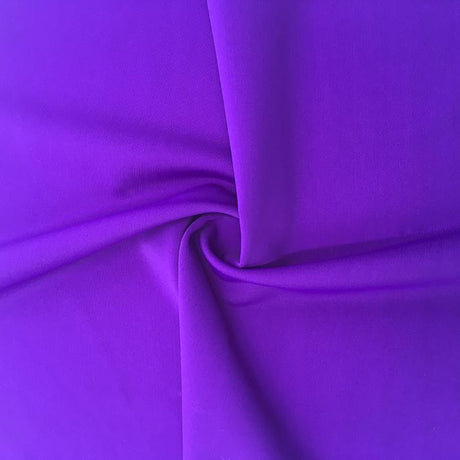
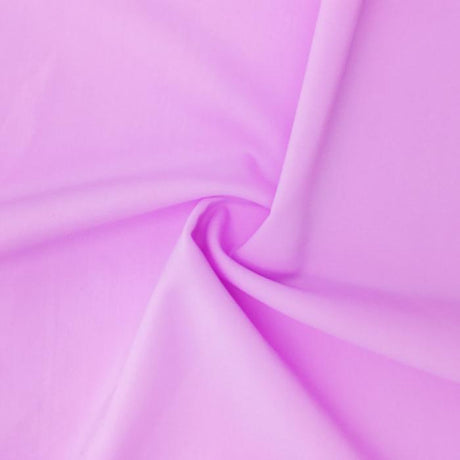
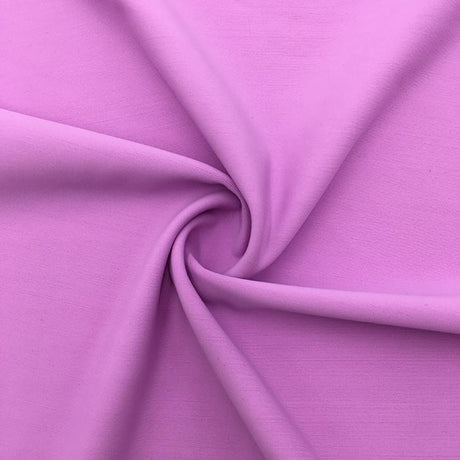
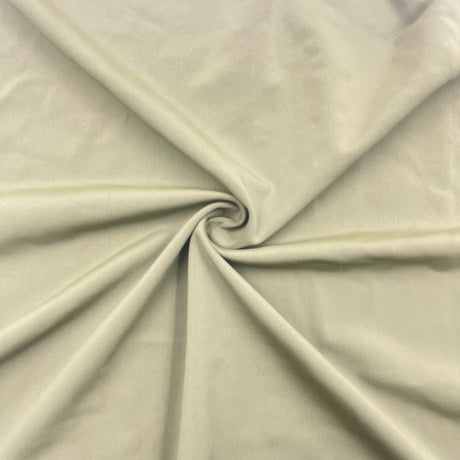
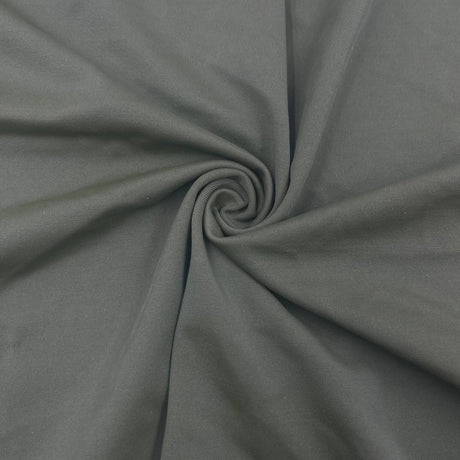
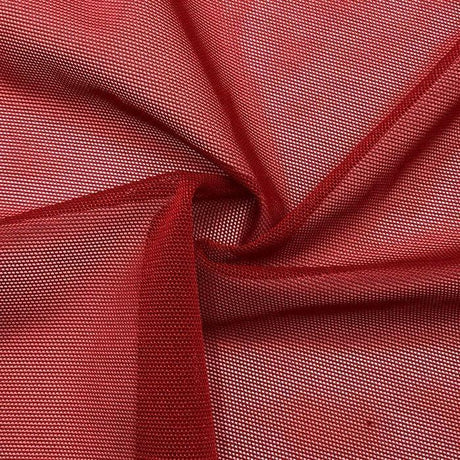
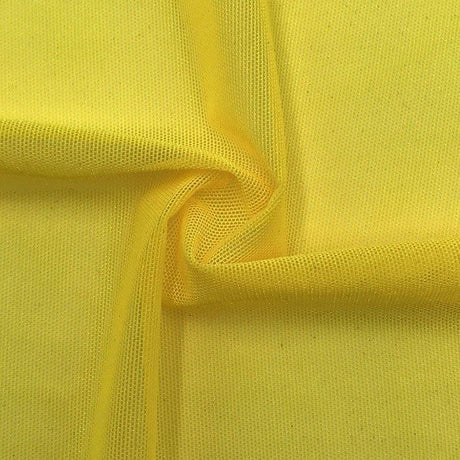
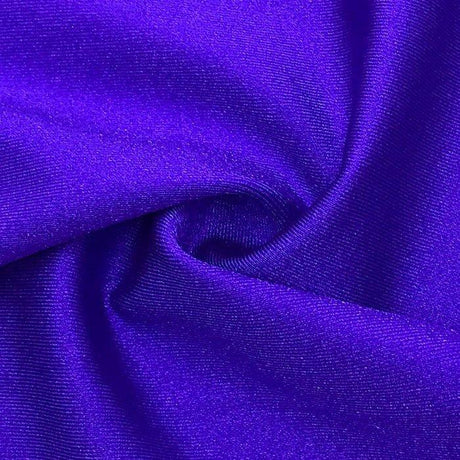
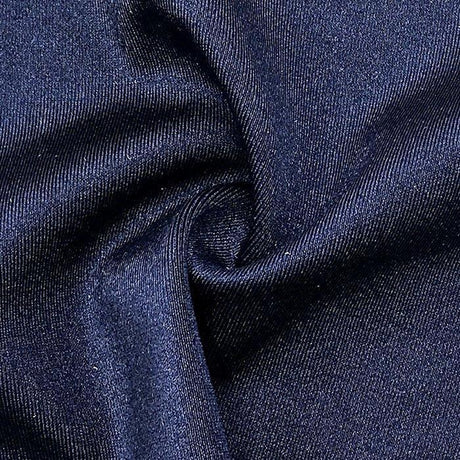
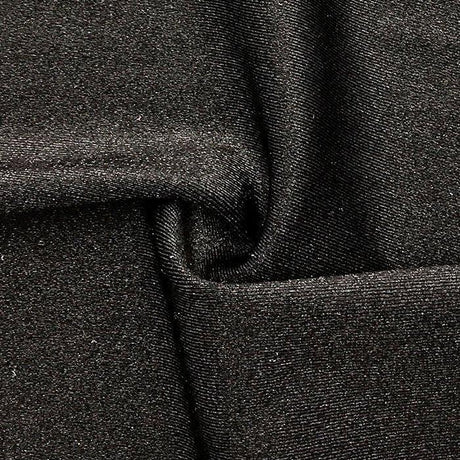
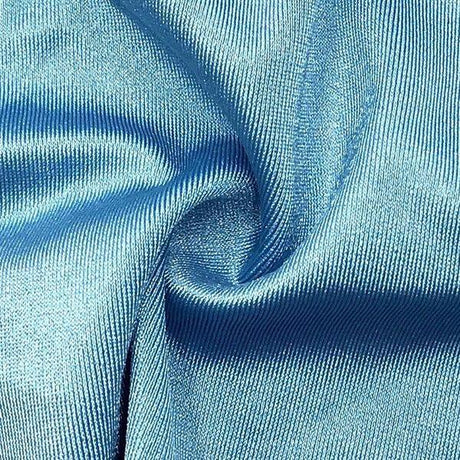
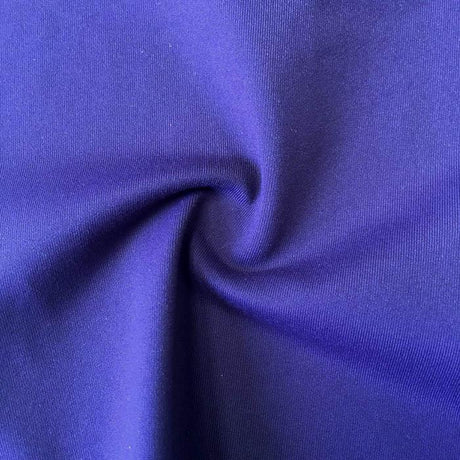
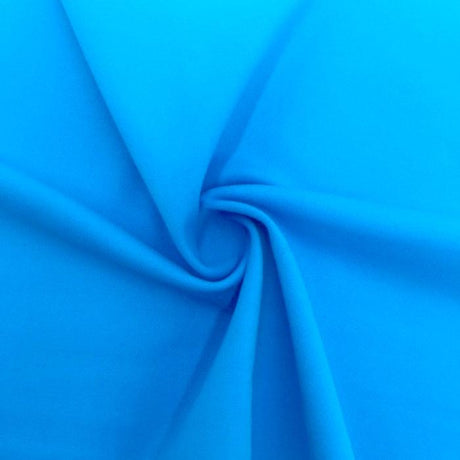
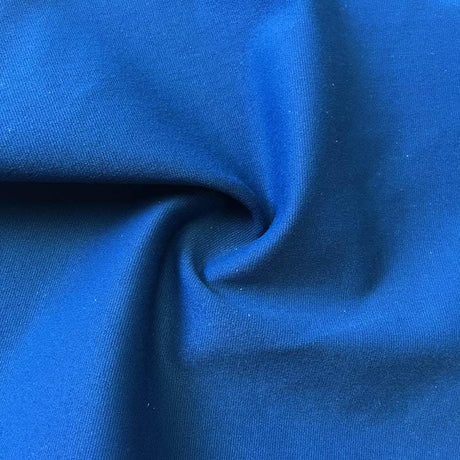
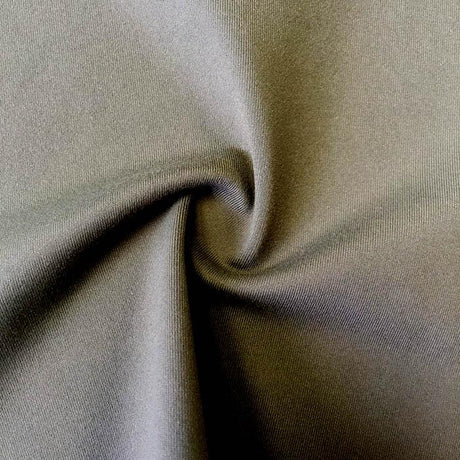
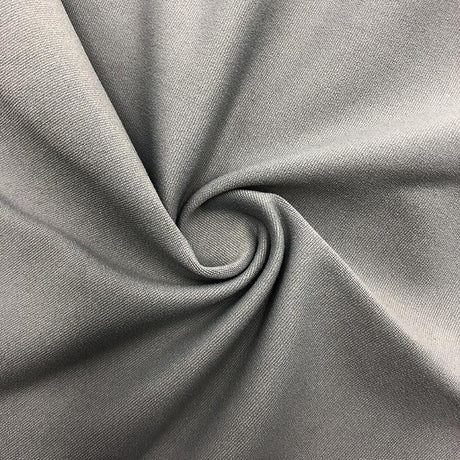
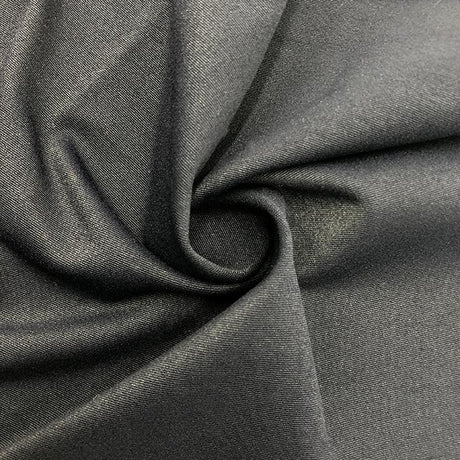
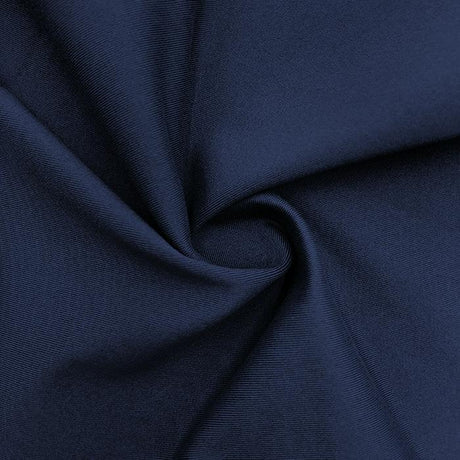
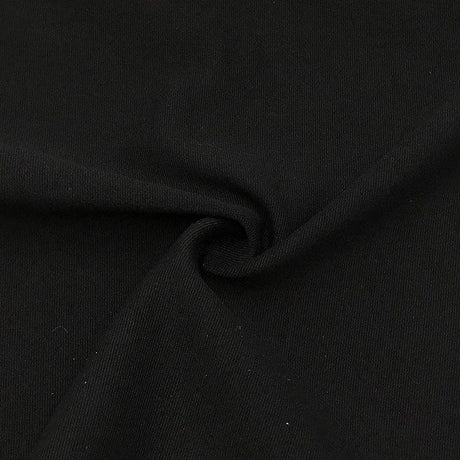
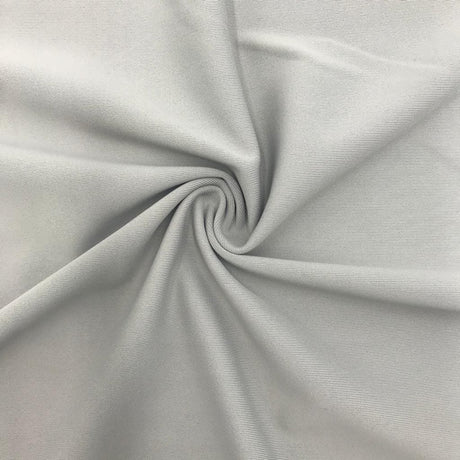
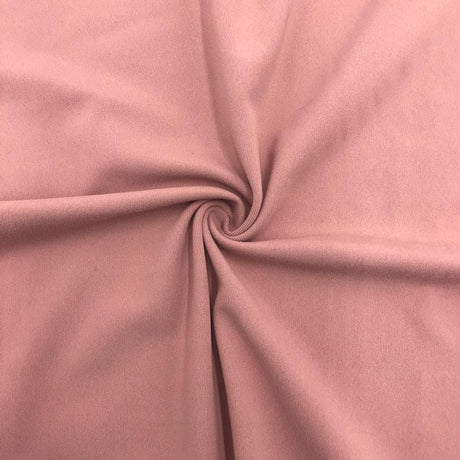
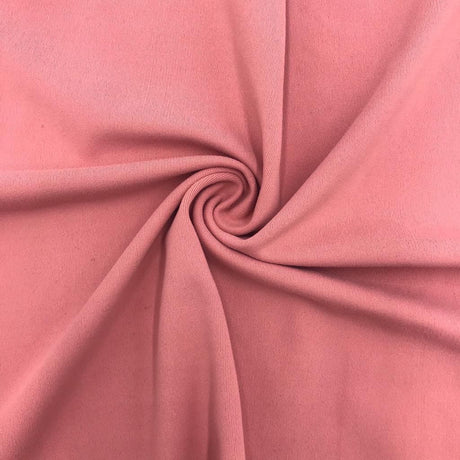
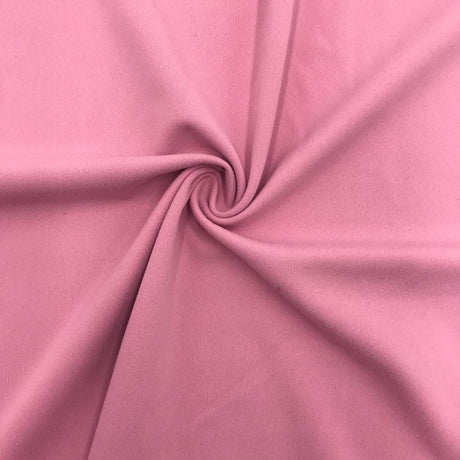
The Complete Swimwear Fabric Guide: Best Stretch Fabrics for Swimsuits, Bikinis & Rash Guards
Choosing the right swimwear fabric is one of the most important parts of creating comfortable, durable, and stylish swimsuits. Whether you are sewing bikinis, one-piece swimsuits, rash guards, or resort wear, selecting high-quality stretch fabrics directly affects fit, performance, and long-term durability. This complete guide explains the best fabrics for swimwear, how chlorine resistance works, the role of lining and GSM, and what to look for when choosing premium swimwear fabric by the yard.
Quick Answer: The best swimwear fabrics are four-way stretch nylon spandex or polyester spandex blends with at least 18% spandex. Nylon spandex feels softer and more luxurious—ideal for fashion bikinis and resort wear—while polyester spandex (especially PBT-enhanced) resists chlorine and fading better, making it the smart pick for competition suits and rash guards. Most swimsuits sit in the 180–250 GSM range, with quality mesh lining adding opacity and support.
Table of Contents
- What Makes a Good Swimwear Fabric?
- Nylon Spandex Swimwear Fabrics
- Polyester Spandex Swimwear Fabrics
- Nylon vs Polyester Spandex for Swimwear
- Why 4-Way Stretch Matters
- Chlorine-Resistant & PBT Swim Fabrics
- Understanding Swimwear Fabric Weight (GSM)
- Swimwear Lining Fabrics
- Mesh Fabrics for Swimwear
- Printed Swimwear Fabrics
- Solid Colors and Color-Blocking
- Best Fabrics by Swimwear Type
- How to Sew Swimwear Fabric
- Swimwear Care Tips
- How Much Fabric Do You Need?
- Frequently Asked Questions
What Makes a Good Swimwear Fabric?
A great swimwear fabric balances comfort, performance, and resilience. It needs to move with the body, dry quickly, stay opaque when wet, resist the chlorine, salt, sun, and sunscreen that wear ordinary textiles down, and bounce back to its original shape after every wear. Falling short on any of these turns even a beautifully sewn suit into one that disappoints.
High-quality swimwear fabrics should provide:
- Four-way stretch for unrestricted movement
- Excellent recovery to maintain shape
- Quick-drying performance
- Chlorine and UV resistance
- Comfortable hand feel against the skin
- Opacity when wet (often with the help of lining)
- Strong colorfastness through sun and chemical exposure
Most premium swimwear fabrics are nylon spandex or polyester spandex blends, because they deliver this combination of properties in a single textile. For a foundational overview of how stretch fabrics are built, see our spandex fabric guide.
Nylon Spandex Swimwear Fabrics
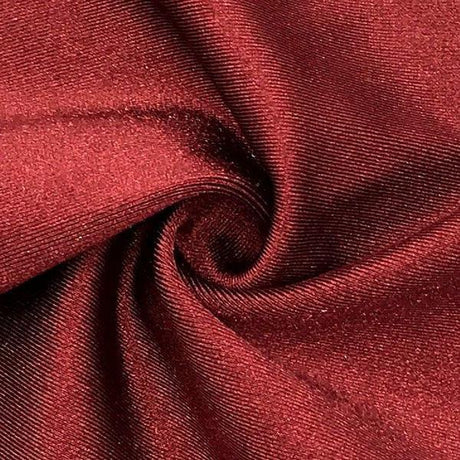
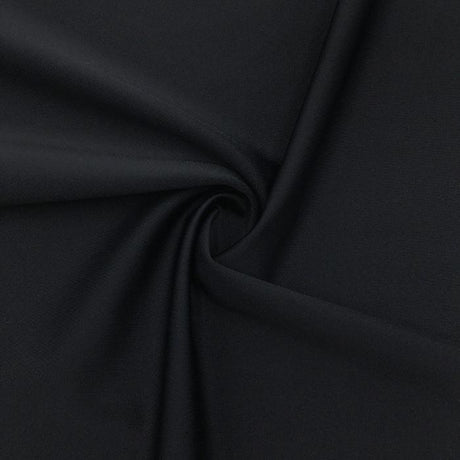
Nylon spandex is the most popular fashion swimwear material in the world because it combines a silky-soft hand feel with outstanding stretch and recovery. It conforms to the body without restriction, dries quickly, and produces the smooth, high-end appearance that boutique and resort brands depend on.
- Smooth, luxurious texture and subtle sheen
- Excellent four-way elasticity
- Comfortable, body-skimming compression
- Fast drying performance
- Soft hand feel ideal for fashion swim
These fabrics are ideal for bikinis, one-piece swimsuits, rash guards, surf wear, resort fashion, and even competitive swimwear where comfort is a priority. Browse our Swimwear Fabric Collection for premium nylon spandex options, and the nylon spandex fabric guide for weights and finishes. For an ultra-soft surface perfect for cover-ups and beachwear, our brushed nylon spandex is worth a look.
Polyester Spandex Swimwear Fabrics
Polyester spandex is the performance side of the swim category. It absorbs almost no water, dries faster than nylon, resists chlorine and UV breakdown, and holds prints with sharper, more vibrant detail—making it the standard for competition suits, training swimwear, rash guards, and bold printed collections.
- Strong chlorine and UV resistance
- Excellent color and print retention
- Very fast drying
- Long-term durability through repeated pool use
- Compatible with sublimation printing
For custom-printed swim, explore our Sublimation Spandex Tricot, and for ready-made designs, the Printed Spandex Collection offers bold, long-lasting patterns.
Nylon vs Polyester Spandex for Swimwear at a Glance
| Feature | Nylon Spandex | Polyester Spandex |
|---|---|---|
| Hand feel | Soft, luxurious | Sleek, technical |
| Stretch & recovery | Excellent | Very good |
| Chlorine resistance | Moderate | High |
| UV / fade resistance | Moderate | High |
| Drying speed | Fast | Very fast |
| Print clarity | Good | Excellent (sublimation-ready) |
| Best for | Fashion, resort, premium swim | Competition, rash guards, prints |
Why 4-Way Stretch Matters
Four-way stretch fabrics stretch both horizontally and vertically, allowing swimwear to move freely with the body in every direction. For garments that hug the body and need to handle dynamic motion—diving, swimming, twisting, lounging—four-way stretch is non-negotiable. Two-way knits can feel restrictive and tend to distort along seams, so most premium swimwear fabrics are built with four-way construction.
Benefits of 4-way stretch swimwear fabrics include:
- Better fit across body types
- Greater freedom of movement
- Improved comfort during wear
- Reduced fabric stress and seam distortion
- More flattering drape and recovery
Chlorine-Resistant & PBT Swim Fabrics
Chlorine-resistant fabrics are engineered to handle repeated exposure to pool chemicals without breaking down, stretching out, or fading quickly. Standard nylon spandex performs well in occasional pool use but degrades faster under heavy chlorine exposure, while polyester and PBT-enhanced fabrics are specifically built for the demands of competitive and frequent swimmers.
Benefits of chlorine-resistant swim fabrics include:
- Longer garment lifespan
- Better color retention through repeated wear
- Improved elasticity over time
- Enhanced durability against chemicals and UV
PBT (polybutylene terephthalate) is a specialty fiber blended into performance swim knits to add natural elasticity and chlorine resistance without relying solely on spandex. PBT-enhanced fabrics dominate competitive swimwear because they maintain their shape and color far longer than standard blends in chlorinated environments.
Understanding Swimwear Fabric Weight (GSM)
GSM (grams per square meter) measures a fabric's weight and density. In swimwear, weight directly affects how opaque the fabric stays when wet, how much support it provides, and how it feels in the water. Matching weight to garment type is one of the easiest ways to elevate the finished suit.
Lightweight Swim Fabrics (Below 180 GSM)
Lighter fabrics are commonly used for fashion layering, sheer cover-ups, and light resort apparel. They drape beautifully but usually need lining for full opacity.
Medium-Weight Swim Fabrics (180–220 GSM)
The most popular weight range for swimwear:
- Fashion bikinis
- Resort one-pieces
- Lightweight rash guards
- Everyday beach and pool wear
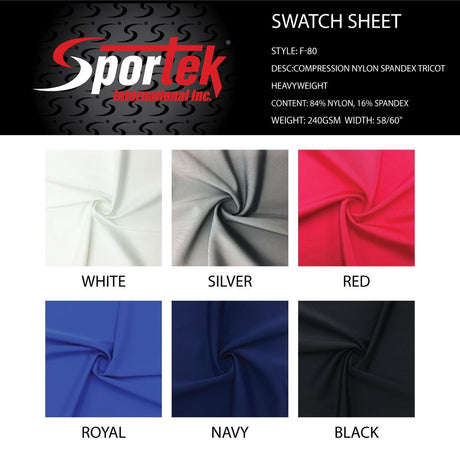
Heavyweight Compression Swim Fabrics (220–280+ GSM)
Heavier weights add support, structure, and the opacity needed for shaping pieces:
- Sculpting one-piece swimsuits
- High-waisted and supportive bikini bottoms
- Performance rash guards
- Competitive swim and training suits
Visit our Fabric Weight Guide for more detail on choosing the right GSM for your project.
Swimwear Lining Fabrics
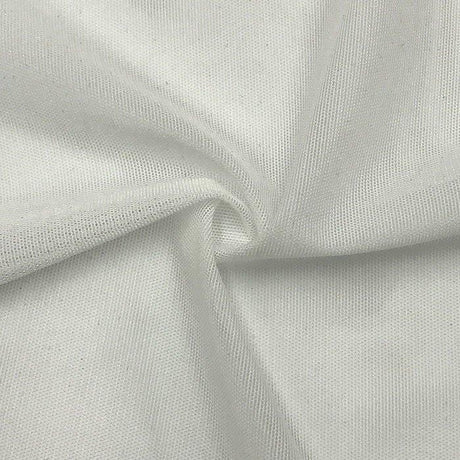
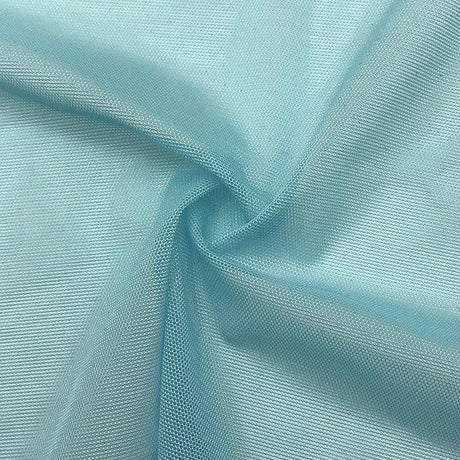
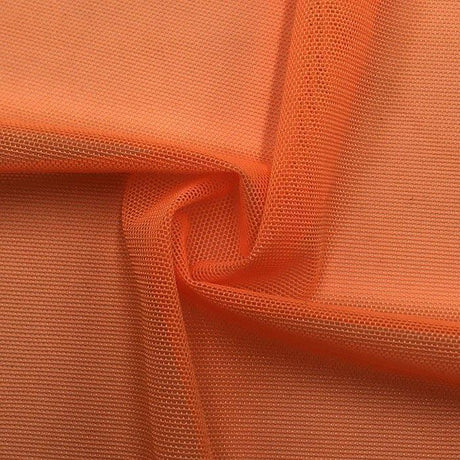
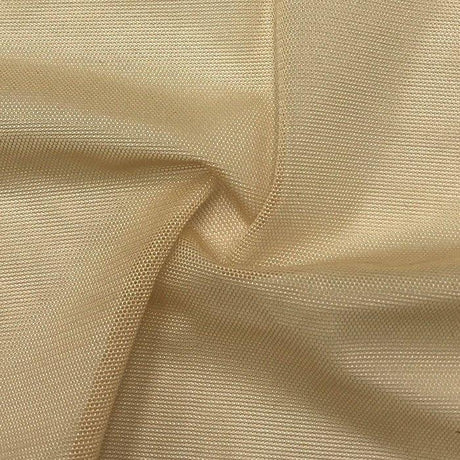
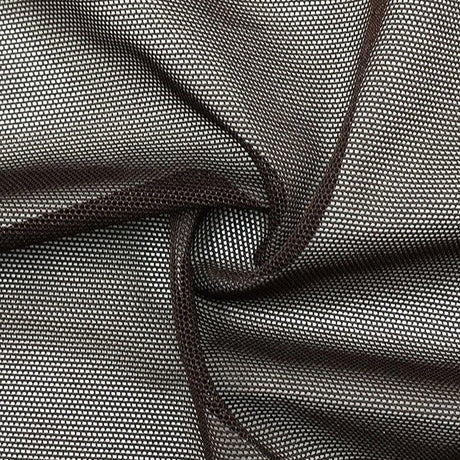
Lining is what transforms a homemade-looking swimsuit into a polished, retail-ready piece. It adds opacity (especially important for light colors and white), provides gentle bust and seat support, and gives the suit a clean interior finish. Power mesh is the most common choice because it offers structure and breathability without bulk.
Swim lining fabrics are commonly used for:
- Bikini cup and bottom lining
- Swimsuit interiors and contour panels
- Compression and shaping support
- Extra coverage for sheer-prone fabrics
Browse our Swimwear Lining Collection and the Mesh Fabric Collection for ideal options, and reference the Swim Mesh & Lining Guide for application tips.
Mesh Fabrics for Swimwear
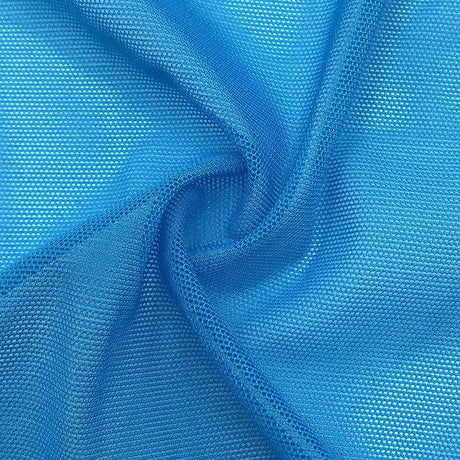
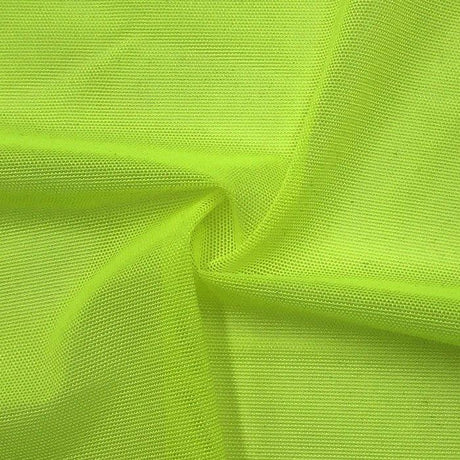
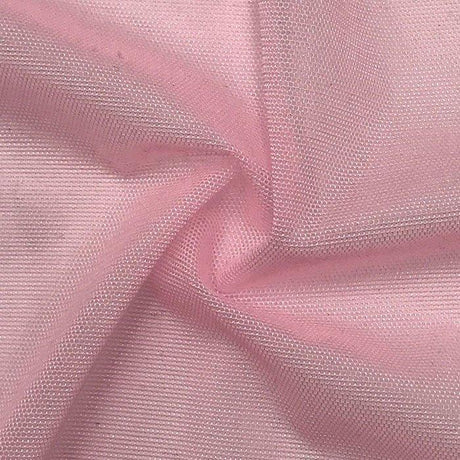
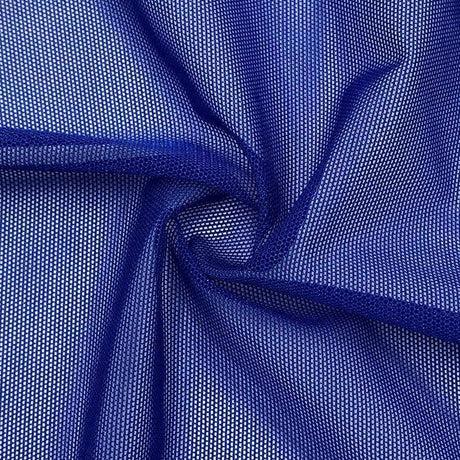
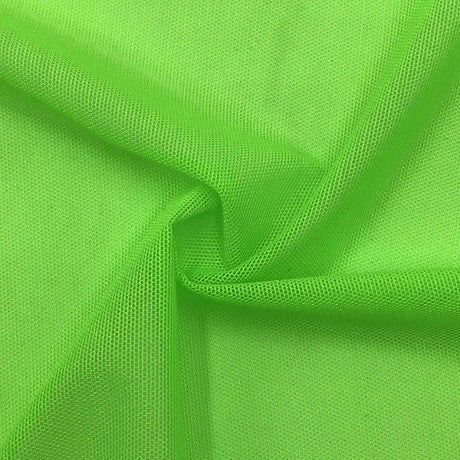
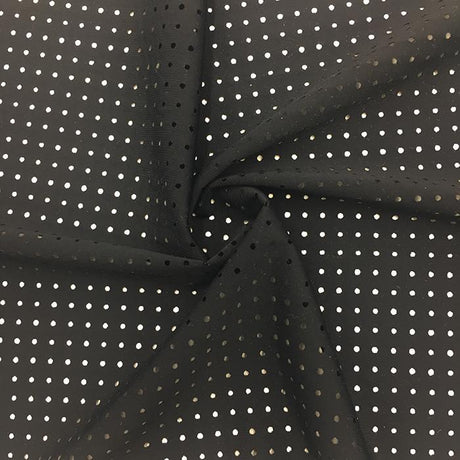
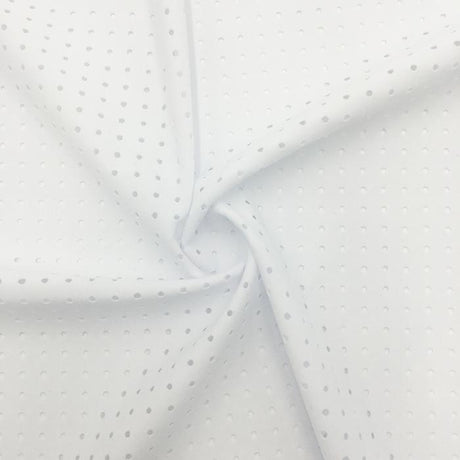
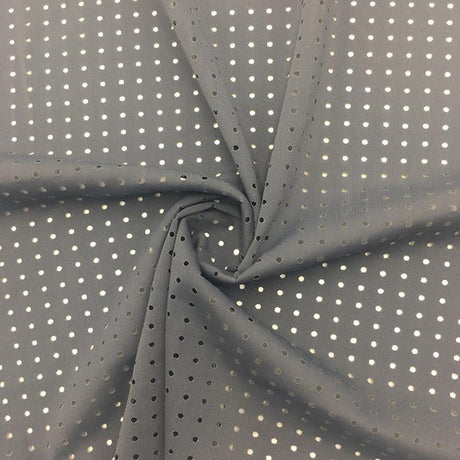
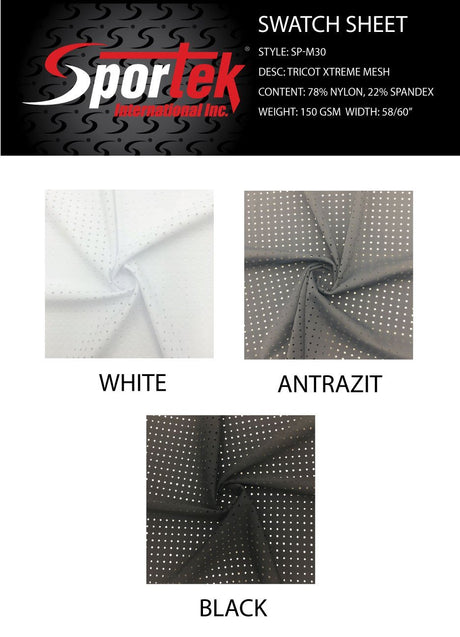
Stretch mesh is used in modern swimwear far beyond lining. Open-knit mesh creates breathable panels and overlays that add visual interest, ventilation, and on-trend styling cues. Designers use it for cutouts, sleeve and side inserts, and full sheer overlays for fashion-forward pieces. Browse our complete Mesh Fabric Collection for swim, lingerie, and activewear-friendly mesh.
Printed Swimwear Fabrics
Printed stretch fabrics dominate swim fashion because they allow bold, trend-driven designs without complex construction. A statement print can define an entire collection and capture attention on social and ecommerce platforms. For workflow tips, see our printed spandex fabric guide.
Popular swimwear print categories include:
- Floral Spandex Fabrics — timeless, feminine, resort-ready
- Geometric Spandex Fabrics — modern, structured, contemporary
- Abstract Spandex Fabrics — artistic and statement-making
- Animal Print Spandex Fabrics — leopard, zebra, snakeskin with attitude
Solid Colors and Color-Blocking
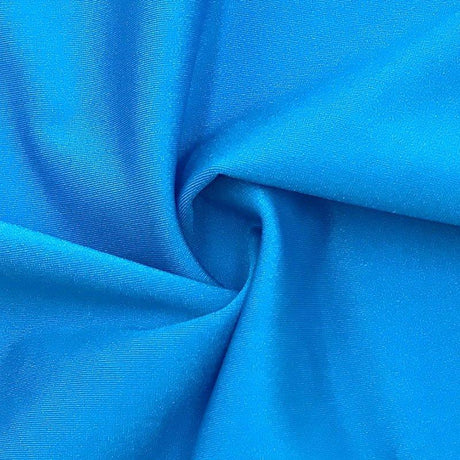
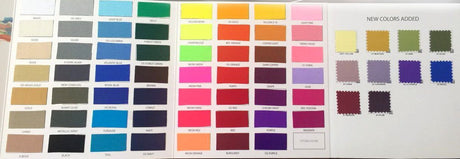
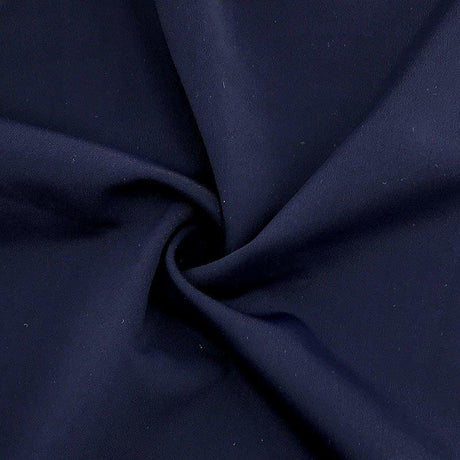
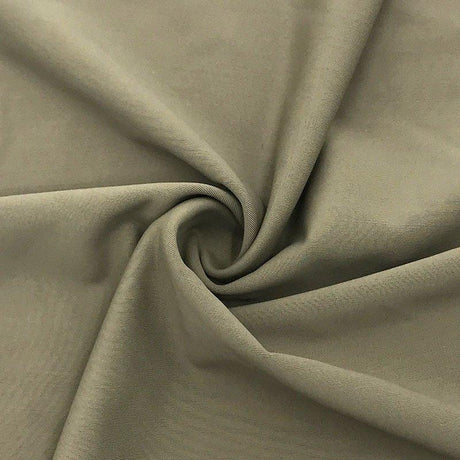
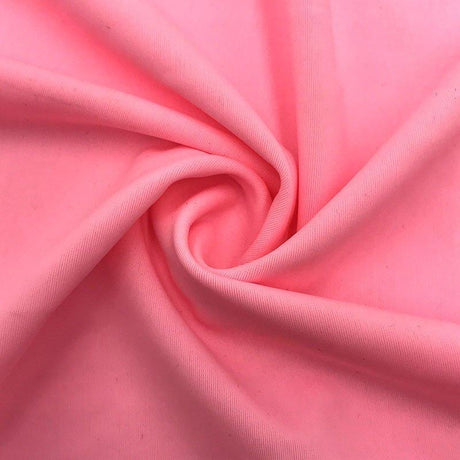
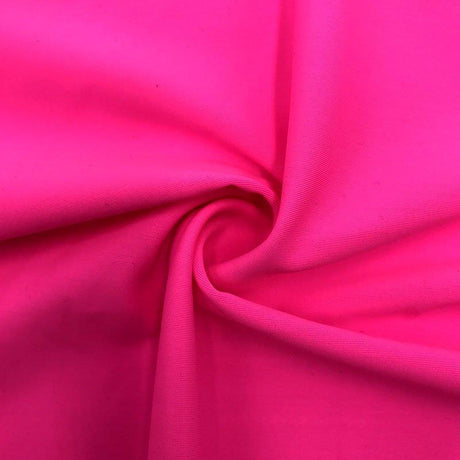
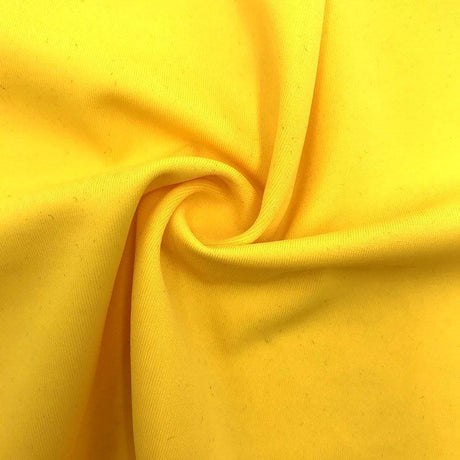
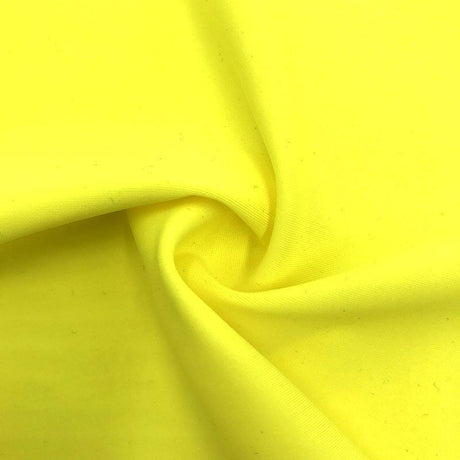
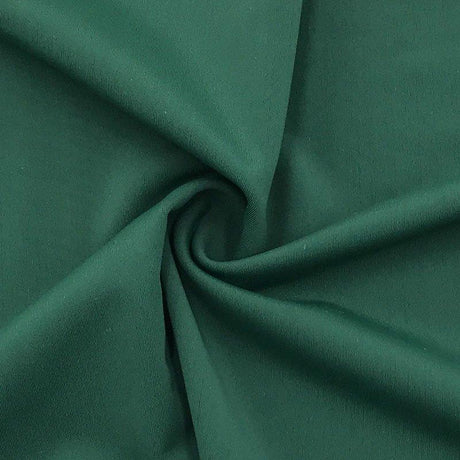
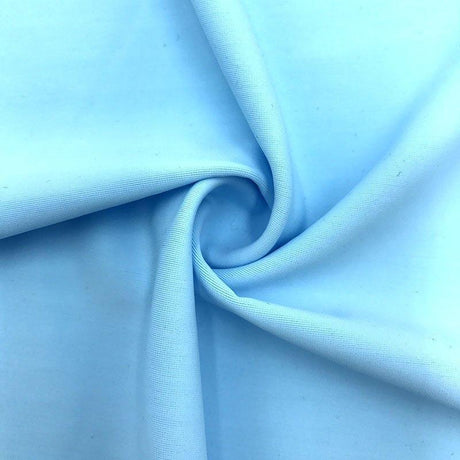
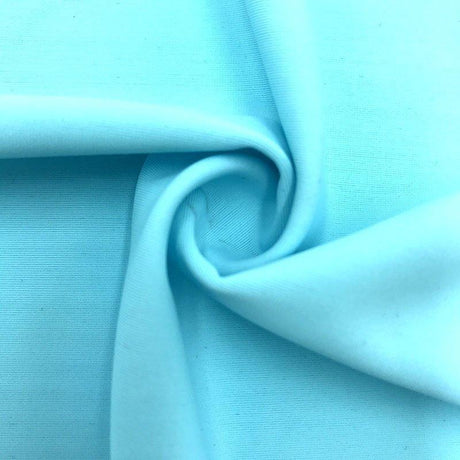
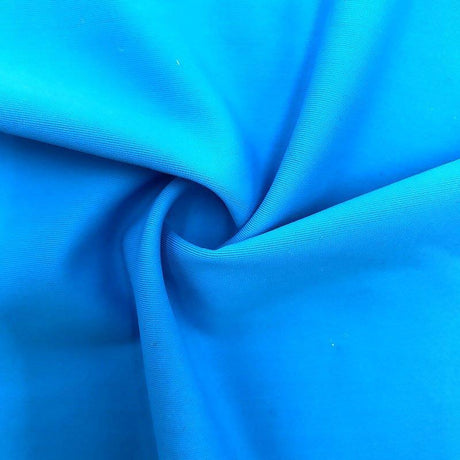
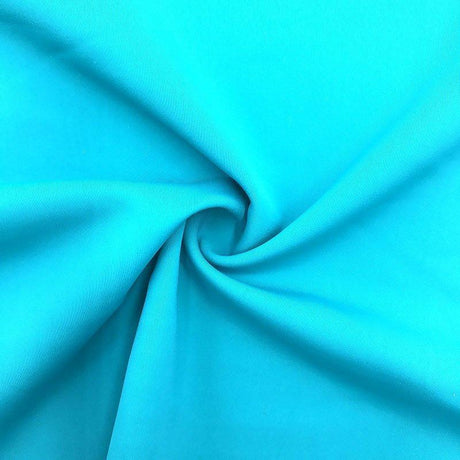
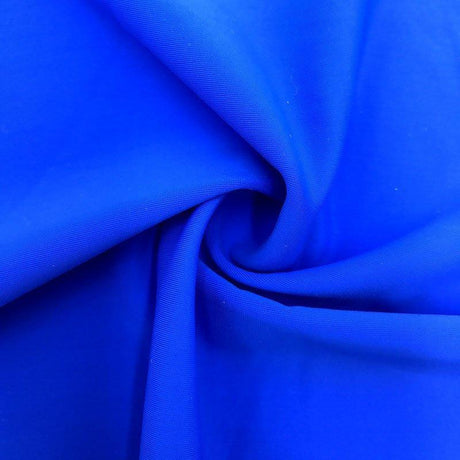
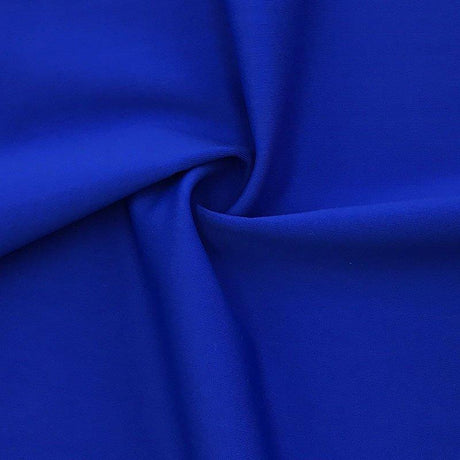
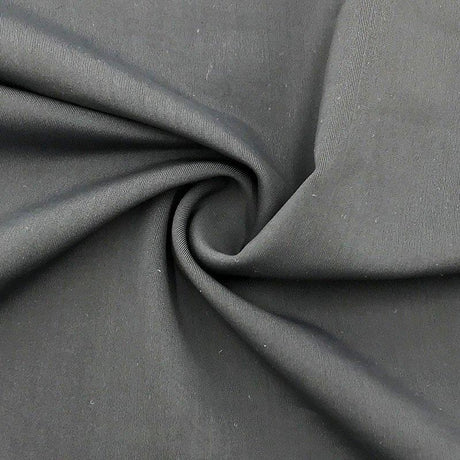
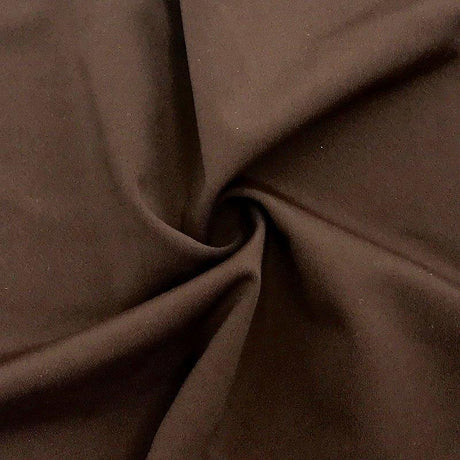
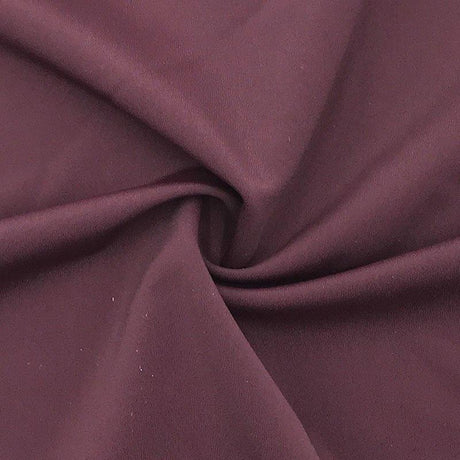
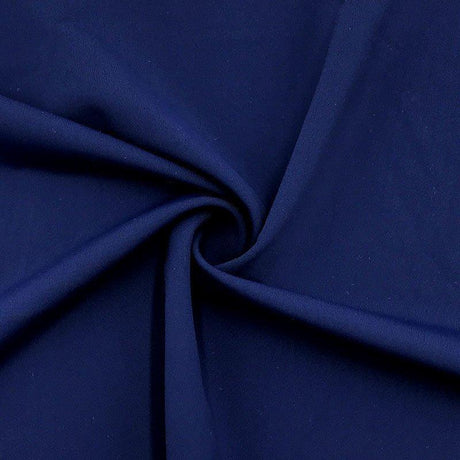
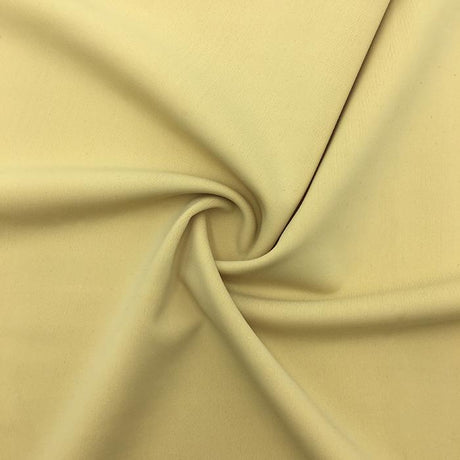
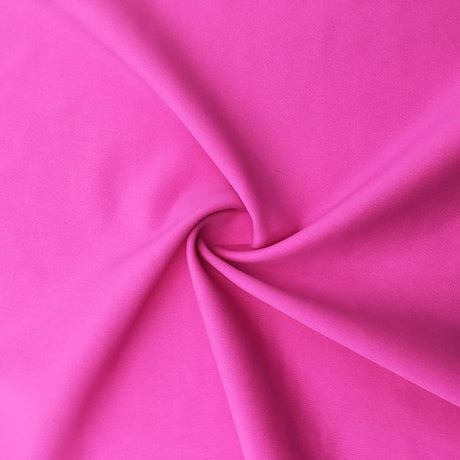
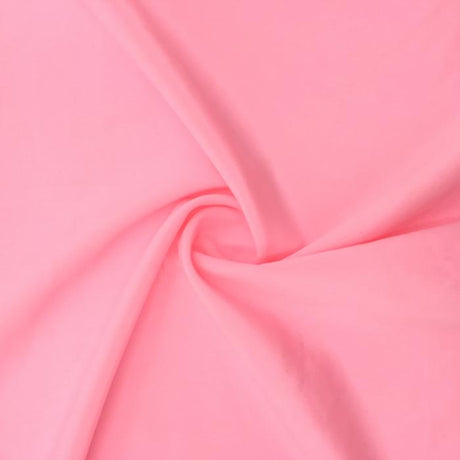
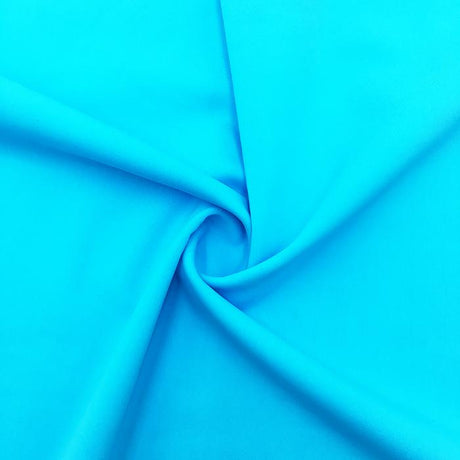
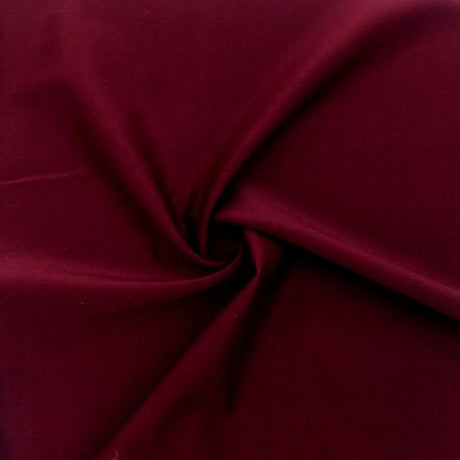
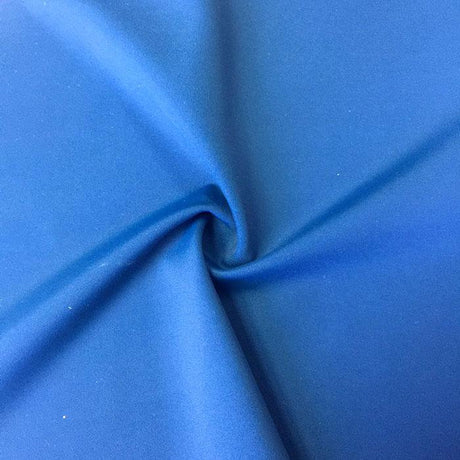
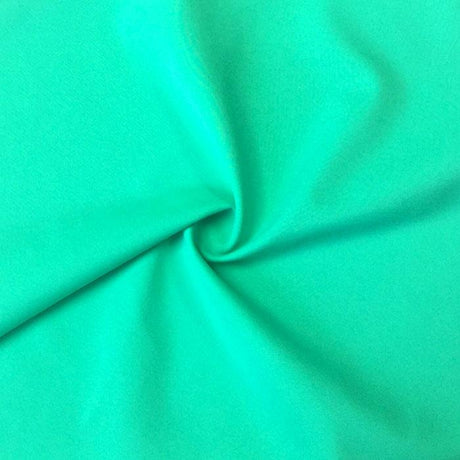
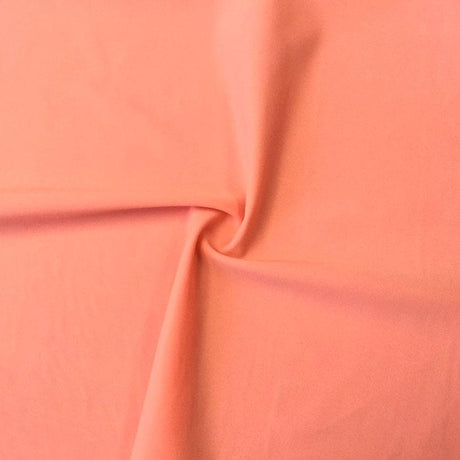
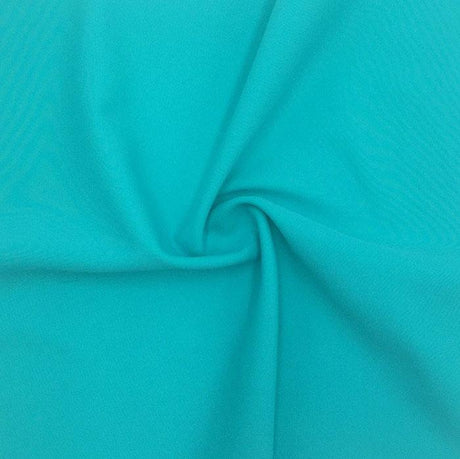
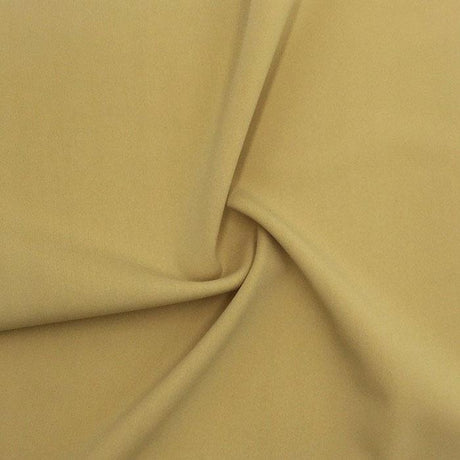
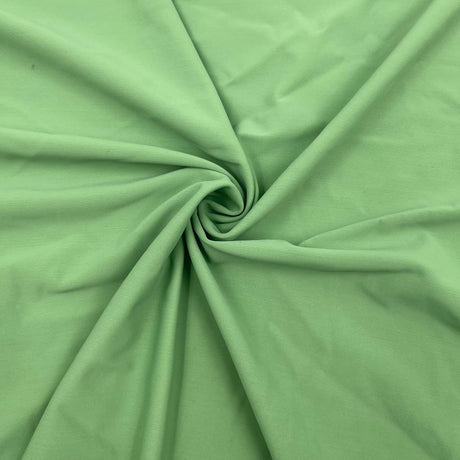
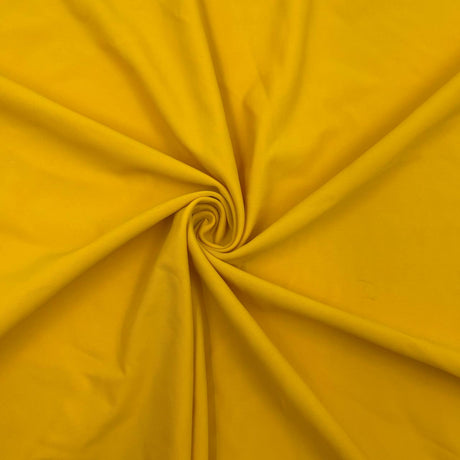
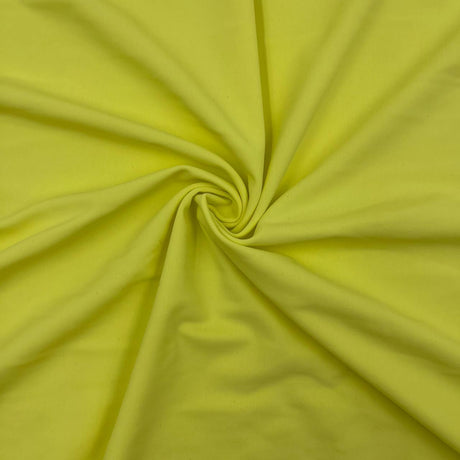
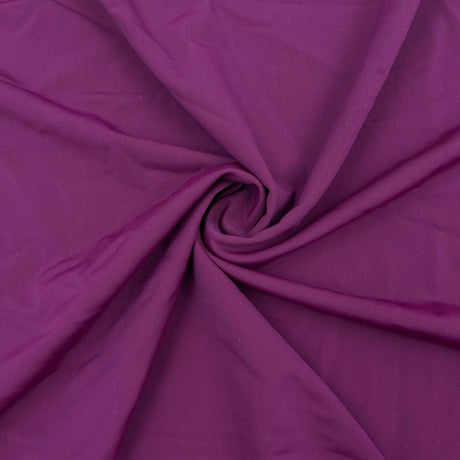
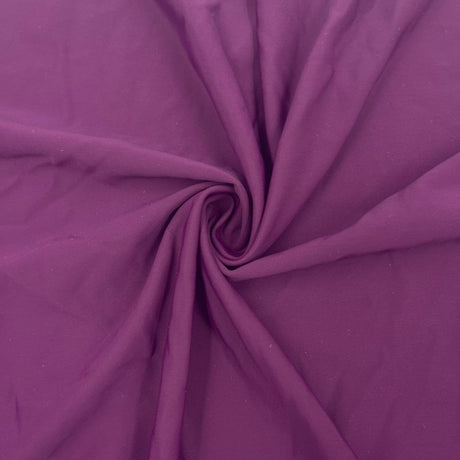
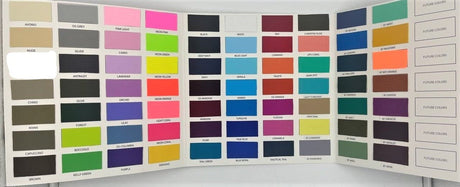
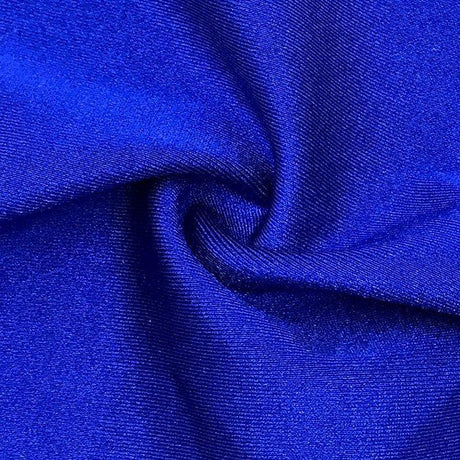
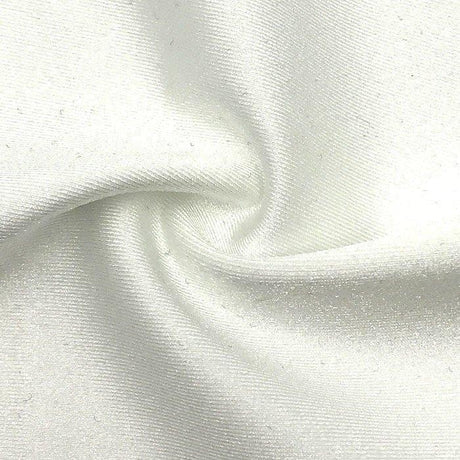
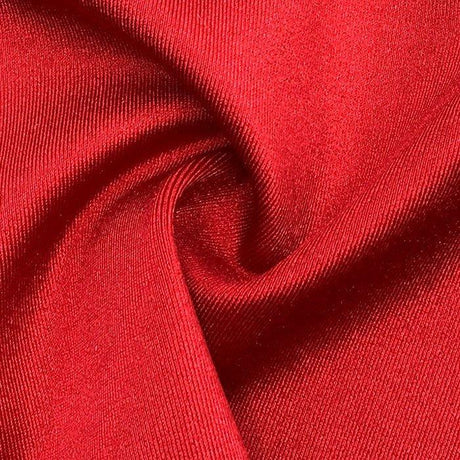
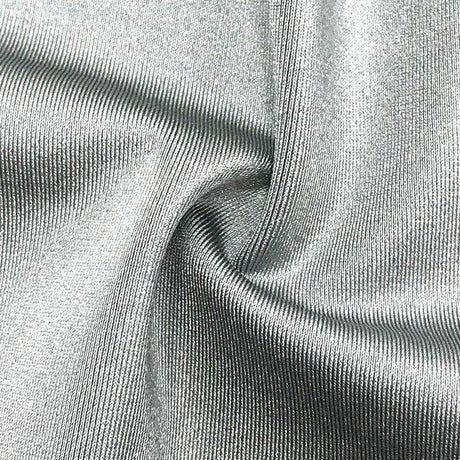
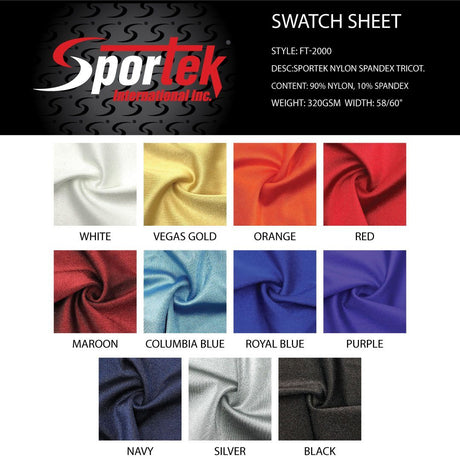
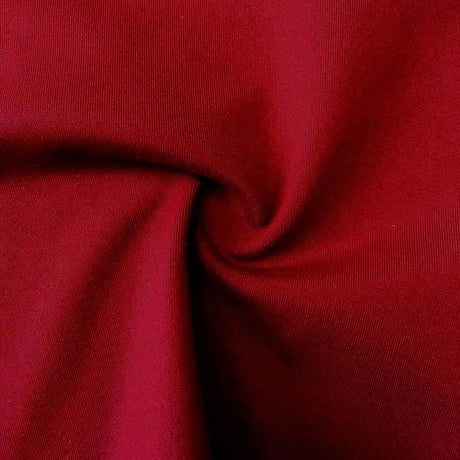
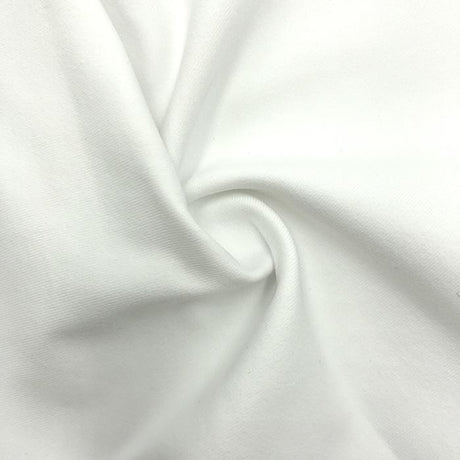
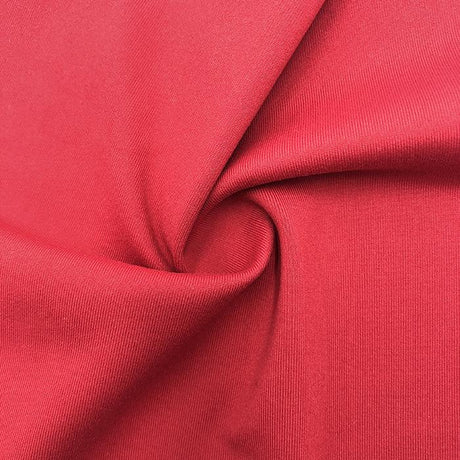
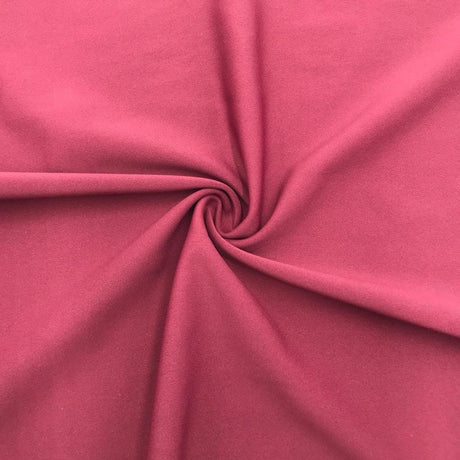
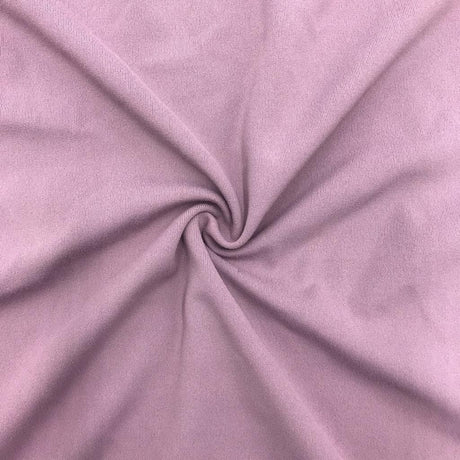
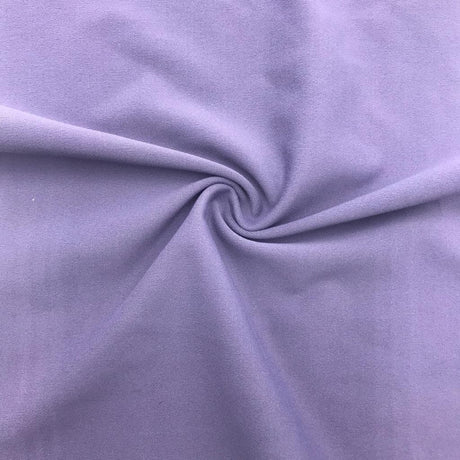
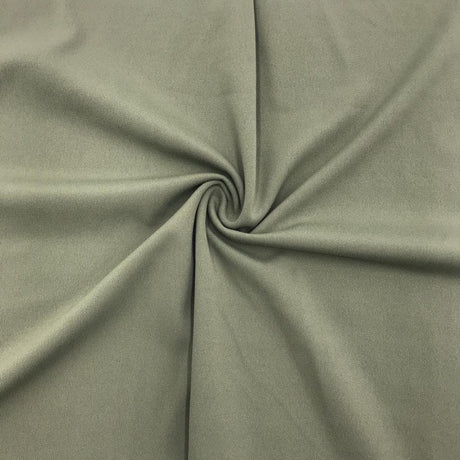
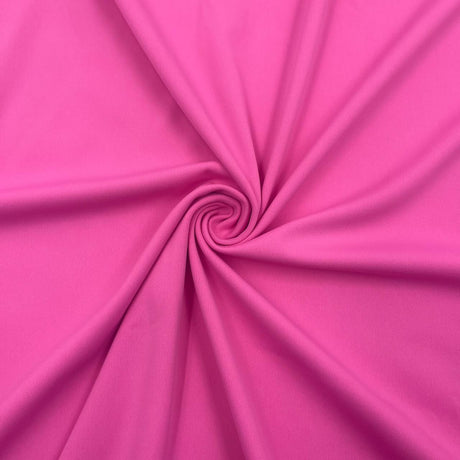
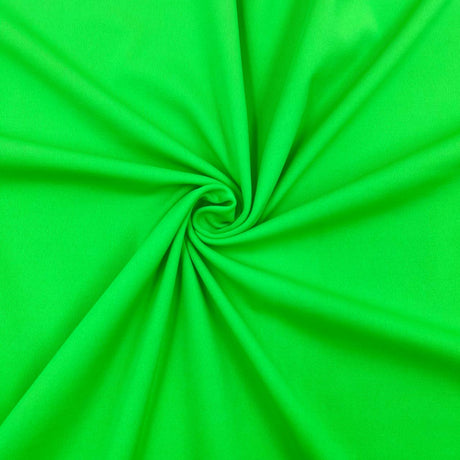
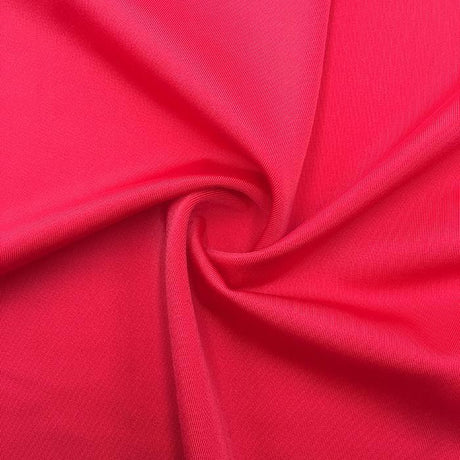
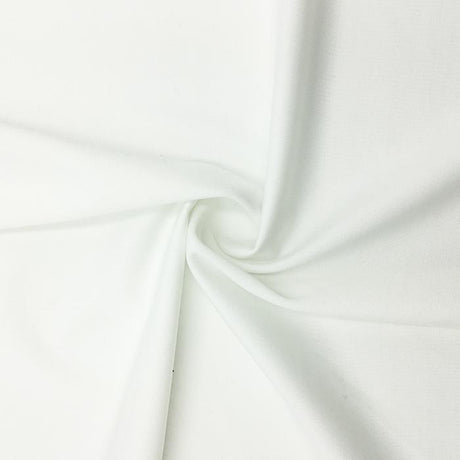
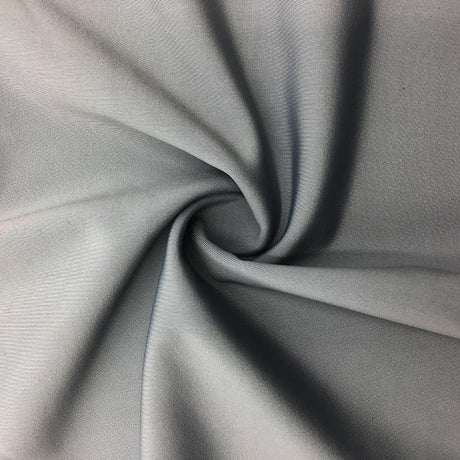
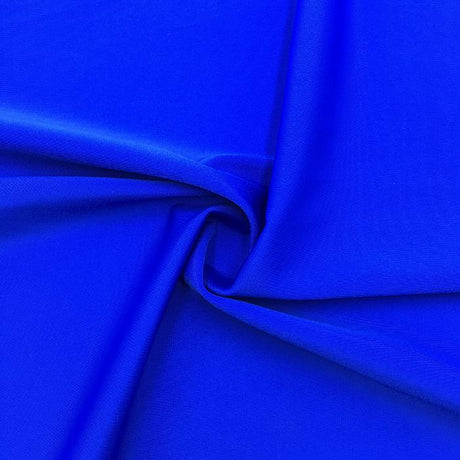
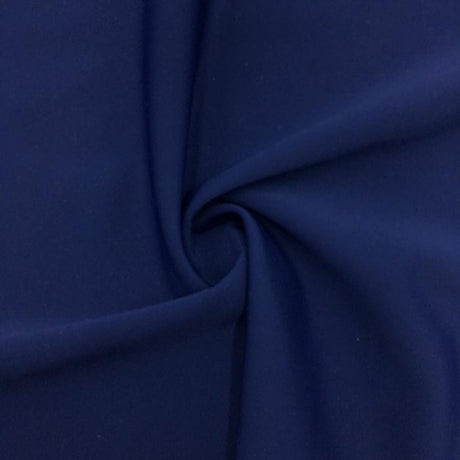
Solids are the dependable backbone of any swim collection. They mix and match effortlessly, photograph cleanly, and let prints stand out by contrast. Browse our full range of solid spandex fabric, including universally flattering black, crisp white, confident red, and ocean-inspired blue spandex. A strong base of solids ensures coordinating options for color-blocking, contrast trim, and reversible designs. For statement resort pieces, our metallic spandex adds liquid shine to high-fashion bikinis.
Best Fabrics by Swimwear Type
Best Fabric for Bikinis
Bikinis work best in medium-weight nylon spandex (180–230 GSM) for soft drape and a flattering fit. Printed and fashion-forward styles benefit from nylon's luxury feel, while sport bikinis lean toward polyester or PBT blends for chlorine resistance.
Best Fabric for One-Piece Swimsuits
One-pieces require heavier, higher-recovery fabric (220–260 GSM) to maintain shape across the longer garment, prevent sagging, and provide light shaping. Premium nylon spandex with a quality mesh lining produces a sculpting, retail-ready finish.
Best Fabric for Rash Guards
Rash guards demand UV protection, excellent four-way stretch, durability, and quick drying. Many rash guards use polyester spandex blends because they work well with sublimation printing and stand up to repeated surf and pool sessions:
- Strong UPF / UV protection
- Excellent stretch and recovery
- Long-term durability against salt and chlorine
- Quick-drying performance
- Comfort during dynamic movement
Best Fabric for Resort & Festival Swim
Resort and festival swim pieces lean on visual impact. Brushed nylon, metallic finishes, and bold prints turn a basic silhouette into something statement-worthy. Pair these fabrics with crochet or mesh overlays for layered, photo-ready looks.
Best Fabric for Competitive Swim
Competitive suits prioritize chlorine resistance and shape retention above all. Look for polyester or PBT-enhanced blends in heavier weights for the longest possible lifespan in chlorinated environments.
How to Sew Swimwear Fabric
Sewing stretch swim fabric is straightforward with the right setup. Use a stretch or ballpoint needle, a flexible stitch (zig-zag or serger overlock), and quality swim elastic at the legline and edges. Cut with the four-way stretch running in the correct direction so seams stay smooth and the suit recovers properly. Step-by-step techniques are in our guide to sewing stretch fabric.
Swimwear Care Tips
Proper care dramatically extends the life of a swimsuit. Chlorine, salt, sunscreen, and heat are the biggest enemies of swim fabric.
- Rinse in cool water immediately after every wear
- Hand-wash with mild detergent; avoid fabric softener and bleach
- Lay flat to dry away from direct sunlight and heat
- Avoid wringing—press gently to remove water
- Rotate between two suits if swimming daily, so each fully dries
For a complete routine, read our Fabric Care Guide.
How Much Fabric Do You Need?
Buying by the yard means ordering exactly what your project requires. A bikini set typically needs half a yard to one yard, a one-piece swimsuit takes one to one and a half yards, and a rash guard usually requires one and a half to two yards depending on size and sleeve length. Always order extra to accommodate pattern matching, directional cutting, and the occasional mistake. To see what's freshly stocked, check our new arrivals.
Frequently Asked Questions
What is the best fabric for swimwear? The best swimwear fabric is a four-way stretch nylon spandex or polyester spandex blend with 18–22% spandex. Choose nylon spandex for soft luxury and fashion appeal, or polyester (especially PBT-enhanced) for competition suits and rash guards that need to resist chlorine and fading.
What GSM is best for swimsuits? Most swimsuits work well between 180 and 250 GSM. Lighter weights drape beautifully for fashion bikinis, while heavier weights provide the support and opacity ideal for one-pieces and shaping styles.
Is nylon or polyester better for swimwear? Neither is universally better. Nylon spandex is softer and more flattering for fashion swim, while polyester spandex resists chlorine and UV better, holds prints more vividly, and dries faster—making it the smart pick for competitive and printed pieces.
Do I need to line my swimsuit? In most cases yes, especially for light colors, white, and lighter-weight fabrics that risk turning sheer when wet. Quality mesh lining also adds gentle support and a clean interior finish.
How do I keep swimwear colors from fading? Rinse in cool water after every wear, dry away from direct sun, avoid wringing, and limit prolonged exposure to chlorine and sunscreen. Choosing chlorine-resistant polyester or PBT blends also helps colors last longer.
What is PBT swim fabric? PBT (polybutylene terephthalate) is a stretch fiber blended into performance swim knits to deliver natural elasticity and outstanding chlorine resistance. PBT-enhanced fabrics dominate competitive and training swimwear for their long lifespan in chlorinated environments.
Helpful Swimwear Fabric Guides
- Swimwear Fabric Guide
- Swim Mesh & Lining Guide
- Nylon Spandex Fabric Guide
- Spandex Fabric Guide
- Activewear Fabric Guide
- Printed Spandex Fabric Guide
- Mesh Lining Fabric Guide
- Fabric Weight Guide
- Fabric Finishes Guide
- Stretch Fabric Types
- How to Choose Fabric
- How to Sew Stretch Fabric
- Fabric Care Guide
- Expert Help & Advice
Conclusion
The best swimwear fabrics combine stretch, comfort, durability, chlorine resistance, and visual style. Nylon spandex blends excel at soft, flattering fashion and resort swim, while polyester and PBT-enhanced blends lead in competitive and printed performance pieces. Whether you are sewing bikinis, one-piece swimsuits, rash guards, or resort apparel, premium stretch fabrics help you create garments that perform beautifully in and out of the water.
Ready to start your next project? Explore our complete swimwear fabric by the yard collection, or reach out through our expert help and advice page for a personalized recommendation.