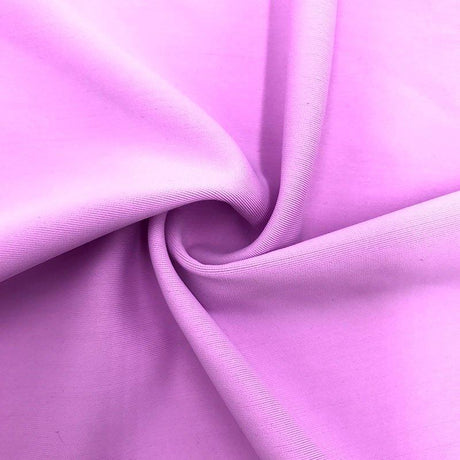
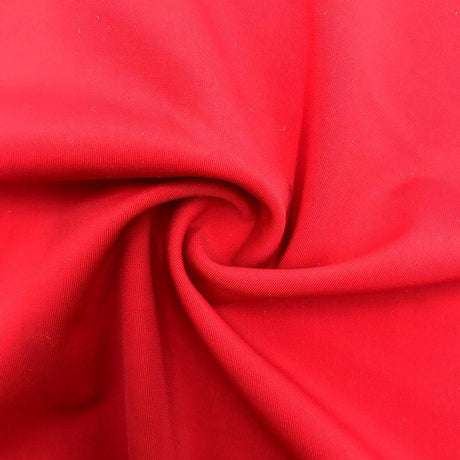
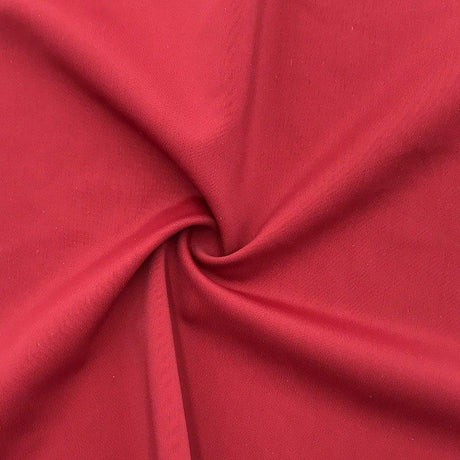
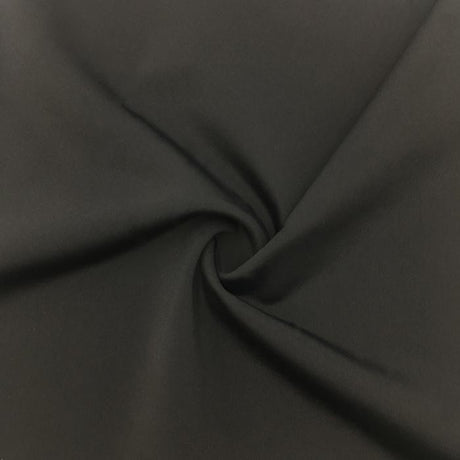
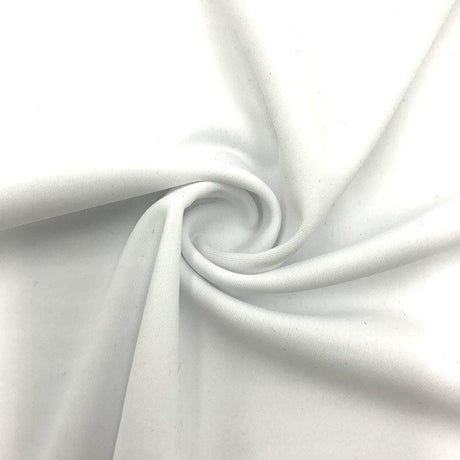
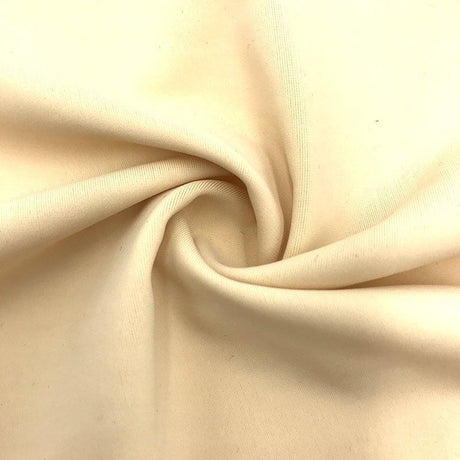
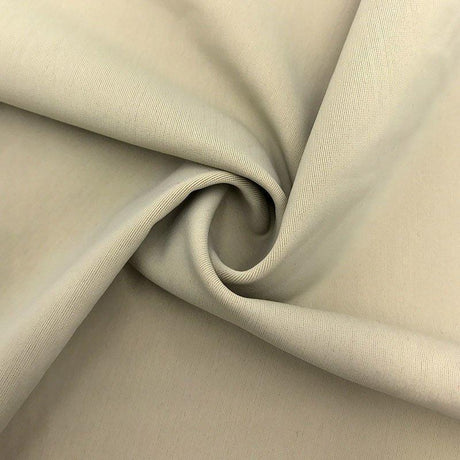
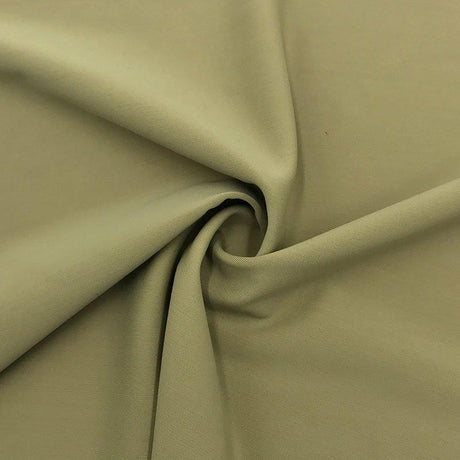
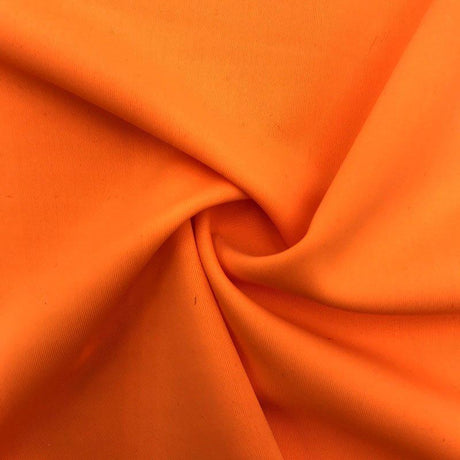
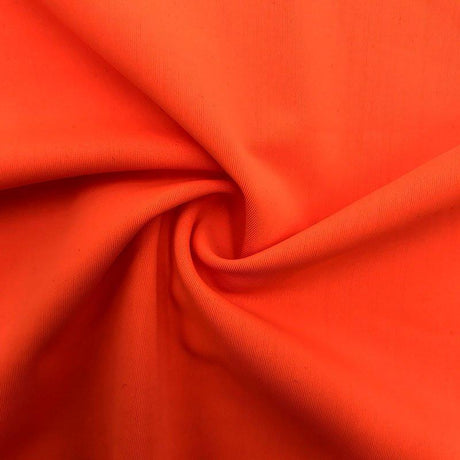
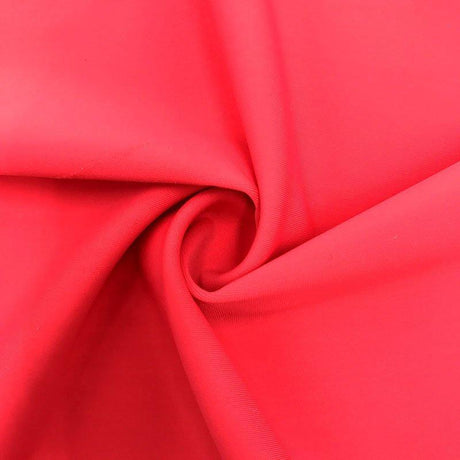
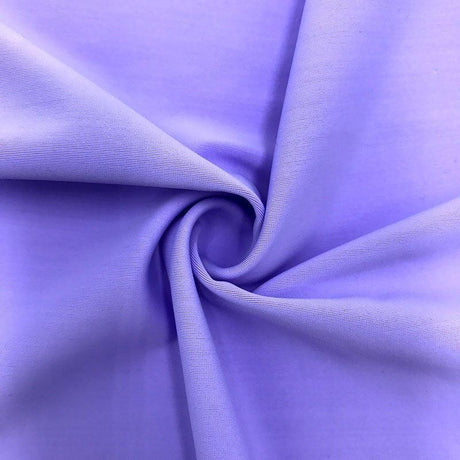
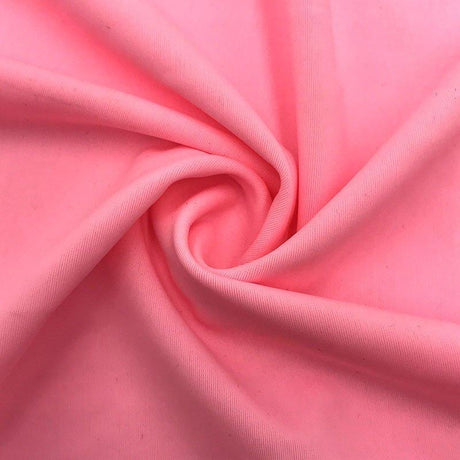
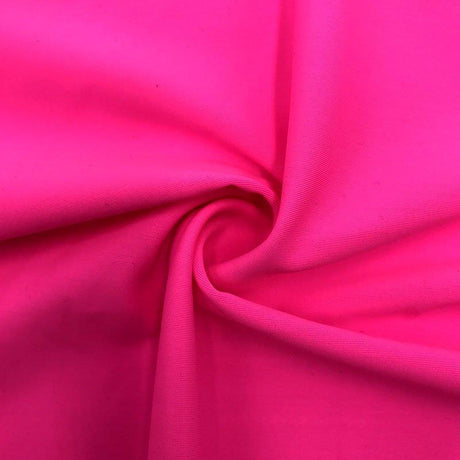
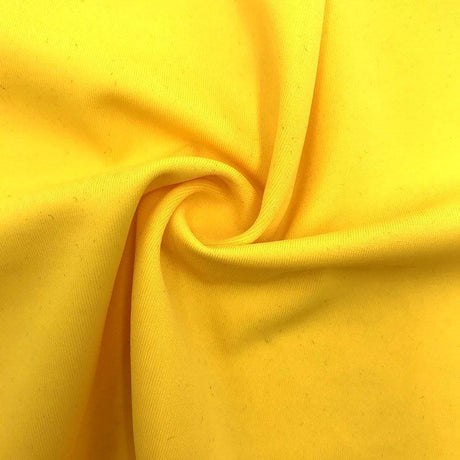
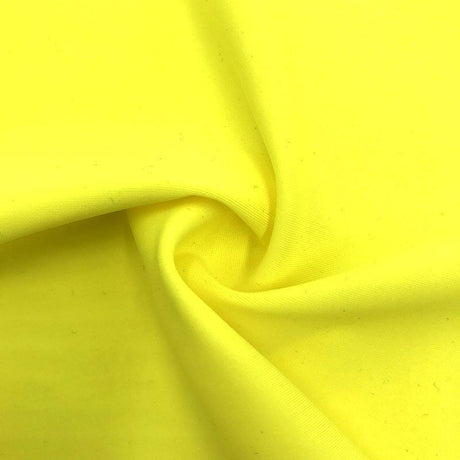
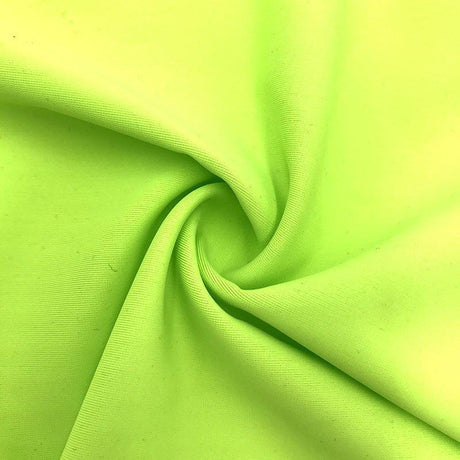
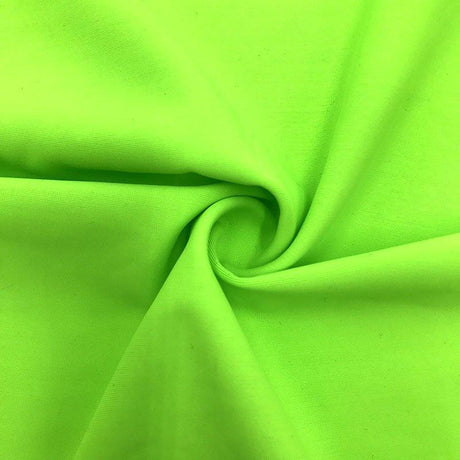
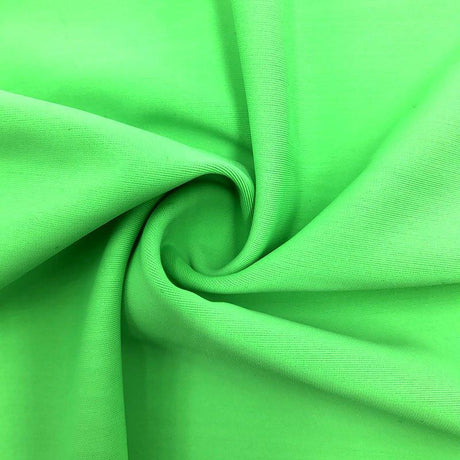
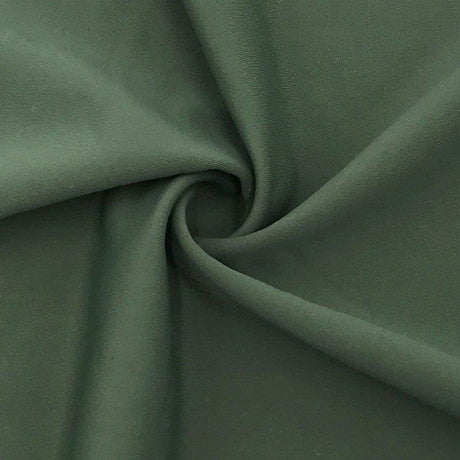
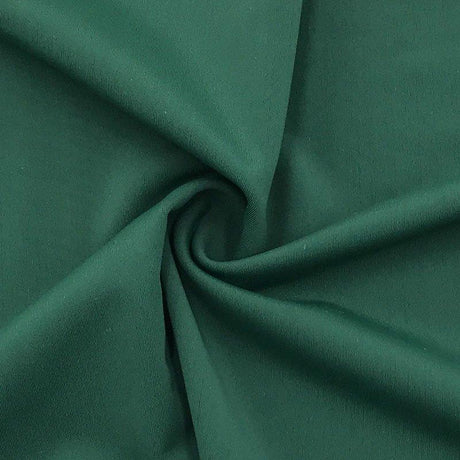
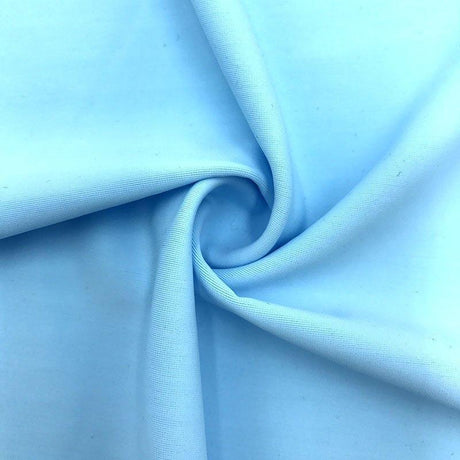
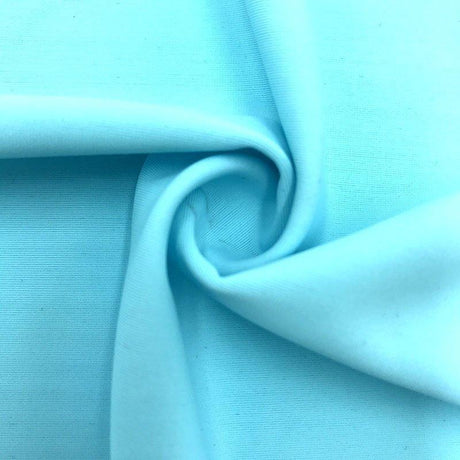
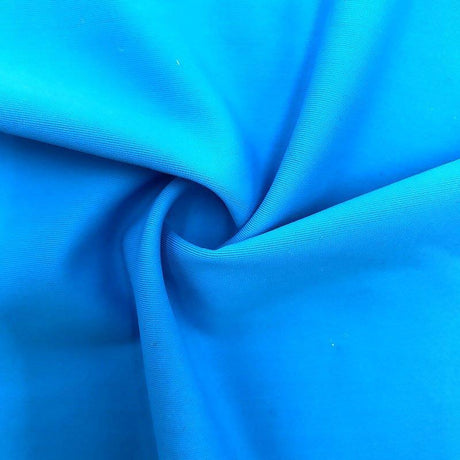
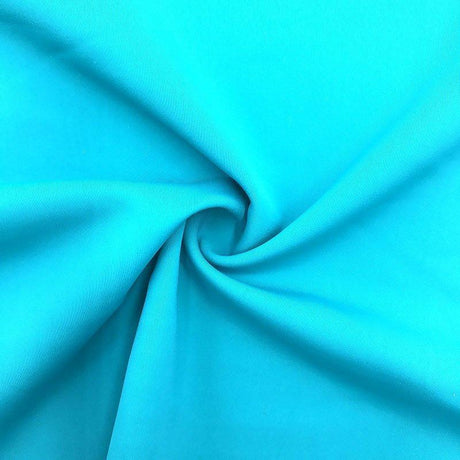
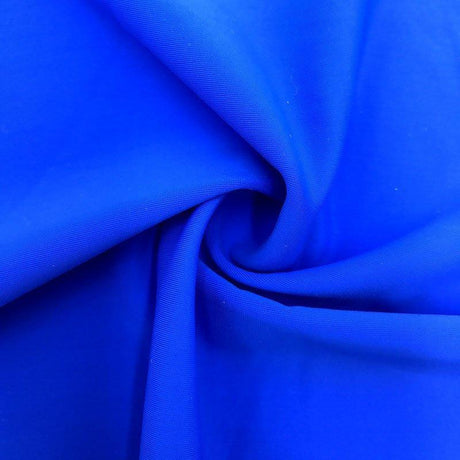
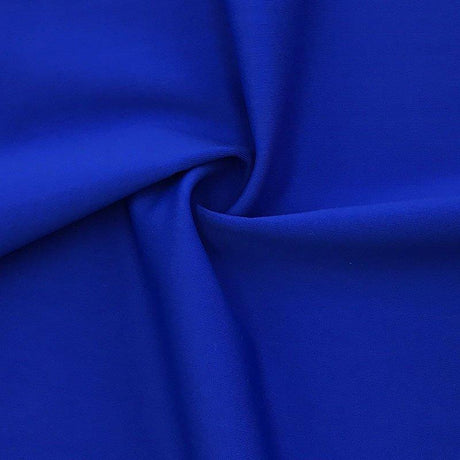
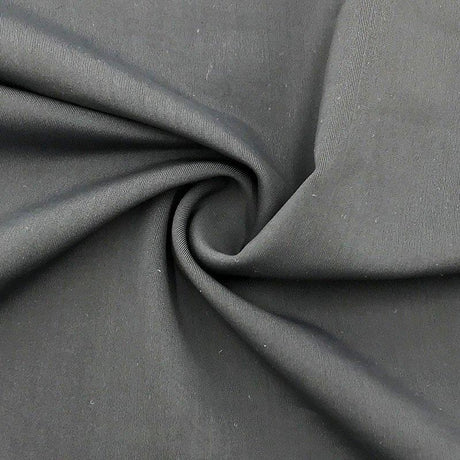
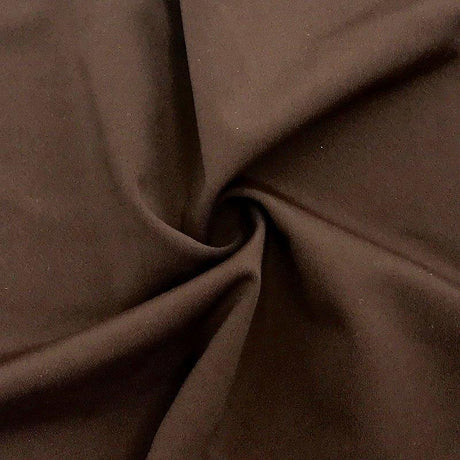
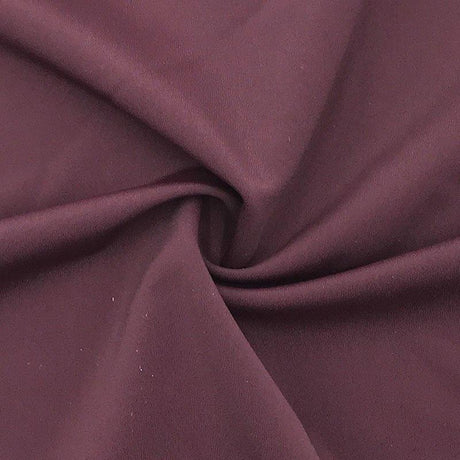
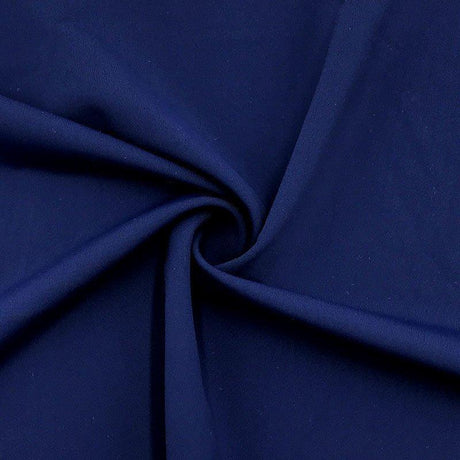
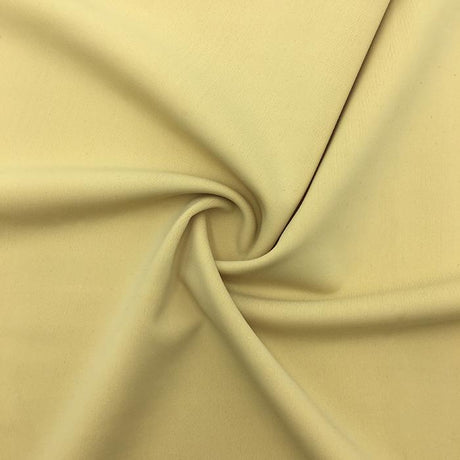
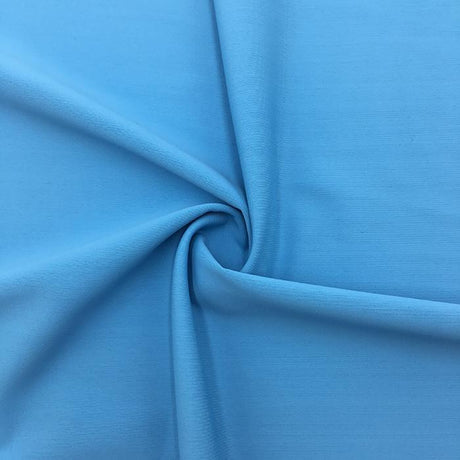
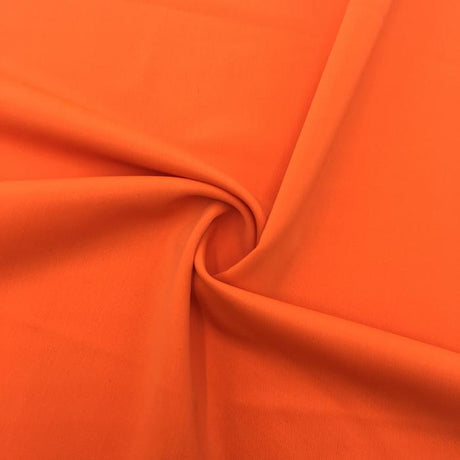
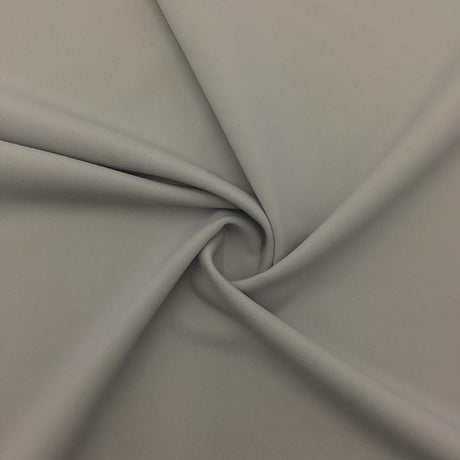
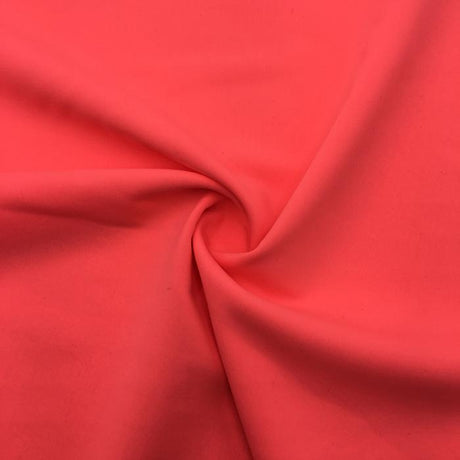
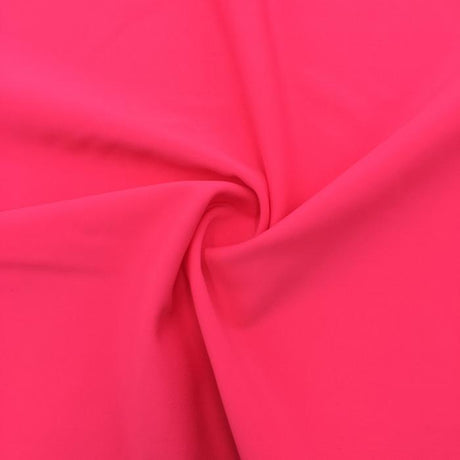
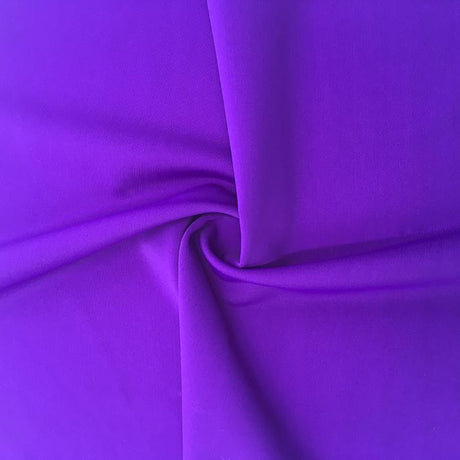
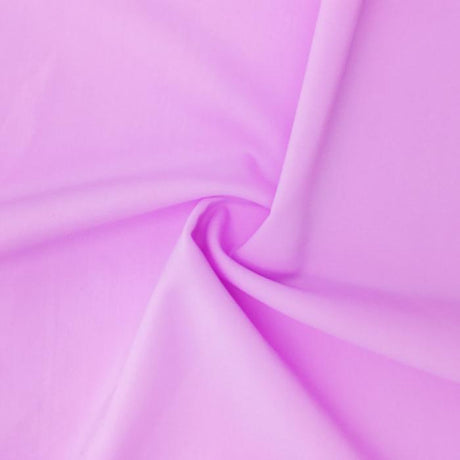
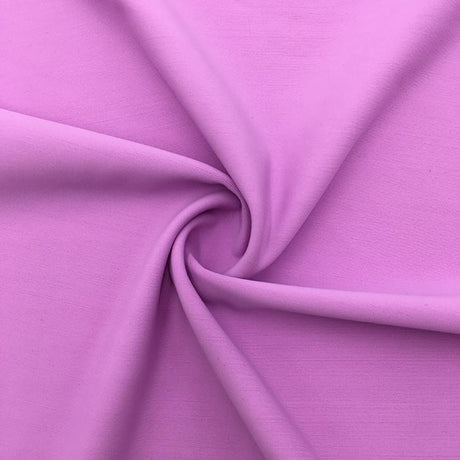
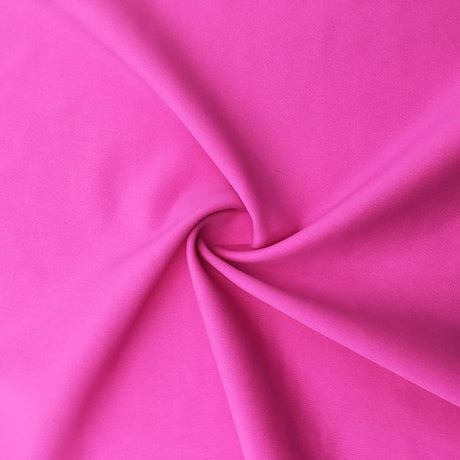
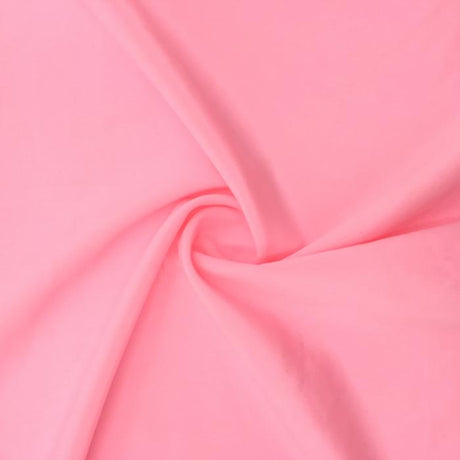
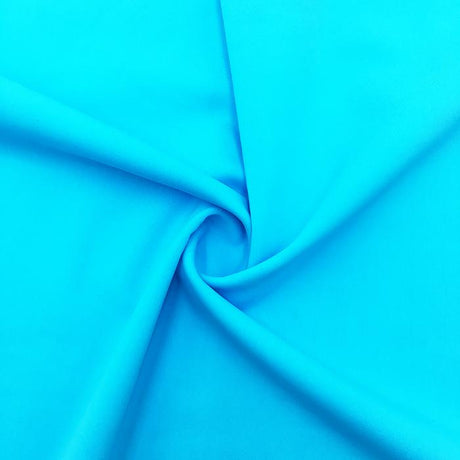
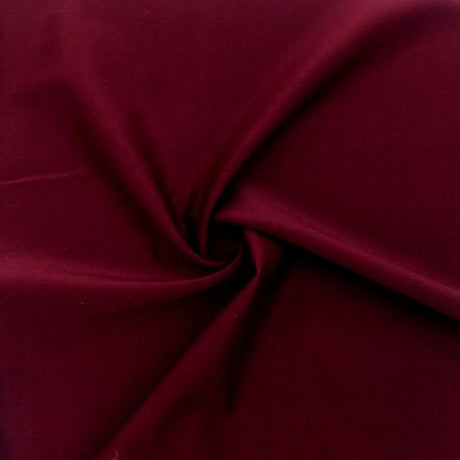
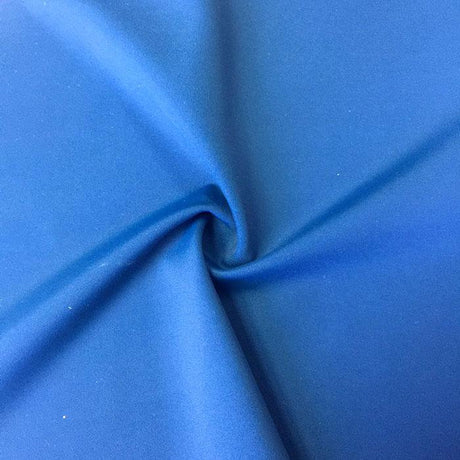
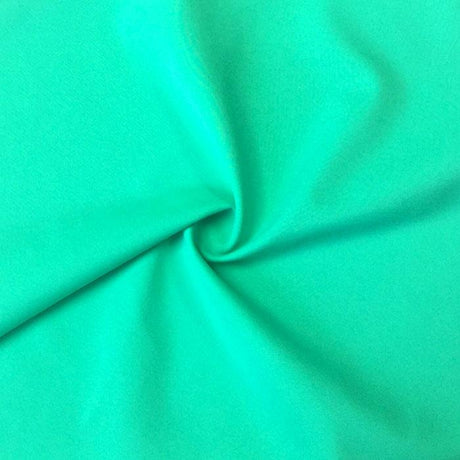
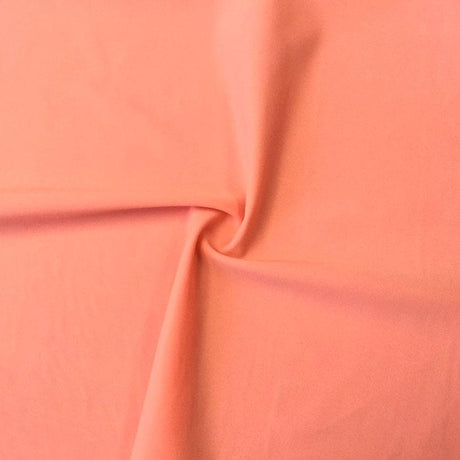
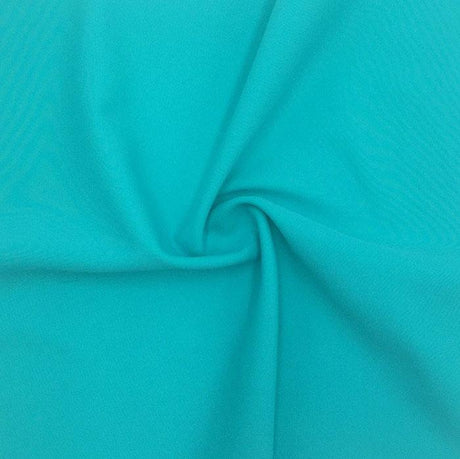
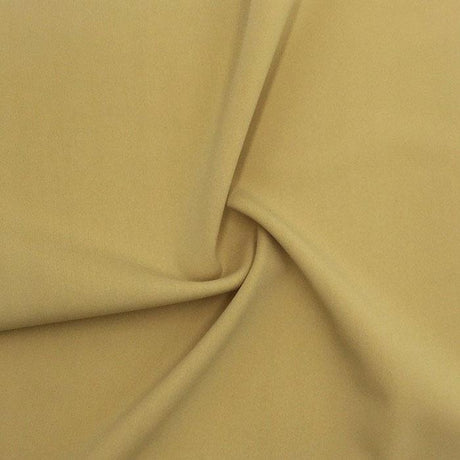
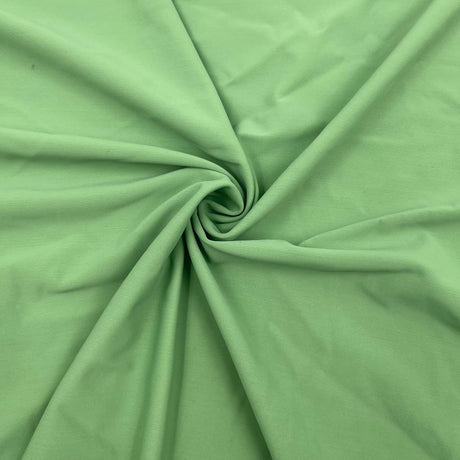
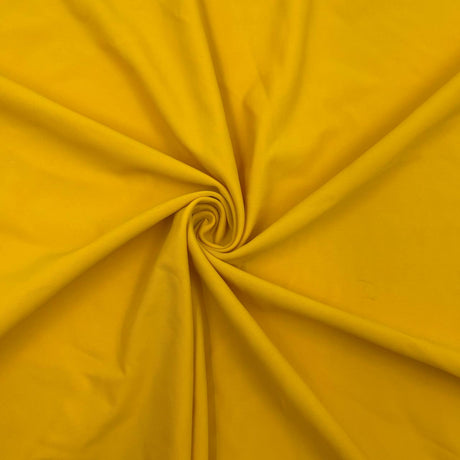
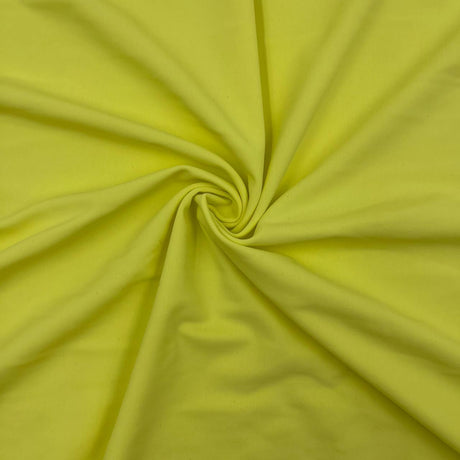
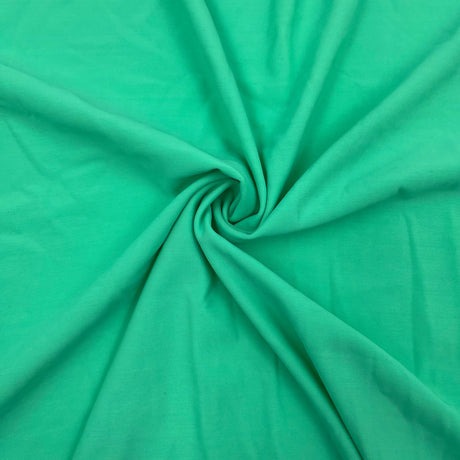
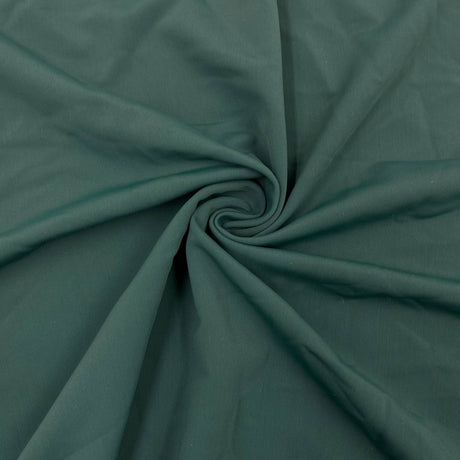
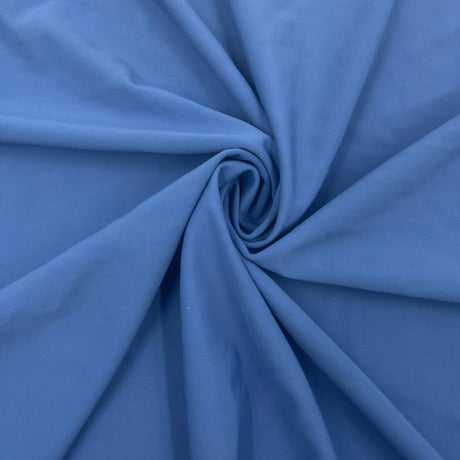
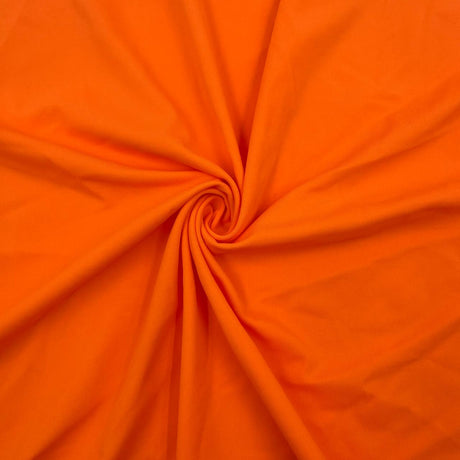
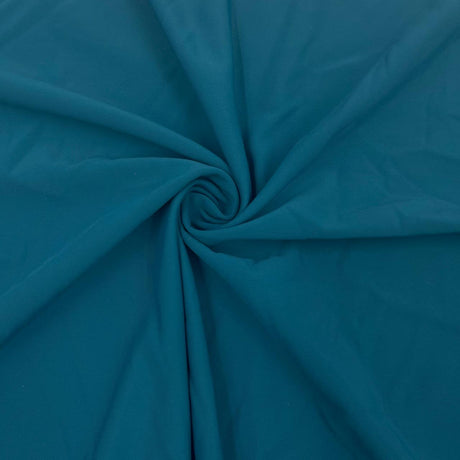
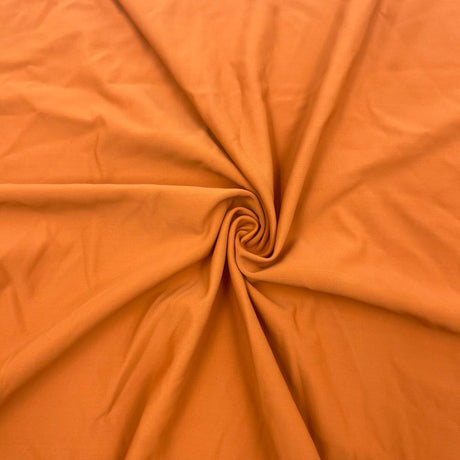
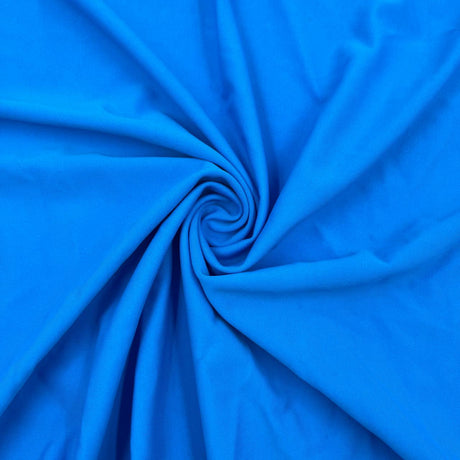
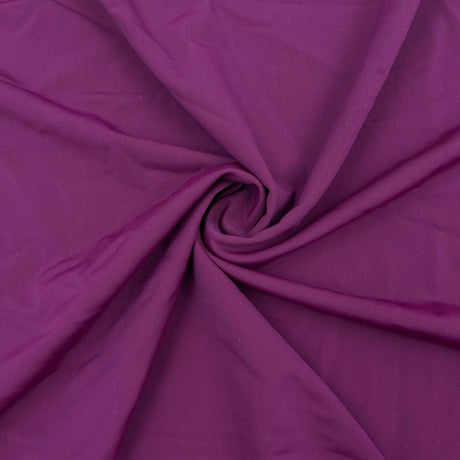
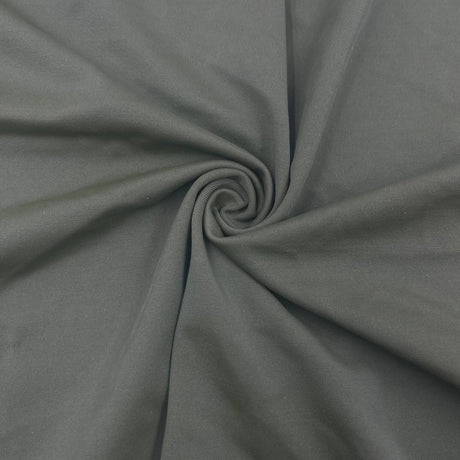
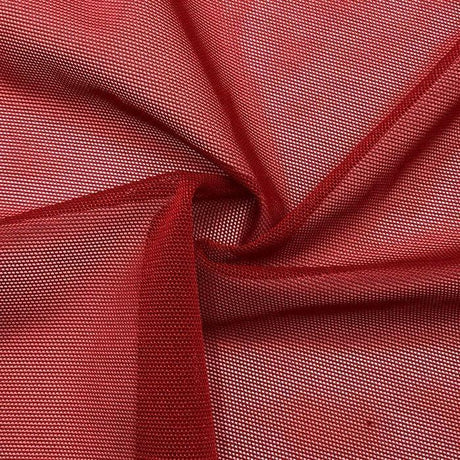
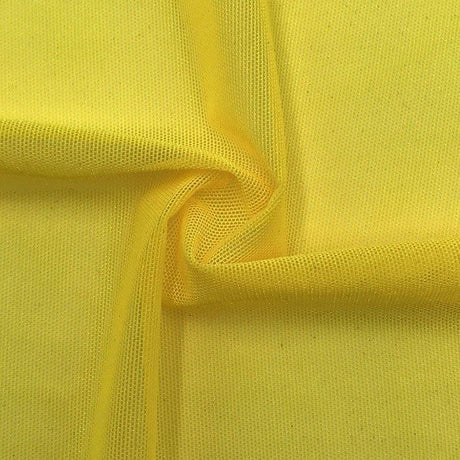
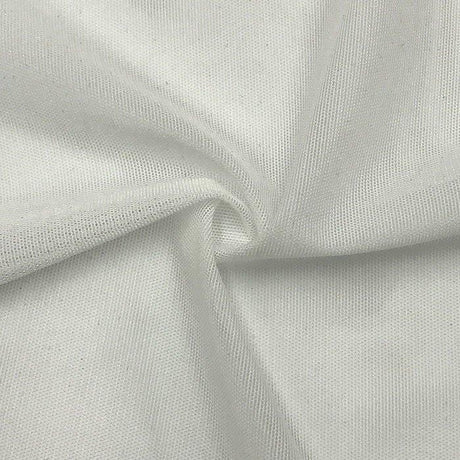
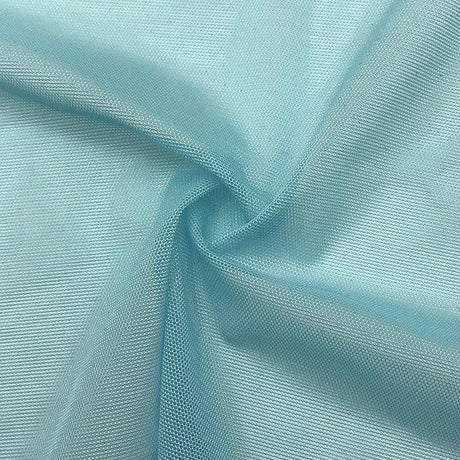
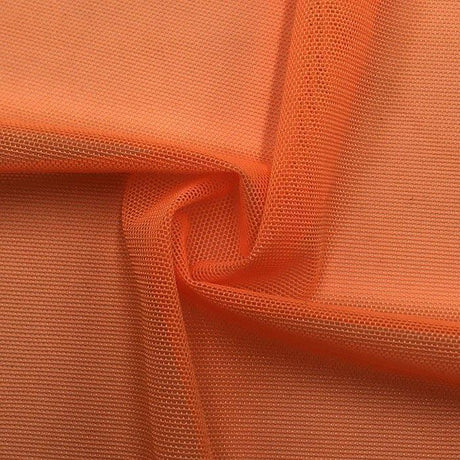
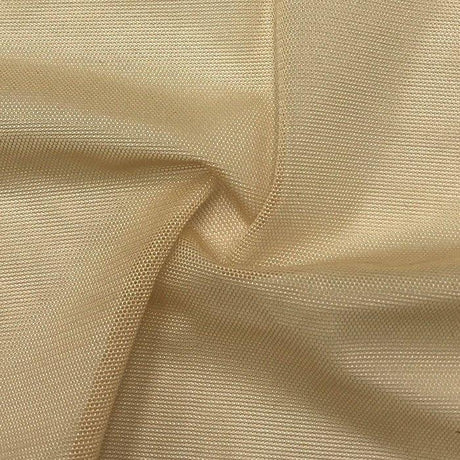
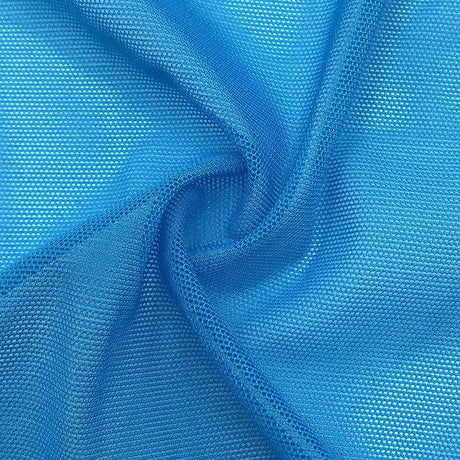
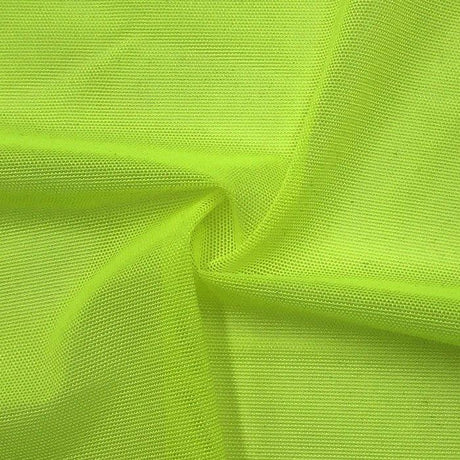
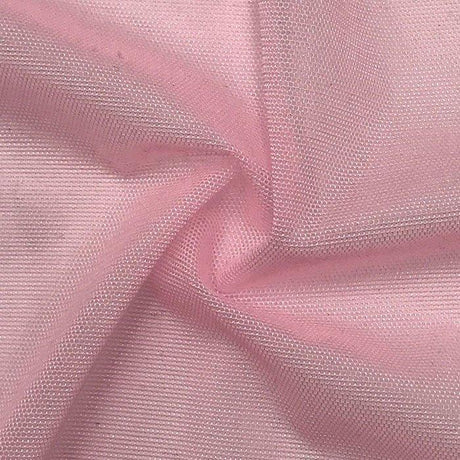
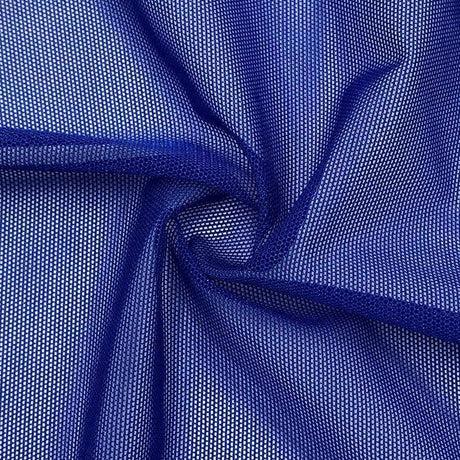
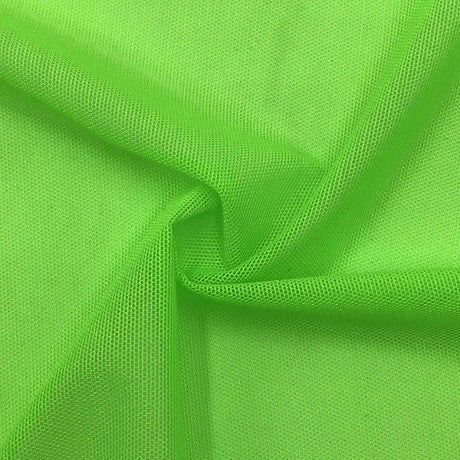
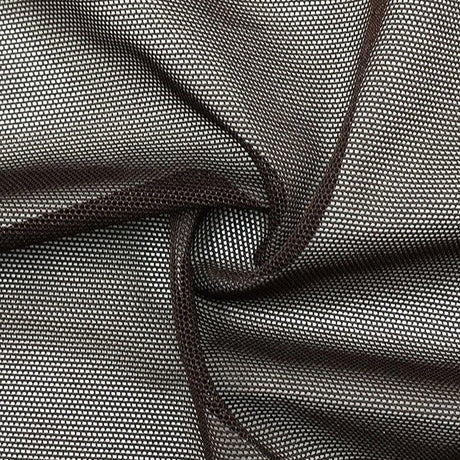
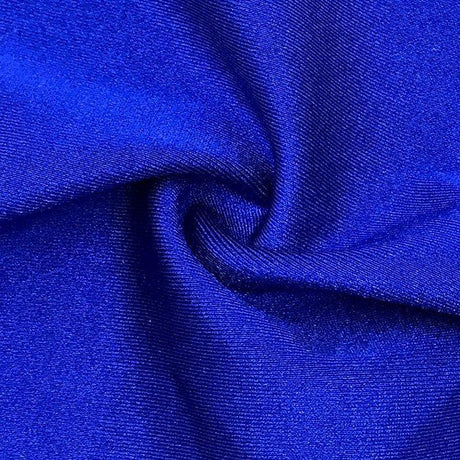
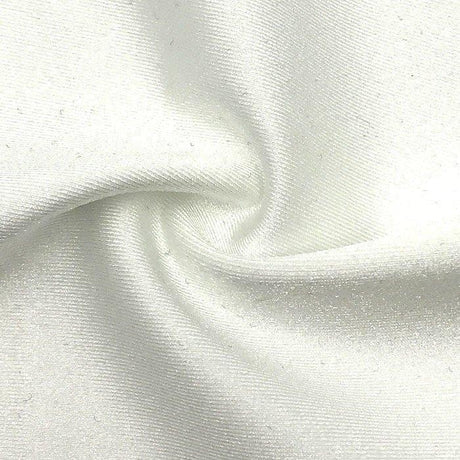
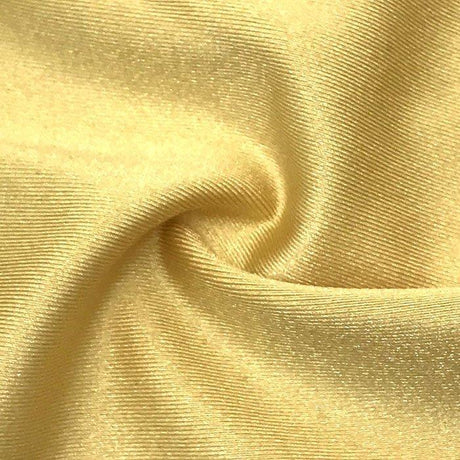
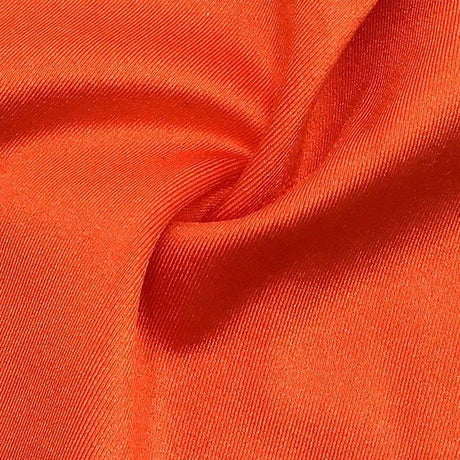
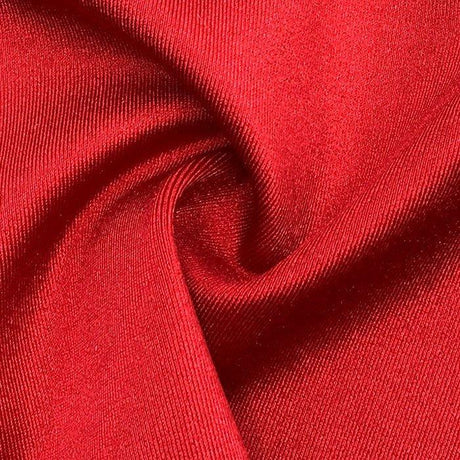
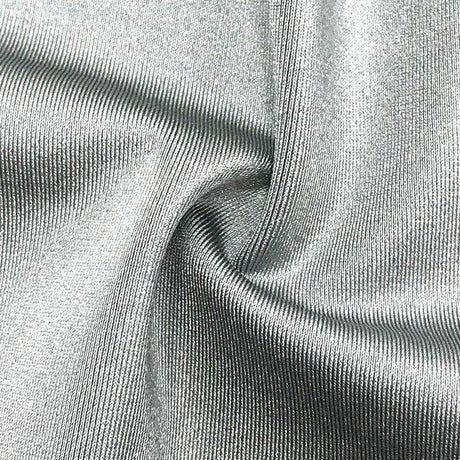
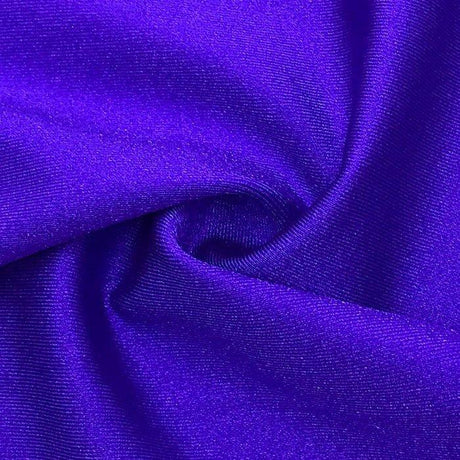
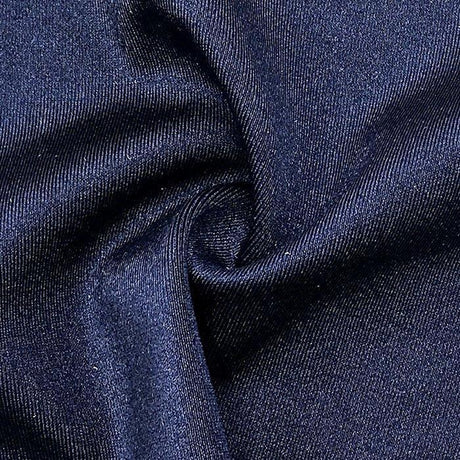
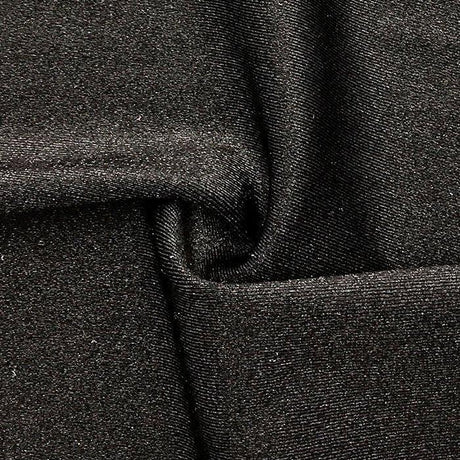
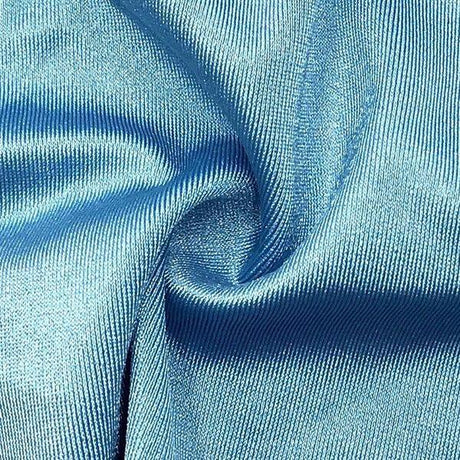
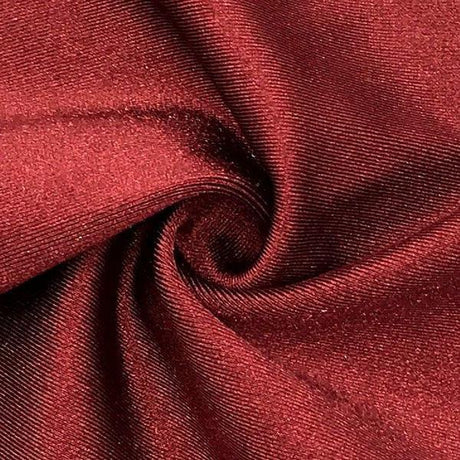
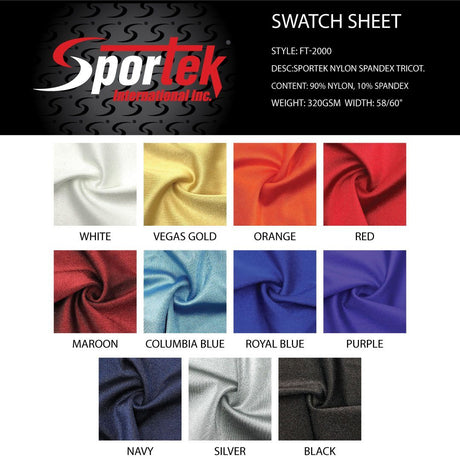
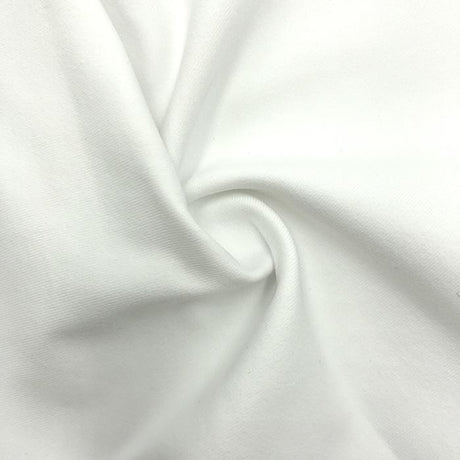
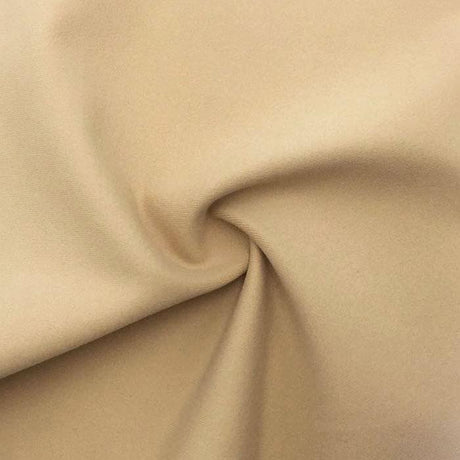
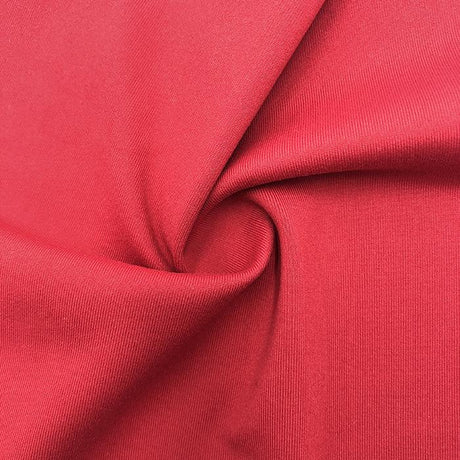
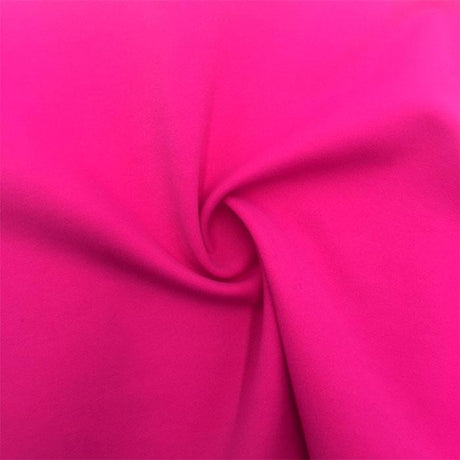
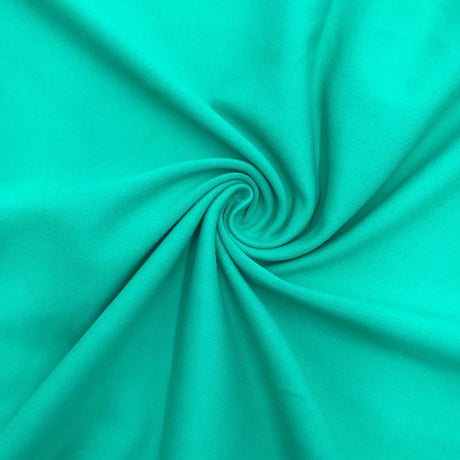
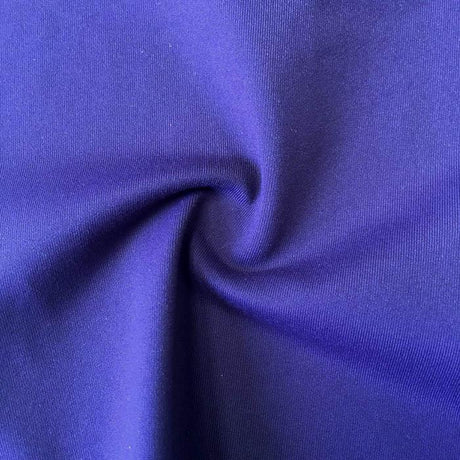
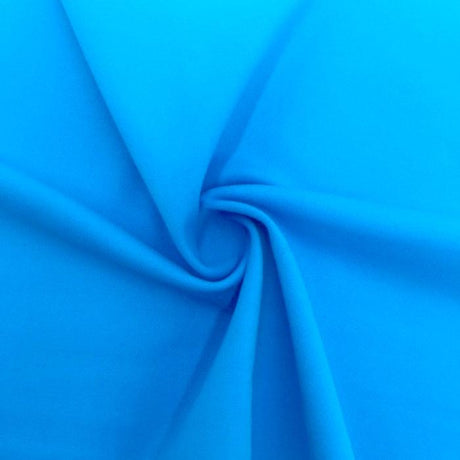
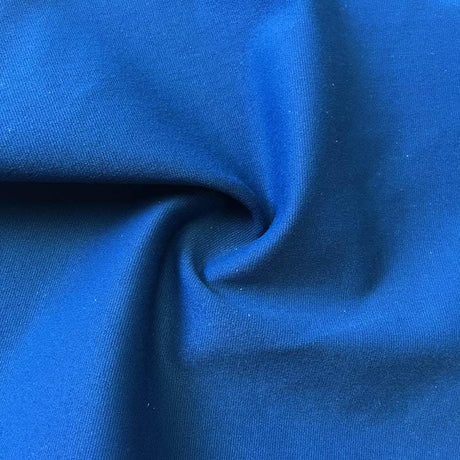
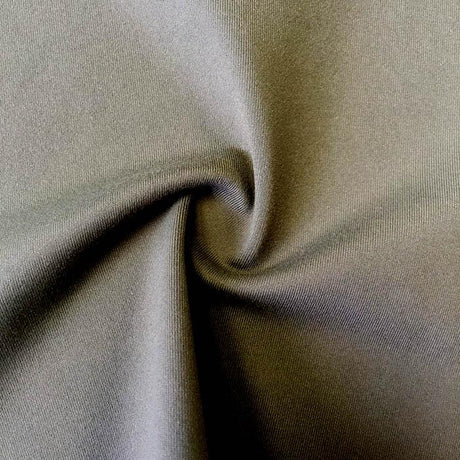
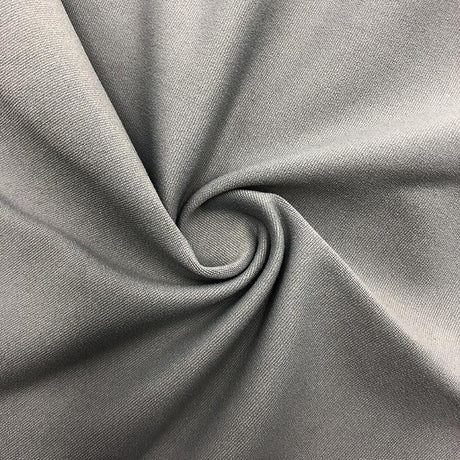
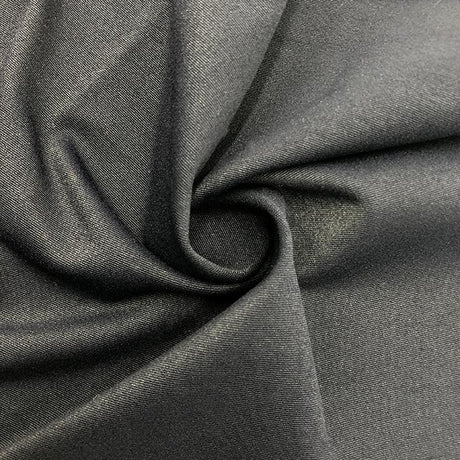
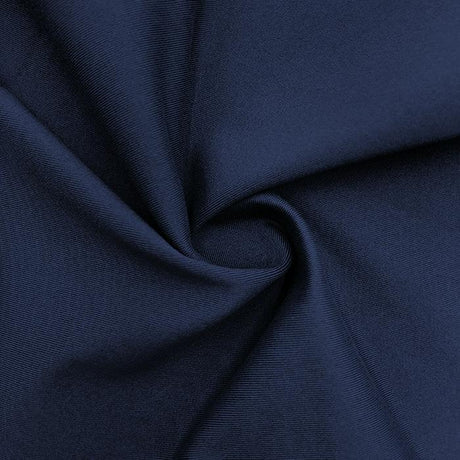
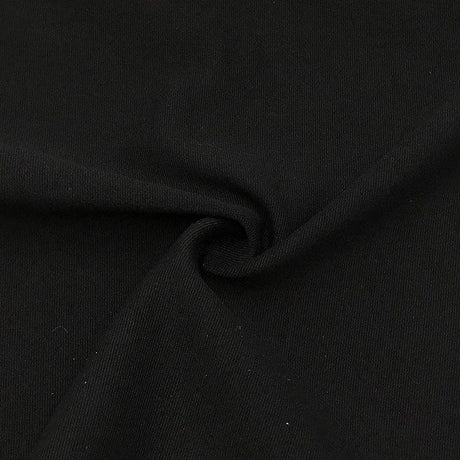
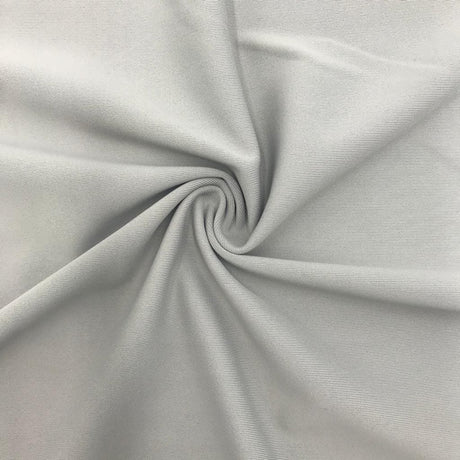
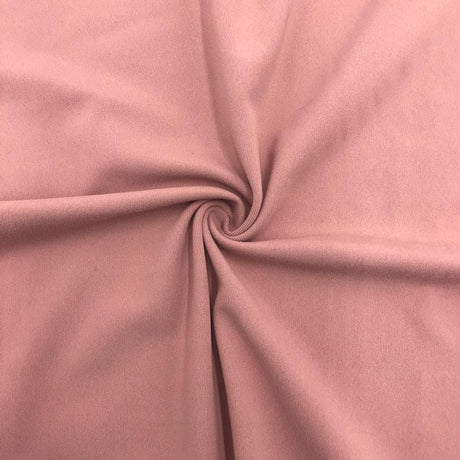
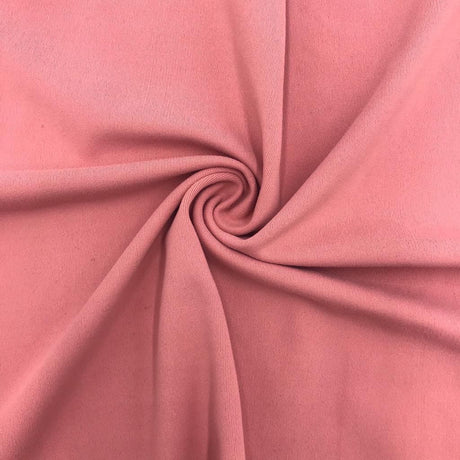
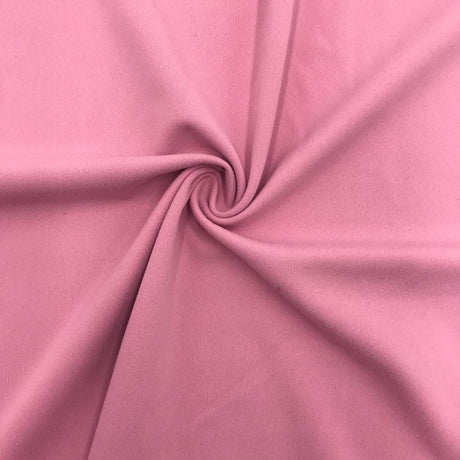
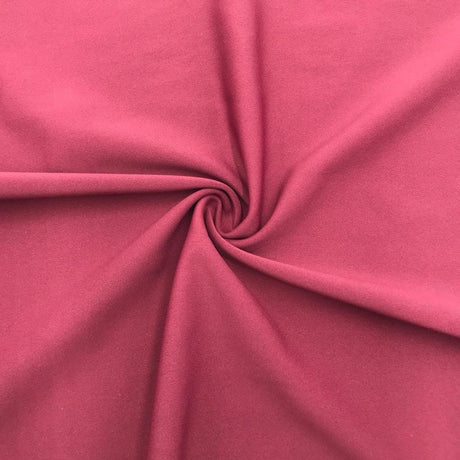
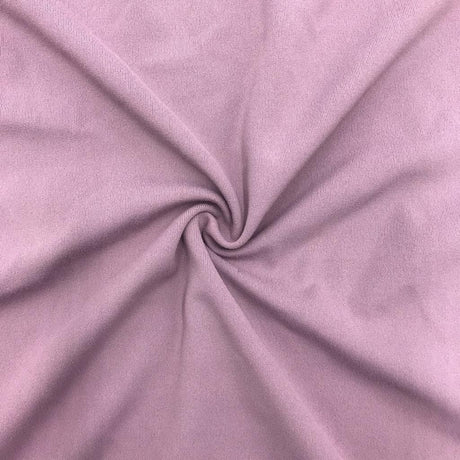
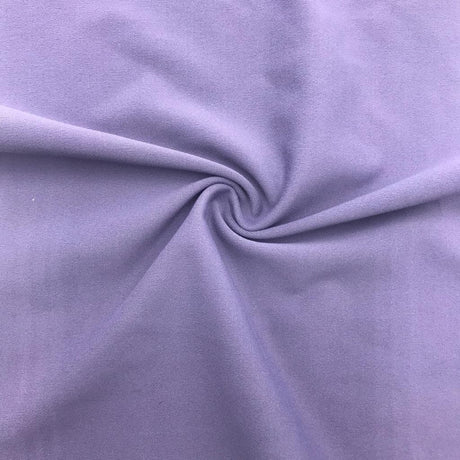
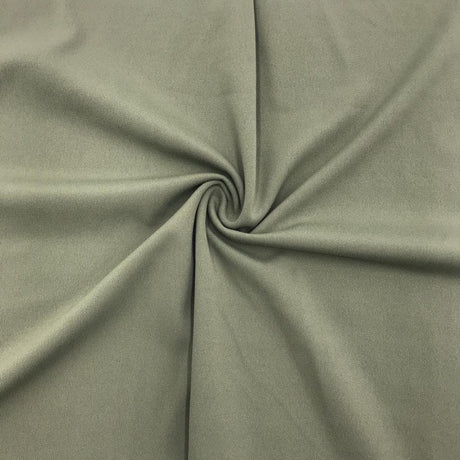
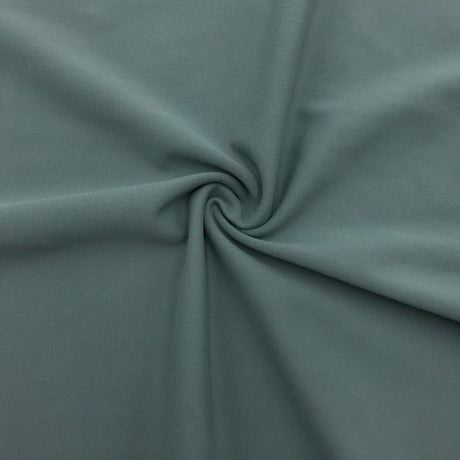
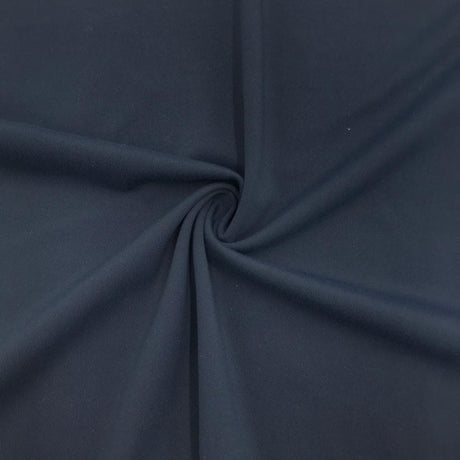
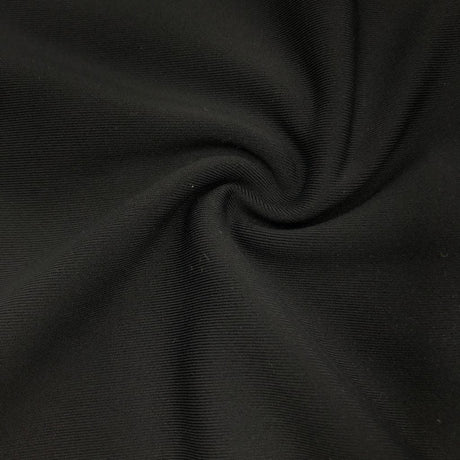
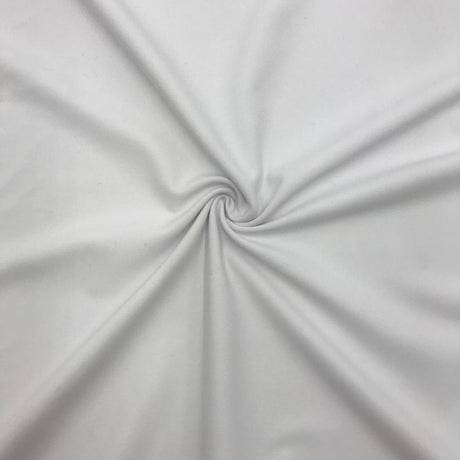
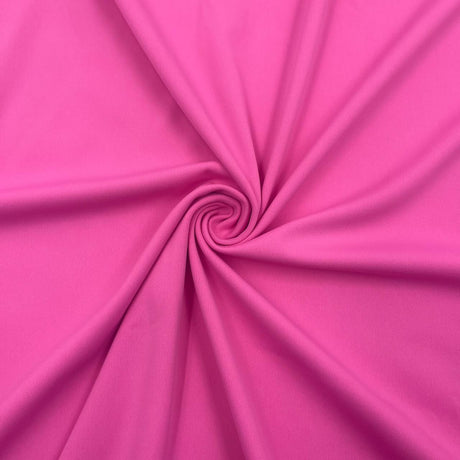
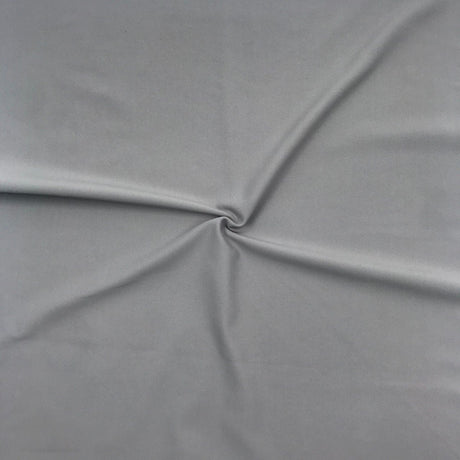
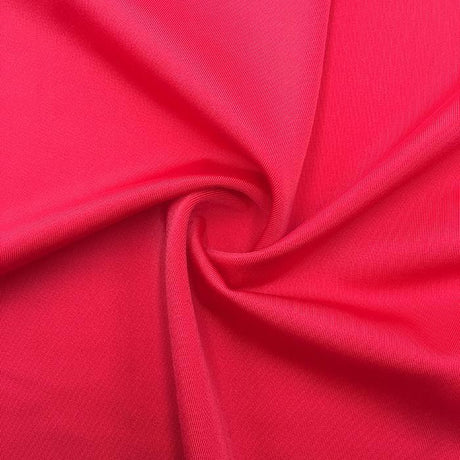
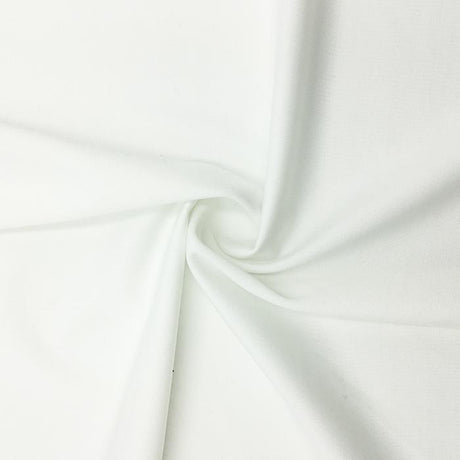
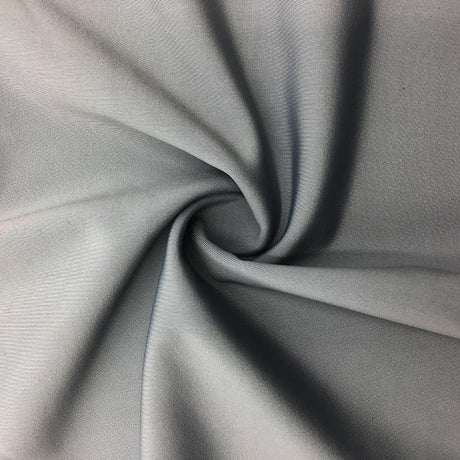
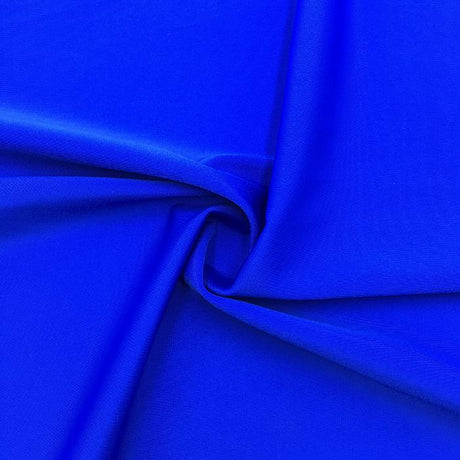
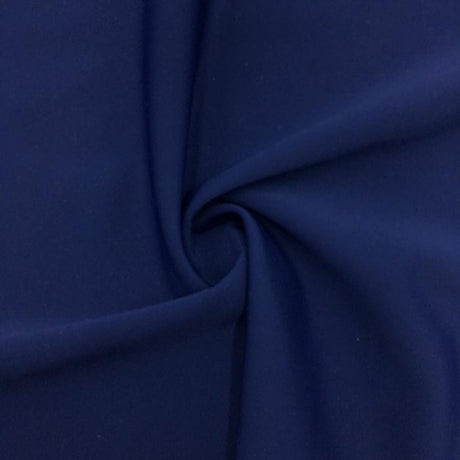
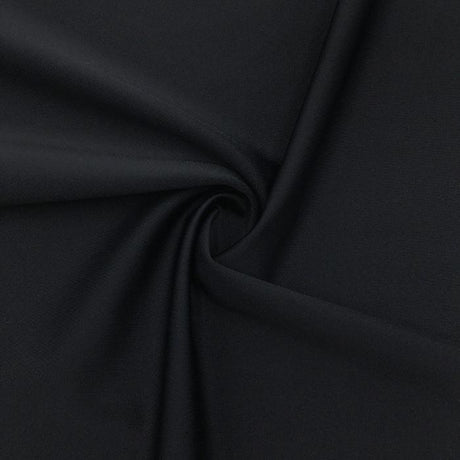
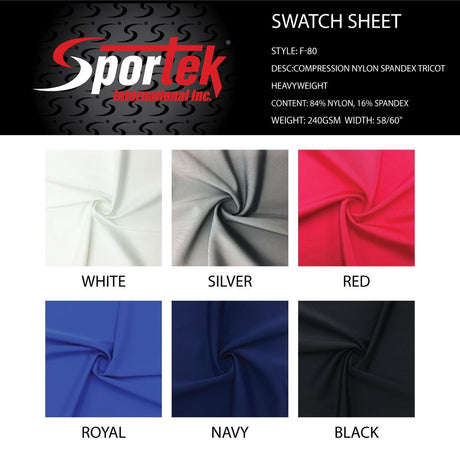
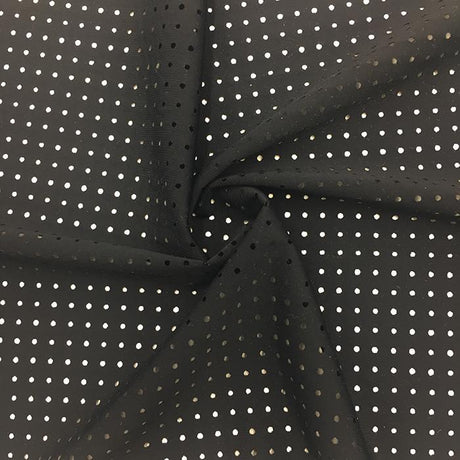
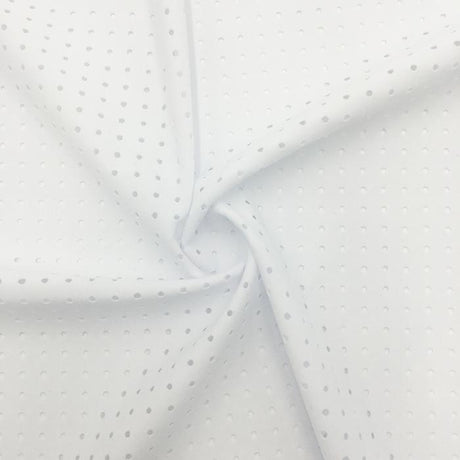
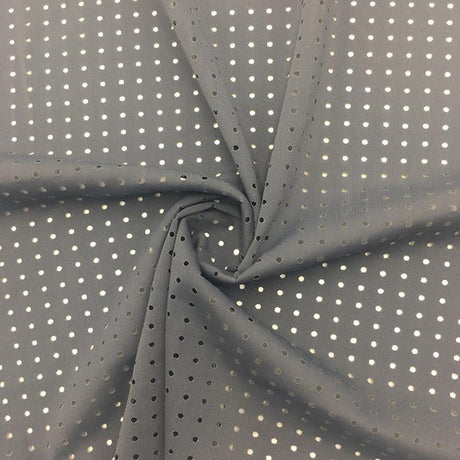
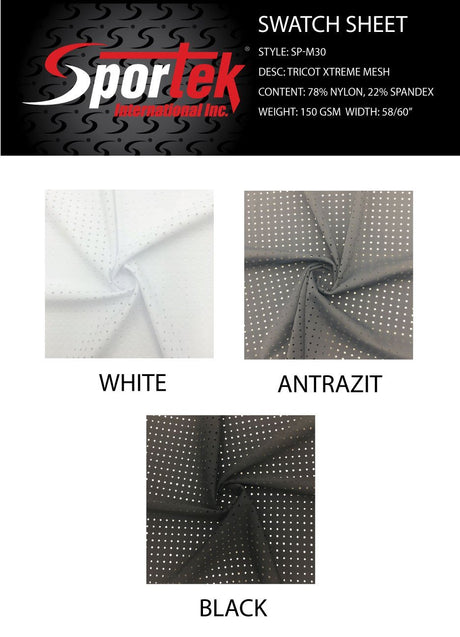
Nylon Lycra swimwear fabric has become the go-to material for bathing suits around the world. If you check the tag on almost any modern swimsuit, chances are it reads something like “80% Nylon, 20% Lycra (Spandex).” This blend dominates the market because it offers the ideal balance of stretch, comfort, and durability for a perfect fit. In women’s fashion swimwear especially, nylon/Lycra blends (often around an 80/20 ratio) are by far the most common choice. In this article, we’ll explore the chemistry behind this fabric, its key advantages (notably superior stretch and soft hand feel), and how to care for nylon-Lycra garments to maximize their lifespan.
The Chemistry: Combining Polyamide (Nylon) with Elastane (Lycra)
To understand why nylon-Lycra is so special, it helps to know what each component contributes. Nylon is a type of polyamide – a synthetic polymer fiber known for its strength, light weight, and smooth texture. Lycra is the brand name for spandex (called elastane in Europe), a polyurethane-based elastic fiber famous for its extreme stretch. When these two fibers are combined in a textile (typically about 80–90% nylon with 10–20% Lycra), the result is a fabric with the best of both worlds: nylon provides a soft yet sturdy base, and Lycra imparts superior elasticity.
This nylon-Lycra blend is a 4-way stretch knit, meaning it can stretch in both directions (widthwise and lengthwise) and snap back to its original shape. Even a relatively small percentage of Lycra gives the material significant “bounce-back” recovery. For example, an 80/20 nylon-Lycra swim fabric moves with your body and then returns to its initial form without sagging. This elastic quality is the secret behind the second-skin fit of modern swimwear. In fact, the invention of Lycra in the mid-20th century revolutionized swimwear, enabling figure-hugging swimsuit designs that weren’t possible with older fabrics like cotton or wool. Practically overnight, nylon-spandex suits replaced those heavy, non-stretch materials because they were vastly superior in performance and comfort.
It’s worth noting that “nylon” and “polyamide” are the same thing (you might see Polyamide (PA) on European fabric labels, which is just nylon). Likewise, Spandex, Elastane, and Lycra all refer to the same kind of elastic fiber (Lycra is simply a popular premium brand). No matter the name, the function is the same: nylon provides strength, lightweight softness, and a bit of inherent stretch, while Lycra provides the high elasticity and snap-back recovery that give swimwear its perfect fit.
Advantages:Superior Stretch and Softness

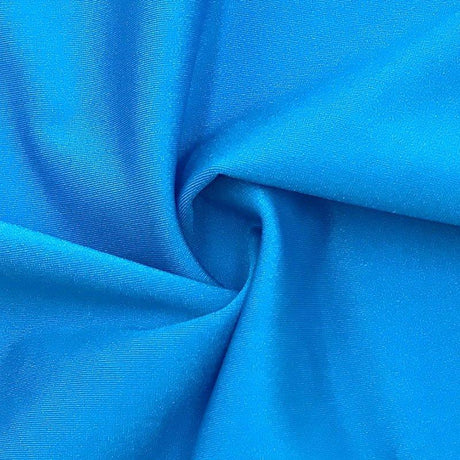
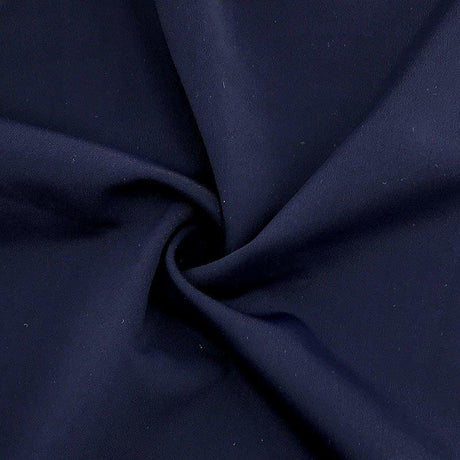
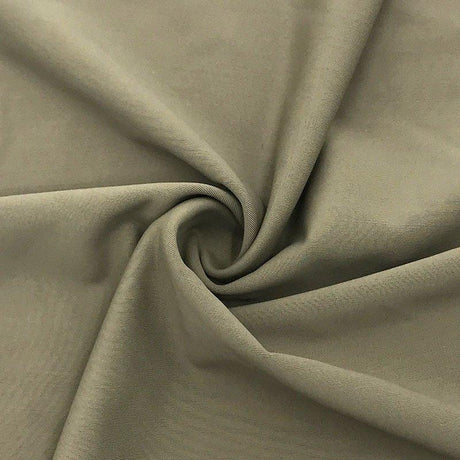
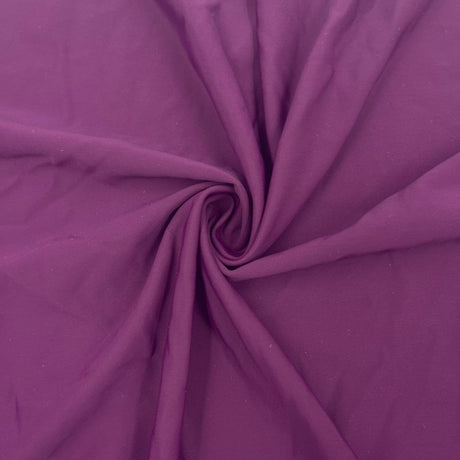
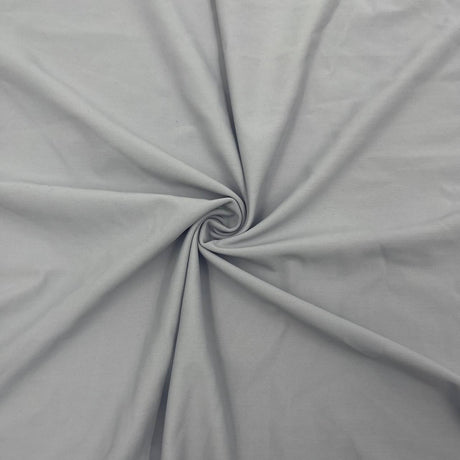
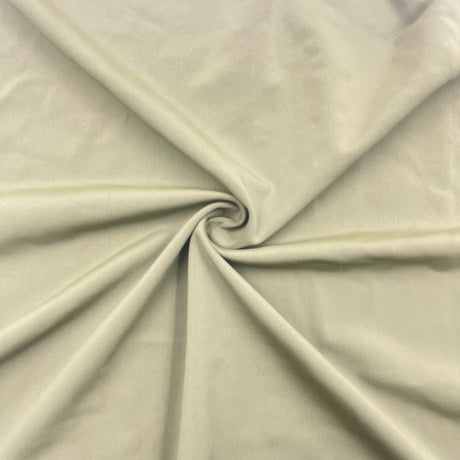
Nylon-Lycra swimwear fabric clings to the body with a smooth, second-skin fit. This blend offers unique benefits that make it a top choice for swimwear. The combination of nylon’s soft hand feel and Lycra’s stretch yields a material that checks all the boxes for comfort and performance. Below are the key advantages that have made nylon-Lycra the dominant swimwear fabric in the market:
- Exceptional Stretch & Recovery: Thanks to the Lycra content, nylon-Lycra fabrics have outstanding 4-way stretch and the ability to spring back to shape. A swimsuit made from this blend can expand to accommodate movement and then retain its original form without bagging or losing elasticity. This gives you a snug, supportive fit that “hugs” your body and moves with you, which is essential for both comfort and style in swimwear.
- Soft Hand Feel & Comfort: Nylon contributes a smooth, silky touch to the fabric, often described as a soft hand feel. In practice, that means the material feels gentle against the skin – no scratchiness or irritation. Swimsuits using this blend are comfortable for extended wear; you can swim, lounge, or play beach volleyball without chafing. Many wearers simply note that nylon-spandex suits “feel soft against the skin,” which is a big reason this fabric dominates the swimwear market.
- Lightweight & Quick-Drying: Another major advantage is that nylon-Lycra swimwear fabric absorbs very little water, so it doesn’t become heavy or waterlogged. Both nylon and spandex are synthetics that dry relatively fast. Once you’re out of the water, a nylon-Lycra suit will dry off much more quickly than, say, a cotton garment. This quick-dry property means you won’t stay soaking wet for long, and the suit remains light, which is practical and comfortable for swimmers.
- Durable & Shape-Retaining: Swimwear faces harsh conditions like chlorine, saltwater, sun, and constant stretching. A quality nylon-Lycra fabric is built to withstand these stresses for a reasonable lifespan. Nylon fibers give the fabric good abrasion resistance and strength, while Lycra ensures it keeps its shape. With proper care (rinsing after use, avoiding high heat, etc.), a nylon-Lycra swimsuit will hold up through many uses without losing its fit. In other words, this blend offers a great all-around balance – top-notch stretch and comfort, combined with sufficient durability when cared for – which is exactly why it became the industry standard. (Note: While nylon-Lycra is very well-rounded, it’s not absolutely chlorine-proof or UV-proof. Competitive swimwear sometimes uses polyester blends for extra chlorine resistance, but those can’t match the soft feel and stretch of nylon-Lycra. For most casual and fashion swimwear, the nylon-Lycra combo hits the sweet spot.)
Lycra benefits like superior elasticity, shape retention, and a comfortable fit are clearly on display with this fabric blend. Likewise, nylon’s benefits – including a soft touch and quick-drying nature – complement Lycra perfectly. It’s this synergy of materials that makes nylon-Lycra swimwear fabric so dominant in the market.
(After seeing all these advantages, one might wonder: what’s the catch? The main consideration is that to keep these benefits over time, you need to care for the garment properly. In the next section, we’ll cover how to do just that.)
Care Instructions for Nylon Lycra Garments
To prolong the life of your nylon-Lycra swimwear and ensure it continues to fit and perform well, proper care and maintenance are essential. Follow these tips to keep your swimsuits in top condition:
- Rinse after each use: Always rinse your swimsuit with fresh, cool water as soon as possible after wearing. This removes chlorine, salt, sweat, and other chemicals that can damage the fabric. A quick rinse in the sink or shower prevents these residues from lingering and breaking down the fibers.
- Hand wash with mild detergent: For a deeper clean, hand wash your swimwear in lukewarm or cold water using a mild detergent (one formulated for delicates or activewear is ideal). Avoid bleach and fabric softeners, as harsh chemicals can weaken or discolor the Lycra fibers. Gently swish the swimsuit; do not scrub aggressively. If you must use a washing machine, put the garment in a mesh laundry bag and run a delicate cycle with cold water to minimize agitation. Remember to never use hot water, which can deteriorate the elastic fibers. Also, avoid excessive wringing or twisting of the suit when washing, as this can stretch out the fabric and damage its elasticity.
- Air dry in the shade: The best way to dry nylon-Lycra swimwear is to air dry it naturally. After washing, gently press or squeeze out excess water (do not wring it out). Lay the swimsuit flat on a towel or hang it up to drip-dry. Keep it out of direct sunlight while drying, since UV rays can fade colors and degrade the elastic fibers over time. It’s recommended to dry in the shade or indoors. Avoid using a dryer if possible, as high heat can seriously damage spandex – it will cause the material to lose its stretch and may even make it shrink. If you’re in a pinch and must use a dryer, use the lowest heat setting and remove the swimsuit while it’s still slightly damp to finish air-drying.
- Store properly: Make sure your swimsuit is completely dry before storing it. Store nylon-Lycra garments in a cool, dry place away from direct sunlight. A drawer or closet is fine – just avoid hot, humid environments. Storing it dry and out of the sun prevents mildew and also helps prevent any premature fabric degradation or color fading that could happen if it’s left damp or in UV light for too long. If the suit will be stored for an off-season, you might even rinse it with fresh water again and ensure it’s clean (lotions or oils left on fabric can also deteriorate it over time).
By following these care steps, you’ll protect the integrity of the nylon and Lycra fibers. Your swimsuit will last longer, maintain its vibrant color, and keep that snug, comfortable fit swim after swim. Remember, this high-performance fabric rewards a little TLC – taking a few minutes to rinse and properly wash your nylon-Lycra swimwear will ensure you continue to enjoy its benefits for many seasons.
In summary, nylon Lycra swimwear fabric dominates the market for good reason. Its unique combination of stretch, soft hand feel, light weight, and adequate durability make it the secret to a perfect fit in swimsuits. Whether you’re lounging at the beach or doing laps in the pool, a nylon-Lycra swimsuit will move with you, feel comfortable against your skin, and dry quickly afterward. With the right care, these swimsuits will continue to hug your body just right and hold up well against sun and water. It’s no wonder this fabric blend remains the reigning choice for swimwear enthusiasts and designers alike. Enjoy your swimwear, and don’t forget to give it the care it deserves – it will pay you back with many outings of perfect fit and comfort!