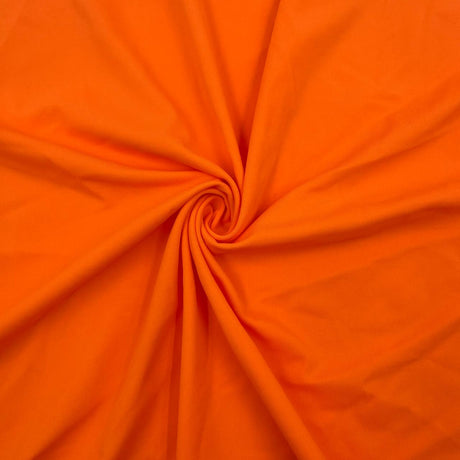
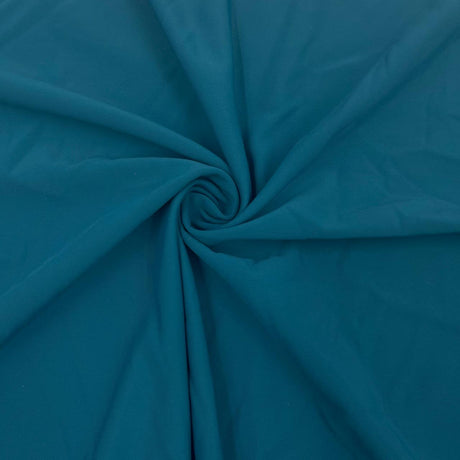
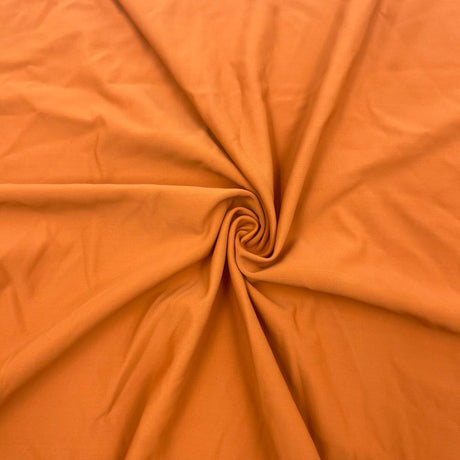
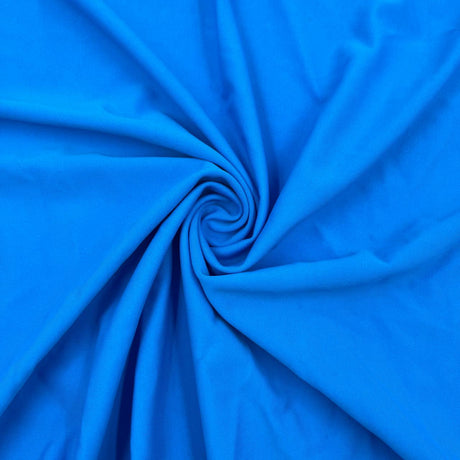
Swimwear is not like everyday apparel – it needs to perform under some of the harshest conditions. From chlorinated pools to salty oceans, intense UV sun exposure, and constant stretching and movement, swimsuits must stand up to challenges that ordinary clothes never face. The right fabric is crucial to ensure a swimsuit retains its shape, provides support, resists degradation, and keeps the wearer comfortable. In today's swimwear industry, tricot spandex fabric has emerged as a gold standard for meeting these demands. For a broader foundation on swimwear fabric properties before diving in, explore our swimwear fabric guide or browse our full fabric guides hub.
Understanding Tricot Spandex Fabric
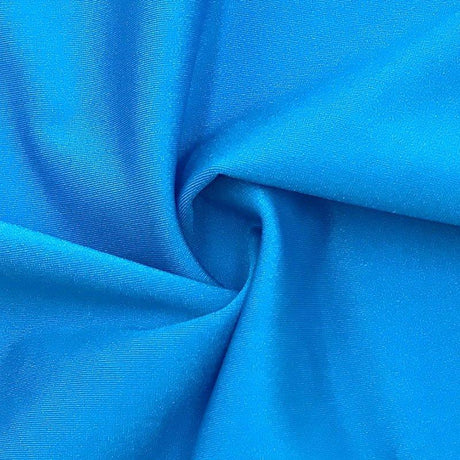
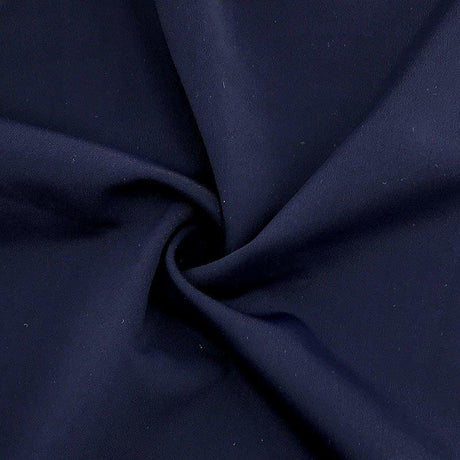
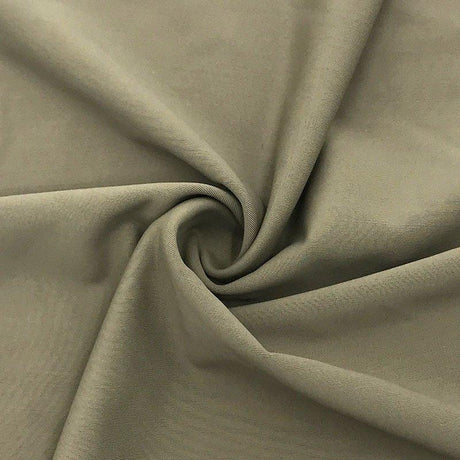
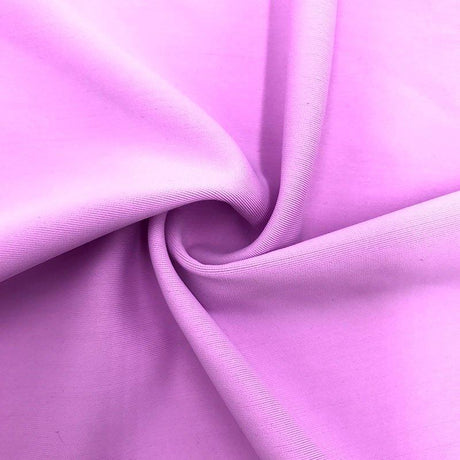
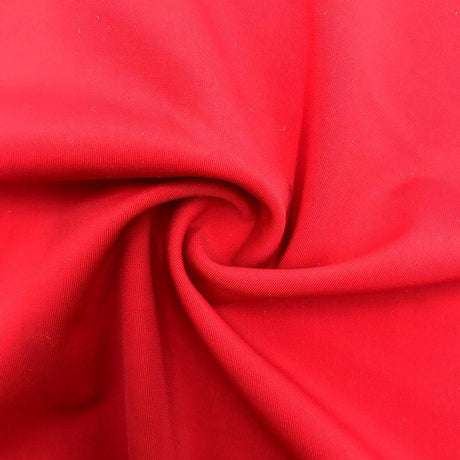
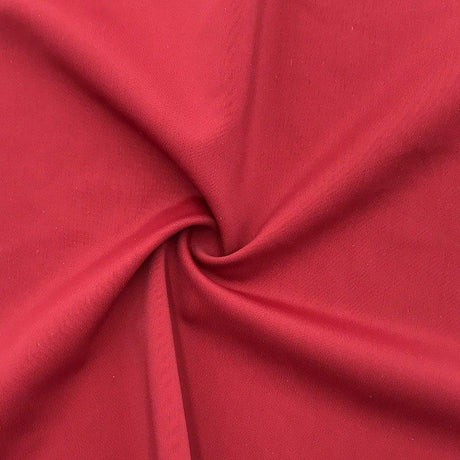
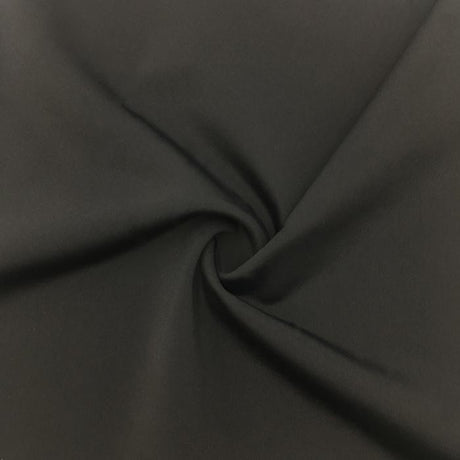
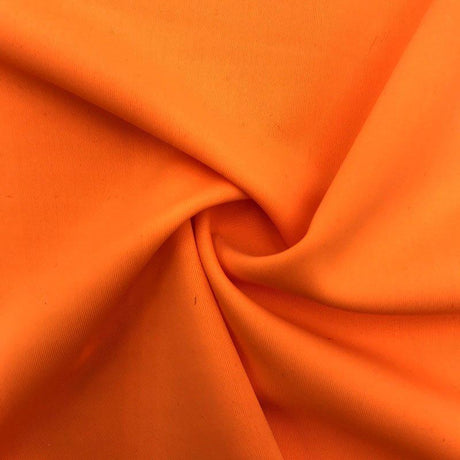
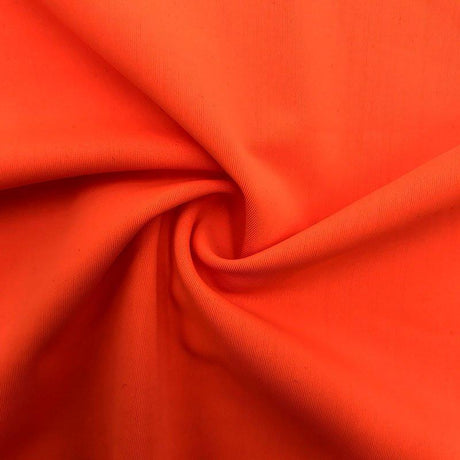
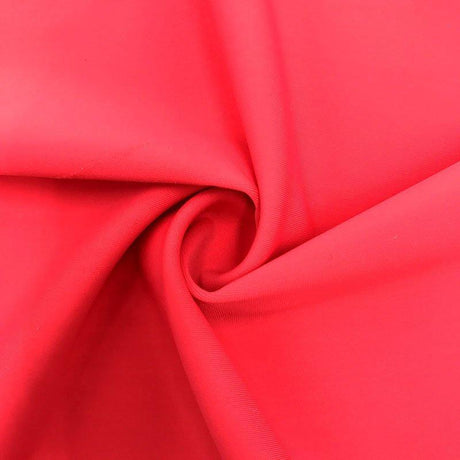
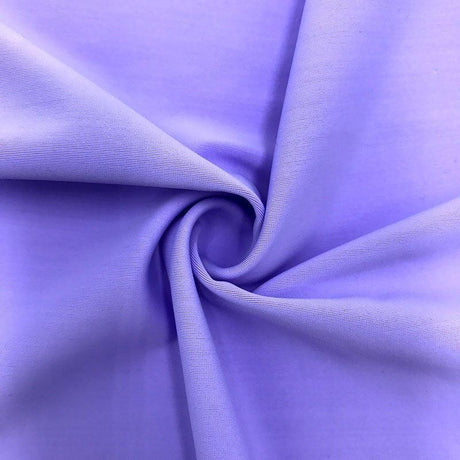
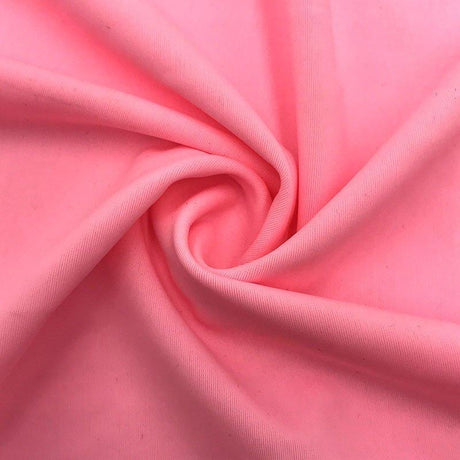
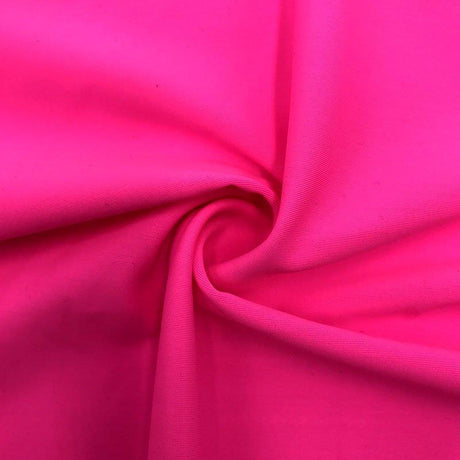
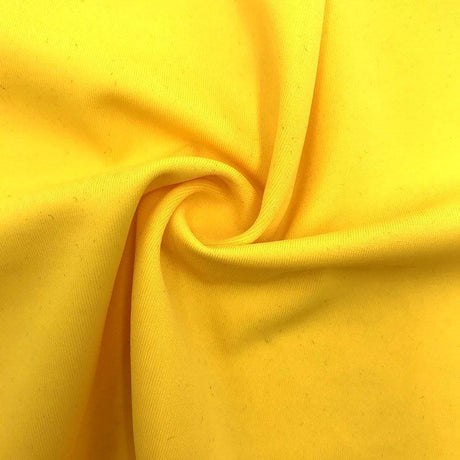
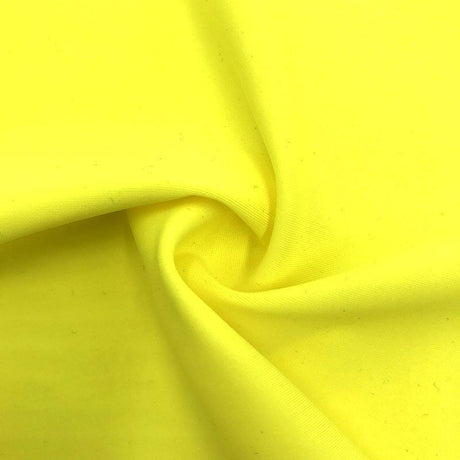
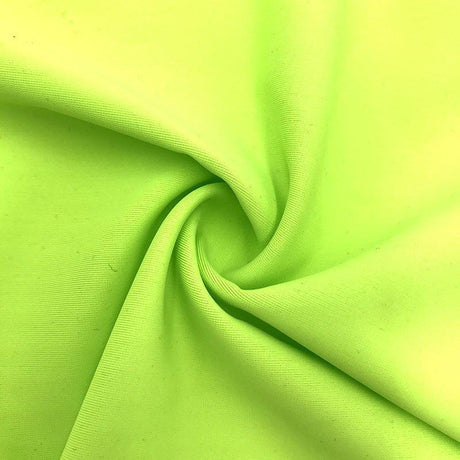
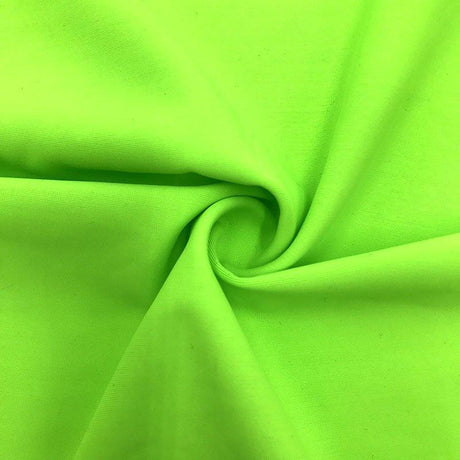
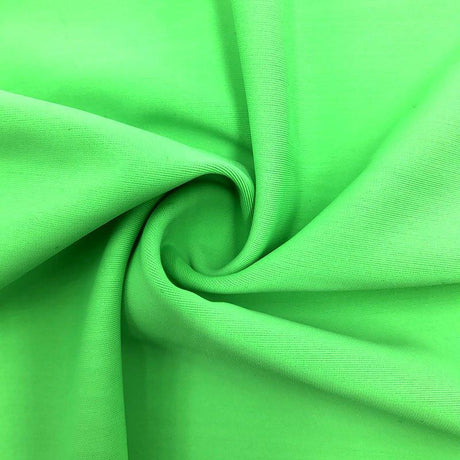
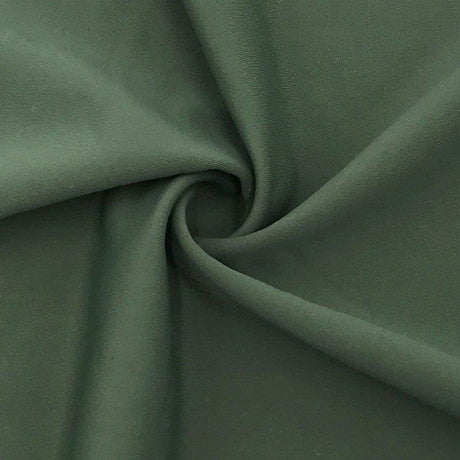
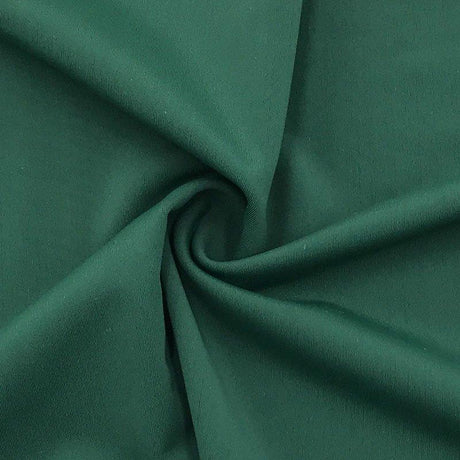
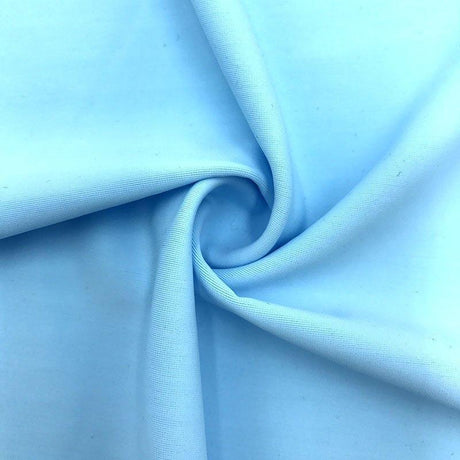
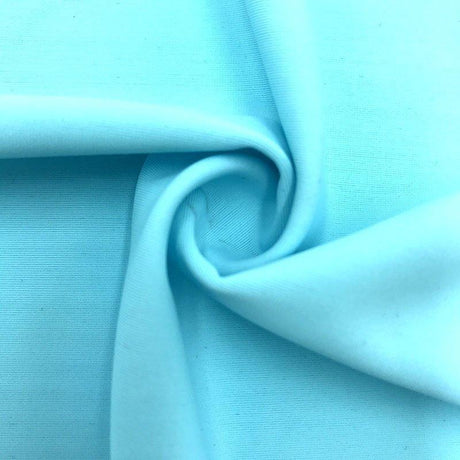
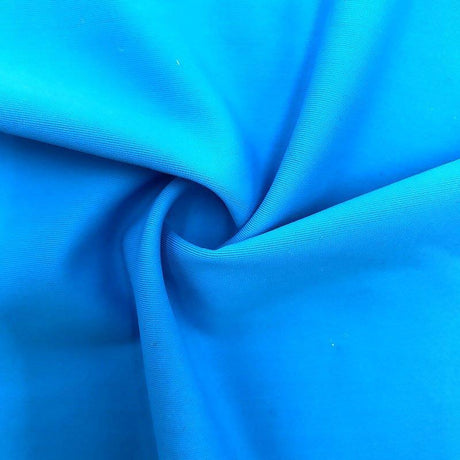
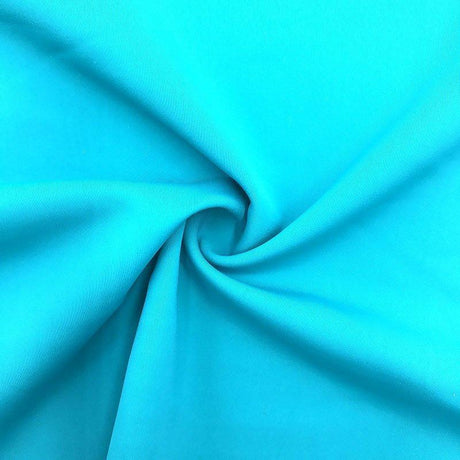
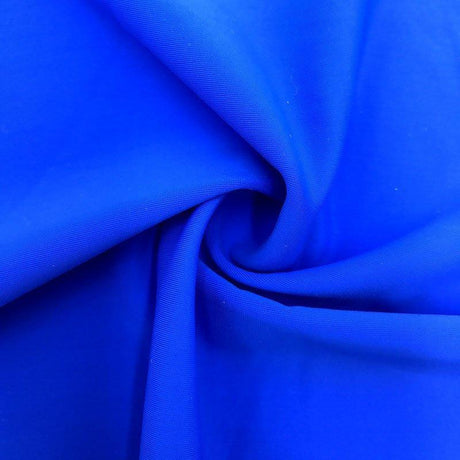
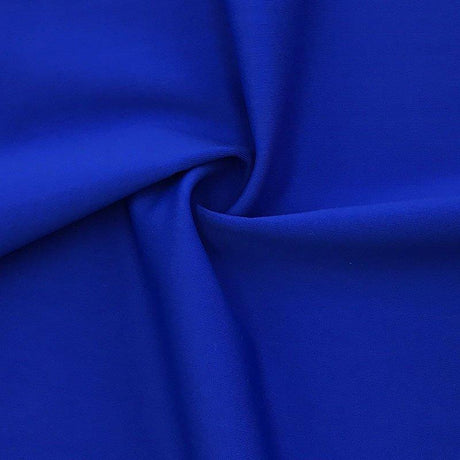
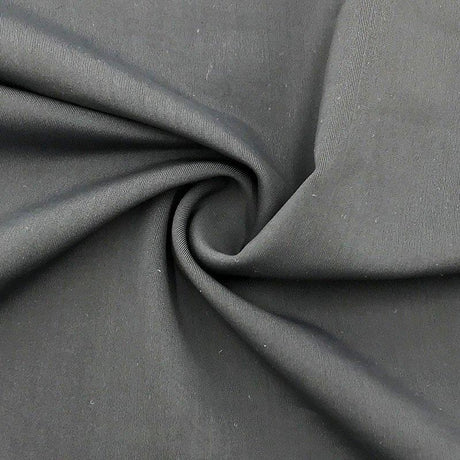
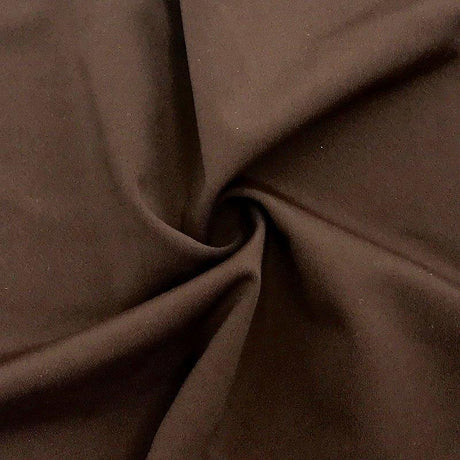
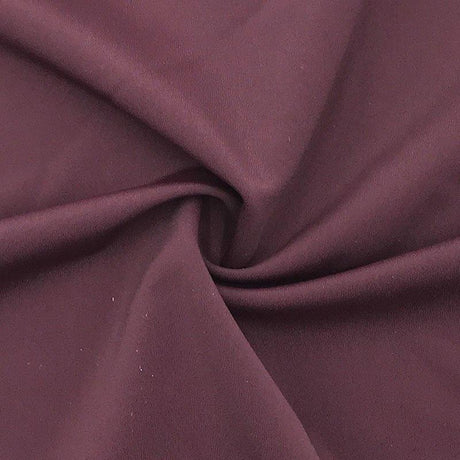
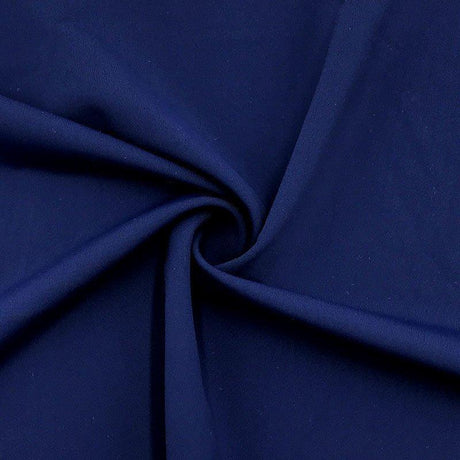
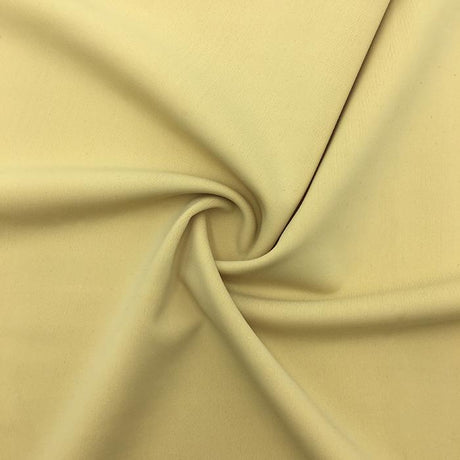
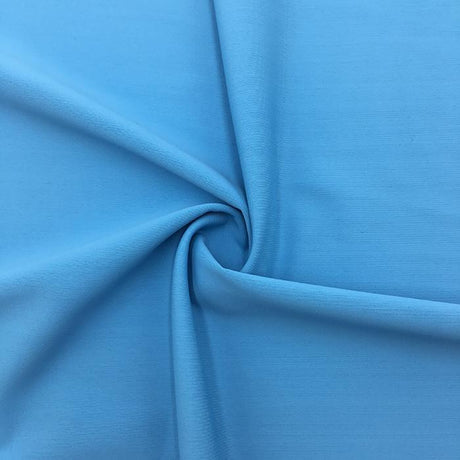
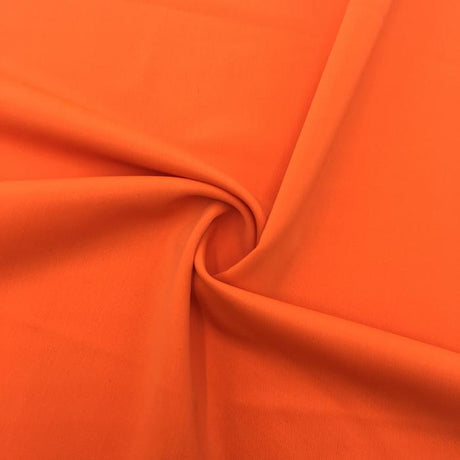
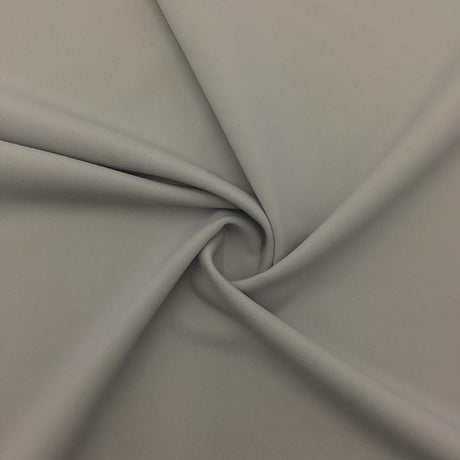
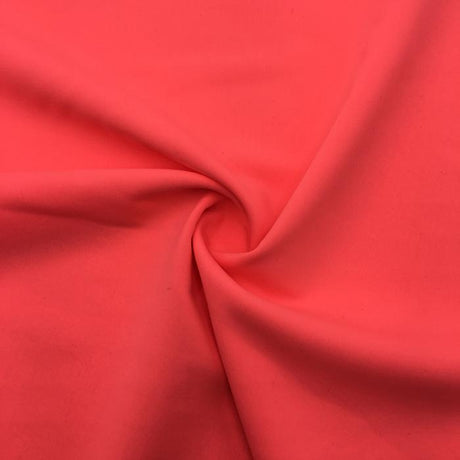
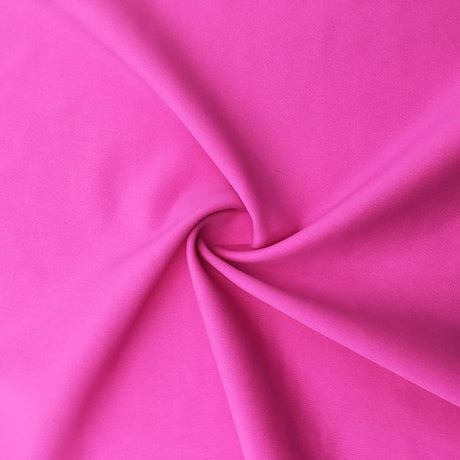
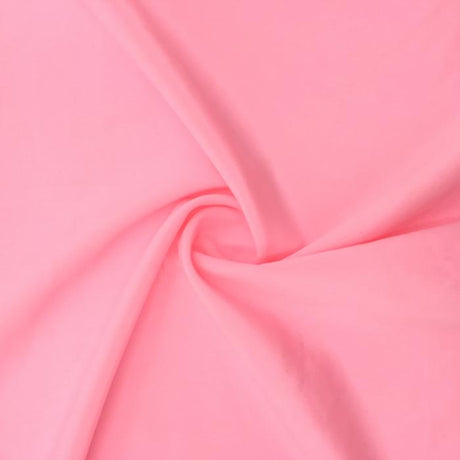
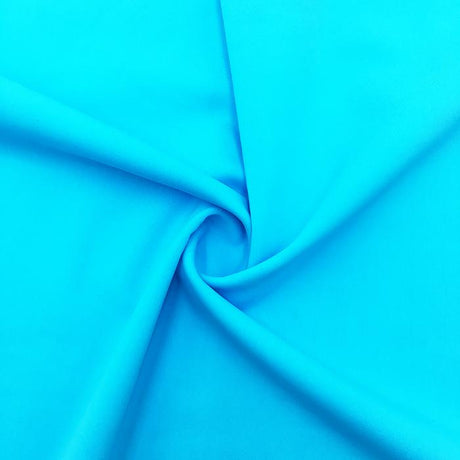
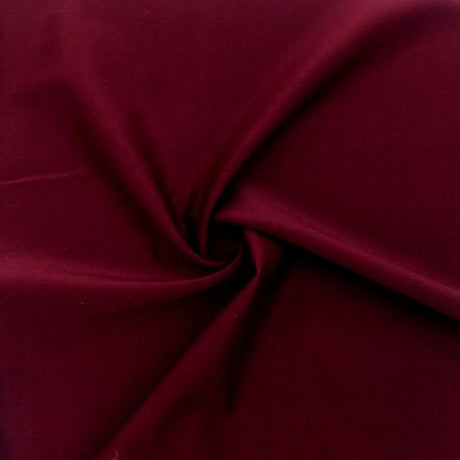
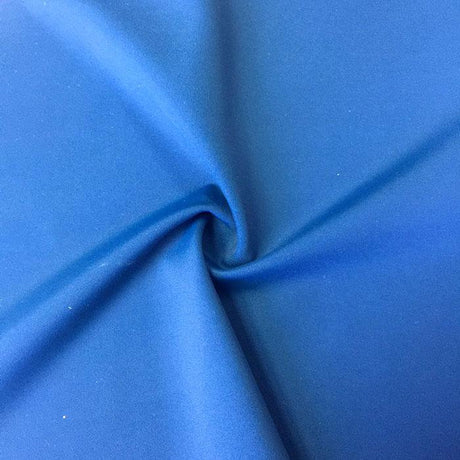
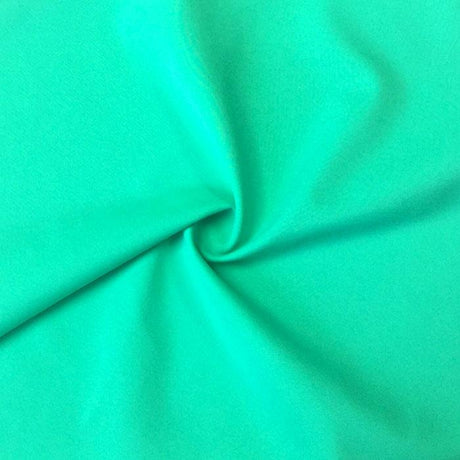
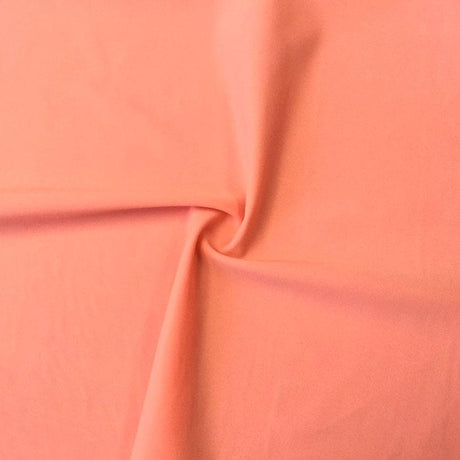
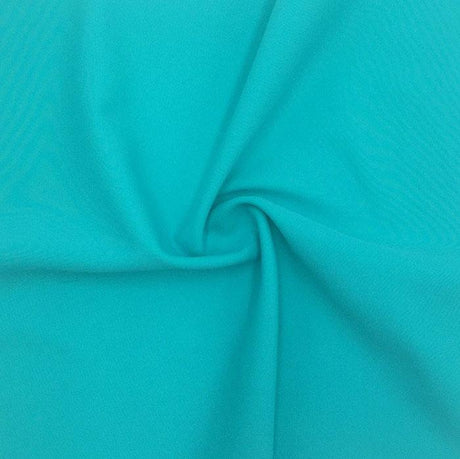
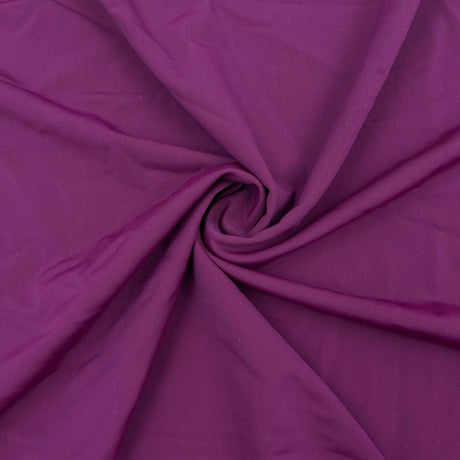
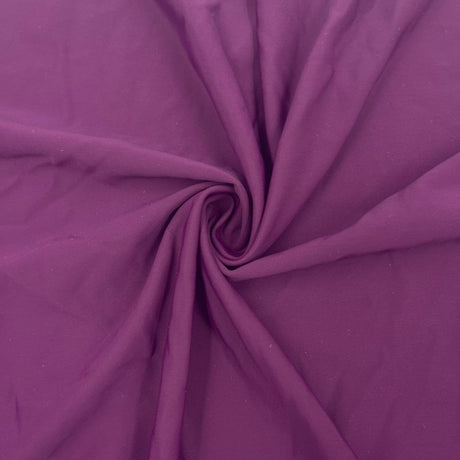
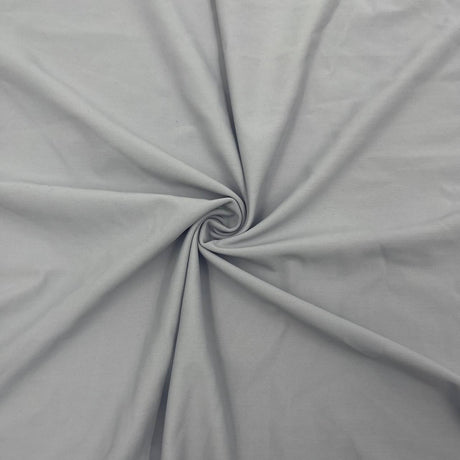
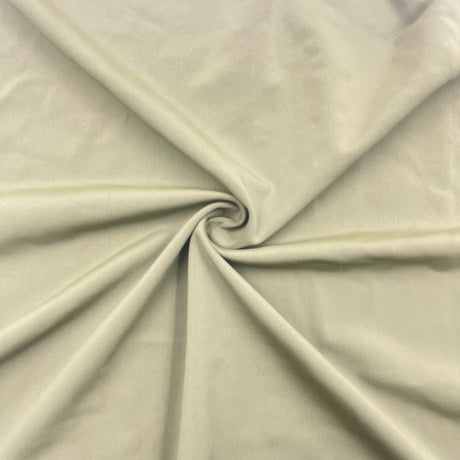
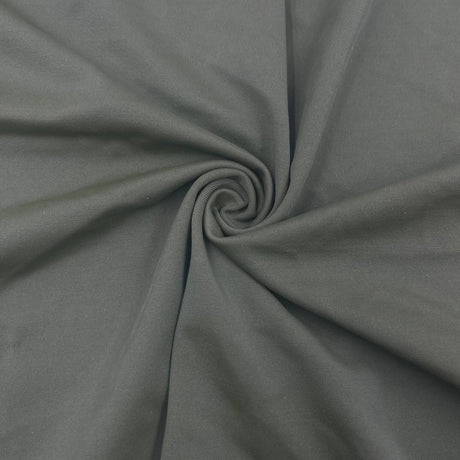
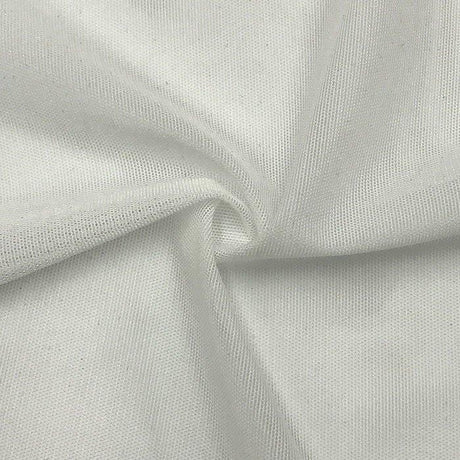
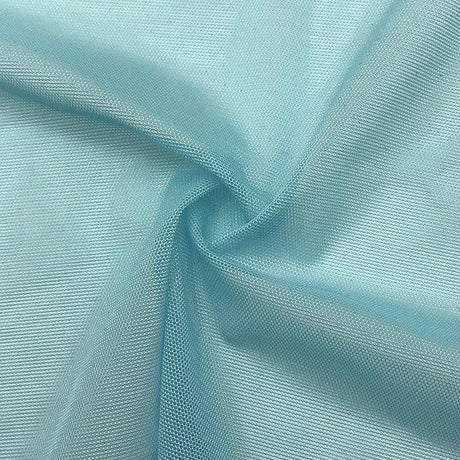
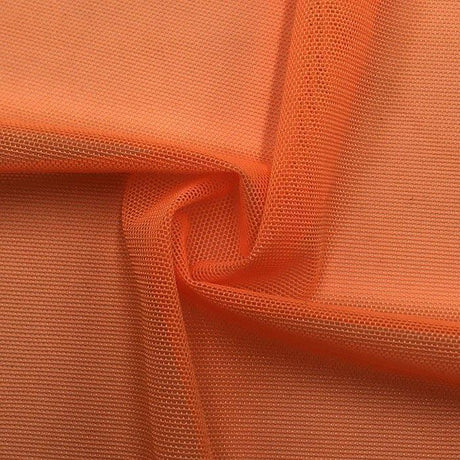
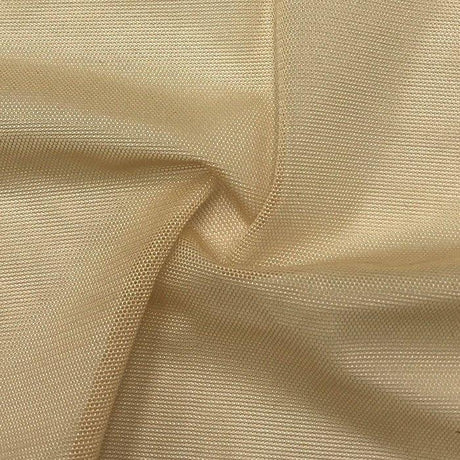
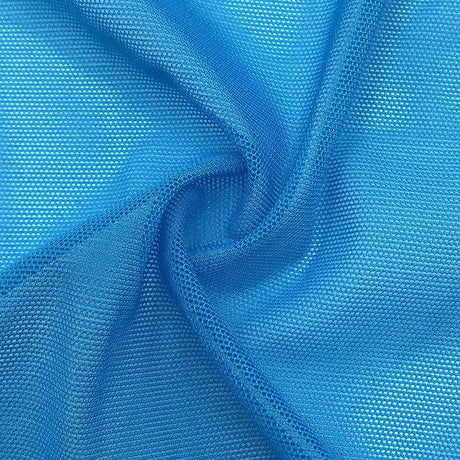
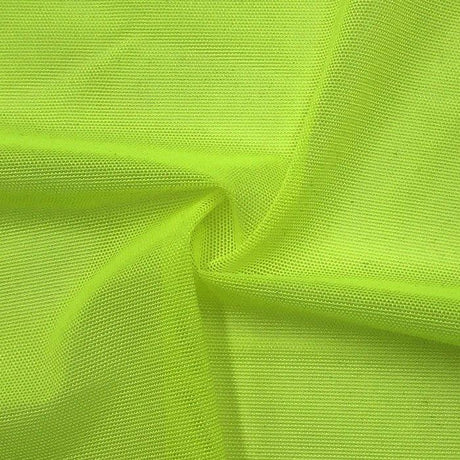
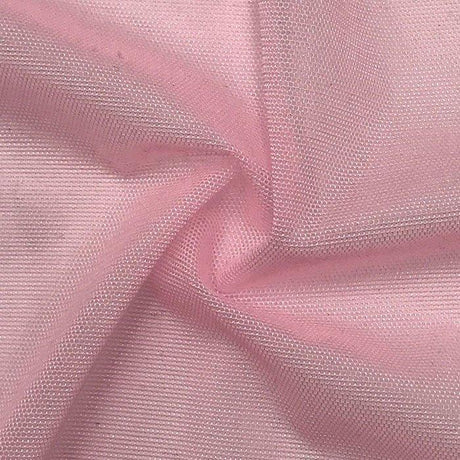
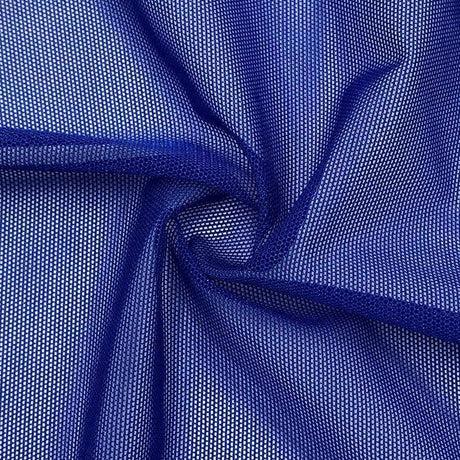
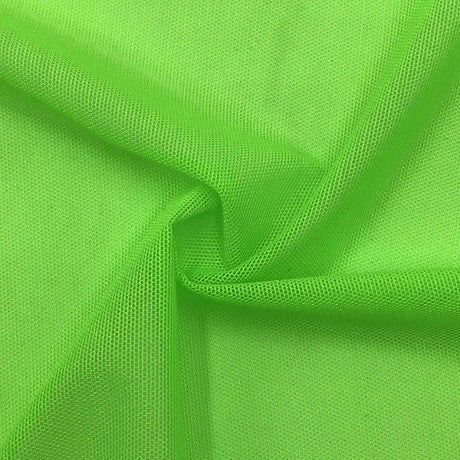
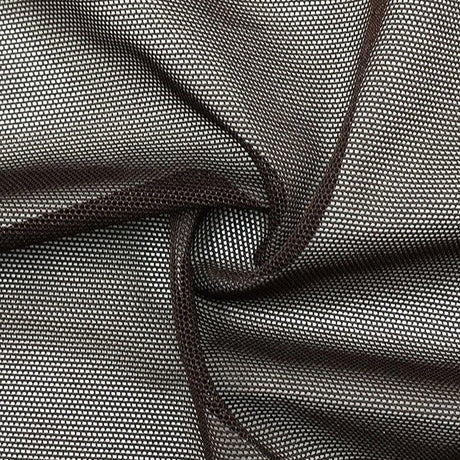
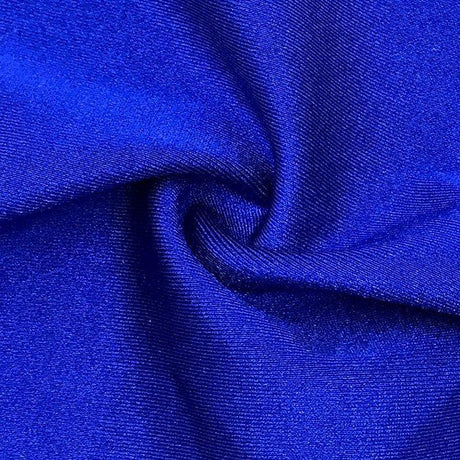
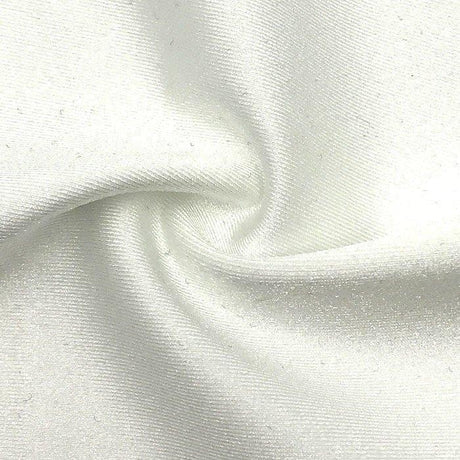
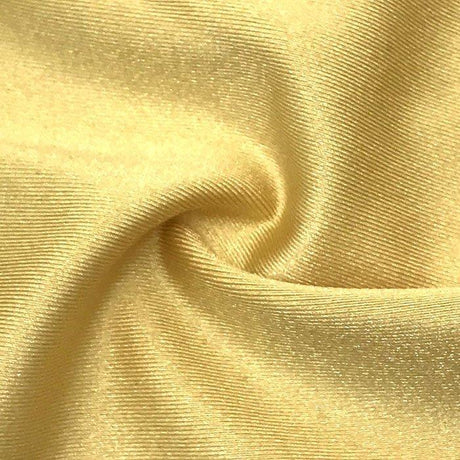
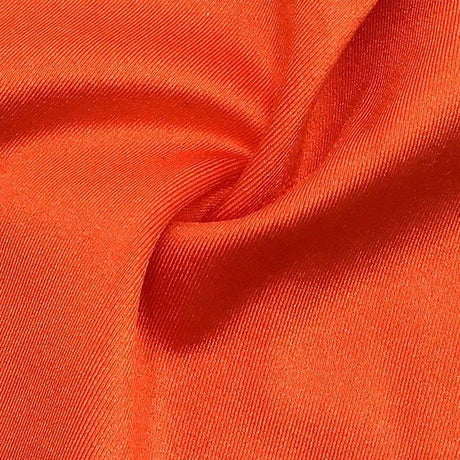
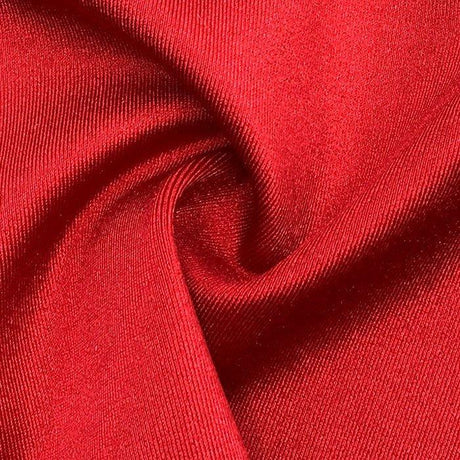
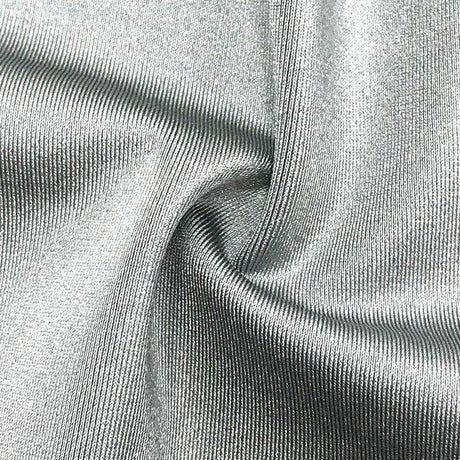
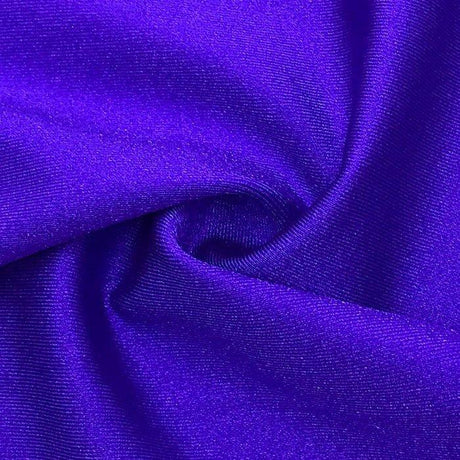
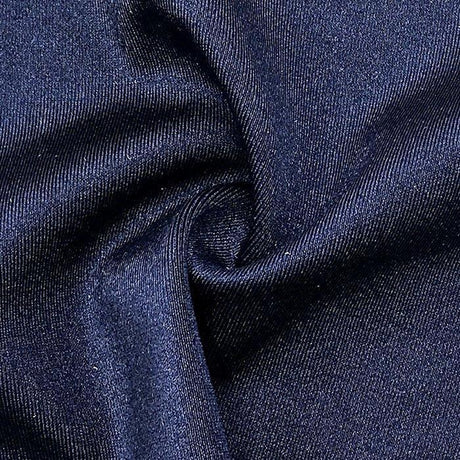
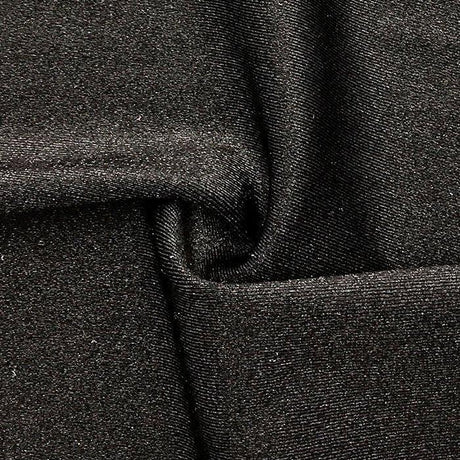
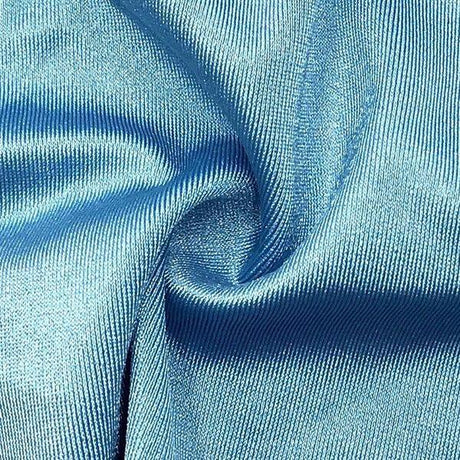
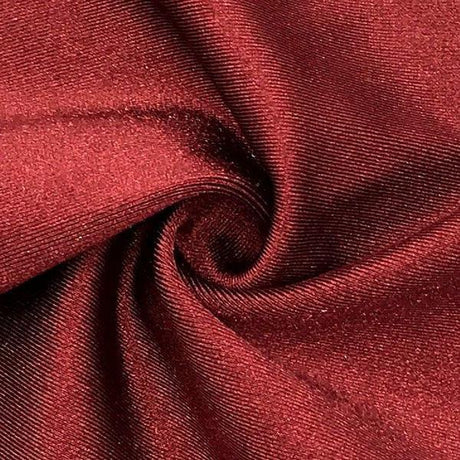
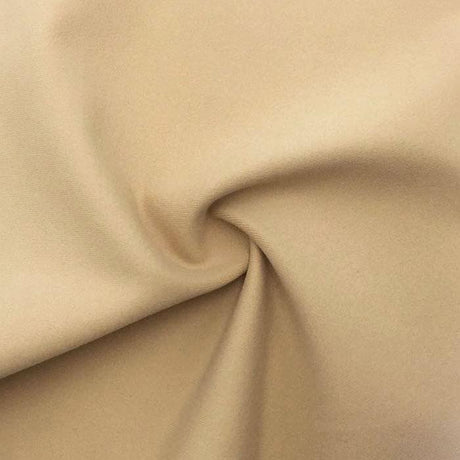
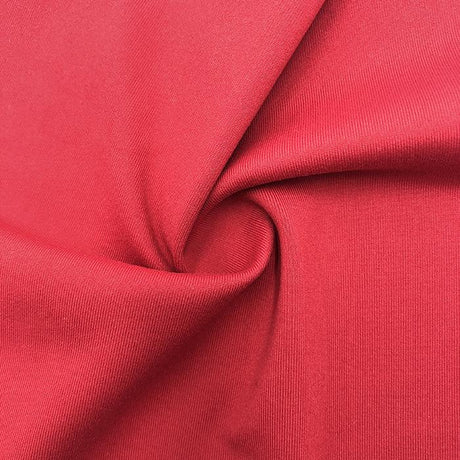
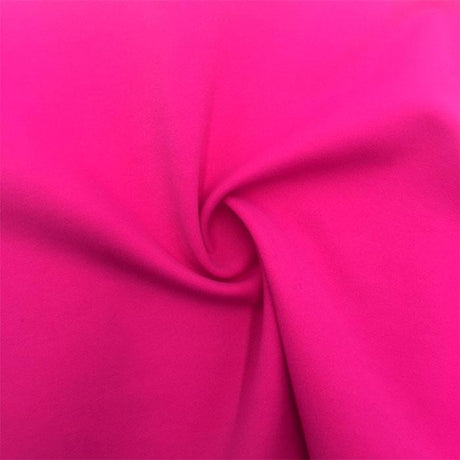
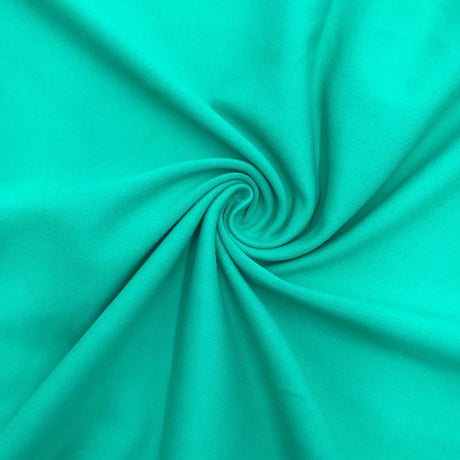
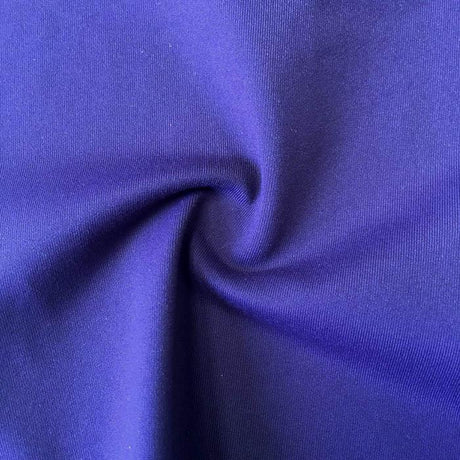
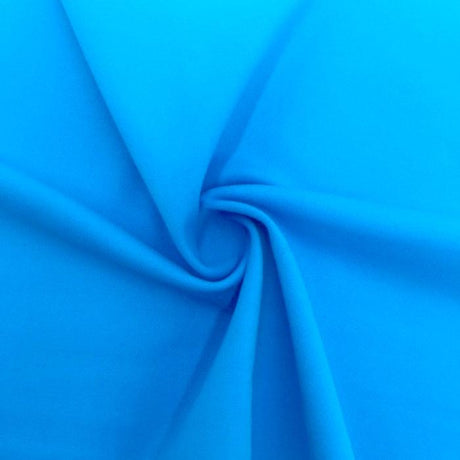
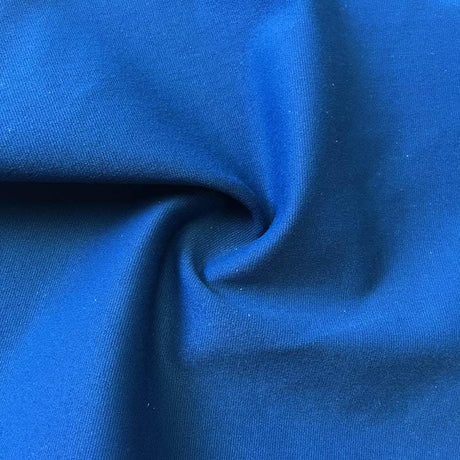
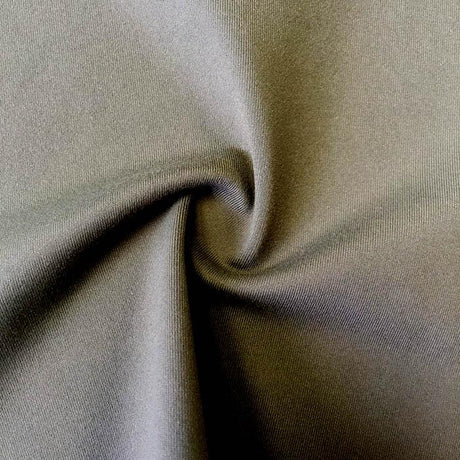
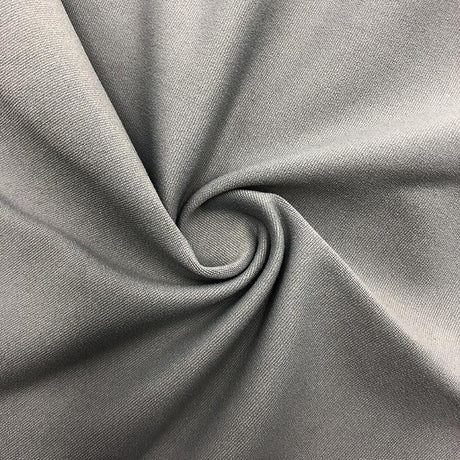
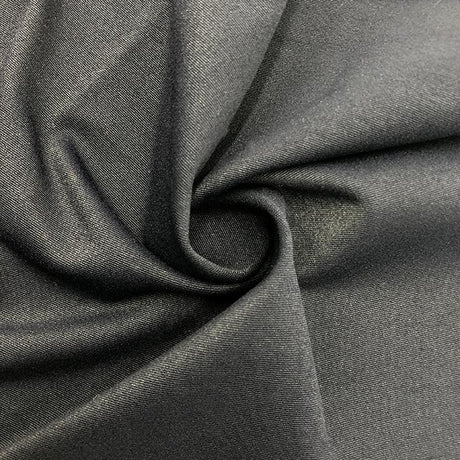
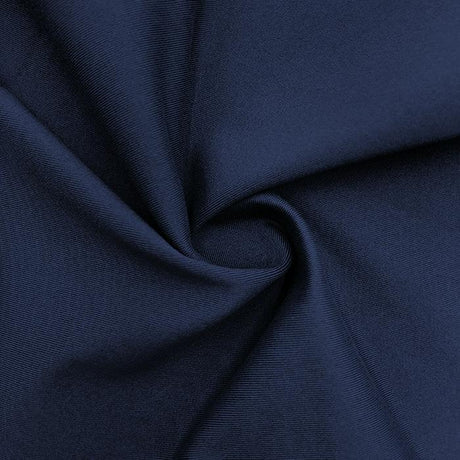
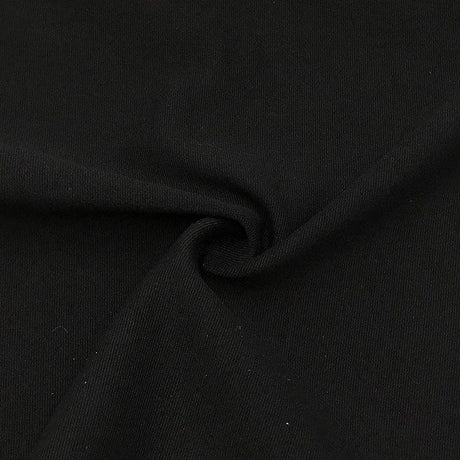
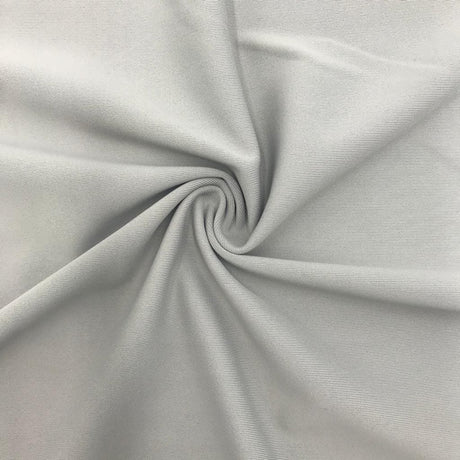
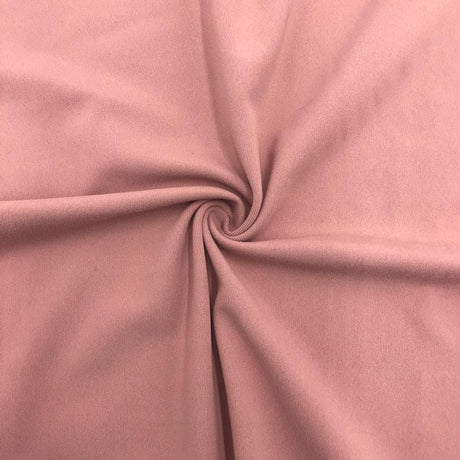
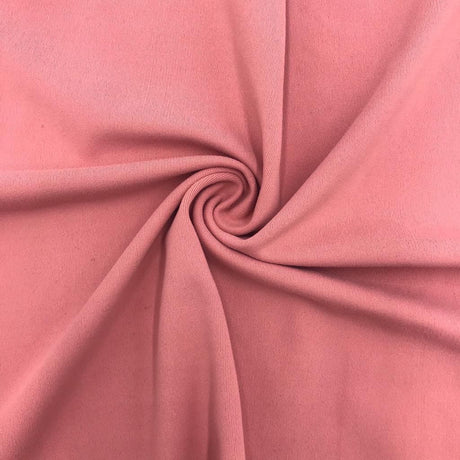
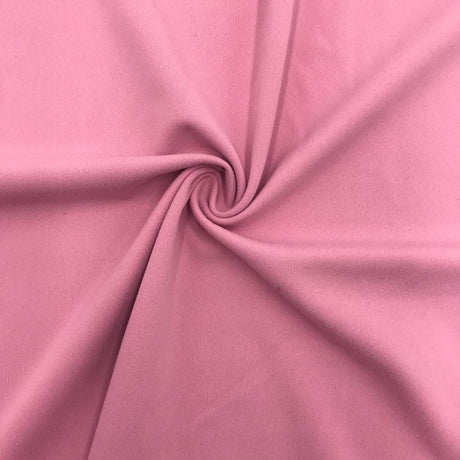
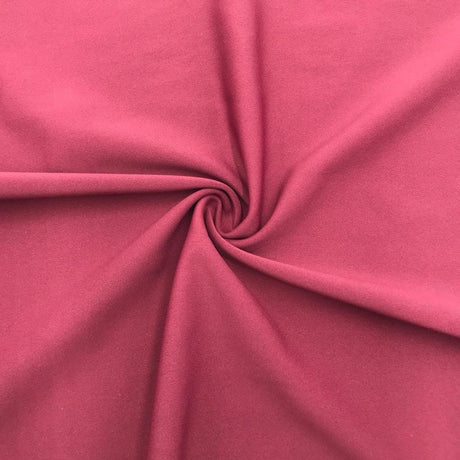
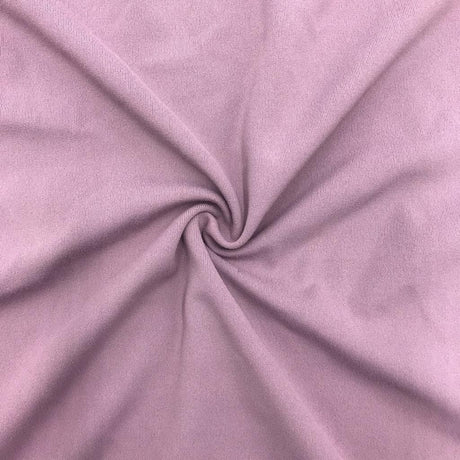
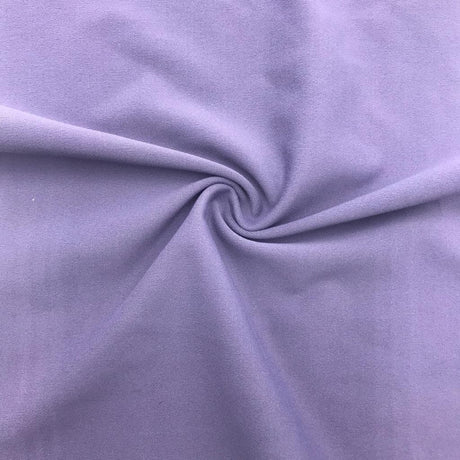
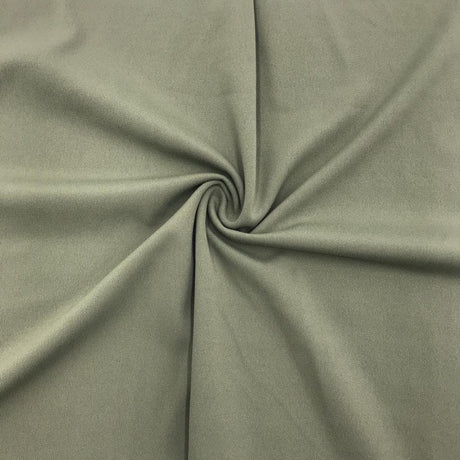
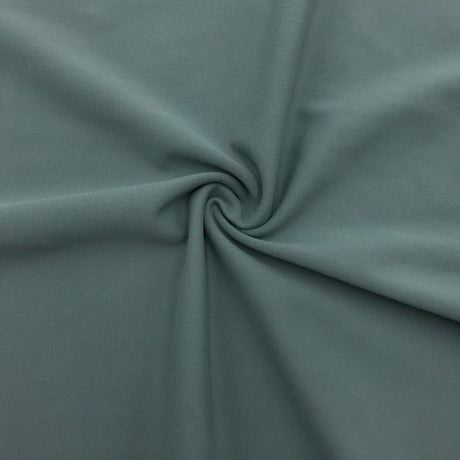
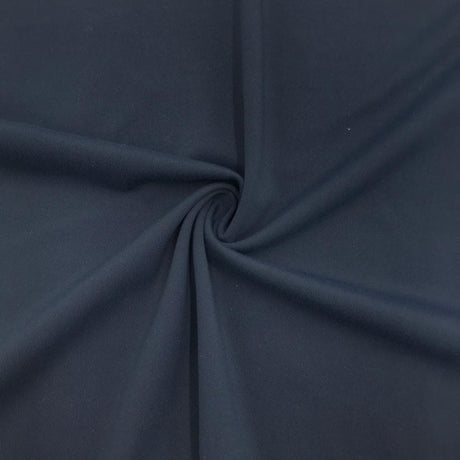
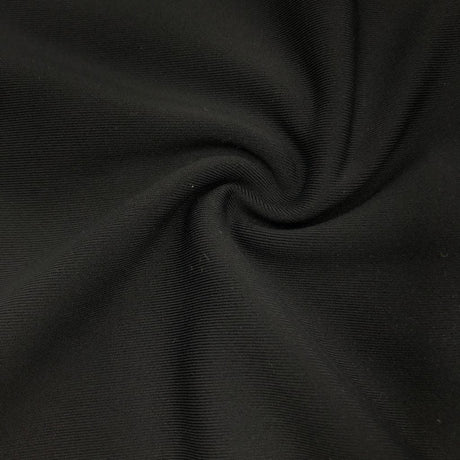
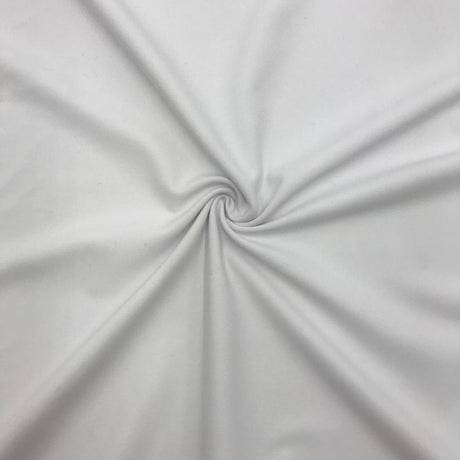
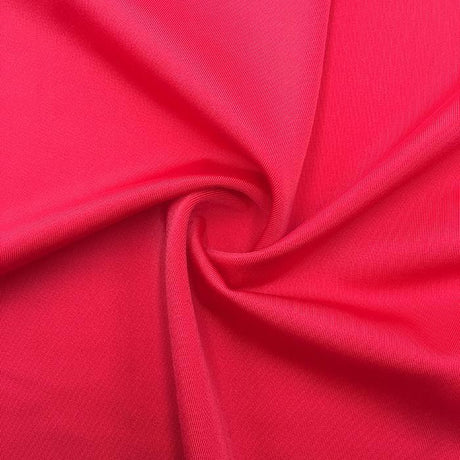
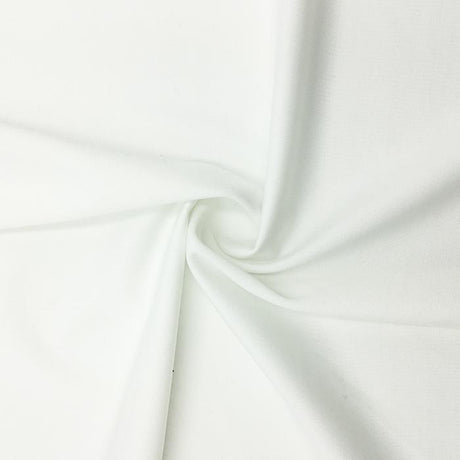
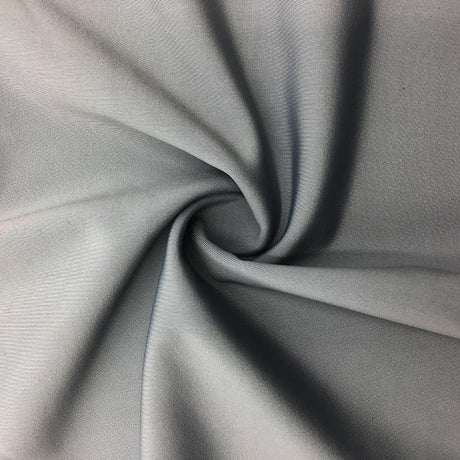
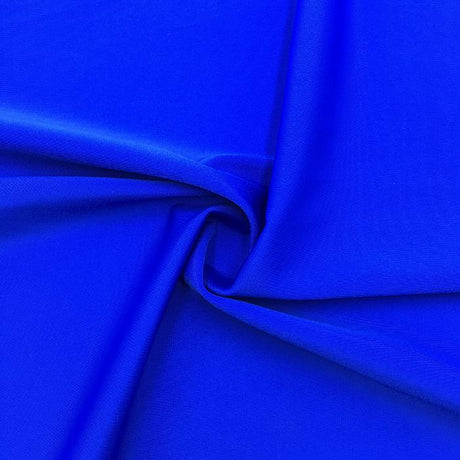
Tricot (pronounced "tree-ko") refers to a type of warp-knit fabric construction. The term comes from the French tricoter, meaning "to knit," and it describes a fabric made by interlocking loops of yarn in a lengthwise (warp) direction. This creates the signature zigzag or herringbone knit pattern: continuous lengthwise loops that produce a smooth, almost glossy surface on one side and a slight rib or texture on the back. As a result, tricot fabric is both soft and sturdy – the smooth face feels gentle against the skin, and the structure is durable and run-resistant.
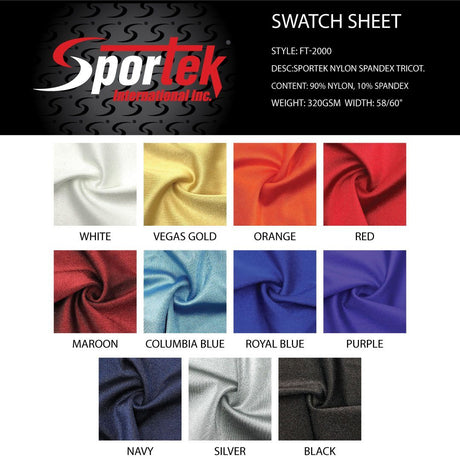
When we talk about tricot spandex in swimwear, we mean a tricot-knit fabric made with elastic spandex (also known as elastane or Lycra) fibers blended into a base fiber, typically nylon (polyamide) or polyester. A common composition for swimwear tricot is around 75–80% nylon with 20–25% spandex, or in performance cases, polyester with spandex in similar proportions. The inclusion of spandex yarns in the warp knit gives the fabric excellent 4-way stretch – it can stretch both across the width and along the length, contouring to the body's shape and moving with the swimmer. Our nylon-spandex fabric guide covers how nylon-spandex constructions achieve this combination of smooth hand feel, strength, and 4-way stretch that defines quality swimwear tricot.
Another hallmark of tricot spandex fabric is its differentiated surfaces. The smooth face glides through water more easily (reducing drag) and prints nicely for vibrant designs, while the subtle texture on the back can help the fabric cling to linings or stay put against the body. Tricot knit fabrics are typically lightweight and have a fine gauge, meaning the knit is tight enough to prevent transparency while still being thin and flexible – ideal for form-fitting swimwear. Our fabric weight guide covers how GSM affects opacity, compression, and durability across all common swimwear tricot constructions.
Tricot Spandex vs. Other Swimwear Fabrics
Warp-Knit Tricot (with Spandex): Warp knits like tricot produce a tight, stable structure with controlled stretch. Multiple yarns are knitted in parallel, which makes the fabric highly resistant to runs and very dimensionally stable. Tricot stretches, but in a more moderated way than weft knits – it provides firm support and compression without being overly stretchy. Warp-knitted fabrics "maintain shape better, resist sagging, and are widely used for high-quality swimwear." Our stretch fabric types page covers how warp-knit and circular-knit constructions differ in stretch, recovery, and performance across swimwear applications.
Circular Weft Knits (with Spandex): Weft-knitted fabrics tend to be softer and more elastic in all directions but are typically less stable – they may relax or lose shape faster over time. As one textile source puts it, warp knits excel in stability and durability, while weft knits prioritize stretch and comfort. For a swimsuit that needs to hold a firm shape (a structured one-piece or a competition racerback), tricot is usually the superior choice over a weft knit.
Woven Fabrics: Woven materials can be very thin, strong, and water-repellent, but without spandex they provide almost no give. Board shorts for surfing or recreation are typically made of woven polyester or nylon and rely on a loose fit rather than true 4-way stretch. Tricot spandex, by contrast, offers both the stretch to mold to the body and the structural integrity to retain that shape, which is why it remains the go-to fabric for both recreational and professional swimwear.
In summary, tricot spandex holds its shape better than circular knits, resists running or snagging, and endures strain without losing elasticity. And compared to a rigid woven, it provides the crucial multi-directional stretch and recovery that swimmers need. Our swimwear fabric guide covers how to evaluate and source all three construction types for different swimwear applications.
Stretch, Fit, and Comfort
One of the primary reasons tricot spandex is ideal for swimwear is its excellent stretch and fit characteristics. A quality tricot swim fabric provides what designers call controlled stretch – it stretches enough to allow movement and accommodate body contours, but not so much that it becomes baggy or loses support. Thanks to a high elastane (spandex) content (often 15–20% of the fabric), tricot swimwear textiles typically have 4-way elasticity, meaning they can extend both in width and length and snap back to shape. Our stretch fabric types page covers how to measure and compare stretch percentages and recovery ratings when evaluating tricot swimwear fabric samples.
Equally important is the fabric's recovery. In warp-knit fabrics, each loop is secured by neighboring loops, giving a kind of "memory" to the material. Even after repeated pulls, a good tricot suit will return to its original size and contour, maintaining a consistent fit swim after swim. A swimmer can dive, stretch, twist, and the suit made of tricot spandex will retain a snug, supportive fit without feeling restrictive.
Comfort is key for swimwear, and tricot fabrics deliver it in several ways. Nylon-spandex tricot has a soft, luxurious feel against the skin, which is one reason it's favored in high-end fashion swimwear. The smooth surface of tricot is low-friction – the sleek knit glides on the skin and doesn't cause abrasion, which is important for active swimmers to prevent chafing during movement. Good tricot "will not build up a static charge or cling to the body," ensuring it stays comfortable to wear. Once out of water, the material's balanced stretch means it holds its shape on the body without constant readjustment.
Durability and Shape Retention
The warp-knit structure of tricot inherently contributes to its toughness. Because the loops interlock in a zigzag fashion and every wale (column) of loops is knitted from its own yarn, the fabric has an integrated strength. If you get a small snag or even if one yarn were to break, a tricot fabric is highly resistant to runs and ladders – the tear will not easily spread because adjacent loops hold each other in place. Tricot "does not snag or run easily" and maintains its integrity even when snagged or stressed. Our fabric care guide covers post-swim rinsing and drying protocols that preserve this structural integrity and maximize tricot swimwear lifespan.
Tricot spandex also maintains its shape over time better than other knits. Warp knit fabrics provide "exceptionally stable fabric that maintains its shape even after repeated stretching and washing" and "won't distort or sag over time." This is crucial for swimwear, which must endure not just swimming, but also the mechanical stresses of washing and drying.
Moreover, tricot's durability extends to its abrasion resistance. The smooth surface of tricot has less friction, so it's less likely to pill or abrade when rubbed against surfaces. Nylon is particularly strong and abrasion-resistant – when combined with the tricot knit structure, you get a fabric that can really take a beating and still look good. Polyester tricot fabrics are also extremely durable, with high resistance to UV light and chemicals.
Another facet of durability is how the fabric handles repeated exposure to elements. Warp knit suits "maintain consistent compression over time" without the elastic fatigue that looser knits might experience. This makes tricot ideal not just for swimwear but also for compression garments and shapewear, where long-term shape retention is critical. For swimwear, it means that even after many wears, the tummy control of a one-piece or the snug fit of a racer brief remains effective.
Resistance to Chlorine, Saltwater, and UV
Swimsuits live in a harsh environment not just physically, but chemically. How a swim fabric copes with chlorine, salt, and UV largely determines if a suit will look and feel good after many swims.
Chlorine: The key to chlorine resistance is in the fiber content and any protective treatments. Of the two main base fibers, polyester is far more chlorine-resistant. A polyester-spandex tricot can be engineered to be "excellent in chlorine and UV resistance," making it ideal for sport and competitive swimwear that sees daily pool use. Even with spandex included, modern tricot fabrics often incorporate chlorine-resistant elastane (such as Xtra Life Lycra®) that is designed to withstand chlorine 5–10 times longer than ordinary spandex. Our spandex care guide covers the science of chlorine degradation in elastane fibers and why rinsing after pool use is so important for preserving tricot swimwear.
Nylon-spandex tricot, while slightly less chlorine-resistant than polyester, is still formulated for reasonable chlorine durability. Many competitive swimmers will use a nylon tricot suit for racing (for its softer feel and stretch) but a polyester tricot suit for daily training to get that extra longevity in chlorinated water. Our swimwear fabric guide covers chlorine resistance ratings across all common tricot constructions and how to choose between them for different use cases.
Saltwater: Synthetic fibers like nylon and polyester are both quite resilient to salt. A quality tricot spandex fabric has low water retention, meaning it doesn't soak up and hold water excessively. Textile experts applaud tricot's synthetic knit for being hydrophobic – it "resists water retention" and has a "quick-drying nature," making it indispensable in swimwear applications.
UV Exposure: Polyester has inherent UV resistance and holds color (especially prints) better under sun. Many tricot swim fabrics are now rated with UPF values, often 50+, meaning they block 98% of UV rays from passing through to the skin. The tight knit of tricot can protect the elastic fibers within from direct UV exposure to some extent, extending their life. Our fabric finishes guide covers UV-blocking surface treatments and how to evaluate their durability across performance swimwear tricot constructions.
Favored in Both Fashion and Performance Swimwear
One of the strongest testaments to tricot spandex's versatility is that it is embraced across the spectrum of swimwear – from stylish bikinis and one-pieces on fashion runways to the athletic jammers and kneeskins worn by competitive swimmers.
Fashion swimwear: Nylon-spandex tricot is known for its soft, smooth, and high-end handfeel. The material hugs curves in a form-flattering way, and tricot takes color and prints beautifully – the smooth surface allows for crisp printing of patterns without distortion, and the stability of the knit means prints don't get stretched out of shape easily. Many upscale swimwear lines explicitly mention their use of "Italian tricot" or similar, referring to premium warp-knit fabrics from renowned mills as a mark of quality. Our sublimation page covers how sublimation printing works on polyester tricot fabrics, and our sublimation paper and sublimation transfer paper pages cover the complete printing workflow for custom swimwear designs.
Performance and competition swimwear: Competitive swim brands use specialized tricot variants to achieve a tight, compressive fit that streamlines the swimmer's body. These fabrics often have high elastane content and are finished with water-repellent coatings to minimize drag. A warp-knit is important for competition suits because it provides that controlled stretch – you can create a suit that is intentionally very tight (to compress muscles and reduce drag) and know that the fabric will hold that compression evenly.
Many modern innovations in swimwear still revolve around tricot fabrics. Brands are now using recycled yarns (like ECONYL® recycled nylon or REPREVE® recycled polyester) to make eco-friendly swimwear, and these yarns are being made into warp-knit tricot fabrics. Whether it's a sustainable swim line marketing their regenerated nylon tricot fabric, or a luxury brand touting a new ultra-matte supportive tricot, the core fabric technology remains essentially the same, just improved upon.
A premium designer bikini and an Olympic racing suit might not seem to have much in common, but if they're both using tricot spandex fabric, they both benefit from its strengths – a contoured fit, necessary stretch, and material endurance. By adjusting fiber blends and finishes, the same knit structure can be tuned either for silky comfort and style or for rugged performance and speed.
Conclusion
Tricot spandex has earned its place as a foundational fabric in swimwear due to a convergence of qualities that few other textiles can offer in combination. Its warp-knit structure provides a unique blend of stretch and stability, giving swimsuits a flawless fit that moves with the body yet holds its shape over time. Tricot fabrics exhibit superior durability – resisting runs, sagging, and abrasion – which means swimwear made from them can withstand rigorous use in pools and open water. They can be engineered for high resistance to chlorine, salt, and UV exposure, addressing the environmental stresses specific to swimwear and ensuring longevity of both fabric and color. At the same time, tricot spandex delivers on comfort, with a soft touch, breathability, and quick-drying properties that make a swimsuit pleasant to wear both in and out of the water.
Ready to find the perfect tricot spandex fabric for your swimwear project? Use our swimwear fabric guide for curated recommendations across all swimwear applications, our nylon-spandex fabric guide for full performance profiles of nylon-spandex tricot constructions, and our fabric weight guide and stretch fabric types page to evaluate technical specifications. Our spandex care guide and fabric care guide keep every finished suit performing at its best. Have questions? Our expert help and advice page and FAQ are always available. Sign up for SpandexByYard Rewards to earn points on every purchase – because the right tricot is what makes a great swimsuit truly great.