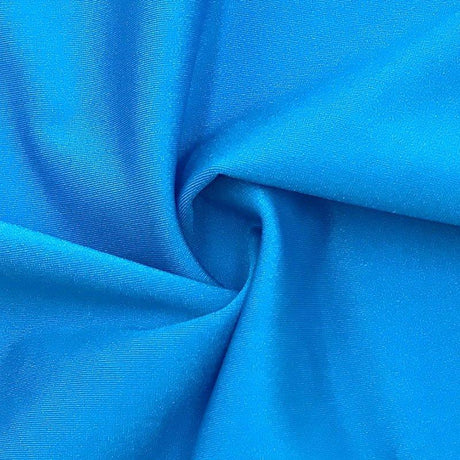
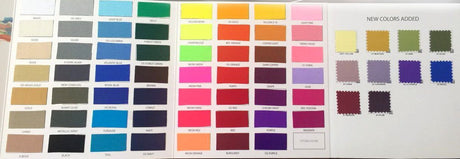
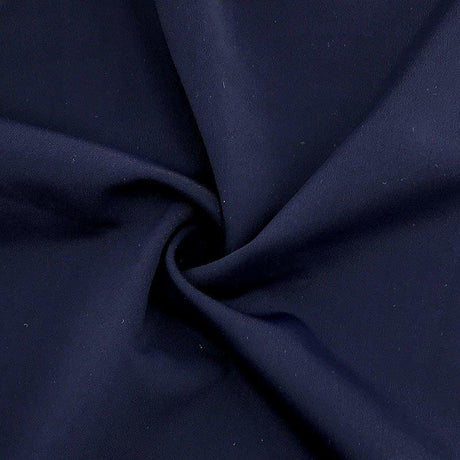
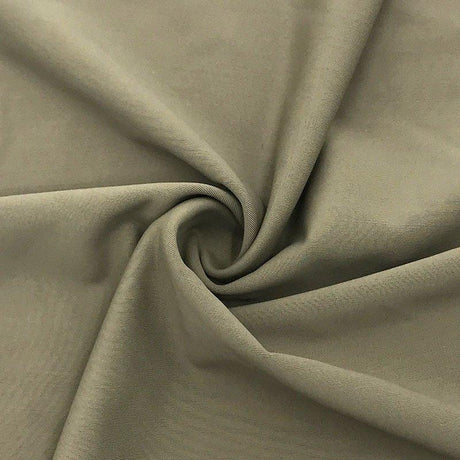
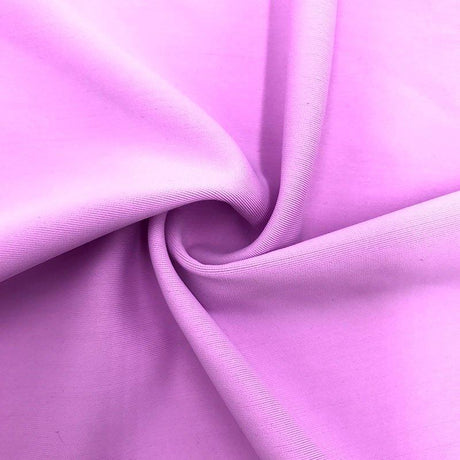
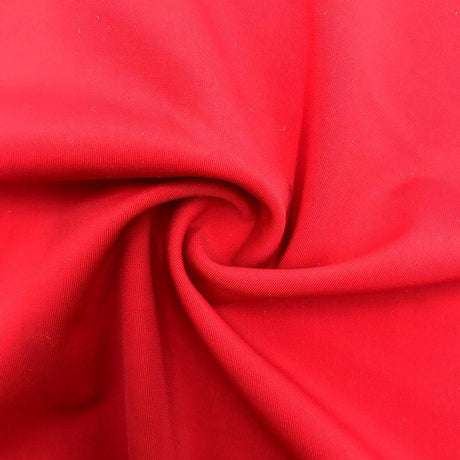
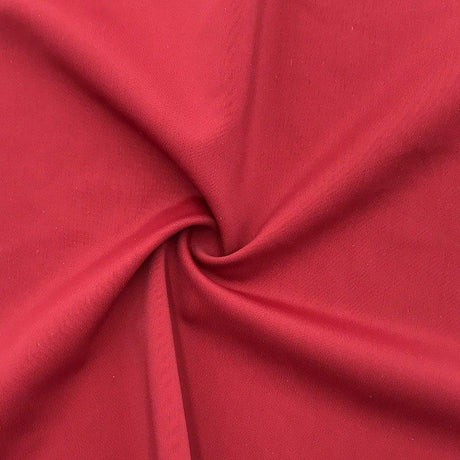
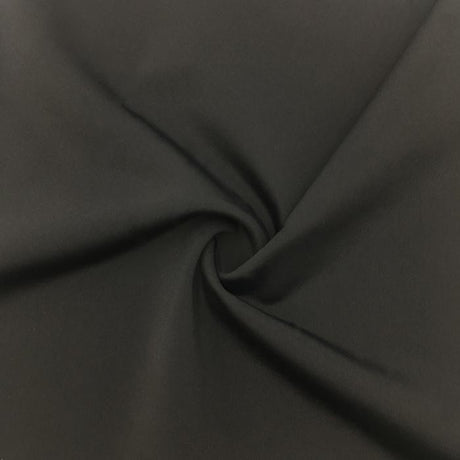
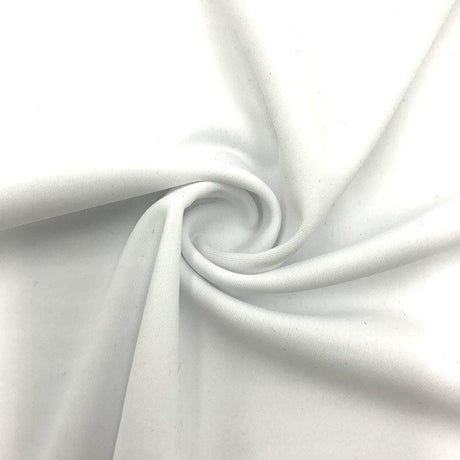
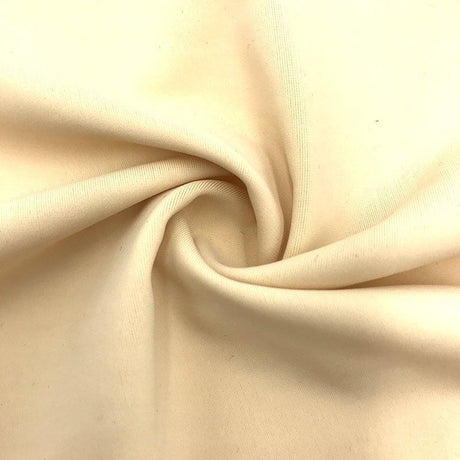
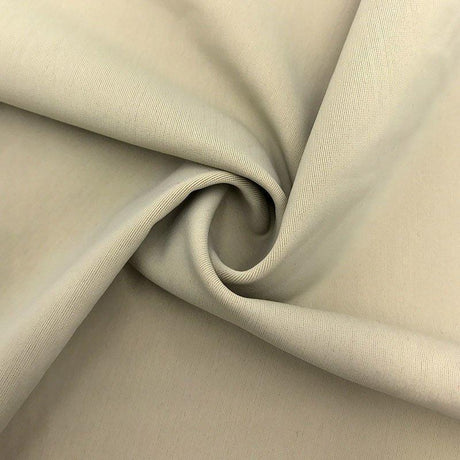
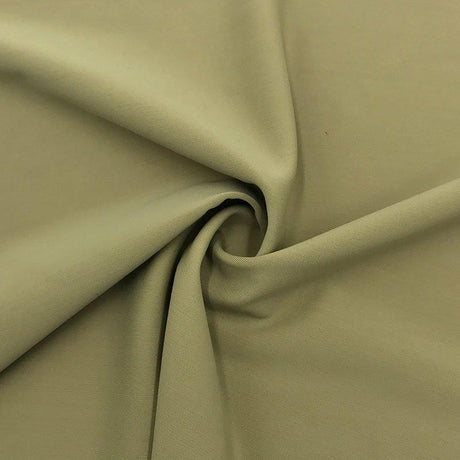
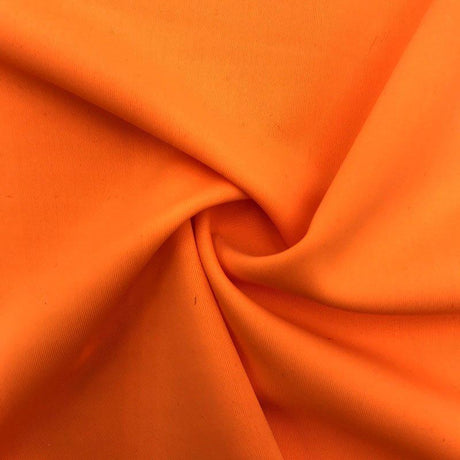
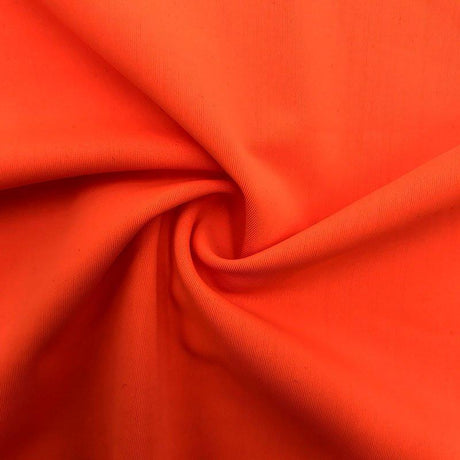
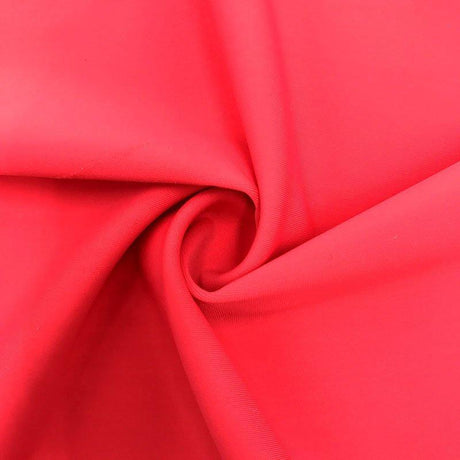
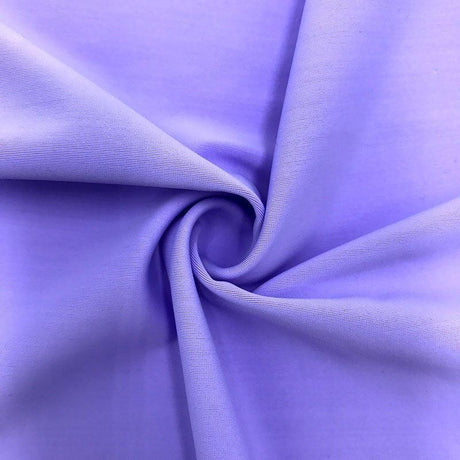
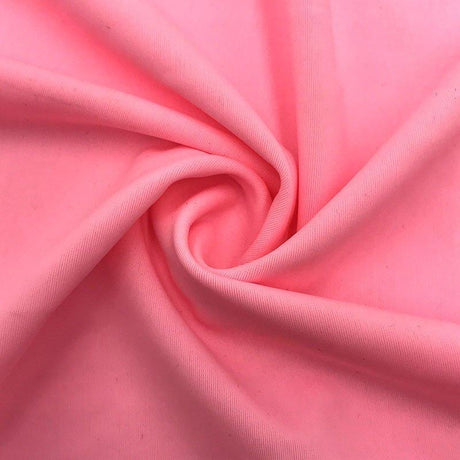
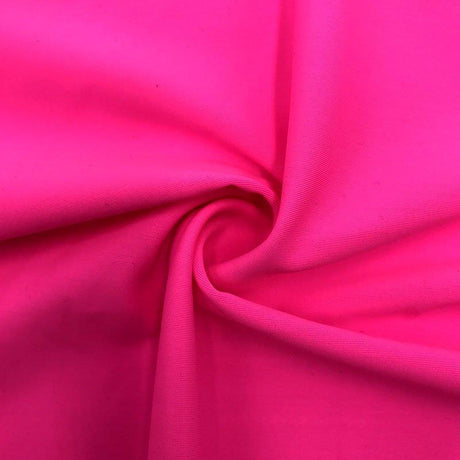
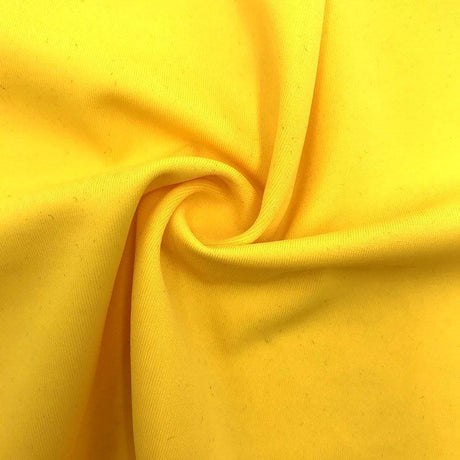
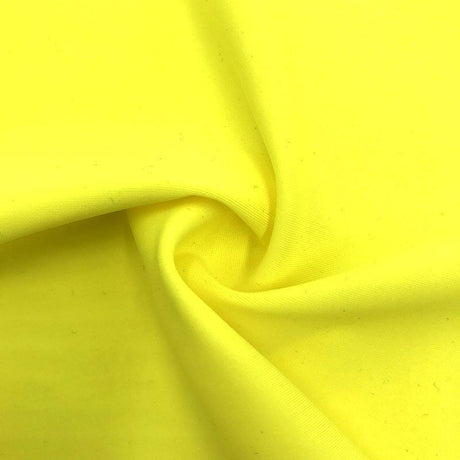
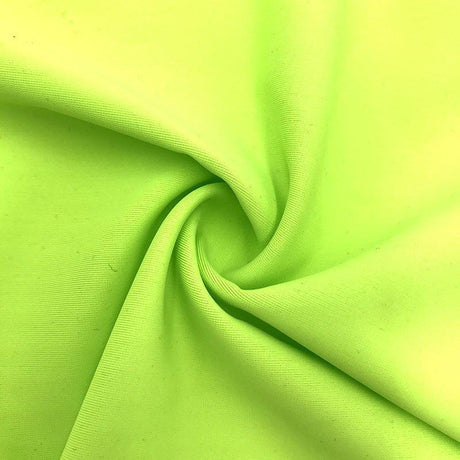
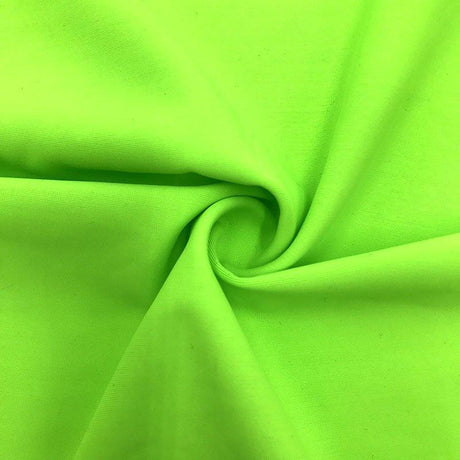
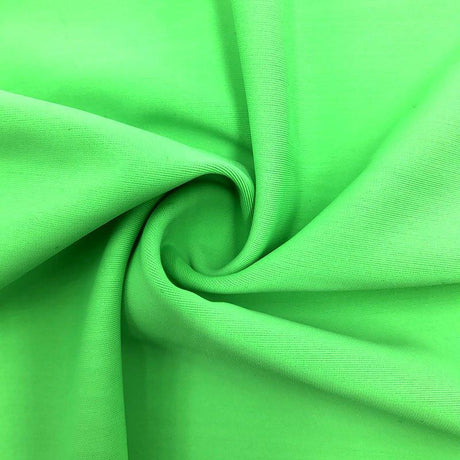
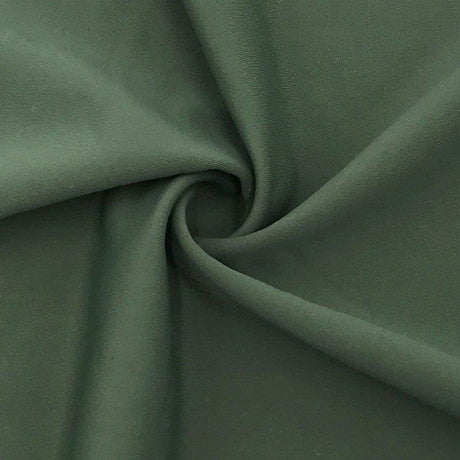
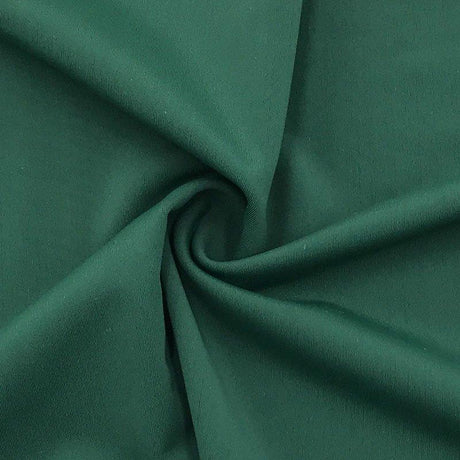
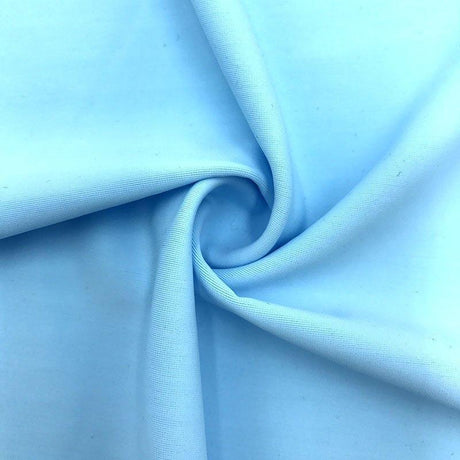
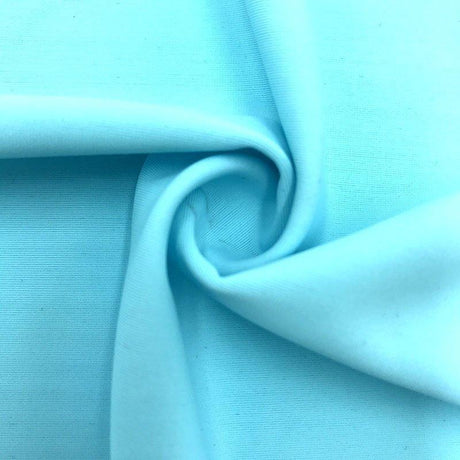
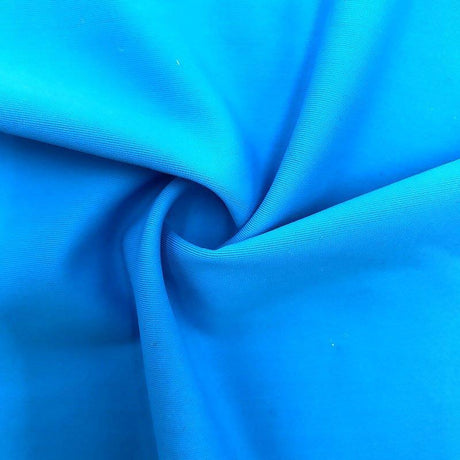
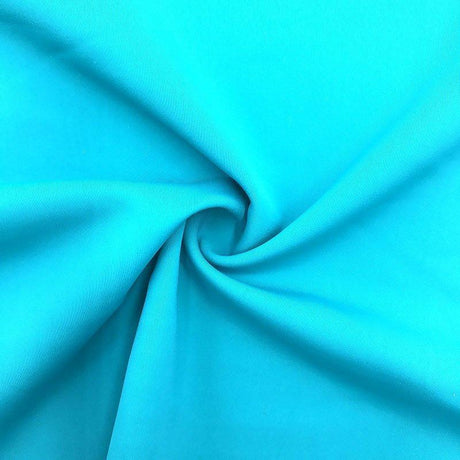
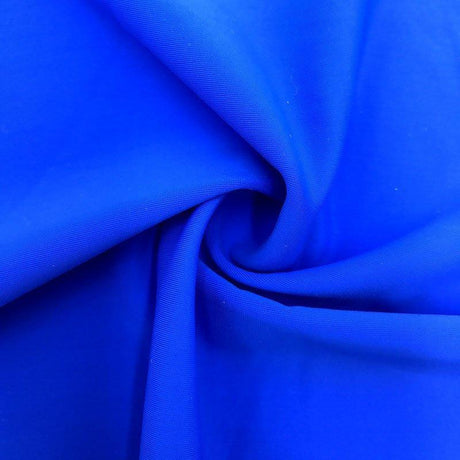
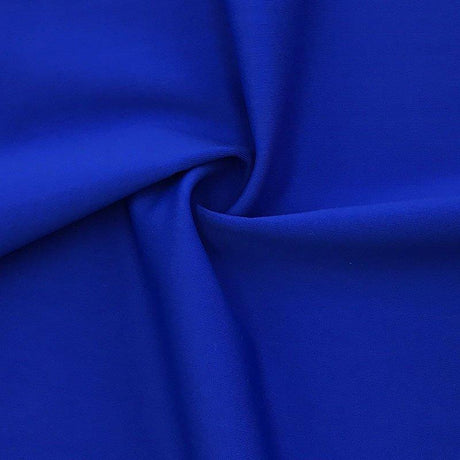
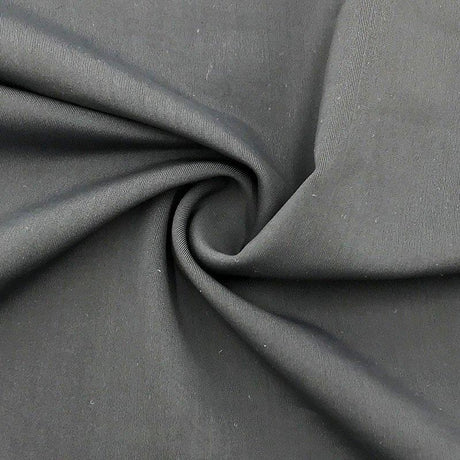
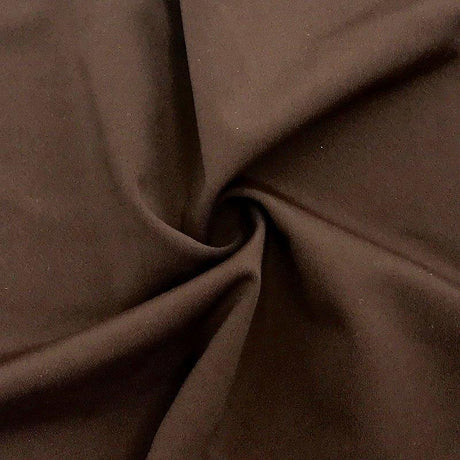
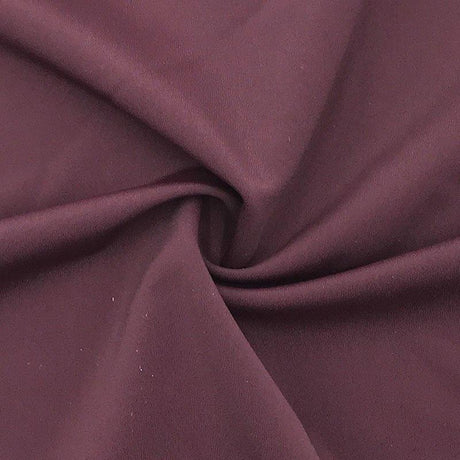
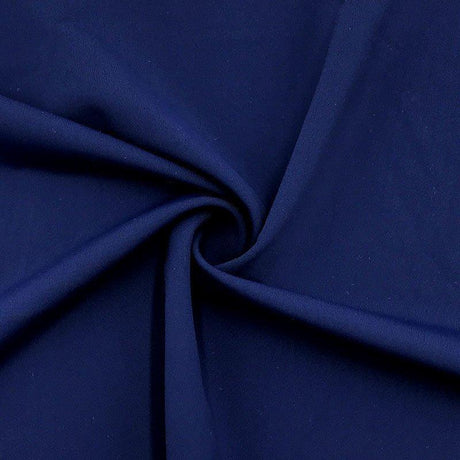
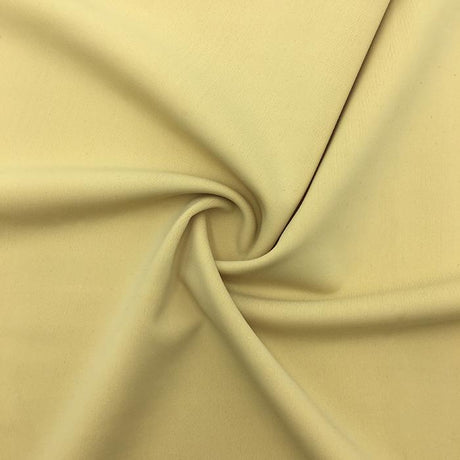
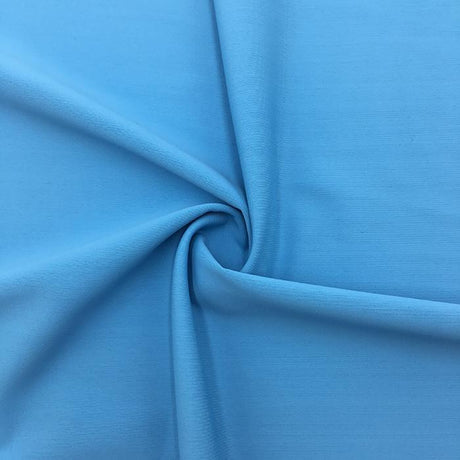
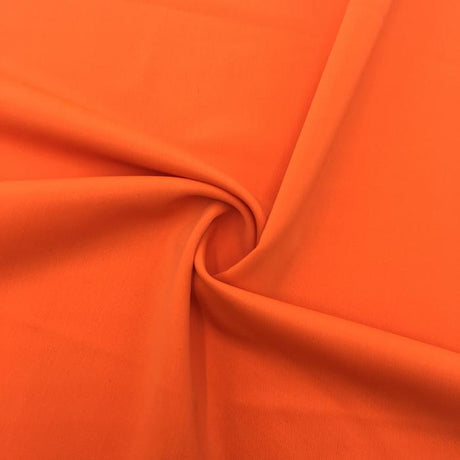
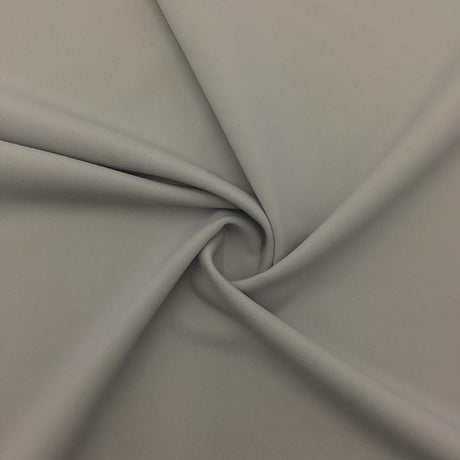
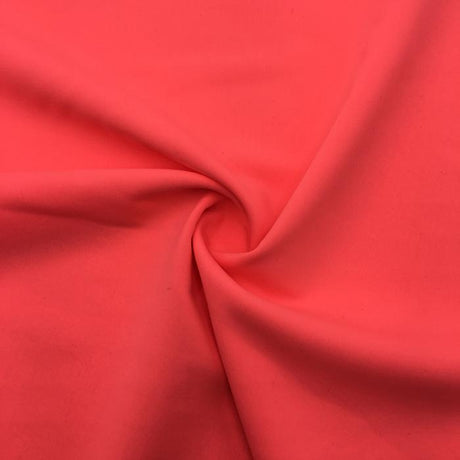
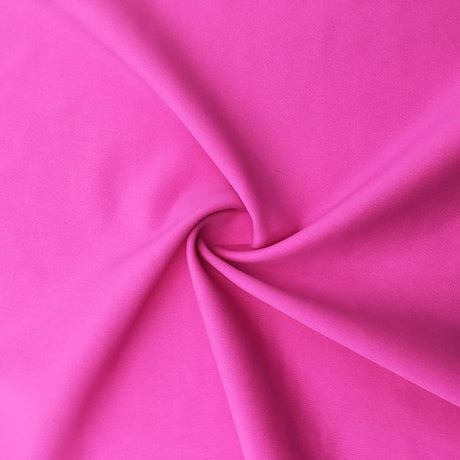
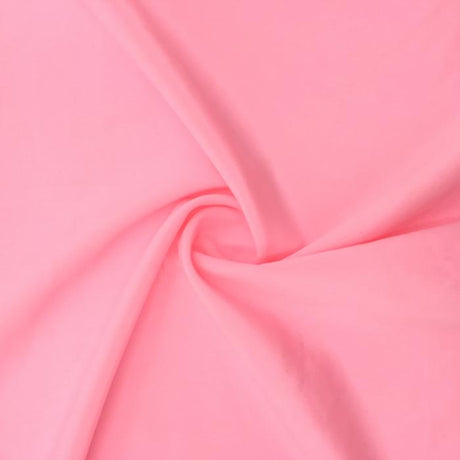
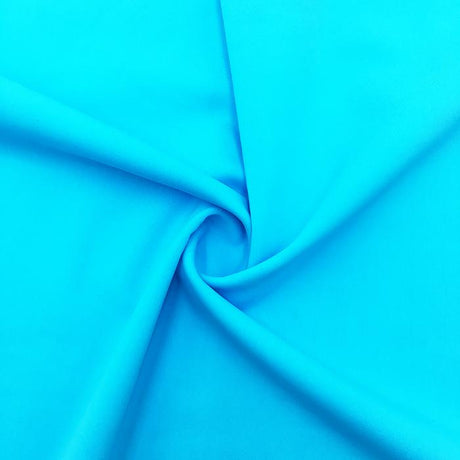
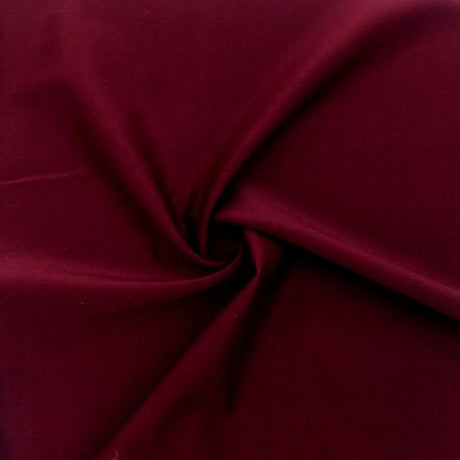
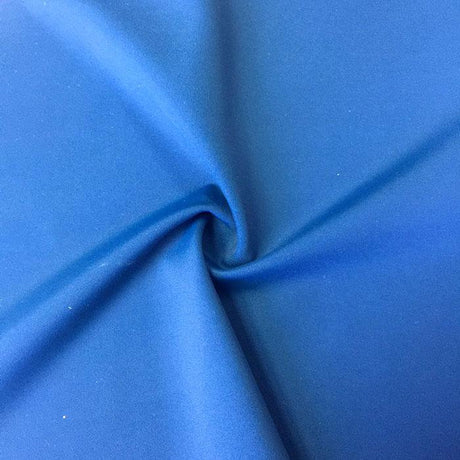
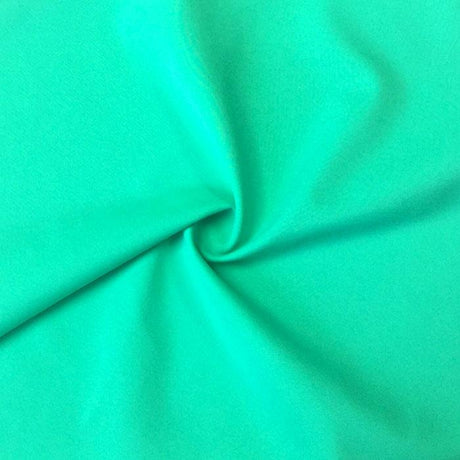
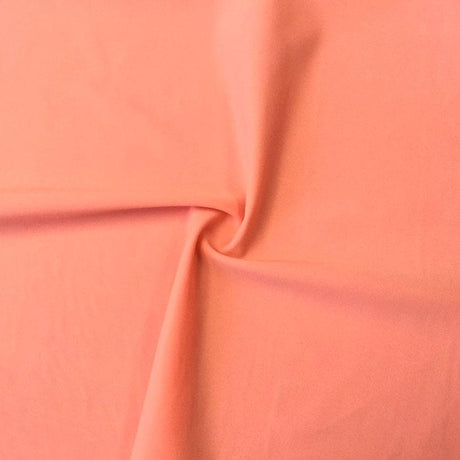
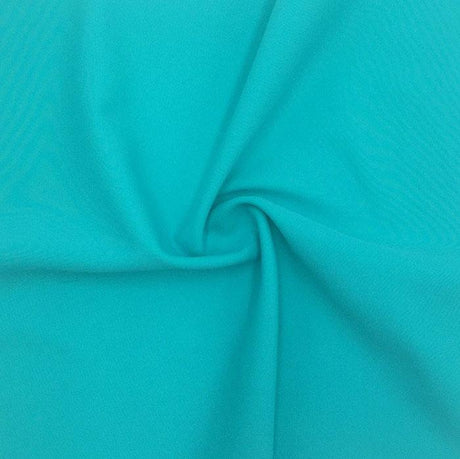
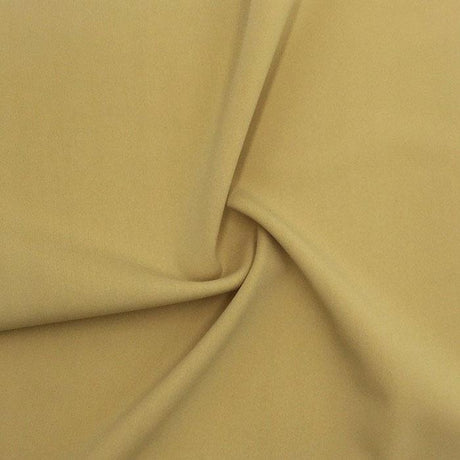
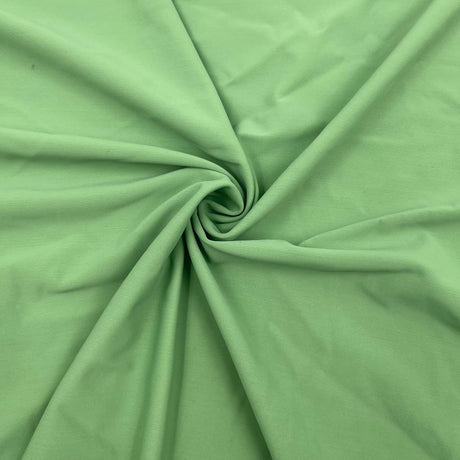
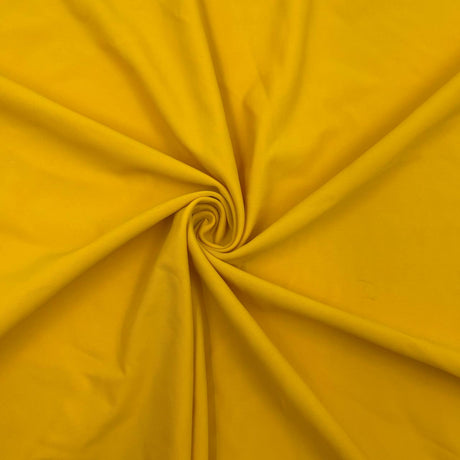
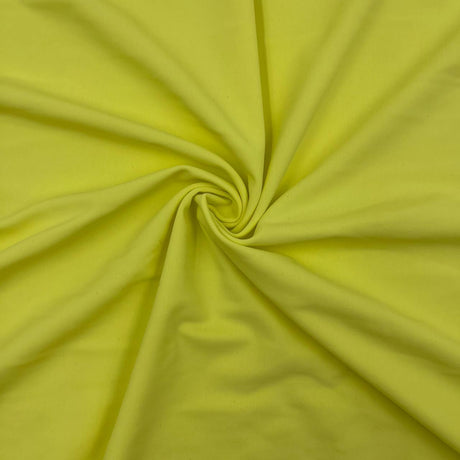
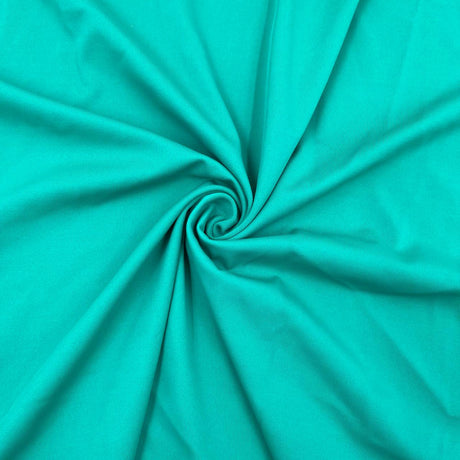
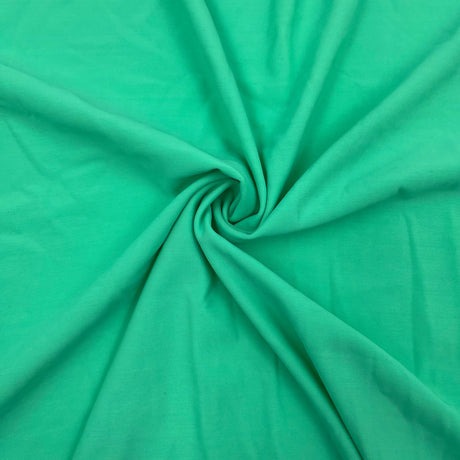
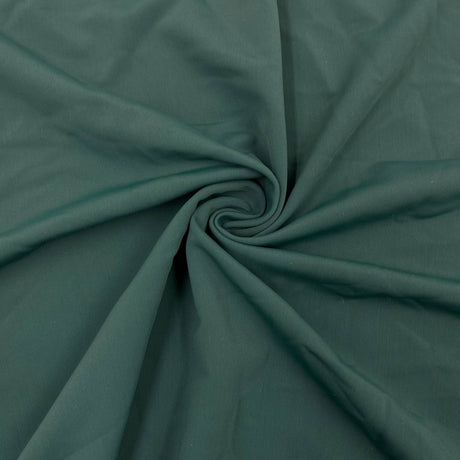
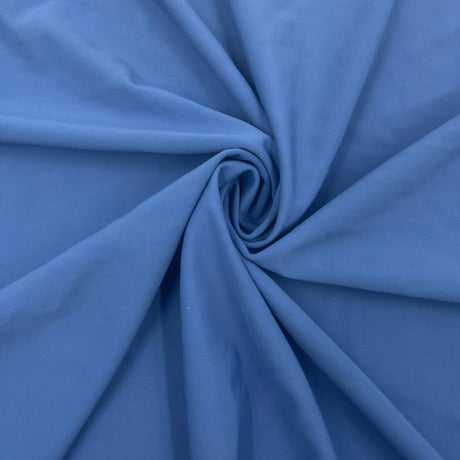
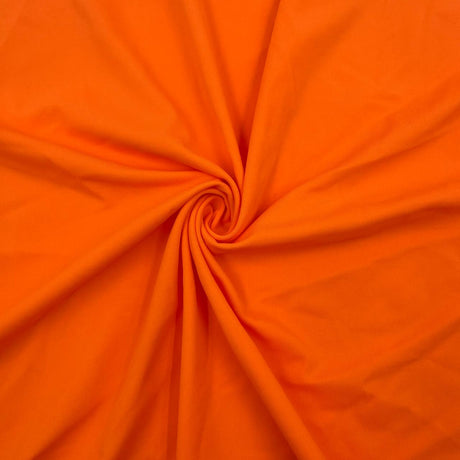
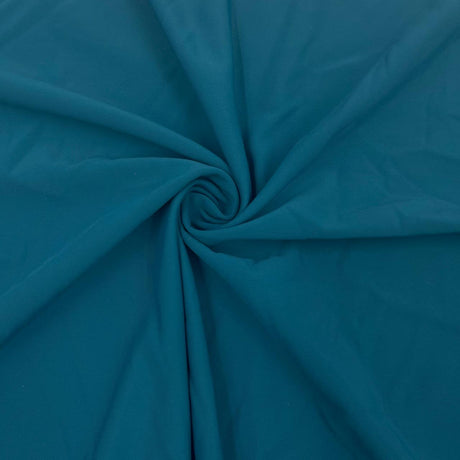
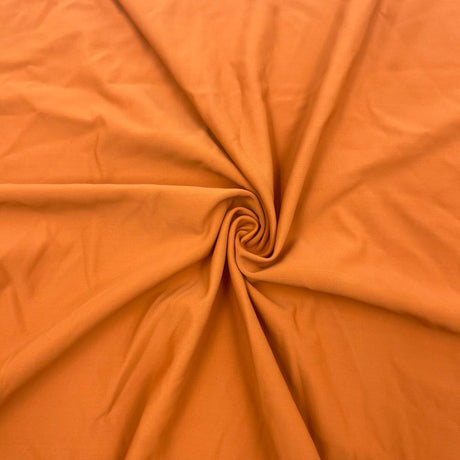
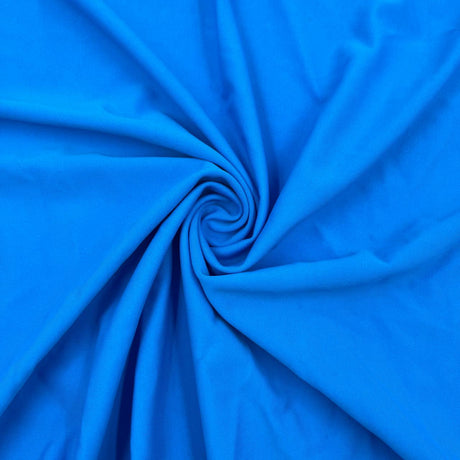
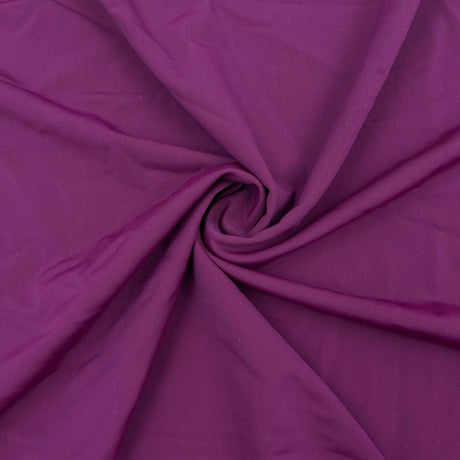
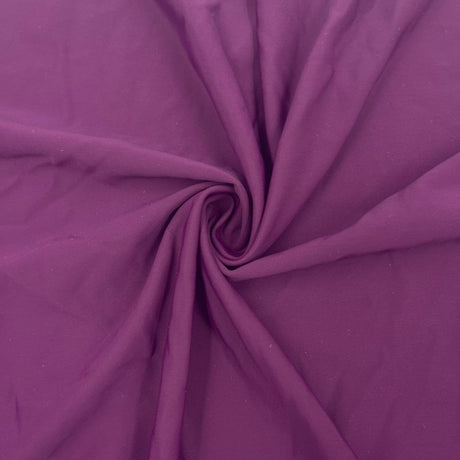
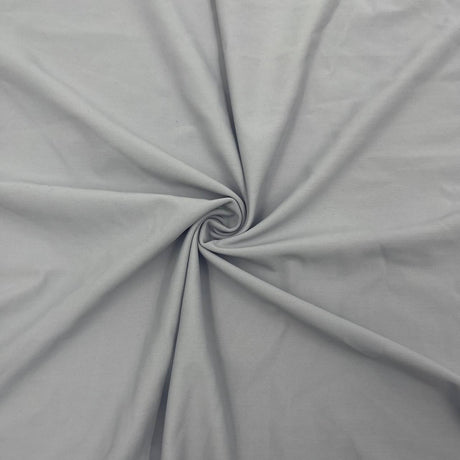
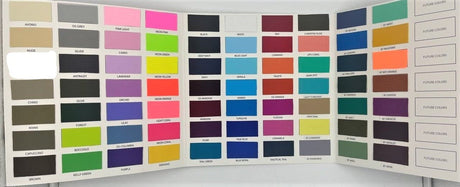
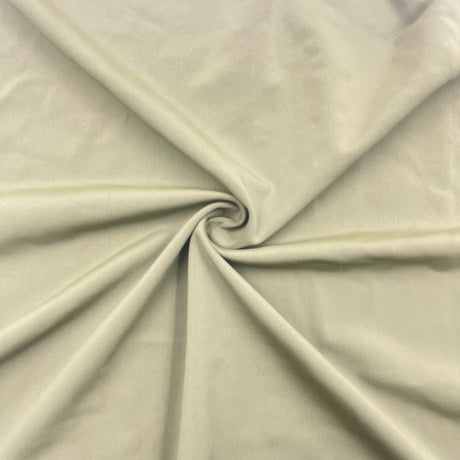
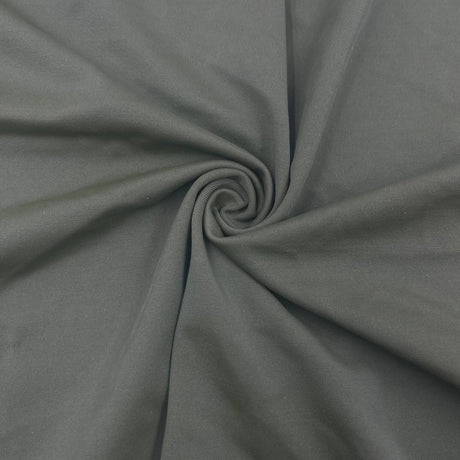
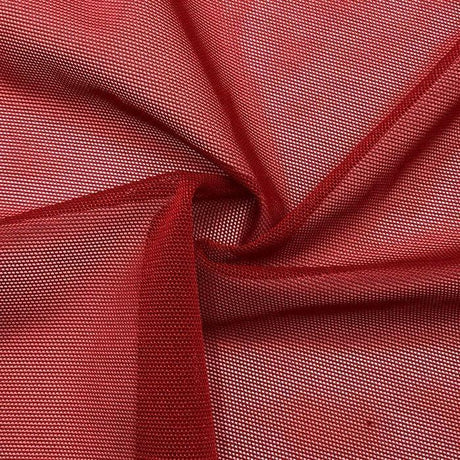
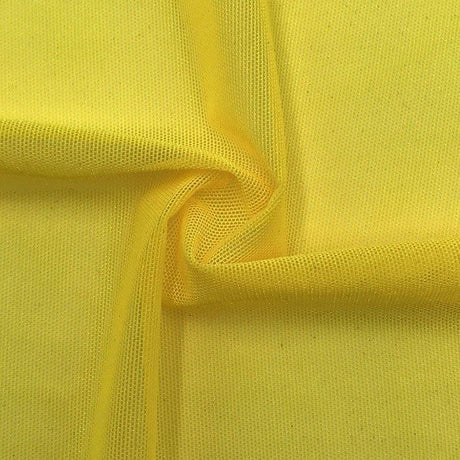
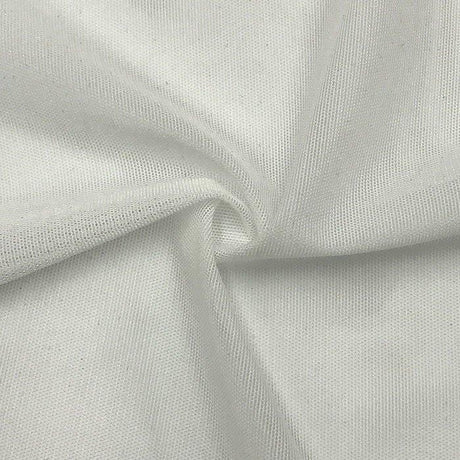
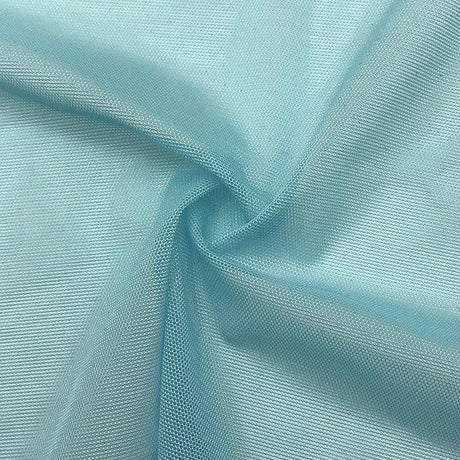
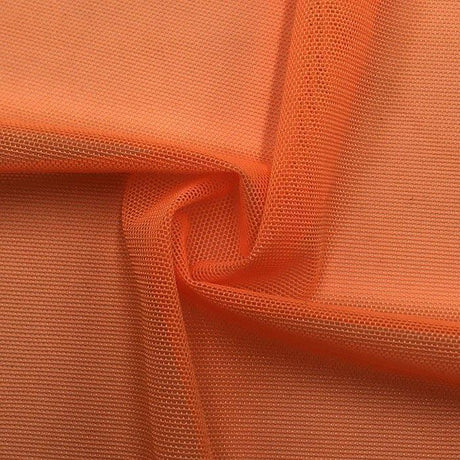
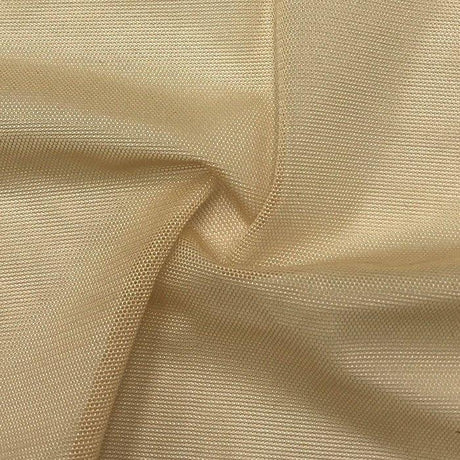
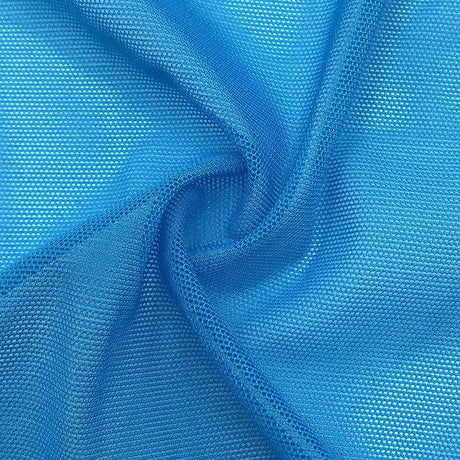
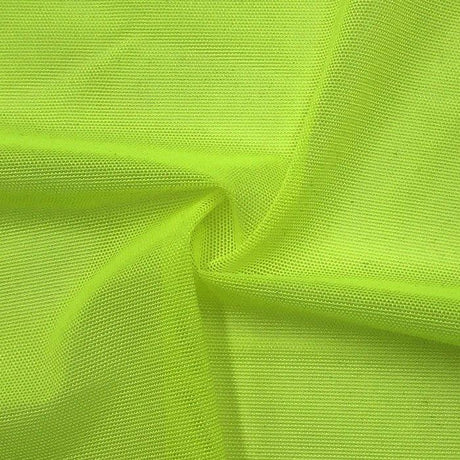
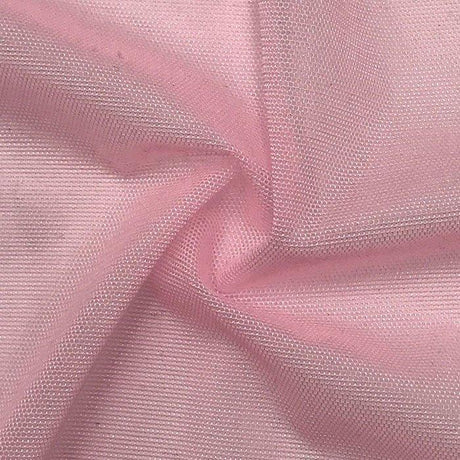
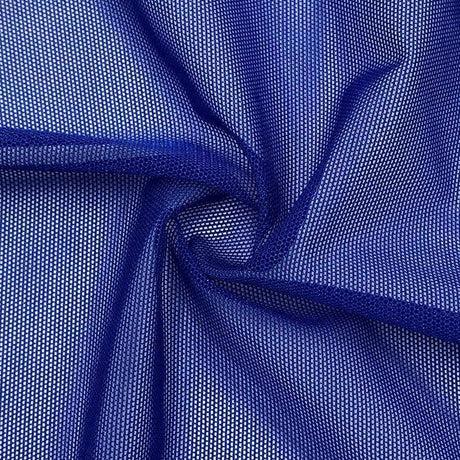
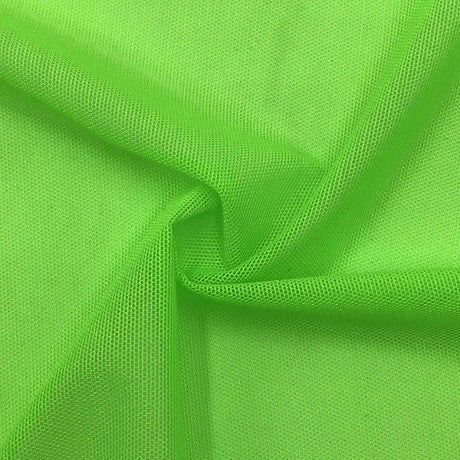
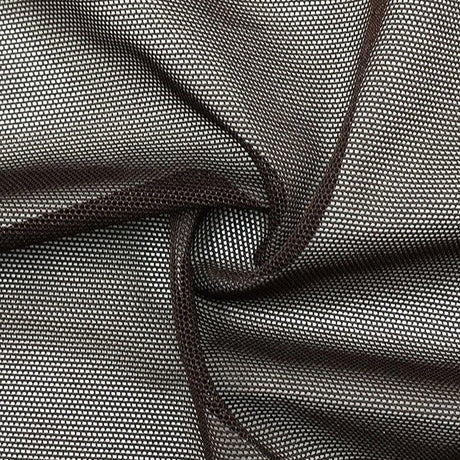
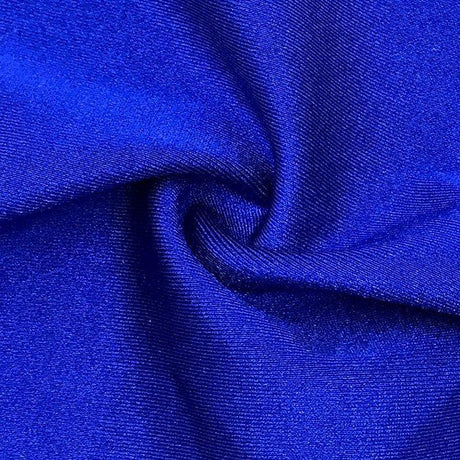
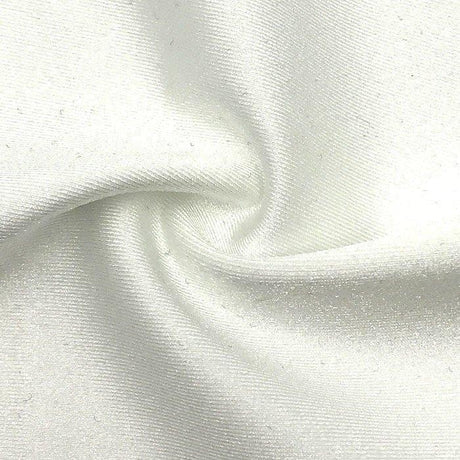
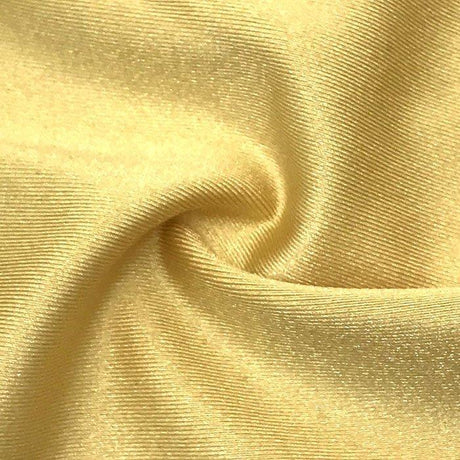
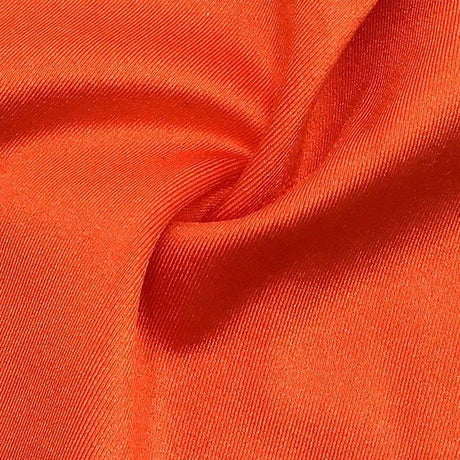
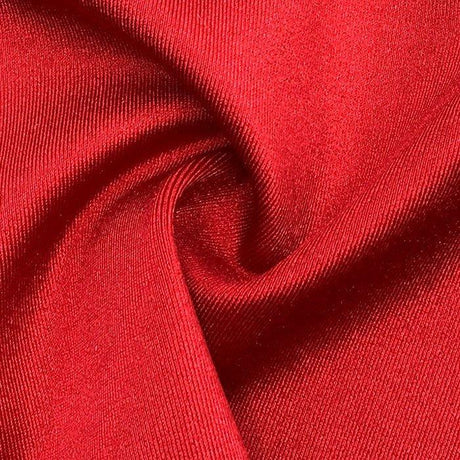
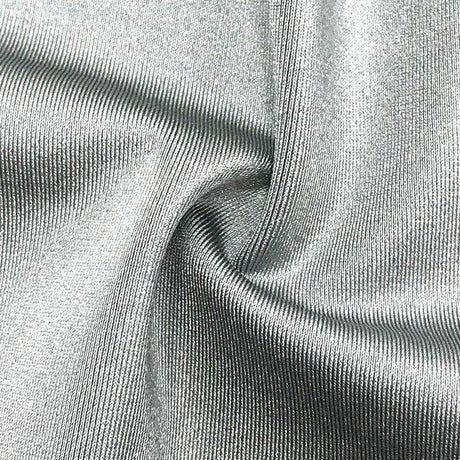
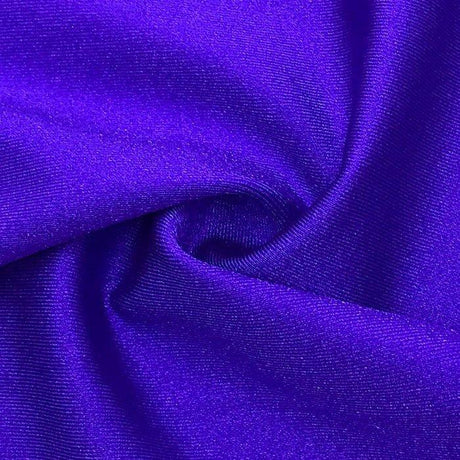
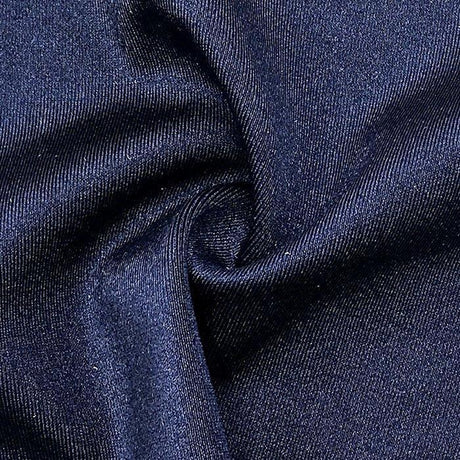
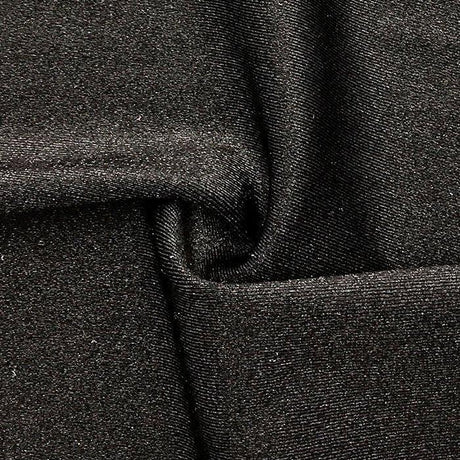
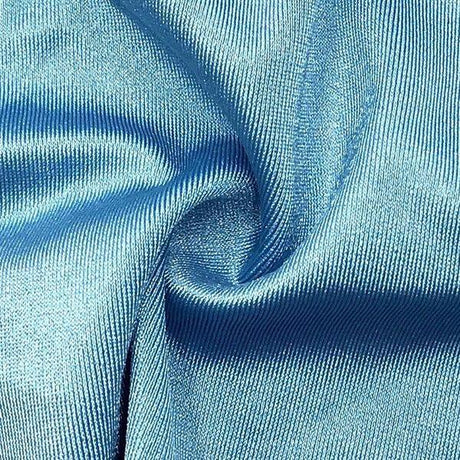
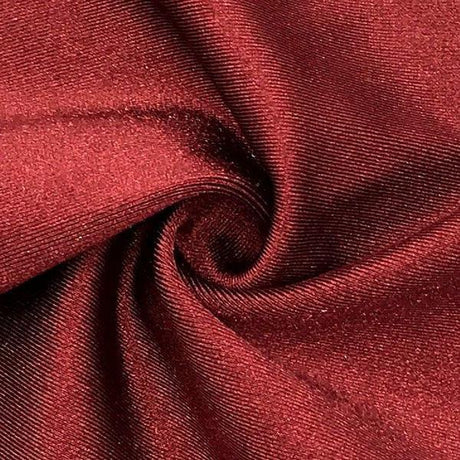
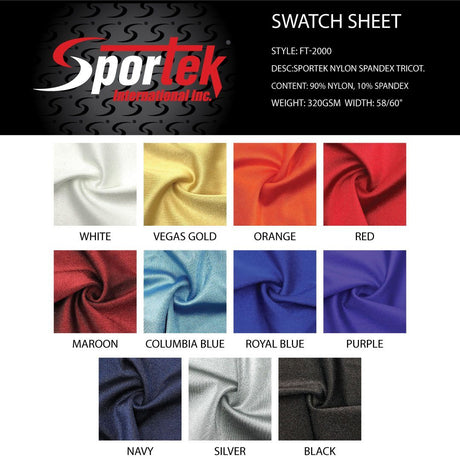
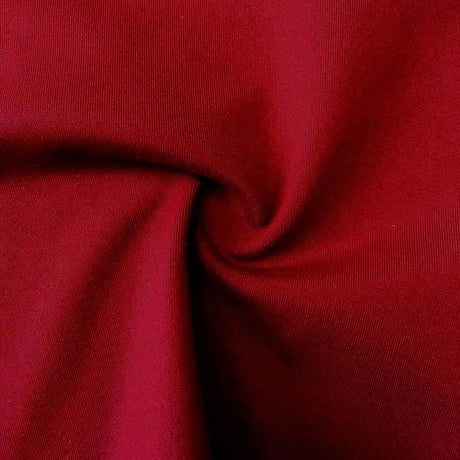
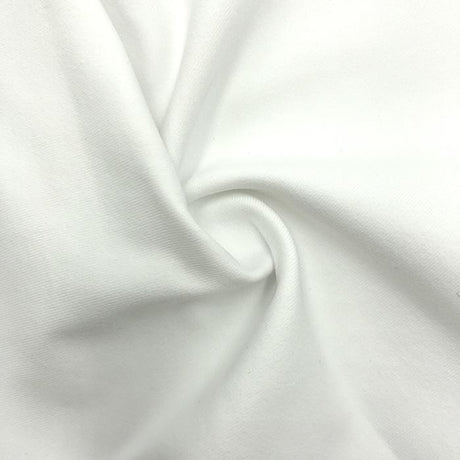
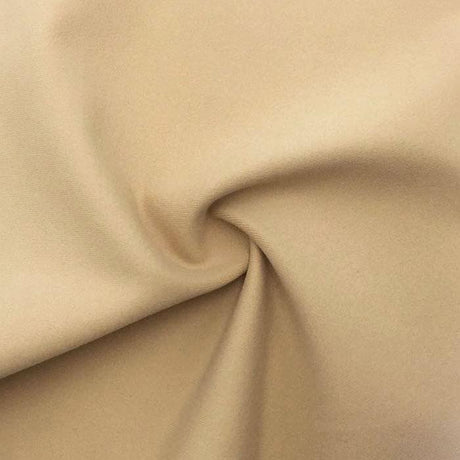
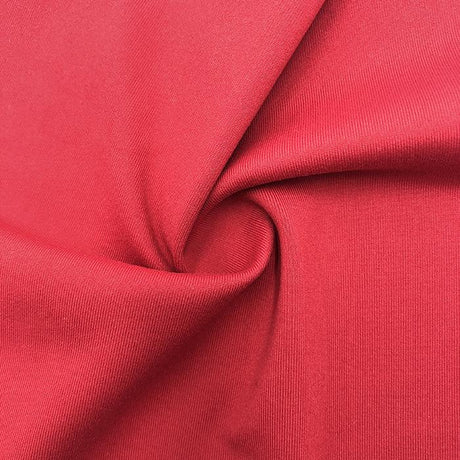
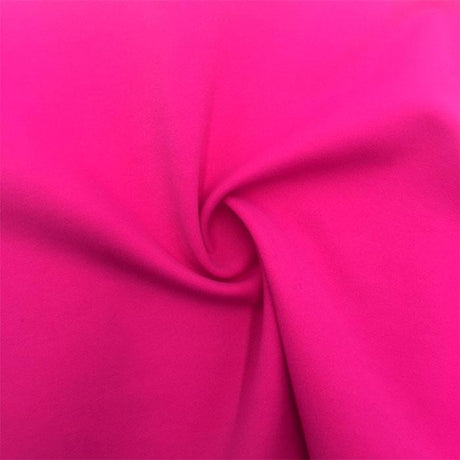
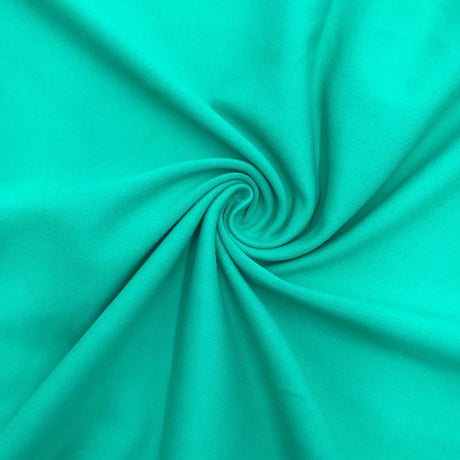
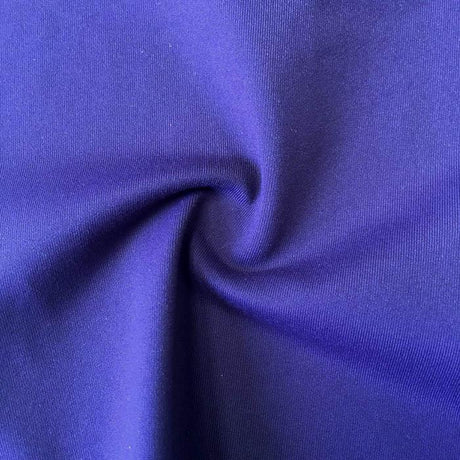
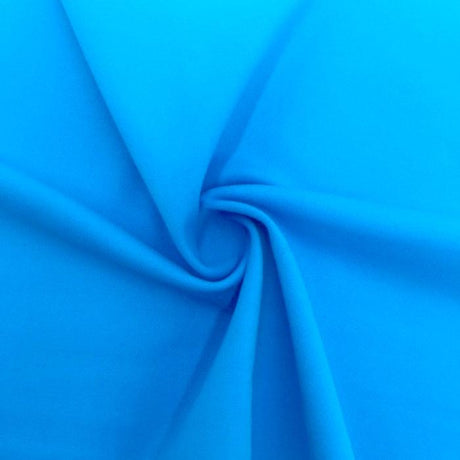
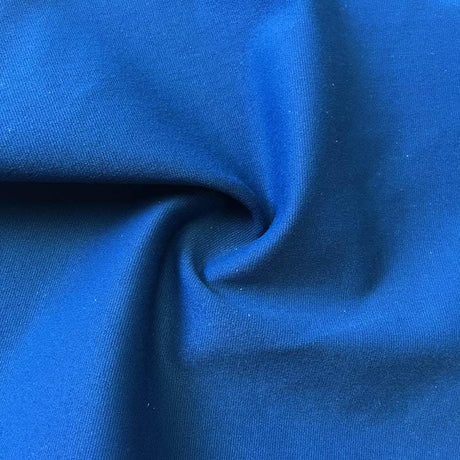
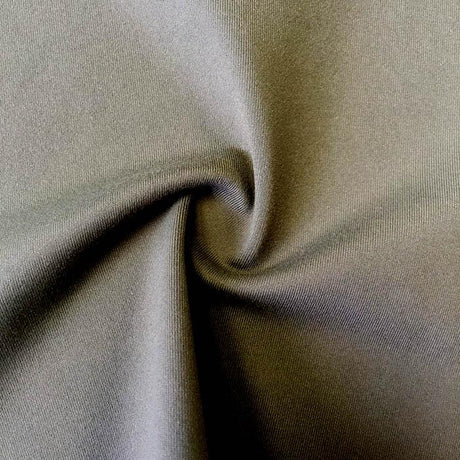
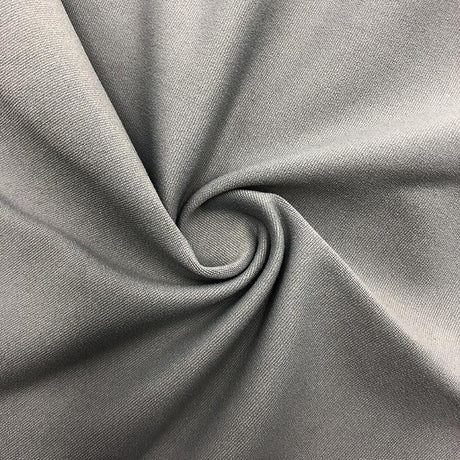
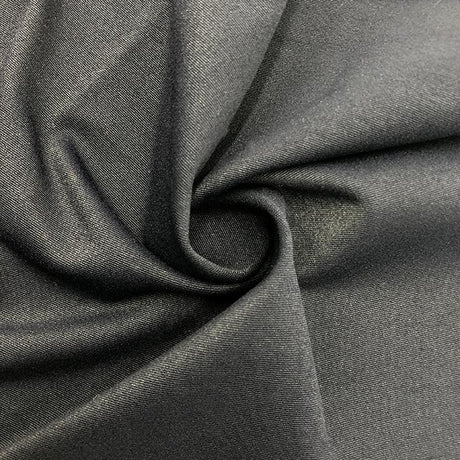
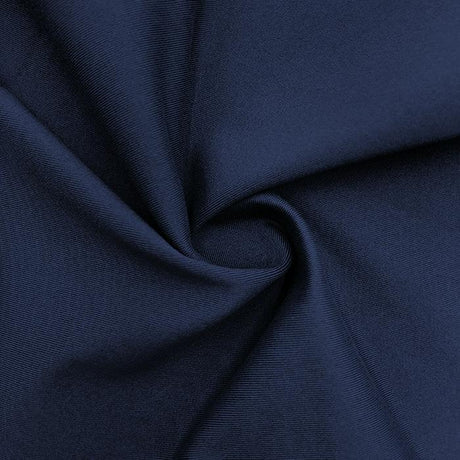
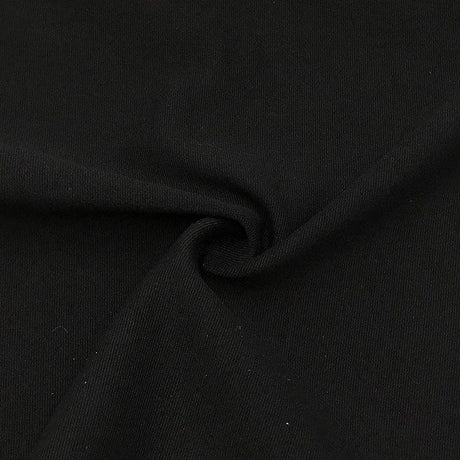
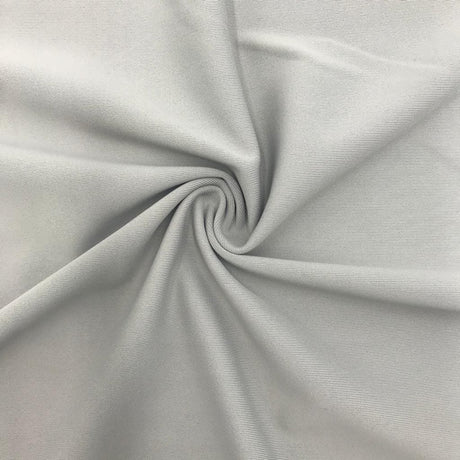
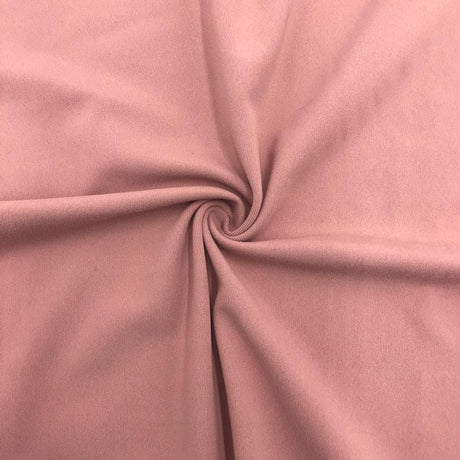
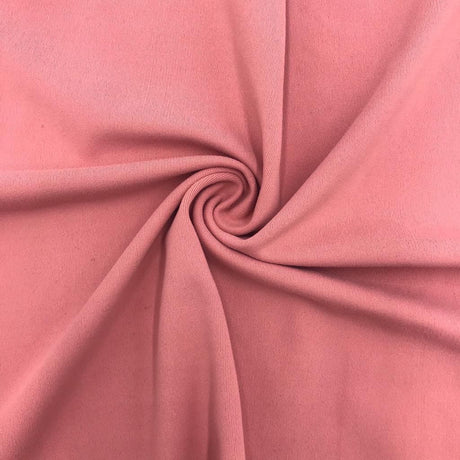
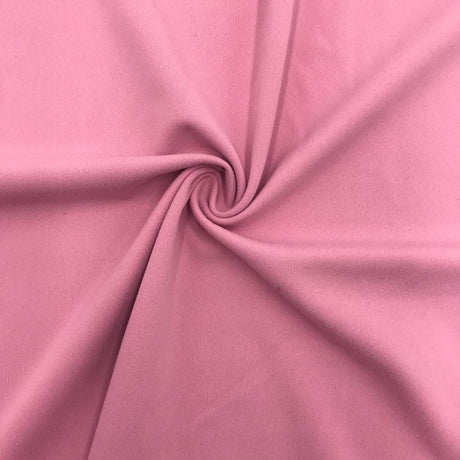
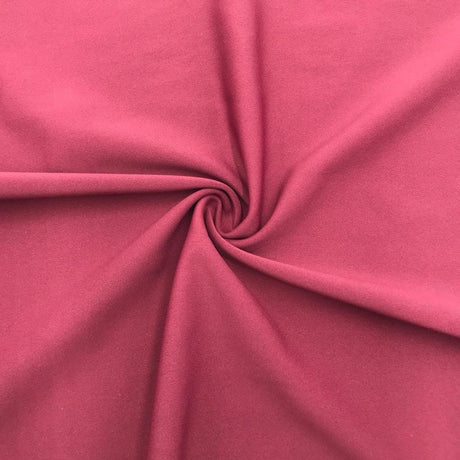
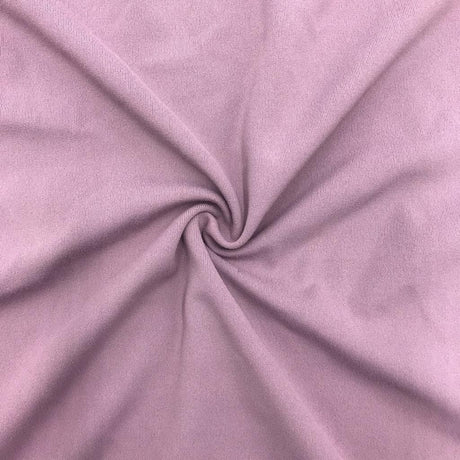
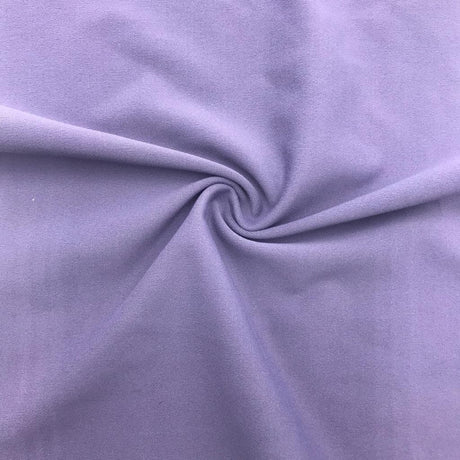
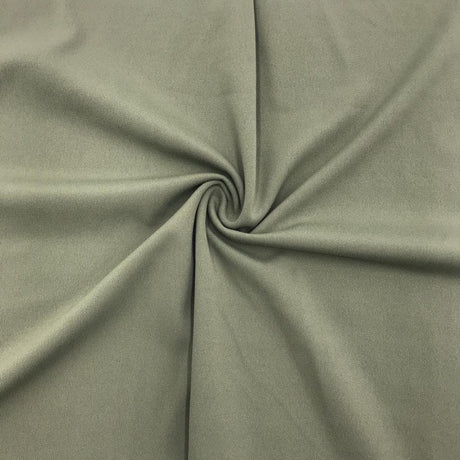
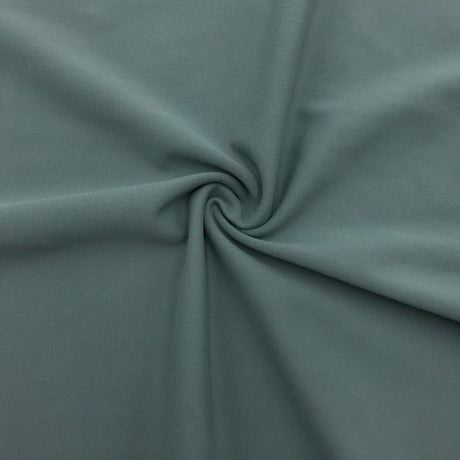
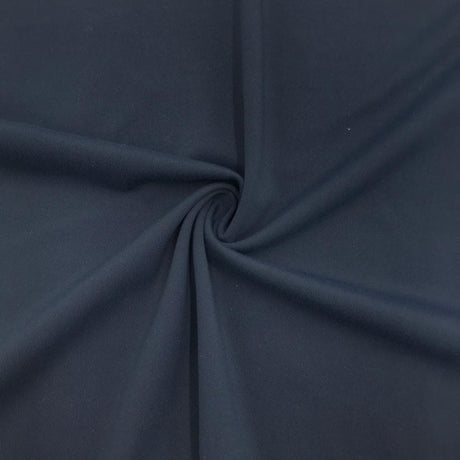
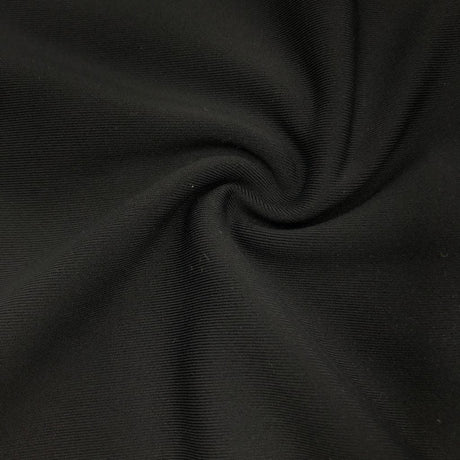
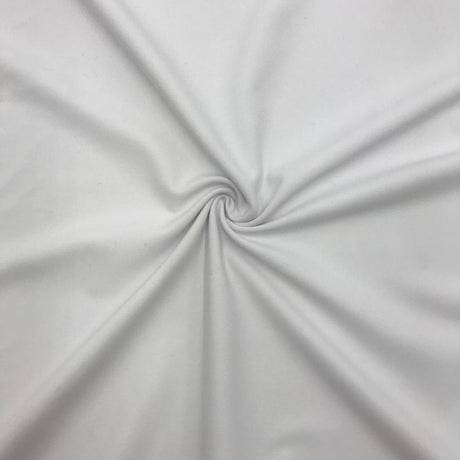
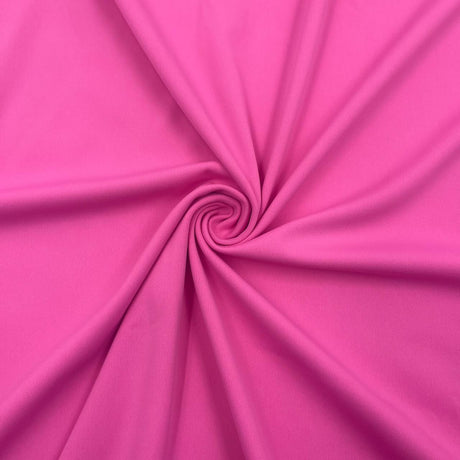
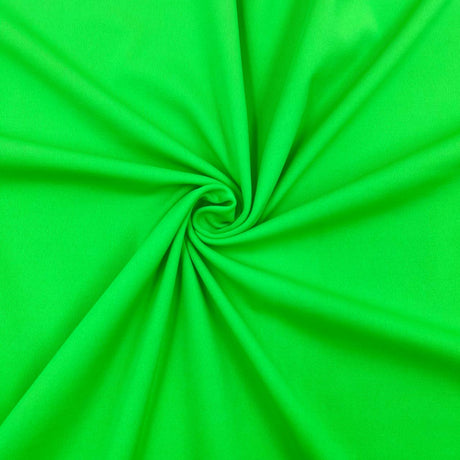
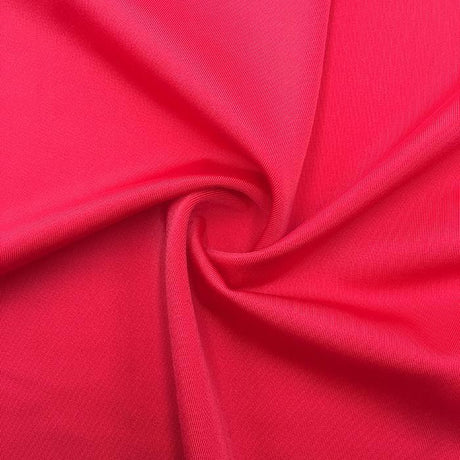
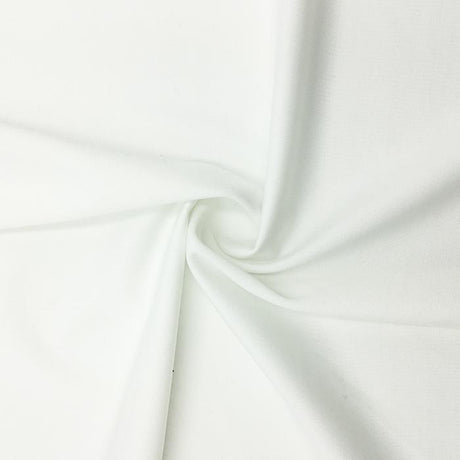
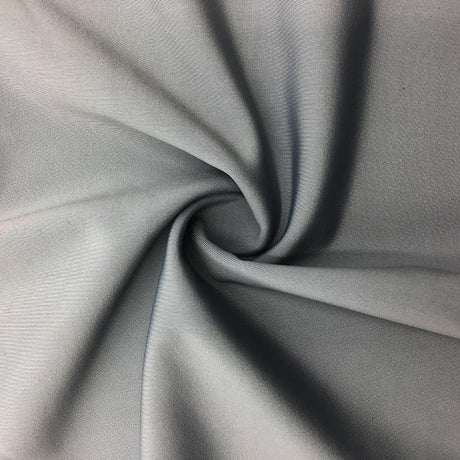
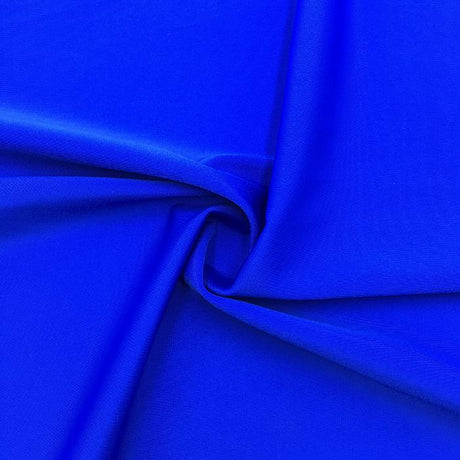
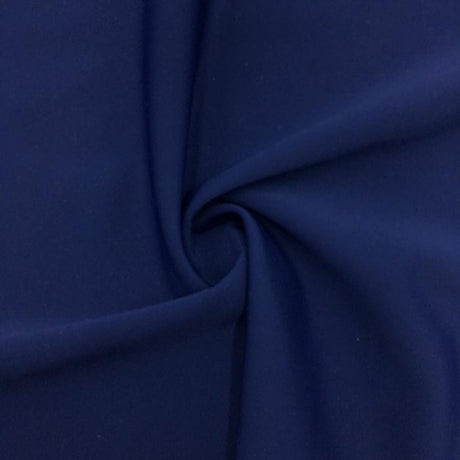
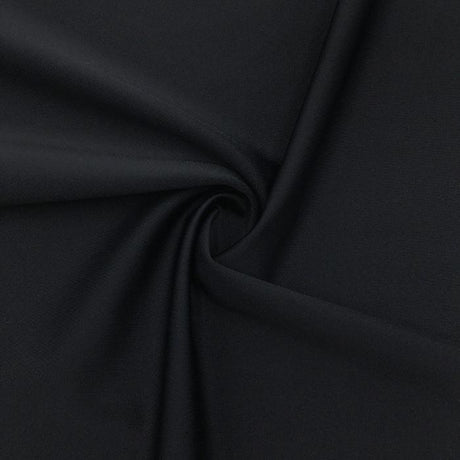
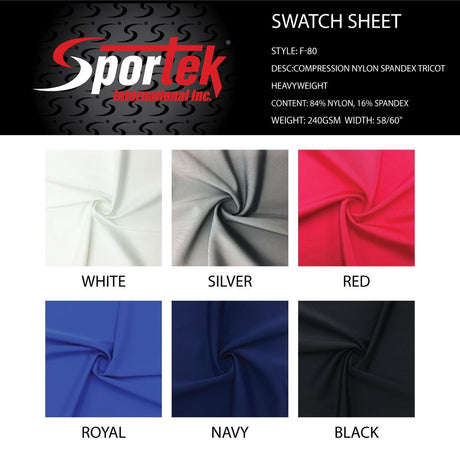
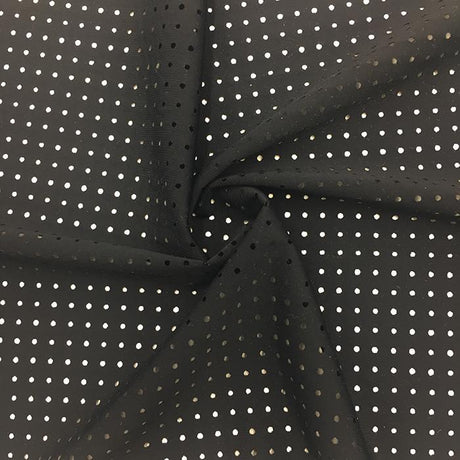
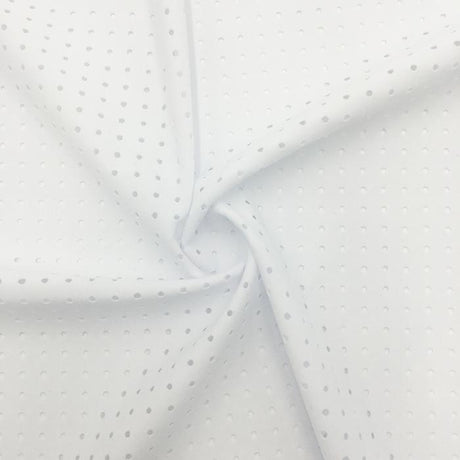
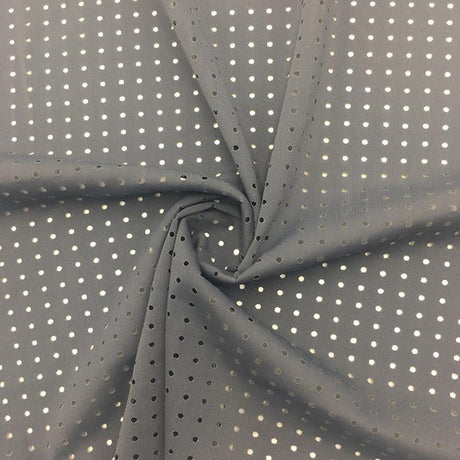
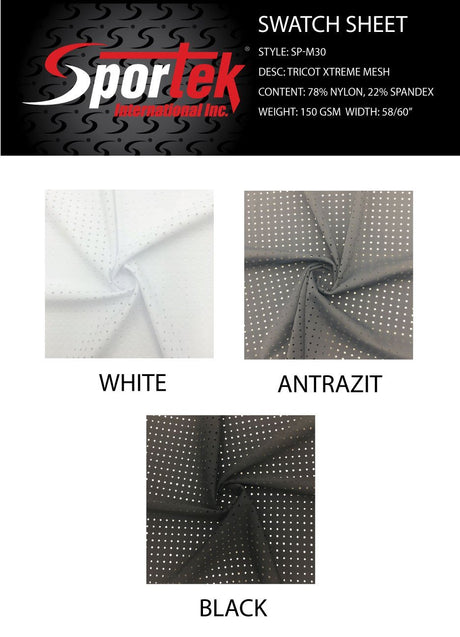
PBT fabric – short for Polybutylene Terephthalate – is making waves in the swimwear industry as a revolutionary chlorine-resistant rival to spandex. Essentially a type of polyester, PBT fabric offers a unique combination of stretch, durability, and chemical resistance that addresses a major weakness of traditional elastane (spandex) swimwear. Unlike standard spandex blends that can degrade and lose elasticity after only a few weeks of pool use, PBT-based swimwear can withstand hundreds of hours in chlorinated water while maintaining its shape, color, and fit. For a broader foundation on swimwear fabric types before diving in, explore our swimwear fabric guide or browse our full fabric guides hub.
Molecular Structure of PBT: Stretch Without Spandex?
What makes PBT fabric so special at the molecular level? PBT is part of the polyester family, but its polymer structure differs from standard PET polyester in a way that grants it both elasticity and chemical stability. Through texturizing (crimping the fibers) and the inherent flexibility of the polymer, PBT fibers can elongate and snap back to shape, essentially providing "stretch without spandex."
One of the standout molecular advantages of PBT is its inertness towards chlorine. The polymer's molecular structure actively repels chlorine molecules, preventing the degradation that is common in other synthetic fibers. Spandex (an elastane fiber) contains chemical bonds (like urethane links) that chlorine attacks and breaks apart, causing the fabric's elasticity to be the first thing to go. PBT, by contrast, has chlorine-stable bonds; it does not readily react with chlorine or absorb it. Our spandex care guide covers the science of chlorine degradation in elastane fibers and why PBT's different polymer structure gives it such dramatically superior chlorine resistance.
Crucially, PBT's ability to stretch is not quite as extreme as spandex's, but it is impressive given that it's a non-elastomeric fiber. PBT fiber can elongate and recover its shape to provide a snug, compressive fit. Professional swimwear manufacturers note that PBT's natural stretch provides muscle compression and support without any spandex content, and the material instantly springs back to shape after stretching. Our stretch fabric types page covers how PBT's stretch and recovery compare to spandex-blend constructions across all common swimwear applications.
PBT vs. Spandex: Which is Better for Pools?
When it comes to swimwear, the battle of PBT vs. spandex often boils down to a trade-off between maximum stretch and maximum durability in chlorine. Spandex (also known by brand names like Lycra or elastane) is renowned for its superior stretch, giving swimsuits that second-skin fit and comfort. However, chlorine in pools is notoriously harsh on spandex fibers. It's not uncommon for a traditional Lycra swimsuit to start losing its shape after just a few weeks of daily swimming. Our nylon-spandex fabric guide covers the full performance profile of nylon-spandex constructions, including how chlorine resistance compares to PBT across different swimwear applications.
PBT fabric sacrifices a bit of that extreme stretch in exchange for outstanding chlorine resistance and longevity. PBT/polyester swimwear is considered the "gold standard" for chlorine-resistant pool gear, with the material withstanding hundreds of hours in chlorinated water while maintaining shape and color. Tests and swimmer experiences have shown that a PBT-based suit can easily last 5+ times longer in pool conditions than a suit containing spandex.
Does this mean PBT is universally better than spandex for swimwear? It depends on the priorities:
Stretch & Comfort: Spandex still wins in pure elasticity and a soft, form-fitting feel. A fashion swimsuit or bikini may use 10–20% spandex to achieve a very flexible, body-hugging fit. PBT swimsuits have good elasticity (especially when blended with standard polyester), but they are generally a bit firmer and less stretchy than spandex-rich suits. Our fabric weight guide covers how GSM and construction type affect compression and stretch behavior in both PBT and spandex-based swimwear fabrics.
Chlorine and UV Resistance: Here PBT is the clear winner. Spandex breaks down quickly in chemicals, even with newer chlorine-resistant treatments. PBT and polyester are naturally chlorine-resistant and also resist UV fading, so they keep their integrity and color much longer.
Longevity vs. Performance Fit: Competitive swimmers often own both types of suits – PBT/polyester ones for practice (to get longevity and save money) and high-spandex tech suits for racing (where maximum stretch and compression can improve speed, and those suits are replaced frequently). Even some competition suits now incorporate PBT fiber panels in high-stress areas to extend the garment's life.
In summary, for regular pool use, PBT fabric is generally better if your goal is a durable suit that won't sag or fade. Some specialty elastanes (like Xtra Life Lycra® or Creora® HighClo™) are engineered to resist chlorine longer than standard spandex, but even those enhanced spandex fibers still can't match the virtually chlorine-proof performance of a quality polyester/PBT blend.
Mechanical Properties of PBT Fabric: High Color Fastness & Shape Retention
High Color Fastness: PBT fibers hold color exceptionally well, even under harsh conditions. The polymer itself is resistant to UV radiation and chemical fading, meaning colors on PBT fabric do not fade easily from sunlight or pool chemicals. PBT swimsuits are known to stay vibrant through multiple seasons of use, whereas other materials might bleach out. Combined with chlorine stability, this gives PBT an edge in keeping prints and dyes looking fresh. Our sublimation page covers how sublimation printing on polyester-PBT fabrics achieves vibrant, permanent color that resists both chlorine and UV fading.
Shape Retention and Dimensional Stability: PBT is celebrated for its ability to withstand stretch and recover repeatedly without losing form. Even after many uses, a PBT garment resists permanent bagging or sagging – it "instantly springs back to shape" after being stretched. PBT fabric doesn't shrink or distort easily with heat or water exposure; it can handle pool and washer/dryer temperatures better than many fabrics, all while keeping its original size and fit. Our stretch fabric types page covers how PBT's elastic recovery compares to spandex-blend constructions in recovery testing.
Quick-Drying and Low Moisture Absorption: Like other polyesters, PBT is hydrophobic, meaning it absorbs very little water. PBT fabric actually retains less water than other synthetics and dries quickly once out of the water. This quick-dry property not only adds comfort but also has hygienic benefits: rapid drying prevents the growth of bacteria or mildew on the fabric between swims. Our fabric care guide and spandex care guide cover post-swim rinsing and drying protocols that maximize the lifespan of both PBT and spandex-blend swimwear.
Durability (Snag Resistance and Abrasion Resistance): PBT fibers are inherently tough. Swimsuits made of PBT tend to be snag-resistant and resist pilling even when rubbed against rough pool surfaces or lane ropes. The material can handle abrasion, sunscreen oils, sweat, and saltwater without breaking down. This durability means PBT activewear can take the beating of regular use and still hold up.
All these mechanical properties underscore why PBT fabric is considered a high-performance material. A PBT swimsuit will feel and look almost as good on its 100th swim as it did on its first, provided it's cared for properly.
Specialized Applications of PBT Fabric
Competitive and Training Swimwear: The most prominent use of PBT is in performance swimwear. Competitive swimmers and swim teams opt for suits made from PBT or PBT/polyester blends for practice suits and competition training suits. These suits endure daily laps in chlorinated pools without losing their fit, making them cost-effective over time. For example, Speedo's Endurance+ line uses a 50/50 PBT and polyester blend, advertised as 100% chlorine-resistant with maximum shape retention swim after swim. Even water polo teams and aquatic fitness instructors, who spend hours in the pool, rely on PBT swimwear to avoid constantly replacing worn-out Lycra suits. Our swimwear fabric guide covers PBT's role in competitive and recreational swimwear and how it compares to nylon-spandex for different aquatic applications.
Active Sportswear and Athleisure: PBT's qualities are also leveraged in sports and fitness apparel beyond the pool. You can find PBT fibers in leggings, sports bras, competitive gymnastics or dancewear, and seamless compression garments. Athletes appreciate that PBT-blend leggings or shorts will wick moisture and dry quickly, keeping them comfortable during intense workouts. Additionally, the shape retention means even form-fitting PBT clothing won't easily lose its compression or start sagging at the knees or elbows. Our activewear fabric guide covers how PBT compares to nylon-spandex and polyester-spandex constructions across all common activewear categories.
Outdoor and Endurance Gear: Because PBT fabric has UV resistance and robust weather durability, it's sometimes used in outdoor textile applications such as rash guards, surf swimsuits, or triathlon suits where better resistance to saltwater and sun exposure is needed. Our fabric finishes guide covers UV-blocking treatments and how they interact with PBT and polyester fiber types in outdoor performance applications.
Industrial and Technical Uses: The strength and chemical resistance of PBT fiber lend it to some niche industrial uses as well. PBT yarns are used in high-performance conveyor belts and filtration systems in industries where fabrics are exposed to chemicals, water, and constant tension. The same traits that make PBT great for swimwear – not absorbing water, resisting chemicals, and staying strong under load – are valuable in these technical contexts.
Conclusion
The emergence of PBT fabric has indeed been a revolution in chlorine-resistant swimwear. By combining many of the benefits of traditional spandex (stretchiness, comfort, fit) with the endurance of polyester (chlorine resistance, strength, color fastness), PBT bridges a crucial gap in textile performance. Swimmers no longer have to accept saggy, faded suits as an inevitability of frequent pool use – PBT fabric keeps swimwear looking new and fitting right even after countless swims.
While spandex still has its place – offering unparalleled elasticity for certain fashion and competitive needs – PBT has firmly established itself as the go-to solution for longevity and chlorine-heavy environments. Whether you're a competitive swimmer aiming for a suit that can survive daily training, or an active individual looking for workout clothes that won't lose their shape, PBT fabric offers a compelling option.
Ready to explore PBT and chlorine-resistant swimwear fabrics for your next project? Use our swimwear fabric guide for curated recommendations across all swimwear applications, our nylon-spandex fabric guide to understand how nylon-spandex compares to PBT for different use cases, and our fabric weight guide and stretch fabric types page to evaluate technical specifications. Our spandex care guide and fabric care guide keep every finished suit performing at its best. Have questions? Our expert help and advice page and FAQ are always available. Sign up for SpandexByYard Rewards to earn points on every purchase – because PBT is the answer to the pool's greatest challenge.