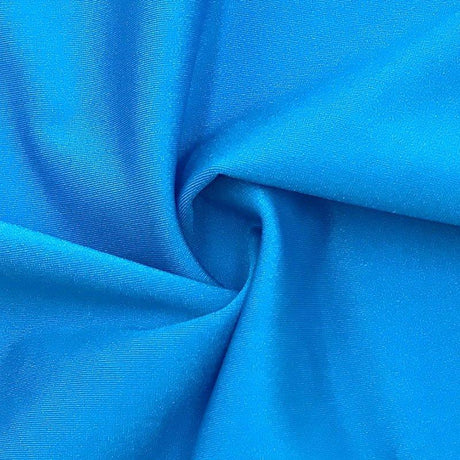
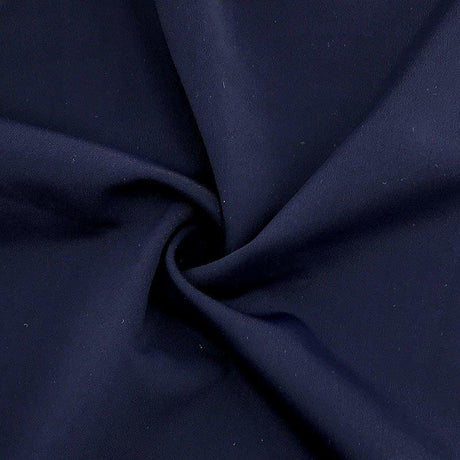
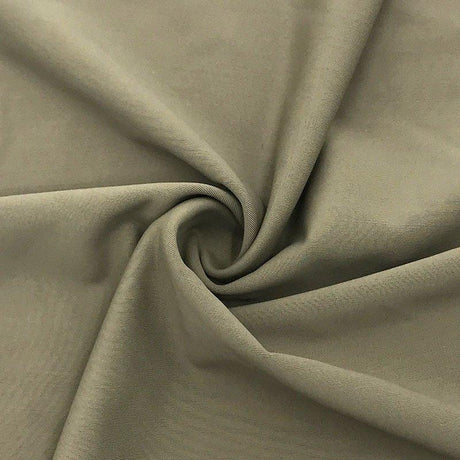
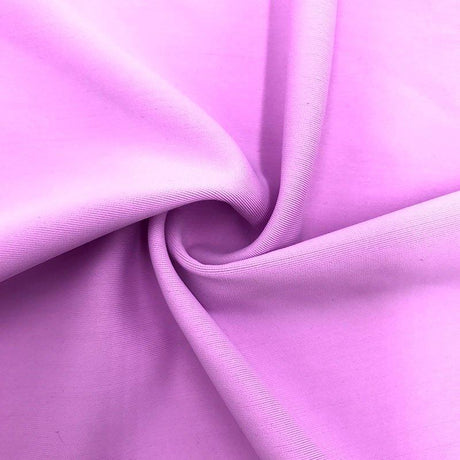
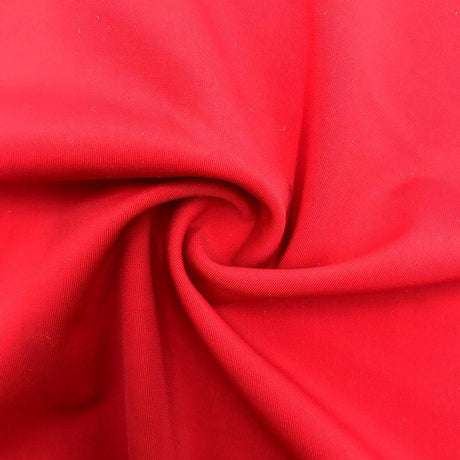
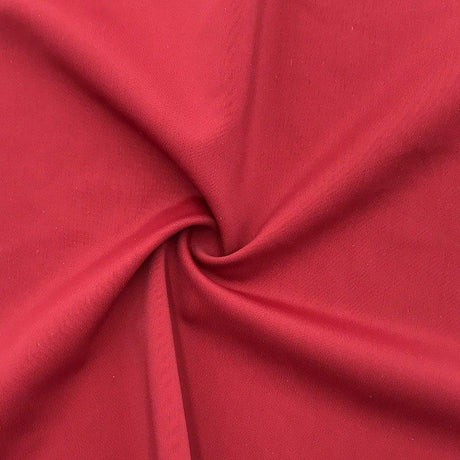
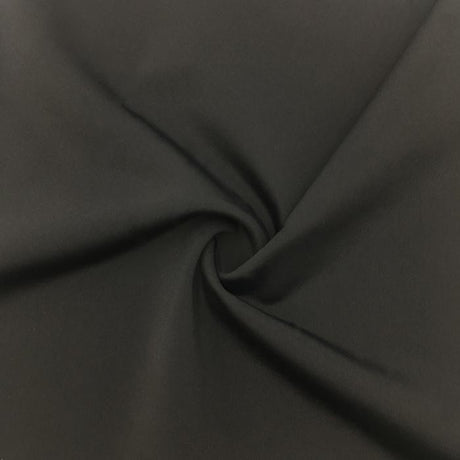
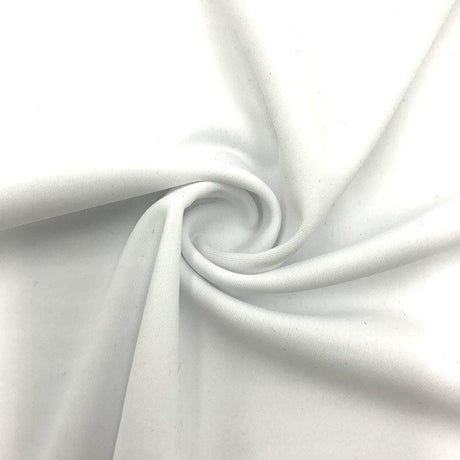
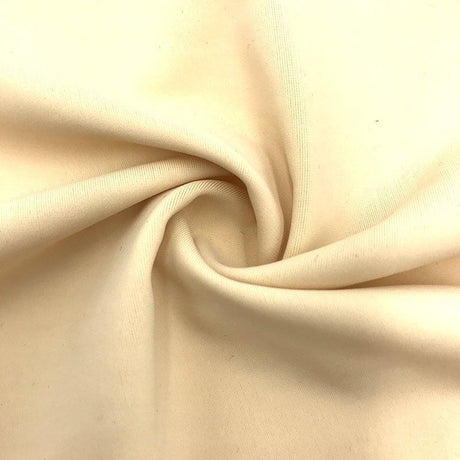
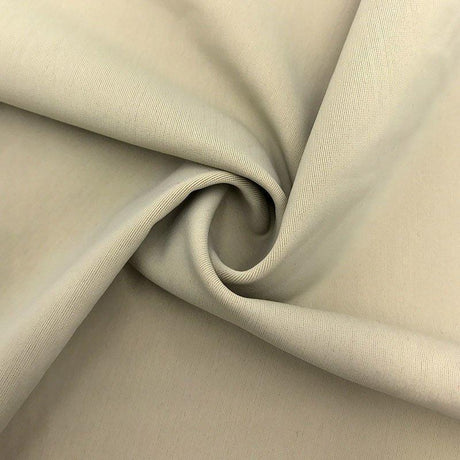
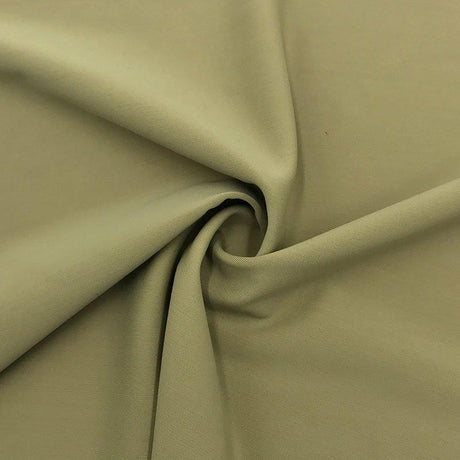
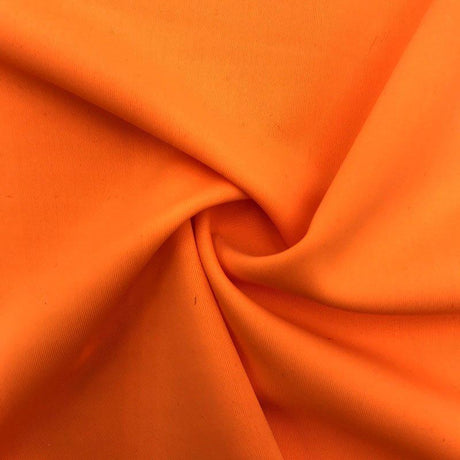
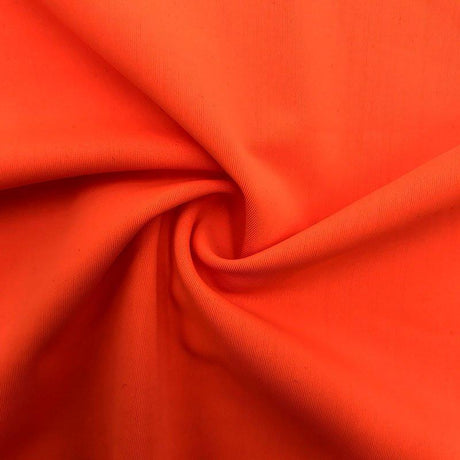
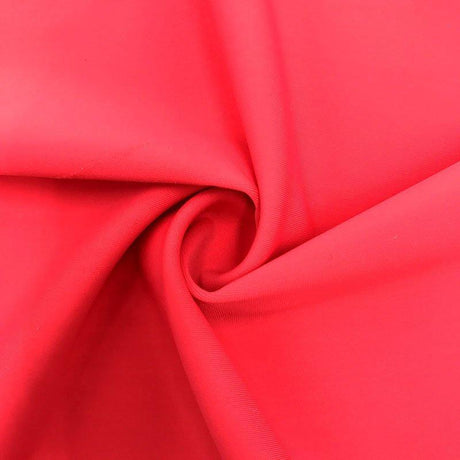
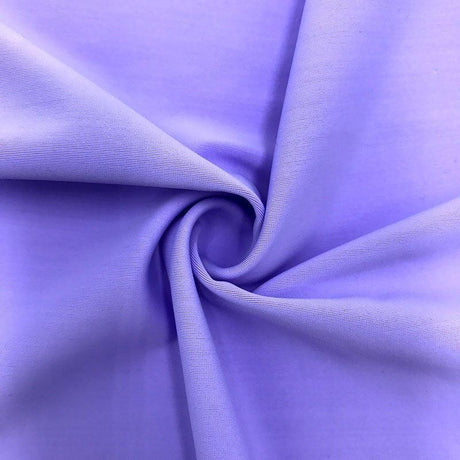
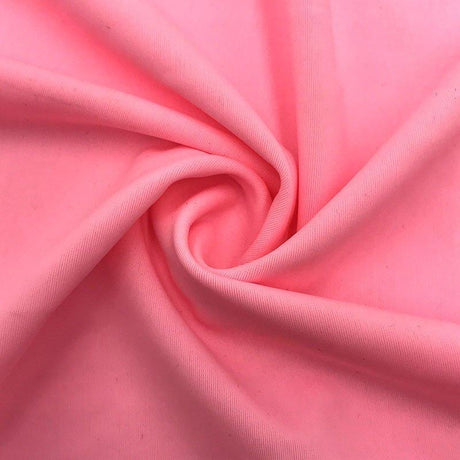
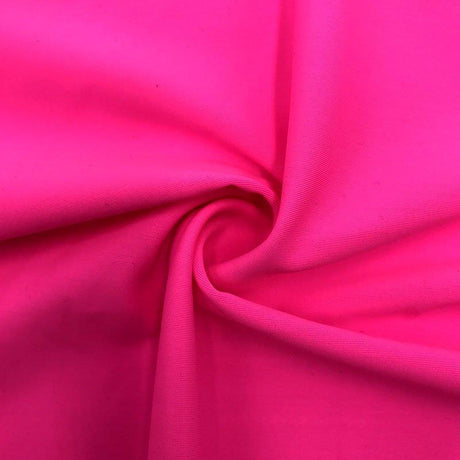
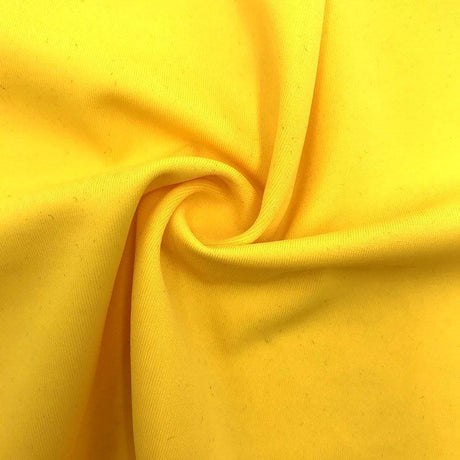
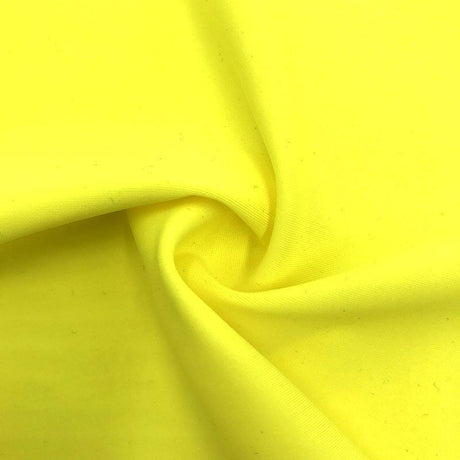
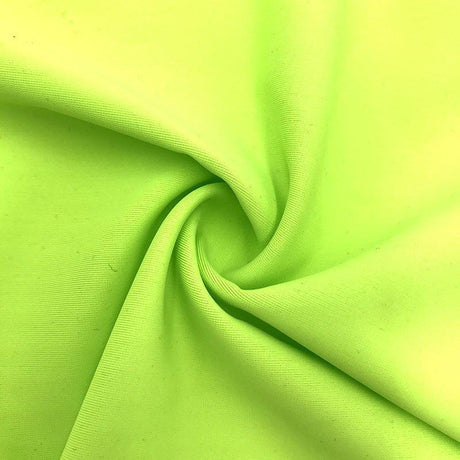
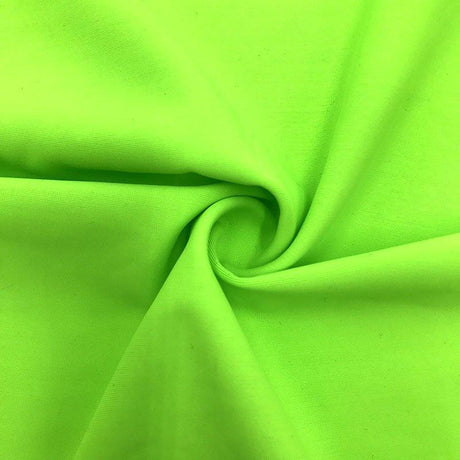
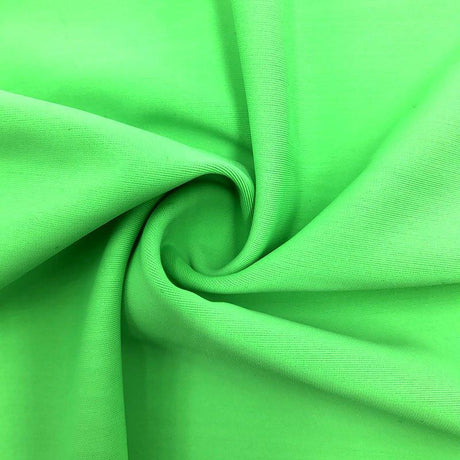
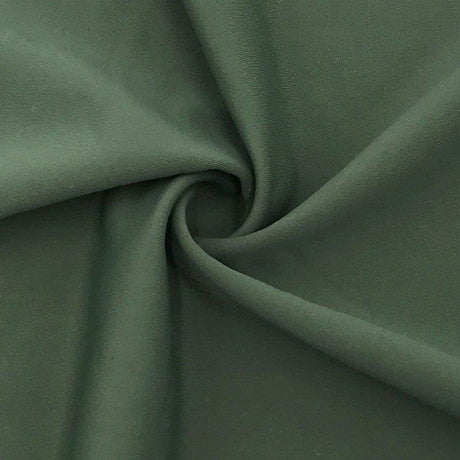
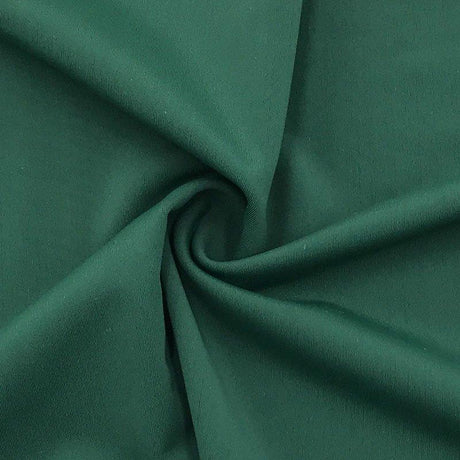
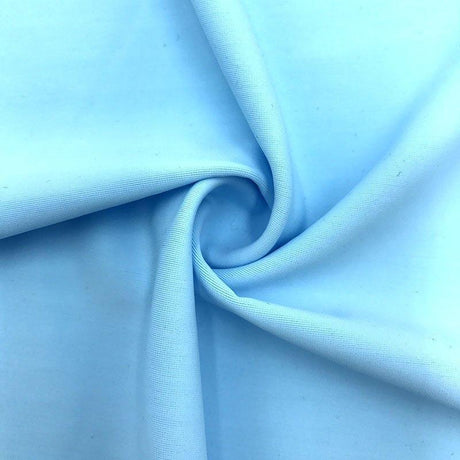
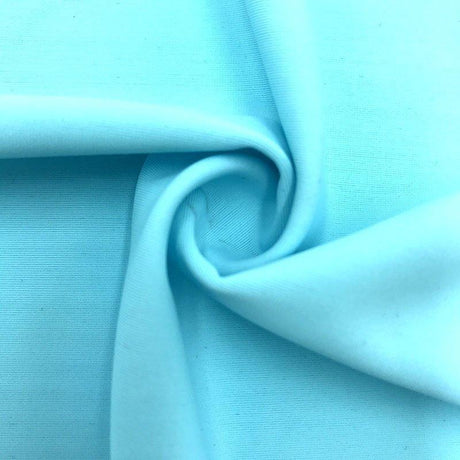
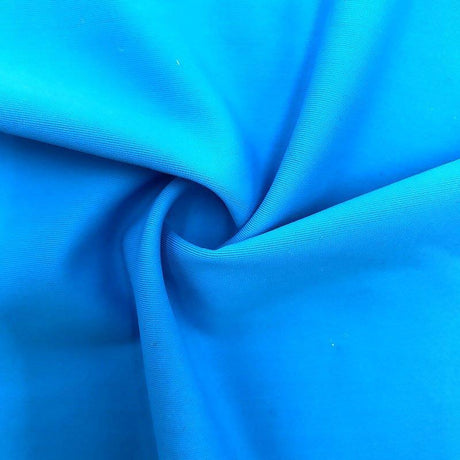
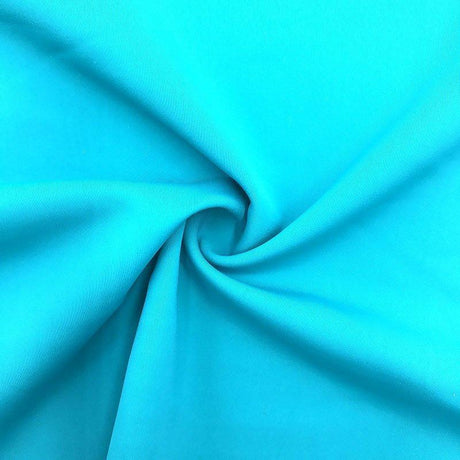
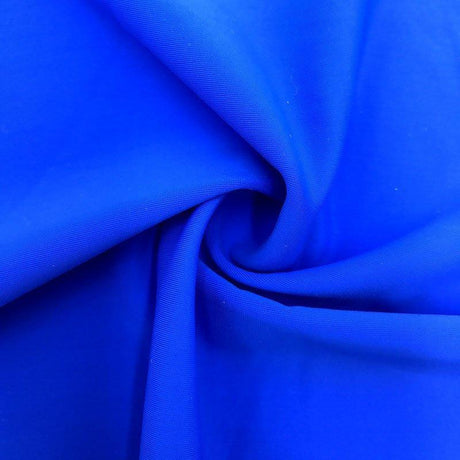
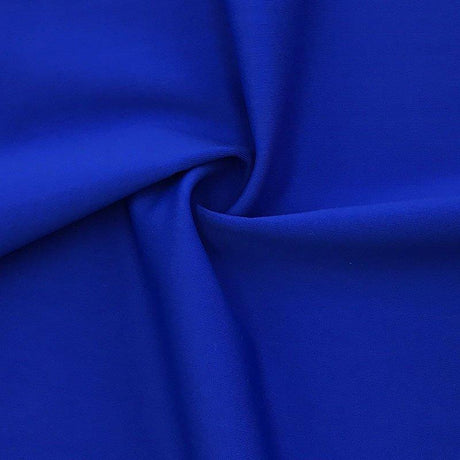
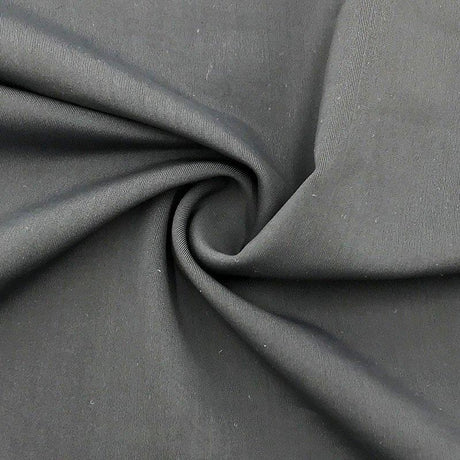
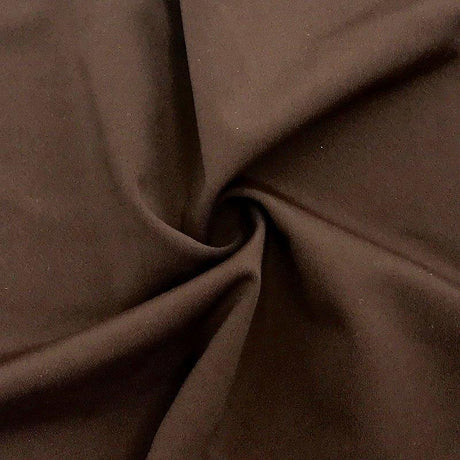
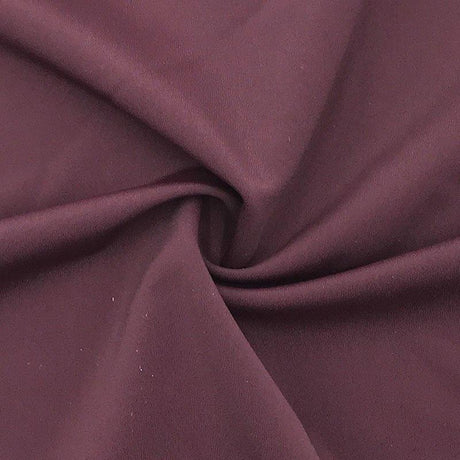
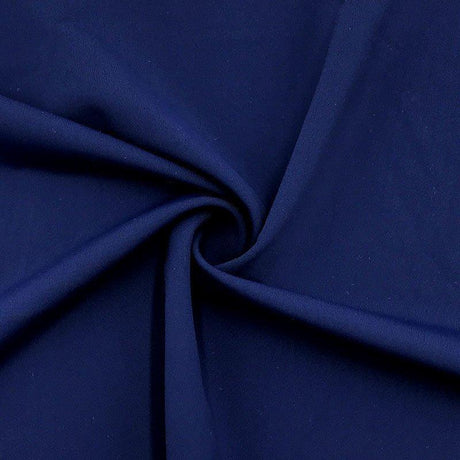
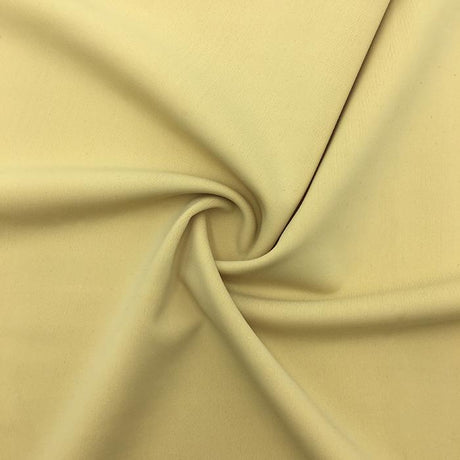
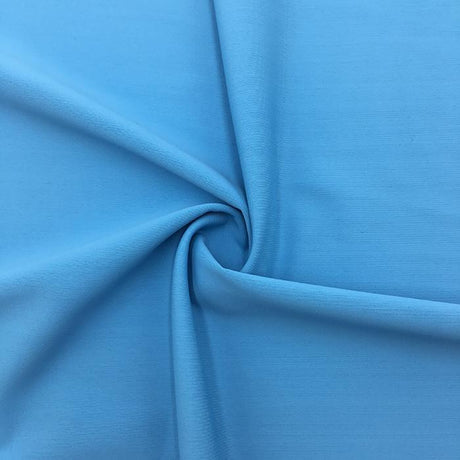
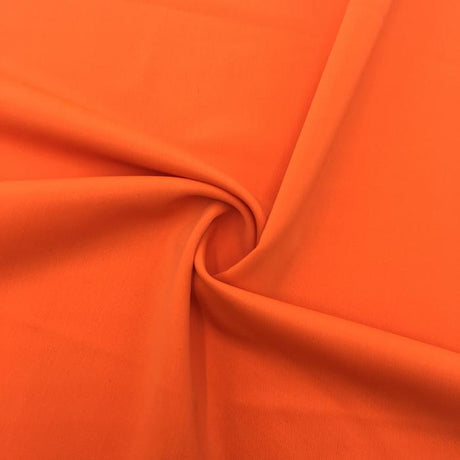
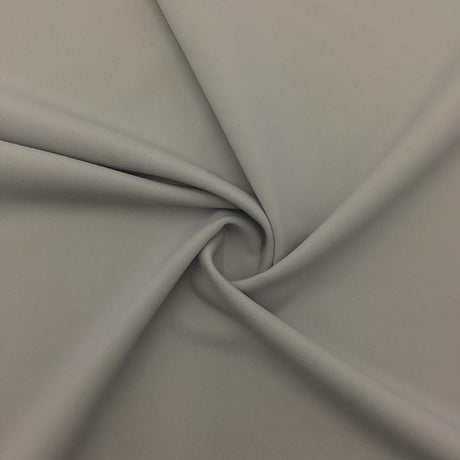
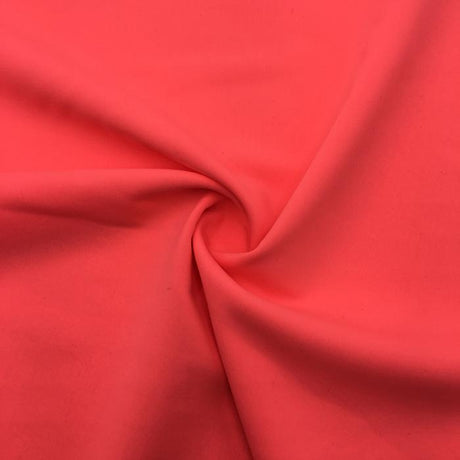
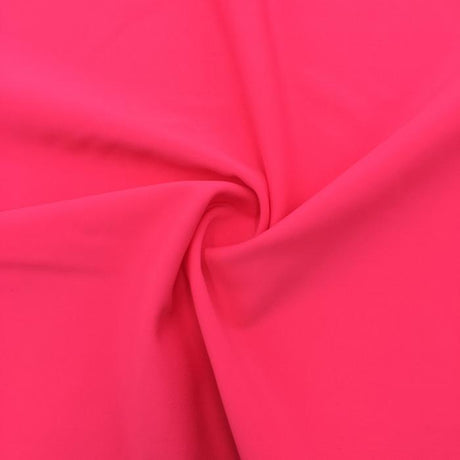
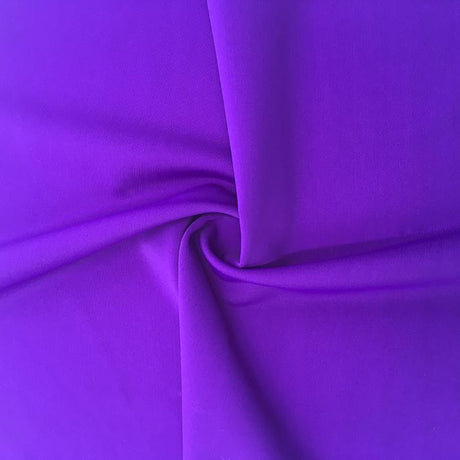
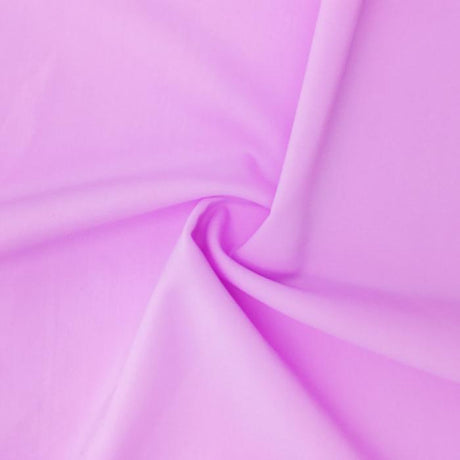
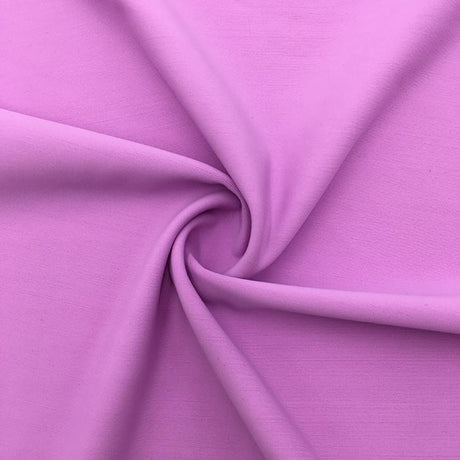
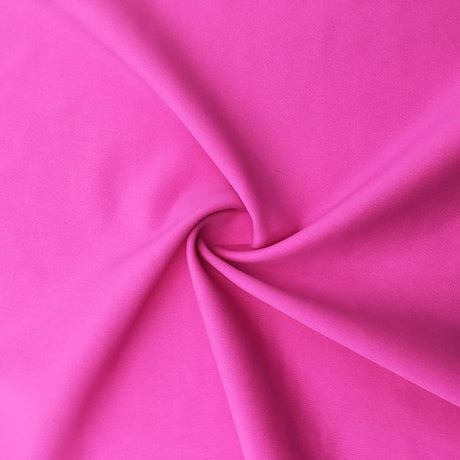
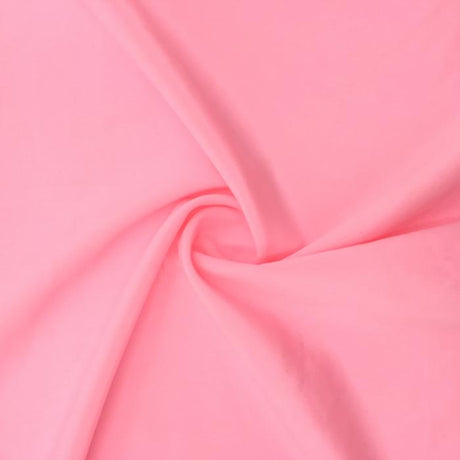
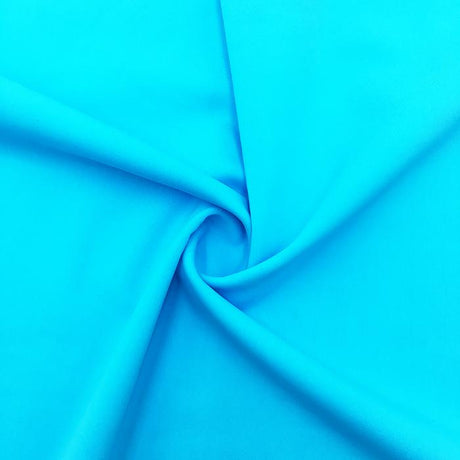
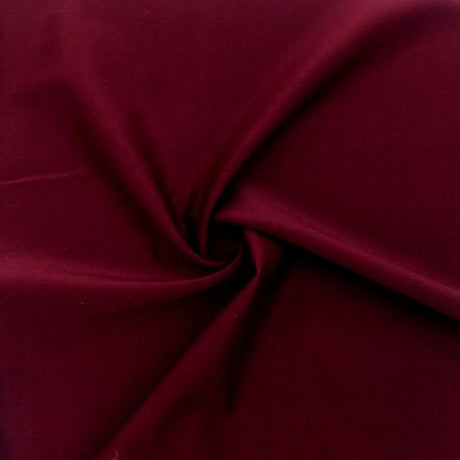
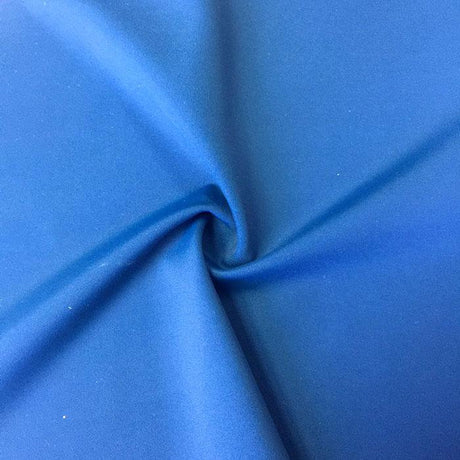
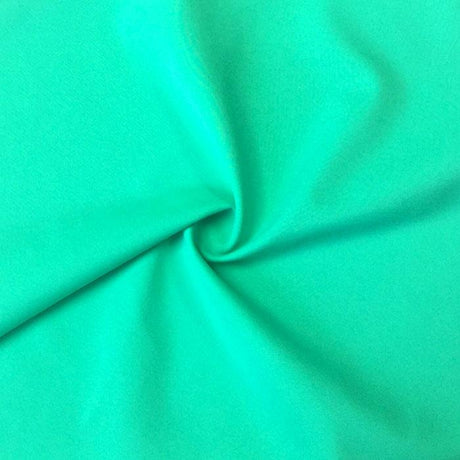
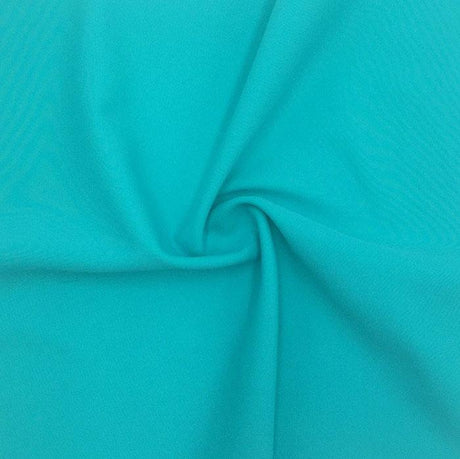
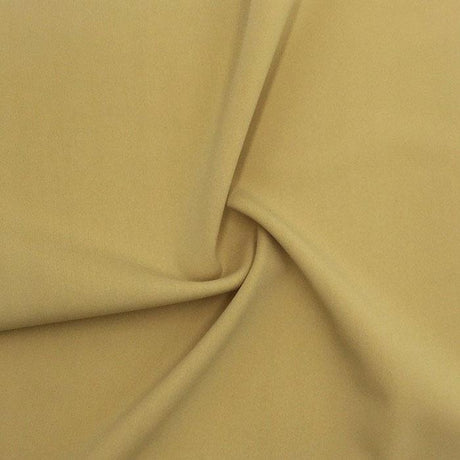
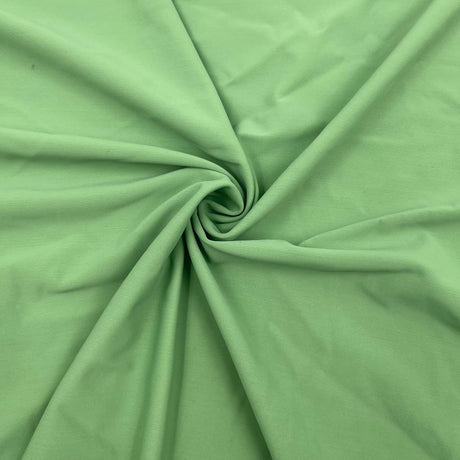
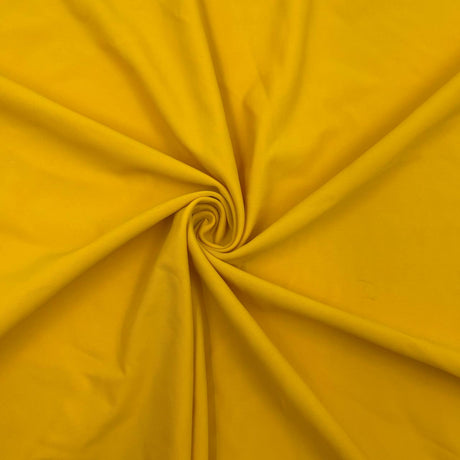
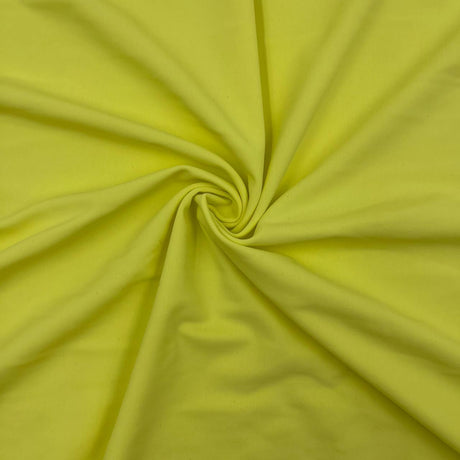
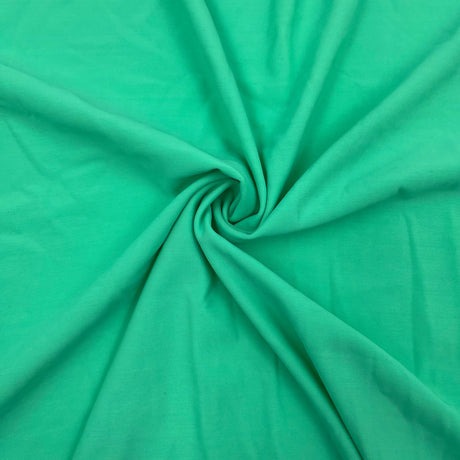
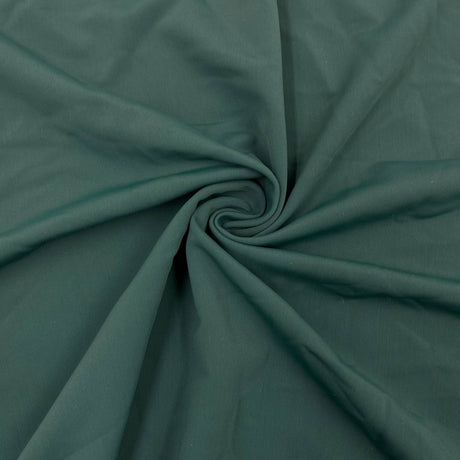
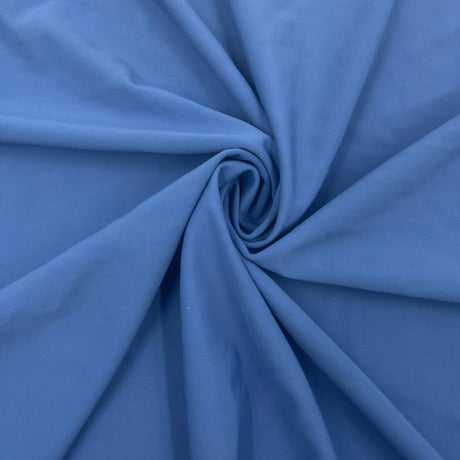
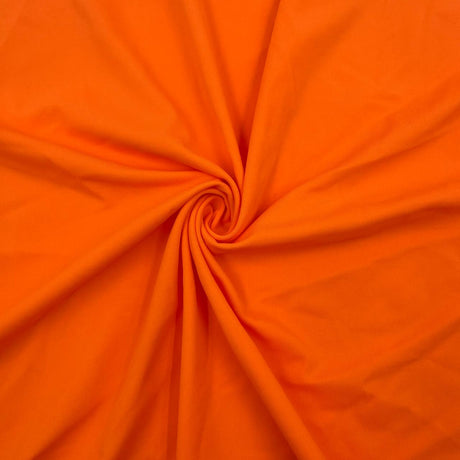
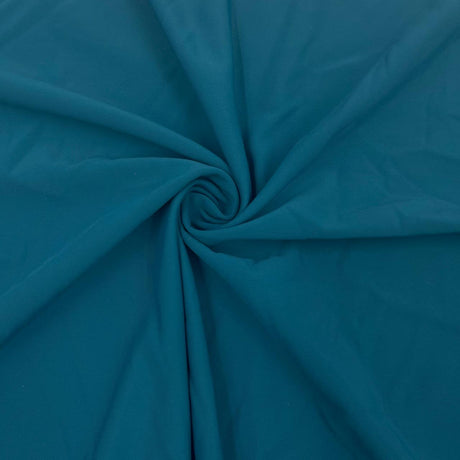
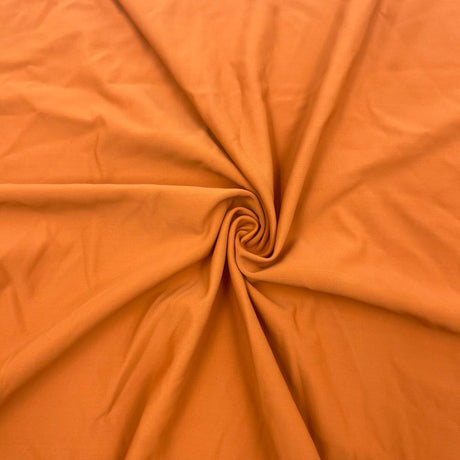
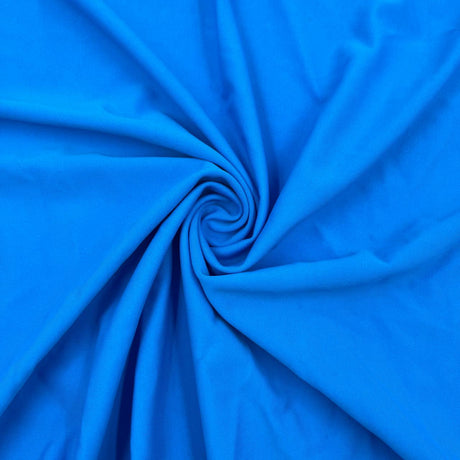
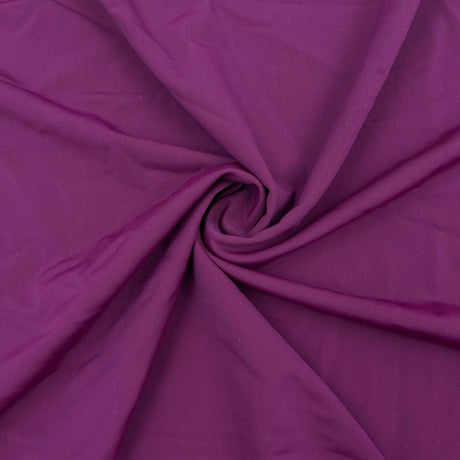
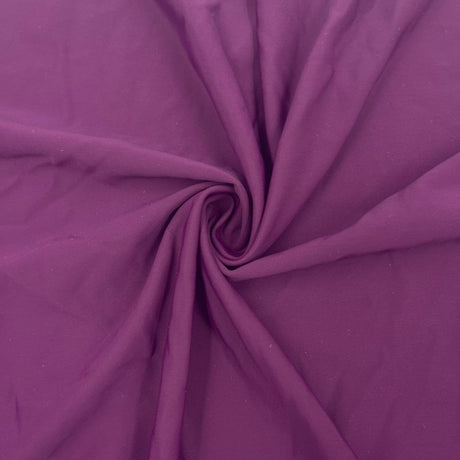
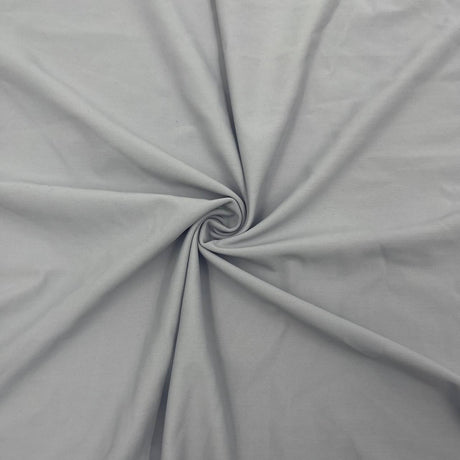
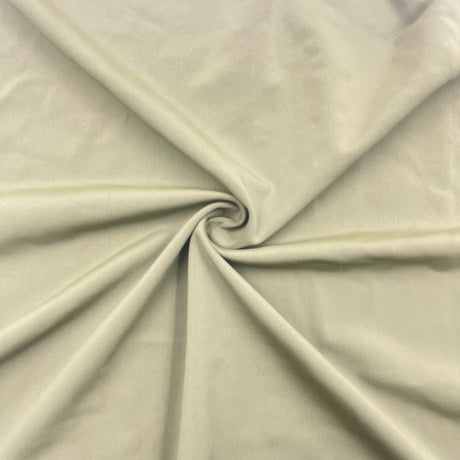
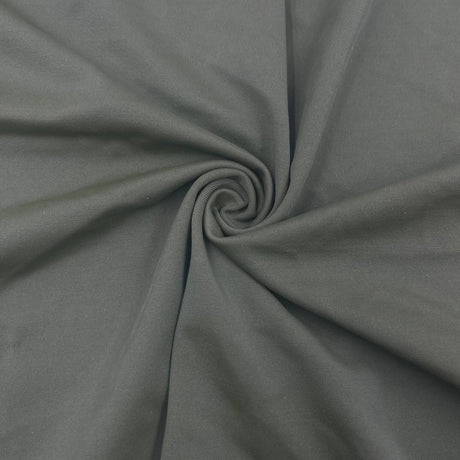
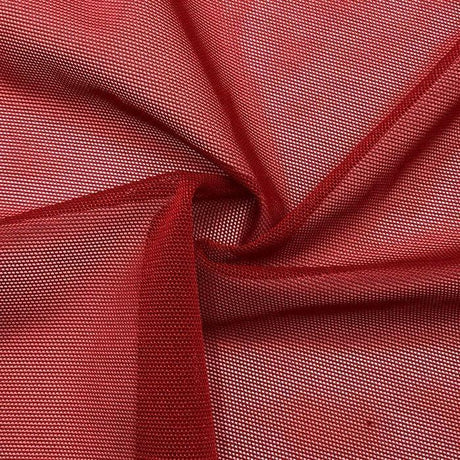
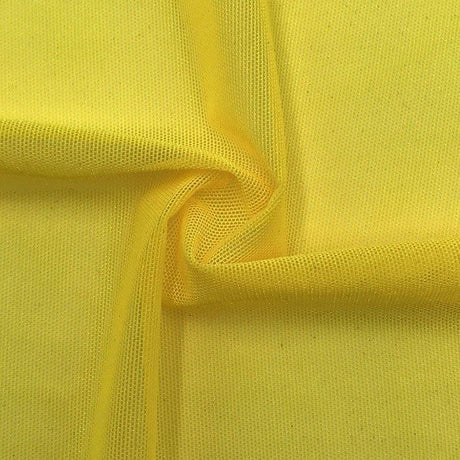
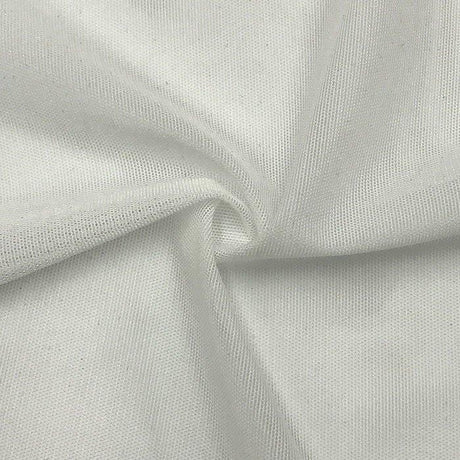
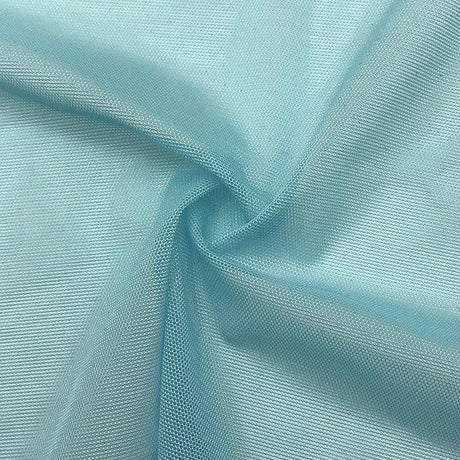
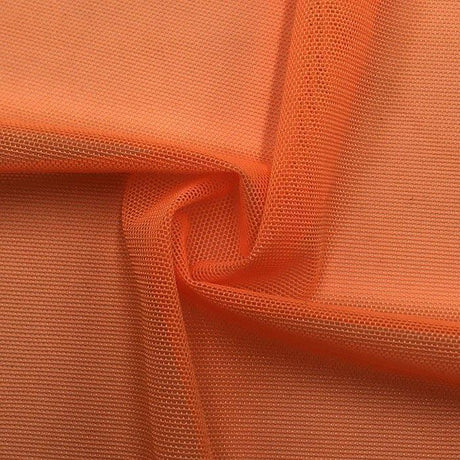
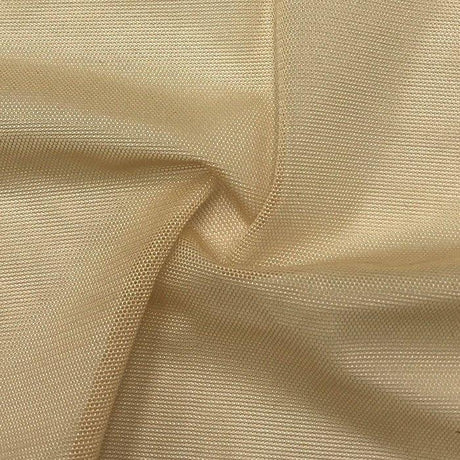
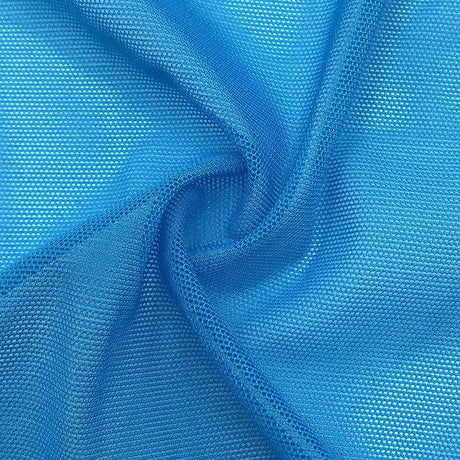
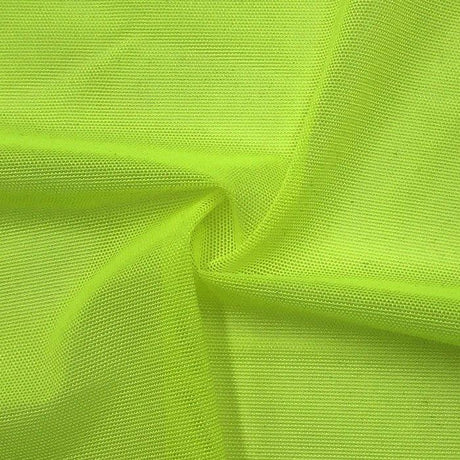
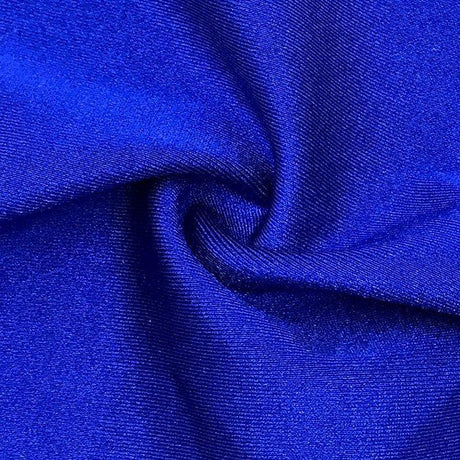
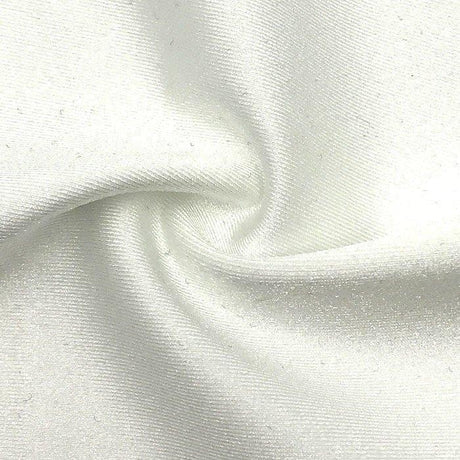
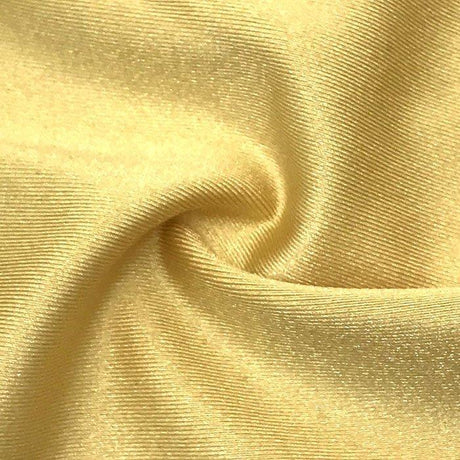
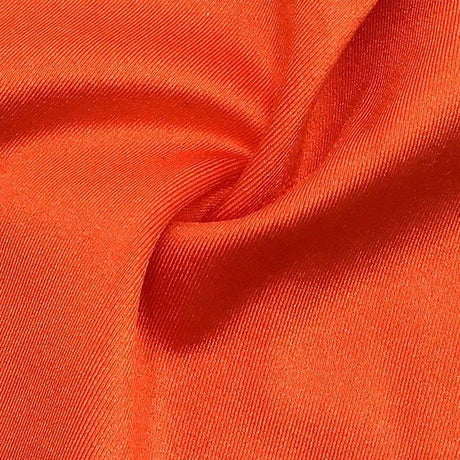
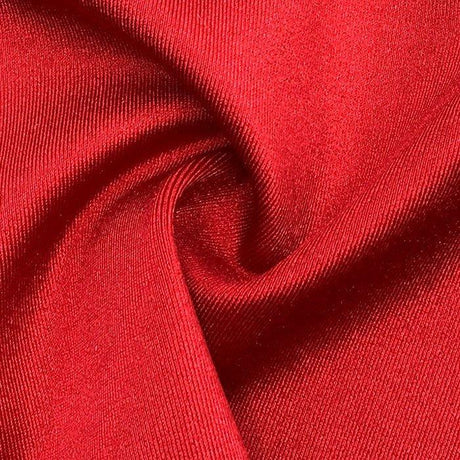
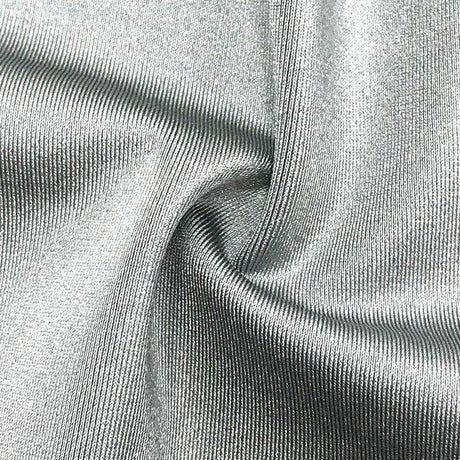
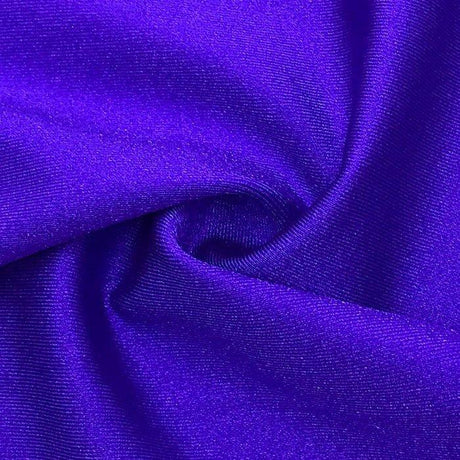
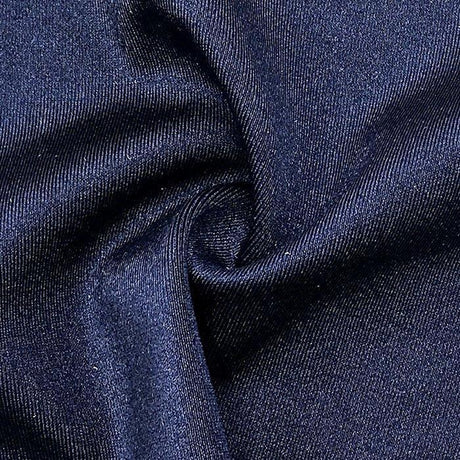
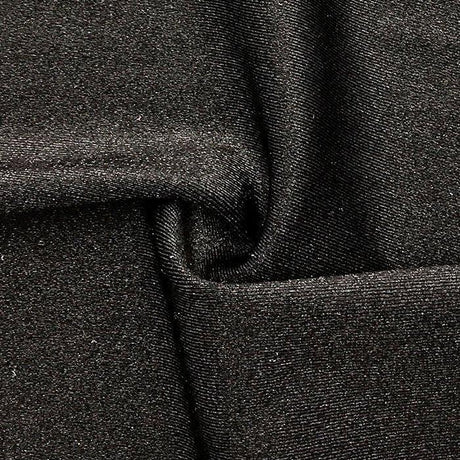
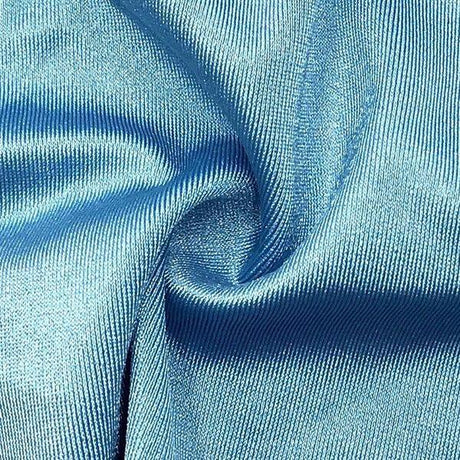
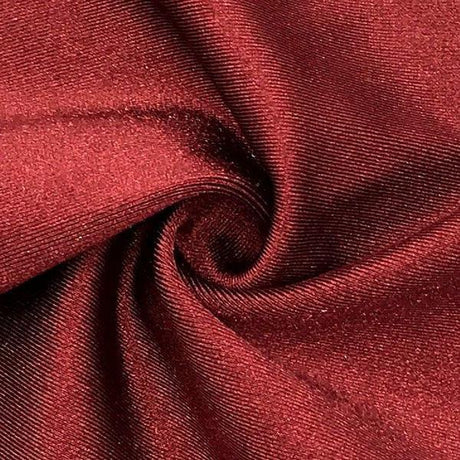
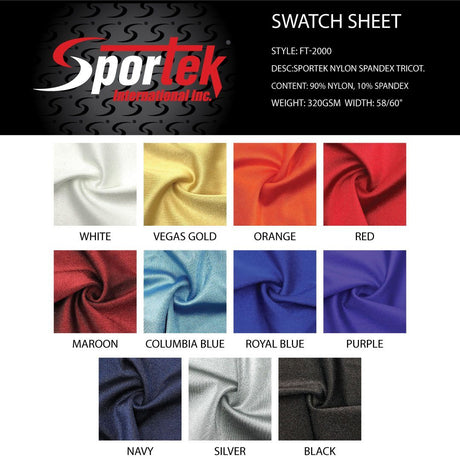
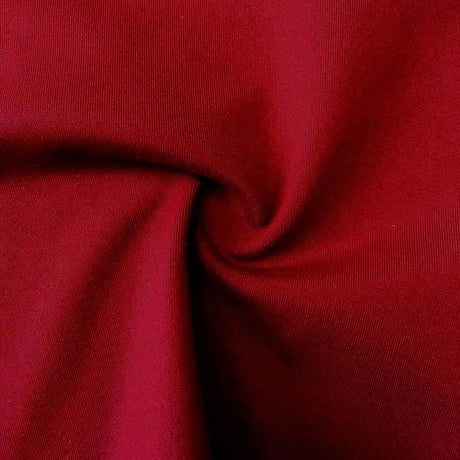
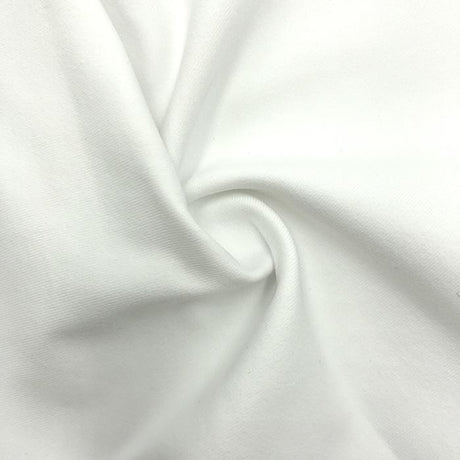
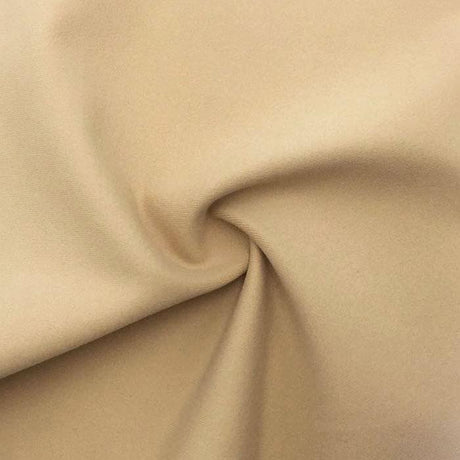
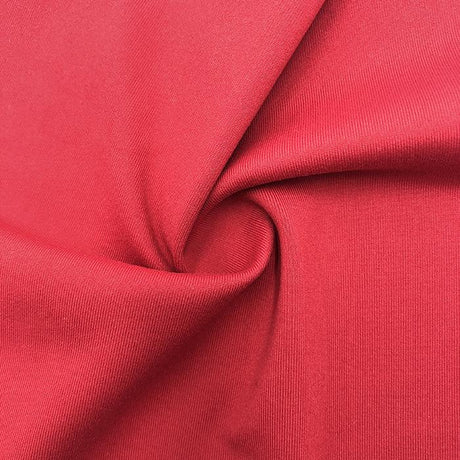
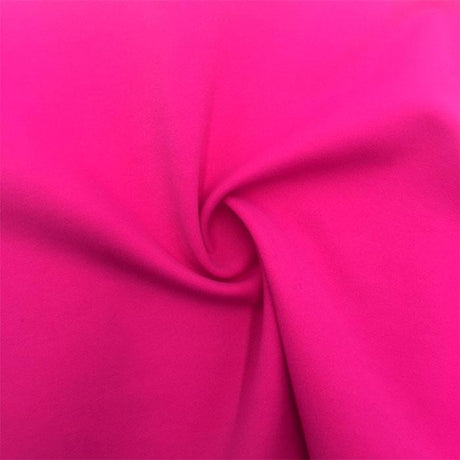
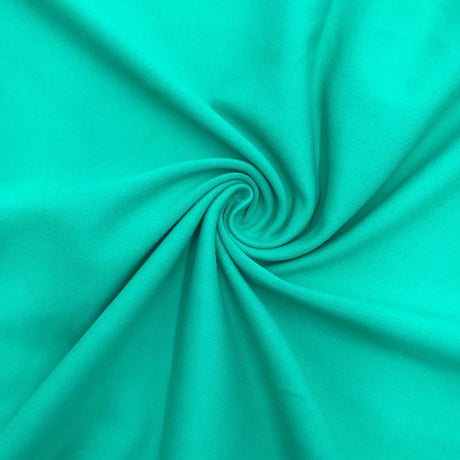
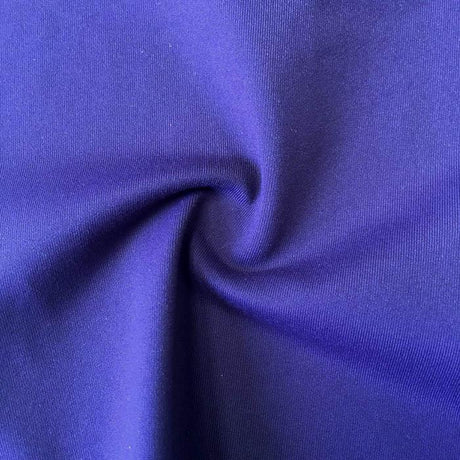
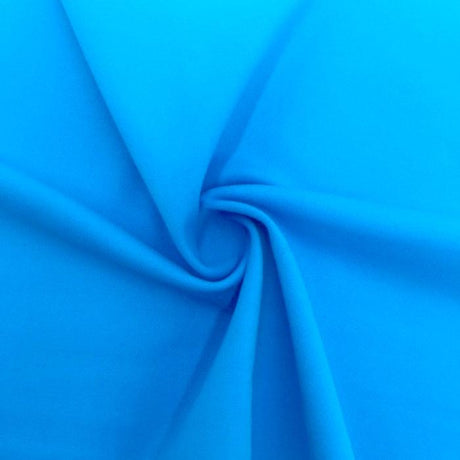
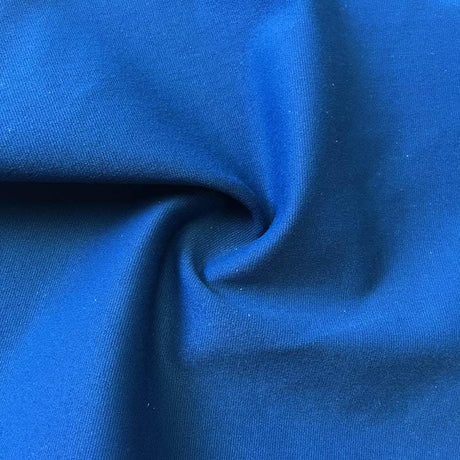
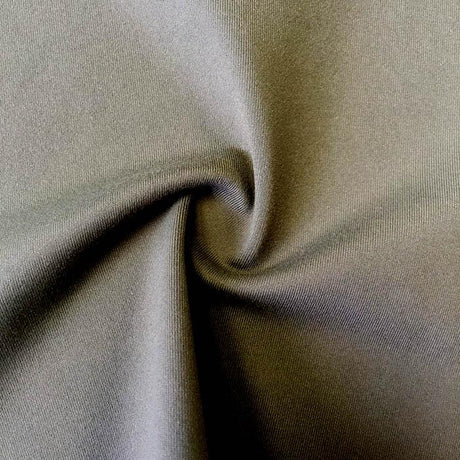
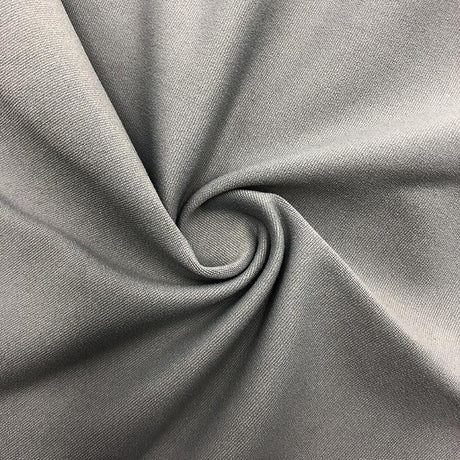
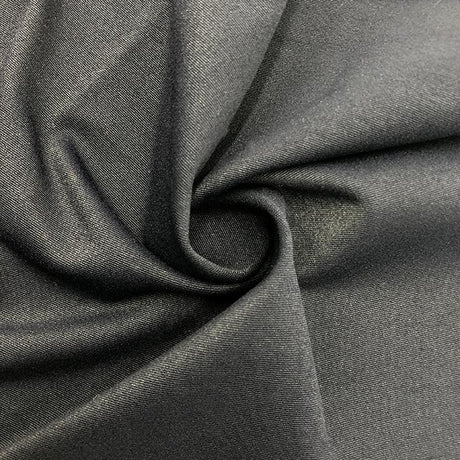
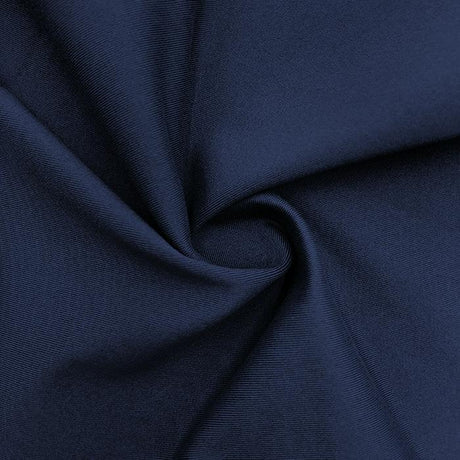
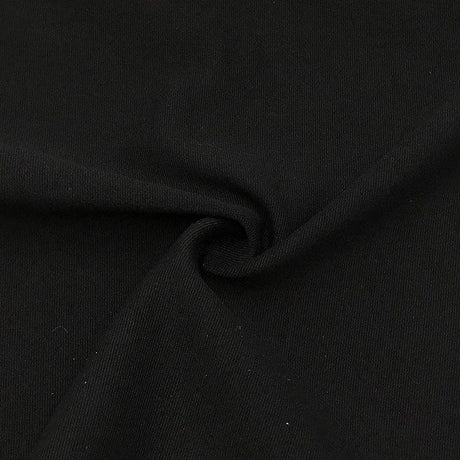
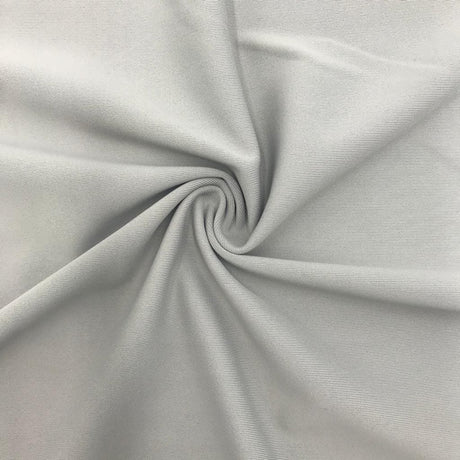
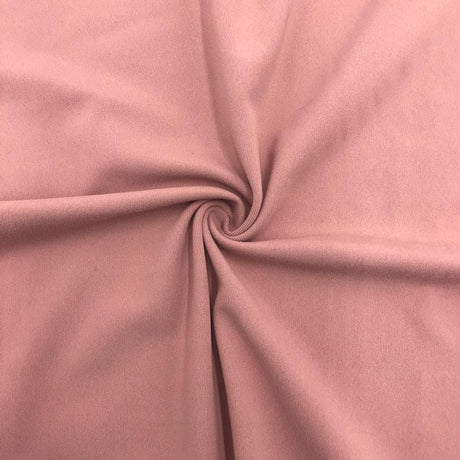
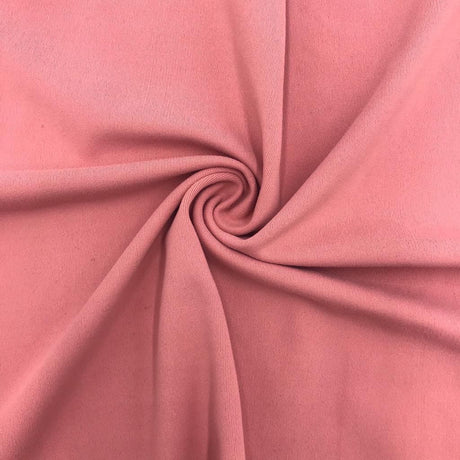
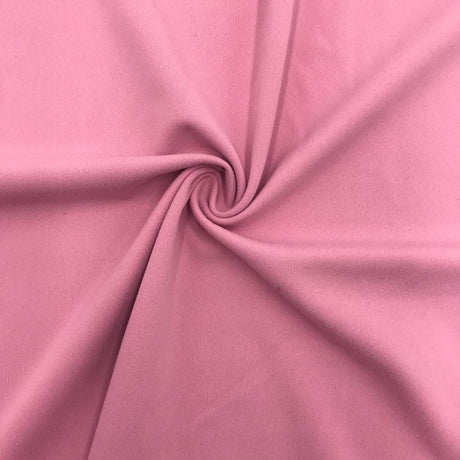
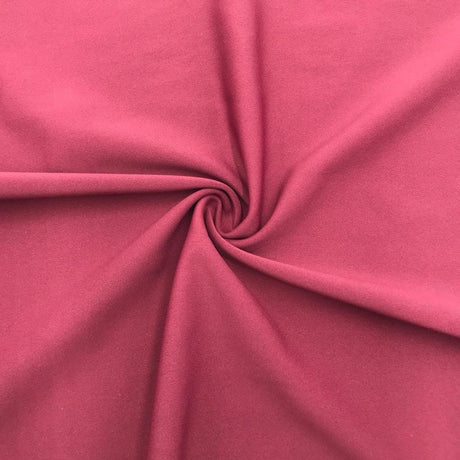
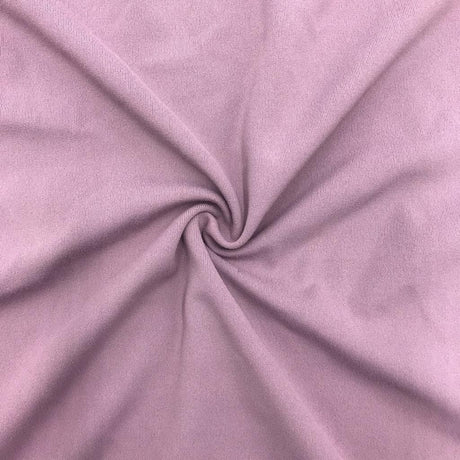
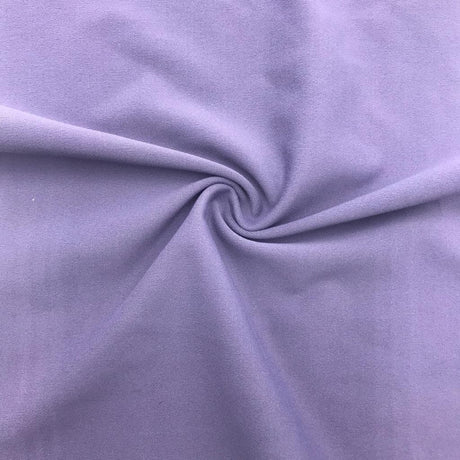
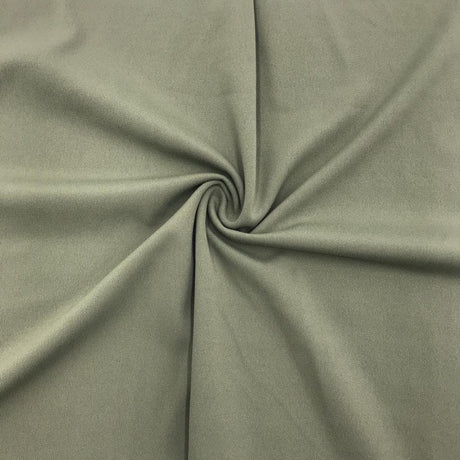
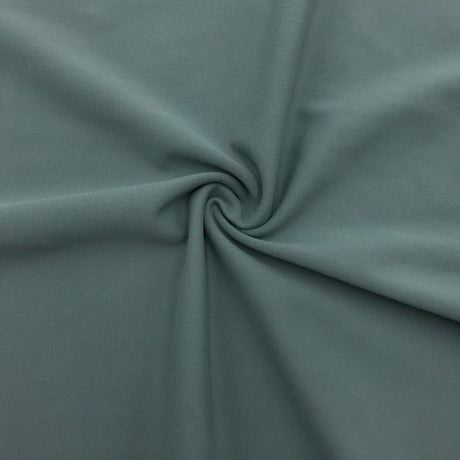
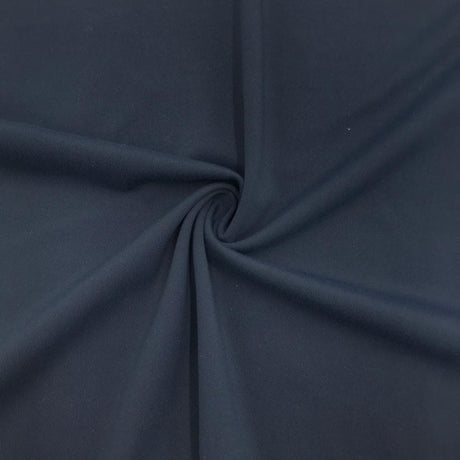
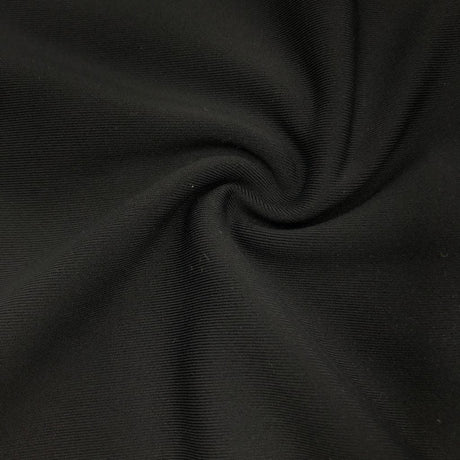
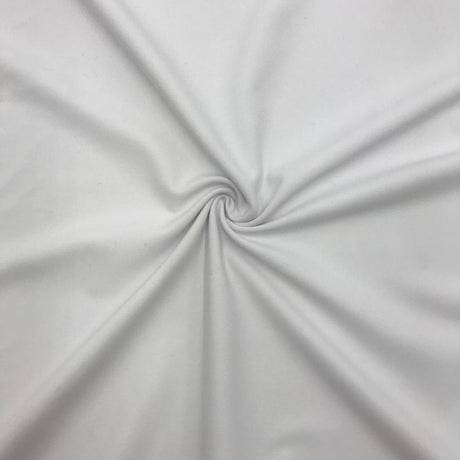
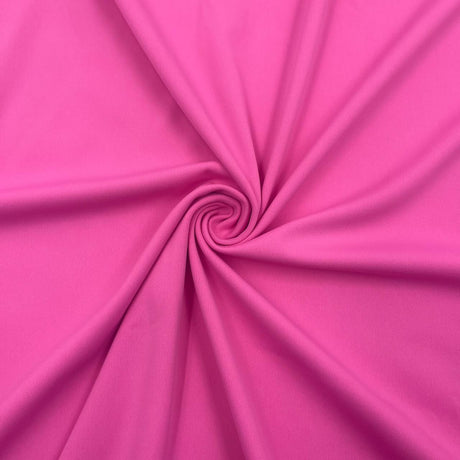
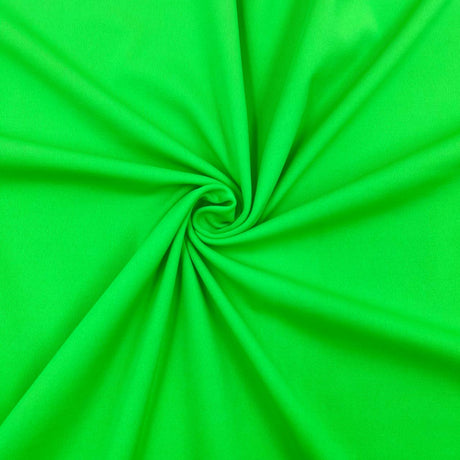
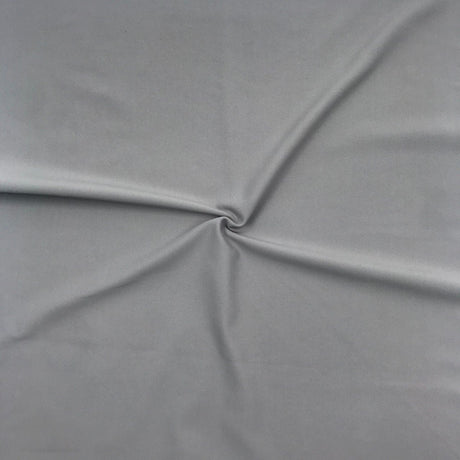
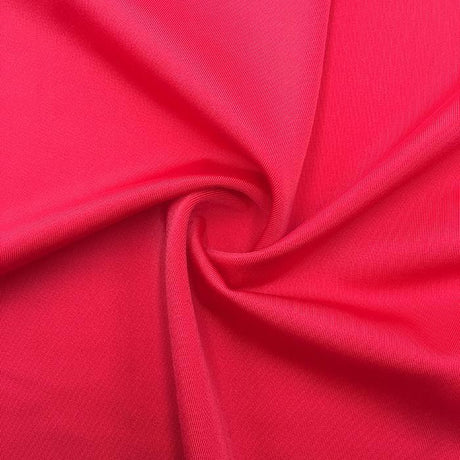
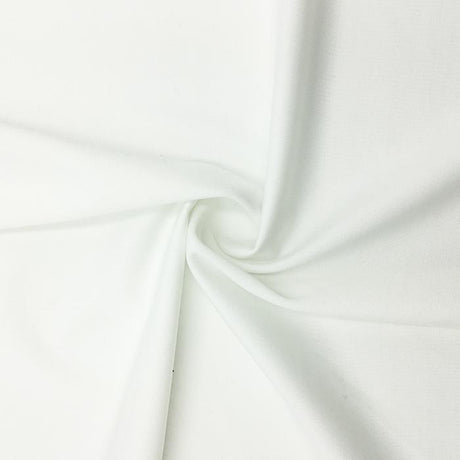
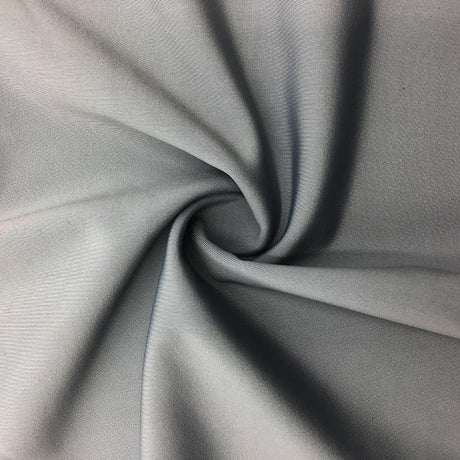
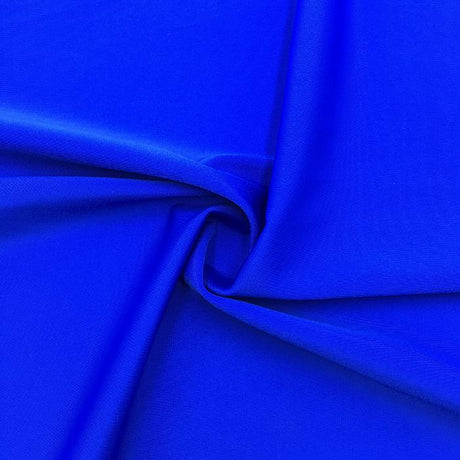
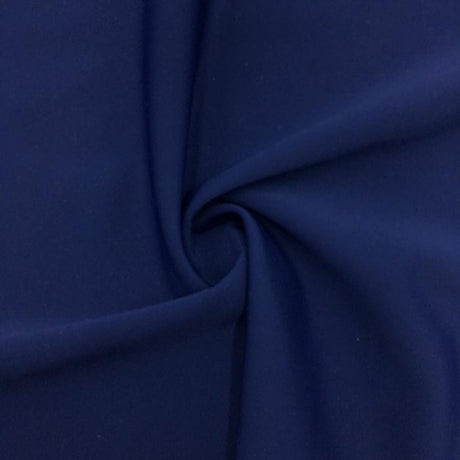
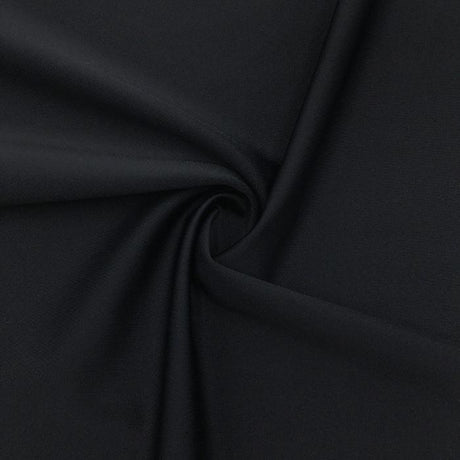
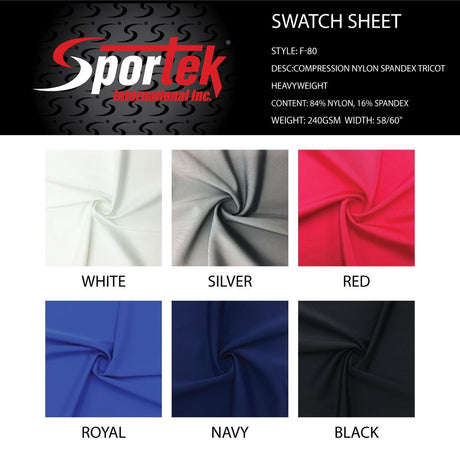
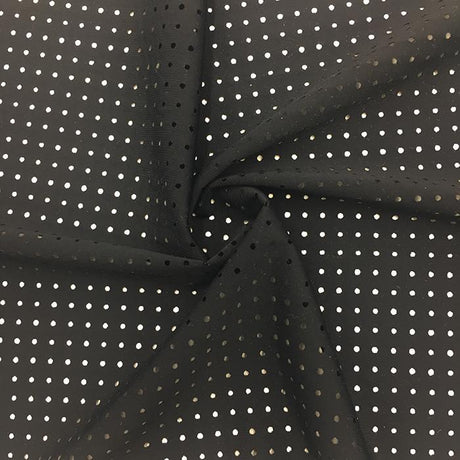
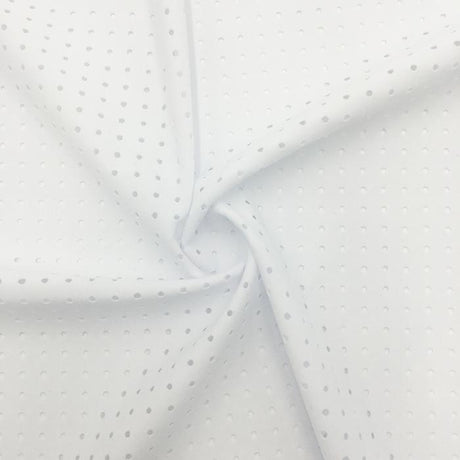
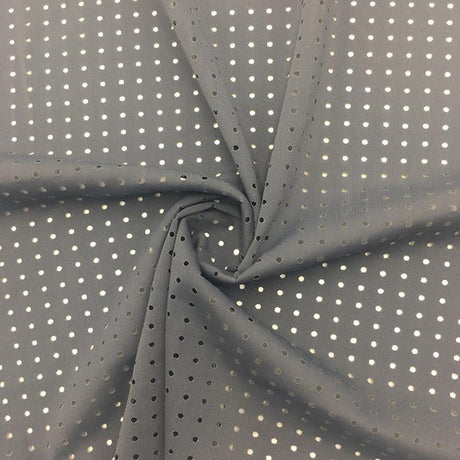
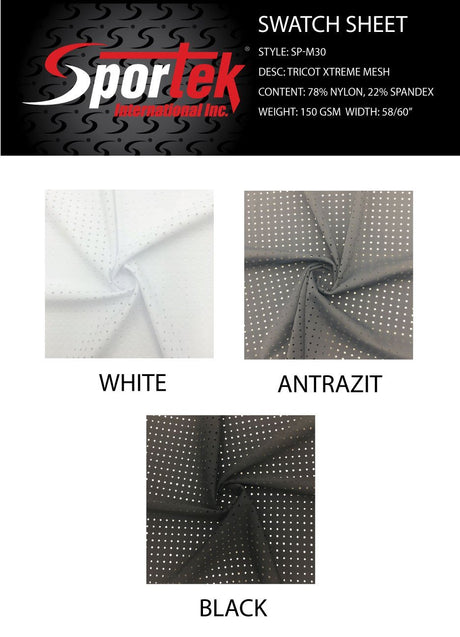
Nylon Spandex fabric – a blend of nylon (polyamide) and elastane fibers – is often hailed as the go-to material for high-performance athletic wear and swimwear. It offers a unique combination of stretch, strength, and comfort unmatched by many other textiles. Activewear and swim garments made from nylon-spandex can stretch in all directions (4-way stretch) without losing shape, allowing athletes and swimmers full range of motion. At the same time, the fabric feels soft and smooth against the skin, avoiding the plasticky feel some purely synthetic fabrics have. Its ability to wick moisture and dry quickly ensures that workout gear or swimsuits don't stay soaked in sweat or water for long. In short, the nylon-spandex blend combines the best of both worlds – the durability of nylon and the extreme elasticity of spandex – making it a top choice for sports and swim attire.
Why is the Nylon-Spandex Blend So Popular?
Several key qualities of nylon-spandex fabric explain why it dominates in activewear and swimwear:
- Exceptional Flexibility (4-Way Stretch): The addition of spandex gives this blend remarkable elasticity. Quality nylon-spandex knits provide 4-way stretch, meaning they can extend both widthwise and lengthwise without deformation. This allows workout apparel and swimwear to move with your body’s bends and stretches, offering unrestricted mobility during yoga poses, sprints, or laps in the pool.
- Soft, Comfortable Feel: Nylon fibers have a naturally smooth, silky texture. When combined with spandex, the result is a fabric with a soft hand feel often described as “buttery” against the skin. This superior softness means leggings, swimwear, or sports bras made of nylon-spandex avoid chafing and feel comfortable even during intense activity or all-day wear.
- Moisture-Wicking & Quick-Drying: The nylon-spandex blend helps keep athletes dry. Nylon is somewhat moisture-wicking in itself, and the fabric knit promotes breathability. Sweat is drawn off the skin and evaporates faster, since these garments don’t absorb much water and dry rapidly after workouts or swims. This moisture management prevents that clammy feeling during exercise and ensures swimwear dries relatively quickly out of the water.
- High Durability: Thanks to nylon’s renowned toughness, this blend can withstand a lot of wear and tear. Nylon-spandex fabrics are highly resistant to abrasion and friction, so they hold up to repeated use in activities like running, cycling, or court sports. The material’s inherent strength means garments are less likely to rip or develop holes, even when subjected to rigorous training sessions or the harsh conditions of saltwater and pool chlorine.
- Shape Retention: Clothing made from nylon-spandex keeps its shape over time. The elastic recovery of spandex paired with nylon’s resilience means that after stretching, the garment snaps back to its original form instead of sagging. This property is why nylon-spandex leggings or swimsuits maintain a snug, supportive fit even after many wears and washes.
These qualities together make nylon-spandex an ideal fabric for performance apparel. It’s engineered to support an active lifestyle, which is why so many sportswear brands and swimwear designers rely on this blend for their top-quality products.
Advantages Over Poly-Spandex
Polyester-spandex blends (“poly-spandex”) are another common category of stretch fabrics, but nylon-spandex often has the edge in critical areas. When comparing nylon vs. polyester as the base for a spandex blend, several differences stand out. In general, nylon-spandex fabrics tend to be softer to the touch and more elastic, while poly-spandex fabrics are sometimes praised for their cost-effectiveness and slightly better chlorine or UV resistance. Below, we focus on two major advantages of nylon-spandex over its polyester counterpart:
Superior Softness and Hand Feel
One of the first things you notice about a nylon-spandex fabric is how luxuriously soft it is. Nylon was originally developed as a silk substitute, prized for its smooth and lustrous feel in garments like stockings and lingerie. In activewear applications, this translates to yoga pants, leggings, or swimsuits that feel gentle and “second-skin” on your body. Many designers describe nylon-spandex textiles as having a “buttery” soft hand, whereas polyester-spandex blends can feel more coarse or “technical” by comparison. The silky touch of nylon-spandex is particularly appreciated in form-fitting clothes that are worn snugly against the skin. For example, premium yoga leggings often use nylon for a softer, matte finish that customers find more comfortable for bending and stretching. Even though modern polyester fabrics can be engineered for softness, nylon generally maintains an edge in natural smoothness. This superior softness is a big reason nylon-spandex is favored for items like sports bras, underwear, and swimwear linings – it minimizes irritation and keeps the wearer comfortable through movement.
Higher Durability
Nylon is well-known for its strength – it’s the same fiber historically used in parachutes and military gear – so it brings excellent durability to any blend. Compared to polyester, nylon fibers are usually stronger and more abrasion-resistant, meaning a nylon-spandex garment can handle friction and strain better over time. Think of the rubbing of thighs during running or the repeated contact with gym equipment; nylon-spandex tights and tops are less likely to pill or wear thin in high-friction areas. The blend’s robust nature also extends to exposure: nylon-spandex swimwear, for instance, can stand up to sand and pool surfaces without snagging easily. Some sources even note that nylon handles the effects of chlorine and saltwater slightly better than polyester, contributing to a longer life for swimwear in those conditions. Additionally, the high elastic recovery of a nylon-spandex fabric means it resists deformation – your leggings won’t easily bag out at the knees, and your swimsuit won’t lose its snug fit after multiple uses. While polyester-spandex is by no means fragile, nylon-spandex’s combination of toughness and stretch gives it a reputation for longevity. Athletes and active individuals often find that nylon-based workout clothing simply lasts longer under heavy use, making it a worthwhile investment for training gear.
Primary Applications
Because of its winning attributes, nylon-spandex has become the king of material choices in a range of apparel categories. Here are some of its primary applications and why it excels in each:
Swimwear
Nylon-spandex has been a staple of swimwear for decades. If you check the tag on a typical swimsuit (bikini, one-piece, rash guard, etc.), there’s a good chance it’s around 80% nylon and 20% spandex. This blend is ideal for swimwear because it provides a tight, adaptive fit that hugs the body for streamlined movement in water. The material’s 4-way stretch allows swimsuits to fit like a glove and stay in place, even when you’re diving or making swift strokes. Nylon-spandex is also favored for its smooth, lightweight feel – a nylon suit feels sleek, not heavy or clammy when wet. It manages to dry relatively quickly once out of the water, so you’re not left dripping for long after a swim. Another advantage is the fabric’s resistance to abrasion, which is useful at the beach or poolside; it won’t easily snag on rough surfaces. However, it’s worth noting that extended exposure to chlorine and sunlight can eventually degrade any elastic fabric. High-quality nylon-spandex swimwear mitigates this with protective treatments, but as a general rule, the comfort and flexibility of nylon-spandex make it the top choice for fashion swimwear and recreational swimming suits. From competitive racing swimsuits to casual bikinis, the blend offers the right balance of stretch, support, and comfort in the water.
Leggings and Yoga Pants

Nylon-spandex leggings provide a smooth, supportive fit with excellent flexibility, making them ideal for yoga, running, and gym workouts. The 4-way stretch property allows these leggings to move with your body through every lunge or pose, without restricting movement or sagging. Thanks to the blend’s “buttery” soft hand feel, they are comfortable enough to wear for long sessions, reducing chafing during high-intensity exercise. The spandex content also ensures the fabric has great shape retention and compression, so your yoga pants hold their form and provide gentle support even after many wearings. Notably, top athletic brands use nylon-spandex for their premium leggings because it delivers a combination of breathability, moisture-wicking, and durability – delivering both comfort and reliable performance for the wearer.
Lingerie and Undergarments
The stretch and softness of nylon-spandex have also made it a favorite in lingerie, hosiery, and intimate apparel. In fact, nylon’s first big break in fashion was as a replacement for silk in women’s stockings and undergarments back in the 1930s. Today, blends of nylon with a bit of spandex are common in bras, panties, shapewear, and pajamas – basically any undergarment where a gentle stretch and smooth feel are desired. Nylon-spandex fabrics in lingerie offer a form-fitting yet comfortable experience; they can flex to accommodate body contours without digging in or losing elasticity. For example, a lace bra might use nylon-spandex mesh for wings or lining, providing both support and give. Lingerie fabrics also benefit from nylon’s strength, allowing delicate-looking pieces to hold up through repeated wear. Additionally, nylon tends not to trap odors as much as some polyesters can, which is a plus for garments worn close to the skin. The “second skin” quality of a nylon-spandex slip or bodysuit is something wearers appreciate because it moves with them and feels barely-there. Overall, the blend’s heritage in hosiery and its ongoing use in modern intimate apparel underscore its status as a material that marries comfort with functionality in clothing’s most personal layer.
Wholesale Buying Guide (Commercial Section)
If you’re looking to purchase nylon spandex fabric in bulk for manufacturing or retail, it's crucial to evaluate quality and suitability for your needs. Below is a brief buying guide with key factors to consider when sourcing nylon-spandex material wholesale:
- Fiber Composition & Spandex Percentage: Always verify the exact fiber blend (for instance, 80% Nylon and 20% Spandex). The type and percentage of each fiber will determine the fabric’s performance, feel, and durability. For high-stretch activewear like leggings, you generally want at least 15–20% spandex in the mix to ensure sufficient elasticity and compression. Also, remember that composition affects texture; a higher nylon content usually yields that softer “buttery” feel, whereas a higher polyester content (in a spandex blend) might feel stiffer or more technical.
- Fabric Weight (GSM): Inquire about the material’s weight in grams per square meter. GSM is a key indicator of thickness and durability. A heavier fabric (e.g. 250–300 GSM) will be more durable and less prone to being see-through, which is crucial for squat-proof leggings or swimwear that shouldn’t turn sheer when stretched. Lighter weights (e.g. 150 GSM) may be very breathable and good for draped styles or summer wear, but might not provide enough opacity or support for tight activewear. Choose the GSM appropriate for your product – for example, competitive yoga pants often use 220 GSM or higher for a supportive, non-transparent fit.
- Stretch & Recovery (4-Way Stretch): Not all “stretch” fabrics are equal. Ask for the fabric’s stretch percentage and whether it’s 2-way or 4-way stretch. Quality nylon-spandex should offer a high stretch (often 60–70% or more extension from its resting length) and, importantly, excellent recovery – meaning it snaps back to its original shape without permanent stretching out. A great spandex blend will have both high stretch and high recovery so the garment maintains its fit. Four-way stretch (stretchable in both width and length) is typically preferred for activewear because it accommodates movement in any direction. Be sure your supplier can provide these specs or test data, as they are critical for performance apparel.
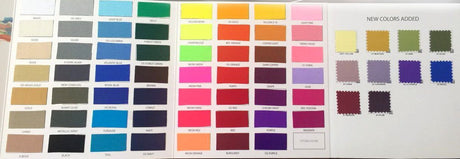
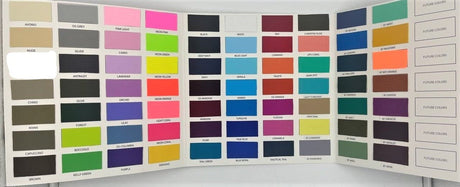
- Request Samples and Quality Assurance: Before committing to a large order, obtain swatches or sample yardage of the nylon-spandex fabric. Never rely solely on photos or descriptions – a physical sample lets you feel the fabric’s hand, check its true color, and perform your own stretch tests. This step can save you from costly surprises, as you can verify that the material meets your standards for softness, thickness, and stretch in person. Additionally, ask about any quality certifications (like OEKO-TEX® Standard 100 for safety or the Global Recycled Standard if the fabric uses recycled content). A reputable supplier should be transparent about these details and have clear policies on minimum order quantities, lead times, and returns in case of defects. Doing this due diligence will ensure you get a high-quality nylon spandex fabric that meets your needs, whether you’re producing athletic wear, swim collections, or lingerie lines.