Modern swimwear isn’t just about bold prints and sleek silhouettes – it’s also about the hidden details that make a garment truly functional. Two of these key details are apparel pockets and stretch linings. Thoughtful design of pockets and the use of appropriate stretch materials can dramatically improve a swimsuit’s convenience and comfort, especially for active beachgoers. In fact, even brands focused on surf and active swimwear now highlight pockets as a selling point of their designs. Below, we dive into how to choose pocket materials, compare mesh versus self-fabric linings, and offer tips for designing zippered pockets in functional swimwear.
Choosing the Right Material for Swim Shorts Pockets
When adding pockets to stretch material swimwear (like board shorts or swim leggings), choosing the right pocket fabric is crucial. The pocket material must stand up to sun, salt, and chlorine while not compromising the garment’s performance. Important qualities include:
- Quick-Drying & Lightweight: Pockets should not stay waterlogged. Most swim trunks use fast-drying synthetics (e.g. polyester or nylon), so the pocket lining should also shed water quickly and not weigh you down. For example, one swim short design uses a 100% polyamide (nylon) body for fast drying, with pocket bags made of mesh that easily drain water. Lightweight mesh or thin fabric ensures the pocket won’t balloon or sag when wet.
- Breathability & Drainage: A good pocket design allows water and air to flow in and out freely. Mesh is naturally perforated, so it lets water drain instantly. If using solid fabric for pockets, designers often add drainage grommets or eyelets – small metal or embroidered holes in the pocket – to let trapped water escape. (Many classic swim trunks feature a back pocket with a grommet for this reason.) In some modern designs, a zippered pocket with a mesh interior doesn’t need extra drain holes at all, since the mesh itself serves that purpose.
- Stretch & Flexibility: In stretch swimwear (where the shell contains spandex/elastane), pocket material should ideally accommodate movement as well. A stiff, non-stretch pocket sewn into a 4-way stretch swimsuit can restrict mobility or even tear. Many swim shorts today are made from 4-way stretch, quick-dry fabrics, often a polyester-spandex blend. If the main fabric stretches, you have two options: use the same stretch fabric for the pocket bags (so they elongate together), or use a sufficiently loose mesh that won’t strain the seams when the garment stretches. Some high-performance swim pieces even use stretch mesh for pockets – a mesh knit with spandex – combining the benefits of stretch and drainage.
- Durability & Comfort: Pocket bags must endure sand and keys, so choose a material that won’t abrade or rip easily. Fine mesh offers great drainage but can snag or tear if it’s too flimsy, so a slightly sturdier mesh or solid fabric might be preferable for load-bearing pockets. Also consider the feel: a soft mesh or smooth knit will be more comfortable against the skin than something rough. The goal is a pocket that the wearer doesn’t feel until they need to use it.
Finally, remember that pockets don’t exist in isolation – they interact with the swimwear’s lining. Many swim shorts include an inner liner (either a mesh brief or a stretch fabric short) for support. This liner can affect pocket placement and comfort. For instance, one brand offers trunks with a traditional mesh “basket” liner vs. a newer stretch boxer-brief liner. A mesh liner is breathable, while a stretch (spandex) liner provides a snug, anti-chafe fit – each has its merits. Whichever is used, ensure your pocket design works with it (e.g. pockets should be accessible and not caught between the outer short and the liner).
Mesh vs. Self-Fabric Lining for Pockets
When constructing pocket bags in swimwear, you’ll generally choose between mesh lining or using the self-fabric (the same material as the outer garment). Both approaches are common in swim shorts, and each has advantages:
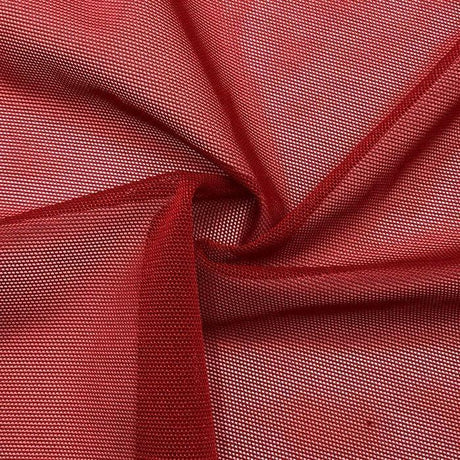
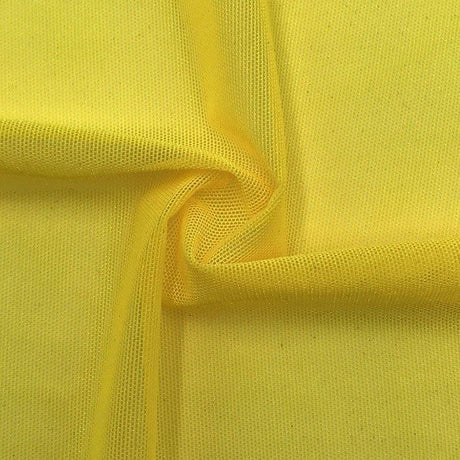
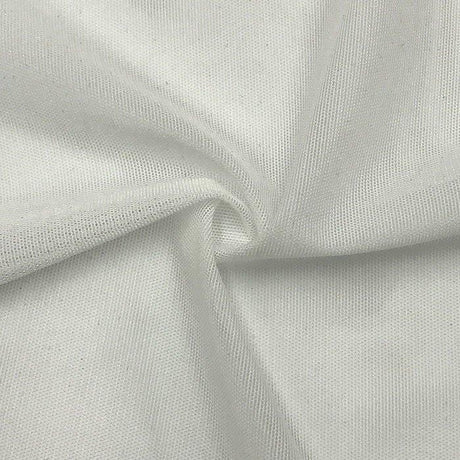
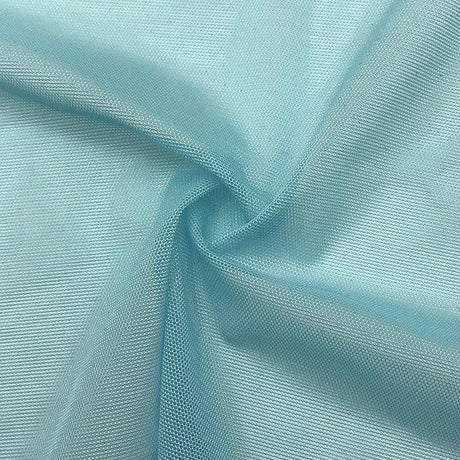
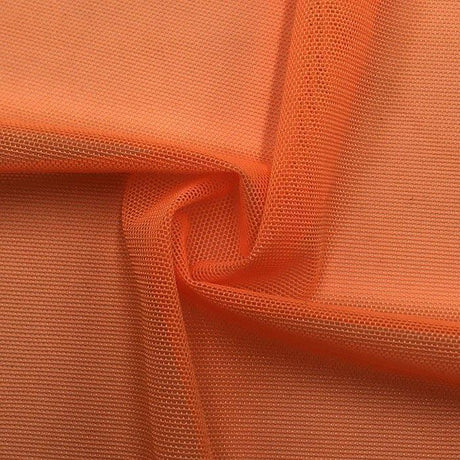
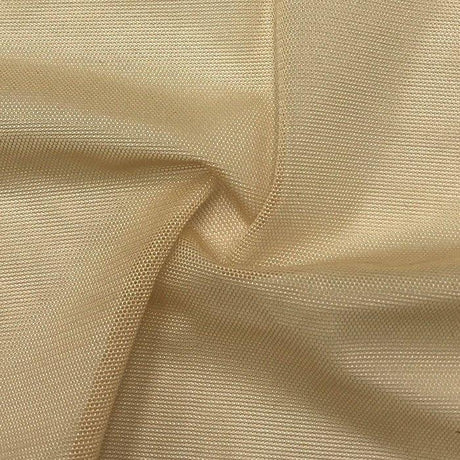
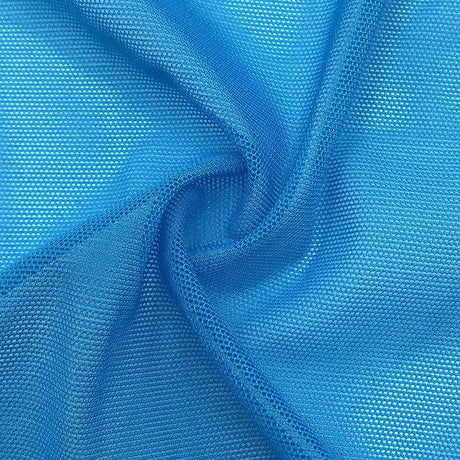
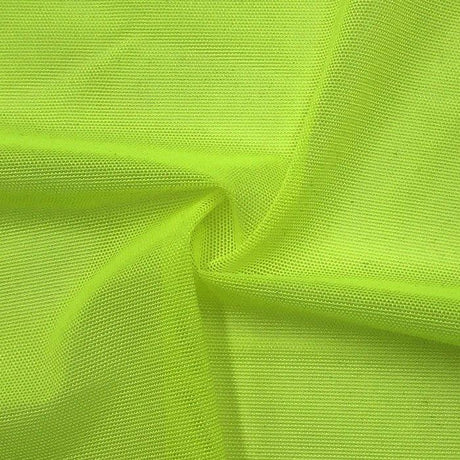
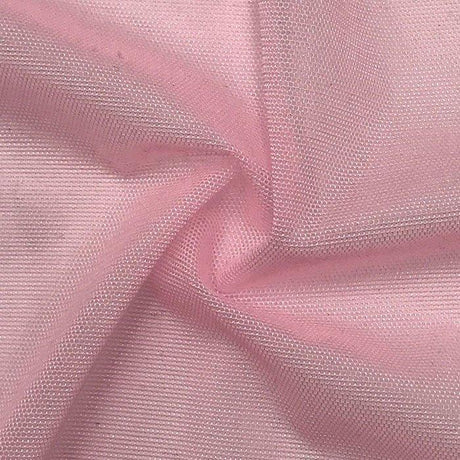
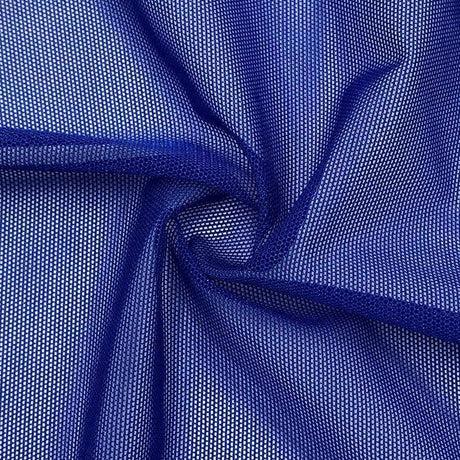
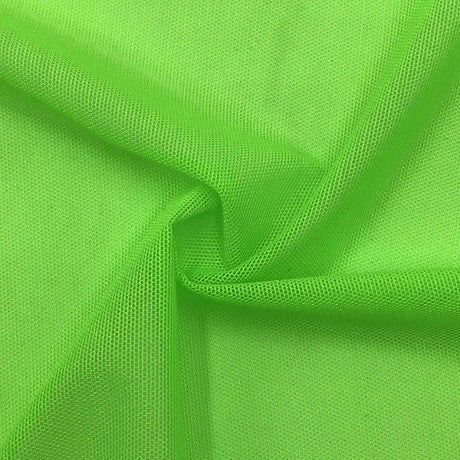
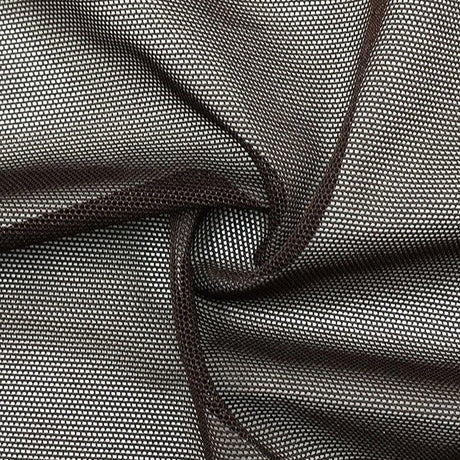
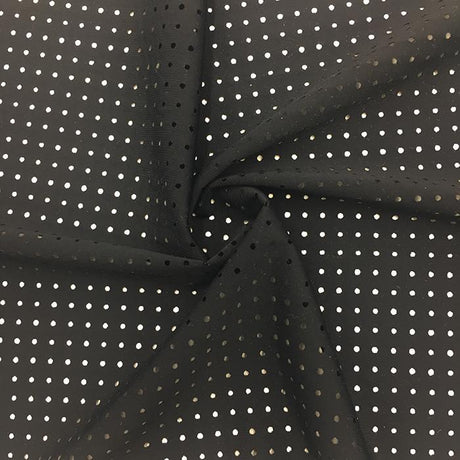
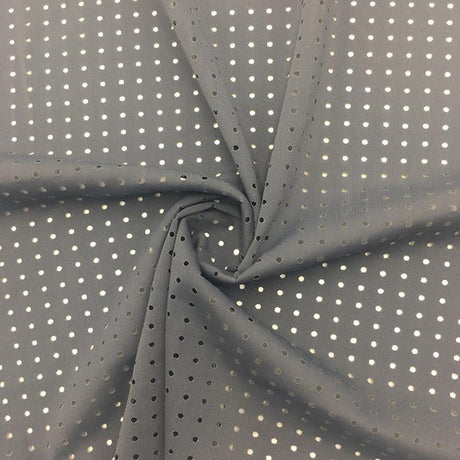
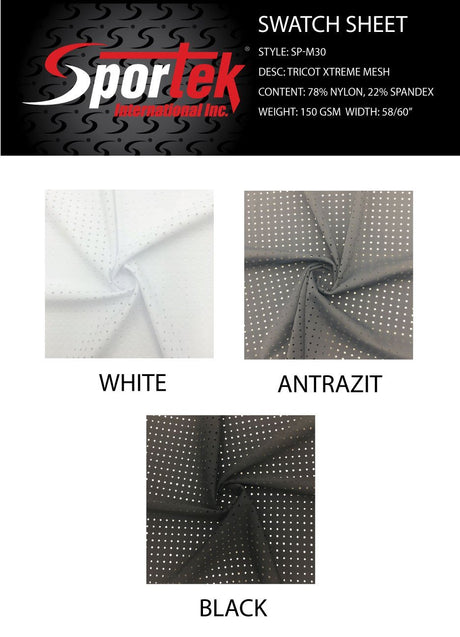
Mesh Pocket Linings: Using mesh for pocket bags is a classic solution in swimwear. Mesh is highly porous, meaning water drains out immediately and air can circulate. This prevents pockets from turning into water balloons underwater. Mesh is also very lightweight and quick to dry. For example, in one design the hand pockets are made of mesh so they won’t hold water, and only the back pocket (made of solid fabric) needs a drainage grommet. Mesh pockets excel at functionality in the water – you can plunge into a pool or ocean, and the pockets won’t puff up or stay filled with water. On the downside, mesh can be less durable if it’s very thin, and small objects might poke or potentially work their way through the holes if the mesh gauge is wide (though most swim meshes are fine enough to secure typical items). Mesh also usually has limited stretch. Standard pocket mesh will hang loose inside the shorts, which is normally fine, but in ultra-stretchy swimwear you’ll want to ensure the mesh doesn’t tear at the seams. Overall, mesh is favored for its practicality: it keeps pockets functional and low-profile in the water.
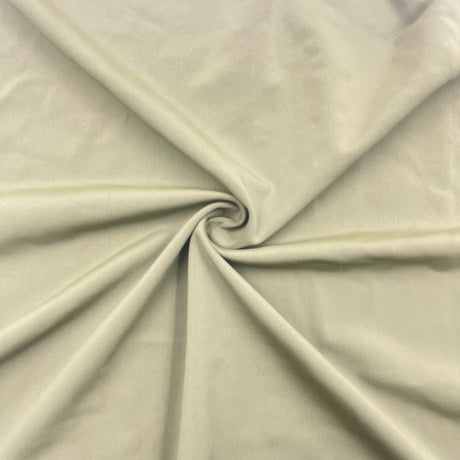
Self-Fabric Pocket Linings: Some swimwear designers prefer to make pocket bags from the same fabric as the rest of the swimsuit. This “self-fabric” approach ensures the pocket has the same look and stretch as the outer garment. One benefit is uniformity – if the pocket interior ever flips out or is visible, it matches perfectly. Self-fabric pockets are often more robust than mesh and can securely hold even very small items (no holes for things to snag or slip through). If the main material is a 4-way stretch knit or woven, the pocket will stretch similarly, which can maintain comfort and mobility. However, solid fabric pockets must be engineered for water: without the inherent holes of mesh, a sewn or riveted drain hole is usually added to let water and air escape. It’s common to see a metal grommet or sewn eyelet at the bottom of a self-fabric pocket on swim trunks. This prevents the dreaded “parachute effect” where a pocket full of water or air billows out. Self-fabric can take slightly longer to dry than mesh (since it’s a double layer of the main fabric) and may add a bit more weight when wet. Still, with modern lightweight materials, many swim shorts successfully use self-fabric pockets—especially when style consistency is a priority. The key is balancing looks with performance: if you opt for self-fabric pocket linings, make sure to incorporate those hidden drainage openings and possibly use thin, quick-dry lining material if the main fabric is thick. That way, you maintain the functionality of a mesh pocket while enjoying the seamless appearance of self-fabric.
In practice, both pocket lining options can work well. You might even find swimsuits that mix approaches (for instance, mesh side pockets and a self-fabric rear pocket). What matters is that any water entering the pocket can easily exit and that the pocket material suits the level of activity. For a casual beach swim short, self-fabric pockets with drain grommets work great. For intense water sports, mesh pocket bags might be safer to ensure zero water retention. Always consider how the pocket will be used: carrying heavier objects might favor sturdier fabric, whereas pure water use leans toward mesh for agility.
Designing Zippered Pockets for Active Swimwear
For truly active swimwear – think surfers, paddle-boarders, triathletes, or anyone moving vigorously in water – pockets often need an upgrade: zippered closures. Zippered pockets keep your essentials secure through rough waves or dives, and they’re a hallmark of functional swimwear. Designing and sewing a good zip pocket in stretch swimwear requires careful thought. Here are some key tips:
- Choose Non-Corrosive Zippers: Always use zippers that can handle water exposure. Plastic or nylon coil zippers are ideal; they won’t rust or corrode like typical metal zippers. Saltwater and chlorine can quickly ruin standard metal hardware. High-quality swim trunks use rustproof plastic zippers for longevity. Also, a molded plastic zipper or a coated zipper will operate more smoothly when wet. Ensure the zipper pull is secure (some designs even add a small elastic loop to tuck the pull tab, so it doesn’t flap around or snag).
- Position for Low Drag and Comfort: Place zippered pockets in areas that won’t create drag or chafing during movement. Side seam pockets or a back hip pocket are common on board shorts; they stay relatively flush. For competitive swimwear or surf suits, you might opt for a hidden zipper pocket on the rear or thigh. Some women’s paddle shorts, for example, feature a small zipper pocket on the back waistband or side panel for keys, designed to be bulk-free by bonding it into the fabric. The pocket should lay flat against the body when empty. Using a bonded or heat-sealed zipper installation (instead of a traditional sewn seam) can reduce bulk and prevent any uncomfortable ridges. The Title Nine “Nalu Paddle Board Shorts” are a good example: they have a secure zip pocket that’s bonded so it doesn’t add thickness or catch water.
- Reinforce and Stabilize the Area: Attaching a zipper to stretchy swim fabric can be tricky – the fabric wants to stretch, but the zipper tape does not. To avoid distortion, reinforce the pocket opening before sewing in the zipper. This can be done by interfacing that area with a small strip of non-stretch fabric or a fusible stay tape (applied to the wrong side) to keep the opening from stretching out. It’s noted by swimwear experts that sewing zippers onto ultra-stretch, slippery fabric is a challenge. By stabilizing the stretch temporarily and using techniques like an exposed zipper (where the zipper is simply topstitched on) or a semi-enclosed zipper, you ensure the pocket will lay flat and zip smoothly. After sewing, the surrounding fabric will still stretch during wear, but the zipper segment should remain stable so it can function. A pro-tip: use a stretch stitch or zigzag when attaching, or even a serpentine stitch, to allow some give in the seam if needed.
- Plan for Drainage: Just because a pocket has a zipper doesn’t mean water won’t get in – in fact, unless you’re using a specialized waterproof zipper and pouch, assume water will enter. Design the pocket bag with drainage in mind. The simplest method is using a mesh pocket bag for any zippered pocket (so water that gets in can also get out easily, as mentioned earlier). If you prefer self-fabric for the pocket bag, consider adding a drain hole at the lowest point of the pocket or using eyelet mesh for a portion of the pocket. Also, dual grommet holes on a larger pocket can help vent out air and water, preventing the pocket from puffing up when submerged (some swim trunks have two grommets in the back pocket to let air escape and avoid the “inflated shorts” effect). In summary, treat a zip pocket like any other: give water an exit route.
- Secure Construction: Use strong, water-resistant thread and secure stitching (bar tacks at the ends of the zipper opening are a good idea to withstand stress). Overlock or bind the edges of the pocket bag so they don’t fray. If the pocket is going to hold heavier items (like a waterproof phone pouch), ensure the pocket bag is anchored at the seams or waistband for extra support. Functionality is key – as one swimwear company puts it, swim shorts with zip pockets let you store valuables safely while in the water, thanks to reliable closures and quick-dry fabrics. You don’t want that security undermined by weak sewing.
Designing zippered pockets may add a bit of complexity, but the payoff is huge for anyone who needs their swimwear to perform double-duty. Surfers, for instance, can keep a car key in a zip pocket without worry. Triathletes can stash an energy gel in a back zip pocket of a swim/bike suit. And everyday swimmers appreciate having a safe spot for a locker key or some cash. By choosing appropriate materials and construction methods – rustproof zippers, thoughtful placement, drainage-friendly design, and reinforcement – you can integrate zippered pockets that enhance swimwear without hindering it. Remember, the goal of functional swimwear design is to add utility without sacrificing the comfort, stretch, and streamlined nature of the garment.
In conclusion, mastering these “hidden details” of apparel pockets and stretch linings can elevate your swimwear from ordinary to extraordinary. From selecting the optimal pocket fabric to deciding between mesh or self-fabric linings, and engineering sturdy zippered pockets for active use, each decision impacts the final product. A well-designed pair of swim shorts or an active swimsuit will seamlessly blend stretch materials for freedom of movement with practical additions like pockets – all in a way that the wearer might not even consciously notice. It just works. By paying attention to drainage, comfort, and compatibility with stretch fabrics, you ensure those pockets and linings do their job behind the scenes. The next time you hit the beach or pool in a suit that keeps your keys secure and moves with your body, you’ll have these hidden heroes to thank for the convenience. Happy swimming, and may your swimwear always be as functional as it is fashionable!