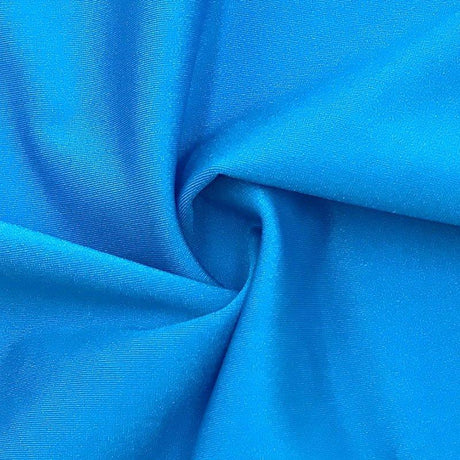
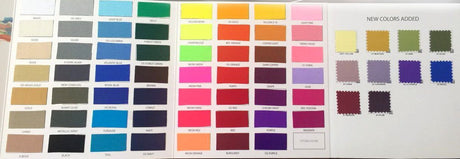
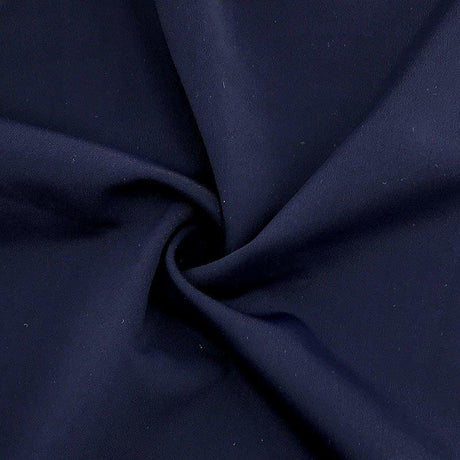
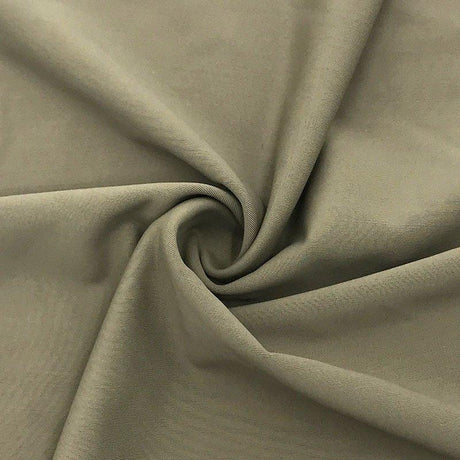
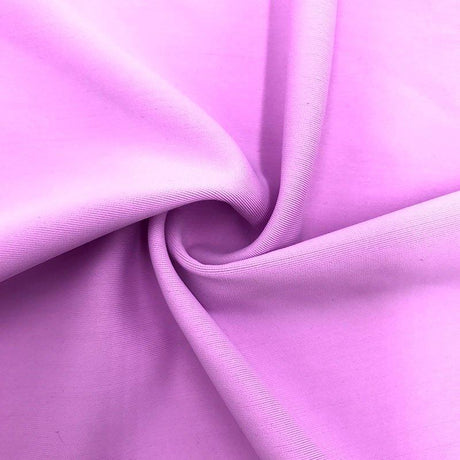
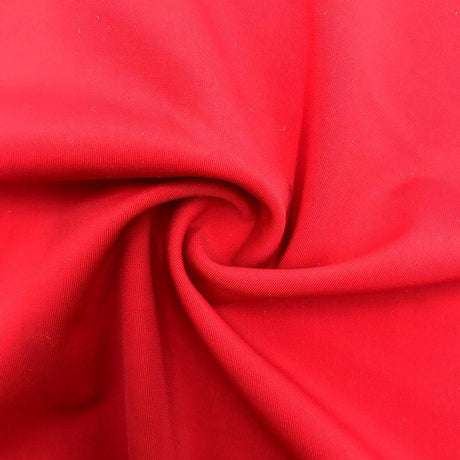
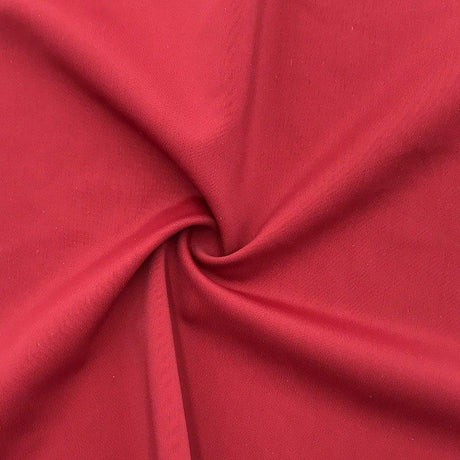
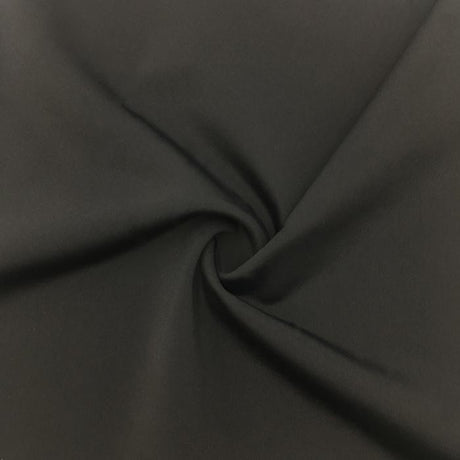
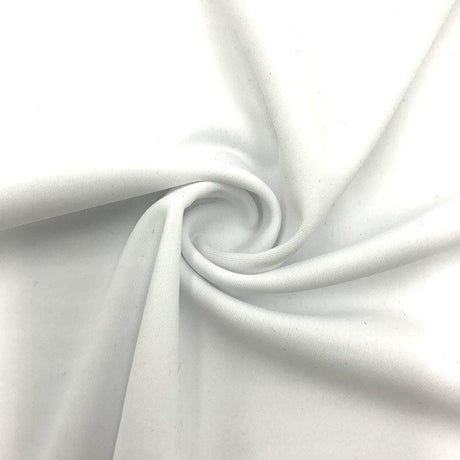
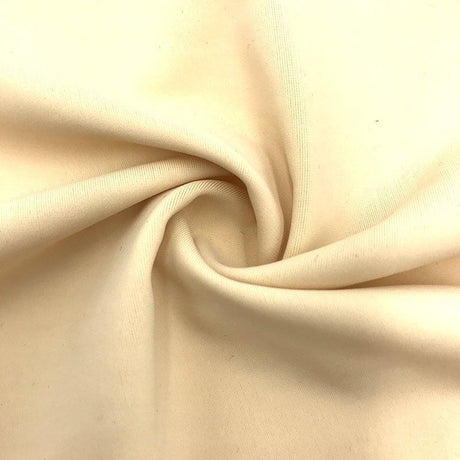
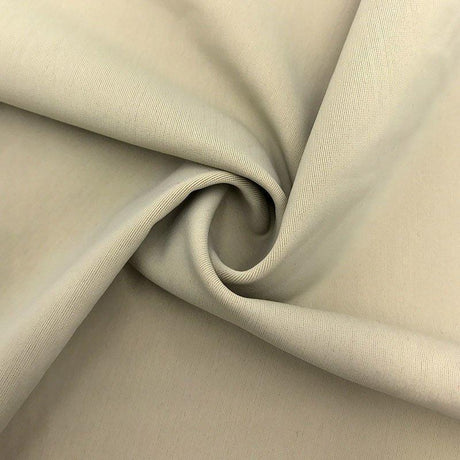
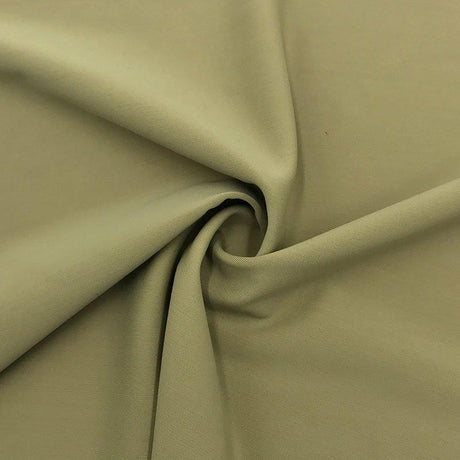
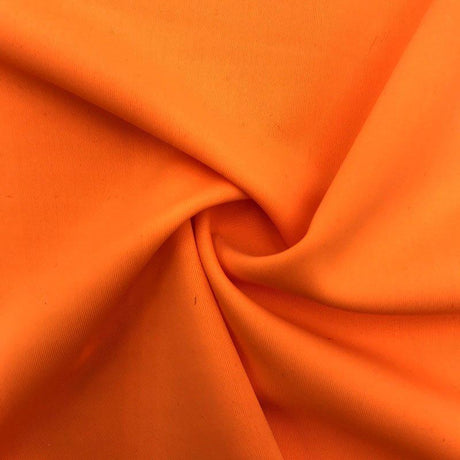
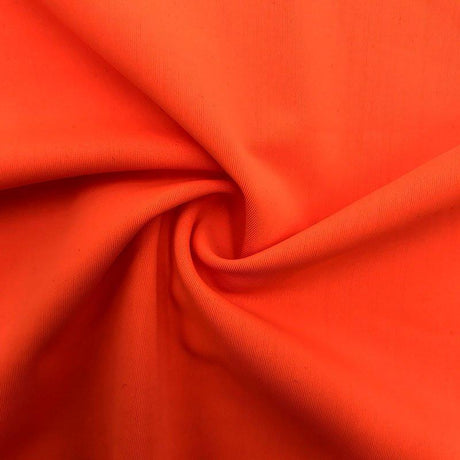
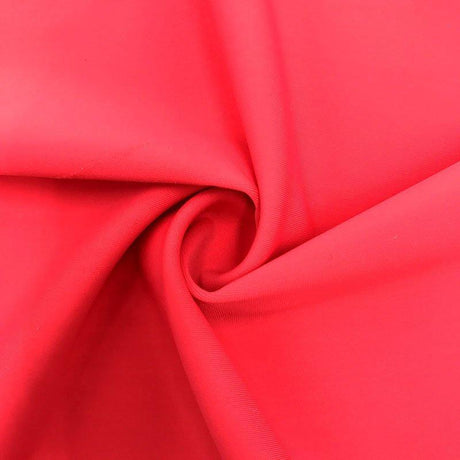
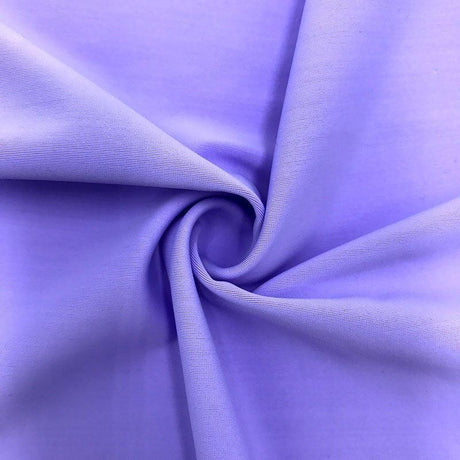
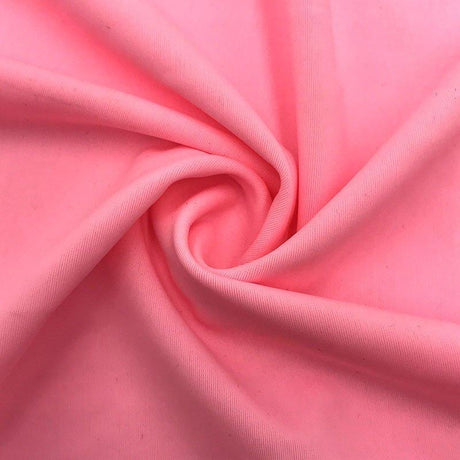
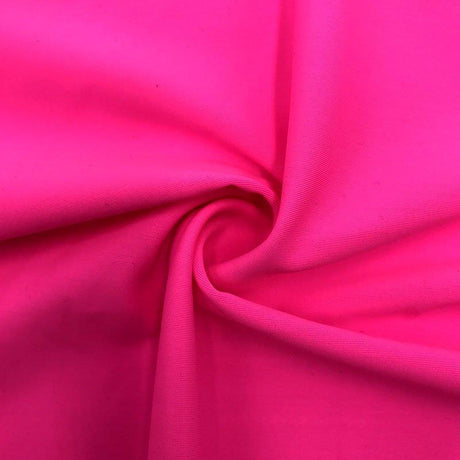
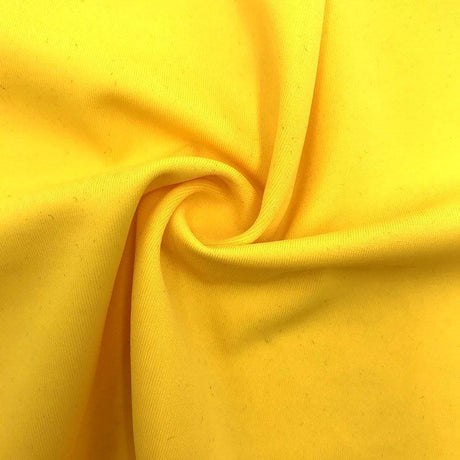
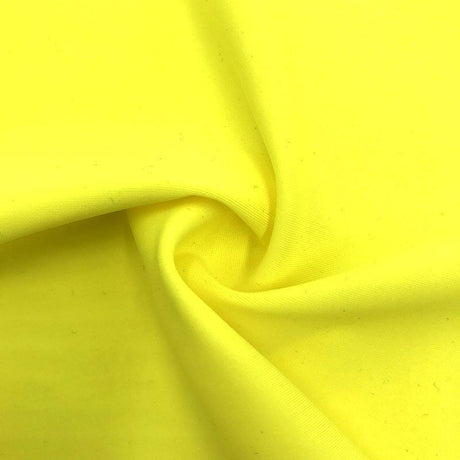
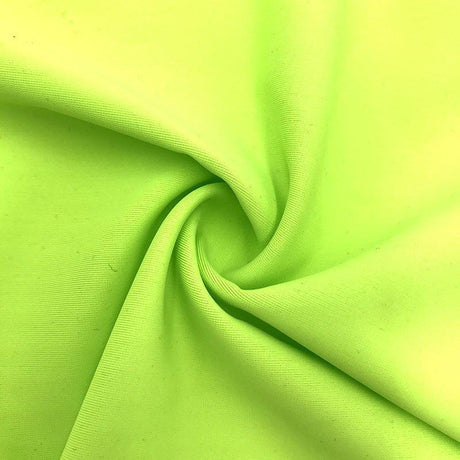
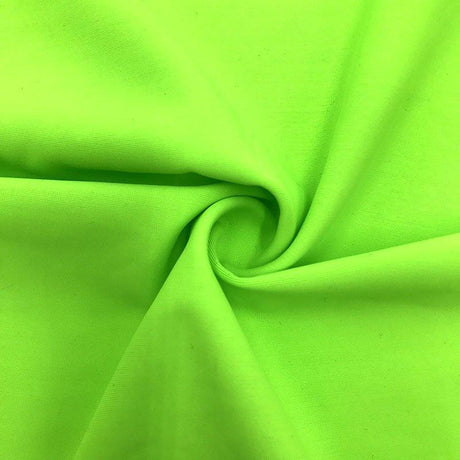
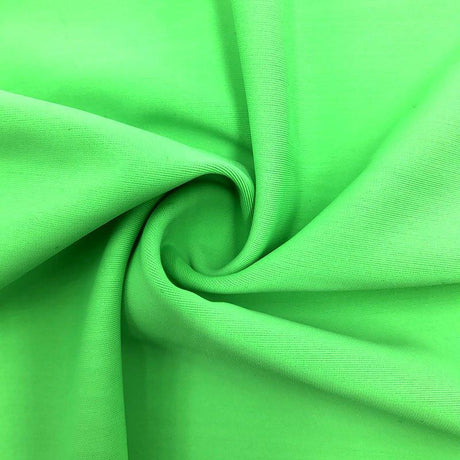
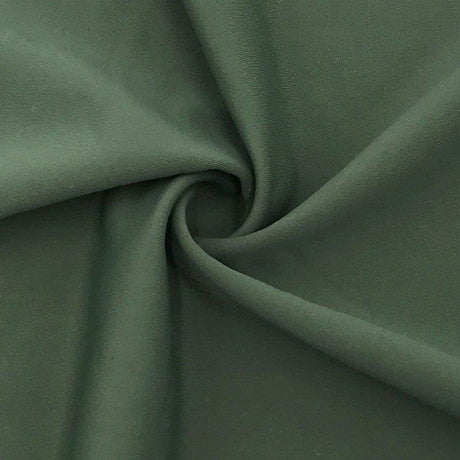
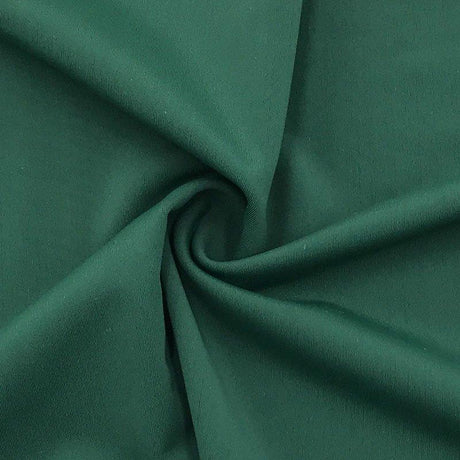
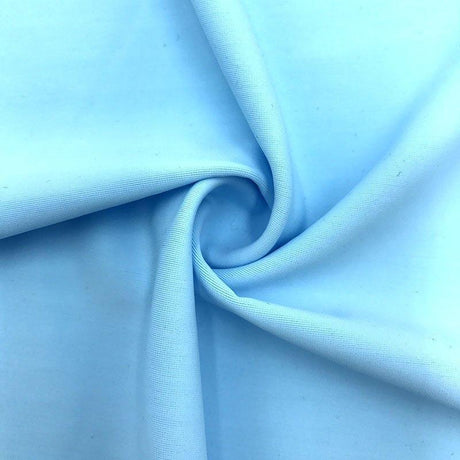
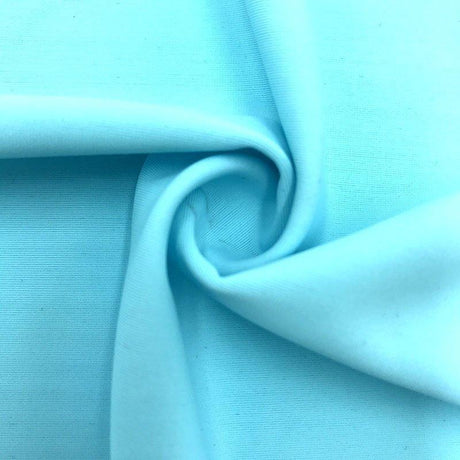
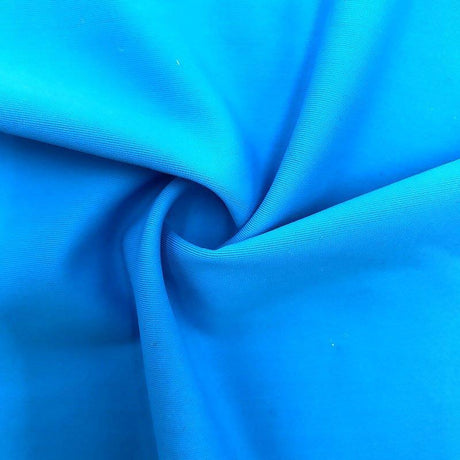
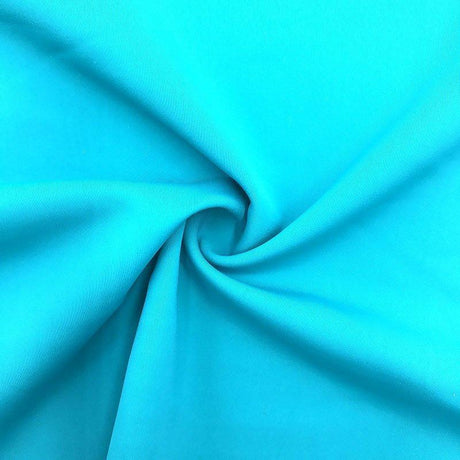
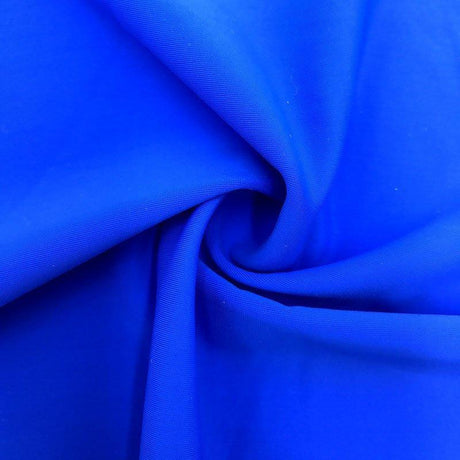
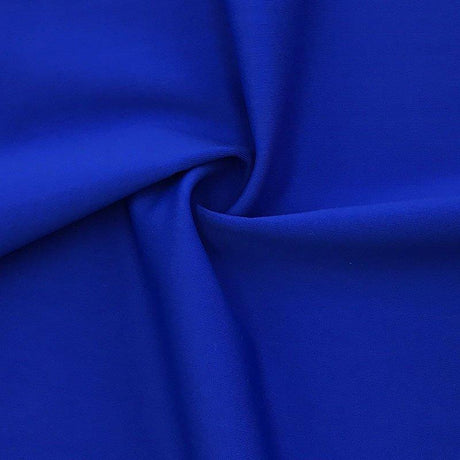
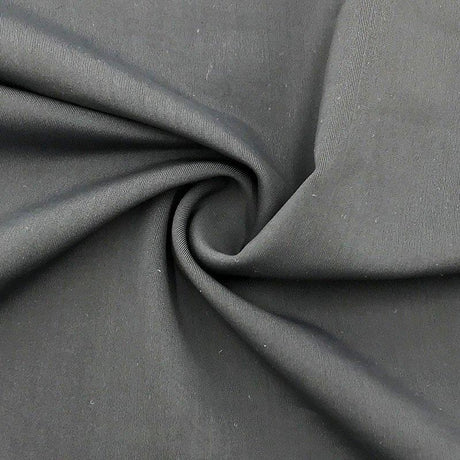
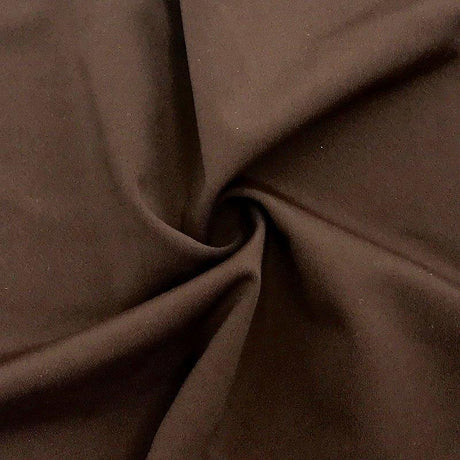
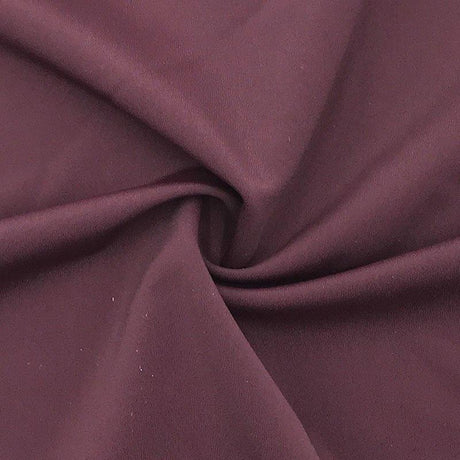
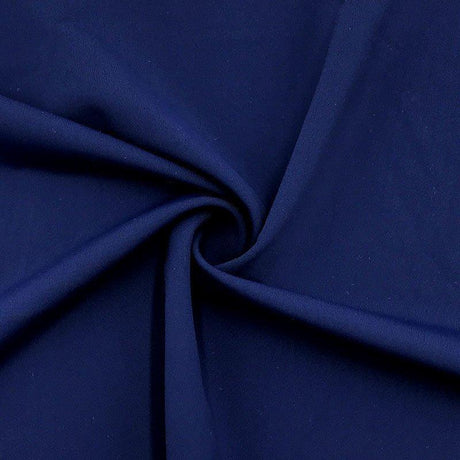
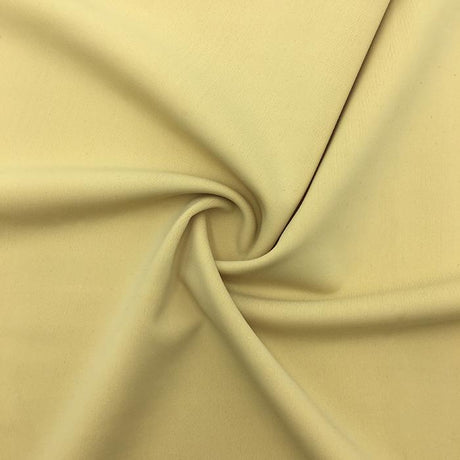
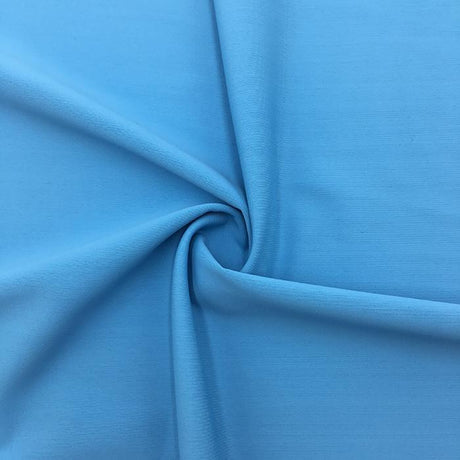
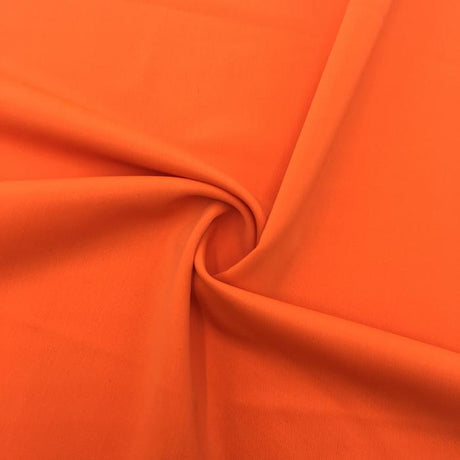
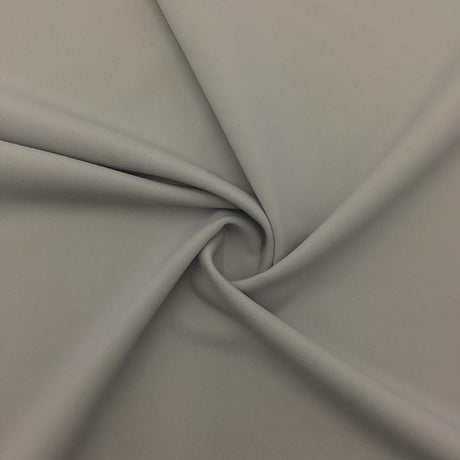
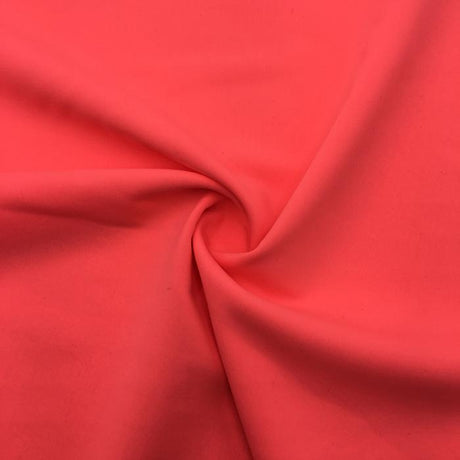
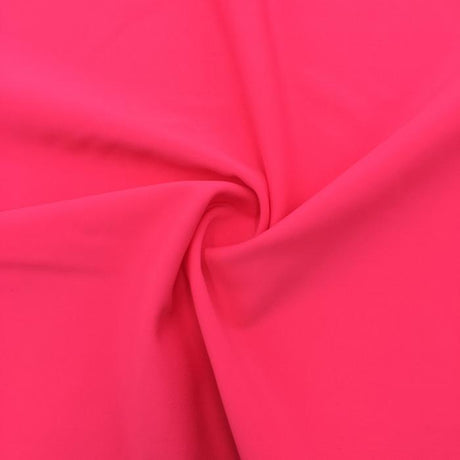
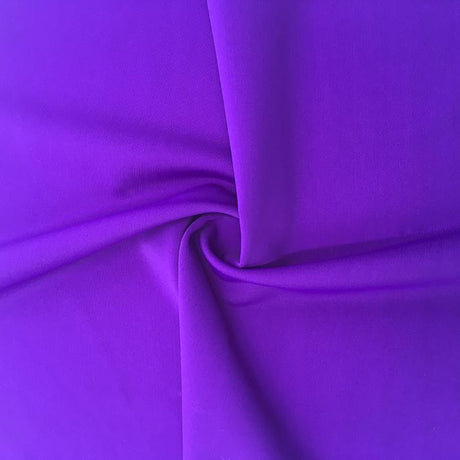
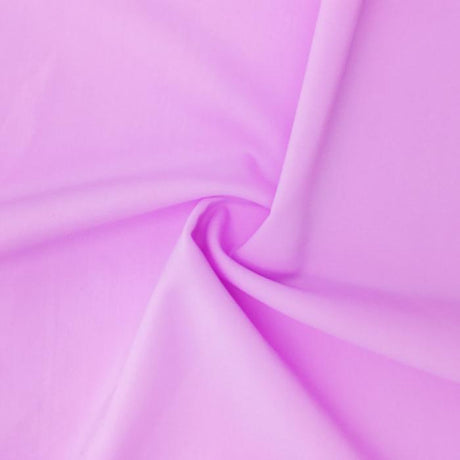
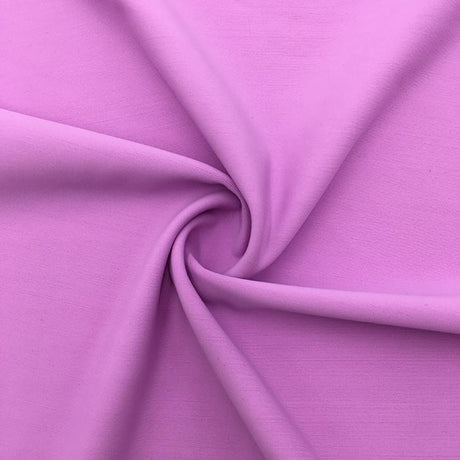
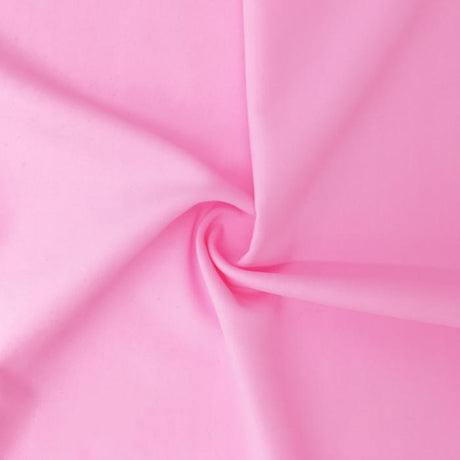
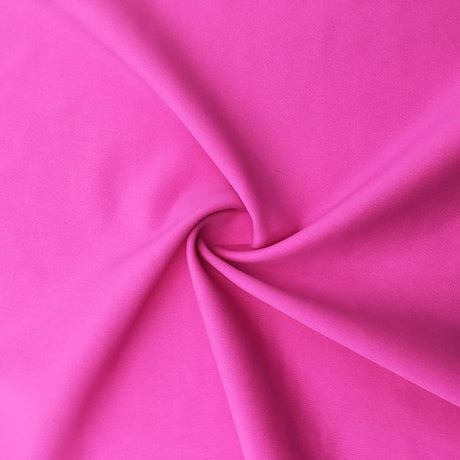
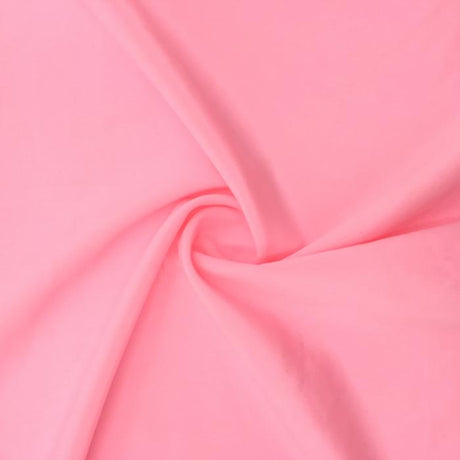
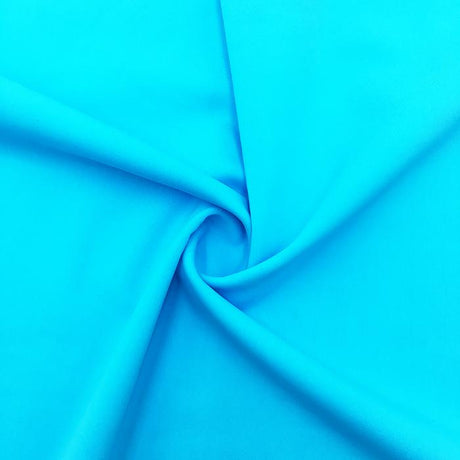
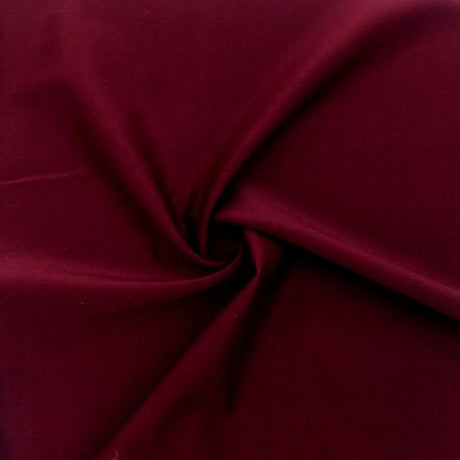
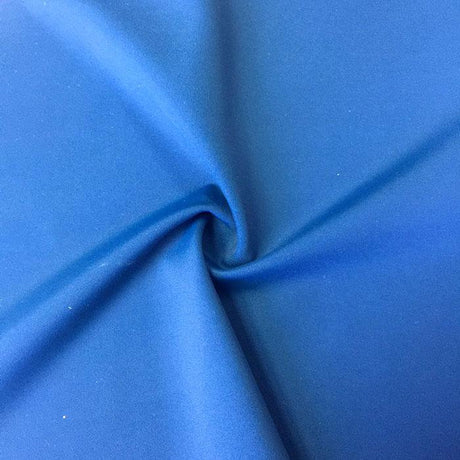
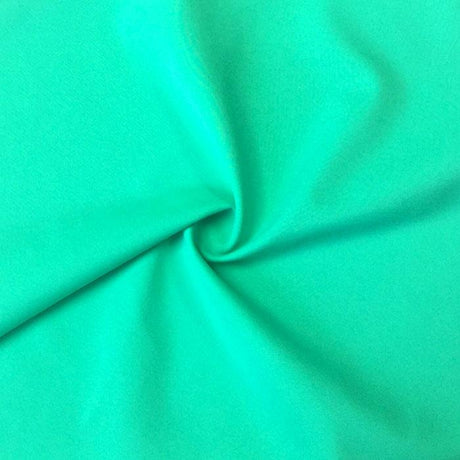
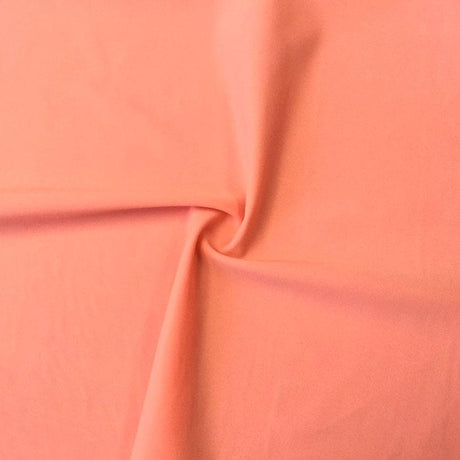
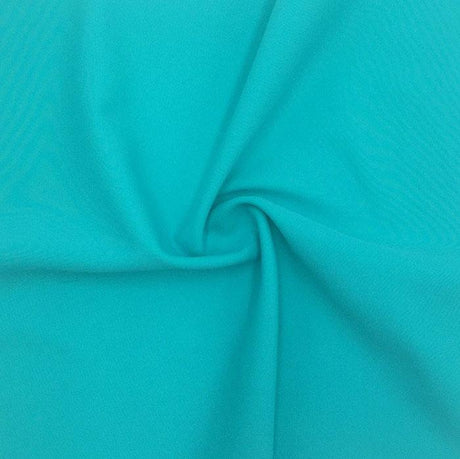
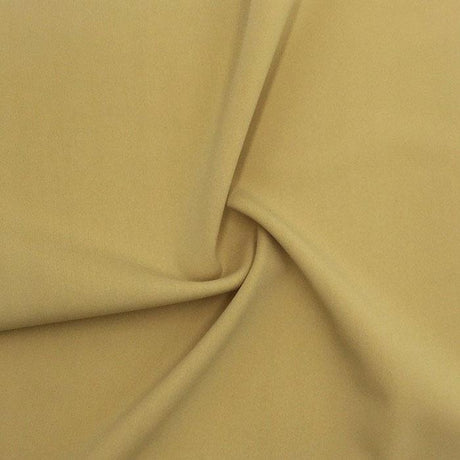
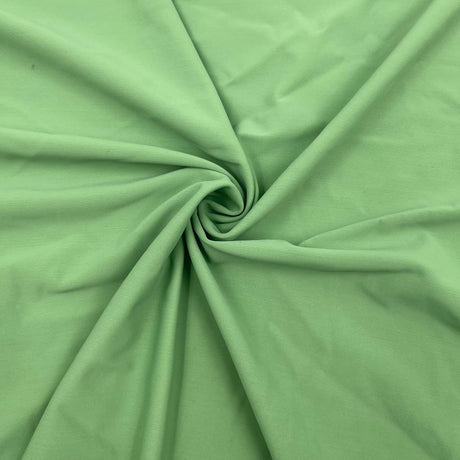
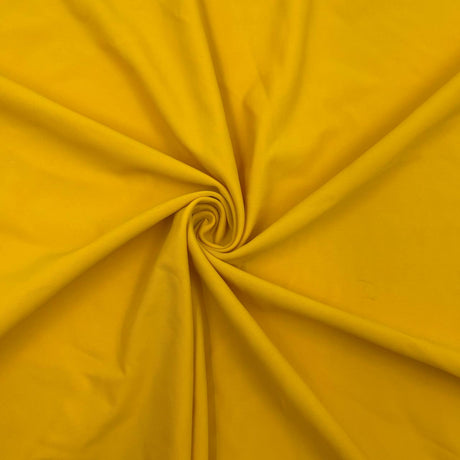
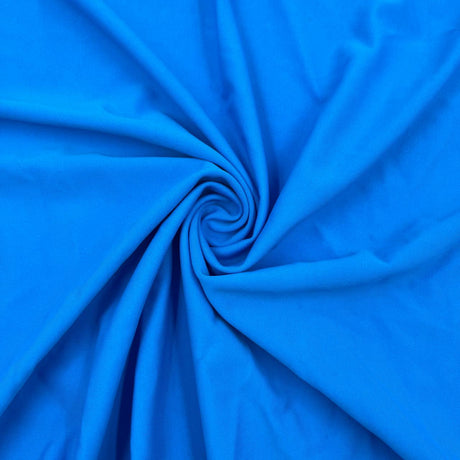
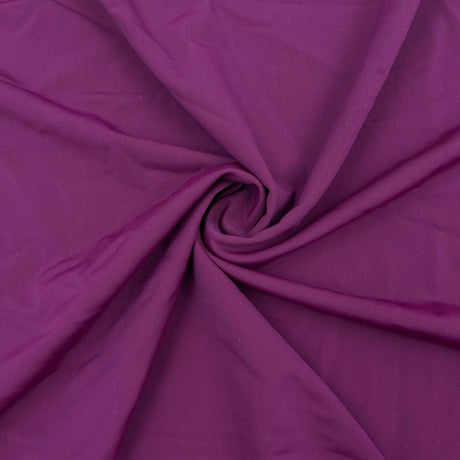
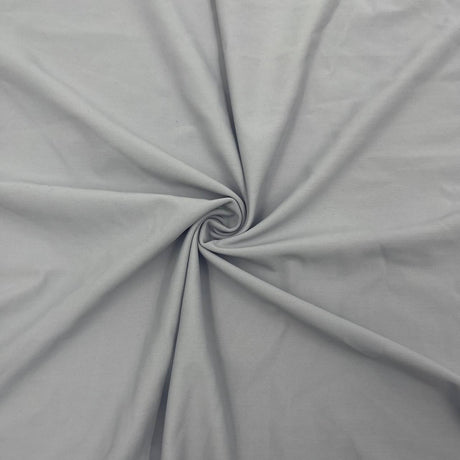
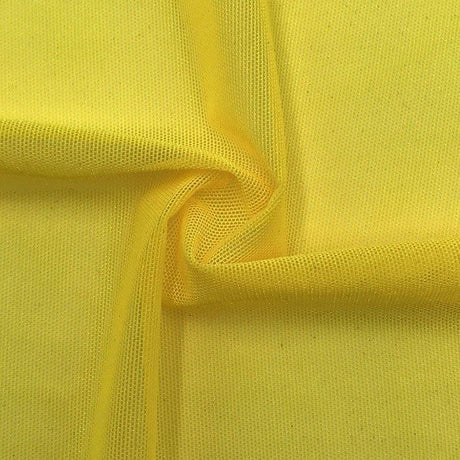
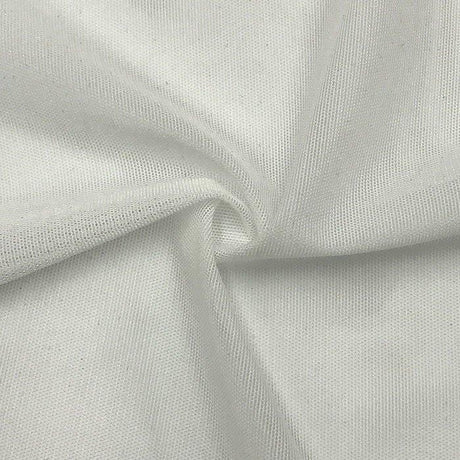
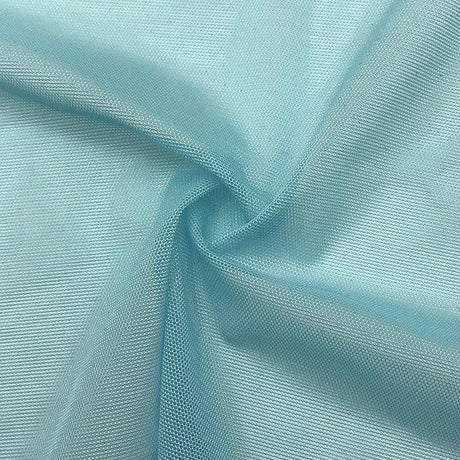
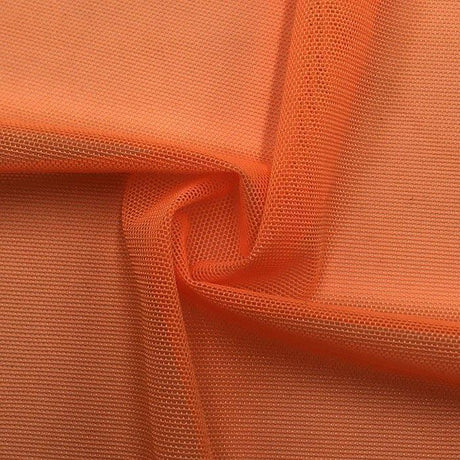
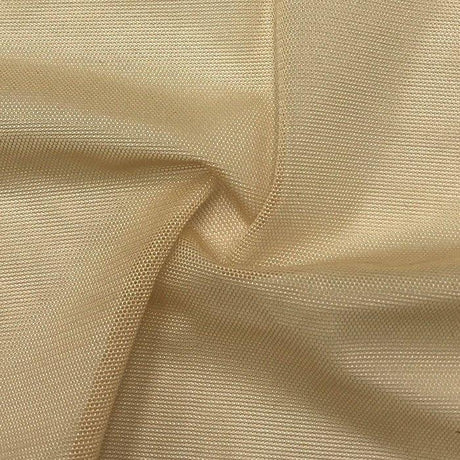
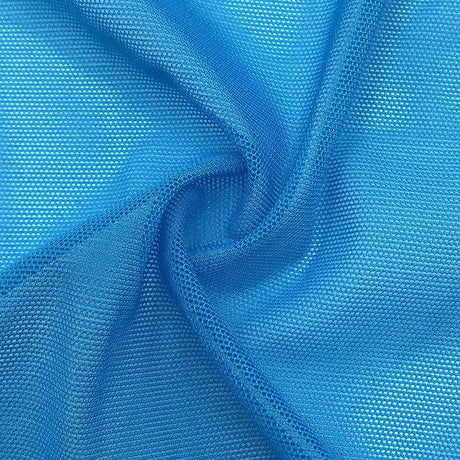
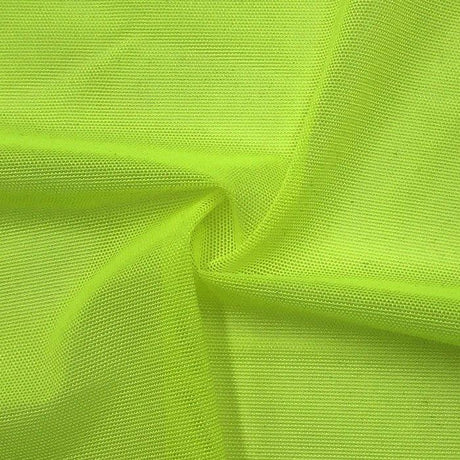
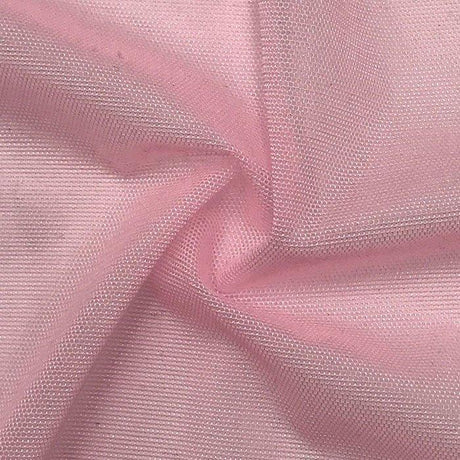
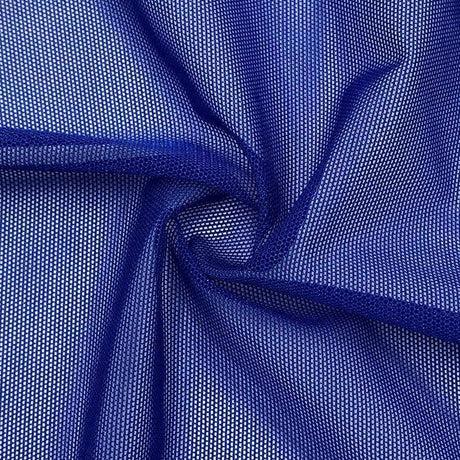
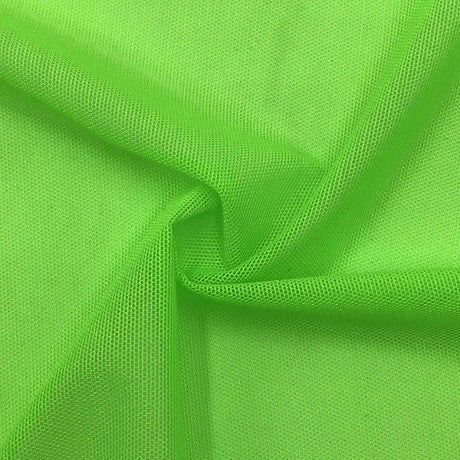
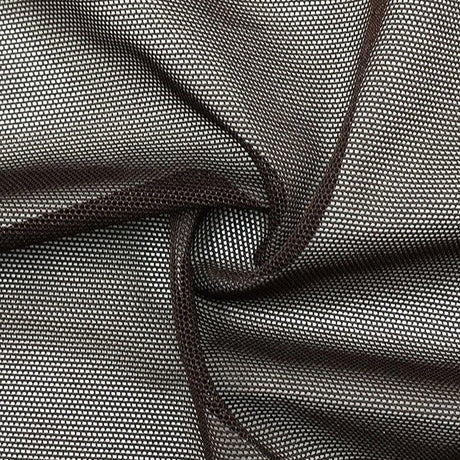
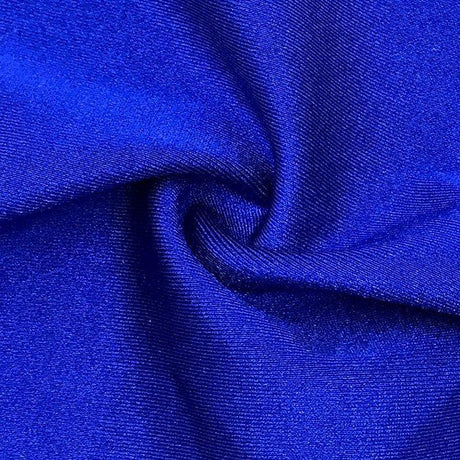
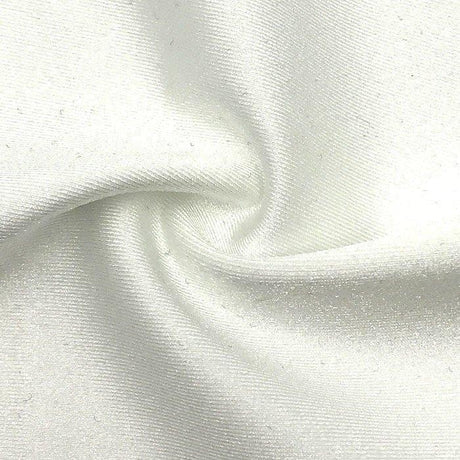
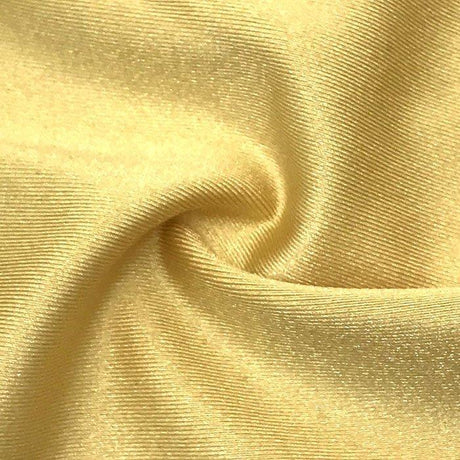
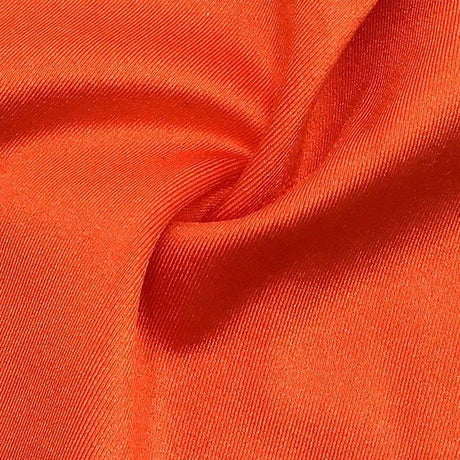
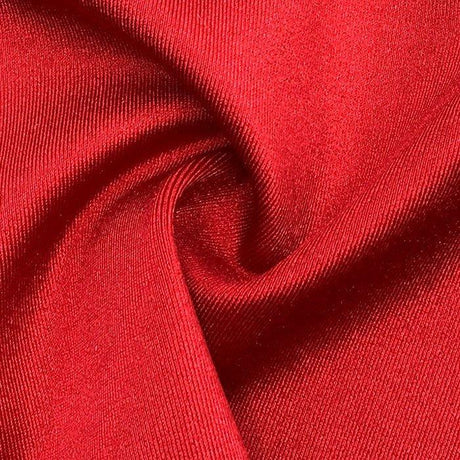
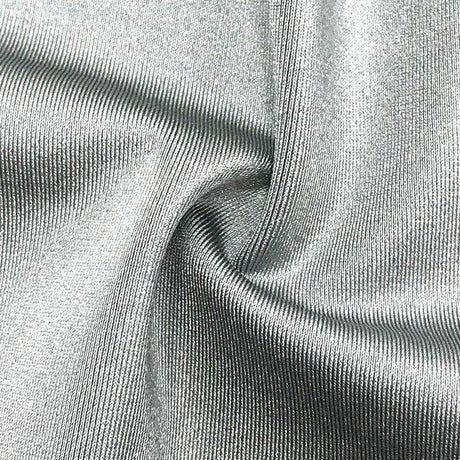
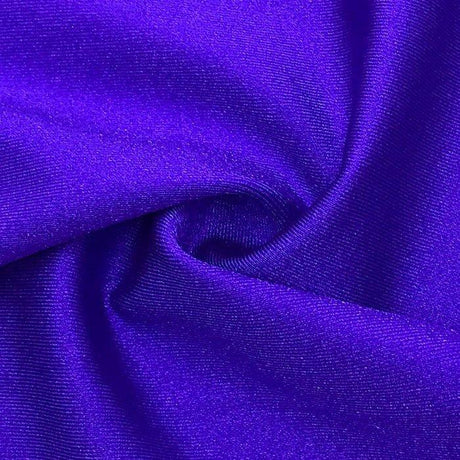
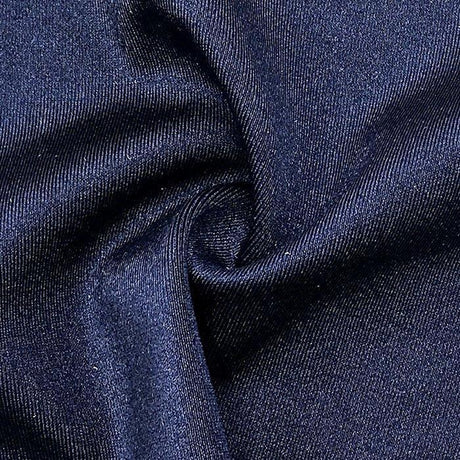
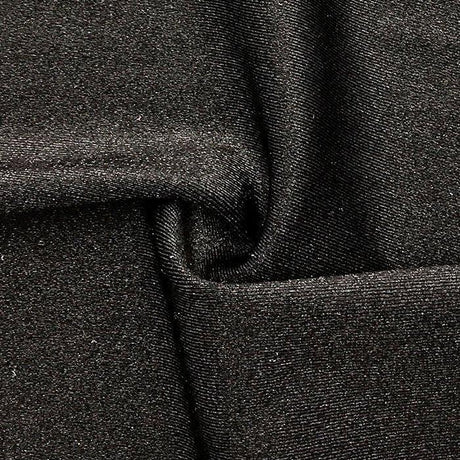
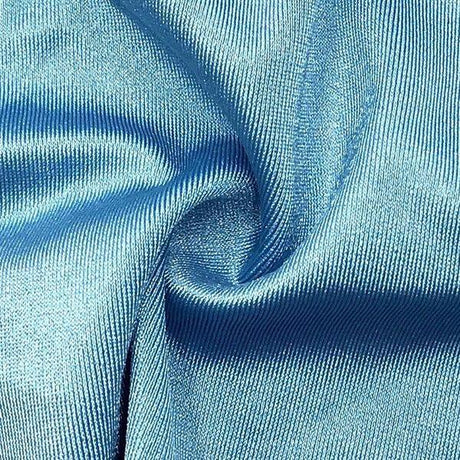
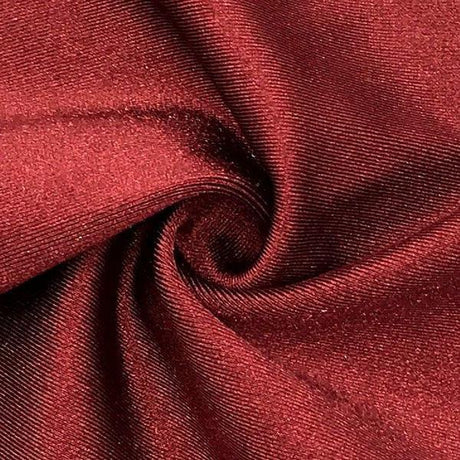
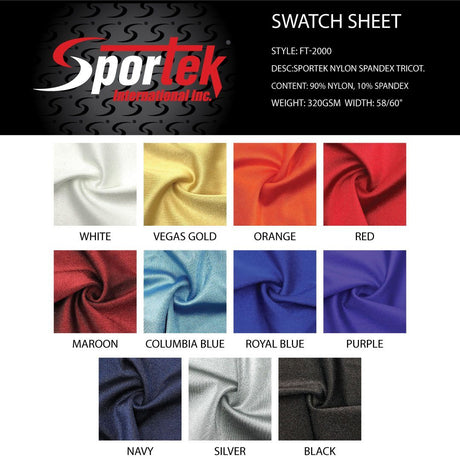
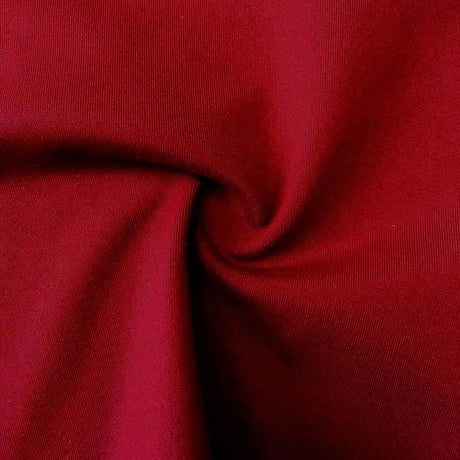
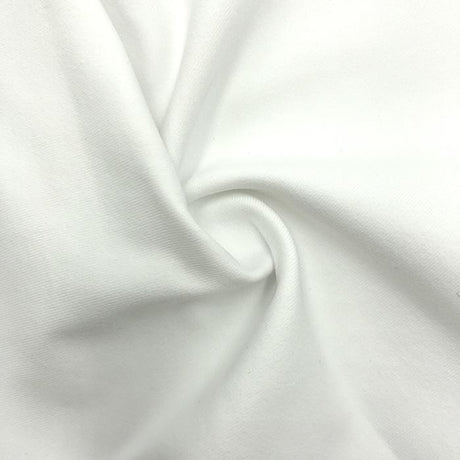
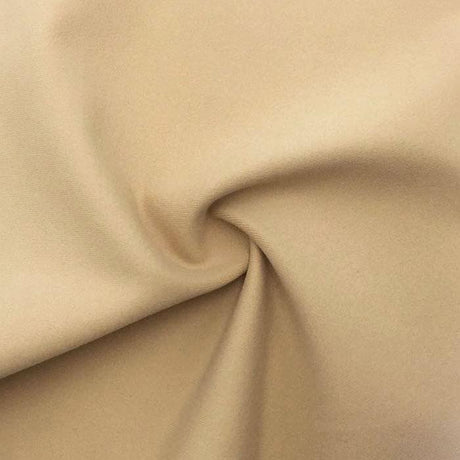
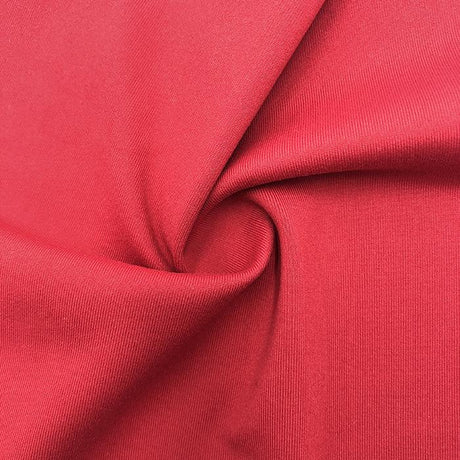
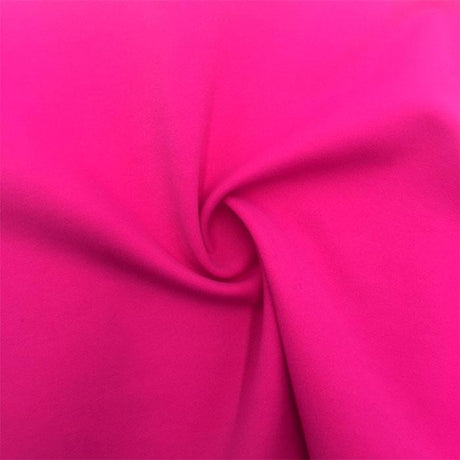
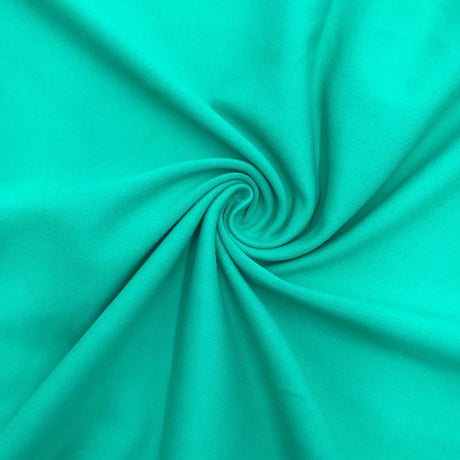
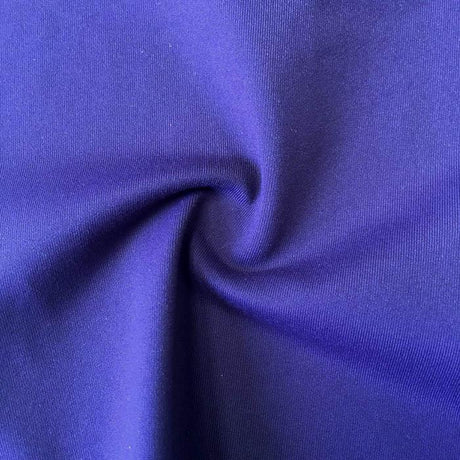
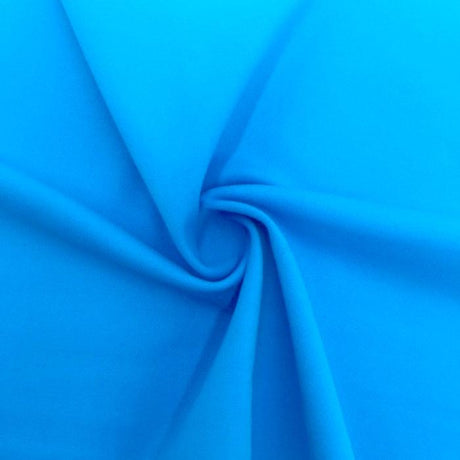
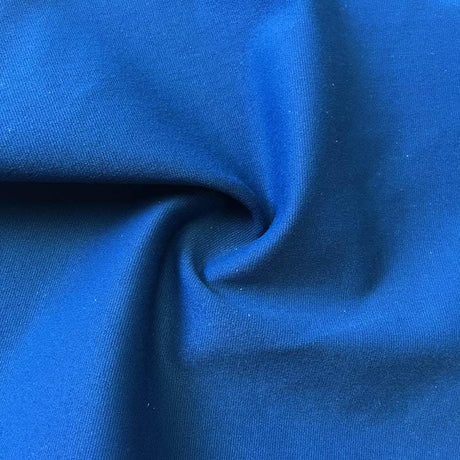
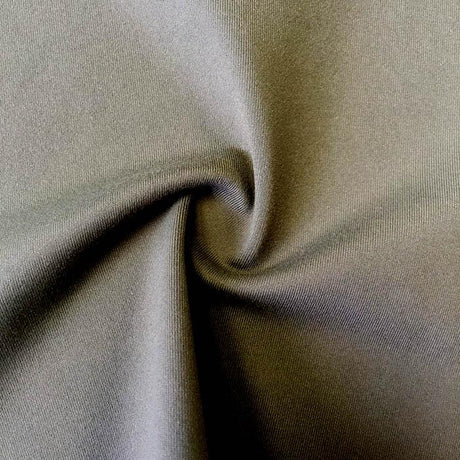
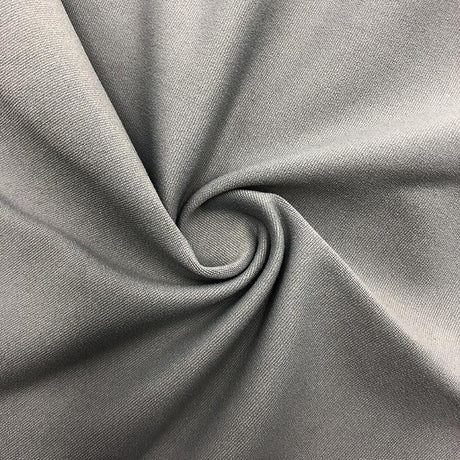
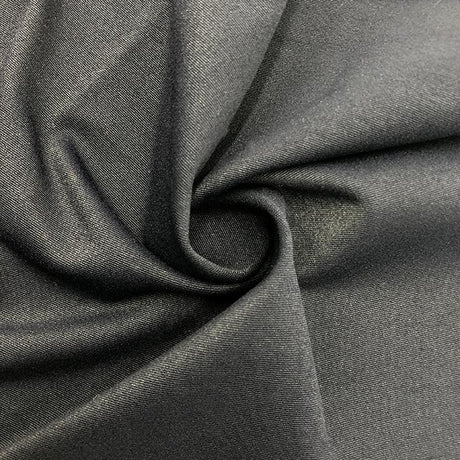
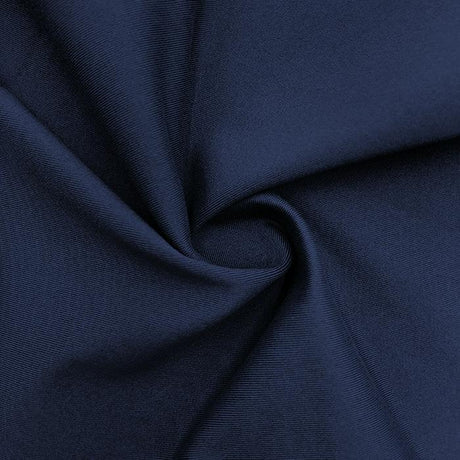
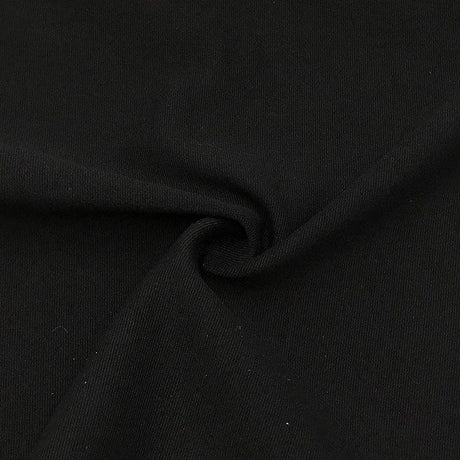
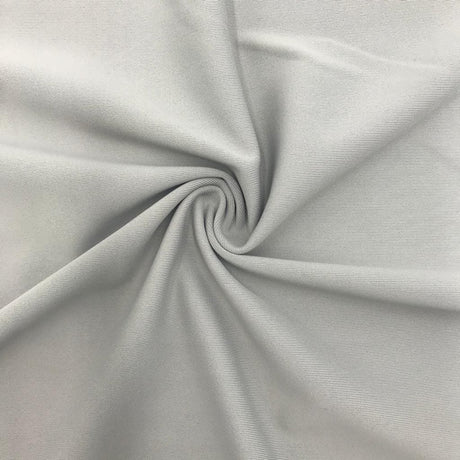
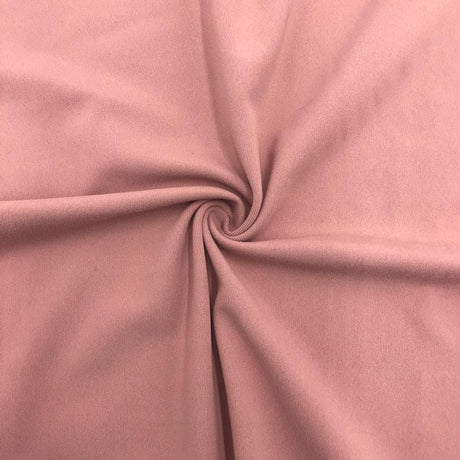
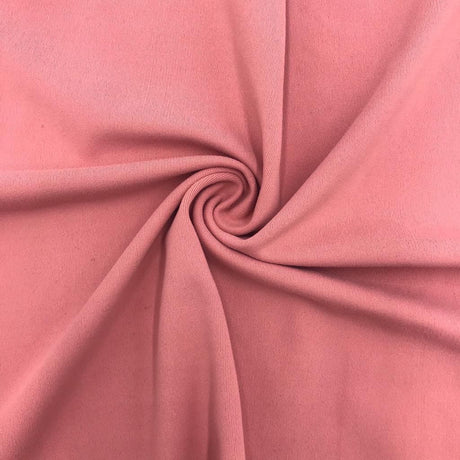
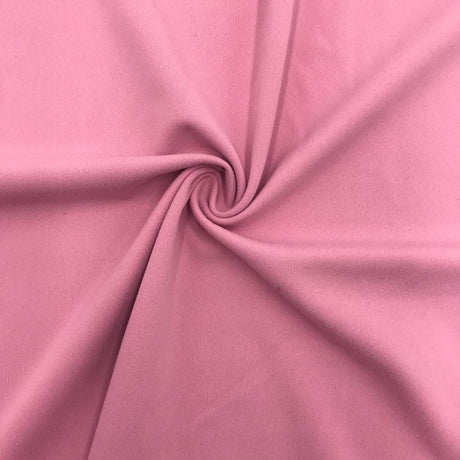
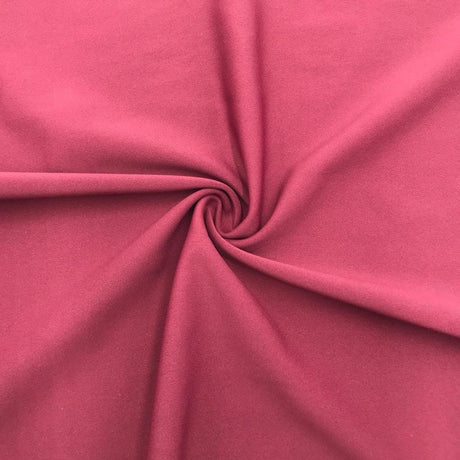
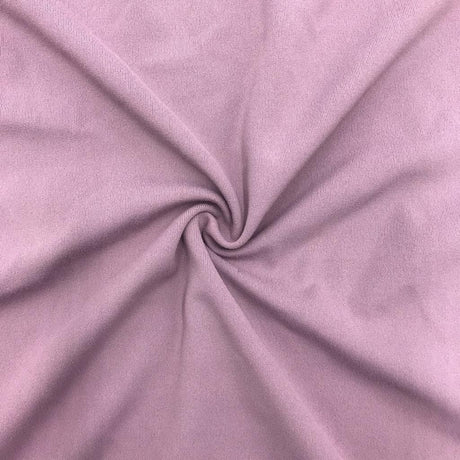
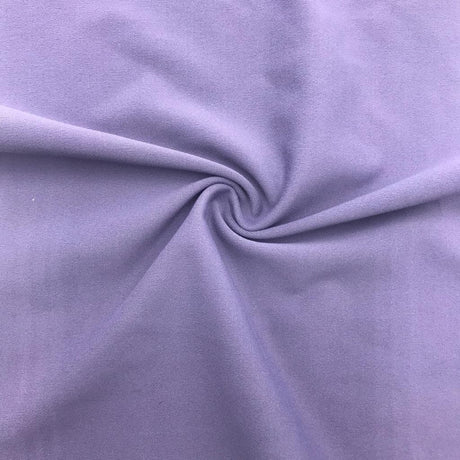
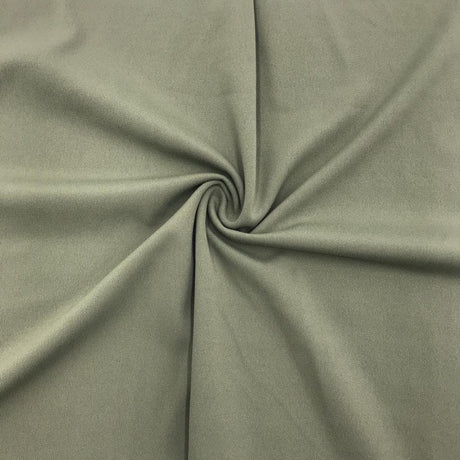
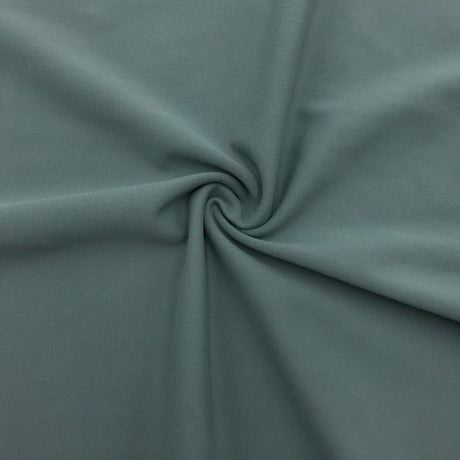
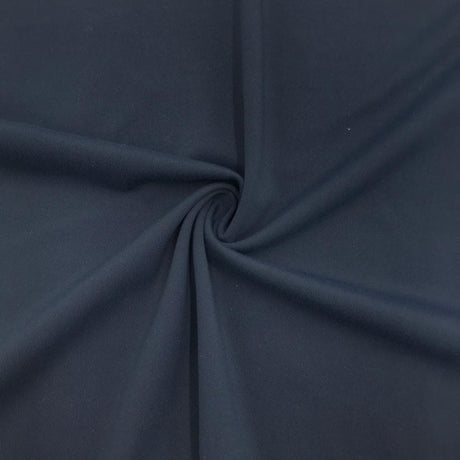
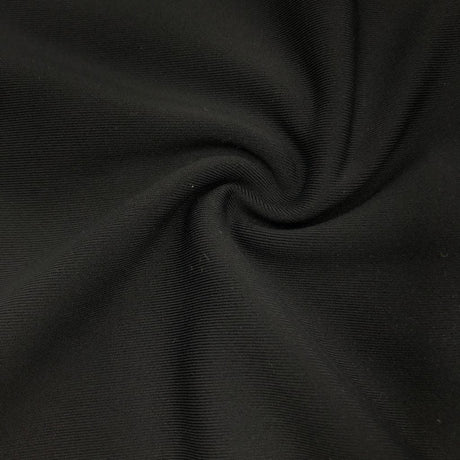
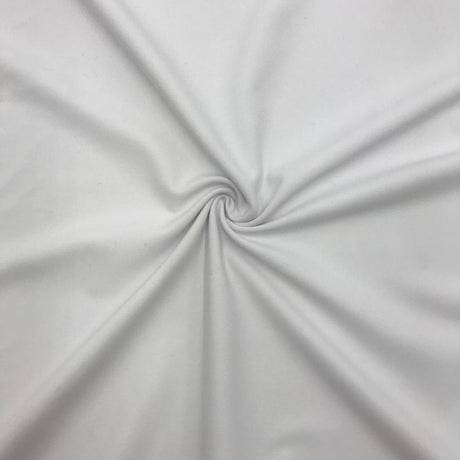
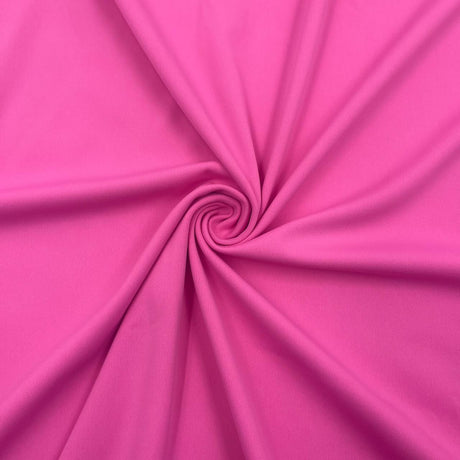
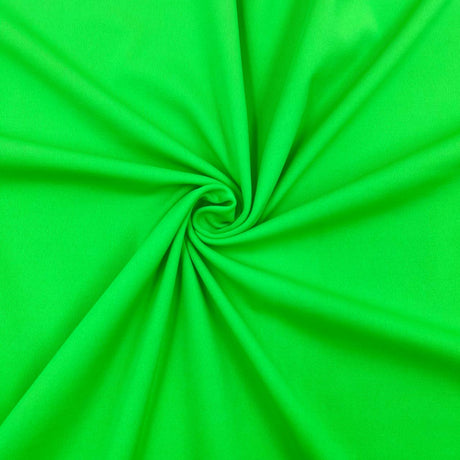
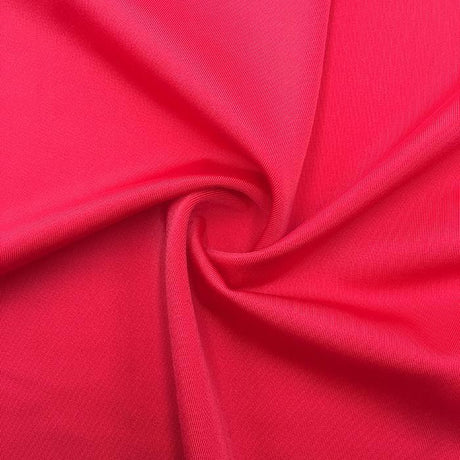
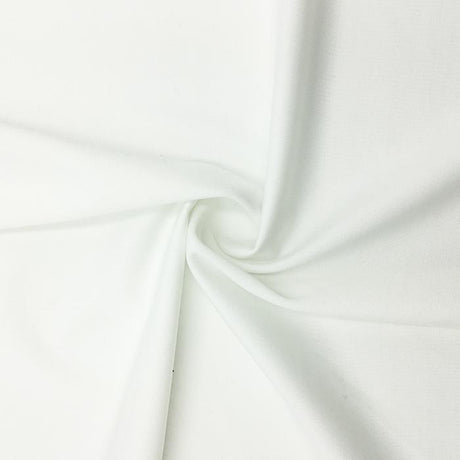
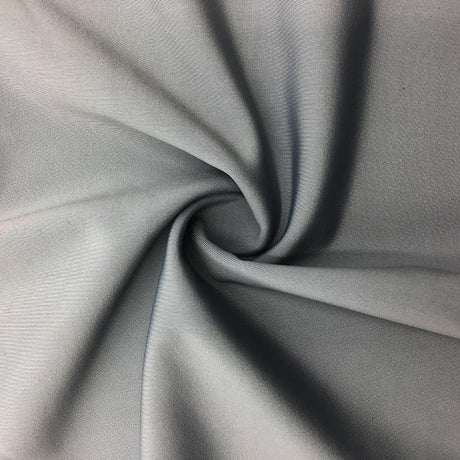
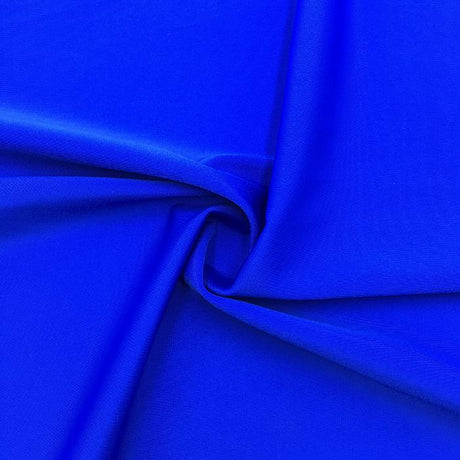
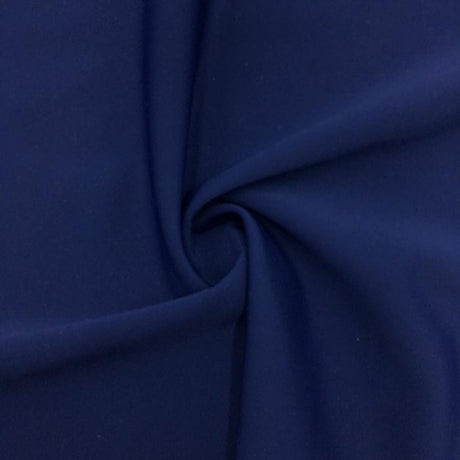
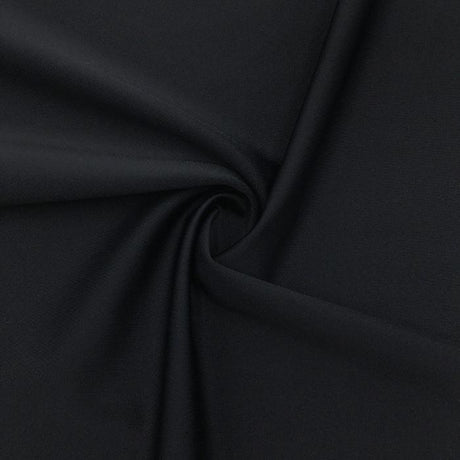
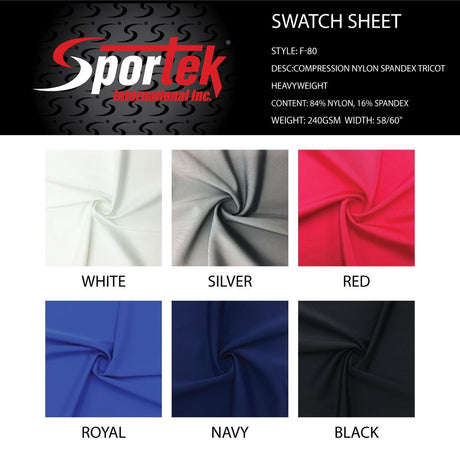
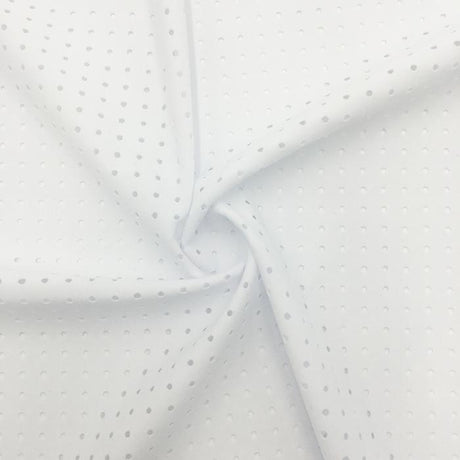
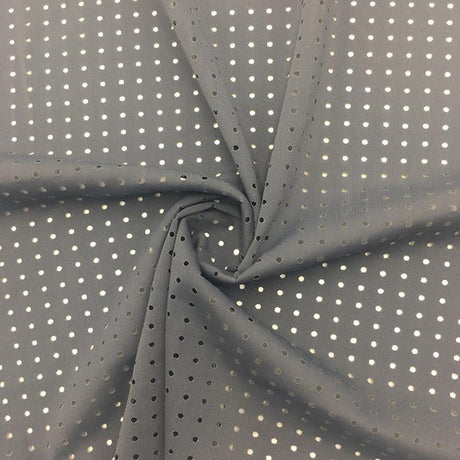
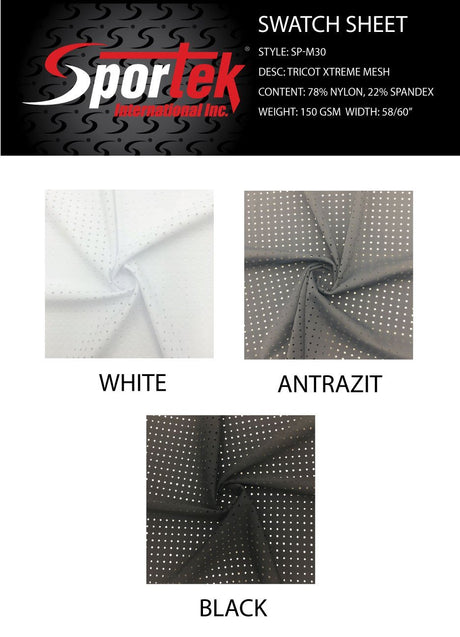
For decades, nylon and spandex fabric blends have been a go-to choice in the textile market, especially dominating activewear, swimwear, and other stretch apparel. First popularized in the 1960s, this fabric blend gained trust for its exceptional elasticity, lightweight comfort, and long-lasting durability. By combining the strengths of nylon (a tough, resilient synthetic fiber) with spandex (an extremely elastic fiber), manufacturers created a material that offers the perfect balance of strength and stretch. This unique pairing is why nylon-spandex blends are celebrated for their versatility and why they effectively "rule the market" in performance and stretch-fabric applications. For a deeper technical foundation, explore our nylon-spandex fabric guide or browse our full fabric guides hub.
Beyond just sports clothing, the nylon-spandex duo shows up in everything from yoga pants and leggings to dancewear, swimwear, and even everyday athleisure. The blend's key properties – high stretchability, shape retention, moisture-wicking, and robust durability – make it stand out among fabric blends. Below, we explore how each fiber contributes to these properties, the common blend ratios used (like 80/20 vs 90/10), and how the fabric manages moisture, pilling, and abrasion in real-world use.
The Synergy: How Nylon Adds Strength and Spandex Adds Stretch
The magic of nylon-spandex fabric lies in the synergy between its two components. Nylon is renowned for its high tensile strength, durability, and abrasion resistance, whereas spandex (also known as elastane or Lycra) is prized for its exceptional elasticity and recovery (the ability to stretch and spring back). On their own, these fibers have different characteristics – for example, pure nylon is not very stretchy (it's valued more for toughness), and pure spandex (while extremely stretchy) isn't typically used alone because it lacks strength and can lose shape without support. However, when blended together, each fiber compensates for the other's weaknesses and enhances the overall fabric:
Strength & Durability from Nylon: Nylon's presence ensures the fabric can withstand tension and wear. It gives the material a backbone of structural integrity, making it resistant to tearing and able to endure frequent use and washing. In a nylon-spandex blend, the nylon fibers take on the stress of movement and friction, so the fabric stays intact longer. For instance, nylon is known for its resistance to abrasion, which means nylon-spandex garments can handle rubbing (like during workouts or contact with equipment) without thinning out or tearing. The nylon also contributes to a smoother, often "silky" feel of the fabric, enhancing comfort.
Stretch & Flexibility from Spandex: Spandex, on the other hand, imparts remarkable stretchiness to the blend. Even a small percentage of spandex (e.g. 10–20%) gives the textile 2-way and 4-way stretch capabilities – it can elongate significantly and then snap back to its original shape repeatedly without damage. This elasticity is what provides a snug yet flexible fit in leggings, swimwear, and compression garments. The fabric can contour to the body's movements (stretching in any direction needed) and then recover, preventing sagging or bagginess over time. In short, "spandex is the secret ingredient that gives activewear its stretch and recovery," while nylon makes sure that stretch fabric is also strong and long-lasting. Our stretch fabric types page covers how spandex percentage translates to real-world stretch percentages and recovery ratings across all common nylon-spandex blend types.
This complementary relationship is why nylon-spandex blends are so dominant in performance wear. You get a fabric that is "extremely stretchy" (thanks to spandex) and "highly durable" (thanks to nylon). Designers often note that without spandex, a fabric like nylon wouldn't provide the needed flexibility for form-fitting apparel, and without nylon, a pure spandex garment would lack longevity and strength. By uniting the two, the blend achieves a high-performance balance of stretch, strength, and even comfort, outperforming many other fabric blends for applications that require both flexibility and resilience.
Common Ratios Explained (80/20 vs. 90/10)
When looking at nylon-spandex fabrics, you'll often see percentages like 80/20 or 90/10, indicating the ratio of nylon to spandex. These ratios significantly affect the fabric's stretch level, compression, and feel. Here's a breakdown of what each common ratio means in practice:
80/20 (High-Stretch Performance): A blend of around 80% nylon and 20% spandex delivers high elasticity and excellent "snap-back" recovery. With roughly 15–20% spandex content, the fabric becomes very stretchy and is often used for compression or form-fitting garments. For example, 80/20 nylon-spandex is common in premium yoga pants, athletic leggings, and swimwear, where the high spandex portion gives great 4-way stretch and a supportive, second-skin fit. An 80/20 blend can provide firm compression, which is why experts note that at least ~15% spandex is needed for true compression wear. The result is a performance-oriented fabric that moves with you during intense activity yet maintains its shape due to the strong nylon fibers. Our activewear fabric guide covers compression performance benchmarks and fabric weight recommendations across all common activewear constructions using 80/20 and similar high-spandex blends.
90/10 (Moderate Stretch Comfort): A composition of 90% nylon and 10% spandex offers a bit less stretch and compression compared to 80/20, but still provides comfortable give. With ~10% spandex, you get a moderate stretch that's ideal for slightly more relaxed or everyday apparel. For instance, many athleisure leggings, stretchy jeans, or sportswear tops might use about 90/10 – enough elasticity to move in comfortably, but not as tight or compressive as an 80/20 garment. This ratio is a nice balance for garments that need to hold their shape and offer ease of movement without being overly snug. The 90/10 blend is prized for providing stretch "without clinging as aggressively", making it great for everyday activewear that prioritizes comfort alongside mobility.
Both 80/20 and 90/10 ratios are very common in nylon-spandex fabrics, each serving different needs. In general, higher spandex content (15–20%) = more stretch and compression, whereas lower spandex content (5–10%) = lighter stretch for comfort. It's worth noting that some specialized garments use even other ratios – for example, heavy compression or dancewear might go as high as 70/30 (30% spandex) for extreme stretch, or conversely a light stretch denim might be 95/5. But for most activewear and stretch fabrics, you'll see blends between 80/20 and 90/10 as the standard range. Understanding these ratios helps fabric buyers and designers predict how a material will perform: an 80/20 fabric will feel tighter, more supportive and elastic, whereas a 90/10 fabric will feel a bit more relaxed and breathable while still offering stretch. Our fabric weight guide covers how GSM interacts with spandex percentage to determine overall compression, opacity, and feel across all common nylon-spandex constructions.
Moisture Management: Is Nylon Spandex Breathable?
One common question about nylon-spandex blends is how well they breathe and manage moisture, especially compared to other fabrics. Breathability refers to how easily air and sweat vapor can pass through the material, and it's critical for comfort during exercise. Nylon-spandex is a synthetic blend, so it doesn't breathe as freely as natural fibers like cotton; however, most nylon-spandex fabrics are engineered for moisture-wicking and adequate airflow to keep you comfortable during workouts.
Moisture-Wicking and Quick-Drying: Nylon fibers inherently have low moisture absorption (nylon is semi-hydrophobic), which means they don't soak up a lot of sweat. Instead, nylon tends to pull moisture to the surface of the fabric where it can evaporate. In fact, nylon excels at moisture-wicking and fast drying compared to many other materials. This property is a big plus for activewear – it helps sweat evaporate quicker, keeping the wearer drier. Many nylon-spandex fabrics are specially finished or knit (sometimes using microfiber yarns) to enhance this wicking effect. Our fabric finishes guide covers moisture-wicking surface treatments and how to evaluate their durability across nylon-spandex performance constructions.
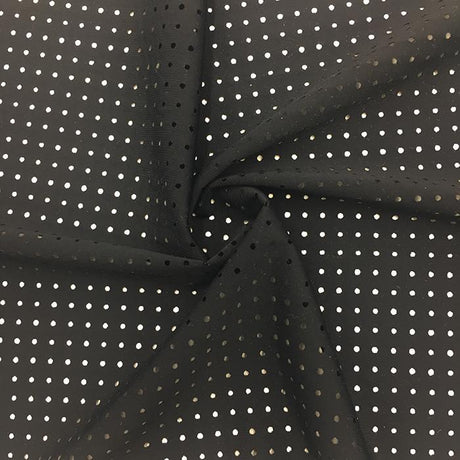
Breathability and Air Flow: Pure spandex is not breathable (it's basically a rubbery fiber), and when added to nylon it creates a tighter knit structure that can restrict airflow a bit. An 80/20 or 90/10 nylon-spandex fabric often has a form-fitting, dense construction – great for support, less so for air circulation. However, this is usually mitigated by the fabric design. Thin, lightweight knits or use of mesh panels/vents in garments can significantly improve air exchange. Additionally, nylon-spandex can feel more breathable than some polyester blends, because nylon can absorb a small amount of moisture (around 3–4% of its weight) which helps reduce that clammy feeling on the skin. In practice, users often find that nylon-spandex leggings are comfortably breathable for most activities, especially if the garment includes features like strategic ventilation zones (common in high-end activewear).
Trade-offs (vs. Other Fabrics): Polyester-spandex blends are known to have slightly better moisture-wicking and faster drying than nylon (polyester is virtually hydrophobic). However, polyester can trap heat more, and some wearers find nylon-spandex garments "less prone to that clammy feeling" during moderate sweat. Natural fibers like cotton breathe well but do a poor job of wicking sweat (cotton will stay wet). That's why synthetic blends like nylon-spandex are favored for gym wear – they may not breathe like cotton, but they wick and dry far better. In essence, nylon-spandex manages moisture through wicking rather than high air permeability. The result is a fabric that keeps you relatively dry and comfortable even if it doesn't have the airy feel of a loose cotton tee. Our cotton-spandex fabric guide covers how cotton-spandex blends compare to nylon-spandex in breathability, moisture management, and recovery for different end uses.
Bottom line: Yes, nylon-spandex fabric can be considered breathable enough for most active and daily wear purposes, thanks to its moisture management. The tightness of the blend's weave/knit is crucial for stretch and support, so it's a bit less breathable than looser-woven fabrics. But its ability to pull sweat away from your skin and dry quickly offsets the lower airflow. Most wearers find nylon-spandex activewear "breathable in context" – meaning for its intended use (exercise, dance, swim), it keeps you cool and dry while also giving you full freedom of movement. For everyday casual comfort, nylon-spandex garments offer a good mix of a snug fit and reasonable breathability, without feeling overly stifling.
Pilling and Abrasion: What to Expect from This Blend
Another important aspect of nylon and spandex fabric is how it holds up over time – specifically, resistance to pilling (those small fuzz balls that form on fabric surface) and abrasion resistance (wear from friction). A big reason nylon-spandex blends are loved in performance and daily wear is that they are highly durable and tend to pill less than other stretch fabrics. Here's what you need to know:
Abrasion Resistance: Nylon is a very tough fiber, often used in applications requiring strength (it was originally used in things like parachutes and military gear). In a blend, nylon provides the fabric with excellent abrasion resistance, meaning it can rub against surfaces (exercise equipment, the ground, other clothing) without wearing thin quickly. Nylon-spandex fabrics typically withstand friction better than cotton-spandex or even polyester-spandex fabrics. This toughness also contributes to the blend's longevity – many nylon-spandex leggings and sports bras maintain their integrity for a long time, even with frequent use and washing.
Pilling Resistance: Pilling occurs when fibers on the surface of a fabric break or fray and tangle into little balls, often due to rubbing. Nylon-spandex blends are notorious for resisting pilling, especially when high-quality fibers and tight knits are used. Nylon's resilience means fewer fibers break off during friction, and spandex is a continuous filament that doesn't easily shed. As a result, nylon-spandex activewear pills less than many other blends – for example, a cheap polyester-spandex legging might pill between the thighs over time, whereas a nylon-spandex one usually stays smoother. In fact, one guide notes that "nylon blends tend to pill less and withstand abrasion better" compared to their polyester counterparts, giving nylon-spandex a slight edge in long-term durability. This is one reason high-end athletic apparel often prefers nylon-spandex: it keeps that sleek look longer, even after dozens of wears and washes.
What to Expect: With a quality nylon-spandex fabric, you can expect minimal pilling in the short term, and only slight pilling after extensive use (and usually only if the garment is subjected to heavy friction). No fabric is 100% pill-proof – over a very long time or rough use, you might see some light fuzziness develop in high-wear areas. However, relative to other stretch fabrics, a nylon-spandex blend holds up exceptionally well. It's "extremely strong and resists snagging and pilling", especially if well-made. To preserve this, it's wise to follow care instructions (avoid high heat in washing/drying which can weaken fibers, and wash garments inside-out to reduce rubbing in the machine). Our spandex care guide and fabric care guide cover complete laundering protocols for all common nylon-spandex garment types, including why heat and fabric softeners degrade elastane fibers over time. But overall, this blend's durability is a major selling point: it's built for repeated wear. Many athletic brands choose nylon-spandex for gear that needs to last – think of sports uniforms, competition swimsuits, or premium yoga pants – because it can handle the stress without quickly looking worn.
In summary, nylon and spandex together create a powerhouse fabric that delivers on multiple fronts: stretch, strength, comfort, and endurance. This blend "rules the market" for good reason – few other fabrics can match the all-around performance it offers. Whether you're a manufacturer selecting materials for a new clothing line or a consumer shopping for reliable activewear, nylon-spandex fabric blends are a top-tier choice. They provide the flexibility and fit you need from spandex, combined with the durability, support, and even some moisture-wicking courtesy of nylon. So the next time you slip into your favorite pair of stretch leggings or a swimsuit, you'll know why that nylon-spandex tag matters: it's the perfect blend that lets the fabric move with you and stand up to the task, wash after wash, wear after wear. Sign up for SpandexByYard Rewards to earn points on every purchase, and reach out via our expert help and advice page whenever you need guidance on finding the right nylon-spandex blend for your next project.