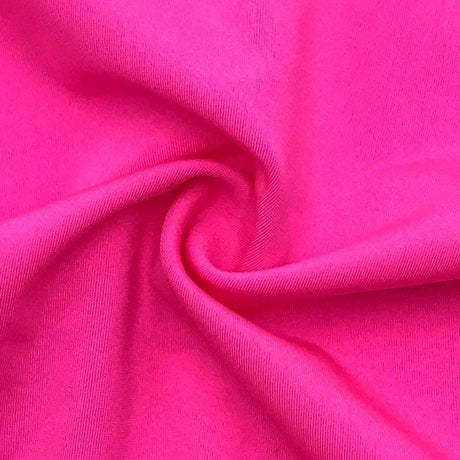
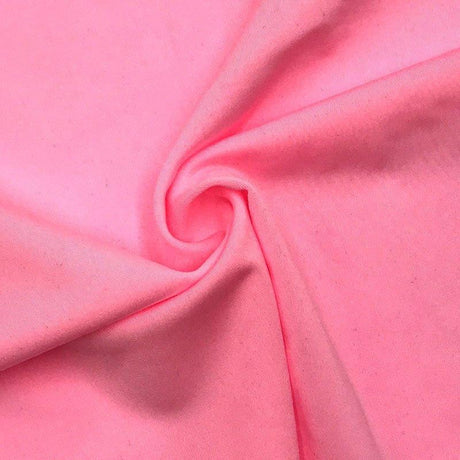
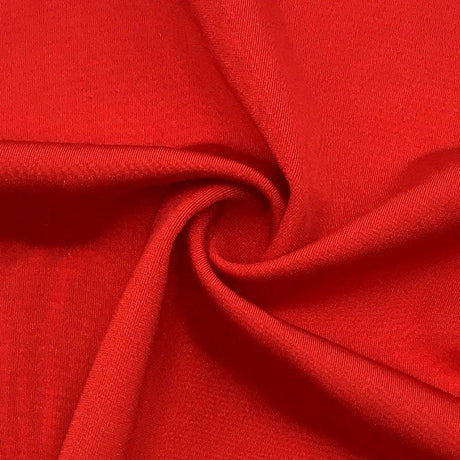
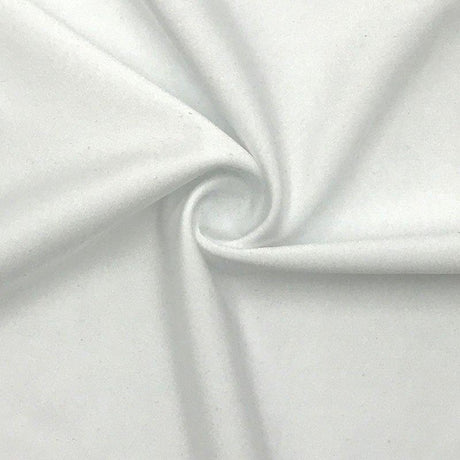
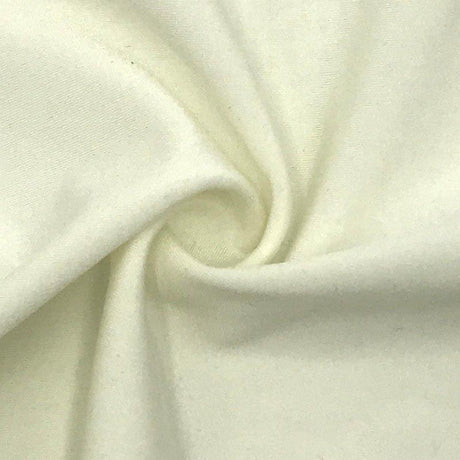
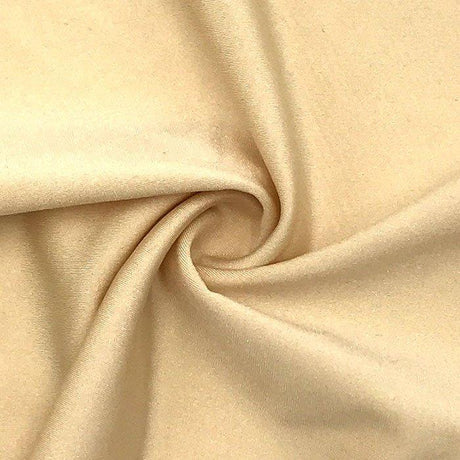
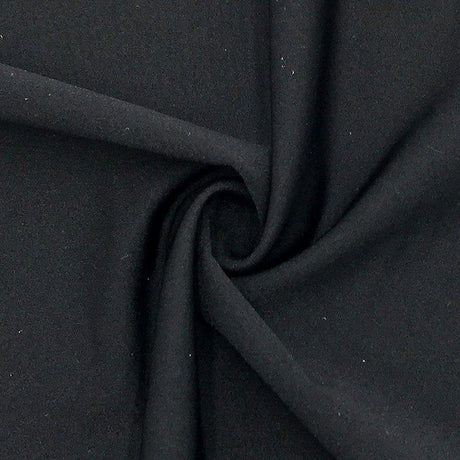
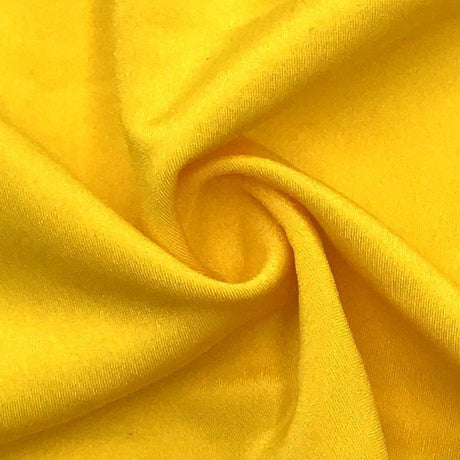
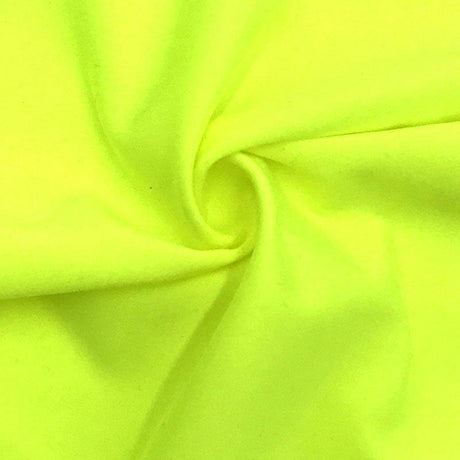
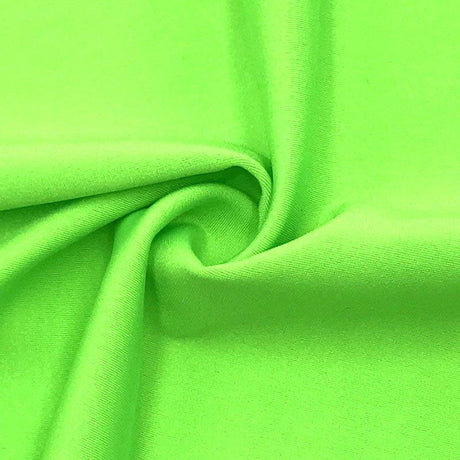
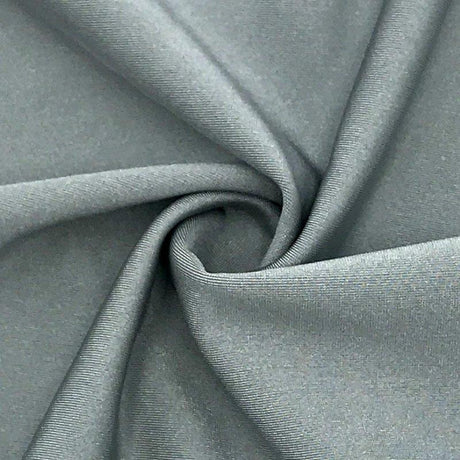
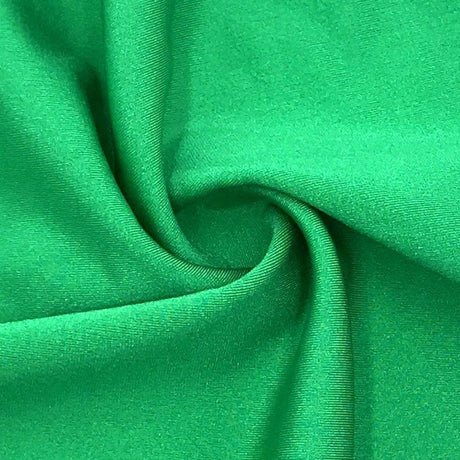
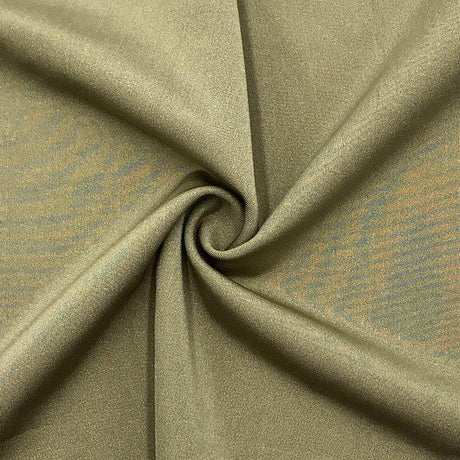
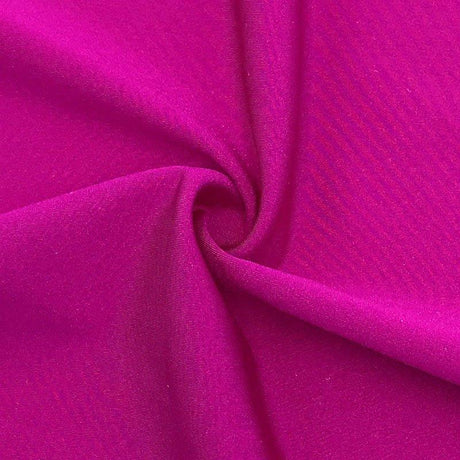
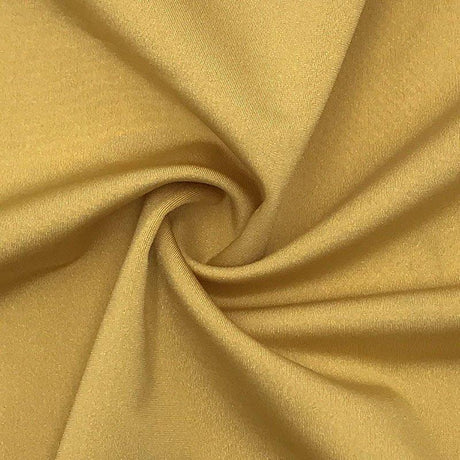
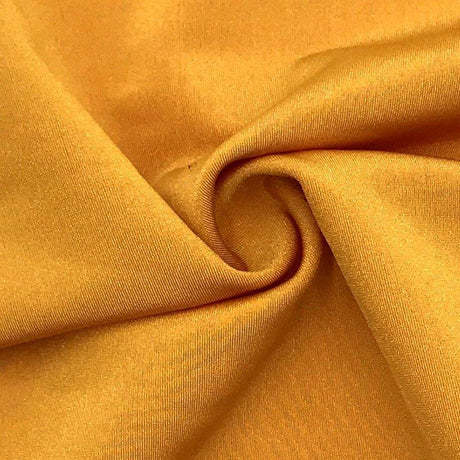
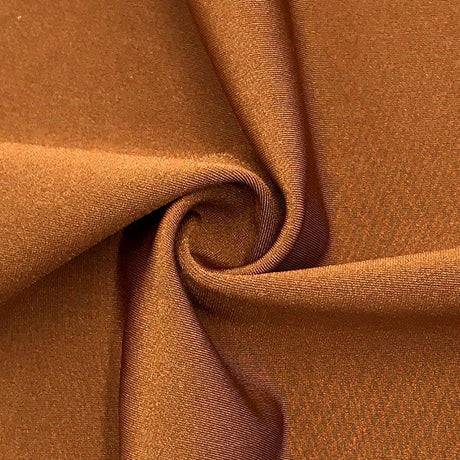
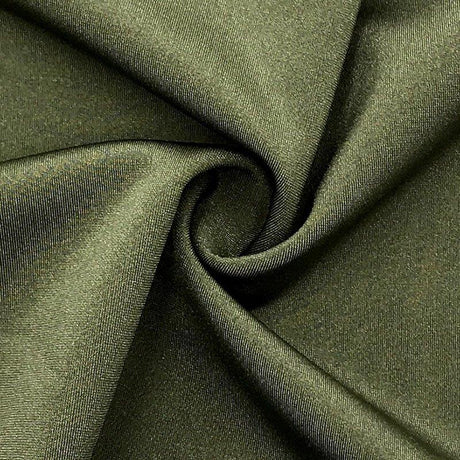
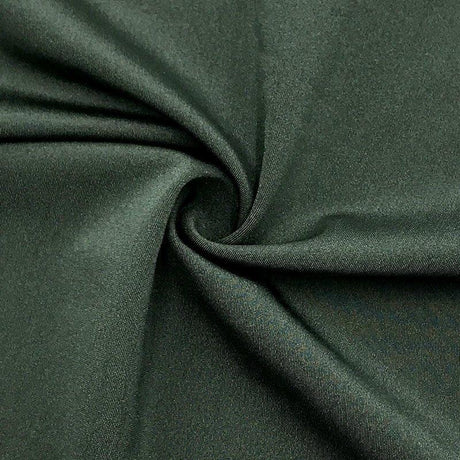
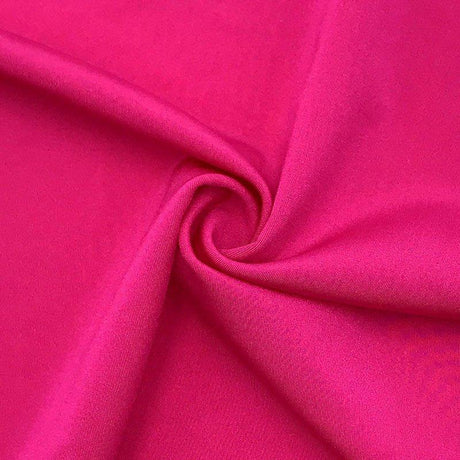
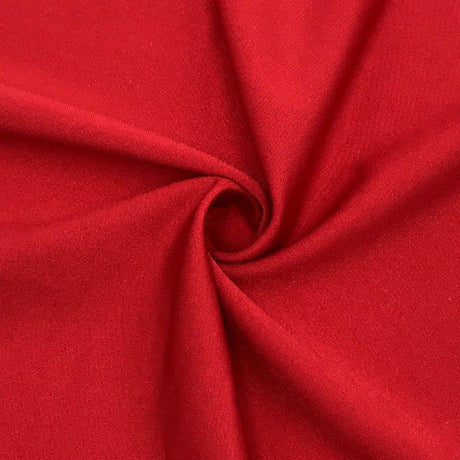
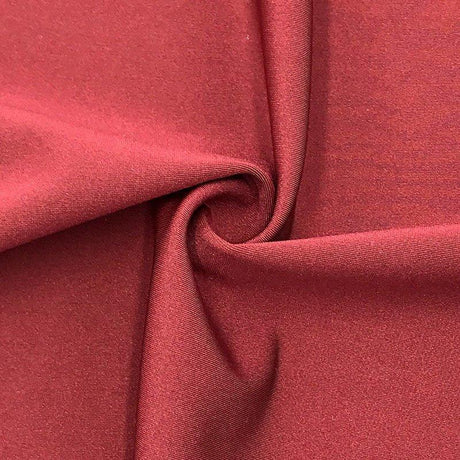
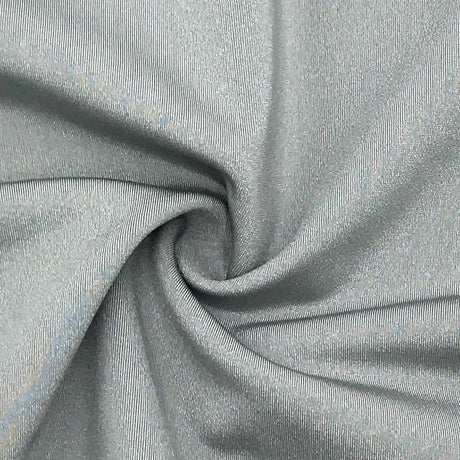
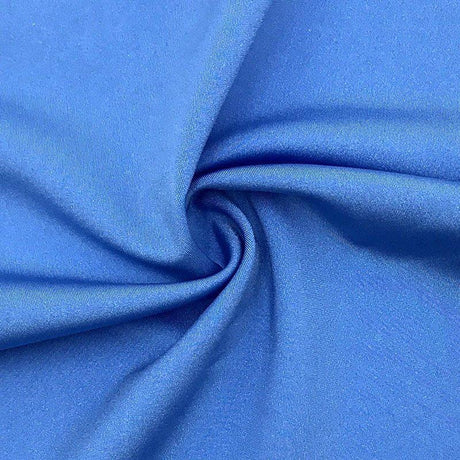
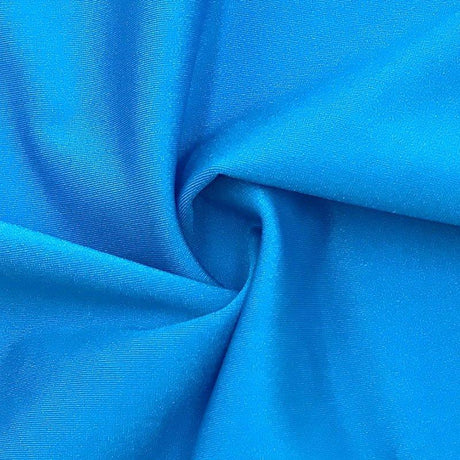
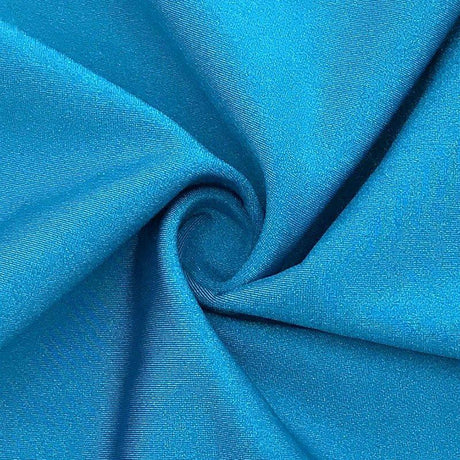
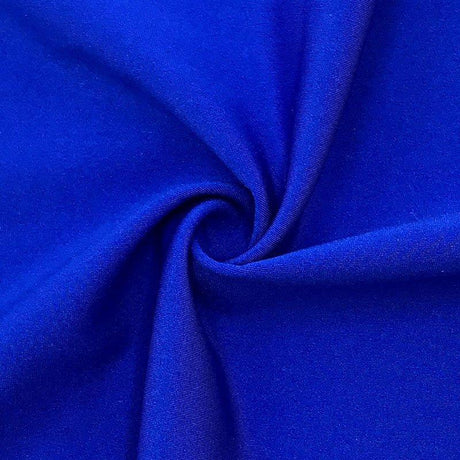
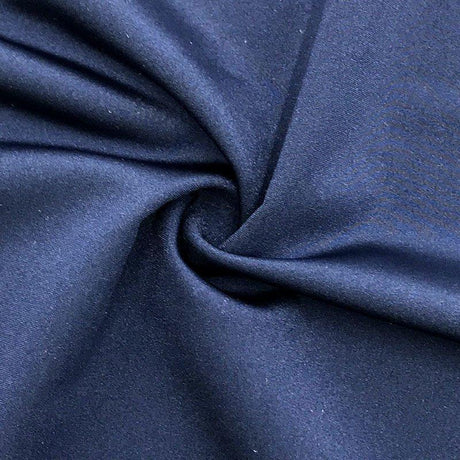
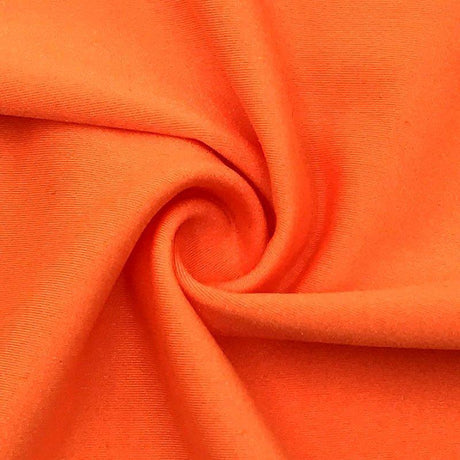
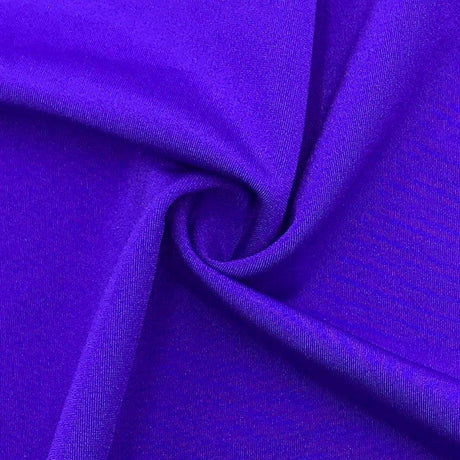
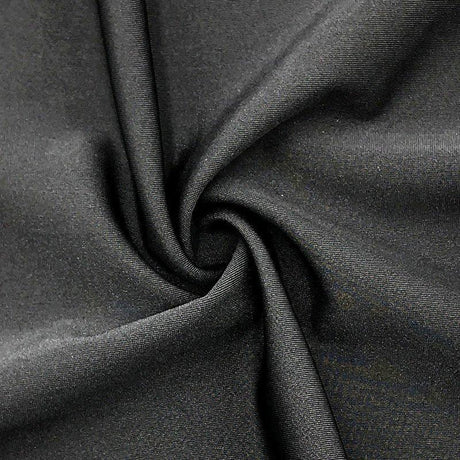
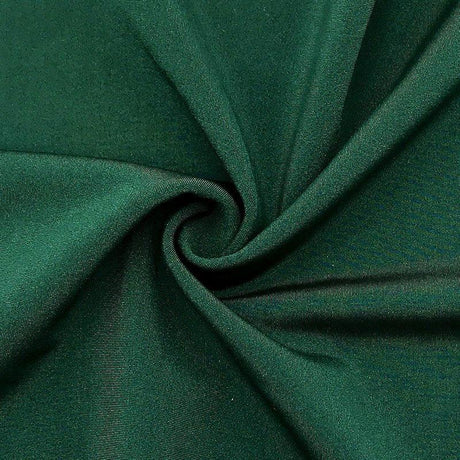
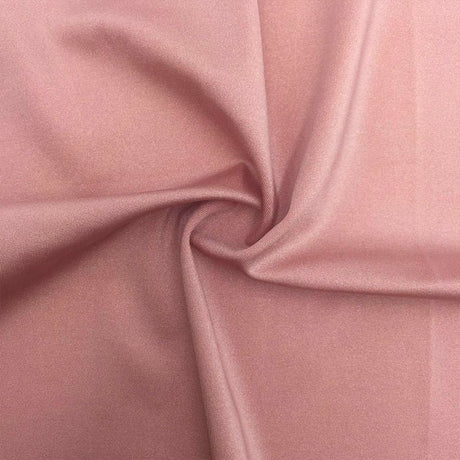
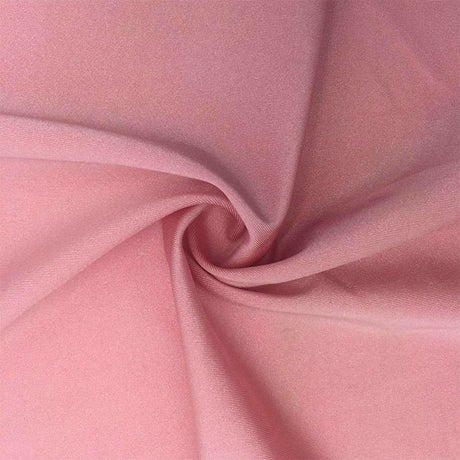
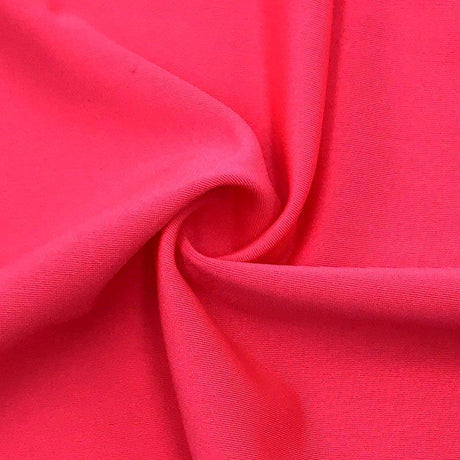
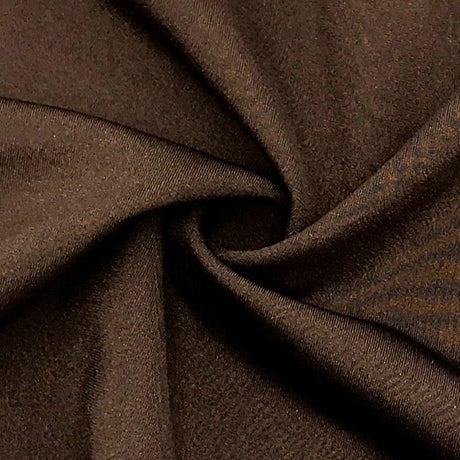
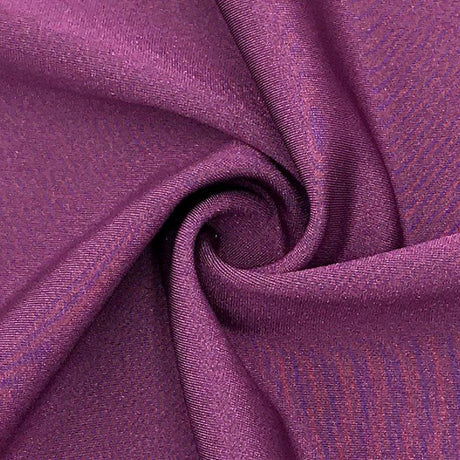
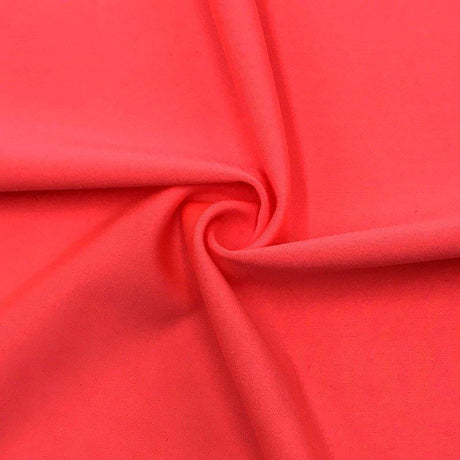
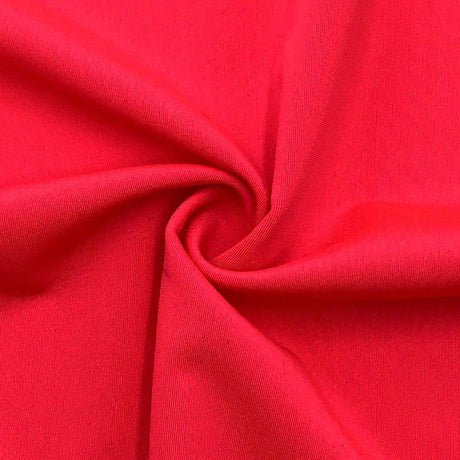
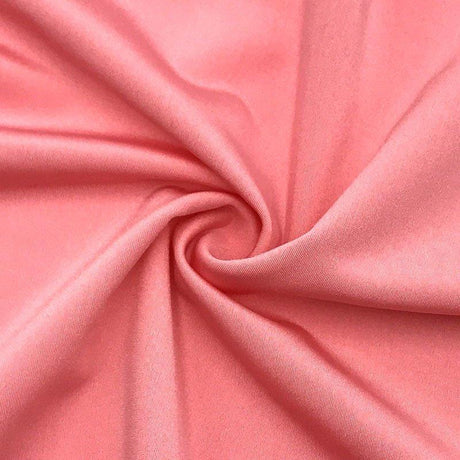
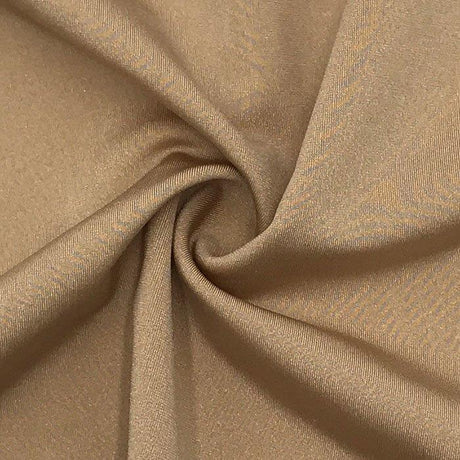
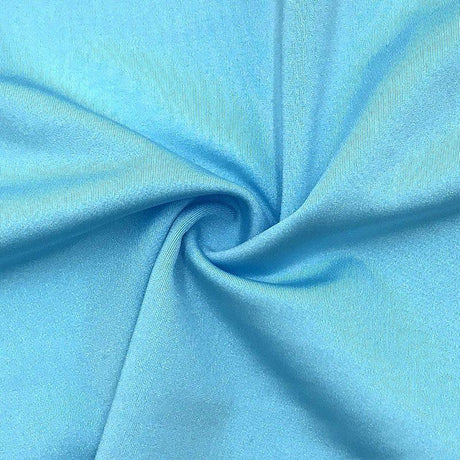
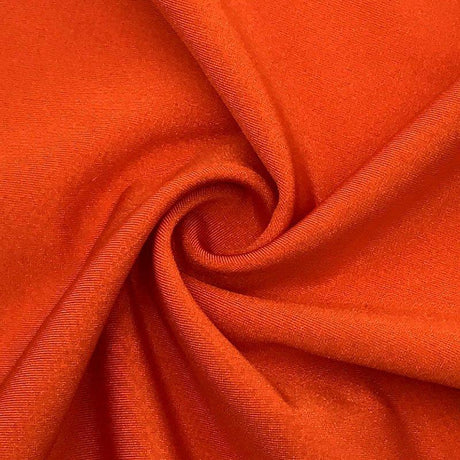
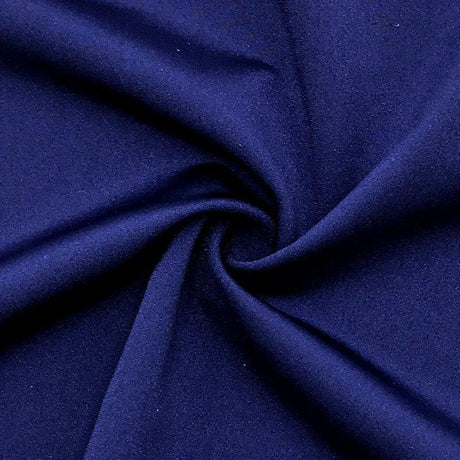
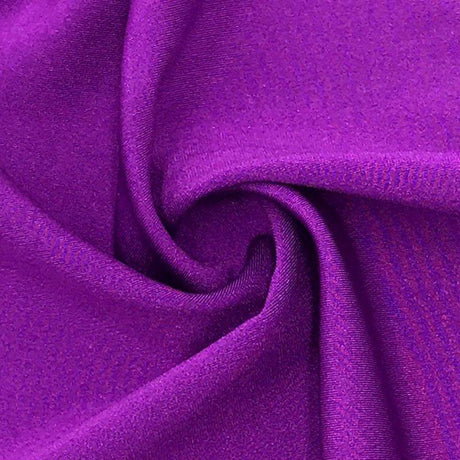
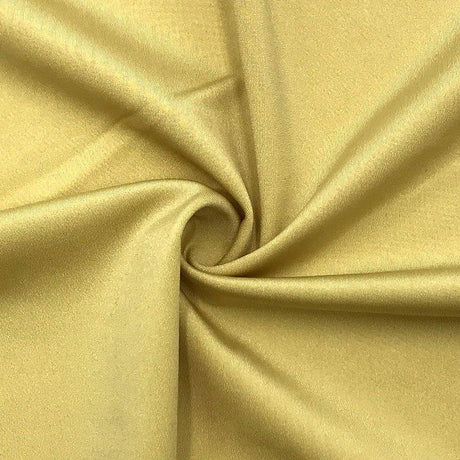
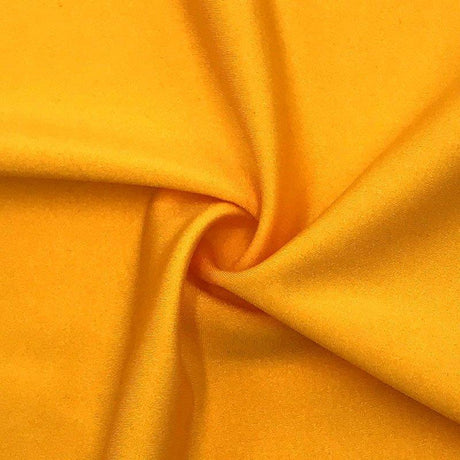
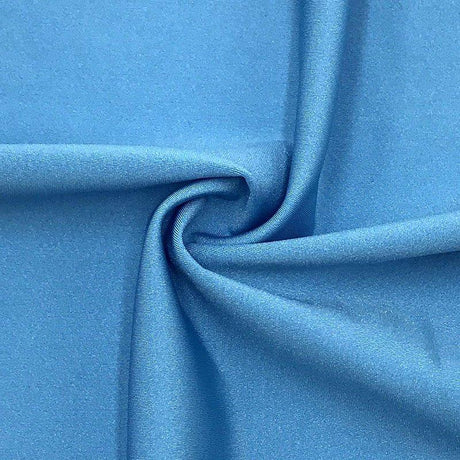
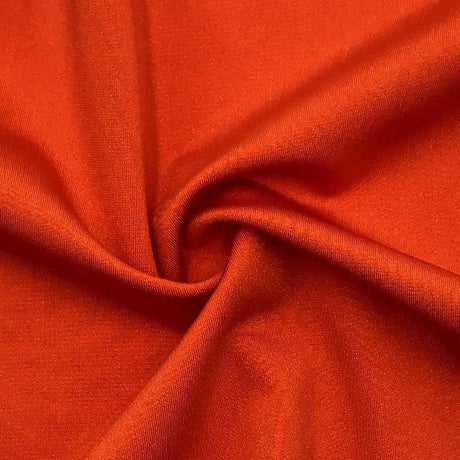
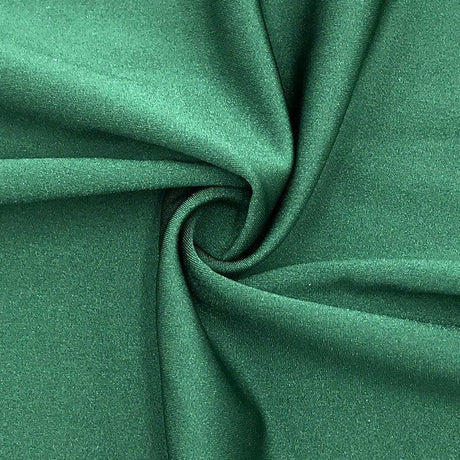
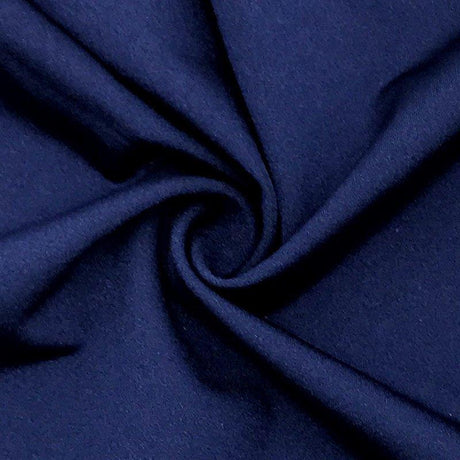
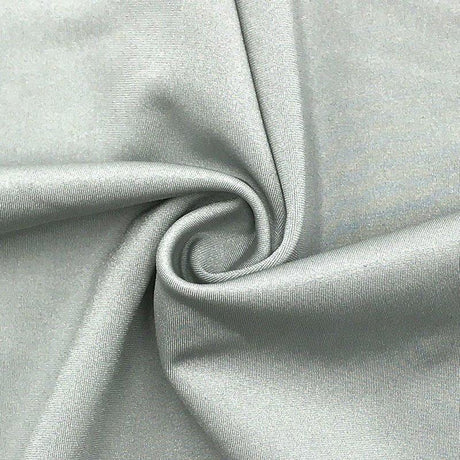
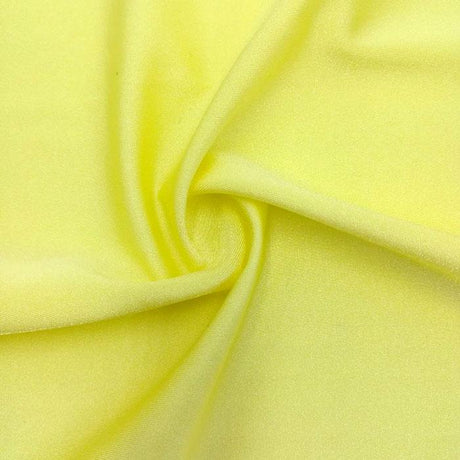
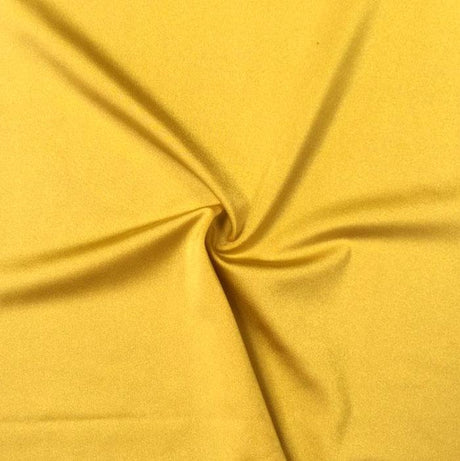
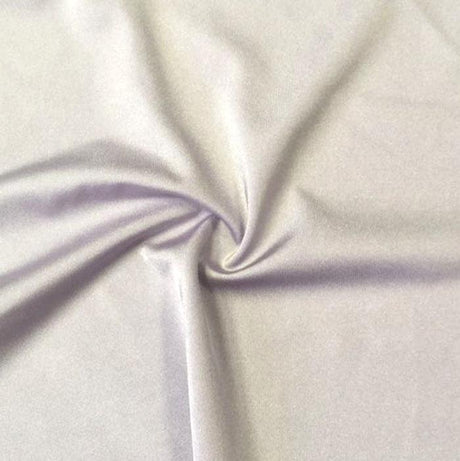
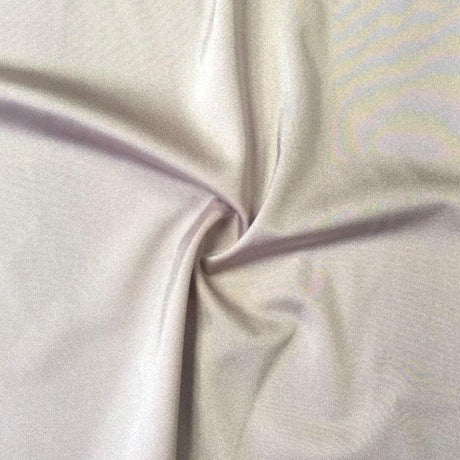
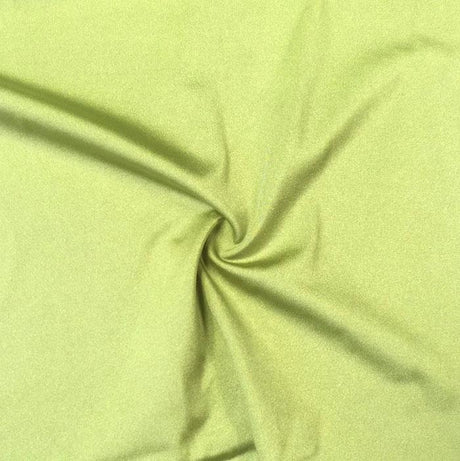
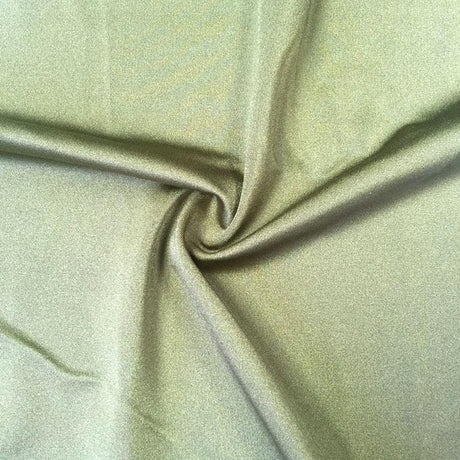
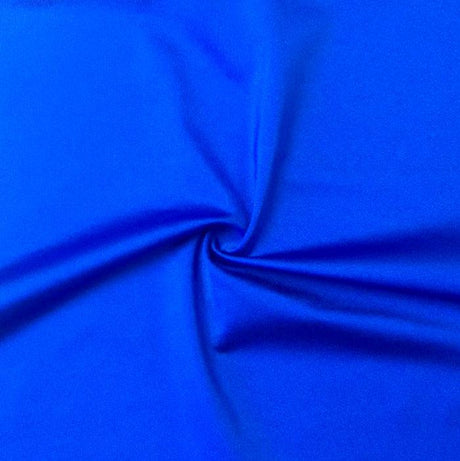
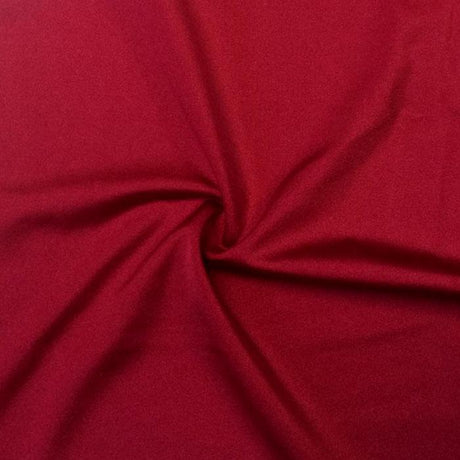
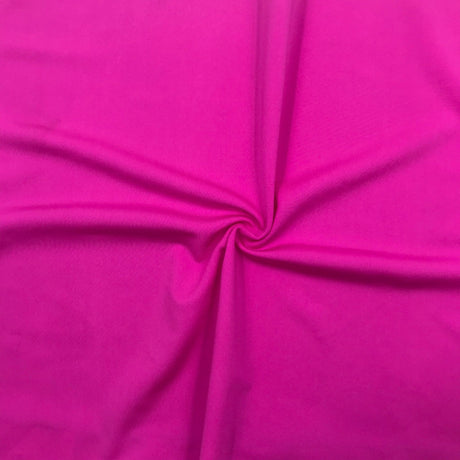
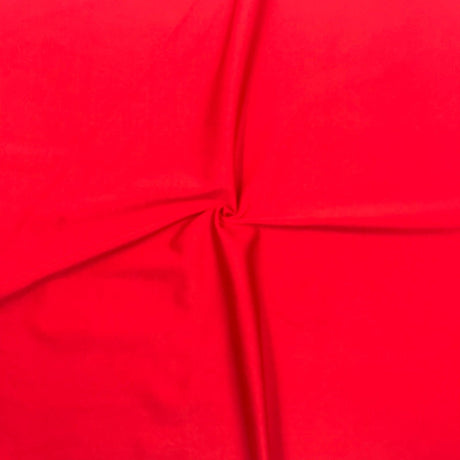
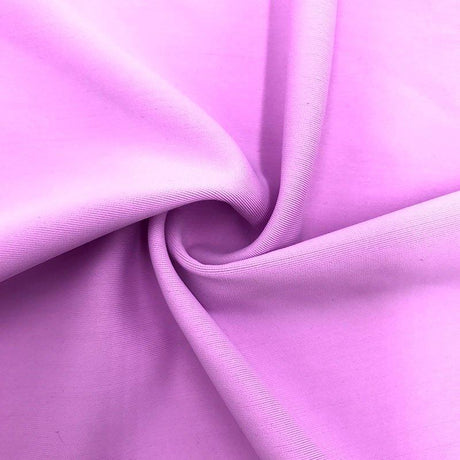
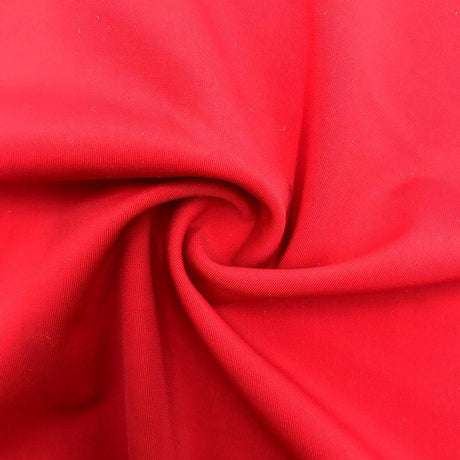
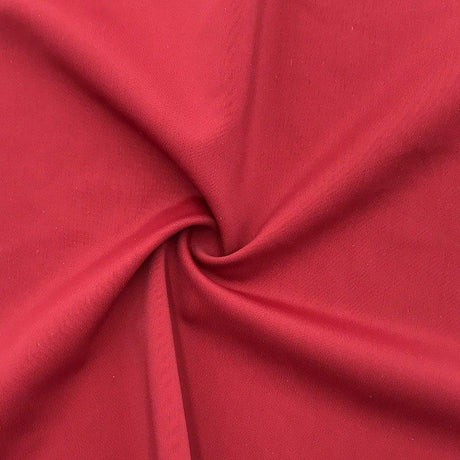
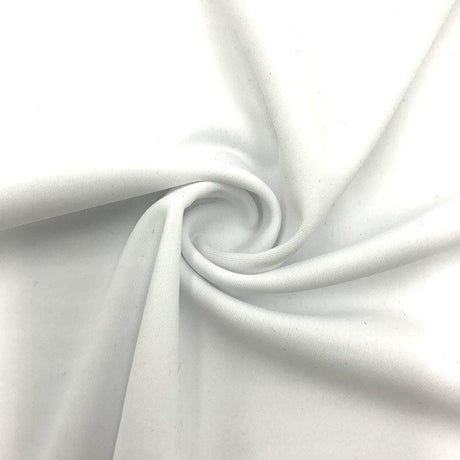
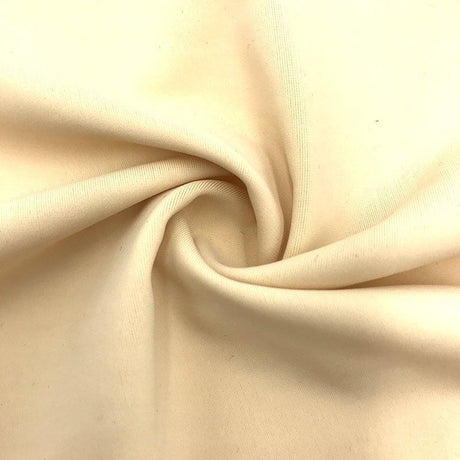
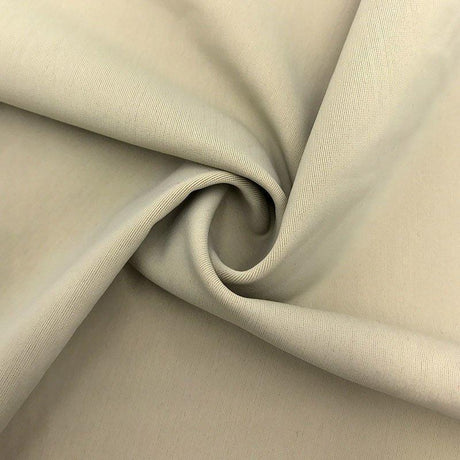
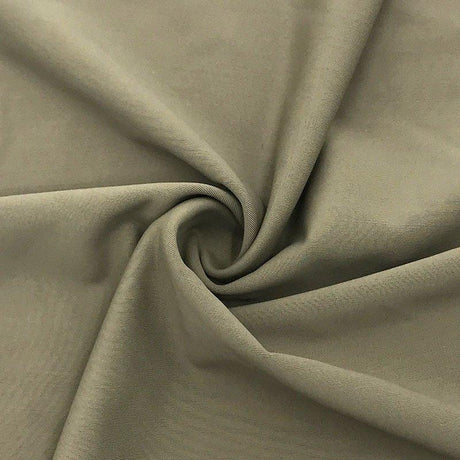
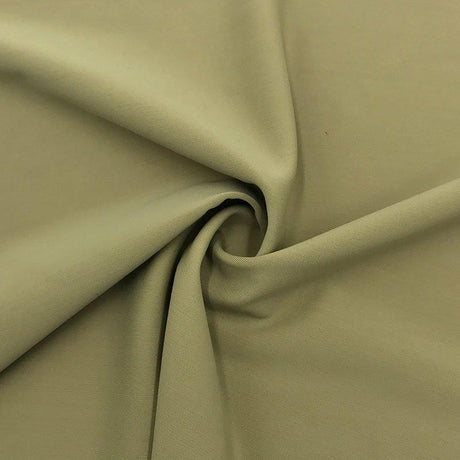
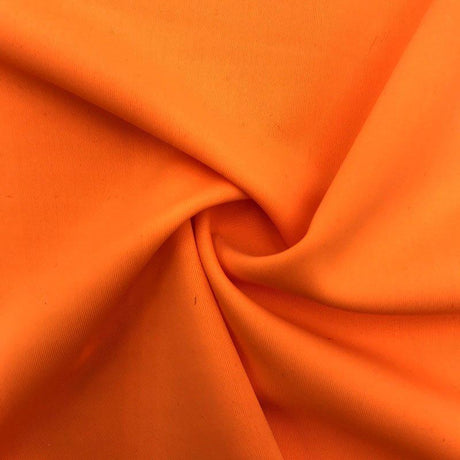
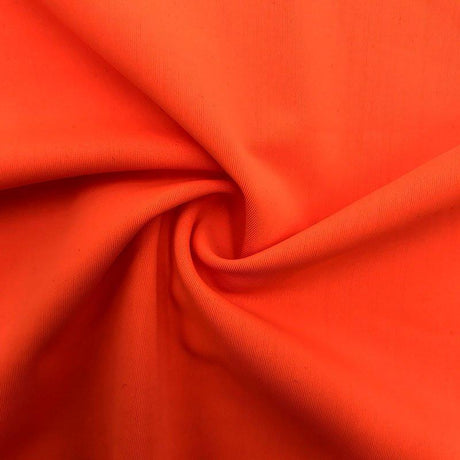
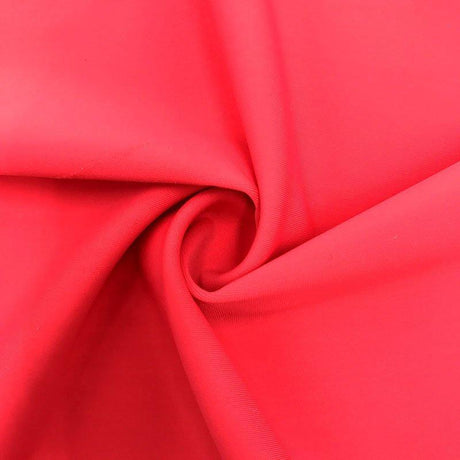
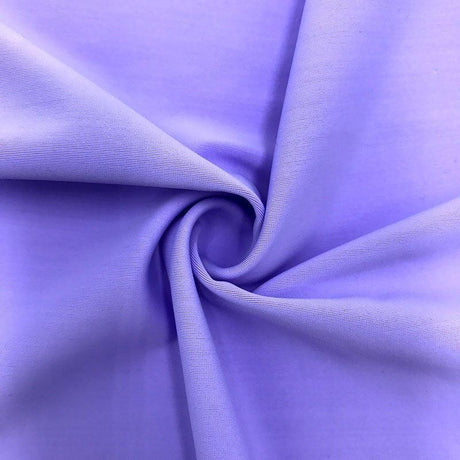
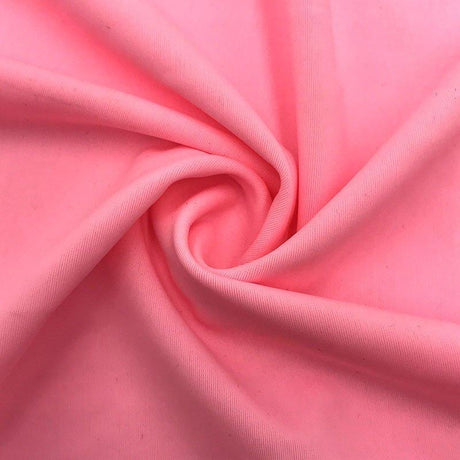
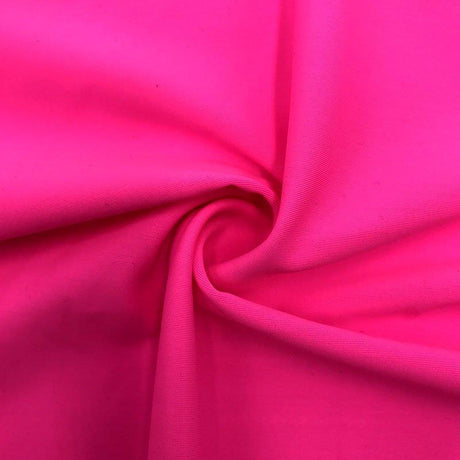
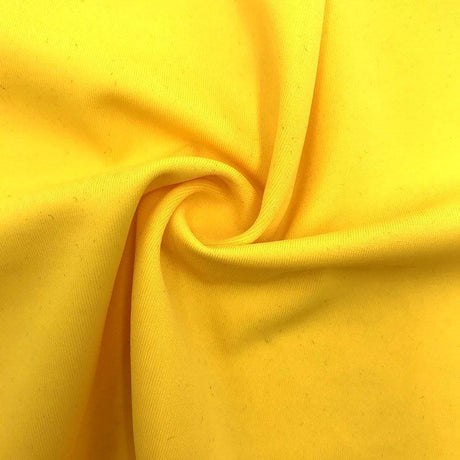
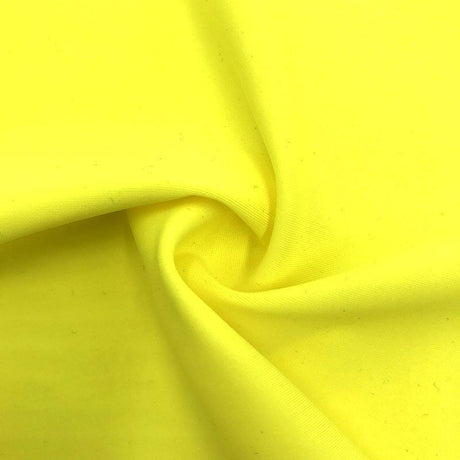
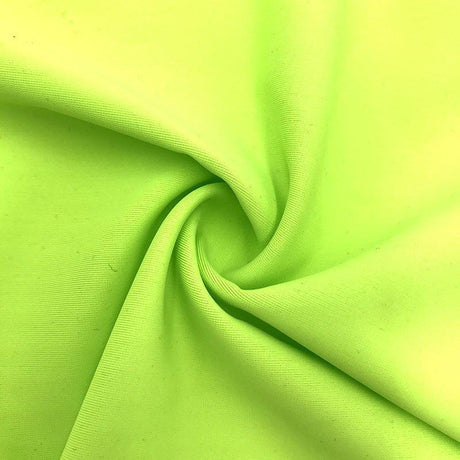
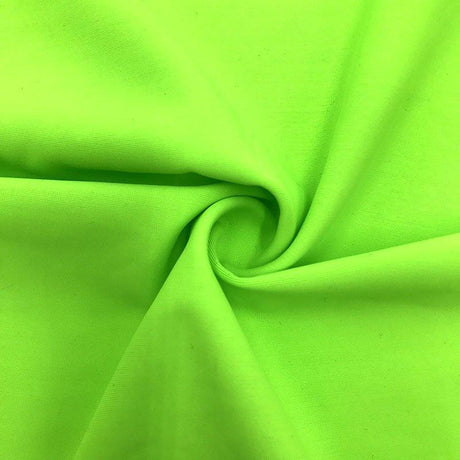
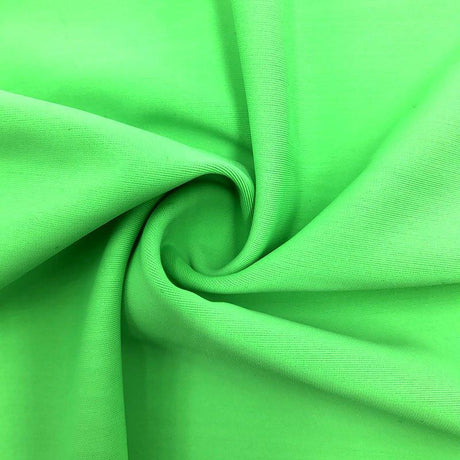
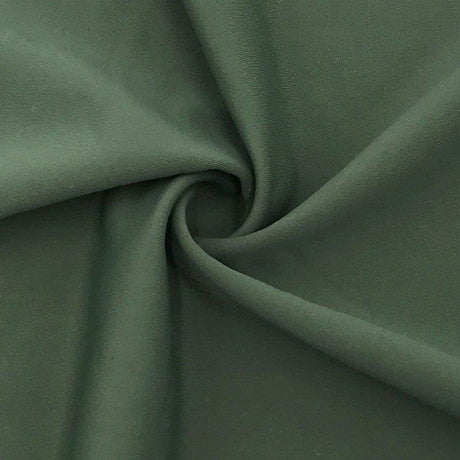
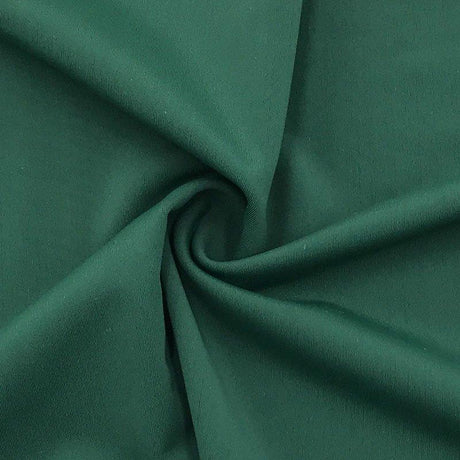
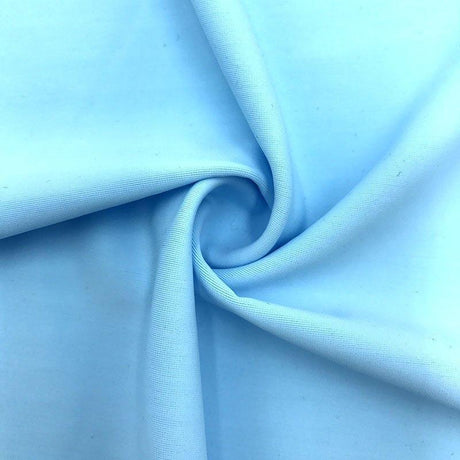
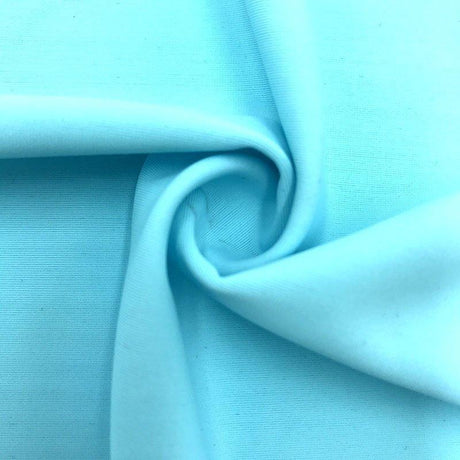
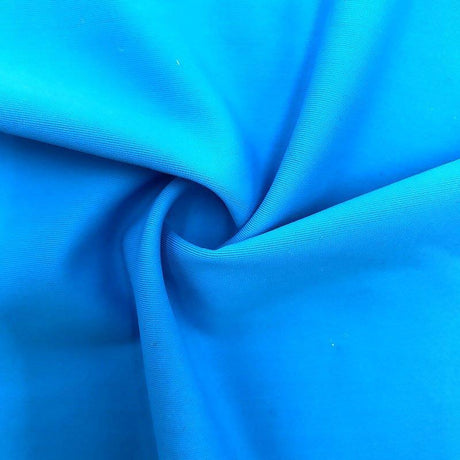
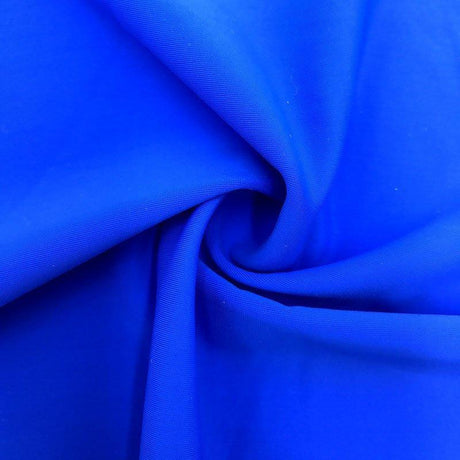
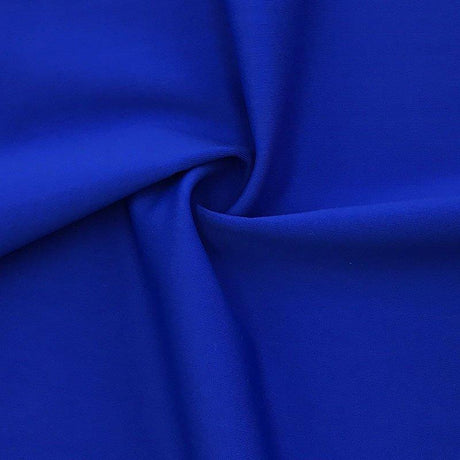
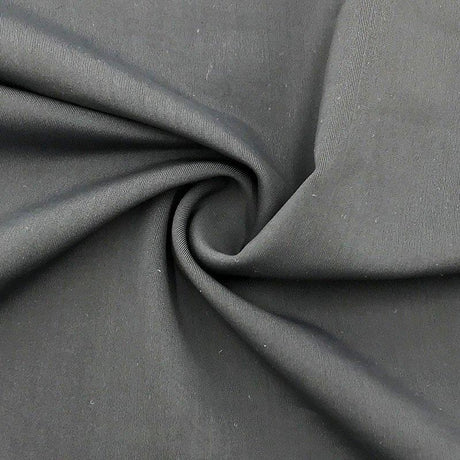
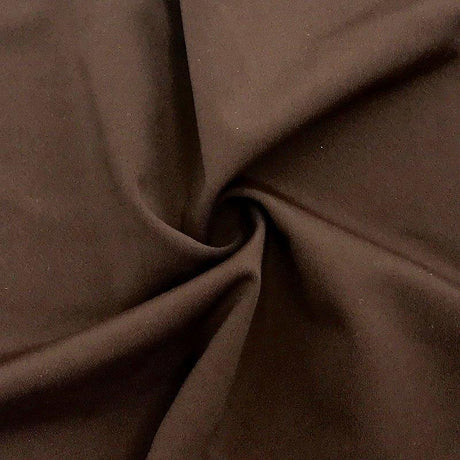
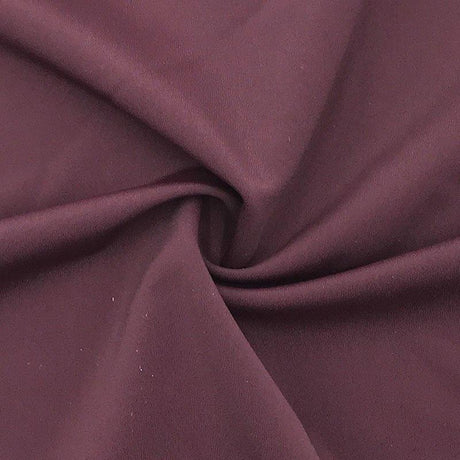
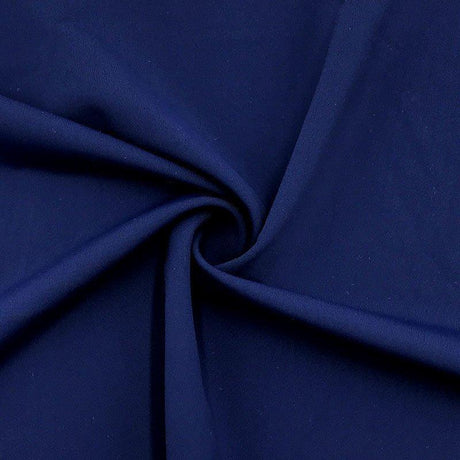
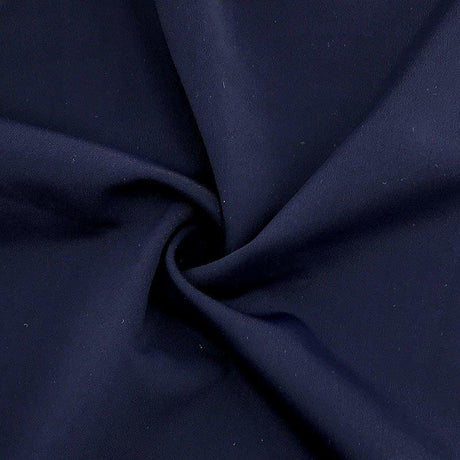
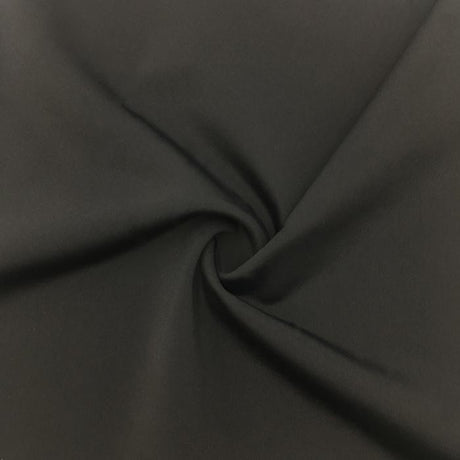
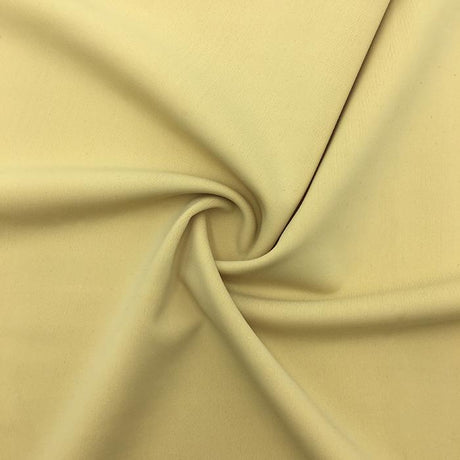
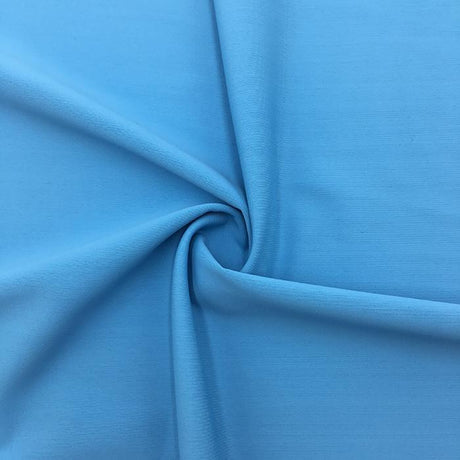
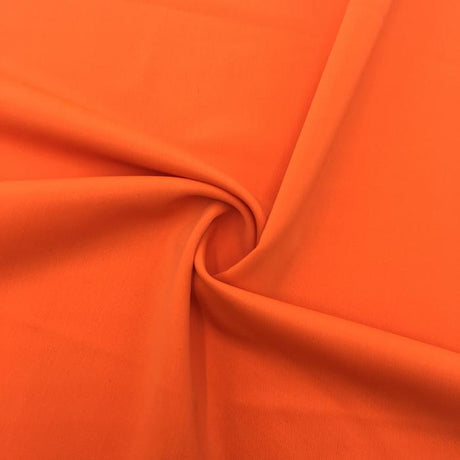
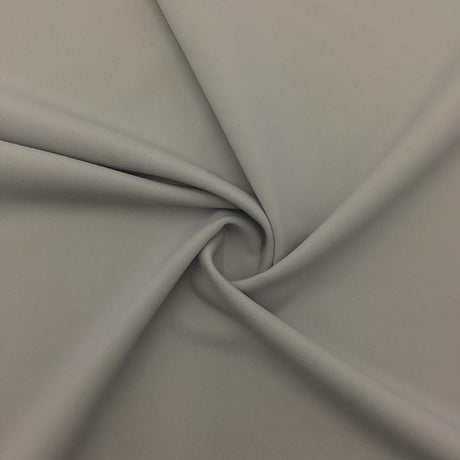
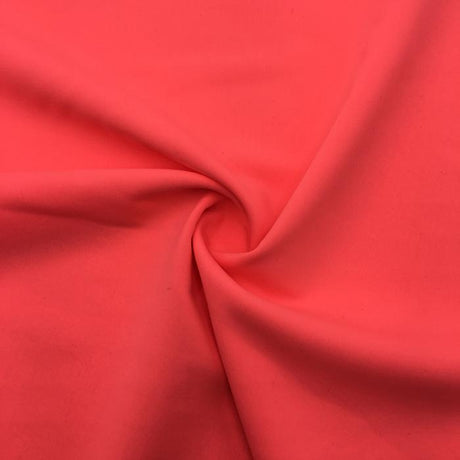
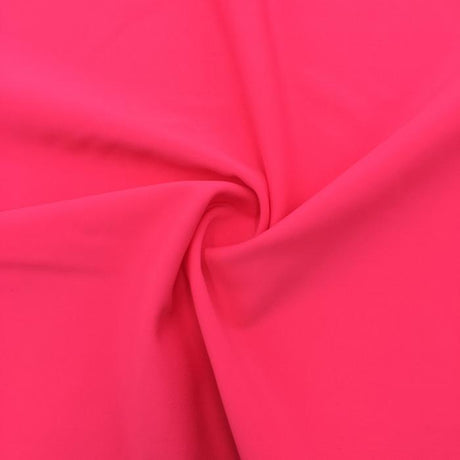
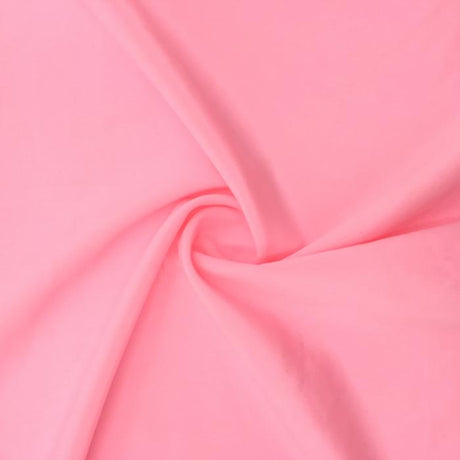
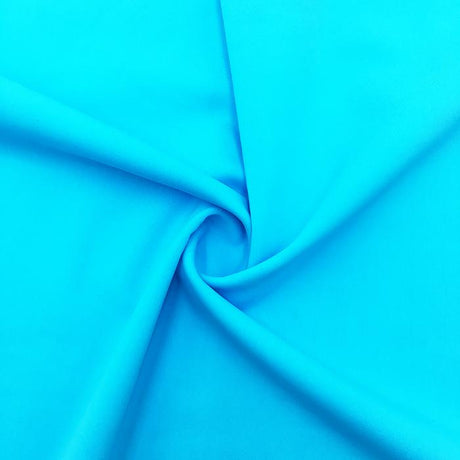
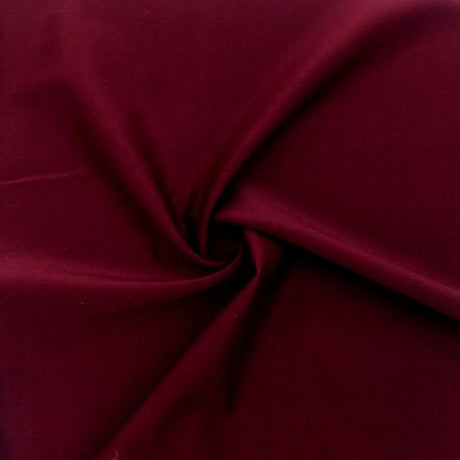
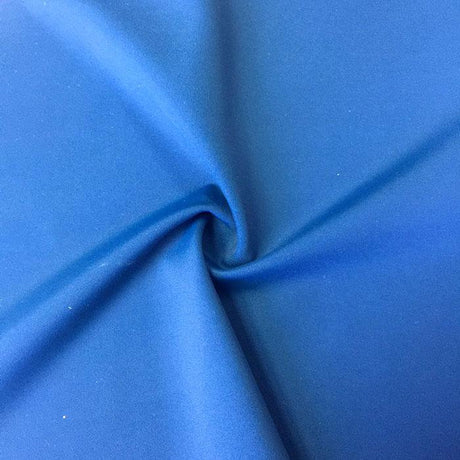
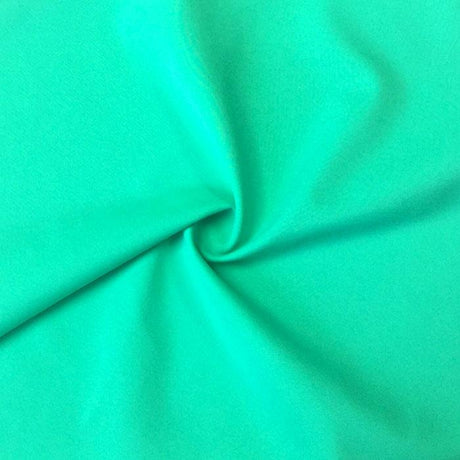
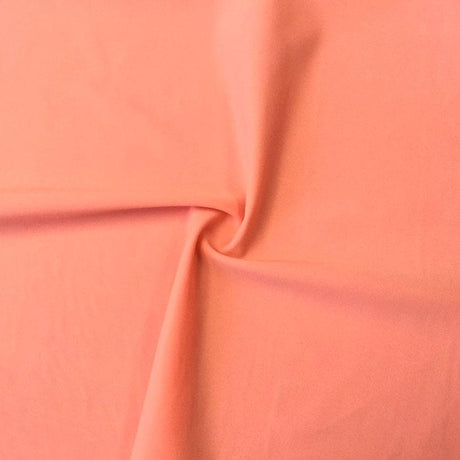
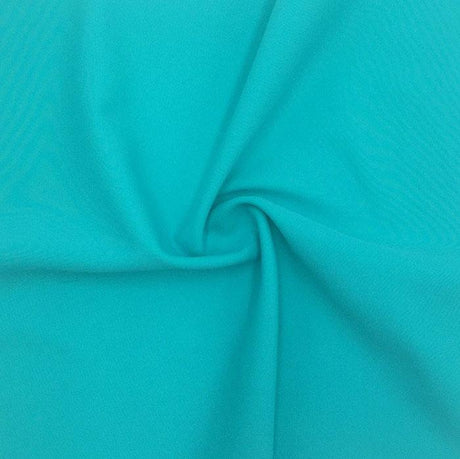
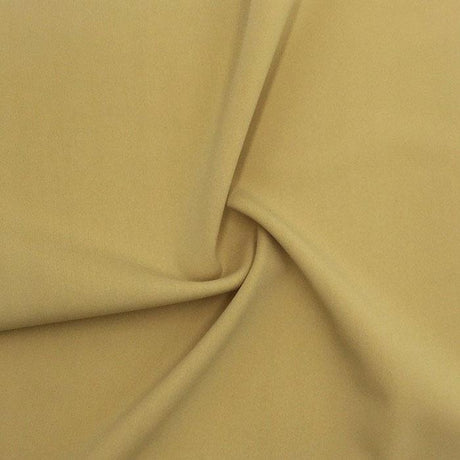
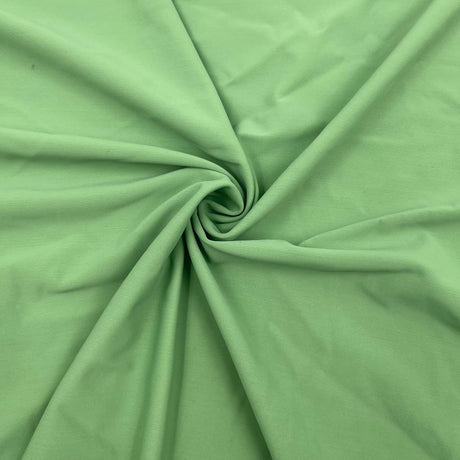
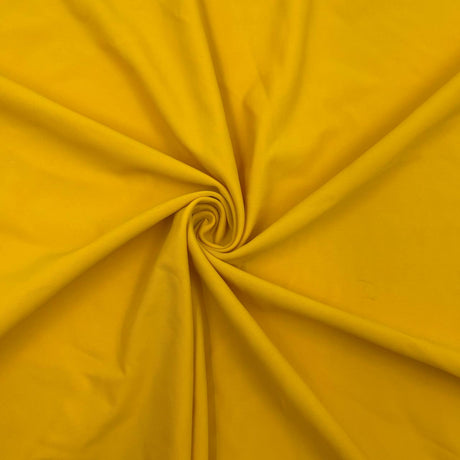
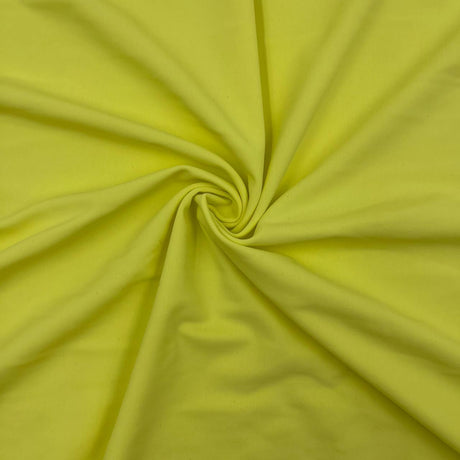
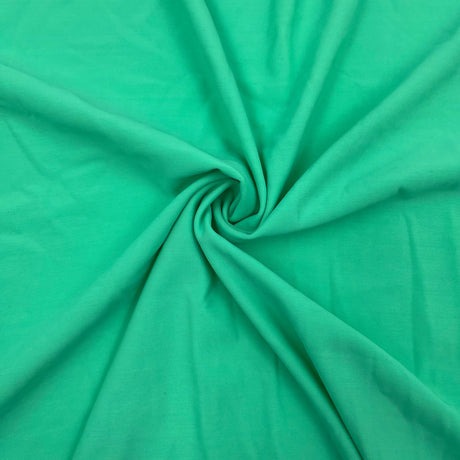
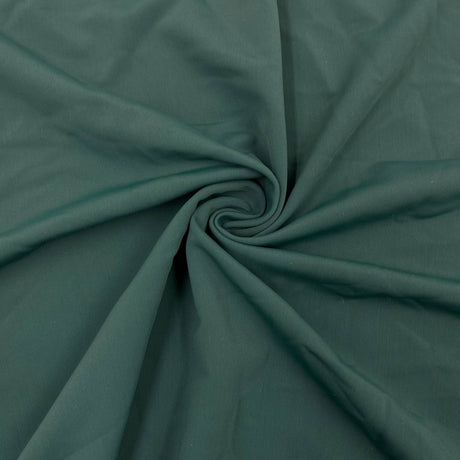
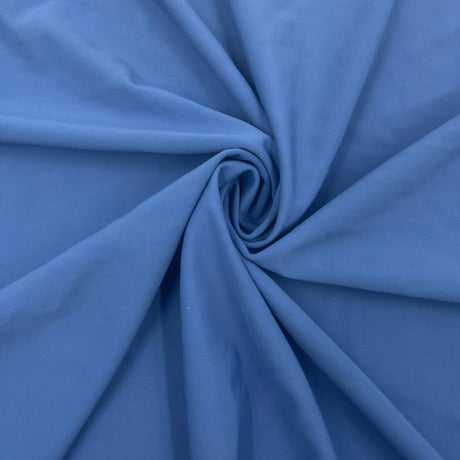
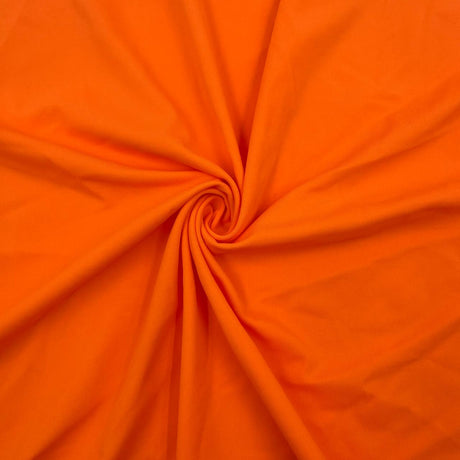
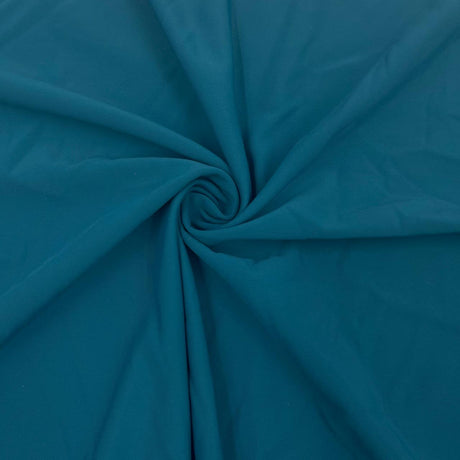
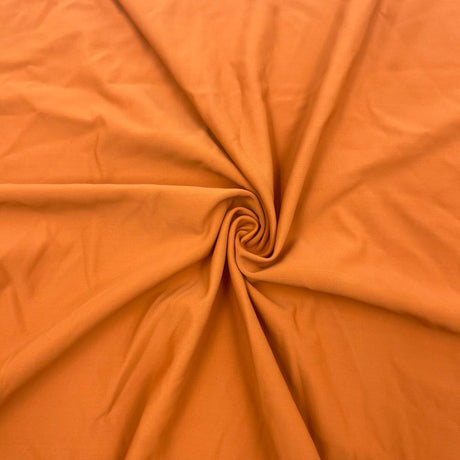
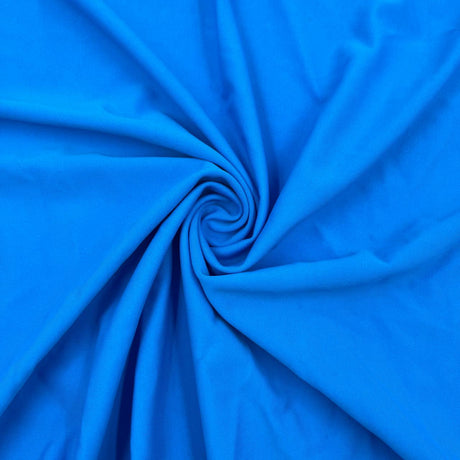
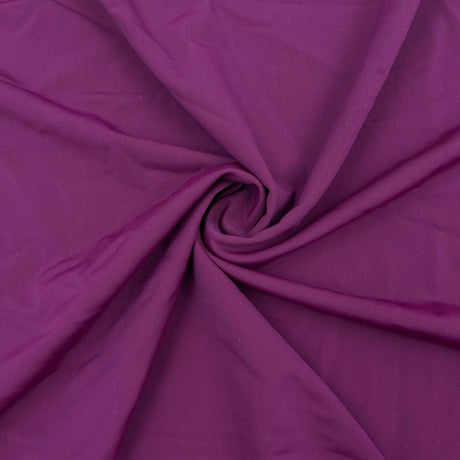
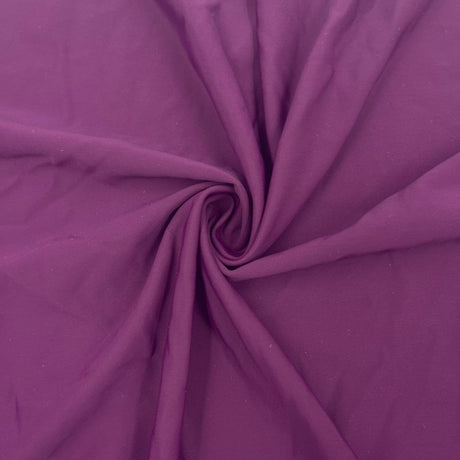
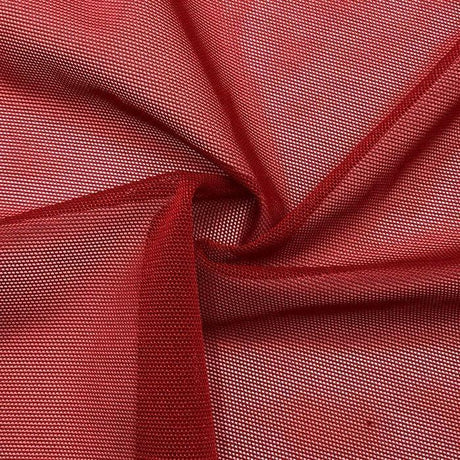
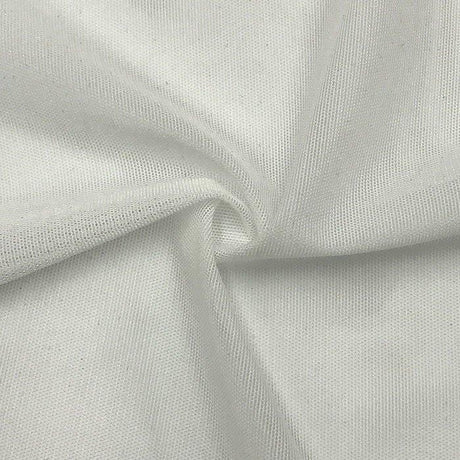
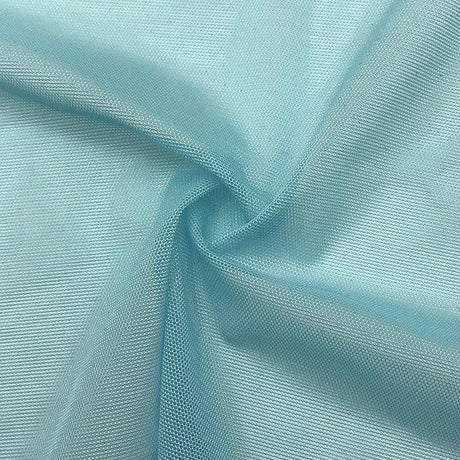
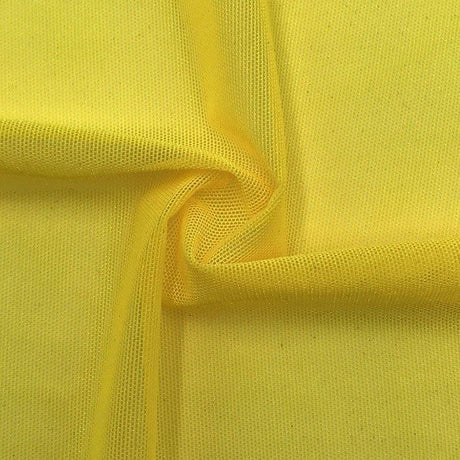
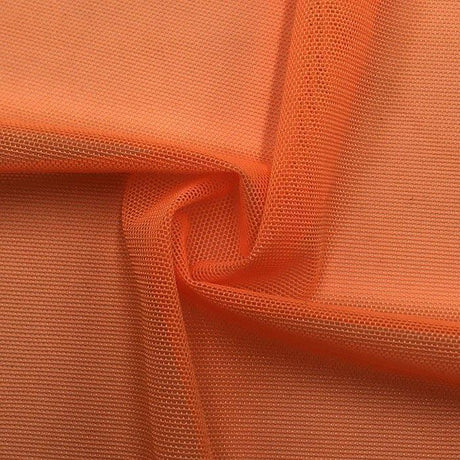
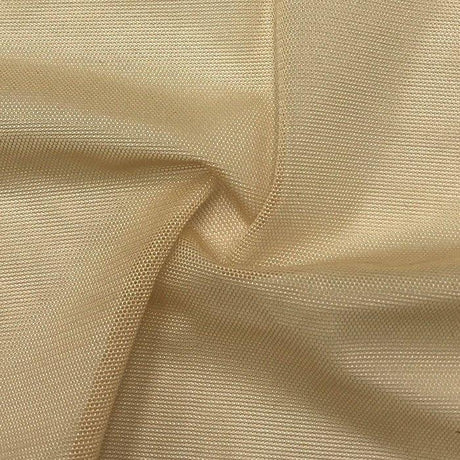
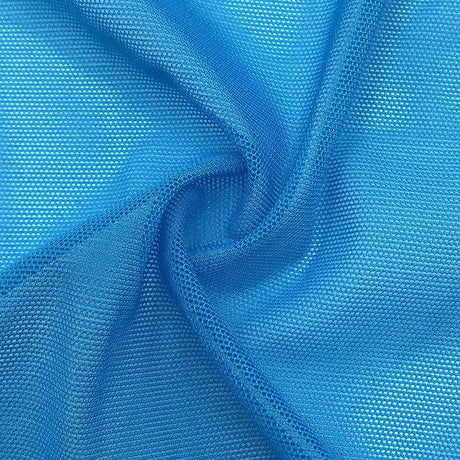
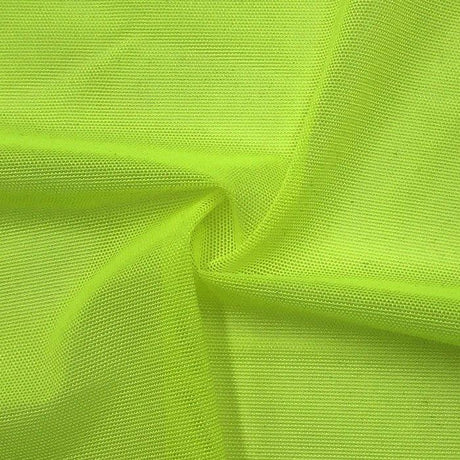
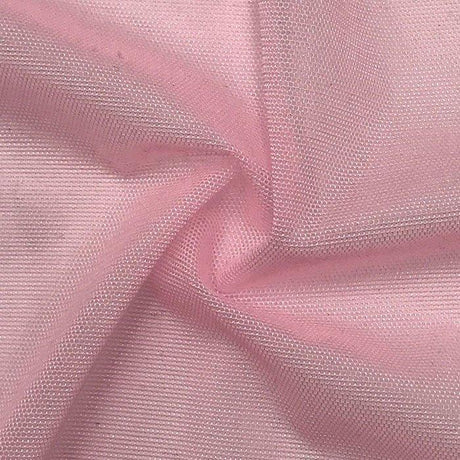
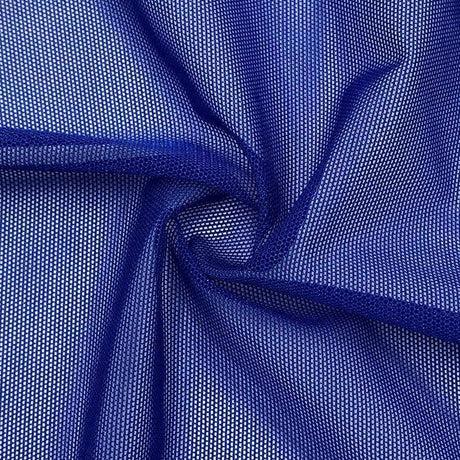
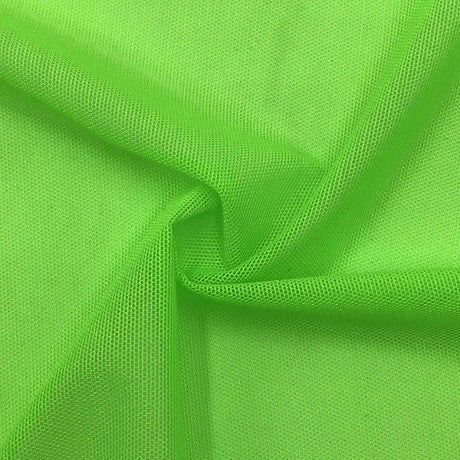
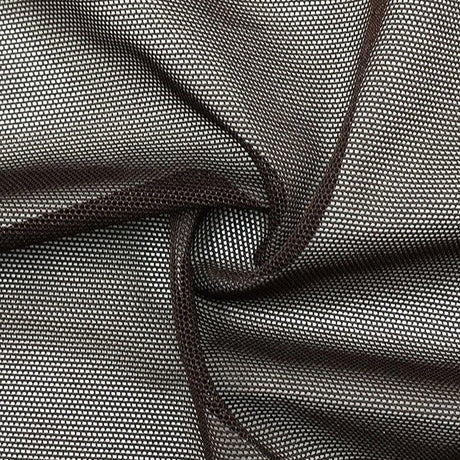
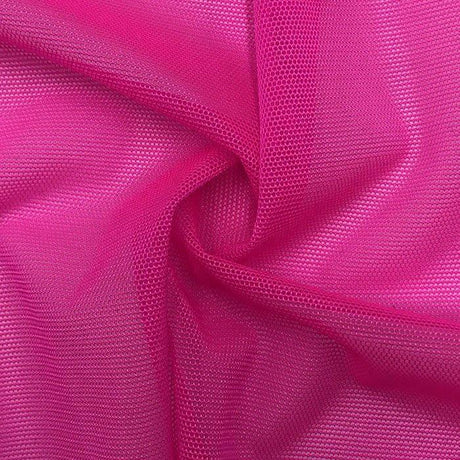
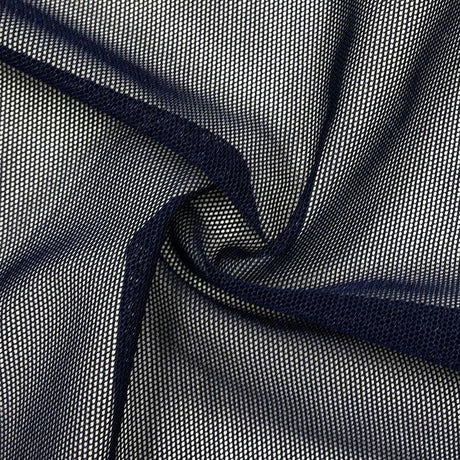
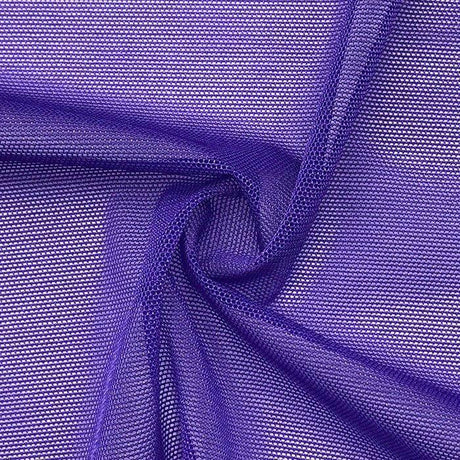
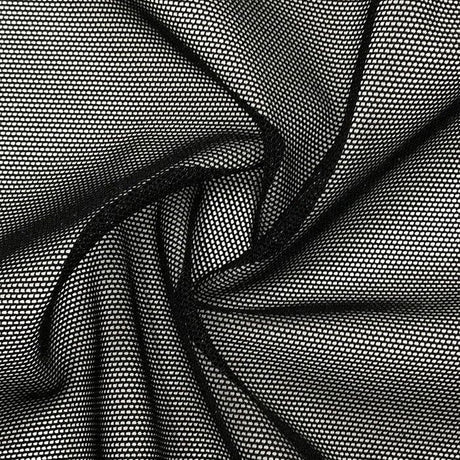
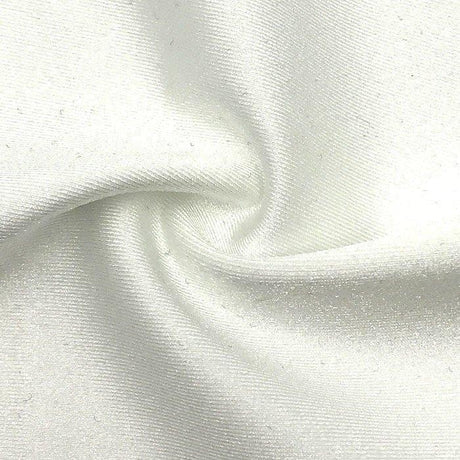
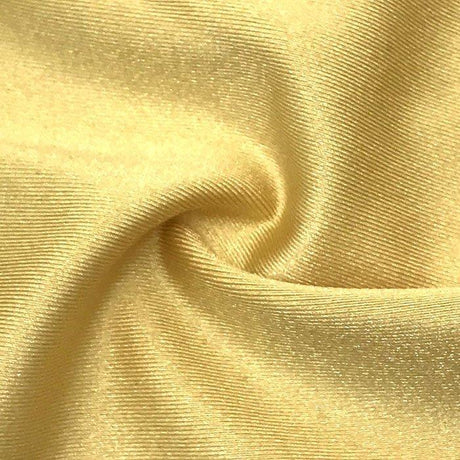
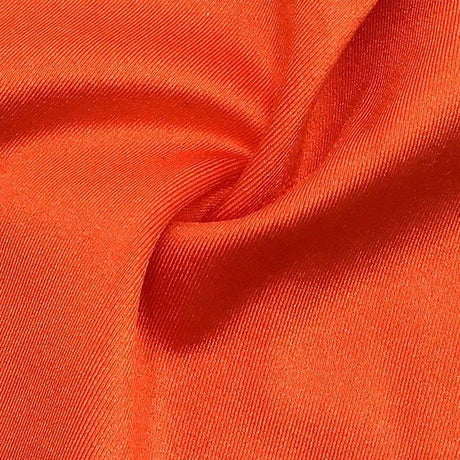
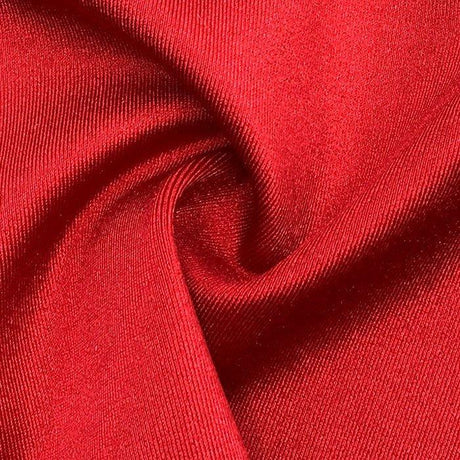
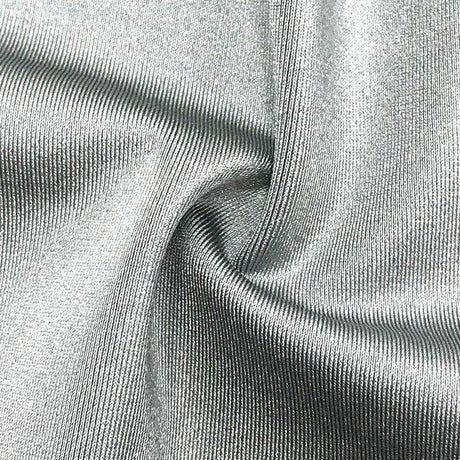
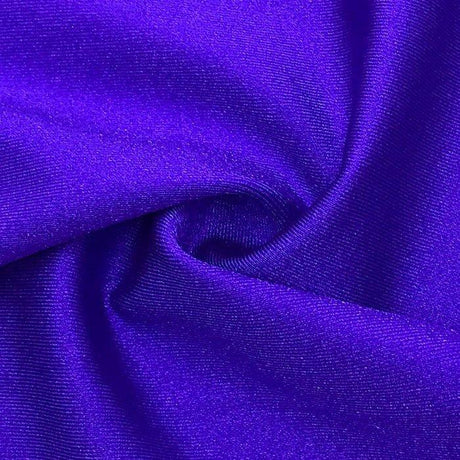
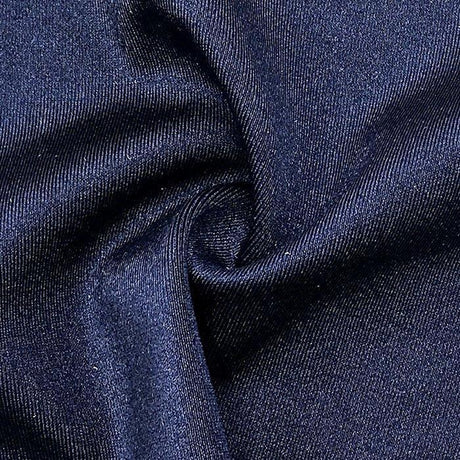
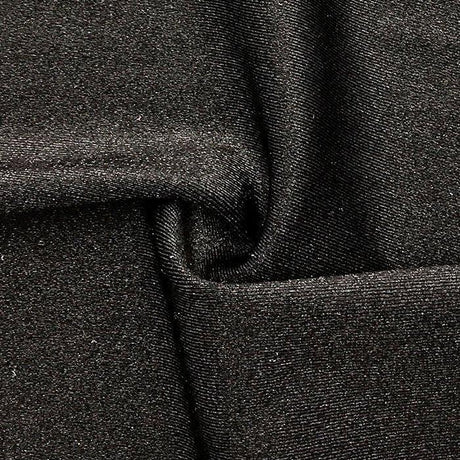
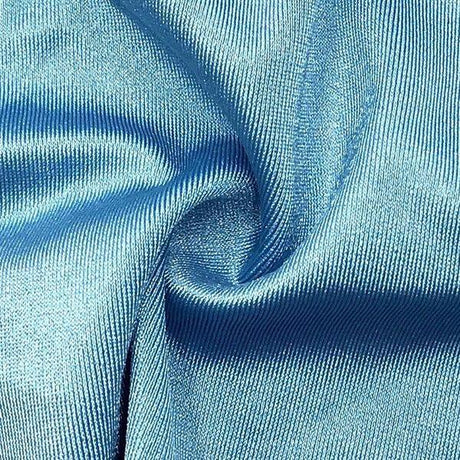
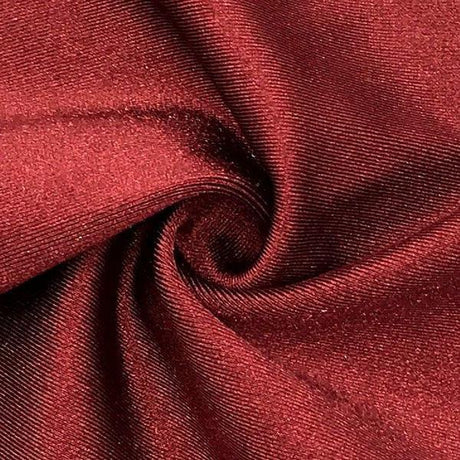
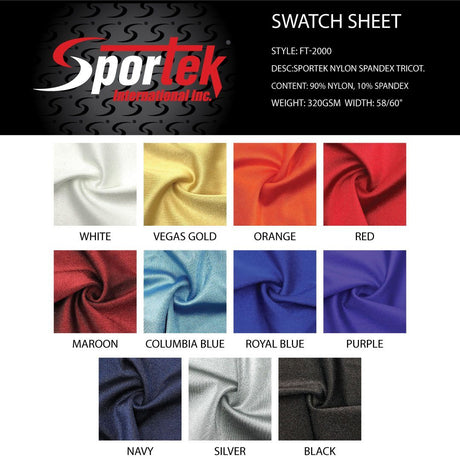
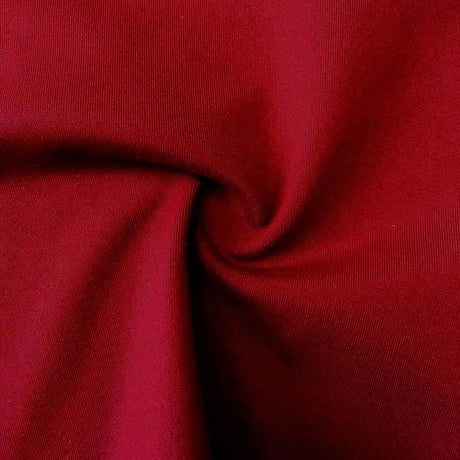
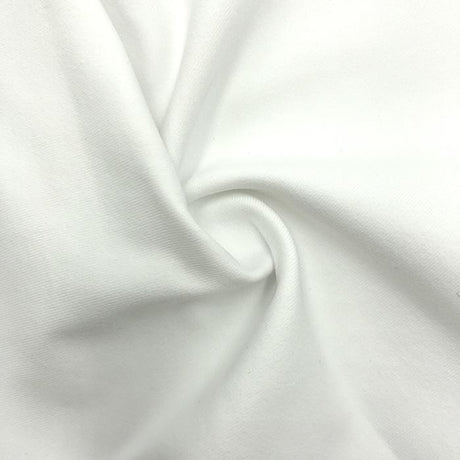
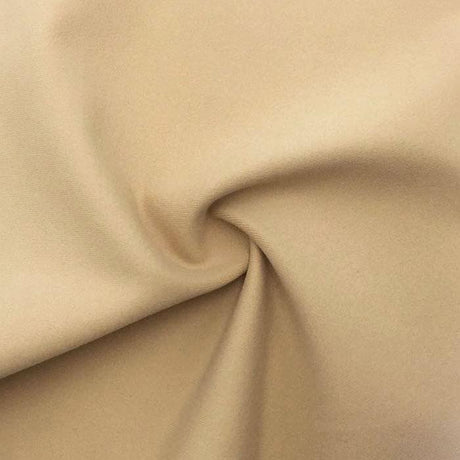
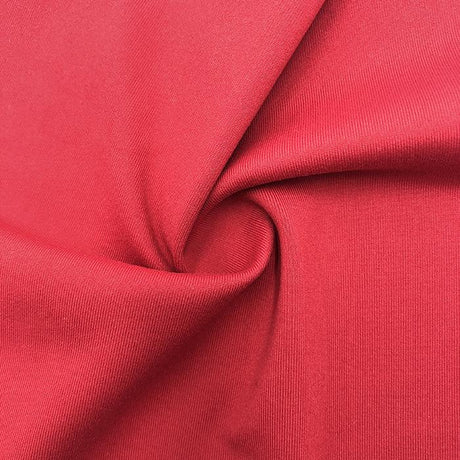
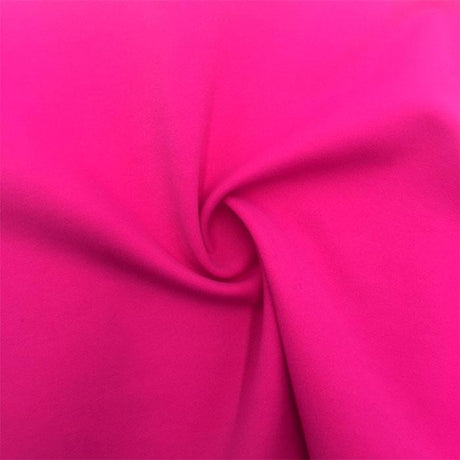
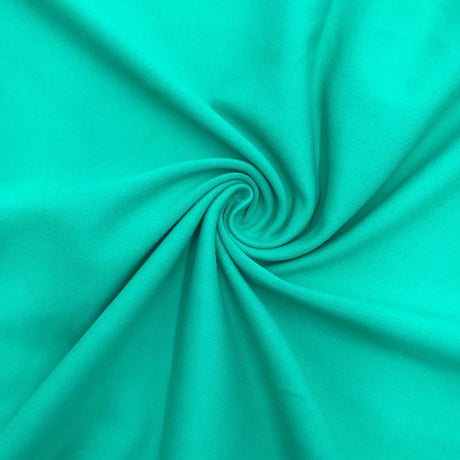
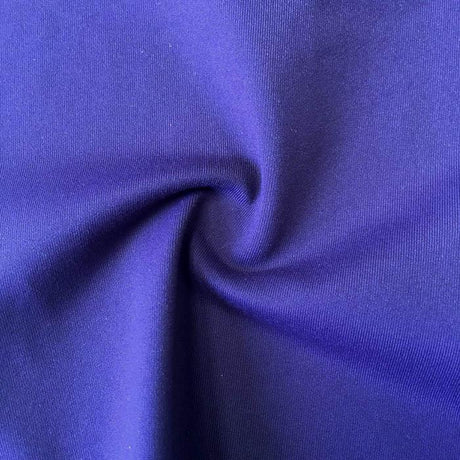
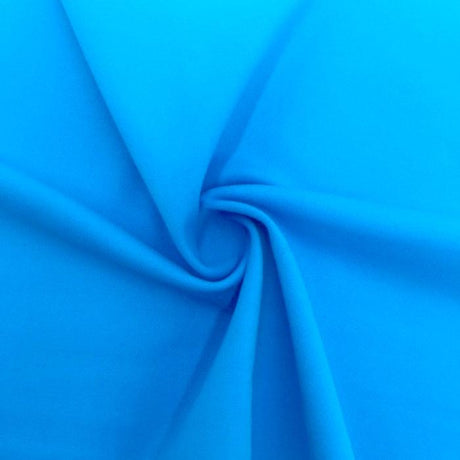
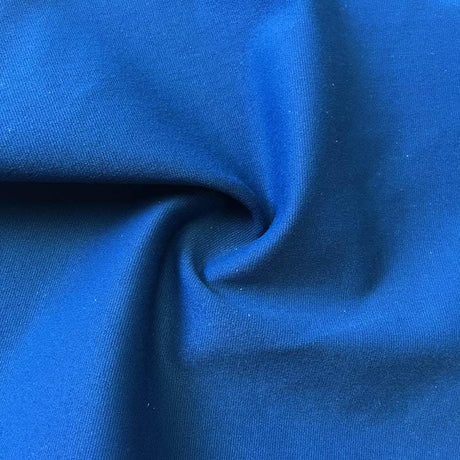
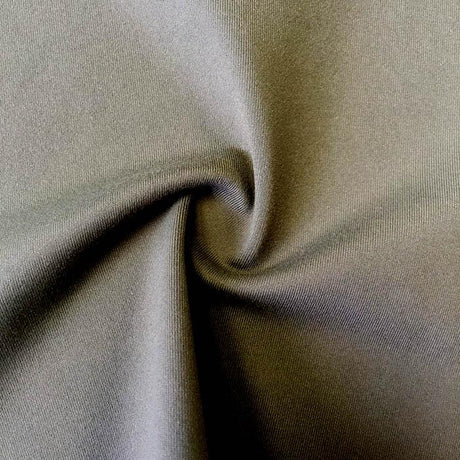
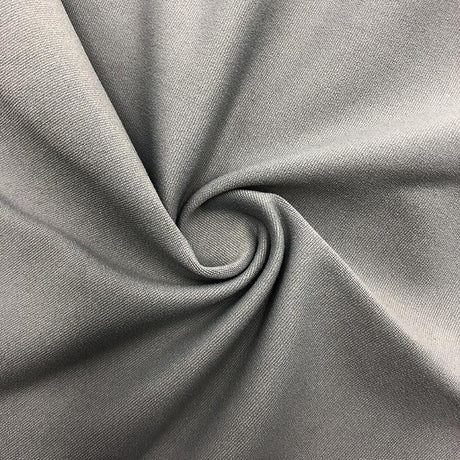
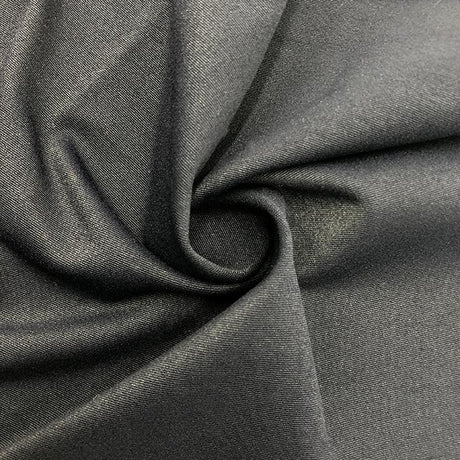
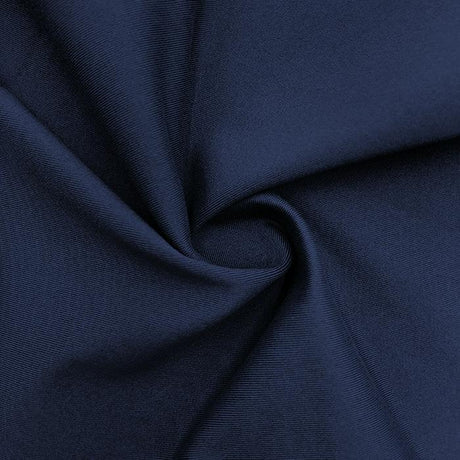
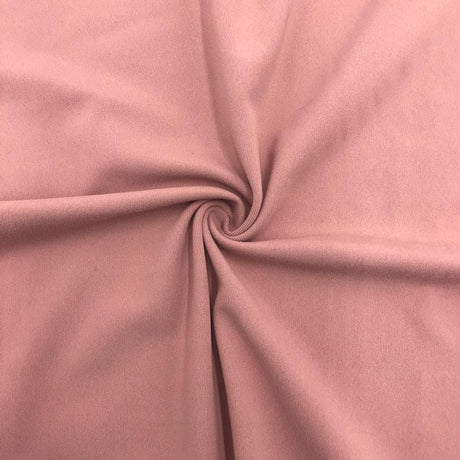
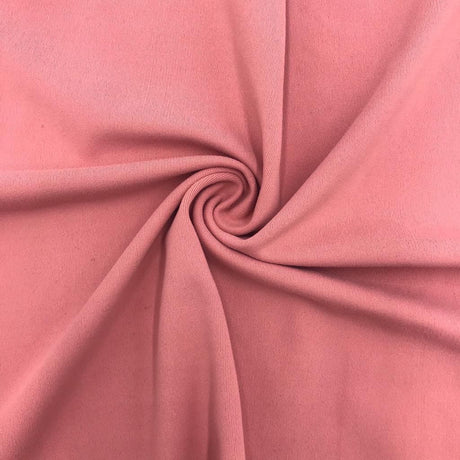
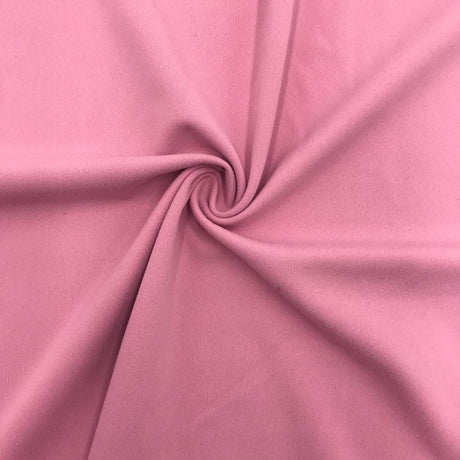
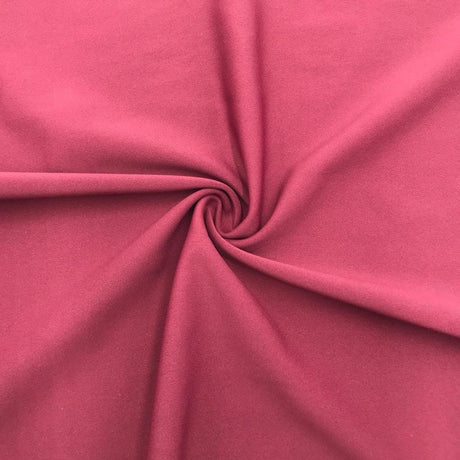
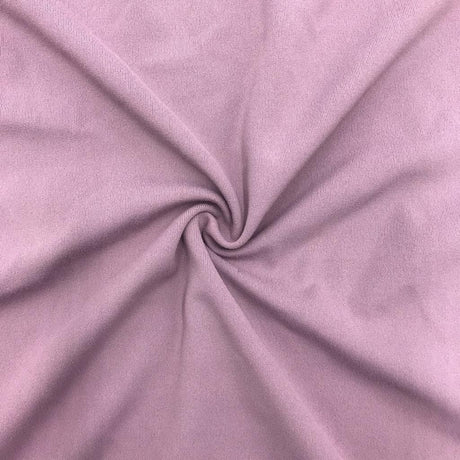
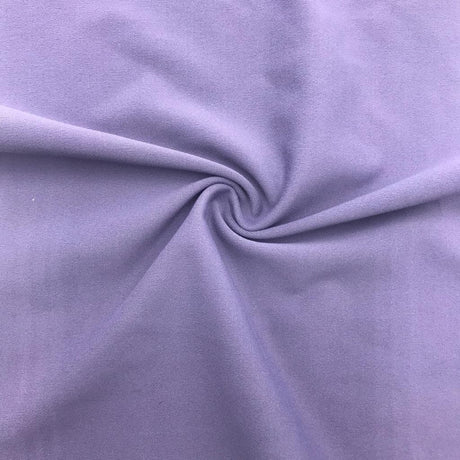
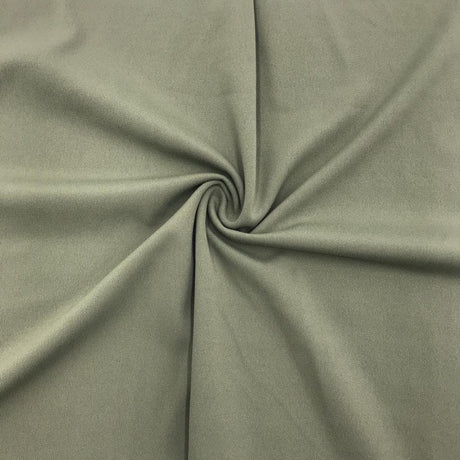
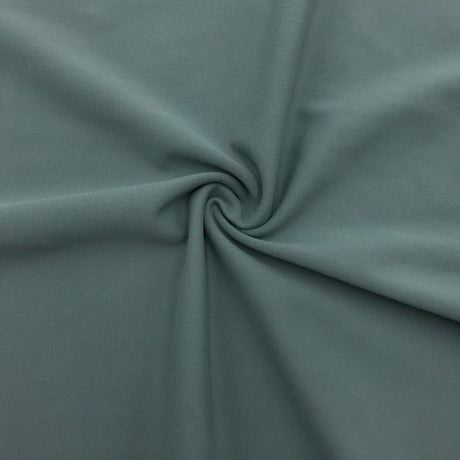
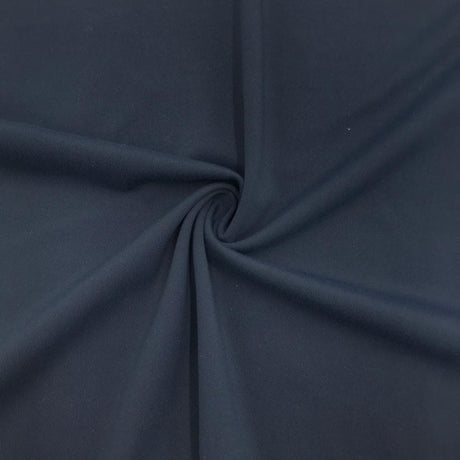
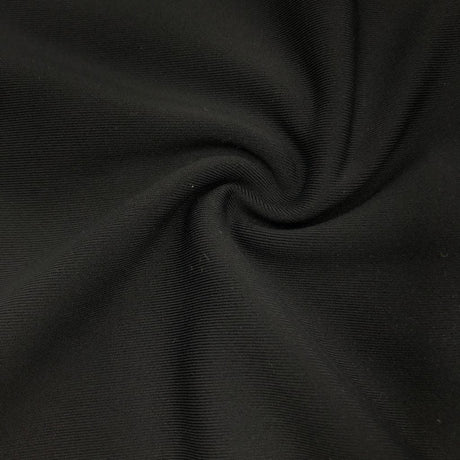
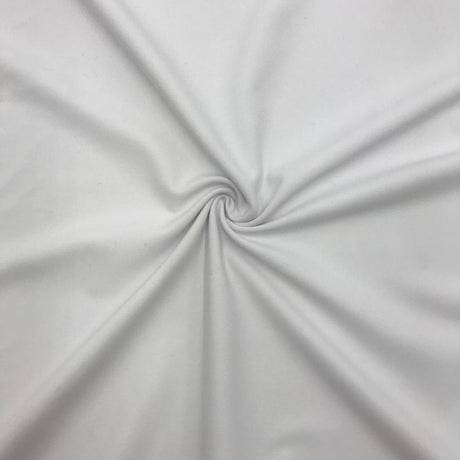
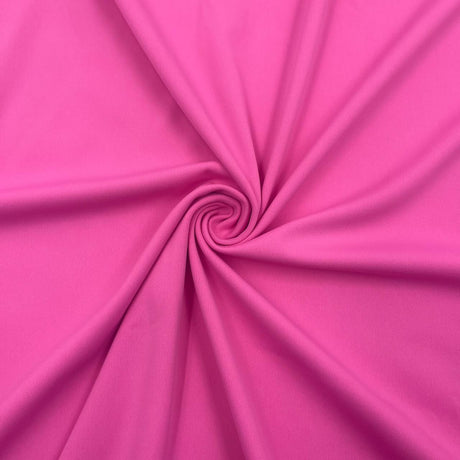
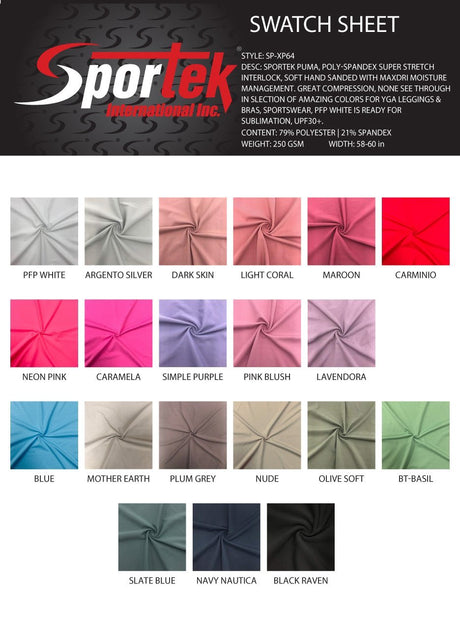
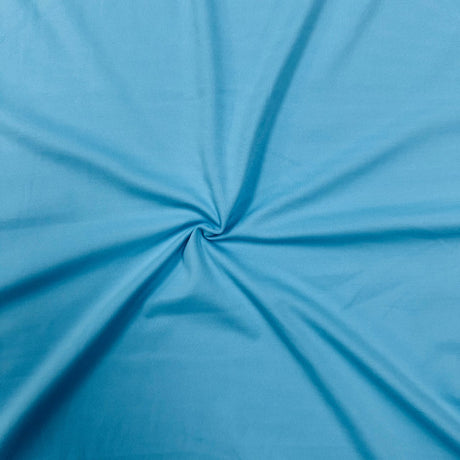
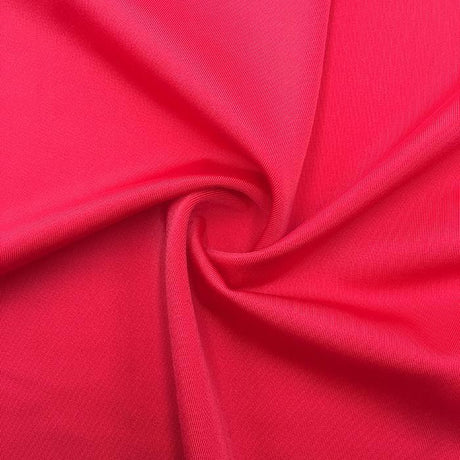
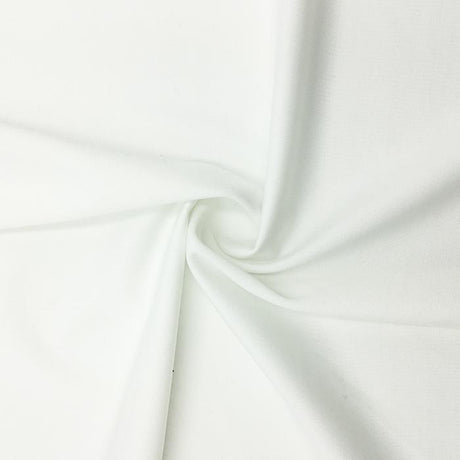
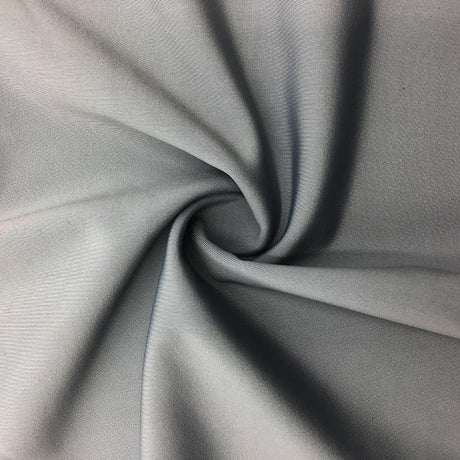
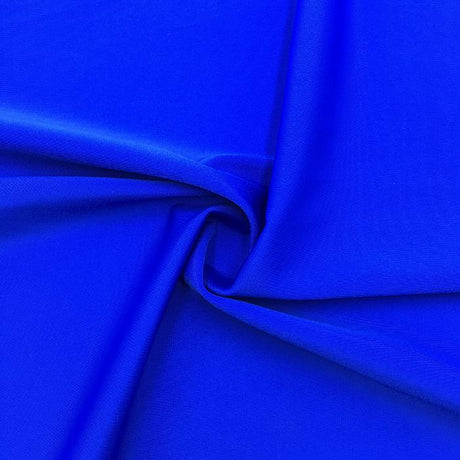
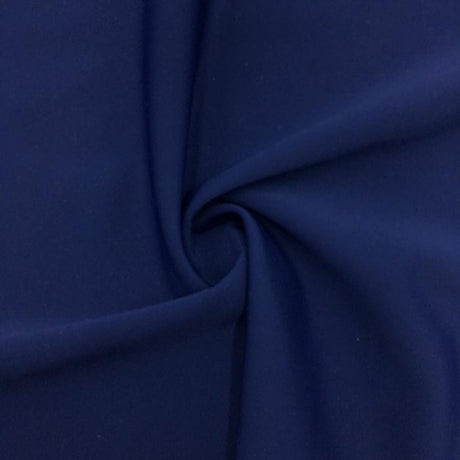
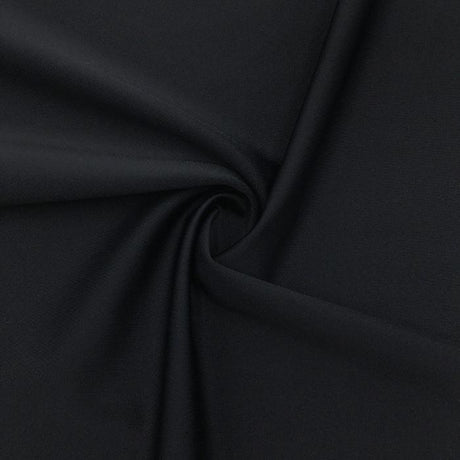
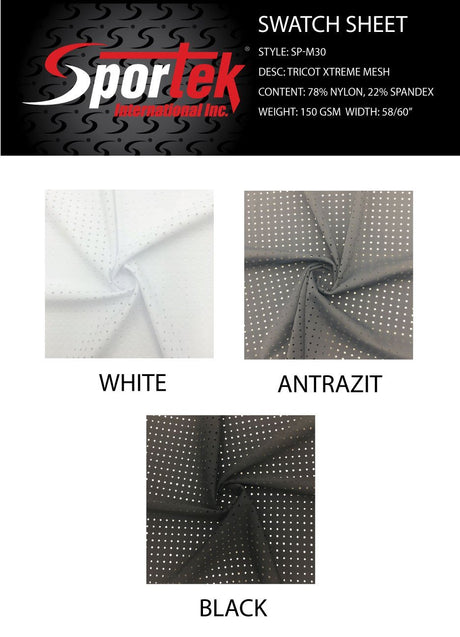
Finding the perfect swimwear fabric by the yard can make all the difference in creating stylish and functional DIY swimsuits. Whether you’re sewing a bikini or a one-piece, the right material not only enhances your design but also ensures comfort and durability in the water. New DIY enthusiasts often wonder where to source quality swim fabrics in small quantities. It can be challenging to find fabric shops that sell swimwear material without high minimum orders, especially if you only need 1-5 yards for a project. Fortunately, a variety of online retailers cater to hobbyist sewing swimwear needs, offering everything from nylon/spandex blends to polyester knits designed for swimwear. In this guide, we’ll explore the best places to buy swimsuit fabric online and cover key tips – from calculating yardage to choosing prints vs. solids and picking essential notions like thread and elastic – so you can dive into your swimwear sewing project with confidence.
Calculating Yardage for Bikinis vs. One-Pieces
One of the first questions when planning a swimsuit project is how much fabric you need. Bikinis generally require significantly less fabric than one-piece swimsuits. In fact, most standard swimsuit patterns (which include many two-piece designs) call for less than a yard of fabric; typically 0.5 to 0.75 yards of swimwear fabric is enough for a classic bikini set. This is because bikinis consist of smaller pattern pieces – a top and bottom – that use minimal yardage. By contrast, one-piece swimsuits have more coverage and larger pattern pieces, so you’ll usually need closer to a full yard of fabric. For example, a basic one-piece swimsuit pattern often requires about 1 yard of 60″-wide swimwear fabric for the main exterior, and an equal amount for the lining. It’s common practice to line swimwear for modesty and support; many patterns note that you’ll need the same amount of lining as your outer fabric for a fully lined suit. Keep in mind that these estimates assume standard fabric widths (most swimwear knits are 58–60 inches wide) and a relatively simple design.
Of course, exact yardage can vary based on the size of the swimsuit, the style (for instance, high-waisted bikini bottoms or a one-piece with long sleeves will use more fabric), and any additional design elements like ruffles or skirts. Always consult your specific sewing pattern’s recommendations. It’s wise to buy a little extra fabric beyond the minimum requirement – this provides a margin for error in case of mistakes or to account for print placement (ensuring a pattern is centered or mirrored nicely on your pieces). For instance, if a bikini pattern in your size calls for 0.5 yards, you might purchase 0.75 yards to be safe; for a one-piece that needs 1 yard, getting 1.25 yards can allow for test swatches or adjustments. Remember that swimwear fabric is usually stretchy and can be tricky to lay out, so having a small surplus helps. And don’t forget to get enough swimwear lining (often a lightweight nude or matching fabric) – generally the same yardage as the main fabric – so your finished swimsuit has the proper backing and opacity.
Tips for Buying Printed vs. Solid Fabrics
When shopping for swimwear fabric by the yard, you’ll notice an array of bold prints and solid colors. Each has its own considerations to keep in mind:
- Pattern Placement and Aesthetics: Printed fabrics can make a swimsuit really stand out, but pay attention to the print’s scale and placement. If you choose a large-scale print, remember that a small bikini might only show a portion of the design. You may need to position your pattern pieces carefully on the fabric so that the motifs land in flattering spots on the body (for example, avoiding an awkward placement of a large flower or stripe). Before cutting, it’s wise to plan how the print will appear on each piece of your swimsuit. Solids, on the other hand, are straightforward – there’s no pattern to match – which can make layout and cutting easier. Solid colors often create a classic, elegant look and are easy to mix and match with other garments. Many swimwear designers even pair a busy print with a coordinating solid (e.g. printed top and solid bottoms) for a balanced look. One advantage of prints is that they can sometimes camouflage small sewing imperfections (like slightly uneven stitching) due to their visual busyness, whereas a solid (especially in a light color) might make every seam detail more visible.
- Fabric Underside and Opacity: Note that many printed swim fabrics are produced by printing the design on a white base fabric. As a result, the underside of a printed fabric is often plain white. This isn’t an issue in a lined swimsuit, but if the fabric stretches a lot on the body, you might see the base color faintly showing through, which can make the print look slightly faded when worn at full stretch. Also, if you’re using any mesh or cut-out designs, a printed fabric’s white reverse side could peek through those openings. In contrast, solid-dyed fabrics are usually the same color on both sides (and through the thickness of the material), so they don’t have a contrast underside. When buying printed fabric, check product descriptions or reviews to see if the print maintains color when stretched – high-quality prints will stay vibrant and not reveal too much of the base.
- Colorfastness and Durability: Because swimwear is exposed to sun, chlorine, saltwater, and stretching, the quality of the print or dye matters. Lower-quality prints might crack, peel, or fade after exposure to pool chlorine or multiple wash cycles, which would ruin your beautiful fabric. High-quality swimwear prints (for example, those created with sublimation printing on polyester blends) are very colorfast and integrate into the fabric, preventing fading or peeling. When shopping, look for any information about the printing method or colorfastness. Some suppliers will note if a fabric is chlorine-resistant or UV-resistant. If possible, read reviews or ask questions about how the fabric holds up over time. For solid fabrics, longevity still matters – bright colors should be labeled as chlorine-resistant or fade-resistant to ensure they stay vivid. Stretch and recovery are also critical: a good swim fabric (print or solid) should stretch comfortably and spring back to shape without the print distorting or the color lightening excessively. When evaluating printed fabric, make sure it can stretch and recover without blurring the design. Many online listings will mention the percentage of stretch and whether the fabric has four-way stretch (which is ideal for swimwear). If you’re unsure about a print’s quality, you can order a swatch first to test how it looks when stretched and even dunk it in water to see if colors bleed.
In summary, printed fabrics offer exciting design possibilities but require a bit more attention to detail when purchasing (regarding print durability, scale, and placement). Solid fabrics are versatile and often easier to work with for beginners, providing a great backdrop for design details and ensuring a timeless look. Depending on your project, you might even use both – for example, a solid contrast band or lining with a printed exterior. Just keep these tips in mind as you decide which style of fabric will work best for your swimsuit vision.
Essential Notions: Thread and Elastic
High-quality thread and appropriate elastic are essential notions for sewing swimwear. Because swimsuits endure a lot of stress (stretching, water, sun, and frequent washing), using the right thread and elastic will ensure your DIY swimwear lasts and performs well:
- Thread: Always use a high-quality polyester thread for swimwear. Avoid cotton thread or other weak threads, as they will degrade faster and lack the necessary strength in chlorinated water and sun. Polyester thread is strong and UV-resistant, and it won’t break down like cotton when exposed to pool chemicals. In fact, many sewing machine issues (like frequent thread breakage or skipped stitches) when making swimwear can be traced to low-quality thread; switching to a better-quality polyester thread often solves these problems. Experts specifically advise against using cotton thread for swimsuits – it may seem fine at first, but chlorine and salt will cause it to deteriorate much more quickly. A good polyester thread (brands like Gütermann, Coats & Clark, or Mettler Metrosene, for example) will hold up to the stretching and stress. It’s also a good idea to match the thread color closely to your fabric (especially for solids) or use a neutral that blends, since in swimwear construction you’ll often be using zigzag or stretch stitches that are visible on the outside. If you have a serger/overlock machine, you might invest in cones of polyester thread or woolly nylon for the loopers, but for a standard sewing machine a regular spool of all-purpose polyester thread works well. The key is quality – a cheap thread can cause frustration and weaken your final garment.
- Elastic: Never use regular household elastic for swimwear projects – it’s not designed to withstand the rigors of chlorine, saltwater, and sun. Common polyester or braided elastic will often deteriorate quickly in swimwear; you might hear it crinkle and break after a few uses due to chlorine damage. Instead, purchase swimwear elastic, which is specifically formulated for this purpose. Swimwear elastics come in a few types: the most popular are natural rubber elastic or a cotton/polyester blended swim elastic. Both are made to resist chlorine and UV damage. Rubber swimwear elastic (sometimes just called swim elastic) is a favorite of many experienced makers because it has excellent longevity and a thin, flat profile that doesn’t add bulk. It typically feels a bit tighter and firmer, ensuring your suit stays snug and doesn’t stretch out. Woven swim elastic (often a cotton-wrapped elastic) is another option; it’s usually white and a bit thicker/softer, which can be easier to sew but it may not last quite as long as rubber. Whichever you choose, make sure the product specifically says it’s for swimwear – these elastics are formulated to withstand chlorine, salt water, and UV exposure without breaking down. They maintain their stretch over time, which is crucial for leg openings, waistbands, bikini ties, and anywhere you insert elastic in a swimsuit. Swim elastics are commonly available in widths like 1/4″ (6mm) or 3/8″ (10mm) for most swimsuit applications (such as around legs, armholes, and necklines). When you buy elastic, get a bit extra so you can test a piece in your machine first and adjust your stitch settings, since sewing through rubber can feel different than standard elastic. Also, remember to rinse swimwear after use – this helps the elastic (and fabric) last longer by removing chlorine or salt residues.
By paying attention to these notions, you’ll greatly improve the quality of your finished swimsuit. Sturdy polyester thread will keep your seams intact, and proper swimwear elastic will ensure your suit has the necessary stretch and recovery to fit well and endure many swims. These essentials might cost a little more than generic supplies, but they are well worth it for a durable, professional-looking swimsuit.
With the right fabric and supplies in hand, you’re ready to bring your swimwear project to life. Remember to source high-quality swimwear fabric by the yard from reputable online shops, double-check your yardage for bikinis vs. one-pieces, choose prints or solids that suit your style and skill level, and always use proper thread and elastic designed for swimwear. By following these tips and doing a bit of planning, you’ll set yourself up for success in sewing a swimsuit that not only looks great but also stands up to sun and surf. Happy sewing!