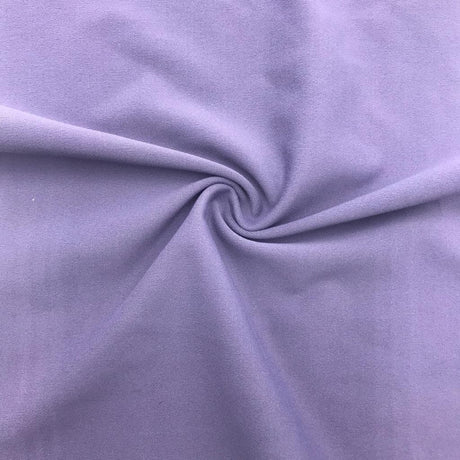
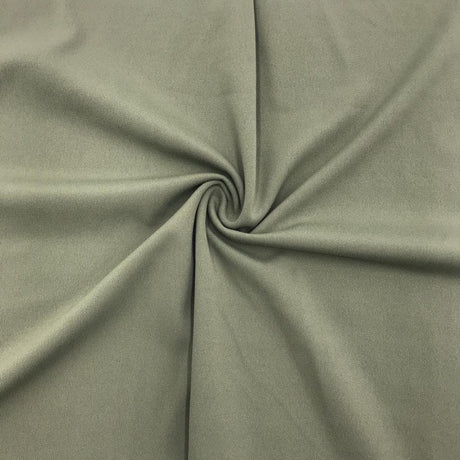
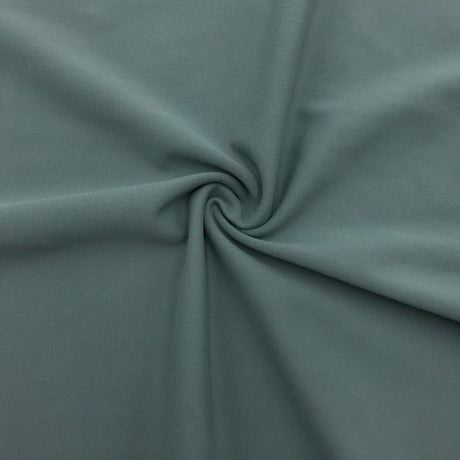
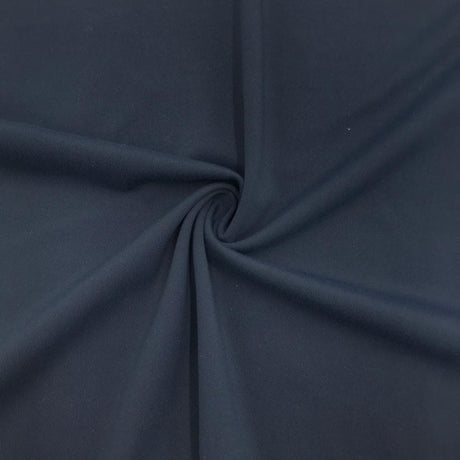
Selecting the right garment lining can make or break the comfort and performance of your clothing. Many designers and DIY sewists find themselves debating mesh vs tricot lining. For a broader foundation on stretch fabric properties and lining options before diving in, explore our activewear fabric guide or browse our full fabric guides hub.
What is Mesh Lining?
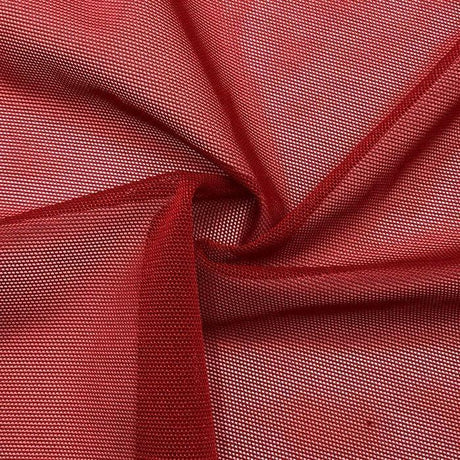
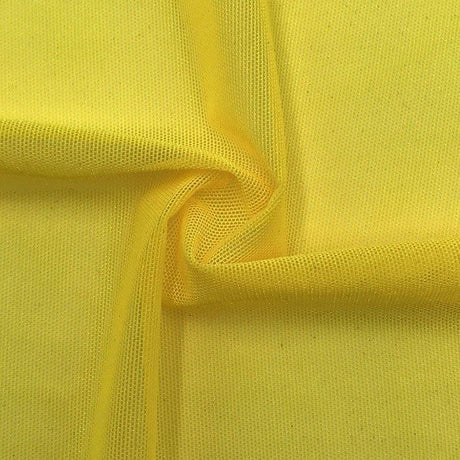
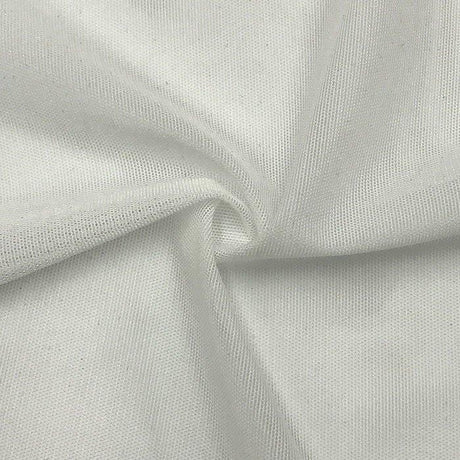
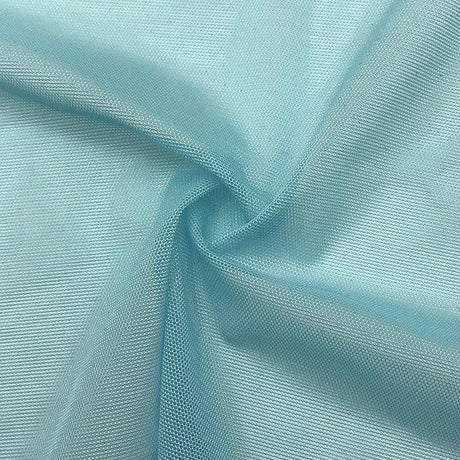
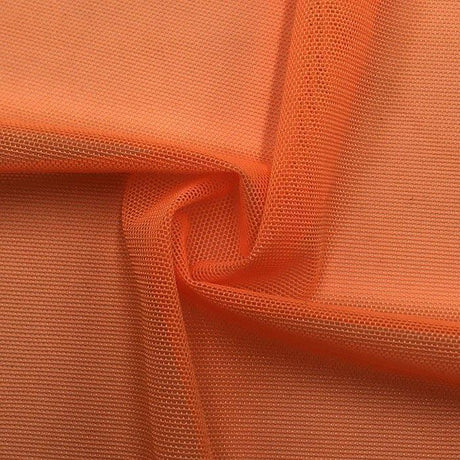
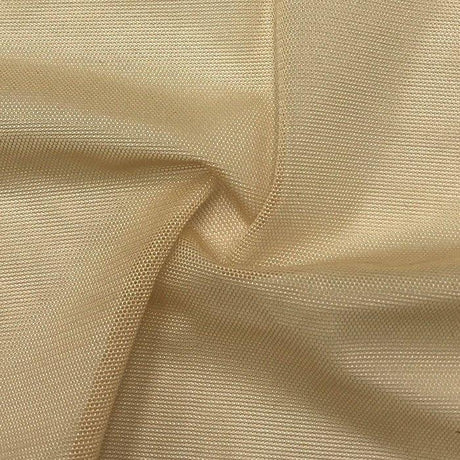
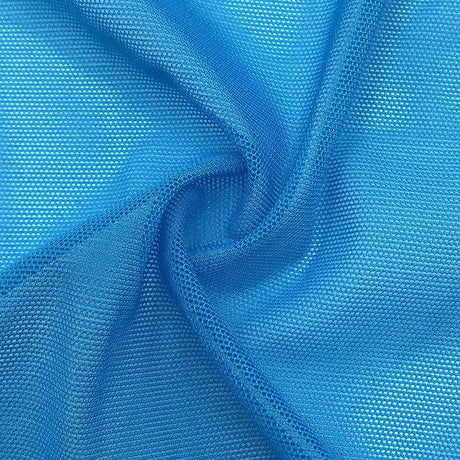
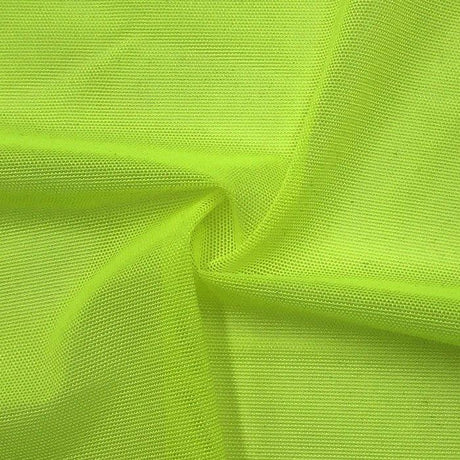
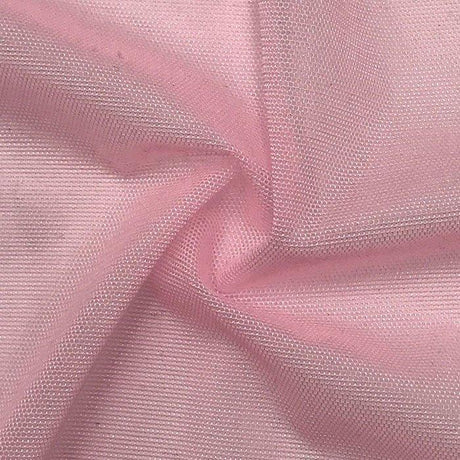
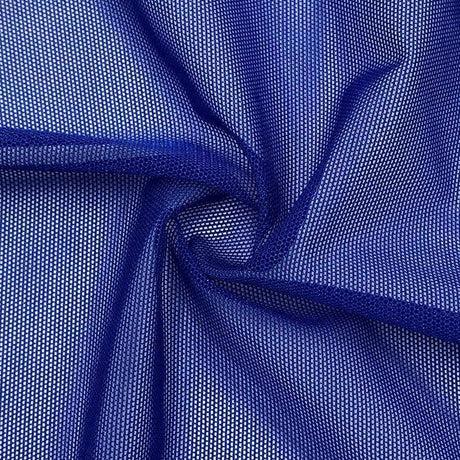
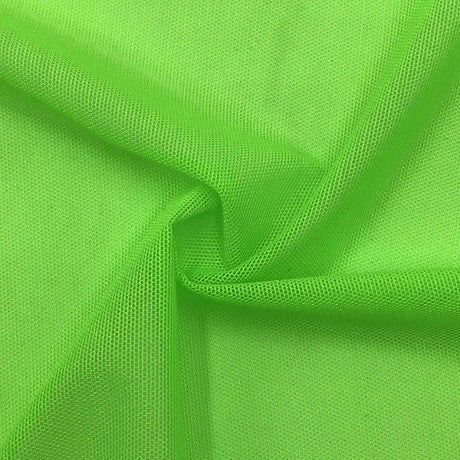
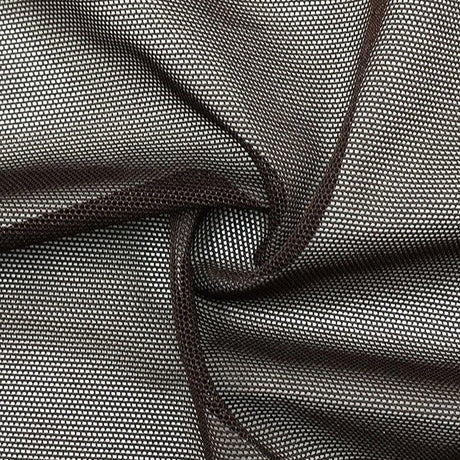
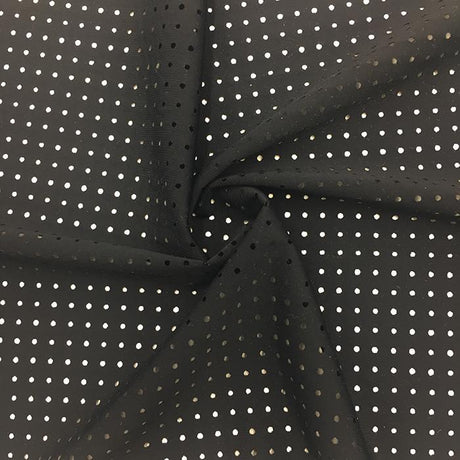
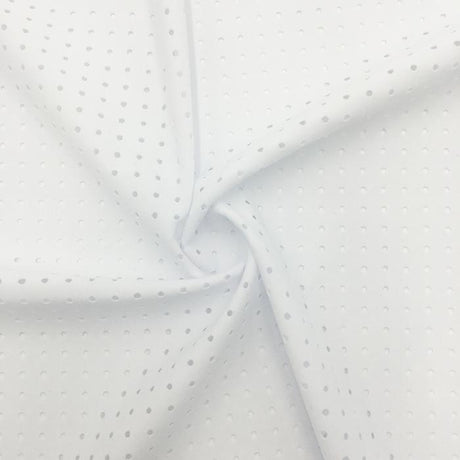
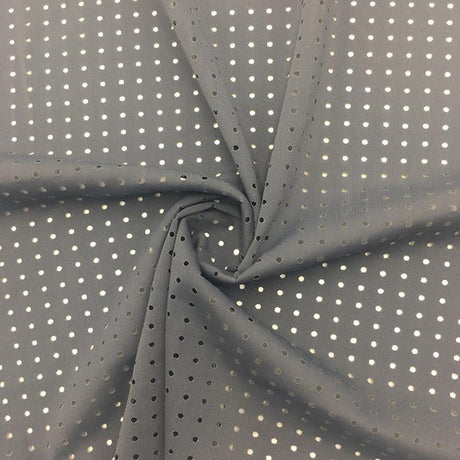
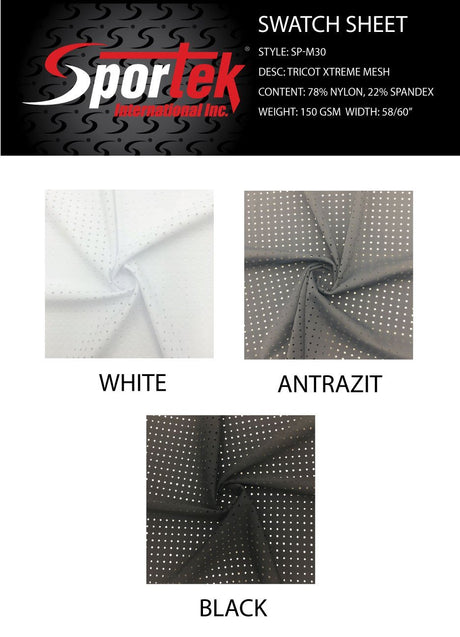
Mesh lining is a lightweight, open-knit fabric used as inner lining for garments that require maximum ventilation. It's characterized by a net-like structure with small holes (usually made of polyester or nylon), which allows air to circulate freely.
Breathability: The perforated design makes mesh extremely breathable. It's commonly used in activewear, sports jerseys, rain jackets, and shorts where keeping the wearer cool and dry is important.
Lightweight Comfort: Mesh adds very little weight or bulk. It's ideal when you want a lining that won't weigh down the garment or restrict movement. Our fabric weight guide covers how GSM affects breathability, moisture retention, and drying speed across all common mesh lining constructions.
Typical Uses: You'll find mesh lining materials in items like gym shorts, football jerseys, and swim trunks. Mesh linings are also used in bags and accessories for ventilation.
Variations: Not all mesh is the same. There are warp-knit meshes (often called tricot mesh or sports mesh) that are run-resistant and have firm structure, and power mesh (with high spandex content) used for added support in shapewear or swimwear panels. Our stretch fabric types page covers how spandex percentage affects the stretch, recovery, and compression behavior of power mesh vs. standard stretch mesh constructions.
What is Tricot Lining?
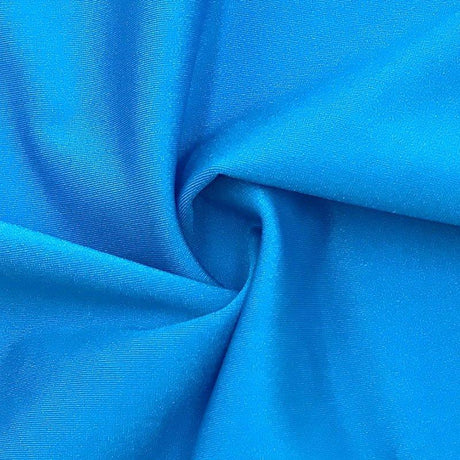
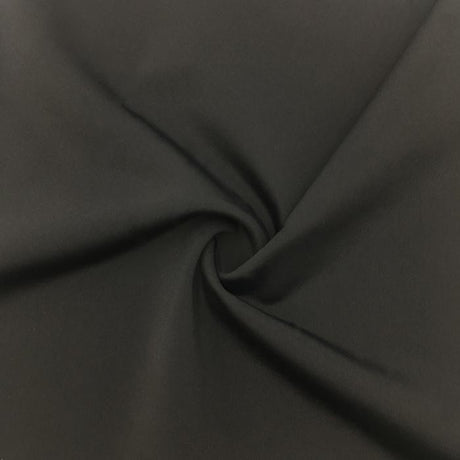
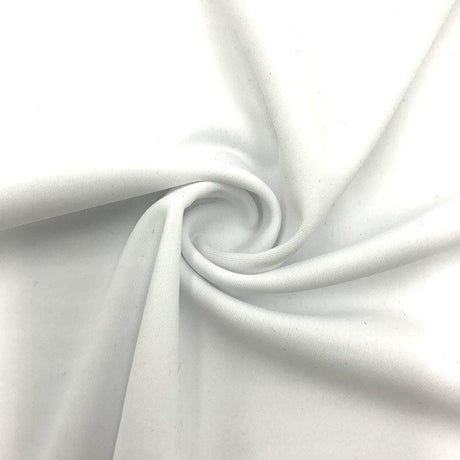
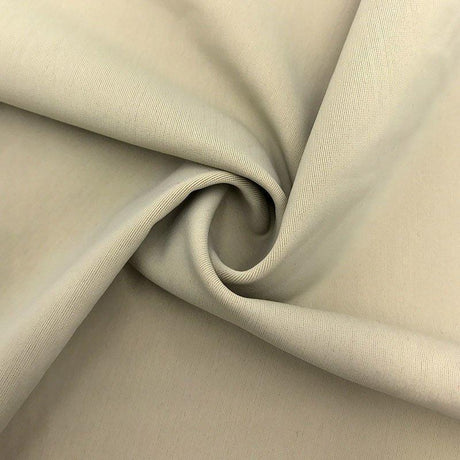
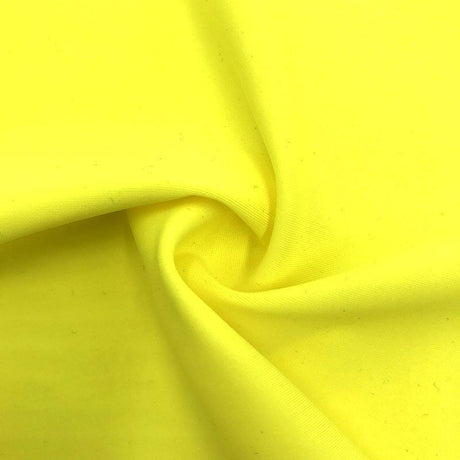
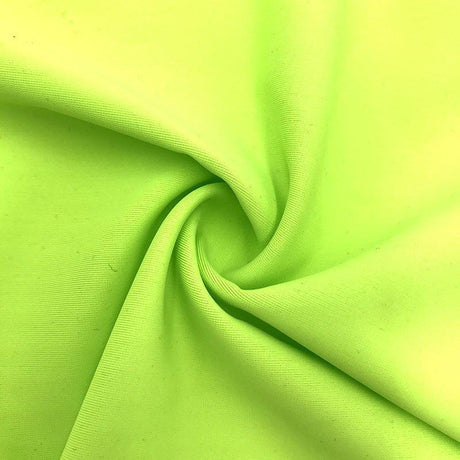
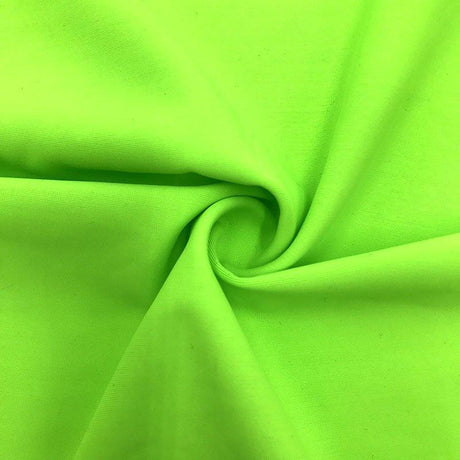
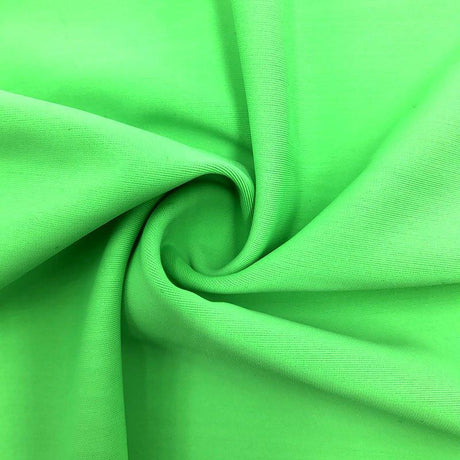
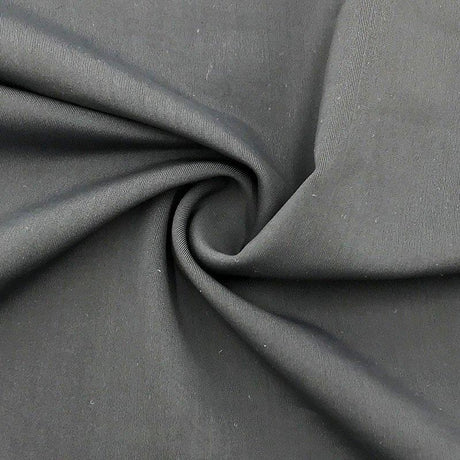
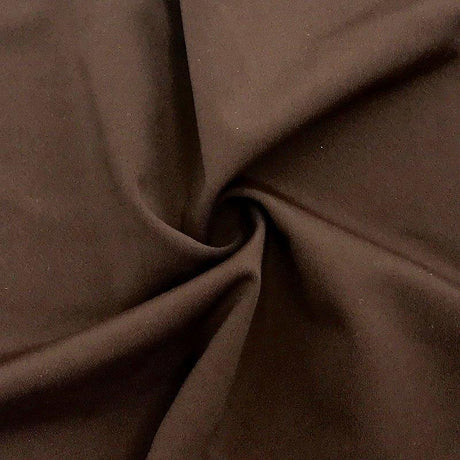
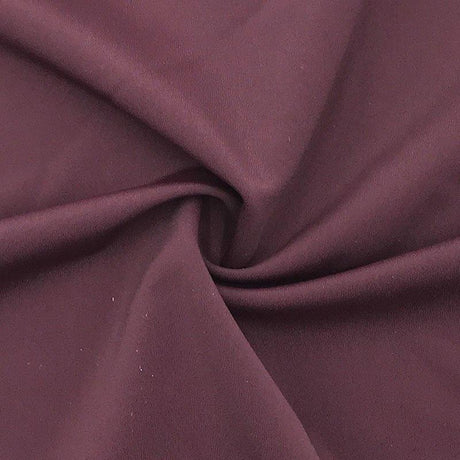
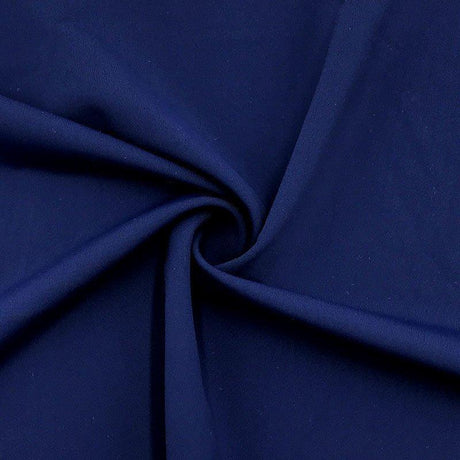
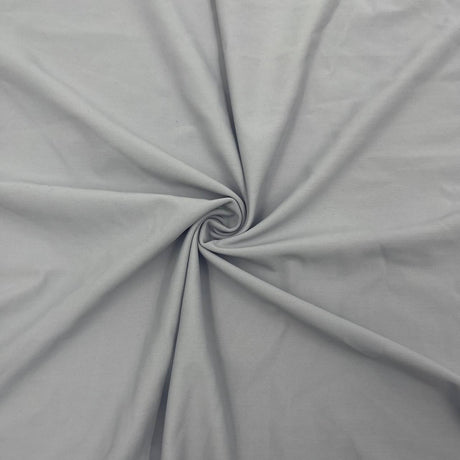
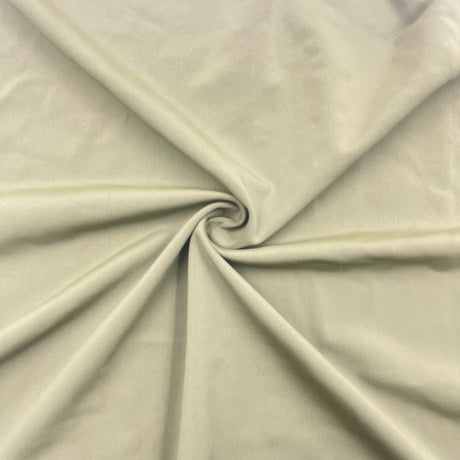
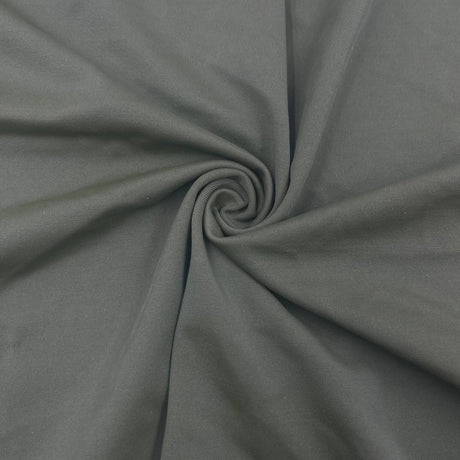
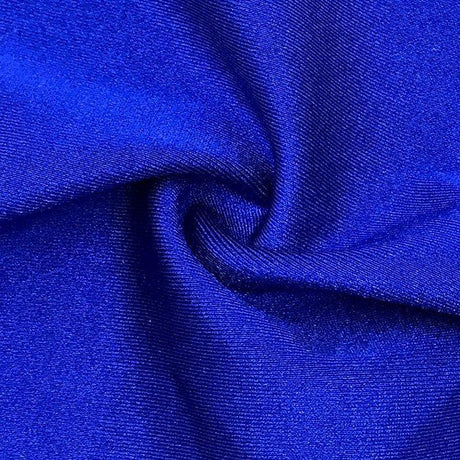
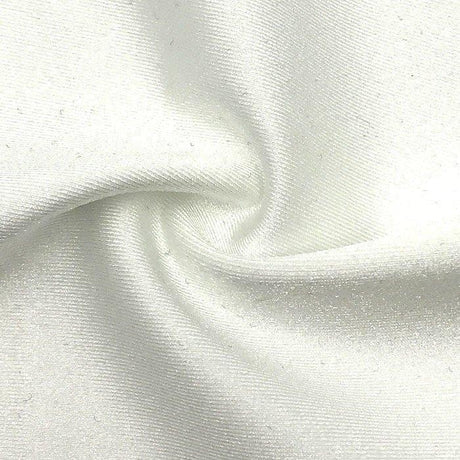
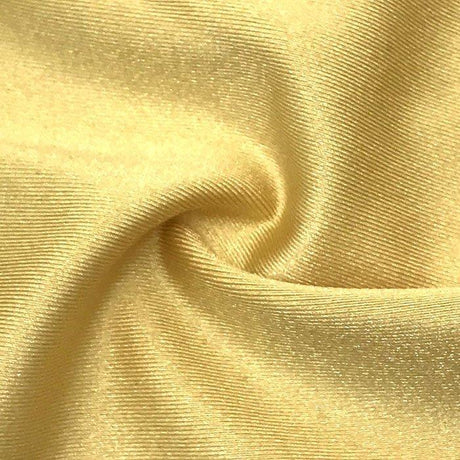
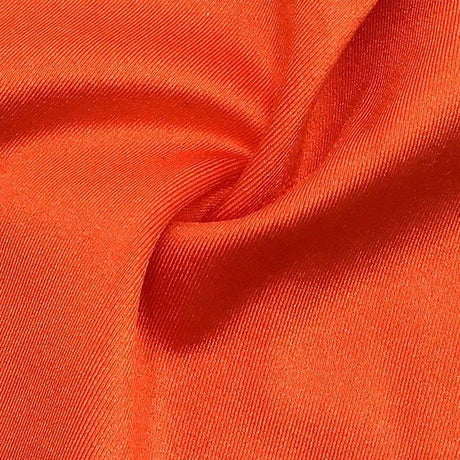
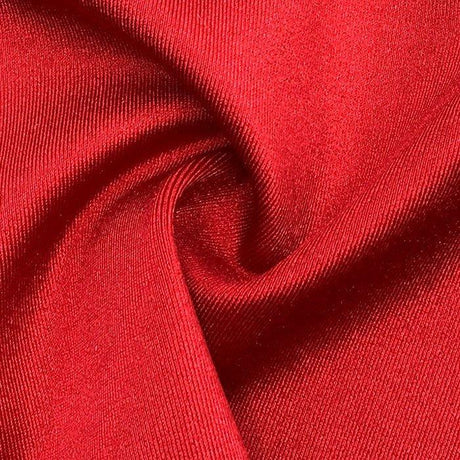
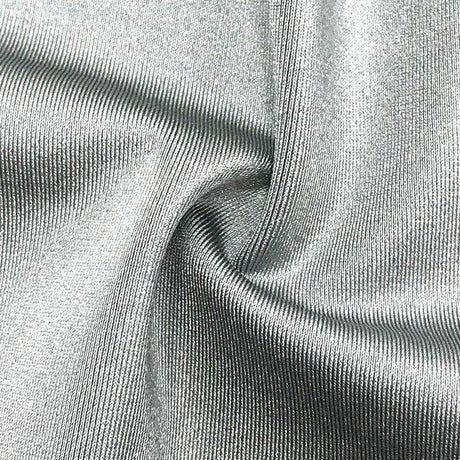
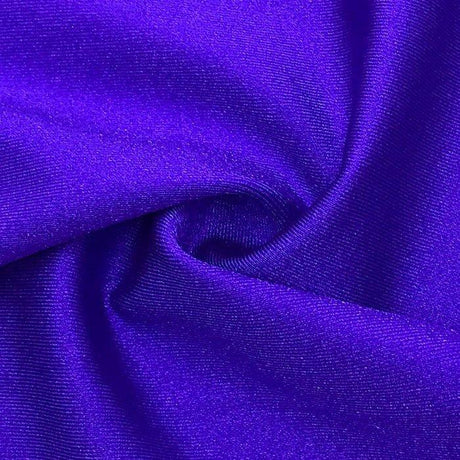
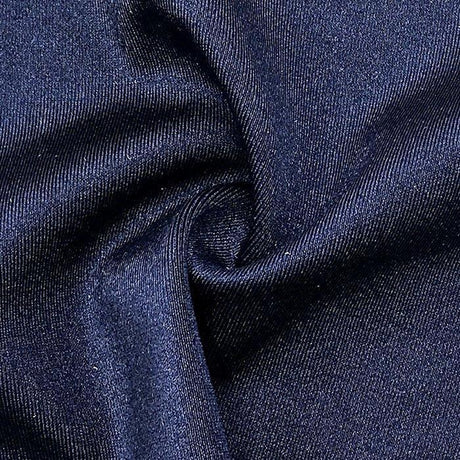
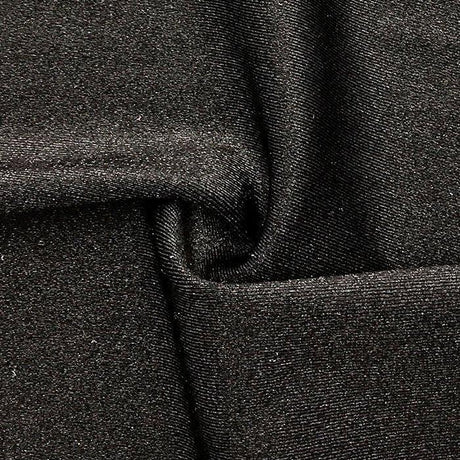
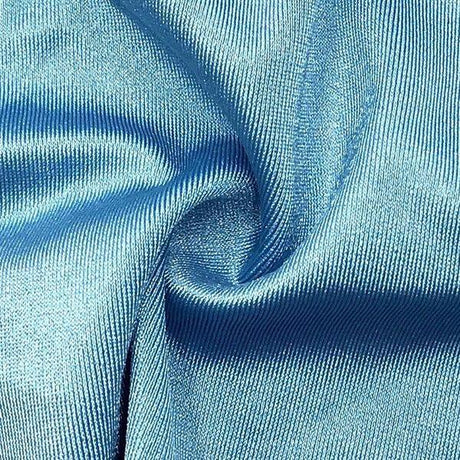
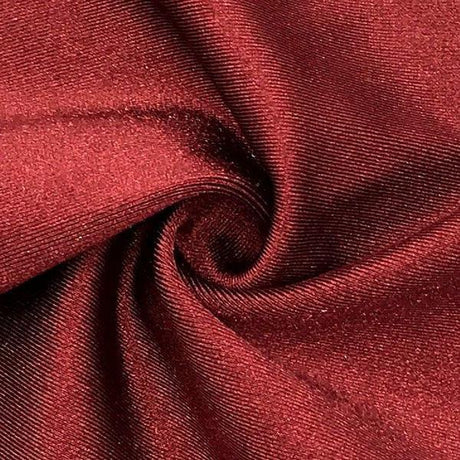
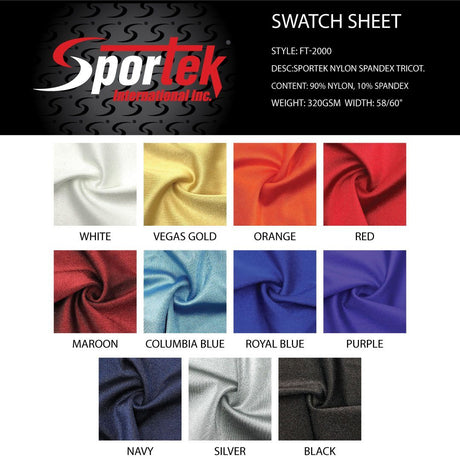
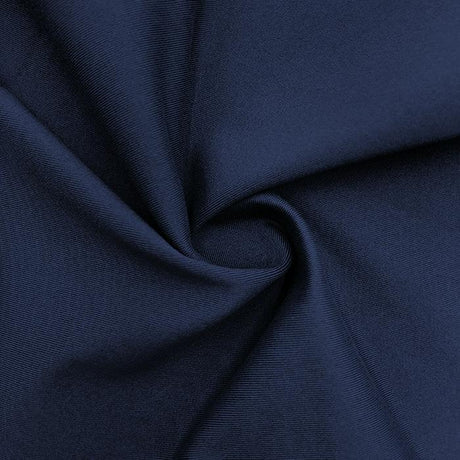
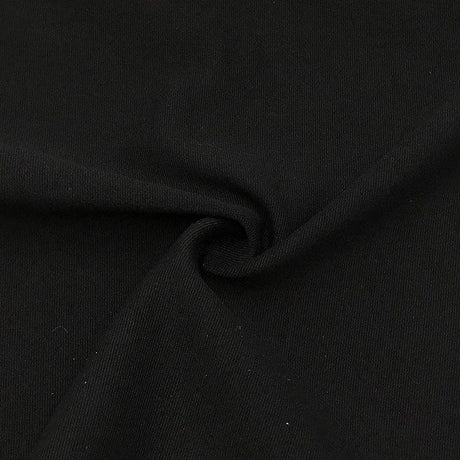
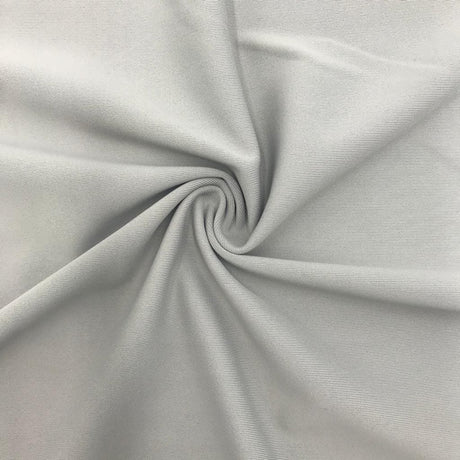
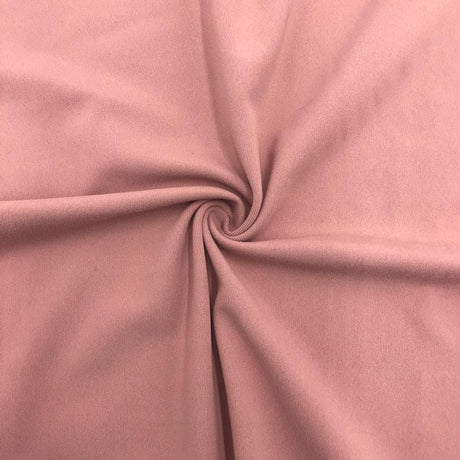
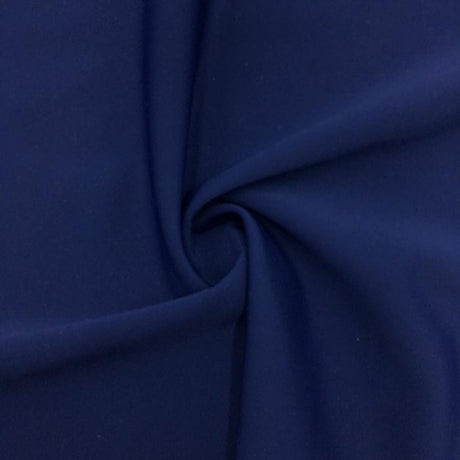
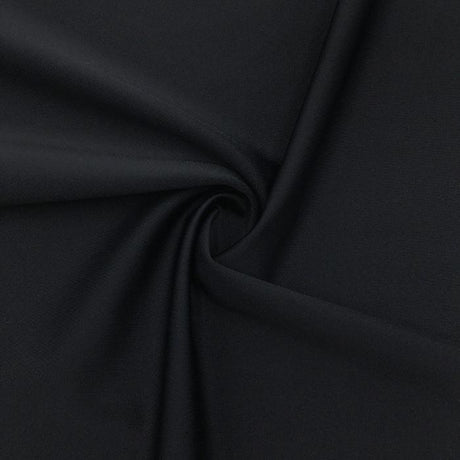
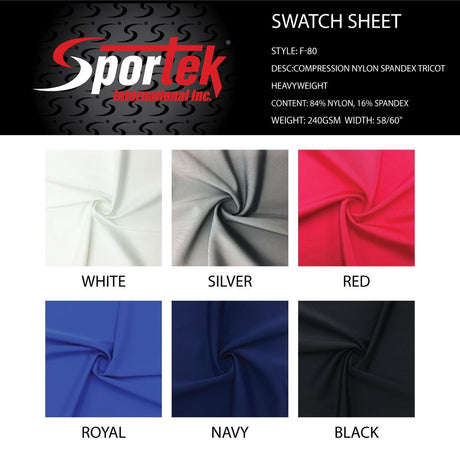
Tricot lining is a type of smooth knit fabric often used as a garment's inner layer for a soft, comfortable feel. "Tricot" refers to a warp-knit construction that creates a fine, slightly ribbed texture on one side and a smooth surface on the other. Commonly made from nylon or polyester (usually with a bit of spandex), tricot knit fabric is run-resistant and strong, making it perfect for lining purposes.
Soft & Smooth Feel: Tricot has a sleek touch that glides against the skin. This makes it ideal for lining jackets, coats, and even swimwear because it prevents chafing and irritation. Our nylon-spandex fabric guide covers how nylon-spandex tricot constructions achieve the smooth hand feel, 4-way stretch, and quick-dry performance needed for quality lining applications.
Added Structure & Coverage: Unlike mesh, tricot is a solid knit (no holes), so it provides full coverage and an added layer of structure. In swimwear, a tricot lining ensures nothing is see-through when wet. Tricot also tends to lie flat without curling, making it easy to cut and sew inside garments.
Durability: Warp-knit tricot is very durable and resistant to runs/tears. It doesn't fray at cut edges, which is a practical advantage during construction. Tricot linings hold up well to wear and washing.
Stretch & Weight: Many tricots have some stretch (especially if blended with spandex). Tricot fabrics come in various weights: lightweight tricot for swimwear or dress linings, and heavier, brushed tricots for warmth (like the lining inside a winter active jacket).
Mesh vs Tricot: Key Differences
Breathability: Mesh lining excels in airflow. The tiny holes in mesh allow heat and moisture to escape easily, keeping you cool. Tricot lining, being a solid knit, is less breathable – it will trap more heat than mesh. However, tricot is still usually thin and moisture-wicking (especially nylon tricot), so it dries fairly quickly but won't vent as much as mesh. Our fabric finishes guide covers moisture-wicking surface treatments and how to evaluate their durability across both mesh and tricot lining constructions.
Comfort & Feel: Tricot has the edge in next-to-skin comfort. Its smooth, often silky surface feels gentle against the skin and glides over other fabrics. Mesh can sometimes feel rough or leave imprint marks if it's a coarse mesh or if worn directly against skin for long periods. If maximum softness is the priority (say for a lining that will touch bare skin, like inside a sleeve or a pocket), tricot is usually preferred.
Support & Structure: Tricot provides better overall support as a lining. Because it's continuous fabric, it can shape or stabilize areas of a garment. For instance, a sports bra might use a tricot lining to add gentle support and hold the outer material's shape. Mesh is more about flexibility and lightness – it doesn't offer much compression or structure unless you use a specialty power mesh. Our activewear fabric guide covers how power mesh panels are used in compression and ventilation applications across all common activewear categories.
Durability & Care: Both mesh and tricot linings are typically made from durable synthetics, so they handle wear and washing well. However, regular mesh with larger holes can snag on sharp objects more easily than tricot. Tricot's tight knit resists snags and runs. Our spandex care guide and fabric care guide cover complete laundering protocols for all common lining fabric types.
Appearance in the Garment: Tricot linings are invisible from outside (they create an opaque backing). Inside the garment, mesh gives a sporty aesthetic, whereas tricot lining gives a polished, classic finish. For example, high-end blazers use smooth tricot or satin linings for that luxe look inside, whereas a fitness vest might intentionally show off its mesh lining as part of the design.
How to Choose the Right Lining Material
End Use & Activity Level: Is it for intense physical activity or warm climates? If yes, choose mesh lining for maximum breathability (ideal for running shorts, workout jackets, summer caps). If it's for everyday wear, office attire, or cooler weather, a tricot lining may be more suitable. Our activewear fabric guide covers moisture-wicking and breathability ratings across all common performance lining constructions.
Need for Support or Coverage: For modesty and coverage (swimsuits, light-colored dresses), a tricot lining is the safer bet – it will ensure nothing shows through and can even act as a mild shaper. In athletic gear where certain zones need support, designers often insert a powermesh panel in those zones but use tricot lining elsewhere. Our swimwear fabric guide covers how tricot and mesh linings compare in opacity evaluation and support applications across all common swimwear constructions.
Outer Fabric Properties: Match your lining to the main fabric of the garment. If the outer fabric stretches, the lining should stretch too. Tricot linings generally have good 4-way stretch (especially those with spandex content), making them great for stretchy shells like knits or spandex blends. Mesh can be either non-stretch or 2-way stretch unless it's a spandex mesh; using a non-stretch mesh under a stretch fabric can restrict movement – a common mistake to avoid. Our stretch fabric types page covers how to verify true 4-way stretch and compare stretch percentages when matching lining to outer fabric.
Climate & Season: For hot and humid conditions, mesh linings help garments breathe and dry out faster. In cold or transitional weather, a tricot (or brushed tricot) lining can add a touch of insulation and wind-blocking. A moisture-wicking tricot lining can pull sweat away from the body and spread it out to dry.
Aesthetics & Style: A smooth tricot lining gives a professional finish inside suits, handbags, or dresses. On the other hand, if you're designing something edgy or ultra-casual, an exposed mesh lining or contrast-color mesh can be a fashion statement.
In some cases, you might even use both: for example, a jacket could have a tricot upper lining for structure but mesh panels in the underarms for ventilation. Our how to sew stretch fabric guide covers panel layering techniques, including how to align stretch direction and maintain consistent tension when sewing through multiple lining layers.
Common Mistakes to Avoid with Linings
Mismatching Stretch: Pairing a non-stretch lining with a stretch outer fabric (or vice versa) can ruin a garment's comfort and fit. Use a lining that has equal or greater stretch than the shell. For instance, line a spandex jersey dress with a spandex-blend tricot so it moves in sync.
Overlooking Breathability Needs: Choosing a tricot lining for a high-sweat, high-heat situation can lead to a garment that feels clammy. Opt for mesh or at least a moisture-wicking knit lining for garments meant for strenuous activity or warm weather.
Using Heavy or Coarse Mesh in Delicate Garments: A common mistake is using a cheap, heavy mesh lining in a light garment – it can make the garment hang oddly or the mesh might be rough and scratchy. Match the mesh weight to the project. Our fabric weight guide covers the GSM ranges that distinguish fine micro-mesh from heavier mesh constructions.
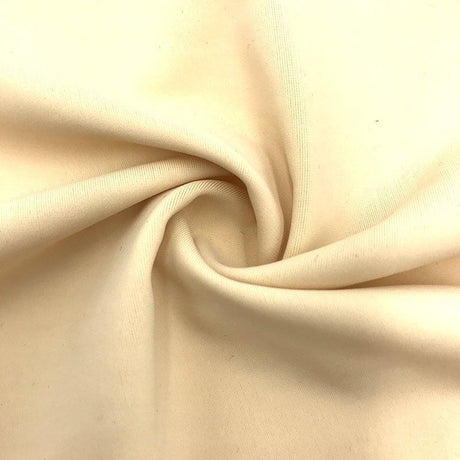
Neglecting Aesthetics/Transparency: If your outer fabric is see-through or light-colored, pick a lining color that blends (e.g., nude or matching tone) and a material that won't visibly alter the outer fabric's hue or texture.
Not Considering Wear and Care: Choose lining weight and type based on stress points. Use durable tricot or smaller-hole mesh in pockets and high-wear zones. Pre-test how the lining fabric handles washing – if it shrinks or distorts differently than the shell, that's a problem.
When to Use Mesh vs When to Use Tricot – Quick Guide
Use Mesh Lining If: You're making activewear, sports uniforms, summer attire, or any garment where keeping cool is a priority. Also, if minimal weight is crucial or you want some airflow inside the garment. Mesh is also great inside outerwear that might get wet, since it won't absorb much water and dries fast. Choose mesh for gym shorts, running jackets, athletic bags, hats, and areas like underarm gussets or back panels in performance clothing.
Use Tricot Lining If: The goal is comfort, coverage, and a clean look. This includes casual and formal clothing like coats, blazers, skirts, and dresses. Also use tricot for swimsuit linings, lingerie, and compression garments – anywhere a next-to-skin fabric needs to be soft yet strong. Tricot is perfect for cold-weather gear lining to add a bit of warmth or wind resistance.
Consider Both/Combination If: Your garment has mixed needs. Example: a performance jacket for spring – you might line the body with mesh for breathability but use a tricot lining in the sleeves so arms slip in easily. Or a one-piece swimsuit – mostly lined with nude tricot for coverage, but with an extra layer of power mesh in the front panel for tummy control.
Conclusion
Both mesh and tricot are excellent lining materials — the "best" really depends on your garment's needs. Mesh lining will keep you cool and dry when performance and breathability are key, while tricot lining offers a gentle touch and supportive layer for a polished finish. In many cases, tricot is the default for everyday linings (think quality jackets and swimwear) because of its balance of comfort and strength, whereas mesh is used to solve specific ventilation or lightweight needs in sports and outdoor gear.
Ready to find the right lining for your project? Use our stretch fabric types page and fabric weight guide to evaluate technical specifications, our nylon-spandex fabric guide for full performance profiles of nylon-spandex tricot lining constructions, and our activewear fabric guide and swimwear fabric guide for end-use specific guidance. Our how to sew stretch fabric guide covers all construction techniques for integrating linings cleanly into garments. Our spandex care guide and fabric care guide keep every finished garment performing at its best. Have questions? Our expert help and advice page and FAQ are always available. Sign up for SpandexByYard Rewards to earn points on every purchase – here's to garments that feel as good as they look, inside and out!