Why Lining Matters in Activewear
A lining provides a smooth layer between the skin and the outer fabric, enhancing comfort (no scratchy seams), improving fit, and sometimes adding support or coverage (e.g. modesty lining in shorts or bras). It can also manage sweat by offering additional moisture-wicking or breathability beyond the outer shell. For a broader foundation on stretch fabric properties and lining options before diving in, explore our activewear fabric guide or browse our full fabric guides hub.
Key Factors to Consider When Choosing a Lining Fabric
Breathability & Moisture Management: Activewear linings should keep the wearer cool and dry. Look for fabrics with moisture-wicking properties that pull sweat away from the skin and breathable structures (like mesh or moisture-wicking knits) that allow airflow. A breathable lining prevents the sticky, clammy feeling during workouts. A fabric that absorbs sweat (like untreated cotton) can become heavy and uncomfortable. Our fabric finishes guide covers moisture-wicking surface treatments and how to evaluate their durability across all common lining fabric constructions.
Stretch & Flexibility: Match the lining's stretch to that of the outer fabric. If the outer garment is stretchy (think compression leggings or fitted tops), the lining must stretch equally to allow free movement. A 4-way stretch spandex or knit lining ensures the wearer isn't restricted. A common mistake: using a non-stretch lining under a stretch fabric can cause tearing seams or limit range of motion. Our stretch fabric types page covers how to verify true 4-way stretch and compare stretch percentages when matching lining to outer fabric.
Comfort & Skin Feel: The lining sits right against the skin, so it must feel soft, smooth, and non-irritating. For intense workouts, synthetics (polyester or nylon linings) are often used since they stay smooth and dry, but some people prefer the natural softness of cotton blends for lower-intensity activities. Fewer and flatter seams in the lining mean less chafing.
Durability & Support: Activewear endures a lot of stress (stretching, sweat, frequent washing), so the lining fabric should be durable. Nylon linings are known for abrasion resistance and strength. If the lining also provides structural support (e.g., a powermesh lining panel in a sports bra or compression short), it needs strong recovery (high spandex content) so it doesn't bag out. Blends like polyester/spandex or nylon/spandex are popular for balancing strength and stretch. Our nylon-spandex fabric guide covers how nylon-spandex constructions achieve the combination of smooth hand feel, strength, and 4-way stretch that defines quality performance lining fabric.
Moisture & Drying Time: Linings made from hydrophobic fibers (polypropylene, polyester) dry much faster than natural ones. For example, polyester-spandex mesh will dry quickly after a hard workout or after washing, whereas a cotton-rich lining will hold moisture and take longer to dry. If the activewear is for high-sweat activities, lean toward moisture-wicking synthetics.
Weight & Bulk: Keep the lining lightweight so it doesn't weigh down the garment or add bulk. A lining should typically be lighter and thinner than the outer fabric. A lightweight tricot knit or mesh is common in workout gear because it adds minimal weight. Our fabric weight guide provides a full breakdown of how GSM affects breathability, moisture retention, and drying speed across all common lining constructions.
Compatibility with Outer Fabric: The lining and outer fabric should "work together" in terms of stretch, sewing behavior, and shrinkage (pre-shrink both if one is cotton). If the outer fabric is somewhat transparent or thin, the color or print of the lining can show through – so choose a lining color that complements the outer shell.
Environmental or Skin-Sensitivity Needs: If targeting eco-conscious makers or those with sensitive skin, consider factors like sustainability (e.g., recycled polyester linings, organic cotton) and allergen-free properties. Organic cotton or bamboo linings are gentle on skin and eco-friendly, though they might sacrifice some performance (slower drying).
Popular Lining Fabric Options for Activewear
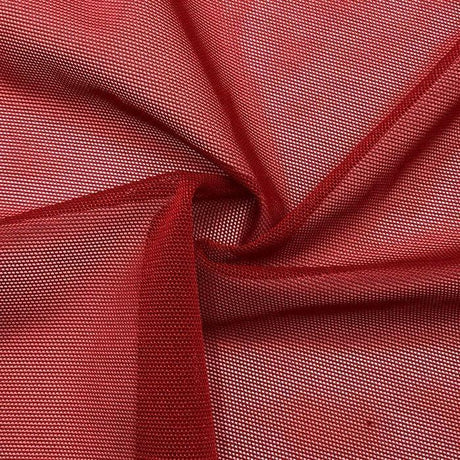
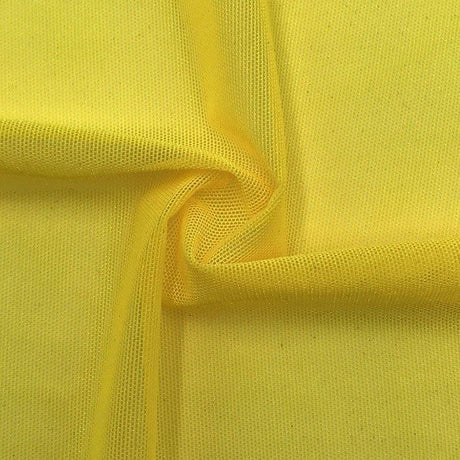
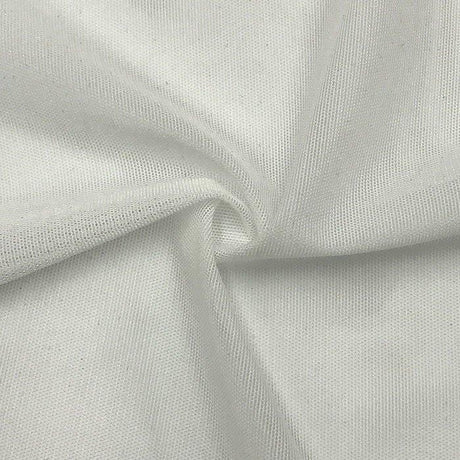
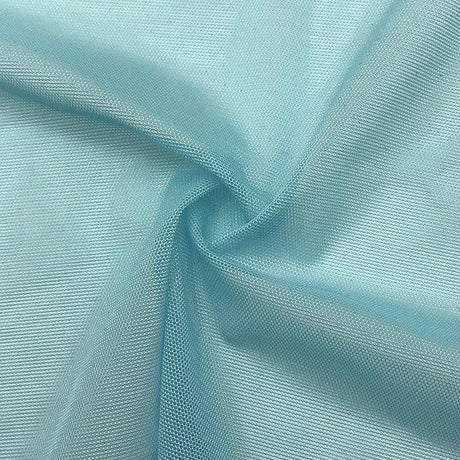
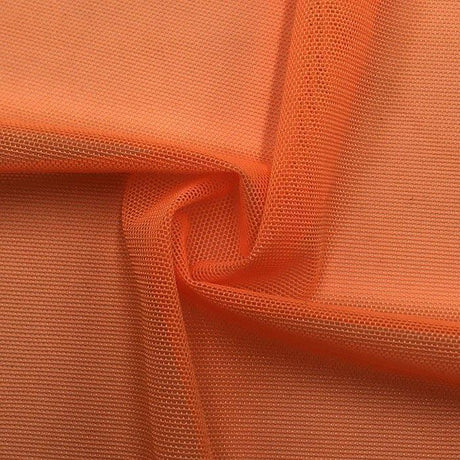
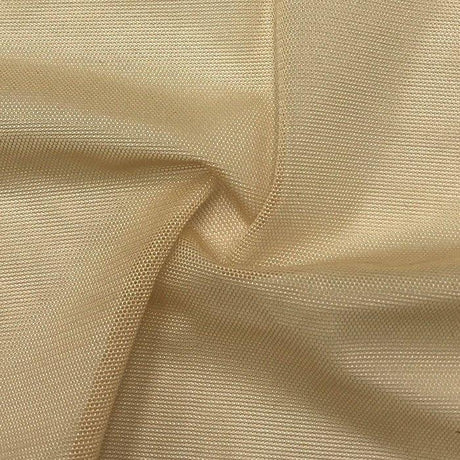
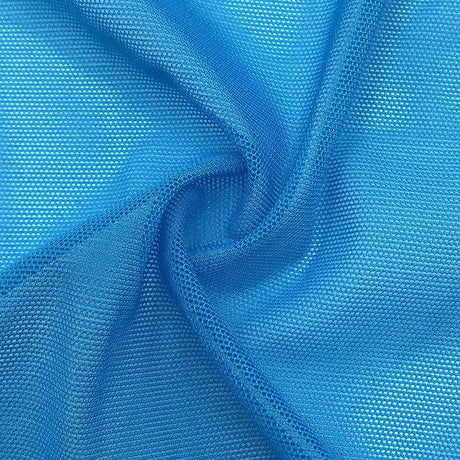
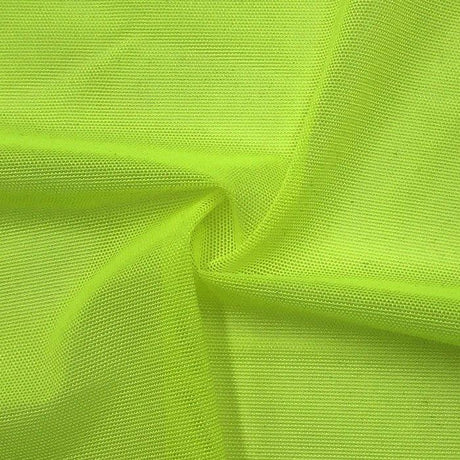
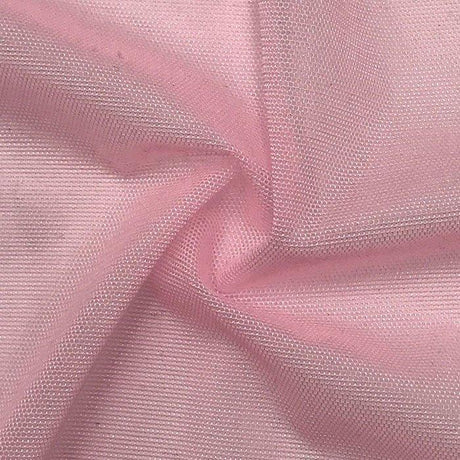
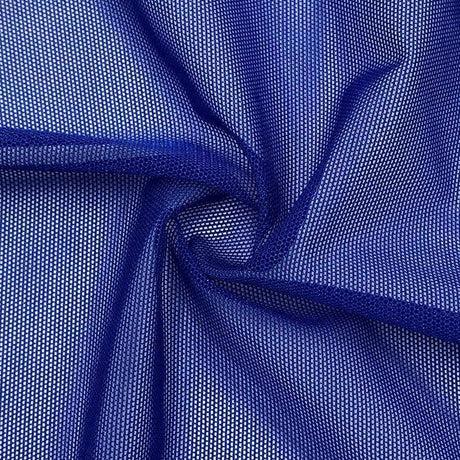
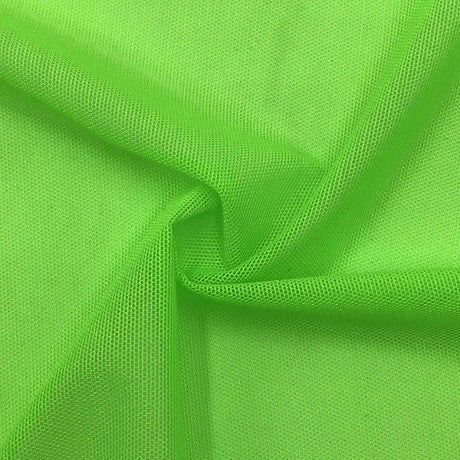
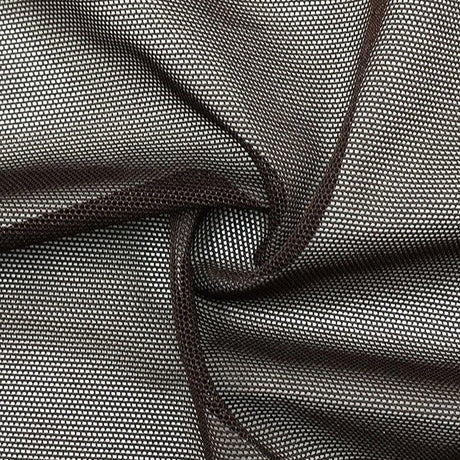
Athletic Mesh Linings – Breathable Net Fabrics
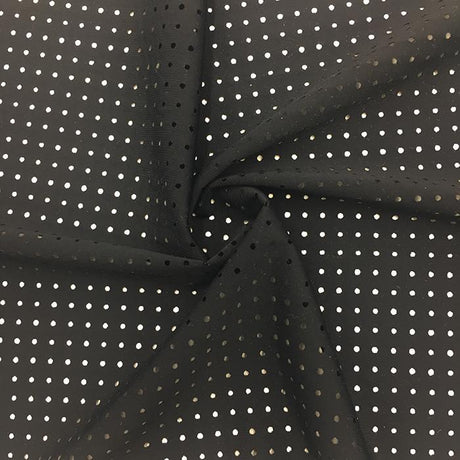
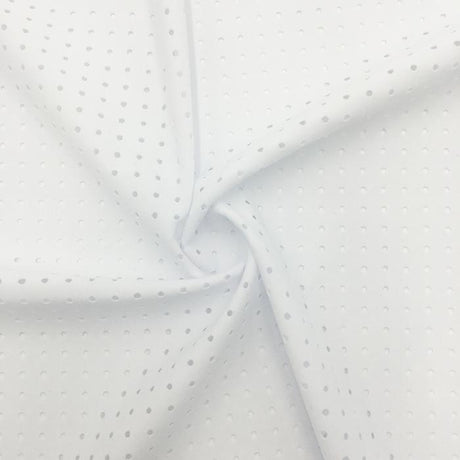
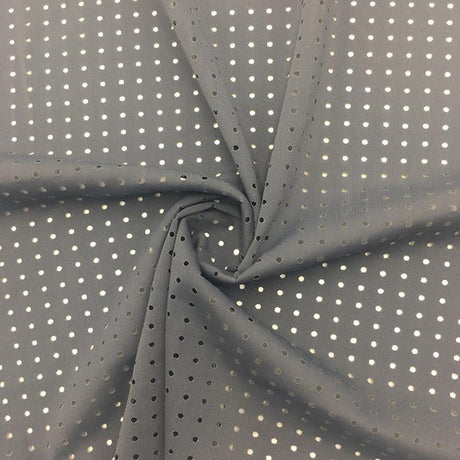
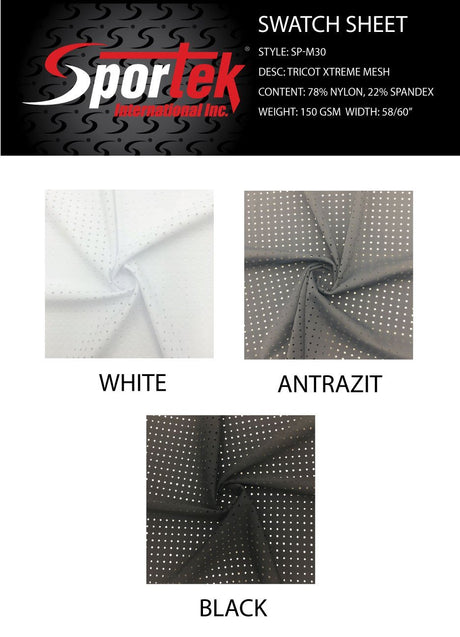
What It Is: Athletic mesh lining fabric (often polyester or nylon mesh) is a lightweight net-like fabric with small holes. It's the classic choice for sportswear linings that need maximum airflow. Properties: extremely breathable, quick-drying, and adds very little weight or coverage.
When to Use Mesh: Ideal for running shorts, basketball shorts, team jerseys, and swimwear. The inner brief of running shorts is usually a mesh lining to provide support and vent heat. In swim trunks, mesh briefs allow water to drain easily and prevent ballooning. Use mesh whenever you need to maximize ventilation or drainage. Our activewear fabric guide covers how mesh panels are used in compression and ventilation applications across all common activewear categories.
Tips: Choose mesh hole size appropriately – larger holes mean more airflow but less smooth feel; smaller holes (micro-mesh) mean softer feel and still breathable. Ensure the mesh has enough strength if it's providing support – some meshes have spandex for extra stretch and recovery, known as power mesh or stretch mesh.
Stretch Woven Linings – Lightweight but Structured Fabrics
What It Is: Stretch woven fabrics are woven textiles (often polyester or nylon blends with spandex) that have a bit of stretch. Unlike knits, they don't stretch as much, but they offer a stable structure with slight give. They're smoother and more supportive than mesh, and often have special finishes (like DWR – durable water repellent).
When to Use Stretch Wovens: Best for situations where you want a thin lining that adds strength or shape. For example, in windbreaker or running jackets, a stretch woven lining can add a light insulating layer or simply make it easier to slide the jacket on/off over other layers. In athletic shorts or pants, a stretch woven can serve as a lightweight inner short or pocket lining that won't easily snag or tear.
Typically: smooth-faced (comfortable against skin), durable, and moisture-wicking if treated. They won't breathe as much as mesh, but many are still breathable and fast-drying. Boardshorts often use a stretch woven as the inner layer since it's smooth and stands up to abrasion (surfboards, sand) better than mesh. Always ensure the stretch woven you choose has at least some spandex content so it can move with the wearer (look for ~5–15% spandex content).
Cotton-Spandex Blend Linings – Soft, Natural Feel Fabrics
What It Is: Cotton spandex blends (e.g., a cotton jersey with ~5–10% spandex) are knit fabrics that combine natural cotton fiber with elastic stretch. They are soft, breathable, and have 2-way or 4-way stretch thanks to the knit and spandex. Our cotton-spandex fabric guide covers how cotton-spandex blends compare in stretch behavior and recovery relative to synthetic alternatives.
When to Use Cotton Blends: These linings are ideal for low to medium-intensity activities or where comfort is the top priority over sweat management. Think yoga or Pilates attire, casual athleisure jackets, or children's activewear. If you're making a garment meant to be worn for lighter workouts or everyday wear (where heavy sweating isn't expected), a cotton-spandex lining can be lovely.
Pros & Cons: Cotton blends offer exceptional softness and comfort, but cotton absorbs moisture rather than wicking it. In intense exercise, a cotton lining can soak up sweat and become heavy or clingy. Plus, cotton dries slowly, which might leave the wearer damp. Avoid cotton linings for high-sweat or rain-prone activities. Also note: cotton can shrink more than synthetics – prewash your cotton lining fabric before sewing to prevent surprises.
Common Mistakes to Avoid When Selecting an Activewear Lining
Mismatch in Stretch: Using a non-stretch lining with a stretch outer fabric (or vice versa) results in restricted movement or a lining that tears when the garment stretches. Always match the fabric stretch – pair 4-way stretch outerwear with a 4-way stretch lining (like a spandex mesh or knit).
Ignoring Moisture Management: Choosing a lining that holds moisture for high-sweat applications leads to chafing and discomfort. Use moisture-wicking linings (polyester meshes, etc.) for high-intensity or long-duration activewear. Reserve absorbent linings (like cotton) for low-sweat scenarios.
Overlooking Breathability: Picking a lining that is not breathable in a garment meant for heavy activity can cause overheating. Ensure the lining has some breathability, especially in areas that heat up (back, underarms).
Choosing the Wrong Weight: Lining a lightweight, summer activewear piece with a fabric that's too heavy can make the garment feel bulky. Match weight appropriately – lightweight linings (like <150 GSM mesh or tricot) for lightweight outer fabrics, and mid-weight linings for sturdier outer fabrics. Our fabric weight guide covers the GSM thresholds that distinguish lightweight from mid-weight lining constructions.
Color and Transparency Blunders: A dark-colored lining can show through a light outer fabric. Coordinate colors – use neutral or matching colors for linings if the outer fabric is light or somewhat translucent. Our swimwear fabric guide covers lining color selection and opacity evaluation techniques for all common swimwear and activewear applications.
Skimping on Testing: Not testing the lining fabric with the outer fabric before full production is a costly mistake. Always create a sample or prototype: stretch the two layers together, do a sweat test, and wash them to ensure no unexpected shrinkage or color bleeding.
Neglecting Finish and Quality: Using a cheaply made lining that pills or snags easily inside an expensive activewear piece can ruin the garment quickly. Invest in quality lining fabrics designed for activewear. Our spandex care guide and fabric care guide cover complete laundering protocols for all common activewear lining fabric types.
When to Use Each Lining Material – Quick Reference
Use Mesh Lining when you need maximum breathability and lightweight comfort. For running gear, sports jerseys, or any high-sweat, high-heat activity, choose a mesh lining to keep air flowing and moisture evaporating. Athletic mesh is a safe bet for most activewear linings that prioritize ventilation.
Use Stretch Woven Lining when durability and a bit of structure are required along with some flex. Great for training jackets, board shorts, or hiking pants – any application where the lining might face abrasion or need to add a touch of firmness.
Use Cotton/Spandex Lining when comfort is king and sweat is moderate. For yoga tops, casual wear, or light exercise apparel, a cotton-spandex lining offers a cozy feel and breathability. They're also a nice choice for anyone who dislikes the slick feel of polyester.
Consider specialized linings when you have niche needs: thermal linings (fleece or brushed tricot) for cold-weather activewear, compression powermesh for high-support zones, or eco-friendly linings (recycled poly, bamboo blends) for sustainability goals.
Conclusion
When you're ready to source materials, remember that quality matters – choosing specialized activewear lining fabrics will ensure your project succeeds. With the right fabric in hand, you'll be well on your way to creating activewear that looks, feels, and performs like a pro.
Ready to find the right lining for your activewear project? Use our stretch fabric types page and fabric weight guide to evaluate technical specifications, our nylon-spandex fabric guide and cotton-spandex fabric guide for fiber-type specific recommendations, and our activewear fabric guide for end-use specific guidance. Our how to sew stretch fabric guide covers all construction techniques for integrating linings cleanly into activewear. Our spandex care guide and fabric care guide keep every finished garment performing at its best. Have questions? Our expert help and advice page and FAQ are always available. Sign up for SpandexByYard Rewards to earn points on every purchase – with the right lining choice, your activewear will deliver on comfort, durability, and functionality.