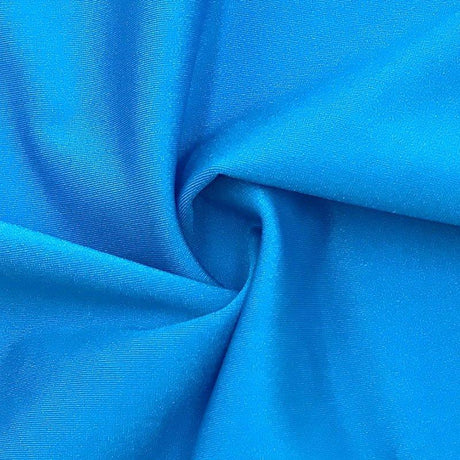
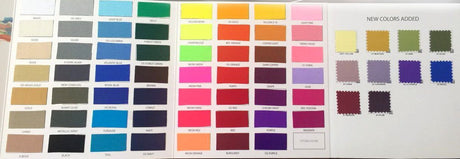
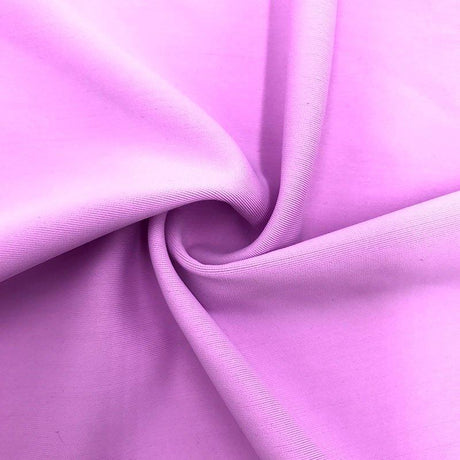
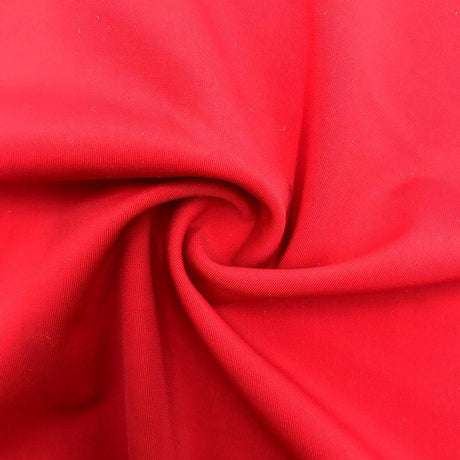
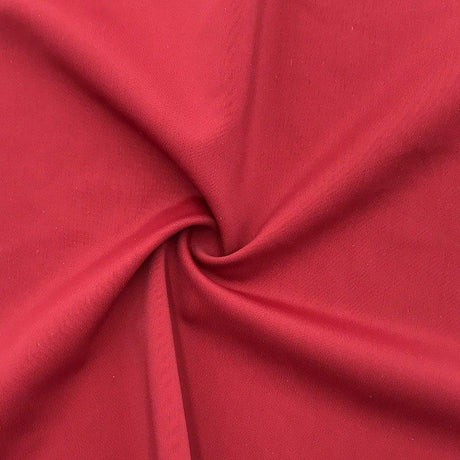
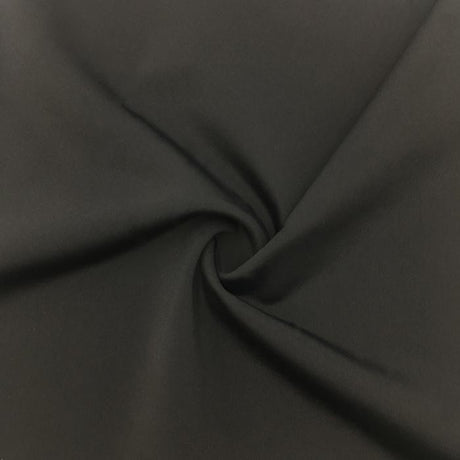
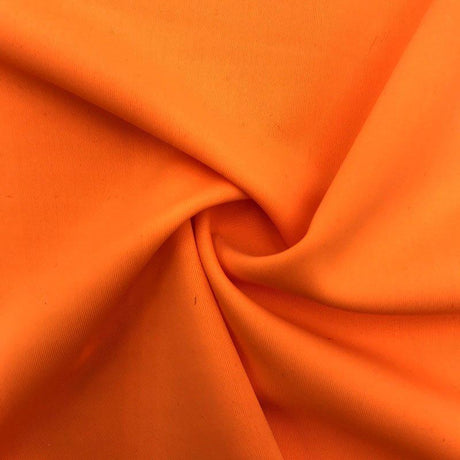
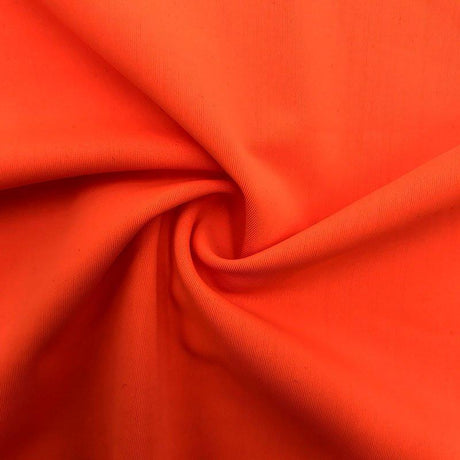
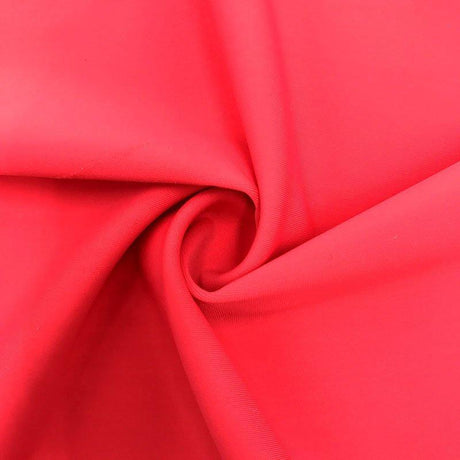
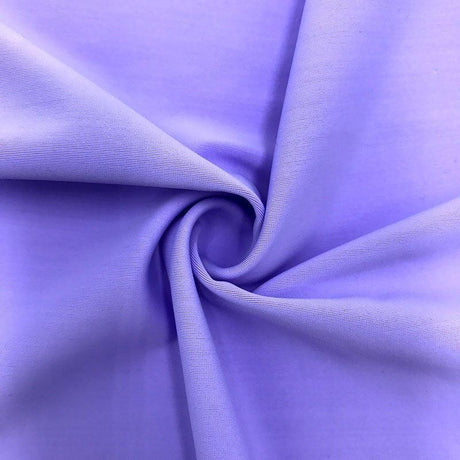
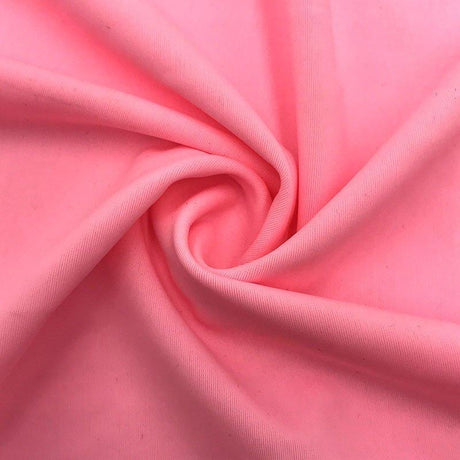
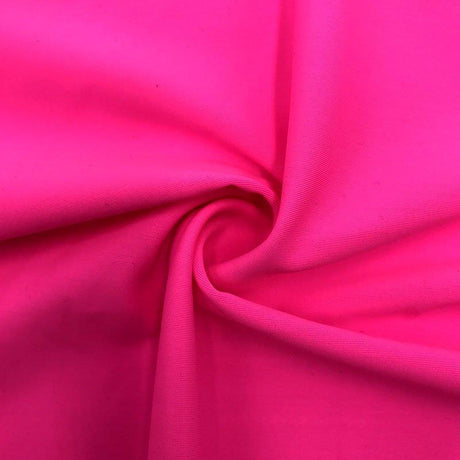
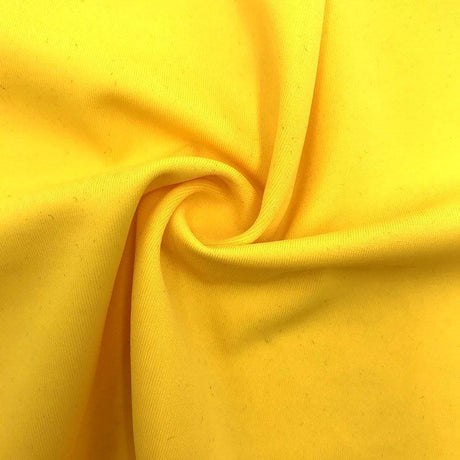
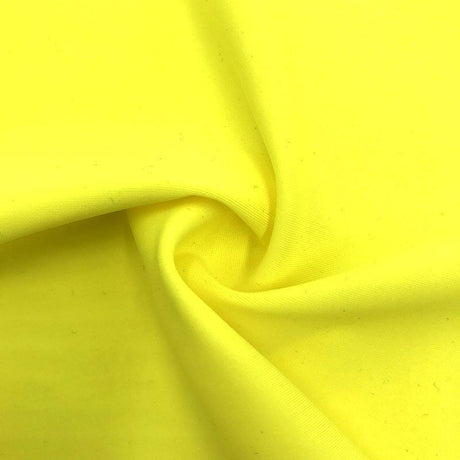
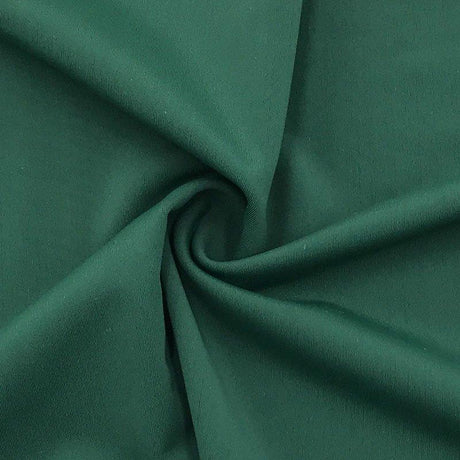
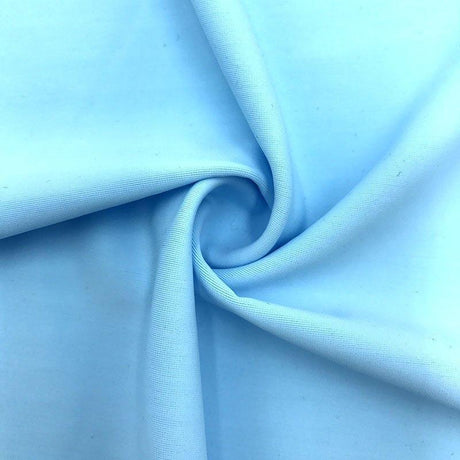
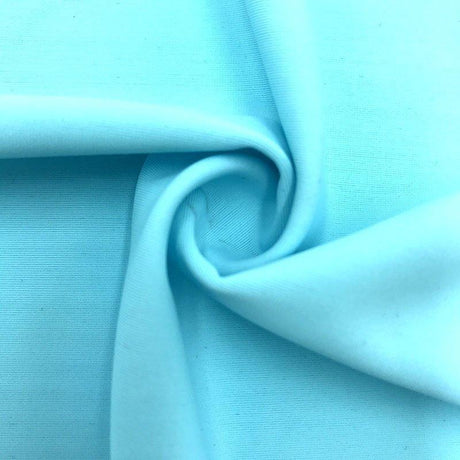
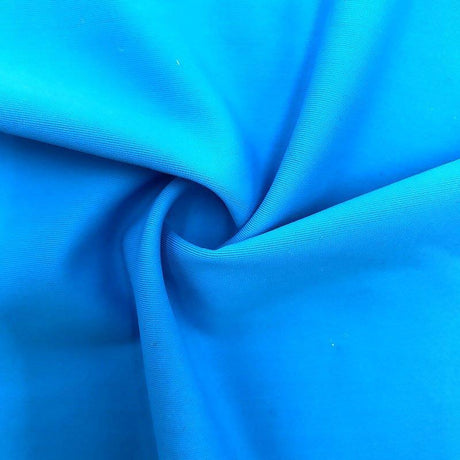
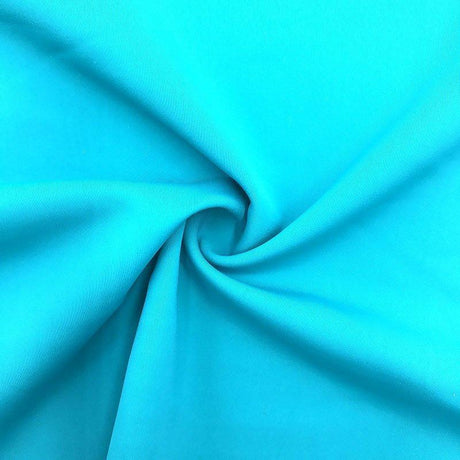
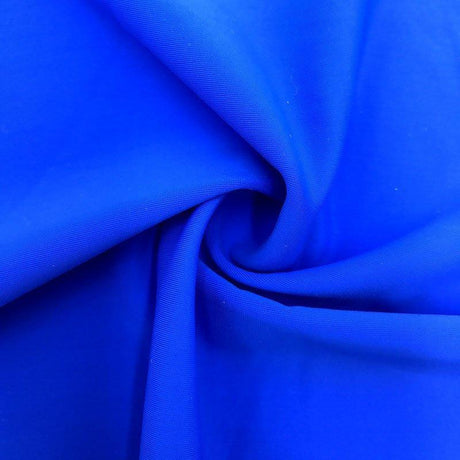
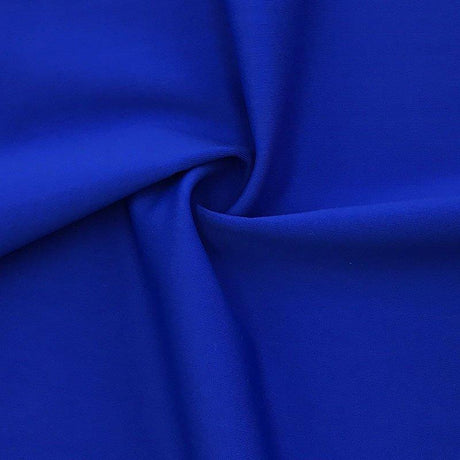
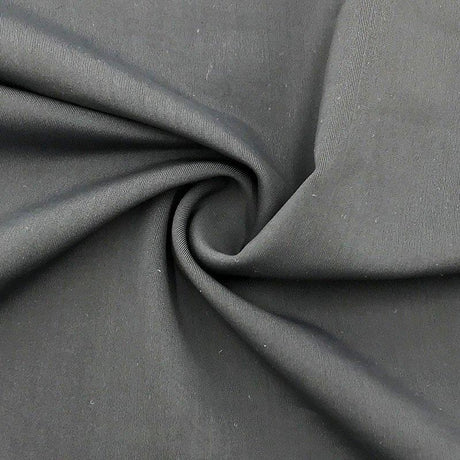
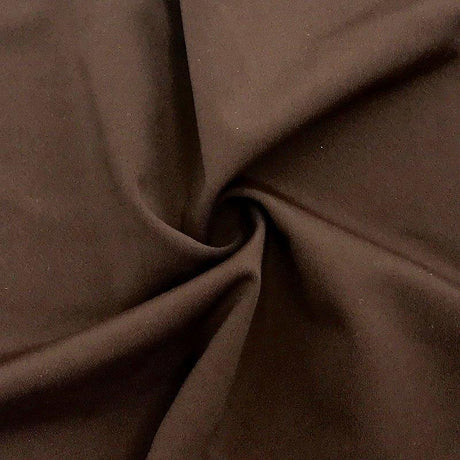
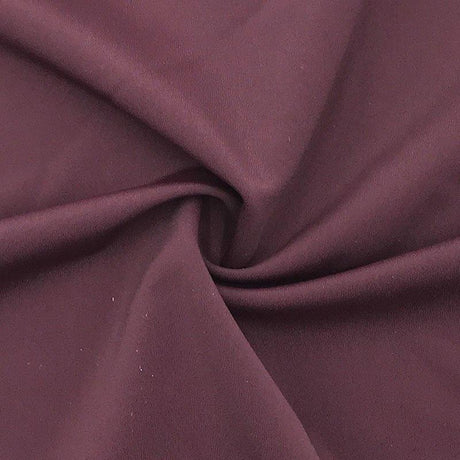
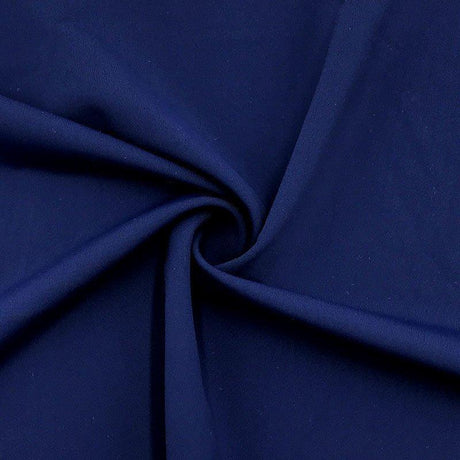
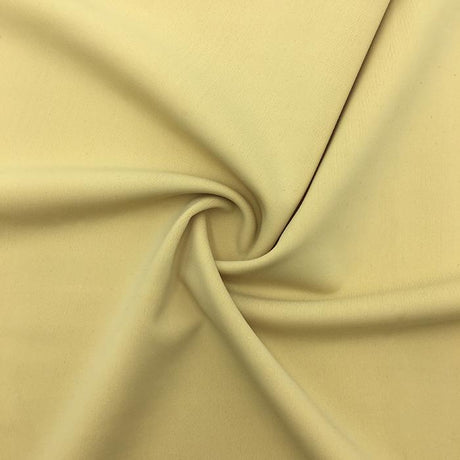
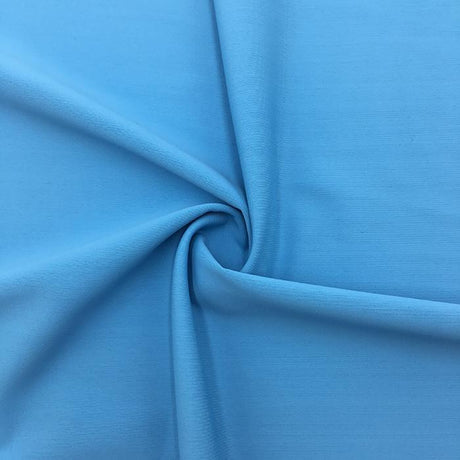
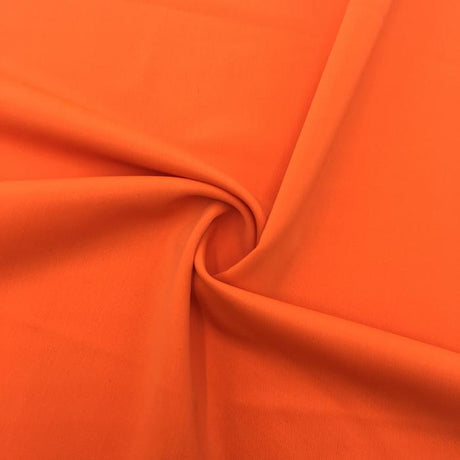
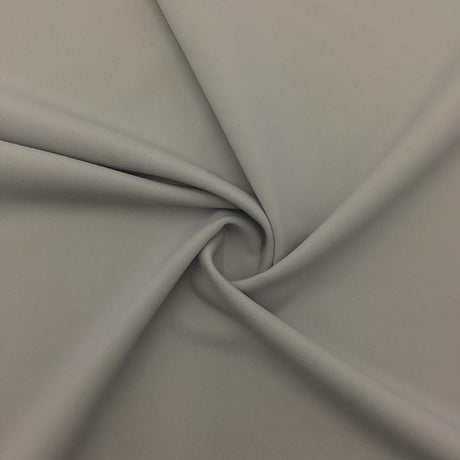
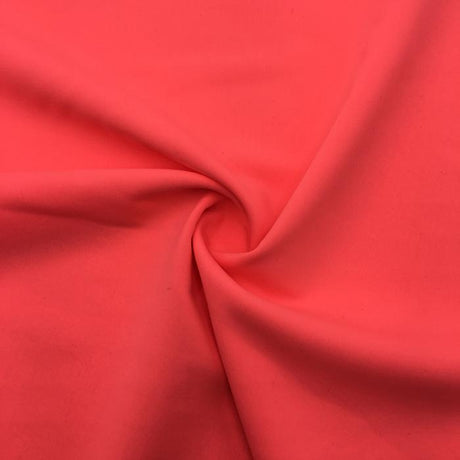
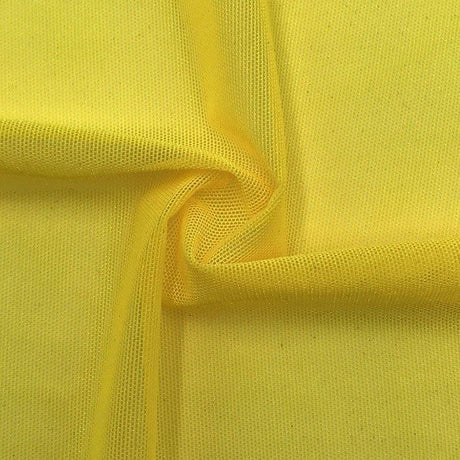
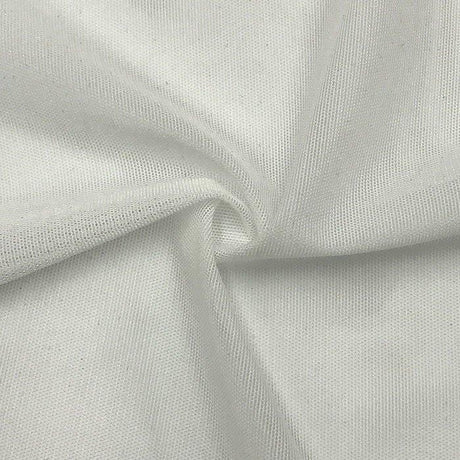
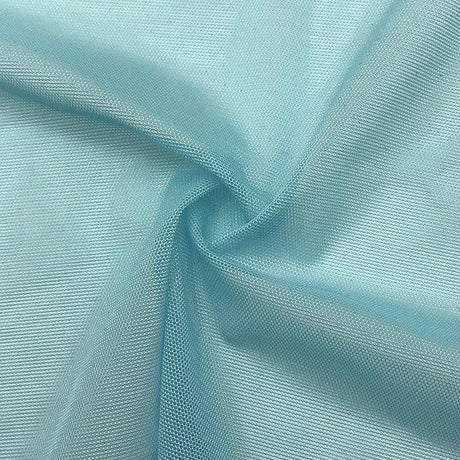
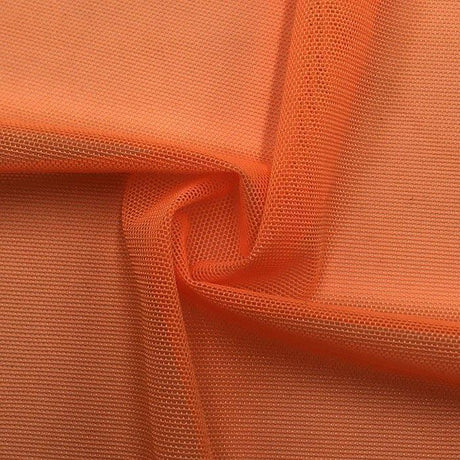
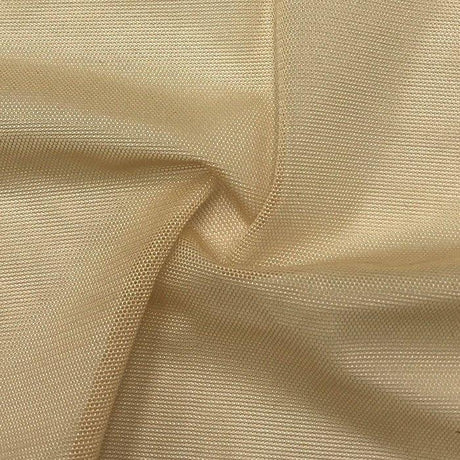
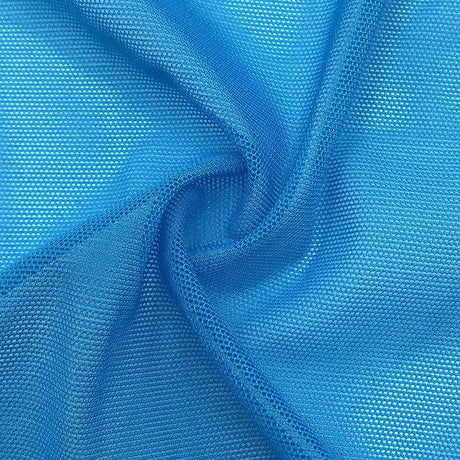
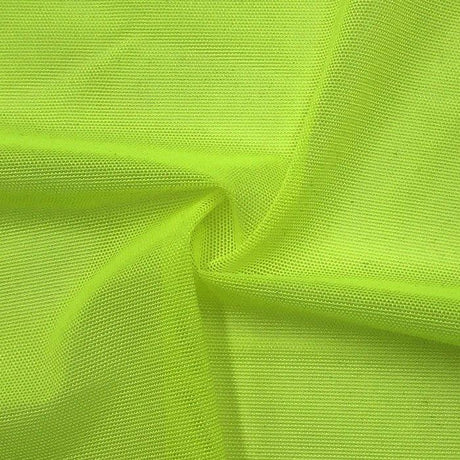
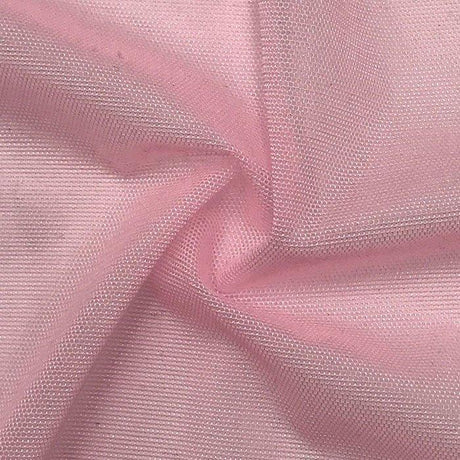
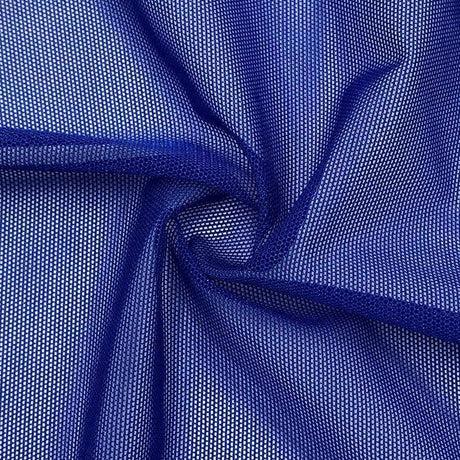
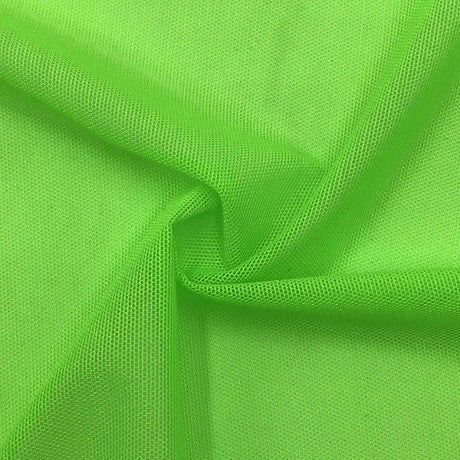
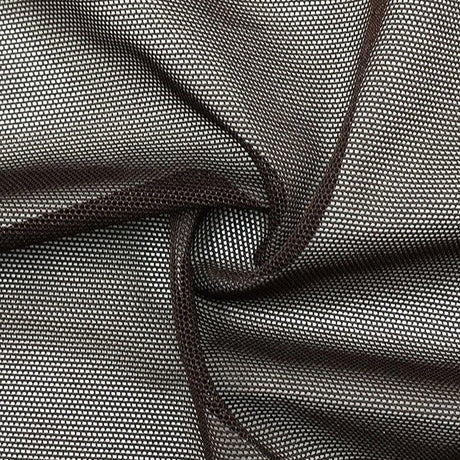
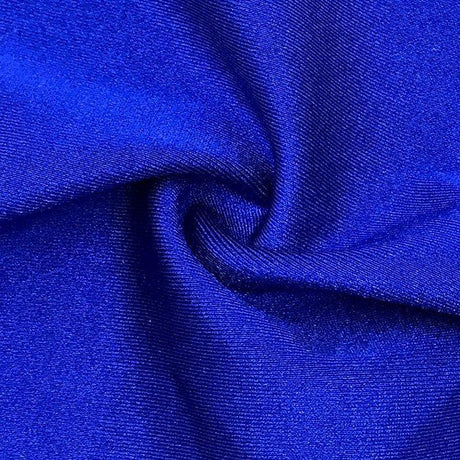
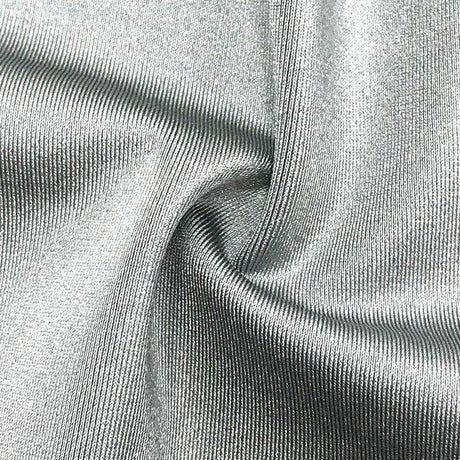
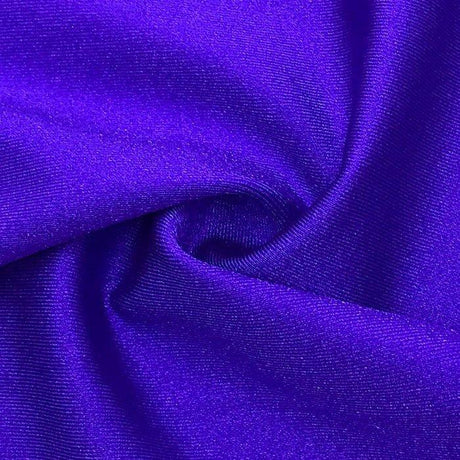
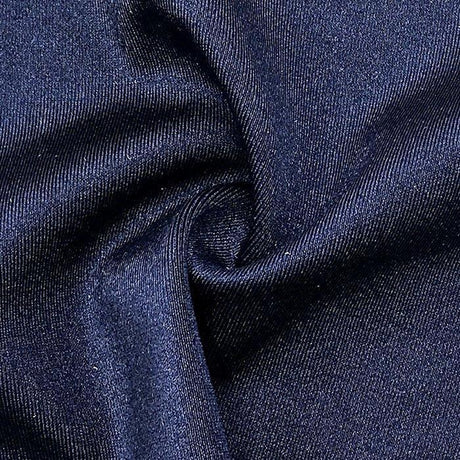
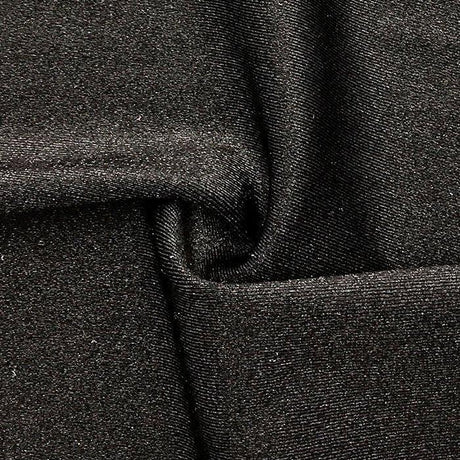
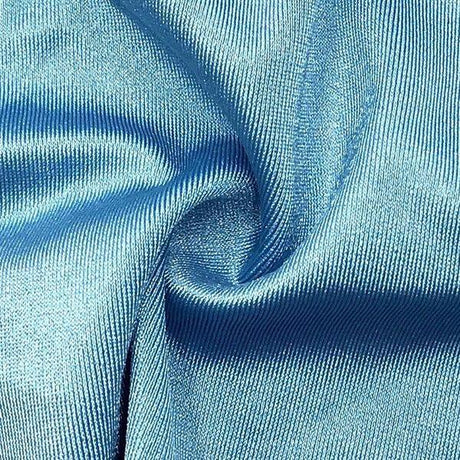
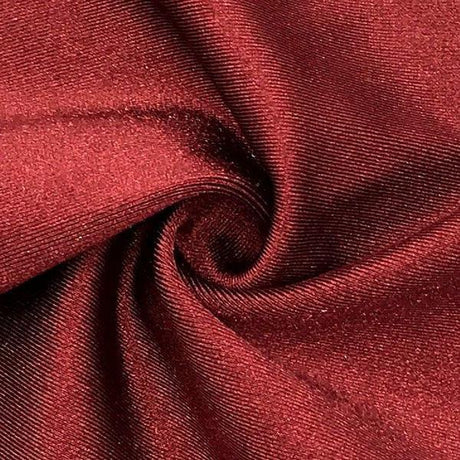
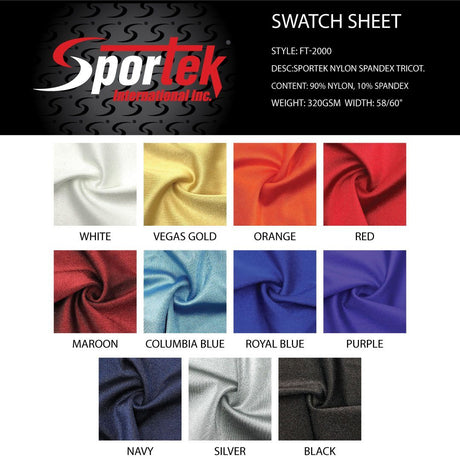
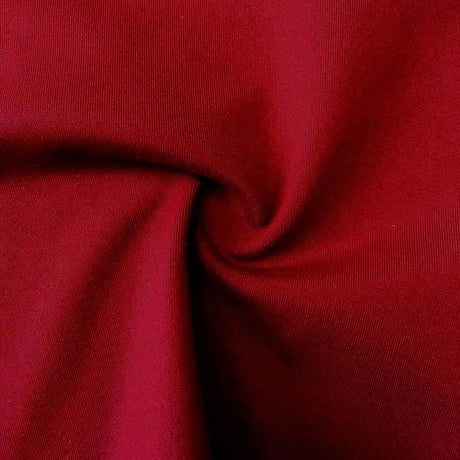
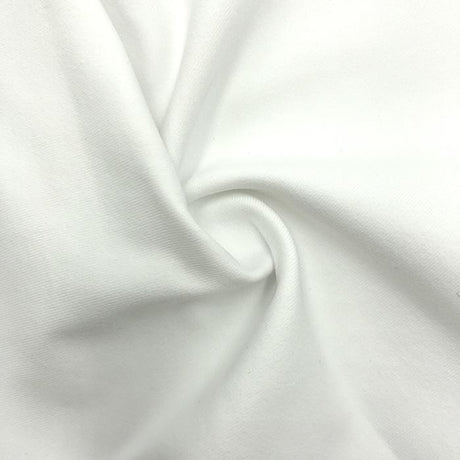
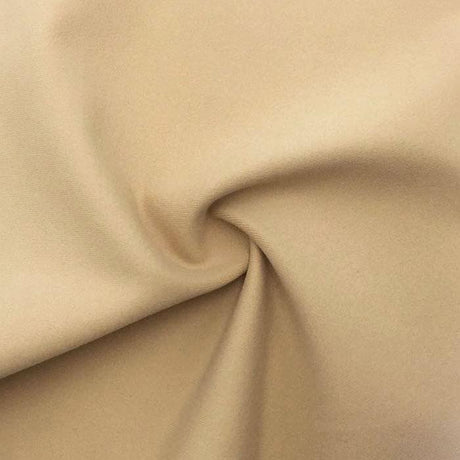
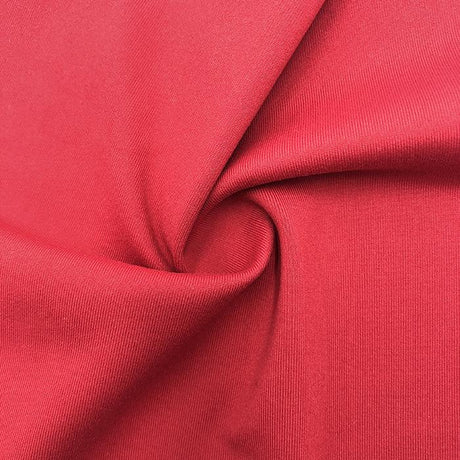
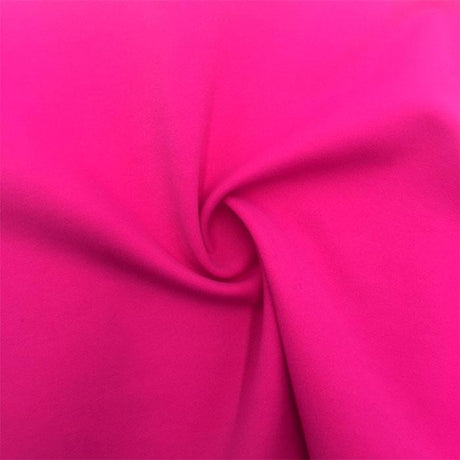
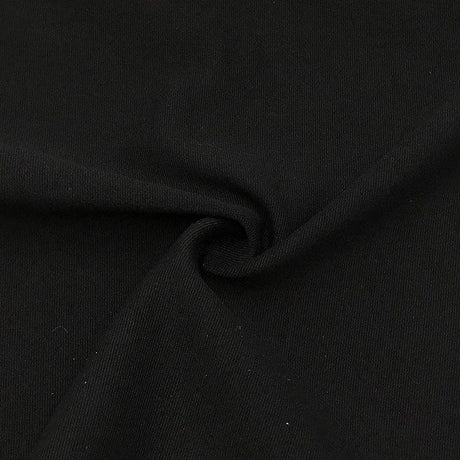
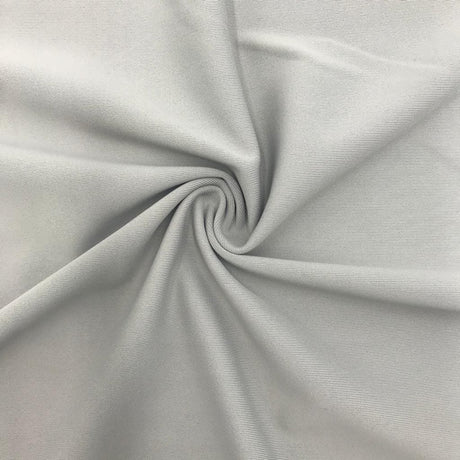
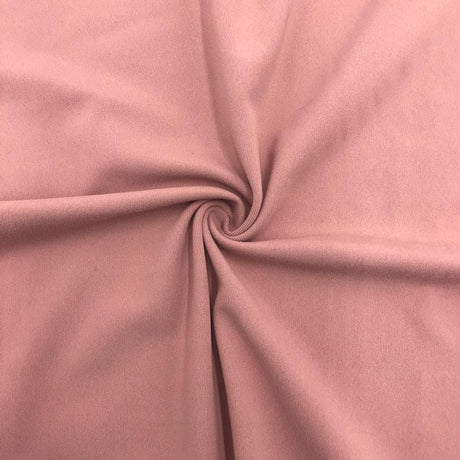
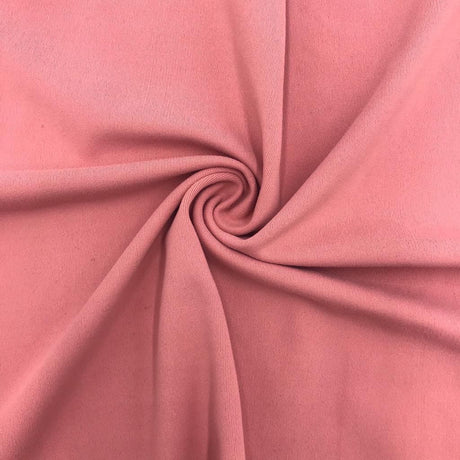
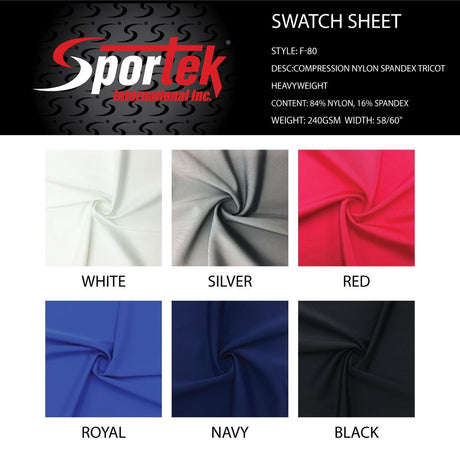
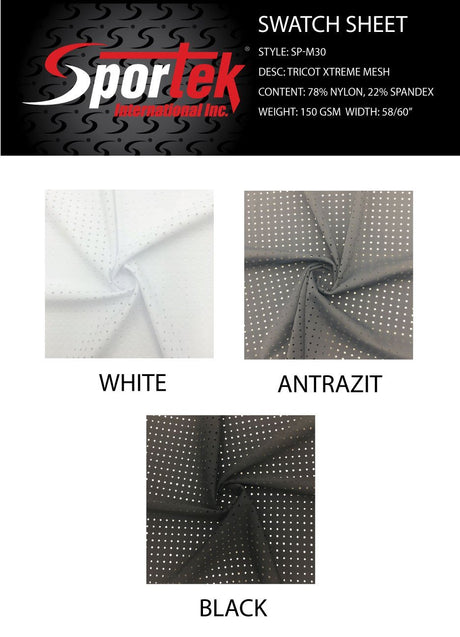
Sewing stretchy swimwear fabrics (typically nylon/Lycra or spandex blends) can be challenging for beginners. These fabrics are slippery, very stretchy, and require special techniques to get durable, professional-looking results. Fear not – with the right tools, a few key sewing tips, and some practice, you can successfully sew your own swimsuits. Below we’ll cover essential tools (needles, thread, machines), how to handle slippery nylon Lycra, and getting your machine’s tension and stitches just right for spandex seams. Let’s dive in!
Essential Tools: Needles, Thread, and Machines
- Needles: Use a stretch needle in your sewing machine for sewing swimwear. Stretch needles have a slightly rounded tip and specialized design to prevent skipped stitches on high-spandex knits (they’re similar to ballpoint/jersey needles, but optimized for elastic fabrics). For most swim fabrics (which are dense knits), a stretch needle in size 75/11 or 80/12 is ideal. (Ballpoint needles can work in a pinch, but stretch needles are recommended by manufacturers for fabrics with high Lycra content.) Always start with a fresh needle – dull or bent needles are a common cause of skipped stitches on spandex. Also use ballpoint pins (or Wonder Clips) when cutting and pinning; sharp regular pins can snag or punch holes in fine swim lycra, whereas ballpoint pins’ rounded tips minimize damage.
- Thread: Stick with 100% polyester thread for swimwear projects. Polyester thread is strong, has a bit of give, and will hold up to chlorine, salt water, and sun better than cotton thread. Avoid cotton or cheap all-purpose threads – they weaken quickly in pool water and can lead to popped seams or skipped stitches under stress. A high-quality poly thread (Gutermann, Mettler, etc.) will create durable seams that won’t deteriorate after a few swims. If you’re feeling adventurous, you can also try specialty stretch thread or woolly nylon in certain applications. Woolly nylon in a serger’s loopers (or in your bobbin for a zigzag stitch) adds extra elasticity to the seam, which can be useful for super-stretchy areas or finishing edges. (There are even new stretch threads like Maxi-Lock Stretch or Coats Eloflex that allow you to sew a stretchable straight stitch, but these are optional tools – your normal polyester thread with a zigzag stitch will work for almost all construction.)
- Sewing Machine vs. Serger: You do not need a fancy serger (overlock machine) to sew swimwear – a regular home sewing machine can do the job with the correct settings. In fact, if you only have one machine, a standard sewing machine is more versatile (since some steps like topstitching elastic or making straps are hard to do on a serger). That said, a serger is wonderful to have once you can get one. Sergers create strong, flexible seams and handle stretchy knit fabrics faster and with better feed, often eliminating seam puckering. The stitch quality from a 4-thread overlock is excellent for swimwear, and sergers trim and finish the seam in one go. Many swimwear sewists use a combination: construct seams with a serger (for speed and strength) but use a regular machine for any detail work, topstitching, or areas requiring a zigzag. In summary, you can sew an entire swimsuit on a normal machine using appropriate stitches, but a serger is a useful luxury for neat, professional interior seams.
- Walking Foot Attachment: One tool that makes a huge difference when sewing stretch fabrics is a walking foot (also called an even-feed foot). This presser foot has feed dogs that grip the top layer of fabric, syncing with the machine’s lower feed dogs so that both layers feed evenly. Using a walking foot helps prevent that annoying “creeping” or stretching of the bottom layer that can lead to uneven, wavy seams. If you’re using a regular sewing machine for swimwear, a walking foot is highly recommended – it “can be a godsend with slippery fabrics” by keeping layers aligned and avoiding stretched-out seams. (Some machines even have built-in dual feed systems – for example, Pfaff’s IDT is essentially a built-in walking foot, noted to be “absolutely fantastic” for sewing tricky swimwear fabrics.) Use this tool if possible; it will save you a lot of frustration by feeding that slick Lycra smoothly without distorting it.
Handling Slippery Nylon Lycra
Swimwear material (nylon/spandex tricot, etc.) is notorious for being slippery and tricky to handle. Proper preparation and technique will tame the “slick, stretchy eel” of swim fabric. Follow these tips to keep your project under control:
- Cut in a Single Layer (Use Rotary Cutter & Weights): Instead of folding and cutting two layers at once (which can shift off-grain), lay out your fabric in one layer for cutting. Using a sharp rotary cutter on a cutting mat, along with plenty of pattern weights, is the easiest way to get clean, accurate cuts on slippery swim fabric. The rolling blade glides through the Lycra without lifting or distorting it, preventing the “walking” effect you might get with scissors dragging the fabric. Align your pattern pieces carefully (right side of fabric facing up for accuracy) and cut slowly. This single-layer method may take a bit longer, but it avoids uneven edges and off-grain pieces – saving you headaches later. (If you must use scissors, micro-serrated dressmaker shears can help grip the fabric, but rotary cutting is generally faster and neater for swim knits.)
- Use Clips or Pin Smartly: When securing layers of swimwear fabric, consider using wonder clips instead of pins. Regular pins and Lycra don’t always get along – pins can snag the knit or even create runs and holes. Clips, on the other hand, hold the fabric without piercing it, keeping it pristine. They also distribute tension evenly and are easy to remove as you sew (no prick injuries or forgotten pins). If you do use pins, use fine ballpoint pins and keep them within seam allowances to avoid permanent holes in your garment. It also helps to pin perpendicularly to the seam and fairly close together for slippery sections, or even use double rows of pins for critical alignments. The bottom line: secure your pieces well before sewing – swim fabric has a tendency to shift, so extra care here will ensure your seams match up perfectly.
- Baste Layers (Especially Linings): Basting is your friend when working with swimwear. Because many swimsuits are lined (and you’re effectively handling two slippery layers as one), it’s wise to baste the lining to the main fabric before attaching elastic or sewing seams. You can do this with long machine basting stitches or by hand. For example, baste the swimsuit front lining to the front fabric around the edges to keep them from shifting. This way, when you sew a seam or insert elastic, you won’t accidentally miss catching one of the layers or end up with the lining creeping out. Yes, it’s an extra step, but it prevents a lot of messy do-overs. Similarly, if you have a multi-piece design or want to match prints, consider hand-basting critical seams first – the slippery spandex will stay put and you can stitch with confidence. As one experienced sewist notes, “basting is really important to ensure the best possible outcome” on slick swim fabrics.
- Feed Evenly – Adjust Presser Foot Pressure & Use the Walking Foot: Sewing machine settings can help counter the slipperiness. If your machine lets you adjust presser foot pressure, try lowering the pressure when sewing knits like swimwear. Less downward force on the fabric means the feed dogs can do their job without the foot excessively dragging the top layer. This prevents the fabric from stretching out or “growing” as you sew. Many machines default to a higher pressure for wovens, so consult your manual on how to dial it down for stretch fabrics. In conjunction, use that walking foot we mentioned – it will ensure both the top and bottom layers feed through at the same time, which is invaluable for preventing uneven seams or puckers on slippery Lycra. Together, a walking foot and reduced foot pressure essentially eliminate the common problem of one layer of spandex stretching more than the other while sewing. If you notice your machine still having trouble feeding evenly (fabric getting “chewed” or stuck), you can also try placing a strip of thin tissue paper under the fabric and sewing through it, then tearing it away after – this adds stability. But in most cases, proper foot pressure and feed (and a sharp needle) will do the trick.
- Don’t Stretch or Pull the Fabric while Sewing: Perhaps the most important technique with stretch fabrics is to resist the urge to pull on the fabric as it goes under the needle. Let the machine feed it naturally. If you stretch the fabric taut as you sew, the seam will inevitably snap back and cause ripples or a stretched-out, wavy seam once you let go – not to mention you’ll be unintentionally enlarging the garment. Keep the fabric flat and guide it without tugging. (The only exception is when you are deliberately stretching elastic or a smaller piece to fit a larger piece as per the pattern instructions, such as attaching elastic around a leg opening – in those cases, you do stretch the elastic to match the fabric, but you still don’t pull the fabric more than necessary.) The goal is for seams to be sewn without any tension on the fabric – they should lie flat and retain their stretch. If you notice a lot of waviness, that’s a sign the fabric was stretched or the tension/feeding was off. Using the techniques above (walking foot, lower foot pressure, no manual pulling), your seams will come out much smoother and the swimsuit will maintain its intended shape and elasticity.
- Take Your Time: Lastly, handle swim projects slowly and methodically. Slow down your sewing speed to give the feed dogs time to work with this slippery material. It’s often when we rush that the fabric slides out of alignment or the machine skips. After each seam, check that everything lies correctly before moving on. If something looks off, don’t be afraid to seam-rip and redo it – stretchy fabric is forgiving and won’t show needle holes much, especially in the seam allowance. Use a light touch on the fabric; let the machine do the work. By going “slow and steady”, you’ll avoid many common mistakes and end up with a much cleaner result. Remember that sewing swimwear has a learning curve for everyone, so practice on scraps and small samples. Each time you sew with these fabrics, it gets easier and your results get better.
Getting the Tension Right for Spandex Seams
One of the final hurdles is dialing in your stitch type and thread tension so that your swimwear seams are both strong and stretchy. The goal is a seam that can stretch with the fabric (during wear) without threads breaking, and that lies flat without puckering. Here are some key tips for getting your machine settings right:
- Use Stretch Stitches (Skip the Straight Stitch): Because swimwear fabrics stretch a lot, you must use a stitch that will expand with the fabric. A normal straight stitch will not stretch – if you try to sew a leotard or bikini with straight stitches, you’ll hear threads popping as soon as the material is pulled on. Instead, use a zigzag stitch or another stretch stitch on your machine for all primary seams. The basic zigzag (set to a medium width and length) is a tried-and-true choice for assembling swimsuits. For example, many patterns suggest a zigzag about 3 mm wide by 2 mm long for general seaming or for attaching elastic, and perhaps a wider (5 mm by 1.5 mm) zigzag to topstitch or finish seams – this wider zigzag can mimic the look of a serged seam while still stretching. If your machine has specialty stretch stitches (like the lightning bolt stitch or a triple-step zigzag), you can experiment with those as well – they can produce an even more robust seam. A 3-step zigzag is especially useful for sewing elastic, as it distributes the stretch tension over three smaller zigzag bites and helps avoid “tunneling” or popping on elastic edges. Always test different stitch options on a scrap of your swim fabric to see what works best – stretch the test seam to ensure it doesn’t break and that it looks neat. The key is that any stitch you use for construction must have elasticity. (You can use a straight stitch temporarily if you deliberately stretch the fabric while sewing, but that is an advanced technique and the stretching must be exact. Beginners are safer using zigzags or stretch stitches that inherently flex with the material.)
- Balance Your Thread Tension: Setting the correct thread tension (the tightness of the upper thread) is critical for spandex seams. If the tension is too high, your stitches will be too tight, which can cause the seam to pucker and also make the threads more prone to snapping under stress (the thread can’t expand with the fabric if it’s strangling it). Overly tight tension or pulling can also yield that dreaded “lettuce edge” wavy seam – the fabric gets stretched as it’s sewn, then the tight stitches hold it in that stretched-out wave. On the other hand, if the tension is too low, the stitches may loop or sag – you’ll see loose loopy threads on the underside or top of the seam, and the seam may not hold the layers together firmly. The goal is a balanced tension where the stitch interlocks within the fabric, not causing distortion. Start with your machine’s default or a tad looser, and test on scraps. A good visual test: the seam should lie flat with no scalloping, and when you stretch the fabric, the threads should not form big loops on either side. Often, you won’t need to drastically change the tension from the normal setting if you’ve got the right needle and stitch; small tweaks of the dial (±1 number) can fine-tune the balance. Always test first – sew a sample seam on a double layer of your swim fabric, then examine it and stretch it. If you see ripples, loosen the tension a bit. If the seam feels loose or the lock of the stitch is visibly slack, tighten it slightly. It can take a couple tries, but getting this right will make a huge difference in your seam quality.
- Stretch Test Your Seams: Professionals use a simple method to check if their tension and stitch choice is working: the 50% stretch test. Take a scrap of your fabric and sew a few inches of the seam as you plan to do it (same layers, same stitch settings, same thread). Mark a section of the seam about 4 inches long, then stretch it – it should comfortably stretch to ~6 inches (which is a 50% stretch, common for swimwear) without any threads breaking or excessively constricting the fabric. The fabric should also recover (spring back) without the seam puckering up. If the seam passes this test – no popped threads, and it returns to shape smoothly – you can sew your actual garment with confidence. If it fails (for example, you hear threads snap at 30% stretch, or the seam remains wavy), then adjust your settings and test again. You might need to loosen the tension slightly or use a wider zigzag, etc., until the seam can stretch and recover properly. It’s worth taking the time to dial this in on scraps; it prevents nasty surprises when the swimsuit is worn. Remember, swimwear seams endure a lot of strain when being pulled on and off, so they need that flexibility built-in during sewing.

Top: A seam sewn with a straight stitch that was too long – notice the loose, loopy threads and lack of elasticity. Bottom: After adjusting to a shorter stretch stitch, the seam lies flat and stretches with the fabric without looping. Always test and adjust your stitch settings on scraps to achieve a balanced, stretchy seam.
- Serger Differential Feed (for Wavy Seams): If you are using a serger/overlocker for your spandex seams, pay attention to the differential feed setting. Differential feed controls the relative speed of the front and rear feed dogs on the serger – crucial for knits. For swimwear fabric, you usually want to increase the differential feed slightly above “N” (neutral) to prevent the fabric from stretching out as it’s serged. For instance, setting differential to about 1.3 (one “click” above neutral on many sergers) helps keep the seam from wavering or “lettuce edging”. Essentially, it feeds the fabric a bit faster on the front, compensating for the knit’s tendency to stretch under the presser foot. Every serger is different, but a small increase in differential (and using a reasonably short stitch length, around 2.5 mm) typically yields a flat, stretchy overlock seam on swimwear. As always, test on scraps – serge a piece and see if it comes out flat. If it’s wavy, bump up the differential a notch. If it’s puckering (gathering), lower it. The right setting will give you a beautiful, flexible serged seam that doesn’t distort the fabric.
- Troubleshooting Skipped Stitches: One common issue when sewing elastic fabrics is skipped stitches (when the needle fails to catch the bobbin thread, leaving blank spots in the seam). If you encounter skipping, don’t immediately blame the tension – first, go through a quick checklist. Use a fresh stretch needle (even if your current needle is only a project old, it might be damaged – needles are cheap, replace it). Make sure the needle size suits the fabric (for instance, thick swim fabrics might need a 80/12 stretch needle rather than 70/10). Second, re-thread your machine top and bobbin completely, with the presser foot raised while threading so the thread seats properly in the tension discs. A huge number of “tension problems” and skipped stitches are simply due to a minor mis-threading or a nearly empty bobbin, etc. Also double-check your thread quality – fuzz or weakness in cheap thread can cause skips. Finally, ensure you aren’t stretching or pulling the fabric (as mentioned) and that your presser foot pressure is appropriate. Skipped stitches can often be cured by these fixes without even touching the tension dial. Only after all that should you adjust tension, and usually only slightly. In summary: right needle, right thread, correct threading are essential for the machine to form perfect stitches on spandex. Once those are in place, you can then fine-tune tension as needed.
By using the proper tools, handling techniques, and machine settings described above, even a beginner can achieve great results with swimwear fabrics. In short: equip yourself with stretch needles and poly thread, stabilize and guide that slippery fabric carefully (don’t be afraid to use lots of clips and basting!), and take time to dial in your stitches and tension on scraps. These extra steps will pay off in seams that are strong, smooth, and stretchy in all the right ways. Sewing your own swimsuit is absolutely doable – and it’s incredibly rewarding to see it fit and function perfectly. With practice, you’ll be sewing swimwear like a pro. Now, armed with these tips, go ahead and conquer that “slick, stretchy eel” fabric with confidence and enjoy creating your custom swimwear! Happy sewing!