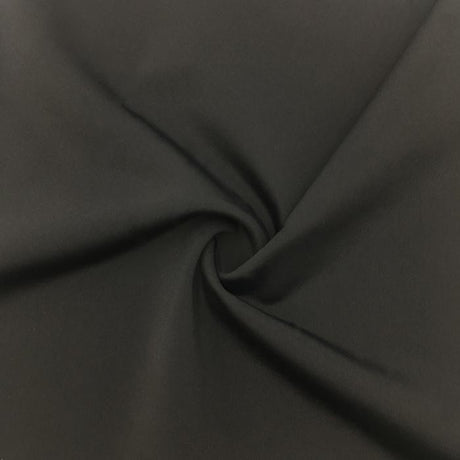
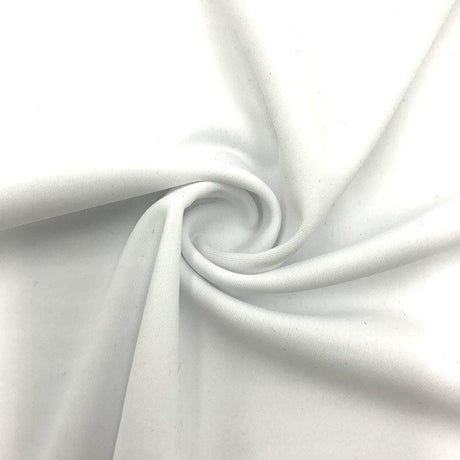
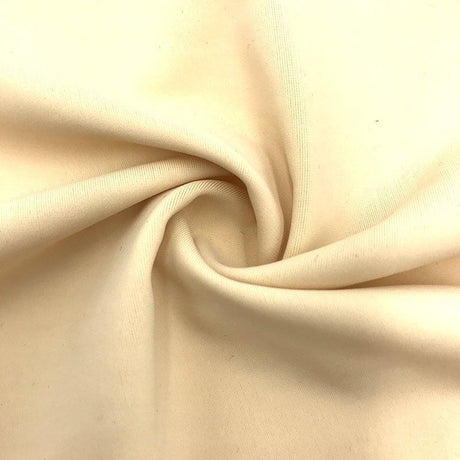
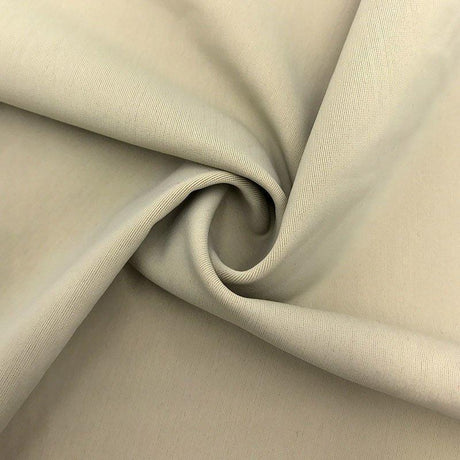
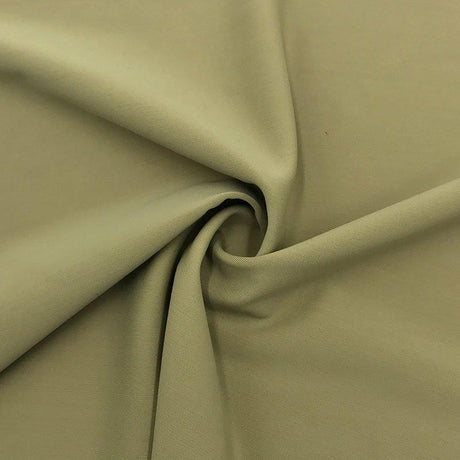
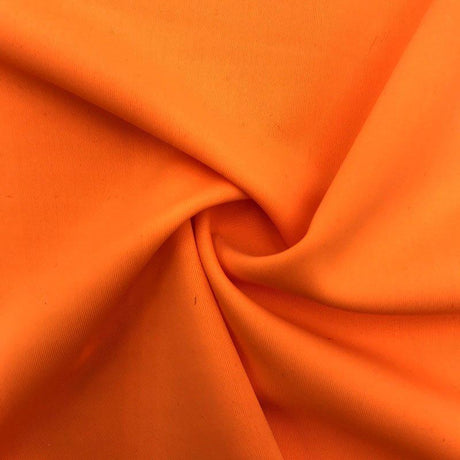
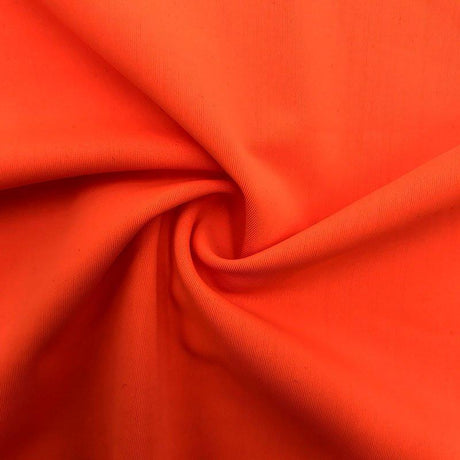
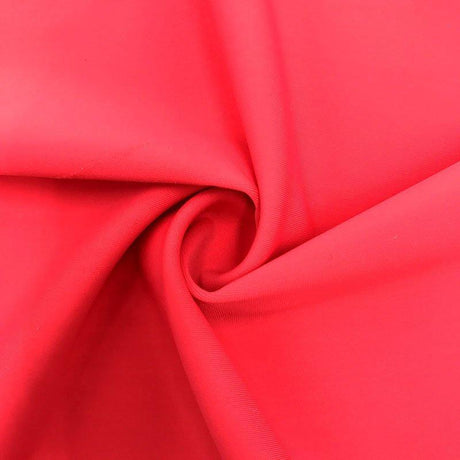
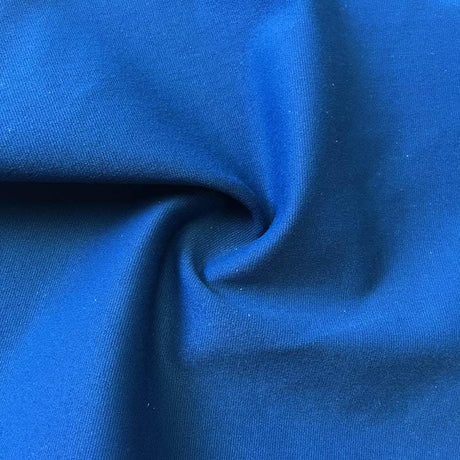
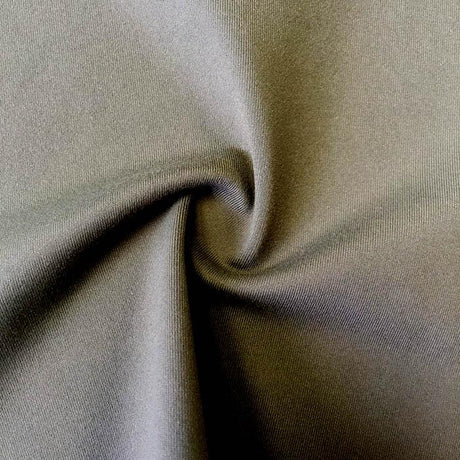
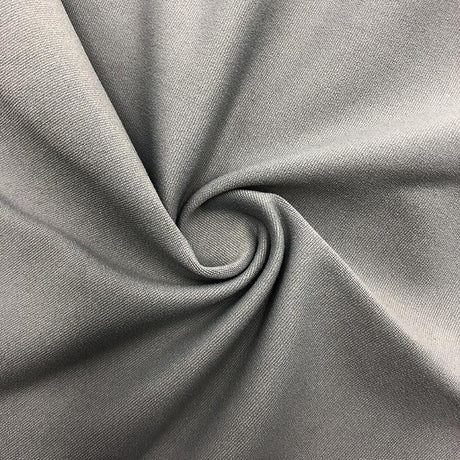
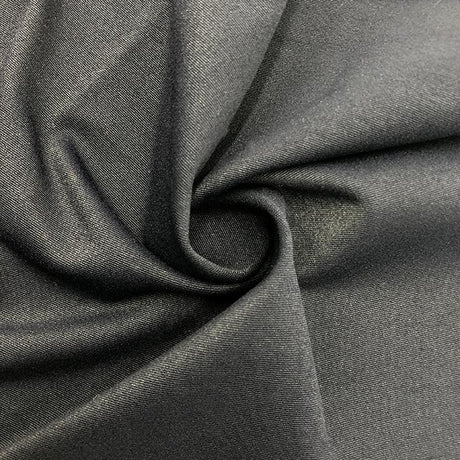
Performance apparel isn't just about the outer fabric – what's underneath counts too. Many athletic jackets, shorts, and swimsuits have a hidden hero: the lining fabric. For a broader foundation on stretch fabric properties and lining options before diving in, explore our activewear fabric guide or browse our full fabric guides hub.
What Is Lining Fabric in Performance Apparel?
A lining fabric is an inner layer of material placed inside a garment. In performance apparel (sportswear, activewear, swimwear, etc.), linings serve several purposes: they add a smooth layer against the skin for comfort, provide coverage (preventing see-through issues), enhance support/structure, and help manage moisture. Unlike traditional fashion linings (often silky woven fabrics), performance linings are usually stretchy knits or meshes that move and breathe with the wearer.
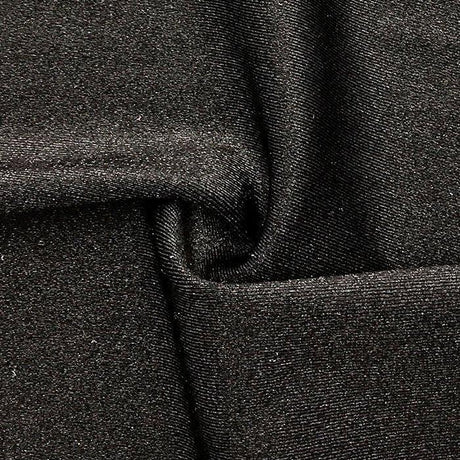
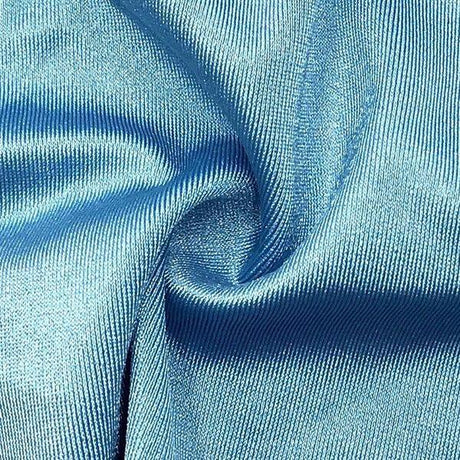
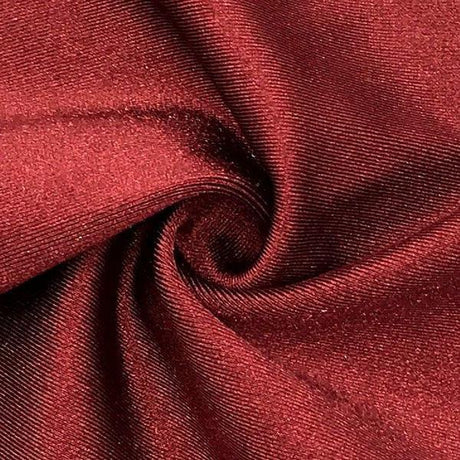
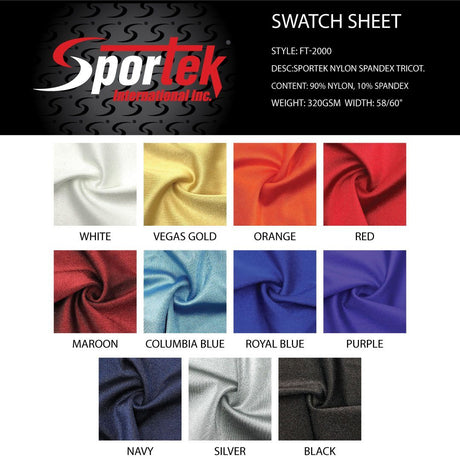
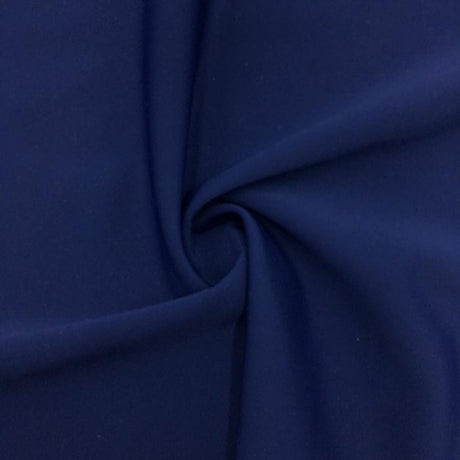
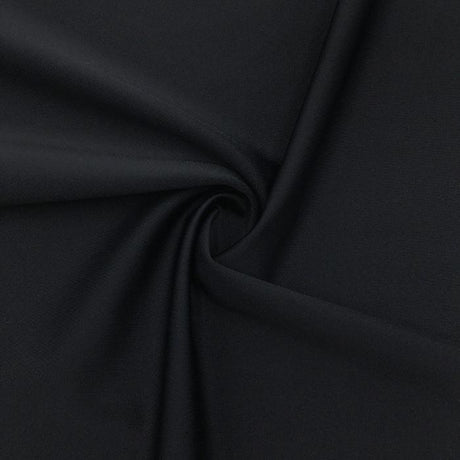
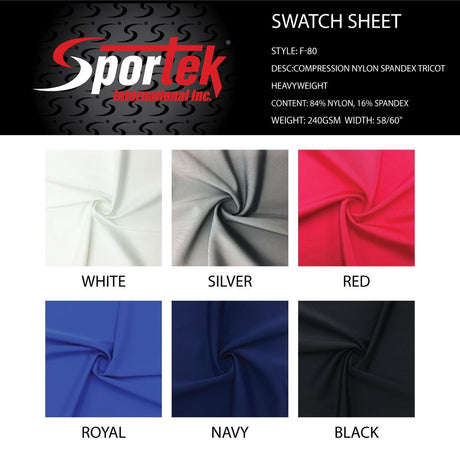
Materials: Common performance lining materials include nylon or polyester knits (e.g. tricot) and mesh fabrics with elastane for stretch. Our nylon-spandex fabric guide covers how nylon-spandex tricot constructions achieve the smooth hand feel, 4-way stretch, and quick-dry performance needed for quality lining applications.
Why It Exists: Athletic and outdoor apparel linings prevent discomfort (no scratchy seams on skin), manage sweat, reinforce garments (adding a layer of support in high-stress areas), and improve how the garment drapes and endures wear. For example, many running shorts have a built-in liner that functions as breathable underwear, and performance swimwear is fully lined to maintain modesty and shape when wet.
Why Use Lining Fabrics? Key Benefits for Performance Apparel
Enhanced Comfort: A quality lining places a soft, smooth surface next to the skin. This prevents chafing from rough outer fabric or seams.
Moisture Management: Many performance linings are moisture-wicking, meaning they pull sweat away from the body and dry quickly. Our fabric finishes guide covers moisture-wicking surface treatments and how to evaluate their durability across all common lining fabric constructions.
Breathability: Linings like mesh allow air flow. A breathable mesh lining in a jacket or gym shorts promotes ventilation, helping regulate body temperature. This is especially crucial in hot weather gear.
Support & Structure: Some linings contribute to garment support. Power mesh or sturdy tricot linings can add gentle compression or reinforce areas like the abdomen (in compression tights) or bust (in sports bras). Our stretch fabric types page covers how spandex percentage affects the stretch, recovery, and compression behavior of power mesh vs. standard stretch mesh constructions.
Durability & Protection: Linings can extend a garment's life. They take on friction and sweat, protecting the outer fabric from wear and tear. A lining in swimwear adds resilience so the suit doesn't sag or lose shape quickly.
Coverage & Modesty: In lightweight or stretch garments (think thin yoga pants or unlined shorts), adding a lining prevents them from becoming see-through and preserves modesty. Swimwear linings are vital here: they ensure a bathing suit isn't transparent when wet.
Common Types of Performance Lining Fabrics
Mesh Lining Fabrics (Breathable Athletic Liners)
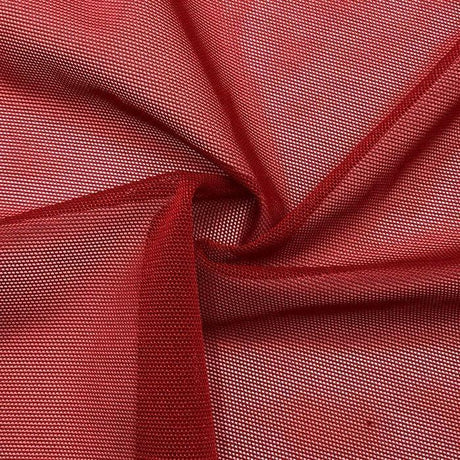
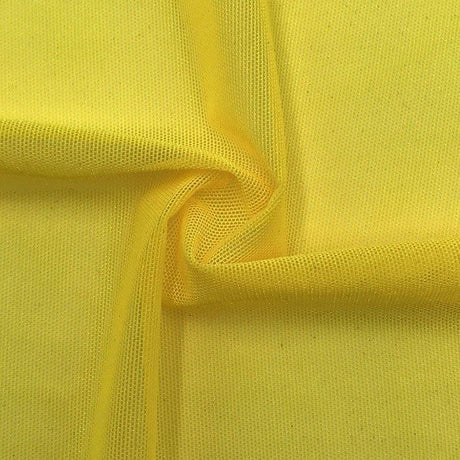
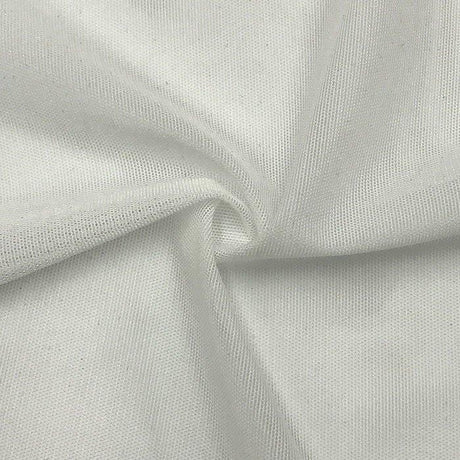
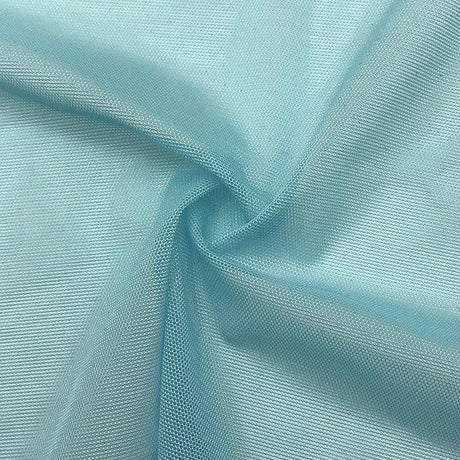
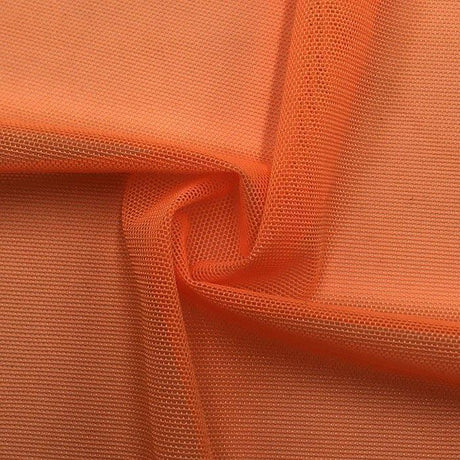
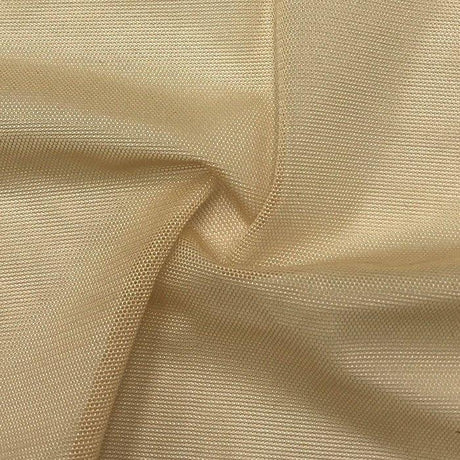
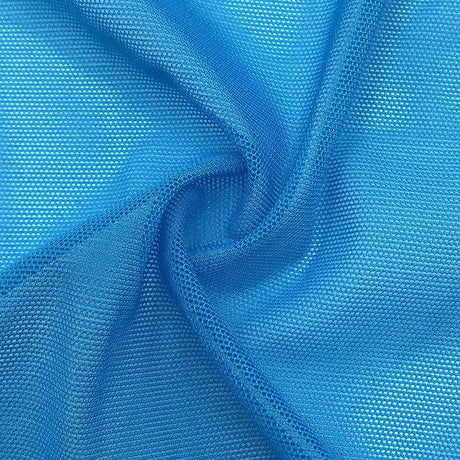
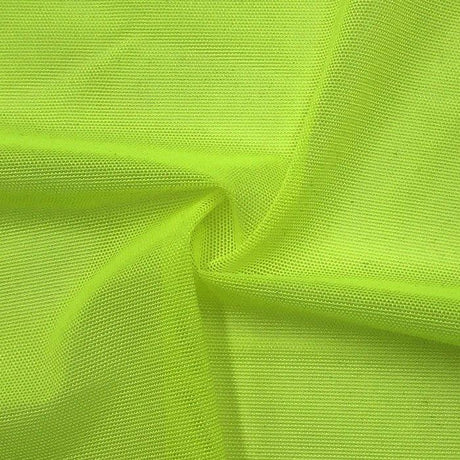
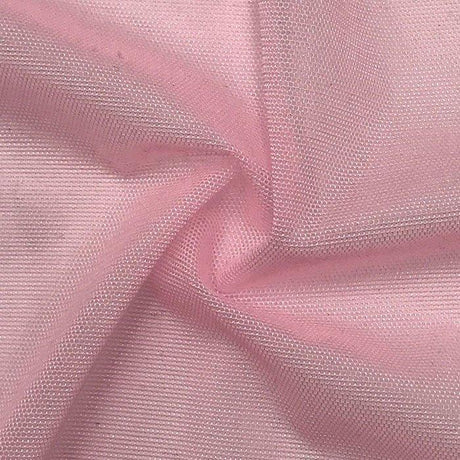
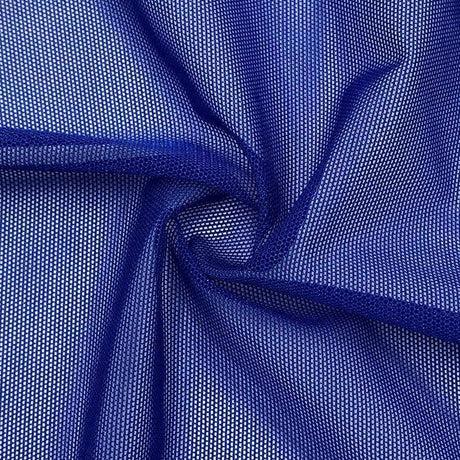
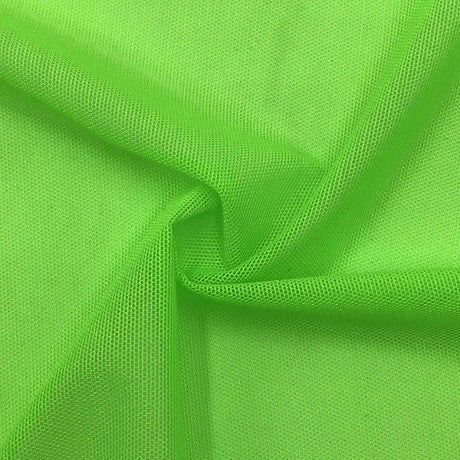
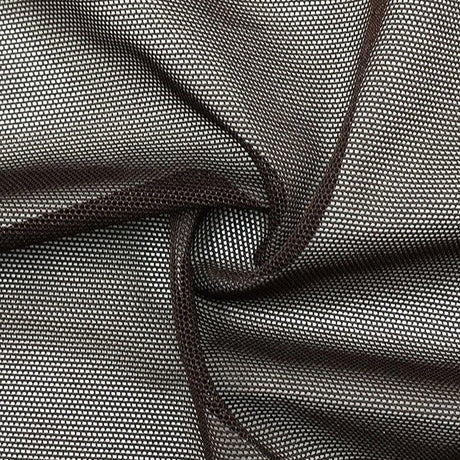
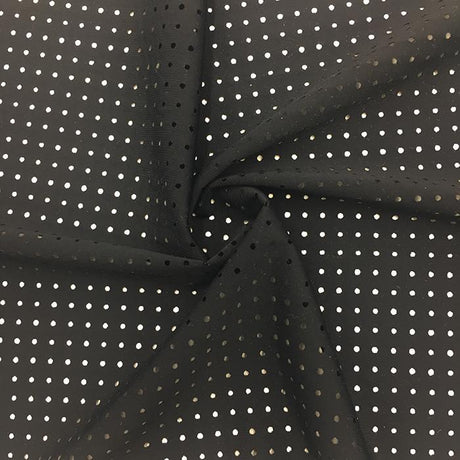
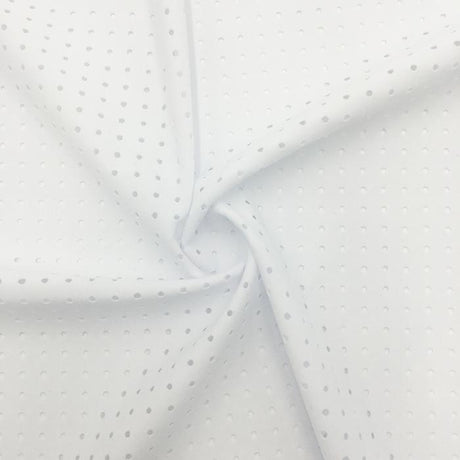
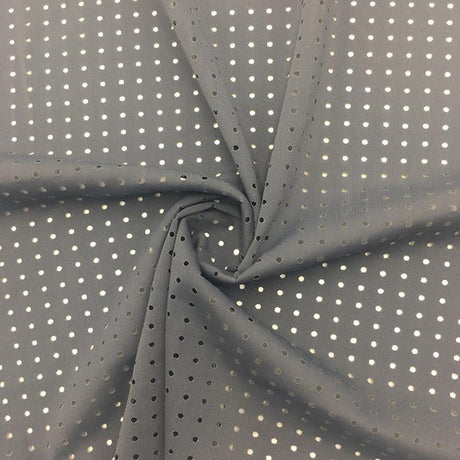
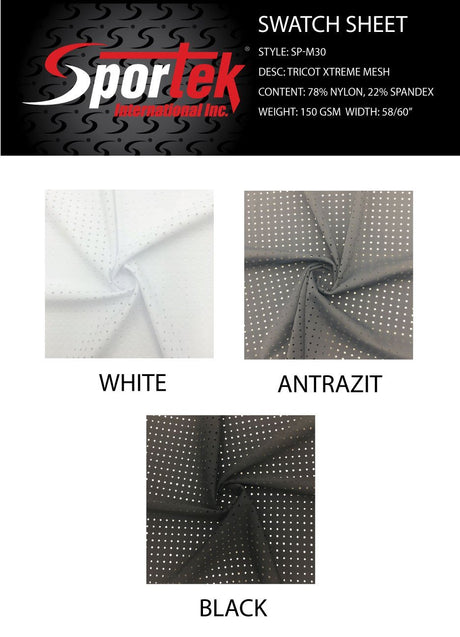
Mesh linings are characterized by an open, net-like knit structure that is highly breathable. These can be made of polyester or nylon (often with spandex for stretch) and come in various hole sizes (from fine micro-mesh to larger athletic mesh). Mesh is commonly used as a lining in sports shorts, team jerseys, and the backs of jackets where ventilation is needed.
Use & Properties: Mesh is lightweight and extremely breathable, making it ideal for hot climates or high-sweat areas. For example, the inside of a basketball short or the inner brief of running shorts is often a mesh liner that keeps the athlete cool and supported without extra weight. Our fabric weight guide covers how GSM affects breathability, moisture retention, and drying speed across all common mesh lining constructions.
Variations: Power mesh (also called power net) is a special high-strength stretch mesh used when more support is needed. It has smaller holes and higher spandex content, providing firmer stretch. Power mesh can act as a lining in compression garments or sports bras for added strength. Standard stretch mesh is softer and used where moderate support or purely breathability is required. Our activewear fabric guide covers how power mesh panels are used in compression and ventilation applications across all common activewear categories.
Brushed Tricot Linings (Soft, Warm Knit Liners)
Brushed tricot is a type of tricot knit fabric that has been lightly napped on one side, giving it a fuzzy, suede-like feel. Brushed tricot linings are popular in athletic jackets, windbreakers, and track pants – essentially wherever you want a smooth but slightly insulated lining that feels cozy.
Use & Properties: Brushed tricot is soft and slightly warmer than mesh. It doesn't have holes, so it's less breathable, but it provides a thin layer of insulation. It also has some stretch (especially if made with spandex) and a nice drape. A common scenario: a lightweight shell jacket with a polyester brushed tricot lining – the outer blocks wind, while the inner brushed knit adds comfort and a touch of warmth.
Benefits: It wicks moisture moderately and reduces the chill of a cold outer fabric touching you. Because of the brushed surface, it also helps the lining stay in place against a base layer.
Swimwear Lining Materials (Stretchy, Chlorine-Resistant Liners)
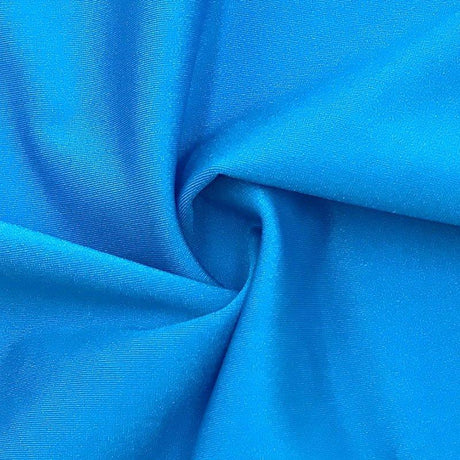
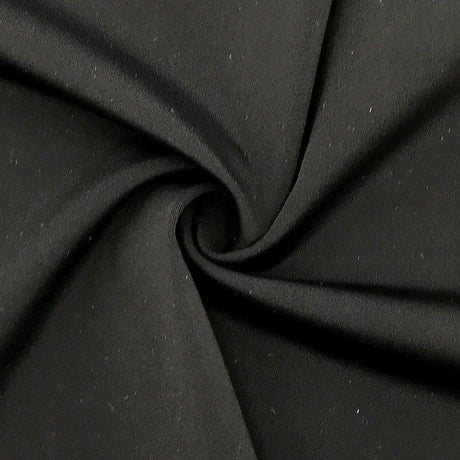
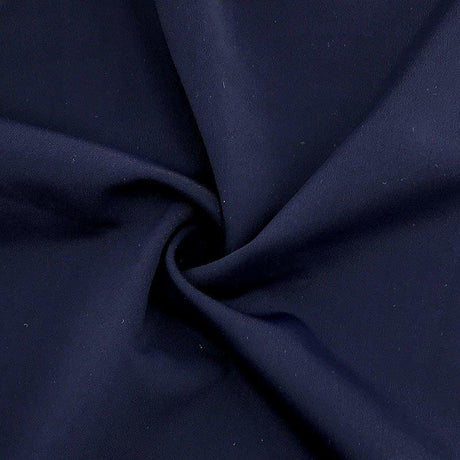
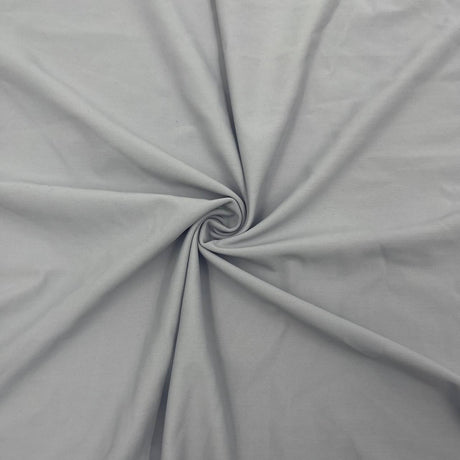
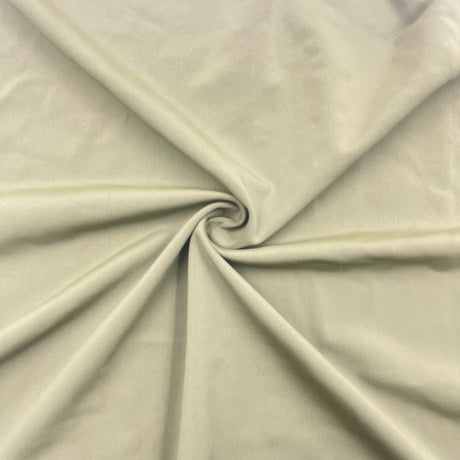
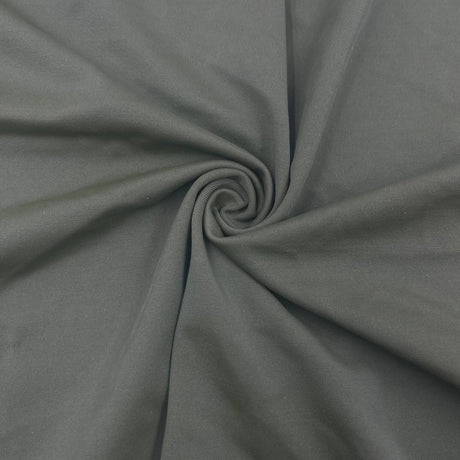
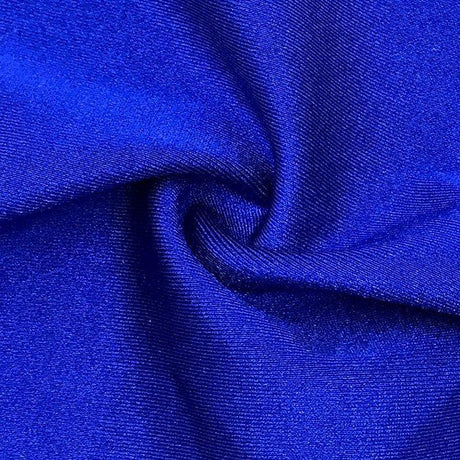
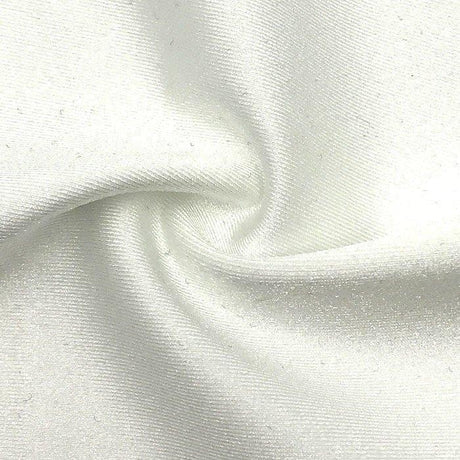
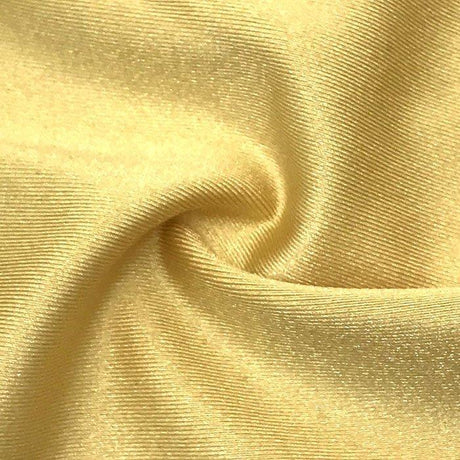
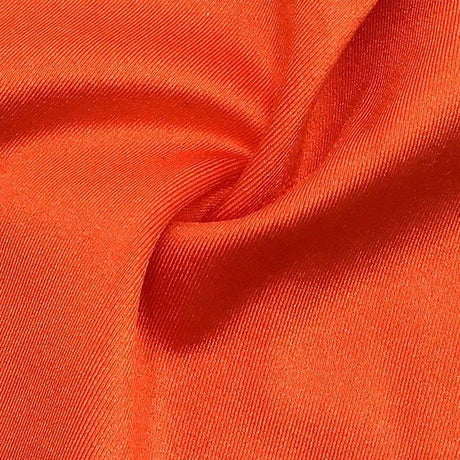
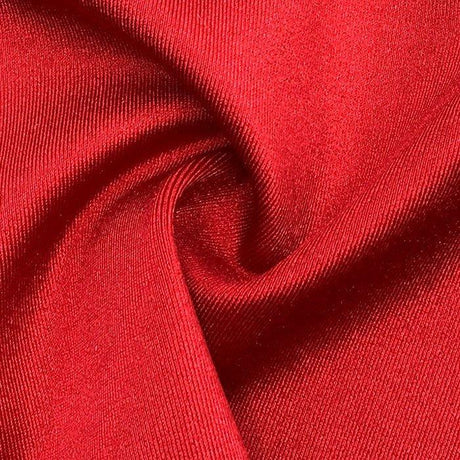
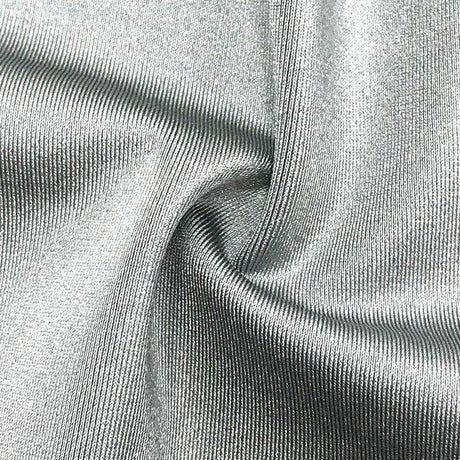
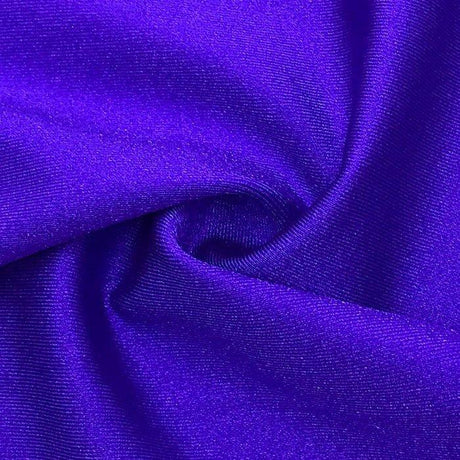
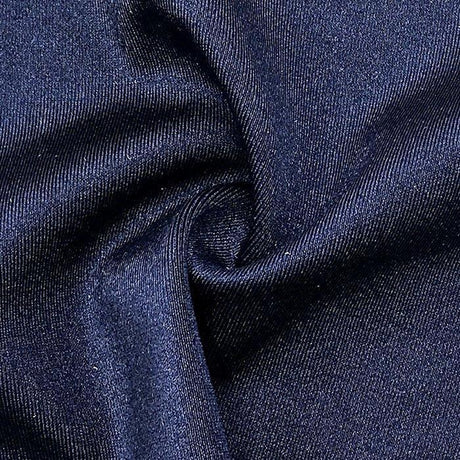
Swimwear presents unique challenges: fabrics are often very stretchy and used in wet conditions. The most common swimwear lining is a nylon-spandex tricot lining – usually lightweight, with 4-way stretch, and dyed in neutral colors. These linings are used in one-piece swimsuits, bikini bottoms, and men's swim trunks to ensure the suit isn't see-through and maintains its shape when soaked. Our swimwear fabric guide covers how to evaluate and source all common swimwear lining constructions, including how chlorine resistance compares across nylon-spandex and polyester-spandex options.
Use & Properties: Swim linings must be quick-drying, supportive, and chlorine-resistant. Nylon/spandex blends are favored for their soft feel and excellent stretch recovery. High-end swimwear sometimes uses special linings like Helenca – a fine warp-knit with a silky touch and great stretch. Budget swimwear might use polyester interlock knit linings, which are very durable and chlorine-proof but a bit heavier and less stretchy.
Why Not Regular Fabric: Regular linings (like a standard polyester taffeta) would fail in swimwear – they're not stretchy enough and would feel awful when wet. Swim linings solve this by matching the stretch of swim fabrics and not holding lots of water.
Other Lining Fabric Examples
Polyester vs Nylon Linings: Polyester mesh linings are more chlorine-resistant and durable while nylon-based linings often feel softer and dry a bit faster. Designers choose based on priorities – some athletic shorts use a poly mesh for durability, whereas a competition swimsuit might use nylon for a softer touch and lighter weight.
Insulating Linings: In some cold-weather performance gear, linings might include fleece or quilted insulations. These are for warmth rather than the typical stretch linings, but they are still performance linings in outdoor sports jackets.
Where and How Lining Fabrics Are Used
Active Shorts and Pants: Many running shorts and training shorts include a built-in mesh brief or inner short. This mesh lining replaces the need for separate underwear and keeps the athlete cool and supported. Some yoga pants or leggings might feature a powermesh panel inside the waistband for tummy-tucking support.
Jackets and Outerwear: Windbreakers, rain jackets, and training jackets commonly use linings. A mesh upper-back lining in a jacket can improve breathability. Brushed tricot linings appear in jacket bodies or pockets to provide a soft feel and slight insulation.
Sports Bras and Supportive Tops: High-impact sports bras frequently have an inner lining layer. This could be a stretch knit lining for comfort or a power mesh layer to add extra support and shape. The lining in sports bras is critical for managing moisture and preventing chafing as well.
Swimwear: Virtually all performance swimsuits, bikinis, and swim trunks are lined. Women's swimsuits typically have lining in the front (and often back) to ensure opacity and give the garment more heft. Men's swim trunks usually have a full mesh liner brief for support in the water.
Athletic Tops and Uniforms: While many athletic shirts or leggings are unlined (to minimize weight), some wrestling singlets or competition outfits have lining panels to add opacity or compression in certain zones.
Accessories & Gear: Caps and hats often have mesh linings or sweatbands, bags and backpacks use mesh or tricot linings to add durability inside, and cycling shorts have a padded lining (chamois) that underscores how specialized inner layers improve function.
How to Choose the Right Lining Material for Your Project
Match Stretch & Recovery: Stretch compatibility is rule #1. If your outer fabric stretches (as most performance fabrics do), your lining must stretch equally. A non-stretch lining in a stretchy yoga short will restrict movement and could even tear. Use similar fiber content or knit structure between outer and lining to ensure they move together. Our stretch fabric types page covers how to verify true 4-way stretch and compare stretch percentages when matching lining to outer fabric.
Consider Weight & Drape: The lining should usually be lighter or equal in weight to the outer fabric. A heavy lining can pull on a lightweight shell and ruin the garment's drape or make it feel bulky. Our fabric weight guide provides a full breakdown of how GSM affects compression, breathability, and durability across all common lining constructions.
Moisture & Breathability Needs: For high-sweat activities or hot weather, choose a lining with good moisture-wicking and ventilation. Mesh and technical polyester liners excel here. If the priority is mild insulation, a slightly less breathable but warmer lining like brushed tricot might be better. For water garments, quick-dry properties are a must – look for hydrophobic fibers and possibly anti-microbial treatments.
Support & Structure Requirements: If yes, opt for power mesh or stronger linings. For a loose item that just needs coverage, a lightweight, smooth lining will do. Use lightweight, silky linings for coverage only; use power mesh/power knit linings when you need support or shaping.
Abrasion & Durability: For swimwear, polyester linings handle chlorine better over time – so for competitive swim gear that lives in the pool, a poly-based lining might outlast a nylon one. Our spandex care guide covers the science of chlorine degradation in elastane fibers – directly relevant to evaluating whether a lining's spandex content is suitable for heavy pool use.
Handfeel & Comfort: The whole point of a lining is to make the garment more wearable. If you're making a jacket to be worn over bare arms, a scratchy lining won't do. Sometimes a slightly brushed or peachskin finish (like brushed tricot) can significantly improve perceived comfort.
Environmental Factors: Consider care requirements: if the outer is machine-washable, pick a lining that is also easy-care so the whole garment can be washed together. Our fabric care guide and spandex care guide cover complete laundering protocols for all common performance lining fabric types.
Common Mistakes to Avoid with Lining Fabrics
Using Non-Stretch Linings in Stretch Garments: Pairing a stretchy outer fabric with a rigid lining will ruin the garment's mobility and could lead to ripping. Always choose a lining with equal or greater elasticity than the shell.
Ignoring Moisture Management: Selecting a lining that isn't breathable can make athletic gear miserable to wear. Opt for wicking linings for high-perspiration applications.
Overlooking Weight & Bulk: Too heavy a lining can sabotage a lightweight performance piece. Always test the weight combination. If the outer is featherweight, pick the lightest effective lining (mesh or thin tricot).
Not Considering the End-Use (Environment): A lining might be fine in one context but wrong in another. A mistake is not using a chlorine-resistant lining in swimwear – a normal nylon tricot lining might degrade quickly in pool water.
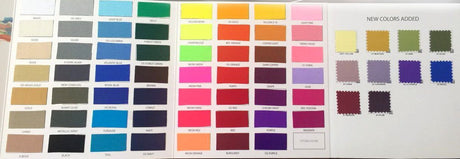
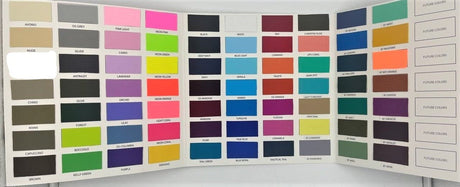
Poor Color Choice for Lining: For thin outers, use a lining color that won't show. Also ensure colorfastness: test that the lining dye won't bleed onto the outer fabric (especially in swimwear or sweaty conditions). Our swimwear fabric guide covers lining color selection and opacity evaluation techniques for all common swimwear applications.
Skimping on Quality: A very cheap lining fabric might save cost upfront but can wreck the garment's perceived quality. Use the best quality lining your budget allows. It's better to have no lining than a bad one that tears or feels like plastic against the skin.
When to Use Mesh vs. Tricot vs. Specialized Linings
Use Mesh Lining Fabric when: you need maximum breathability, minimal weight, or airflow is a priority. Examples: running shorts liners, the back panel of a cycling jersey, inside caps or helmets for ventilation. Mesh is also your go-to for hot-weather gear and any situation where quick drying is crucial.
Use Brushed Tricot (or smooth tricot) when: comfort against skin is key and a bit of warmth or coverage is needed without high ventilation. Examples: lining a training jacket or sweatpants for cooler weather, inside pockets for a soft touch, or in casual athleisure hoodies where you want a luxurious feel inside.
Use Swimwear Lining (specialized tricot) when: designing any garment that will be submerged or consistently wet (swimsuits, competition swimwear, surf wear). Also consider swimwear linings for very high-stretch garments that need to retain shape under stress – dancewear or costumes often borrow swim linings for their combination of stretch and support. Our dancewear fabric guide covers how swim lining constructions are applied in performance costume applications.
Use Power Mesh/Power Net when: extra support or compression is desired inside the garment. Examples: adding a power mesh layer in the front panel of a leotard to create a tummy control effect, or in a sports bra for added bounce control. Treat power mesh linings like an internal "muscle" of the garment – use them to bolster areas that need strength.
Stick with No Lining when: it might actually be better to have none. Many performance pieces (compression leggings, technical base layers) are intentionally unlined to reduce weight and seams. If your outer fabric can do the job solo (soft enough, opaque enough, etc.), you might skip a lining to maximize breathability or stretch.
Conclusion
In the world of performance apparel, lining fabrics may be out of sight, but they should never be out of mind. From keeping athletes comfortable and dry to providing that extra bit of support or coverage, the right lining can elevate a garment from good to great. Always match your lining to your performance needs – consider stretch, breathability, support, and environment – and don't be afraid to invest in quality materials that will do your design justice.
A well-chosen lining ensures the inside of your garment works as hard as the outside, delivering on comfort, durability, and functionality. By paying attention to linings, you're not just sewing in an extra layer – you're sewing in performance, comfort, and customer satisfaction into every piece.
Ready to find the right lining for your project? Use our fabric weight guide and stretch fabric types page to evaluate technical specifications, our nylon-spandex fabric guide for full performance profiles of nylon-spandex tricot lining constructions, and our activewear fabric guide and swimwear fabric guide for end-use specific guidance. Our how to sew stretch fabric guide covers all construction techniques for integrating linings cleanly into performance garments. Our spandex care guide and fabric care guide keep every finished garment performing at its best. Have questions? Our expert help and advice page and FAQ are always available. Sign up for SpandexByYard Rewards to earn points on every purchase – keep these guidelines in mind, and your next project's lining will be a strength, not an afterthought.