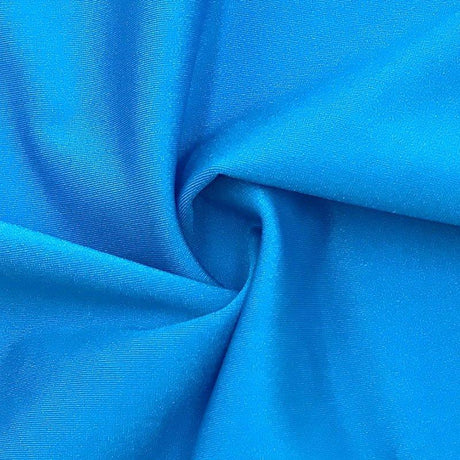
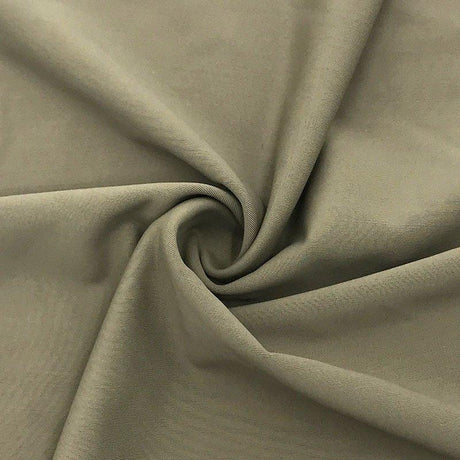
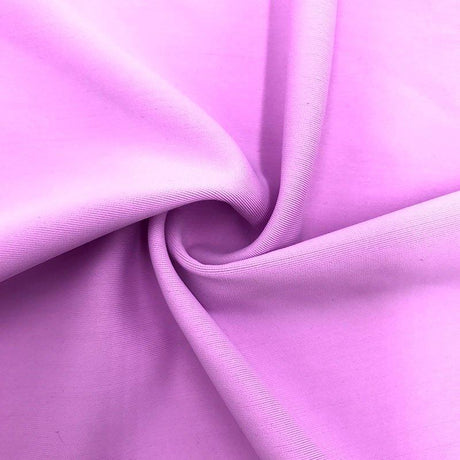
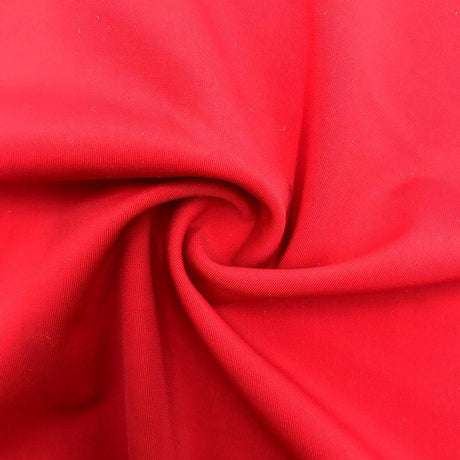
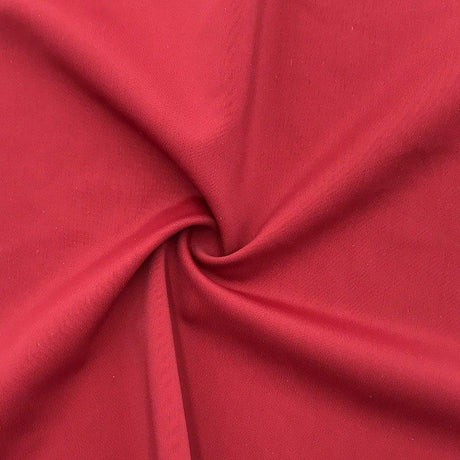
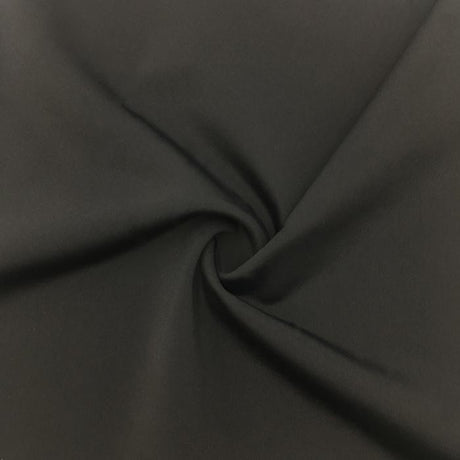
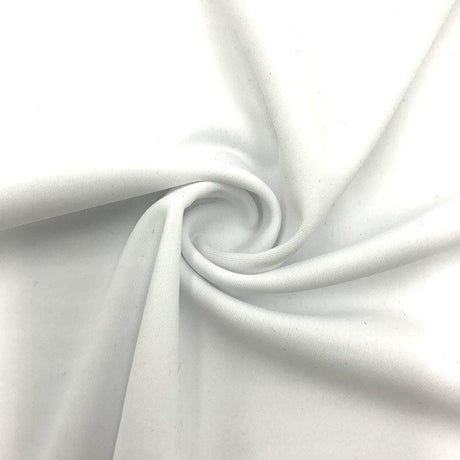
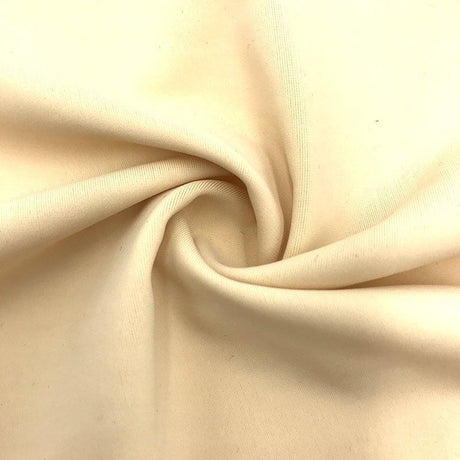
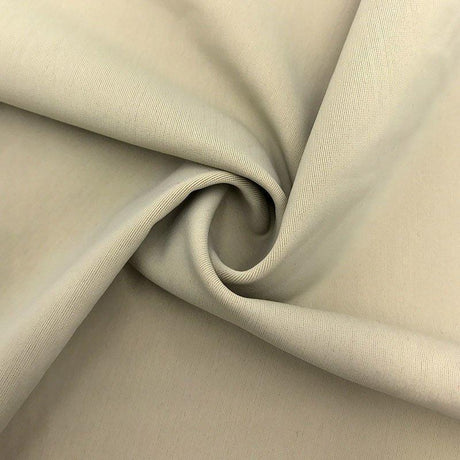
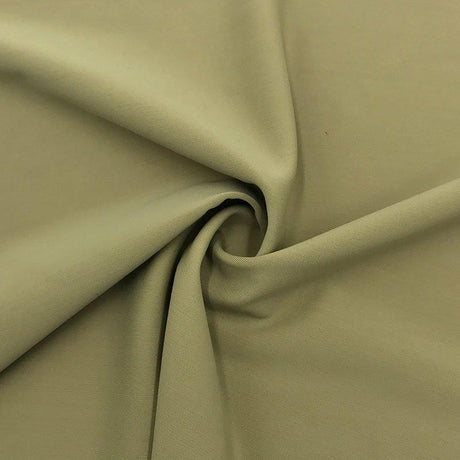
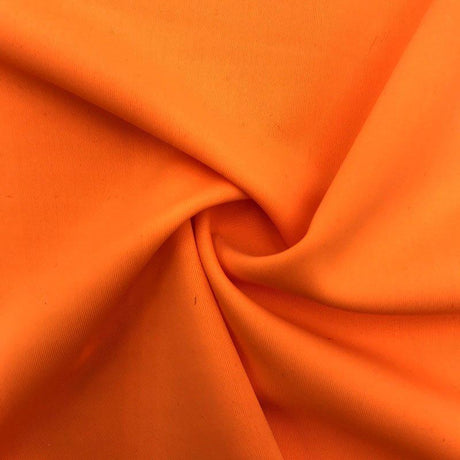
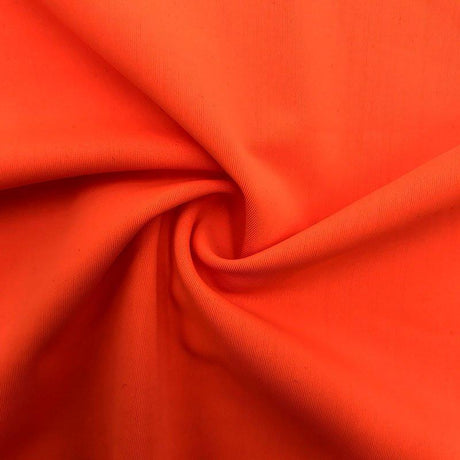
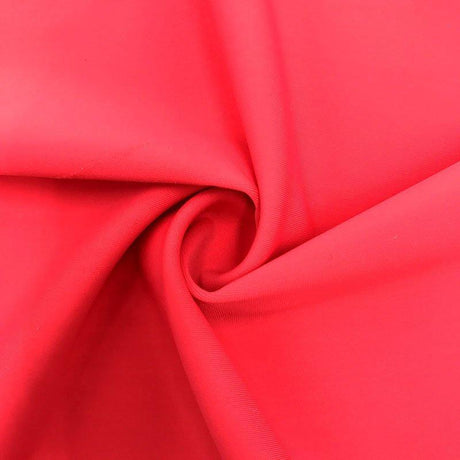
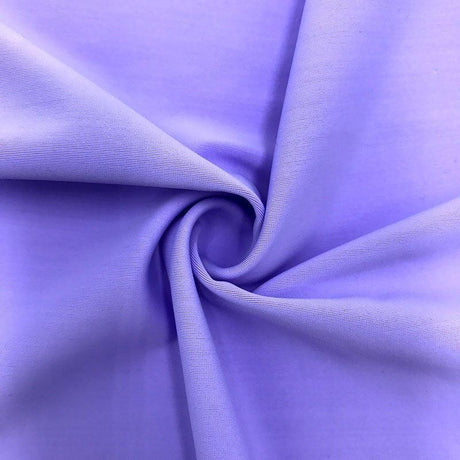
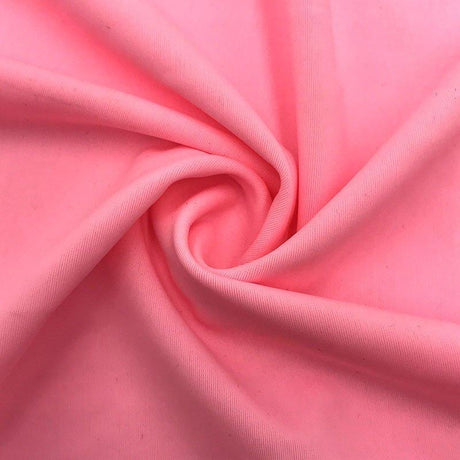
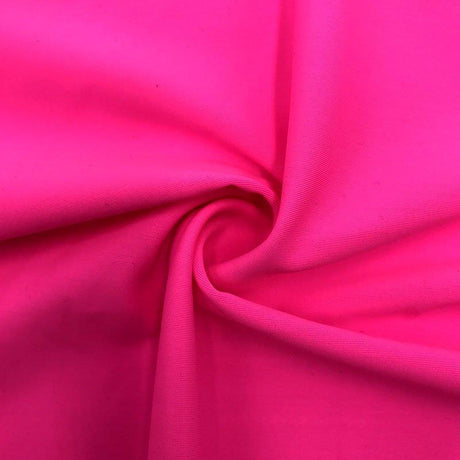
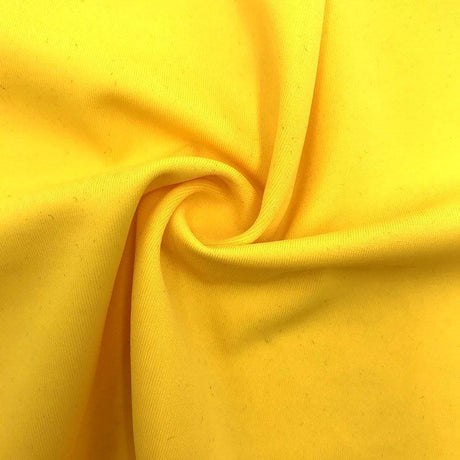
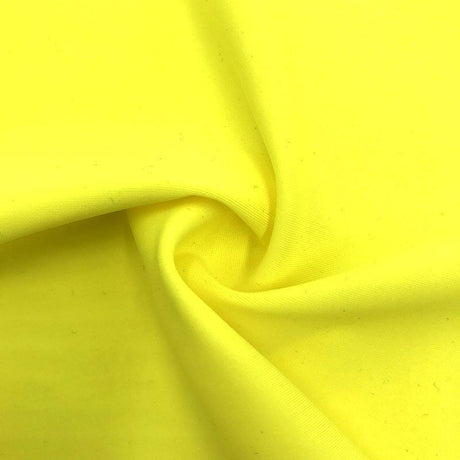
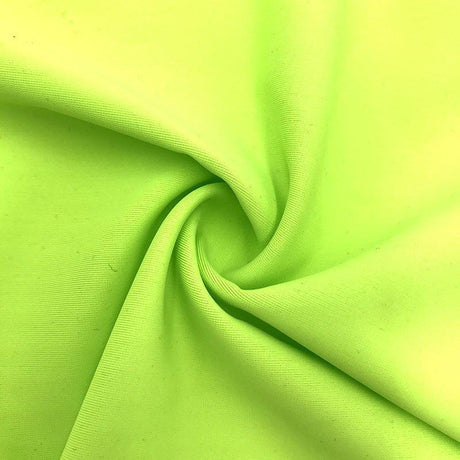
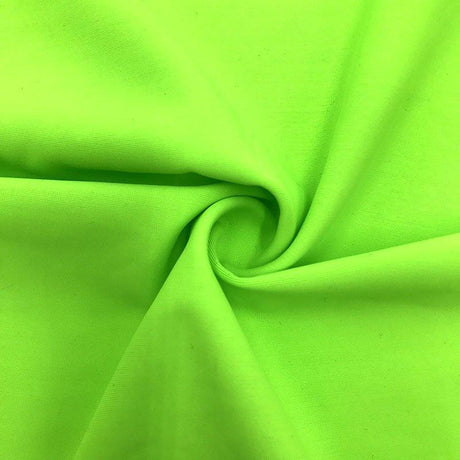
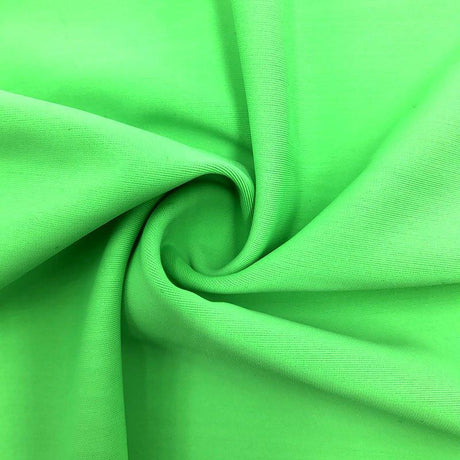
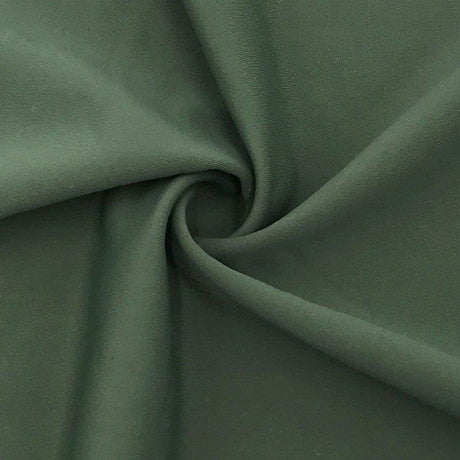
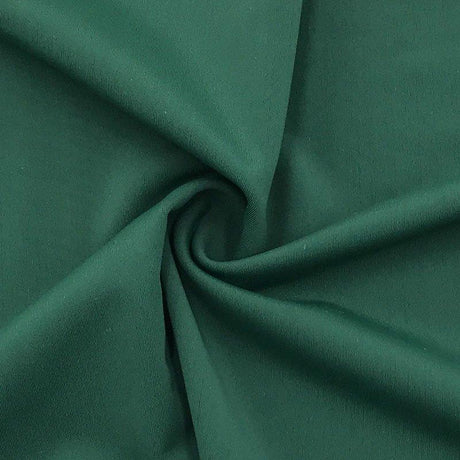
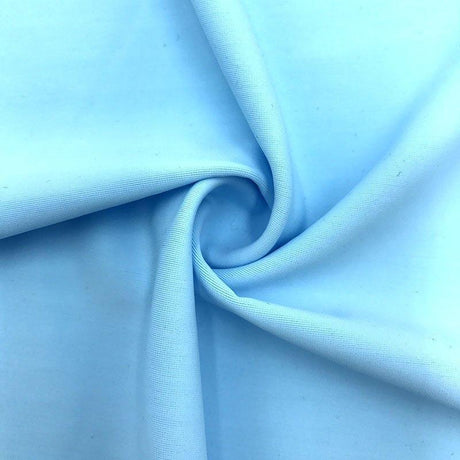
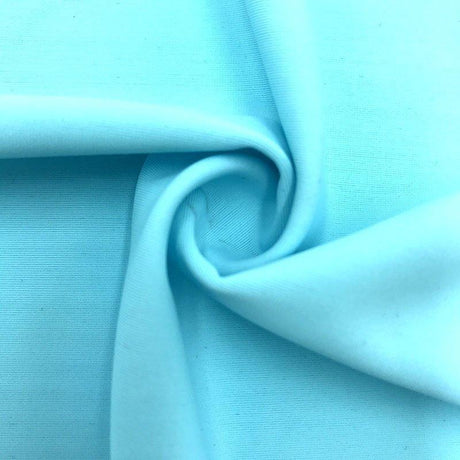
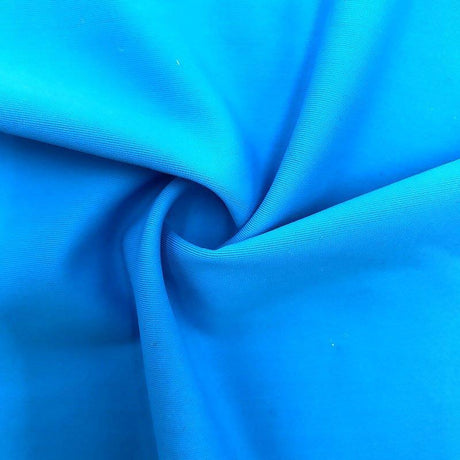
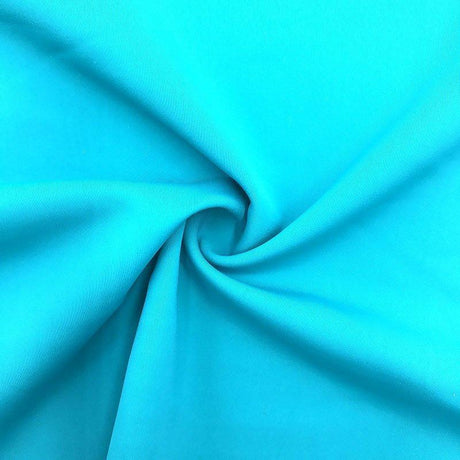
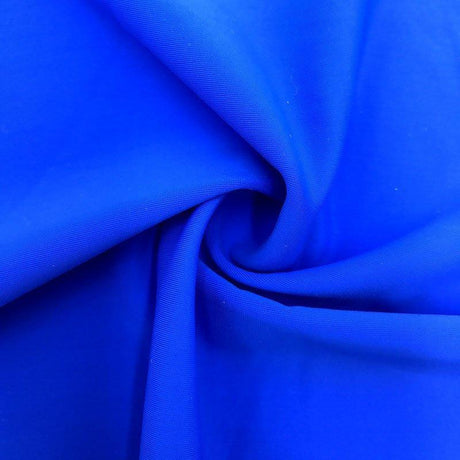
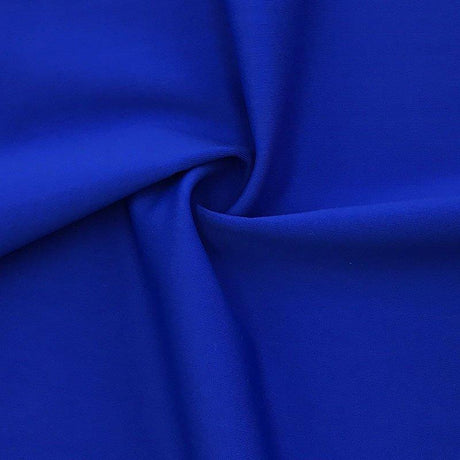
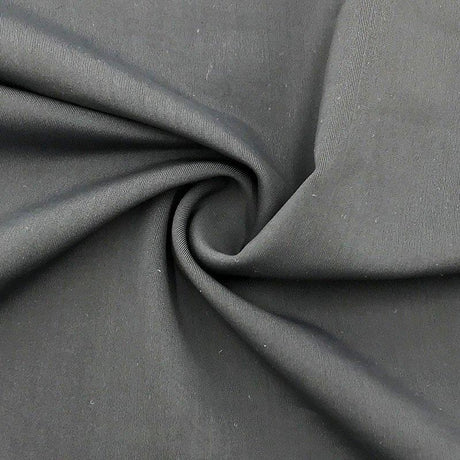
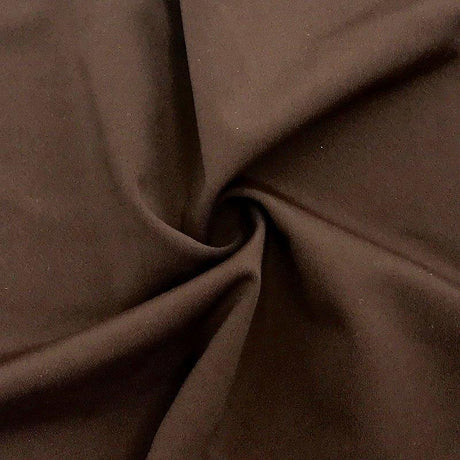
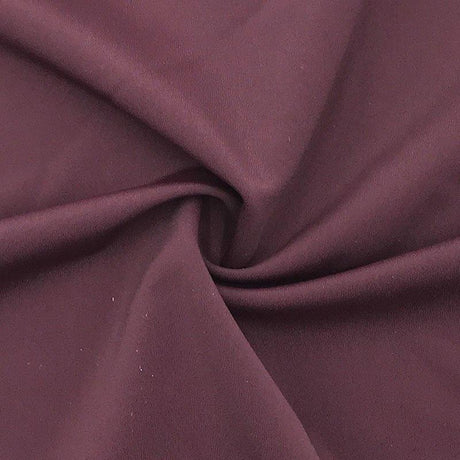
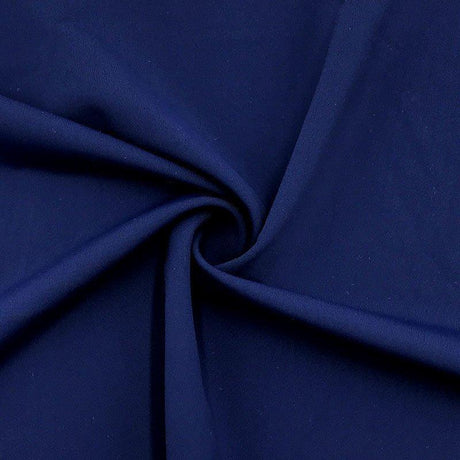
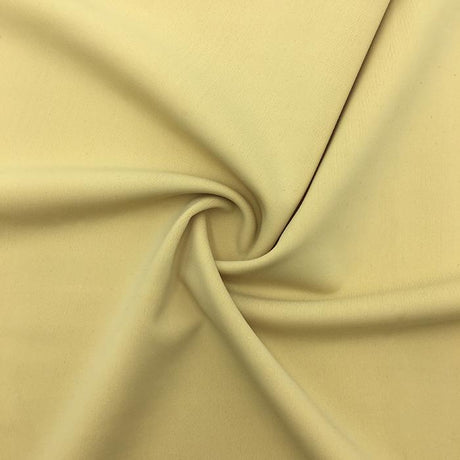
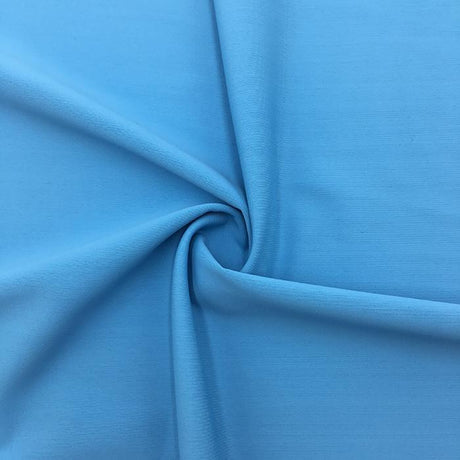
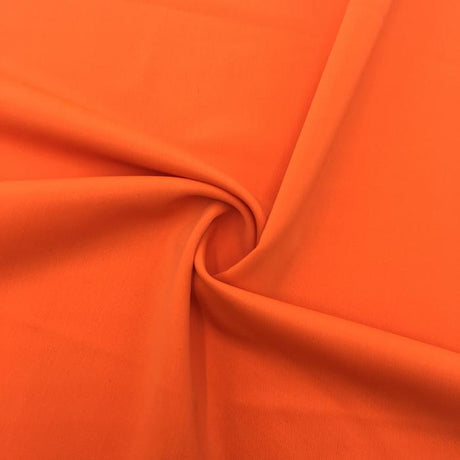
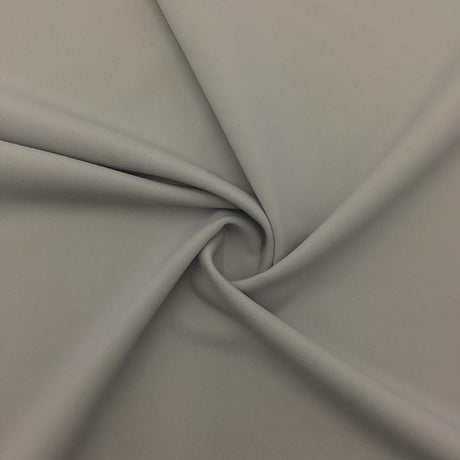
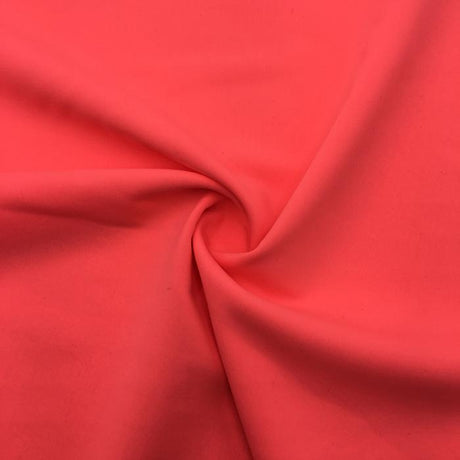
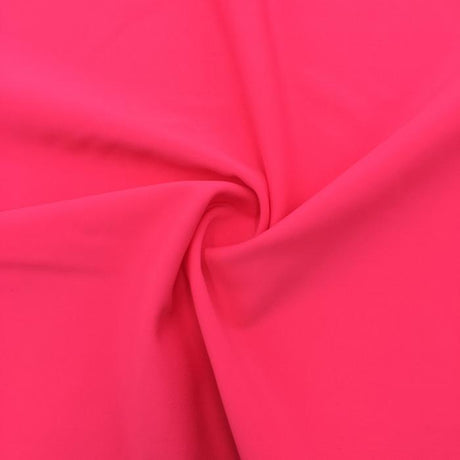
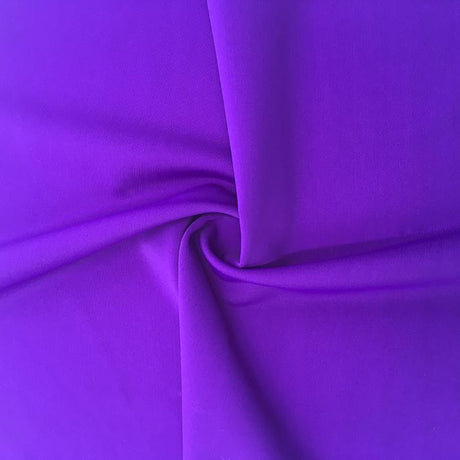
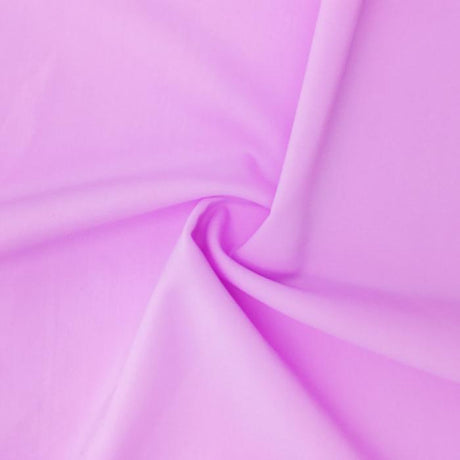
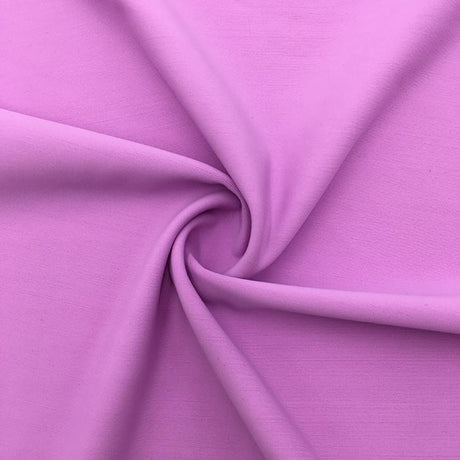
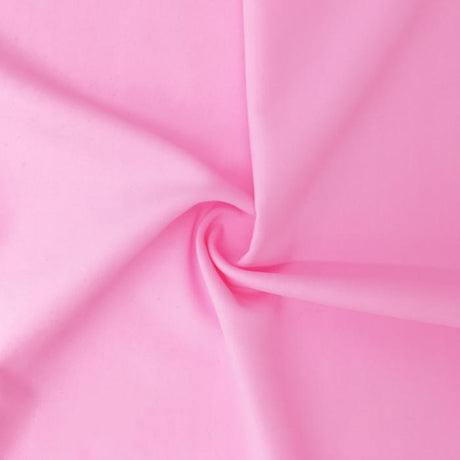
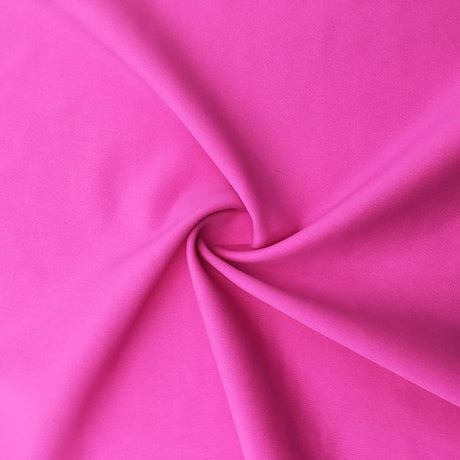
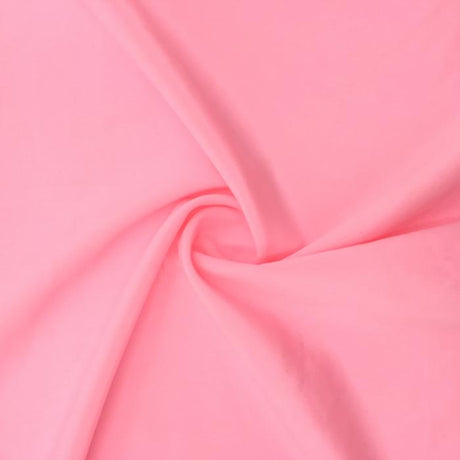
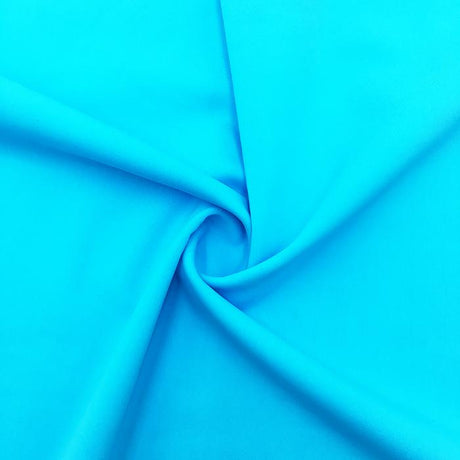
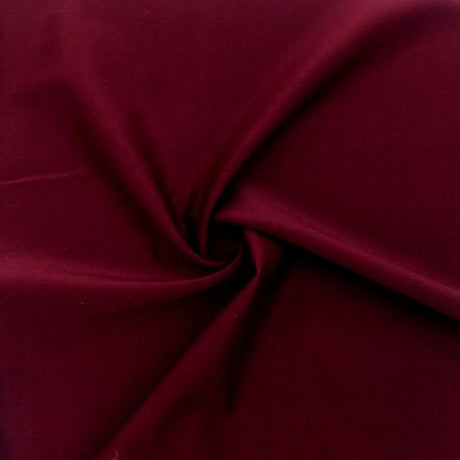
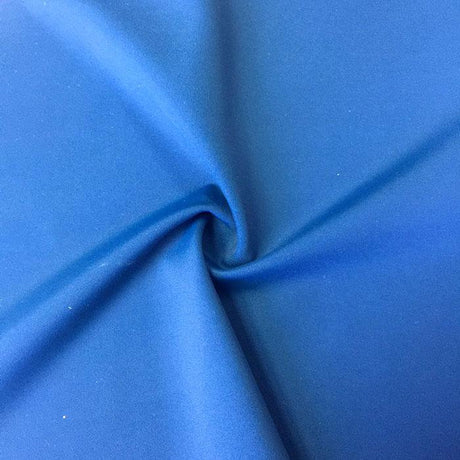
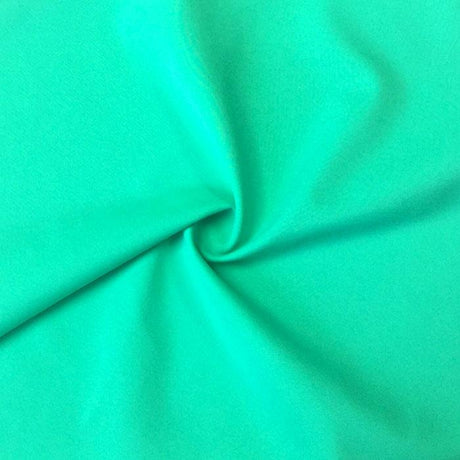
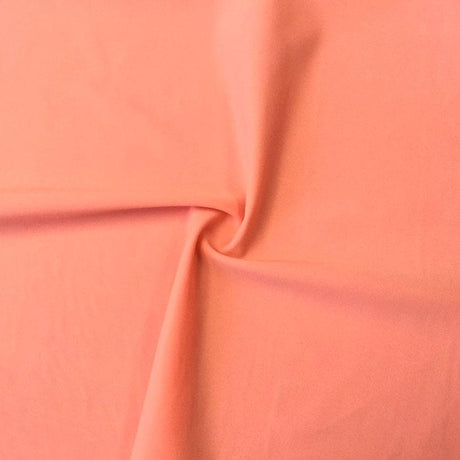
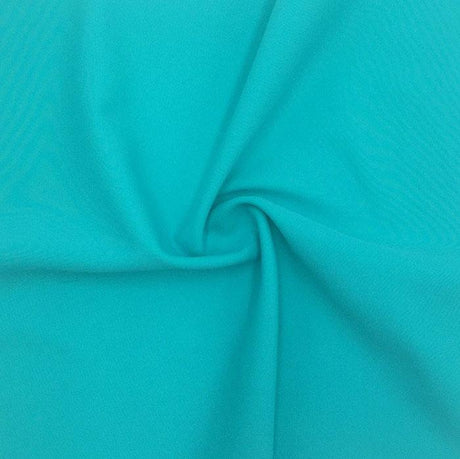
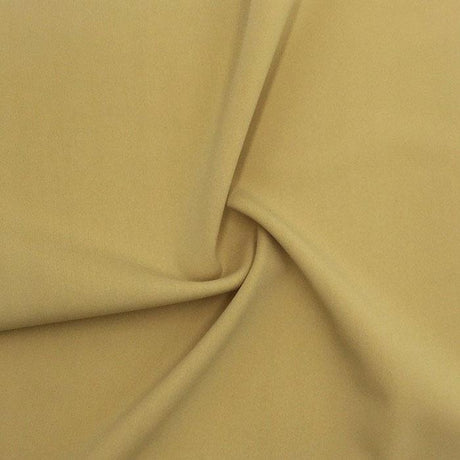
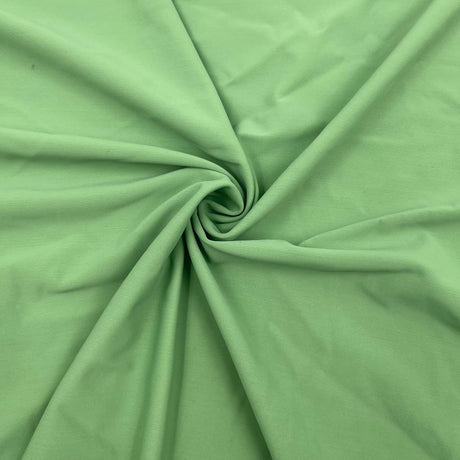
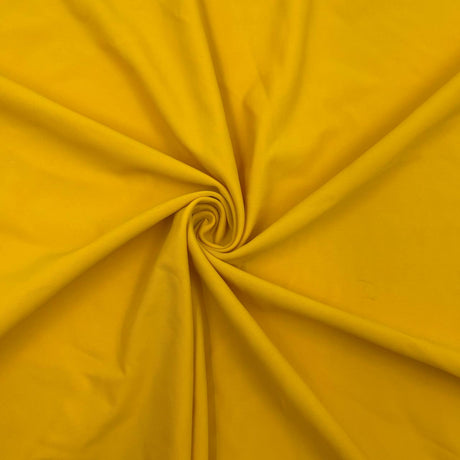
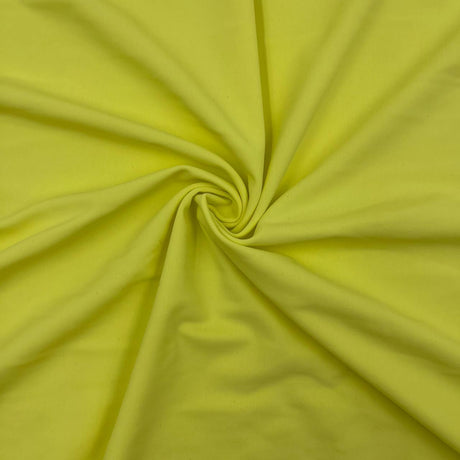
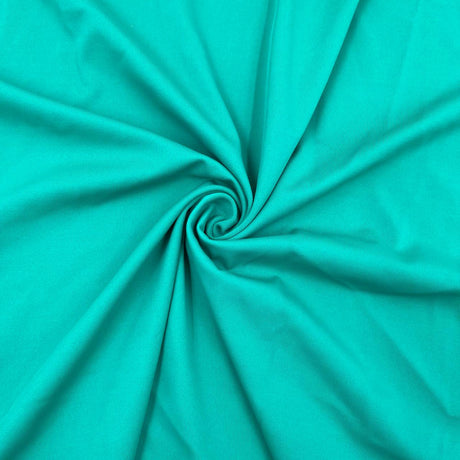
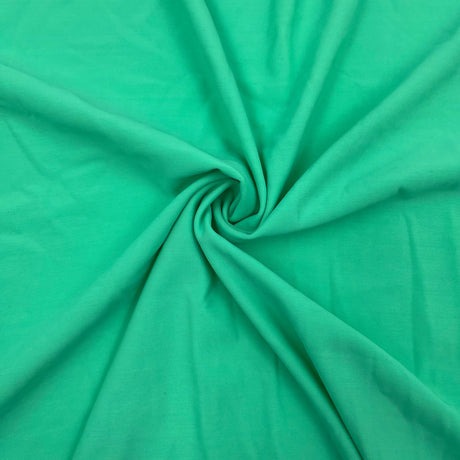
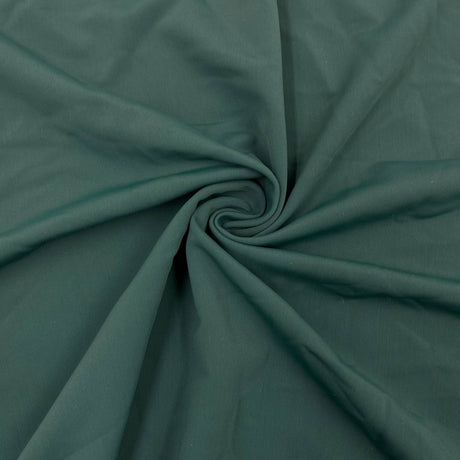
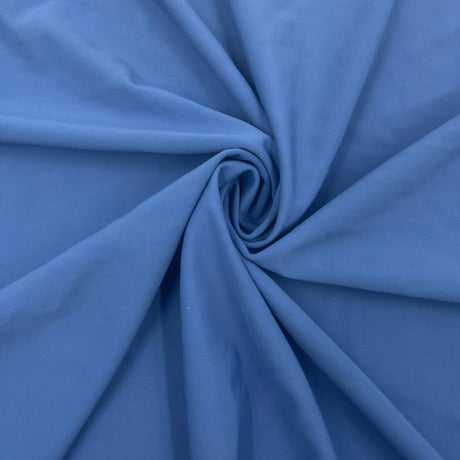
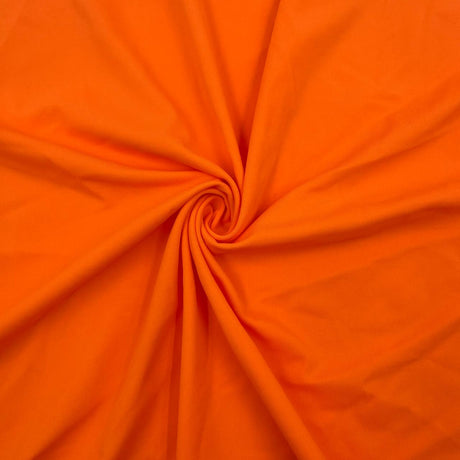
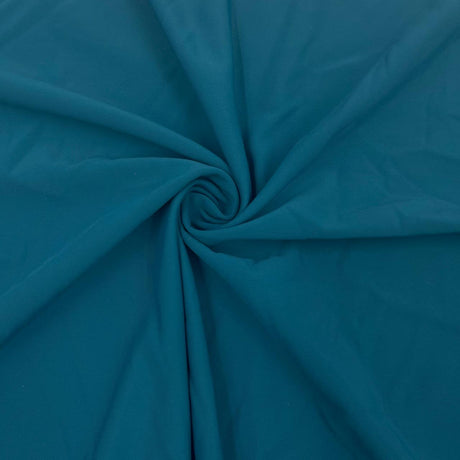
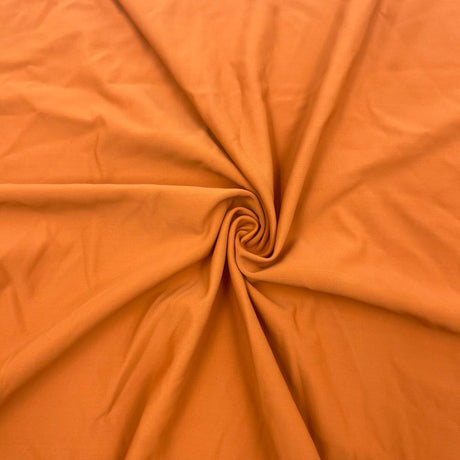
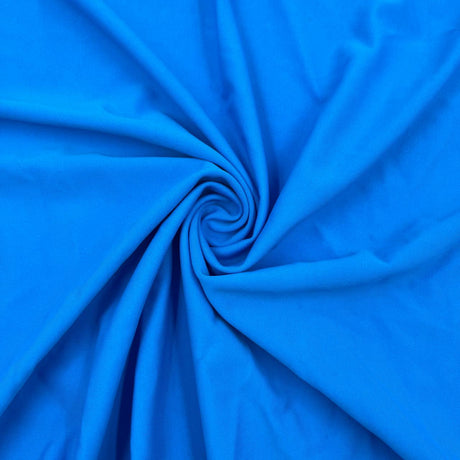
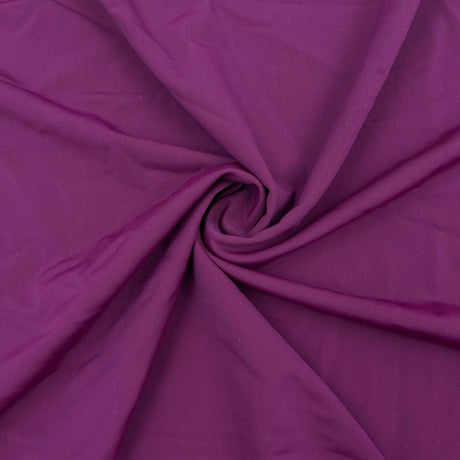
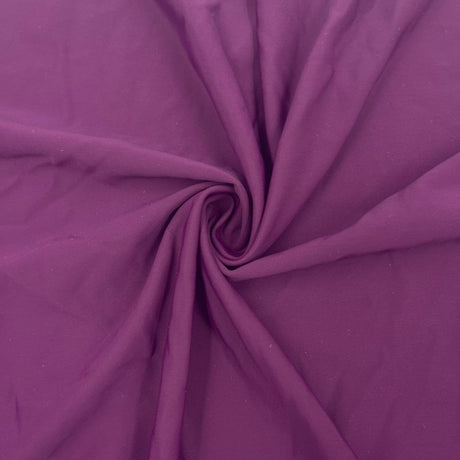
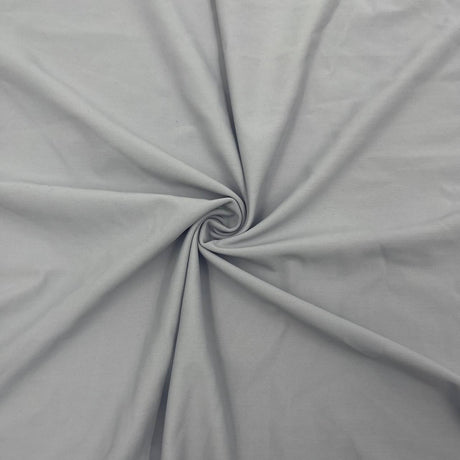
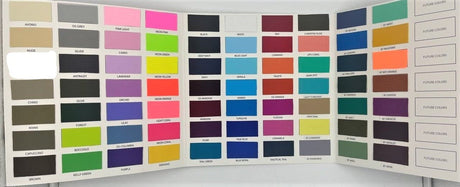
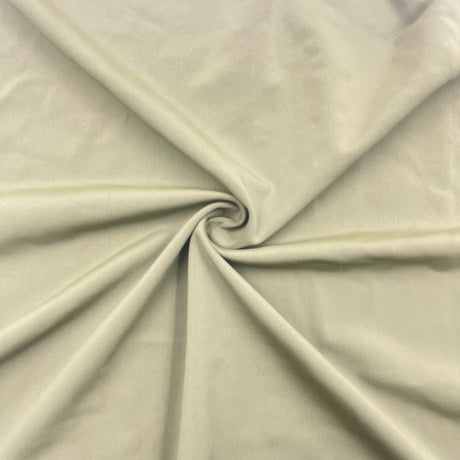
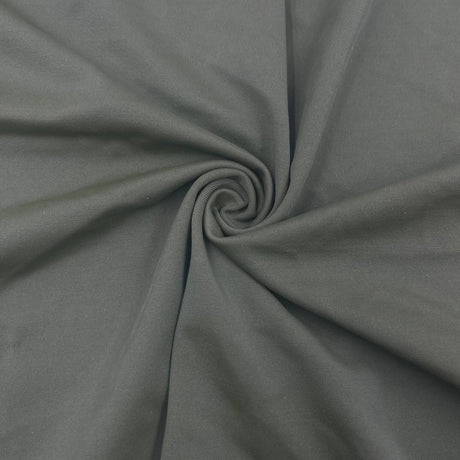
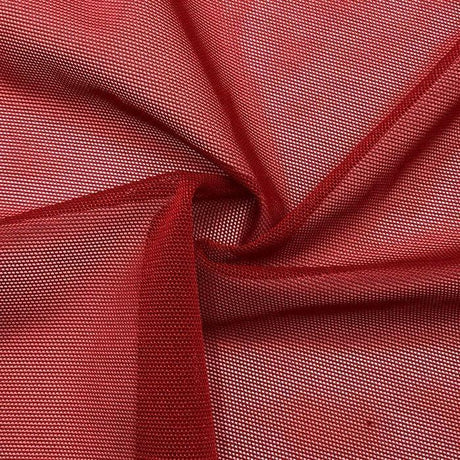
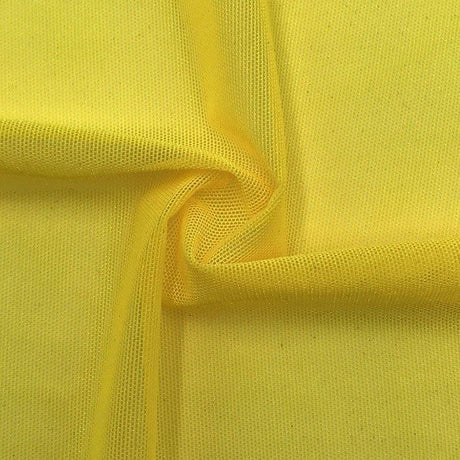
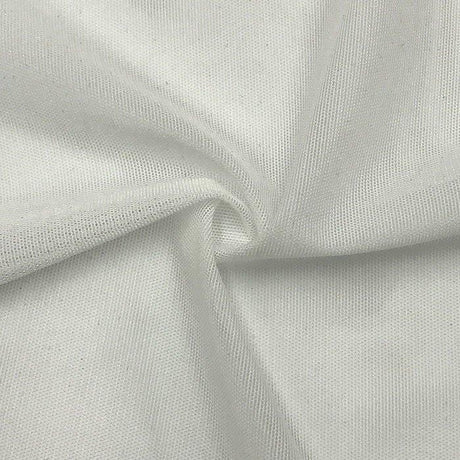
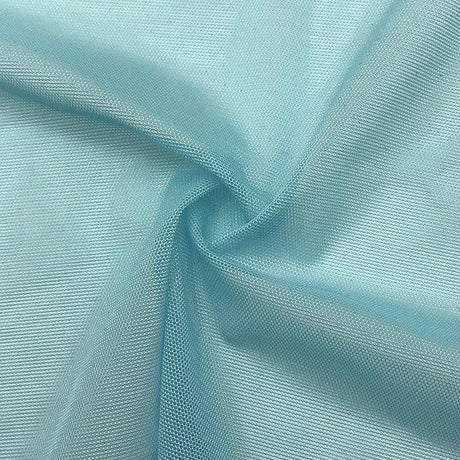
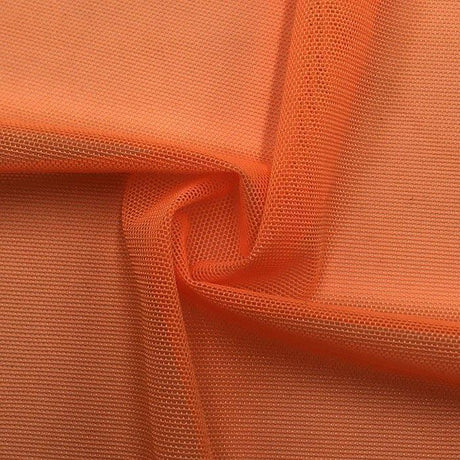
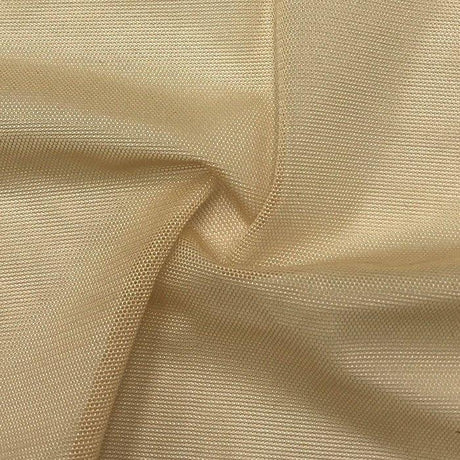
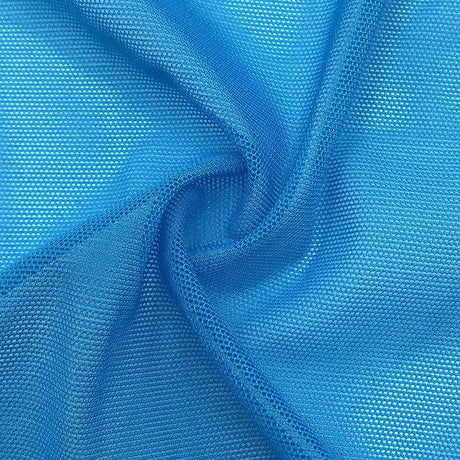
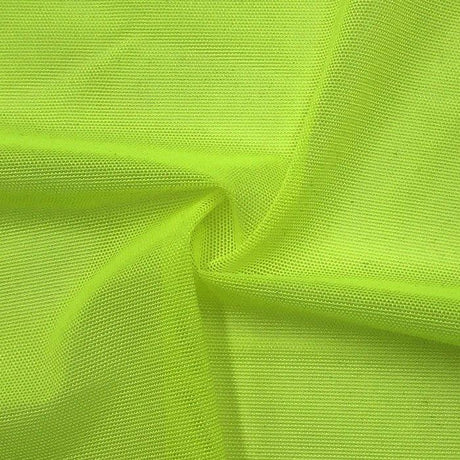
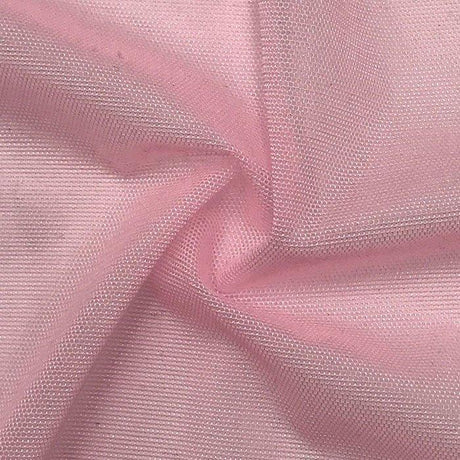
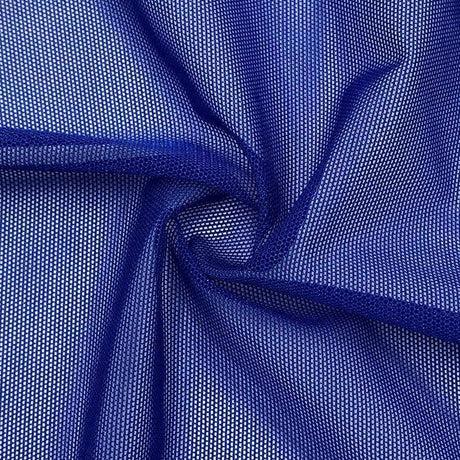
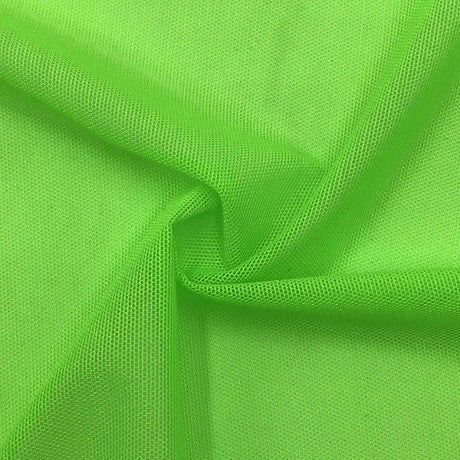
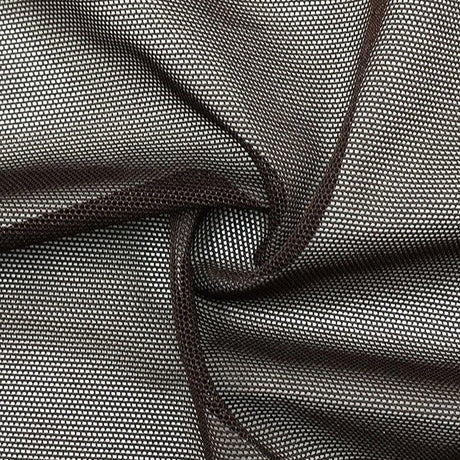
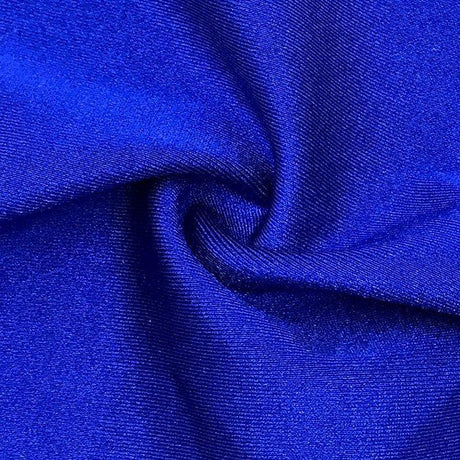
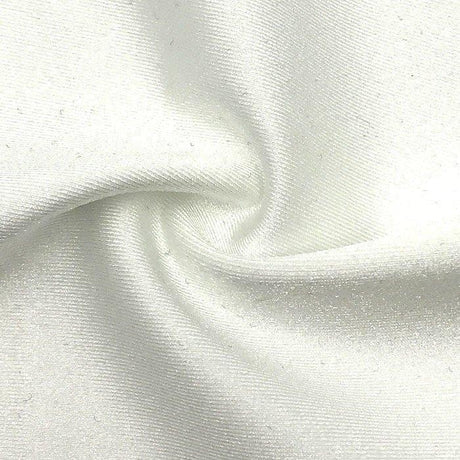
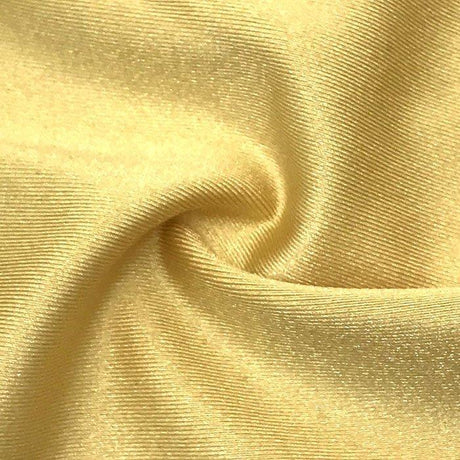
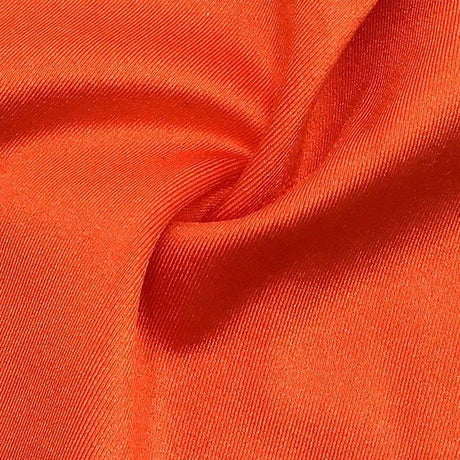
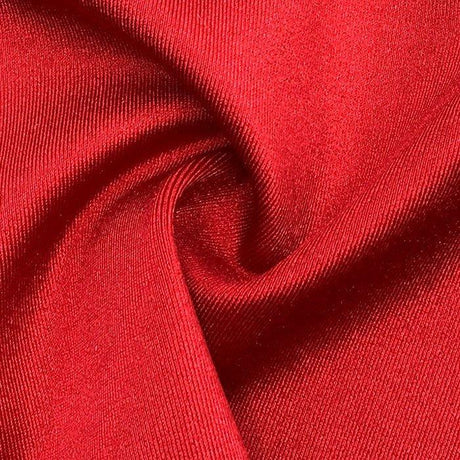
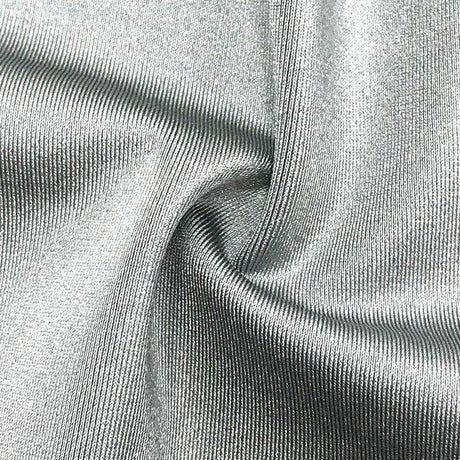
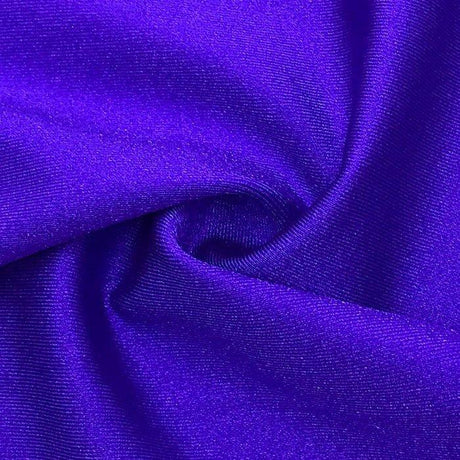
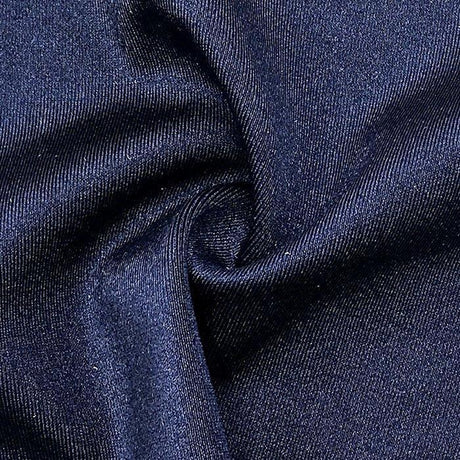
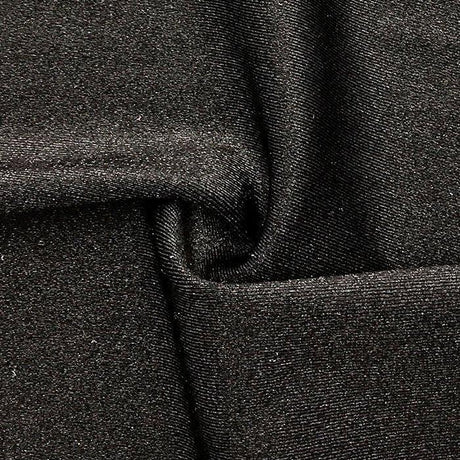
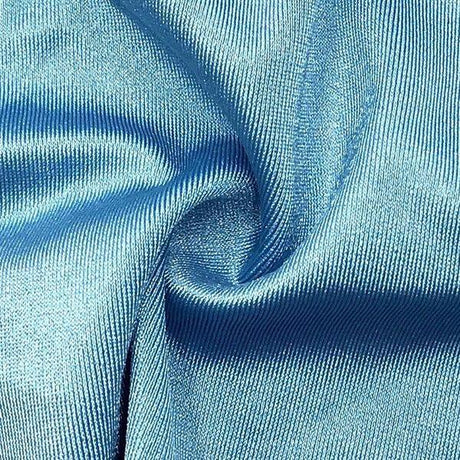
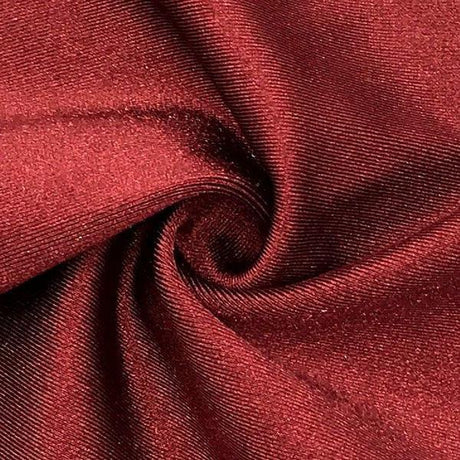
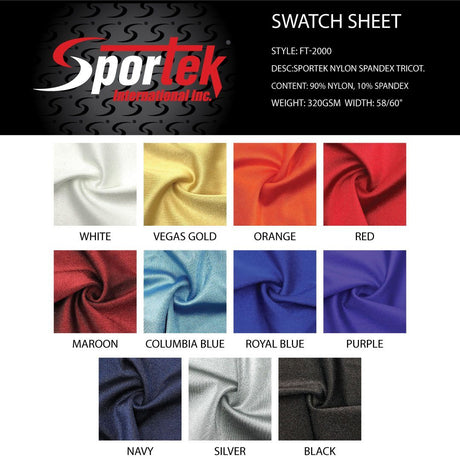
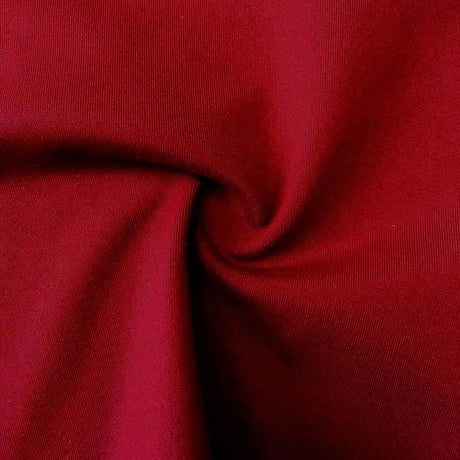
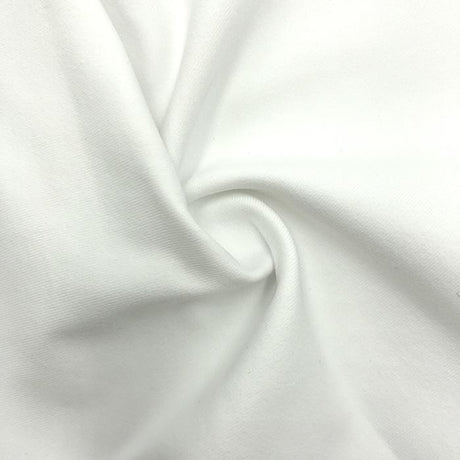
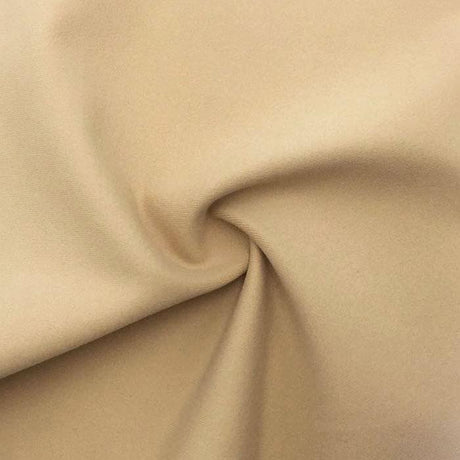
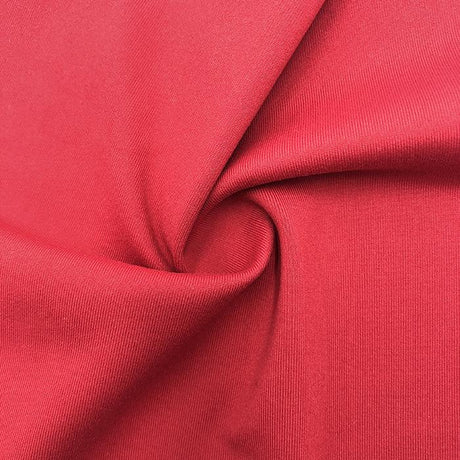
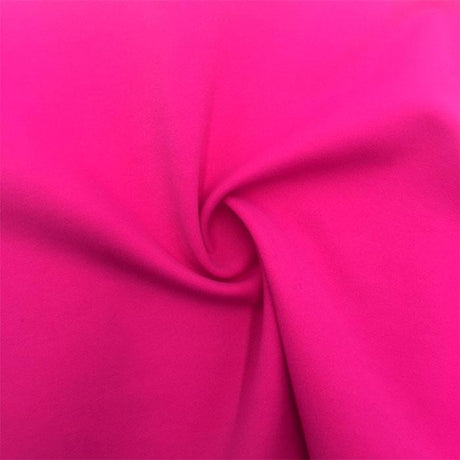
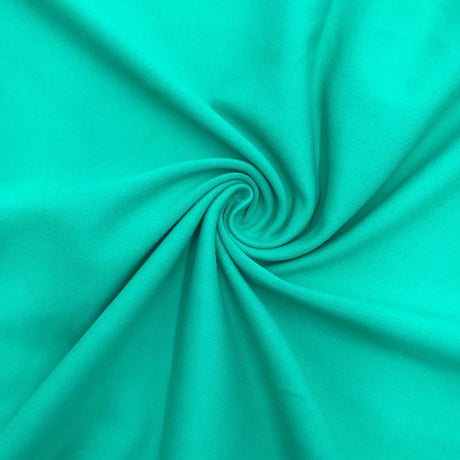
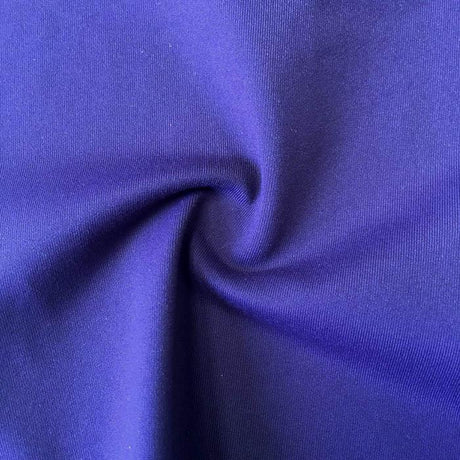
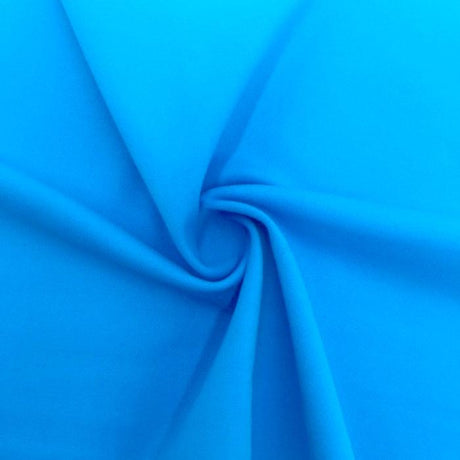
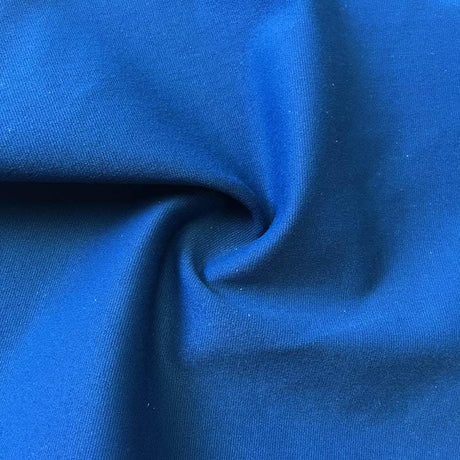
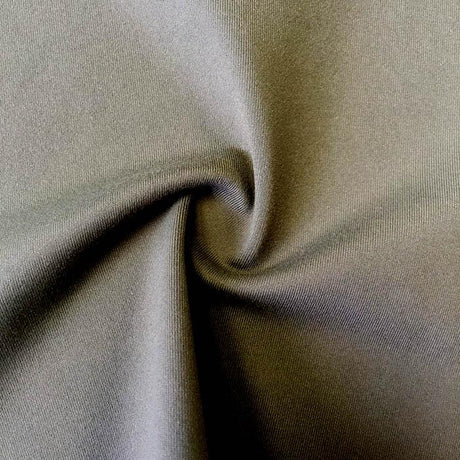
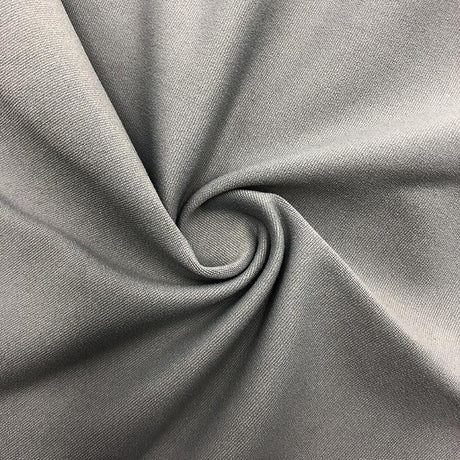
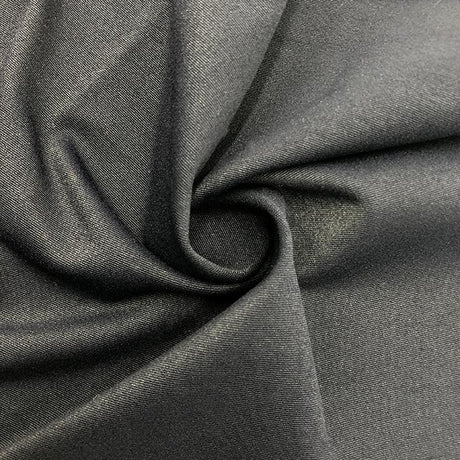
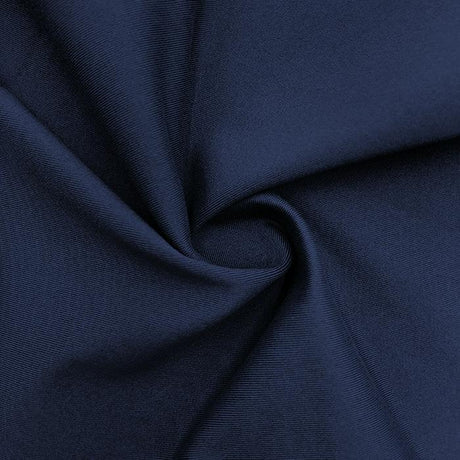
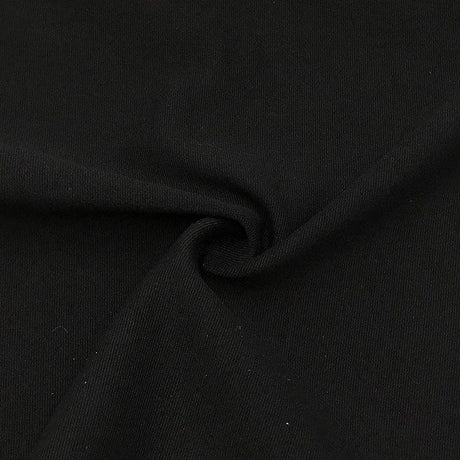
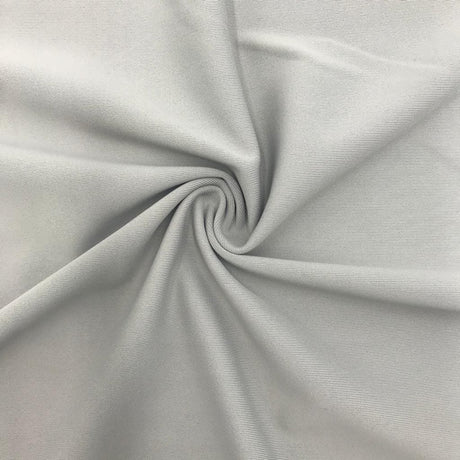
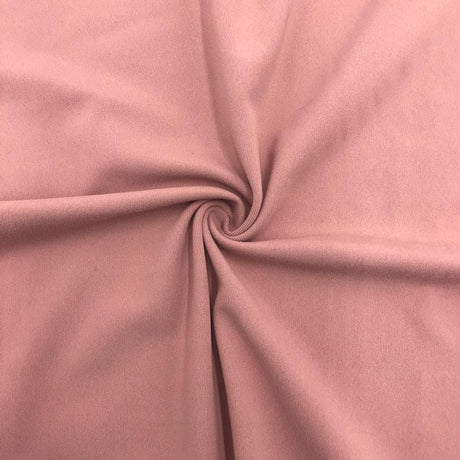
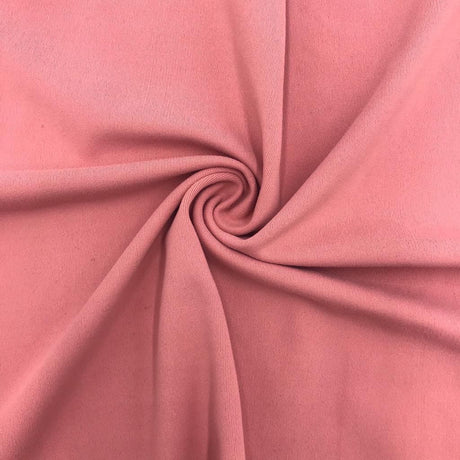
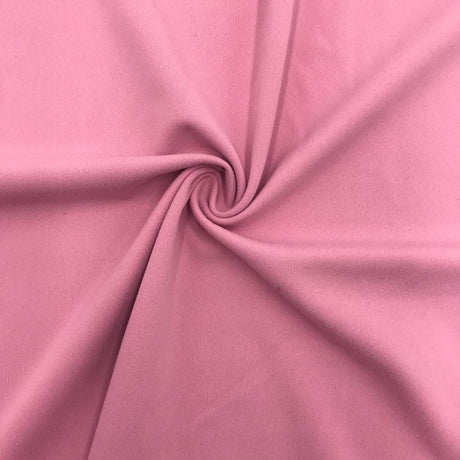
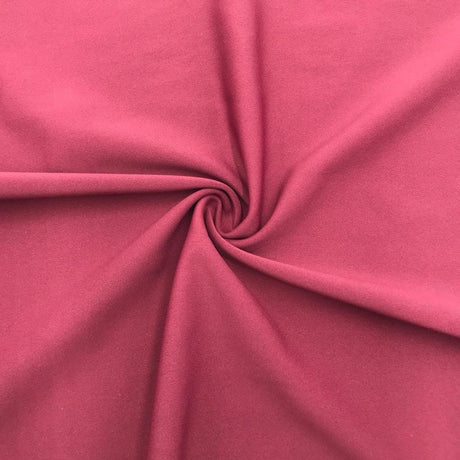
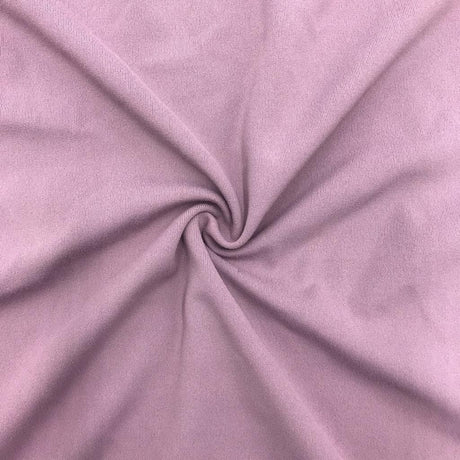
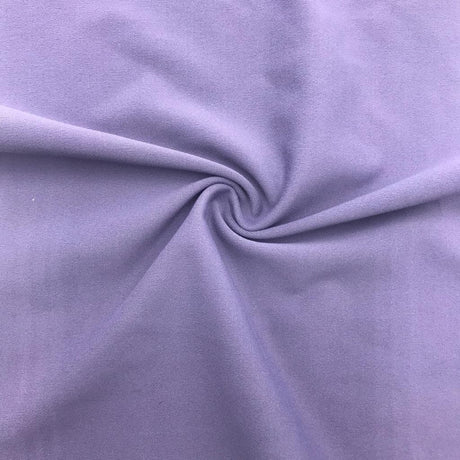
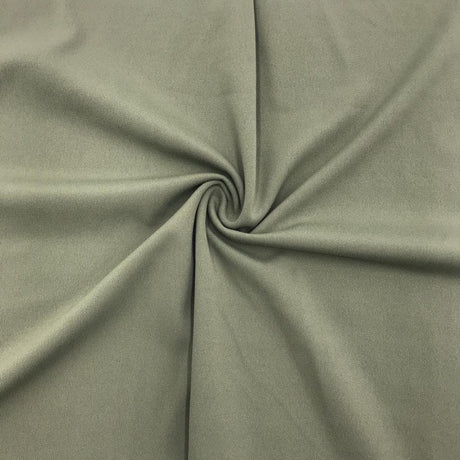
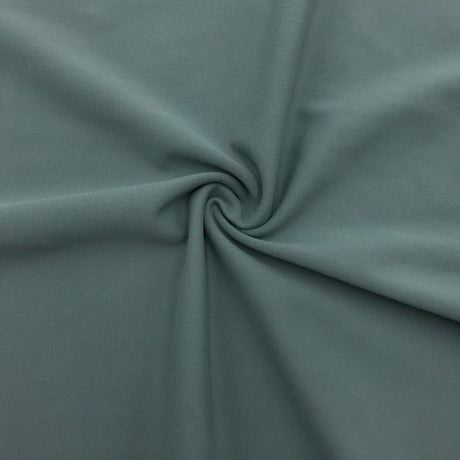
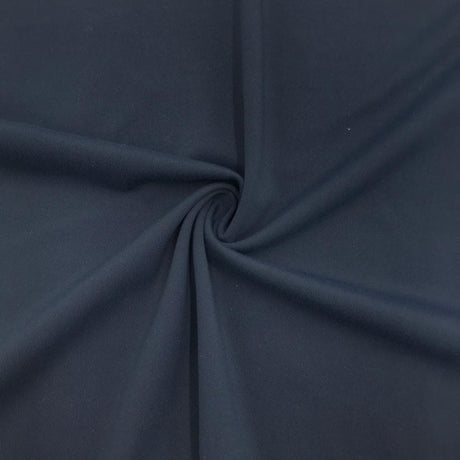
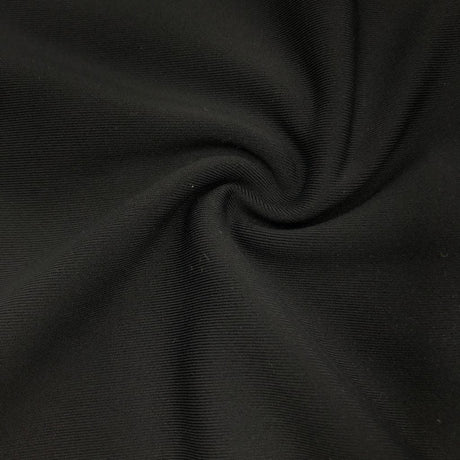
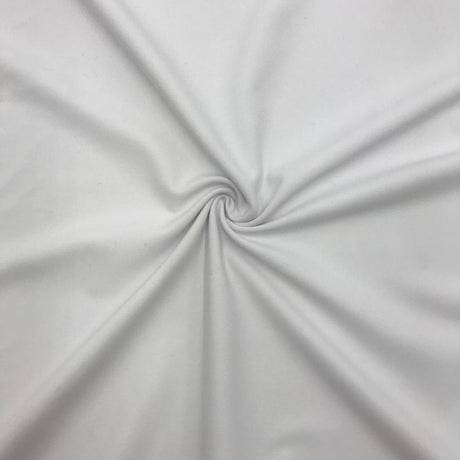
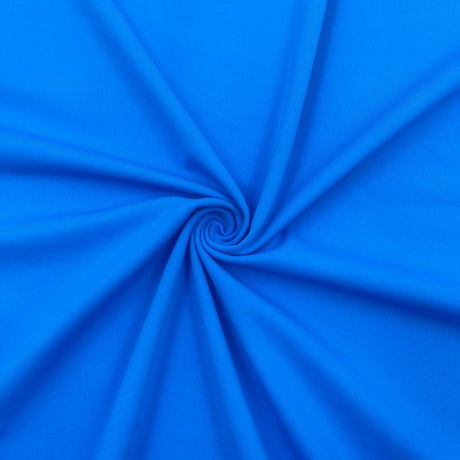
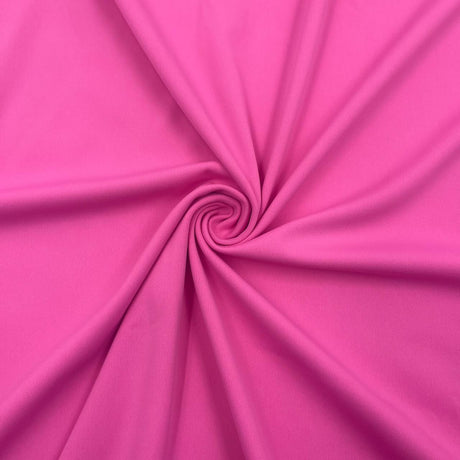
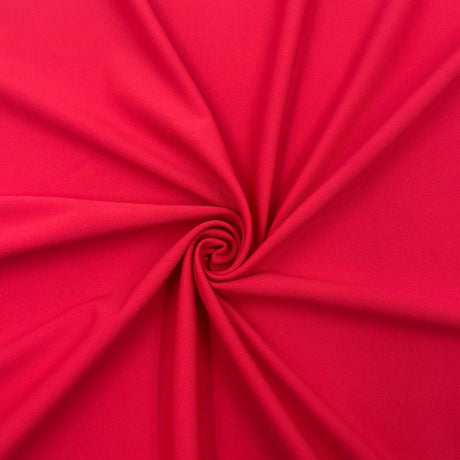
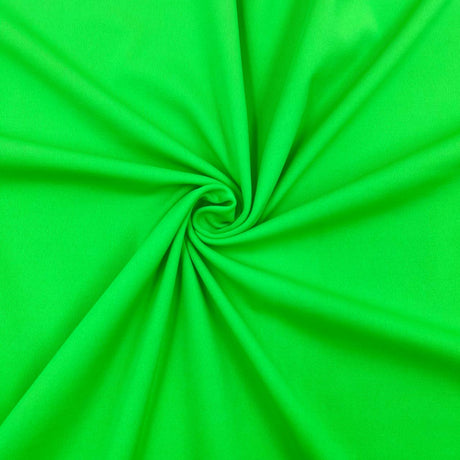
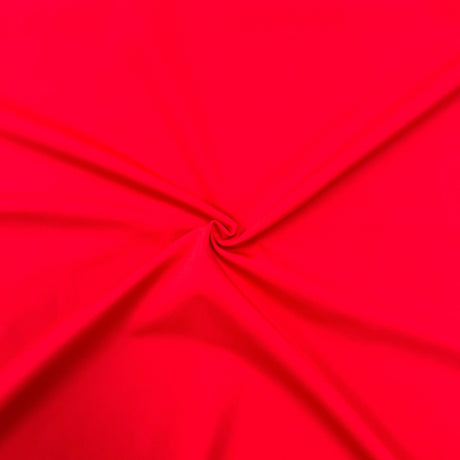
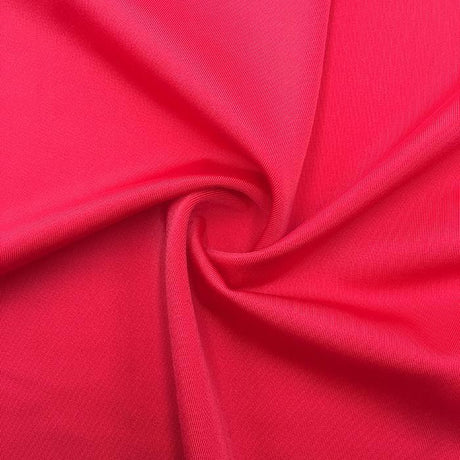
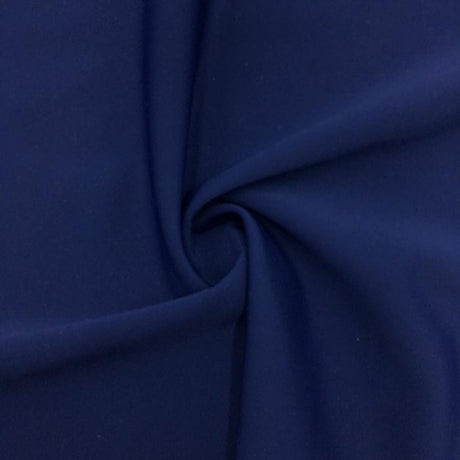
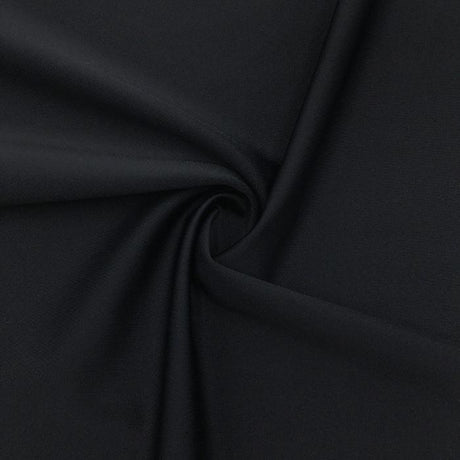
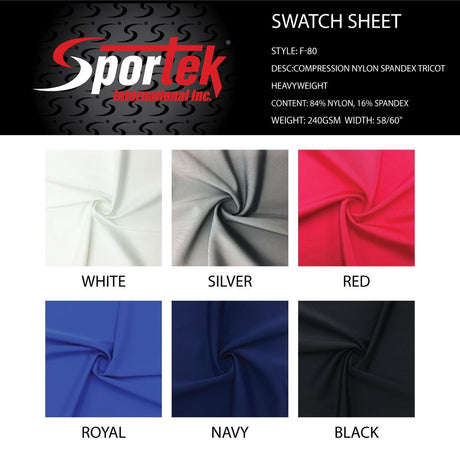
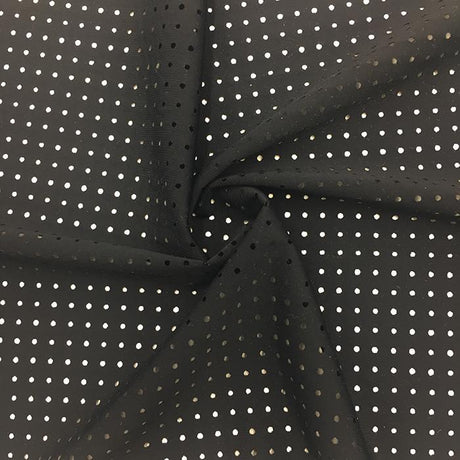
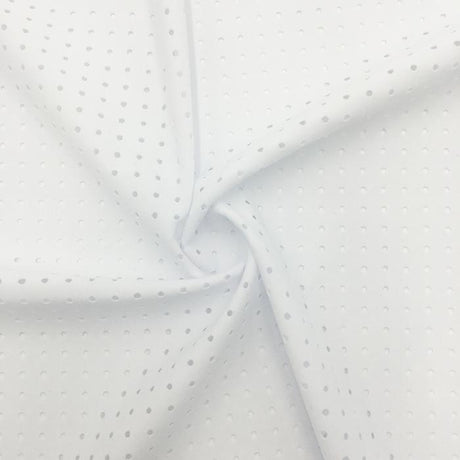
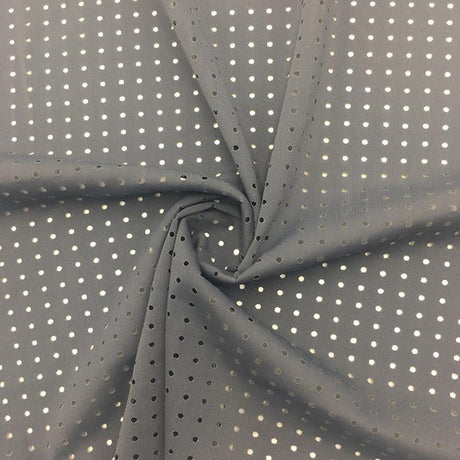
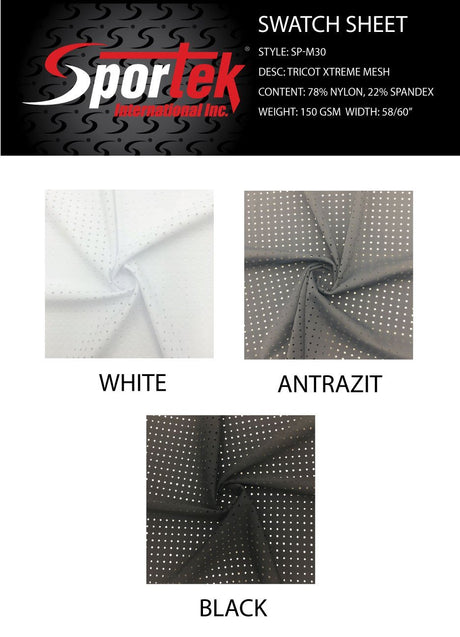
Tricot fabric is a type of warp-knit textile distinguished by its unique zigzag loop structure and smooth texture. Unlike a typical jersey T-shirt material (which is a weft-knit made by one yarn looping across each row), tricot is made by interlocking many parallel yarns in a lengthwise direction. Each needle on a tricot knitting machine has its own yarn, forming loops that interlock vertically along the fabric's length instead of across its width. This construction produces a very stable yet flexible material: one side of a tricot knit (the technical face) is usually sleek and smooth, while the opposite side has fine ribs or a slight texture from the zigzag underlaps.
Tricot's knit also earns it a reputation as a run-resistant fabric – it won't unravel or ladder easily if cut or if a yarn happens to break. Because of these qualities, tricot has become the backbone of everyday stretch garments. You'll find it in everything from lingerie and swimwear to athletic apparel and linings, where its smooth feel, stretch, and strength are highly valued. For a broader foundation on stretch fabric types before diving in, explore our stretch fabric types page or browse our full fabric guides hub.

Tricot vs. Jersey: Understanding the Knit Structure
Tricot's two sides: the top surface is smooth and uniform, while the bottom shows tiny horizontal ribs from the warp-knit zigzag pattern. This dual texture (smooth face, ribbed back) is a hallmark of tricot fabric.
When comparing tricot vs. jersey, the key difference lies in how their knit structures are formed. Tricot is a warp-knit: multiple yarns are knitted simultaneously in parallel, interlacing in a diagonal/zigzag fashion along the fabric's length. This creates the characteristic vertical wales (columns of loops) on the front and crosswise ribbing on the back of the fabric. Jersey, on the other hand, is a classic weft-knit (often knitted in a circular fashion) where one continuous yarn forms loops across each row (course) of the fabric. A single yarn weaves back and forth, creating a smooth side with tiny "V" knit stitches and a reverse side with purl loops (in single jersey) or a uniform face on both sides (in double-knit jerseys). These structural distinctions give tricot and jersey very different properties. Our stretch fabric types page covers how warp-knit and circular-knit constructions differ in stretch, recovery, and performance across all common activewear and swimwear applications.
One major consequence of the warp vs. weft knit design is how the fabrics behave when cut or damaged. A standard jersey knit can unravel or "run" along a row if a stitch breaks, because the knitting is one continuous thread. In contrast, a tricot's loops are interlocked with neighboring yarns in a zigzag pattern, so you cannot "unzip" a tricot by pulling a single yarn. The interlocking warp threads make the fabric fray-resistant. This is why tricot is called run-resistant – it doesn't ladder or fray at cut edges the way a jersey might. Even if one yarn is snagged or broken, the damage is localized and won't travel extensively through the fabric.
Another difference is in edge behavior and stability. If you cut a piece of single-knit jersey, the edges will tend to curl up due to the tension imbalance between the face and back knit stitches. Tricot, however, lies much flatter when cut, with minimal curling. The warp-knit structure is more balanced, so pattern pieces in tricot stay smooth and are easier to handle during sewing. Tricot fabric is also generally more dimensionally stable than a lightweight jersey – it will hold its shape better and not stretch out as easily in uncontrolled ways. Our how to sew stretch fabric guide covers needle selection, stitch type, and machine settings for both tricot and jersey constructions, including how their different edge behaviors require different handling techniques during construction.
Overall, tricot comes out ahead in stability and run-resistance, whereas jersey excels in softness and natural stretch. This is why you'll see tricot used for applications needing strength and support, and jersey used for things like t-shirts and casual wear where extreme durability isn't as critical.
Why Tricot is the Standard for Lingerie and Swimwear Linings
Tricot fabric (especially nylon tricot) is a go-to choice for linings in intimate apparel and swimwear because it delivers an ideal mix of smooth comfort and structural support. Many bras use a firm tricot to line or back the cups and cradle, giving shape and support without bulk. Unlike overly stretchy materials that might allow a bra to lose support over time, a quality tricot lining ensures the garment holds its form wear after wear. Tricot's smoothness and gentle stretch make it comfortable for intimate apparel – it moves with your body and has a luxurious feel that's often compared to satin. The fabric glides over the skin, which means garments made with it won't chafe or bind.
In the swimwear world, tricot is practically standard-issue for quality suits – not just as a lining, but often for the outer fabric as well. Modern swimwear typically uses a tricot knit with spandex (elastane) to achieve the needed stretch and recovery. A common swimwear tricot composition is around 75–80% nylon with 20–25% spandex, which gives the material excellent 4-way elasticity and a supportive "second skin" fit. Our nylon-spandex fabric guide covers how nylon-spandex tricot constructions achieve this combination of smooth hand feel, strength, and 4-way stretch that defines quality swimwear fabric.
The advantages for swimwear are clear: tricot knit fabric holds up to the stresses of water, movement, and sun better than many alternatives. It doesn't easily bag out or sag, even after repeated wears and exposure to chlorine or salt. Warp-knitted fabrics like tricot "maintain shape better, resist sagging… and are widely used for high-quality swimwear," whereas weft-knitted materials might feel softer at first but tend to lose their elasticity faster. This makes tricot the superior choice when a swimsuit needs to keep a firm, supportive fit (think of a competition racing suit or a structured one-piece) over time. Our swimwear fabric guide covers how tricot constructions compare to other knit types across all common swimwear applications.
A smooth nylon tricot lining inside a swimsuit feels soft against the skin, preventing irritation during movement. A nude or white tricot lining is often used to ensure light-colored suits aren't see-through when wet, all without adding thick or uncomfortable layers. Our fabric weight guide covers how the GSM of tricot lining fabrics affects opacity, drying speed, and comfort across all common swimwear lining applications.
The run-resistant nature of tricot is also a benefit in swimwear – if a sharp object or rough pool surface snags the swimsuit, you won't usually see a long run developing across the fabric. And proper care extends the life of every tricot garment: our spandex care guide and fabric care guide cover the laundering protocols that preserve elastane recovery in nylon-spandex tricot through repeated pool and saltwater exposure.
In summary, whether in a delicate lace bra or a sporty bikini, tricot fabric brings the needed combination of silky comfort, support, and durability. That's why designers overwhelmingly choose it as the standard lining (and often outer fabric) for lingerie and swimwear.
The Characteristics of High-Quality Nylon Tricot (Smoothness, Drape)
Not all tricot is created equal – high-quality nylon tricot stands out for its exceptionally smooth hand and elegant drape. Nylon tricot was developed in part as an affordable alternative to silk, and it lives up to that heritage with a super-fine surface that glides over the skin like satin. This smoothness is achieved by using fine filament nylon yarns in the warp knitting process. The filaments are tightly knit in that zigzag pattern, yielding a fabric that has a soft, almost glossy face and no fuzziness or rough fibers protruding. A top-grade tricot will have a very uniform appearance – you might notice a slight lustrous sheen on the face – and it will stay that way without pilling. Because nylon is a strong filament fiber, a good nylon tricot also has strength behind the silkiness. Lesser-quality knits might feel coarse or papery, but quality nylon tricot remains buttery soft to the touch.
Another hallmark of high-quality tricot is its beautiful drape. The fabric should fall gracefully and mold to curves rather than sticking out stiffly. In textile terms, tricot is known for excellent drapability – it can follow the contours of the body or hang in gentle folds without wrinkling heavily. A well-made nylon tricot will move lightly; if you hold it up, it might even appear fluid in how it falls. Part of this comes from the fabric's light weight and fine gauge. Our fabric weight guide covers how GSM affects drape, opacity, and durability across all common nylon tricot constructions.
Yet, despite being lightweight, a quality tricot is remarkably durable. Nylon filaments have high tensile strength, and the warp-knit structure means the fabric resists runs and tears. A good nylon tricot is tough and built to last – it can handle lots of stretching, bending, and even abrasive movement without forming holes or thinning out. Nylon tricot is often praised for resisting snags and deformation even after countless wears and washes. This durability is why vintage nylon tricot slips and nightgowns from decades past still survive in excellent condition today.
High-quality tricot also tends to be wrinkle-resistant (thanks to nylon's resilience). It won't come out of the dryer as a crumpled mess, and any small creases tend to hang out naturally due to the material's elasticity. Moreover, a premium nylon tricot is usually dimensionally stable – it won't shrink noticeably or lose its shape over time. The colors stay vibrant (nylon takes dye well and modern versions are often very colorfast) and the fabric maintains its smooth look.
In summary, the best nylon tricot fabrics combine a silk-like smoothness, fluid drape, and robust strength. They feel luxuriously soft and look elegant, all while being surprisingly hard-wearing. This unique balance of comfort and performance is what cements tricot's reputation as the unsung hero in our everyday lingerie, swimwear, and beyond.
Ready to find the right tricot fabric for your project? Use our nylon-spandex fabric guide for full performance profiles of nylon-spandex tricot constructions, our swimwear fabric guide and activewear fabric guide for end-use specific recommendations, and our fabric weight guide and stretch fabric types page to evaluate technical specifications. Our how to sew stretch fabric guide covers all construction techniques for tricot lining integration. Our spandex care guide and fabric care guide keep every finished garment performing at its best. Have questions? Our expert help and advice page and FAQ are always available. Sign up for SpandexByYard Rewards to earn points on every purchase – tricot is truly the unsung hero of great garments!