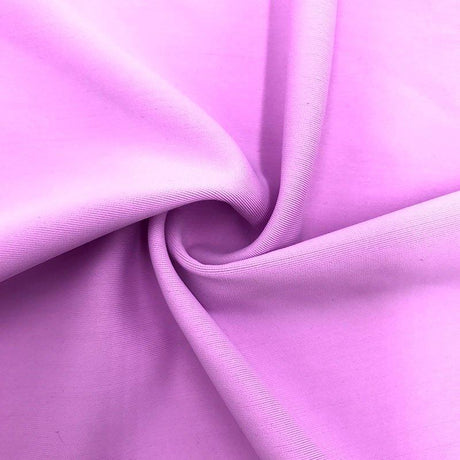
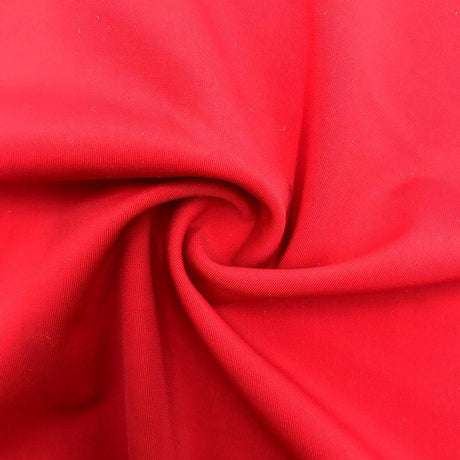
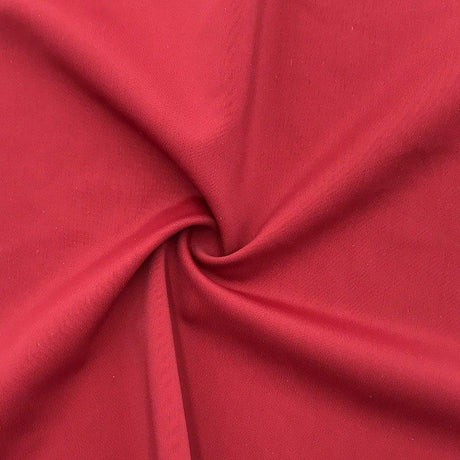
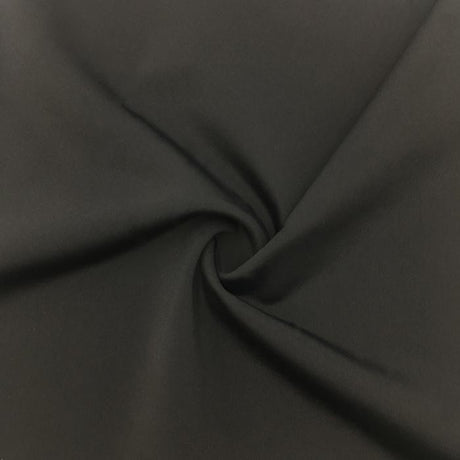
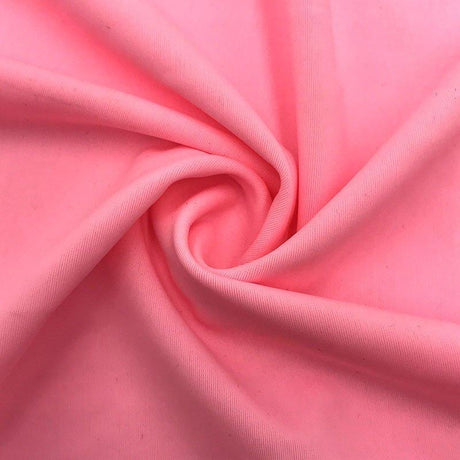
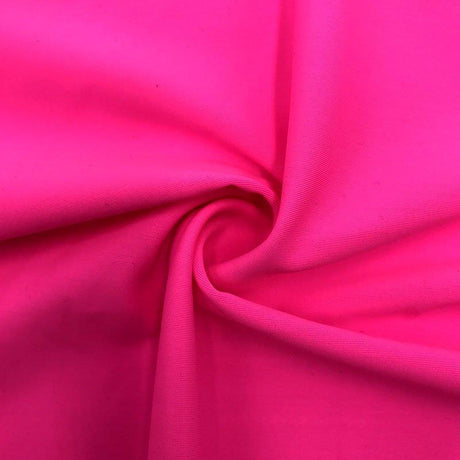
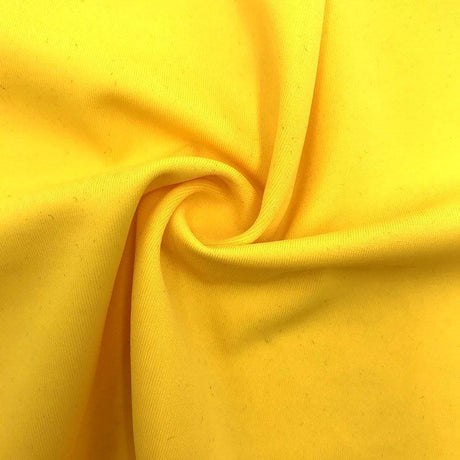
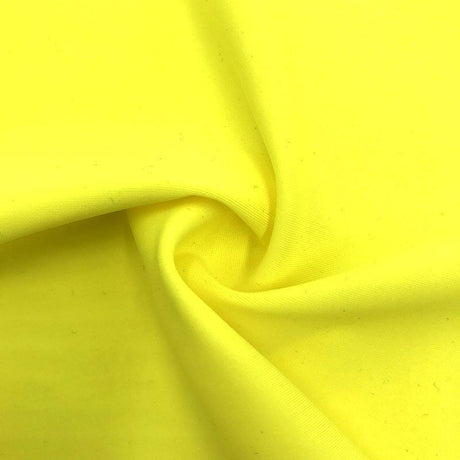
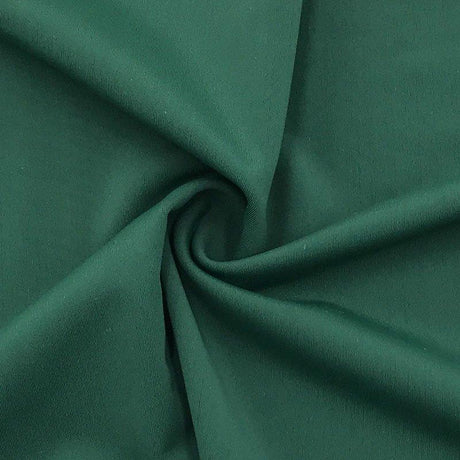
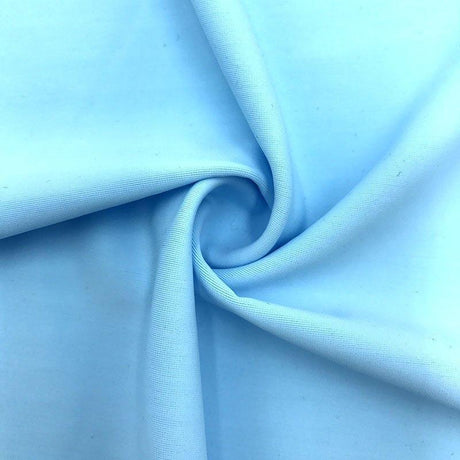
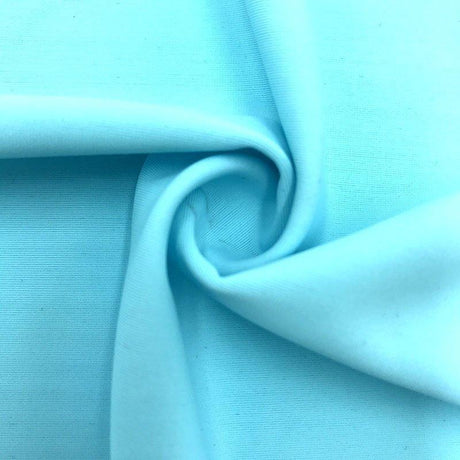
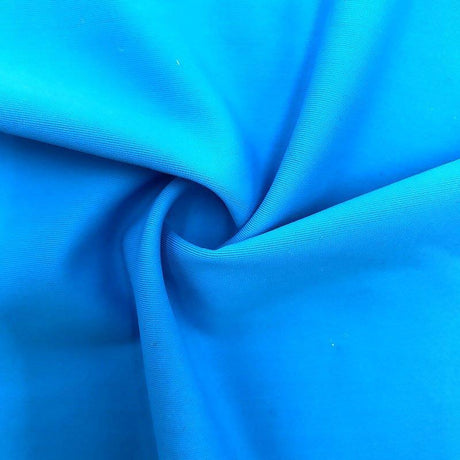
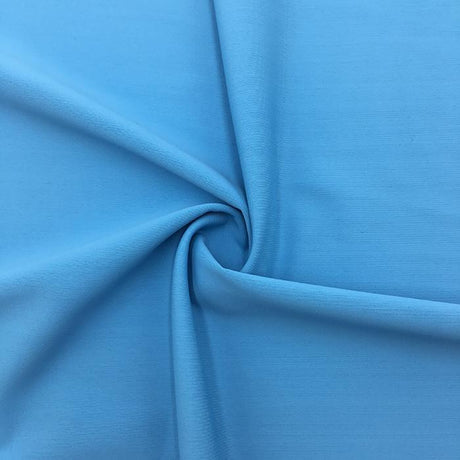
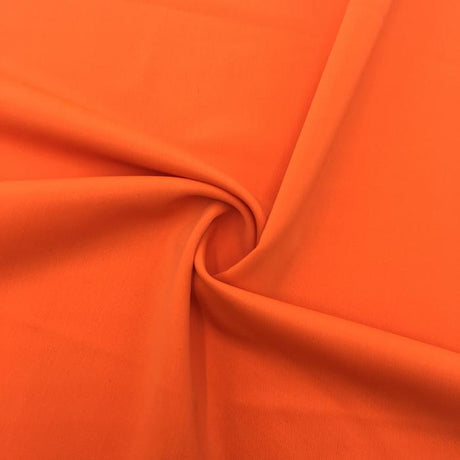
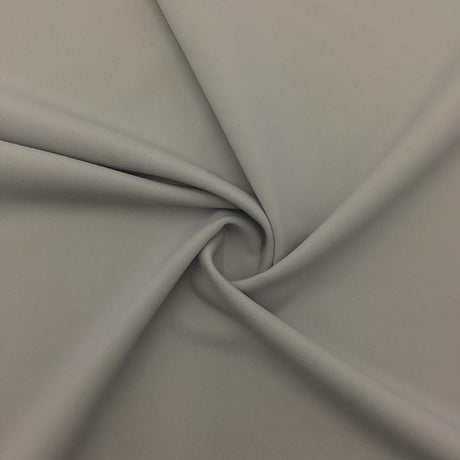
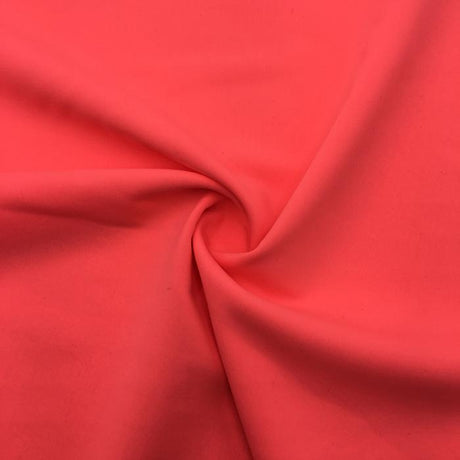
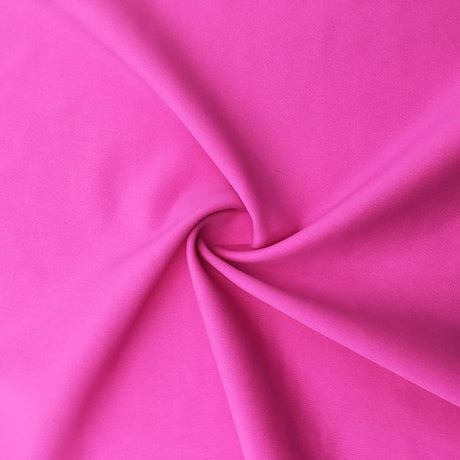
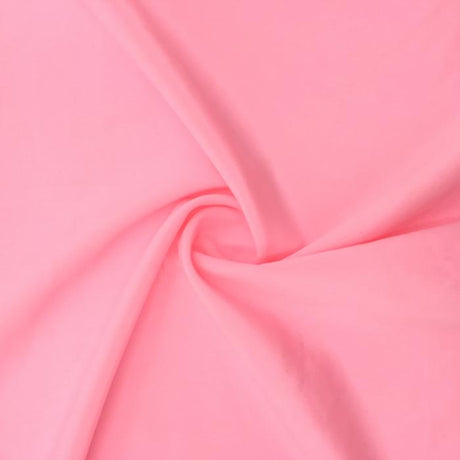
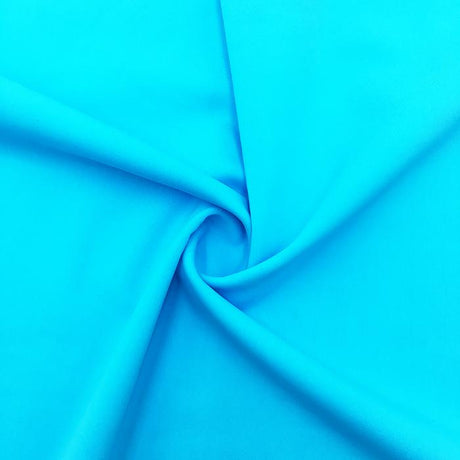
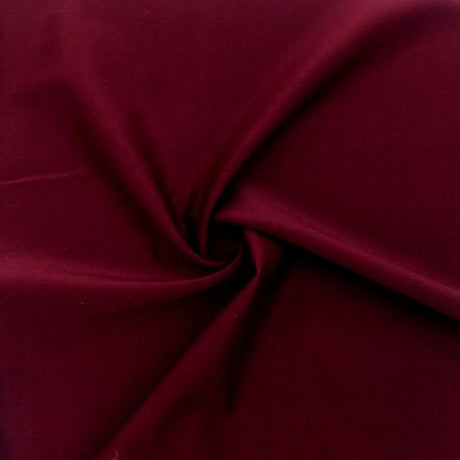
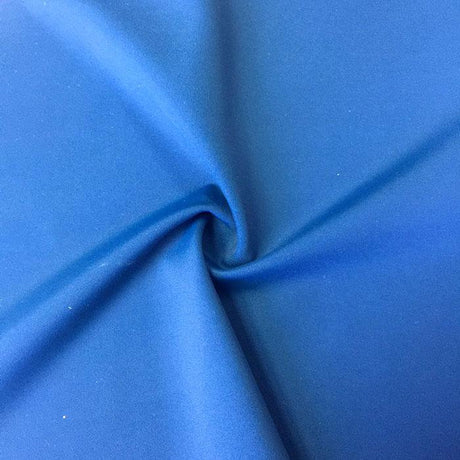
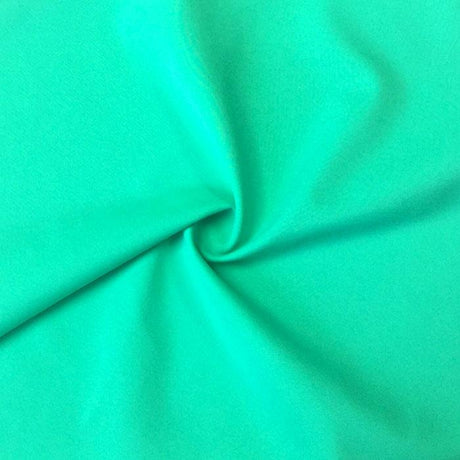
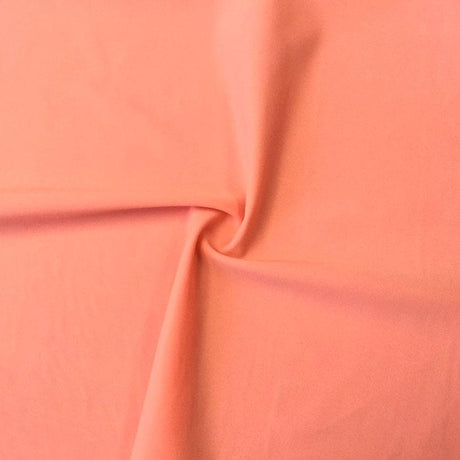
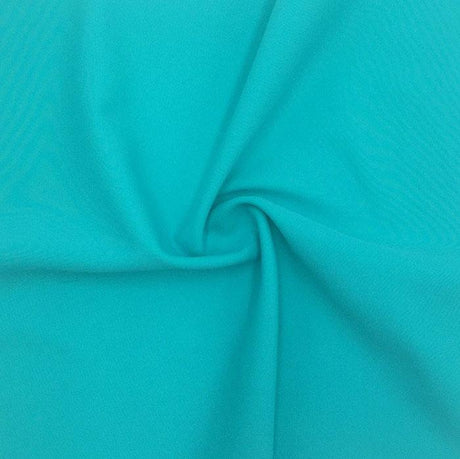
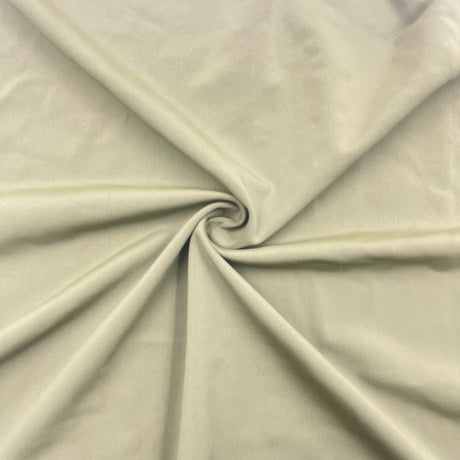
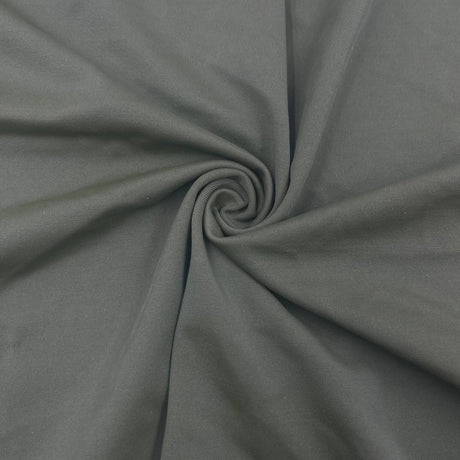
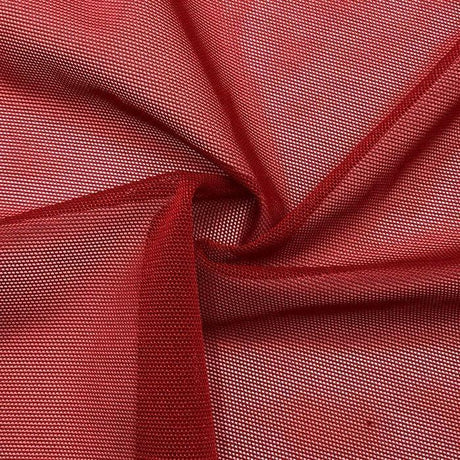
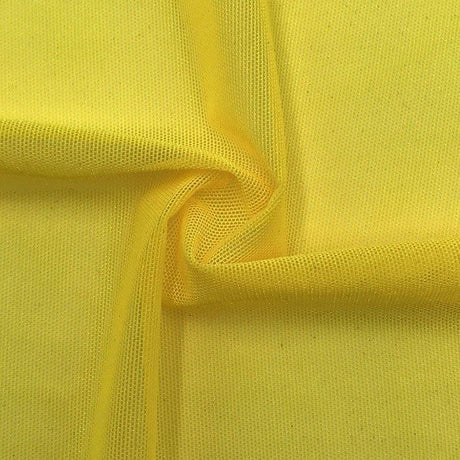
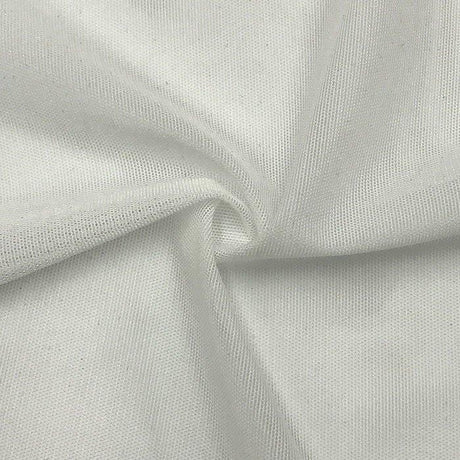
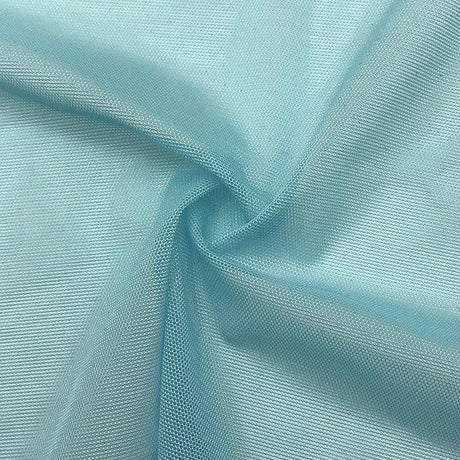
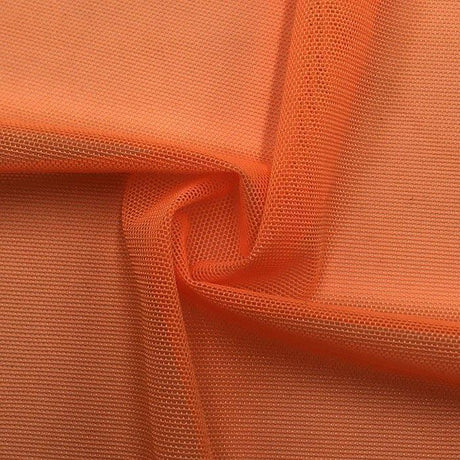
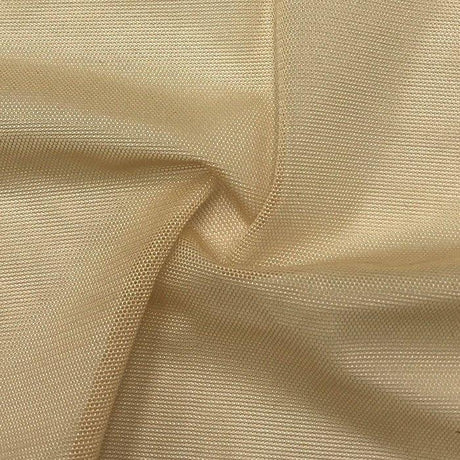
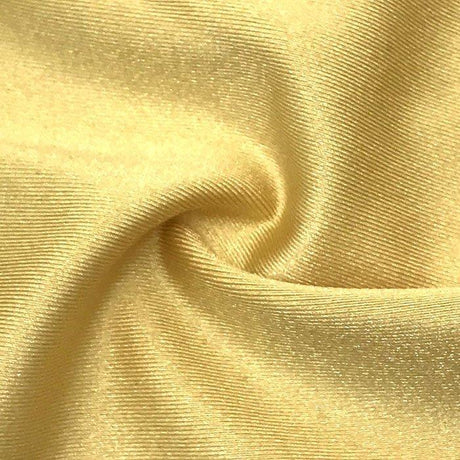
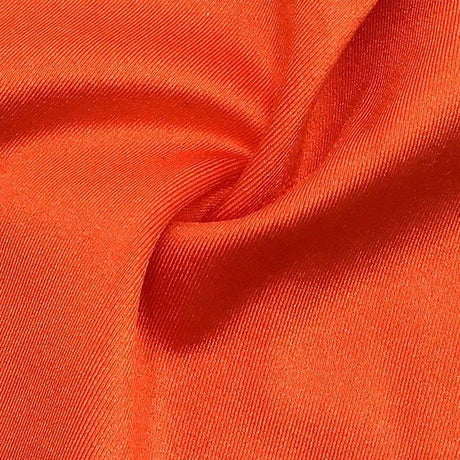
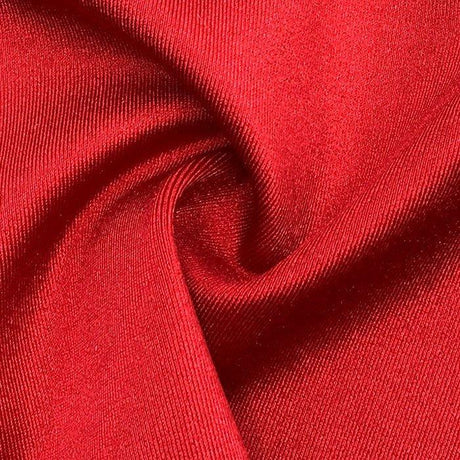
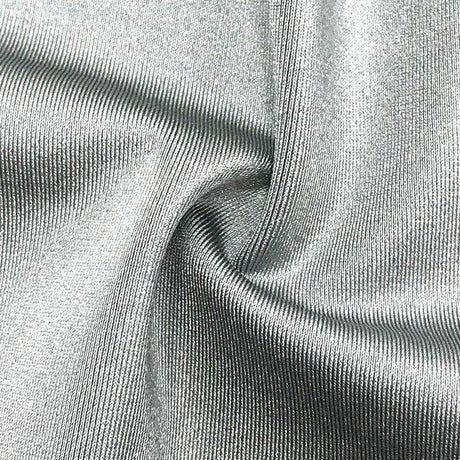
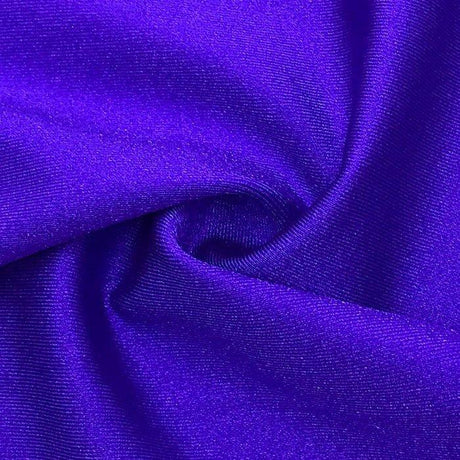
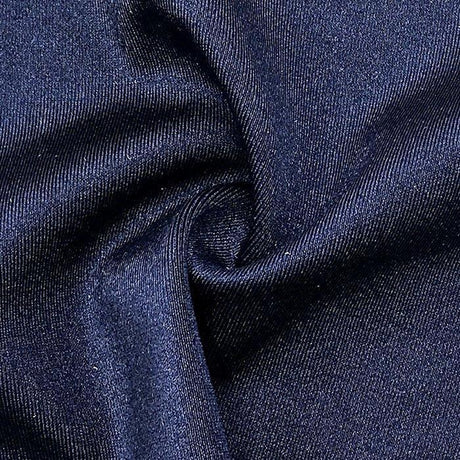
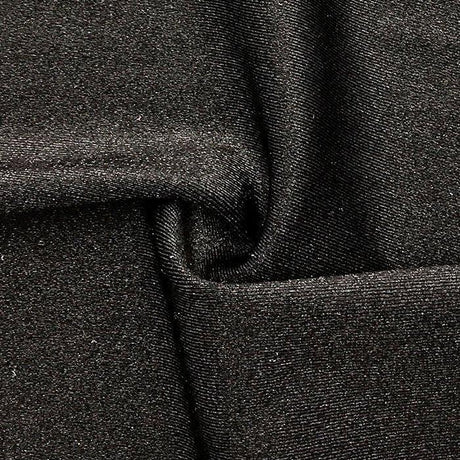
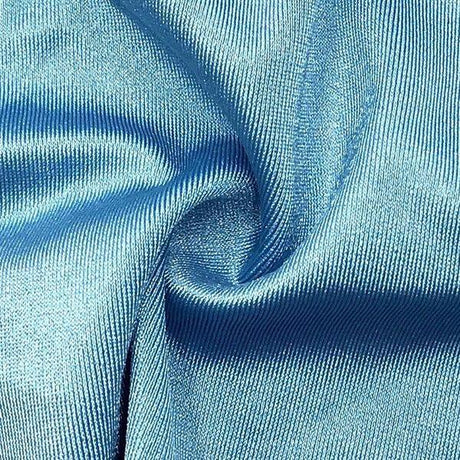
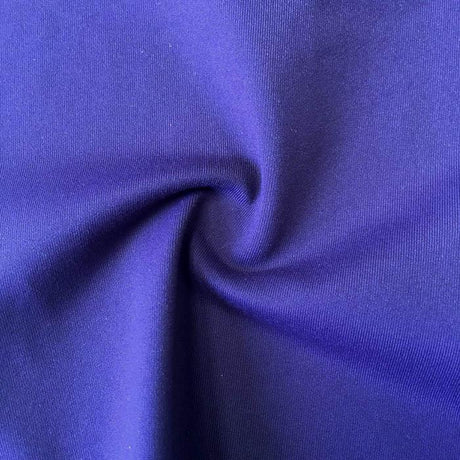
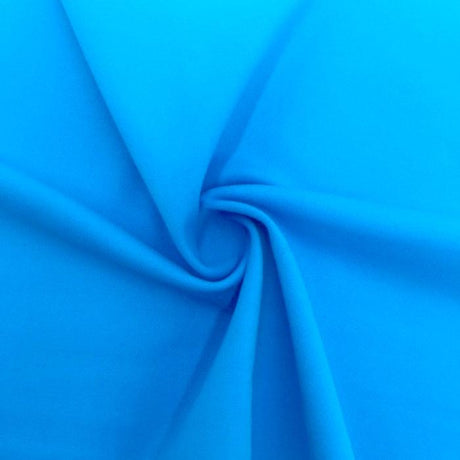
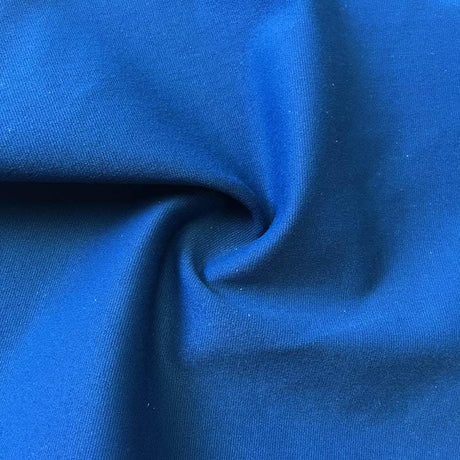
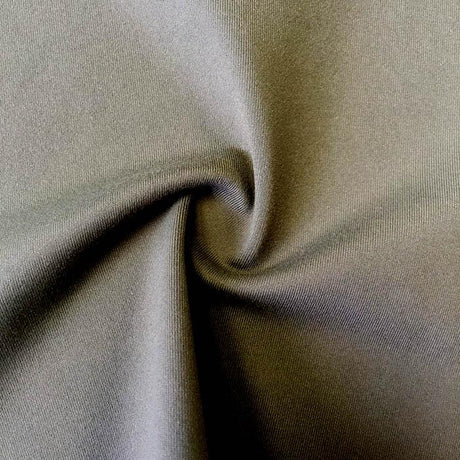
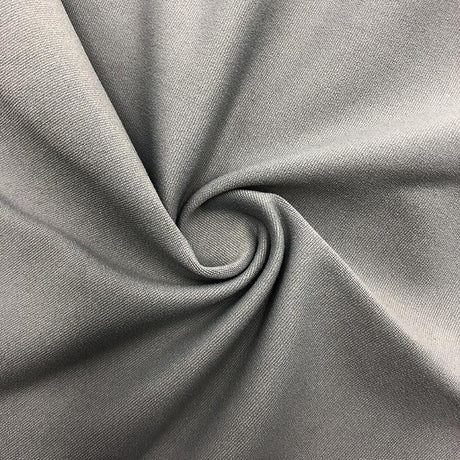
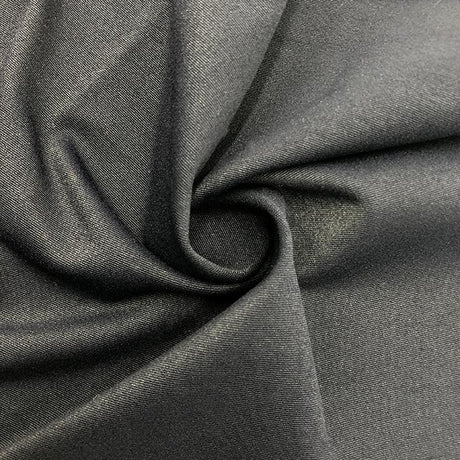
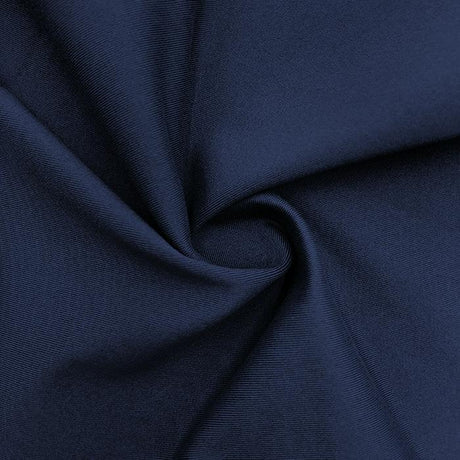
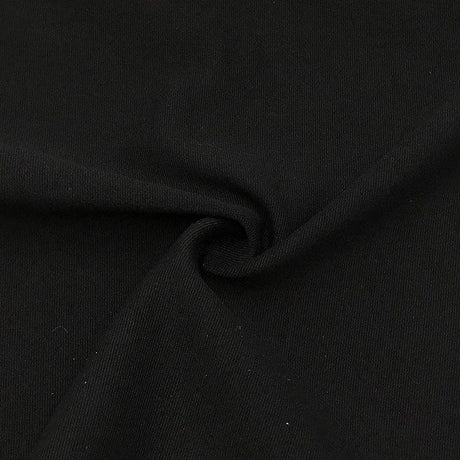
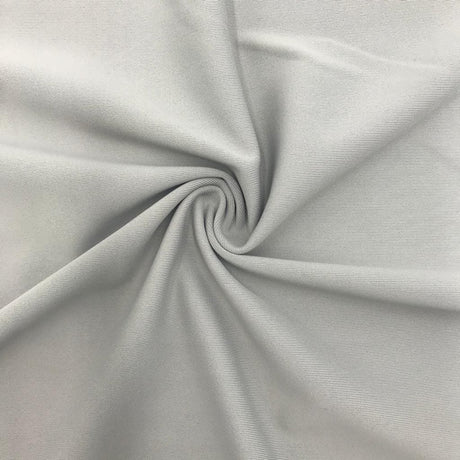
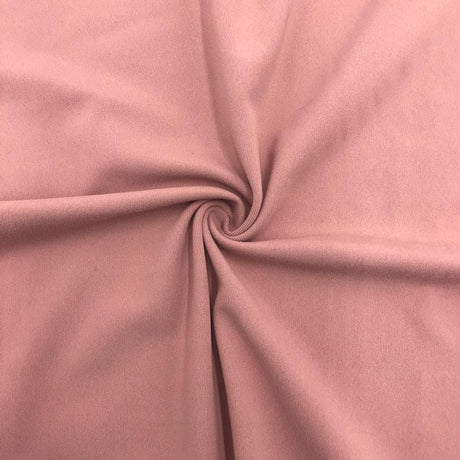
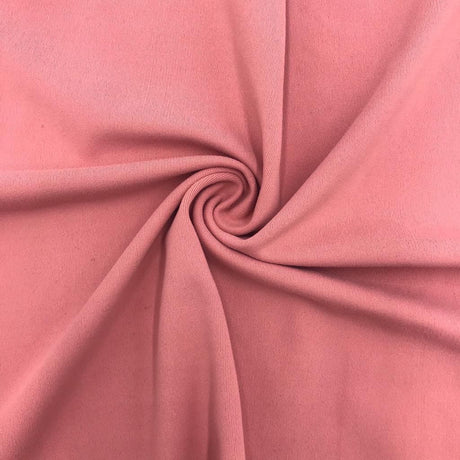
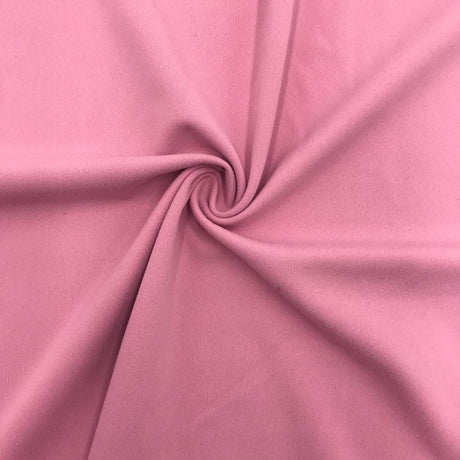
Sourcing high-quality swimwear fabric wholesale is a critical step for swimwear brands looking to produce durable, attractive products at scale. Swimwear fabrics are technical textiles that must endure harsh conditions like chlorine, saltwater, and intense sunlight while maintaining excellent stretch and recovery. This guide provides a professional overview of how to find bulk fabric suppliers, understand minimum order requirements, ensure quality through inspection, and manage the logistics of shipping large fabric rolls. By following this guide, brands engaged in swimwear manufacturing can make informed decisions that balance cost, quality, and reliability in their supply chain.
Top Global Suppliers of Technical Fabrics
In the global market, several leading suppliers offer technical swimwear fabrics known for performance and quality. These companies often specialize in innovative materials (like high stretch spandex blends or UV-resistant textiles) that meet the rigorous demands of swimwear:
- Jiadong Textile (China) – A major fabric mill providing a wide range of polyester/spandex blends for swimwear. Jiadong emphasizes colorfast dyeing (to resist fading in chlorine and sun) and offers customization in colors, prints, and textures. The company is known for strict quality control with multiple inspection stages to ensure consistency.
- Carvico S.p.A. (Italy) – A world-renowned Italian supplier of luxury technical fabrics, including the eco-friendly Vita line made with ECONYL® regenerated nylon. Carvico’s materials are favored for premium swimwear and even competitive racing suits, thanks to their superior chlorine resistance and stretch. Notably, Carvico provides about 40% of the competition swimwear fabric for Speedo’s elite swim line.
- Eclat Textile Co. (Taiwan/Vietnam) – One of the largest performance fabric manufacturers globally, supplying technical knits for sports and swimwear. Eclat’s high-tech fabrics (nylon/spandex blends, etc.) are used by many global brands; for example, they account for roughly 25% of the high-tech swimwear materials used by Speedo. Eclat fabrics are known for excellent stretch, moisture-wicking, and strength, making them ideal for active swimwear collections.
- Schoeller Textil AG (Switzerland) – A Swiss pioneer in advanced textiles, including swimwear fabrics with special functional finishes. Schoeller’s materials often feature water-repellency, UV protection, and high abrasion resistance, suitable for performance or outdoor swim gear. They even explore “smart” textiles with features like temperature regulation, showcasing innovation in technical fabric development.
- Toray Industries (Japan) – A global chemical and textile leader known for inventing innovative fibers. Toray produces high-end swimwear fabric using advanced microfiber technology, resulting in fabrics that are lightweight, breathable, yet extremely durable. Their materials offer excellent elasticity and even antibacterial treatments to keep swimwear fresh. Many swimwear brands worldwide trust Toray for consistently high quality and technical performance.
Each of these suppliers (and others like Milliken (USA), Teijin (Japan), Invista (USA) for Lycra® fiber, etc.) contributes to the diverse wholesale market of swimwear textiles. Established companies leverage cutting-edge research to produce fabrics that set industry standards in stretch, comfort, and longevity. When searching for a bulk fabric supplier, consider factors like the supplier’s specialty (e.g. sustainable fabrics, luxury prints, or budget-friendly bulk fabric), their reputation in the swimwear manufacturing industry, and their global distribution capabilities.
MOQ (Minimum Order Quantity) Explained
When purchasing swimwear fabric wholesale, one of the first concepts brands encounter is MOQ – Minimum Order Quantity. MOQ is the smallest amount of fabric a supplier is willing to sell in a single order. For fabric mills and wholesalers, the MOQ often corresponds to one full roll of fabric (commonly around 50–100 yards per roll). In practice, this means if a supplier’s MOQ is one roll, a buyer must purchase at least ~50+ yards of a given fabric to place a wholesale order.
MOQ policies can vary widely and have important implications for both cost and inventory management:
- Typical MOQs: Many technical fabric suppliers set MOQ per color or print. For example, a supplier might require at least 1 roll (around 50 yards) of each color of swimwear fabric ordered. Others, especially mills catering to bigger brands, might have higher MOQs (e.g. 300 or 500 yards) for custom production runs.
- Small vs. Large Brands: Smaller or emerging swimwear brands should look for flexible MOQs. A lower MOQ (say 50–100 yards) allows new brands to test fabrics and create limited runs without excessive upfront cost. In contrast, established brands can order larger volumes – and often benefit from price breaks at higher quantities. Ordering, for instance, 1000+ yards can significantly reduce the per-yard cost, as suppliers usually offer bulk discounts for big orders.
- Negotiating and Cost Structure: It’s worth asking suppliers about tiered pricing. Often, wholesale fabric vendors have breakpoints where the price per yard drops once you hit a certain yardage. Also inquire if sample costs can be deducted from bulk orders – some suppliers will refund or credit the cost of sample yardage once you commit to a larger purchase. This can help offset development costs.
- MOQ and Custom Fabric: For custom-dyed or printed swimwear fabrics, MOQs might be higher because the mill has to do a special production run. Be prepared that a custom color or print could require an order of several hundred yards minimum. Always clarify the MOQ for any custom development upfront.
In summary, MOQ affects both your budgeting and production flexibility. Brands should balance ordering enough fabric to get a good price (and ensure consistency between production lots) against the risk of over-ordering and tying up capital in unused material. Ideally, partner with a supplier whose MOQ aligns with your scale – e.g. some wholesalers specialize in serving indie brands with lower MOQs, whereas others are geared for volume production.

Quality control is vital when receiving bulk fabric shipments. Before you cut a single swimsuit, you should thoroughly inspect the wholesale fabric to ensure it meets your specifications and is free of defects. Below is a checklist of items for brands to review upon fabric delivery:
Figure: Quality control inspectors examine a large roll of swimwear fabric under proper lighting. Careful inspection of bulk fabric for color consistency and defects helps prevent issues in production.
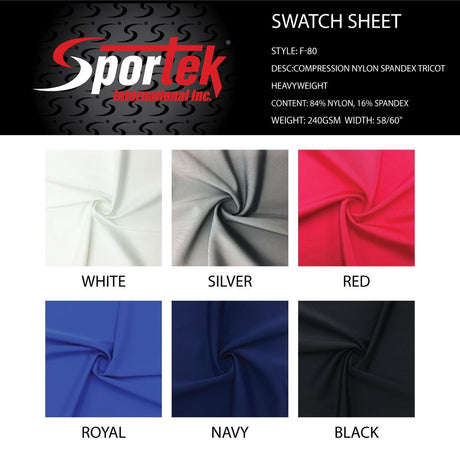
- Fabric Specs & Documentation: Verify the fabric content, weight, and width against the product specs or the supplier’s spec sheet. For example, if you ordered a 80% Nylon / 20% Spandex tricot at 200 GSM, check that the rolls match this. Measure the fabric width and ensure each roll’s length (yardage) is as stated on the packing list. Discrepancies here can impact your yield and costing. Always review the packing list and any test reports that came with the shipment, and clarify any mismatched details with the supplier before proceeding.
- Color Consistency: If the order includes multiple rolls or dye lots, inspect the color shade across them. Unroll a small portion from each dye lot and compare – the color should be consistent from roll to roll. Suppliers often label dye lot numbers on each roll; check that all rolls of the same color look uniform in hue and vibrancy under good light. Any noticeable color difference between batches should be flagged, since inconsistent fabric color could lead to mixed-shade products which is unacceptable in production.
- Stretch & Recovery: Swimwear fabrics are all about stretch, so test the 4-way stretch and recovery on samples from each roll. Manually stretch a swatch to ensure it has the expected elasticity and that it springs back without permanent distortion. A quick stretch test can reveal if a fabric has the right spandex content and quality. Also, check that the thickness and hand-feel are consistent – the fabric should feel neither significantly thinner nor stiffer than your approved sample. If some rolls feel markedly different (too hard or too soft), note it and consult the supplier.
- Visual Fabric Defects: Conduct a visual inspection by unrolling each fabric roll (or at least a significant sample length) on an inspection table or clean floor. Use adequate lighting (daylight or bright white lights) to scan for defects such as: uneven coloration or dye streaks, printing errors on printed fabrics, snags or runs in the knit, holes or punctures, and any foreign debris woven into the material. Common fabric defects in knits and tricot include missing yarns, laddering (runs), skewing of grain, or specks of contamination. If you have an inspection machine, run the fabric at a slow speed (around 20 yards/min) to systematically check the surface, stopping whenever a flaw is spotted to mark it. Document any defects with photos and report them to your supplier immediately for resolution.
- Measurements & Shrinkage Testing: It can be prudent to do a quick shrinkage test on one roll – cut a swatch of known dimensions, soak it (or follow supplier’s recommended care test), and see if it shrinks or distorts beyond acceptable tolerance. This isn't always done upon receipt, but for new fabrics it can prevent surprises later. Additionally, ensure roll labels match the ordered yardage; if possible, physically measure one roll’s length to confirm you received the full quantity.
- Packaging & Labeling: Confirm that each roll was delivered in proper packaging. Rolls should be wrapped in plastic to protect from moisture and dirt during transit. Check that the exterior of the rolls (or accompanying tags) are labeled with the fabric identifier, color code, lot number, and roll length. Proper labeling will help you keep track of inventory and use the oldest lot first in production if needed. Finally, inspect the rolls for any transit damage – e.g. water stains on the fabric or crushed tubes – and note this on the delivery receipt to address with the shipper or supplier.
By following this checklist, you can catch any quality issues with bulk swimwear fabric before it goes into production. It is far easier to resolve problems (via a supplier replacement or discount) prior to cutting and sewing. A thorough incoming inspection protects your brand from manufacturing delays and ensures the final swimwear garments will meet your quality standards.
Shipping and Logistics for Fabric Rolls
Procuring fabric wholesale also involves planning the shipping and logistics of getting those heavy rolls to your factory or warehouse. Fabric rolls are bulky and typically shipped either by sea freight (for international orders) or by freight truck domestically. Here are key considerations for fabric logistics:
- Freight Mode – Sea vs Air: For international sourcing, ocean freight is the most economical way to ship large fabric orders. Suppliers will usually pack and consolidate rolls on pallets, and arrange sea shipment in containers. Sea transit is slower (several weeks port-to-port) but dramatically cheaper than air for heavy textiles. Air freight is an option if you need fabric urgently or have a smaller shipment; however, expect costs to be much higher per kilogram of fabric. In many cases, a combination is used: for example, air ship a small quantity to start production, while the bulk goes by sea. Domestically (or within a continent), fabric rolls are often shipped via trucking – Less-Than-Truckload (LTL) for smaller batches or Full Truckload if you’re moving many rolls at once.
- Packaging for Transit: Proper packaging is essential to prevent damage to fabrics in transit. Rolls should be wound on sturdy tubes so they don’t collapse, then tightly wrapped in moisture-resistant plastic (two layers of plastic is common for export). For large shipments, it’s advisable to load the rolls on pallets or in wooden crates, secured so they won’t shift or be crushed. The safest method is to secure each roll on a tube, wrap in plastic, and place on pallets or in crates for stability. Additionally, clearly mark handling instructions (“Do Not Crush”, “Keep Dry”) on the packaging. Many suppliers have standard export packing for fabrics – confirm this and request photos of how your order will be packed. Good packing prevents issues like water damage, dirt, or tearing of the fabric during transit.
- Logistics and Incoterms: When arranging the purchase, clarify the Incoterms with your supplier – this defines who is responsible for shipping and import costs. Common terms for bulk fabric orders include FOB (Free On Board, where the supplier delivers to the port and you take over freight from there) or CIF (Cost, Insurance, Freight, where the supplier’s price includes shipping to your port). Some suppliers even offer DDP (Delivered Duty Paid), meaning they handle shipping and customs clearance to deliver to your door, which can simplify things for a buyer. It’s important to decide upfront if you or the supplier will manage the main freight journey. Always confirm the production lead time and transit time to plan your inventory; for instance, if a fabric has 60 days lead time and ~30 days ocean transit, you must order well in advance of your production start. Compare options and costs: sometimes a slightly higher price per yard from a supplier with faster delivery or local stock can save you money by avoiding delays.
- Customs and Importing: If your wholesale fabric is coming from overseas, ensure you handle import documentation. Bulk fabric typically falls under specific HS codes for textiles; check the duty rates for swimwear fabrics (which can vary by fiber content and country of origin). Work with a customs broker or freight forwarder if you’re not experienced in importing – they can assist with clearing the goods through customs and arranging final delivery to your facility. Also verify if the fabric supplier provides necessary certificates (e.g. origin certificate, if claiming a trade agreement duty reduction, or compliance certificates like OEKO-TEX® if required).
- Storage upon Arrival: Plan where and how you will store dozens of fabric rolls. They should be kept in a clean, dry area, off the ground (use pallets or racks). Avoid stacking heavy rolls on top of each other as it can deform the bottom rolls. It’s best to stand rolls vertically or use a fabric roll rack system. Good storage maintains the fabric’s quality until it’s used in manufacturing.
Shipping logistics might seem daunting, but many fabric suppliers and freight companies are experienced in handling textile shipments. Don’t hesitate to ask your supplier for guidance – they can often recommend the best shipping method and even refer reliable freight partners. The key is to balance cost and speed: use economical methods for bulk restocks when time allows, and faster shipping only when necessary. With proper planning, your wholesale swimwear fabric will arrive safely and keep your production lines running smoothly.
By understanding where to source quality technical fabrics, how to manage MOQs, what to inspect in bulk deliveries, and how to handle shipping, swimwear brands can optimize their B2B fabric sourcing process. A strategic approach to buying swimwear fabric wholesale will ensure you get the best materials for your budget and timeline – ultimately resulting in swimwear products that impress customers with both style and performance. With the right supplier partnerships and quality controls in place, your brand can confidently produce swimwear that meets professional standards and stands out in the market.