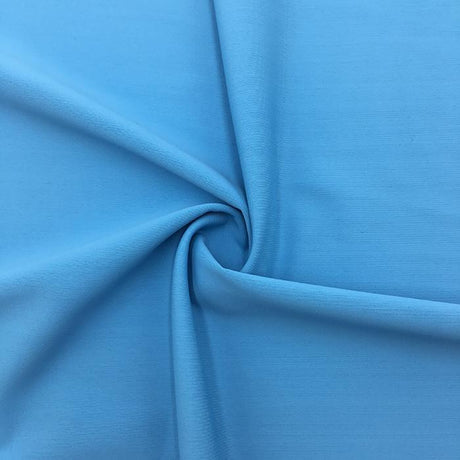
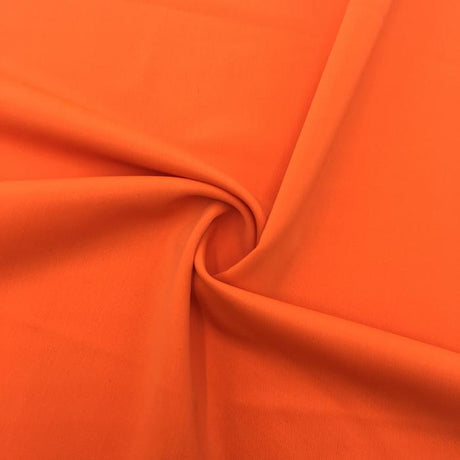
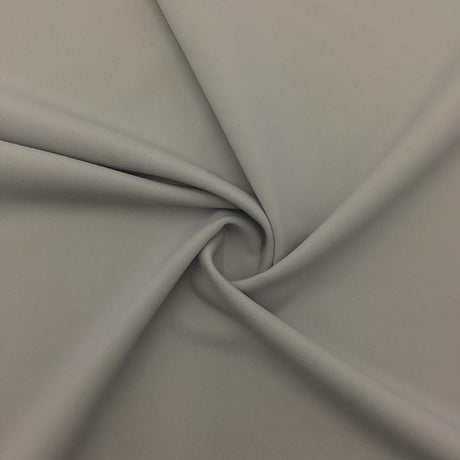
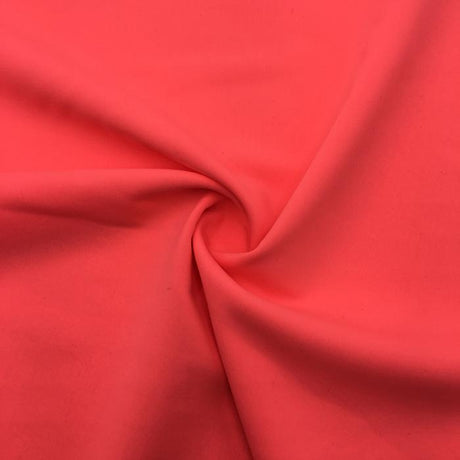
Training shorts look simple—until you wear (or produce) a pair that twists at the inseam, traps heat, shows sweat, or pops a seam during a deep squat. Whether you’re a production team building a seasonal line or a DIY maker sewing one perfect pair, “fabric for training shorts” is really a performance system: a stretch base that moves and recovers, plus mesh inserts that ventilate without irritating skin or distorting the fit.
The good news: when you understand a few measurable fabric specs—weight (GSM), stretch & recovery, moisture management, and abrasion resistance—you can choose materials by the yard with the same confidence as a technical designer picking from lab dips and spec sheets.
In this guide, you’ll learn how training-short fabrics are built, how mesh inserts should behave, how to compare top fabric families, and how to avoid common sewing/production mistakes—so your shorts feel cooler, last longer, and perform exactly as intended.
Introduction
Training shorts must handle repeated motion, sweat, friction (think: inner thighs, equipment contact, running), and frequent laundering—while staying comfortable against skin. That’s why many modern shorts use engineered performance fabrics: stretch knits (like nylon-spandex or poly-spandex) and breathable meshes placed where heat builds fastest. SpandexByYard carries a broad range of performance categories sold by the yard—including nylon spandex, meshes, moisture management fabrics, fleece options, swimwear constructions, printed performance fabrics, and more across its collections.
This article focuses on the specific, real-world build: training shorts with mesh inserts—and how to choose the right base body fabric and the right mesh, so they work together (not against each other) in wear, sewing, and production.
What Is Fabric for Training Shorts with Mesh Inserts?
“Fabric for training shorts” isn’t one single textile—it’s typically a performance fabric pairing:
Stretch base fabric for the short body
Most training-short bases are either: - Stretch knits (common for fitted “5-inch compression-style” shorts, hybrid training-run shorts, or liner shorts), often made with nylon and spandex or polyester and spandex. - Stretch wovens (common for classic loose training shorts), often nylon or polyester with elastane for mechanical + elastane stretch.
Spandex (also called elastane) is an elastomeric fiber; Britannica describes spandex as a segmented polyurethane fiber engineered for elastic behavior.
Nylon, a common “face fiber” in performance knits, is valued for toughness and wear resistance; Britannica notes nylon’s high resistance to wear and that cold-drawn nylon can be tough, elastic, and strong.
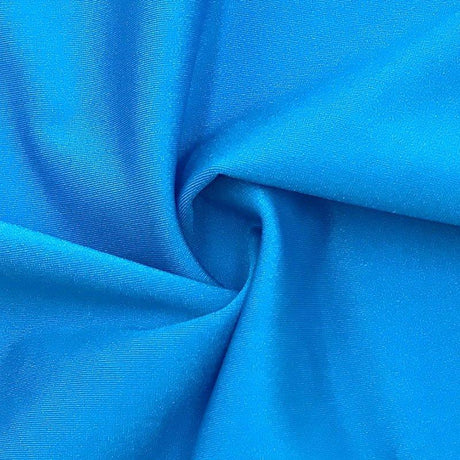
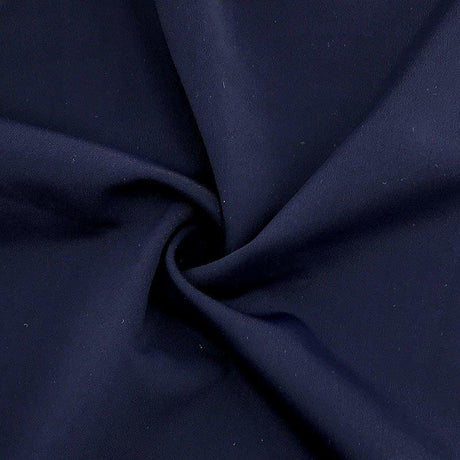
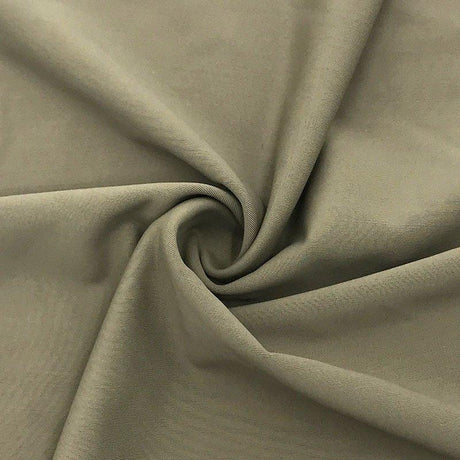
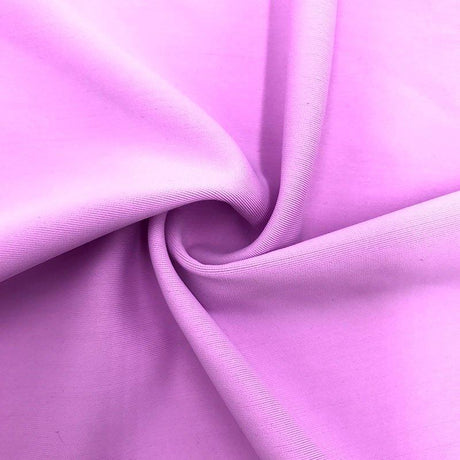
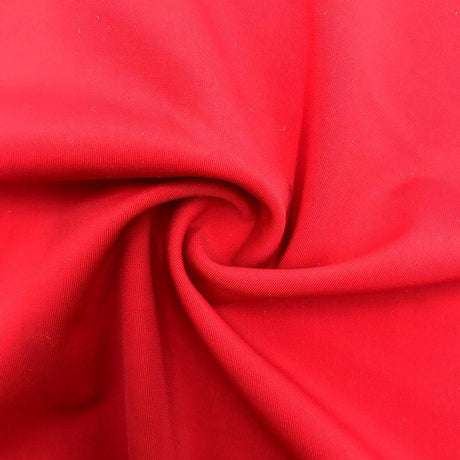
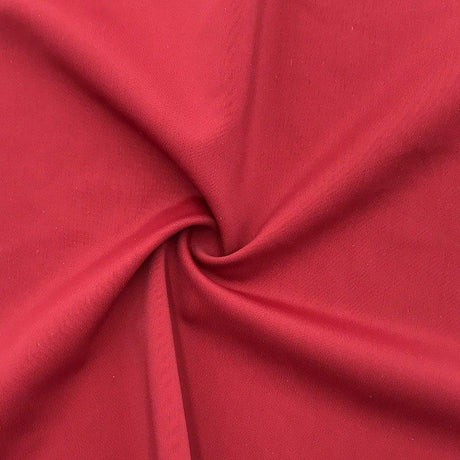
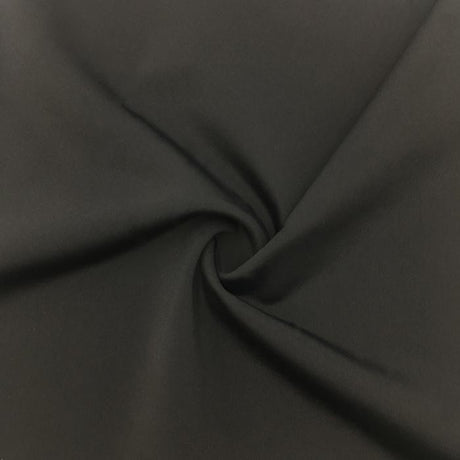
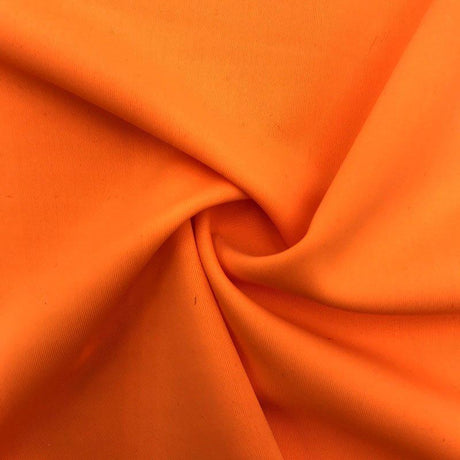
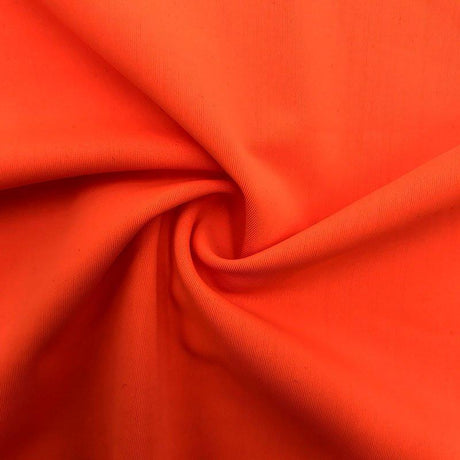
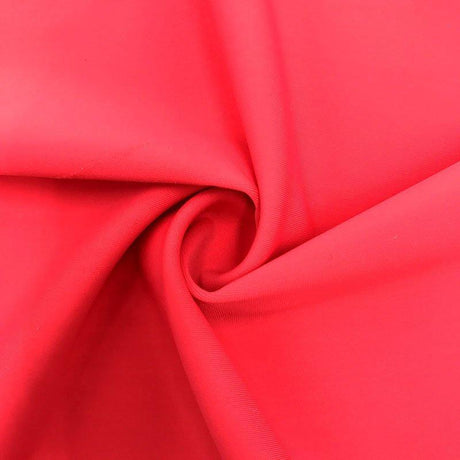
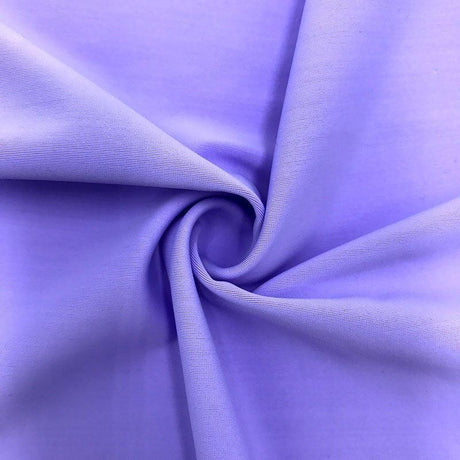
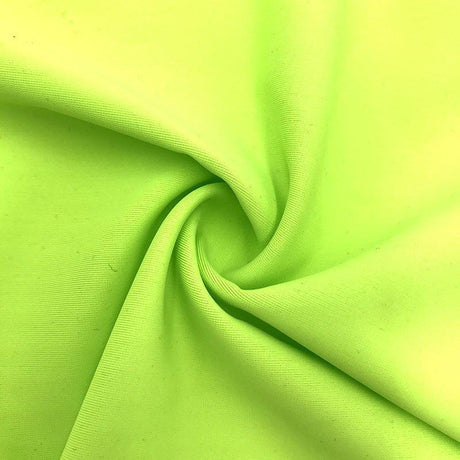
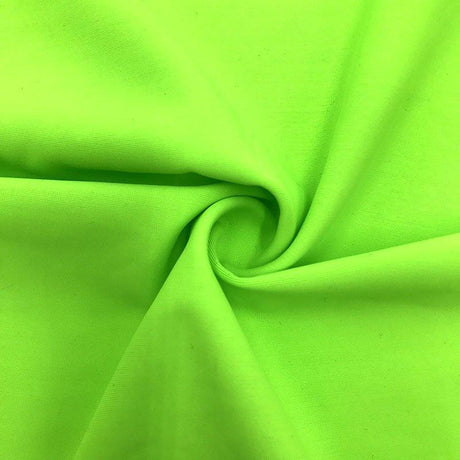
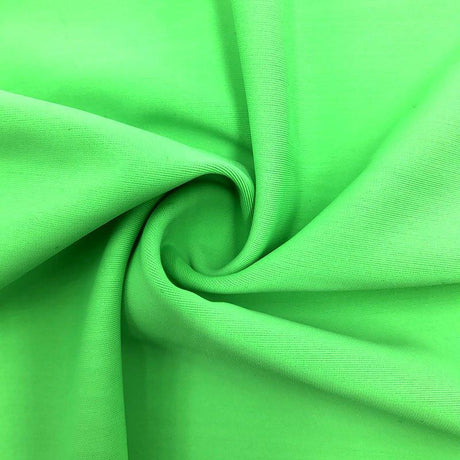
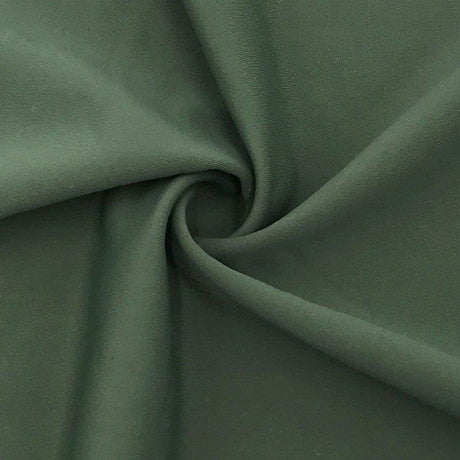
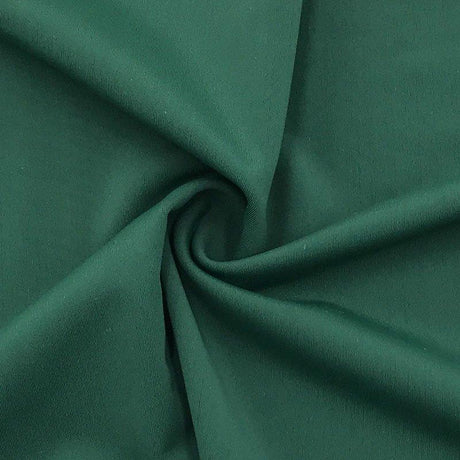
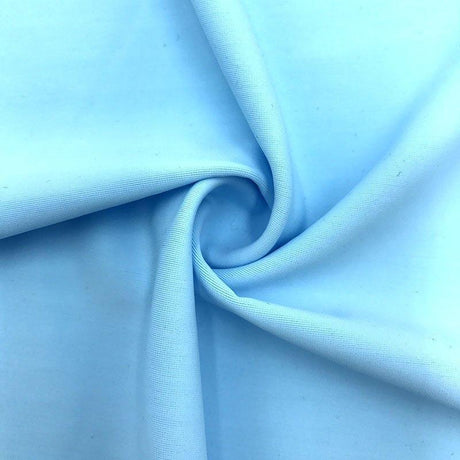
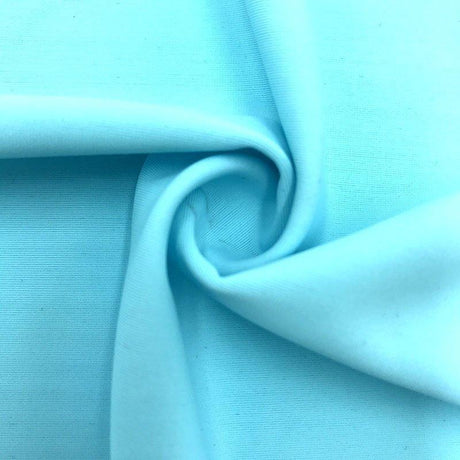
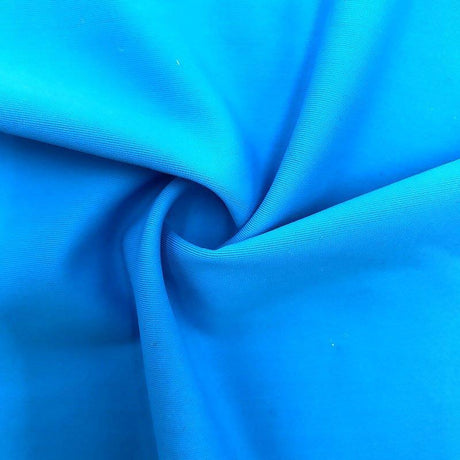
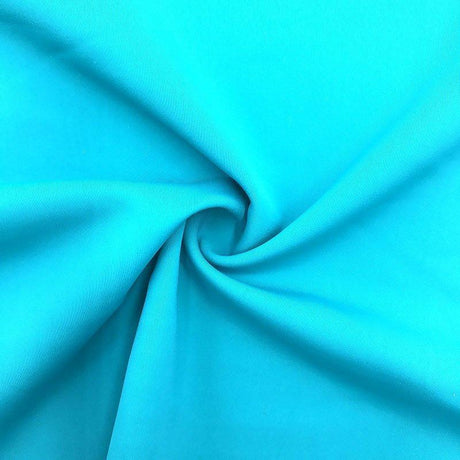
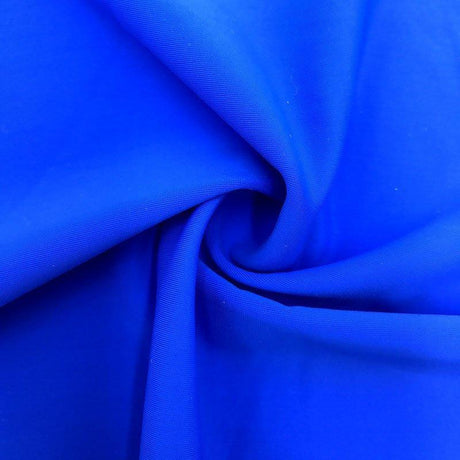
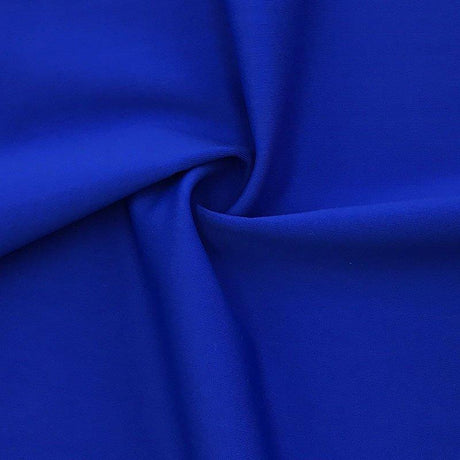
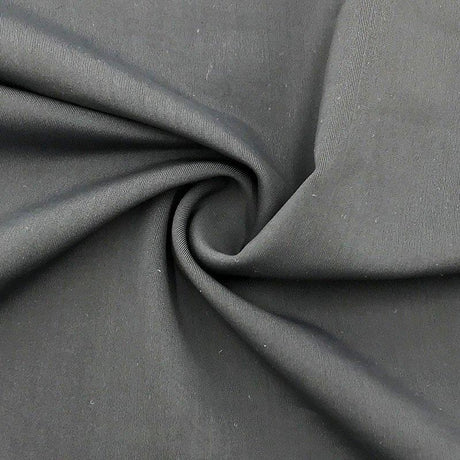
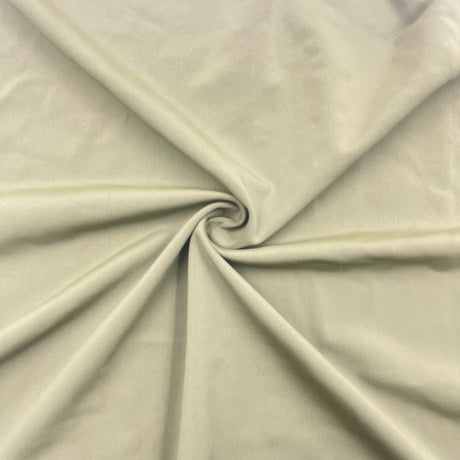
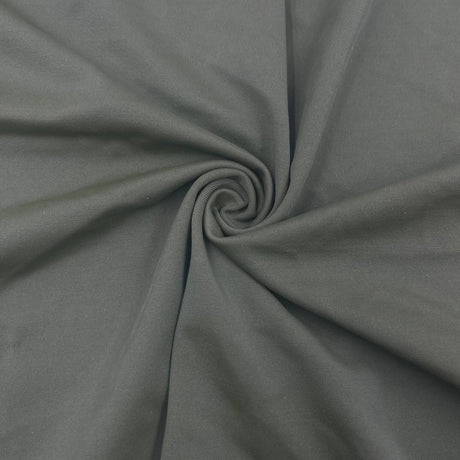
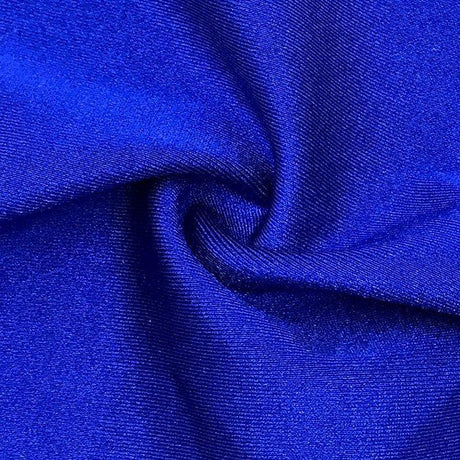
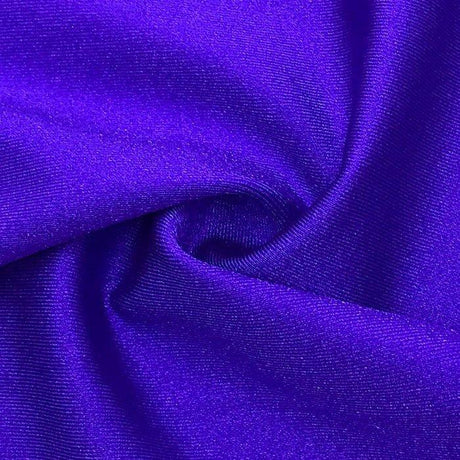
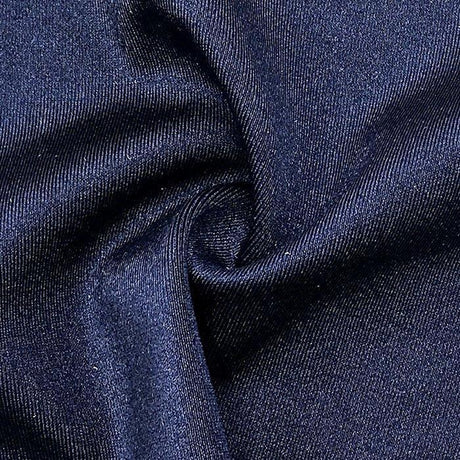
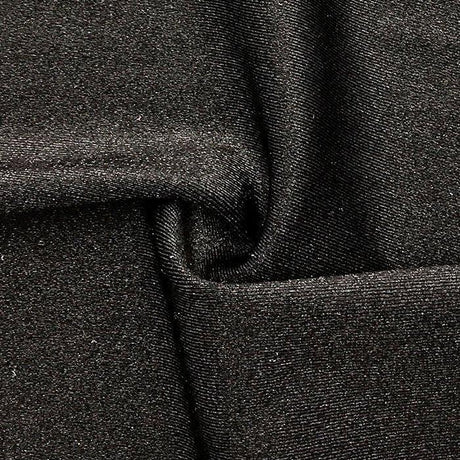
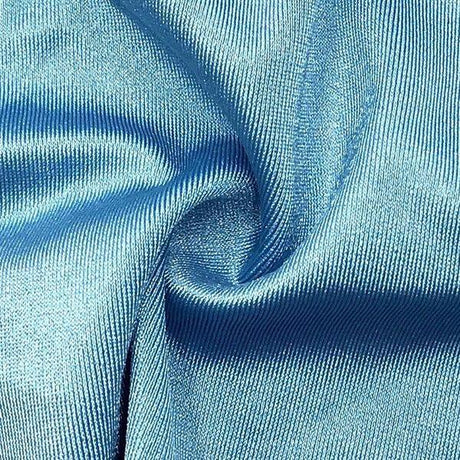
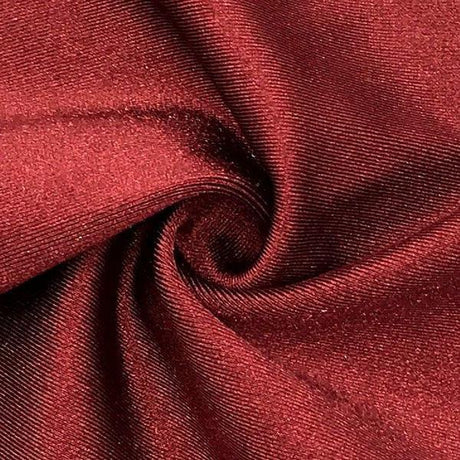
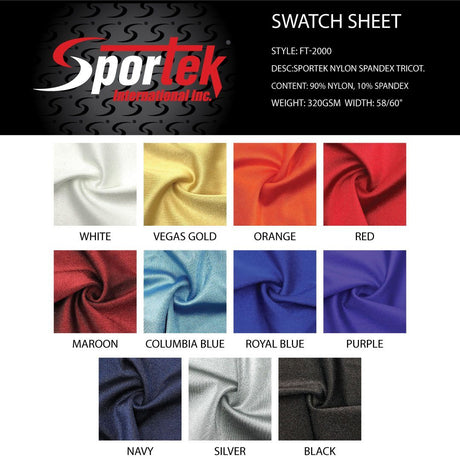
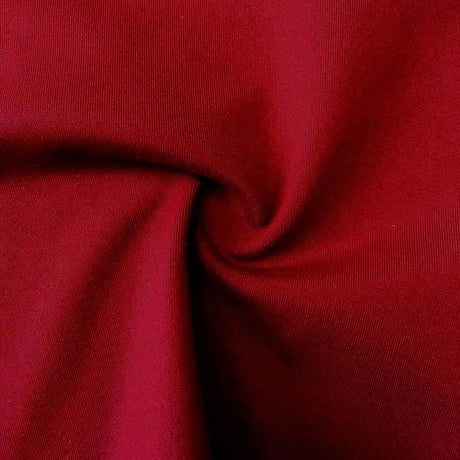
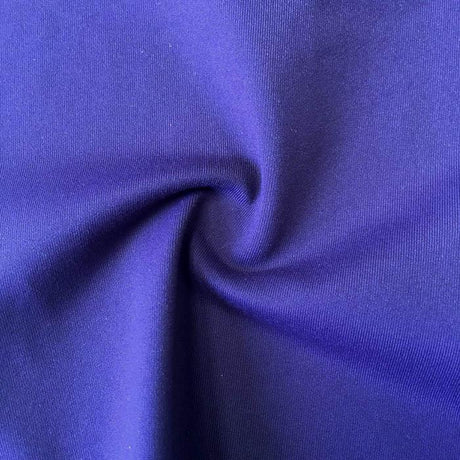
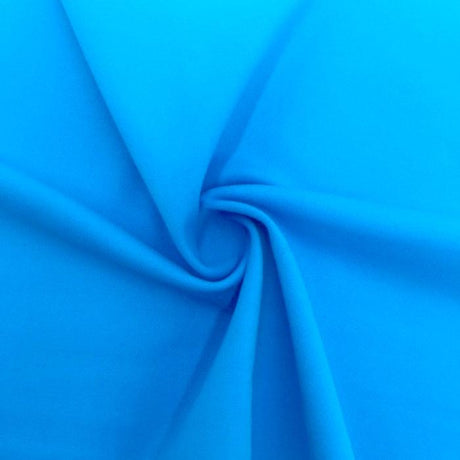
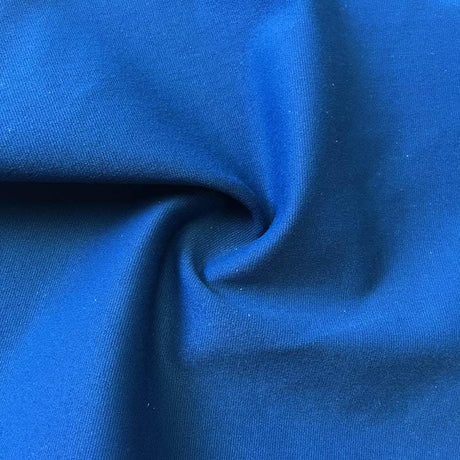
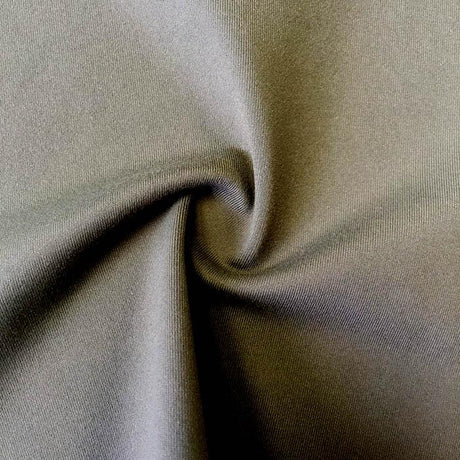
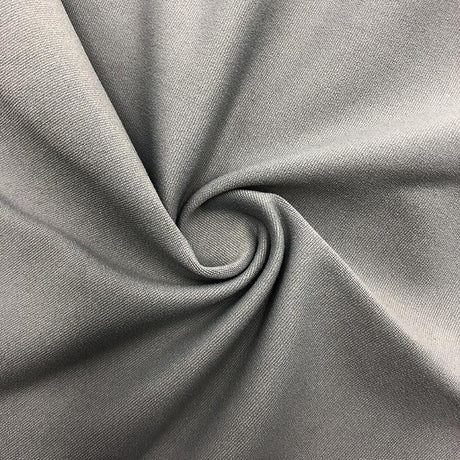
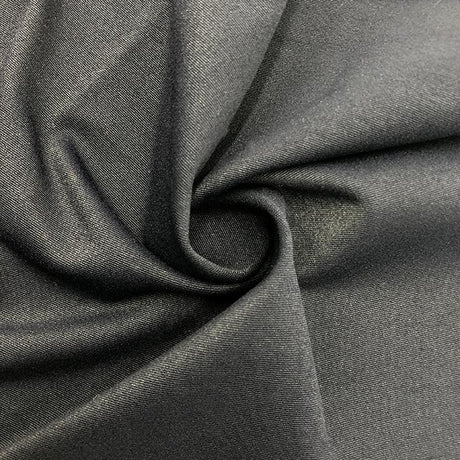
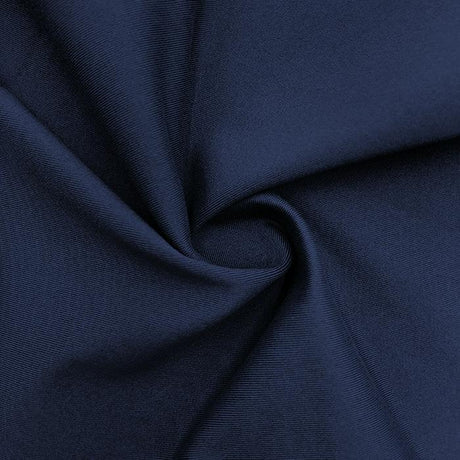
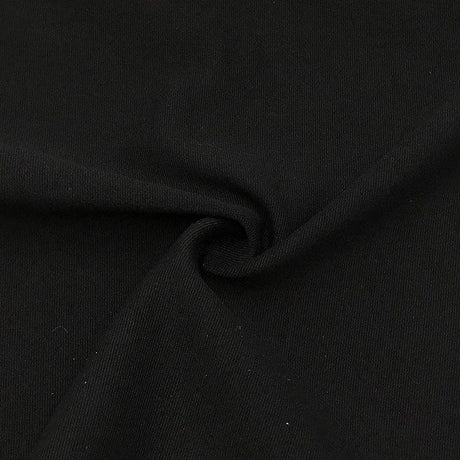
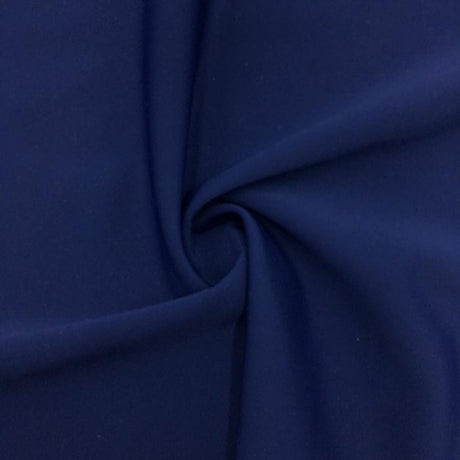
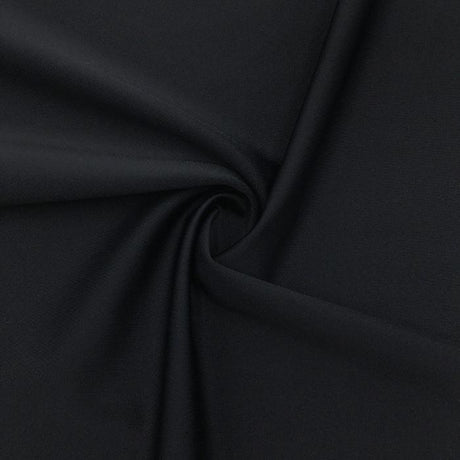
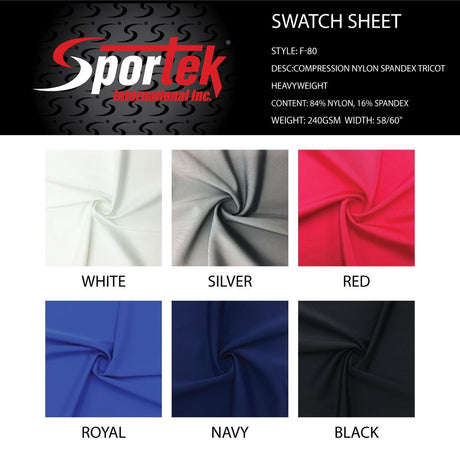
If you’re shopping by the yard for a stretch base, start with a nylon-spandex collection designed for activewear/swimwear-style durability and stretch. SpandexByYard’s nylon spandex assortment highlights high-stretch options across matte, shiny, and compression styles for performance applications.
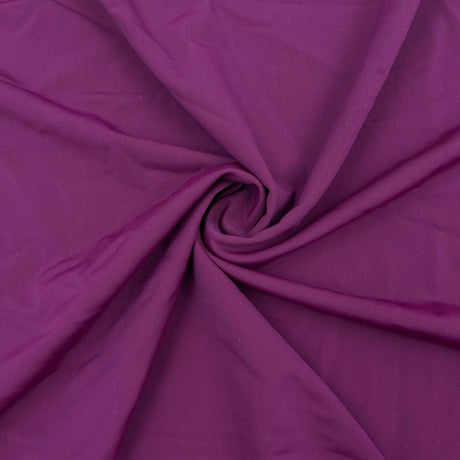
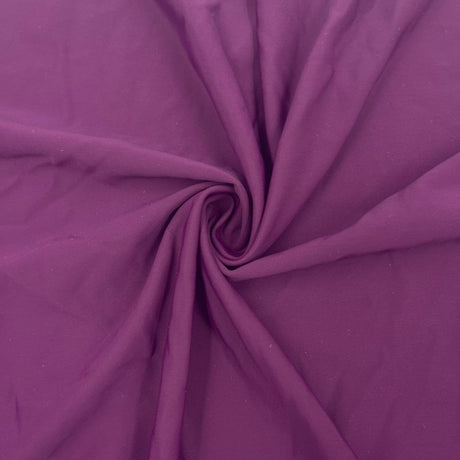
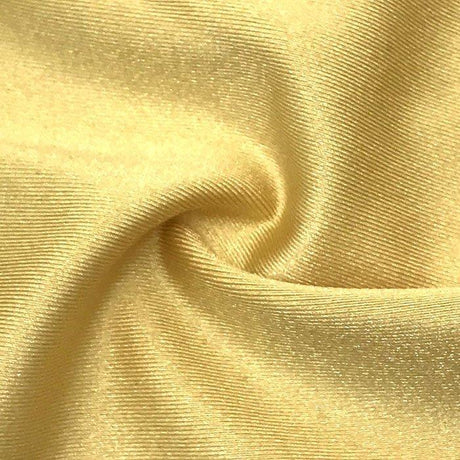
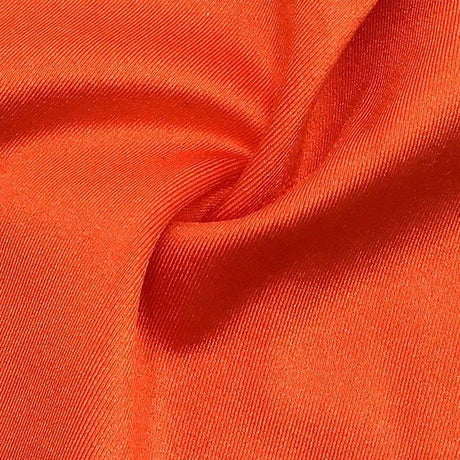
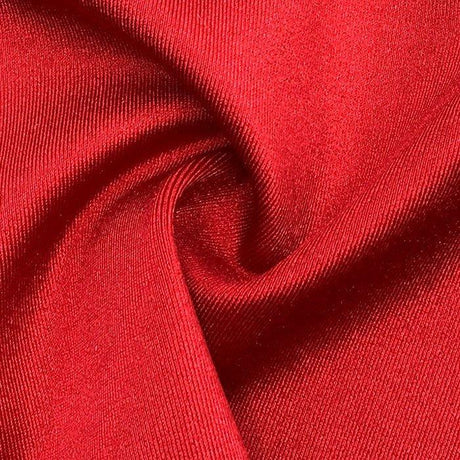
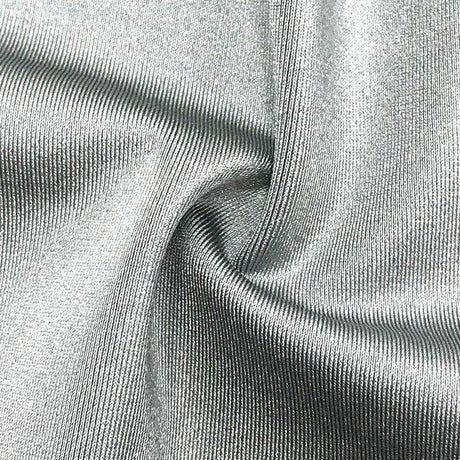
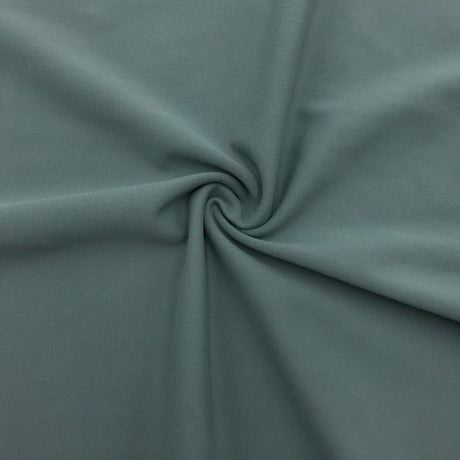
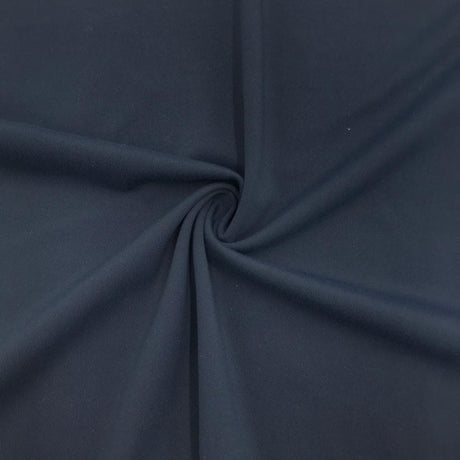
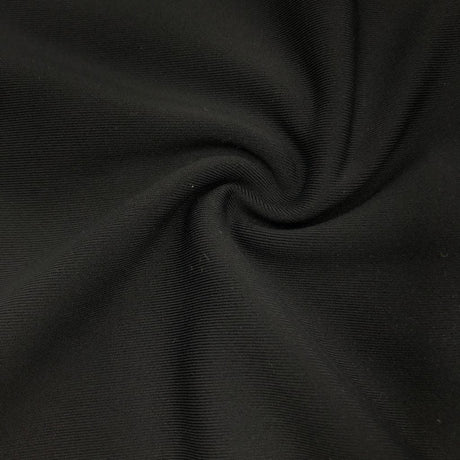
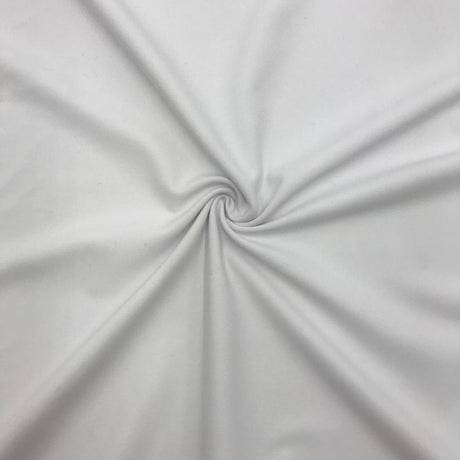
For example, one nylon-spandex performance option is listed at 70% nylon / 30% spandex and 145 GSM, a lightweight-to-midweight range that can work well as a base layer or fitted short depending on cut and intended compression.
Mesh inserts for ventilation and heat release
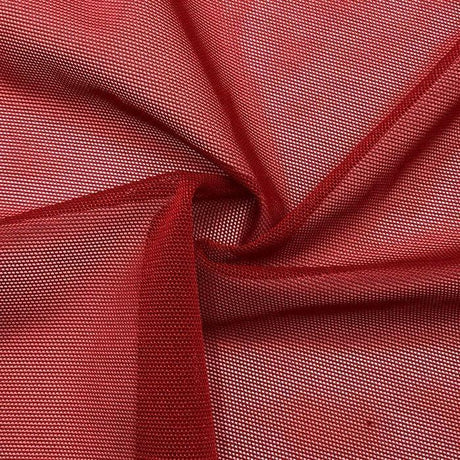
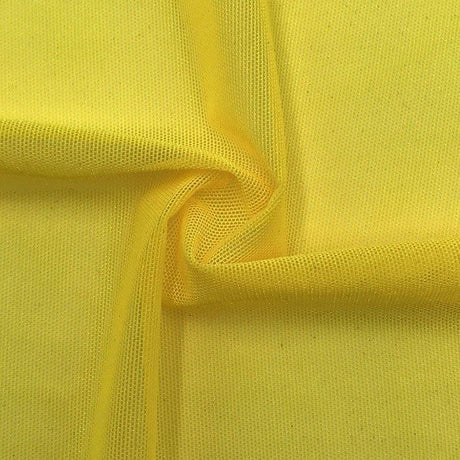
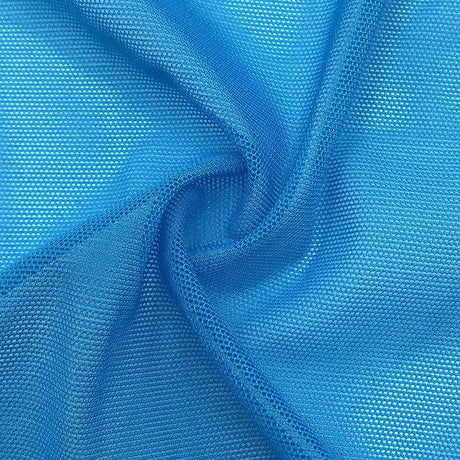
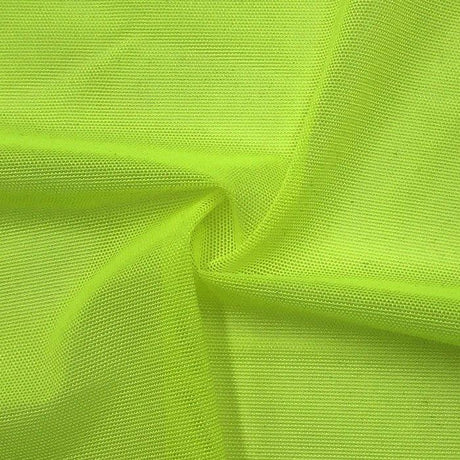
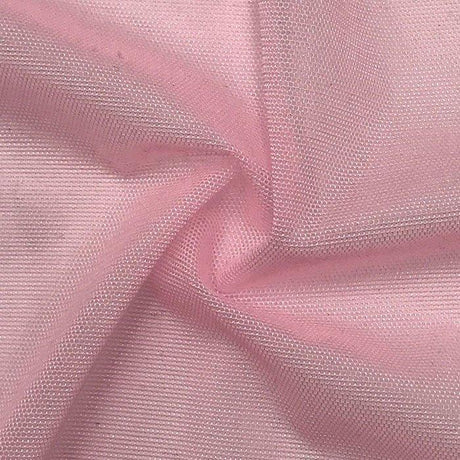
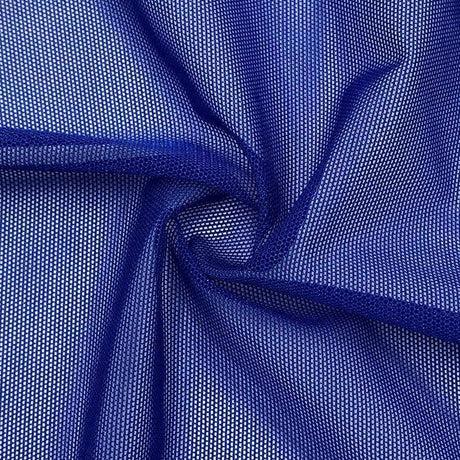
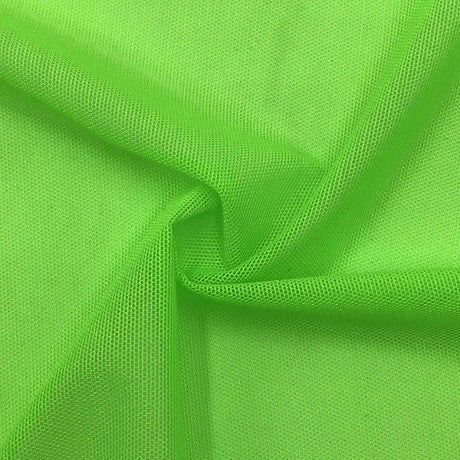
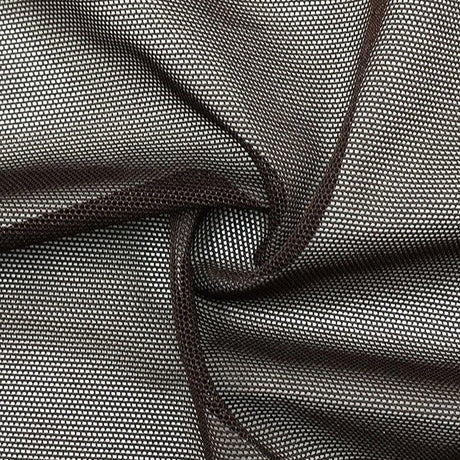
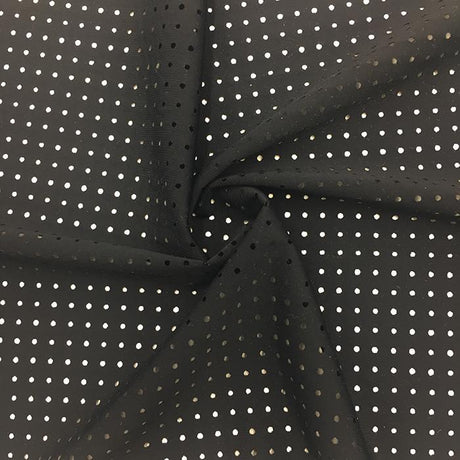
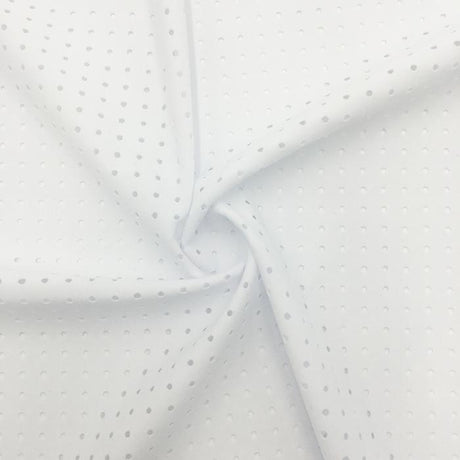
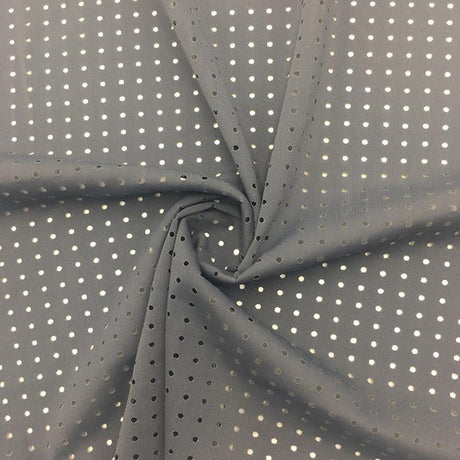
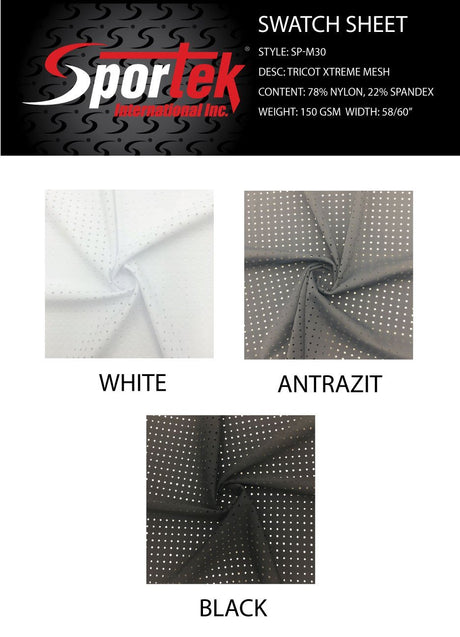
Mesh inserts are strategically placed panels (side seams, back yoke, gusset zones) made from an open-structure fabric that allows airflow. Apex Mills describes mesh/netting fabrics as having an open knit pattern that creates evenly spaced “gaps or holes,” resulting in breathable, lightweight material for ventilation applications.
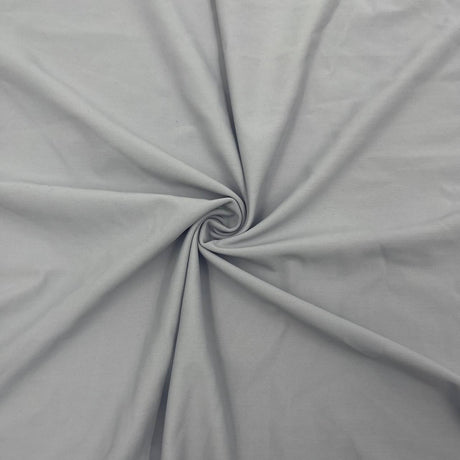
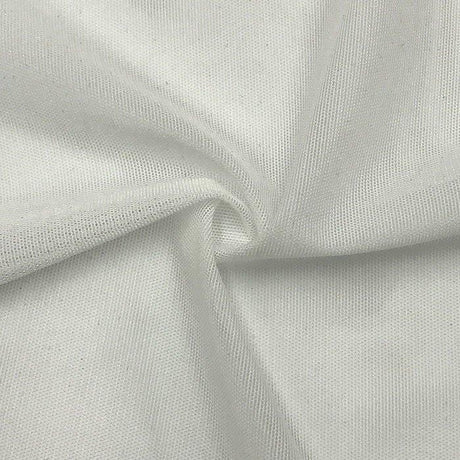
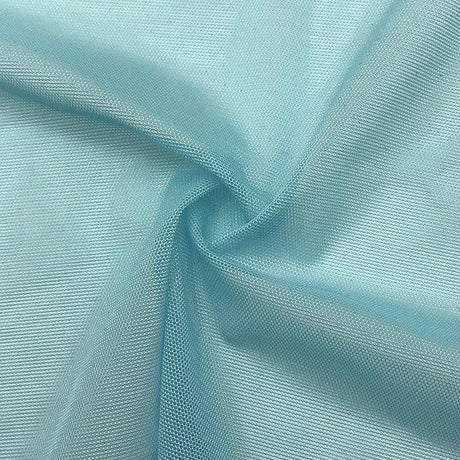
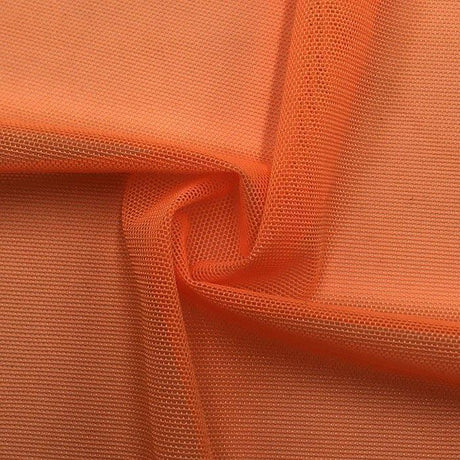
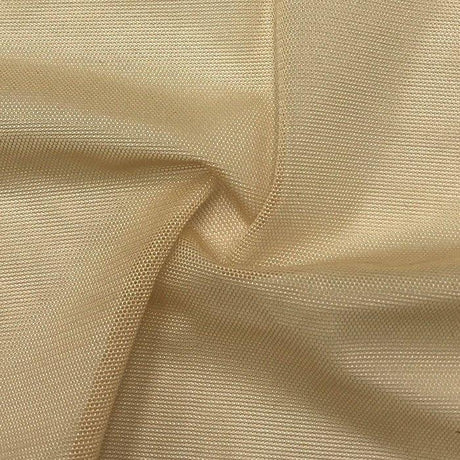
If your inserts are meant to be light and airy (not compressive), a micro-mesh is often ideal. For example, SpandexByYard’s SP‑MS1 micro mesh is described as 100% polyester, 95 GSM, and 61–62 inches wide, positioned for breathable activewear/lining use.
How this differs from “regular” shorts fabric
Compared to casual cotton jerseys or fashion wovens, performance training-short fabrics are chosen for: - Elastic recovery (to prevent bagging at knees/seat) - Moisture behavior (spreading, drying, next-to-skin comfort) - Abrasion tolerance (pilling control, snag resistance) - Construction compatibility (stretch seams, stable hems, secure panel joins)
They’re also often selected from supplier collections categorized by their functional intent—mesh, moisture management, stretch bases, prints, fleece layers—rather than only by color or pattern.
Key Performance Characteristics
When you evaluate fabric for training shorts (especially with mesh inserts), focus on measurable traits that predict comfort and durability in motion.
Stretch and recovery
Stretch is how far a fabric extends; recovery is how well it returns to shape. Shorts that look great on the table but go “baggy” after a workout usually have insufficient recovery, not just “too much stretch.”
Practical guidance: - For fitted training shorts (bike-short silhouette), prioritize 4-way stretch with strong recovery—especially across the width. - For looser training shorts (with room at thigh), you can use a less compressive base—but you still need recovery at the waistband and seat.
Pro manufacturing note: Ask for stretch % and recovery data when available (often measured in-house or via standard methods). Fibre2Fashion notes that knit and woven stretch/recovery can be evaluated with standards such as ASTM D2594 (knits) and ASTM D3107 (wovens).
GSM (fabric weight)
GSM (grams per square meter) is a quick way to predict opacity, drape, and perceived “substance.”
Use ranges as a starting point: - Ultra-light meshes: ~80–110 GSM (typical for ventilation or lining)
Example: the SP‑MS1 micro mesh is listed at 95 GSM. - Light-to-mid bases for fitted shorts/liners: ~140–200 GSM
Example: a nylon-spandex option listed at 145 GSM sits in this zone. - Mid-to-heavy bases for compression feel or high opacity: ~200–300 GSM (varies by knit structure and yarn denier)
Moisture management and breathability
“Moisture wicking” in performance wear is often discussed casually, but it can be evaluated with standardized methods.
AATCC explains that its standards are developed through research and committee work, emphasizing reproducibility and applicability—important when brands/spec teams need consistent testing language.
For liquid sweat behavior specifically, testing like AATCC TM195 evaluates how a fabric transports liquid moisture on both surfaces, including wetting time, spreading speed, one-way transport, and an overall moisture management capacity (OMMC).
For training shorts, translate that to real decisions: - If the short is worn next-to-skin (fitted short or liner), prioritize moisture movement and a non-clammy handfeel. - If the short is outer shell over a liner, moisture management still matters, but airflow/venting zones (mesh inserts) become the main comfort tool.
Mesh inserts help because mesh construction is intentionally open for airflow.
Durability and abrasion resistance
Inner-thigh friction, machine washing, and equipment contact (benches, barbells, Velcro gym bags) punish fabric surfaces.
Nylon is often chosen because of its well-known wear resistance; Britannica highlights nylon’s high resistance to wear.
That doesn’t mean polyester is “bad”—but it does mean nylon-spandex bases are frequently selected where surface durability + smooth handfeel matter most.
Softness and handfeel
Handfeel influences: - Chafing risk (especially on inserts and inseams) - Perceived quality - “Next-to-skin” comfort during sweat
Brushed or sueded finishes may feel softer but can change pilling behavior and drying feel—so always test with your construction and care routine.
Special performance traits
Depending on your end use, you may also look for: - Compression or hold - Chlorine resistance (if shorts are cross-used for swim or pool training) - DWR finishes (if outdoors or wet-weather training is a factor) - Print technologies (sublimation, wet print, etc.)
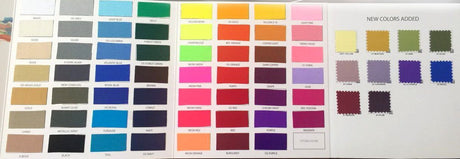
SpandexByYard organizes specialty performance options across collections such as moisture management, mesh, neoprene, fleece, swimwear, sublimation tricot, and printed spandex—useful when you’re building a cohesive line by function.
Comparison with Similar Fabrics
Below is a practical comparison for training shorts + mesh insert builds, focusing on what changes the most in performance and production.
|
Feature |
Nylon-Spandex Knit (Primary) |
Polyester-Spandex Knit |
Stretch Woven (Nylon/Poly + Elastane) |
|
Composition |
Nylon face + spandex for elasticity |
Polyester face + spandex for stretch |
Nylon or polyester woven + elastane for comfort stretch |
|
Stretch Type |
Usually 4-way stretch, smooth recovery |
Often 4-way stretch; can be engineered for moisture behavior |
Limited mechanical stretch unless elastane; more “structured” feel |
|
Best For |
Fitted training shorts, liners, high-mobility panels, premium handfeel |
Team/training shorts where printing (e.g., dye sub) is key; moisture-focused programs |
Classic loose training shorts; pockets; a more “shorts-like” structured drape |
|
Pros |
Durable feel; strong wear resistance is a common reason nylon is selected |
Strong compatibility with dye sublimation in many decoration workflows |
Better shape/structure than knits; stable waistband/pockets in many designs |
|
Cons |
Can feel warmer if knit is tight and panels are minimal (solve with mesh zoning) |
Surface can snag/pill depending on yarn/finish; not all polys behave the same |
Less “body-hugging” stretch; may restrict deep flexion unless pattern is roomy |
Why this matters for mesh inserts: your mesh choice must match the stretch philosophy of the base. A highly elastic base paired with a stiff mesh can cause rippling or seam stress; a stable base paired with overly stretchy mesh can “grow” at insert edges over time.
Best Uses and Applications
Mainstream training-short builds
Training shorts generally fall into three practical categories:
Fitted shorts (compression-style) - Base: nylon-spandex or poly-spandex knit - Inserts: stretch mesh at side panels or back yoke for heat release
Hybrid shorts (outer short + optional liner) - Outer: stretch woven or stable knit - Liner: nylon-spandex knit - Inserts: micro mesh zones or vent panels where heat spikes
Classic loose training shorts - Base: stretch woven - Inserts: mesh at side panel/hem vents; sometimes mesh pocket bags
Mesh insert placement that actually works
Mesh isn’t just decoration—it’s targeted thermal engineering.
High-value placement zones: - Side panels (hip-to-hem) for airflow during runs and lifts - Back yoke/upper seat for heat release without sacrificing front opacity - Gusset-adjacent zones for ventilation without direct seam-on-seam rubbing
If you want breathable-but-light inserts, explore micro meshes designed for airflow. For example, this sport mesh for inserts is a lightweight polyester micro mesh listed at 95 GSM—often a sweet spot for ventilation without feeling flimsy.
If you need inserts that stretch with the body (deep squats, lunges, sprint stride), choose a stretch mesh category built for apparel movement. SpandexByYard’s stretch mesh collection is described as breathable, lightweight, and used for applications including workout garments and swimwear. Use mesh for ventilation panels when your design needs both airflow and multi-direction movement.

Prints, fashion-forward designs, and coordinated sets
For brands and creators aiming at statement shorts: - Printed performance fabrics support coordinated tops/sets and seasonal drops. - SpandexByYard’s printed spandex collection is positioned for activewear/swimwear applications and includes prints on nylon and polyester spandex blends.
If you’re building a teamwear or custom-graphic program, polyester-based performance fabrics are often selected because polyester is widely used in dye sublimation workflows; SanMar emphasizes that fabric selection factors (fiber content, weave/surface finish, color) affect dye-sub compatibility and durability.
How to Choose the Right Fabric by the Yard
This is the decision framework I recommend—for both professional developers and DIY sewists—when selecting fabric for training shorts with mesh inserts.
Start with the “job” your shorts must do
Ask one question first: Are these shorts meant to feel naked-light, supportive-compressive, or structured?
- Naked-light / hot-weather training: prioritize airflow (mesh zoning) + lighter GSM base
- Supportive / compression feel: prioritize recovery + higher GSM base + secure seams
- Structured / classic short feel: prioritize stretch woven stability + smart vent panels
Choose the stretch base first
Your base determines fit, opacity, and seam behavior.
If you want a proven performance knit direction, start here: stretch base for shorts (nylon spandex solids). This collection positions nylon spandex as a durable, breathable, high-stretch option across multiple surfaces/styles used in activewear and swimwear.
Quick base selection cues (practical, not hype): - If your pattern is fitted and your customer hates “see-through,” go up in GSM or choose a more opaque knit construction. - If your customer hates “baggy knees,” prioritize recovery over softness marketing terms. - If your customer trains hard and washes often, test abrasion/pilling behavior with real laundering.
Decide whether the mesh is “air-only” or “air + stretch”
This single decision prevents most insert failures.
Air-only mesh (ventilation first) - Best for: side vents, pocket bags, outer shells - Example spec: micro mesh around ~95 GSM like SP‑MS1 (100% polyester)
Stretch mesh (ventilation + movement) - Best for: fitted side panels, back yokes, mobility zones - Use: mesh for ventilation panels (stretch mesh collection) when you need airflow and panel elasticity.
Budget, yield, and production realities
For manufacturers: - Track fabric width (affects marker efficiency) and color availability. - Keep the insert fabric compatible with your production seam method (flatlock/cover/overlock) and your trim library.
For DIY makers: - Buy an extra 1/4–1/2 yard for testing stitches, needle choice, and hemming technique—especially on mesh.
Mistakes to Avoid, Checklists, and Care
Common mistakes to avoid
Using the wrong needle on high-stretch fabrics
Skipped stitches and “runs” often come from needle mismatch. SCHMETZ notes that its Stretch needle has a medium ball point, smaller eye, and deep scarf, and is designed for highly elastic knits that include Lycra/spandex/elastic.
Sewing stretch seams with non-stretch thread strategy
If seams can’t extend with the body, they fail. Coats describes Eloflex as a stretch sewing thread designed for high extension seams and notes its controlled elongation can minimize seam extension failure on stretch fabrics—exactly the failure mode you want to avoid in training shorts.
Ignoring base/mesh stretch mismatch
A stiff insert on a highly elastic base can cause wavy seams, “cupping,” or stress tears at panel junctions. Always test a small panel join and stretch it in use directions.
Cutting without considering grain, stretch direction, or print alignment
- For knits: the greatest stretch often runs crosswise; align pattern stretch requirements accordingly. - For printed fabrics: plan insert seams so prints don’t look “accidentally misaligned” at high-visibility zones.
Ready-to-use checklists
Pre-cut checklist (DIY and production sampling)
- Pre-wash your base and mesh (or at least wash a swatch) to observe shrinkage and handfeel change after laundering.
- Test stretch and recovery by marking a small segment and stretching to typical wear extension (squat test).
- Confirm opacity under stretch (especially seat/thigh).
- Check mesh transparency against your use case (vent panel vs. modesty requirement).
Sewing and assembly checklist (stretch bases + mesh)
- Use a stretch/ballpoint-style needle appropriate for elastic knits.
- Choose seam strategies that can extend (stretch stitches/serger/cover techniques; stretch thread can also help).
- Stabilize mesh edges if they distort (lightweight stabilizer or stay tape in high-stress seams).
- Match stretch direction of mesh to stretch direction of base in the panel’s primary movement axis.
- Reinforce pocket openings and high-stress corners (bartacks or short dense reinforcement).
Care and longevity tips
Performance shorts get washed hard—care guidance is part of product quality.
Washing - Use cool/cold water and gentler cycles where possible; Purex recommends cool water and a gentle cycle for spandex garments (and turning items inside out).
- Avoid harsh chemicals; SpandexByYard emphasizes gentle washing, avoiding harsh chemicals, and using cooler water to extend spandex lifespan.
Drying - Heat is a common enemy of elasticity. La Perla’s Lycra care guidance advises do not tumble dry and warns that rough handling after washing can deteriorate fibers.
- When in doubt, air-drying is the safest default for stretch-heavy garments.
Storage - Store fully dry, away from prolonged heat sources (since heat exposure can contribute to elastic fatigue over time).
Print care (if using printed performance fabrics) - Wash inside out to reduce surface abrasion and keep prints looking crisp longer.
Alternatives and FAQ
When to consider an alternative fabric
Sometimes the “best” fabric is the one that matches the actual training context—not the most technical option.
Choose cotton-spandex over nylon-spandex when: - The shorts are lifestyle/gym-casual and you want a more natural handfeel. - You accept slower drying and more moisture absorption in exchange for comfort.
Choose neoprene or structured technical layers when: - You’re creating highly sculptural, protective, or fashion-tech silhouettes (not common for training shorts, but relevant for niche designs).
SpandexByYard includes neoprene within its functional collection set—useful if your product line has crossover items beyond shorts.
Choose mesh as a primary fabric (not just inserts) when: - Your short is designed as an over-layer, warm-weather top short, or you need maximum airflow.
Mesh’s open-structure construction is specifically valued for ventilation applications.
Conclusion
The right fabric for training shorts is the one that matches your fit intent (fitted vs. loose), your sweat/heat reality, and your durability expectations—then pairs cleanly with the right mesh insert behavior. Nylon-spandex knits are often selected for demanding movement and wear resistance, while mesh inserts work best when you choose them intentionally as either air-only or air + stretch components.
If you want a reliable starting combo sold by the yard: - Begin with stretch base for shorts (nylon spandex options built for activewear performance).
- Add breathable inserts using sport mesh for inserts for lightweight ventilation, or mesh for ventilation panels when you need stretch + airflow together.
With GSM, stretch/recovery, and seam strategy aligned, you can design—or sew—training shorts that perform like pro gear and hold up wash after wash.
FAQ
Is fabric for training shorts different from fabric for running shorts?
Often, yes. Training shorts may prioritize abrasion resistance and multi-direction stretch for lifts and gym movement, while running shorts may prioritize ultra-low weight and maximum airflow/venting. Mesh zoning and stretch/recovery needs can also differ.
Is nylon-spandex good for training shorts with mesh inserts?
Yes—especially for fitted or hybrid shorts—because spandex provides elastic behavior and nylon is widely valued for toughness/wear resistance, while mesh inserts add airflow where needed.
How durable is mesh for long-term use in shorts?
Durability depends on mesh type, weight, and placement. Micro meshes engineered for activewear are designed to balance airflow and durability; for example, a lightweight micro mesh listed at 95 GSM is positioned for sportswear/lining use where breathability matters.
What needle should I use when sewing spandex and high-stretch knits?
A stretch needle is commonly recommended for highly elastic knits; SCHMETZ notes its Stretch needle design (medium ball point, smaller eye, deep scarf) and recommends it for elastic knits with spandex/elastic fibers.
How should I care for training shorts made with spandex blends?
Use cool water and gentler cycles, avoid harsh chemicals, and minimize high heat drying; guidance from both care-focused sources and brands emphasizes gentler washing and avoiding tumble drying to protect elasticity.