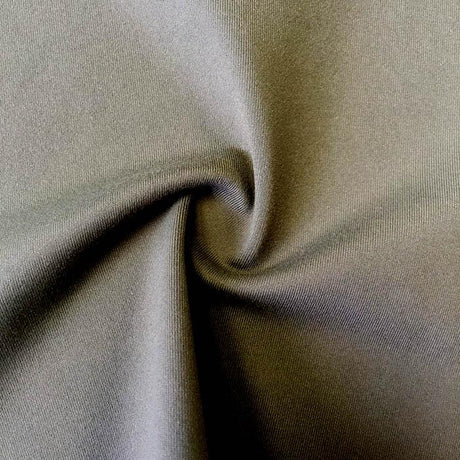
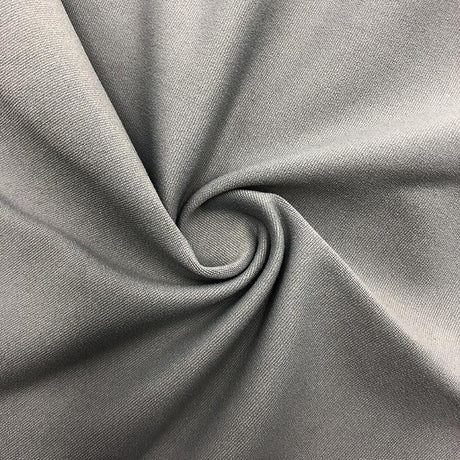
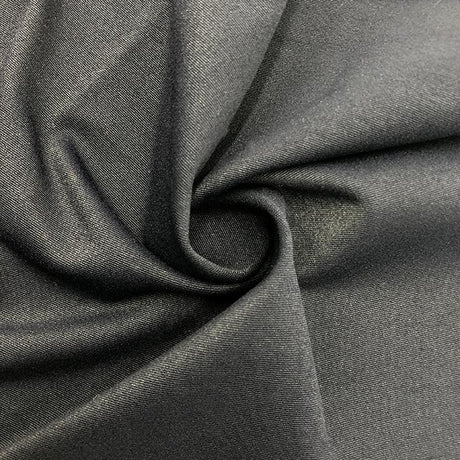
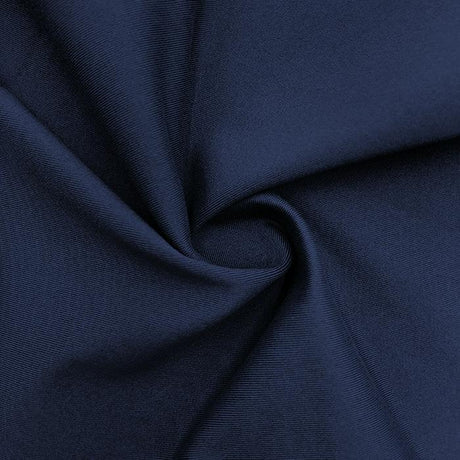
A gym bag works harder than most accessories. It lives in hot cars, gets stuffed with sweaty clothing, rubs against shoes and gear, and gets wiped down (or forgotten) more often than we’d like. If the outside fabric is the “first impression,” the inside is what determines whether the bag feels premium, stays organized, dries quickly, and holds up season after season.
That’s why choosing the right fabric for gym bag lining is not a minor detail—it’s a performance decision. The best linings reduce cling and snagging, improve airflow, support pockets and compartments, and make the bag easier to clean. They can even help manage moisture and freshness when you’re carrying damp gear.
In this guide, you’ll learn how performance fabrics sold by the yard—including meshes, brushed linings, moisture-management textiles, and structured spacer fabrics—fit into real sports-bag builds. You’ll also get practical selection tips for both professional manufacturers (spec-driven sourcing) and DIY bag makers (project-driven shopping).
What Is Fabric for Gym Bag Lining?
“Gym bag lining” isn’t one single fabric. It’s a functional interior layer (or set of layers) that typically does four things: protects seams and construction, improves usability (slip, pockets, comfort), helps manage moisture, and contributes to durability.
In performance-driven products, linings are often specialized knits or meshes chosen for breathability, stretch compatibility, and sweat handling—rather than traditional “silky” fashion linings.
The main lining categories used in sports bags
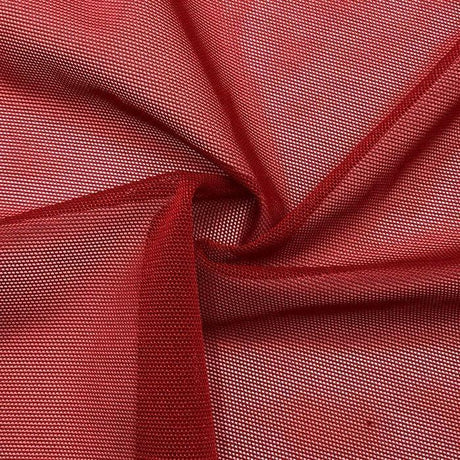
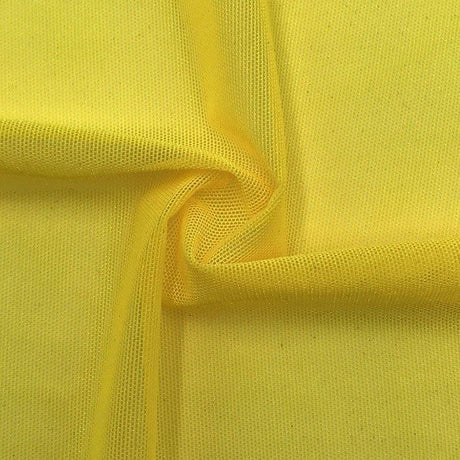
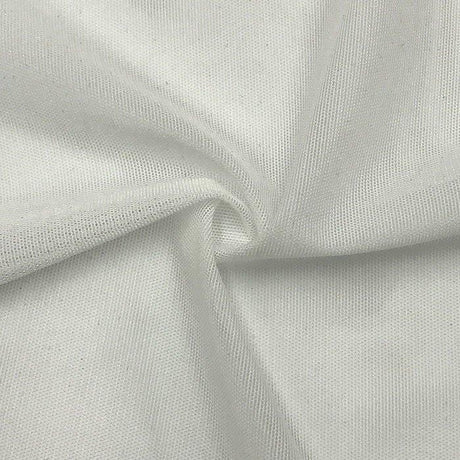
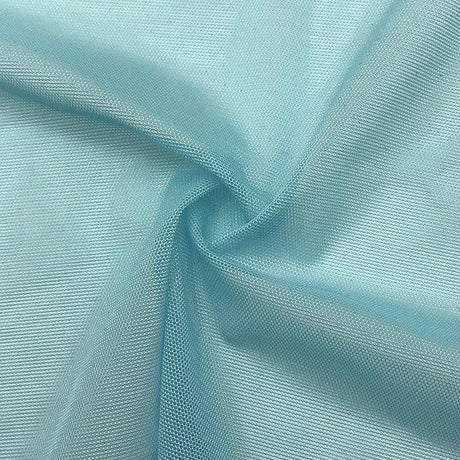
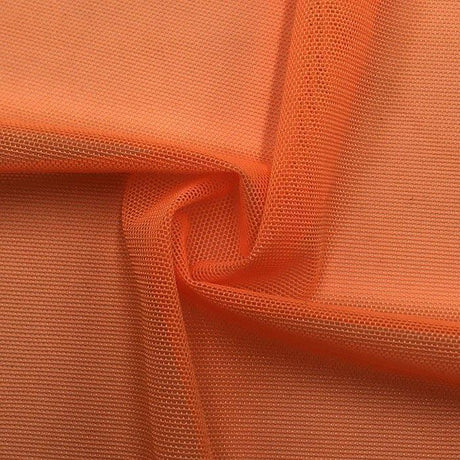
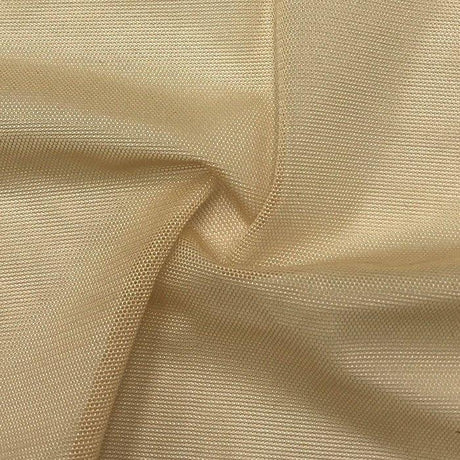
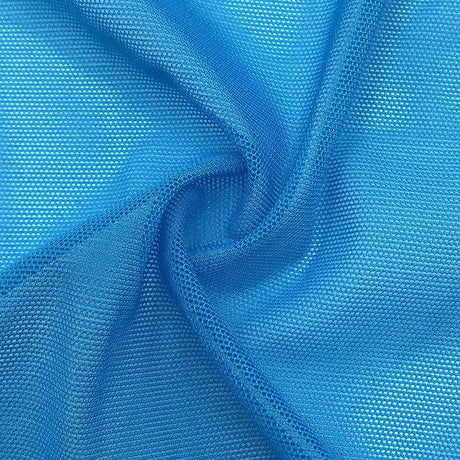
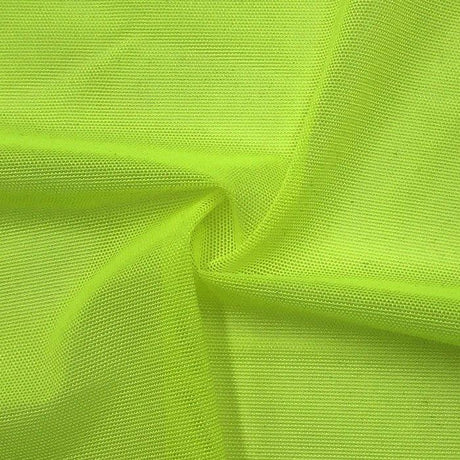
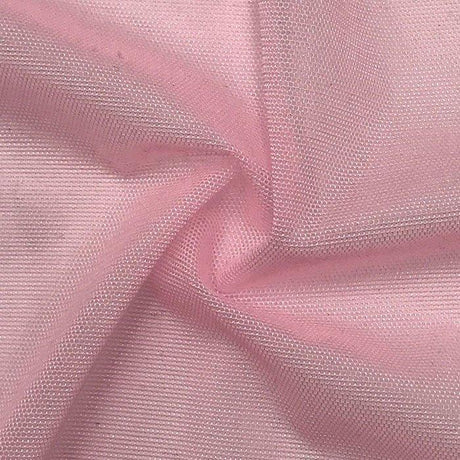
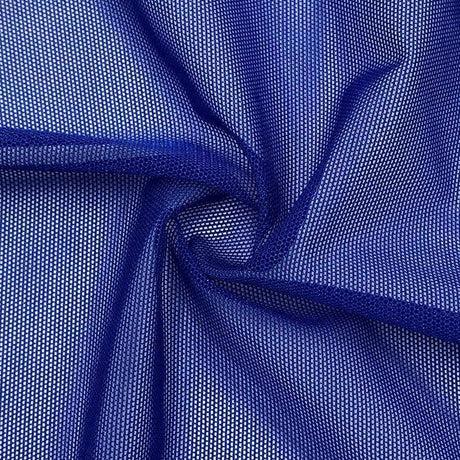
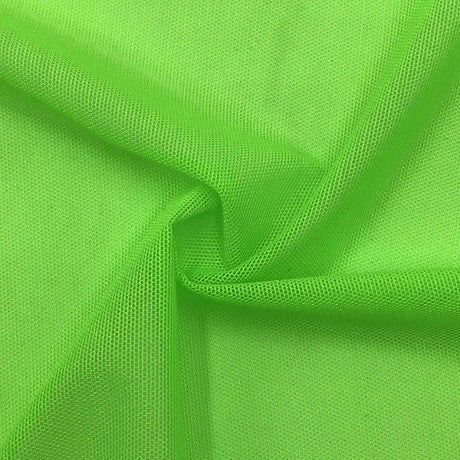
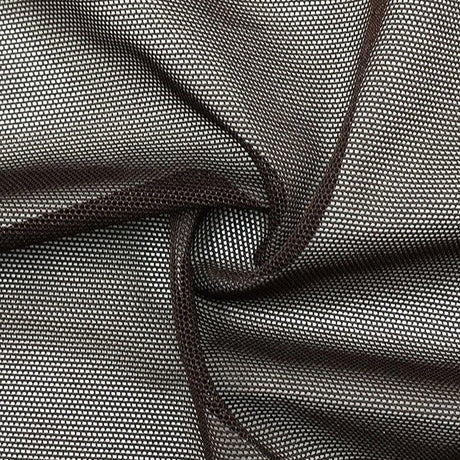
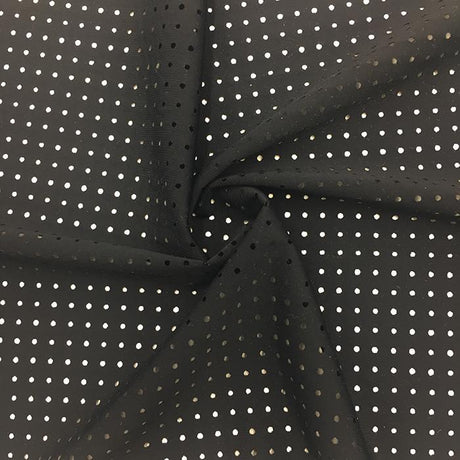
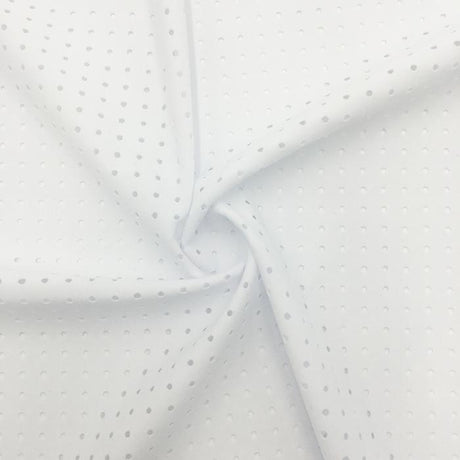
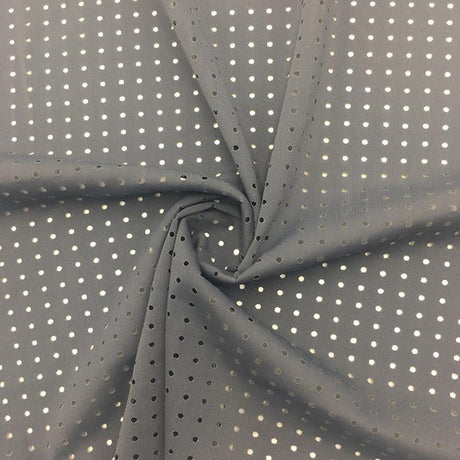
Breathable mesh linings are open-structure fabrics designed to promote airflow and quick drying—similar logic to how mesh is used in performance apparel and shells to reduce that “clammy” feel.
A good example is a lightweight polyester micro mesh like SP‑MS1 (100% polyester, 95 GSM, designed for maximum airflow).
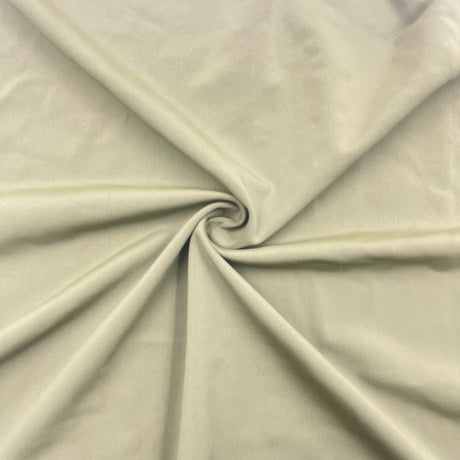
Soft brushed linings (brushed tricot / brushed knit linings) are used when you want a smoother, less abrasive interior that feels “finished” and helps reduce friction on contents. In sportswear, brushed tricot is described as a warp-knit fabric with one side brushed for a soft, velvety nap.
A lining-weight brushed tricot like SP‑BT1 is 100% polyester at 105 GSM and is specifically positioned for lining/pocketing uses.
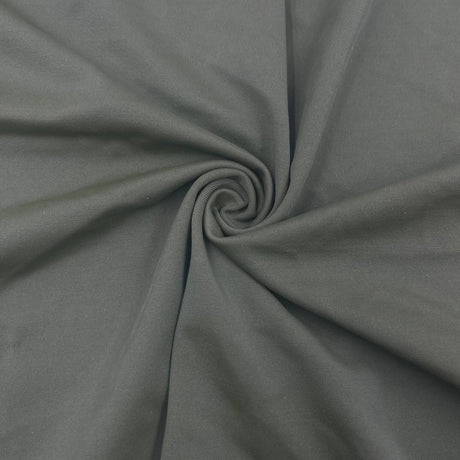
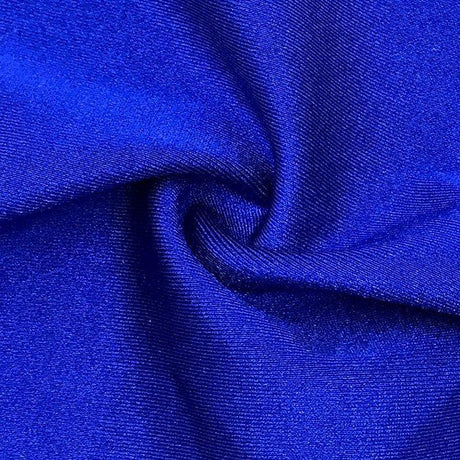
Moisture-management linings add engineered wicking and sometimes anti-microbial finishes—helpful when you’re building a bag meant to carry damp gear. For example, SP‑L10 is a 100% polyester lining with MaxDri moisture management designed to wick moisture, plus a Microblok anti-microbial finish intended to inhibit bacterial growth.
Structured “liner-adjacent” materials include spacer meshes and backing fabrics used to create shape, thickness, and airflow (especially in straps, back panels, and padded zones). 3D spacer mesh, for instance, is built as a “sandwich” structure: two outer faces held apart by internal filament yarns, typically warp-knitted, creating a ventilated 3D gap.

Key Performance Characteristics That Matter in Sports Bags
When you’re selecting the best fabric for gym bag lining, don’t shop only by color or “soft vs not.” Shop by measurable performance traits—because bags fail in predictable ways (snagging, stink, collapsed pockets, trapped moisture).
Stretch and recovery
For bag linings, stretch can be an advantage or a problem:
If your lining is used in pockets, bottle sleeves, or stretch compartments, controlled stretch helps the pocket grip items without bagging out. Spandex (elastane) is an elastomeric fiber (segmented polyurethane) used specifically for high elasticity.
If your lining is used as a full interior “drop lining”, too much stretch can make sewing tricky and cause a saggy interior over time. In those cases, choose stable knits (low stretch) or reinforce with construction methods rather than relying on stretch.
Pro sourcing tip: if you’re manufacturing, ask for stretch % and recovery (especially for knits). If you’re DIY, cut a 4" strip and stretch it firmly—then release and check if it snaps back cleanly or stays rippled.
GSM (fabric weight) and what it signals
GSM (grams per square meter) is one of the fastest “sanity checks” for whether a fabric is suited to lining vs pocketing vs structure.
Lightweight breathable pocket meshes often sit under ~100 GSM. SP‑MS1, for example, is 95 GSM—light enough for airflow but built for durability in athletic use.
Lining-weight brushed tricot like SP‑BT1 sits around 105 GSM, giving a slightly more substantial hand while staying flexible.
Moisture management linings like SP‑L10 are still lightweight (110 GSM) but add functional finishes for moisture and freshness.
Structural spacer meshes go much heavier: SP‑3D27 is 270–275 GSM and is designed to maintain structure while staying breathable.
Moisture management and breathability
Breathability is not just “comfort”—it’s a functional feature for bags holding damp gear. Mesh linings are built with an open structure that promotes airflow and quick drying.
Moisture management is more specific: wicking is the movement of liquid through a material by capillary action (often referenced in textile testing contexts).
A lining like SP‑L10 explicitly targets moisture control (MaxDri moisture management) and includes an anti-microbial finish.
Durability and abrasion resistance
Inside a gym bag, abrasion usually comes from shoes, zipper pulls, metal bottle edges, buckles, and repeated stuffing/un-stuffing. Nylon is widely valued as a fiber for strength and exceptional abrasion resistance.
Polyester is commonly selected for durability and quick drying; it’s also resistant to stretching and shrinking, and it dries quickly—attributes that help linings stay stable and easier to maintain.
Special performance traits for sports bags
Water repellency (DWR) for exteriors / splash zones: Durable Water Repellent (DWR) finishes are designed so water beads up and rolls off rather than soaking into the fabric.
If you’re building a bag exterior or base panel, a stretch woven with DWR like SP‑9019 (94% polyester / 6% spandex, 180–190 GSM, DWR finish) can add water-repellent protection while keeping flexibility.
Printability (sublimation-ready polyester): Dye-sublimation performs best on synthetic fabrics—especially high-polyester-content textiles—because the dye bonds with polymer fibers.
Many bag-relevant fabrics are offered in “PFP White” (prepared for print) and positioned as sublimation-ready, such as SP‑3D27 spacer mesh and SP‑BT1 brushed tricot.
If a fabric has a coating, note that coatings can interfere with sublimation by preventing dye penetration into the fibers.
Comparison with Similar Fabrics
Below is a practical lining-focused comparison you can use when choosing fabric for gym bag lining. (For structure and exterior shell fabrics, see the next section.)
|
Feature |
Brushed Tricot Lining (Primary) |
Poly Micro Mesh (Alternative) |
Moisture-Management PQ Lining (Alternative) |
|
Composition |
Often 100% polyester in lining weights (e.g., SP‑BT1) |
Often 100% polyester (e.g., SP‑MS1) |
100% polyester with moisture-management + anti-microbial finish (e.g., SP‑L10) |
|
Typical weight (examples) |
~105 GSM (SP‑BT1) |
~95 GSM (SP‑MS1) |
~110 GSM (SP‑L10) |
|
Stretch type |
Knit with modest stretch; brushed face emphasizes comfort |
Minimal stretch unless blended; open structure |
Typically stable knit/mesh; focuses on moisture transport |
|
Best for |
Premium “finished” interiors; reducing friction; pocket bags |
Ventilated pockets; shoe compartments; airflow zones |
Wet-gear compartments; sweat-heavy use; freshness control |
|
Pros |
Soft handfeel; durable for lining/pocketing; can be sublimation-ready in PFP white |
Maximum airflow; lightweight; easy-care |
Wicking + anti-microbial; lightweight; designed as high-performance lining |
|
Cons |
Less airflow than open mesh; can trap more lint than mesh (bag-use reality) |
Can snag on sharp edges; not “cushiony” |
More “technical” handfeel; may be overkill for simple tote interiors |
The fastest way to decide
If you want a clean, premium interior that feels good and wears well, start with brushed tricot.
If you want ventilation (especially for damp gear), add micro mesh zones.
If odor/moisture control is the priority, consider moisture-management lining for the “wet compartment.”
Best Uses and Applications for Sports Bags
A high-performing sports bag typically uses multiple fabrics—because “one fabric does everything” is how you get collapsed pockets, sweaty interiors, or a bag that feels cheap.
Mainstream sports bag components
Structured areas (shape, airflow, cushioning)
Back panels, strap padding, and structured side panels benefit from 3D spacer mesh. Technically, spacer mesh is a three-dimensional sandwich textile with two outer layers separated by internal filament yarns, often warp-knitted to compress and rebound.
SP‑3D27 is a 100% polyester 3D spacer mesh at 270–275 GSM and is presented as breathable while maintaining structure—used for applications including backpacks.
Breathable pockets and shoe compartments
Shoe compartments and “damp gear” zones usually perform better with mesh than with closed linings. A micro mesh like SP‑MS1 is designed to allow maximum airflow and is lightweight at 95 GSM.
This is also aligned with how mesh is described in performance linings: open, net-like structure for airflow and quick drying.
Interior walls and pocket bags (feel, durability, “premium finish”)
If you want your bag interior to feel smooth, reduce snagging, and look finished, brushed tricot is a strong option. Brushed tricot linings are described as warp-knit fabrics brushed on one side for a soft nap, prioritizing comfort and durability.
SP‑BT1 is a 100% polyester brushed tricot at 105 GSM, explicitly positioned for lining and pocketing, with a PFP white finish described as sublimation-ready.
Exterior shell options (for brands and makers building the full bag)
If you’re also sourcing the outer fabric by the yard, performance bag shells often use high-denier woven polyester “duck” or similar rugged wovens.
SpandexByYard’s Bags & Backpacks collection positions these fabrics as designed for strength and flexibility for high-performance bags and accessories.
Examples include 600D poly duck (SP‑AW87‑103A), 100% polyester, 235 GSM, positioned as heavy duty for bags/backpacks.
For maximum ruggedness, SP‑12D is described as a hybrid 1200D poly duck at 460 GSM with a PFP white face, and it includes a black poly interlock backing as a liner to add strength and support.
Use-case scenarios
Everyday commuter gym bag: Brushed tricot interior for easy slide-in/out; micro mesh side pocket; spacer mesh on shoulder strap padding.
Team / club bags with custom branding: Choose sublimation-compatible polyester faces for clean print results. Polyester is the top substrate for dye-sublimation because dyes bond with synthetic polymer fibers.
Wet gear + swim + shower bag builds: Consider swimwear-oriented linings and performance fabrics designed for chlorine/saltwater resistance in addition to stretch and recovery.
How to Choose the Right Fabric for Gym Bag Lining
This section is designed for two audiences: production teams (spec-first) and DIY makers (project-first). The best choices are the ones that match your bag’s real abuse.
Start with the “bag reality” questions
Ask these before you buy:
Will the bag carry wet/sweaty gear often? If yes, prioritize mesh + moisture-management linings.
Will the bag carry shoes? If yes, add a mesh zone for airflow and faster drying.
Does the bag need to stand up / hold shape? If yes, plan on structure fabrics (spacer mesh, quilted backings, or structured shell fabrics).
Is the bag for premium retail or utility? Premium interiors often favor brushed linings; utility interiors may favor mesh for airflow or moisture tech for performance.
Fabric “job matching” (simple decision guidance)
Choose brushed tricot when you want a smoother, more finished interior and comfortable pocketing—especially for the main compartment.
Choose micro mesh when ventilation and quick drying are key (shoe pockets, outer stash pockets).
Choose moisture-management lining when you want an interior that actively wicks and stays fresher longer with an anti-microbial finish.
Choose 3D spacer mesh when you need structure + airflow + cushioning (straps/back panels).
Budget + print considerations
If you’re adding custom prints, prioritize polyester faces designed for sublimation. Dye-sublimation works best on high-polyester-content synthetics because the dye bonds with the polymer fibers.
Also note: coatings can interfere with sublimation by blocking dye penetration.
Common Mistakes to Avoid
Using the wrong needle type for knits and stretch linings
Many performance linings (mesh, tricot, spandex blends) are knits. Needle choice matters because knits are loops, not interlaced yarns like wovens.
SCHMETZ notes that the Jersey needle uses a rounded tip designed to push fibers aside and reduce damage to knit loops, and for elastic knits containing spandex you should use a Stretch needle, which is designed to help avoid skipped stitches.
Ignoring stretch recovery where it matters
If you’re using stretch mesh or spandex blends for pockets, poor recovery shows up as “bagged-out” pockets fast. Use fabrics with known performance behavior (composition + intended use) and test with your heaviest real item.
Skipping edge finishing on spacer mesh
Spacer mesh is layered. Designers sometimes cut it and leave edges raw—then wonder why it frays or delaminates.
A spacer mesh buying guide warns that neglecting edge finishing can lead to fraying or layers separating, and recommends seam allowances that cover raw edges or binding/seam covers.
Treating DWR like permanent waterproofing
DWR helps water bead and roll off the surface, but it’s a finish that benefits from care and can degrade with dirt and use.
If your bag exterior uses a DWR fabric, plan for real-world maintenance rather than assuming it will always bead.
Cutting without considering grain, stretch direction, and print alignment
If you’re using printed performance fabrics (especially sublimation-ready whites), check panel orientation early. Misaligned prints in gussets and pockets are one of the fastest ways to make a bag look “homemade” instead of professional.
Ready-to-Use Checklists
Pre-cut checklist (DIY + production sampling)
- Pre-test fabric behavior with your actual use case (shoes, wet towel, metal bottle).
- Confirm GSM/weight matches the fabric’s “job” (pocket vs lining vs structure).
- Mark stretch direction for pockets (especially if you want grip).
- If sublimating, verify the face is polyester and suitable for dye-sublimation workflows.
Sewing checklist for performance linings and meshes
- Use a ballpoint/jersey needle for knits; switch to a stretch needle for highly elastic fabrics with spandex to reduce skipped stitches.
- Test stitches on scraps to dial in tension (mesh + tricot can behave very differently).
- Bind or cover spacer mesh edges (don’t leave them raw) to reduce fraying/delamination risk.
- Reinforce high-stress pocket corners and zipper ends (bartacks or boxed stitches).
Final QA checklist (especially for manufacturers)
- Pocket load test (with the heaviest intended item).
- Seam inspection for skipped stitches on stretch linings.
- Airflow test for shoe compartment (mesh zones should actually vent).
- Wipe-down test (does the interior clean easily?).
Care and Longevity Tips
Washing and drying (linings, meshes, and stretch components)
Most gym bags don’t get “laundered” like garments, but linings do get sweaty and grimy. If you’re making a washable bag or removable lining, focus on gentle handling—especially with spandex blends.
A care guide for spandex emphasizes air drying and avoiding harsh handling like wringing/twisting, which can stretch or damage elastic fibers.
DWR care (if you’re using water-repellent shell fabrics)
DWR is designed so water droplets bead up and roll off rather than wetting out the surface.
If water stops beading, cleaning and re-treating may be required—REI notes DWR can be tested and revived with proper care routines.
Storage tips that actually matter for sports bags
Let the bag fully dry before storing (especially shoe compartments). Mesh helps here because it promotes airflow and quick drying.
If the bag includes spacer mesh padding, drying thoroughly helps prevent trapped moisture inside the 3D structure.
When to Consider an Alternative Fabric
Even the best fabric for gym bag lining isn’t universal. Here’s when you may want to switch categories.
When cotton-spandex can beat nylon-spandex (and when it can’t)
Cotton is comfortable because it absorbs and releases moisture quickly.
That can feel great for “soft-touch” interior pouches—but cotton-lined compartments can also hold moisture longer than synthetics in real wet-gear scenarios. If your bag often carries damp items, synthetics designed for quick drying and moisture management tend to perform better.
When neoprene-style fabrics are a better choice
If your goal is structure + cushion + protection (think: laptop sleeve panel inside a gym backpack, or a protective bottle sleeve), neoprene-style materials can make sense. SpandexByYard describes its neoprene fabric as offering elasticity and structure and being made from a nylon-spandex blend.
This is a different “job” than a lightweight lining—more like padding or a structured insert.
When standard mesh makes more sense than 3D spacer mesh
3D spacer mesh is cushioned and breathable and is often warp-knitted with a multi-layer structure that compresses and rebounds.
But it’s also bulkier than single-layer mesh and can add cost and thickness.
If you just need airflow for a pocket, a lightweight micro mesh (like SP‑MS1 at 95 GSM) is often the better tool.
Conclusion
Choosing the right fabric for gym bag lining is about matching materials to real-world abuse: moisture, abrasion, odors, and constant movement. The most reliable sports bags use a system of fabrics—soft linings where feel matters, breathable mesh where airflow matters, moisture-management fabrics where wet gear lives, and structured spacer textiles where comfort and shape matter.
If you want a premium interior, brushed tricot linings are a strong baseline.
If you need ventilation, micro mesh pockets and compartments are hard to beat.
If you’re building for heavy sweat/wet gear, moisture-management lining with anti-microbial protection is a smart upgrade.
And if your bag needs breathable cushioning and structure, 3D spacer mesh is purpose-built for that role.
FAQ
Is micro mesh good for a gym bag shoe compartment?
Yes. Mesh linings are specifically valued for their open structure that promotes airflow and quick drying, which helps damp items dry out faster.
What’s the best fabric for gym bag lining if I want it to feel “premium”?
A brushed tricot lining is a strong choice when you want a softer, smoother interior and durable pocketing/lining performance.
How durable is 3D spacer mesh for straps and back panels?
3D spacer mesh is designed as a structured, breathable sandwich textile and is widely used in applications like backpacks and padded zones where cushioning and airflow are needed.
How should I sew knit linings like mesh or tricot to avoid skipped stitches?
Use the right needle type: SCHMETZ recommends jersey/ballpoint-style needles for knits, and a stretch needle for highly elastic knits containing spandex to reduce skipped stitches.
Can I sublimate-print lining fabrics for custom interiors?
Often, yes—especially when the lining is polyester. Dye-sublimation performs best on synthetic polyester-rich fabrics because the dye bonds with polymer fibers; many PFP-white polyester linings are positioned as sublimation-ready.