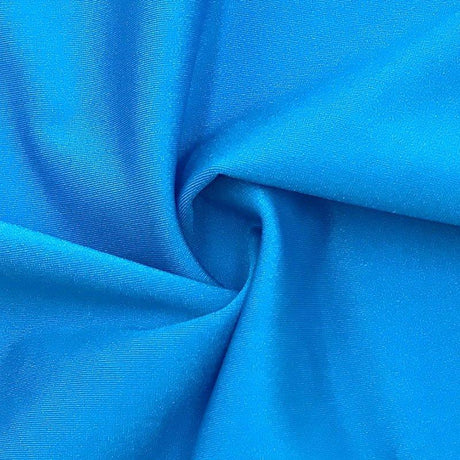
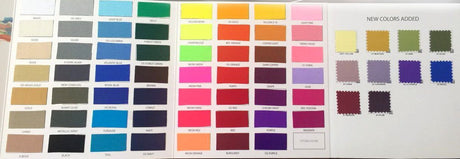
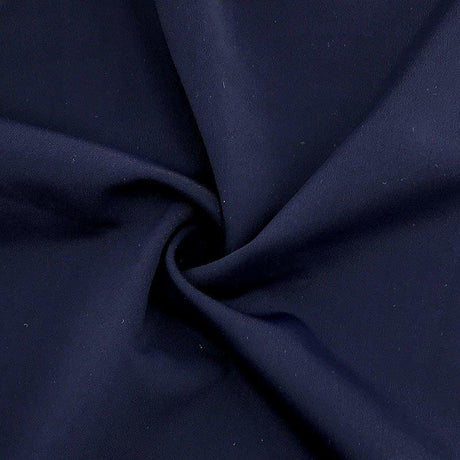
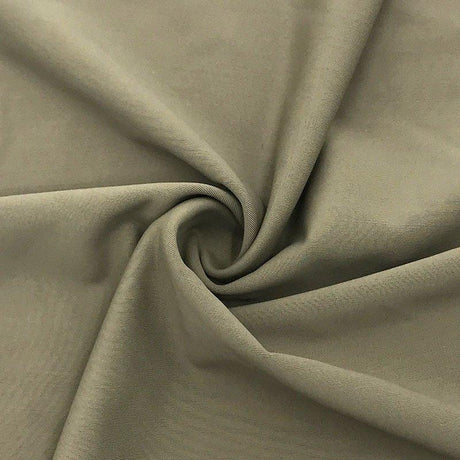
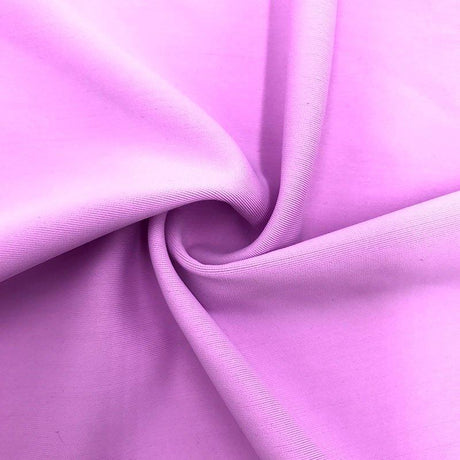
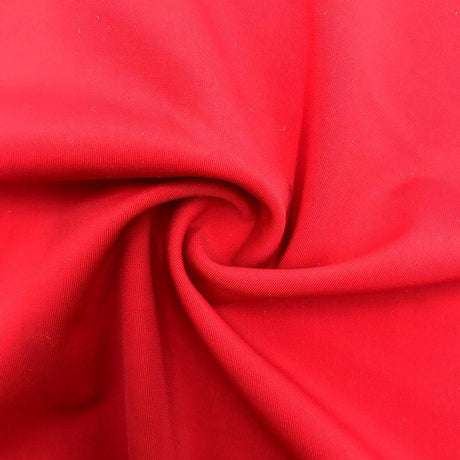
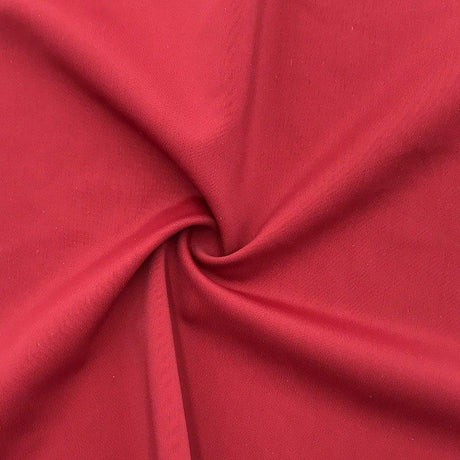
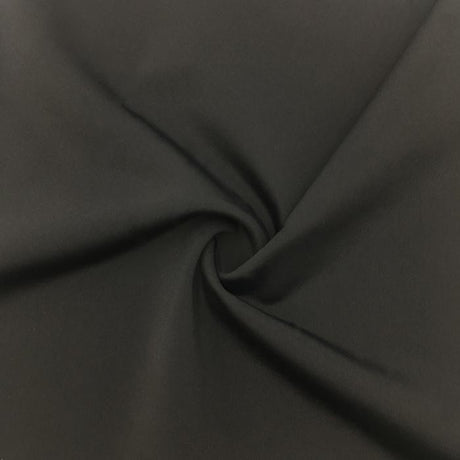
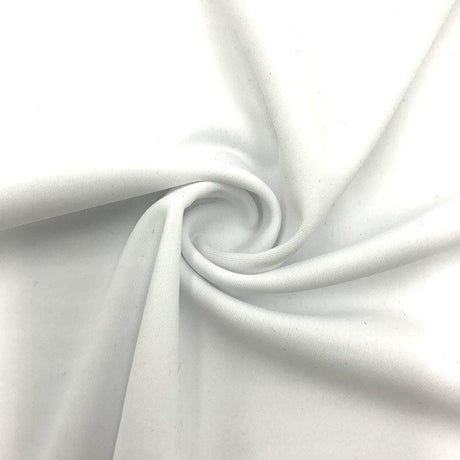
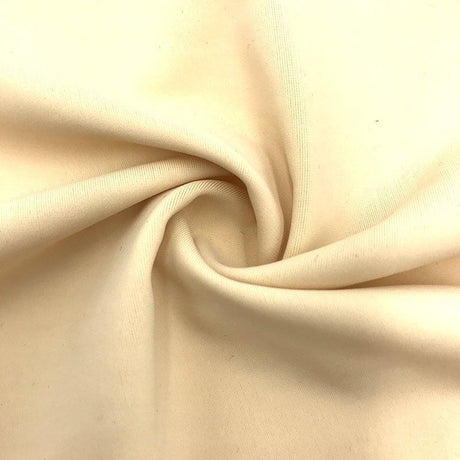
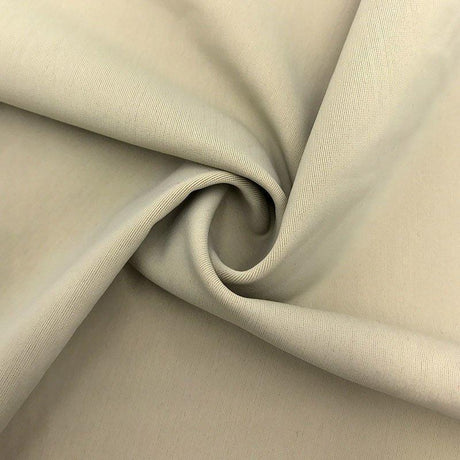
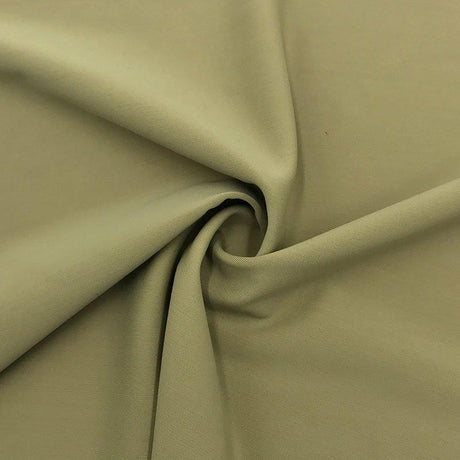
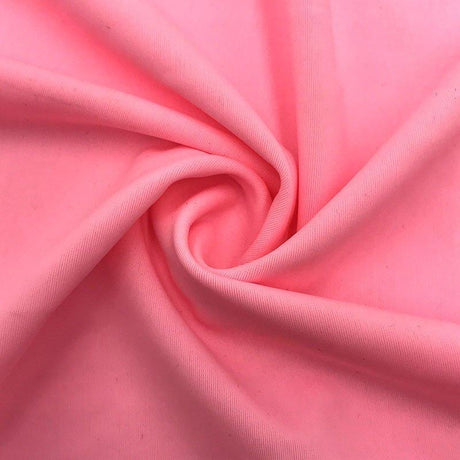
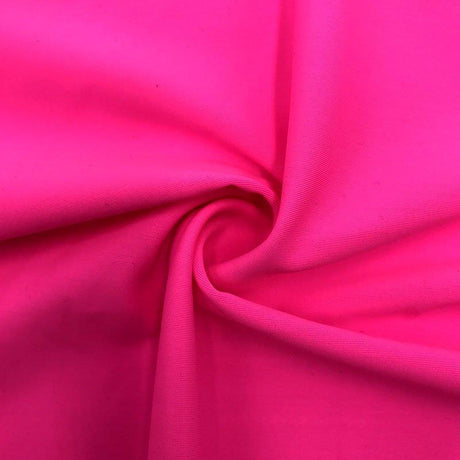
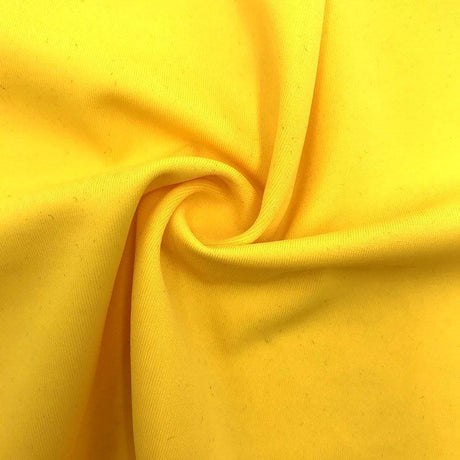
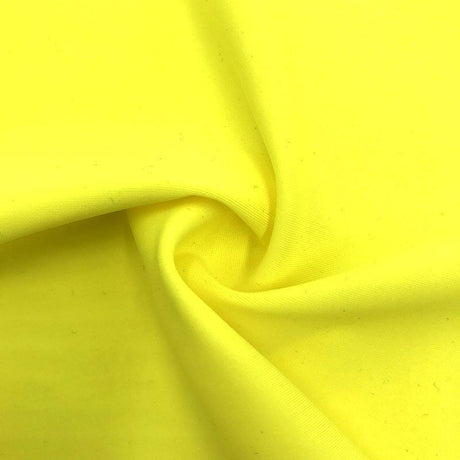
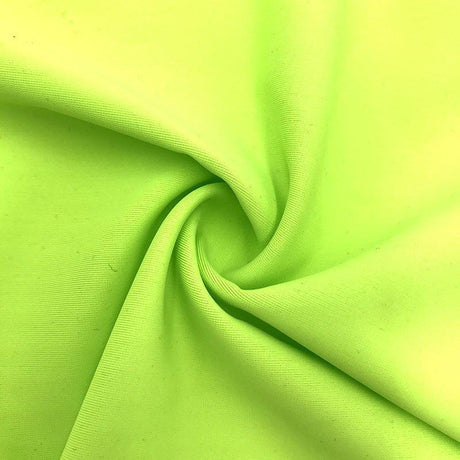
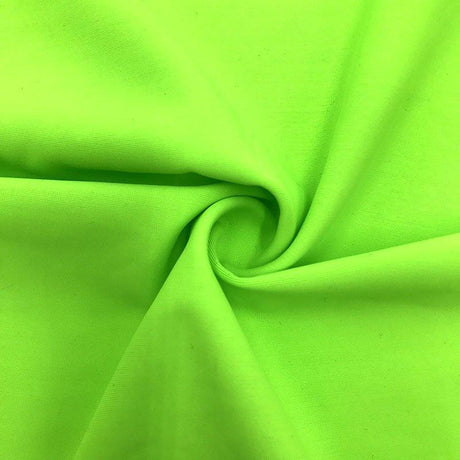
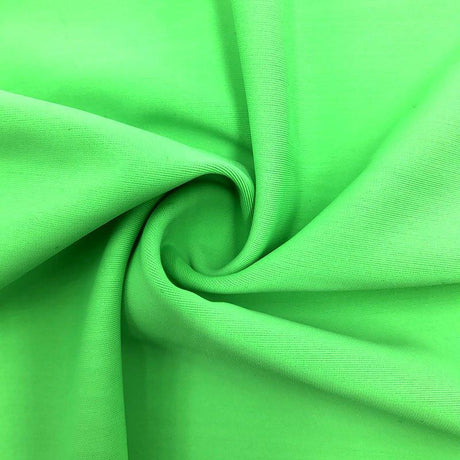
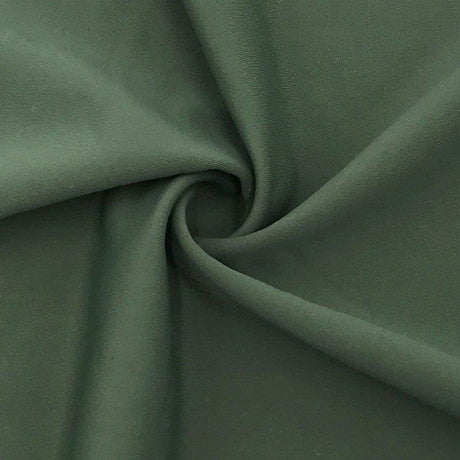
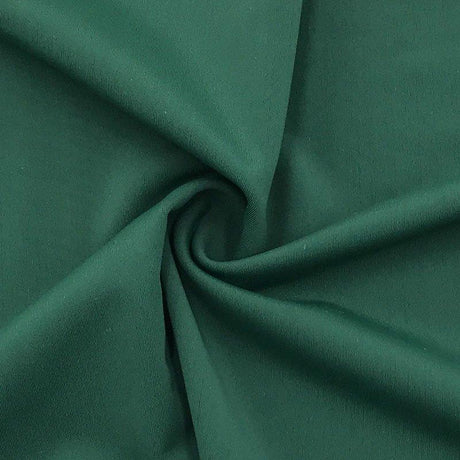
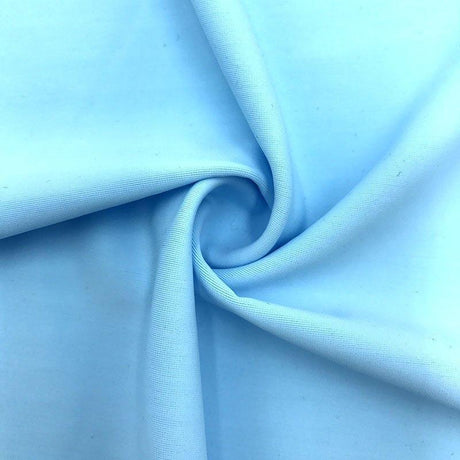
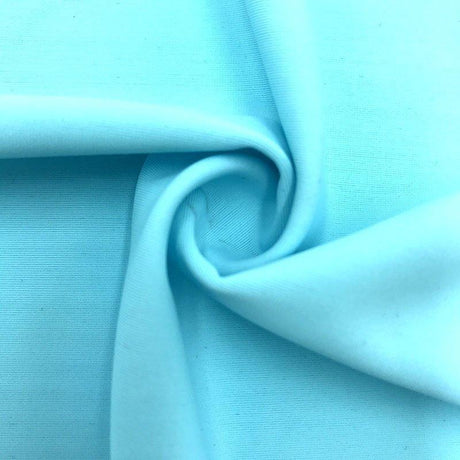
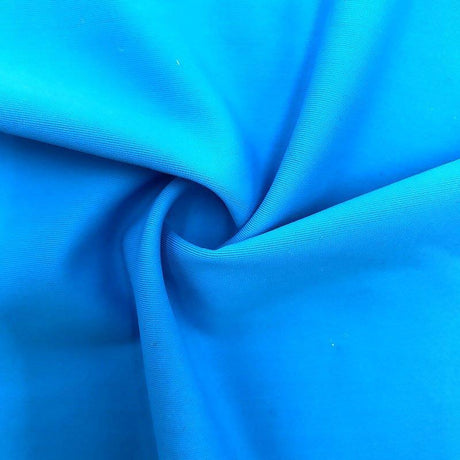
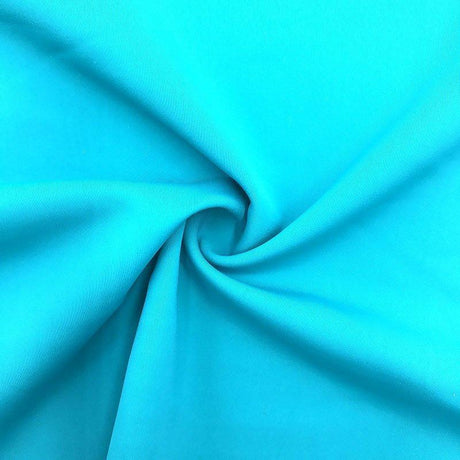
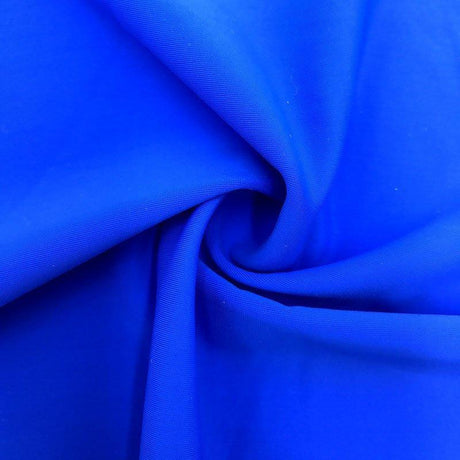
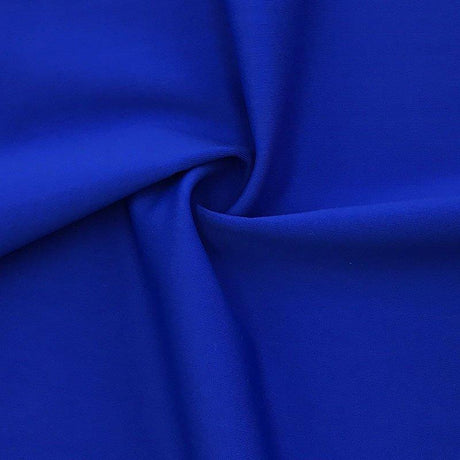
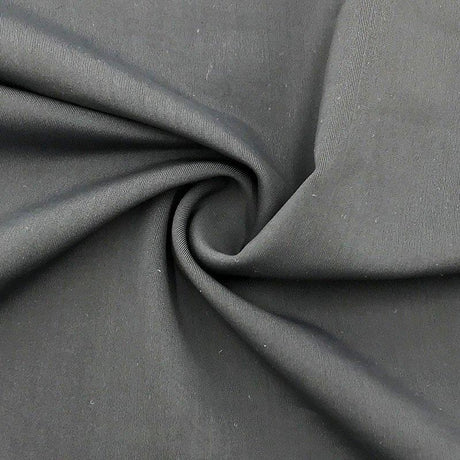
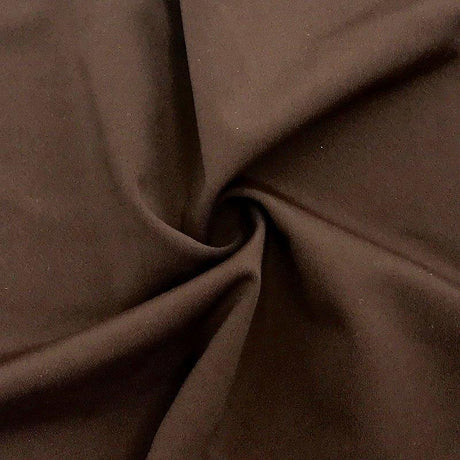
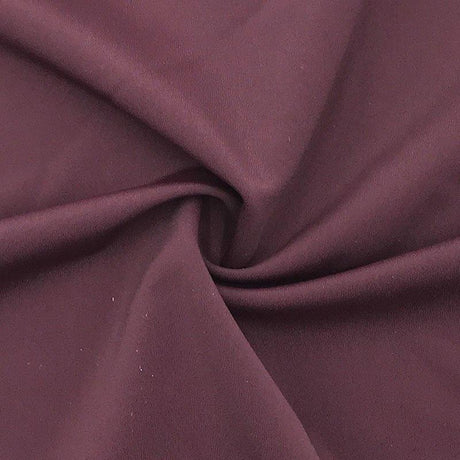
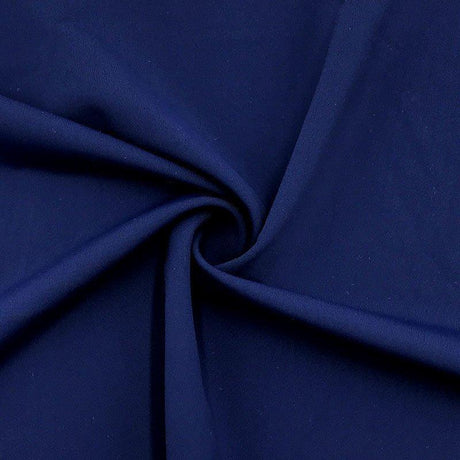
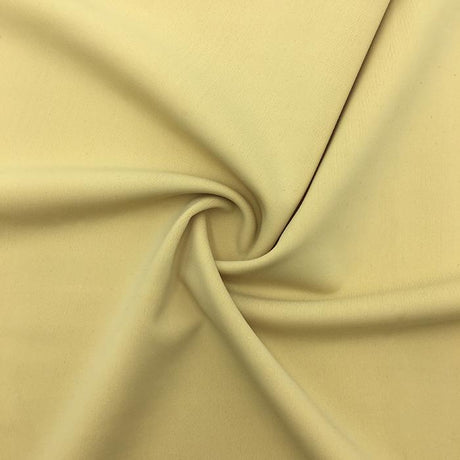
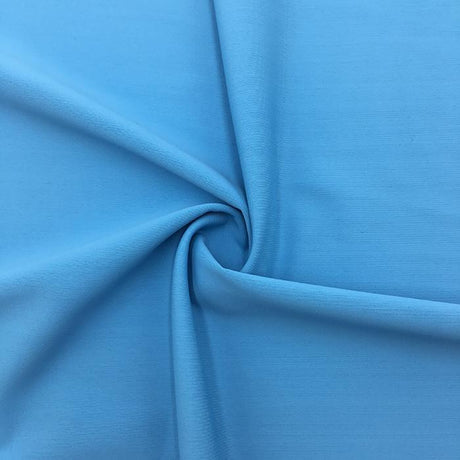
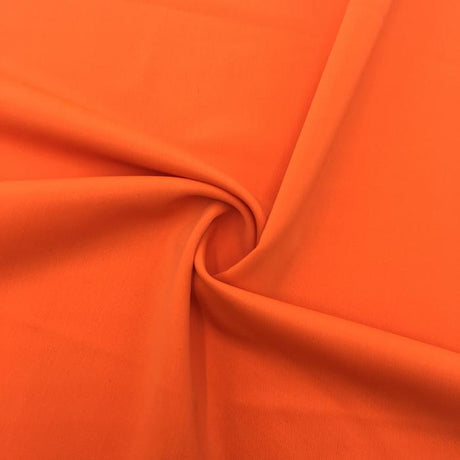
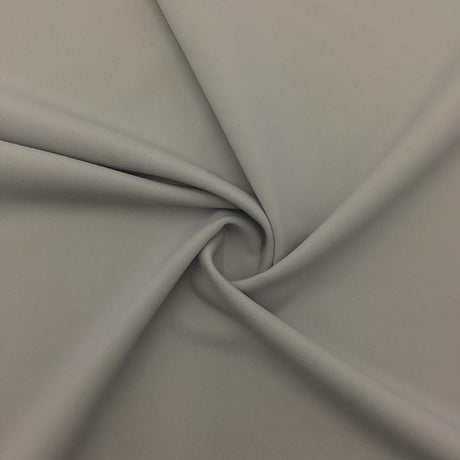
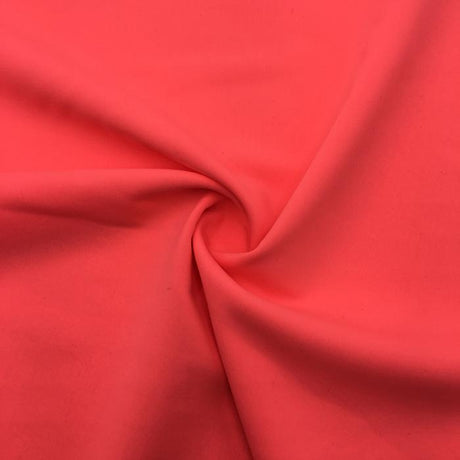
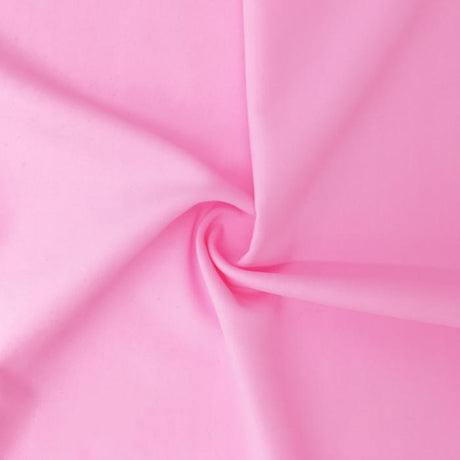
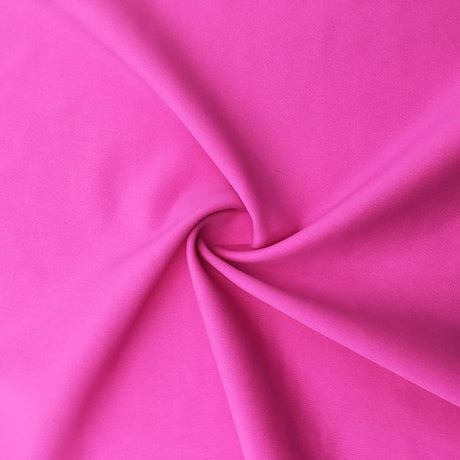
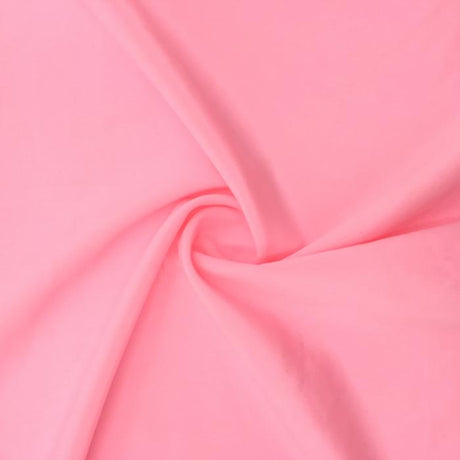
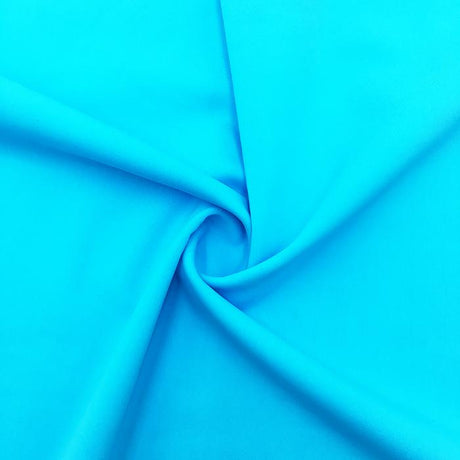
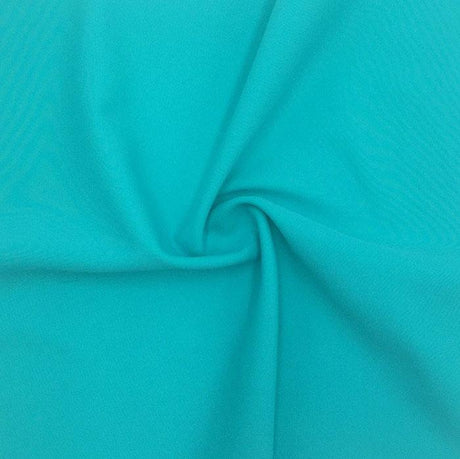
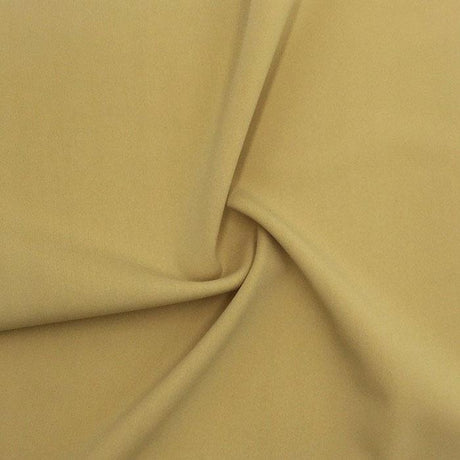
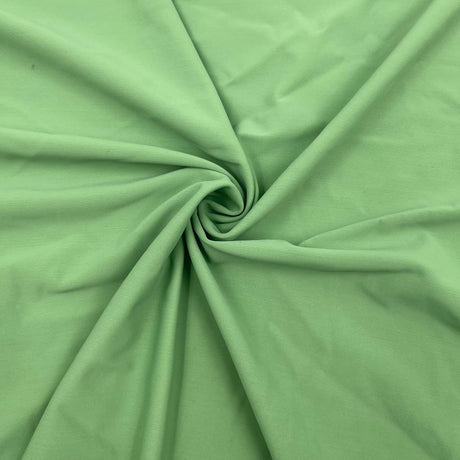
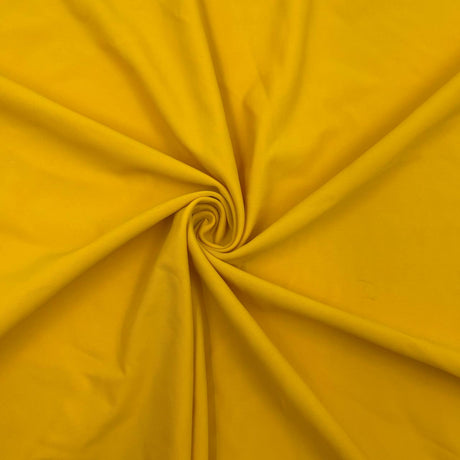
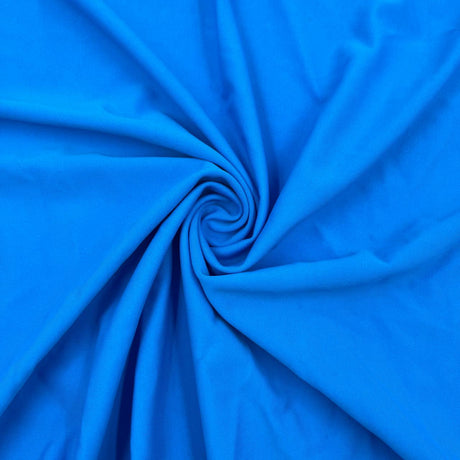
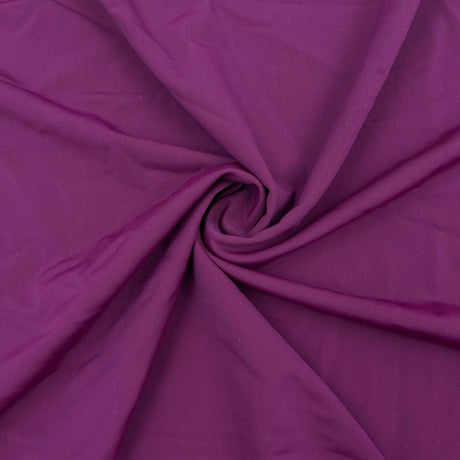
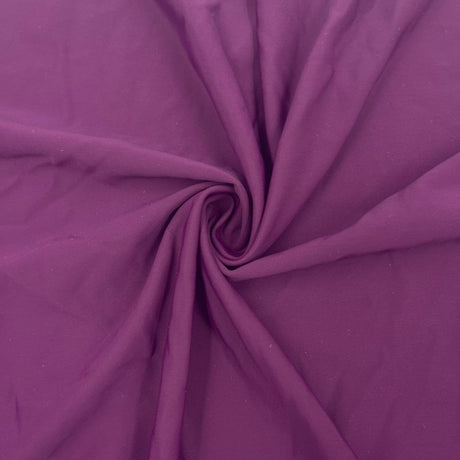
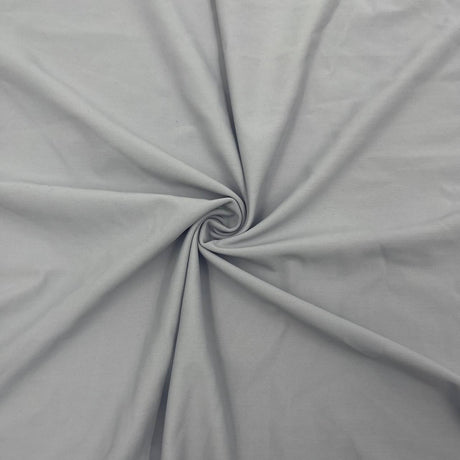
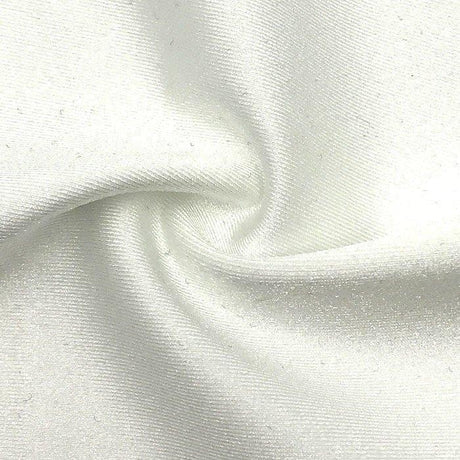
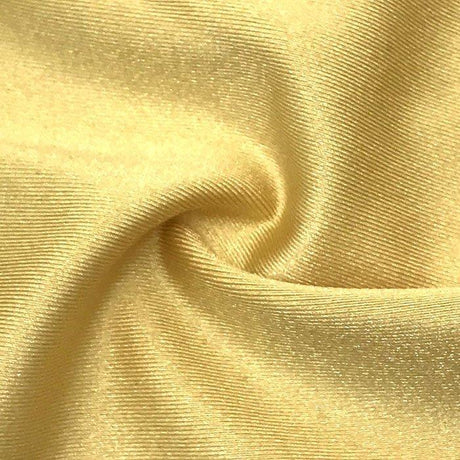
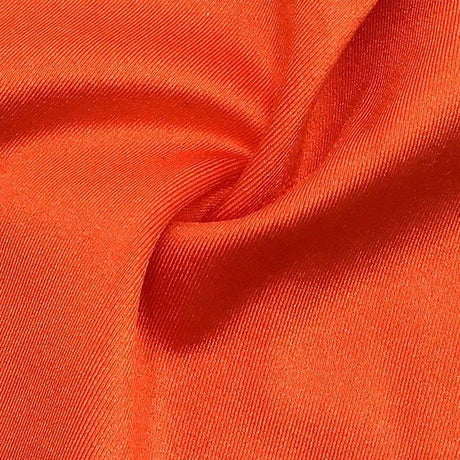
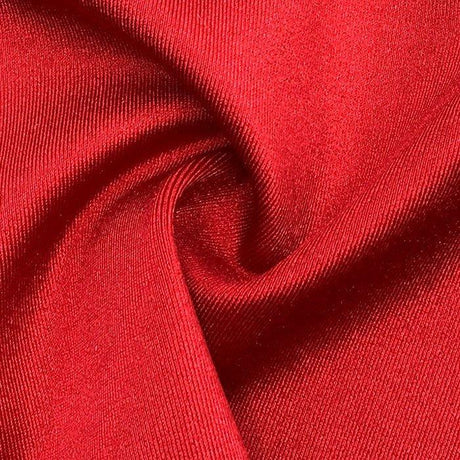
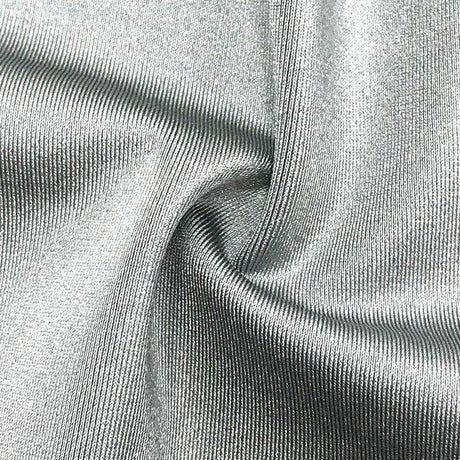
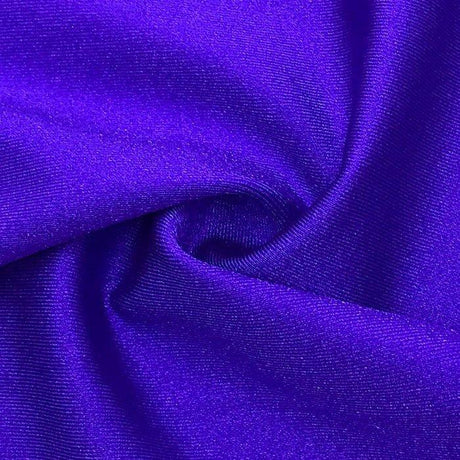
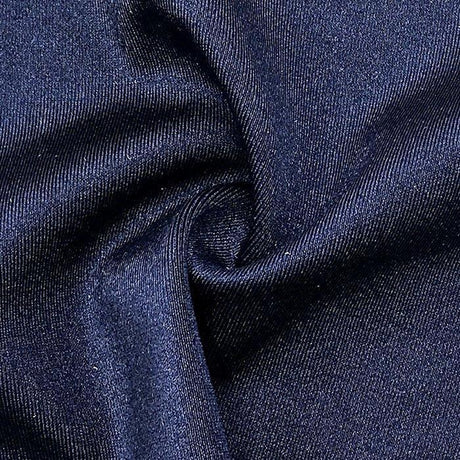
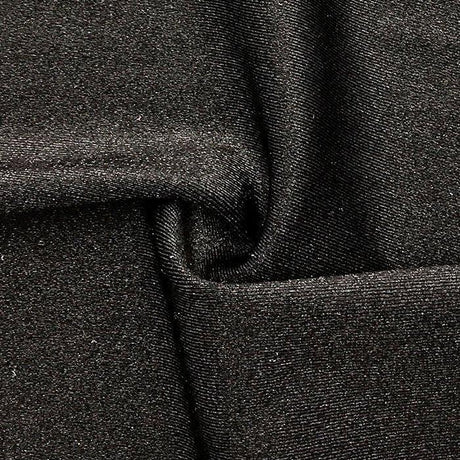
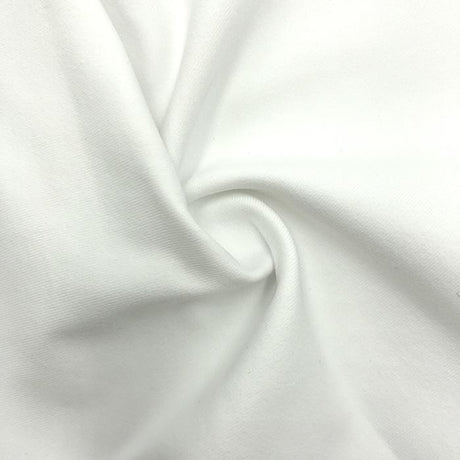
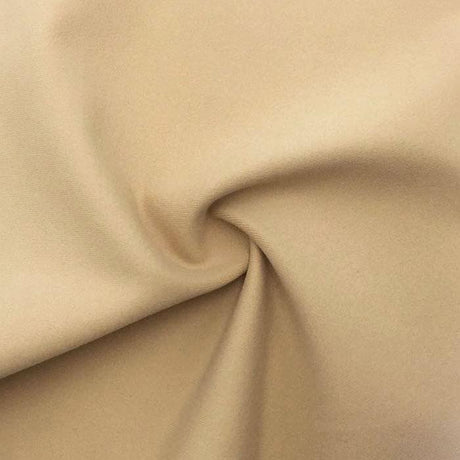
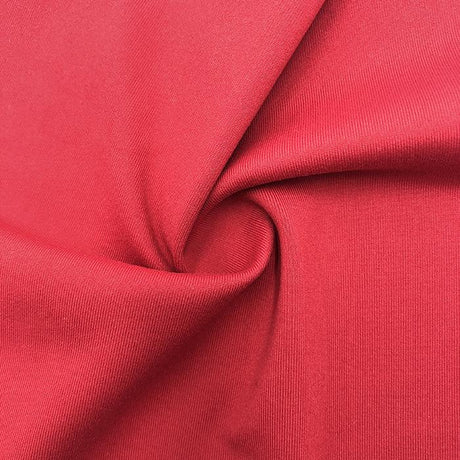
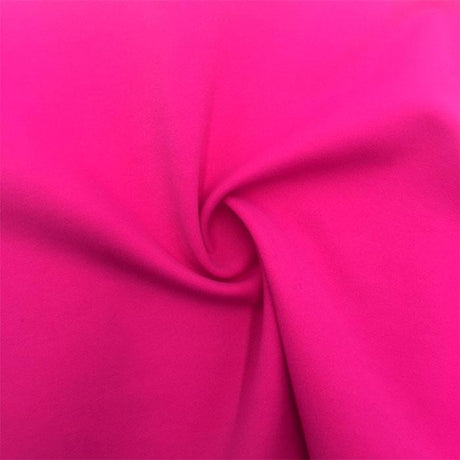
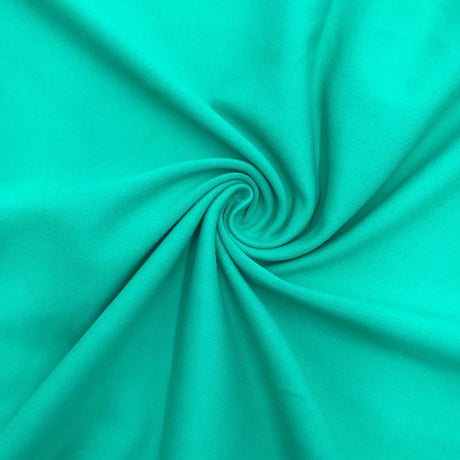
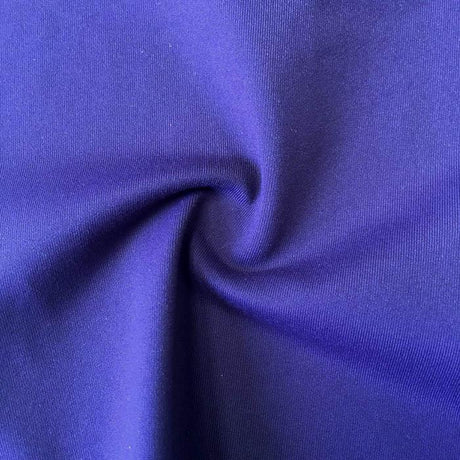
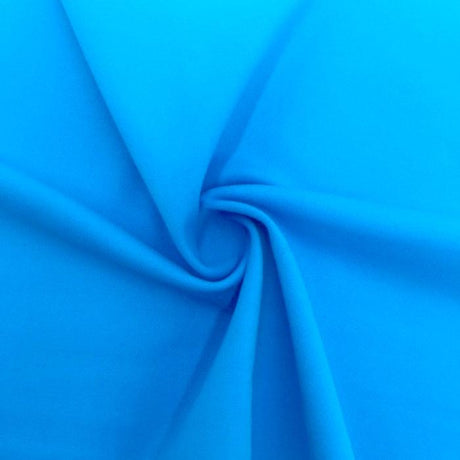
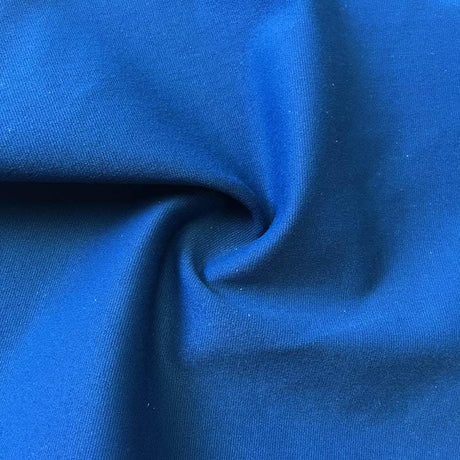
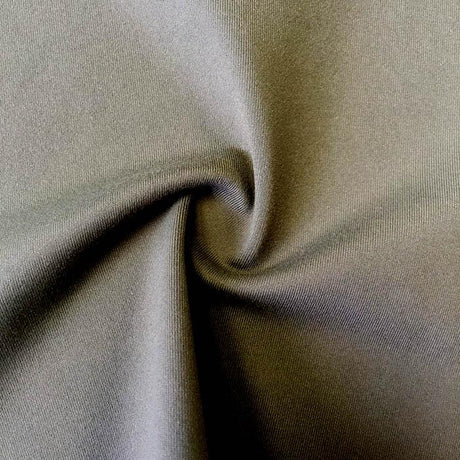
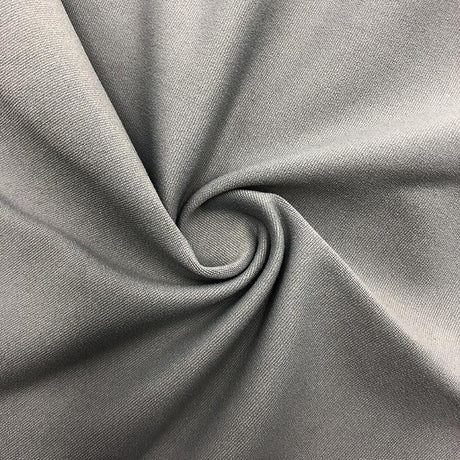
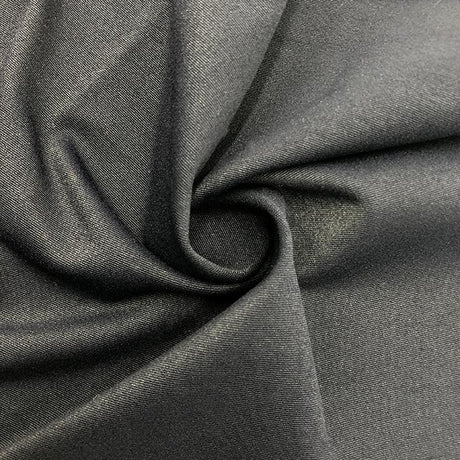
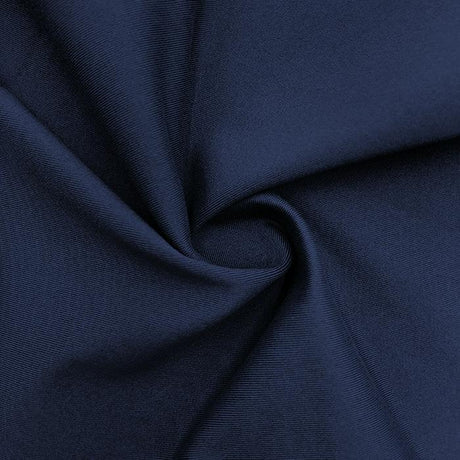
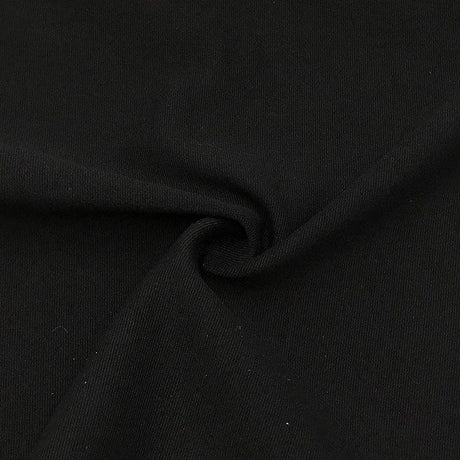
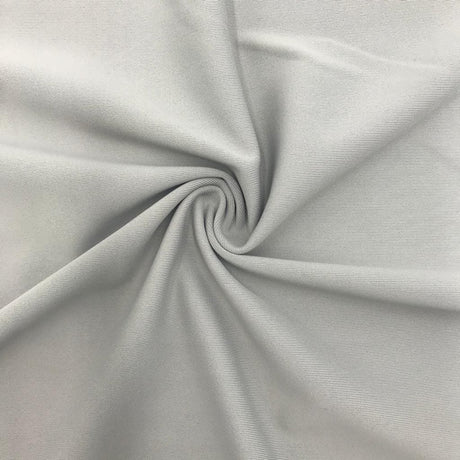
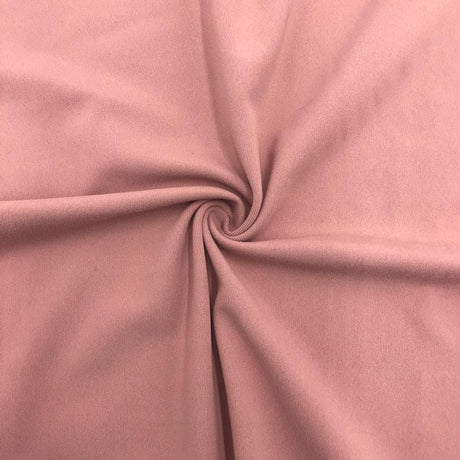
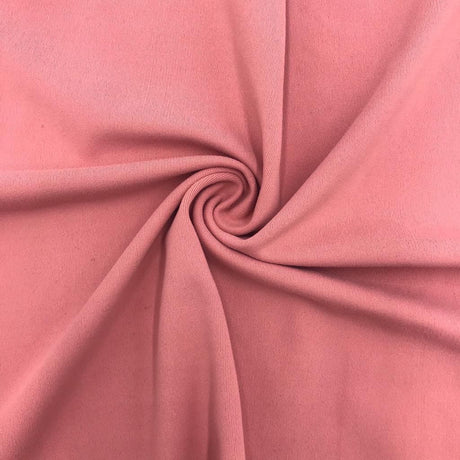
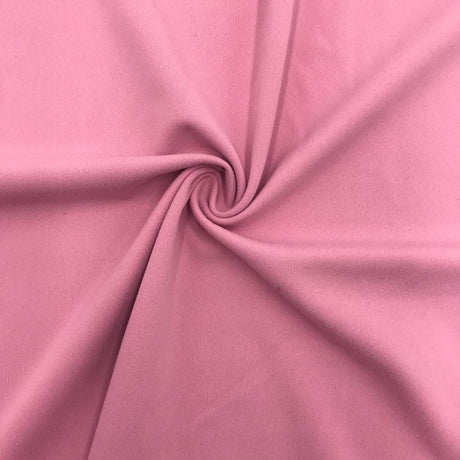
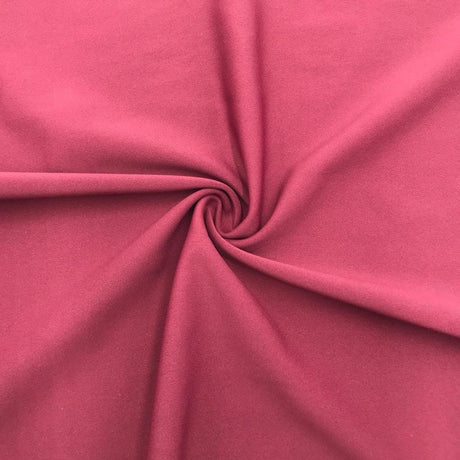
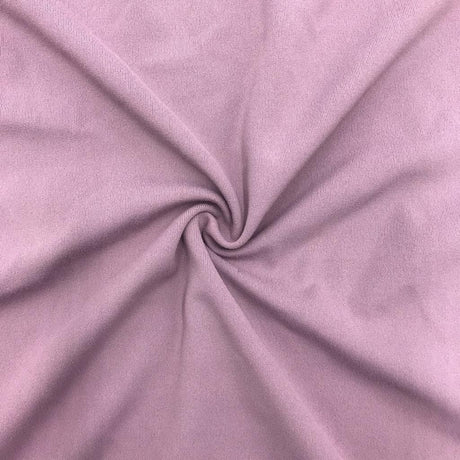
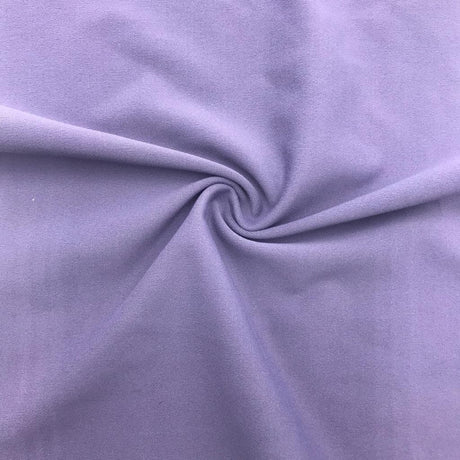
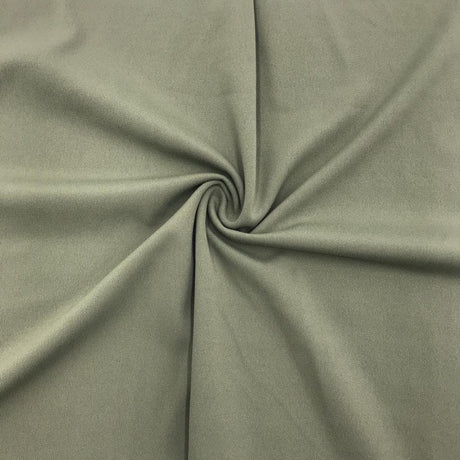
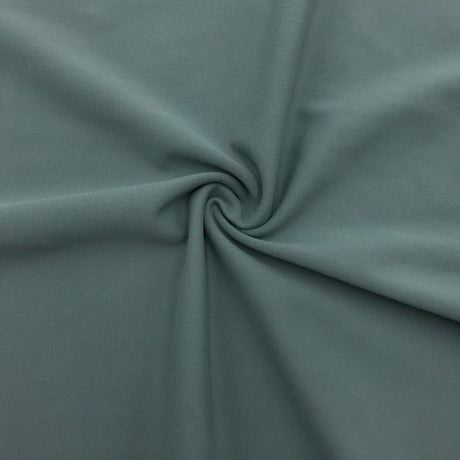
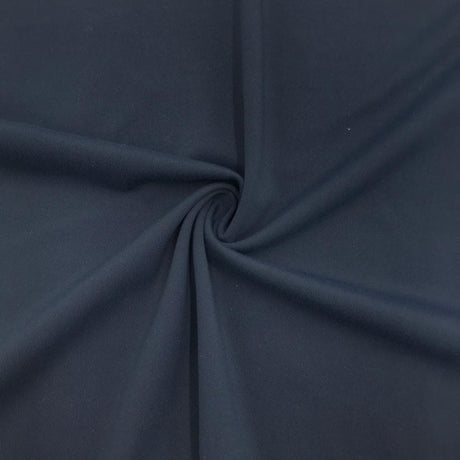
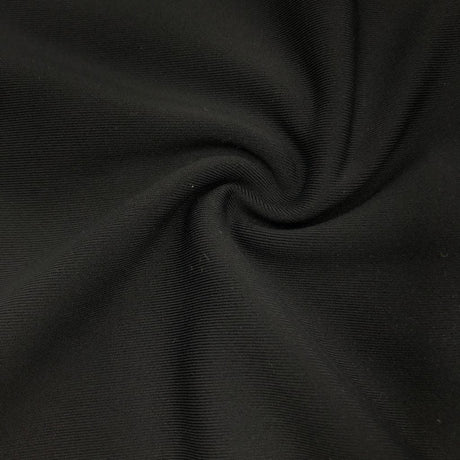
If you’ve ever tested a workout headband that slides up during a run, feels soaked and heavy after a few minutes, or loses its snap after a handful of washes, you already know the hard truth: a headband is only as good as its fabric. For brands, teams, and apparel manufacturers, those failures become returns, poor reviews, and inconsistent fit scoring across sizes. For DIY makers, they become wasted time and “why does this look great but wear badly?” frustration.
When you’re sourcing fabric for workout headbands and wristbands, you’re not shopping for “cute stretch.” You’re selecting a small technical component that must solve multiple performance problems at once: stretch + recovery for stay-put fit, sweat control (wicking or absorption, depending on the design), and skin comfort against high-friction zones like hairlines and wrists.
This guide breaks down the performance fabrics commonly sold by the yard—nylon-spandex, moisture management knits, cotton-spandex, mesh, fleece-backed options, and printed spandex—and shows how to choose the right one for your product line or DIY project with confidence, using the same criteria professionals use in development and sourcing. (You’ll also find sewing tips, checklists, and care guidance.)
What Is Fabric for Workout Headbands?
“Fabric for workout headbands” isn’t one single textile—it’s a category of stretch knits engineered (or selected) to perform under sweat, heat, motion, and repetitive laundering.
The core construction: stretch knits with elastane
Most high-performance headbands are made from knitted fabrics that include spandex (also called elastane) for stretch and shape retention. In the U.S., “spandex” and “elastane” are used interchangeably as the generic name for this class of elastic fibers.
A key technical nuance: highly elastic garments are rarely made of 100% spandex. Spandex is typically blended with nylon (polyamide) or polyester, which provide the primary strength and surface characteristics—while spandex supplies controlled stretch and recovery.
How it differs from “regular” stretch fabric
Workout headbands differ from everyday fashion accessories because they require:
- High recovery / low growth (so the band doesn’t “bag out” after being stretched on and off repeatedly). This is the same performance concern addressed in knit stretch/growth test standards used in apparel development.
- Moisture behavior that matches the use case: either engineered wicking (to move sweat away and dry fast) or intentional absorbency (to hold sweat without dripping).
- Comfort at contact points: soft handfeel, low irritation, and minimal seam bulk.
Where to source performance fabrics by the yard on SpandexByYard
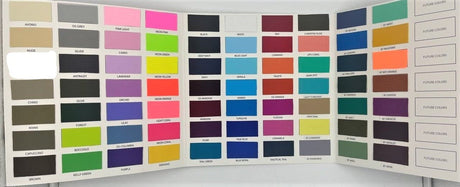
SpandexByYard organizes performance textiles across multiple collections that are directly relevant for headbands and wristbands—such as Nylon Spandex Solids, Moisture Management Spandex, Printed Spandex, Stretch Mesh Fabric, Spandex Fleece Pro-Stretch, and more.
Key Performance Characteristics That Matter for Headbands and Wristbands
A headband is small, but it is tested hard. Use these attributes as your “spec sheet” when selecting fabric by the yard.
Stretch and recovery
- Stretch is how far the fabric extends; recovery is how well it returns. Poor recovery causes “relaxing,” where a headband feels secure on day one and loose by day ten.
- In sourcing language, you are managing fabric growth—the tendency to remain elongated after stress—an issue explicitly recognized in knit stretch testing for form-fitting products.
Practical cue: If you stretch a 4" wide fabric strip and it doesn’t “snap back” cleanly, it will likely creep in a headband.
Weight (GSM) and thickness
GSM (grams per square meter) influences:
- Opacity and coverage (important for wide headbands)
- Compression feel (helpful for “grip” on the head)
- Dry time (heavier fabrics can hold more moisture and dry slower)
For example, some mesh and lining products list very light weights (e.g., ~82–95 GSM items appear within mesh/lining assortments), which may be better as liners than as the primary headband body.
Moisture management and breathability
Sweat control is not one behavior—it’s a design choice.
Wicking (move moisture away):
Moisture-wicking fabrics rely on capillary action and fiber engineering. Polyester is naturally hydrophobic (very low moisture regain), but can be treated or structured to wick effectively.
Absorption (hold moisture):
Cotton is hydrophilic and absorbs moisture readily; however, highly absorbent fibers may not “push” moisture away from skin as efficiently as engineered wicking systems.
How professionals measure it:
AATCC TM195 evaluates liquid moisture management across both fabric surfaces and reports metrics like wetting time, absorption, spreading speed, one-way transport, and overall moisture management capacity (OMMC) to simulate perspiration exposure.
Durability and abrasion resistance
Headbands experience:
- friction from hair and skin oils
- abrasion from repeated washing
- stretching over seams and elastic
Nylon 6,6 is valued in textiles for properties such as tensile strength, abrasion resistance, and tear strength, which is one reason nylon-spandex blends are common in active products.
If you develop headbands for gyms, studios, or team programs, you may also care about standardized abrasion evaluation (for example, Martindale-based methods used in textile testing).
Softness and skin-feel
Two fabrics can have identical stretch but feel completely different:
- Brushed faces feel warmer/softer and can add “grip” against hair
- Tricot and smooth jerseys feel sleek and reduce friction
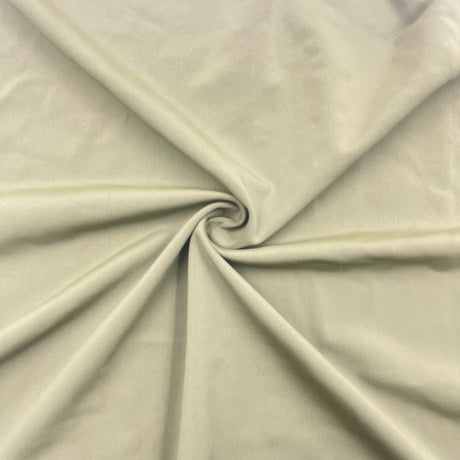
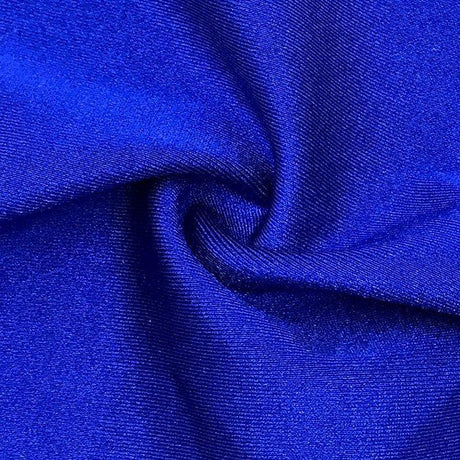
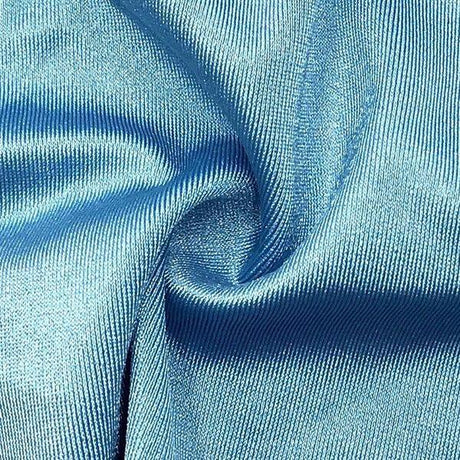
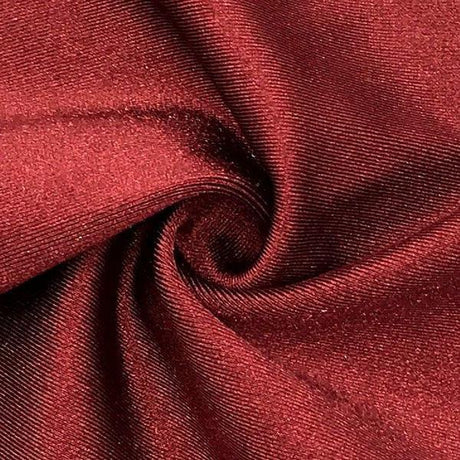
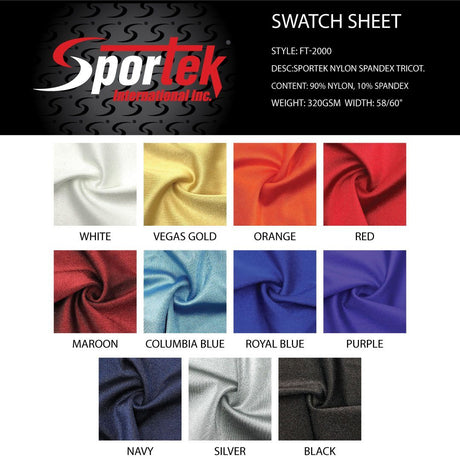
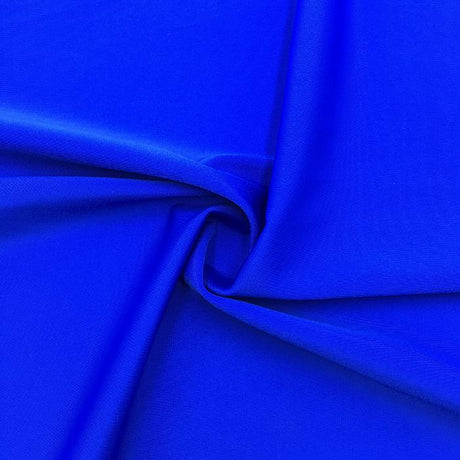
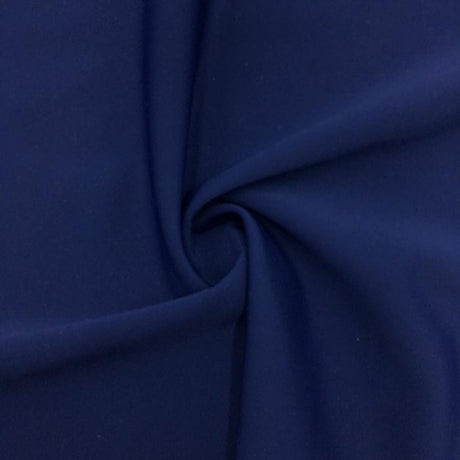
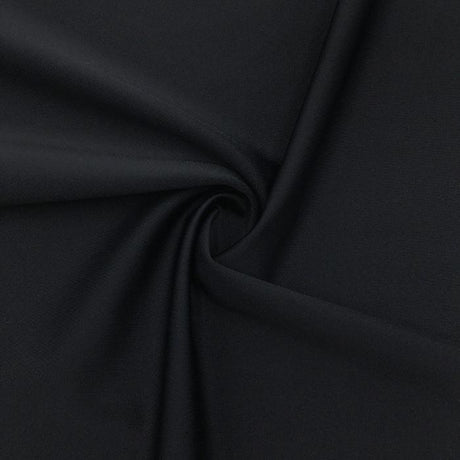
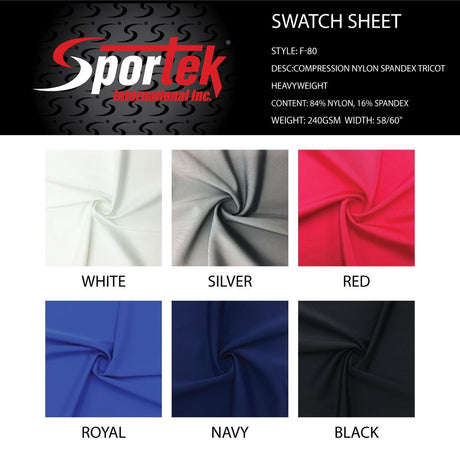
Within SpandexByYard’s nylon-spandex offerings, there are multiple constructions (tricot matte, tricot shiny, jersey, heavy compression and super stretch options), which is useful because construction impacts both feel and performance.
Special performance traits you might want
Depending on end use, you may want fabrics that offer:
- Dye-sublimation readiness / custom printing for branded accessories
- Chlorine / UV resistance for swim headbands or surf/tri accessories
- Warmth + breathability for cold-weather ear warmers or ski-run headbands
Comparison of Popular Fabrics for Performance Headbands
Below is a practical comparison of three common “core” directions for fabric for workout headbands.
|
Feature |
Nylon-Spandex (Tricot/Jersey) |
Moisture-Management Poly-Spandex |
Cotton-Spandex Jersey |
|
Composition |
Nylon + spandex blend (varies by style) |
Often poly + spandex; designed to wick |
Cotton + spandex blend |
|
Stretch type |
Typically strong multi-direction stretch; good snap-back in active constructions |
4-way stretch is common in “moisture management” knits |
Comfortable stretch, usually softer and less “slick” |
|
Sweat behavior |
Nylon is used in sweat-wicking apparel; spandex adds movement (typical blend behavior) |
Engineered to wick sweat away; often optimized for breathability |
Cotton absorbs moisture naturally; can feel wetter/heavier over time |
|
Best for |
Stay-put headbands, sleek performance styles, dance/athletic accessories |
High-sweat training, running, hot yoga, team gear with custom prints |
Studio/gym comfort, casual athleisure headbands, sensitive-skin feel |
|
Pros |
Durable, lightweight/breathable characteristics; strong activewear heritage |
“Stay cool and dry” intent; designed for performance + printing |
Soft, breathable comfort; cotton’s moisture-absorbing properties + stretch |
|
Cons |
Can feel less “cozy” than cotton; shine can vary by construction |
Hydrophobic base fiber means wicking depends on structure/finishes |
May hold sweat longer; drying time can be slower (depends on weight/finish) |
How to read this table: The “best” choice is the one that matches your intended sweat strategy (wick vs absorb) and your fit strategy (soft comfort vs higher snap and stability). Moisture performance can be validated using standardized moisture-management evaluations such as AATCC TM195 when you need objective comparability across SKUs and suppliers.
Best Uses and Applications for Performance Headbands and Wristbands
Mainstream apparel and accessory categories
Activewear headbands
Nylon-spandex is positioned by SpandexByYard as a go-to fabric for athletic wear and active lifestyle garments, with noted elasticity and breathable characteristics.
Fashion headbands and statement accessories
Printed spandex collections highlight performance + visual impact, using printed blends of nylon and polyester spandex (including tricot wet-print options) and emphasizing elasticity and resilience.
Wristbands / sweatbands
Wristbands typically benefit from either (a) absorbent comfort (cotton-spandex direction) or (b) wicking + quick dry (moisture-management poly-spandex direction). Cotton-spandex is described by SpandexByYard as combining cotton’s natural moisture-absorbing properties with spandex stretch for comfort and movement.
Performance-driven use-case scenarios
Everyday wear (commute, casual gym, errands)
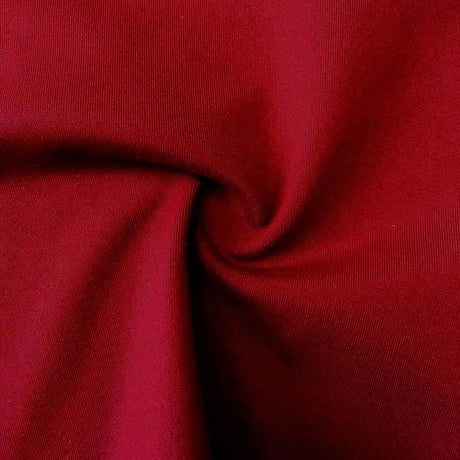
A softer cotton-spandex jersey often feels less “technical” and more lounge-friendly while still stretching comfortably.
High-sweat training (HIIT, running, cycling, studio sessions)
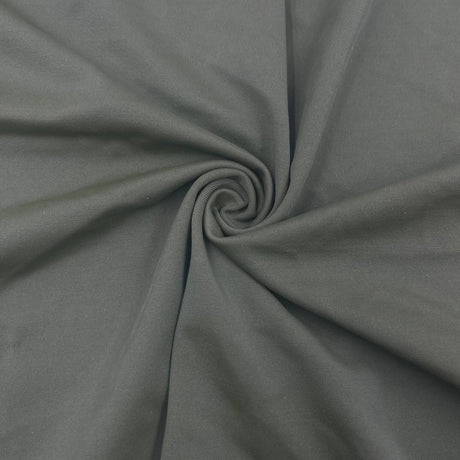
Moisture management spandex collections are explicitly positioned to “stay cool and dry,” with 4-way stretch, breathability, and suitability for training and daily wear.
Breathability-focused designs (vented headbands, layered styles)
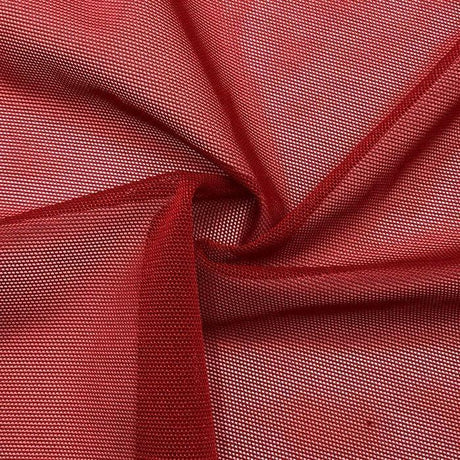
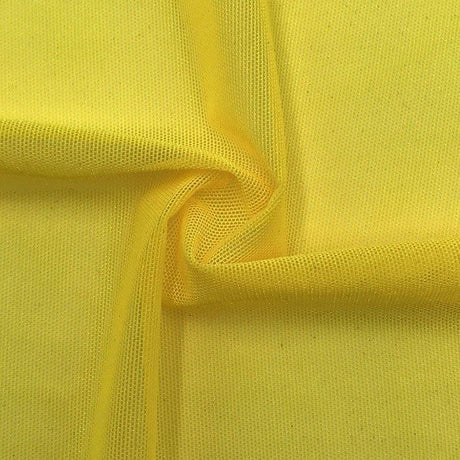
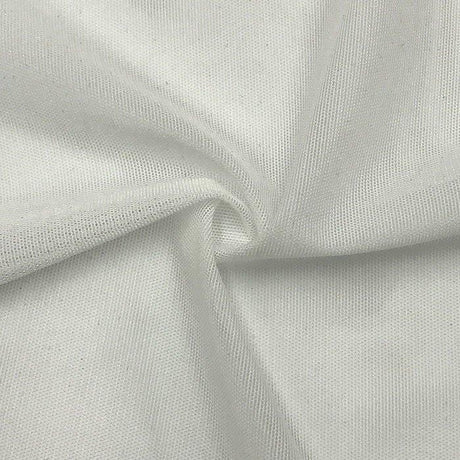
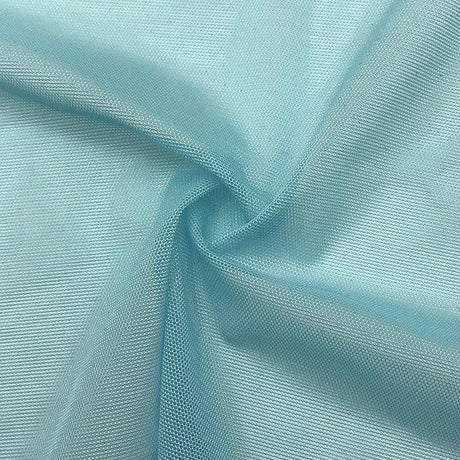
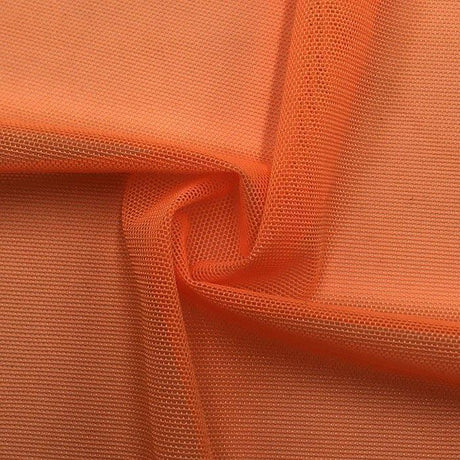
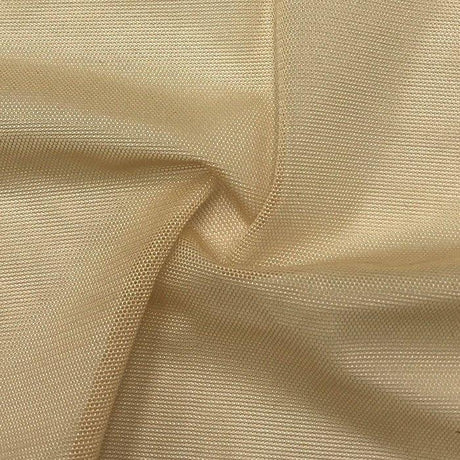
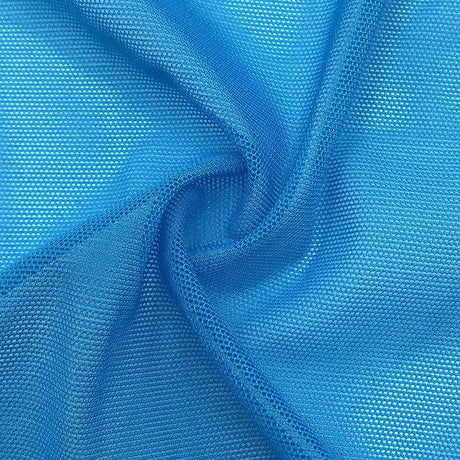
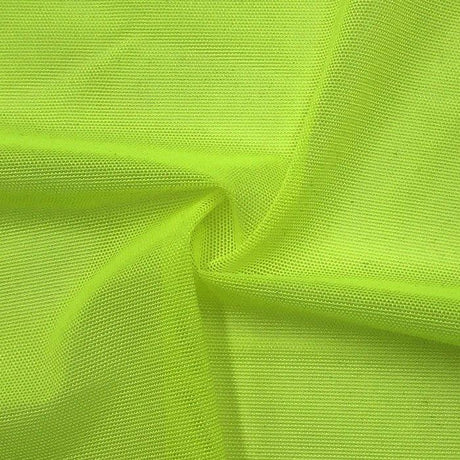
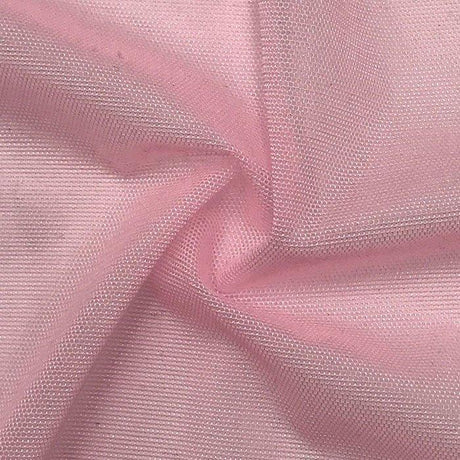
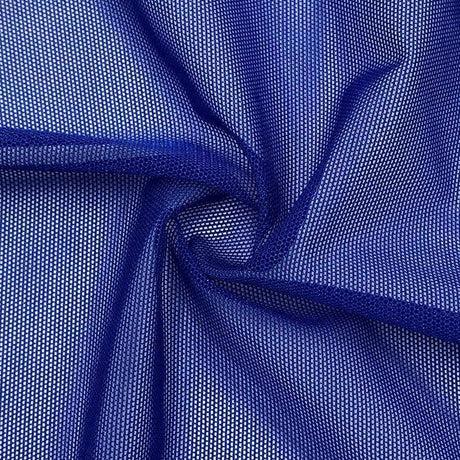
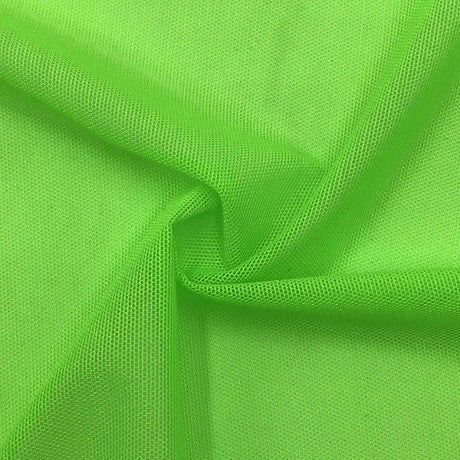
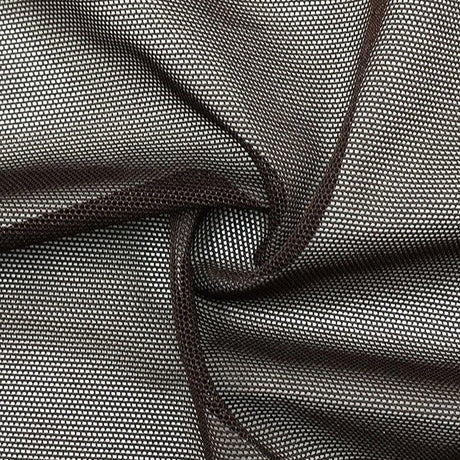
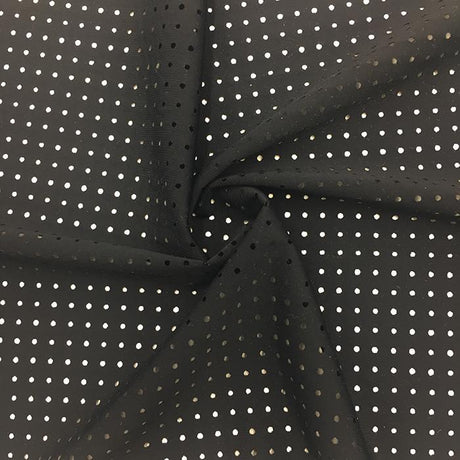
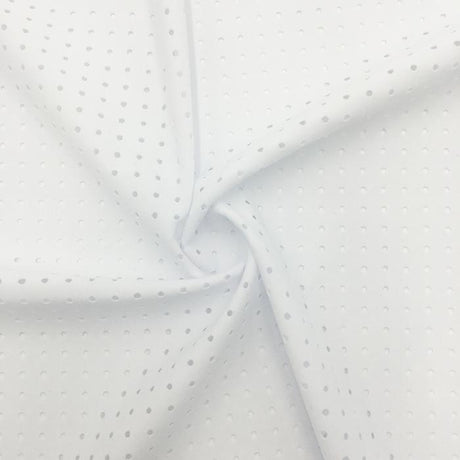
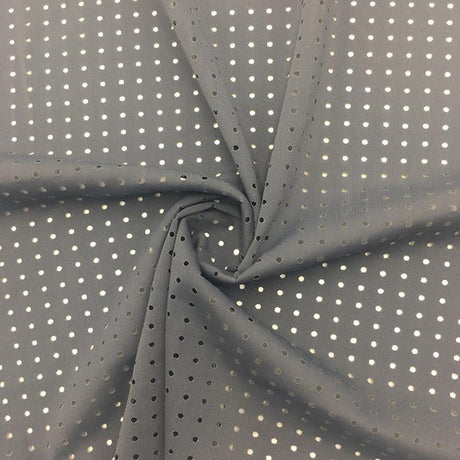
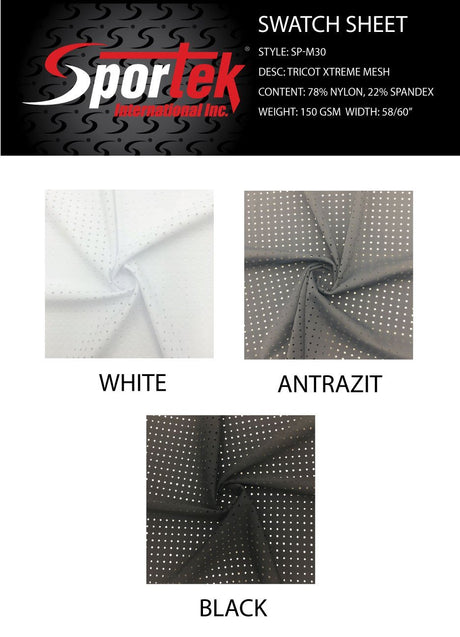
Stretch mesh fabrics are described as breathable and lightweight, and used in applications including workout garments; they can serve as panels, linings, or internal layers in headband builds.
Cold-weather headbands / ear warmers
Spandex fleece pro-stretch options are described as warm and breathable while maintaining stretch—useful for winter-running headbands that need comfort plus secure fit.
Swim + water sports headbands
Swimwear collections emphasize 4-way stretch, recovery, and resistance to chlorine, saltwater, and UV, making them relevant when headbands will be used in pool or ocean environments.
How to Choose the Right Fabric
Start with the “sweat strategy”: wick or absorb?
Pick one primary strategy before you pick prints or colors:
- Choose engineered wicking when the buyer wants a light, fast-drying feel (common in performance headbands). Polyester can be adapted to wick through coatings or fiber/yarn engineering, and blends can improve moisture transport.
- Choose absorbent comfort when the buyer wants a soft feel and the headband is used more like a sweat buffer (common in casual headbands and many wristbands).
Match stretch to the fit style
- Wide headbands (2.5–5") usually perform best with moderate-to-firm recovery to prevent edge flipping.
- Narrow “thin” headbands (1–2") often need higher stability or internal elastic because there’s less surface area to resist sliding.
If you’re developing a line for resale, consider creating two fabric tiers: one optimized for sweat-wicking performance, and one optimized for soft comfort. SpandexByYard’s variety of constructions within nylon-spandex and moisture-management categories supports that approach.
Use site collections as shortcuts to the right direction
If you want a performance-leaning, sleek accessory base, start with stretch fabric for headbands (nylon-spandex direction; many options are built for athletic wear).
If you want a softer hand and more naturally absorbent feel, consider soft absorbent stretch for comfort-first headbands and many wristband builds.
If you want bold, fashion-forward or branded accessories, use printed stretch for accessories to keep stretch and recovery while adding high-impact color and pattern.
Quick decision table
|
Your priority |
Fabric direction to start with |
Why |
|
Stay-put fit + durability |
Nylon-spandex tricot/jersey |
Strong activewear heritage; abrasion-resistant nylon family is valued for durability |
|
Fast-dry sweat control |
Moisture management poly-spandex / MaxDri |
Explicitly designed to wick and keep you comfortable during workouts |
|
Soft feel + sweat buffering |
Cotton-spandex |
Cotton’s moisture-absorbing properties paired with spandex stretch |
|
Venting / layered builds |
Stretch mesh |
Breathable, lightweight; great for panels/liners |
|
Cold-weather ear warmer |
Stretch fleece |
Warmth + breathability + stretch |
Common mistakes to avoid
Using the wrong needle on high-stretch knits
Skipped stitches and popped seams often come from needle mismatch. Stretch needles are designed with features (ball point, smaller eye, deep scarf) and are recommended for highly elastic knits containing spandex/elastane.
Ignoring recovery (buying stretch without “snap”)
A headband that stretches but doesn’t recover will loosen quickly—especially around seams and fold lines. Knit stretch/growth performance is a known evaluation focus in standards-based testing.
Choosing stitches that can’t stretch
Straight stitches can shear on high-extension areas. (For production, you’ll typically use stretch stitches, serging, coverstitching, or other elastic seam constructions depending on your equipment.)
Cutting without respecting grain or print alignment
Prints (especially directional) can look “off” once stretched around the head. Cut consistently, and test-stretch a paper template over a form if you’re producing multiples.
Overbuilding sweatbands (too thick, too hot)
Adding layers can improve grip but can also trap heat. If you need ventilation, consider mesh panels or strategic lining rather than adding bulk.
Ready-to-Use Checklists
Pre-production checklist for manufacturers
- Confirm end use: training, yoga, outdoor cold weather, swim, team branding
- Define sweat strategy: wicking or absorption
- Verify stretch + recovery with a repeat stretch test (multiple cycles)
- If moisture performance is critical, request or run objective evaluation (e.g., AATCC TM195 metrics such as wetting time and OMMC)
- Validate abrasion risk if used in heavy wear environments (standardized abrasion methods exist for objective benchmarking)
- Approve print alignment rules for SKUs (especially for printed spandex runs)
Sewing checklist for DIY makers
- Pre-wash a small sample if your project will be laundered frequently
- Use a stretch needle for elastic knits with spandex
- Test stitch stretch: pull the seam gently—if thread snaps, change stitch/needle/thread
- Pin/clip without distorting the fabric (don’t “stretch to fit” unless your pattern calls for it)
- Match seams with print direction and grain before cutting (especially with printed spandex)
- Press carefully: avoid excessive heat and use a pressing cloth
Care and Longevity Tips
The fastest way to ruin a great headband is harsh care. Your goal is to preserve: elastic recovery, color/print, and surface smoothness.
Washing
- Follow the garment care label whenever available. For garments containing LYCRA® fiber, the recommendation is to follow the manufacturer’s care instructions; if none exist, care should be based on the major fiber component.
- Separate items with Velcro/zippers to reduce abrasion and pilling risk.
Drying
- High heat and prolonged drying can degrade elasticity over time; gentle drying practices help preserve stretch performance.
- For swim-oriented headbands, rinse promptly after chlorine/saltwater exposure; swimwear-focused fabrics may be engineered for chlorine/UV resistance, but good care still improves lifespan.
Ironing and pressing
- If pressing is necessary, keep heat low and avoid direct contact with high-stretch zones; use a pressing cloth. (Many elastane-containing garments are best kept out of high-heat ironing unless the care label allows it.)
Print care
Printed spandex can combine performance with aesthetics; to keep prints crisp, reduce friction and harsh chemicals during laundering. Printed spandex collections emphasize resilience and performance in addition to appearance, but print longevity still benefits from gentler care.
When to Consider an Alternative Fabric
Sometimes the best “fabric for workout headbands” is not your first pick—especially when the environment or use case changes.
When cotton-spandex beats nylon-spandex
Choose cotton-spandex when the buyer prioritizes softness and natural moisture absorption over slick performance feel—ideal for casual gym sessions, lifestyle wear, and sensitive skin preferences.
When neoprene is a better choice
If you need a structured, padded, insulating headband (think: water sports, cold conditions, or protective/brace-like accessories), neoprene can outperform standard knits. Neoprene is widely used in wetsuits due to its thermal insulation, buoyancy, and mechanical resilience, linked to its closed-cell structure.
(SpandexByYard also lists neoprene among its collections, so it may be relevant for specialized accessory builds.)
When mesh makes more sense
Mesh isn’t always the main fabric—but it can be the difference between a headband that feels breathable vs. one that overheats. Stretch mesh collections are positioned as breathable and lightweight, suitable for workout garments, making them useful for vent panels and layered constructions.
When to use compression mesh/powernet as an internal stabilizer
If you want extra hold without adding stiff elastic, a compression mesh layer can stabilize the band. For example, nylon-spandex powernet mesh products can be specified with high compression and durability (with stated fiber content and weight on product pages).
Conclusion
The best fabric for workout headbands is the one that matches your performance intent:
- For stay-put fit and durable performance, nylon-spandex knits are a proven direction, supported by the durability profile associated with nylon 6,6 in textiles.
- For sweat-wicking and quick-dry comfort, moisture management knits (including MaxDri-style options) are designed to keep users dry and comfortable during training.
- For soft, absorbent comfort, cotton-spandex blends combine cotton’s moisture-absorbing behavior with stretch.
- For heated studios, layering, or ventilation, stretch mesh can add breathability without heavy bulk.
- For cold-weather or swim-specific environments, stretch fleece and swimwear fabrics offer specialized performance targets like warmth and chlorine/UV resistance.
Once you choose your direction, validate it the professional way: test stretch recovery, confirm moisture behavior (objective methods like AATCC TM195 exist), and use the right needles and construction so the fabric can perform as designed.
FAQ
Is nylon-spandex good for workout headbands?
Yes—nylon-spandex is commonly used in athletic and active lifestyle garments and is valued for elasticity and lightweight/breathable characteristics, making it a strong choice for stay-put performance headbands.
What fabric is best for sweat control in headbands—wicking or absorbent?
It depends on your goal: wicking fabrics move moisture for faster drying (polyester is often engineered for this), while cotton-rich fabrics absorb moisture and can feel softer but may hold sweat longer.
How can I objectively compare moisture-wicking fabrics from different suppliers?
Look for standardized moisture management evaluations. AATCC TM195 measures variables like wetting time, absorption, spreading speed, one-way transport, and overall moisture management capacity (OMMC).
What needle should I use to sew high-stretch headband fabric?
A stretch needle is designed for highly elastic knits, with features intended to reduce skipped stitches; it’s recommended for fabrics containing spandex/elastane.
Can printed spandex work for performance headbands?
Yes—printed spandex collections are designed to combine visual impact with performance, using nylon/polyester-spandex blends intended for activewear and swimwear, with emphasis on elasticity and resilience.