Best Uses and Applications for Skating Outfits
Activewear-style silhouettes (leggings, fitted tops, unitards): Printed spandex bases are already positioned for activewear use cases like leggings and yoga wear, which translates well to skating training fits. Our activewear fabric guide covers compression performance benchmarks and fabric weight recommendations across all common activewear constructions.
Skating dresses and bodysuits: Use printed stretch for the bodice or skirt overlay; stabilize high-stress seams and consider lining for coverage.
Teamwear and synchronized looks: Printed panels help create identity; solids help standardize fit across sizes.
Performance and sports applications: Skating costumes often behave like "hybrid garments." High-output training makes moisture management relevant. For cold environment transitions, consider layering strategies rather than using a single heavy fabric, especially for warm-up pieces—fleece and stretch fleece categories are built around performance layering concepts.
Fashion-forward and print-led designs: Printed spandex is ideal when you want illusion effects (marble, "wet look," gradients), body contouring via print placement (but only if you plan your cutting layout carefully), and a "finished" stage look without heavy crystal density (budget-friendly approach).
How to Choose the Right Fabric for Your Project
Start with the end-use "stress map": Ask where will the costume be stressed? High-stretch zones: shoulders, seat, knees, underarms. High-visibility zones: bodice front, skirt, sleeves. High-friction zones: inner thighs, waistband, strap edges, underarms. Then pick fabric roles: hero/outer = printed stretch fabric; support/structure = solid nylon–spandex styles (including heavier compression options); comfort/coverage = soft lining. Our how to choose fabric guide covers what to evaluate when a physical swatch arrives, including stretch testing, opacity testing, and hand feel assessment.
Match stretch requirements to pattern intent: A practical rule: the more negative ease (tight fit) your pattern uses, the more you must prioritize recovery (shape return).
DIY-friendly stretch test (fast and effective): Mark a 4" (10 cm) segment on grain. Stretch to "wearable max" (not "tear max"). Record the stretched length and how quickly it snaps back after release. If it stays visibly longer (growth), don't use it as a primary fitted zone.
Budget, sourcing, and consistency: DIY buyers often optimize for "one-and-done" yardage and visual impact. Manufacturers optimize for repeatability: color consistency, roll-to-roll behavior, and predictable QA. Have questions? Our expert help and advice page and FAQ are always available.
Sewing and Construction Guidance for Printed Stretch Costumes
Sewing setup that prevents skipped stitches and wavy seams: Stretch knits demand the right needle geometry. A Stretch needle has a medium ball point and design features intended for highly elastic knits, especially blends containing Lycra®/spandex/elastic. Our how to sew stretch fabric guide covers complete needle selection, stitch type, machine settings, and edge finishing guidance for all common skating costume construction scenarios.
Recommended baseline setup: stretch or ballpoint needle (size depends on fabric weight); polyester thread for strength and resilience (especially in seams under tension); stretch-friendly stitch (narrow zigzag, lightning stitch, or serger/overlock); differential feed (serger) to avoid lettuce edges on lighter knits.
Common mistakes to avoid:
Using a universal/sharp needle on high-elastane knits, causing skipped stitches or fabric damage — use a stretch needle for highly elastic knits.
Ignoring stretch recovery: fabric growth leads to bagging at knees/seat.
Not planning print placement: a centered motif on the bolt can end up skewed on-body if you cut without grain and symmetry planning.
Skipping colorfastness risk checks when the costume will be washed frequently or worn hard.
Wrong lining strategy: lining with a non-stretch woven fights your outer layer and causes drag. Performance linings are typically specialized knits/meshes designed to move and manage moisture.
Ready-to-Use Checklists
Pre-cut checklist (DIY + production):
- Pre-test stretch and recovery on both grain directions (record results)
- Confirm fabric weight suitability (mass per unit area) for opacity needs
- Lay pattern with print symmetry in mind (center front, mirrored sleeves)
- Mark nap/face direction if the surface is brushed or sanded
- If lining for coverage, ensure lining stretch matches outer fabric behavior
Sewing checklist (high success rate settings):
- Use a stretch needle for highly elastic spandex blends
- Test stitch stretch on scraps before sewing final seams
- Apply elastic with controlled tension (avoid over-stretching neckline/leg openings)
- Stabilize high-stress seams (clear elastic, knit stay tape, or appropriate stabilizer)
- Press carefully (low heat; use a press cloth)
Lining checklist (comfort + coverage): For next-to-skin comfort, consider Brushed Tricot — positioned as soft, durable, breathable, and flexible — useful when you want comfort without adding bulky layers. Choose lining weight that supports opacity without restricting stretch. Use mesh for ventilation zones (open structure helps airflow). Avoid thick seam stacks at hip/underarm; grade seam allowances.
Care and Longevity Tips for Printed Stretch Costumes
Wash cool / low heat: higher heat can degrade stretch over time; use low heat settings and avoid high-heat ironing for elastane blends. Turn garments inside out to reduce surface abrasion and help protect printed faces during washing. Avoid rough surfaces and snag sources (Velcro, abrasive pads) to preserve the print face and knit structure. Our spandex care guide and fabric care guide cover complete laundering protocols for all common spandex-blend fabric types.
When to Consider an Alternative Fabric
Choose cotton–spandex instead of nylon–spandex when you want a softer, more casual handfeel and everyday comfort for off-ice wear or beginner practice pieces. Our cotton-spandex fabric guide covers how cotton-spandex blends compare to synthetic alternatives in stretch behavior and moisture management.
Choose neoprene instead when you need structure and sculpting (costume elements that must "stand up," sharp lines, architectural panels). Treat it as a design tool, not a base layer.
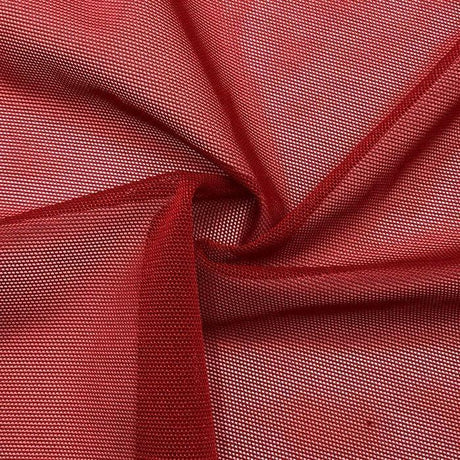
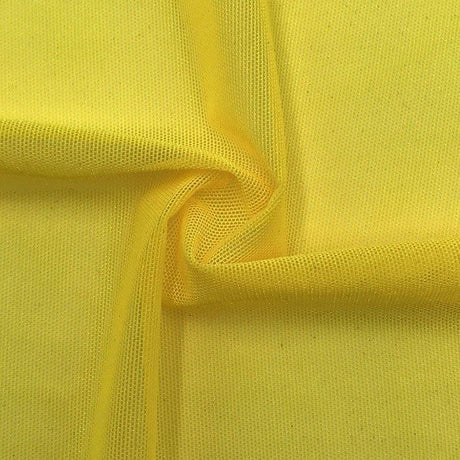
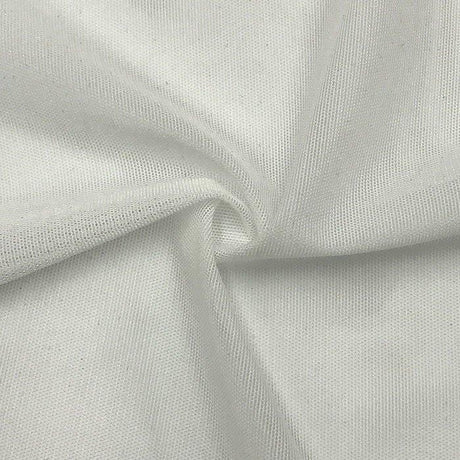
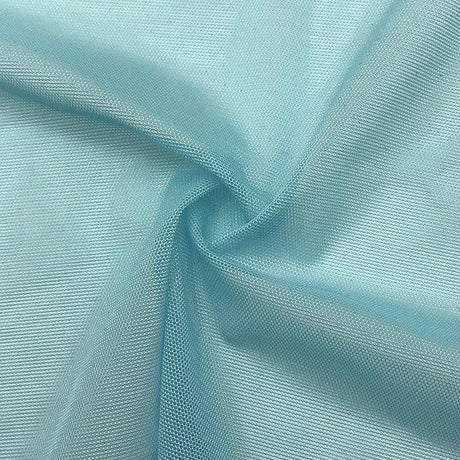
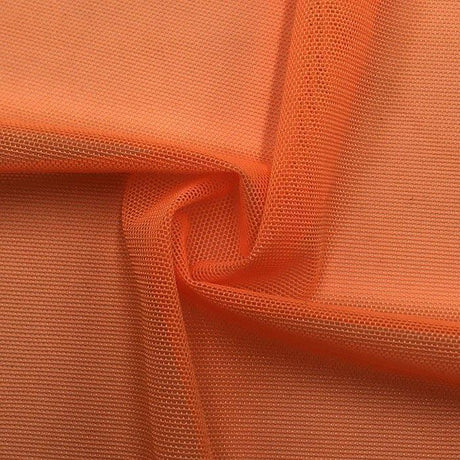
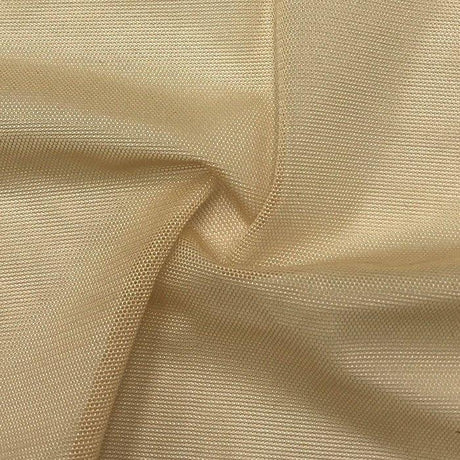
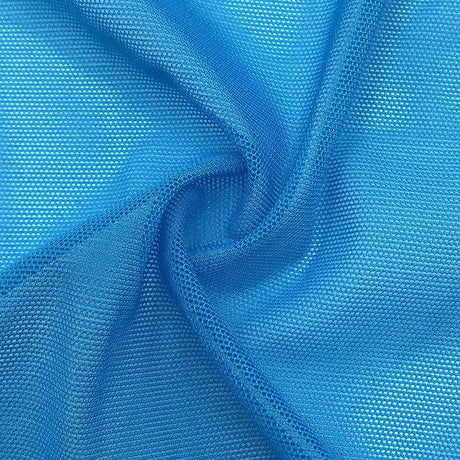
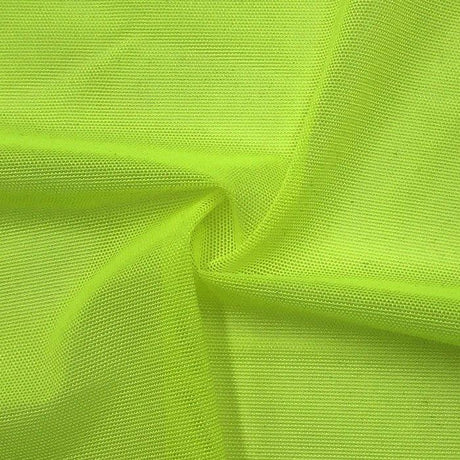
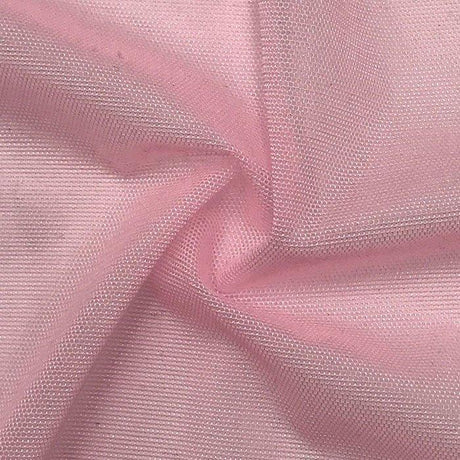
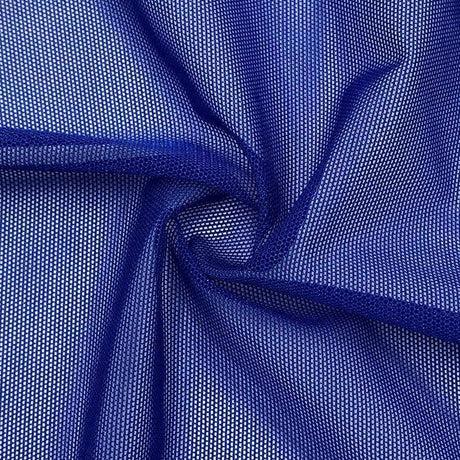
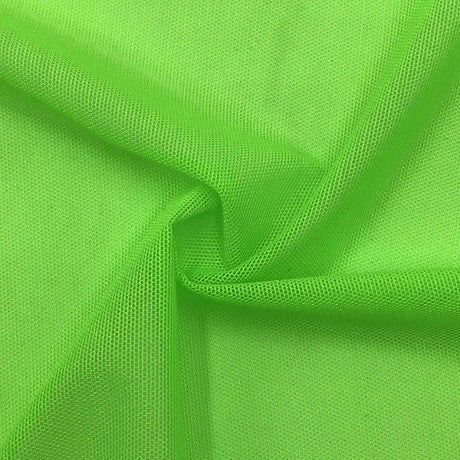
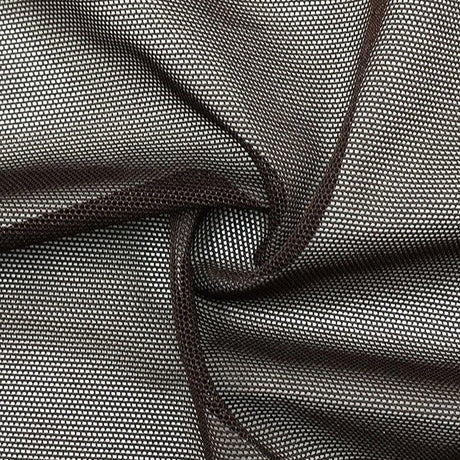
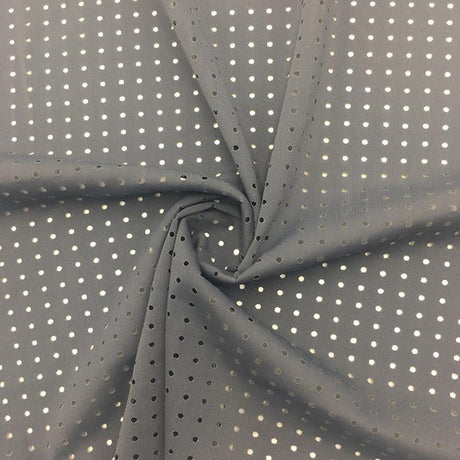
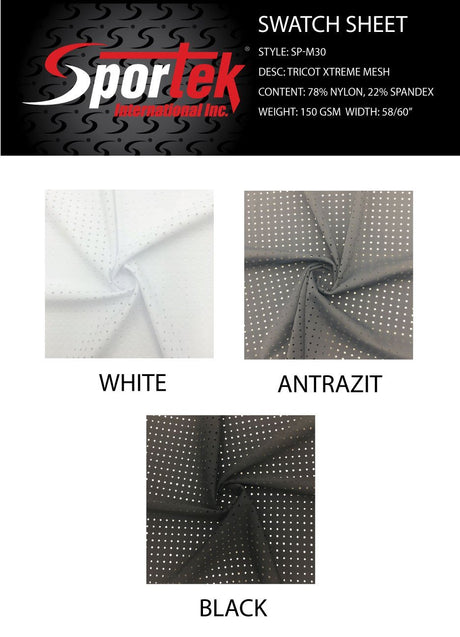
Choose mesh instead when you need controlled sheerness, ventilation, or lightweight linings. Mesh is open-structured for airflow and quick drying—perfect for sleeves, upper chest yokes, or built-in brief linings.
Choose fleece or stretch fleece options when you're building warm-ups, rink jackets, or cold-weather training layers. Multiple fleece and stretch-fleece categories are available for performance layering.
Conclusion
The best fabric for skating costume projects is the one that performs under real skating conditions: deep stretch positions, repeated wear, bright lighting, and frequent laundering. Printed stretch performance knits deliver a high-impact look by the yard, but success depends on three non-negotiables: stretch + recovery, appropriate weight/opacity, and smart lining/sewing choices.
Use printed fabric as your "hero layer," reinforce your build with reliable solids, and finish with skin-friendly linings when comfort and coverage matter most. Ready to source? Use our stretch fabric types page and fabric weight guide to evaluate technical specifications, our nylon-spandex fabric guide for full performance profiles, and our dancewear fabric guide for end-use specific guidance. Our how to sew stretch fabric guide covers all construction techniques. Sign up for SpandexByYard Rewards to earn points on every purchase!