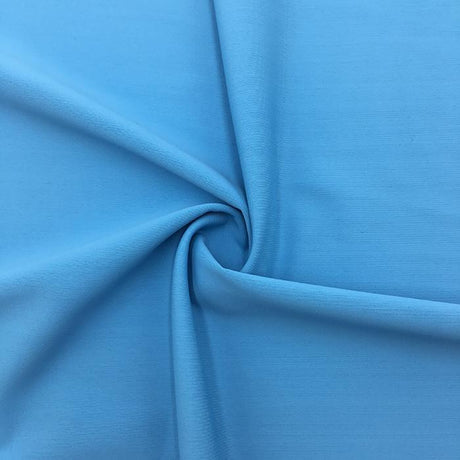
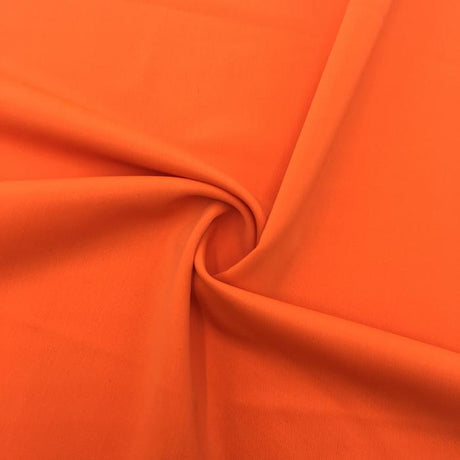
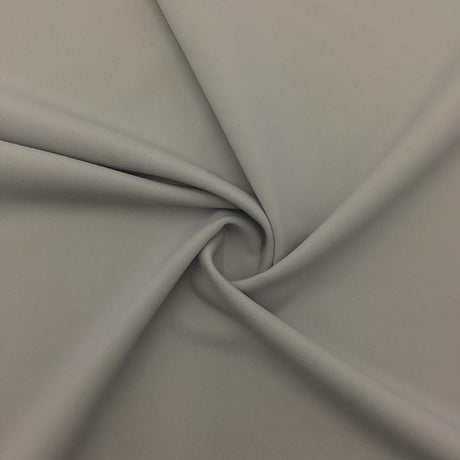
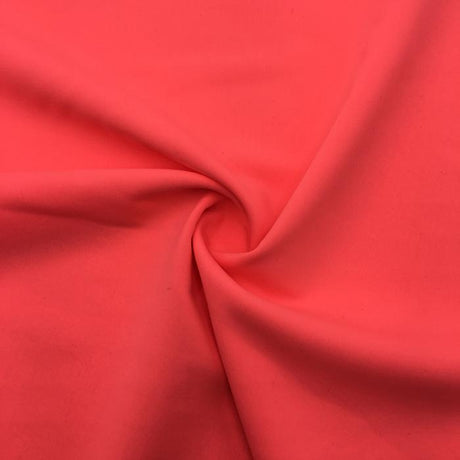
If you've ever made (or sourced) a yoga top that rides up, turns sheer in forward folds, traps sweat, or loses shape after a few wears, you already know the truth: the pattern is only half the equation. The real make-or-break factor is fabric—specifically the right stretch knit with the right weight, recovery, and handfeel. For a broader foundation on stretch fabric properties before diving in, explore our activewear fabric guide or browse our full fabric guides hub.
What Is the Best Fabric for Yoga Top?
In practical activewear terms, the "best fabric for a yoga top" is usually a stretch knit that delivers three things at once: support (fabric strength + snap-back recovery), stretch (comfortable movement without seam pop), and softness (next-to-skin comfort, especially for low-impact practice).
Most yoga tops are built from knitted fabrics (not wovens) because knits naturally flex with the body. Here's how the most common yoga-top fabric families differ:
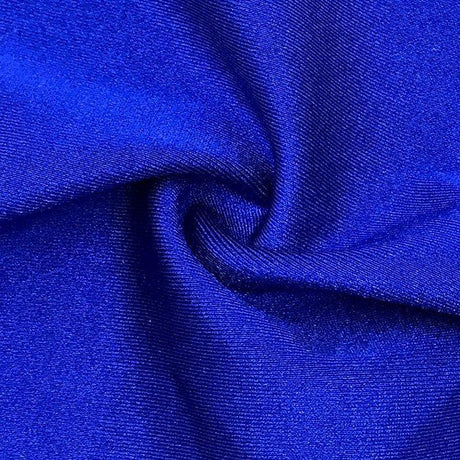
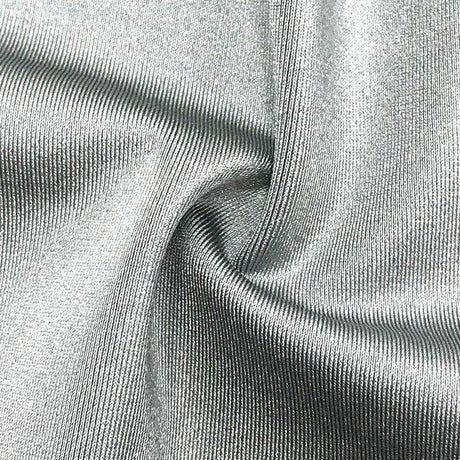
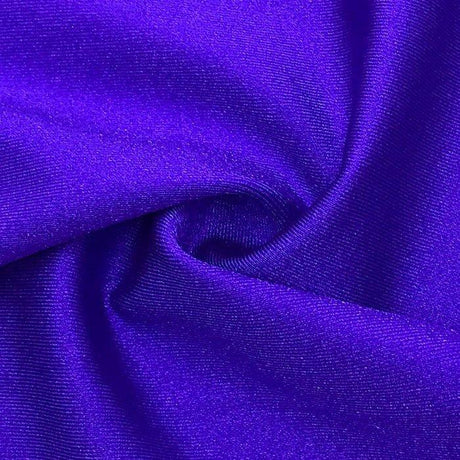
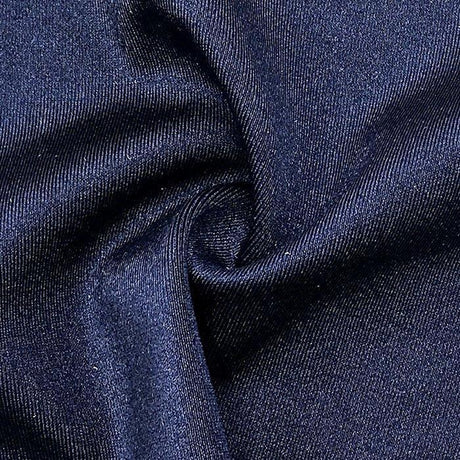
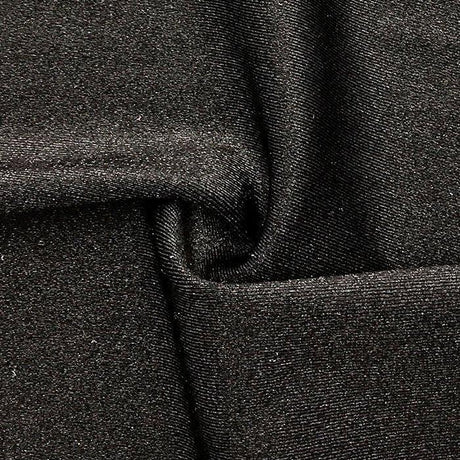
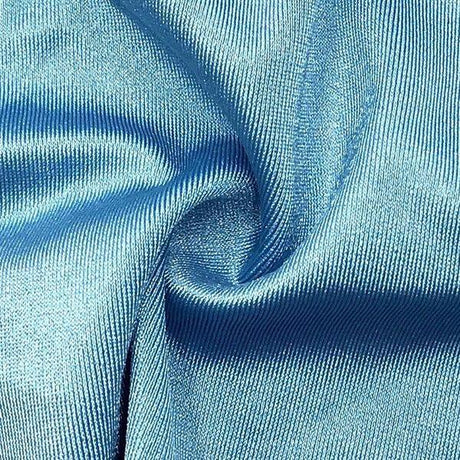
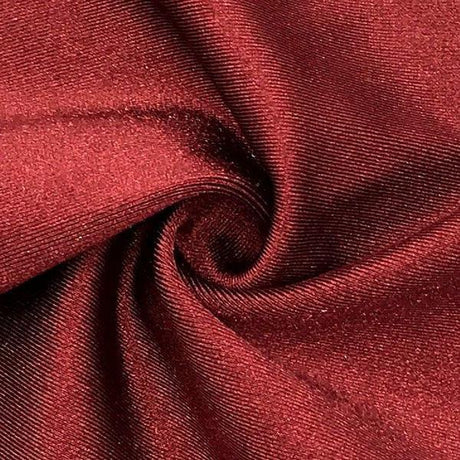
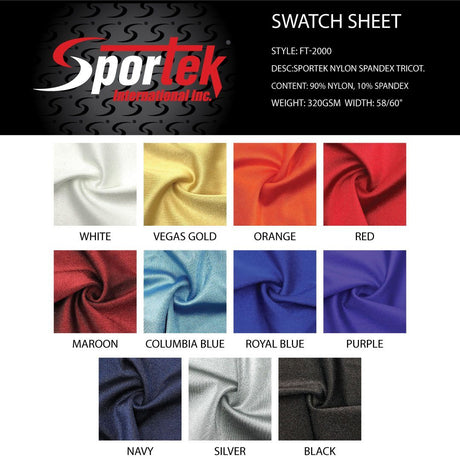
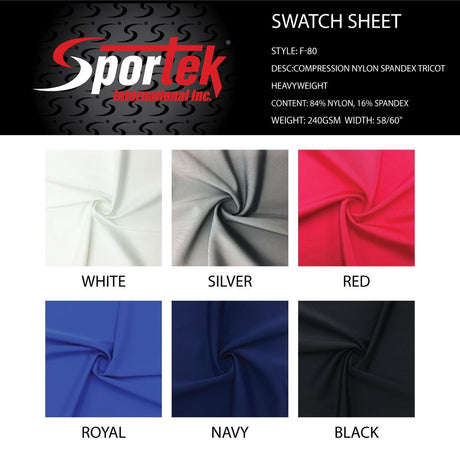
Nylon–spandex performance knits (a top "default" for support): Many core activewear tops—especially fitted tanks and bra-style tops—use nylon/spandex because it balances flexibility, durability, and a locked-in feel. A nylon and spandex blend designed for high-performance activewear delivers flexibility, breathability, and durability, plus shape retention through washes. Our nylon-spandex fabric guide covers how nylon-spandex constructions achieve the combination of smooth hand feel, strength, and 4-way stretch that defines quality performance fabric.
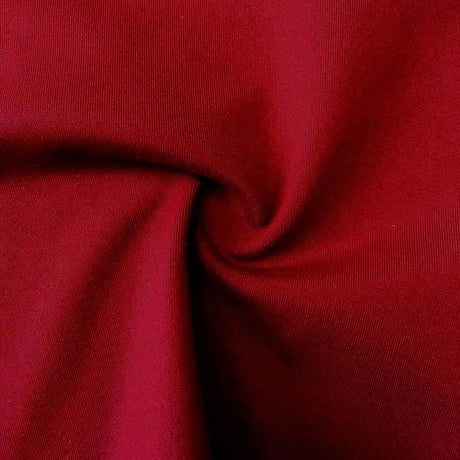
Cotton–spandex jerseys (soft, breathable, everyday comfort): Cotton-spandex blends are popular for yoga tops that prioritize softness and natural handfeel. Cotton spandex is a "comfortable, stretchy, and breathable fabric," combining cotton's moisture-absorbing nature with spandex elasticity for movement and durability. Our cotton-spandex fabric guide covers how cotton-spandex blends compare to synthetic alternatives in stretch behavior, breathability, and moisture management.
Bamboo-derived rayon–spandex jerseys (drapey softness + gentle stretch): Some makers prefer bamboo-derived rayon (often labeled "rayon from bamboo") for a silky, cool-to-touch drape. Important accuracy note: In the U.S., the FTC warns that textiles can only be labeled "bamboo" if they're made directly from bamboo fiber; chemically processed bamboo textiles should be labeled as "rayon (viscose) made from bamboo."
Moisture-management knits (wicking + fast-dry comfort): If your customer (or your own practice) runs hot, moisture management becomes a primary spec. Moisture Management Spandex is designed to wick sweat away, combining 4-way stretch, smooth texture, and breathability for tops, leggings, and compression gear.
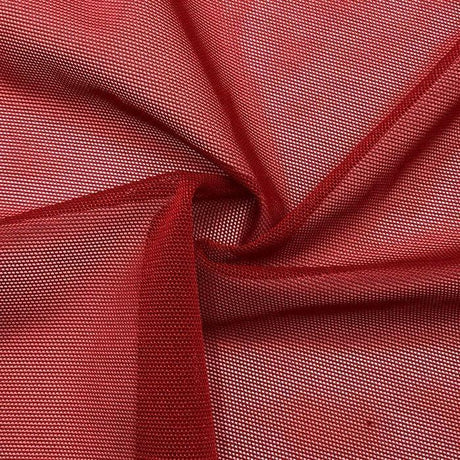
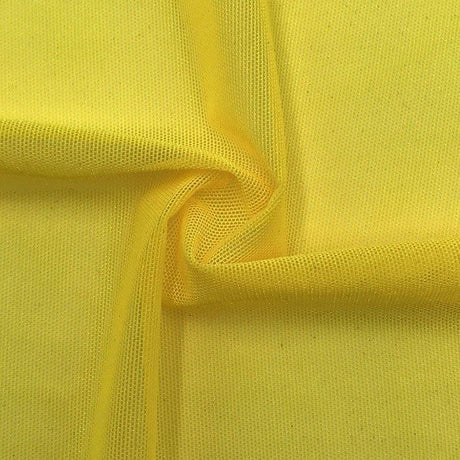
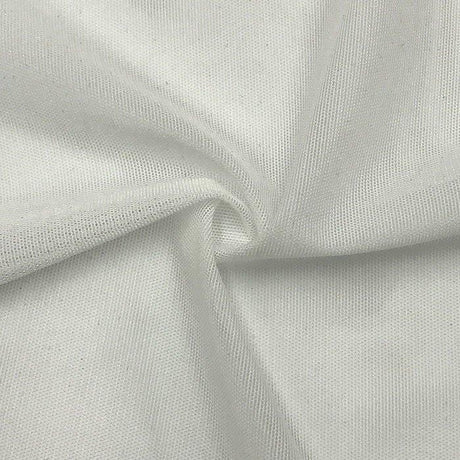
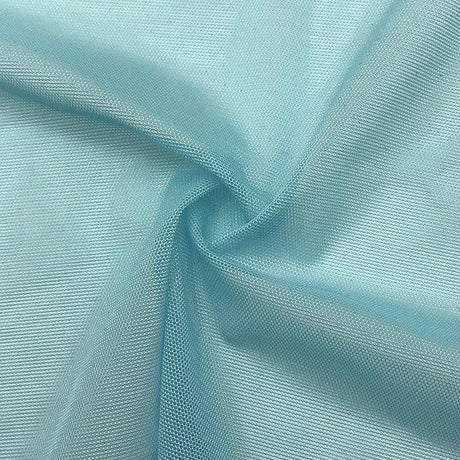
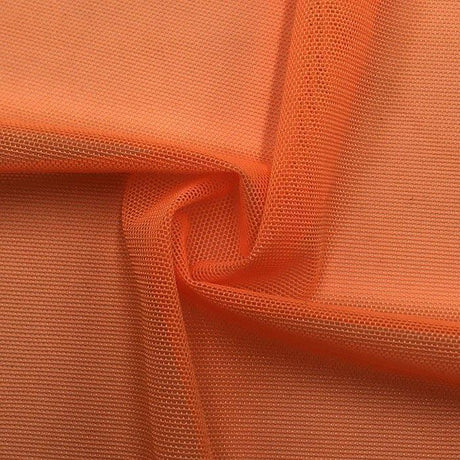
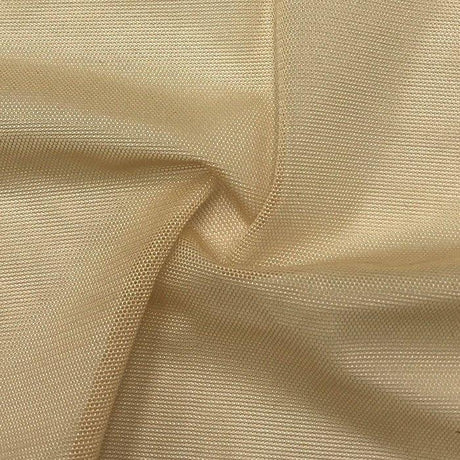
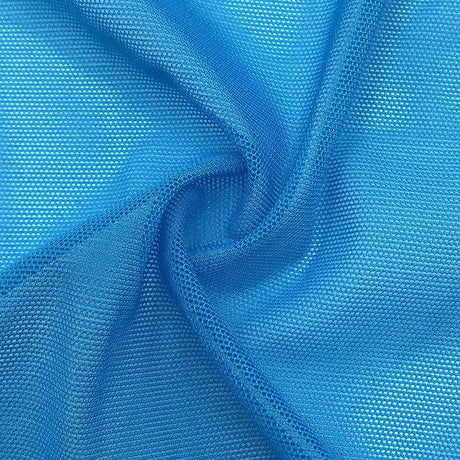
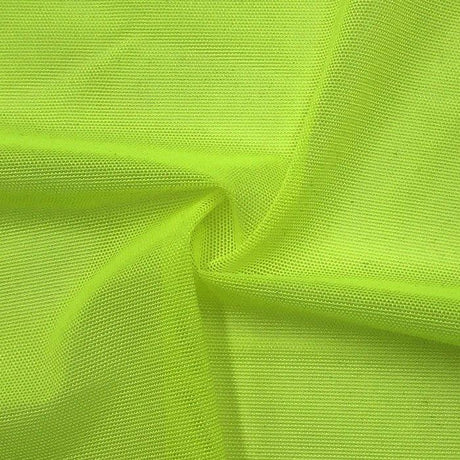
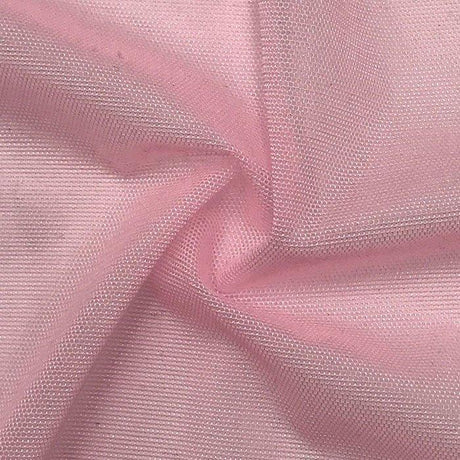
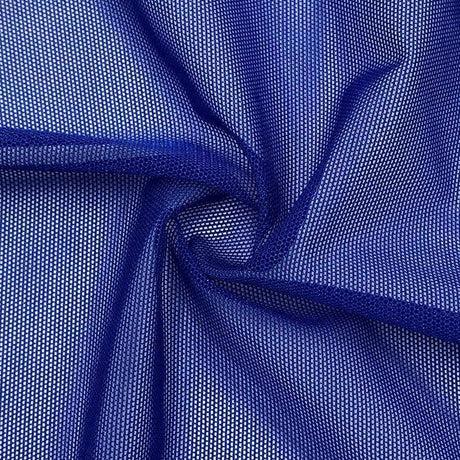
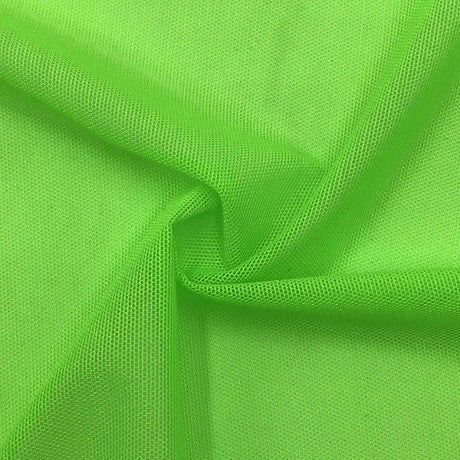
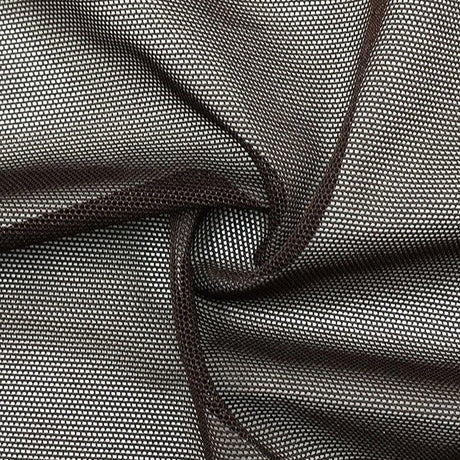
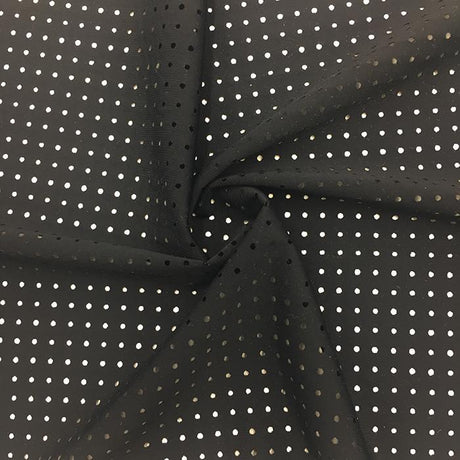
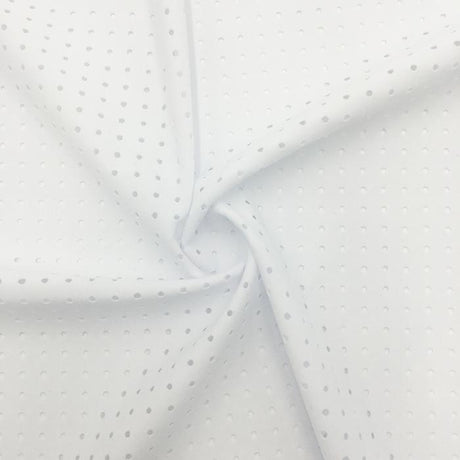
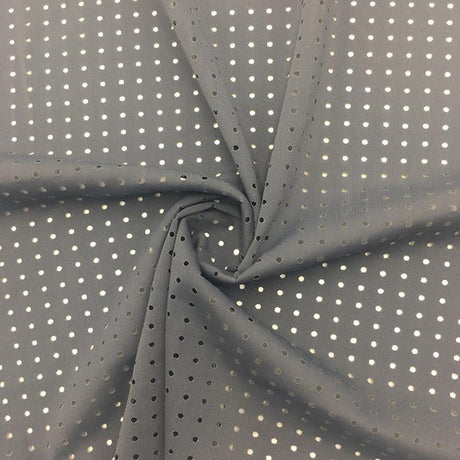
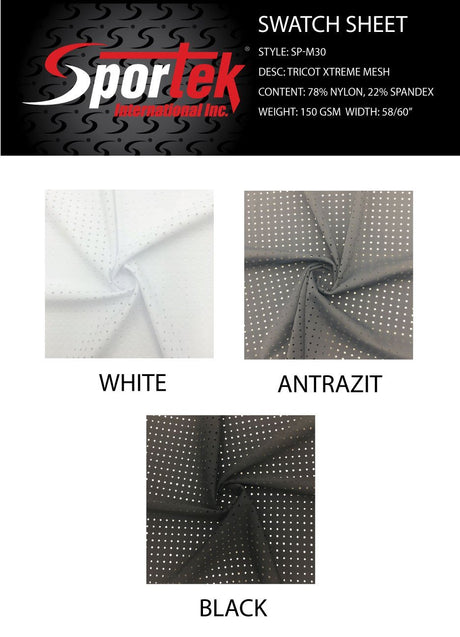
Mesh & stretch mesh (ventilation + performance lining/support): Mesh isn't just aesthetic—it's functional. Power mesh (stretch mesh) is widely used as bra linings, front panels, and stability zones because it can be breathable and supportive. Our fabric finishes guide covers how surface treatments and finishes affect breathability and moisture management across all common yoga-top fabric constructions.
How knit construction changes yoga-top performance:
Jersey (single knit) tends to be lighter and drapier; it can curl at cut edges and may be less stable than double knits. Interlock (double knit) is typically denser and more stable; it's often chosen when you want more opacity and structure. Tricot (warp knit) is a classic active/swim structure valued for smoothness and durability; modern tricot with spandex is commonly used when stretch + recovery are required.
Key Performance Characteristics
Stretch & Recovery (the real support system): Stretch is how far a fabric extends; recovery is how well it snaps back after being stretched. Poor recovery = baggy neckline, stretched-out underbust, and "growing" straps. Our stretch fabric types page covers the step-by-step stretch and recovery testing methodology in detail, including how to calculate stretch percentage from a home swatch test.
GSM / Weight (how much support, opacity, and "hold" you get): GSM (grams per square meter) is the industry standard for fabric weight. Higher GSM generally means more opacity and support, while lower GSM feels lighter and more breathable.
| GSM | Approx. oz/yd² | What it feels like for yoga tops |
|---|---|---|
| 150 | 4.4 | Light, airy; best as mesh/overlay or loose tanks |
| 180 | 5.3 | Lightweight tops; may need lining for modesty |
| 200 | 5.9 | Balanced performance weight; common for fitted tanks |
| 220–250 | 6.5–7.4 | More coverage + stability; ideal for bra-style tops |
| 300–350 | 8.8–10.3 | Compression/support zone fabrics and structured fits |
Our fabric weight guide provides a full breakdown of how GSM affects opacity, compression, breathability, and durability across all common yoga-top fabric constructions.
Moisture Management & Breathability (comfort under heat): Moisture comfort has two different mechanisms: absorbency (common in cotton-rich fabrics) and wicking/transport + faster drying (common in engineered synthetics and wicking finishes). Moisture-management spandex fabrics are designed to wick sweat away and remain breathable for training and daily wear.
Durability, Abrasion, and Pilling (how long your top looks "new"): Yoga tops face repeated friction: mats, straps, laundering, and body movement. If you're manufacturing, ask suppliers for pilling and abrasion results—especially for brushed or peach finishes, which can feel amazing but may pill sooner depending on yarn and construction.
Softness & Handfeel (the "wear it all day" factor): Handfeel is where shoppers decide if your yoga top is "premium." Softness comes from fiber type (cotton, nylon, rayon-from-bamboo, microfilament poly), finishes (sanded/peached/brushed), and knit density.
Special Performance Traits: Depending on your market positioning, you may want antimicrobial finishes (odor control claims should be supported by test data), water resistance / DWR for outdoor or travel-athleisure pieces, or print readiness (e.g., PFP for sublimation). Our sublimation page covers how sublimation printing bonds dye into polyester-spandex fibers to achieve permanent, saturated color, and our sublimation paper and sublimation transfer paper pages cover the complete printing workflow.
Comparison with Similar Fabrics
Nylon–Spandex Performance Knit: Commonly ~80% nylon / 20% spandex (example: 80/20, 200 GSM). Often true 4-way stretch; can feel "snug" and supportive. Best for fitted tanks, sculpting tops, bra-style yoga tops, and sets built to last. Strong recovery, durable, shape-retentive, often great for "support" feel. Can feel "too athletic" for lounge customers; may show sweat more in light colors (depends on finish/weight).
Cotton–Spandex Jersey: Commonly ~90% cotton / 10% spandex (example: 90/10, 240 GSM). Stretch depends on knit + spandex %; usually softer/less compressive. Best for studio-to-street tanks, tees, softer tops, and comfort-first basics. Soft next-to-skin feel, breathable comfort, easy everyday wear. Absorbs moisture; may feel damp longer during intense practice (especially hot yoga).
Rayon-from-Bamboo–Spandex Jersey: Example: 95% rayon from bamboo / 5% spandex (220 GSM). "Gentle" stretch; typically more drape/flow than compression. Best for drapey practice tops, lounge-oriented yogawear, and sensitive-skin softness (verify claims). Silky handfeel, good drape, comfortable for low-impact movement. Labeling/claims must be accurate (FTC guidance); lower spandex % often means less hold.
Takeaway: If your yoga top needs support and shape retention, nylon-spandex is often the first place to start. If your top is designed for softness and everyday comfort, cotton-spandex becomes the smarter default. If you want drape and a "buttery" feel, rayon-from-bamboo/spandex can be a strong option—provided labeling and claims are handled responsibly.
Best Uses & Applications
Activewear tops (tanks, tees, long sleeves): For fitted silhouettes, look for midweight stretch knits where GSM and recovery support the neckline and hem. Our activewear fabric guide covers compression performance benchmarks and fabric weight recommendations across all common activewear constructions.
Yoga/athleisure sets (tops that match leggings and bras): If you sell coordinated sets, fabric family consistency matters (handfeel, stretch, and color match). Yoga Pants & Bras Fabric is positioned specifically for that coordinated activewear use case.
Swimwear-capable yoga tops (studio-to-water versatility): Some bra-style yoga tops are designed to double as swim tops. In those designs, nylon/spandex tricot and related performance knits are common because they're built for stretch and snap-back. Our swimwear fabric guide covers how these constructions perform in chlorine and UV exposure.
Hot yoga & high-sweat classes: Prioritize moisture transport. Moisture-management spandex categories are explicitly designed to wick sweat and stay breathable.
Supportive bra-style tops: Support is rarely "fabric-only." Many premium yoga tops combine a supportive outer shell (often nylon-spandex or compression jersey) with a strategic lining (often power mesh/powernet) for stabilization zones.
Mesh & lining for breathability: Use stretch mesh to place airflow where heat builds: upper back, side panels, or interior front lining. Power mesh is commonly chosen because it's engineered to stretch while still providing structure.
Fleece for warmth: For outdoor yoga, warmups, or "second-layer" pieces, look into performance fleece categories like Spandex Fleece Pro-Stretch or double/single-sided fleece collections.
Custom prints and fashion-forward designs: If your yoga tops are print-driven, selection must account for opacity under stretch (prints can go sheer if the base is too light or the stretch ratio is too high) and printing method compatibility (especially for sublimation).
How to Choose the Right Fabric
Start with the job your yoga top must do: If this is a support-first yoga top (bra-style, compressive tank, high movement), start with nylon-spandex or compression knits, then dial weight and lining strategy. Options range from ~200 GSM performance tricot to ~350 GSM high-compression jersey—making "support" tunable. If this is a softness-first yoga top (studio-to-street, lounge yoga), start with a cotton-spandex or bamboo-derived rayon-spandex direction, then ensure you still meet the pattern's stretch needs. Our how to choose fabric guide covers what to evaluate when a physical swatch arrives, including stretch testing, opacity testing, and hand feel assessment.
Match stretch requirements to the pattern (not the product photo): Check stretch percentage and whether the fabric is 2-way vs 4-way stretch; stretch recovery so the garment doesn't go baggy; and fabric width (often around 58–60") for layout and yield planning.
Choose weight by function (not by guess): Lower GSM = lighter feel and breathability but less support and more risk of sheerness. Higher GSM = more opacity/support but less airflow. Our fabric weight guide ties higher GSM to more supportive/opaque behavior in spandex-blend fabrics.
Consider climate and wear conditions: Hot studio / heavy sweat: prioritize moisture-management knits and/or mesh zones. Cool weather / outdoor practice: consider brushed, thermal, or fleece-backed options.
Print vs solid preference: If prints are central, decide early whether you're sourcing printed spandex (ready-to-cut fashion prints) or print-ready / sublimation-ready bases (often PFP). Have questions? Our expert help and advice page and FAQ are always available.
Common Mistakes to Avoid
Using the wrong needle (creates snags, holes, skipped stitches): For knit fabrics, a ballpoint/jersey needle is designed to avoid breaking knit fibers during stitch formation. For highly elastic knits that include spandex, a stretch needle is specifically recommended. Our how to sew stretch fabric guide covers complete needle selection, stitch type, machine settings, and edge finishing guidance for all common yoga-top construction scenarios.
Ignoring recovery (your top "grows" after wear): Fabric growth is a real, measurable behavior in stretch textiles—so if recovery is poor, your yoga top will lose shape.
Choosing stitches that can't stretch (popped seams mid-flow): Activewear seams must stretch with the garment. Common solutions include overlock/serging and coverstitch finishes that maintain elasticity and durability.
Cutting without respecting direction of stretch or print alignment: Check stretch direction (2-way vs 4-way) and use width information for planning. For prints, failure to plan motif placement is the fastest way to make a handmade top look "off," even if the sewing is clean.
Ready-to-Use Checklists
Fabric & Testing Checklist (DIY + Small Batch):
- Pre-wash a swatch and check handfeel after drying (especially for cotton/rayon blends)
- Do a quick stretch test: mark 10 cm, stretch to pattern requirement, confirm snap-back (no rippling or bagging)
- Check opacity under stretch (especially light colors and prints)
- If using mesh panels or linings, test seam comfort against skin (no scratch/chafe)
Sewing Setup Checklist (Home Machines + Prototyping):
- Use a stretch needle for spandex-rich knits; ballpoint for standard jerseys
- Test stitch stretch on scraps (zigzag/overlock/coverstitch depending on equipment)
- Stabilize high-stress areas (neckline, armholes, underbust seam) with appropriate elastic and controlled stretching
- Press carefully: avoid high heat on spandex blends
Manufacturer Checklist (B2B Sourcing):
- Confirm fiber content, GSM, width, and finish in writing (tech pack + purchase order)
- Request test data where relevant: moisture management (AATCC TM195), air permeability (ASTM D737), colorfastness (AATCC TM61), pilling (ISO 12945)
- If making antimicrobial claims, reference an accepted method (ISO 20743 or AATCC 100) and maintain substantiation
Care & Longevity Tips
Washing: Use cold or cool washing and gentler cycles to help protect spandex fibers. Wash with like fabrics; avoid abrasive items (zippers, Velcro) that can snag knits. Our spandex care guide and fabric care guide cover complete laundering protocols for all common spandex-blend yoga-top fabric types.
Avoid fabric softener for performance knits: Fabric softener can interfere with moisture-wicking function by clogging fibers/finishes—laundry experts specifically warn against using softener on athletic gear because it harms wicking performance.
Drying: High heat is a known enemy of elastane/spandex longevity. When in doubt, air dry or tumble low, and avoid overdrying.
Ironing: If pressing is needed, use the lowest heat and a press cloth; avoid direct high heat on spandex blends.
Storage: Keep garments away from prolonged heat/humidity, which accelerates fiber degradation in elastane-based fabrics.
Print care: Turn printed yoga tops inside out to reduce surface abrasion. Choose tested colorfastness processes for production runs.
When to Consider an Alternative Fabric
When to choose cotton–spandex over nylon–spandex: Choose cotton-spandex when you want a soft, breathable everyday feel and your customer isn't prioritizing quick-dry performance. Trade-off: cotton absorbs moisture and can hold it against the skin during sweaty workouts, potentially increasing discomfort.
When polyester–spandex moisture-management knits make more sense: If wicking + printability are top priorities, consider polyester-spandex moisture management fabrics and finishes such as MaxDri. Multiple MaxDri moisture-management actives are described as wicking, breathable, and suitable for tops and custom printing.
When neoprene is a better choice: Neoprene can be the right call for highly structured fashion-athleisure (think sculptural crops), but it's generally less breathable than classic yoga knits—so it's a style-driven choice rather than a comfort-first yoga choice.
When mesh is the smarter fabric: Pick mesh or stretch mesh when your problem is heat—or when you need lining support without bulk, especially in bra-style tops.
Conclusion
The best fabric for yoga top designs is the one that delivers your required balance of support, stretch, and softness—and proves it in real-world wear.
For support + shape retention, start with nylon–spandex performance knits and tune GSM and lining strategy for the level of compression you need. For soft comfort and everyday wear, cotton–spandex is a proven option—especially when you're building studio-to-street tops. For drape-driven softness, rayon-from-bamboo–spandex can be a great choice, as long as labeling and performance claims are accurate and substantiated. And when sweat and heat rise, moisture management knits and mesh paneling can be the difference between "fine" and "favorite."
Ready to find the right fabric for your yoga top project? Use our fabric weight guide and stretch fabric types page to evaluate technical specifications, our nylon-spandex fabric guide and cotton-spandex fabric guide for fiber-type specific recommendations, and our activewear fabric guide for end-use specific guidance. Our how to sew stretch fabric guide covers all construction techniques. Our spandex care guide and fabric care guide keep every finished garment performing at its best. Sign up for SpandexByYard Rewards to earn points on every purchase!
FAQ
Is nylon–spandex the best fabric for yoga top support? Often, yes—especially for fitted tanks and bra-style tops—because nylon/spandex blends are widely used for activewear and can deliver strong recovery and a supportive feel, particularly at higher GSM or compression constructions. Our nylon-spandex fabric guide covers full performance profiles of nylon-spandex constructions.
Is cotton–spandex good for hot yoga? Cotton-spandex can feel comfortable and breathable, but cotton tends to absorb and hold moisture, which may feel damp in very sweaty sessions. For hot yoga, moisture-management knits are often more comfortable. Our cotton-spandex fabric guide covers how cotton-spandex blends compare to synthetic alternatives in moisture management.
How do I know if a yoga-top fabric will go sheer when stretched? Check GSM (higher GSM generally improves opacity) and perform a stretch-opacity test under bright light. Our fabric weight guide covers the GSM thresholds that distinguish lightweight from midweight from heavyweight yoga-top fabric constructions.
What needle should I use to sew spandex yoga fabric at home? Use a stretch needle for highly elastic knits containing spandex; for standard jersey knits, a ballpoint/jersey needle helps prevent damaging knit fibers. Our how to sew stretch fabric guide covers all needle selection and machine setup guidance for yoga-top construction.
How should I wash a yoga top to keep stretch and wicking performance? Wash cold/gentle when possible, avoid high heat, and skip fabric softener—experts note softener can reduce moisture-wicking performance and degrade function in athletic gear over time. Our spandex care guide covers complete care protocols for all common spandex-blend fabric types.