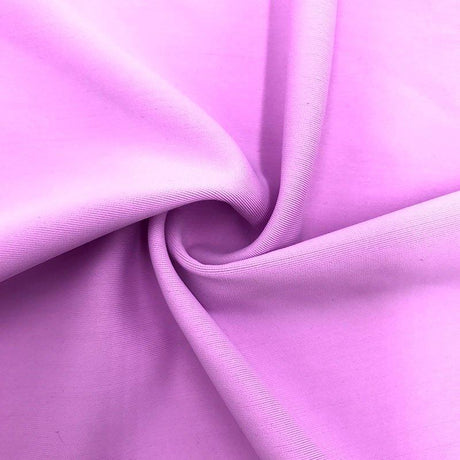
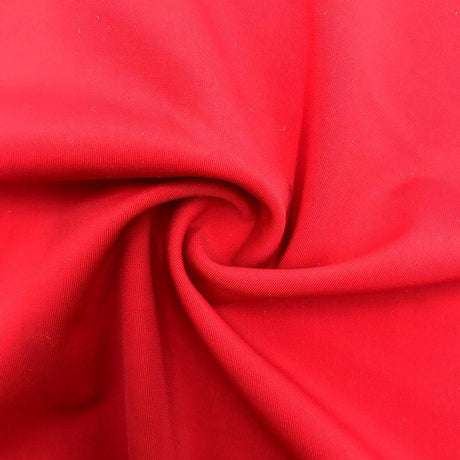
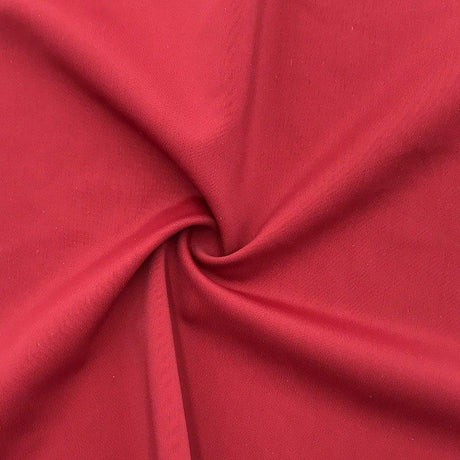
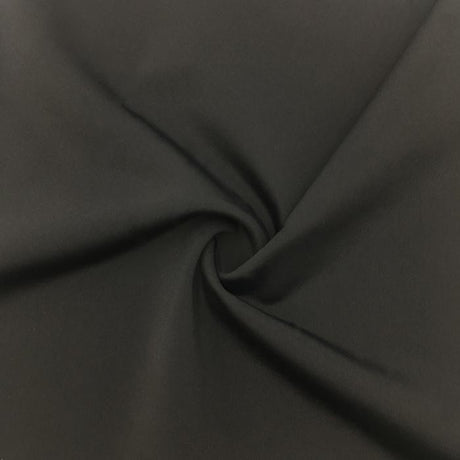
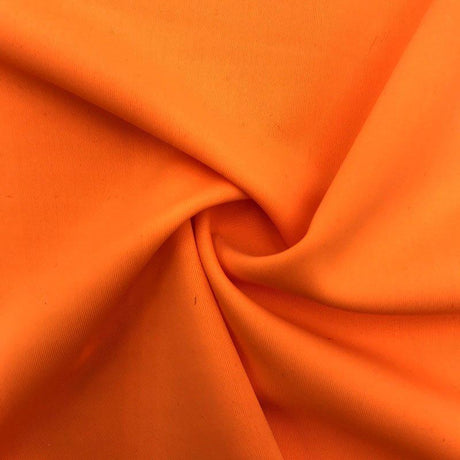
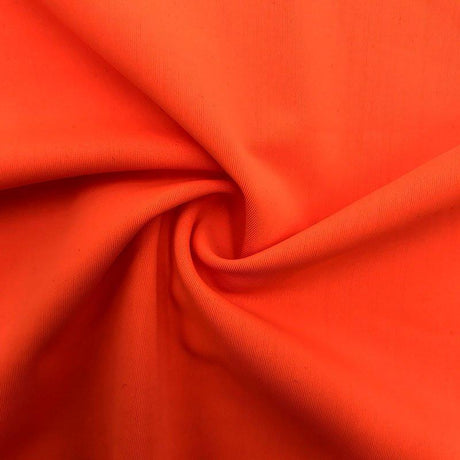
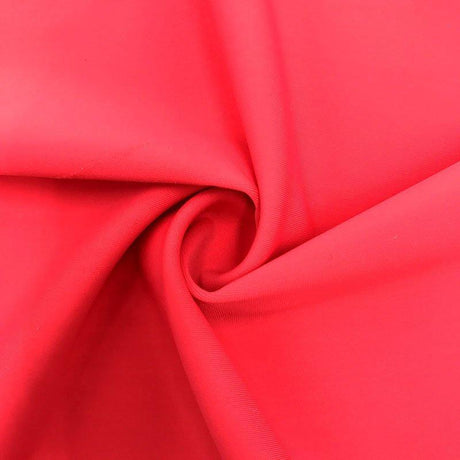
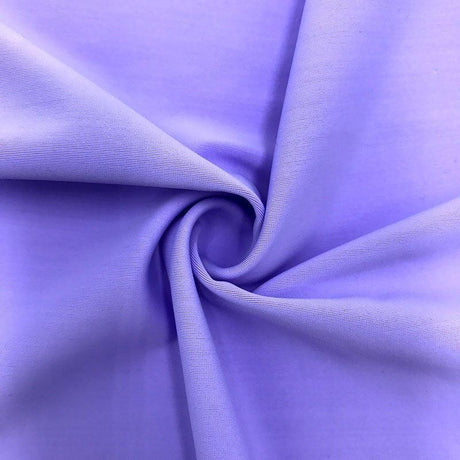
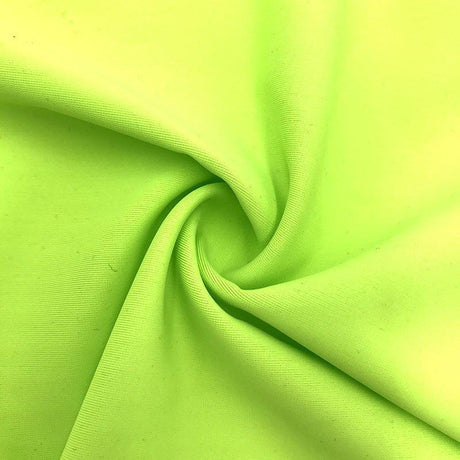
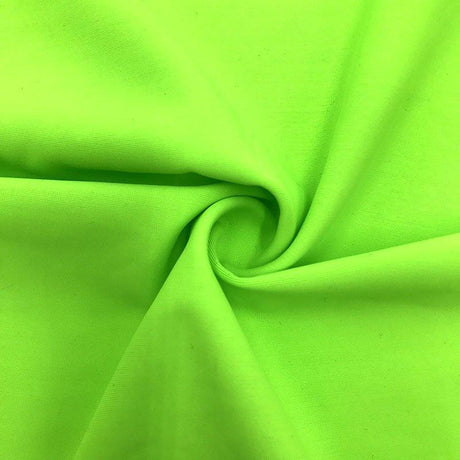
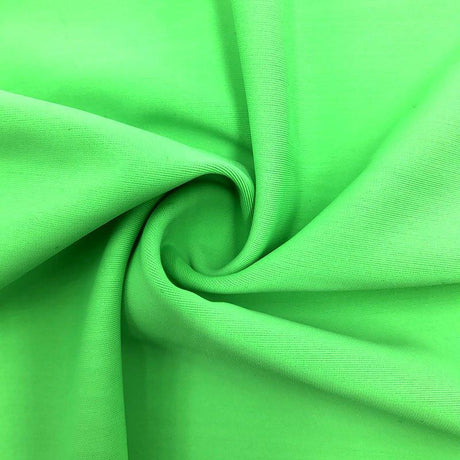
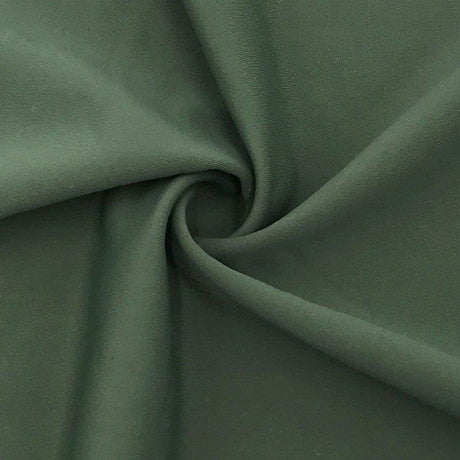
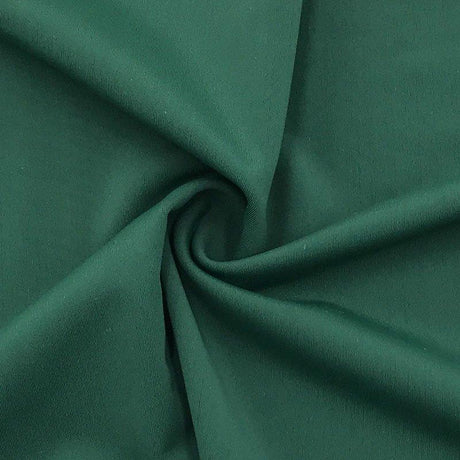
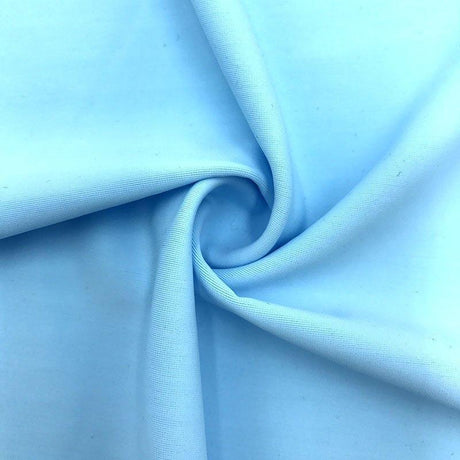
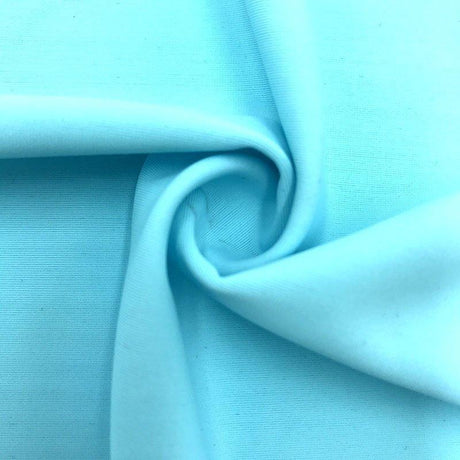
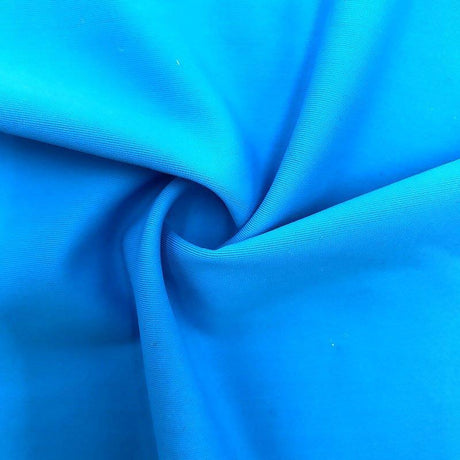
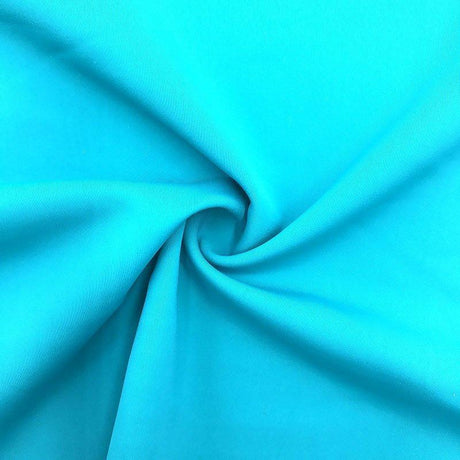
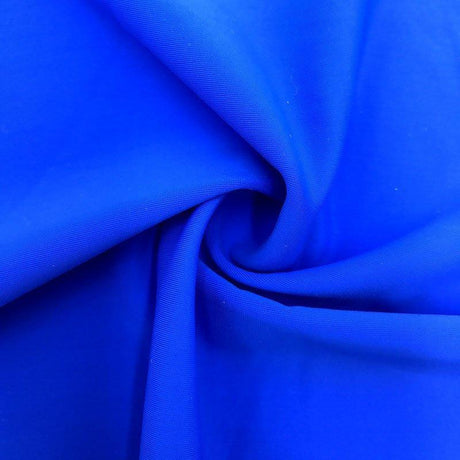
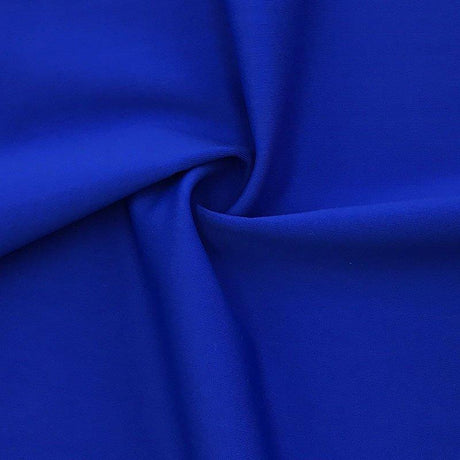
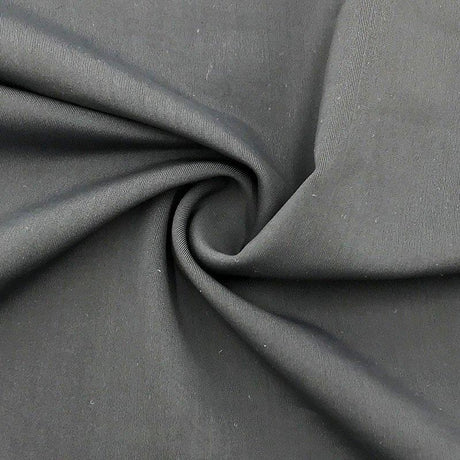
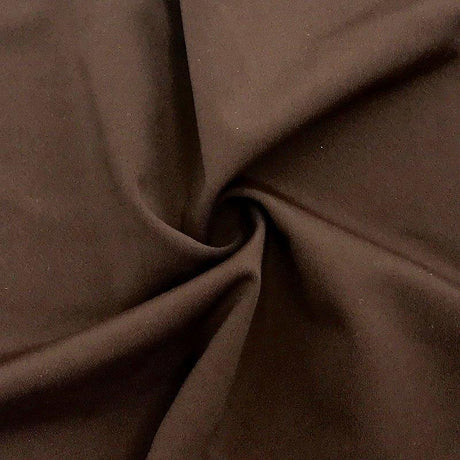
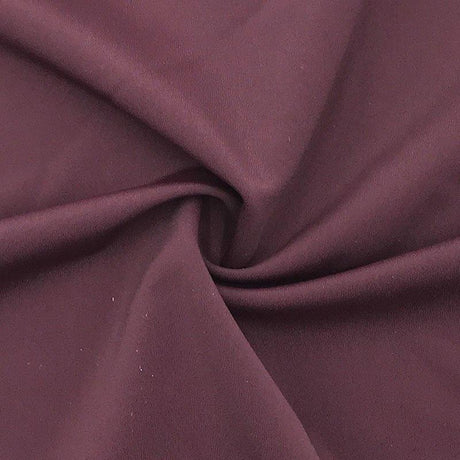
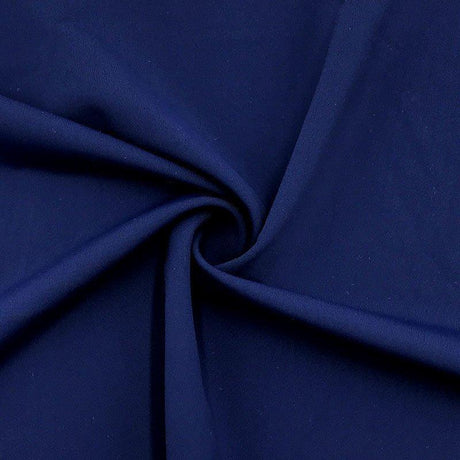
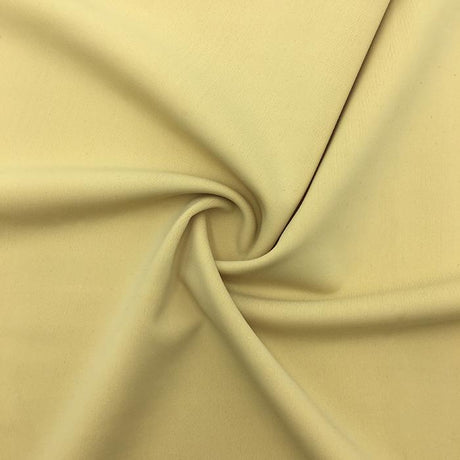
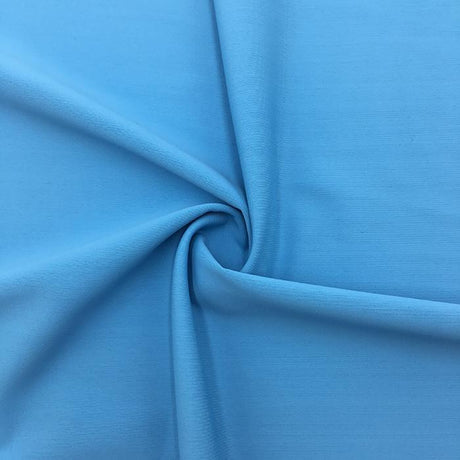
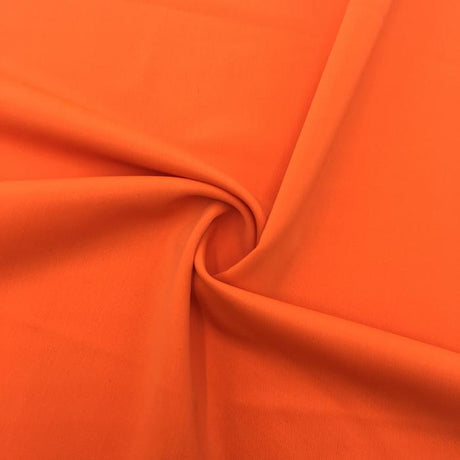
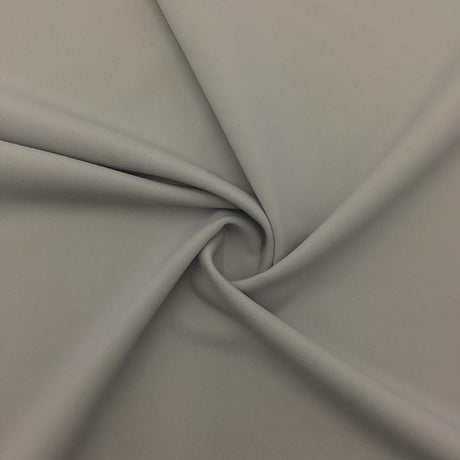
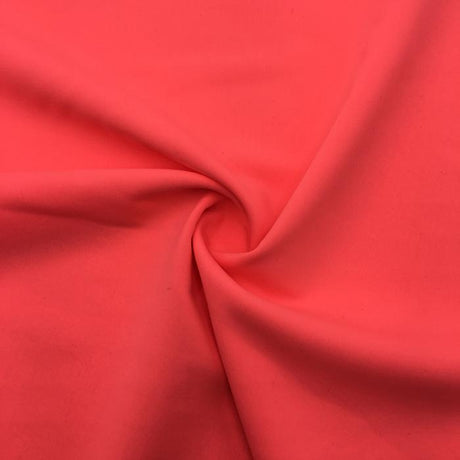
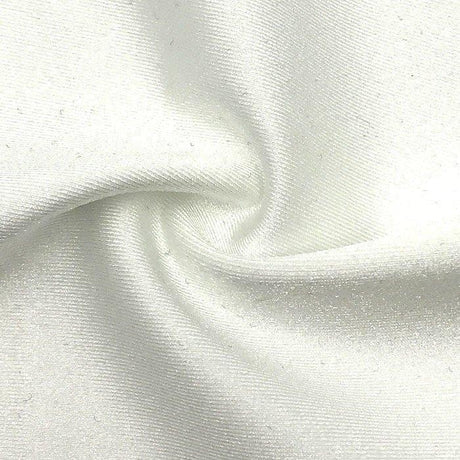
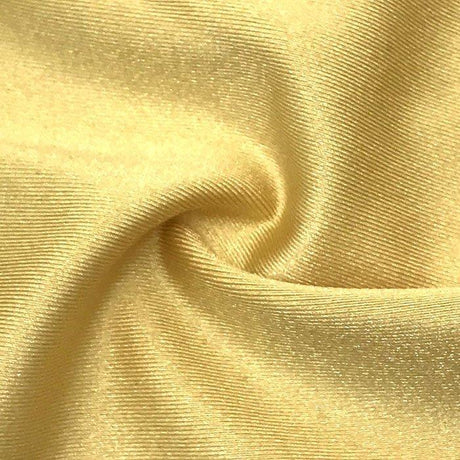
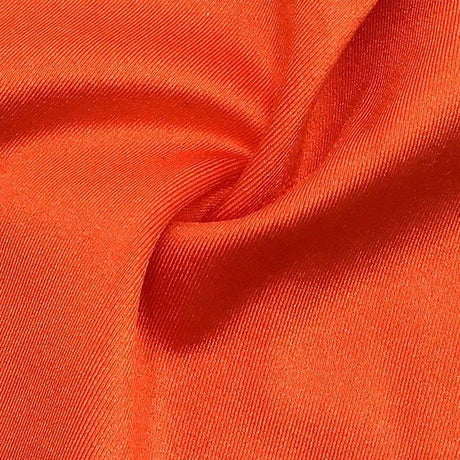
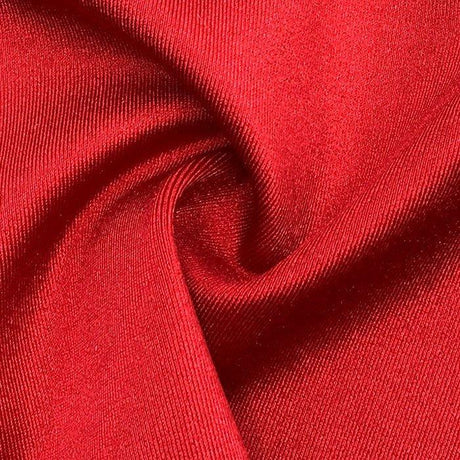
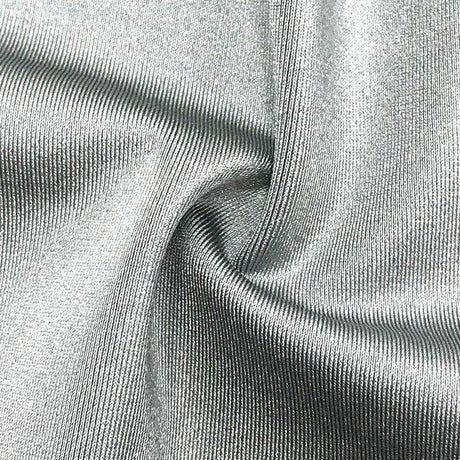
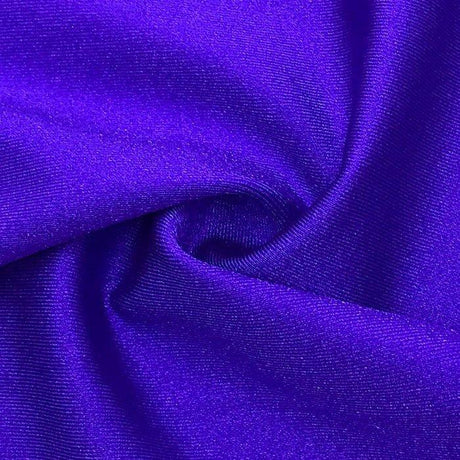
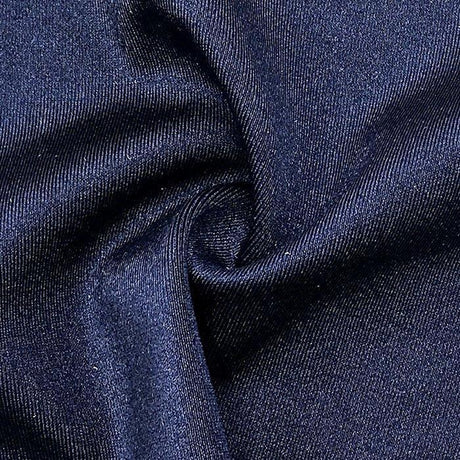
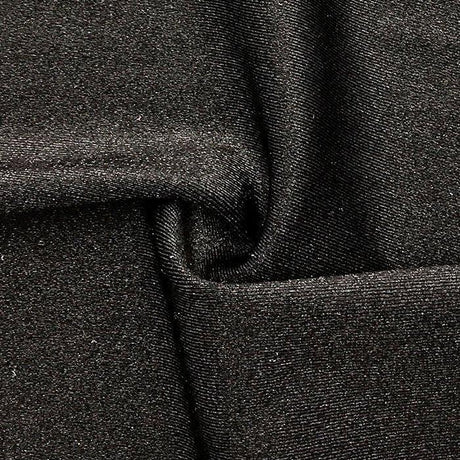
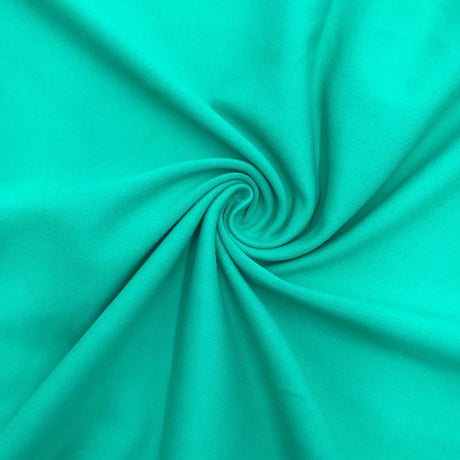
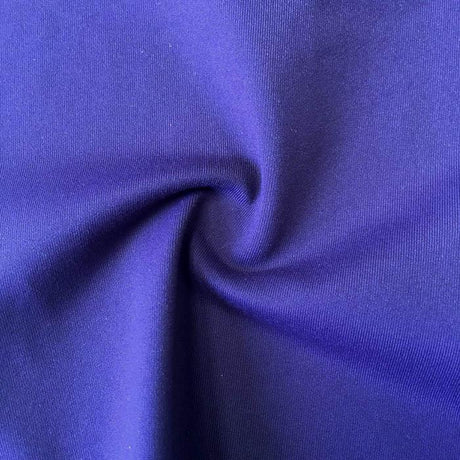
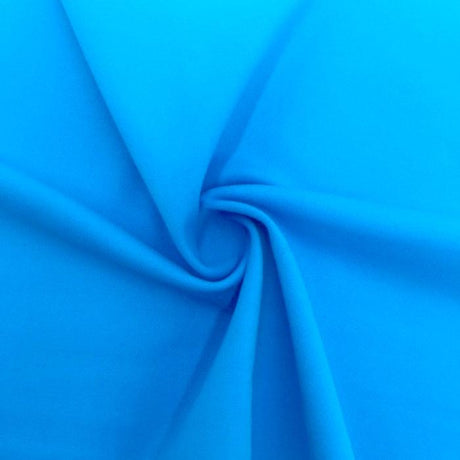
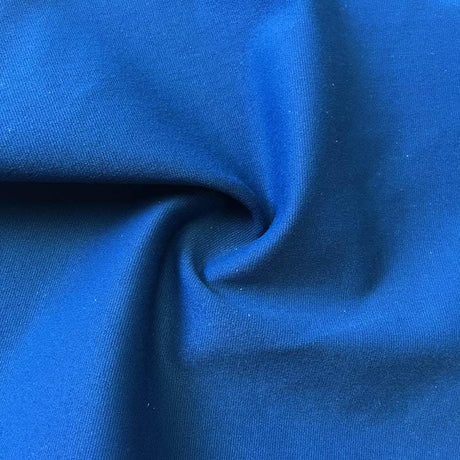
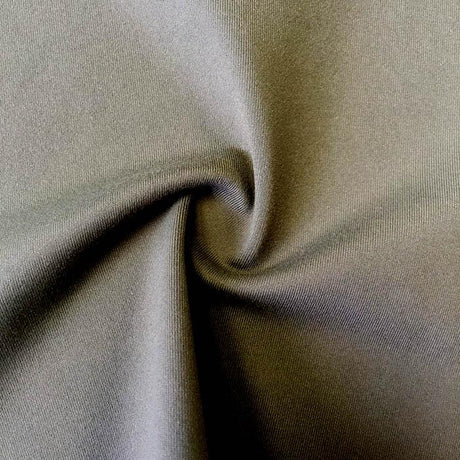
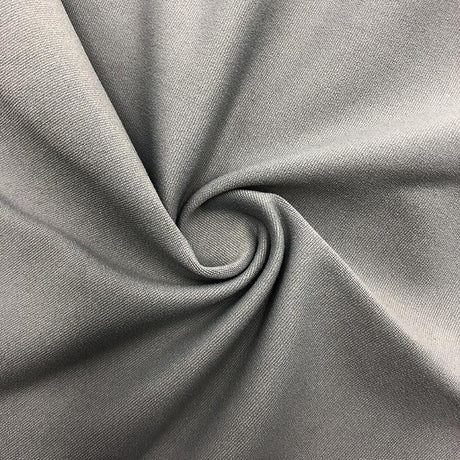
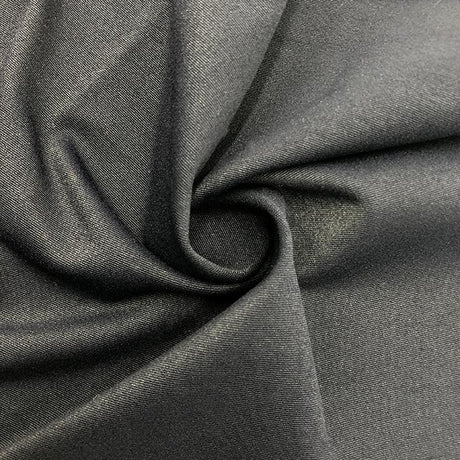
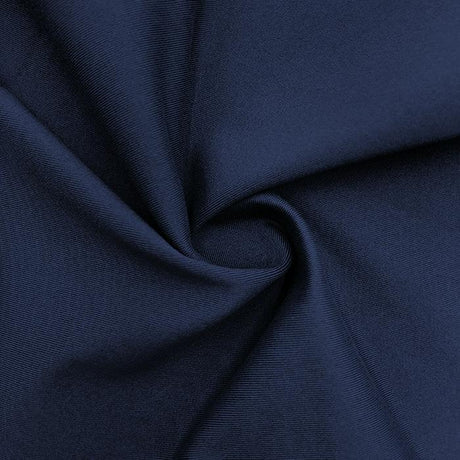
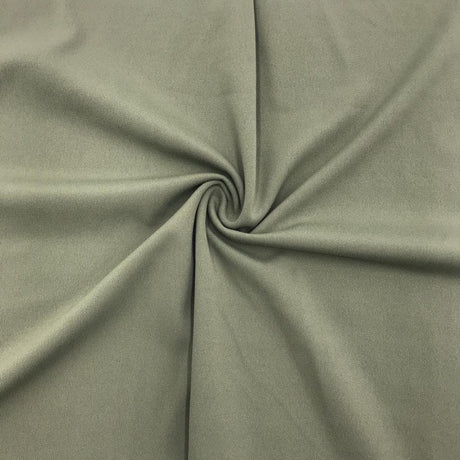
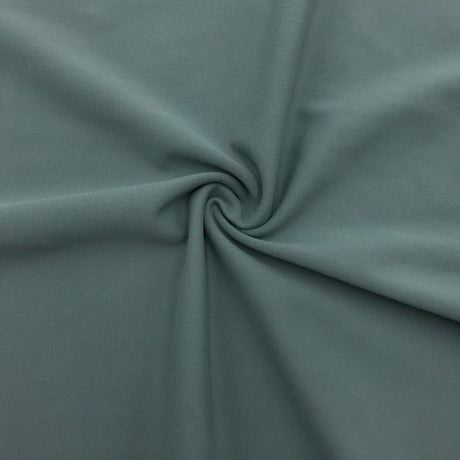
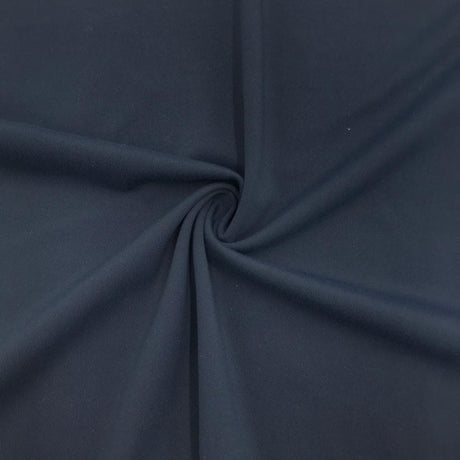
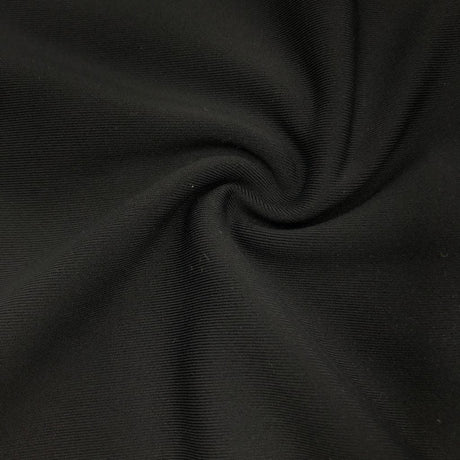
Designing (or sewing) gymnastics shorts and briefs looks simple until the first wear test: waistbands creep, leg openings bite, seams pop, and the fabric goes shiny—or worse, sheer—under stadium lights. For brands, that means returns and inconsistent sizing. For DIY makers, it means hours of sewing for a garment that never feels “right.”
The good news: the “best” fabric for gymnastics shorts is not a mystery. High-performance stretch knits have measurable behaviors—stretch and recovery, weight, abrasion resistance, moisture handling—that directly map to fit, comfort, and durability in a high-mobility sport. Standards like ASTM test methods exist specifically to quantify stretch/growth in knits, which is exactly what snug athletic garments rely on.
In this guide, you’ll learn how to select fabrics sold by the yard (for both professional production and home sewing), how to compare nylon-spandex vs poly-spandex vs cotton-spandex, where mesh and linings matter, what weights typically work, and how to avoid the most common construction and care mistakes that shorten the lifespan of stretchwear.
What fabric for gymnastics shorts actually is
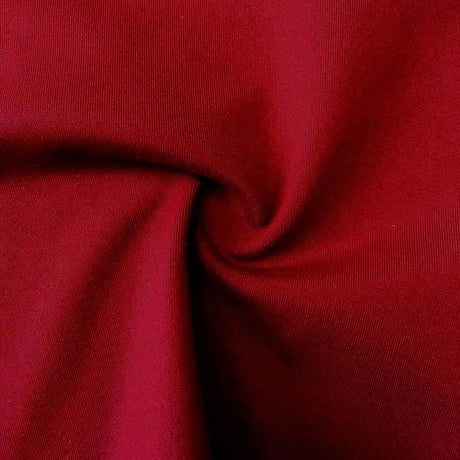
When people search “fabric for gymnastics shorts,” they’re usually describing a high-stretch performance knit—most often a blend that includes spandex/elastane for elastic recovery plus a base fiber (commonly nylon or polyester) for strength, handfeel, and surface appearance.
The core building blocks
Spandex/elastane (LYCRA® fiber is one well-known branded spandex) is the stretch engine. Even at relatively small blend percentages, spandex is used to add comfort, fit, shape retention, and durability to the finished fabric.
For historical context and sourcing conversations: LYCRA® brand spandex was invented in 1958, which is why many modern “performance” fabric categories trace their development to mid-century elastomer breakthroughs.
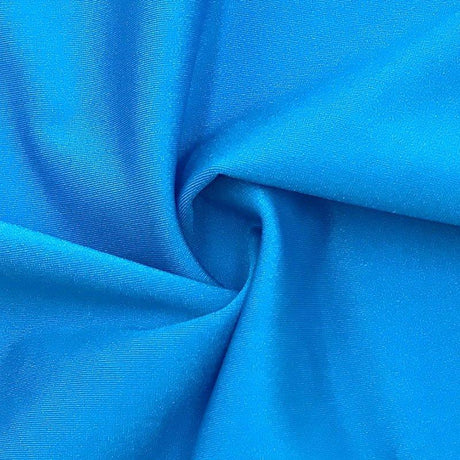
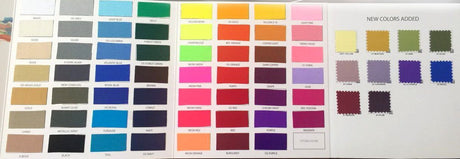
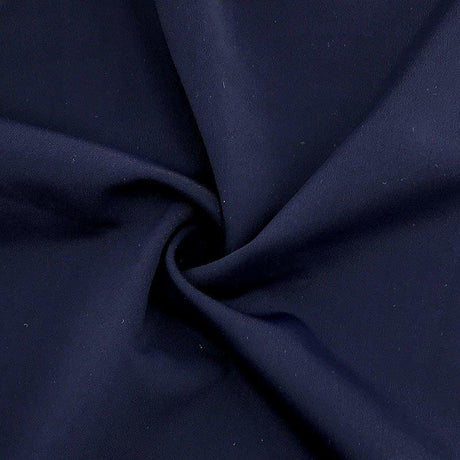
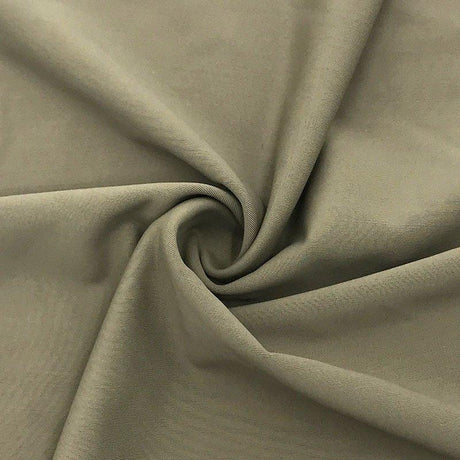
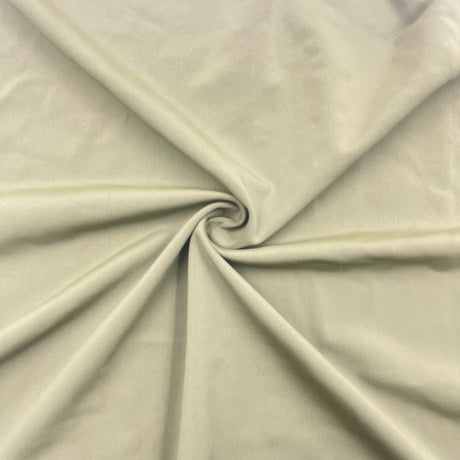
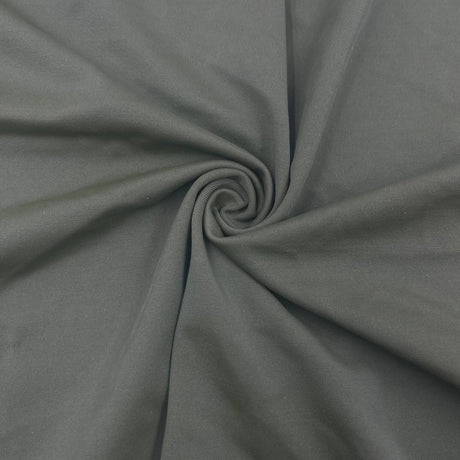
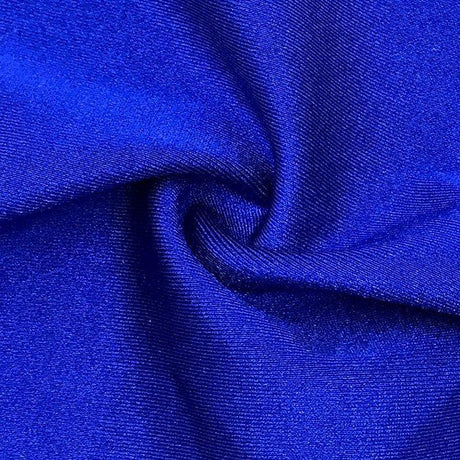
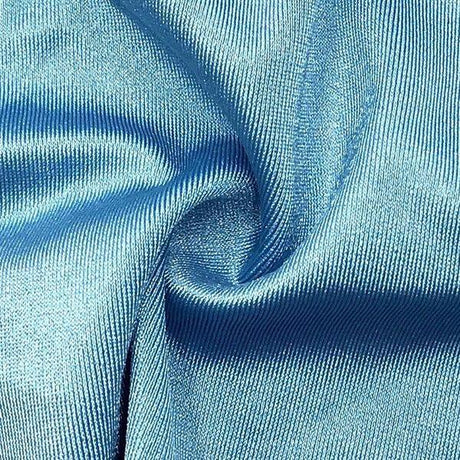
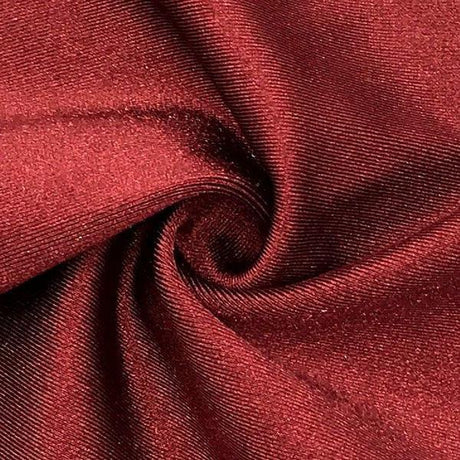
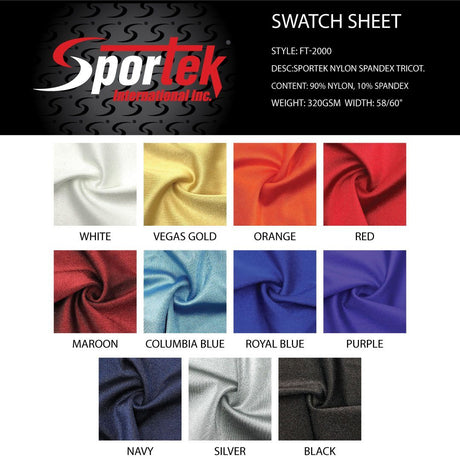
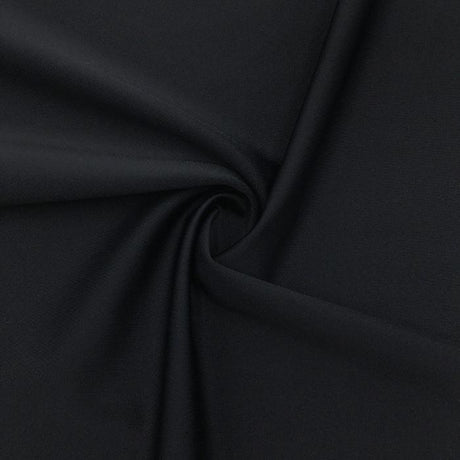
Nylon-spandex (polyamide + elastane) is a classic choice for body-hugging athletic garments. SpandexByYard specifically positions nylon spandex as a go-to option for leotards and athletic lifestyle pieces, and offers it in multiple constructions (tricot matte/shiny, jersey, compression styles, raschel), which is directly relevant to gymnastics shorts and briefs.
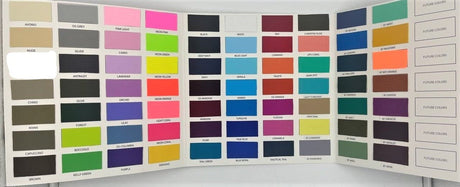
If you’re starting from a reliable “default,” begin with stretch for gymnastics wear.
Polyester-spandex is often selected when you want quick-drying behavior, dimensional stability, and compatibility with certain print workflows. Britannica notes polyester’s quick-drying nature and resistance to stretching/shrinking/wrinkling—traits that matter when shorts are laundered frequently and worn hard.
Construction matters: tricot vs jersey vs mesh
The word “spandex” gets used casually, but the construction is what controls stability, edge behavior, and how the fabric responds to cutting and sewing.
Tricot is a warp knit (many yarns knitted in parallel) and is widely used in performance stretch garments because the structure tends to be stable, smooth-faced, and more resistant to running/unraveling than many jersey knits. SpandexByYard’s tricot explanation describes tricot as warp-knit with a characteristic zigzag loop structure and a reputation for being run-resistant and shape-holding compared with typical weft-knit jersey.
That stability is a big reason tricot-style knits show up in supportive, close-fitting applications.
Jersey is typically a weft knit (often circular knit). It can feel softer and drapier, but it may curl at cut edges and can be less stable than tricot depending on yarns and finishing—important considerations for leg openings and waistbands.
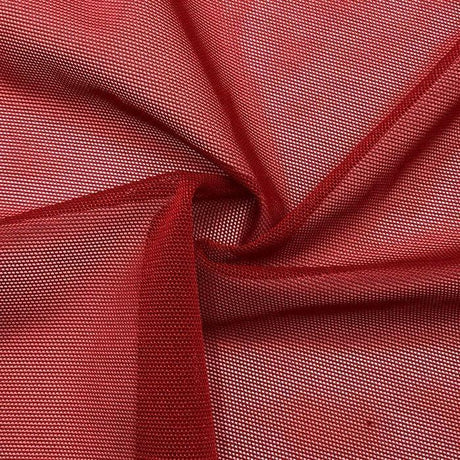
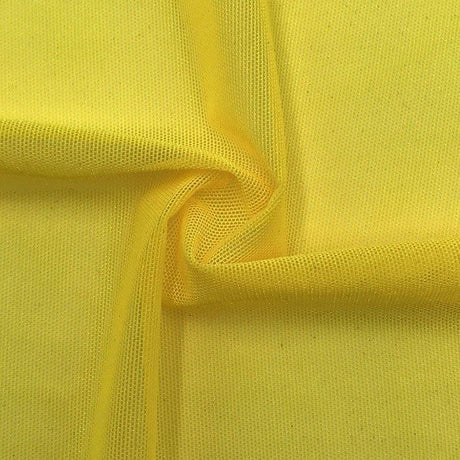
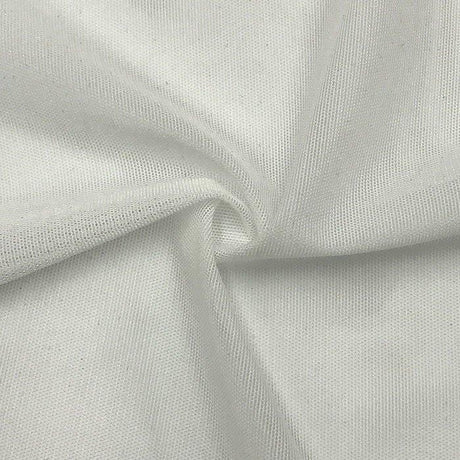
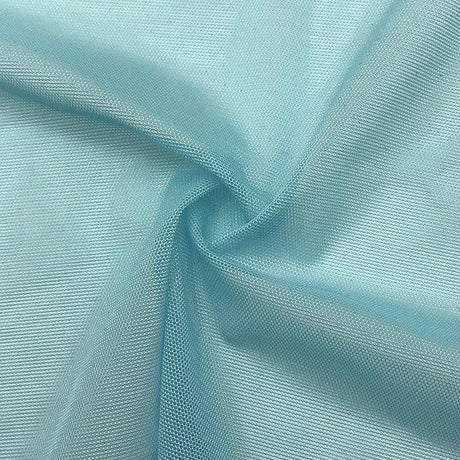
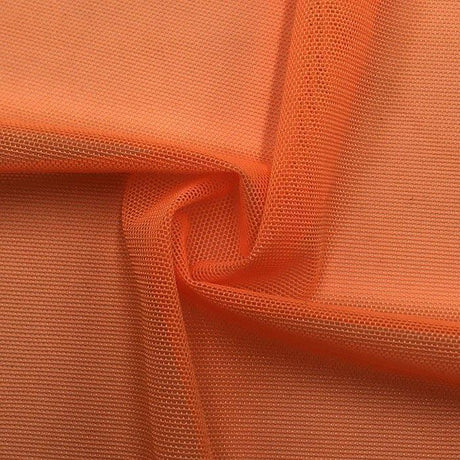
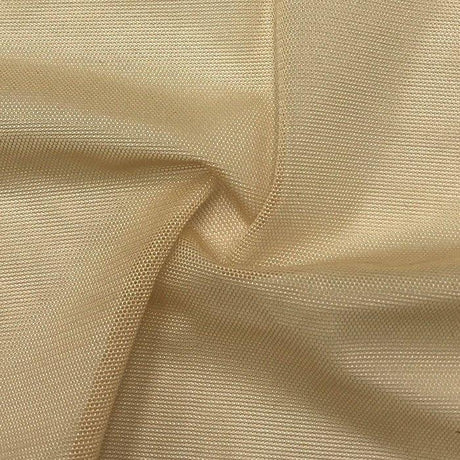
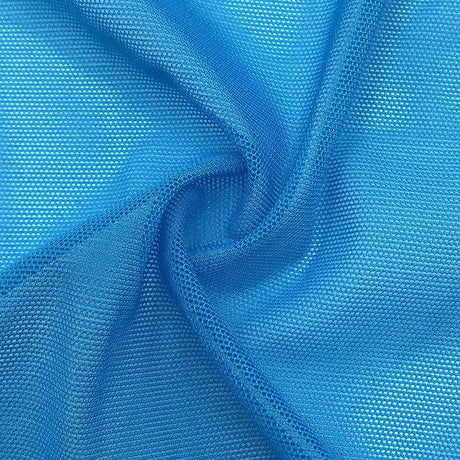
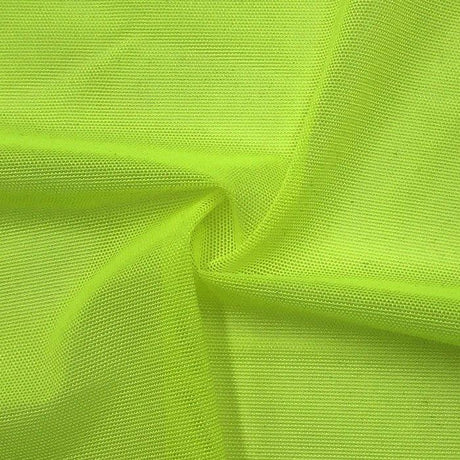
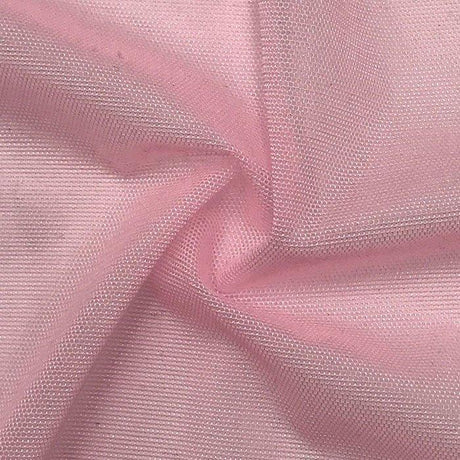
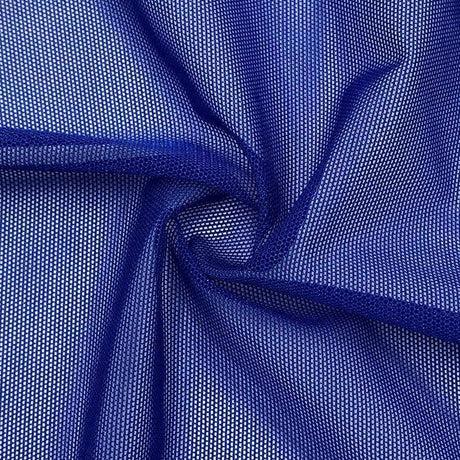
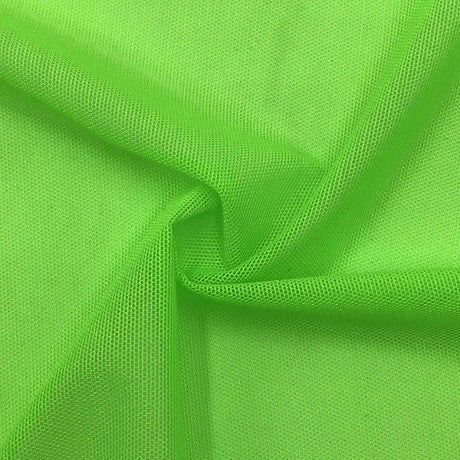
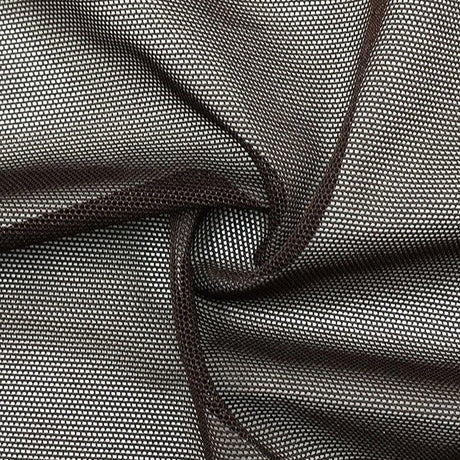
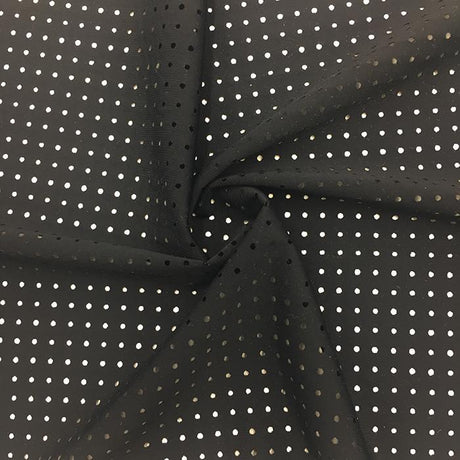
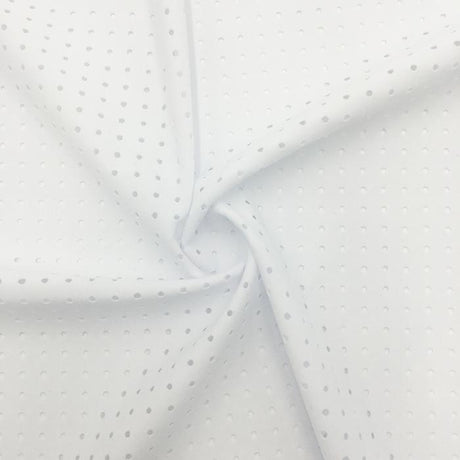
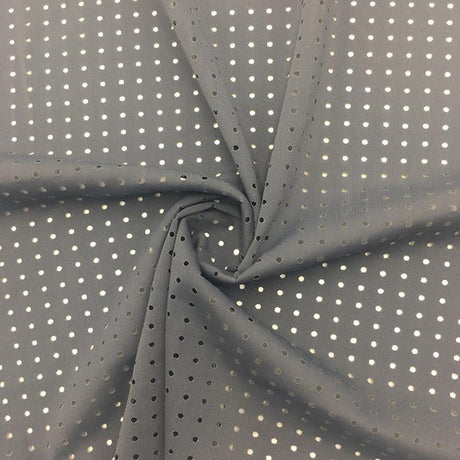
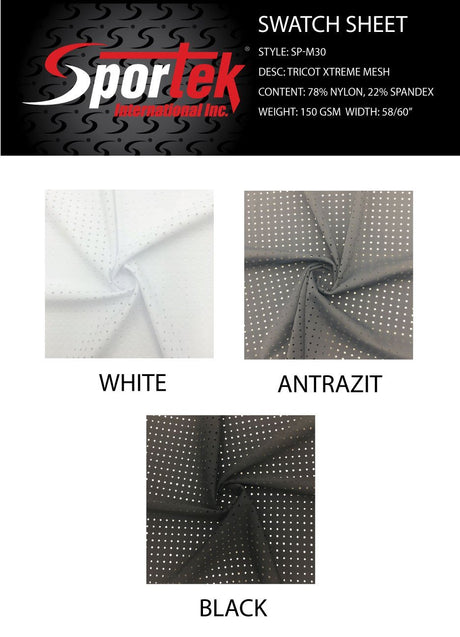
Mesh is usually introduced as targeted ventilation, lightweight lining, or performance paneling. SpandexByYard’s mesh offerings include power mesh, nylon-spandex perforated mesh, and lightweight micro mesh (with listed weights like 82 GSM and 95 GSM), which is useful when you need airflow without bulk.

Key performance characteristics that matter for gymnastics shorts and briefs
Gymnastics shorts/briefs live in an extreme use case: repeated deep hip flexion, splits, tumbling, chalk, sweat, frequent washing, and high visual scrutiny. The fabric must stretch, recover, and stay opaque—without seam failure.
Stretch and recovery
For snug athletic garments, you care about two related behaviors: stretch (how far it extends under load) and growth (how much it stays stretched out after time under stress). ASTM has a test method specifically for stretch properties of knitted fabrics that explains fabric stretch and fabric growth as selection tools for fabrics that need to stretch and recover, and it explicitly references both comfort stretch and form-fitting apparel use cases.
Practical translation: you want fabric that snaps back after routines rather than “bagging out” at the seat or knees.
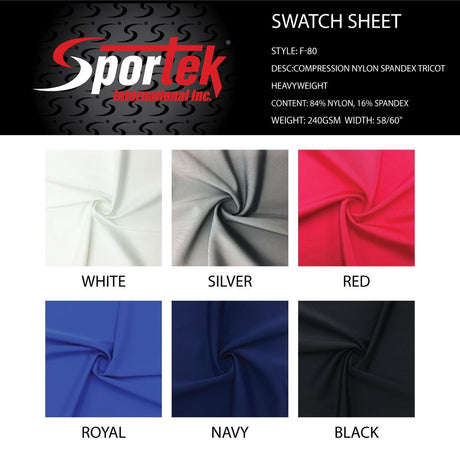
SpandexByYard’s gymnastics-adjacent nylon-spandex lineup includes tricot matte, tricot shiny, heavy weight tricot, and compression options—letting you select the recovery/support level for different patterns and athlete preferences.
GSM/weight (and why it changes everything)
Fabric weight is commonly discussed in GSM (g/m²) or oz/yd², and there are standardized ways to measure mass per unit area (e.g., ASTM test methods for fabric weight).
Weight is not a vanity metric—it influences opacity, compression, coverage, and sometimes seam grin.
In SpandexByYard’s nylon-spandex solids assortment you’ll see examples like “Nylon-Spandex Tricot Shiny 6 oz” and heavier tricot options.
As a working guideline: - Lighter weights can feel cooler and more flexible but may require lining and careful testing for opacity. - Mid-to-heavier weights tend to improve coverage and may feel more supportive, especially for briefs and high-impact wear.
Moisture management and breathability
“Breathable” in gymnastics is partly about fabric structure and partly about moisture transport finishes. SpandexByYard’s “Moisture Management Spandex” category emphasizes sweat-wicking, breathability, and 4-way stretch for performance wear.
For airflow paneling, SpandexByYard also offers moisture-management mesh engineered to draw moisture away and keep wearers cool/dry during intense activity.
If you’re specifying performance in a tech pack, moisture management can be benchmarked with recognized test methods such as AATCC TM195, which evaluates liquid moisture management and reports measurable components (wetting/absorption/spreading/one-way transport and an overall capacity value).
Durability, abrasion resistance, and “pilling reality”
Gymnastics shorts face abrasion from floor work, mats, and repeated laundering. Nylon is routinely used in high-performance applications because polyamide fibers/yarns are associated with high tenacity and resistance to abrasion (noted in technical literature discussing high-performance nylon fibers).
In contrast, polyester is often prized for wash-and-wear practicality and quick drying, but different yarn types and finishes will change snagging/pilling behavior—so you test, not guess.
For lab confirmation, abrasion resistance can be tested using standards like ASTM D4966 (Martindale abrasion tester method).
Handfeel, next-to-skin comfort, and lining strategy
Comfort is not optional in briefs. Look for: - A smooth face (often preferred for performance aesthetics) - A soft back or brushed surface when you need warmth/comfort - The ability to add a lining without bulk
SpandexByYard’s Brushed Tricot Fabric is positioned as soft, lightweight, durable, breathable, and flexible—useful either as a comfort layer or for warmth in certain training pieces.
For easy sourcing, consider comfort lining options.
Special performance traits worth considering
Depending on your customer and use case, these can matter: - UV protection: some performance spandex options are marketed with UV protection (example: a moisture-management spandex product listing noting UV50+ protection). - Chlorine/UV durability if shorts double as swim/cheer/training in harsh conditions: LYCRA® brand’s XTRA LIFE® fiber is positioned as chlorine and UV resistant and claims longer-lasting durability vs generic spandex in swimwear contexts.
Comparison with similar fabrics used for gymnastics shorts
The “best” fabric depends on the garment’s job: competition look vs practice comfort vs printed branding. Use this comparison as a starting point, then confirm by swatch testing and wear trials.
|
Feature |
Nylon-Spandex Tricot/Knit (Primary) |
Polyester-Spandex Performance Knit |
Cotton-Spandex Jersey |
|
Composition |
Nylon (polyamide) + spandex/elastane |
Polyester + spandex/elastane |
Cotton + spandex/elastane |
|
Stretch type |
Typically 4-way stretch; can be tuned from “performance” to “compression” depending on style |
Often 4-way stretch; can be engineered for moisture management and stability |
Usually comfortable 4-way stretch, but less “snap” and can feel heavier when wet |
|
Best for |
Gymnastics shorts/briefs needing smooth appearance, strong recovery, and durability; also dancewear/leotard-adjacent use |
Sweaty training shorts, team sets, and prints (especially when sublimation/print compatibility is key) |
Casual practice, lounge-athleisure crossover, sensory comfort for some wearers |
|
Pros |
Durable and abrasion-resistant base fiber; smooth, professional look; broad range of weights/finishes (matte, shiny, heavy, compression) |
Quick-drying reputation; resists stretching/shrinking/wrinkling; often strong for frequent laundering |
Soft handfeel, natural comfort; often easier to sew for beginners |
|
Cons |
Can show shine in high-stress zones depending on finish; may need lining for light colors |
Some people find it less breathable/heat-trapping depending on structure |
Slower drying, can lose shape sooner; not ideal for “competition-polished” look |
Printing note: If your gymnastics shorts need bright, photo-quality custom prints and you’re using dye sublimation workflows, polyester content and fabric surface are key variables; SanMar notes that not all polyester fabrics behave the same for sublimation and that fiber content/finish/color affect results.
Best uses and applications for gymnastics shorts, briefs, and related performance garments
A strong gymnastics fabric plan usually uses one hero fabric plus supporting materials (mesh, lining, elastics, threads).
Mainstream apparel categories (brands and DIY)
Nylon-spandex is commonly used for form-fitting athletic pieces; SpandexByYard explicitly lists nylon spandex as a go-to for leotards and athletic wear and offers multiple knit constructions and performance profiles (including tricot and compression styles).
This maps naturally to: - Practice shorts (mid-rise, high-rise, and “cheeky” cuts) - Briefs worn under leotards - Dance/gym crossover shorts
For broader activewear development (leggings, bras, coordinated sets), SpandexByYard’s “Yoga Pants & Bras Fabric” category is described as a nylon-spandex blend chosen for flexibility, breathability, durability, and moisture-wicking comfort.
That makes it a natural companion category for brands building a short + bra capsule: performance fabrics for shorts.
Mesh and lining for breathability and comfort
Use mesh when you want ventilation without giving up stretch: - Side panels or back yoke “heat zones” - Gusset/liner support layers - Decorative cutouts with structural function
SpandexByYard’s mesh selection includes power mesh, nylon-spandex perforated mesh, and lightweight micro meshes (including items listed at 82 GSM and 95 GSM), giving you graded options for airflow vs coverage.
For wholesale production, their moisture-management mesh category also notes availability in bulk with a stated minimum order range per roll, which matters for manufacturers planning roll-based cutting.
For modesty and softness (especially in briefs), a lining strategy prevents show-through and reduces friction. Brushed tricot is positioned by SpandexByYard as soft, lightweight, flexible, and breathable while adding comfort/warmth—useful for next-to-skin layers.
Warmth layers and cold-weather training
Gymnastics gyms can be cold, and warm-ups are part of the product ecosystem. SpandexByYard’s fleece categories emphasize warmth, softness, insulation, and lightweight breathability for cold-weather apparel.
That’s a natural place to source: - Warm-up shorts or over-shorts - Team jackets and joggers - Post-training layers
Printed fabrics and fashion-forward designs
For statement looks, SpandexByYard’s printed spandex collection highlights nylon and polyester spandex blends designed for high elasticity/resilience and notes print-oriented options (including tricot wet printing).
This is relevant for: - Team branding - Seasonal drops - Competition-inspired “shine + print” aesthetics
How to choose the right fabric for gymnastics shorts and briefs
Use this selection path whether you’re cutting 1 pair at home or developing a production run.
Start with the job definition
Ask one question first: What must this short do that a normal activewear short doesn’t?
For gymnastics, common “musts” include: - Deep-range motion without waistband roll - Opacity (especially at stretch points and under bright light) - Fast recovery after repeated stress (no bagging) - Comfortable seams and leg openings
A practical way to formalize recovery expectations is referencing knit stretch/growth concepts like those covered in ASTM D2594, which frames stretch and growth as useful in selecting fabrics that must stretch and then return to shape.
Match fabric weight and opacity to the pattern
- Brief cut / higher leg line: choose a slightly more supportive, stable knit (often midweight tricot or a compression-leaning option) to prevent edge distortion. SpandexByYard lists both standard and heavy-weight tricot options within nylon spandex solids.
- Shorts with longer inseam: you can often use softer jerseys if recovery is strong, but still test knee/seat bag-out.
If you’re specifying weight in production, ASTM provides standardized methods for measuring fabric mass per unit area.
Decide on moisture strategy
If training is high-sweat or you’re selling to teams, moisture management can be as important as aesthetics. SpandexByYard’s moisture management spandex category is positioned around sweat-wicking, breathability, and 4-way stretch.
For tech packs and supplier conversations, reference measurable frameworks like AATCC TM195 for liquid moisture management evaluation.
Confirm print plan before you buy roll yardage
If prints matter, decide printing method first: - Dye-sublimation is commonly associated with polyester-rich fabrics, and compatibility depends on fiber content, weave/knit, finish, and color (SanMar specifically calls out those variables). - For ready-made printed yardage, SpandexByYard’s printed spandex collection includes nylon and polyester spandex blends created for performance aesthetics.
Common mistakes to avoid
Most failures aren’t “bad fabric”—they’re mismatched fabric + construction.
- Using the wrong needle for high-elastic knits. SCHMETZ describes its Stretch needle as having features (medium ball point, smaller eye, deep scarf) intended for highly elastic knits, especially those containing Lycra®/spandex/elastic.
- Ignoring stretch recovery during testing. Shorts that feel great on a hanger can grow during wear; test for extension and recovery principles (the same behaviors highlighted in ASTM’s knit stretch/growth method).
- Choosing stitches that can’t stretch. Industrially, stitch and seam types are standardized so manufacturers can communicate requirements; ASTM D6193 covers stitch/seam characteristics and identifies categories and purposes for sewn items.
- Building “next-to-skin” seams with scratchy thread. For coverseaming/overlocking comfort, Coats describes textured thread designed to provide softness in loopers for overlocking and coverseaming in next-to-skin seams.
- Skipping opacity tests on light colors. Always test under maximum stretch and strong lighting; add lining or select heavier weight if needed.
Ready-to-use checklist for makers and production teams
- Pre-wash a swatch and re-check stretch/recovery and handfeel after drying (especially for compression-y knits).
- Test 4-way stretch direction and mark the greatest stretch for correct pattern placement.
- Use a stretch/ballpoint needle appropriate for high-elastic knits.
- Choose stitches/seams that maintain elasticity (align seam specs using standardized stitch/seam language when working with factories).
- If adding mesh panels, select the mesh weight/structure intentionally (e.g., lightweight micro mesh vs power mesh).
- For lined briefs or light colors, plan your lining early (avoid bulky last-minute fixes).
Care and longevity tips for spandex-based gymnastics shorts
Gymnastics shorts get washed a lot. Care is performance.
Washing
SpandexByYard’s care guidance emphasizes gentle washing practices and warns that improper care can break down spandex fibers, affecting support and fit over time.
Key takeaways that map well to shorts/briefs: - Prefer cold water and gentle cycles for high-spandex items.
- Avoid chlorine bleach and avoid fabric softeners (their care guide explicitly warns against both for spandex longevity).
Drying and heat management
Heat is a known enemy of elastane-based fabrics. SpandexByYard’s care guide strongly prioritizes air-drying and avoiding high heat drying conditions to preserve elasticity.
If you must machine dry, use the lowest heat possible and minimize time—then remove promptly.
Ironing
Avoid direct high heat on spandex-rich fabrics; the safest approach is usually smoothing while air-drying or using low-steam techniques rather than pressing hot.
Storage
Store clean, fully dry garments away from heat and direct sunlight to protect stretch and color. SpandexByYard also cautions that UV and heat exposure can contribute to degradation and fading over time.
Print care
For printed performance fabrics, protect the face: - Wash inside out - Avoid harsh detergents and heavy abrasion in the wash - Skip fabric softeners that leave residues (especially important for moisture-management finishes)
When to consider an alternative fabric
Even if nylon-spandex is a top choice, there are legitimate reasons to pick something else.
When cotton-spandex is the better choice
Choose cotton-spandex when the priority is soft everyday comfort and less “slick performance” aesthetics—especially for casual practice or younger athletes with sensory preferences. The trade-off is typically slower drying and less performance “snap” over long wear.
When polyester-spandex makes more sense
If you need: - Fast dry time reputation and wash-and-wear stability (Britannica highlights polyester’s quick-drying and resistance to stretching/shrinking).
- Print workflows that align with polyester (especially dye sublimation sensitivity to fabric variables like fiber content/finish/color).
…then polyester-spandex is often the better path.
When neoprene or structured knits are appropriate
Neoprene-style fabrics are best reserved for structured fashion or protective/statement pieces where thickness and body are desired—not typically for standard gymnastics shorts due to heat and bulk. (If you do explore this route, prototype carefully and confirm mobility and thermal comfort.)
When mesh is the smarter “alternative”
If your current short fabric meets opacity and recovery needs but feels too warm, don’t abandon it—panel it. SpandexByYard’s mesh catalog includes multiple performance meshes and linings, from power mesh to micro mesh weights (82–95 GSM).
Conclusion
The best fabric for gymnastics shorts balances measurable stretch/recovery, sufficient weight for opacity, and a surface/handfeel that matches your athlete and brand aesthetic. Nylon-spandex tricot and related performance knits are strong defaults because they’re widely used for form-fitting athletic garments and offered in multiple finishes and support levels.
Choose confidently by matching fabric behavior to the garment’s job (practice vs competition vs printed sets), validating with stretch/growth concepts used in knit testing, and building seams with stretch-compatible needles, stitches, and threads.
FAQ
Is nylon-spandex good fabric for gymnastics shorts?
Yes—nylon-spandex is commonly used for leotard and athletic applications, and it’s available in stable tricot and compression-oriented options that support close fit and recovery.
What fabric weight should I choose for gymnastics briefs to avoid see-through?
Heavier or more supportive knits generally improve coverage; SpandexByYard’s nylon-spandex offering includes a 6 oz tricot and heavier tricot options, which are good starting points before you finalize by swatch testing under stretch and bright light.
What needle should I use to sew high-stretch spandex for gymnastics wear?
A stretch needle is commonly recommended for highly elastic knits with spandex; SCHMETZ describes design features intended to prevent skipped stitches on elastic knits.
How do I choose fabric for printed gymnastics shorts?
Decide printing method first. For dye sublimation, polyester fabric choice depends on fiber content, surface finish, and color; if you want printed yardage, SpandexByYard’s Printed Spandex includes nylon and polyester spandex blends designed for performance looks.
How should I care for spandex gymnastics shorts to keep elasticity?
Use gentle washing practices, avoid bleach and fabric softeners, and avoid high-heat drying; air-drying is generally the safest route for elastane longevity.