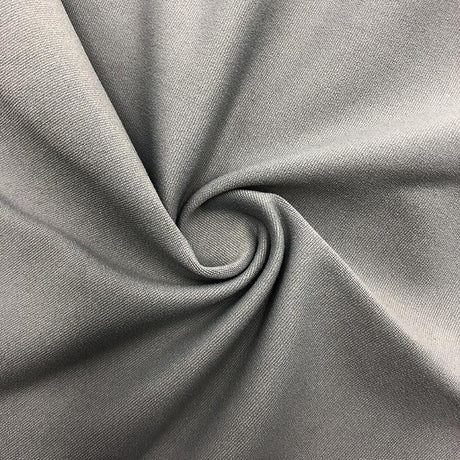
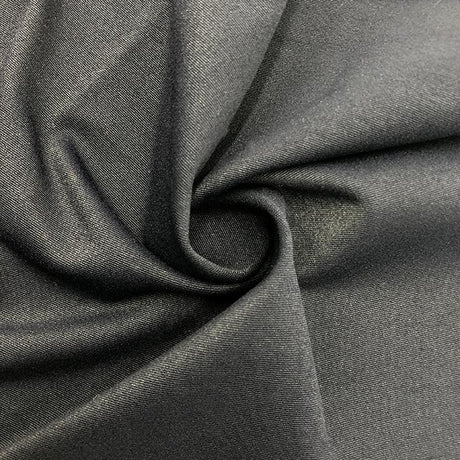
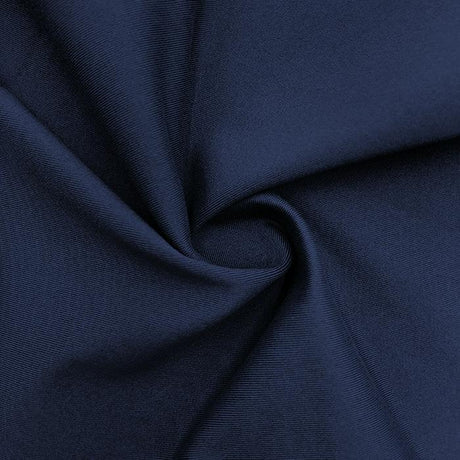
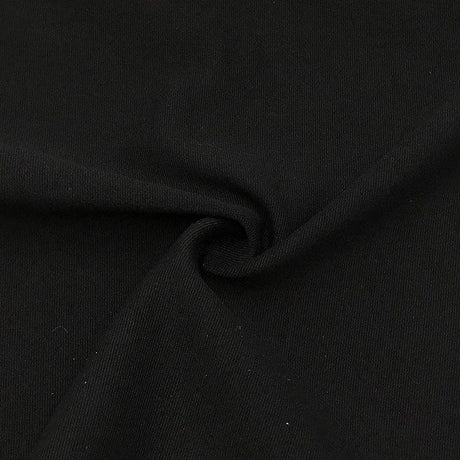
If you’ve ever worn the “wrong” fabric on a paddleboard, you already know the pain points: a top that stays clammy, seams that chafe when you paddle, a waistband that bags out after an hour, or a cute print that looks amazing—until it turns sheer and overstretched when wet. Paddleboarding (SUP) is a unique mix of sun exposure, splashes, wind, and constant upper-body motion, so your fabric has to do more than just stretch.
That’s why choosing the right fabric for paddleboard clothing is less about fashion labels and more about measurable performance: 4-way stretch and recovery, dry time, UV protection strategy (UPF-ready construction), and durability against salt, sunscreen, and abrasion. Medical and skin-health organizations also emphasize that sun-protective clothing is a dependable layer of UV defense, and that UPF performance can change when fabrics are stretched or wet—two realities of water sports.
In this guide, I’ll break down the best fabric families sold by the yard—especially swimwear-grade knits like nylon-spandex and poly-spandex—then show you how to compare options, avoid common sewing mistakes, and build paddle-ready garments (rash guards, leggings, tops, and cold-water layers) with confidence.
What makes a great fabric for paddleboard clothing
What is the primary fabric choice for paddleboard clothing
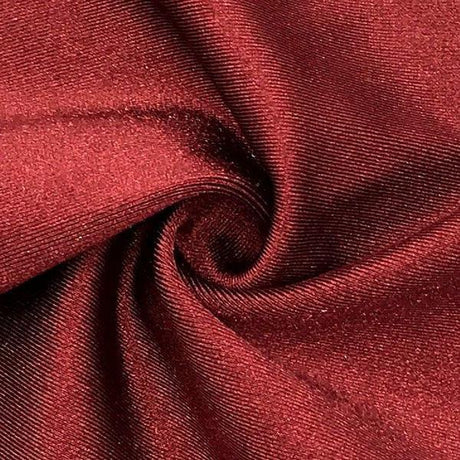
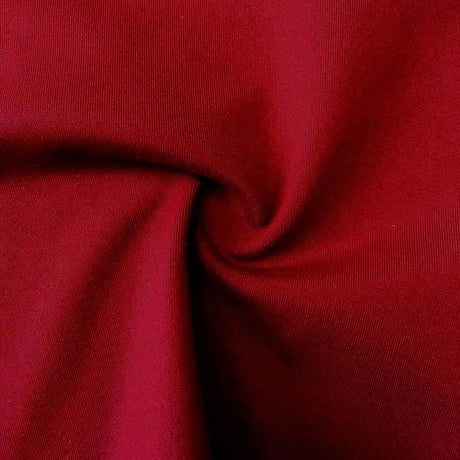
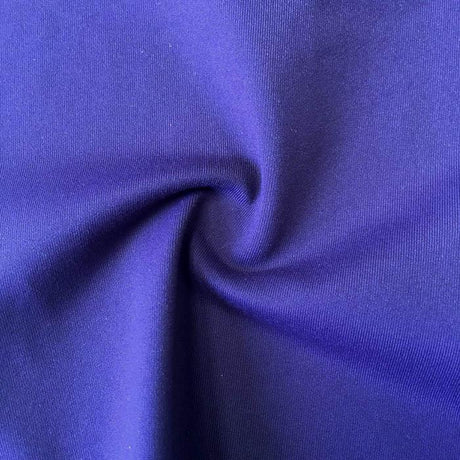
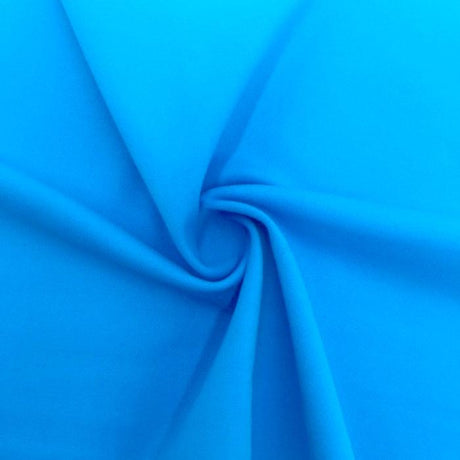
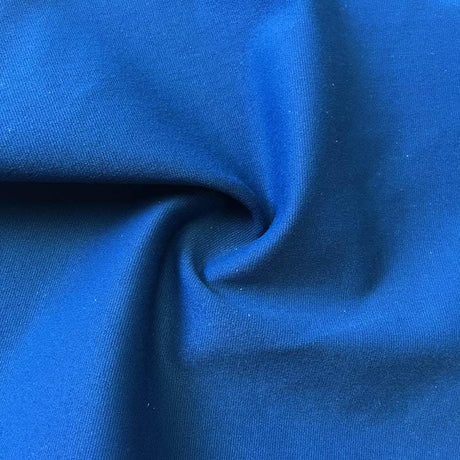
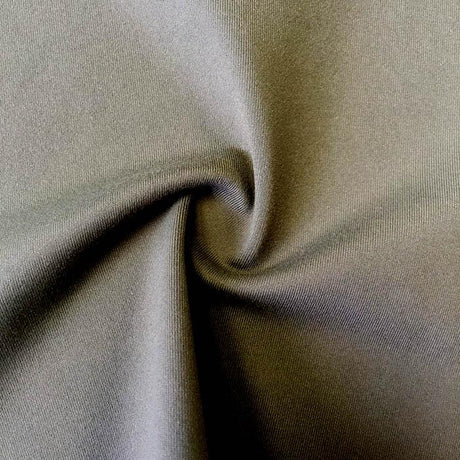
For most paddleboard garments—especially rash guards, paddle tops, and fitted leggings—the “workhorse” fabric is a swimwear/activewear stretch knit, most commonly:
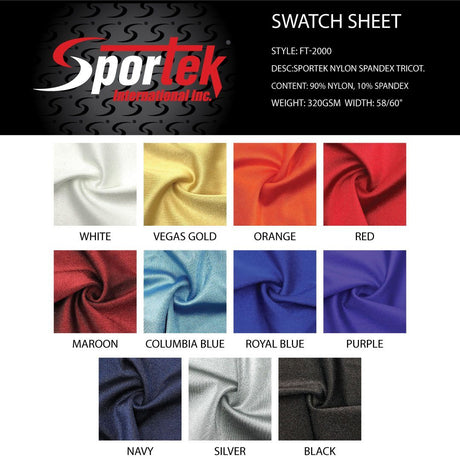
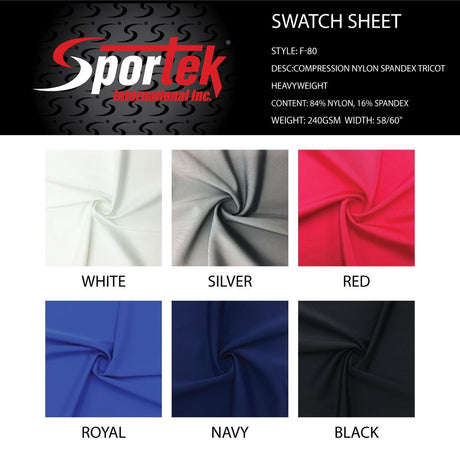
- Nylon-spandex (polyamide-elastane) tricot, jersey, or compression knit
- Polyester-spandex tricot/interlock (often chosen when you want very print-stable sublimation or extra chlorine tolerance)
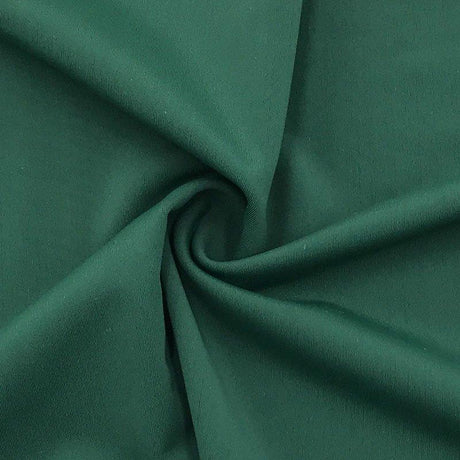
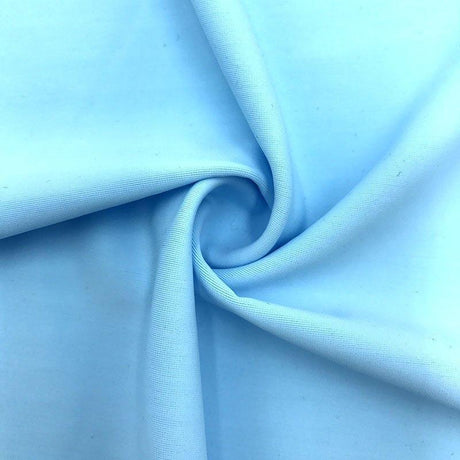
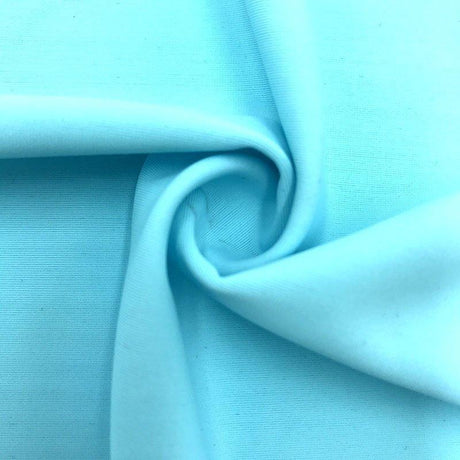
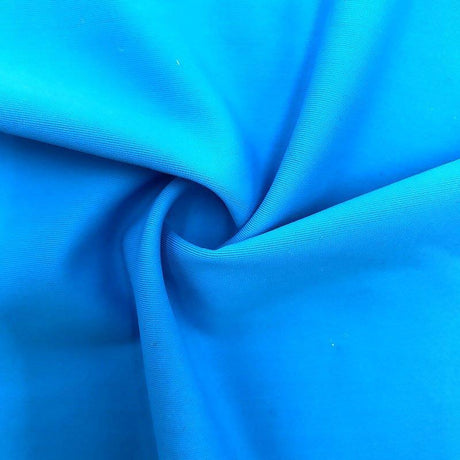
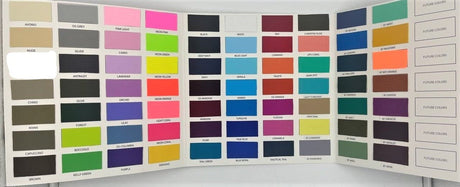
SpandexByYard groups these options across performance-focused collections (including Nylon Spandex Solids, Printed Spandex, Swimwear Fabric/lining, moisture-management knits, mesh, neoprene, and stretch fleece), which is useful because paddleboard apparel often combines multiple materials in one design.
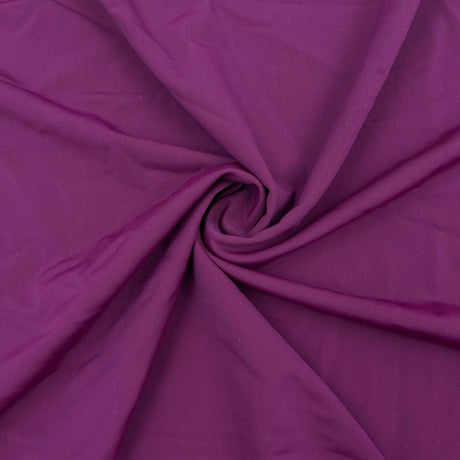
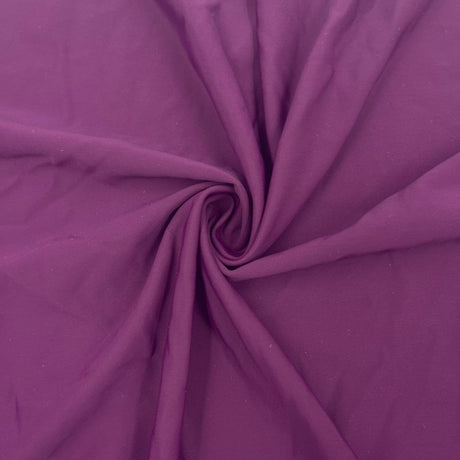
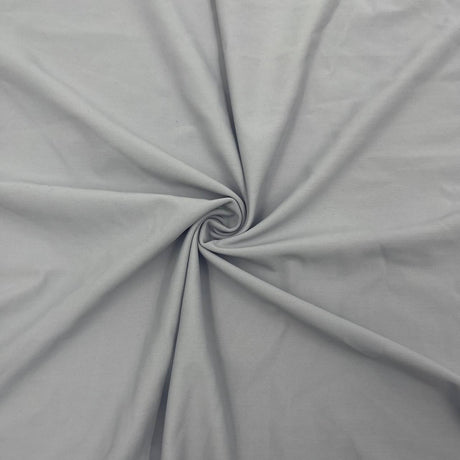
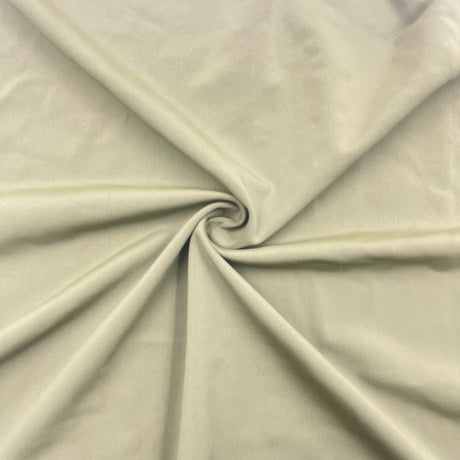
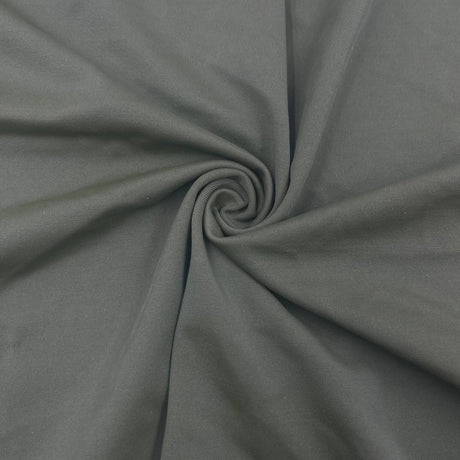
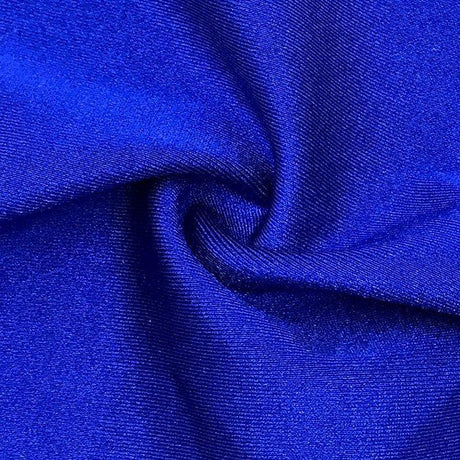
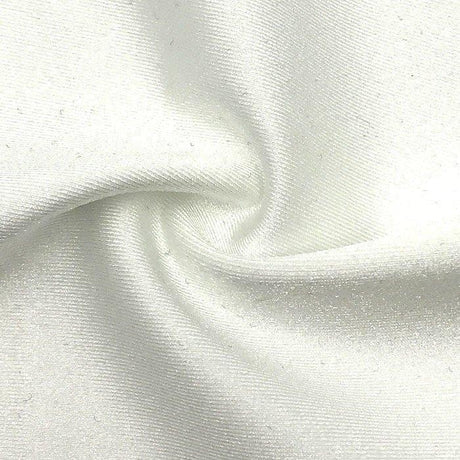
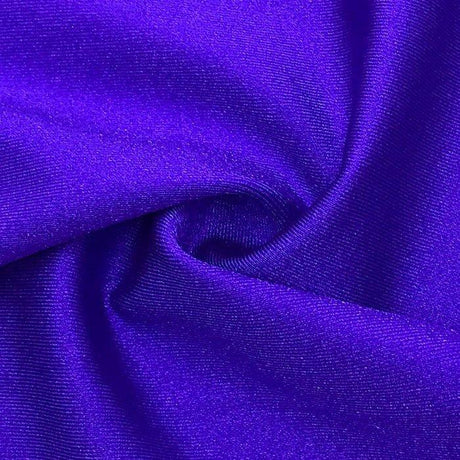
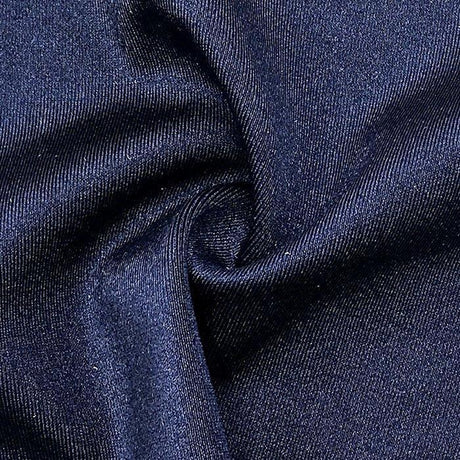
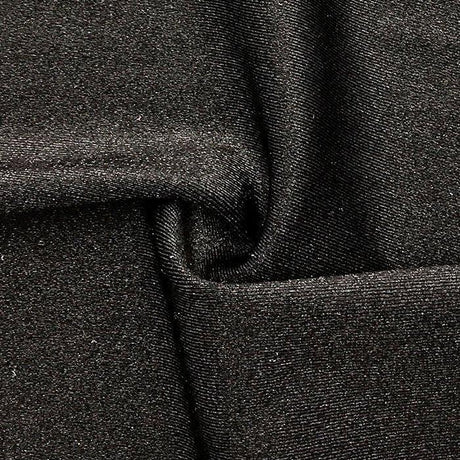
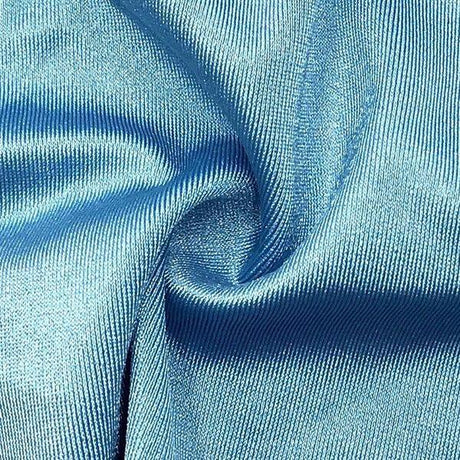
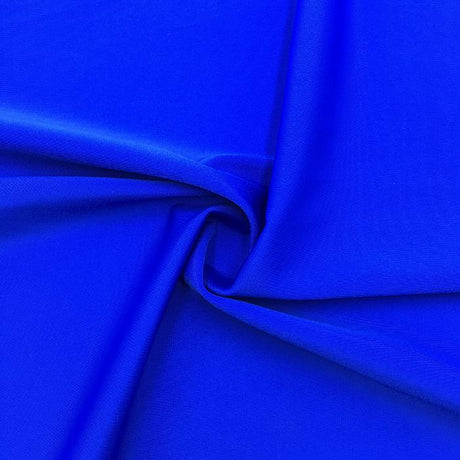
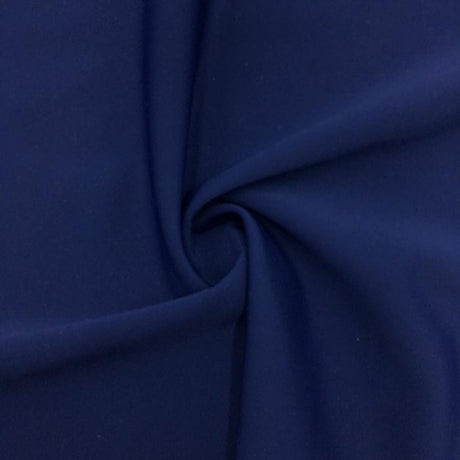
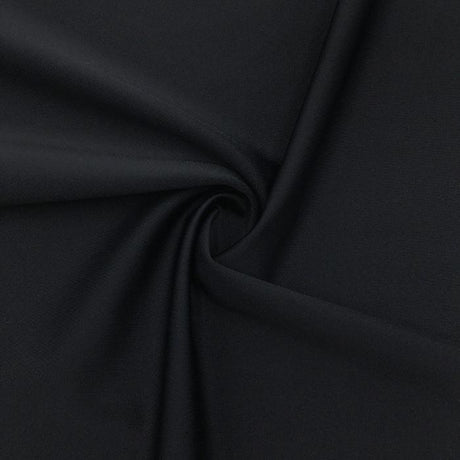
How it’s built (construction): Many swimwear knits are warp knits (like tricot), engineered for smoothness, stability, and consistent stretch—excellent for fitted water-sport silhouettes. SpandexByYard’s Nylon Spandex Solids collection explicitly includes multiple knit styles such as tricot matte, tricot shiny, raschel, jersey, and heavy compression options—exactly the variety you need when you’re dialing in feel vs. hold.
How it differs from related fabrics: - Compared with cotton-spandex, nylon-/poly-spandex swim knits hold up better in repeated wet/dry cycles and tend to feel more “technical” (sleeker, lighter, faster-drying depending on the exact fiber/finish).
- Compared with neoprene, swim knits are dramatically lighter and quicker to dry; neoprene is for insulation/structure, not hot-weather comfort. SpandexByYard’s Neoprene Fabric collection positions neoprene-style materials as insulating and shape-holding for intense activity and swimwear/outerwear use.
Why paddleboard clothing is a special use case
Paddleboarding demands a fabric system that can handle:
- High UV exposure (you’re on reflective water, often for long sessions)
- Stretch + constant movement (especially shoulders, lats, and torso rotation)
- Wet-to-dry transitions (splashes, falls, sweating, wind)
- Abrasion points (deck pad friction, PFD rub, leash contact, sandy hands, salt residue)
Health and dermatology sources consistently note that weave/knit density, color, weight, stretch, and wetness all influence how protective clothing is against UV—helpful context for anyone building rash guards or paddle leggings.
Key performance characteristics that matter on the water
Stretch and recovery
For SUP garments, you typically want 4-way stretch (both width and length) so the garment moves with your paddling stroke. Spandex fibers can stretch dramatically and rebound, which is why even a moderate elastane percentage changes comfort and fit retention.
How pros specify it: Brands and manufacturers often measure stretch and “growth” using knit test methods such as ASTM D2594, which is designed to evaluate stretch and fabric growth in knitted fabrics—important for form-fitting apparel.
Practical selection tip (DIY + production):
Don’t just pull the fabric and say “yep, it stretches.” Do a quick, repeatable test: 1. Mark a 4" section on the cross-grain and stretch to a comfortable max for your intended fit.
2. Measure extension (% stretch).
3. Release and measure return (how close it returns to 4").
This simple routine mimics why standardized “growth” testing exists—because stretch without recovery becomes bagging at knees, elbows, and seat.
Weight (GSM / oz per square yard)
Weight influences opacity, support, and durability more than most people realize. As an example of how swim knits are commonly sold, SpandexByYard’s Nylon Spandex Solids includes a “tricot shiny 6 oz” option.
A useful conversion: 6 oz/yd² ≈ 203 GSM (6 × 33.9).
Here’s a practical weight cheat sheet (general guidance, not a substitute for swatching):
|
Target piece |
Typical “feel” you want |
Common weight direction |
|
Rash guard / paddle top |
Light, elastic, not clingy when wet |
~180–220 GSM (often ~5–6.5 oz/yd²) |
|
Paddle leggings / shorts |
More opacity + support |
~200–260+ GSM (often ~6–8 oz/yd²) |
|
Lining panels |
Light + smooth |
lighter tricot/lining mesh |
When you shop, prioritize the handfeel + opacity when stretched wet, not the number alone.
Moisture management and breathability
“Quick-dry” is partly about fiber chemistry and partly about fabric engineering/finishes.
- Polyester is very low moisture regain (~0.4% in one technical fiber chart), meaning it generally holds less water in the fiber itself.
- Nylon moisture regain is higher than polyester (for example, nylon 6 shown at ~2.8–5.0% and nylon 6,6 at ~4.5% on the same chart), which can contribute to a slightly “wetter” feel depending on fabric thickness and finish.
That said, many modern activewear knits use moisture-management constructions and branded finishes (wicking, anti-microbial, etc.). SpandexByYard’s Maxdri Fabric is positioned as a stretch fabric with moisture-wicking properties designed to “stay dry and comfortable” during intense activity.
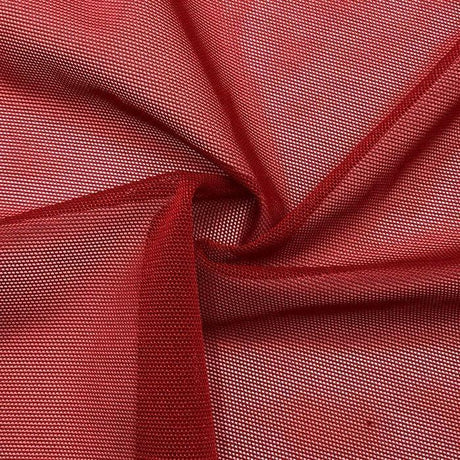
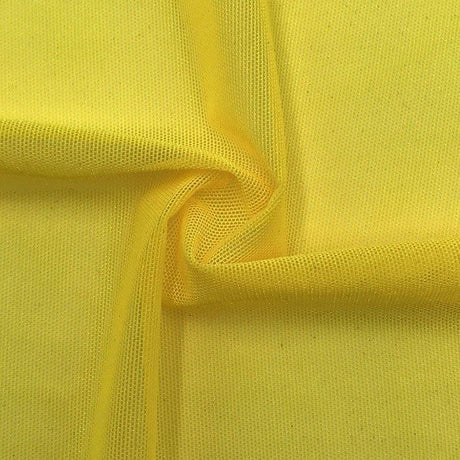
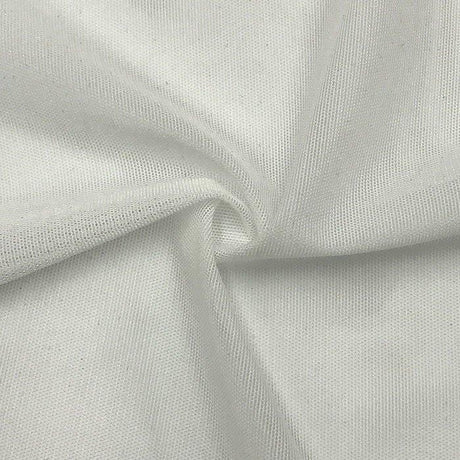
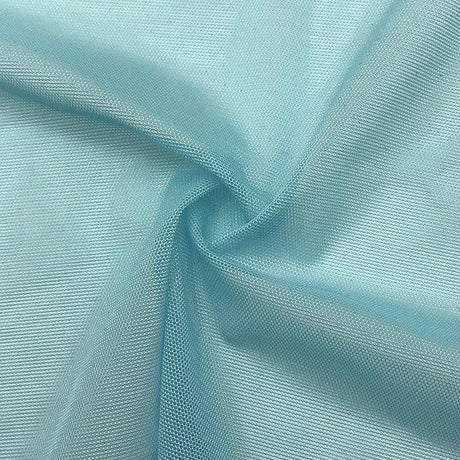
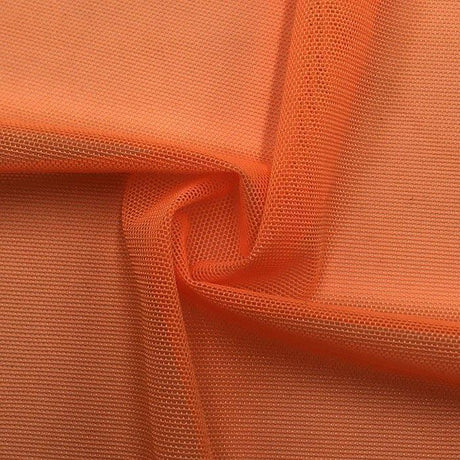
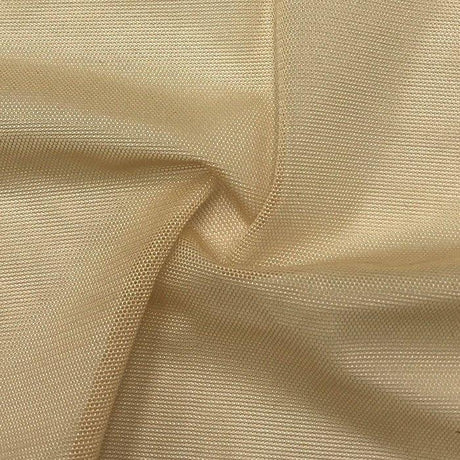
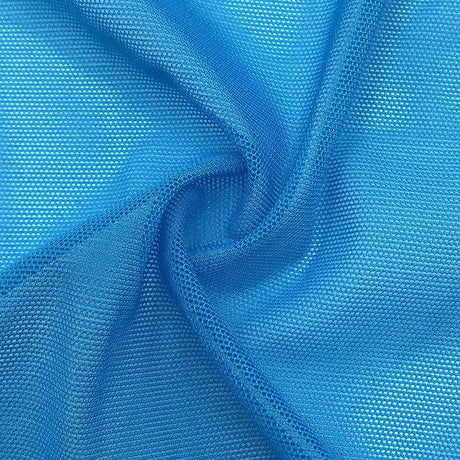
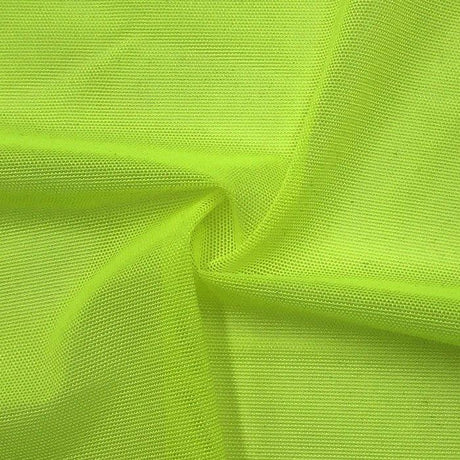
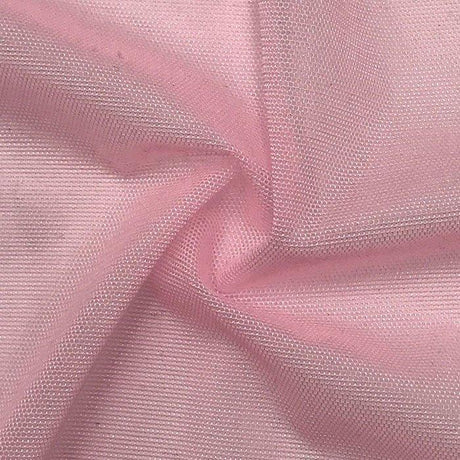
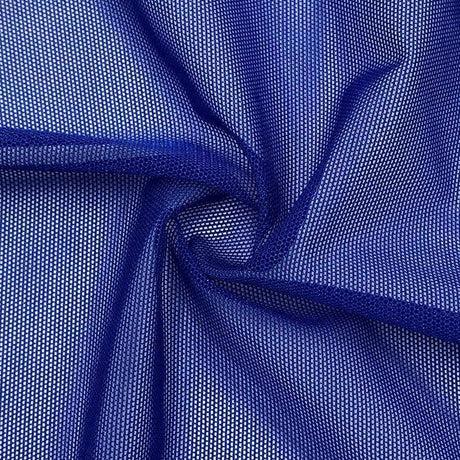
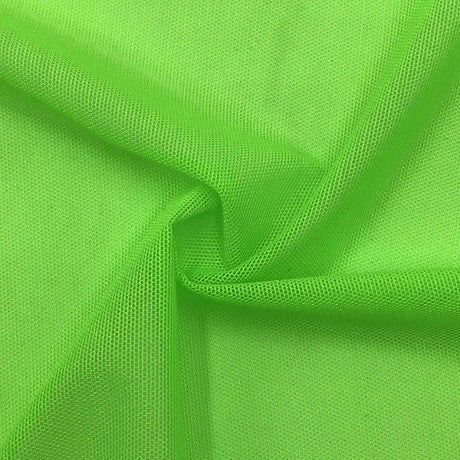
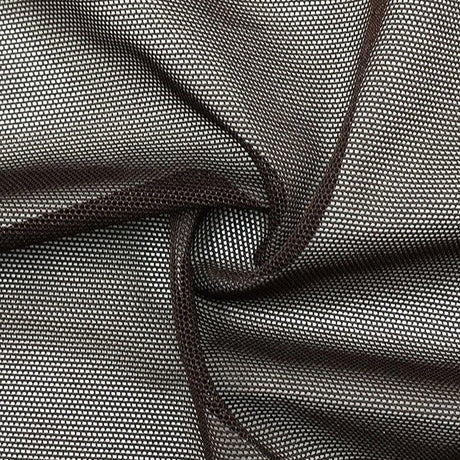
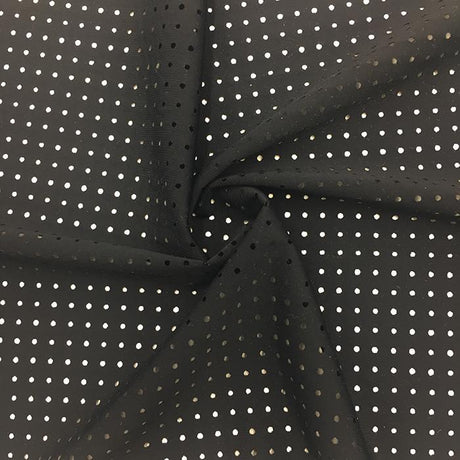
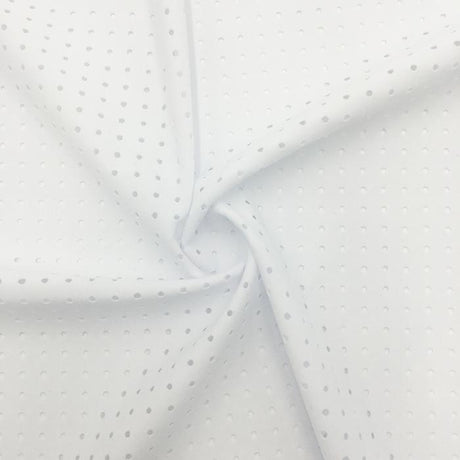
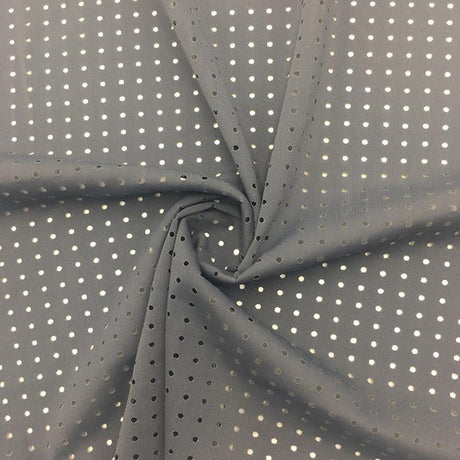
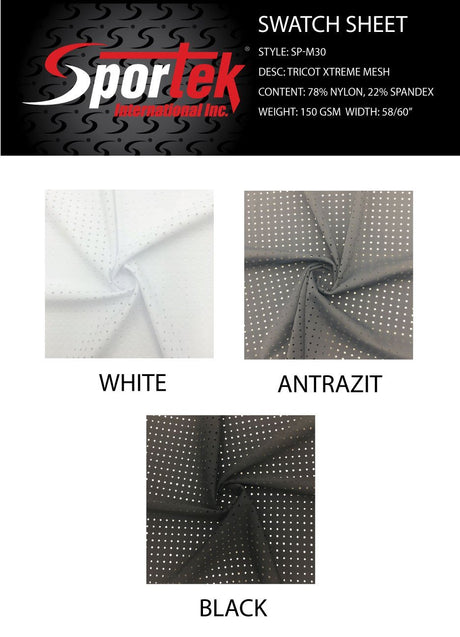
For ventilation zones (side panels, upper back, underarm), moisture-wicking mesh is a common patternmaker’s upgrade; SpandexByYard’s Moisture Management Mesh and PQ is described as breathable, moisture-wicking, and available for wholesale in roll minimums (50–100 yards), which is relevant for factories and small brands.
Sun protection strategy (UPF reality check)
UPF is a fabric rating (not skincare SPF). The Skin Cancer Foundation explains UPF as how much UV reaches the skin through fabric; for example, UPF 50 blocks ~98% of the sun’s rays (allowing ~2% through).
But here’s the key for paddleboarding: multiple medical/skin-health sources warn that wetness and stretch can reduce protection, and that tighter weaves/knits, darker colors, and heavier/dense fabrics generally protect better.
So a rash guard that’s too tight (overstretched) or made from a thin, open knit can underperform—especially once wet.
If you want to label a product with UPF (manufacturer note): AATCC provides a labeling flowchart indicating that AATCC TM183 is used to evaluate UV transmission, and that ASTM D6603 and ASTM D6544 are used in conjunction for UV-protective textile labeling and preparation/exposure conditions.
For DIY makers, this means: you can build “sun-smart” garments by choosing dense, stable knits—but you should avoid making untested UPF claims.
Durability and abrasion resistance
Paddleboard apparel sees abrasion at: PFD edges, waist leashes, sand contact, and board texture. In textile product development, abrasion resistance is often tested using standards such as ASTM D4966 (Martindale) for fabric abrasion resistance.
You don’t need a lab to benefit from this thinking: prioritize tighter, smoother knits for high-rub zones, and consider reinforced panels or seam placements away from friction points.
Softness and handfeel
Handfeel matters because water-sport garments sit close to skin. Nylon-spandex is often chosen for a smooth, “second-skin” feel; SpandexByYard’s Nylon Spandex Solids collection highlights lightweight, breathable characteristics and durability for active lifestyle garments.
For DIY makers: your “softness” target should include how it feels wet and under PFD pressure.
Comparing paddleboard-ready performance fabrics
Comparison table
Below is a practical comparison of the three most common “foundation fabrics” for paddleboard clothing systems.
|
Feature |
Nylon-Spandex swim knit (Primary) |
Polyester-Spandex tricot/interlock |
Neoprene-style stretch (cold-water layer) |
|
Composition |
Typically polyamide + elastane; many nylon-spandex options sold for swim/activewear |
Polyester + elastane; often used for sublimation-ready tricot and durable activewear |
Often foam/rubber-based wetsuit material systems; SpandexByYard markets “neoprene” for insulation + structure |
|
Stretch type |
4-way stretch common; strong recovery focus in swimwear fabrics |
4-way stretch common; excellent print stability for sublimation tricot |
Stretch varies; more structured, thicker, less drapey |
|
Dry time |
Can feel slightly “wetter” than poly depending on fabric/finish; nylon moisture regain higher than poly |
Often fast-feeling dry; polyester moisture regain very low |
Slow to dry compared with thin knits; designed for insulation |
|
Best for |
Rash guards, paddle tops, leggings, fitted swim pieces; premium handfeel |
Graphic rash guards, sublimated team gear, training tops/leggings; chlorine-heavy environments (depending on elastane tech) |
Cold/windy sessions, shoulder-season paddles, structured outer panels |
|
Pros |
Smooth, supportive, widely used in swimwear; many style options (matte, shiny, compression) |
Great for bold prints and stable color; low regain supports “fast dry feel” |
Warmth; insulation from closed-cell structure (wetsuit principle) |
|
Cons |
Some nylon blends can show wear with harsh chlorine/sunscreen if not selected/cared for correctly (choose swim-grade, rinse well) |
Handfeel can be less “buttery” than nylon depending on knit; can run hotter in sun if too dense |
Bulkier; not ideal for hot-weather comfort; sewing and seam finishing more demanding |
A note on chlorine resistance (pool training vs open water)
If your paddleboarding overlaps with pool training or frequent chlorinated exposure, consider fabrics specifically engineered for chlorine/UV resistance. SpandexByYard’s PBT Technology Fabric collection is explicitly described as quick-drying, breathable, UV and chlorine resistant, and shape-retentive—a strong fit for harsh-use swim applications.
Best uses and how to choose the right fabric
Best uses and applications for paddleboard clothing
Paddleboard clothing is usually a system, not a single fabric choice.
Mainstream apparel categories - Activewear crossover: leggings, bike shorts, fitted tanks, crop tops (choose higher recovery + opacity) - Swimwear crossover: one-pieces, paddle bikinis, surf tops (choose swimwear-grade knits + lining) - Sun layers: rash guards, long-sleeve paddle tops, hooded sun shirts (choose dense knits and smart fit to reduce overstretch)
- Ventilation/lining: mesh panels, swim lining, pocket bags - Warmth layers: stretch fleece and “second layer” knits for shoulder-season paddles; SpandexByYard offers Performance 2nd Layer and fleece collections for layering systems.
Use-case scenarios - Everyday recreational SUP: comfort-first nylon-spandex or poly-spandex, optional mesh zones - Performance/sport paddling: more compression-oriented knit; strategic seam placement - Fashion-forward or team kits: printed stretch rash guards/leggings + solid coordinating bottoms
If you’re shopping specifically for water-ready bases and linings, start here: fabrics for water sports.
If your priority is sleek solids with strong stretch for core pieces, explore nylon stretch for quick dry.
If you’re building bold rash guards or statement leggings, look at printed stretch for rash guards.
How to choose the right fabric for your project
Start with your “performance brief”
Whether you’re a DIY sewist or a production buyer, define these five specs first:
Intended use - Flatwater cruising vs surf/SUP racing vs yoga-on-board changes the abrasion, stretch, and coverage needs.
Stretch requirement - Rash guards: prioritize full mobility (especially lengthwise stretch across shoulders). - Leggings: prioritize recovery + opacity at knees/seat.
Sun exposure plan - Prefer dense knits and appropriate fit (avoid overstretch). Both the Skin Cancer Foundation and UCSF note that tightness/stretch and wetness can reduce protection.
- If you need labeled UPF for retail, follow the AATCC/ASTM testing and labeling pathway.
Dry time expectations - For the “fastest dry feel,” polyester-spandex and moisture-management finishes can be helpful, and fiber regain differences explain why polyester often feels drier faster.
Budget and sourcing - Manufacturers/brands: check whether a fabric is stocked for roll minimums (some performance meshes are sold wholesale with 50–100 yard minimums).
- DIY makers: order enough yardage to match nap/print direction and allow for test seams + mistakes.
Quick decision guide
If you want… - Soft premium handfeel + versatile performance: choose nylon-spandex swim knit from the solids range.
- Bold graphics and long-lasting print clarity: choose printed spandex (nylon/poly blends) or sublimation-ready poly-spandex tricot.
- Extra durability for harsh exposure (pool/chlorine/UV): consider PBT technology options.
- Ventilation panels: add moisture-management mesh.
- Cold-water warmth: consider neoprene-style layers or stretch fleece systems.
Common mistakes to avoid
Using the wrong needle (skipped stitches, popped seams)
Highly elastic knits (spandex/Lycra blends) often require a stretch-optimized needle design to prevent skipped stitches. SCHMETZ describes stretch needles as designed for highly elastic knits, especially those with Lycra/Spandex content.
JUKI also highlights stretch needle features that help prevent skipped stitches in stretch knits and spandex.
Ignoring stretch recovery (the “bags out” problem)
A fabric can stretch a lot but still lose shape after wear. ASTM D2594 exists specifically to evaluate stretch and fabric growth behaviors in knits—exactly the failure mode you see in elbows and knees.
Choosing seams that can’t stretch
If you sew a straight stitch on a high-stretch seam, you often get thread breakage when the garment stretches. JUKI recommends stretch-capable stitches (like lightning bolt, narrow zigzag, or triple straight stitch) for knits so seams can extend with the fabric.
Cutting without considering grain and print alignment
On printed stretch, misaligned grain shows immediately (twisting side seams, distorted motifs). Plan layout with consistent orientation; add extra yardage for matching and directional prints.
Assuming all stretch fabrics are sun-protective
UPF performance depends on fabric factors (density, weight, stretch, wetness, color). Both UCSF and the Skin Cancer Foundation emphasize that stretch and wetness can reduce protective ability—important for swim knits used in rash guards.
Ready-to-use checklists
Pre-cut checklist (DIY + production sampling)
- Pre-wash or at least rinse-test a swatch (especially for printed goods and dark solids)
- Test stretch + recovery in both directions (note % stretch and snap-back)
- Wet-stretch “opacity check” (hold fabric over hand/bright light after wetting)
- Confirm pattern has appropriate negative ease for your stretch % (don’t over-tighten rash guards)
- Mark grainline clearly before cutting (helps prevent twist)
Sewing checklist for swim/activewear knits
- Use a stretch/ballpoint-style needle appropriate for spandex knits (to reduce skipped stitches)
- Choose a stretch-capable seam (zigzag/lightning/triple straight) or serge seams, then topstitch with stretch settings
- Test stitches on scraps in dry AND slightly damp conditions (water can change drag and seam behavior)
- Use elastic-friendly seam finishing where needed (necklines, leg openings, waistbands)
- Place high-friction seams away from underarm and PFD rub zones
Care and longevity tips
Good care is performance engineering—especially for water-sport garments.
Rinse promptly after salt/chlorine/sunscreen exposure
Swimwear collections are designed around chlorine/salt/UV realities, and residue left in fabric can accelerate wear. SpandexByYard’s swimwear fabric collection is explicitly positioned for resistance to chlorine, saltwater, and UV—so help it do its job by rinsing after sessions.
Wash gently to preserve stretch and wicking - Use cool to warm water as directed by the fabric/carrier care.
- Avoid harsh chemicals that can compromise elastane over time. (This is especially important if you’re using chlorine-resistant tech fabrics; you want the stretch fiber to keep its integrity.)
Skip fabric softener for technical gear
Lifestyle and laundry experts warn that fabric softener coats fibers and can reduce the performance of moisture-wicking garments. Real Simple notes that fabric softener can diminish moisture-wicking performance, and Southern Living (citing Clorox’s “Dr. Laundry,” Mary Gagliardi) warns it can interfere with workout wear performance.
Drying - Air-drying is typically the safest choice for stretch performance.
- Avoid high heat if you want long-term recovery; heat is a common contributor to elastane fatigue.
Storage - Store fully dry (especially after salt exposure). - Avoid compressing neoprene-style materials for long periods; keep them flat or gently hung to reduce permanent creasing.
When to consider an alternative fabric
When cotton-spandex can be the better choice
Choose cotton-spandex when: - You’re making on-land paddle lifestyle wear (cover-ups, warm-weather tees, casual bike shorts) - You want a natural-handfeel garment that’s not meant to be repeatedly soaked - You’re prioritizing comfort over fastest dry time
But for true on-water rash guard/legging performance, swim/activewear synthetics are usually the better tool.
When neoprene is a better choice
Choose neoprene-style materials when: - You paddle in cold water, wind, or shoulder seasons - You need insulation and structure rather than ultra-fast drying
Peer-reviewed wetsuit research describes neoprene’s closed-cell foam structure as providing significant thermal insulation and comfort—exactly why it’s used for wetsuits, not summer rash guards.
SpandexByYard also positions its neoprene offering around insulating properties and shape retention.
When mesh makes more sense
Mesh isn’t a substitute for your main fabric—it’s a strategic add-on.
Use mesh when: - You want vent panels (underarms, upper back, side panels) - You need lining structures (pocket bags, lightweight support layers)
SpandexByYard’s Moisture Management Mesh and PQ is designed to balance breathability with moisture control, making it a strong candidate for high-sweat zones—even in water-sport crossovers.
Conclusion and FAQ
A high-performing fabric for paddleboard clothing is one that maintains comfort and function through real SUP conditions: full-body movement, wet-to-windy transitions, and direct sun. In practice, that usually means starting with a swimwear-grade nylon-spandex or poly-spandex knit, then adding smart construction: breathable mesh panels where you heat up, stable seam choices that stretch, and (if needed) insulating layers for colder water.
Remember the three biggest selection levers: - Stretch + recovery (so fit stays stable over time)
- Sun strategy (dense knit + correct fit; wetness/stretch can reduce protection)
- Dry-time engineering (fiber chemistry + moisture-management finishes)
If you build from that framework—and swatch/test like a pro—you’ll be able to choose solids, prints, mesh, and cold-water layers with confidence.
FAQ
Is nylon-spandex good for paddleboard rash guards?
Yes. Nylon-spandex swim/activewear knits are commonly used for fitted tops and rash-guard-style garments because they combine mobility with recovery and are widely used in swimwear construction.
How do I think about UV protection for paddleboarding fabric?
Treat UPF as a fabric-performance property influenced by density/weight, color, stretch, and wetness. Both the Skin Cancer Foundation and UCSF highlight that wet or overstretched clothing may protect less than dry, correctly fitting garments.
Which dries faster: nylon-spandex or polyester-spandex?
Polyester fibers have very low moisture regain (~0.4%), and nylon’s regain is higher (often several percent depending on nylon type), which is one reason polyester-spandex often feels faster-drying—though knit structure and finishes also matter.
What needle should I use to sew spandex for SUP leggings or rash guards?
Use a stretch-appropriate needle designed for highly elastic knits. SCHMETZ specifically recommends stretch needles for highly elastic knits that include spandex/Lycra to reduce skipped stitches.
Should I use fabric softener on moisture-wicking paddle gear?
It’s best to avoid it. Laundry experts note that fabric softener can reduce moisture-wicking performance by leaving coatings/residue on technical fabrics.