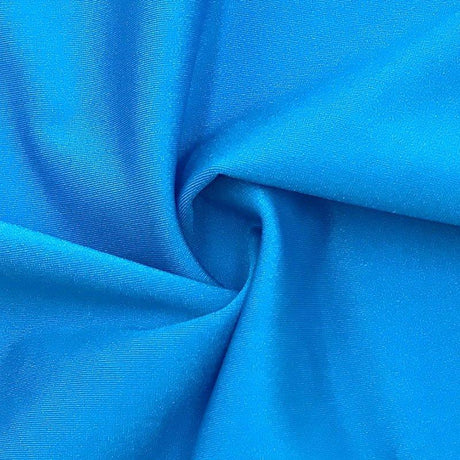
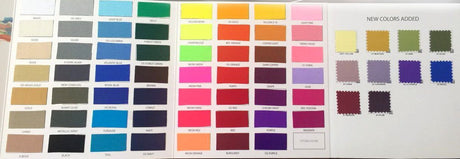
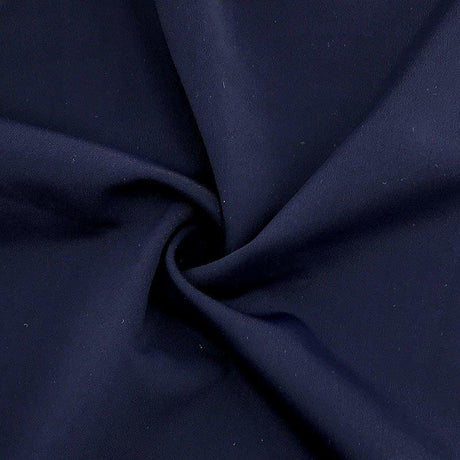
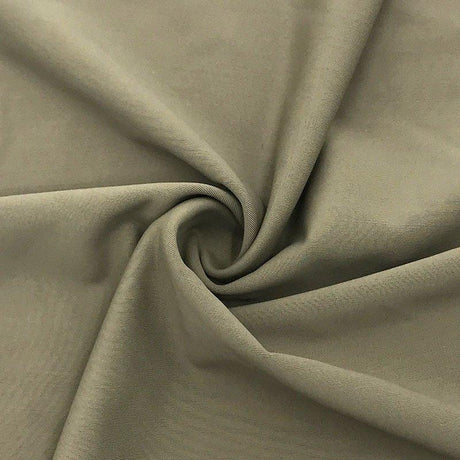
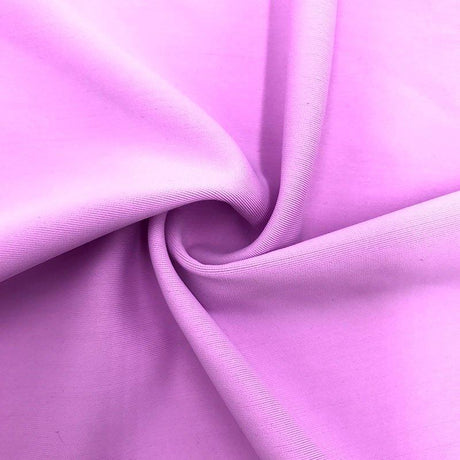
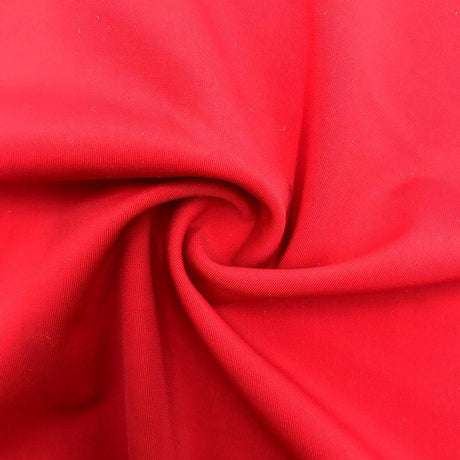
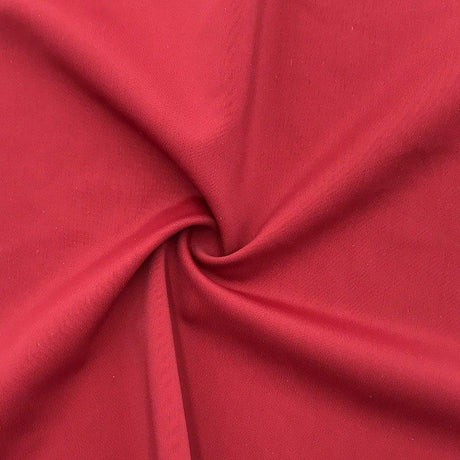
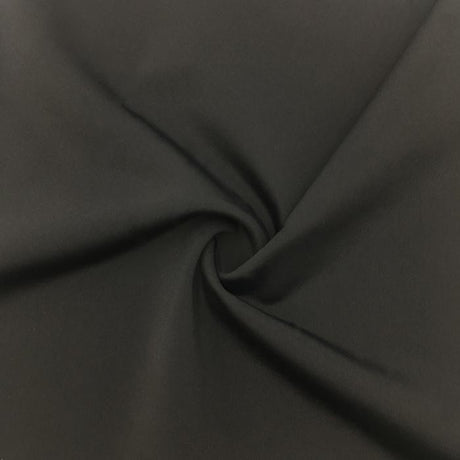
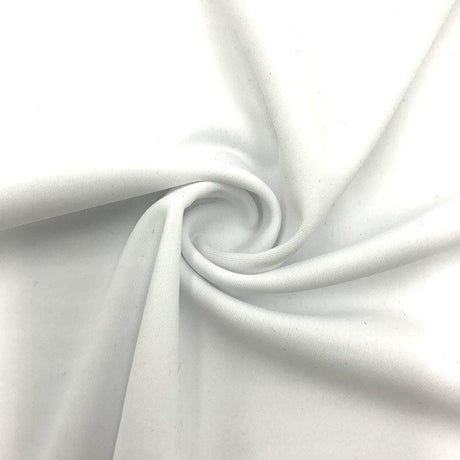
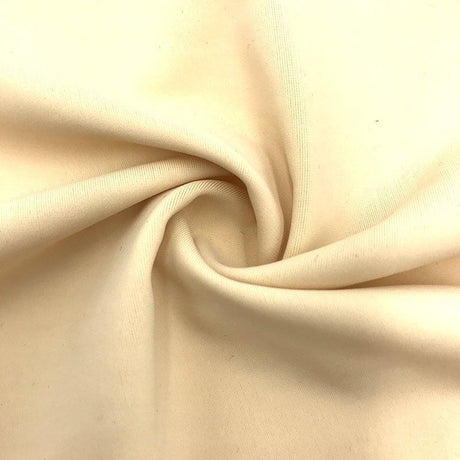
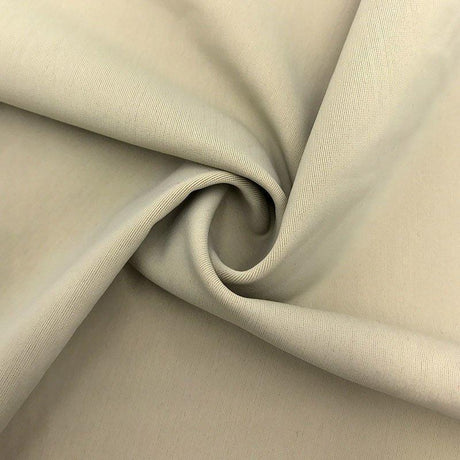
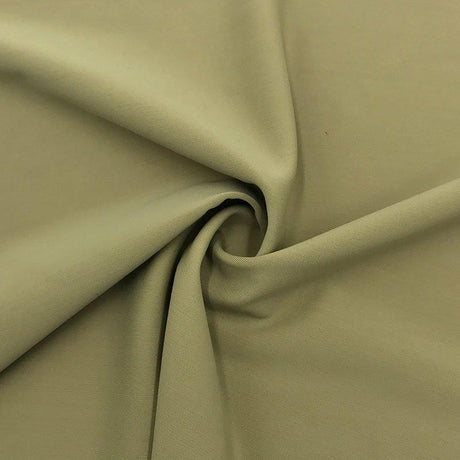
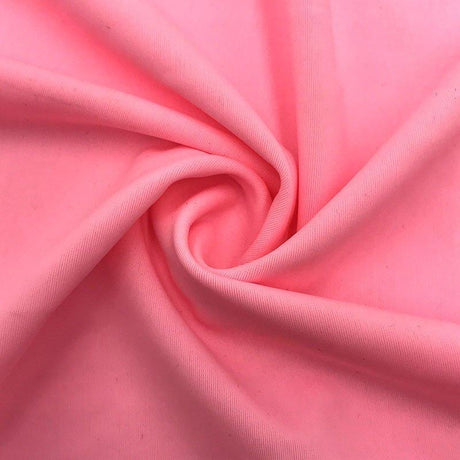
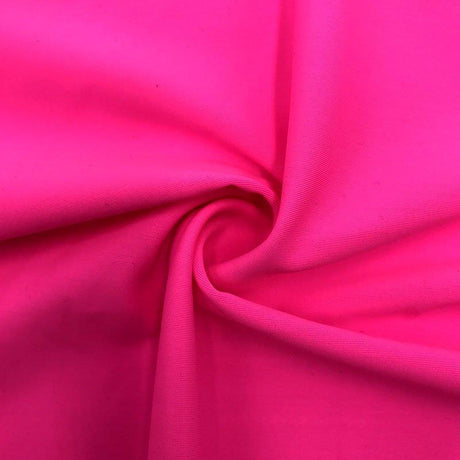
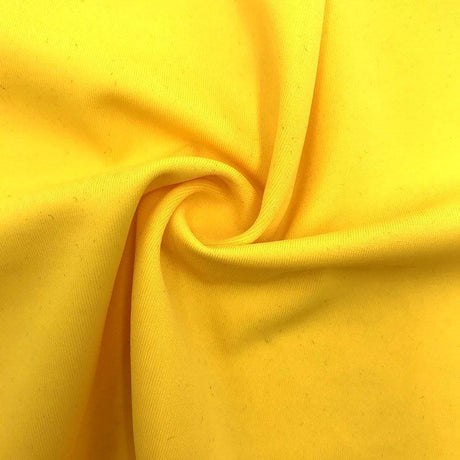
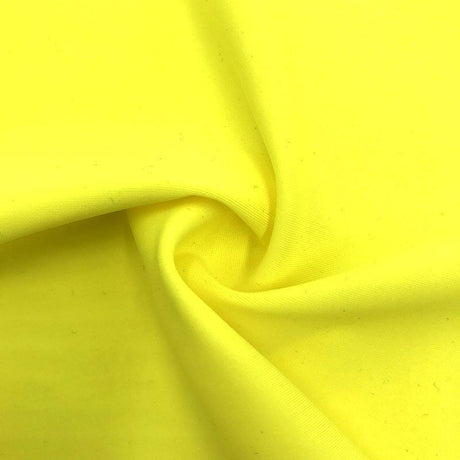
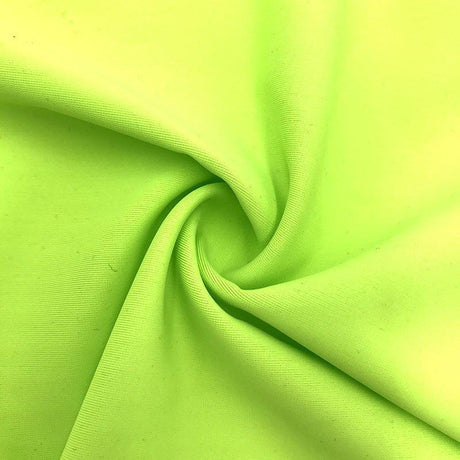
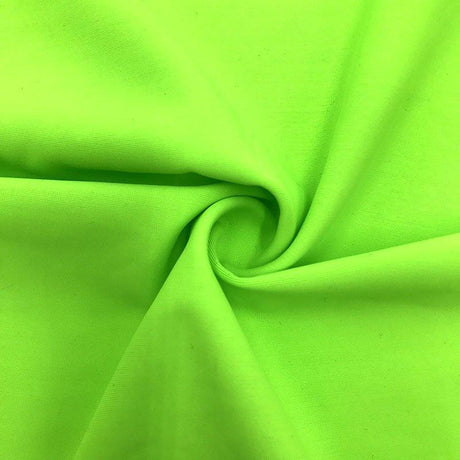
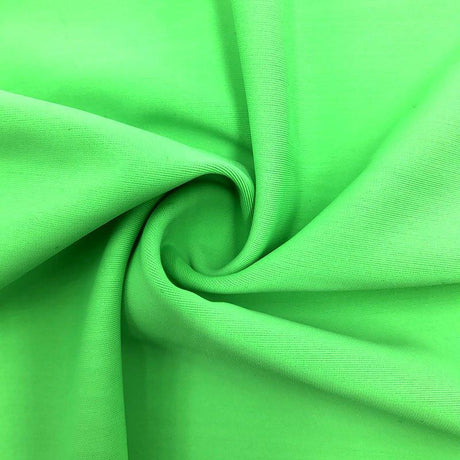
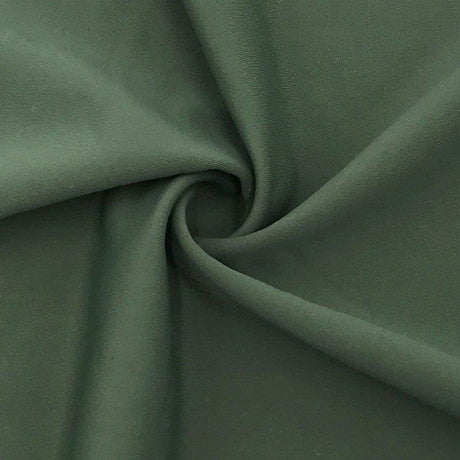
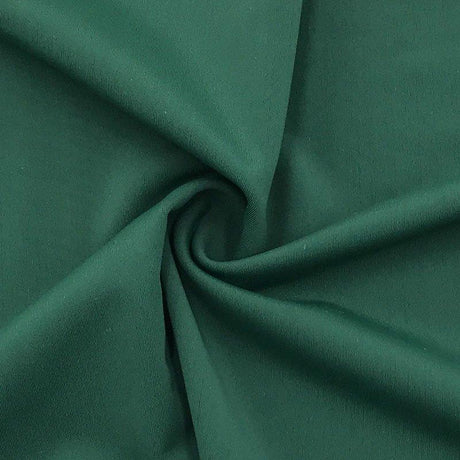
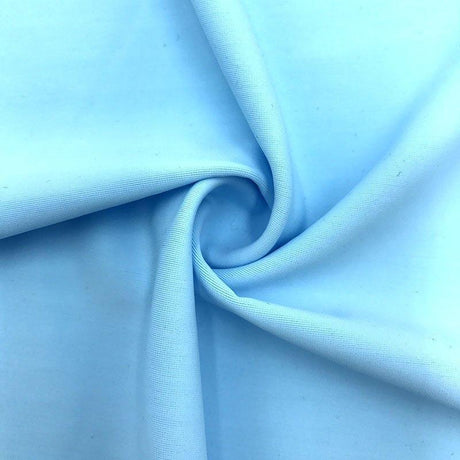
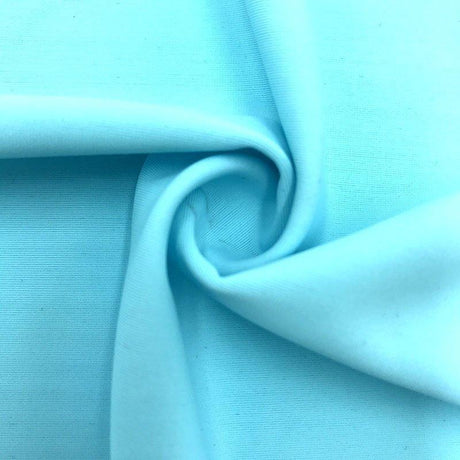
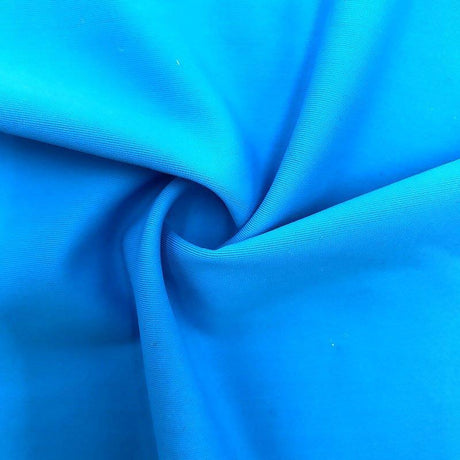
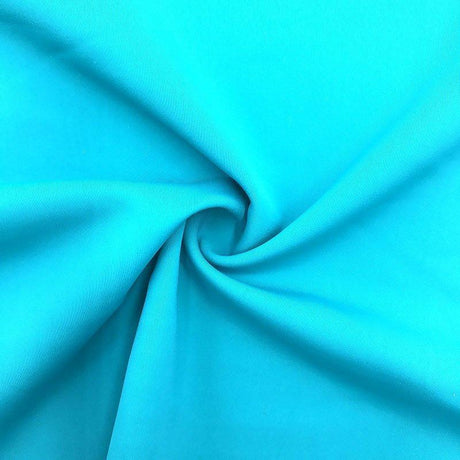
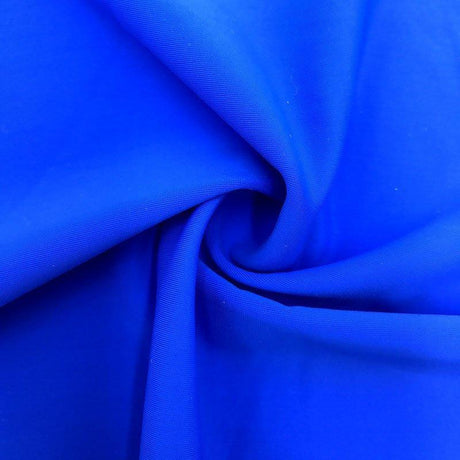
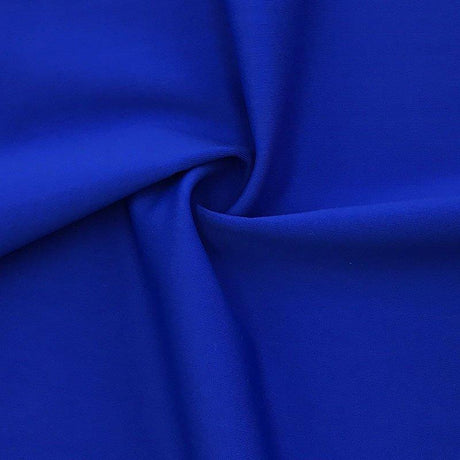
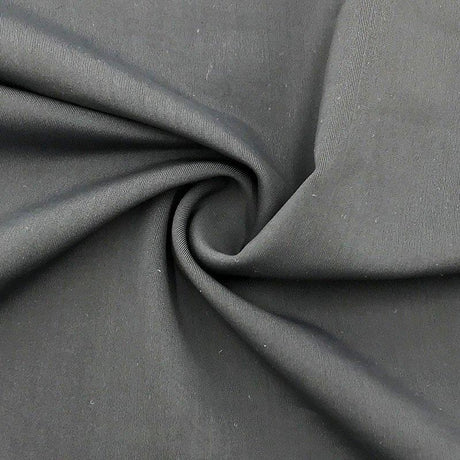
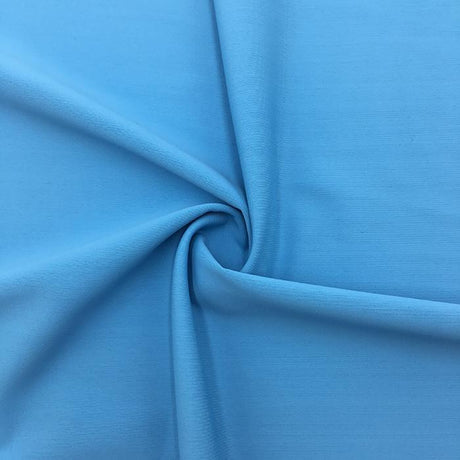
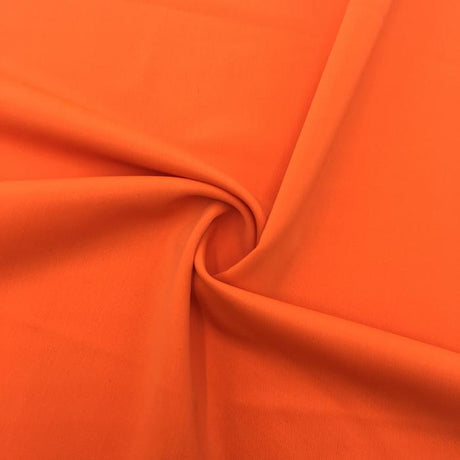
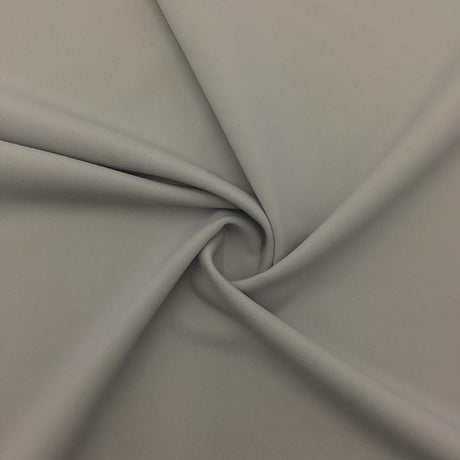
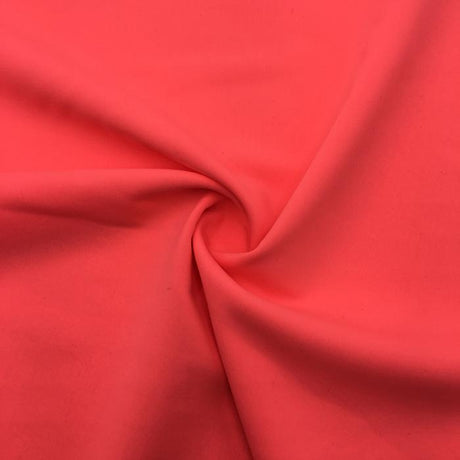
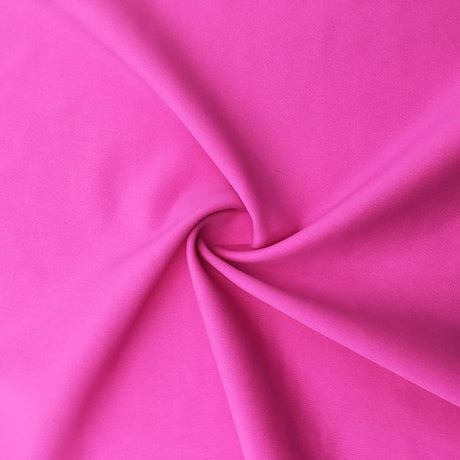
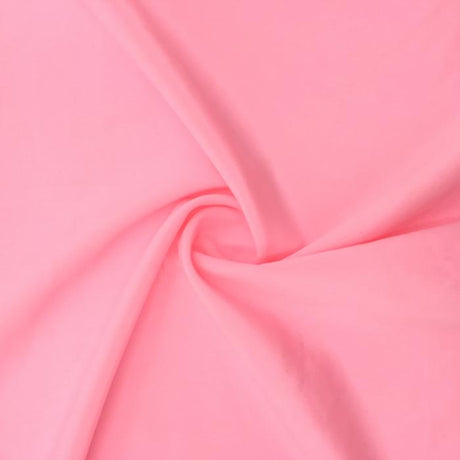
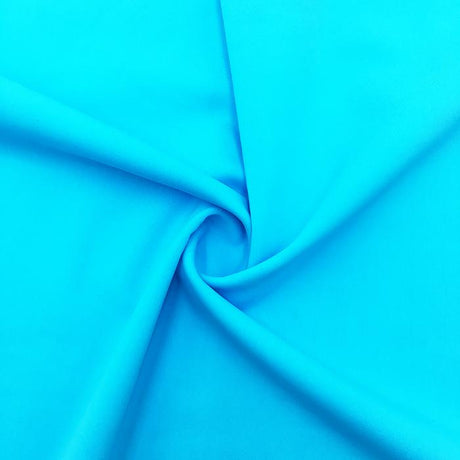
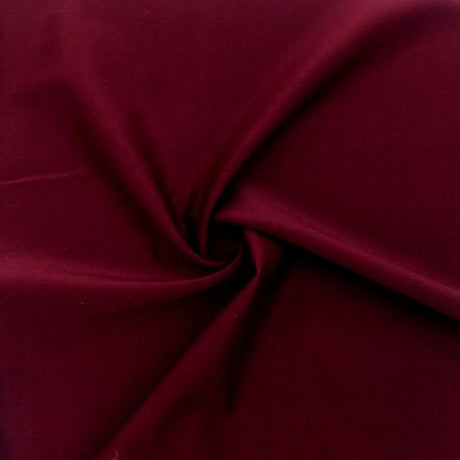
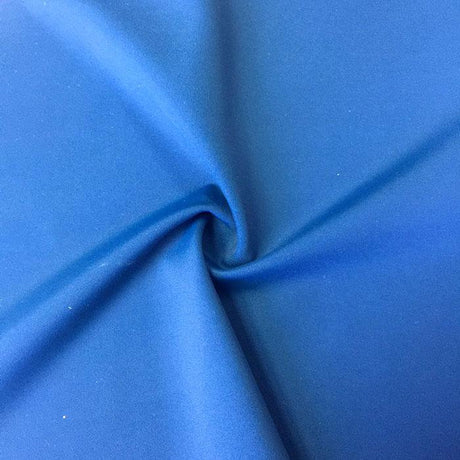
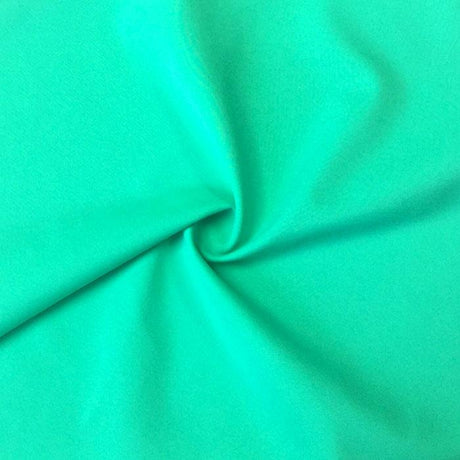
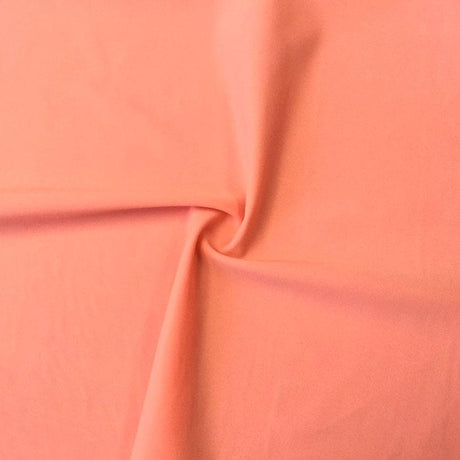
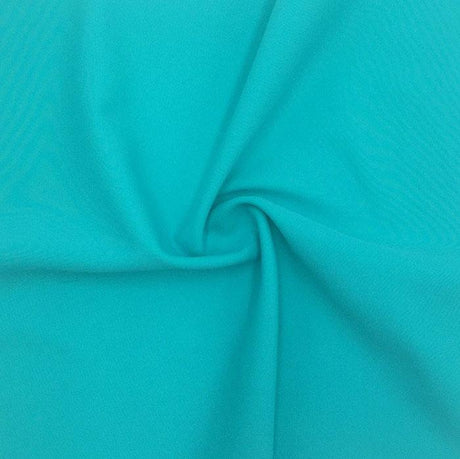
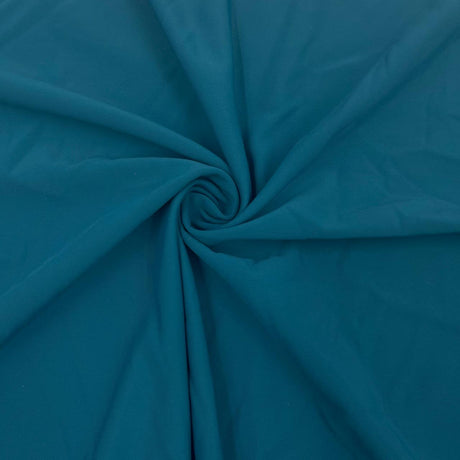
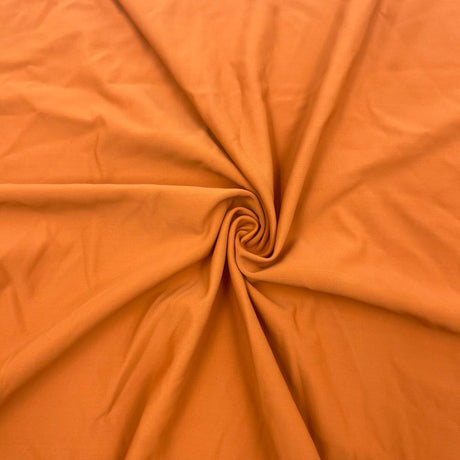
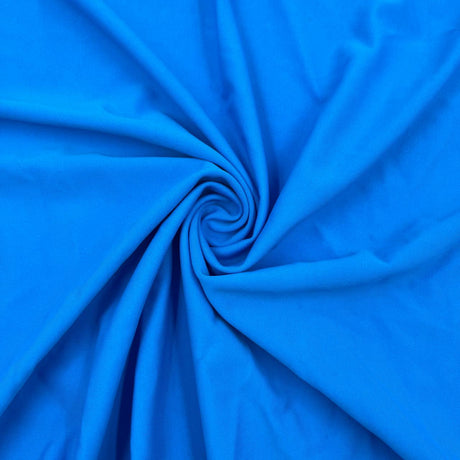
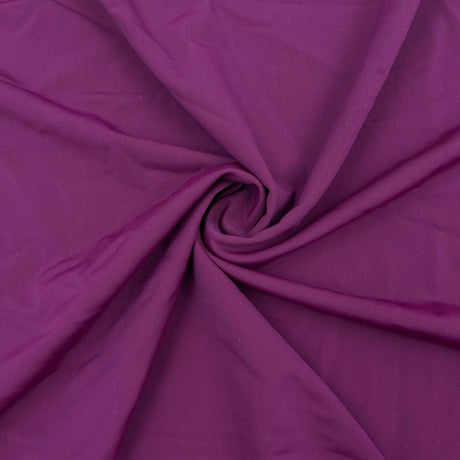
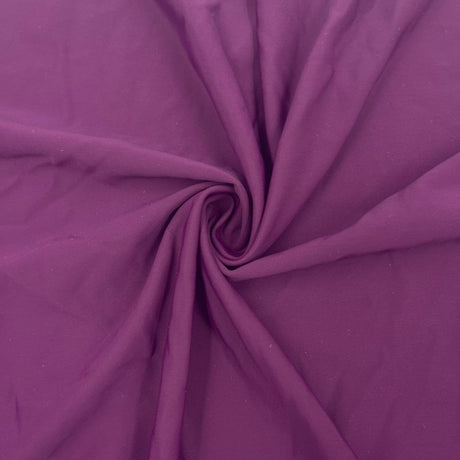
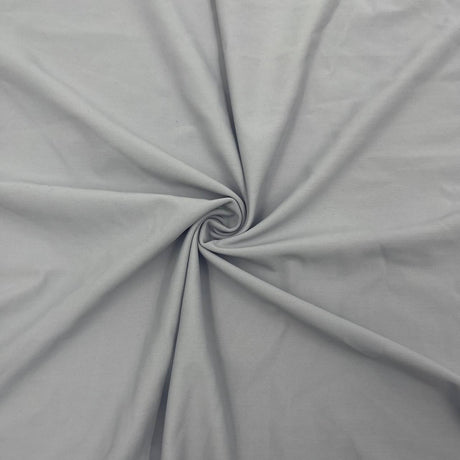
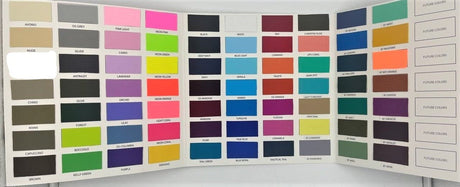
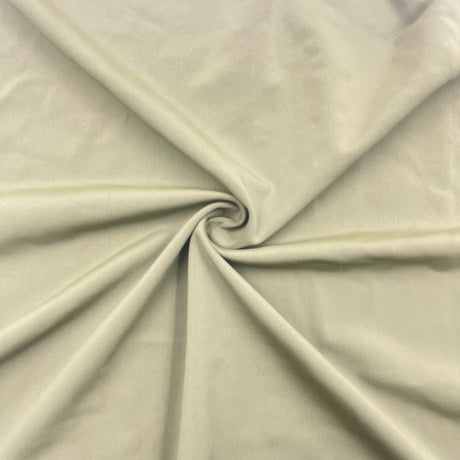
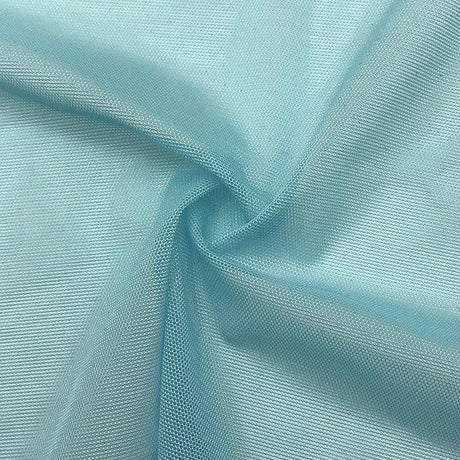
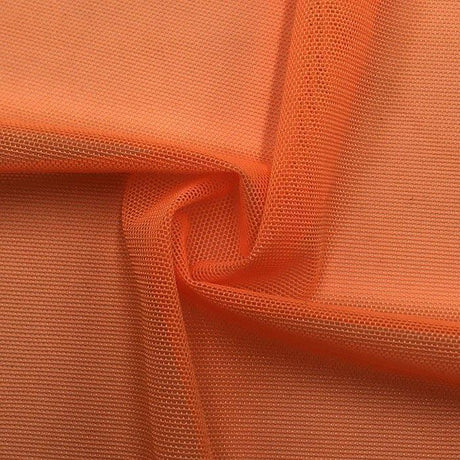
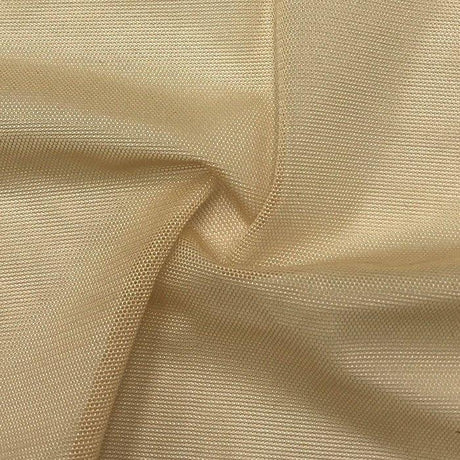
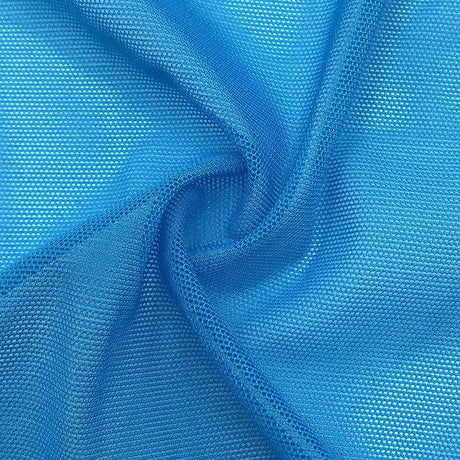
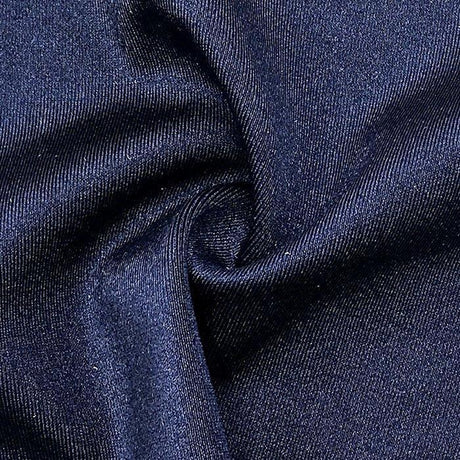
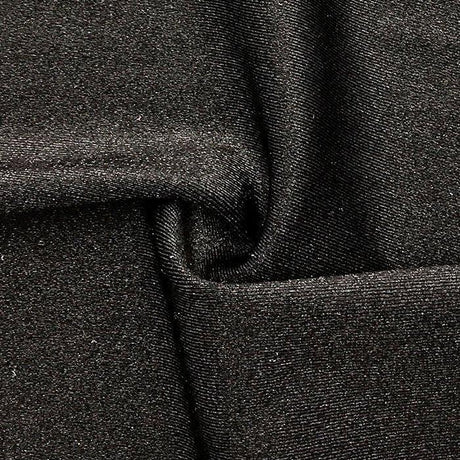
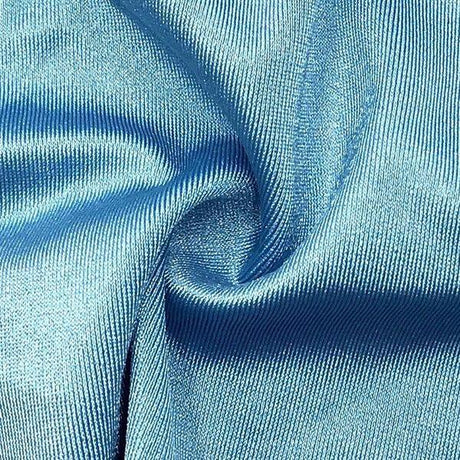
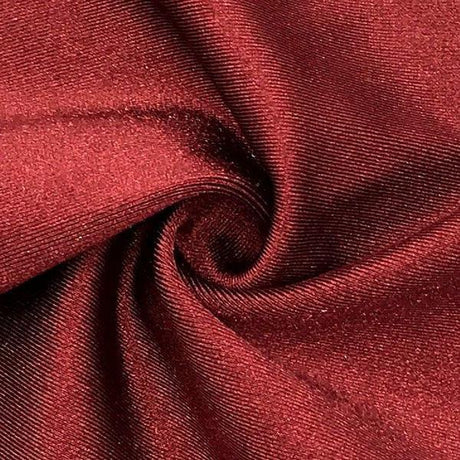
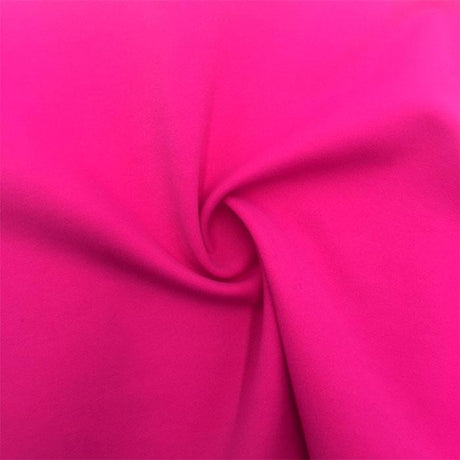
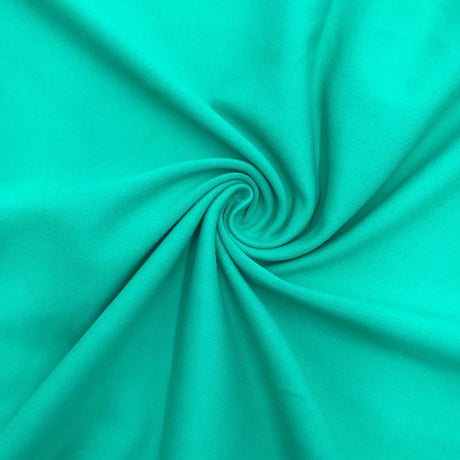
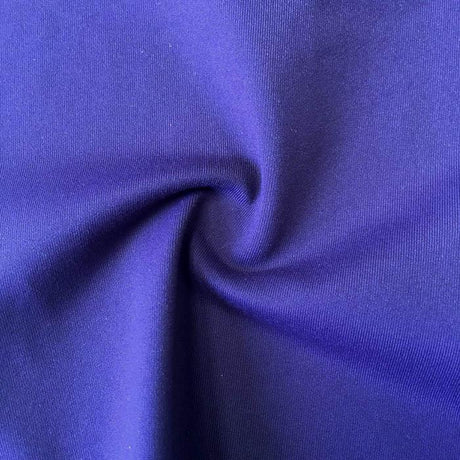
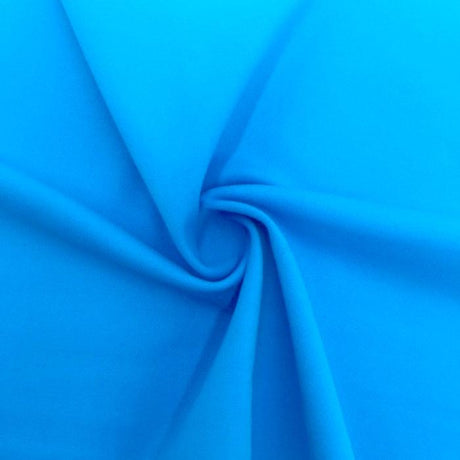
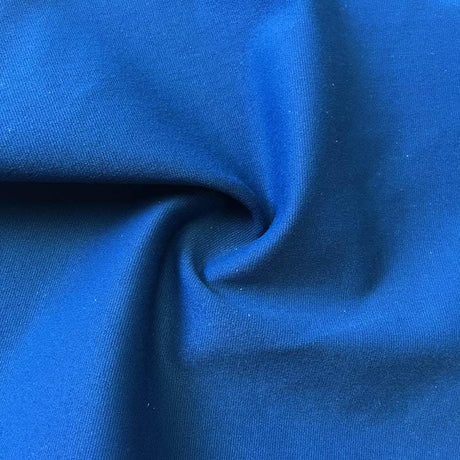
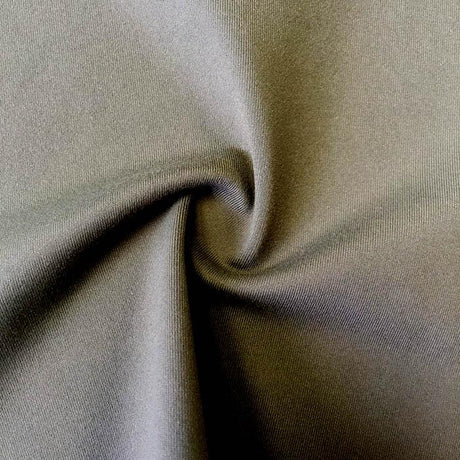
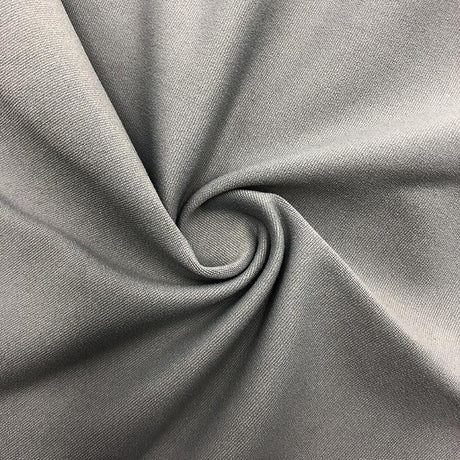
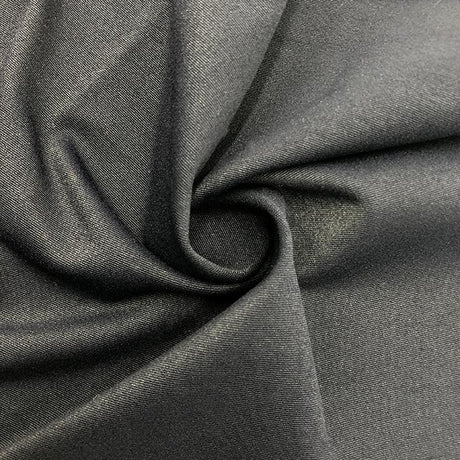
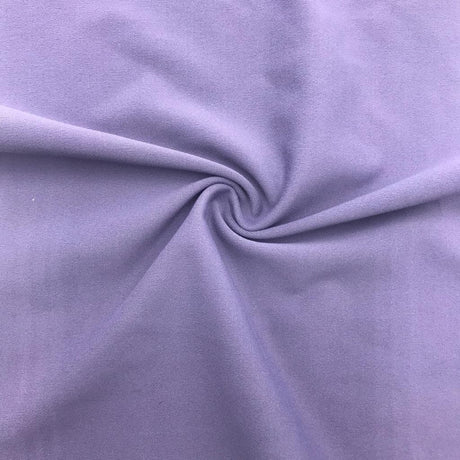
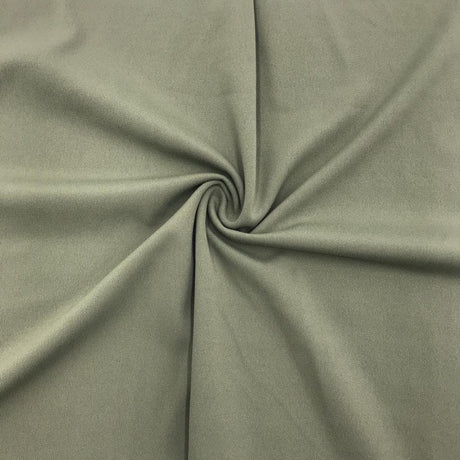
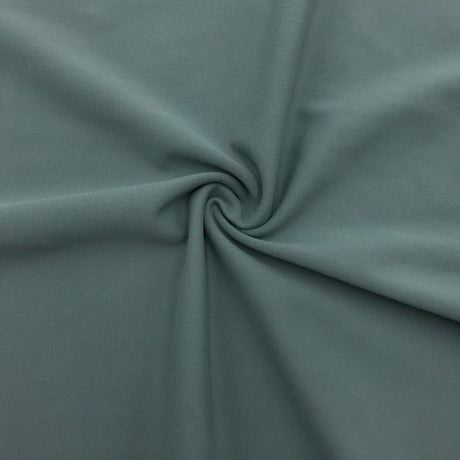
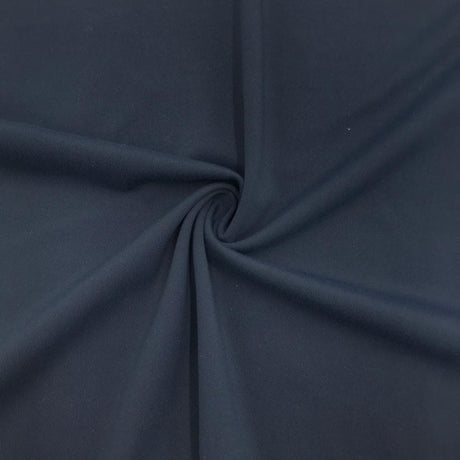
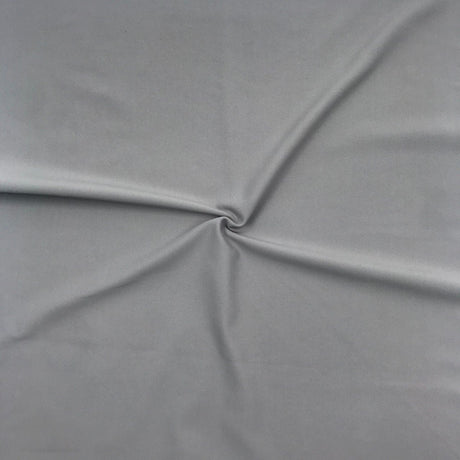
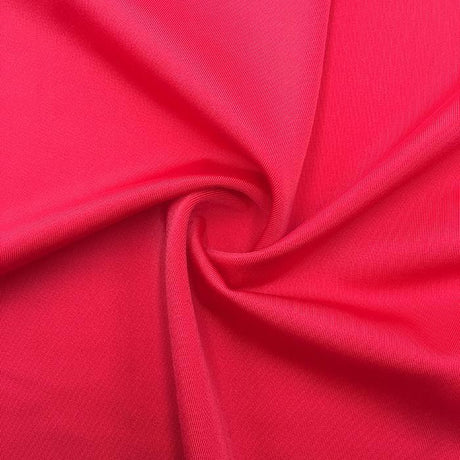
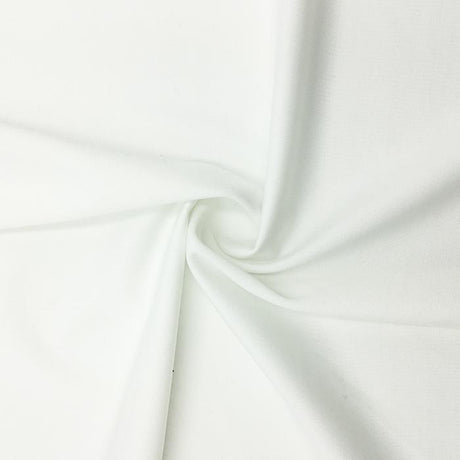
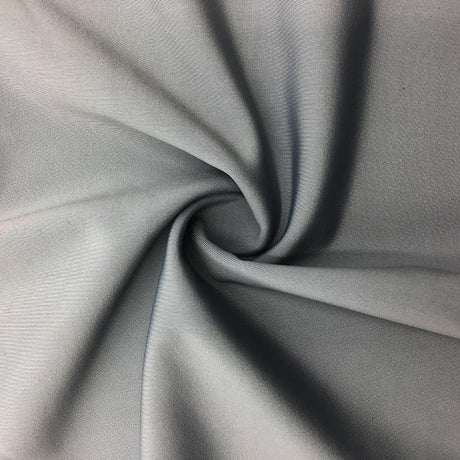
Designing a swim cap (or a swim-ready headwrap) sounds simple—until the first prototype slips at the hairline, bags out when wet, or feels “grabby” on the scalp. For professional makers, those issues become return rates, inconsistent fit across sizes, and production slowdowns. For DIY sewists, it’s the frustration of a cap that looks good on the table but disappoints in the pool.
The reality is that performance headwear is a fabric engineering problem. Swim caps and hair accessories sit in a high-stress zone: they stretch repeatedly, face chlorinated or salt water, rub against hair and skin, and (often) need to look great in photos under bright light. That’s why picking the right fabric for swim cap projects—by fiber blend, knit construction, weight, stretch, and recovery—matters as much as the pattern.
In this guide, you’ll learn how to choose fabrics sold by the yard for fabric swim caps, headwraps, and hair accessories. We’ll cover the key performance properties to look for, compare leading fabric options, and share selection tips, sewing pitfalls, and care practices that help your finished pieces last.
What Is Fabric for Swim Cap?
When most swimmers say “swim cap,” they’re often thinking of silicone or latex. But a growing number of recreational swimmers, fitness swimmers, long-hair swimmers, and sensitive-scalp users prefer fabric swim caps—typically made from Lycra®/spandex blends—because they’re softer, easier to put on, and less likely to pull hair. Fabric caps are also popular in water aerobics and casual pool use.
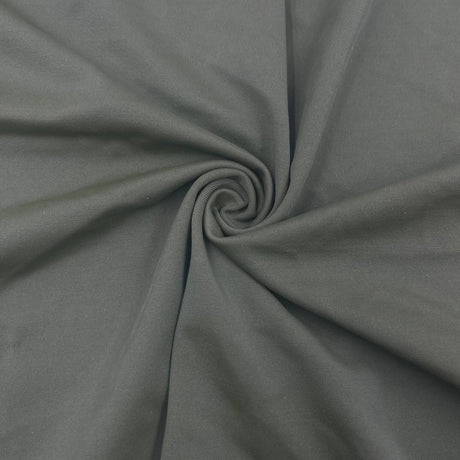
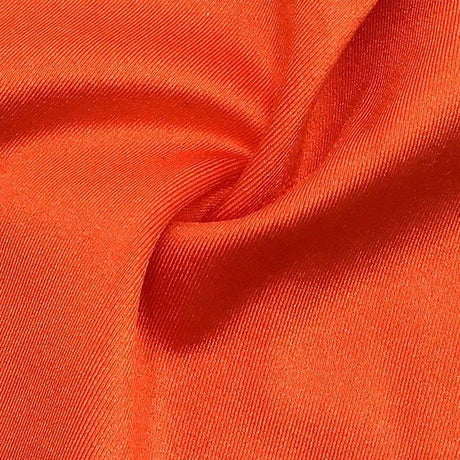
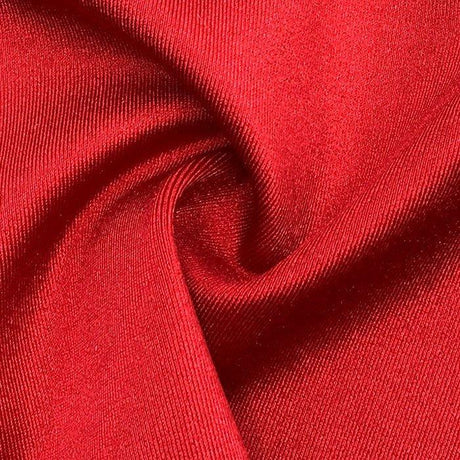
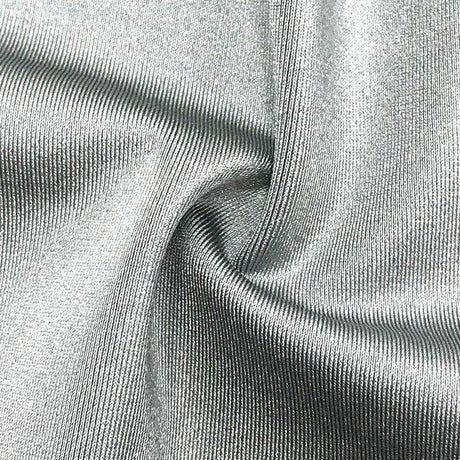
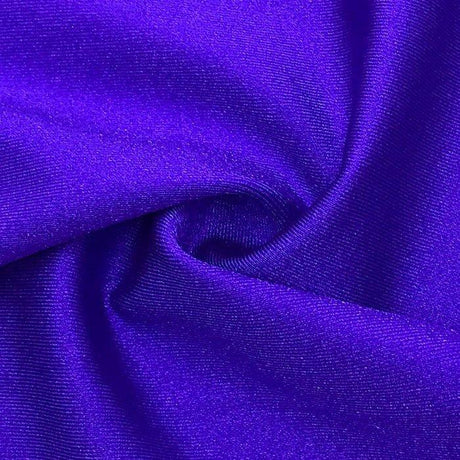
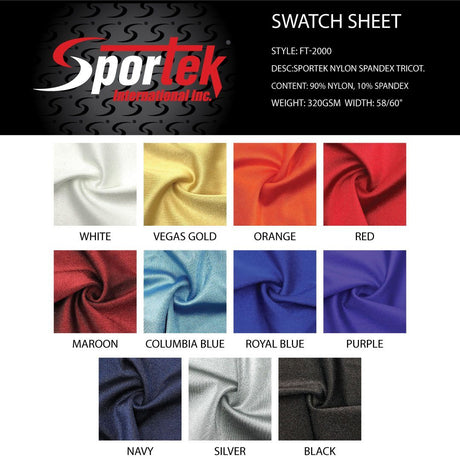
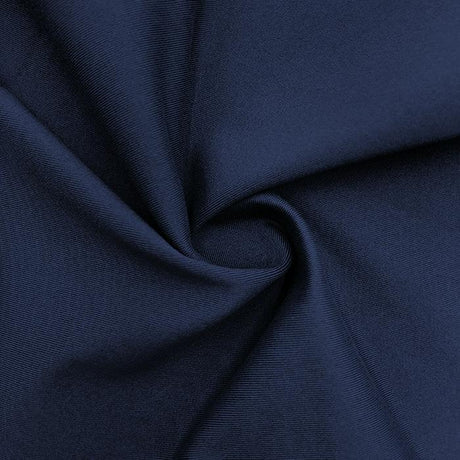
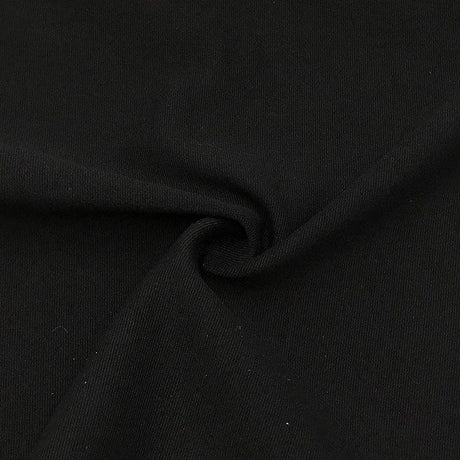
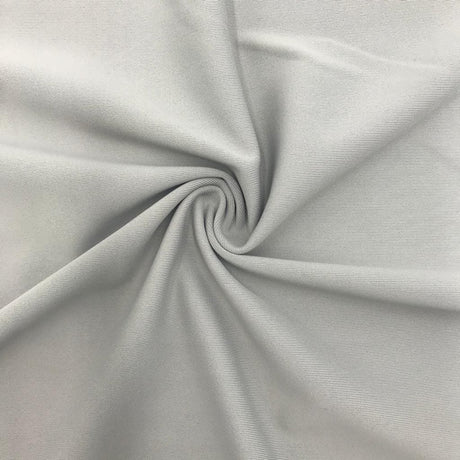
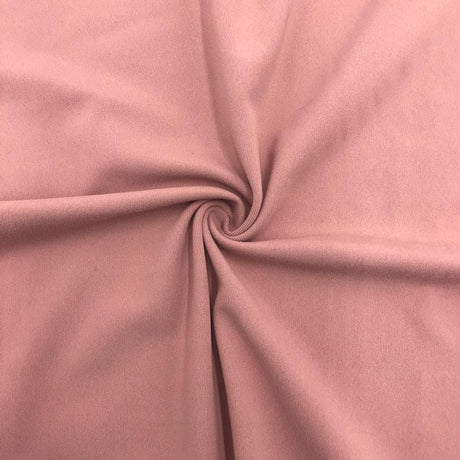
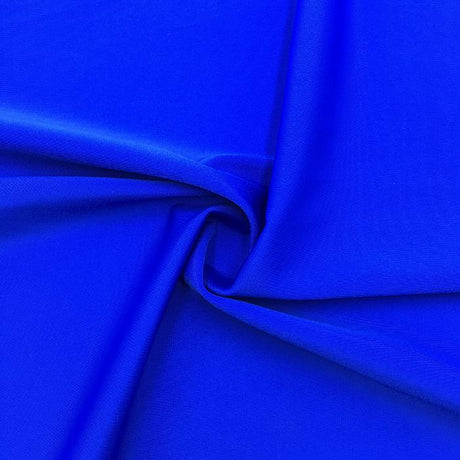
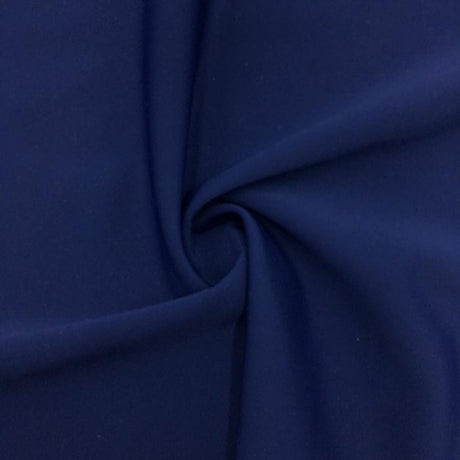
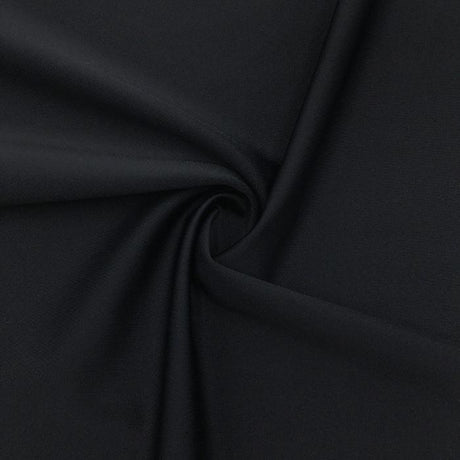
From a textile perspective, fabric for swim cap usually refers to high-stretch knit swimwear fabrics—most commonly nylon-spandex or polyester-spandex—chosen for:
- High elasticity + strong recovery (so the cap stays snug)
- Soft handfeel against scalp and hair
- Color/print capability for fashion-forward headwear
- Water and chemical exposure tolerance (especially for pool use)
Spandex By Yard’s swimwear-related collections emphasize traits that match this use case—like 4-way stretch, recovery, and resistance to chlorine, saltwater, and UV—which are precisely the performance needs for swim-adjacent headwear.
Fabric swim caps vs silicone/latex caps
It’s important to set expectations clearly: fabric swim caps do not keep hair dry, and they do not provide the same drag reduction as silicone or latex caps. Their strengths are comfort, ease of wear, and hair containment.
That distinction helps you choose fabric that matches your product promise: - If your customer wants comfort + hair control, fabric caps are a fit. - If your customer wants maximum hydrodynamics or a tighter water barrier, they should consider silicone/latex instead (we’ll cover this in the “alternative” section).
Common compositions and constructions used for swim caps
Most swimwear knits blend a “base” fiber (nylon or polyester) with spandex (elastane). Spandex is known for exceptional elongation—often described as stretching several times its length—making it ideal for close-fit performance items, but also more technically demanding to sew.
Common knit constructions include: - Tricot (warp knit): smooth, stable, swimwear classic - Raschel (warp knit): can be more textured/supportive depending on build - Jersey/interlock (circular knit): soft, can be slightly less “swimwear slick,” great for headwrap hybrids
Spandex By Yard’s Nylon Spandex Solids collection positions nylon-spandex as a go-to for performance garments and notes the range includes tricot and other performance builds (matte/shiny, compression, etc.).

Key Performance Characteristics
Choosing the best fabric for swim cap is easiest when you evaluate it like a performance spec sheet. Below are the properties that matter most for swim caps, headwraps, and stretch hair accessories—and how to interpret them in practical terms.
Stretch and recovery
For headwear, recovery is often more important than raw stretch. A cap can stretch a lot and still fail if it doesn’t snap back.
- Stretch = how far the fabric can elongate (comfort + fit over hair volume)
- Recovery = how well it returns to its original dimensions (stays snug over time)
Spandex’s extreme stretch is a key reason it’s used in performance wear, but it also means you must control feed and stitch choice during sewing to avoid wavy seams and distortion.
Selection tip (maker-friendly): For most fabric swim caps, look for 4-way stretch so the cap can expand over the crown while maintaining a smooth fit at the hairline. Many swimwear fabrics are marketed specifically for 4-way stretch and recovery, which aligns to this need.
GSM and fabric weight
Weight is commonly expressed as GSM (g/m²) or oz/yd².
For reference:
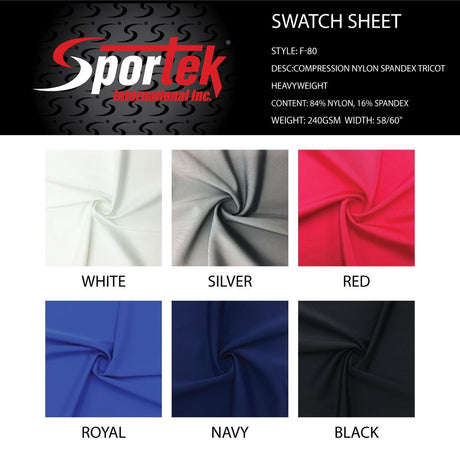
- 6 oz/yd² ≈ 203 GSM (common midweight swim/active range)
- 8 oz/yd² ≈ 271 GSM (heavier; more structure/compression)
You’ll see “6 oz” swim/active tricots listed in nylon-spandex assortments (for example, “tricot shiny 6 oz”), which signals a substantial, opaque, durable hand for headwear.
Rule of thumb for swim caps: - 150–220 GSM: lighter, more breathable, easy to sew, great for casual fabric caps and lined caps
- 220–300 GSM: more compression/structure, more secure at hairline, better for headwrap hybrids and performance-style headbands
- Very light (<120 GSM): usually better as lining/mesh panels than as the main cap body (unless layered)
Moisture management and breathability
Swim caps encounter water from the outside, but headwraps and hair accessories also deal with sweat (inside-out moisture) during training, dance, or hot weather.
When brands describe “wicking,” they’re referring to a fabric’s ability to transport liquid moisture, not just absorb it. In textile testing, AATCC TM195 evaluates liquid moisture transport across both surfaces and includes metrics like wetting time, spreading speed, one-way transport capability, and an overall moisture management index (OMMC).
If your headwear is meant to transition from gym-to-water (or simply be comfortable poolside), moisture management spandex jerseys can be strong candidates. Spandex By Yard’s Moisture Management Spandex collection is positioned for sweat-wicking performance, with 4-way stretch and breathability.
For manufacturers, Spandex By Yard also notes MaxDri fabrics are available in bulk (50–100 yard minimum per roll)—useful if you’re scaling a headwear program.
Durability and abrasion resistance
Swim caps experience friction from: - Hair movement - Goggles straps - Repeated stretch cycles - Pool deck handling
Nylon is a polyamide polymer widely used as a fiber and is recognized for strong wear resistance; Britannica notes nylon’s high resistance to wear (and also heat and chemicals).
In practice, nylon-spandex tends to feel especially smooth and soft against skin while holding up well to abrasion—one reason it’s common in dancewear and swimwear.
Softness and handfeel
Handfeel affects comfort and perceived quality more than many makers realize. For swim caps and headwraps, consider: - Smooth “swimwear slick” (often tricot): slides on easily, low friction at hairline - Brushed or peached face: cozy for headwraps; less ideal for in-water caps because it can hold water longer - Mesh: breathable, but needs lining/edging to avoid rolling and to control transparency
Special performance traits
Depending on your product niche, you may prioritize:
- Chlorine/UV resistance: Chlorine exposure is a known stressor for elastane over time. Some upgraded elastane technologies are designed to resist damage from chlorine, heat, sun, and lotions—extending wear life substantially.
- Chlorine-resistant spandex options: Hyosung’s creora® highclo™ is explicitly designed to prevent spandex degradation from pool chlorine (and even chlorine bleach used in laundering/processing).
- UPF / sun protection: Some performance jerseys incorporate UPF claims; for example, one moisture management poly-spandex jersey is described with UPF50+ along with moisture management and antimicrobial finishes.
- Thermal / chill control: For cold-weather headwraps (not in-water), stretch fleece provides warmth with elasticity.
- Insulation + structure for cold water: Neoprene-style stretch fabrics are described as insulating and deformation-resistant—relevant for open-water caps and structured headwear.
Comparison with Similar Fabrics
Below is a practical comparison of the most common “by-the-yard” options makers use as fabric for swim cap projects.
|
Feature |
Nylon-Spandex Swimwear Tricot (Primary) |
Polyester-Spandex Performance Knit |
Neoprene / Stretch Neoprene |
|
Typical composition |
Nylon (polyamide) + spandex |
Polyester + spandex (sometimes engineered for chlorine resistance) |
Often described as a nylon-spandex blend with added structure/insulation characteristics |
|
Stretch type |
Usually 4-way stretch; excellent recovery when quality is high |
Often 4-way stretch; recovery varies by build |
4-way stretch in many “stretch neoprene” styles; higher structural stability |
|
Handfeel |
Smooth, soft, “swimwear slick” |
Can be slightly firmer; many are smooth and print-friendly |
Thicker, spongier, more structured |
|
Water behavior |
Comfortable wet; not waterproof |
Dries quickly; often favored for durability |
Warmer and more insulating; bulkier in water |
|
Best for |
Comfortable fabric swim caps, lined caps, fashion headwraps that can get wet |
Pool-heavy headwear, printed caps, performance headbands |
Cold-water caps, structured headwraps, costume/performance headgear |
|
Pros |
Soft against scalp; strong wear resistance; great for solid colors |
Often better chlorine tolerance; excellent print options |
Warmth + structure; holds shape well |
|
Cons |
Chlorine/UV can reduce lifespan over time vs more chlorine-focused options |
Handfeel can be less “silky” than nylon; quality varies |
Not “sleek”; can feel hot; bulk at seams |
Table notes / source grounding: Nylon’s wear resistance is widely documented in reference materials. Chlorine-focused elastane technologies are designed to resist damage from sun/heat/chlorine and extend durability. Chlorine-resistant spandex products like creora® highclo™ are explicitly engineered to prevent chlorine-driven elastane degradation. Neoprene fabric collections are marketed for insulation, stretch, structure, and shape retention in performance contexts.
Best Uses and Applications
Swim caps, headwraps, and hair accessories overlap—but they don’t stress fabric in the same way. Here’s how to match fabric properties to real-world use.
Mainstream apparel and accessory categories
Fabric swim caps (recreational / comfort-first)
Fabric caps made from Lycra/spandex blends are designed to cover hair, stay on without chin straps, and feel comfortable. They’re easy on hair—but because they’re fabric, they don’t keep hair dry and don’t offer major drag reduction.
Headwraps and turbans (swim-adjacent fashion)
A headwrap may be worn: - poolside (sun + humidity), - for modest swim styling, - for curly hair protection, - as a post-swim cover-up (hair containment while wet).
Here, a soft, smooth stretch knit that feels good on damp hair is often ideal.
Hair accessories (scrunchies, swim headbands, knot bands)
These benefit from: - moderate stretch with strong recovery, - good seam integrity, - optional moisture management for training wear.
Performance and sports use-cases
Pool training environments
If your end user swims frequently in chlorinated water, durability becomes a bigger priority. Chlorine is known to degrade elastane over time; chlorine-resistant elastane technologies are specifically intended to resist this damage and extend the material’s useful life.
Outdoor water + sun exposure
UV, heat, and lotions also stress stretch fibers; again, durability-focused swimwear elastane technologies are designed with these exposure conditions in mind.
Breathable paneling and lining
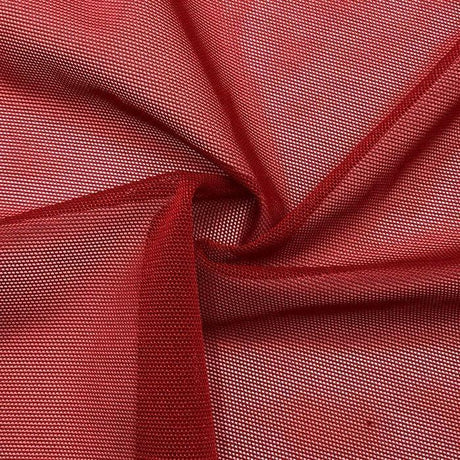
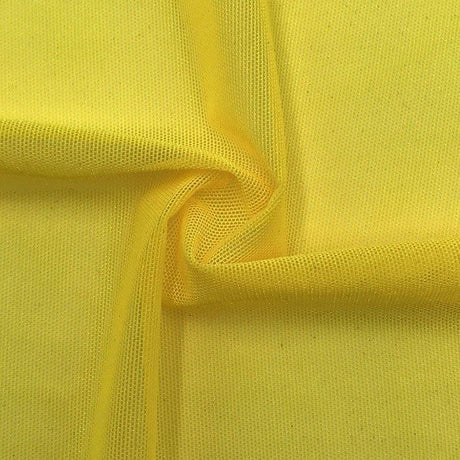
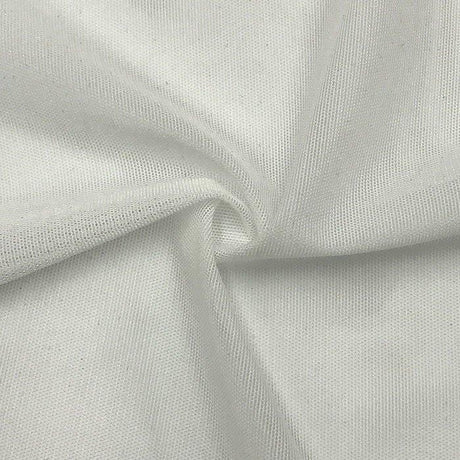
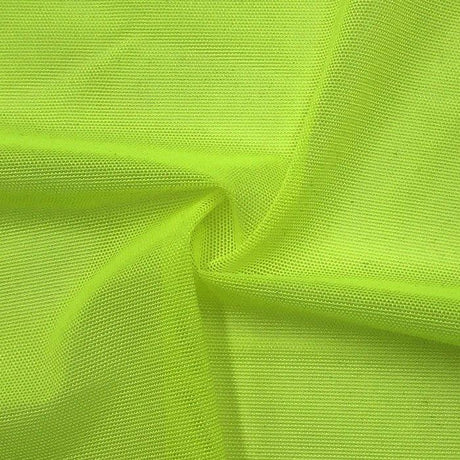
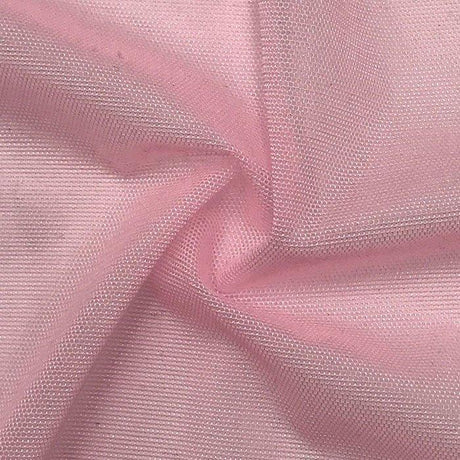
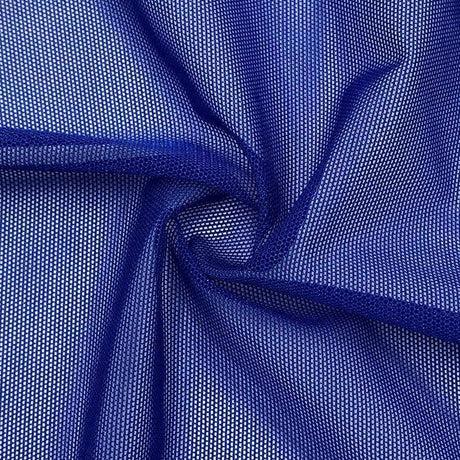
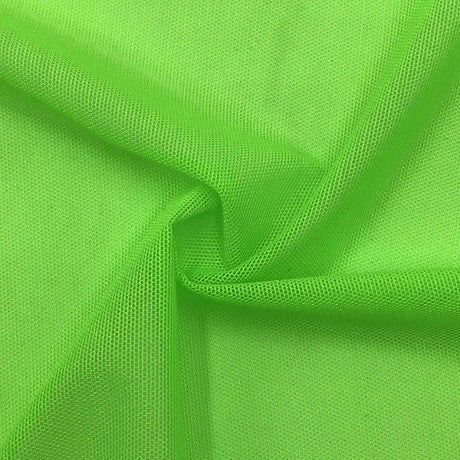
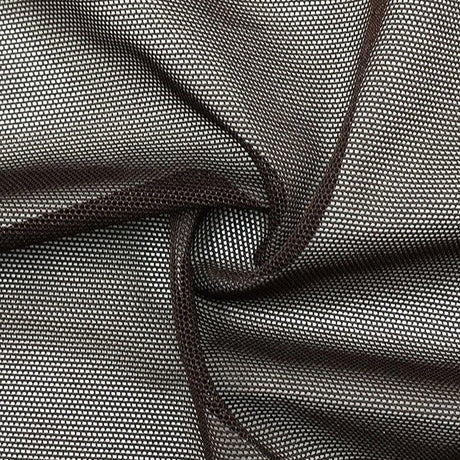
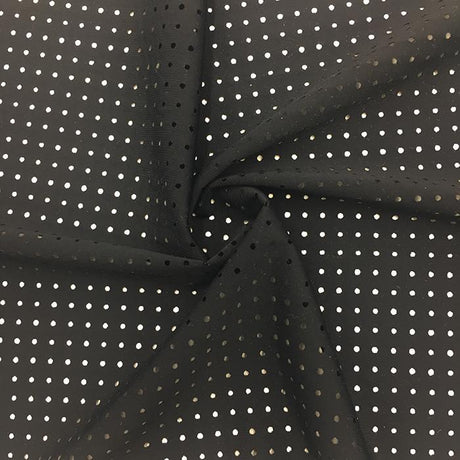
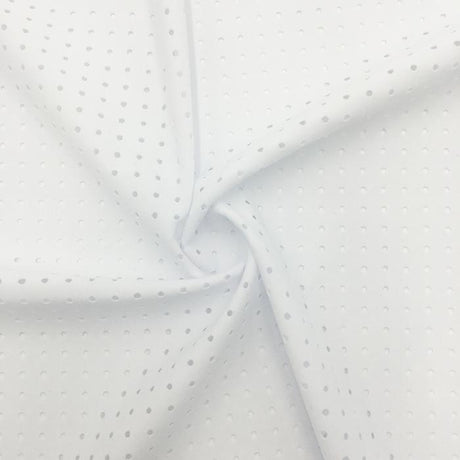
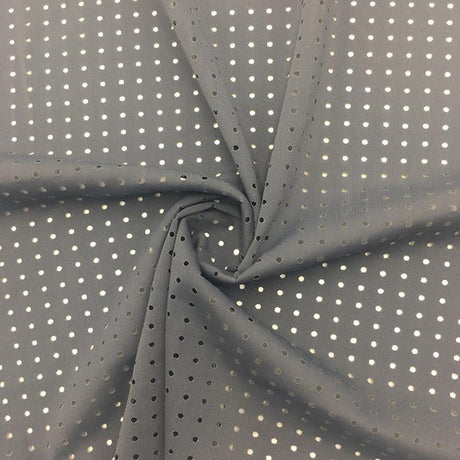
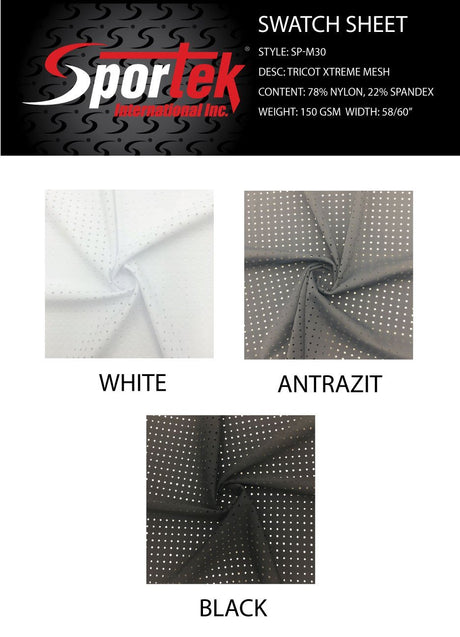
Mesh is a powerful tool when you want ventilation or reduced bulk—especially at the back of the head, where heat builds up. A nylon-spandex power mesh can be extremely light (example: 85 GSM) while still providing stretch.
Custom prints and fashion-forward designs
Print is a major differentiator in headwear. Spandex By Yard’s printed spandex collection highlights printed stretch fabrics built on nylon and polyester spandex blends, including tricot-oriented print methods—useful for both statement caps and headwraps.
If you’re producing seasonal drops or influencer collaborations, prints let you keep the same proven pattern while refreshing the look—without changing fit.
To explore these categories directly on the site (as you plan your build), start with: - swim-friendly stretch for swimwear and lining-ready knits that emphasize stretch/recovery and water exposure performance
- smooth nylon stretch for nylon-spandex solids (matte/shiny/tricot/compression options)
- printed stretch for headwear for printed spandex blends suited to activewear and swimwear styling
How to Choose the Right Fabric
This is the decision framework I use when spec’ing headwear fabrics for both production runs and one-off DIY projects.
Start with the “truth” of the product promise
Ask: What problem is the cap/headwrap solving?
- “I want comfort and hair containment in the pool.” → nylon-spandex swimwear knit, optionally lined
- “I swim laps daily, I need it to last.” → consider polyester-spandex options and chlorine-resistant elastane tech
- “It’s mostly for workouts, not swimming.” → moisture management spandex (wicking + breathability)
- “Cold weather / open water.” → neoprene-style stretch (insulation + structure)
Evaluate stretch requirements using a quick test
For DIY buyers:
Cut a 4" (10 cm) strip crosswise and stretch gently to a comfortable “wear tension.” If it reaches 6" (15 cm), that’s ~50% stretch, often workable for caps. Higher stretch can be better for long hair volume—but only if recovery is strong.
For manufacturers:
Standardize a simple internal QC test (even before lab testing): controlled elongation + recovery check across roll lots, especially for printed runs.
Decide on lining strategy
A lining can: - improve comfort (especially for sensitive scalp), - improve opacity, - reduce seam irritation, - manage “cling” on damp hair.
Mesh can also serve as a lining/inner layer, but choose weight carefully; very light mesh is breathable yet may need stabilization at the edge.
Print vs solid selection
Printed knits are excellent for headwear—but require smarter cutting: - align directional motifs consistently, - avoid placing key motifs on high-distortion seam zones, - keep seam allowances consistent to prevent print mismatch.
Printed spandex collections often blend nylon and polyester spandex to balance performance and print quality.
Common Mistakes to Avoid
Even great fabric can fail if construction choices don’t match stretch behavior.
Using the wrong needle
High-stretch knits are vulnerable to skipped stitches, runs, and holes when pierced improperly. SCHMETZ notes that stretch needles have a medium ball point, smaller eye, and deep scarf, and are intended for highly elastic knits—especially those containing Lycra/spandex.
Avoid: universal sharp needles on high-spandex knits.
Choosing stitches that pop under stretch
Spandex’s extreme elongation means straight stitches can snap when the cap stretches over the head. Spandex sewing guidance commonly emphasizes using the right machine settings and techniques to avoid wavy seams and stitch failure.
Better options: zigzag, stretch stitches, serger seams, or coverstitch—depending on your equipment and production needs.
Ignoring recovery (the “bagging out” problem)
Fabric that stretches but doesn’t recover will: - loosen at the hairline, - shift during turns and push-offs, - look wrinkled when wet.
Recovery is not negotiable for a swim cap fit.
Cutting without respecting grain and stretch direction
Swimwear knits may look “symmetrical,” but stretch direction impacts fit. If you cut pieces rotated, you can accidentally produce caps that feel tight front-to-back and loose side-to-side.
Washing and finishing mistakes
Heat and harsh handling shorten the life of stretch fibers. Speedo’s swimwear care guidance emphasizes rinsing in fresh cold water after use to reduce chlorine damage over time, drying in shade, and avoiding tumble drying.
For spandex care more generally, careful drying (air drying, avoid wringing/twisting) helps preserve stretch and shape.
Ready-to-Use Checklists
Fabric shopping checklist (swim caps + headwraps)
- Confirm 4-way stretch and test recovery by hand (stretch → release → check snap-back).
- Pick weight based on use: midweight for main cap body; lightweight mesh only for panels/lining.
- If the product will see heavy pool time, prioritize chlorine-resistance strategies (fiber/tech choices).
- For prints, check whether the print is directional and plan cutting layout accordingly.
Sewing checklist (DIY + production sampling)
- Use a stretch/ballpoint needle designed for highly elastic knits.
- Use stretch-friendly seams (zigzag/stretch stitch/serger) and test by stretching the seam hard before finishing.
- Test edge finish: fold-over elastic, swim elastic, or banded edge—then repeat stretch test.
- Prototype wet: soak the sample and try it on (wet fit can change behavior).
Manufacturer QC checklist (small batch to scale)
- Document target stretch % and recovery expectations per SKU (solid vs printed runs).
- Check fabric roll consistency (handfeel, stretch direction, visual defects, print alignment).
- Confirm bulk feasibility if scaling (some performance lines are sold in bulk minimums).
Care and Longevity Tips
Good care is part of performance design—especially for swim and spandex blends.
Washing
For swim-exposed headwear, the single most effective habit is rinsing in fresh, cold water after use to reduce chlorine exposure over time.
If machine washing is used, keep it gentle and cool, and follow the fabric’s care label guidance.
Drying
Avoid heat. Speedo explicitly advises against tumble drying and recommends drying in shade rather than direct sunlight.
For spandex items, air drying and avoiding wringing/twisting helps preserve elasticity and shape.
Storage
- Store fully dry (avoid mildew odor retention).
- Keep away from prolonged direct sunlight to reduce UV stress.
- Don’t store rolled up wet in a towel—trapped chemicals + heat accelerate degradation.
Print care
Printed stretch fabrics benefit from: - turning inside out before washing (reduces surface abrasion), - avoiding harsh detergents/bleach, - air drying to reduce heat stress.
When to Consider an Alternative Fabric
A technically confident product line isn’t afraid to say: “This fabric is great—but not for every scenario.”
Why choose cotton-spandex over nylon-spandex?
Choose cotton-spandex when: - the item is primarily for daily wear, not swimming, - you want a more natural handfeel, - breathability and softness outweigh quick-dry needs.
Avoid cotton-spandex for true swim caps: it holds water longer and typically won’t perform like swim-specific knits.
When neoprene is a better choice
Choose neoprene-style stretch when: - you’re designing for cold water, - you want structure + insulation, - the cap is part of a performance costume or open-water accessory.
Neoprene fabric collections are specifically positioned for elasticity, structure, durability, and insulating properties—making them relevant when warmth and shape matter more than sleekness.
When mesh makes more sense
Choose mesh (as a panel or lining) when: - you want breathability, - you need a lighter inner layer, - you’re building a headwrap for hot weather workouts.
Example: nylon-spandex power mesh can be extremely lightweight while still stretch-capable, which is useful for ventilation and lining strategies.
When silicone/latex caps are the better solution
If the user’s top goal is drag reduction or a tighter barrier to water entry, fabric caps are not the right tool. Fabric caps are comfortable and easy to wear, but they don’t keep hair dry and don’t significantly reduce drag.
Conclusion
Choosing the right fabric for swim cap projects is the difference between headwear that “looks handmade” and headwear that performs like a real product.
The best swim-cap fabrics share three traits: high stretch, strong recovery, and comfort against scalp and hair—often delivered by nylon-spandex and other swimwear knits. For pool-heavy use, chlorine-focused material choices and durable elastane technologies can extend lifespan under harsh exposure. And for hybrid headwrap and accessory projects, moisture management and mesh options let you tune breathability and sweat handling with a more technical approach rooted in recognized test concepts like AATCC TM195.
Whether you’re a professional manufacturer planning bulk production or a DIY sewist making one perfect cap, start with the use-case, test stretch and recovery, choose the right needle and seam strategy, and care for the finished piece like performance gear—not casual cotton.
FAQ
Is nylon-spandex a good fabric for swim cap projects?
Yes—nylon-spandex swimwear knits are commonly used for fabric swim caps because they’re smooth, stretchy, and comfortable against skin and hair. Nylon is known for strong wear resistance, and quality nylon-spandex blends can maintain fit well when recovery is strong.
Do fabric swim caps keep hair dry?
No. Fabric caps (Lycra/spandex-based) are designed for comfort and hair containment, but because they’re fabric, they do not keep hair dry.
What fabric lasts longer in chlorinated pools?
Frequent pool exposure is tough on elastane. Chlorine-resistant spandex technologies are designed to prevent chlorine-driven elastane degradation and extend durability, and durability-focused swimwear elastane can resist damage from chlorine, sun, heat, and lotions.
Is moisture-wicking spandex useful for headwraps and hair accessories?
Yes—especially for workout headbands, dance headwraps, and athleisure hair accessories where sweat comfort matters. Moisture management performance is commonly evaluated in the industry via methods like AATCC TM195, which measures liquid transport behavior across fabric surfaces.
What needle should I use when sewing spandex for a swim cap?
Use a needle designed for high-stretch knits. SCHMETZ notes that stretch needles are engineered for highly elastic knitwear, especially fabrics containing Lycra/spandex, using a ball point and other design features to support stitch formation.