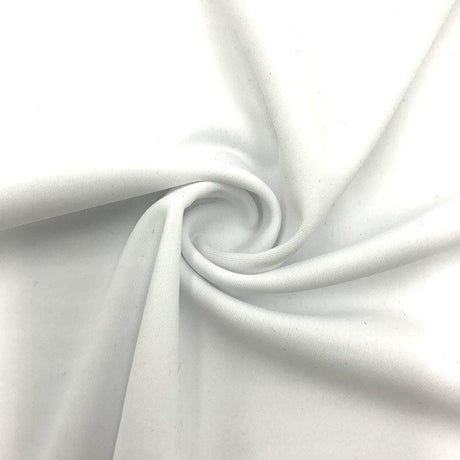
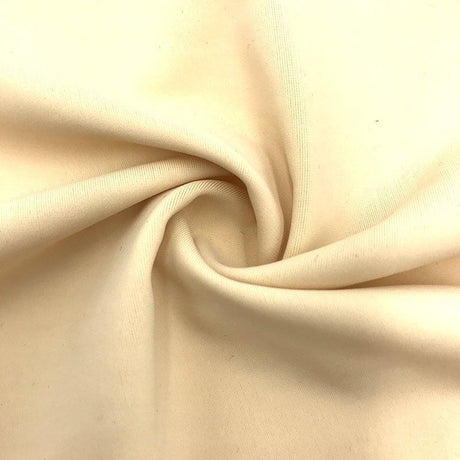
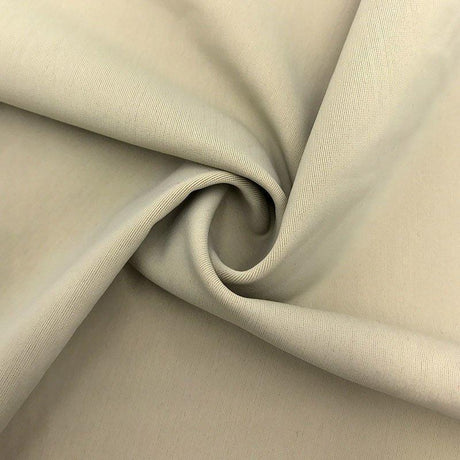
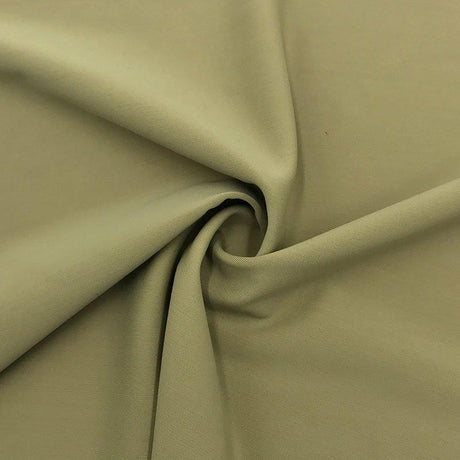
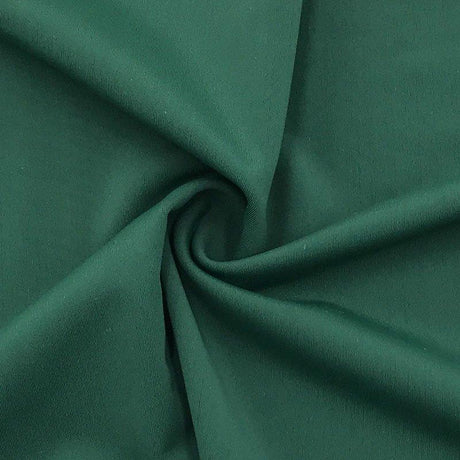
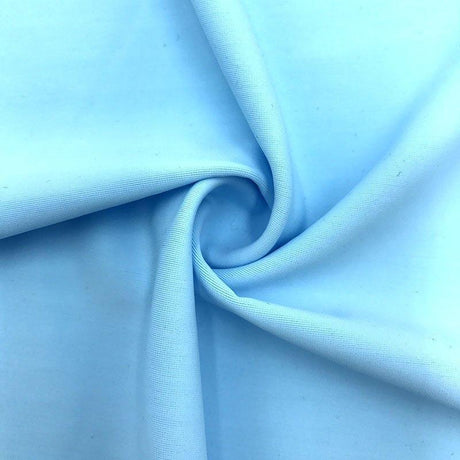
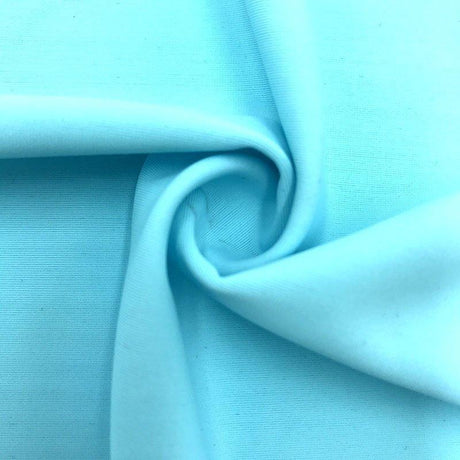
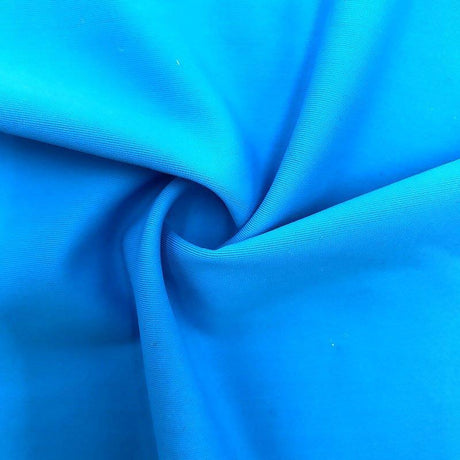
If you’ve ever built a base layer that looked right on paper but felt clammy, restrictive, or oddly bulky once worn, you’ve run into the “base layer paradox”: the layer closest to the skin must manage sweat and support warmth—without adding thickness that makes everything on top feel tight. REI’s layering guidance is blunt about it: comfort starts with the layer touching your skin, and the most important decision is the fabric, because it must wick effectively.
This matters whether you’re a professional apparel manufacturer engineering a winter running set, or a DIY maker sewing your first pair of thermal leggings. Base layers aren’t just “thin shirts.” They’re performance systems. Fit, fabric weight, fiber chemistry, and knit construction all determine whether the garment regulates temperature—or becomes a sweat sponge that steals heat when you stop moving.
In this guide, you’ll learn how to choose fabric for base layer clothing with a practical “warmth without bulk” mindset: how to read weight (GSM), how to evaluate stretch/recovery, when brushed interiors beat heavier knits, how moisture management is actually tested, and when to pivot to alternatives like cotton-spandex, fleece, or even neoprene depending on end use.
Understanding base layer fabrics for warmth without bulk
What Is Fabric for Base Layer Clothing?
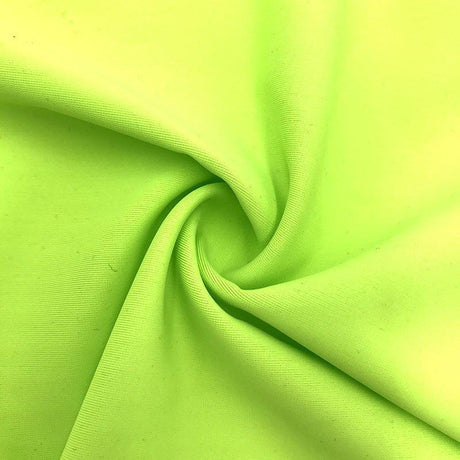
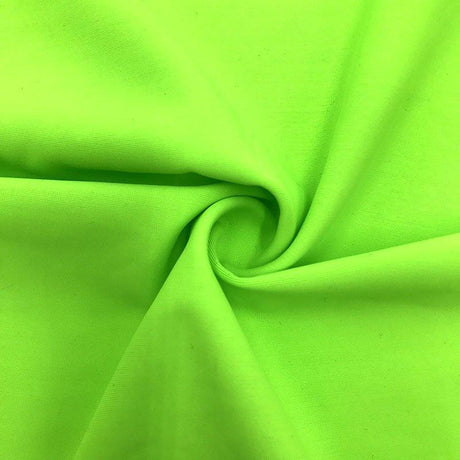
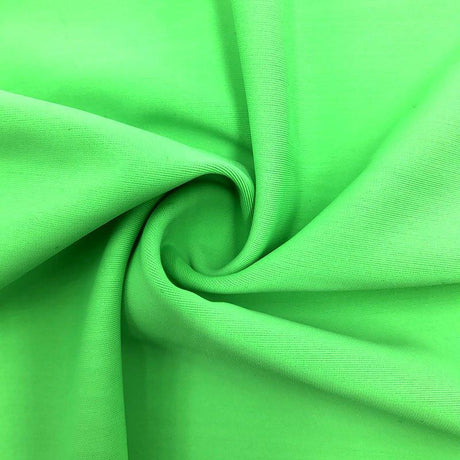
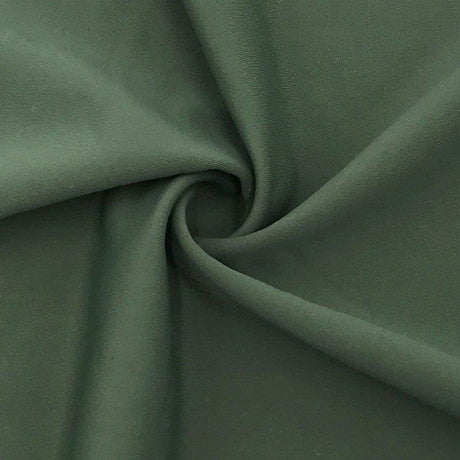
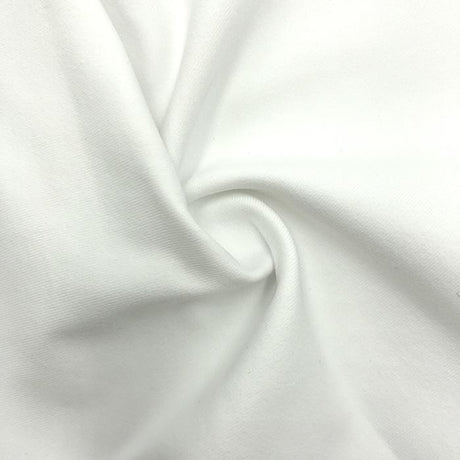
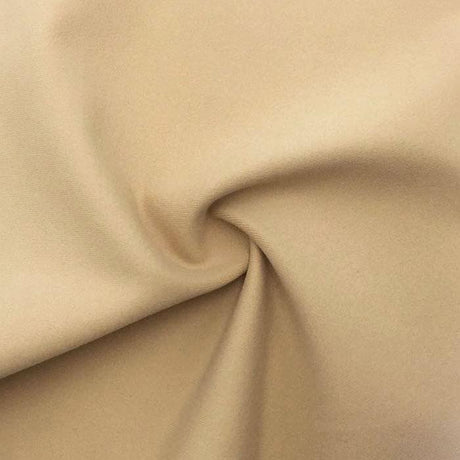
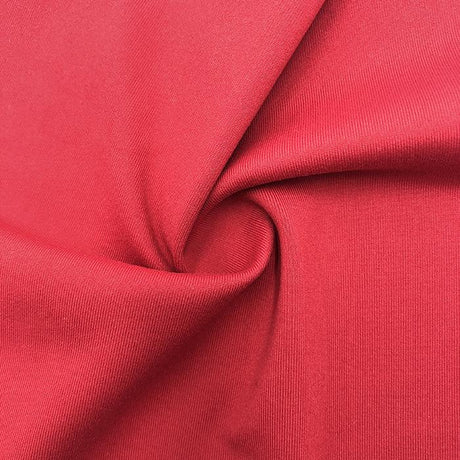
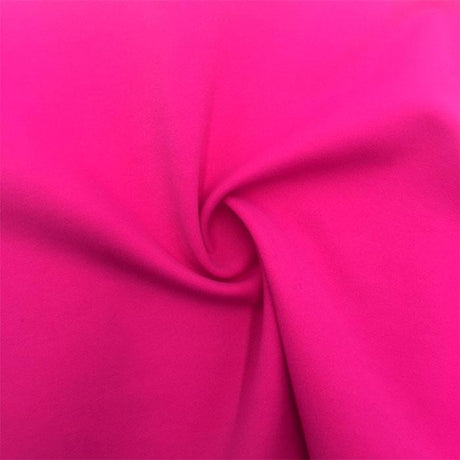
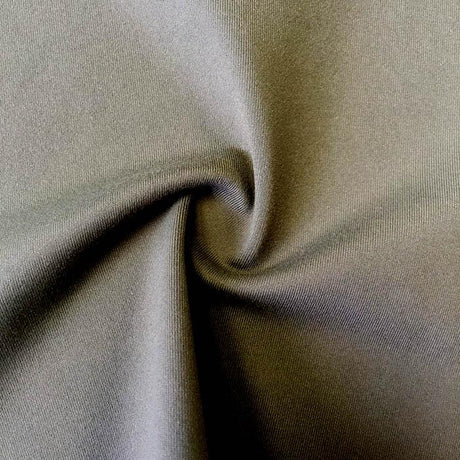
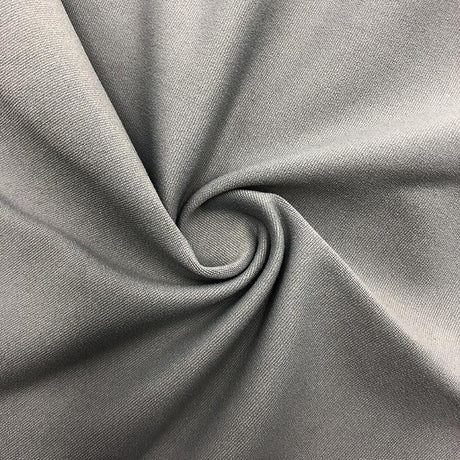
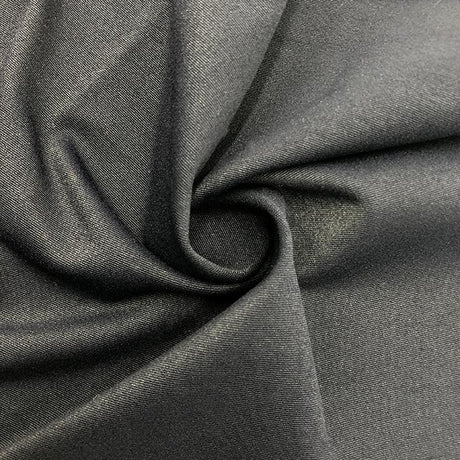
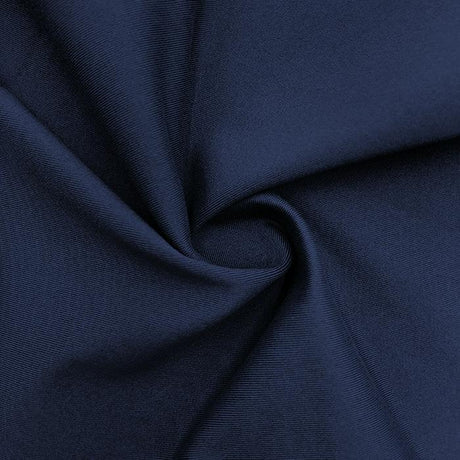
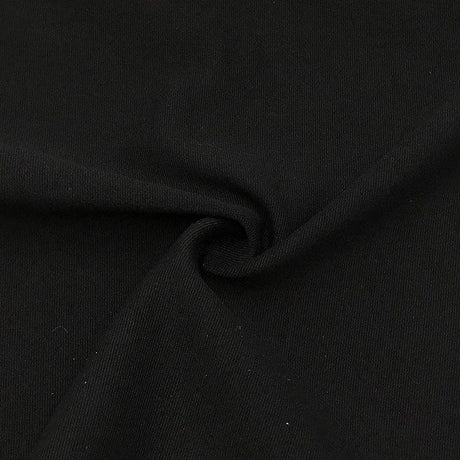
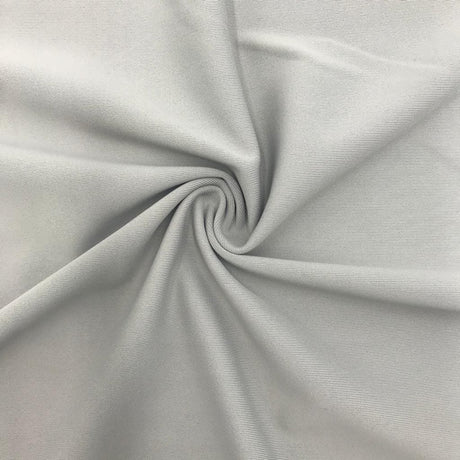
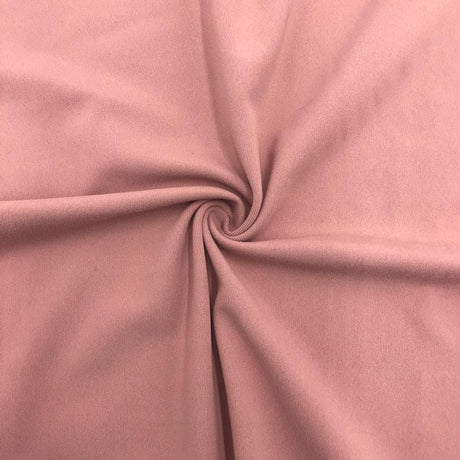
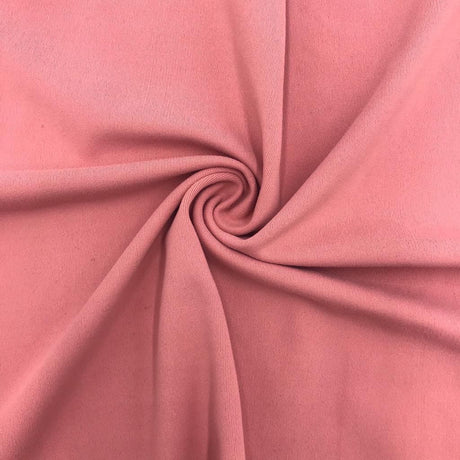
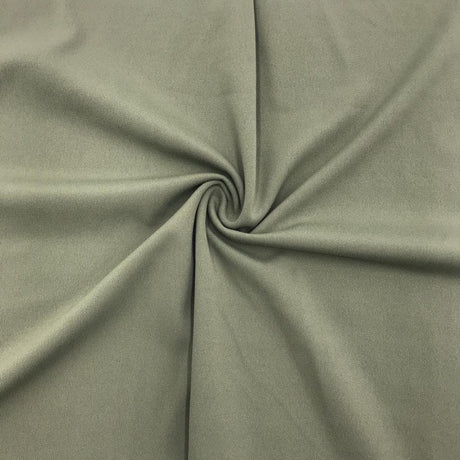
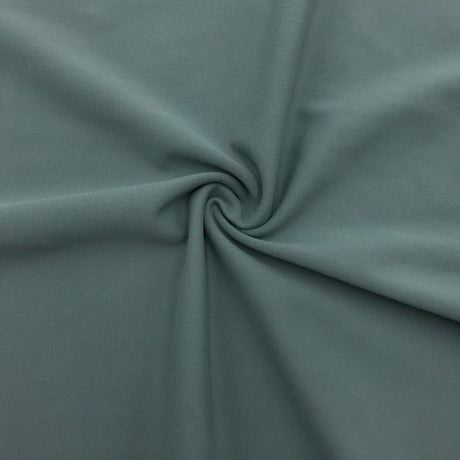
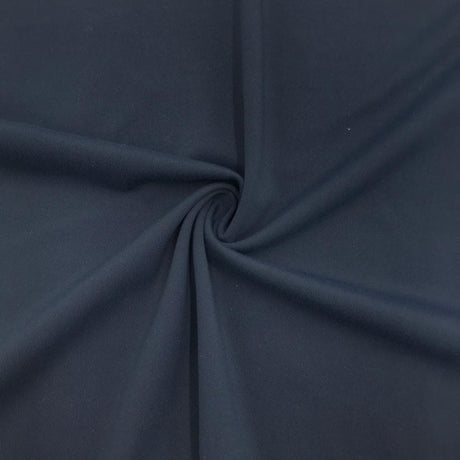
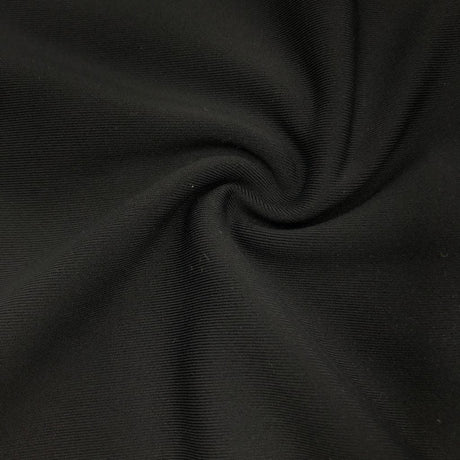
Fabric for base layer clothing is typically a soft, next-to-skin knit engineered to manage perspiration and provide light insulation while staying low-profile under mid-layers and shells. In classic layering systems, base layers are the foundation: they work best when they wick while sitting close to the skin, so most base layers are designed for a snug fit.
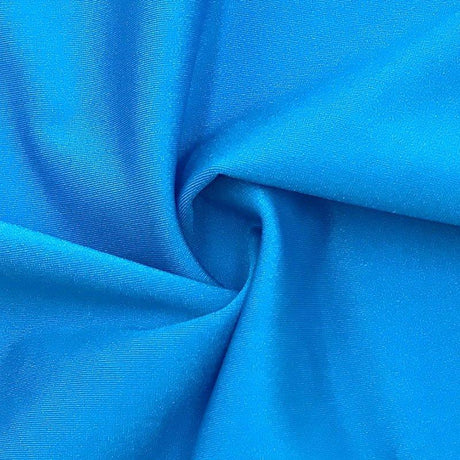
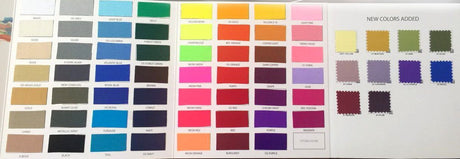
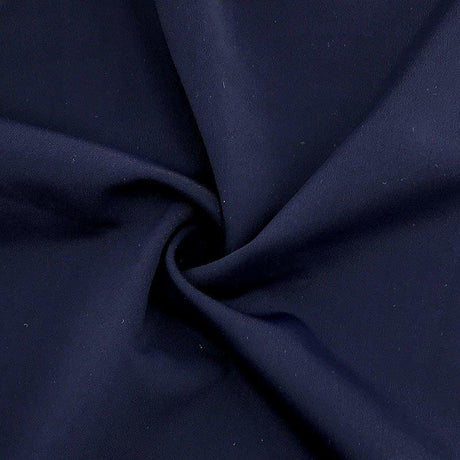
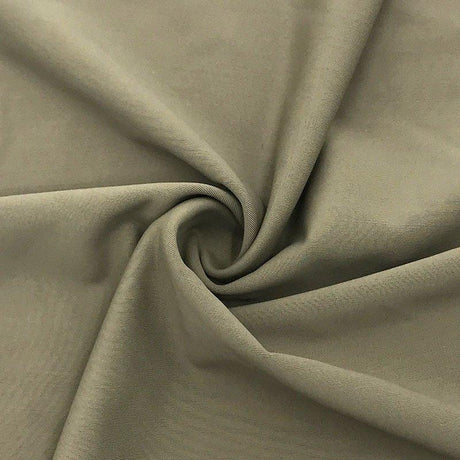
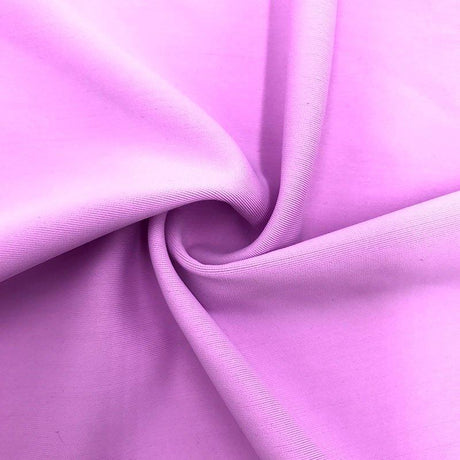
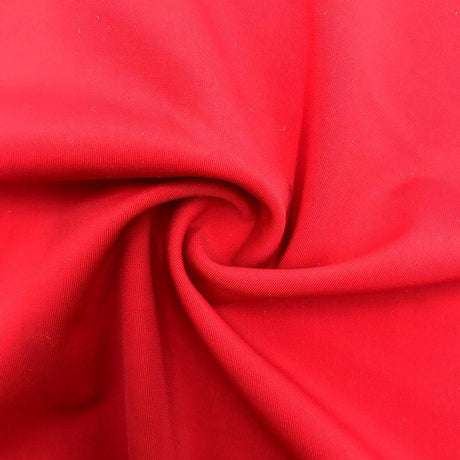
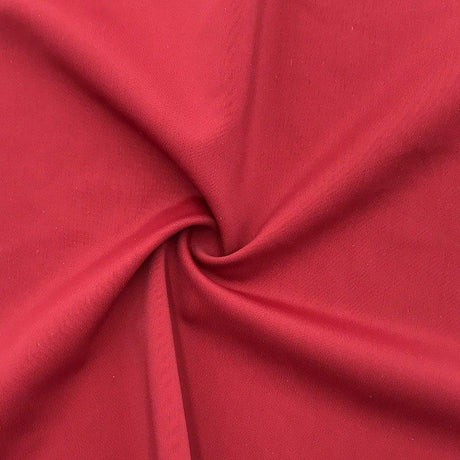
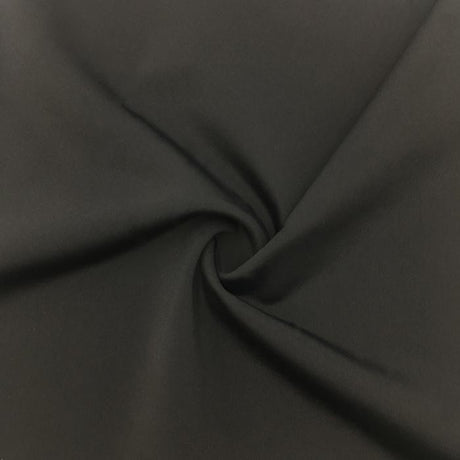
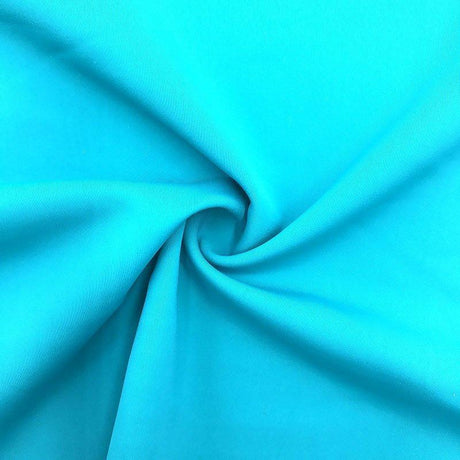
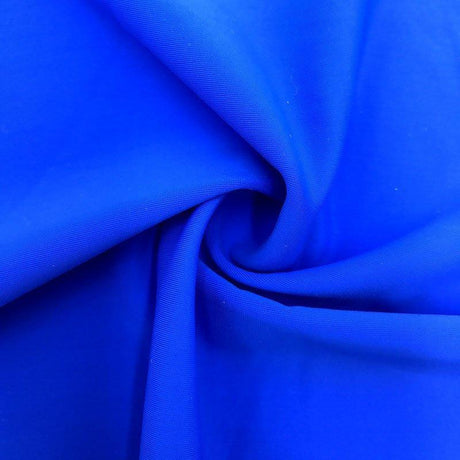
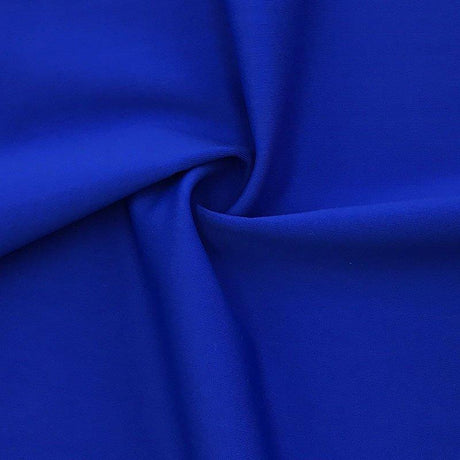
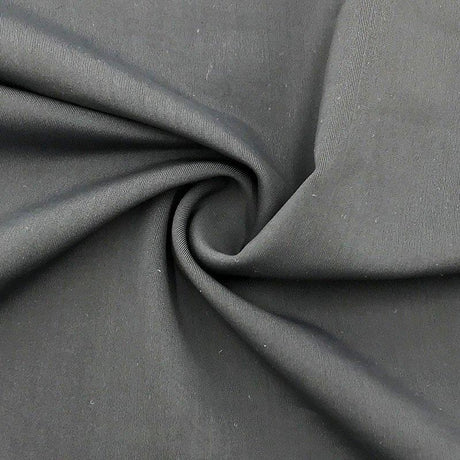
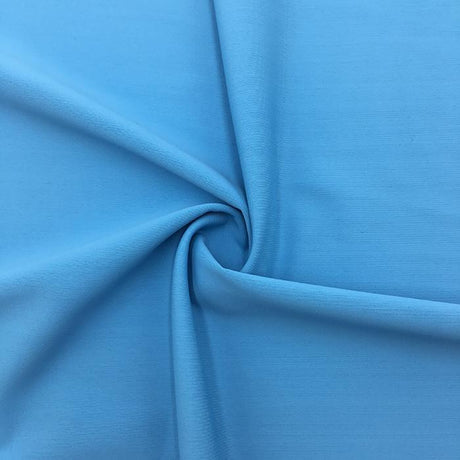
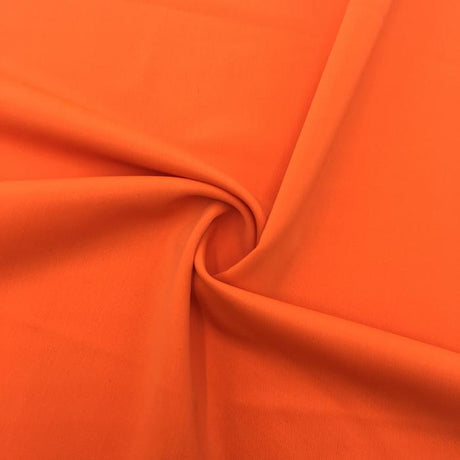
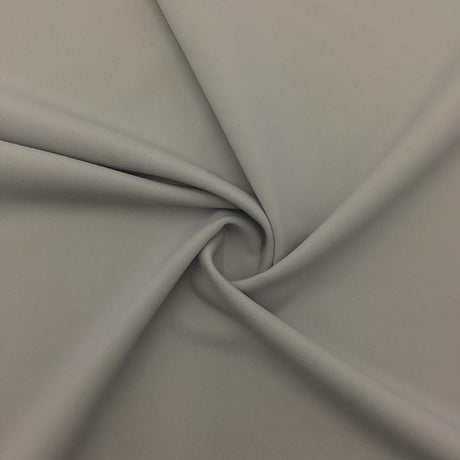
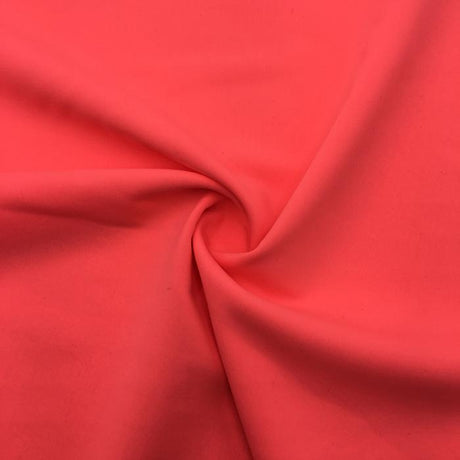
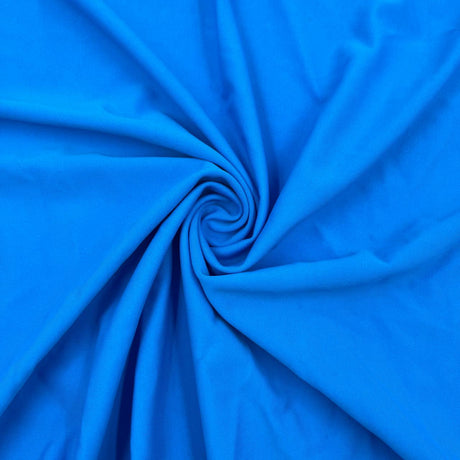
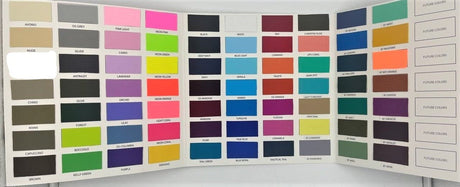
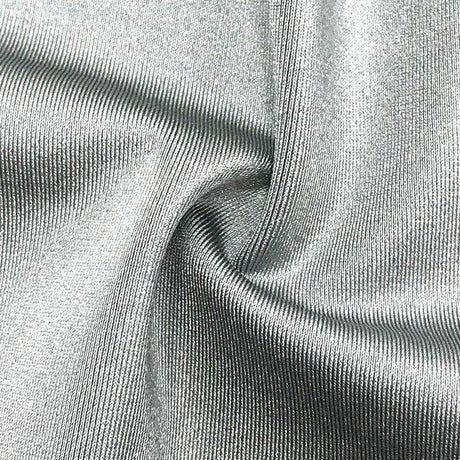
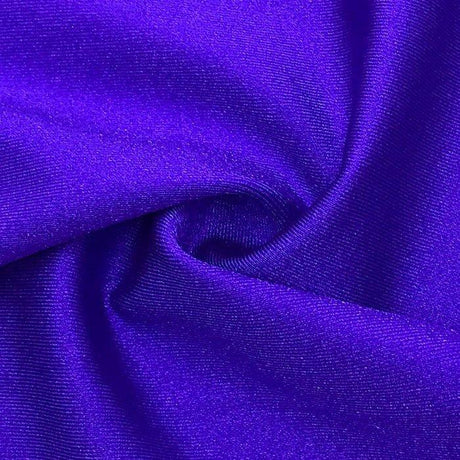
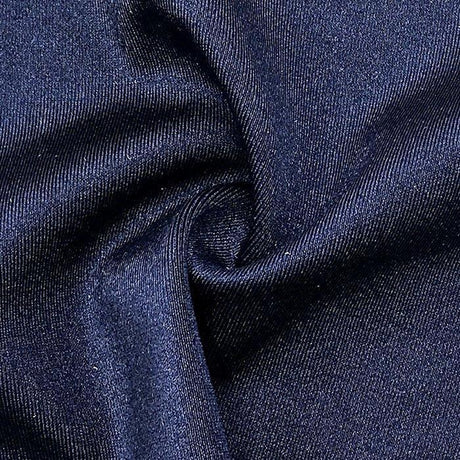
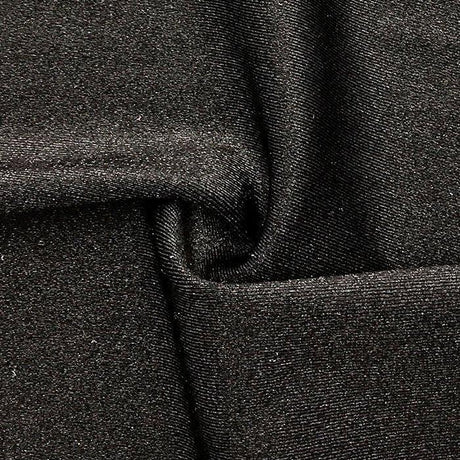
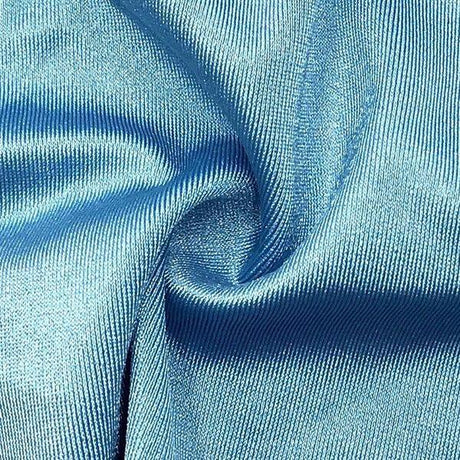
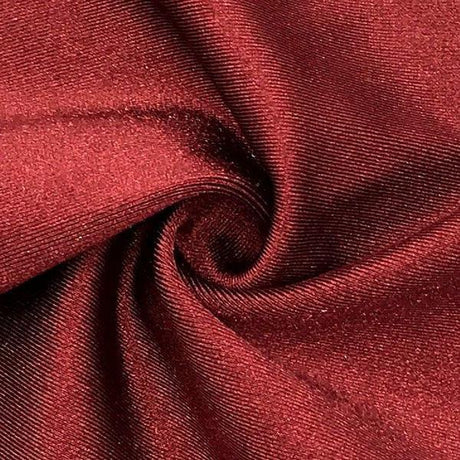
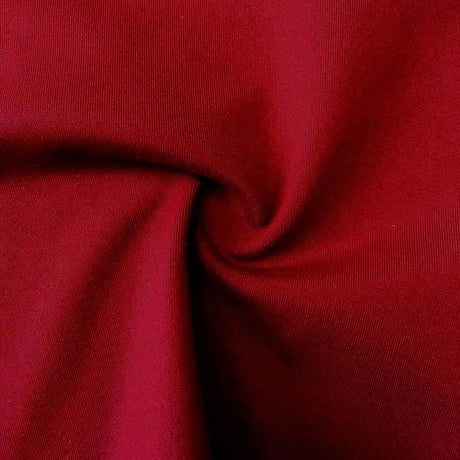
From a textile standpoint, base layer fabrics usually fall into a few performance families (many sold by the yard for sampling, prototyping, and small-run production):
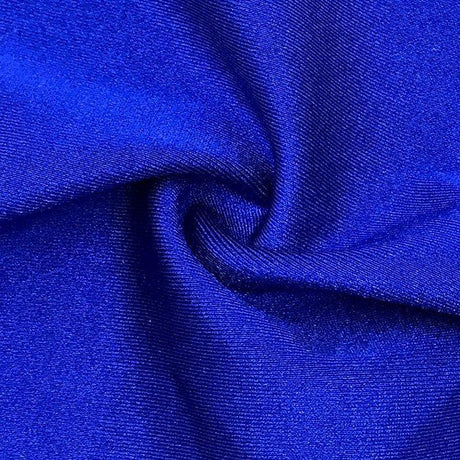
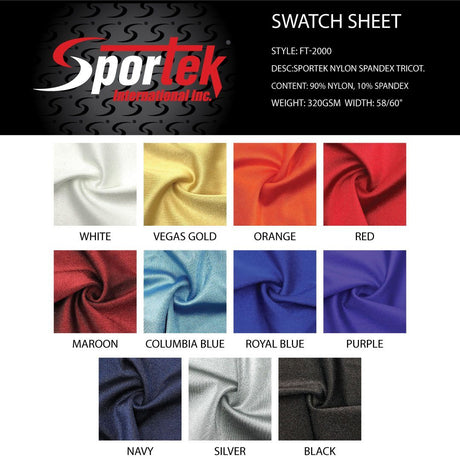
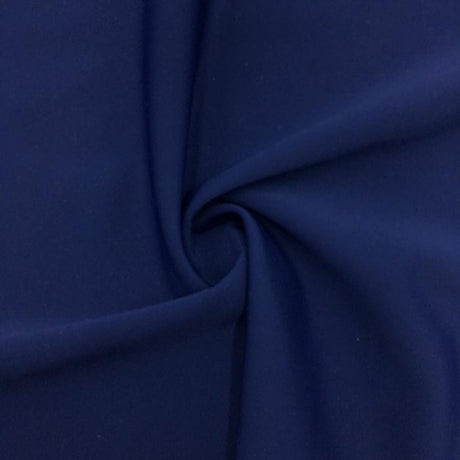
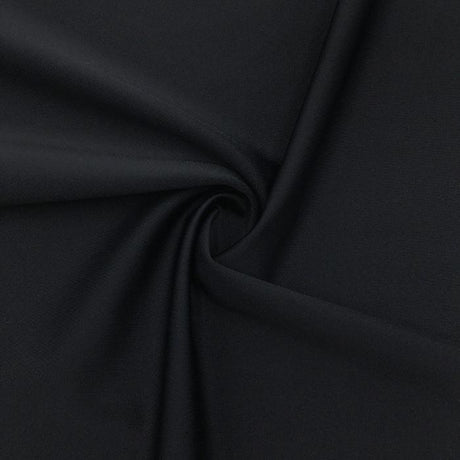
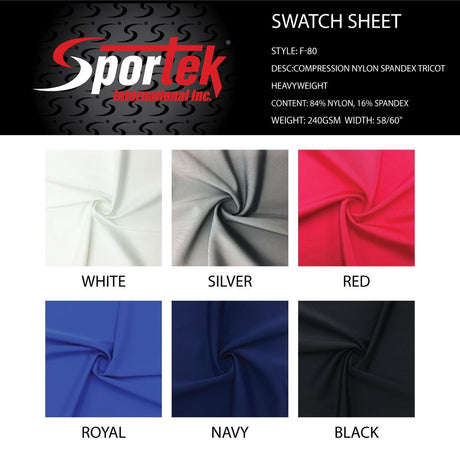
- Nylon-spandex knits (jersey/tricot/interlock) for durability, compression, and “second skin” fit (common in performance wear and swim/rashguard-adjacent base layers).
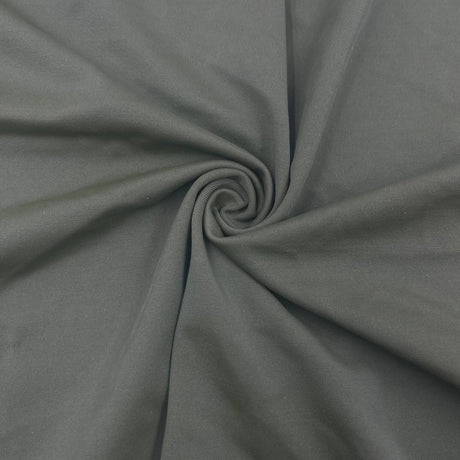
- Polyester-spandex moisture management knits where wicking/drying is the priority (often described as moisture-wicking, breathable, and 4-way stretch).
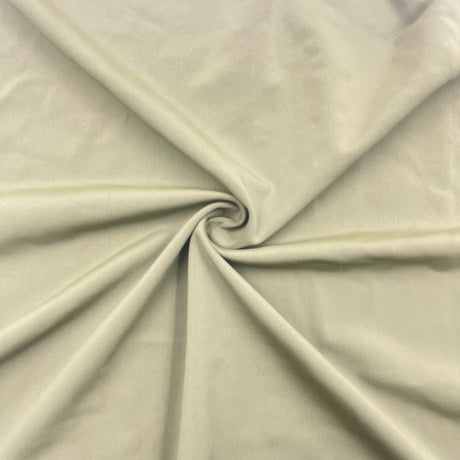
- Brushed/peached or brushed tricot styles that add warmth by creating a softer, slightly lofted surface while staying lightweight—useful when you want warmth without going “thick.”
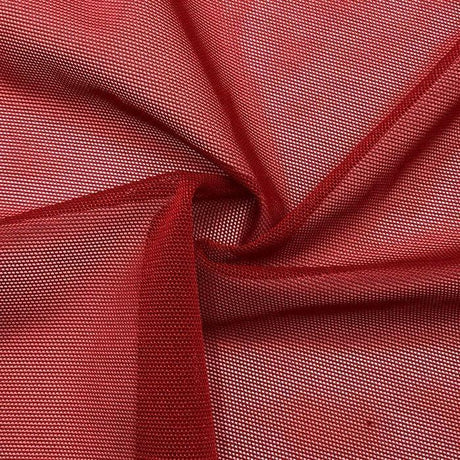
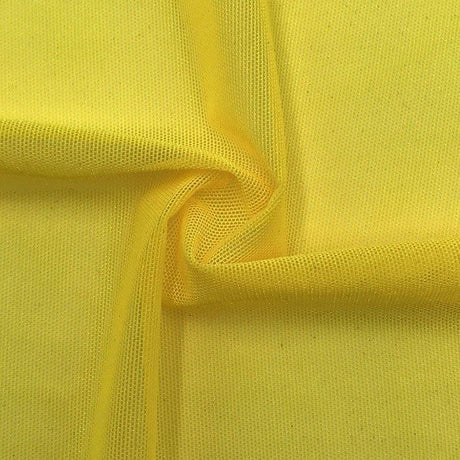
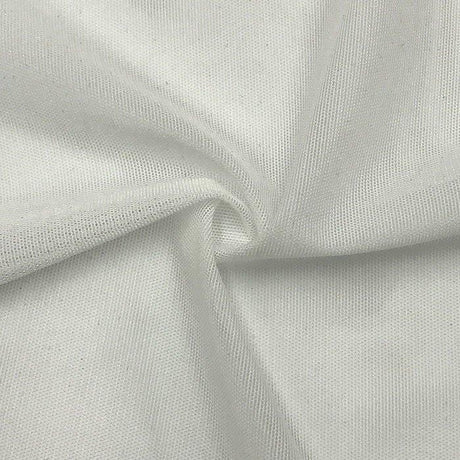
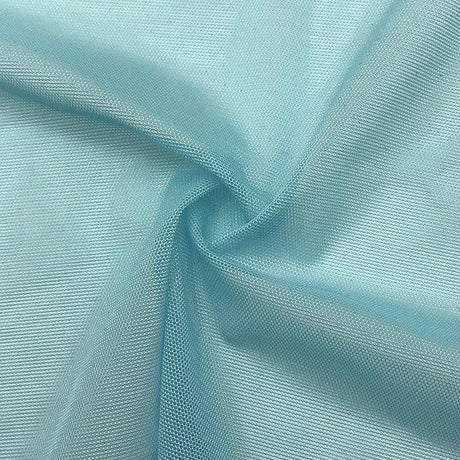
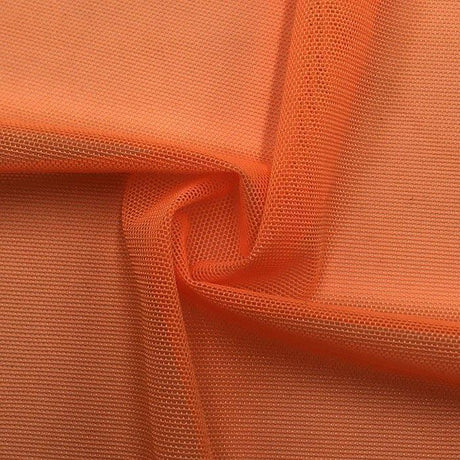
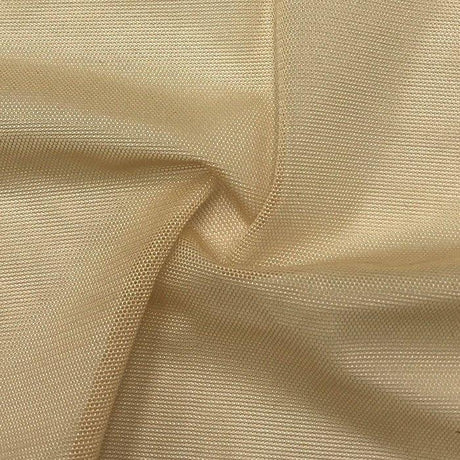
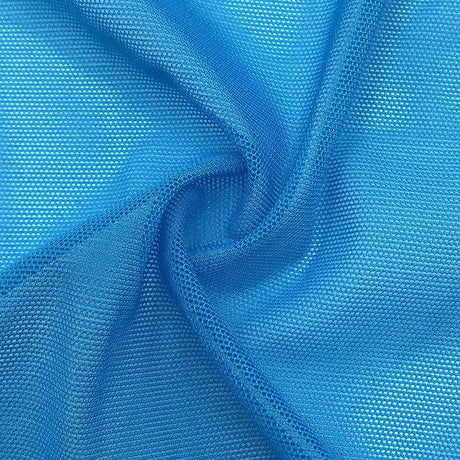
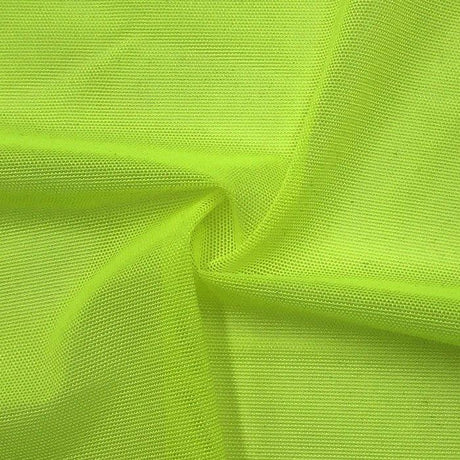
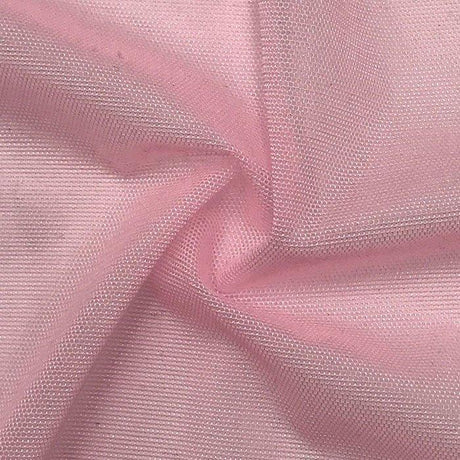
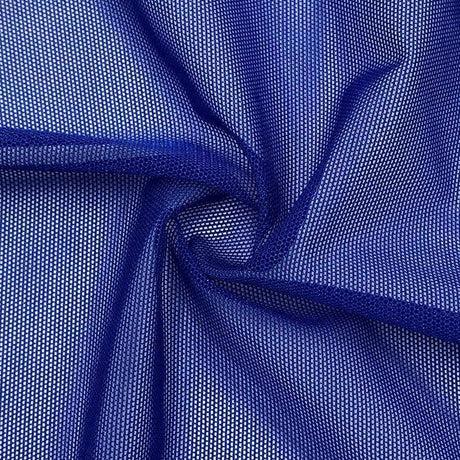
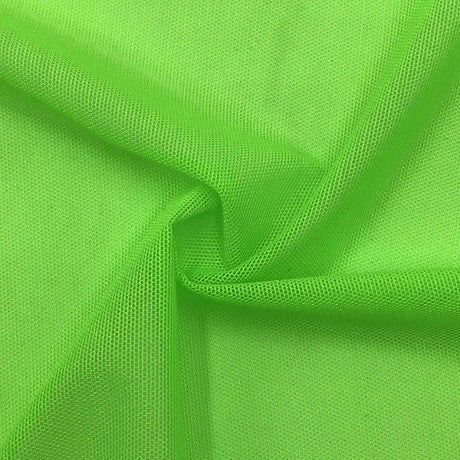
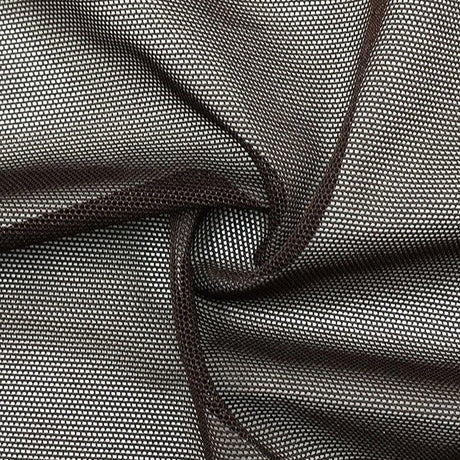
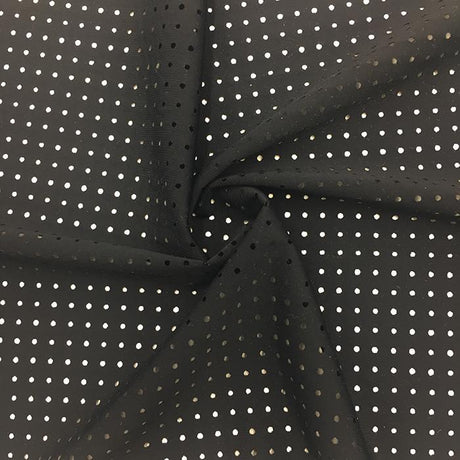
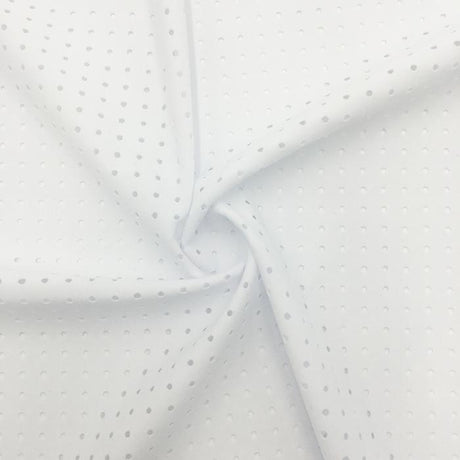
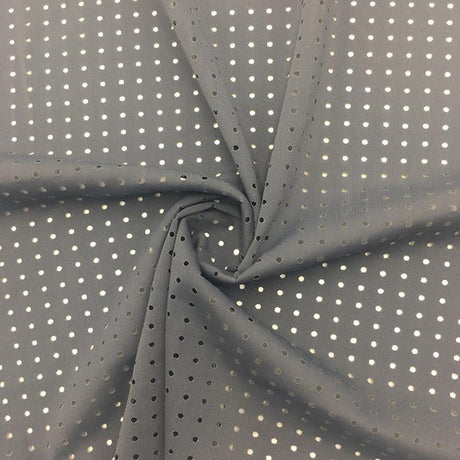
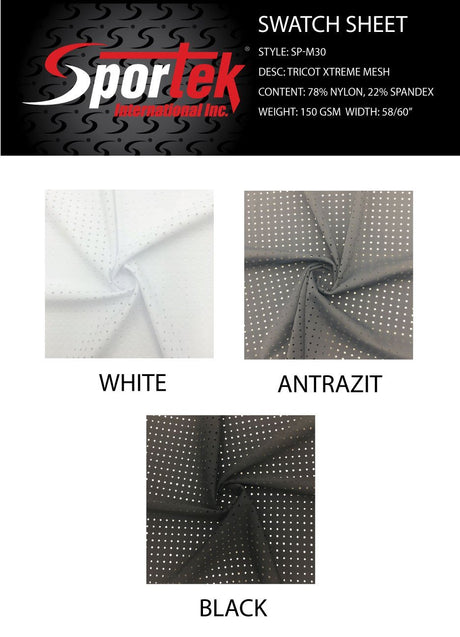
- Mesh and moisture-management mesh used as vent panels or ultra-breathable base layers for high-output activity.
- Stretch fleece / thermal fleece when conditions justify more insulation (but you still need mobility).
- Printed and sublimation-ready performance fabrics when you need custom graphics without sacrificing stretch and function.
How it differs from related layers: A base layer’s “job” is moisture management first; thicker mid-layers are the primary heat keepers in most systems. So the warmest base layer isn’t always the heaviest—it’s often the one that stays dry and avoids trapping sweat.
Key Performance Characteristics
Choosing warmth without bulk is mostly about measurable performance. Here’s what to evaluate (and what it means in the real world).
Stretch and recovery
A base layer must move with the body and return to shape. That’s why spandex/elastane blends are common: spandex is a segmented polyurethane fiber (at least 85% polyurethane by weight) used specifically for high elasticity.
For garment engineering, what matters isn’t just “4-way stretch” marketing—it’s usable elongation and recovery: - Higher spandex content generally supports better snap-back and compression behavior (common in nylon-spandex performance fabrics).
- Too little recovery leads to bagging at knees/elbows, warped hems, and a base layer that feels “heavy” because it sags under sweat.
Practical rule: If your pattern relies on negative ease (most base layers do), prioritize recovery as much as stretch—especially for cuffs, necklines, and waistbands.
GSM (weight) and why “warmth” isn’t just thickness
GSM (grams per square meter) is the standard way to talk about fabric mass per unit area; ASTM D3776 is a widely referenced test method for measuring fabric weight.
For base layers, GSM influences bulk, opacity, and warmth, but construction matters too (a lofted grid or brushed interior can feel warmer than a flat knit at the same GSM). Brands that publish detailed base layer guidance commonly map performance to GSM ranges; for example, Icebreaker describes lightweight layers roughly 75–175 GSM, midweight around 200 GSM, and heavyweight 260 GSM and above.
Quick GSM cheat sheet (fabric for base layer clothing):
|
Base layer goal |
Typical GSM range |
Why it works |
|
High-output / “runs hot” / indoor training |
~75–175 GSM |
Low bulk; easier moisture escape; good under shells |
|
All-around base layer |
~180–220 GSM |
Balance of warmth + breathability (common “daily driver” zone) |
|
Cold conditions / lower output |
260+ GSM |
More insulation; can trap more heat, but manage sweat carefully |
Moisture management and breathability
Most people say “wicking” when they mean three different things: wetting, spreading, and one-way transport (moving moisture from the skin-side to the outside). One standardized approach is AATCC TM195, which evaluates liquid moisture management using metrics like wetting time, spreading speed, one-way transport capability, and an overall moisture management capacity (OMMC).
Why fiber type affects “clammy” feeling: - Polyester’s typical moisture regain is very low (often referenced around 0.4%), while nylon is higher (around 4%) and wool higher still (around 15%).
- REI notes merino can retain some moisture in the fiber core and still insulate, but it won’t feel quite as dry as synthetics and takes longer to dry.
Translation: For sweaty, high-output use, moisture-management polyester/spandex can feel drier faster; for variable conditions, wool or nylon blends can feel less “plasticky,” but drying speed becomes the tradeoff.
Durability and abrasion resistance
Base layers take abrasion at pack straps, hip belts, and repetitive motion points. If you’re building for field use, uniforms, hunting, hiking, or tactical training, durability is not optional.
A common durability benchmark for fabrics is abrasion testing; ASTM D4966 covers determining abrasion resistance using a Martindale abrasion tester (applicable to knits and wovens, with thickness limitations).
In practical sourcing terms: - Nylon-spandex blends are frequently chosen when you need a smoother hand plus strong wear resistance (especially for close-fit garments that rub).
- Mesh panels add breathability but can reduce abrasion resistance—so placement matters (underarms/back panels vs. hip belt zones).
Softness and handfeel (the “wear it all day” factor)
Handfeel is performance. If the fabric is itchy, abrasive, or sticky, the wearer overheats or strips layers prematurely.
One low-bulk way to add perceived warmth is brushing: brushed tricot fabrics are described as soft and durable, with a brushed texture that adds comfort and warmth while remaining lightweight and flexible—useful for base layer interiors and linings that need warmth without thickness.
Special performance traits to look for
Depending on your product category, “warmth without bulk” may also mean: - UV protection (useful for sun + cold wind environments, snow glare, high altitude)
- Anti-microbial/odor-control finishes for multi-day wear (especially in synthetics, which can retain odor per REI)
- DWR / water resistance when the base layer doubles as a light “only layer” in shoulder seasons (more common in second-layer performance fabrics than true base layers)
Comparison with Similar Fabrics
Below is a practical comparison for selecting fabric for base layer clothing when targeting warmth without bulk.
|
Feature |
Nylon-Spandex Base Layer Knit |
Polyester-Spandex Moisture Management Knit |
Merino Wool Jersey (or Merino blend) |
|
Composition |
Nylon (polyamide) + spandex/elastane (often around 80/20 in many performance tricots) |
Polyester + spandex; often marketed for wicking/breathability |
Merino wool (sometimes blended with synthetics/spandex for durability/fit) |
|
Stretch type |
Often strong 4-way stretch + compression behavior |
4-way stretch common; varies by knit construction |
Natural stretch + knit stretch; less “snap” unless blended with elastane |
|
Best for |
Durable, sleek, close-fit base layers; high-movement wear; pack-strap environments |
High-sweat training, teamwear, fast-drying base layers, print-heavy programs |
Variable temps, multi-day wear, odor resistance focus |
|
Pros |
Smooth, supportive, long-wearing; nylon absorbs a bit more moisture than polyester (often reducing “instant clammy” feel for some users) |
Very low moisture regain (polyester ~0.4% is commonly cited) → can feel drier faster; ideal for moisture management engineering |
Odor resistance + comfort; can retain moisture in fiber core and still insulate |
|
Cons |
Can feel warmer/less airy than open knits; may dry slower than polyester in some builds (depends on structure/finish) |
Odor retention is a known issue without treatments/finishes; can feel “slick” to some wearers |
Can wear faster under heavy abrasion (pack straps); slower drying than many synthetics |
Use cases and selection strategy
Best Uses & Applications
Base layer programs often fail when “base layer” is treated as a single product. In reality, you build a base layer system by activity intensity, climate, and garment mapping.
Mainstream apparel categories
For professional manufacturers and small brands, base layers commonly sit in these assortments: - Activewear base layers: leggings, fitted long sleeves, quarter-zips, training sets built to wick and layer cleanly
- Swim + water sports crossover: rash guards and surf base layers often use nylon-spandex for stretch, recovery, and durability in motion-heavy environments
- Uniform/workwear underlayers: smooth, durable knits under abrasion zones; odor-control finishes can help for long shifts
- Cold-weather layering capsules: brushed interiors and stretch fleece for warmth that still moves
Activewear and close-fit performance
If your pattern needs a compressive second-skin fit (leggings, fitted tops, base tights), prioritize recovery + opacity and choose a stable knit. A common path is nylon-spandex or performance moisture management spandex, depending on whether durability or drying speed is your lead KPI.
If you’re shopping within SpandexByYard collections for that locked-in fit, start with stretch for close fit.
Mesh and linings for breathability
Mesh is not just for jerseys. In base layer design, mesh is your temperature-control tool: - underarm gussets
- center-back panels
- behind-knee vent zones
- sports-bra or chest panel linings
Stretch mesh fabrics are described as breathable and lightweight and are commonly used across performance garments and swim-adjacent builds.
Brushed interiors for “warmth without bulk”
When you want a warmer base layer but don’t want to jump up an entire GSM category, a brushed construction can deliver a softer, warmer feel while staying lightweight. Brushed tricot is specifically described as adding comfort and warmth while remaining lightweight and flexible.
For sourcing options in that direction, explore brushed lining for base layers .
Fleece for true cold (and why it’s not always a base layer)
Fleece is excellent insulation, but it’s typically bulkier than classic “next-to-skin” base knits. That said, stretch fleeces can work as: - a heavy base layer for low-output activities
- a second layer over a light wicking base (often the best warmth-to-bulk ratio)
SpandexByYard’s fleece collections emphasize warmth, softness, insulation, and breathability for cold-weather apparel.
For cold-weather builds, you can browse fleece for warmth.
Custom prints and fashion-forward base layers
Base layers aren’t only technical—today they’re often visible (ski lodge, trail-to-town, athleisure). If you need custom graphics: - Sublimation-ready tricot is described as a polyester-spandex blend engineered for dye-sublimation with vibrant, long-lasting prints, while remaining lightweight and breathable.
- Printed spandex collections include nylon and polyester spandex blends designed for performance stretch and aesthetic impact.

How to Choose the Right Fabric
Use this decision framework whether you’re ordering 2 yards for a prototype or rolling out a full production run.
Start with the real job: sweat profile + exposure
REI’s base layer guidance highlights three key considerations: material, weight, and fit, noting that base layers need to wick and typically work best with a snug fit.
So define: - Activity output: high-output (running, cycling) vs stop-and-go (hiking, climbing belays) vs low-output (standing, spectating)
- Exposure: dry cold vs wet cold vs wind + sweat
- Layer stack: will it sit under a fleece mid layer or be worn alone?
Choose your warmth level using GSM (then confirm bulk)
If you need warmth without bulk, aim for: - a midweight GSM plus smart construction (brushed interior or grid-like structures) rather than simply going heavier
- a smooth face if you want it to slide under mid-layers cleanly (reduces friction “bulk”)
Remember: mass per unit area is measurable and standardized (ASTM D3776), so you can spec it cleanly across suppliers/lots.
Match stretch to fit strategy (especially for negative ease)
- For compressive fits, prioritize recovery and fabric stability (often nylon-spandex tricot/jersey or compression knits).
- For comfort fits, moderate stretch with good handfeel is enough—especially when worn under other layers.
Decide: moisture management built-in vs fiber-based comfort
If the wear case is “sweat hard, dry fast,” prioritize moisture management fabrics and look for performance descriptors like wicking and breathability; SpandexByYard’s Moisture Management Spandex collection is positioned explicitly around wicking sweat away for comfort in workouts and daily wear.
If the wear case is “variable temps, multi-day,” merino is often chosen for odor resistance and temperature regulation, but REI notes it dries slower than synthetics and can be less durable under heavy abrasion.
Budget and ordering strategy (pro + DIY)
- DIY makers: order enough yardage for shrinkage testing, seam trials, and a wear-test sample before committing to final yardage. (Even stable knits behave differently once stitched.)
- Manufacturers: align MOQ/roll requirements with production planning; some performance collections are explicitly offered in bulk/full rolls (often minimum 50–100 yards per roll).
Construction guidance for pros and DIY
Common Mistakes to Avoid
Most base layer failures happen at the intersection of fabric choice + construction choices.
Using the wrong needle type for stretch knits
Skipped stitches and popped seams often start with needle mismatch. SCHMETZ’s recommendation list explicitly pairs Lycra with Stretch or Jersey needles and notes knits with elastic often require Stretch/Jersey needle choices.
Ignoring stretch recovery (only testing “how far it stretches”)
A base layer can stretch impressively on the cutting table but bag out after 30 minutes of wear if recovery is weak—especially at knees, elbows, seat, and neckline.
Overbuilding bulk at seam junctions
Base layers feel bulky when seam allowances stack. Plan: - seam type (overlock/serge vs flatlock)
- seam placement away from pack-strap zones
- narrow, stable elastics where needed
Selecting the wrong stitch for stretch
If the seam can’t stretch, it will pop. (This is why serged seams and stretch stitches are standard in knitwear.)
Skipping print/grain alignment planning
Printed base layers can look “off” even when sewn perfectly if motifs drift at side seams or twist because the grainline wasn’t respected—especially on high-stretch fabrics.
Ready-to-Use Checklists
Use these as copy/paste checklists for your studio or production floor.
- Pre-wash (or at minimum steam/relax) and record any shrinkage or torque before cutting final pieces.
- Test stretch and recovery in both directions; note which direction is your “wrap” direction for the pattern.
- Use a Stretch or Jersey needle for Lycra/spandex blends; SCHMETZ lists Lycra with Stretch/Jersey needle recommendations.
- Sew a seam sample and do a hard pull test (simulate dressing) before mass sewing.
- For moisture-management fabrics, run a simple drip test and confirm the face/back behavior (does it move moisture outward?). For lab validation, refer to AATCC TM195 moisture management metrics (wetting time, spreading speed, one-way transport, OMMC).
- Match seams with print & grain; dry-fit panels before final stitching on printed goods.
- If supplying to teams/brands, spec measurable KPIs: fabric weight (ASTM D3776) and abrasion expectations (ASTM D4966) where relevant.
Care, longevity, and smart alternatives
Care & Longevity Tips
Care is performance. Heat, friction, and detergent residue can all reduce stretch life and wicking.
Washing
- Wash cool/gentle whenever possible; it’s consistently recommended for preserving elasticity in elastane blends.
- Turn garments inside out to reduce pilling and protect face finishes/prints.
- Avoid chlorine bleach on spandex blends (chlorine is widely noted to break down elastane and cause loss of elasticity).
Drying
- Air drying is strongly favored for spandex longevity; SpandexByYard’s care guidance emphasizes air drying and avoiding wringing/twisting that can damage fibers.
- If you must machine dry, use the lowest heat possible (high heat is a common cause of elastane degradation).
Ironing
- Avoid direct high heat on spandex-rich fabrics; use low settings and a press cloth when needed. (When in doubt, test scraps first.)
Storage
- Store clean and fully dry.
- Avoid long-term stretching on hangers for heavy garments; fold to protect recovery.
Print care (sublimation + printed performance fabrics)
Sublimation-ready tricot is designed for vibrant, long-lasting prints while remaining breathable and stretchy, but abrasion and harsh washing still shorten visual life—so avoid rough handling and wash inside out.
When to Consider an Alternative Fabric
“Best fabric” depends on the job. Here are smart pivots that often improve warmth-to-bulk outcomes.
Why choose cotton-spandex over nylon-spandex?
Choose cotton-spandex when the priority is soft natural hand and casual comfort for low-output wear. The tradeoff is moisture handling: cotton holds more moisture than synthetics, so it can feel heavier when sweating hard (less ideal for performance base layers).
When neoprene is a better choice
Neoprene becomes relevant when the garment’s primary job is thermal insulation in wet environments or structured protection rather than classic “wick and layer” behavior. It’s not typically “base layer comfortable,” but it can outperform knits in specialized water/wind applications.
When mesh makes more sense
If you’re solving overheating—not cold—mesh is often the cleanest solution: - high-output trail running base layers
- summer base layers under protective gear
- vent mapping in hybrid garments
SpandexByYard’s stretch mesh options are positioned as breathable/lightweight and commonly used across performance builds.
When fleece is the right move (even if you fear bulk)
If conditions are truly cold and output is low, a stretch fleece can give warmth while staying mobile. SpandexByYard’s Pro-Stretch fleece is described as balancing flexibility and warmth, with breathability for cooler weather.
Conclusion
Choosing fabric for base layer clothing is less about chasing the thickest “thermal” material and more about engineering a system: a snug, comfortable knit that manages moisture, supports movement, and adds just enough insulation—so the rest of your layers can do their job. REI’s guidance reinforces the fundamentals: fabric selection is the most important decision, base layer weight affects warmth, and the best wicking performance typically comes from a close-to-skin fit.
For warmth without bulk, start with the levers that add comfort without thickness: smart GSM selection, brushed interiors, stable stretch/recovery, and moisture-management performance validated by recognizable metrics (like those used in AATCC TM195).
Whether you’re building a production line or a single DIY set, you’ll make better base layers by testing (stretch, recovery, seam behavior), specifying measurable standards (fabric weight and abrasion where relevant), and choosing the fabric family that matches the wearer’s real sweat + exposure profile.
FAQ
Is fabric for base layer clothing supposed to be tight?
Most base layers are designed for a snug fit because wicking works best when fabric stays in direct contact with skin; REI explicitly notes that a wicking fabric has to be in direct contact to do its job.
What GSM is best for warmth without bulk?
A common “sweet spot” is midweight around ~200 GSM for balanced warmth and breathability, while lightweight (75–175 GSM) suits high-output activity and heavyweight (260+ GSM) targets maximum insulation.
Is nylon-spandex good for base layers?
Yes—especially when you want a durable, smooth, close-fit base layer. Nylon-spandex performance fabrics are widely used for activewear and close-to-body applications, and many nylon-spandex tricots emphasize 4-way stretch and compression behavior.
How do I know if a fabric really manages moisture (not just marketing)?
Look for lab-based moisture management evaluation methods. AATCC TM195 evaluates wetting time, spreading speed, one-way transport capability, and an overall moisture management capacity (OMMC)—metrics that go beyond “feels wicking.”
What needle should I use to sew spandex base layer fabric?
For Lycra/spandex blends and knits with elastic, SCHMETZ’s guidance points to Stretch or Jersey needle options (needle choice helps prevent skipped stitches and fabric damage).