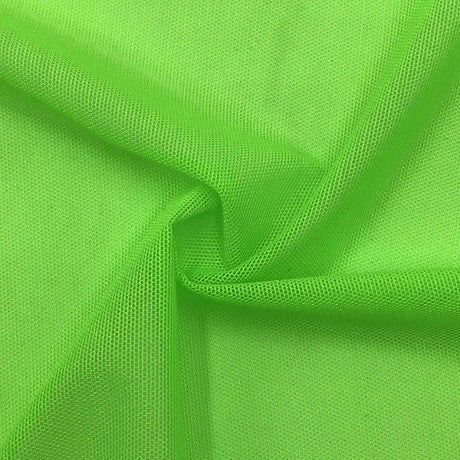
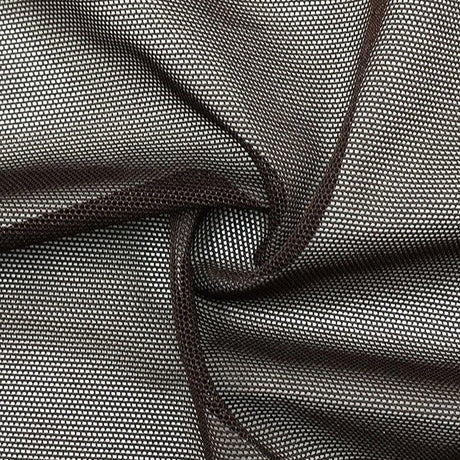
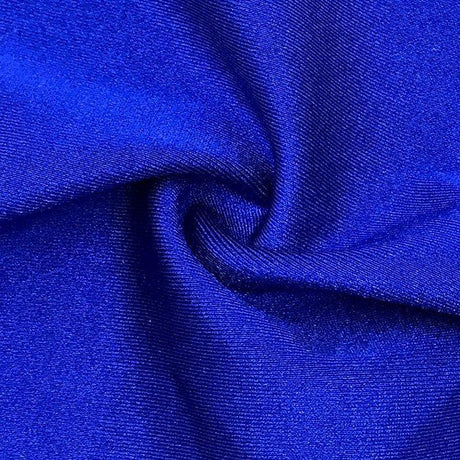
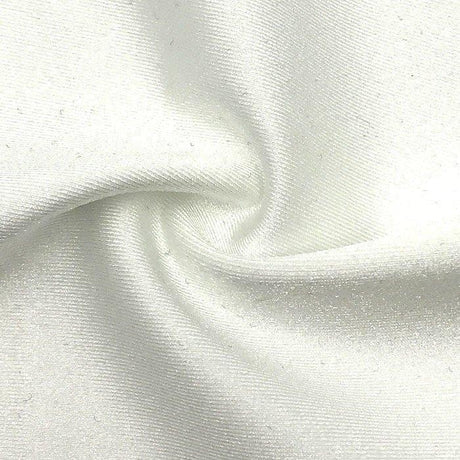
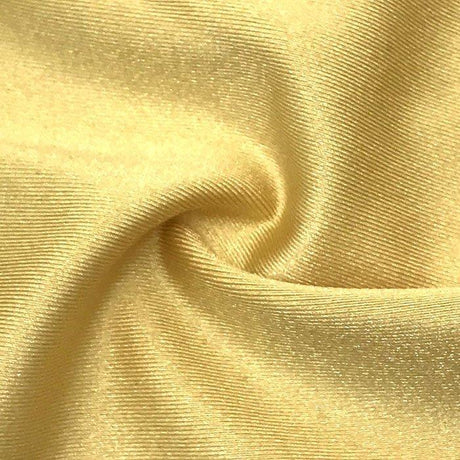
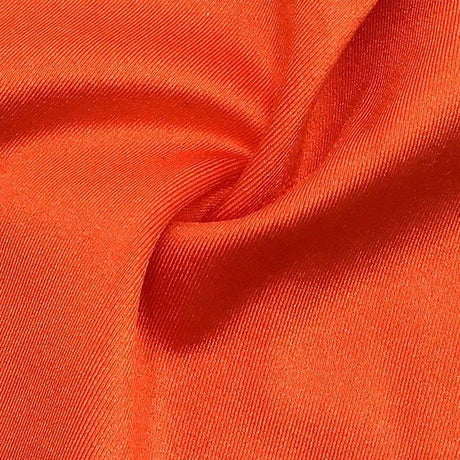
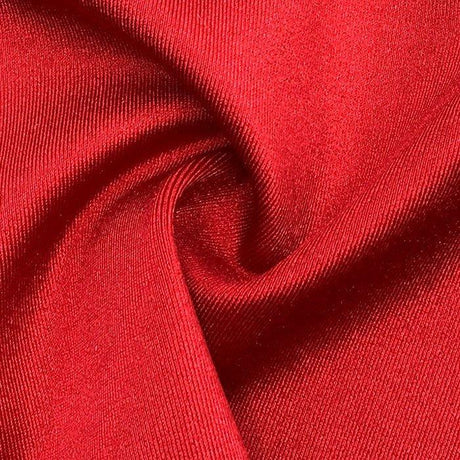
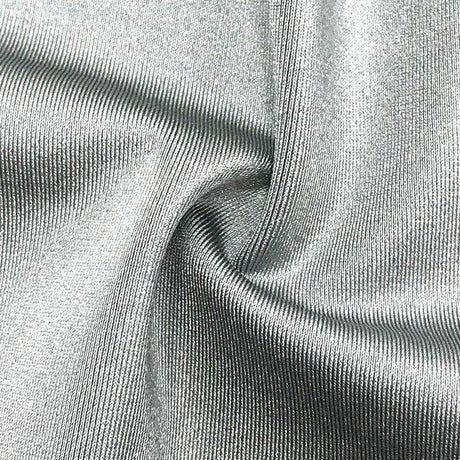
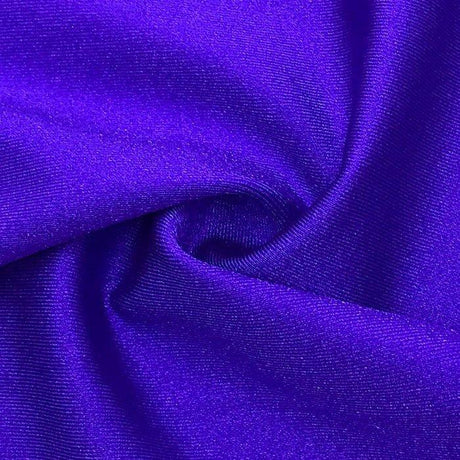
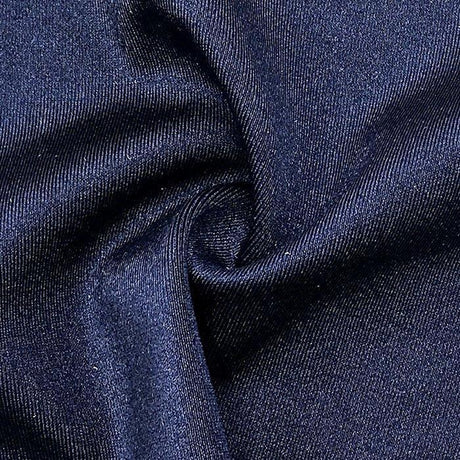
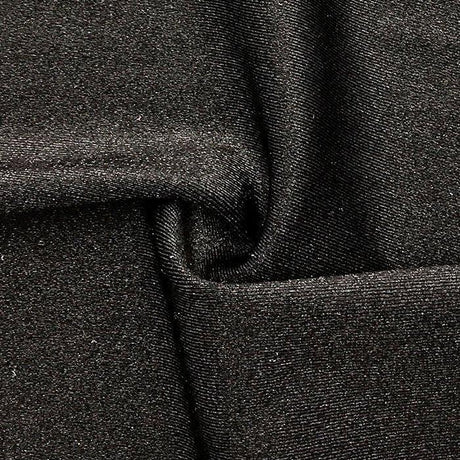
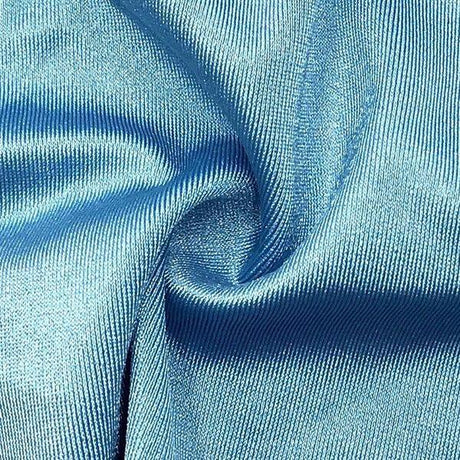
Stage performers face a unique challenge: under powerful lighting, a costume can either dazzle the audience or practically disappear. Different fabric finishes interact with spotlights in dramatically different ways. For example, a metallic foil leotard might catch and reflect every beam of light, while a plain matte outfit could look dull or "wash out" from afar. The key is finding a finish that makes the costume pop under stage illumination without causing unwanted glare or color distortion. This article guides both professional costume designers (dance studios, theater companies) and DIY creators in selecting the best fabric finish for stage costumes. We'll start with how stage lighting and fabric finishes work together, then compare popular spandex-based finishes (like metallics, holographics, foils) in technical detail. By the end, you'll know how to choose the right shine and color for maximum visual impact, backed by expert tips on stretch, comfort, and durability (GSM, stretch %, reflectivity, etc.) for an authoritative, show-ready result. For a broader introduction to fabric selection, visit our fabric guides hub or explore our dedicated dancewear fabric guide.
How Stage Lighting Interacts with Fabric Finishes
Understanding stage lighting basics will help you choose fabrics that look amazing under the glare of spotlights. Stage lights don't just illuminate; they can change how colors and textures appear. Key points to consider:
Reflectivity vs. Absorption: Shiny synthetics reflect a lot of light, whereas matte fabrics absorb or diffuse it. In fact, synthetic fabrics often bounce more light back to the audience than natural fibers do, while matte finishes are more forgiving under intense lights. This means a high-gloss spandex or satin might sparkle, but it can also create "hot spots" (overly bright glare) if lights are unfiltered. Conversely, a matte cotton or matte jersey won't glare, but might look flat and require stronger lighting to be seen. Our fabric finishes guide covers the full spectrum of surface treatments and how they behave under different light conditions.
Color Shifts Under Gels: Colored stage lights can alter costume colors. A rich emerald costume might turn muddy brown under pure red lighting, for instance. Warm light (amber gels) can desaturate cool colors like blues or greens, while cool LED lights can wash out warmer tones. Always test fabric swatches under the intended lighting hues. What looks vibrant in daylight could look entirely different under stage LEDs.
Distance and Detail: Remember that audiences often view costumes from many meters away. Finishes with texture or sparkle (holographic effects, sequins, etc.) tend to "read" better at a distance because they catch movement of light. Fine details or subtle prints might get lost beyond the first few rows. Bright, clear hues and strong contrasts generally project best from stage. If using patterns or logos, ensure they're bold and high-contrast – this is where show-ready printed stretch fabrics can help, providing vivid custom prints that hold up under lights. Learn more about creating custom prints with our sublimation guide.
Forgiving Finishes: If you're unsure about a venue's lighting, matte or low-sheen finishes are a safer bet for even illumination. Matte black, for example, won't reflect colored lights (though it can appear as a featureless silhouette if lighting is poor). Many designers strike a balance: using matte base fabrics with strategic shiny accents. This way, you avoid over-reflection while still getting pops of sparkle where you want attention.
Types of Fabric Finishes for Stage Costumes
When it comes to stage costumes, especially those made with stretch fabrics (like Lycra/spandex blends), there's a dazzling array of finishes available. For a full overview of stretch constructions before diving in, see our stretch fabric types page. Below we break down the most popular shine-friendly stretch fabrics and others, with their pros, cons, and ideal use cases:
Metallic Foil Spandex: This is a stretchy base (often polyester/spandex) with a layer of metal-like foil on top. It gives a high-gloss, mirror-like shine that stays constant regardless of angle. Under lights, foil spandex creates an instant glam effect, reflecting light almost like a mirror. It's perfect for when you need to catch the audience's attention the moment the performer steps on stage. Common colors are gold, silver, chrome, etc., and they pair well with bold lighting. Considerations: Foil finishes can cause glare or "white out" under direct spotlights – lighting designers often dim front lights or use diffusion when performers wear very metallic pieces. Also, foil coatings can sometimes crack or peel over many stretches and wears, so look for high-quality brands. For full care instructions on metallic and foil fabrics, see our fabric care guide.
Holographic Spandex: Holographic finishes take shine up a notch by diffracting light into multiple colors. These fabrics have a prismatic or "oil slick" effect – a rainbow-like spectrum that shifts as the viewing angle or lighting changes. On stage, a holographic bodysuit can look blue from one angle and flash pink or green from another, creating dynamic visual interest. It's a favorite for futuristic or high-energy numbers. High-quality hologram coatings are designed to stretch without flaking – important for dance costumes. Our stretch fabric types page breaks down holographic constructions in detail.
Stretch Sequin Fabric: This is the showstopper for sparkle. Stretch sequin fabrics feature thousands of tiny sequins (glittering plastic or metal discs) stitched onto a stretch knit base (sometimes a power-mesh with spandex). The result is maximum sparkle: under stage lights, every move makes the sequins shimmer and flicker, so the performer literally shines with each step. Because the backing has spandex, you still get 2-way or 4-way stretch, allowing for dance movements. Considerations: Sequined costumes are ideal for high-impact visuals – think dance recitals, cheer uniforms, ice skating dresses. They do, however, come with some trade-offs: the texture can be scratchy (plan to line such garments with a comfortable stage lining), and they are heavier. See our fabric weight guide to understand how sequin density affects GSM.
Glitter & Shimmer Finishes: This category includes fabrics like glitter-infused spandex or shattered glass spandex. They are typically lighter than sequin fabric but still add shine via either embedded glitter or foil shards on the surface. For example, a "shattered glass" spandex has tiny irregular holographic foil pieces that create twinkling sparks of color. These fabrics can give nearly the same flash as sequins but with a smooth finish. Glitter-coated fabrics may shed some glitter over time, so foil-print sparkle tends to hold up better for repeated use. These are great for youth costumes or projects where comfort is a priority. Our dancewear fabric guide covers many of these lighter-shine options in a performance context.
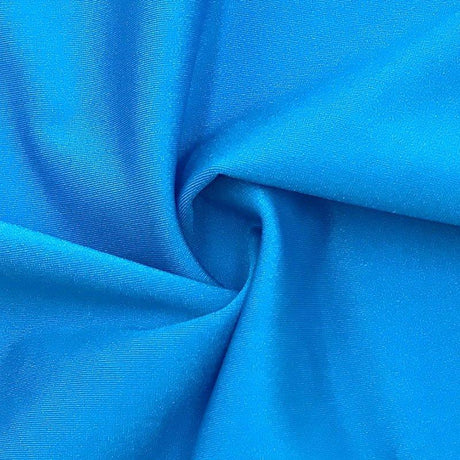
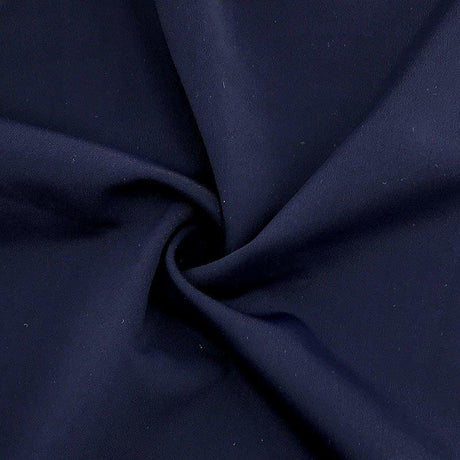
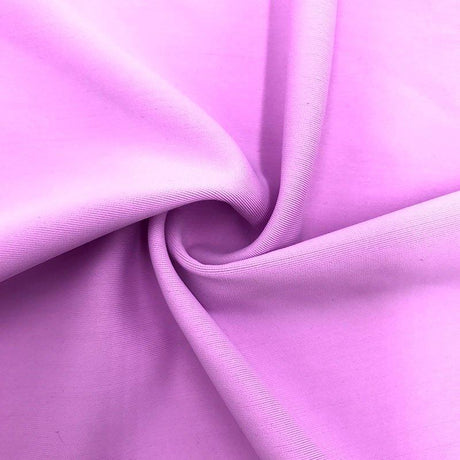
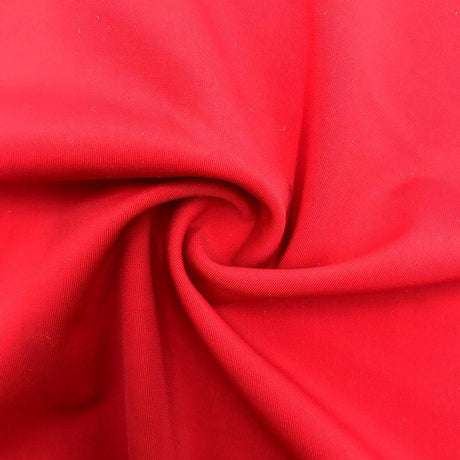
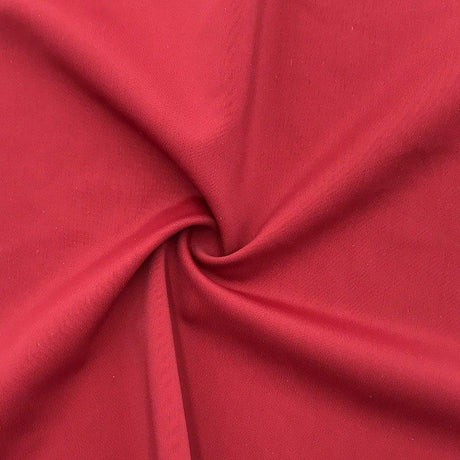
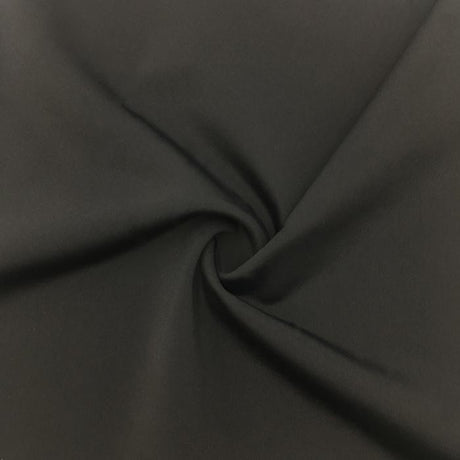
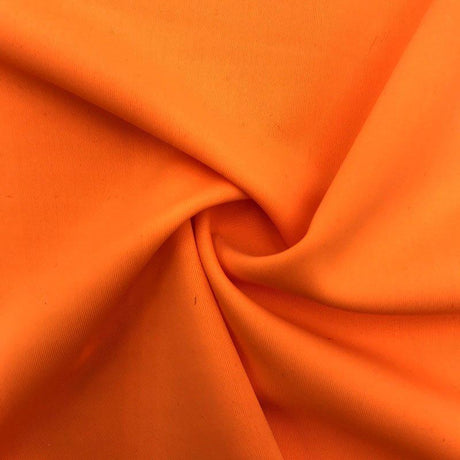
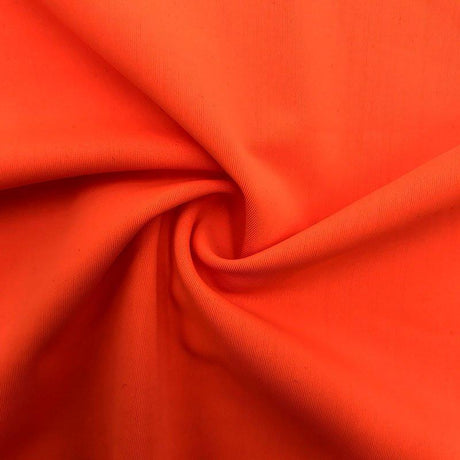
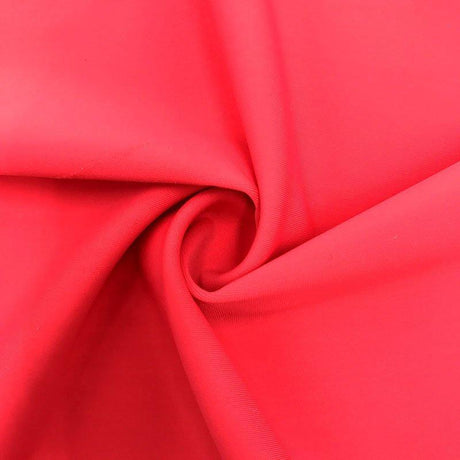
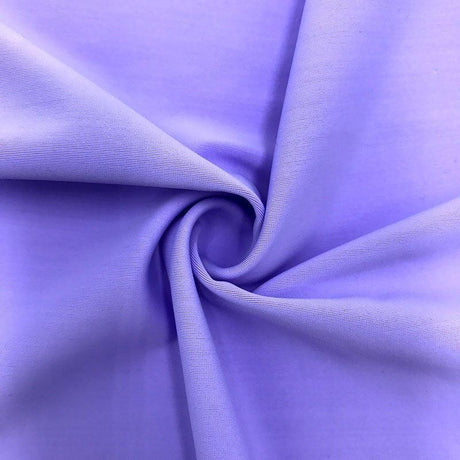
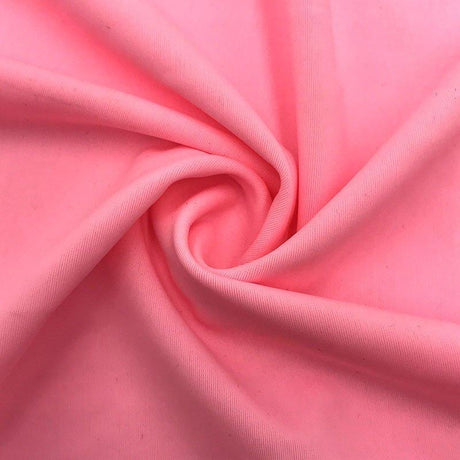
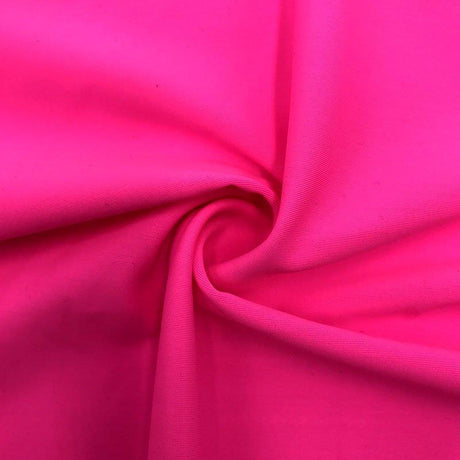
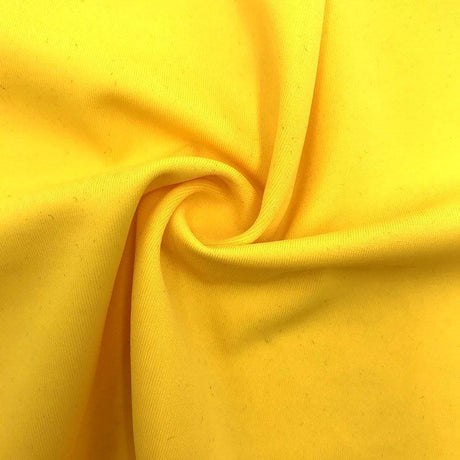
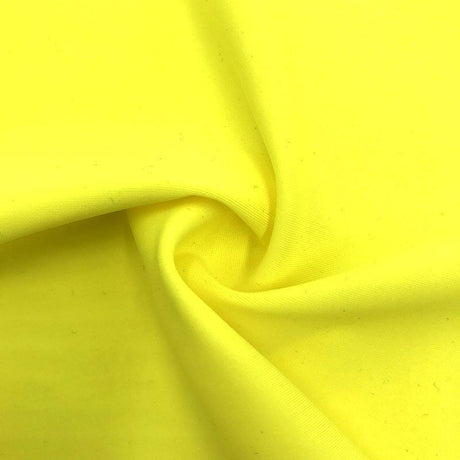
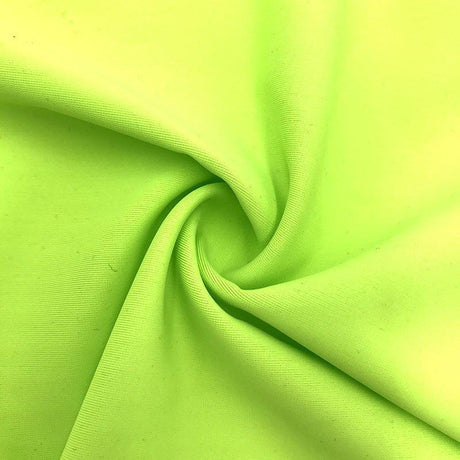
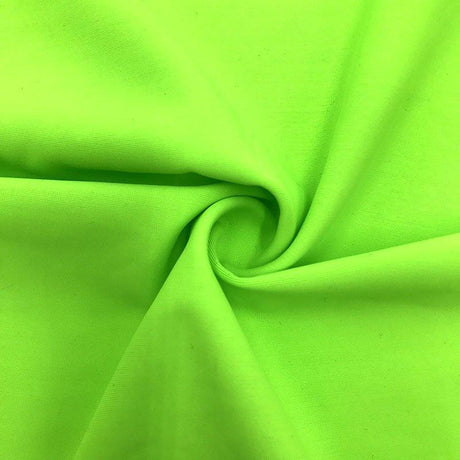
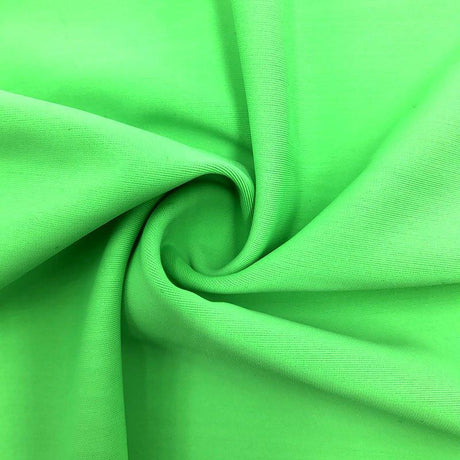
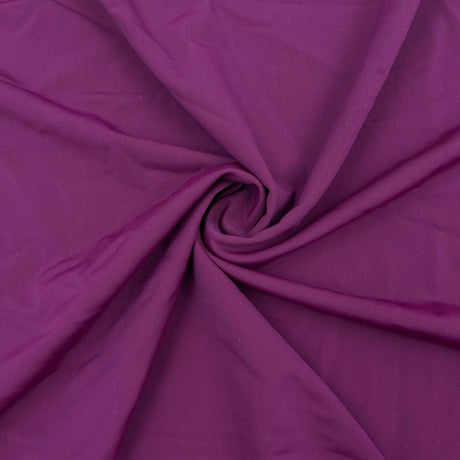
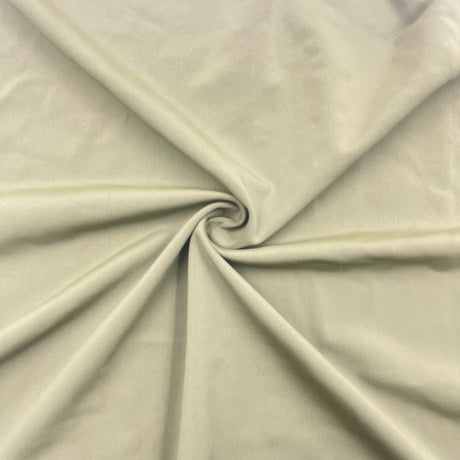
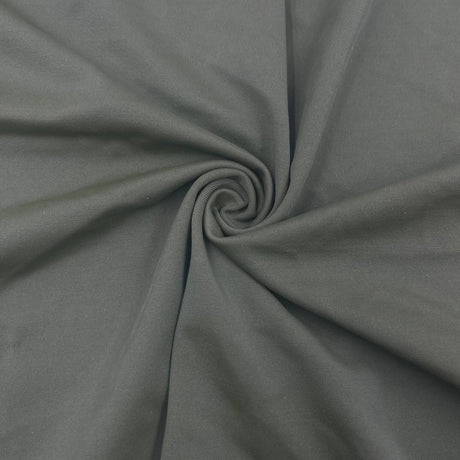
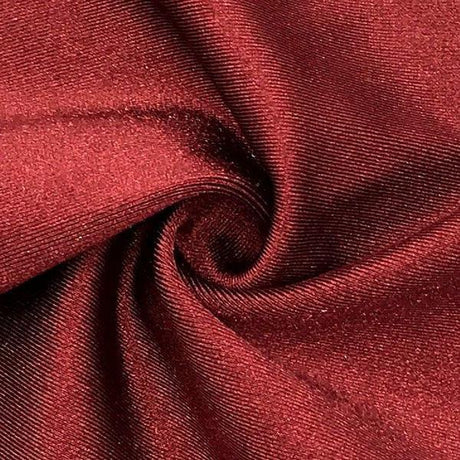
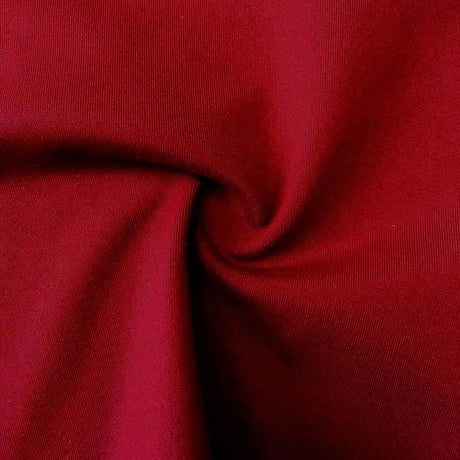
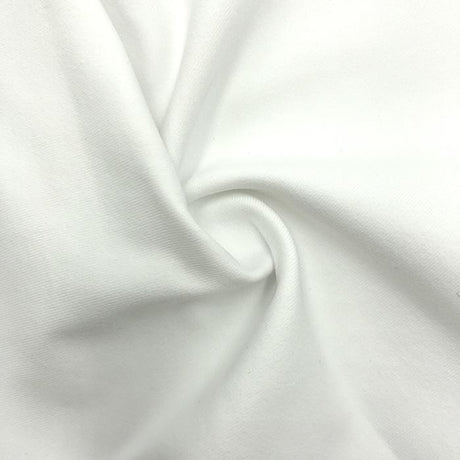
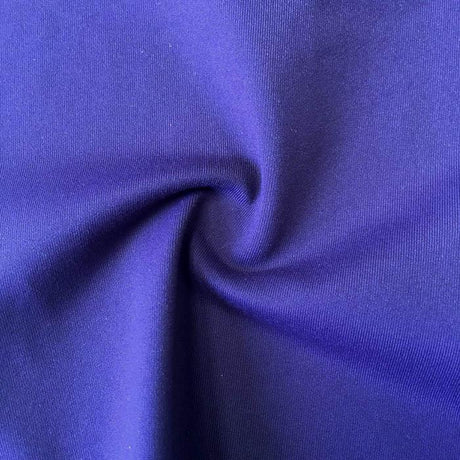
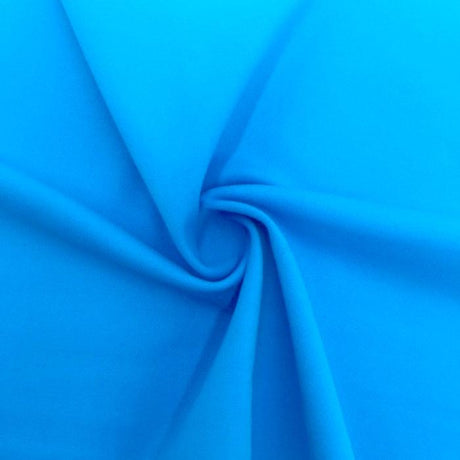
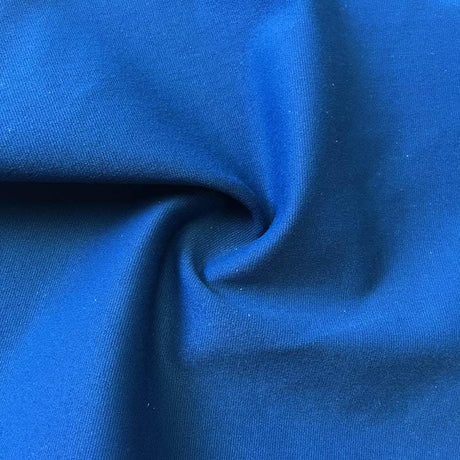
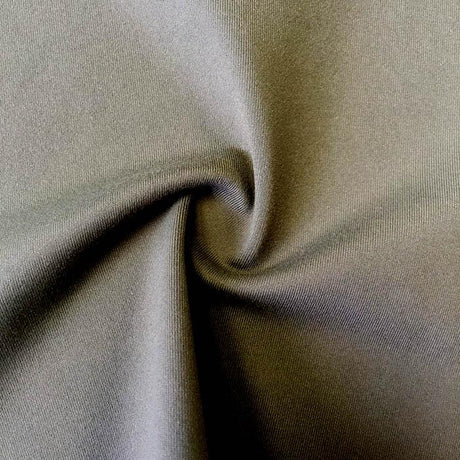
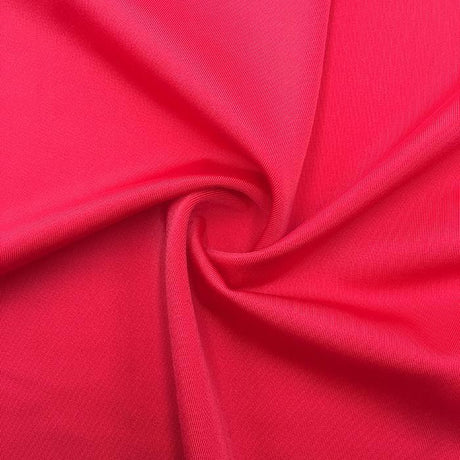
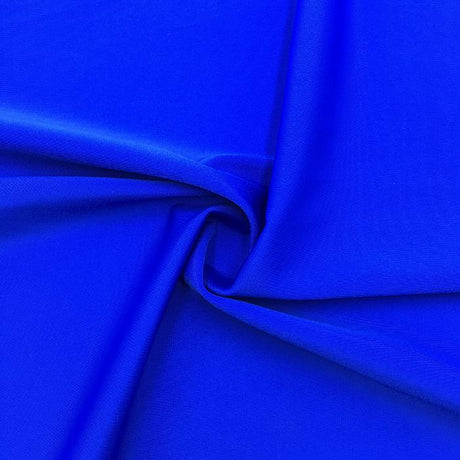
Matte or Milliskin Spandex: Not every costume should be shiny. Matte spandex (like matte milliskin tricot, a common dancewear fabric) has a minimal sheen and gives a smooth, solid-color look. It's often used as a base for costumes, especially in flesh-tone or background pieces, because it doesn't reflect much light. Matte finishes keep the focus on color and form: a matte neon will still pop under blacklight or white light, but won't sparkle. For a full breakdown of matte vs. sheen finishes, visit our fabric finishes guide.
Printed Stretch Fabrics: Sometimes the visual impact comes from a print or pattern rather than shine. Printed spandex (for example, dye-sublimated designs on poly spandex) can feature anything from vibrant florals to logos or illusions. A show-ready printed stretch fabric can be great for thematic costumes or when you need a specific graphic that stands out. Our sublimation service lets you create custom performance prints – pair it with sublimation transfer paper or sublimation paper for professional results. Under stage lights, prints behave mostly like matte fabrics (unless the print ink itself is metallic). Focus on high-contrast, saturated colors so they don't wash out.
Comparison of Stage Fabric Finishes
To sum up the differences, here is a comparison of key properties for these fabric finishes, which will aid in deciding which is right for your needs. For further guidance on matching finish to function, our how to choose fabric guide is an excellent companion resource.
Comparison Table: Key Properties of Popular Stage Costume Fabric Finishes
| Finish Type | Visual Effect Under Lights | Stretch & Comfort | Typical Weight (GSM) | Best Uses on Stage |
|---|---|---|---|---|
| Metallic Foil Spandex | Mirror-like shine; very reflective. High risk of glare if over-lit. | Excellent 4-way stretch (poly/spandex base). Smooth and slick feel on skin. | Medium (~180–200 GSM). Often backed on tricot knit. | Solo costumes needing to catch light; superhero or sci-fi looks. |
| Holographic Spandex | Iridescent, color-shifting sparkle. Dynamic "rainbow" effect. | 4-way stretch (nylon/spandex blends common). Slightly stiffer if heavily coated. | Medium (~200 GSM). | Futuristic or high-energy dance costumes. |
| Stretch Sequin | Extreme sparkle and glitter. Reads very bright on stage. | Varied; many are 2-way stretch. Needs lining for comfort. | Heavy (~200–300 GSM with sequins). | High-impact performances (dance, cheer, ice skating). |
| Glitter/Shimmer Spandex | Sparkly sheen without defined sequins. All-over twinkle or sharp glints. | Good 4-way stretch. Better comfort than sequin. | Light to Medium (~150–200 GSM). | Chorus costumes, youth costumes; lighter flexible shine. |
| Matte Spandex | No sparkle; even color. Very "clean" look under lights. | Excellent 4-way stretch. Very comfortable, second-skin feel. | Medium (~180–220 GSM). | Base layers, troupe costumes, drama/theater pieces. |
| Printed Stretch | Pattern draws interest; can incorporate multiple colors. Usually matte finish. | 4-way stretch (poly-spandex if dye-sub). | Medium (~200 GSM). | Theme costumes, branded apparel, unique designs. |
(GSM = grams per square meter, fabric weight. Higher GSM means thicker/heavier fabric. See our fabric weight guide for a full breakdown.)
Technical Specifications and Why They Matter
To establish your costuming expertise and ensure your creations meet performance demands, it's important to understand the technical properties of stretch fabrics. Here are key specs and how they relate to stage costumes:
Stretch Type & Percentage: Performance fabrics come as 2-way stretch (stretches in one direction, usually width-wise) or 4-way stretch (stretches in both width and length). For dancers and acrobats, 4-way stretch is typically needed for full range of motion. Spandex fiber itself can elongate 5–7 times its length without breaking, but in a blended fabric the practical stretch might be around 100% horizontally and 50% vertically. Check for a high spandex/elastane content (e.g. 15–20%) if you need strong stretch and recovery. Our stretch fabric types page explains 2-way vs. 4-way constructions in full detail.
Fabric Weight (GSM): The weight (in grams per square meter) influences opacity, durability, and how the fabric drapes or shines. Many theatrical costumes use medium-weight (≈180–250 GSM) spandex as a base. A higher GSM will generally be more opaque under bright lights – important for modesty, since nobody wants a surprise see-through moment under spotlights. Always ask: will this fabric be see-through under stage lighting? If in doubt, choose a higher GSM or add a comfortable lining. Visit our fabric weight guide to match GSM to your specific application.
Reflectivity and Shine Level: While not usually given as a number on a spec sheet, reflectivity is a technical aspect to consider. Metallic foil has near-mirror reflectivity, whereas holographic spandex scatters the light (you see sparkle but not a clear reflection). A matte fabric will simply show the color with perhaps a soft diffused highlight. High-reflectivity fabrics can look amazing but require careful lighting design to photograph well. Our fabric finishes guide provides a detailed look at surface coatings and their light behavior.
Durability (Stretch and Finish): Stage costumes endure a lot – stretching, sweating, quick changes, and frequent cleaning. Nylon-spandex blends are common in dancewear for their soft hand feel and rich dye colors, while polyester-spandex blends often have better moisture resistance and can be more durable with sublimated prints. Our nylon-spandex fabric guide goes deep on performance characteristics of this popular blend. For foil finishes, find out how they're made: foil layers bonded on top might eventually peel in high-stress areas, especially if washed improperly. It's worth investing in high-quality stretch fabrics engineered for performance.
Stretch Recovery: Not all stretch fabrics are created equal in terms of snapping back. A fabric with high spandex content (say 20%) generally has excellent recovery – meaning it won't stay stretched out or baggy. This is crucial for long-term fit; knees and elbows in a costume shouldn't stay saggy after bending. For tips on preserving elasticity through washing and care, see our spandex care guide.
Breathability: Stage performances are athletic. Lighter GSM and fabrics with some nylon tend to breathe more; heavy foil-coated poly spandex might trap heat. If a costume is very covering (like a full-body jumpsuit in foil), think about adding ventilation zones so the performer doesn't overheat. Our activewear fabric guide covers breathability and moisture management in performance fabrics in depth.
How to Select the Right Fabric Finish (Practical Guidance)
Choosing the ideal fabric finish for a stage costume involves balancing visual impact with practical needs. Our how to choose fabric guide is a great companion resource as you work through these considerations:
Identify the Performance Style and Mood: Start with the context. Is this a high-energy jazz dance, a classical ballet, a theatrical play, or a cheer routine? High-energy, upbeat numbers often benefit from sparkle and flash (holographic or sequin accents), whereas a somber or elegant piece might call for more subdued shine. Match the finish to the emotion: glamorous and bold for excitement, subtle for serious or intimate moments. Our dancewear fabric guide has style-by-style recommendations for common performance genres.
Consider Viewing Distance and Venue: In a vast auditorium, subtlety is lost. If the audience is far away, lean toward fabrics that have either high shine or high color contrast. Conversely, in an intimate blackbox theater, overly reflective costumes could be distracting. For smaller venues or TV/film (where cameras are close), sometimes a matte finish reads better to avoid moiré effects or glare. Always envision what the costume looks like from the back row or on camera.
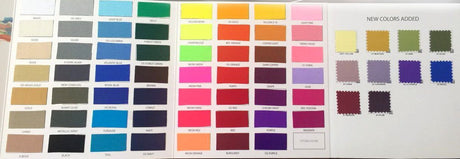
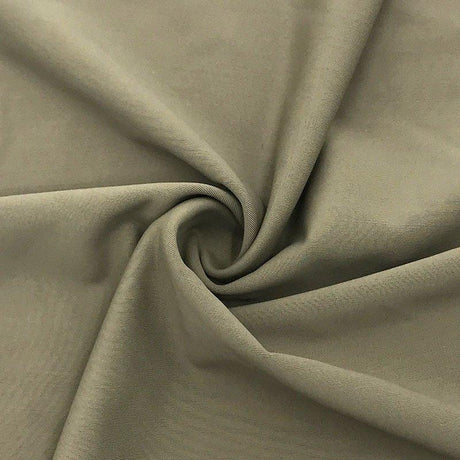
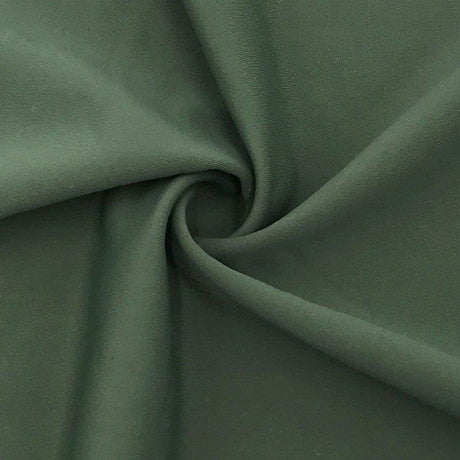
Color and Lighting Pairings: Color choice goes hand-in-hand with finish. Deep jewel tones in metallic finishes (e.g. emerald green foil under warm spotlight) tend to be rich and eye-catching. Be cautious of mid-tone, grayish colors – directors often find that muddy mauves or dusty sages lose intensity under LEDs. If you have a muted color palette, consider adding a metallic break or rhinestone trim to give light something to reflect and avoid a washed-out look.
Movement Requirements: Always choose stretch finishes for dance and acrobatic acts – luckily, many shiny fabrics now come on spandex bases (4-way stretch sequins, stretch lamé, etc.). Check the stretch percentage; if a routine has splits, high kicks, or acrobatics, the fabric must accommodate that without tearing or popping seams. Our how to sew stretch fabric guide covers how to construct seams that move with the performer.
Comfort and Lining: A costume isn't great if the performer can't wait to take it off. Scratchy, stiff, or sticky fabrics can be a distraction on stage. If you love the look of foil or sequin but worry about comfort, plan to line the garment with a comfortable stage lining (for instance, a lightweight nude stretch mesh or thin cotton Lycra layer). For broader guidance on lining and layering decisions, our fabric guides hub has resources covering a wide range of construction approaches.
Coordination with Design Elements: Look at the costume design as a whole. Often, designers mix finishes for contrast – a matte body with shiny sleeves, or a holographic bodice with a flowy chiffon skirt. If your costume will have mixed fabrics, ensure the colors match or complement. Also consider how embellishments (beads, fringe, crystals) will behave on the fabric – crystals disappear on very busy sequins but add dimension to matte fabric.
Practical Maintenance: Stage costumes get sweaty and dirty. Foil spandex often must be hand-washed in cold water and never tumble dried. For full care instructions on specialty fabrics, visit our fabric care guide and our dedicated spandex care guide. A slightly less shiny but easy-care fabric might be a smarter choice in the long run if it means costumes can be cleaned and ready quickly for the next performance.
Checklist: Choosing a Stage Costume Fabric Finish
Before finalizing your fabric selection, run through this quick checklist. You can also browse our fabric guides for additional reference:
- Visual Impact Test: Have you seen the fabric under stage-like lighting? Does it achieve the desired sparkle or color, and is it visible from a distance?
- Stretch & Comfort: Does the fabric have the required stretch (4-way for dancers)? Do a stretch test and a quick movement test. Check that the finish doesn't scratch or chafe; if it does, plan a lining or choose a softer variant. See our stretch fabric types page for comparison.
- No Wardrobe Malfunctions: Is the fabric opaque enough under bright light? Hold a swatch under a flashlight – if you can see your hand through it when stretched, add a lining or choose a heavier weight. Our fabric weight guide can help you select the right GSM.
- Coordination: Does this fabric play well with the other elements of the costume? Ensure the finish and color complement the overall palette and don't cause odd color casts when lights change.
- Sewing Feasibility: Can you realistically construct with this fabric? Some finishes (like slippery foils or thick sequins) are harder to sew. Our how to sew stretch fabric guide covers the right needles, feet, and stitch settings for every specialty finish.
- Care Requirements: Are you prepared to care for this costume fabric properly? Check if it must be hand-washed or if a gentle cycle is okay. Our fabric care guide and spandex care guide are essential references. Do a quick crush test to check for creasing.
Common Mistakes to Avoid with Stage Fabric Finishes
Even experienced costumers can hit snags when working with specialty fabrics. Avoid these common pitfalls:
Using the Wrong Needle or Tools: A major mistake is using a thick or dull needle on delicate foil or hologram spandex – this can snag or puncture the finish. Always use a sharp fine needle (such as a 70/10 Microtex for foils) and consider a walking foot or Teflon foot for sticky fabrics like PVC or heavily coated spandex. Never iron directly on a metallic or spandex – excessive heat can melt or dull the finish instantly. Our how to sew stretch fabric guide covers all the tools and machine settings needed for specialty finishes.
Skipping the Lighting Test: Failing to test your fabric under stage lights (or as close an approximation as possible) is a big mistake. You may discover too late that the gorgeous deep purple fabric you chose looks almost black on stage. Always review a sample under the actual lighting and correct any issues (add lining, change color or finish) before sewing everything. Our fabric finishes guide includes guidance on how different surface treatments behave under various light sources.
Overdoing or Underdoing the Shine: Balance is key. If the entire cast is head-to-toe in sequins plus rhinestones plus holographic foil, it can overwhelm the senses. On the flip side, playing it too safe with all matte fabrics and no contrast might make costumes fade into the background. Aim for contrast in finishes: a mostly matte costume with strategic shiny panels, or vice versa. Place shine where you want the audience's eyes to focus.
Ignoring Color Lighting Interactions: Selecting fabric colors without regard to the lighting design is a classic rookie mistake. Certain color-light combos are disastrous – red costume under green light can produce a brown outcome. If you know the lighting scheme, incorporate metallic or contrasting accents so the costume retains dimension under any wash. Our fabric guides hub has resources on color theory and fabric selection working together.
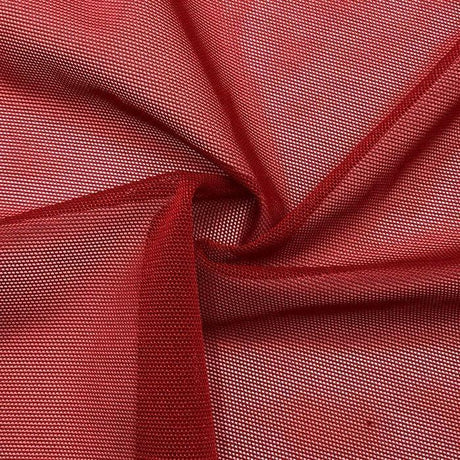
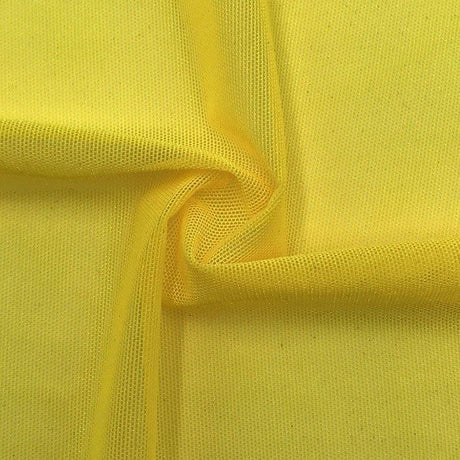
Forgetting to Line Scratchy/Sheer Fabrics: If you use sequins, coarse glitter, or any finish that has an uncomfortable backside, don't leave it unlined. A dancer with sequins rubbing their skin will thank you for adding a smooth lining. Likewise, sheer holographic organza or stretch mesh overlays need a base underneath so performers aren't unintentionally exposed under spotlight. A simple lightweight lining also protects the costume from sweat, which can degrade metallic coatings over time.
Poor Construction Techniques on Stretch: Another error is treating stretch costumes like regular clothing during construction. If you sew without using a stretch stitch or serger, seams can snap when the performer moves. Always use stretch stitches or zigzags, and consider elastic in hems for high-stress openings. Our how to sew stretch fabric guide covers seam reinforcement and stress-point techniques in detail.
Last-Minute Fabric Changes: Changing the fabric or finish close to showtime without time to test or rehearse in it can be risky. A switch from matte to foil might reveal that under stage lights, the timing of a reveal or scene focus shifts entirely. If changes must be made, do them early enough to run a full dress rehearsal with the new materials.
When to Use Alternative Fabrics (Non-Stretch or Matte Options)
Not every stage scenario calls for spandex and shine. In some cases, alternative fabrics – those that are non-stretch, more structured, or intentionally matte – might be the better choice:
Structured Garments and Period Costumes: If you're creating a period piece (Victorian dresses, a tuxedo, or a structured military jacket), the silhouette and structure matter more than stretch. Fabrics like brocades, wool, taffeta, or thick satins hold shape beautifully in a way limp spandex cannot. You can always sneak stretch panels into a non-stretch costume (hidden under arm or side seams) if a bit more movement is needed.
Dramatic Lighting Needs Matte: Sometimes the director or lighting designer will purposefully avoid shiny costumes because of the show's aesthetic. If the production is using a lot of projections or video mapping on costumes, matte or neutral fabrics are a must – projections won't display correctly on reflective surfaces. In such cases, choose high-quality matte fabrics like matte stretch crepe, ponte knit, or cotton twills for structure. They'll give you rich color without glare. Our fabric finishes guide covers matte surface options in detail.
When Comfort & Quietness Trump Flash: In theater, costumes sometimes need to be silent – a fully beaded or sequin costume can make noise with movement. If an actor is miked or the scene is quiet, rustling or jingly sequins could be a problem. That's when a nice matte jersey or double-knit comes in handy – soft, quiet, and easy to wear. Our activewear fabric guide is a useful resource for performance-comfort fabric options.
Special Effects and Blacklight: If you have a scene under blacklight, you might choose a matte neon or fluorescent print that glows, instead of any metallic (which can look dull under UV). Our sublimation service and sublimation transfer paper options are ideal for creating vivid UV-reactive custom graphics on stretch bases.
Mixing with Set or Scenic Elements: If a dancer does a lot of floor work, a durable woven might handle scraping the floor better than a delicate mesh. Aerial silks performers often wear stretch velvet or mesh rather than foil spandex, because velvet provides friction against the silks (and is opaque when stretched). When the staging or choreography imposes functional demands, fabric function can outweigh visual sparkle.
For any questions about which fabric or finish is right for your specific project, our team is available via the expert help and advice page, and common ordering and shipping questions are answered on our FAQ page.
Conclusion
Designing stage costumes is a creative dance between fabric and light. By understanding how different fabric finishes interact with stage lighting – and by considering technical factors like stretch, GSM, reflectivity, and durability – you can ensure your costumes look stunning in performance and withstand the rigors of the stage. Spandex-based fabrics like metallic foils, holographics, and sequins offer spectacular options for shine and color, each with their own strengths. Use the guidance and comparisons above to select the right finish for your needs.
For continued learning, explore our full fabric guides hub, review the dancewear fabric guide for genre-specific advice, check the fabric care guide and spandex care guide to keep your finished costumes in top condition, and don't forget to sign up for SpandexByYard Rewards to earn points on every purchase. Here's to costumes that dazzle the audience and help tell your story in the most unforgettable way!