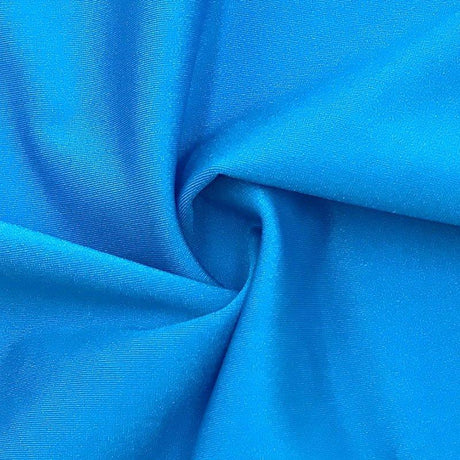
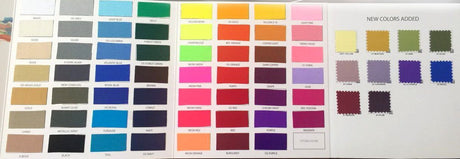
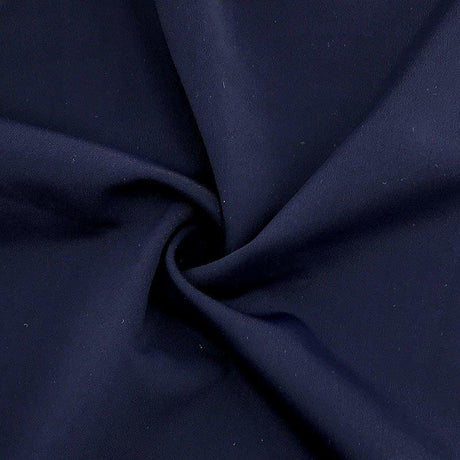
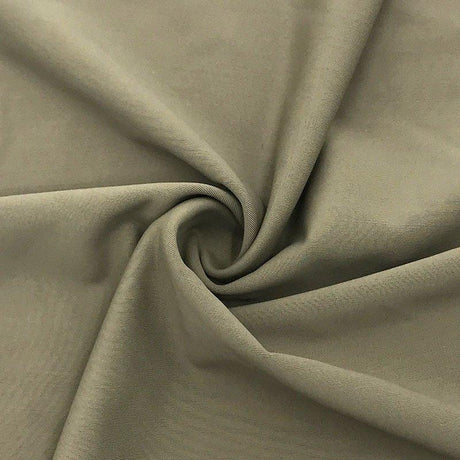
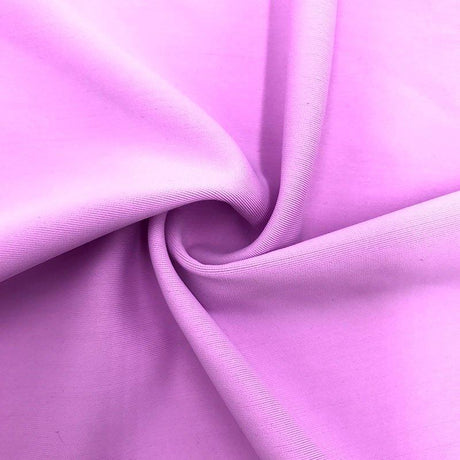
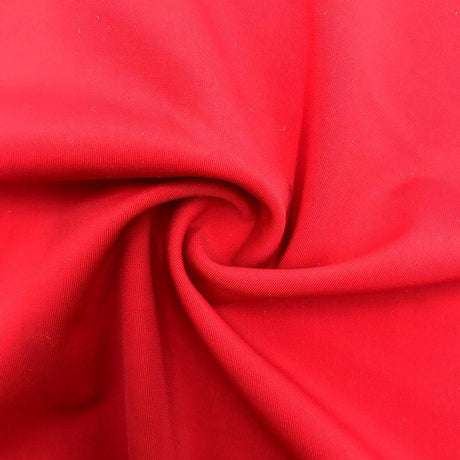
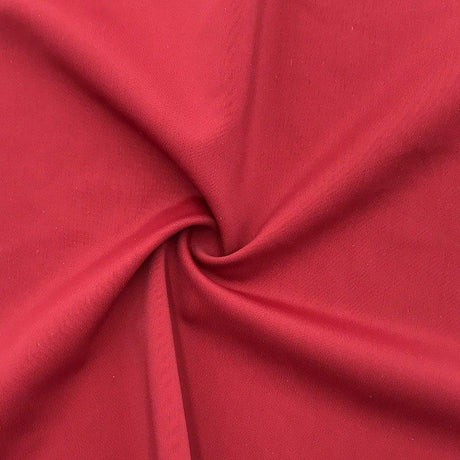
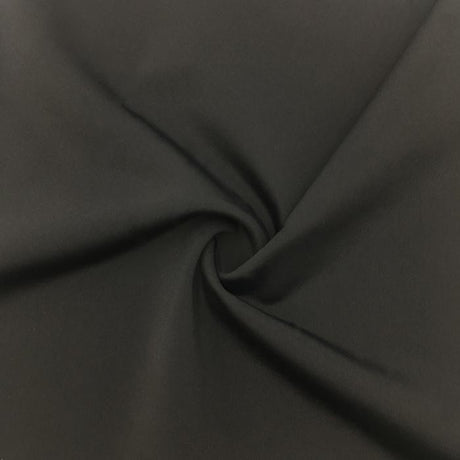
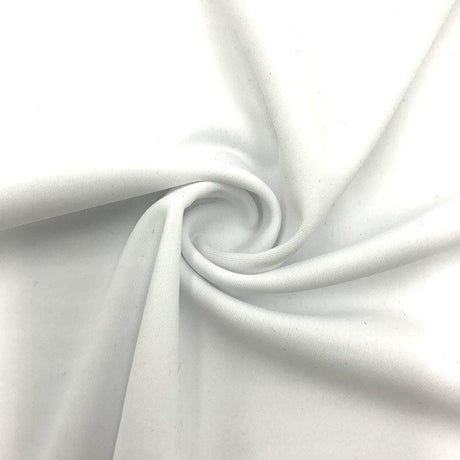
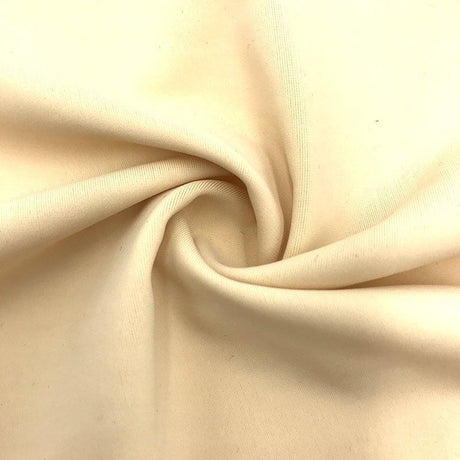
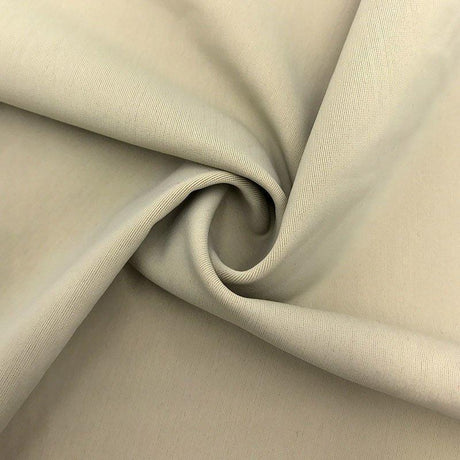
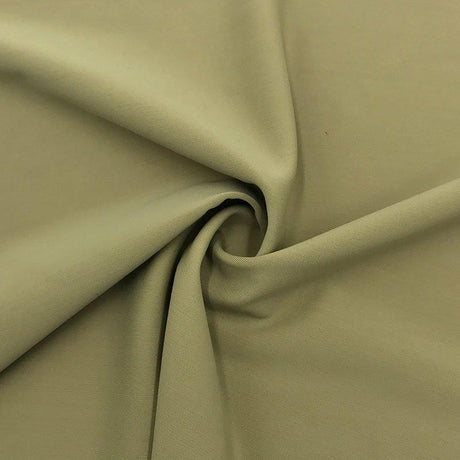
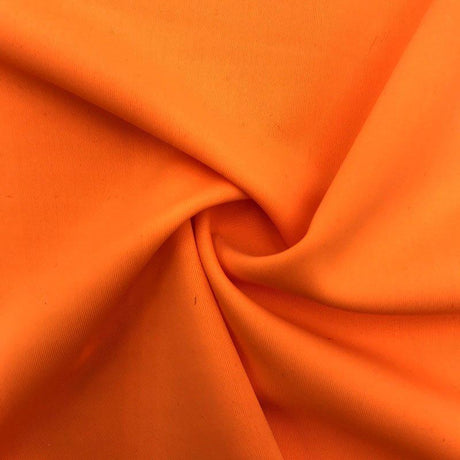
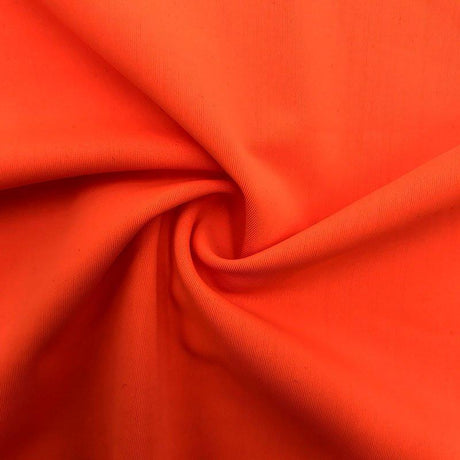
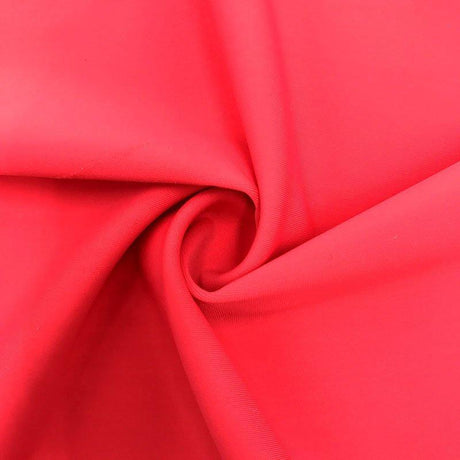
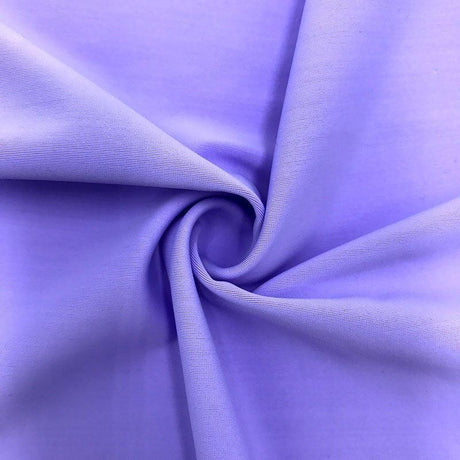
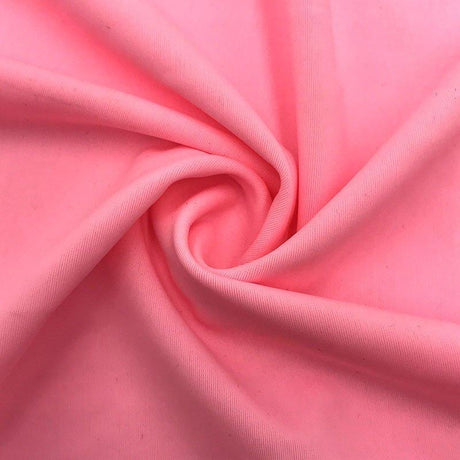
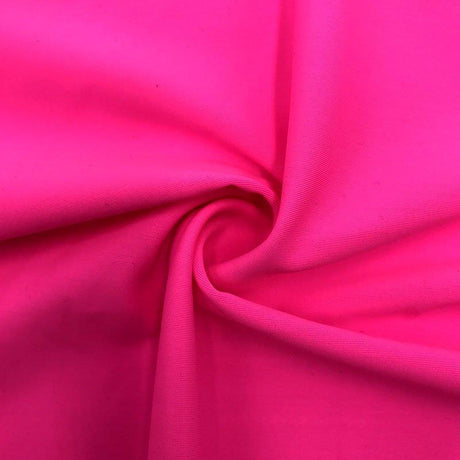
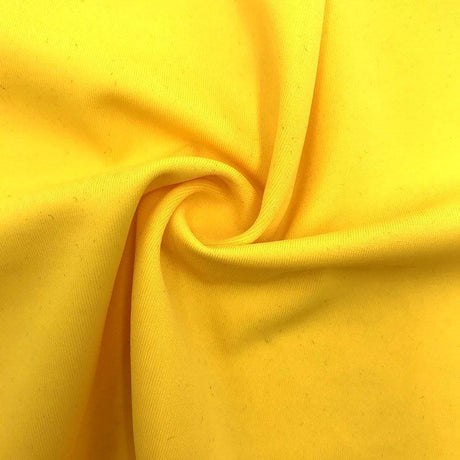
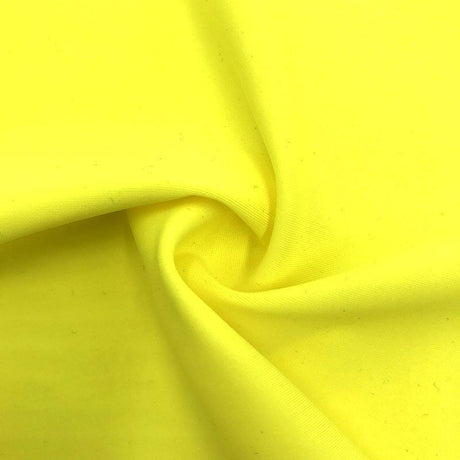
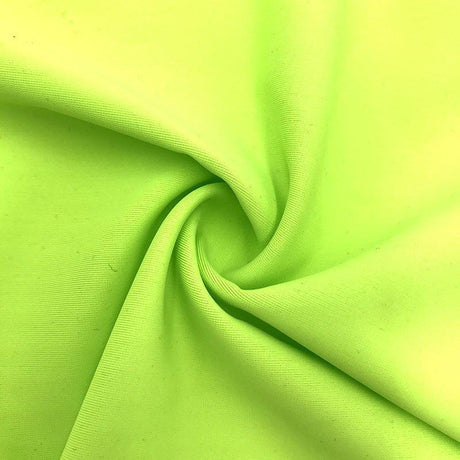
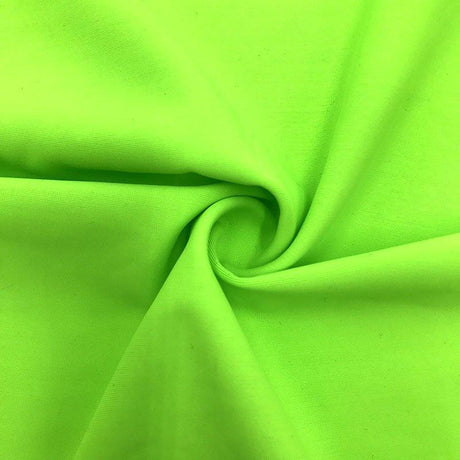
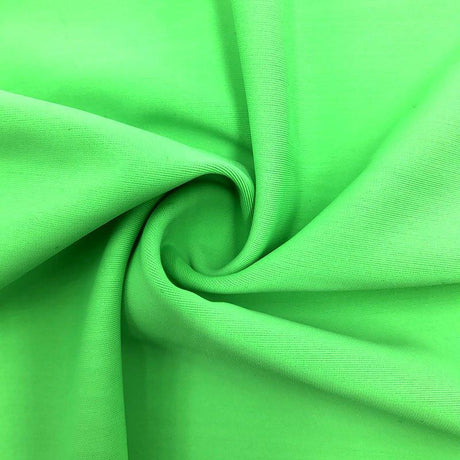
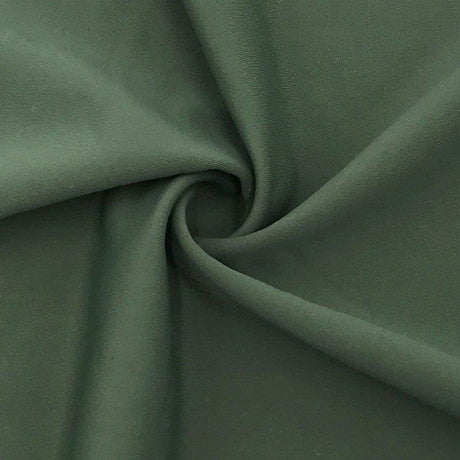
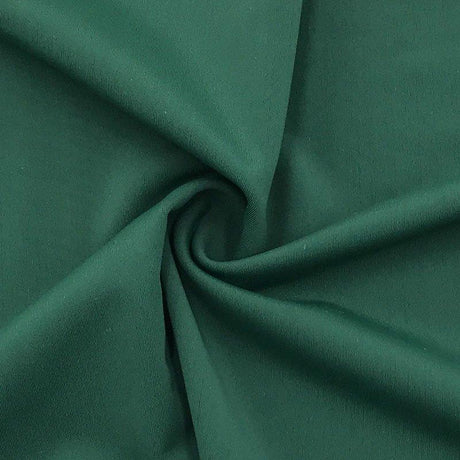
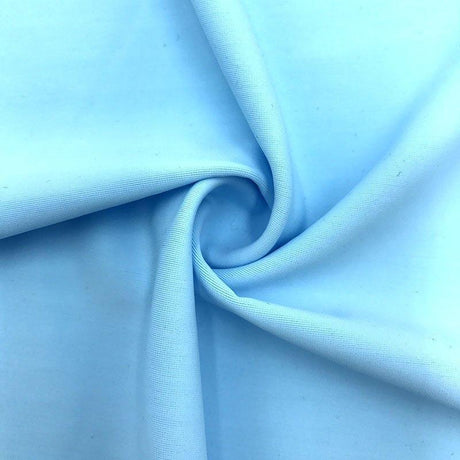
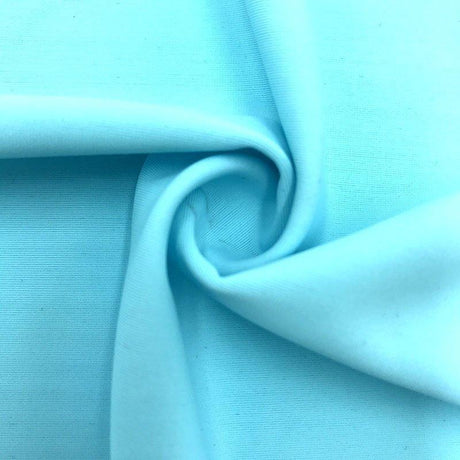
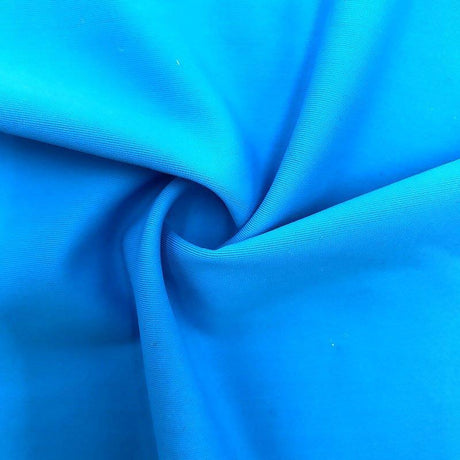
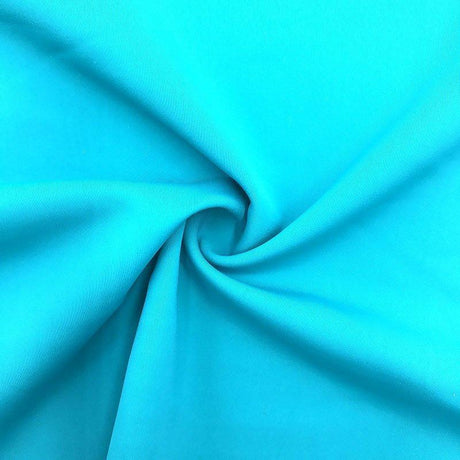
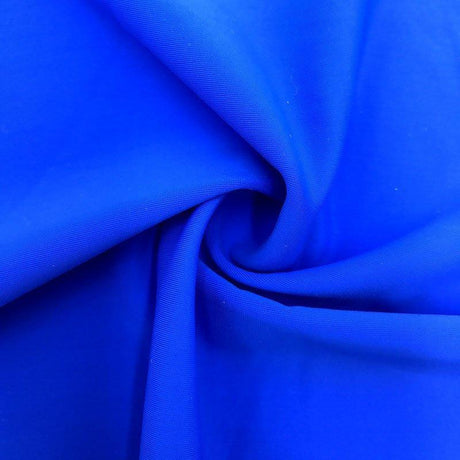
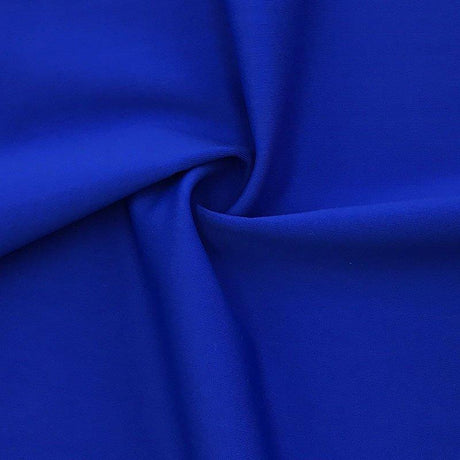
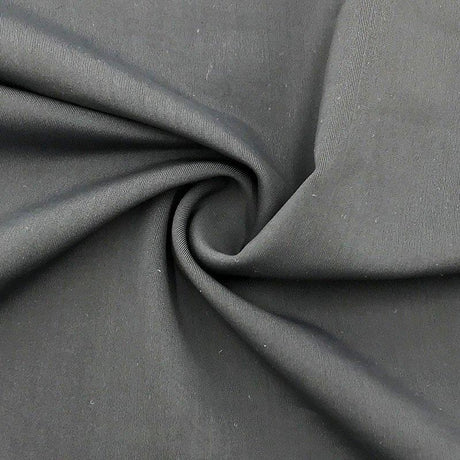
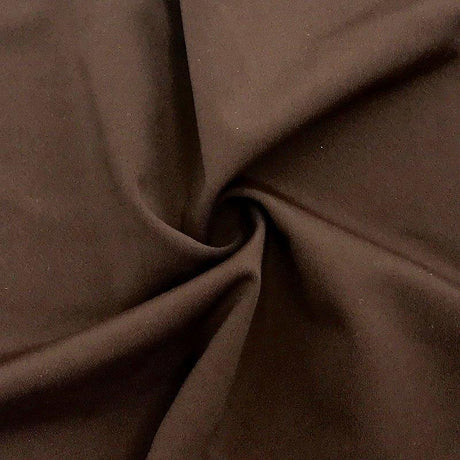
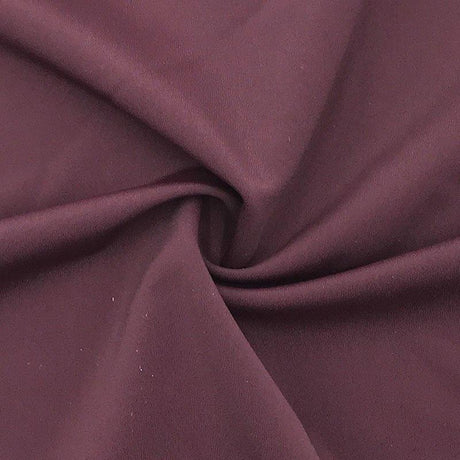
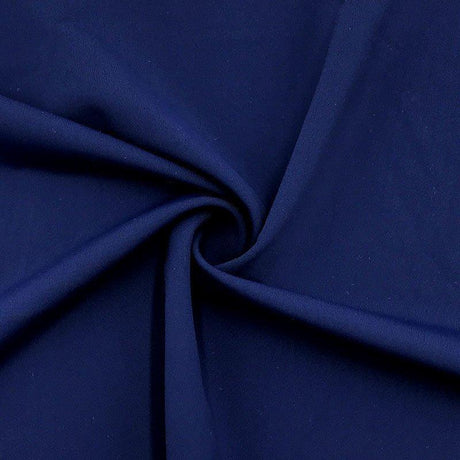
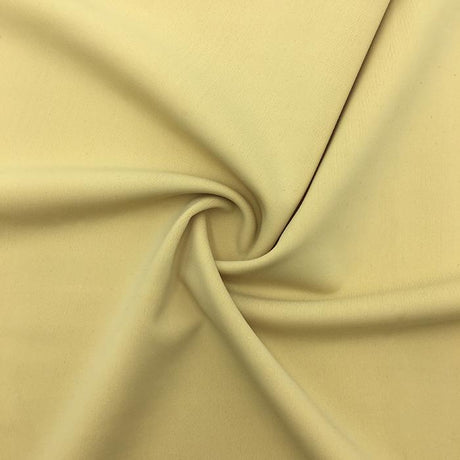
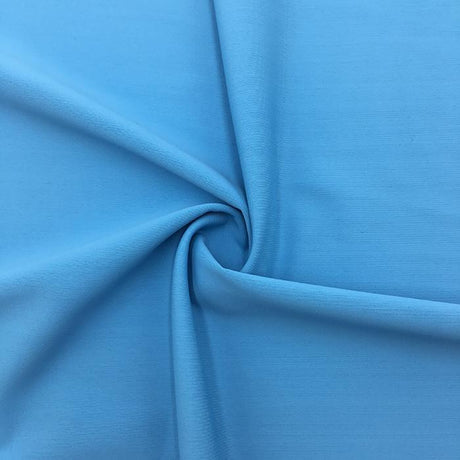
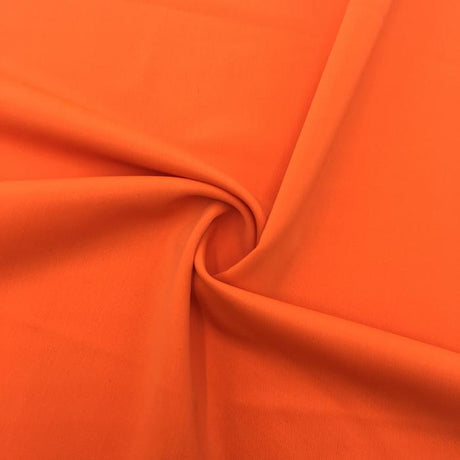
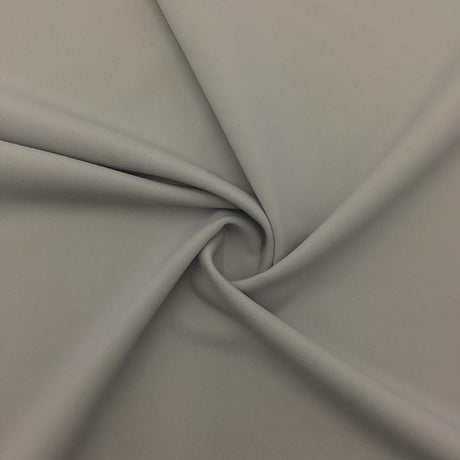
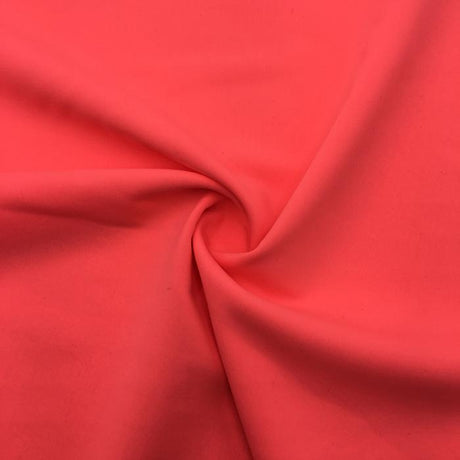
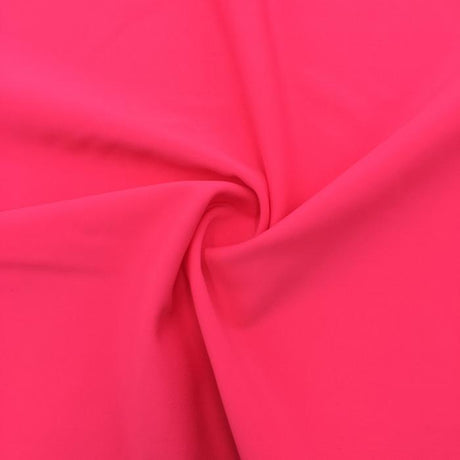
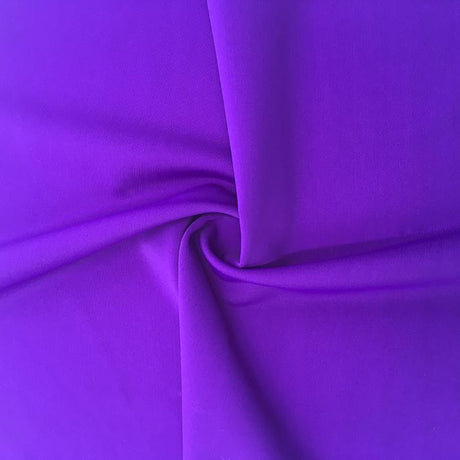
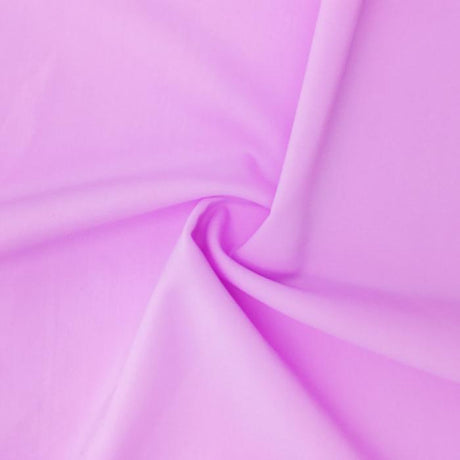
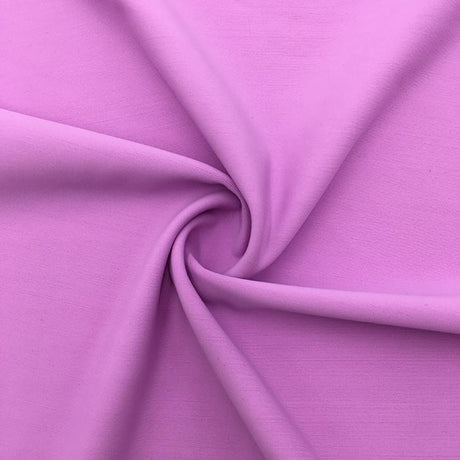
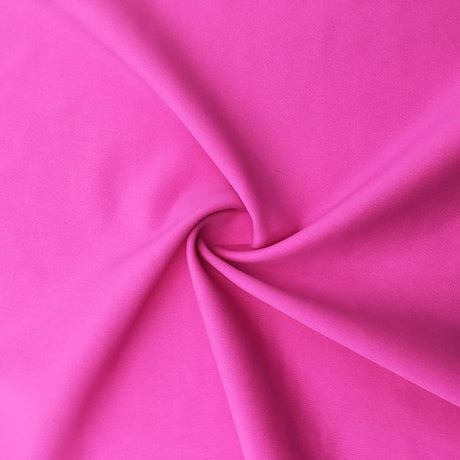
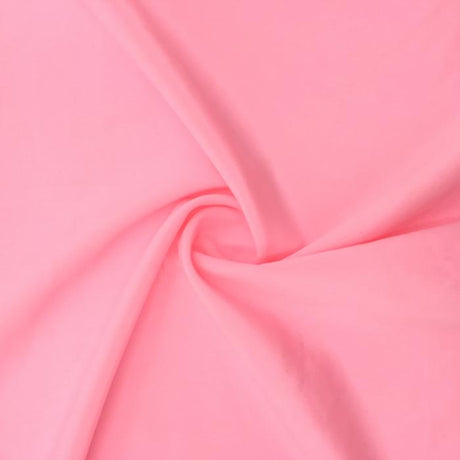
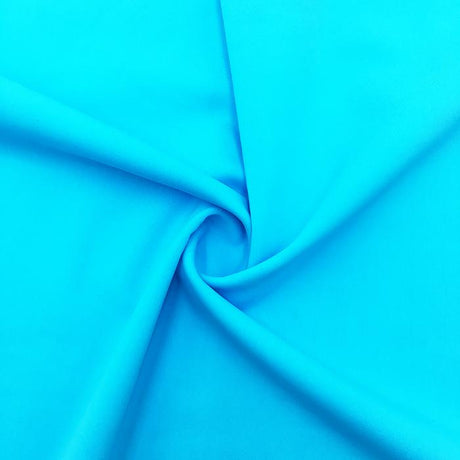
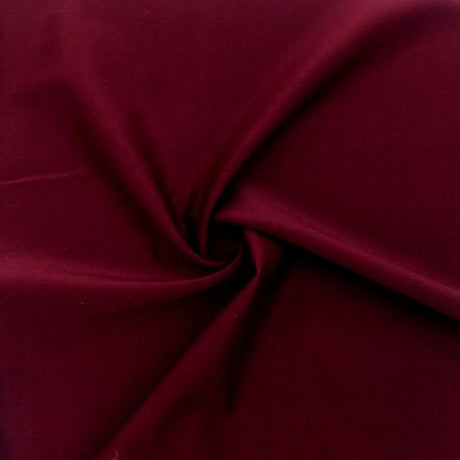
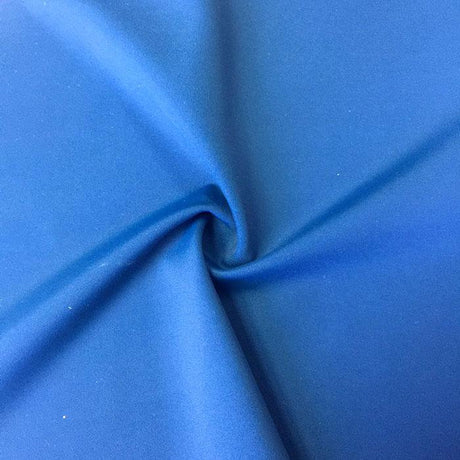
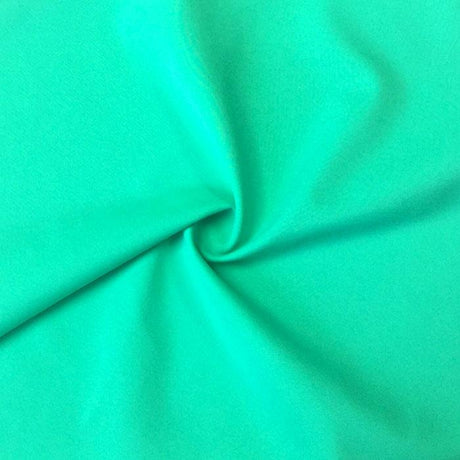
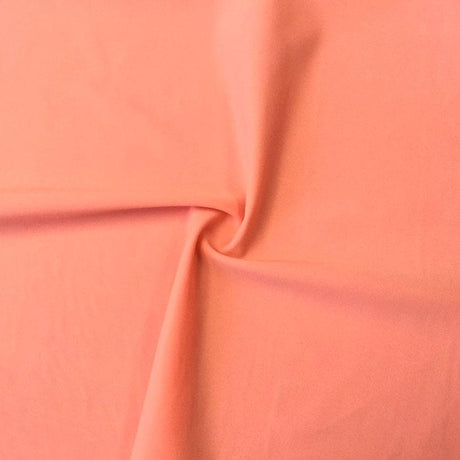
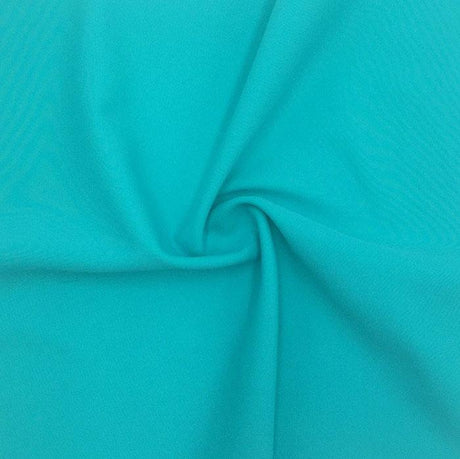
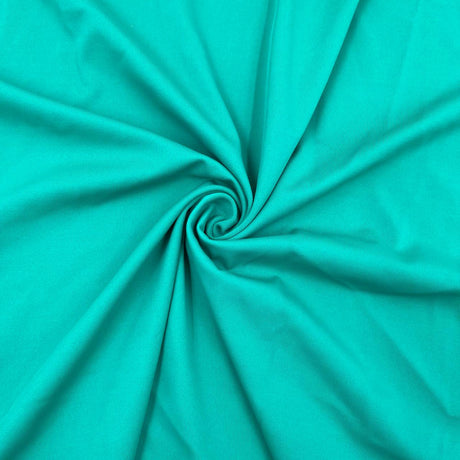
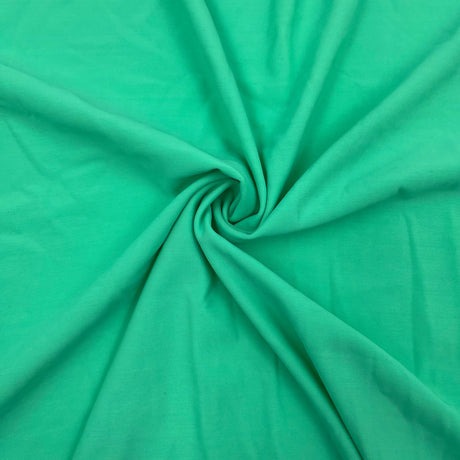
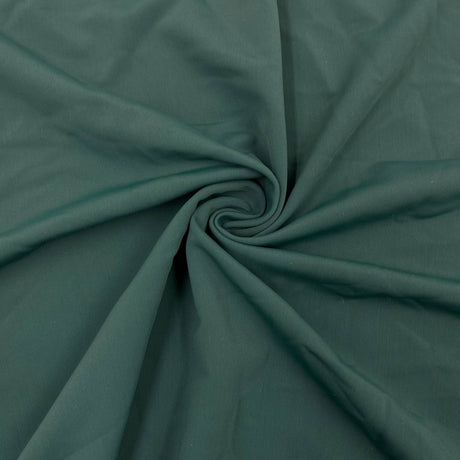
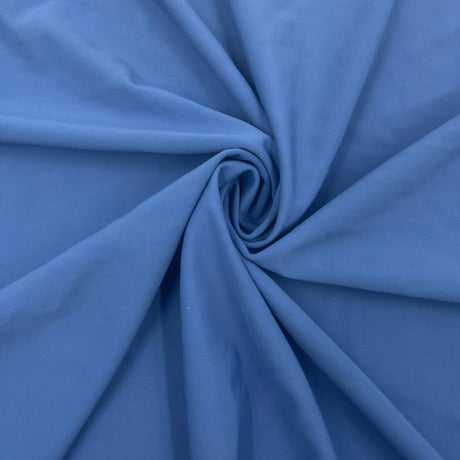
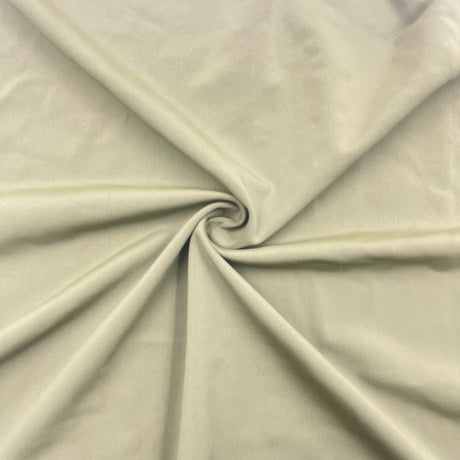
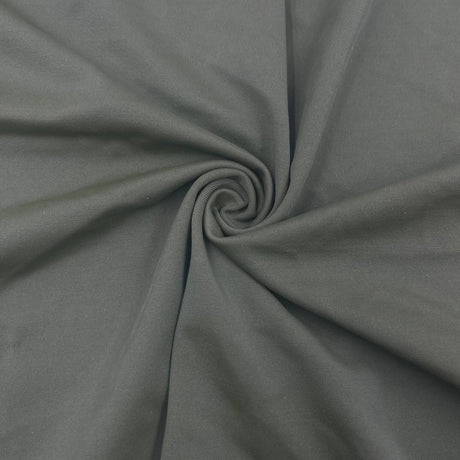
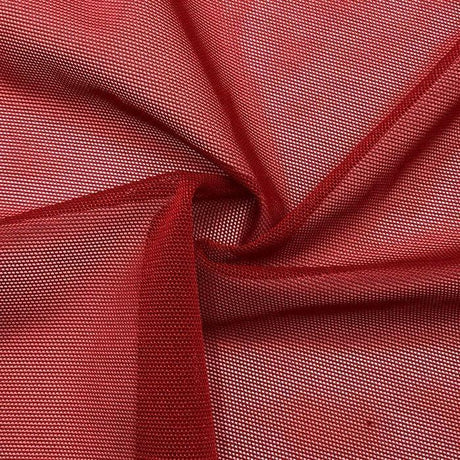
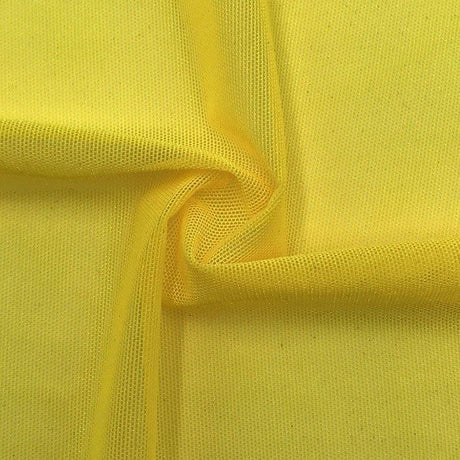
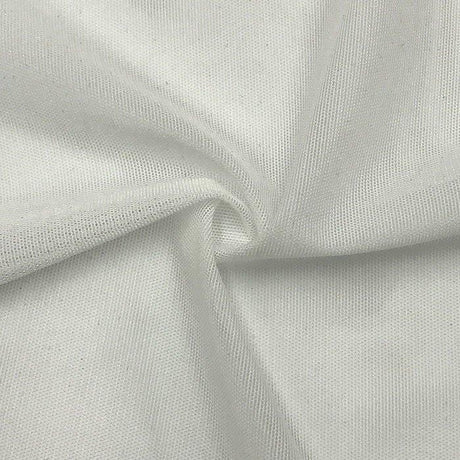
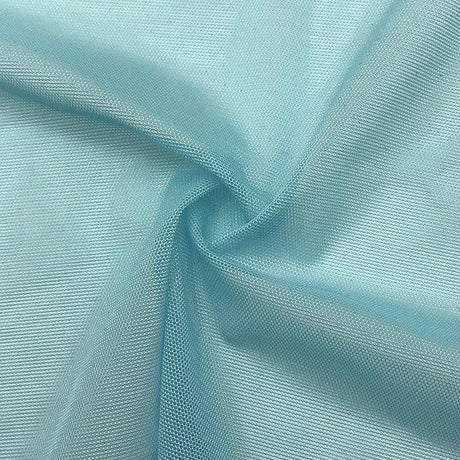
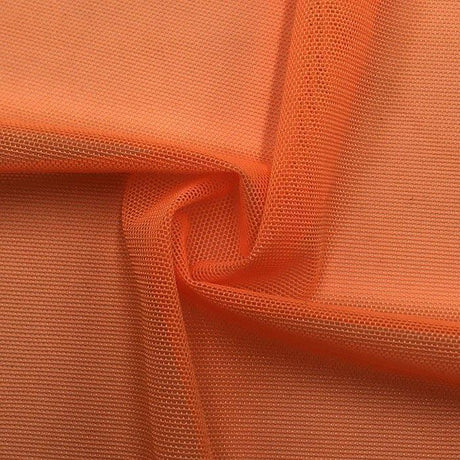
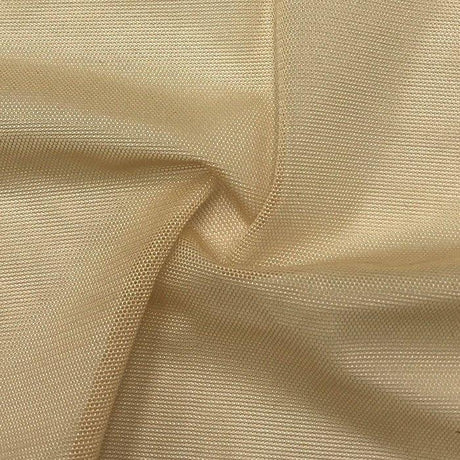
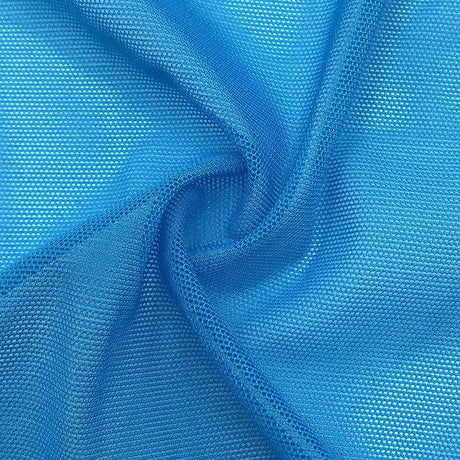
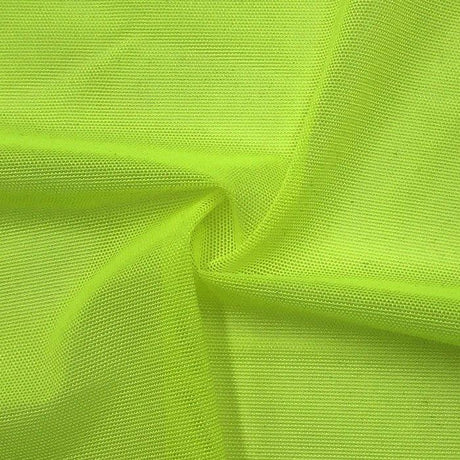
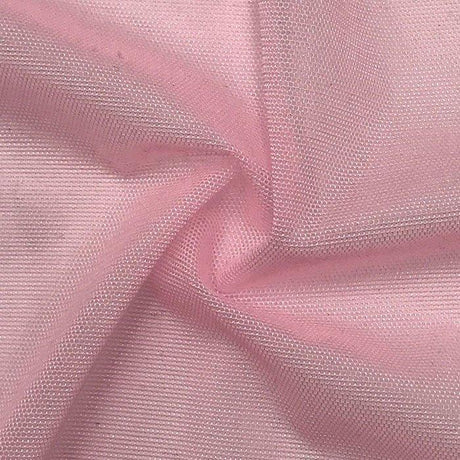
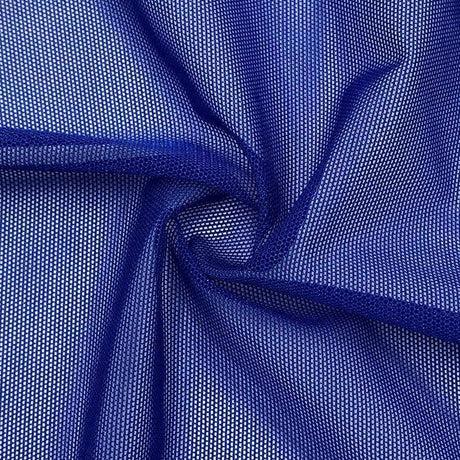
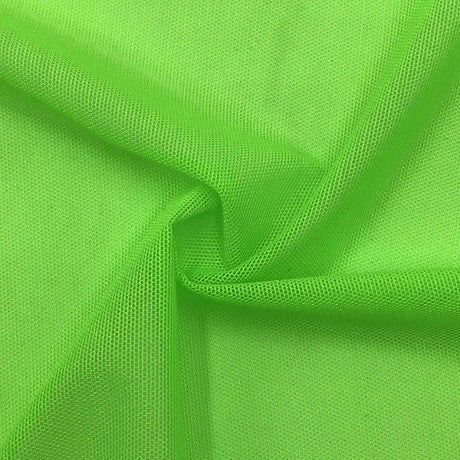
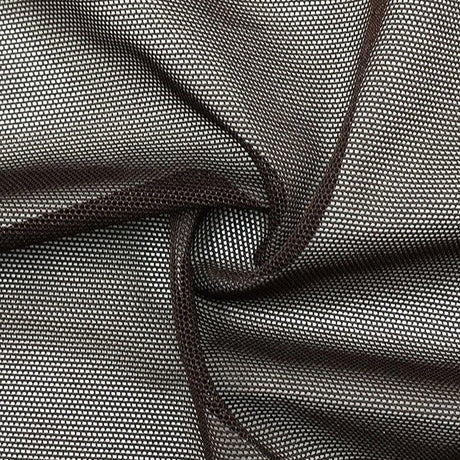
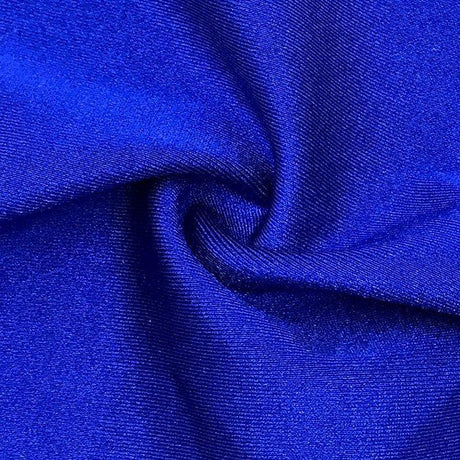
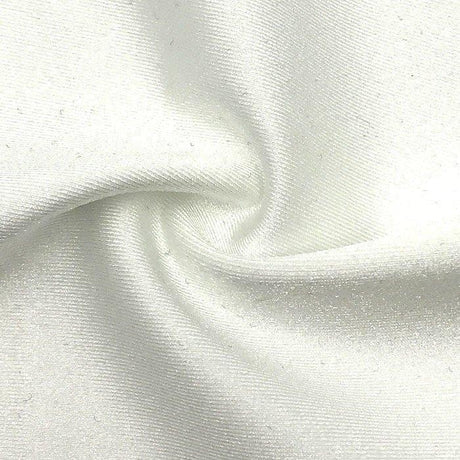
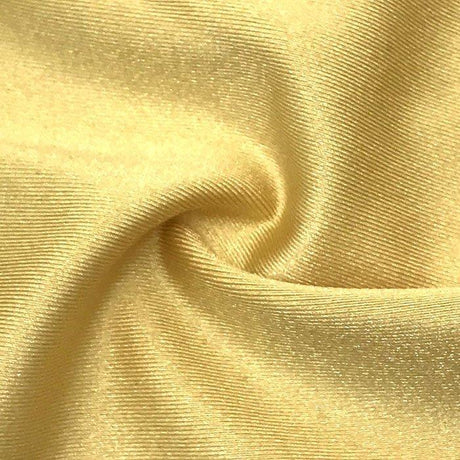
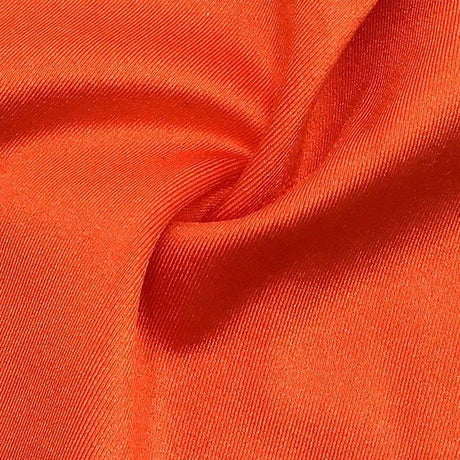
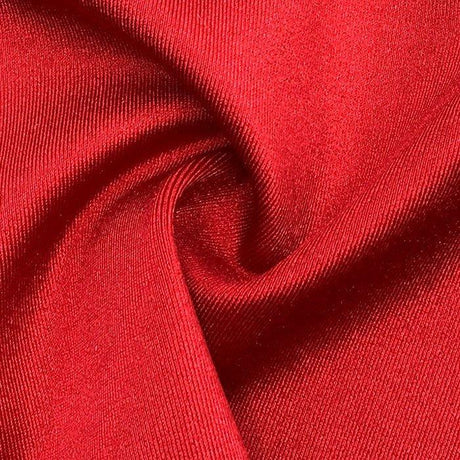
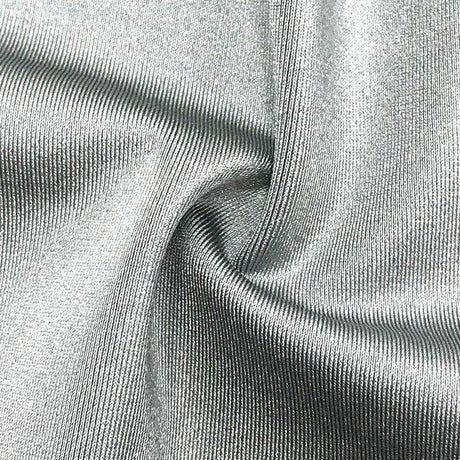
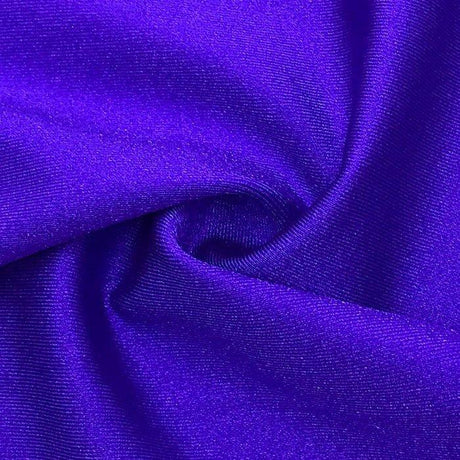
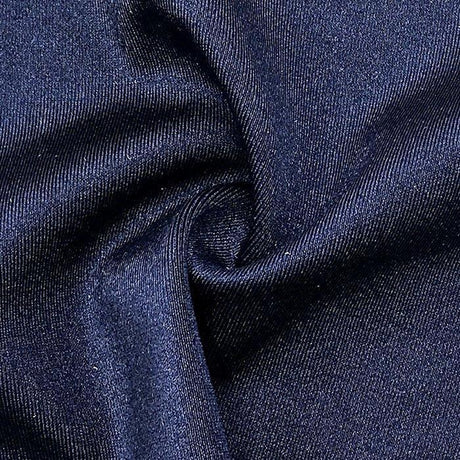
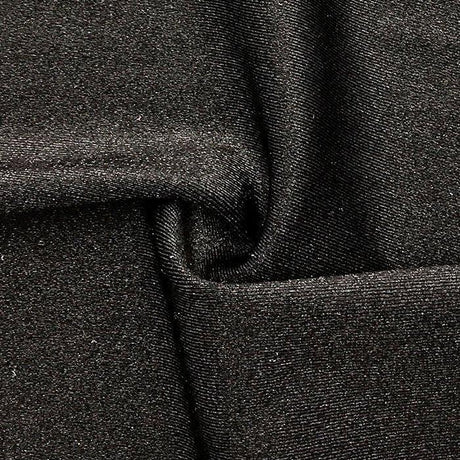
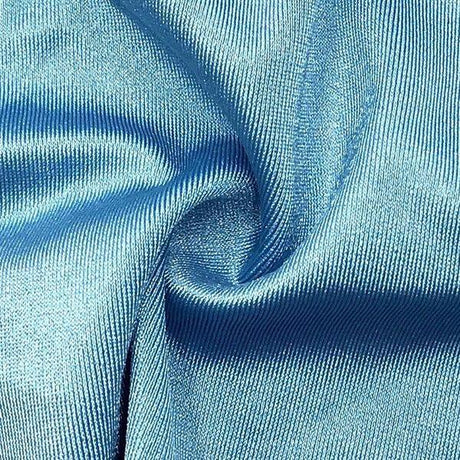
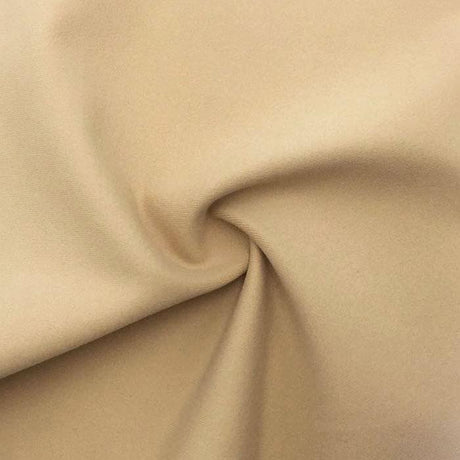
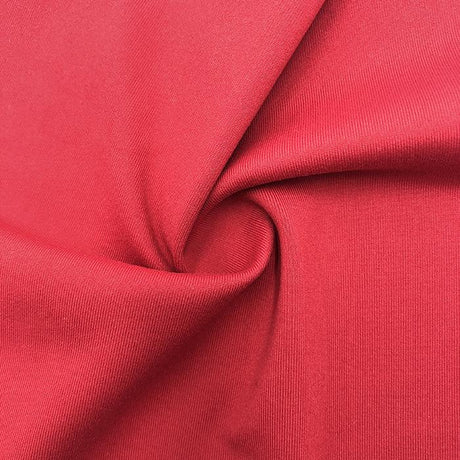
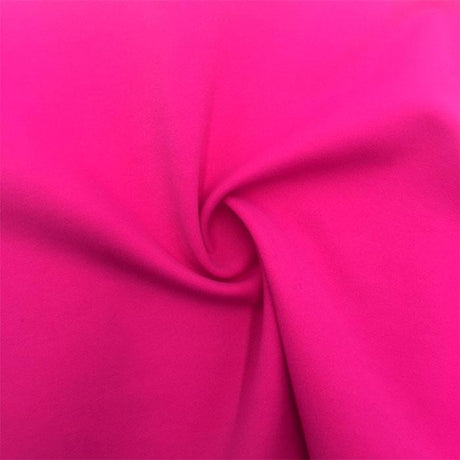
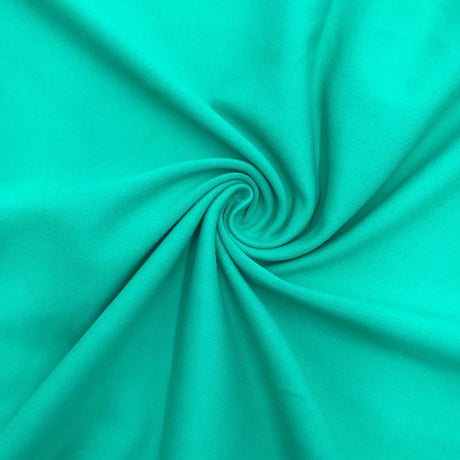
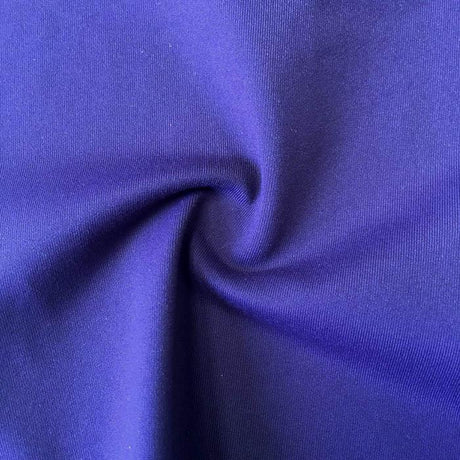
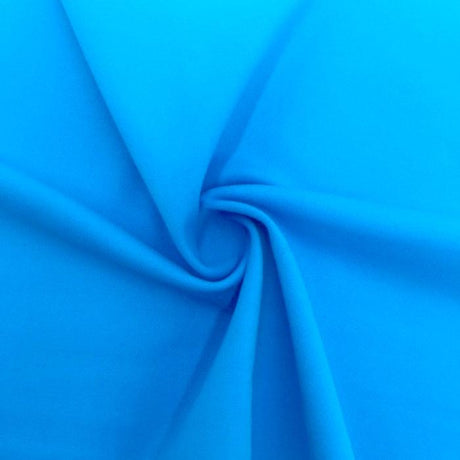
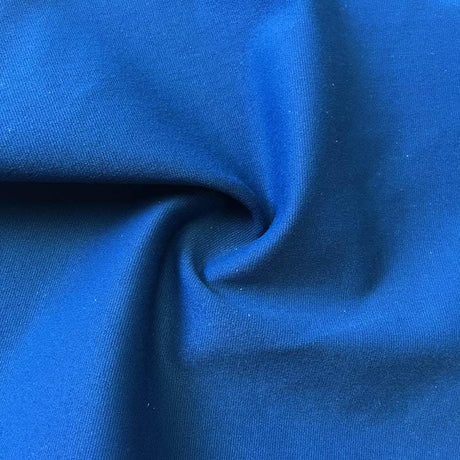
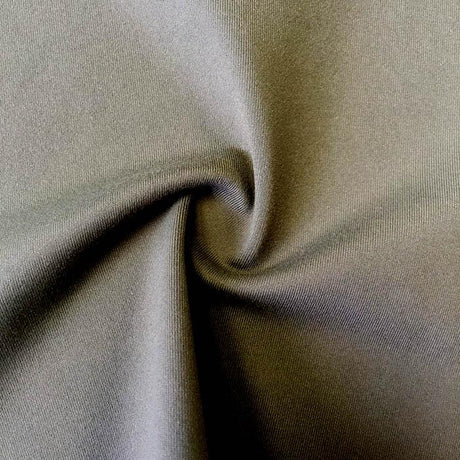
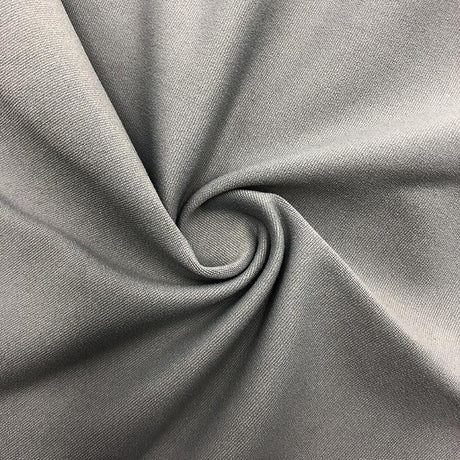
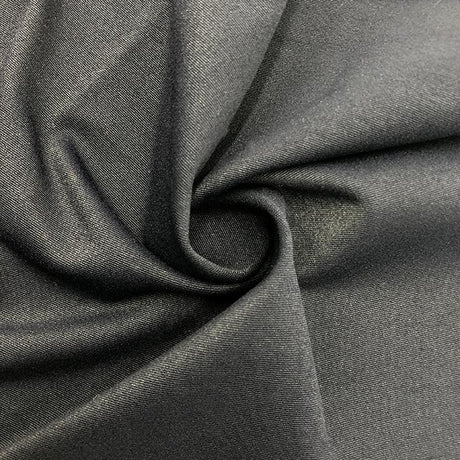
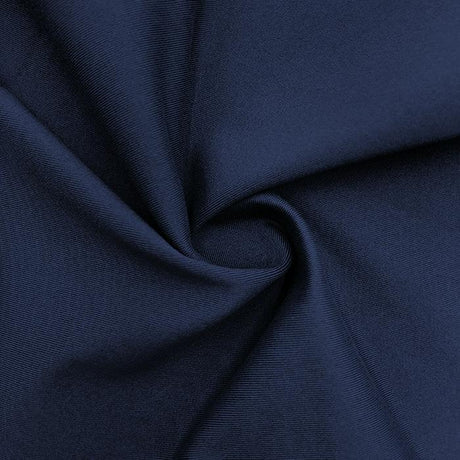
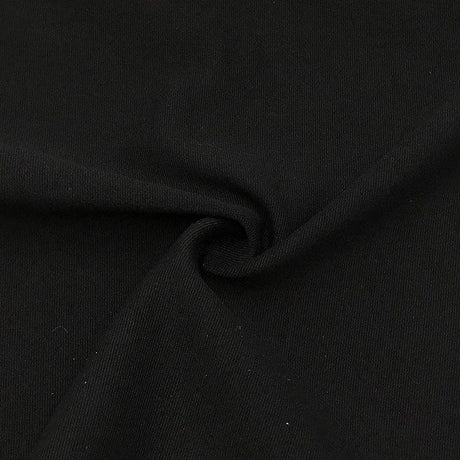
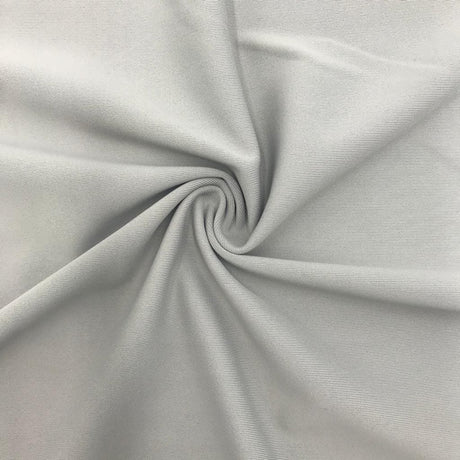
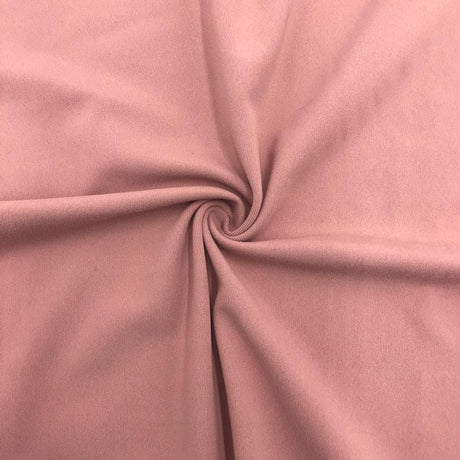
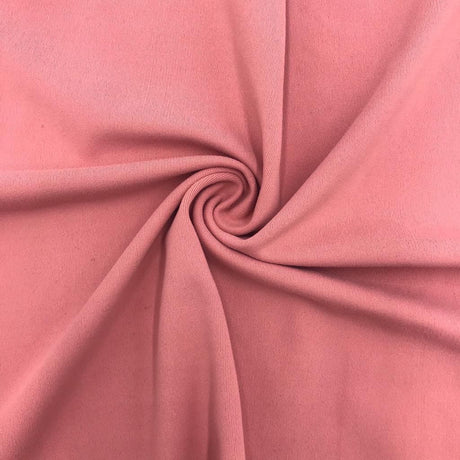
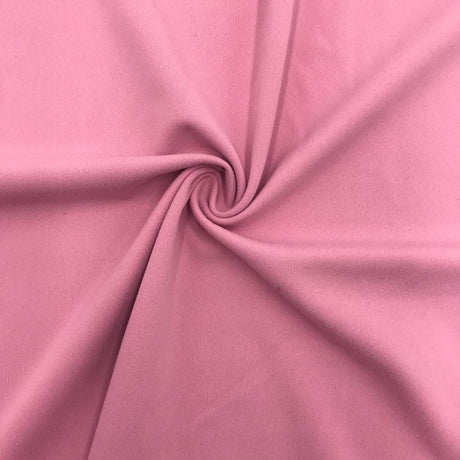
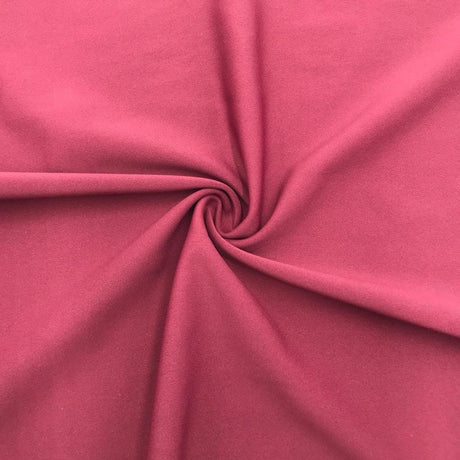
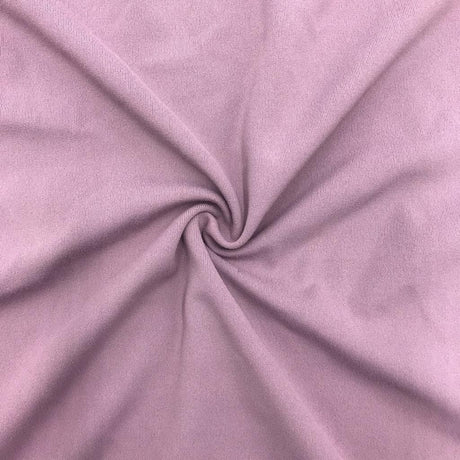
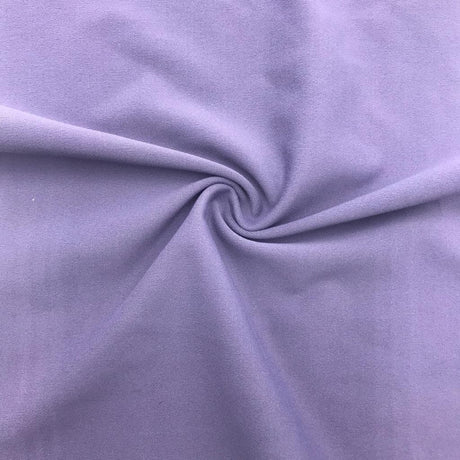
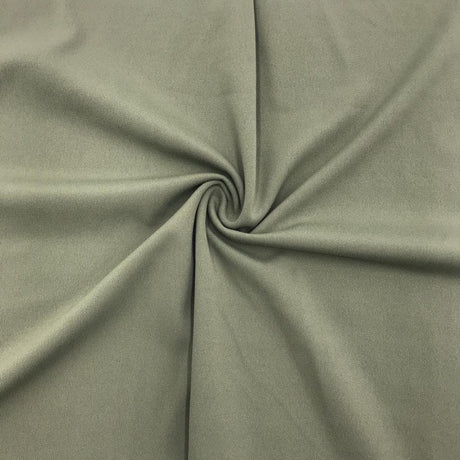
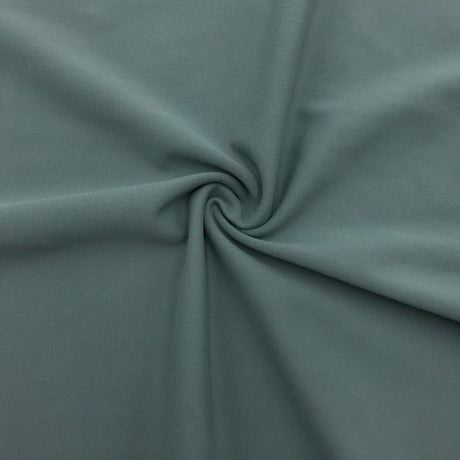
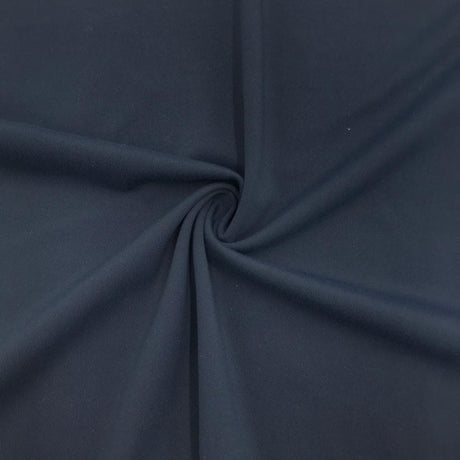
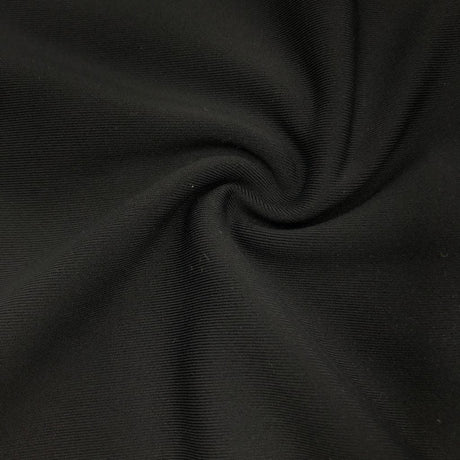
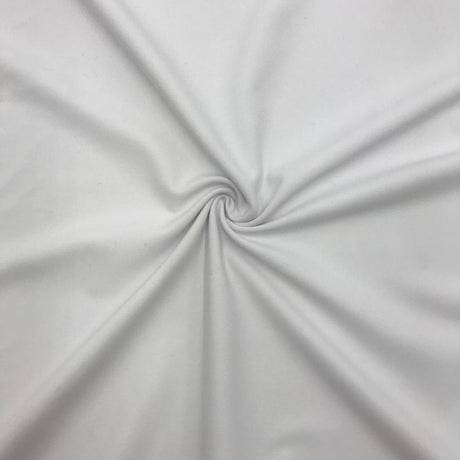
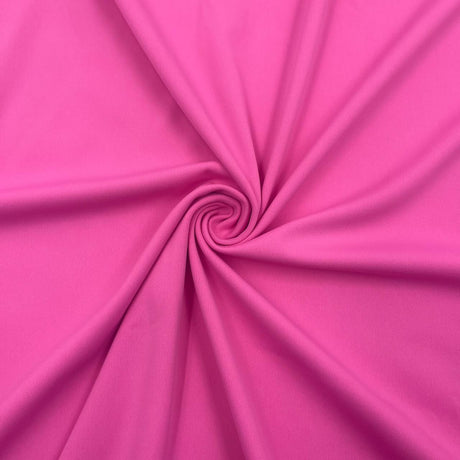
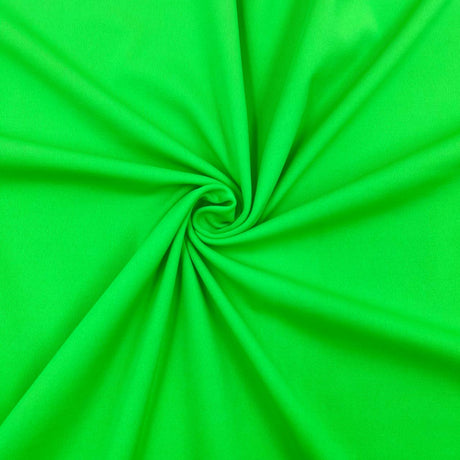
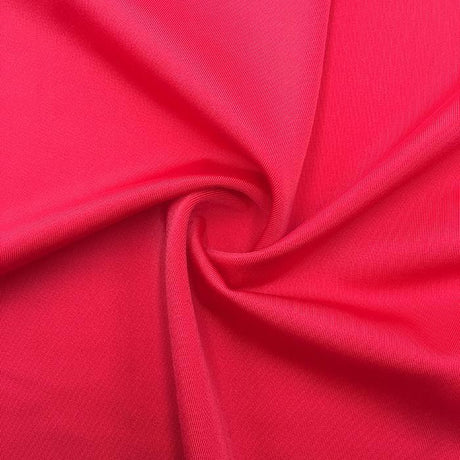
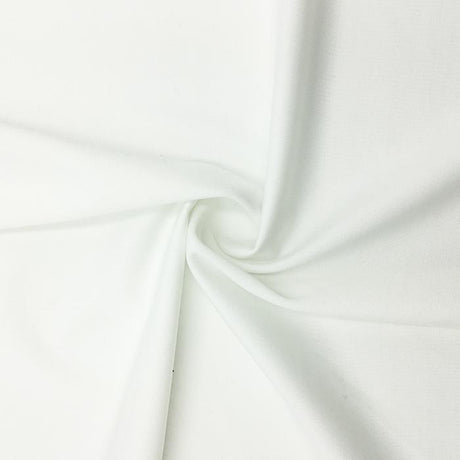
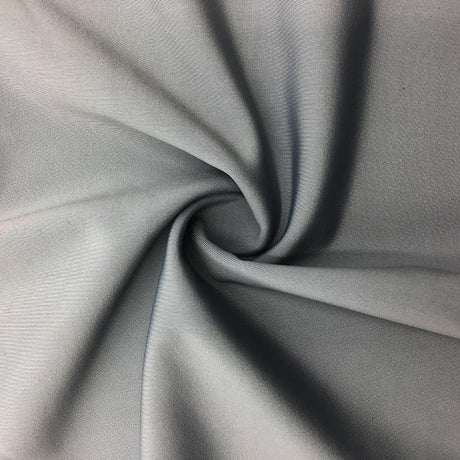
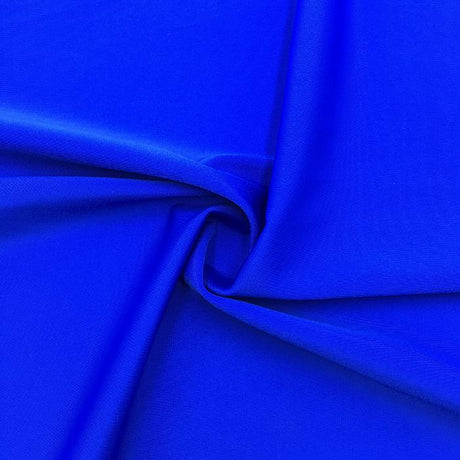
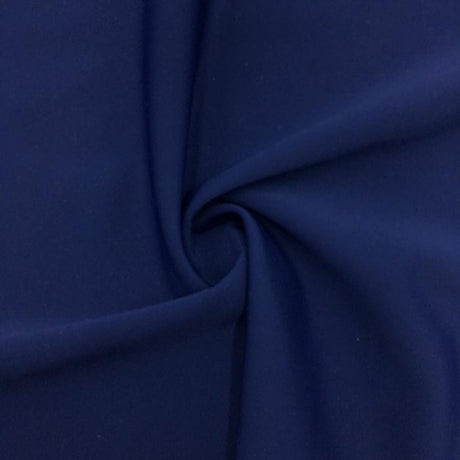
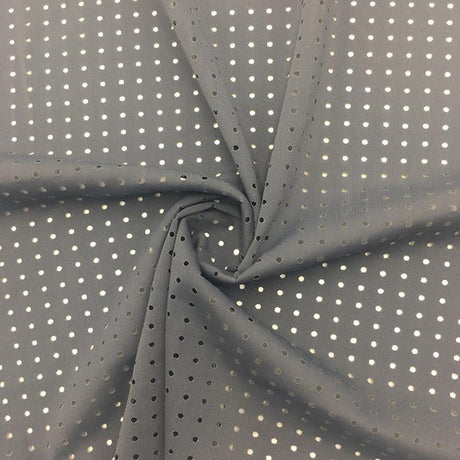
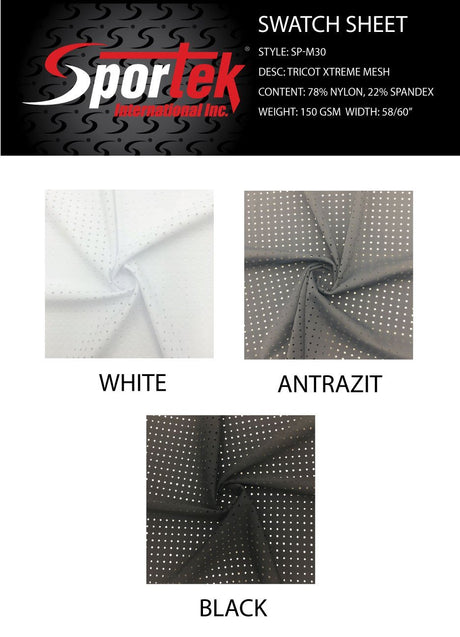
PBT fabric refers to textiles made from polybutylene terephthalate, a synthetic polyester fiber known for its exceptional durability and chlorine resistance. In essence, PBT is a high-performance polyester that has become a popular alternative to spandex (elastane) in swimwear and sportswear due to its ability to retain stretch and shape over time. Unlike standard Lycra/spandex blends that degrade quickly in pool water, PBT fibers maintain their integrity even after prolonged exposure to chlorine and UV radiation. For a broader foundation on swimwear fabric types before diving in, explore our swimwear fabric guide or browse our full fabric guides hub.

A one-piece training swimsuit that could be made with PBT fabric, offering durability and a secure fit. PBT swimwear often has a matte appearance and excellent shape retention, even after extensive exposure to chlorinated water. Competitive swimmers favor these suits for their longevity – they resist fading and sagging over time. Unlike traditional Lycra-based swimwear that may begin to loosen after a few weeks of regular use, PBT fabric suits maintain a snug, supportive fit through hundreds of hours of pool time.
The Chemistry of PBT (Polybutylene Terephthalate) Explained
From a chemical standpoint, PBT is a type of thermoplastic polyester formed by combining terephthalic acid with 1,4-butanediol through a polycondensation reaction. The resulting polymer features long butylene segments in its molecular chain, which give PBT a semi-crystalline structure with unique material properties. PBT's polymer structure has a high degree of crystallinity – this contributes to its strength and stability. The butylene component also makes PBT a bit softer and more elastic compared to the more common PET polyester; PBT fibers tend to feel less stiff and have better stretch recovery, whereas PET can feel "plastic-like" and may sag after extensive use. Our stretch fabric types page covers how PBT's stretch and recovery compare to spandex-blend constructions across all common swimwear applications.
Crucially, PBT's chemical makeup is what grants it such remarkable chlorine and chemical resistance. Polyester fibers in general are far more chlorine-stable than fibers like nylon or spandex, and PBT is especially robust. Its engineered molecular structure essentially repels chlorine molecules, preventing the kind of polymer breakdown that plagues ordinary elastane. PBT fabric is roughly five times more resistant to chlorinated water than standard nylon or spandex blends. By comparison, a typical spandex-rich suit might start weakening or fading after only a few dozen hours of pool use. Our spandex care guide covers the science of chlorine degradation in elastane fibers and why PBT's different polymer structure gives it such dramatically superior chlorine resistance.
PBT vs. Spandex: Which is Better for Competitive Swimming?
When it comes to competitive swimwear, the choice between PBT and spandex can greatly affect a suit's longevity and performance. Spandex (Lycra) is renowned for its extreme stretch and tight, compressive fit – a spandex-blend suit can contour to the body with 4-way stretch and a smooth, sleek feel. However, that stretch comes at a cost: spandex is highly vulnerable to chlorine and will degrade relatively quickly in pool environments. Chlorine attacks the elastane fibers on a molecular level, causing them to snap and break down; as a result, a once-snug Lycra suit can lose its elasticity and begin sagging within weeks of regular swimming.
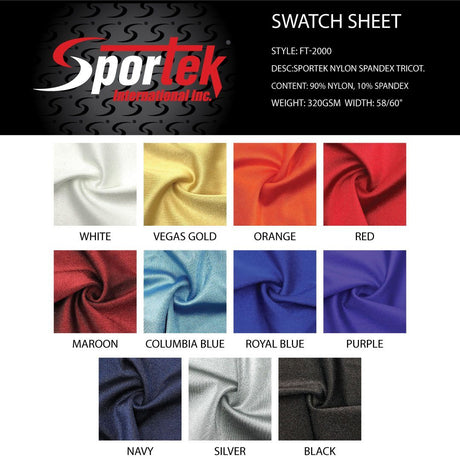
PBT fabric, on the other hand, offers a more stable and enduring performance in chlorinated water. Competitive swimsuits made with PBT (often in combination with other polyester fibers) can easily withstand daily training sessions without significant loss of fit or support. For example, Speedo's Endurance+ line – a 50/50 blend of PBT and polyester – is noted to hold up for hundreds of hours of pool use with minimal fading or stretching. Our nylon-spandex fabric guide covers how nylon-spandex constructions compare to PBT and polyester-spandex in chlorine durability, stretch, and recovery across all swimwear applications.
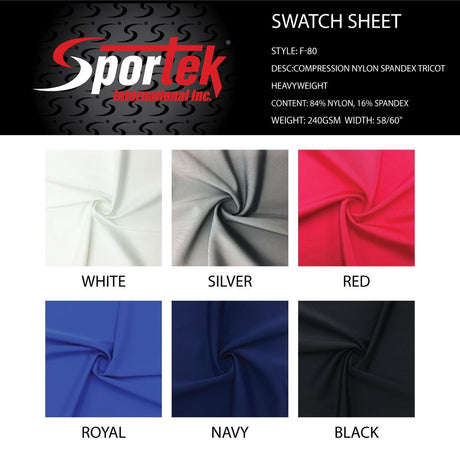
It's worth noting that pure PBT fabric is less stretchy initially than a typical spandex blend. PBT fibers can be textured during manufacturing to impart a natural 2-way stretch, providing good elasticity and recovery, but they will not elongate quite as dramatically as a high-spandex fabric. Many polyester/PBT swimsuits feel a bit firmer and have a more controlled stretch range, but they snap back to shape instantly and never get baggy mid-season. Overall, for anyone who spends hours in the pool each week, PBT is often the superior choice because it retains its elasticity and performance characteristics far longer than spandex. Our swimwear fabric guide covers chlorine resistance ratings across all common swimwear constructions and how to choose between PBT, polyester-spandex, and nylon-spandex for different aquatic applications.
Key Characteristics: Quick-Drying and Matte Finish
Beyond chlorine resistance, PBT fabric brings other advantages to performance apparel. One standout characteristic is how fast-drying PBT material is. The fibers of PBT absorb very little moisture – roughly only 0.4% of their weight in water – which is significantly lower than many other swimwear fabrics. PBT textiles have been shown to dry about 4 times faster than comparable nylon swim fabrics, thanks to their minimal moisture uptake and efficient wicking of water to the surface. For swimmers and athletes, this quick-dry property is a huge benefit: not only does it make for more comfortable transitions from water to land, but it also inhibits the growth of bacteria or mildew (since the fabric doesn't stay damp for long). Our fabric care guide covers post-swim rinsing and drying protocols that maximize the lifespan of both PBT and spandex-blend swimwear.
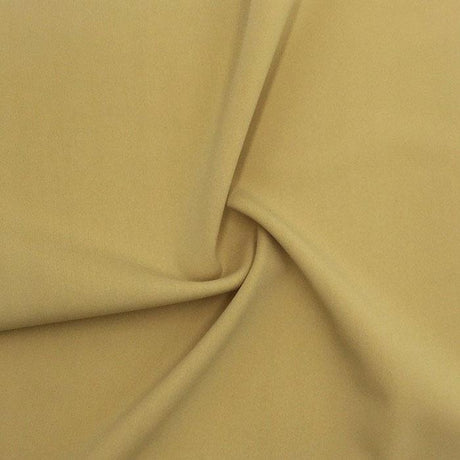
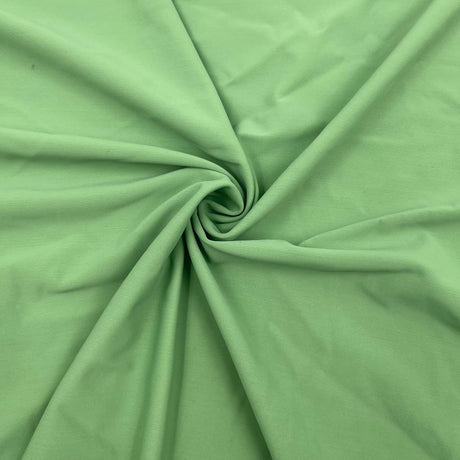
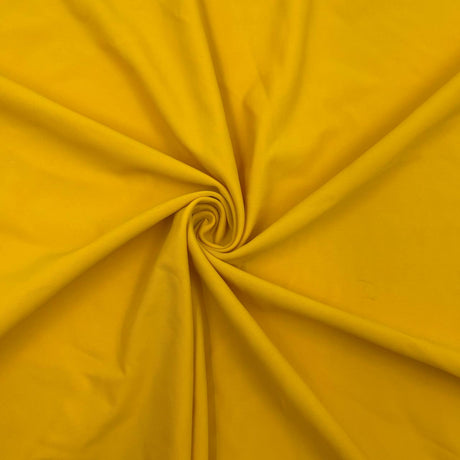
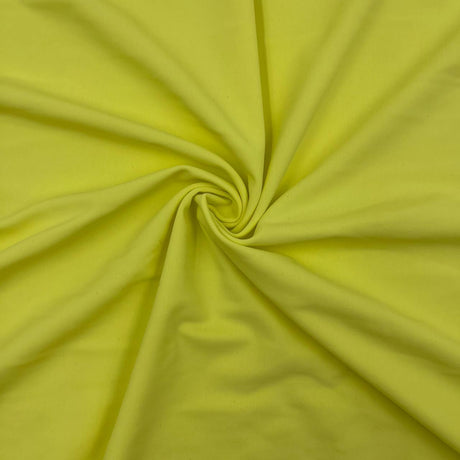
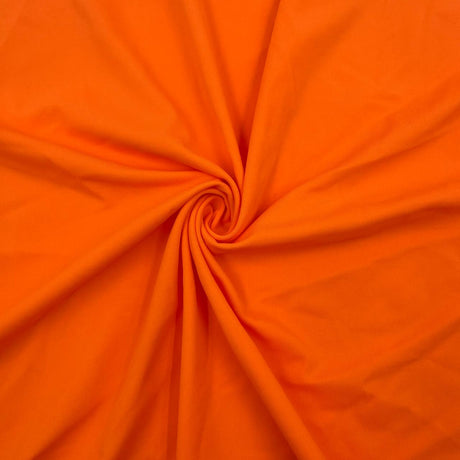
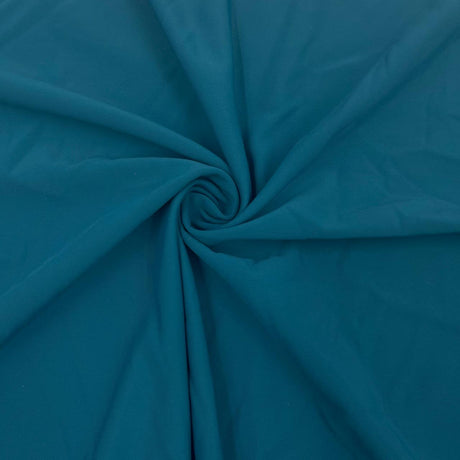
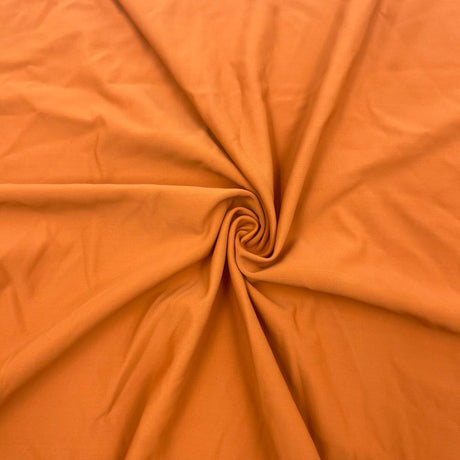
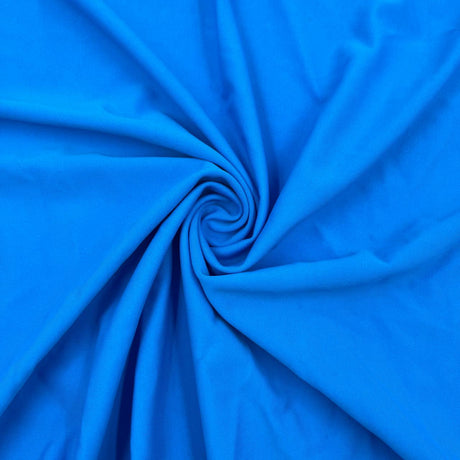
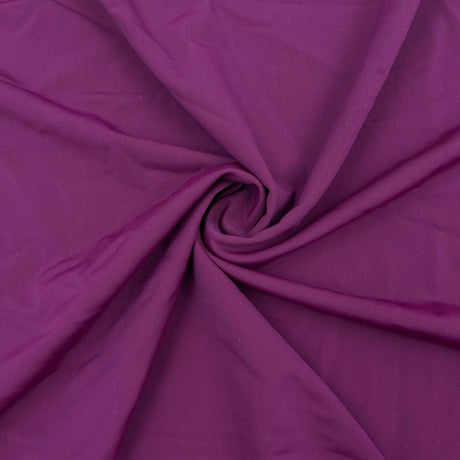
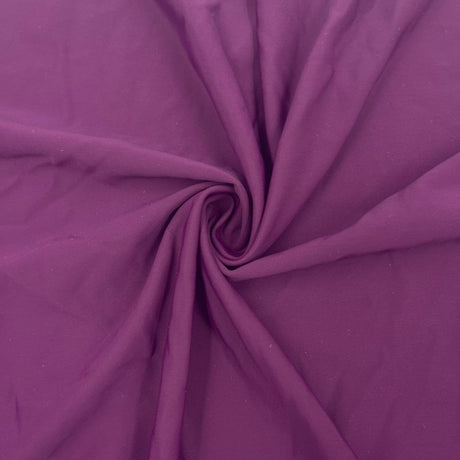
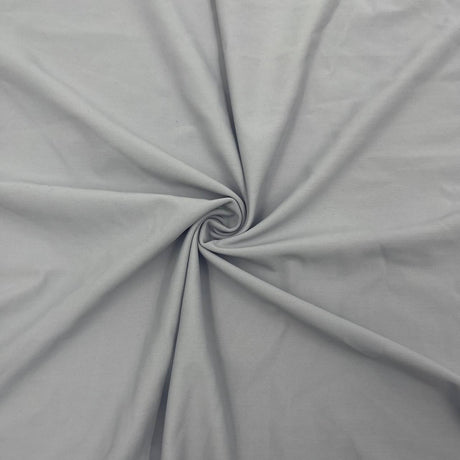
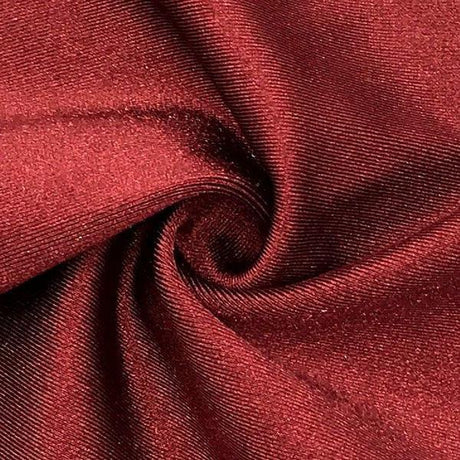
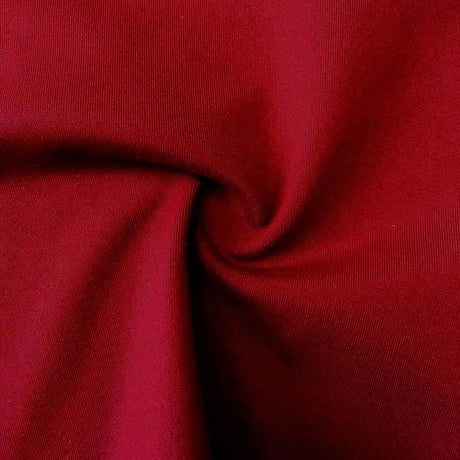
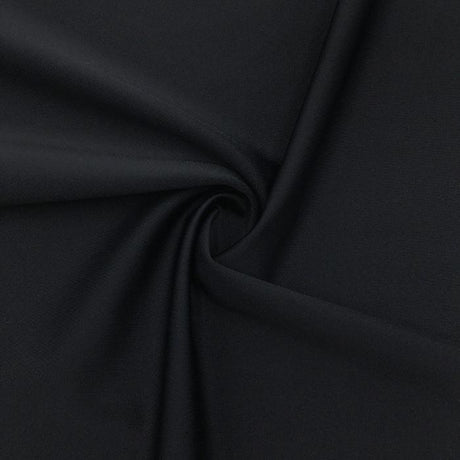
Another notable feature of PBT fabrics is their matte finish and texture. PBT fabrics don't have the glossy, lustrous sheen that you often see with nylon/spandex blends; instead they have a more subdued, flat color look. This is a stylistic and tactile difference: PBT material feels soft and smooth but is less slick to the touch compared to the almost slippery feel of high-Lycra fabrics. Many swimmers and designers appreciate this matte aesthetic – it can give competitive swimwear a professional, no-frills look (often seen in training suits and racing jammers). The matte finish does not mean the fabric is rough; PBT suits are quite comfortable on the skin. PBT's surface diffuses light rather than reflecting it, so colors may appear a bit more muted but remain vibrant over time (helped by PBT's excellent colorfastness and UV resistance). Our fabric weight guide covers how GSM affects the feel, opacity, and compression of PBT and polyester-spandex swimwear fabrics across all common constructions.
Common Applications Beyond Swimwear
While PBT fabric is best known for its role in competitive swimwear and chlorine-safe bathing suits, its durable and flexible nature has led to many applications far beyond the pool.
Active Sportswear and Athletic Apparel: PBT is increasingly used in high-performance sports clothing such as leggings, athletic shorts, jerseys, and sports bras. Athletes appreciate PBT-blend fabrics for their comfortable stretch and flexibility during movement, combined with their sweat-wicking and quick-dry abilities. Unlike pure spandex that can lose shape, PBT-based gear holds its form through many workouts. The fabric allows free range of motion and then rebounds without permanent stretching, making it ideal for everything from running tights to yoga pants. Our activewear fabric guide covers how PBT compares to nylon-spandex and polyester-spandex constructions across all common activewear categories.
Home Textiles and Upholstery: The durability and UV resistance of PBT fibers have proven useful in home applications like upholstery fabrics, outdoor furniture covers, and curtains. PBT-blended materials in upholstery can withstand daily wear and sun exposure without degrading or fading quickly. PBT adds a bit of stretch and softness to these fabrics, so slipcovers and cushion fabrics can maintain a snug fit but still feel comfortable.
Automotive Interiors: Car manufacturers have adopted PBT fabric for certain automotive interior components – such as seat covers, headliners, and door panel fabrics – due to its excellent dimensional stability and resistance to heat and chemicals. PBT-based textiles hold up well under the thermal cycling (hot days, cold nights) without cracking or losing their shape. Additionally, PBT's inherent resistance to oil and grease means it can better handle exposure to dirt or skin oils in a car environment.
Medical and Industrial Uses: Thanks to its chemical resistance and durability, PBT fiber also finds its way into medical textiles and industrial materials. In healthcare, PBT is used in items like surgical gowns, hospital bedding, bandages, and even specialized wound dressings. In industrial settings, PBT shows up in conveyor belts, filtration fabrics, and safety gear, where its resistance to chemicals and abrasion is vital.
As we can see, PBT fabric's reputation as a durable alternative to spandex is well-earned across multiple domains. From keeping competitive swimmers faster and happier in the pool, to extending the life of athletic wear, furniture, car interiors, and even medical products, PBT has proven to be a game-changing material. It provides the performance that modern technical textiles demand: stretch with strength, comfort with longevity.
Ready to find the right PBT or chlorine-resistant swimwear fabric for your next project? Use our swimwear fabric guide for curated recommendations across all swimwear applications, our nylon-spandex fabric guide to understand how nylon-spandex compares to PBT for different use cases, and our fabric weight guide and stretch fabric types page to evaluate technical specifications. Our spandex care guide and fabric care guide cover complete care protocols for all common swimwear fabric types. Have questions? Our expert help and advice page and FAQ are always available. Sign up for SpandexByYard Rewards to earn points on every purchase – because PBT is the answer to the pool's greatest challenge.