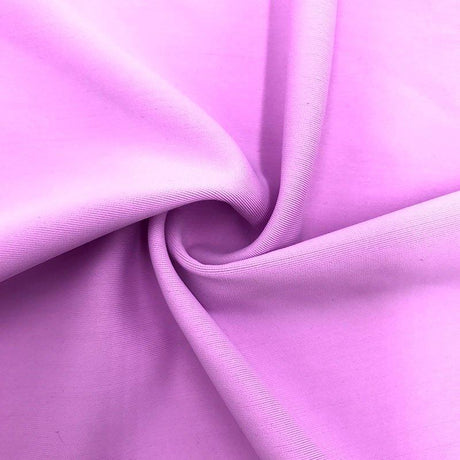
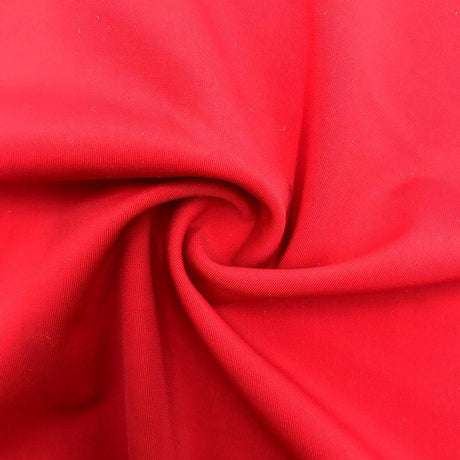
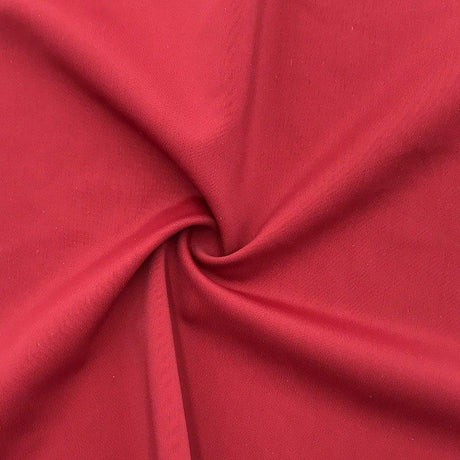
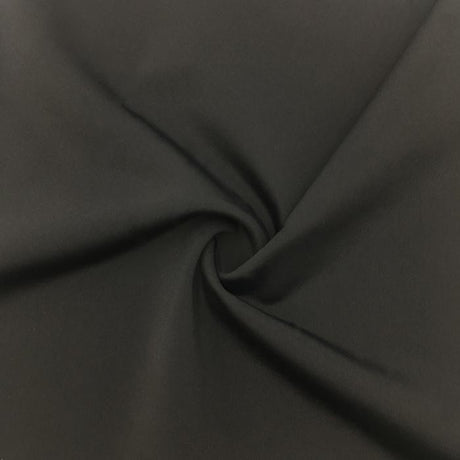
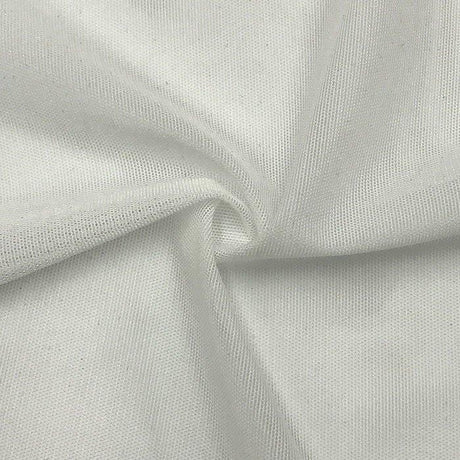
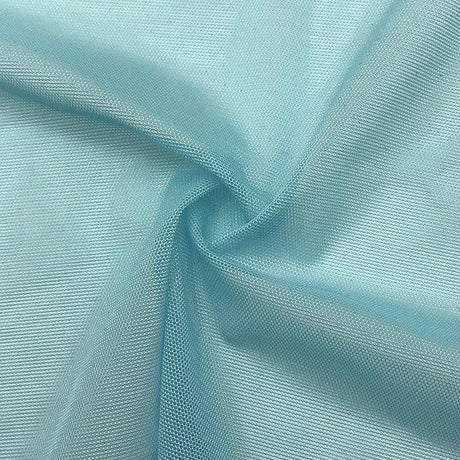
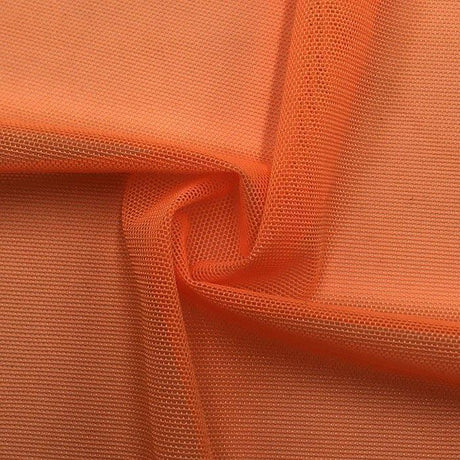
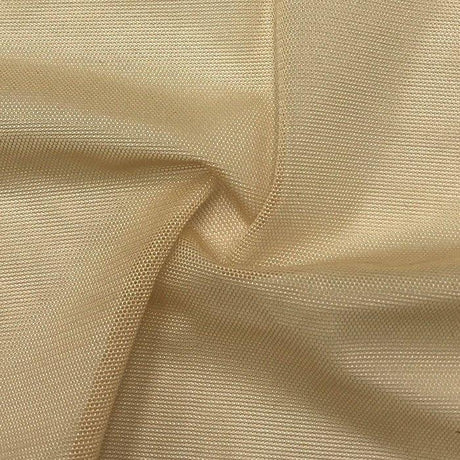
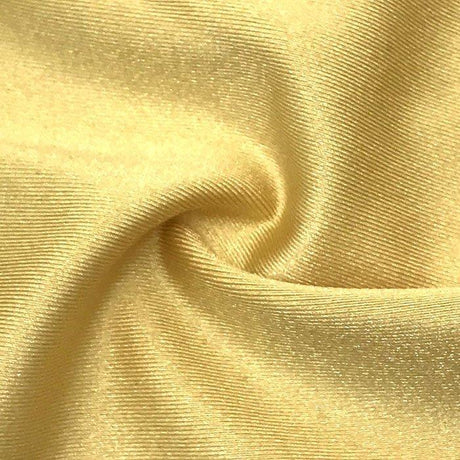
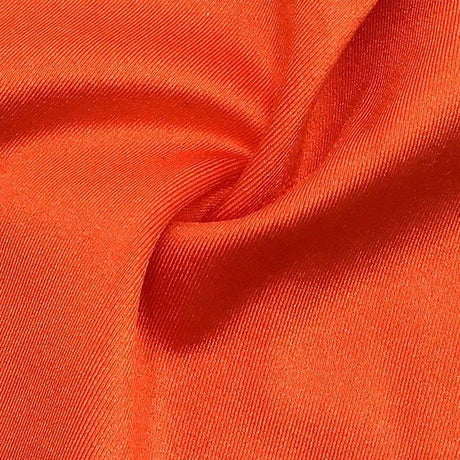
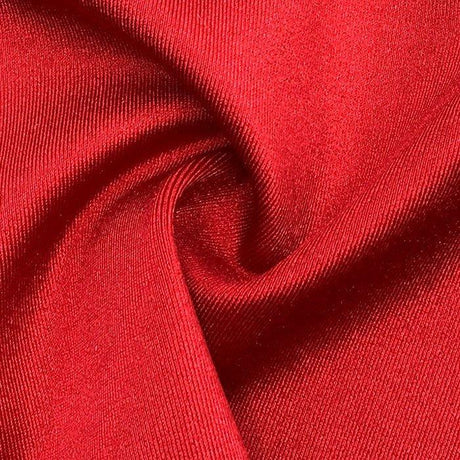
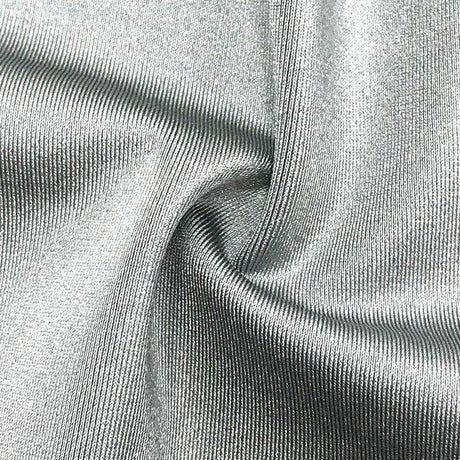
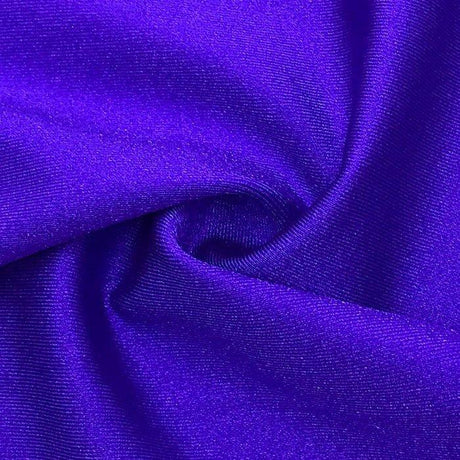
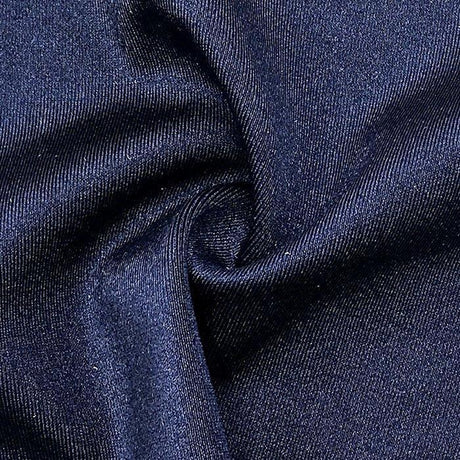
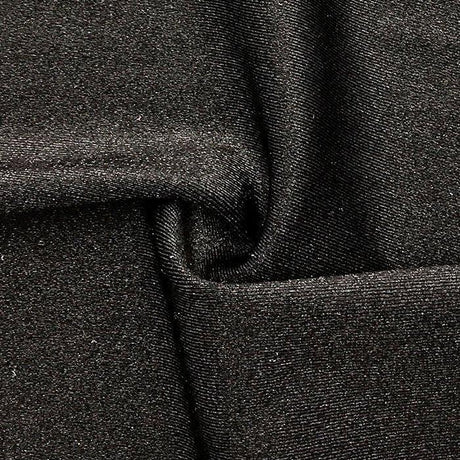
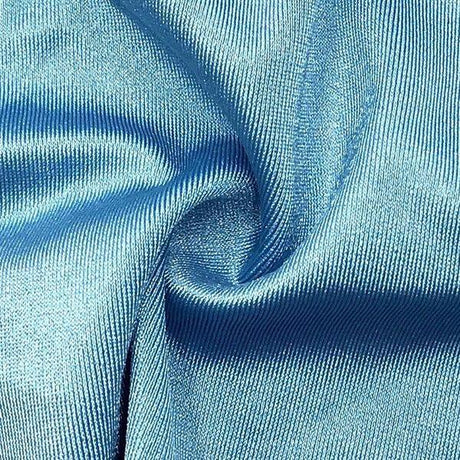
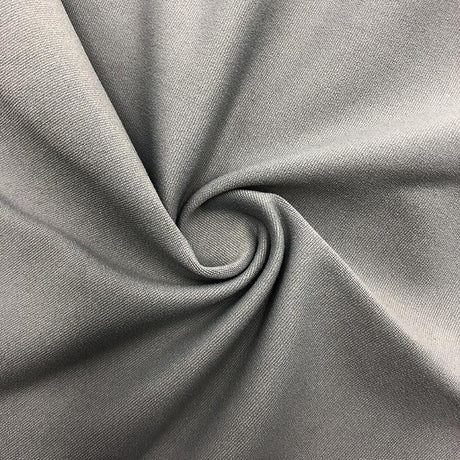
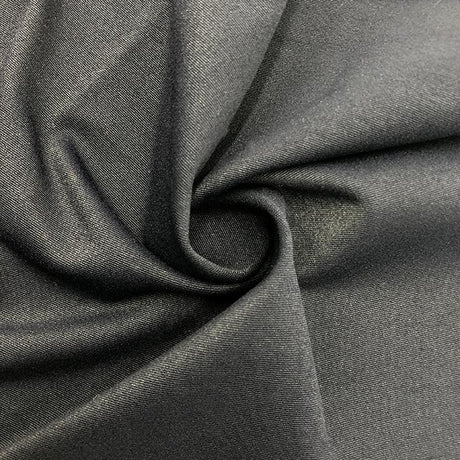
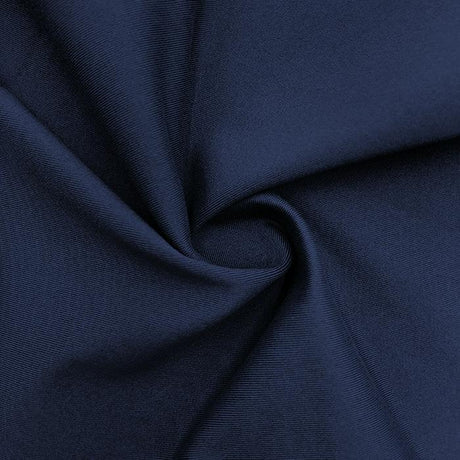
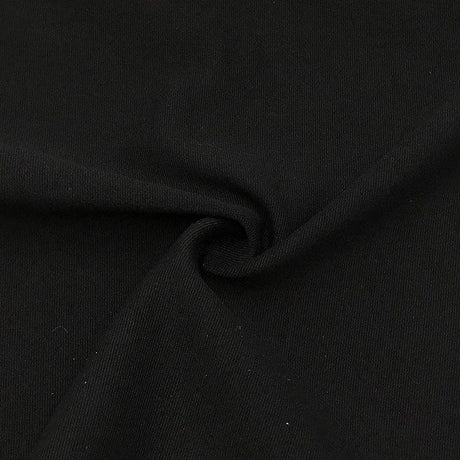
Leggings Itch & Static Woes: Many wearers experience uncomfortable itchiness or shocking static cling when wearing leggings, especially during movement or in dry conditions. These issues often stem from the fabric rubbing against skin or trapping electricity.
Why Lining Matters: Incorporating a proper lining can dramatically improve comfort and performance. A lining adds a smooth barrier between your skin and the outer material, reducing friction that causes chafing and irritation. It also helps dissipate static buildup by separating layers and managing moisture, so your leggings won't cling or spark.
Expert Assurance: With the right lining fabric, even high-performance leggings can feel soft and irritation-free. In this guide, we leverage technical know-how (from fiber content to fabric construction) to help you select linings that banish itch and static while maintaining stretch and breathability. For a broader foundation before diving in, explore our activewear fabric guide or browse our full fabric guides hub.
Understanding Lining Needs for Leggings
Skin Irritation Triggers: Rough or stiff fibers can chafe and itch during extended wear. Tight, non-breathable leggings create friction on sweaty skin, breaking down the skin barrier and leading to contact dermatitis or rashes. Synthetics that don't breathe well trap heat and moisture, aggravating sensitive skin and causing redness or "gym rash." Our activewear fabric guide covers breathability ratings and fiber behavior across the most common legging fabric types.
Static Buildup Causes: Static cling occurs when fabrics rub together and create an electron imbalance – dry air and synthetic fibers make this worse. Leggings made of polyester or nylon are notorious for static, especially in winter. Layering (like wearing tights under a skirt) can increase friction and static if no lining separates the layers. Our fabric finishes guide covers anti-static treatments and surface coatings that can help manage static in synthetic stretch fabrics.
Benefits of a Proper Lining: A good lining acts as a moisture-wicking, breathable buffer. It pulls sweat away from your skin and allows air circulation, keeping you dry and cool – a dry, breathable garment reduces itchiness and bacterial growth. The lining's smooth surface minimizes friction on your skin, preventing chafing and irritation. Additionally, some linings have anti-static properties or simply create a barrier that neutralizes static, so your leggings won't cling uncomfortably.
Technical Specifications of Ideal Legging Linings
Fabric Weight (GSM): Choose linings with an appropriate weight for your project. Lightweight linings (~80–100 GSM) add minimal bulk – a thin 82 GSM micro mesh is often used as a sportswear lining. Mid-weight linings (100–150 GSM) offer more coverage or warmth (good for colder weather leggings) but still remain flexible. Avoid anything too heavy that could make leggings sag or feel thick. Our fabric weight guide provides a full breakdown of GSM ranges and how weight affects breathability, coverage, and flexibility in lining applications.
Stretch & Recovery: Legging linings must have 4-way stretch to match the flexibility of the outer fabric. Look for a high elastane (spandex) content (10–20%) so the lining can elongate with every move and spring back without loosening. A quality lining stretches comfortably to 50–100% of its length and recovers fully to prevent knees or seat from bagging. Our stretch fabric types page explains how to compare stretch percentages and recovery ratings when matching a lining to your outer fabric.
Composition & Handfeel: The best linings for leggings are nylon/spandex or polyester/spandex blends with fine yarns. Nylon-spandex linings are popular for their strength, silky feel, and moisture-wicking ability. Aim for a smooth, soft handfeel (no scratchy fiber ends) to prevent any itch; fine filament fabrics are designed so there are no harsh fiber ends poking the skin. Our nylon-spandex fabric guide covers how nylon-spandex constructions behave as linings and what to look for in terms of yarn fineness and surface texture.
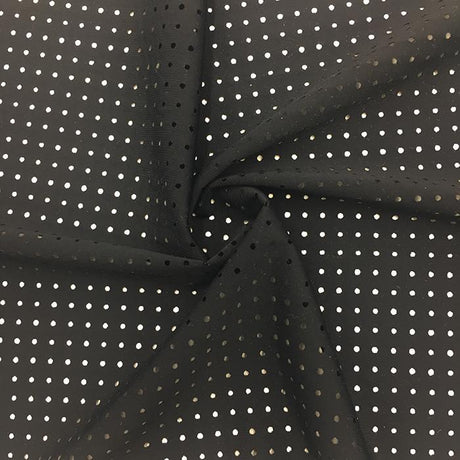
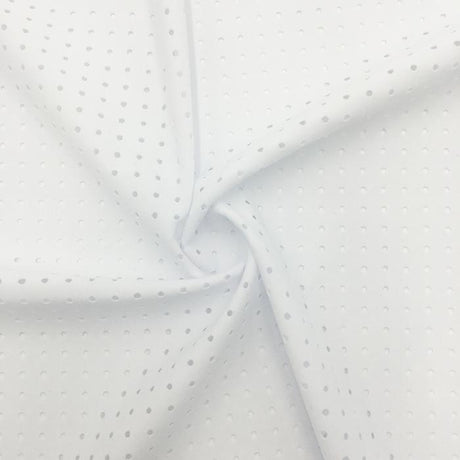
Breathability & Moisture Management: A legging lining must be breathable to release heat and wick moisture to keep skin dry. Mesh or micro-perforated knits allow air flow, while technical yarns like microfibers actively transport sweat away from the body. Good breathability means the lining helps regulate your microclimate, so you stay cool and itch-free. Our activewear fabric guide covers moisture management ratings and breathability across common performance lining constructions.
Seam Compatibility & Sewing Behavior: Consider how the lining will be sewn into your leggings. Warp-knit tricot linings resist runs and lay flat, making them easier to cut and sew without fraying. Look for linings that won't curl excessively at the edges and can handle a zigzag or serger stitch without puckering. Ensure the lining's stretch direction is aligned with the leggings'. Our how to sew stretch fabric guide covers needle selection, stitch settings, and feeding techniques for sewing stretch linings cleanly into leggings.
Types of Lining Fabrics for Leggings
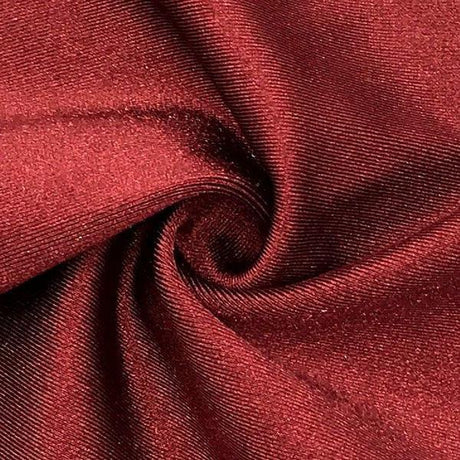
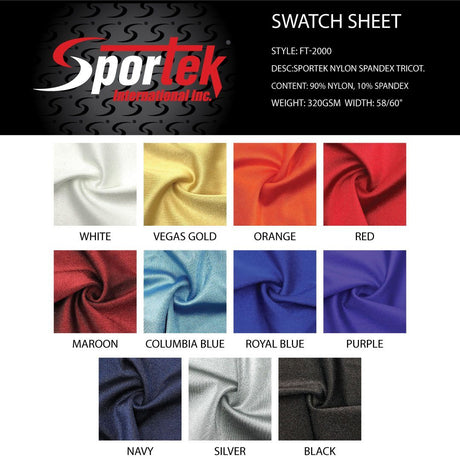
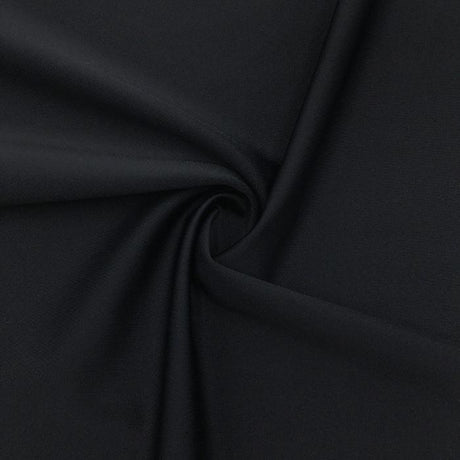
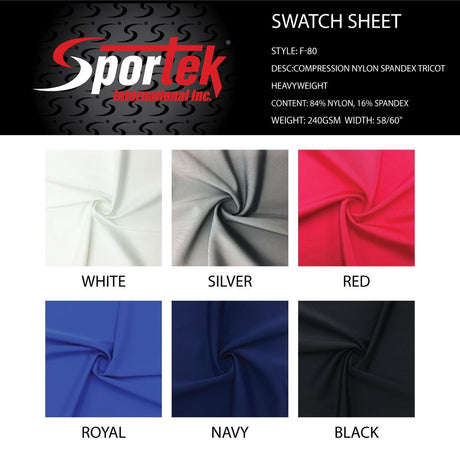
Nylon/Spandex Tricot: A popular choice for legging linings. This is a smooth, 4-way stretch knit (often 80–90% nylon, 10–20% spandex) that's soft against the skin and highly flexible. Nylon tricot linings offer moisture-wicking and strength – they're actually used as swimwear linings due to their comfortable fit and breathability. They work great in leggings, adding a silky, non-itch layer that moves with you. Our nylon-spandex fabric guide covers tricot constructions in detail, including how to identify quality yarn fineness for next-to-skin comfort.
Polyester Spandex Lining (Tricot or Jersey): Polyester-based linings are durable and quick-drying. A poly spandex tricot knit can serve as a lining that resists sweat and dries fast. To combat static, some polyester linings are treated to be anti-static. If you choose a poly lining, look for one labeled "anti-cling" or with moisture management features to reduce static and itch. Our fabric finishes guide covers anti-static treatments and moisture management coatings applied to polyester lining fabrics.
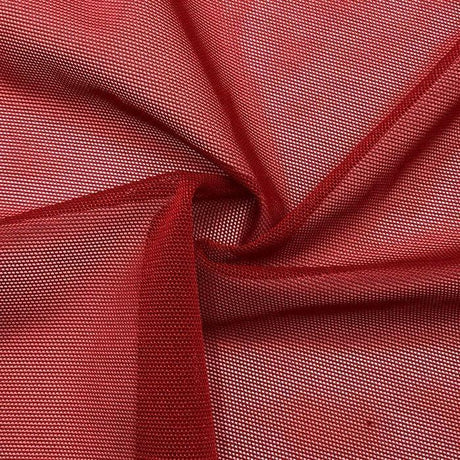
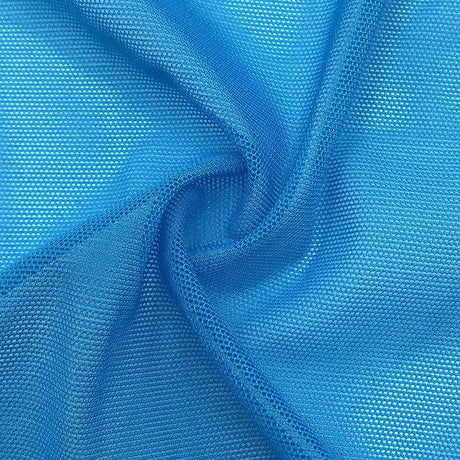
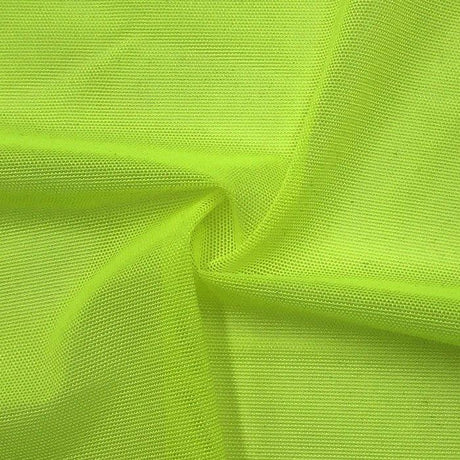
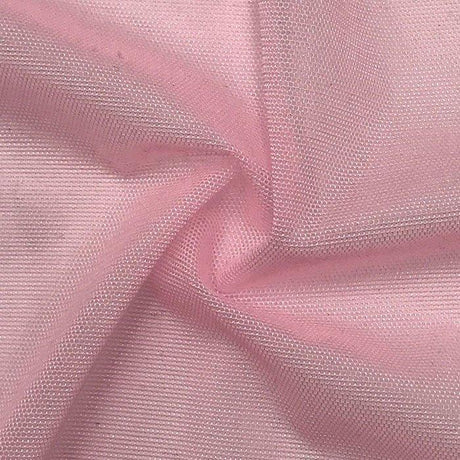
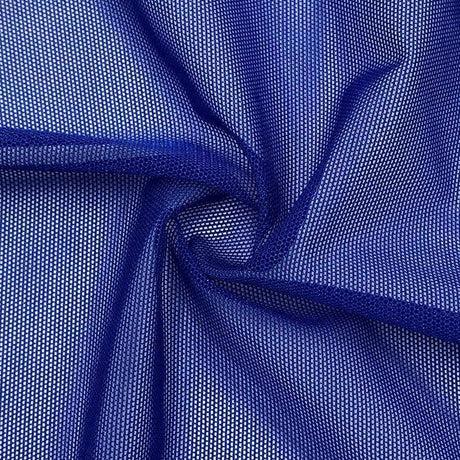
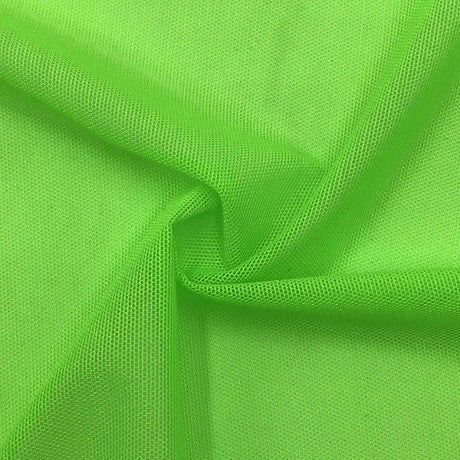
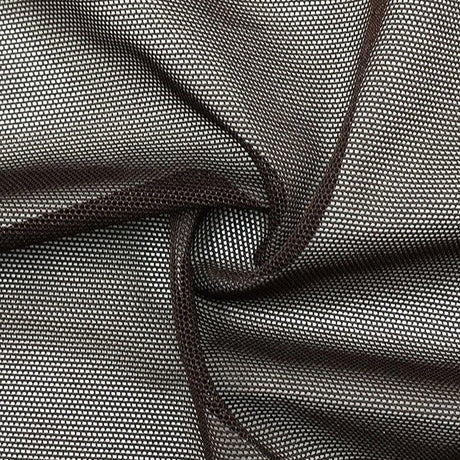
Power Mesh: This is a supportive stretch mesh fabric (usually nylon/spandex) often used as a lining or inner layer in athletic wear. Power mesh has a slightly firm elasticity and excellent recovery, providing gentle compression. It's made with an open knit that is breathable yet adds support and structure. In leggings, power mesh linings are ideal for high-compression areas or plus-size designs – they hug the body, reduce jiggle, and let air circulate. Our stretch fabric types page covers power mesh constructions and how they compare to lighter lining options.
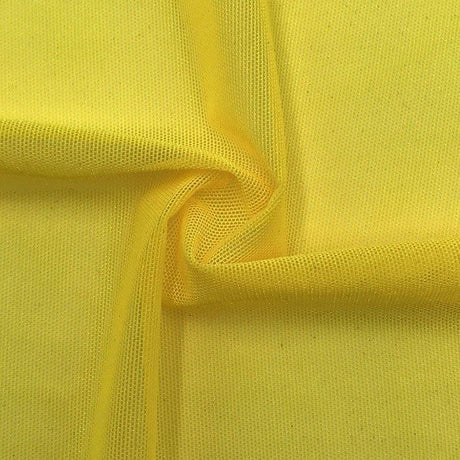
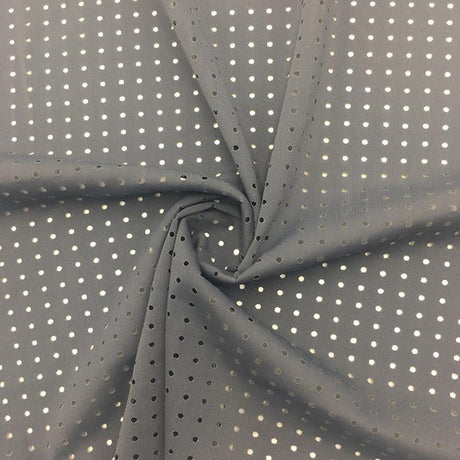
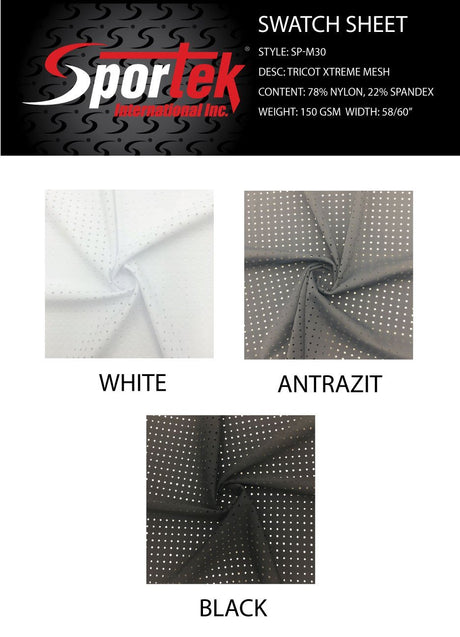
Stretch Mesh: Often referring to lighter-weight mesh fabrics with 4-way stretch. Lightweight stretch mesh linings (e.g., power net or micro mesh around 82–95 GSM) add almost no weight and are extremely breathable. They're perfect for hot-weather leggings or any time you want a "barely there" lining to prevent direct contact between skin and a scratchy outer fabric. Our fabric weight guide helps you identify the right GSM range for lightweight mesh lining applications.
Natural Fiber Blends: For those with sensitive skin or seeking anti-itch lining options, consider linings that incorporate natural fibers like cotton, bamboo, or modal blended with spandex. A cotton-spandex jersey, for example, is very soft, breathable, and hypoallergenic (less likely to irritate skin). Bamboo spandex linings are smooth and cool to the touch with natural antibacterial properties. These options may not wick sweat as aggressively as synthetics, but they excel in next-to-skin comfort. Our cotton-spandex fabric guide covers cotton and bamboo blend constructions and their care requirements when used as lining fabrics.
How to Choose the Right Lining Based on Project Type
High-Intensity Activewear: If you're making workout or yoga leggings, focus on sweat management and support. Choose a lining with strong stretch and recovery (to handle lots of movement) and excellent moisture-wicking. A pair of compression leggings might use a light power mesh lining in the waistband or thigh area for extra hold and sweat control. Make sure the lining's stretch matches the outer fabric's compression level. Our activewear fabric guide covers lining and fabric pairing recommendations for high-intensity performance applications.
Everyday Athleisure: For casual leggings or lounge leggings, comfort is king. You'll want a lining that is ultra-soft and breathable. A lightweight tricot or even a modal/cotton-spandex jersey lining can add a luxurious, itch-free feel. These linings won't provide much compression, but they will ensure the leggings feel gentle on the skin all day. Consider a thin stretch mesh if overheating is a concern. Our cotton-spandex fabric guide covers modal and cotton-spandex lining options suited to everyday athleisure comfort.
Cold-Weather Leggings: When making thermal leggings for winter, you might skip a separate lining by using a brushed or fleece-backed knit (which has a built-in fuzzy lining). However, if you do line winter leggings, consider thermal linings like a thin microfleece or a brushed tricot. These add warmth and insulation. Pairing a thermal outer fabric with a moisture-wicking base lining can keep you warm and dry simultaneously. Our fabric weight guide covers GSM recommendations for thermal lining applications, and our fabric finishes guide explains how brushed and fleece surface treatments affect warmth and stretch behavior.
Specialty Use Cases: For dance or costumes, a nude-colored stretch lining might be used to add coverage under sheer outer fabric. For swim leggings or surf leggings, a swimwear lining (nylon/spandex) would be chosen for chlorine resistance and quick drying. Our swimwear fabric guide covers chlorine-resistant lining options for aquatic applications. Our dancewear fabric guide covers coverage and lining strategies for performance costuming where sheer outer fabrics are common.
Common Mistakes to Avoid When Working With Linings
Using Non-Stretch Lining: A critical error is picking a woven (non-stretch) lining for stretch leggings. This will restrict movement and likely cause seams to pop when the leggings stretch. Always stick to linings with equal or greater stretch than your main fabric. Our stretch fabric types page explains how to verify stretch compatibility between lining and outer fabric before cutting.
Ignoring Moisture Management: Even if itch is your main concern, don't forget sweat. A lining that isn't moisture-wicking will trap perspiration, leading to that damp, clammy feeling and even skin irritation or odor. Avoid polyester satin linings or other non-breathable materials. Our activewear fabric guide covers moisture management ratings that help you identify performance-grade lining options.
Wrong Stitch or Needle: Sewing stretch linings with a straight stitch or the wrong needle can result in runs, popped seams, or holes. Use a stretch (ballpoint) needle and a zigzag or serger stitch that will move with the fabric. Don't stretch the lining excessively while sewing – let the machine feed naturally to prevent waviness in the seams. Our how to sew stretch fabric guide covers needle selection, stitch settings, and feeding techniques for sewing stretch linings cleanly and consistently.
Overlining (Too Many Layers): Piling on layers can reduce breathability and flexibility. Too much lining can make leggings feel stiff or hot. Use one well-chosen lining layer rather than multiple layers, and keep it as lightweight as possible while achieving your goal. Our fabric weight guide helps you identify the minimum GSM needed to achieve coverage or support without excess bulk.
Skipping Pre-Wash: Treat your lining fabric just like your main fabric – pre-wash and dry it before cutting. This prevents any surprise shrinkage or dye bleeding later. A common mistake is not pre-washing, only to have the lining shrink more than the outer fabric and cause puckering after the first wash. Our fabric care guide covers pre-washing protocols for all common lining fabric types, and our spandex care guide addresses elastane-specific care requirements.
When to Use Alternative Fabrics Instead of Lining
Brushed or Fleece-Backed Knits: Some legging fabrics come with a built-in soft underside (e.g., fleece-lined leggings material or double-brushed poly). These fabrics are engineered so that the side touching the skin is already fuzzy and warm, eliminating the need for a separate lining. Our fabric finishes guide covers brushed and fleece surface treatments and how they compare to adding a separate lining layer for anti-itch performance.
Double-Brushed Poly (DBP): DBP is a popular legging fabric that's sueded on both sides (super soft). Leggings made from DBP have a buttery-soft inner surface by default. The advantage is an ultra-comfy feel without adding another layer. The trade-off is that DBP (being polyester) isn't the best at moisture-wicking, so it's great for lounging but less ideal for heavy sweat activities. Our activewear fabric guide covers DBP and other self-lined legging fabrics and when they're a smart alternative to a separate lining.
Seamless or Specialty Knits: Some high-end leggings use seamless knitting technology or specialty stretch fabrics that negate the need for lining. Performance fabrics like Supplex® or certain nylon blends are so soft and cotton-like in feel that the garment can be worn comfortably without a lining – the material itself addresses itch and static. Our nylon-spandex fabric guide covers specialty nylon constructions like Supplex and their built-in comfort and anti-itch properties.
Pros and Cons of Skip-Lining: Choosing not to line means less complexity in construction (one layer only) and often better breathability. Many athletic leggings are unlined for this reason. However, going lining-free puts all the burden on your outer fabric to be soft, opaque, and static-resistant. Sometimes, using a crotch gusset of cotton (for hygiene and comfort) or only lining the front panel is a smart compromise – it adds comfort where needed without full lining. Our how to sew stretch fabric guide covers gusset and partial lining construction techniques for leggings.
Conclusion
Smart Lining = Happy Skin: The right lining fabric can transform leggings that are itchy or static-prone into your favorite go-to pair. By thoughtfully addressing friction, moisture, and static through the lining, you protect your skin and greatly enhance comfort. Static cling can be virtually eliminated by choosing lining materials that dissipate charge or by simply adding that insulating layer.
Technical Performance & Comfort: We've emphasized key technical points – from GSM to stretch percentage – but at the end of the day, trust your touch and trials. A technically sound lining (good stretch, breathability, etc.) should also feel great. The best linings balance performance (stretch, sweat control) with wearer comfort (softness, smooth feel). Always consider the end-use: a marathon runner's leggings lining might prioritize sweat-wicking, whereas fashion leggings might focus on silky comfort.
Test and Iterate: Before committing to a large production or a big sewing project, test your lining and outer fabric together. Layer swatches, sew a small seam, and wear it around if possible. This hands-on testing ensures that the lining truly reduces itch and static as intended and that the fabrics behave well together.
Ready to find the perfect lining for your project? Explore our activewear fabric guide for curated lining recommendations, use our stretch fabric types page and fabric weight guide to compare your options, and visit our how to sew stretch fabric guide for step-by-step construction techniques. Our fabric care guide and spandex care guide will keep your finished leggings performing beautifully wash after wash. Have questions? Our expert help and advice page and FAQ are always available. Sign up for SpandexByYard Rewards to earn points on every purchase – because the right lining makes all the difference.